Get 50% OFF All Premium 3D & STL Models!

“`html
3D printing has revolutionized design and manufacturing, empowering enthusiasts and professionals alike to bring digital creations to life. However, the journey from a digital model to a physical object isn’t always seamless. STL files, the standard for 3D printing, can often contain imperfections that lead to printing failures or subpar results. This is especially true for complex geometries like those found in printable car models. Fortunately, Blender, a powerful and free open-source 3D creation suite, provides a comprehensive toolkit for cleaning up and optimizing STL files before they hit the printer. In this guide, we’ll delve into the techniques and workflows necessary to ensure your STL files are pristine and ready for flawless 3D printing. Whether you’re aiming to print detailed automotive models from platforms like 88cars3d.com or designing your own creations, understanding these principles is crucial for achieving high-quality prints. We’ll cover everything from importing and analyzing STL files to repairing mesh errors, smoothing surfaces, and optimizing file size. Get ready to elevate your 3D printing game with Blender!
The first step in cleaning up an STL file is importing it into Blender and performing a thorough inspection. Blender’s robust interface allows for detailed examination of the mesh, revealing potential problem areas that might not be immediately obvious. It is essential to understand that not all STL files are created equal; some may originate from CAD software, others from 3D scans, and each source can introduce different types of errors.
To import an STL file, navigate to File > Import > STL (.stl). Browse to the location of your file and select it. Blender will import the mesh into the 3D viewport. The import settings are generally fine for default use, but checking the “Split by Object” option can be useful if the STL contains multiple disconnected meshes that you want to manipulate separately. This is relevant for some car models where chassis, wheels, and interiors are provided as separate components. If the imported object seems unusually small or large, check the scene’s unit scale in Blender’s scene properties (typically found in the Properties panel on the right side of the screen).
Blender provides several tools for analyzing the mesh. The most crucial is the Overlays menu in the 3D viewport. Enable the Statistics overlay to see the number of vertices, edges, and faces in the mesh. This gives you an initial idea of the model’s complexity. Then, enable Face Orientation. This overlay highlights faces with inverted normals in red. Inverted normals can cause significant problems during slicing and printing. Finally, using the “Shading” options, switch to “Wireframe” mode (hit “Z” and choose wireframe). This lets you see the underlying mesh structure and identify any non-manifold geometry or other issues. Also, try enabling “Cavity” shading under “Viewport Shading” for a visual way to see details. Selecting the object and entering Edit Mode (Tab key) reveals even more. Look for disconnected vertices (use Select > Select All by Trait > Non Manifold), overlapping faces, or excessively long, thin triangles which are all potential printing issues.
STL files, while widely used, are prone to various errors that can hinder successful 3D printing. Understanding the nature of these errors and how to fix them within Blender is a fundamental skill for any 3D printing enthusiast. Common issues include non-manifold geometry, flipped normals, holes in the mesh, and intersecting faces. Addressing these problems upfront saves time and resources by preventing failed prints.
Non-manifold geometry refers to areas in the mesh where edges connect to more than two faces, or faces share only a single vertex. These situations are physically impossible and cause slicers to struggle. To identify non-manifold geometry, enter Edit Mode (Tab key), then navigate to Select > Select All by Trait > Non Manifold. Blender will highlight the problematic areas. Common fixes involve deleting the offending faces or edges and recreating them properly, using the Fill tool (Alt+F) to create a new face, or using the Bridge Edge Loops tool to connect two open edges. Using the “Limited Dissolve” option in the Mesh > Clean Up menu can also help to simplify the geometry.
Normals are vectors that define the direction a face is pointing. If a normal is flipped (pointing inward instead of outward), the slicer may not recognize the face or may try to print it inside out. As mentioned earlier, enable “Face Orientation” in the Overlays menu. Red faces indicate flipped normals. To correct them, select the affected faces in Edit Mode and press Shift+N or navigate to Mesh > Normals > Flip. Alternatively, use Mesh > Normals > Recalculate Outside to automatically recalculate the normals for the entire mesh. Sometimes, especially after boolean operations, the auto-recalculation might not work perfectly, so manually flipping faces is necessary.
Holes in the mesh will invariably lead to printing problems. These can be introduced during the initial model creation or through file conversion. In Edit Mode, use Select > Select All by Trait > Non Manifold to identify open edges bordering holes. Select the edges surrounding the hole, and then use the Fill tool (Alt+F) to create a new face. For more complex gaps, the Bridge Edge Loops tool (Ctrl+E > Bridge Edge Loops) can be used to connect two opposing edges, creating a series of faces. If the hole is small and irregular, consider using the “Make Planar Faces” tool (Mesh > Clean Up > Make Planar Faces) before filling. Sometimes, increasing the “Merge Distance” under Edit > Preferences > Editing can also help automatically close tiny gaps between vertices.
Remeshing and smoothing are crucial techniques for optimizing STL files for 3D printing, particularly when dealing with complex geometries. Remeshing aims to create a more uniform mesh with consistent face sizes, while smoothing reduces surface imperfections and stair-stepping artifacts. These processes improve print quality, reduce the risk of errors, and can significantly enhance the overall appearance of the finished object. For example, when downloading printable car models from marketplaces such as 88cars3d.com, remeshing and smoothing can improve the printability of highly detailed models.
Blender’s Remesh modifier is a powerful tool for rebuilding the mesh topology. Add the Remesh modifier to your object. The “Voxel Size” option is particularly useful. Reducing the voxel size increases the mesh density but also the computational cost. Experiment with different voxel sizes to find a balance between detail and performance. After applying the Remesh modifier, the mesh will likely need some additional smoothing. Also, consider using the “QuadriFlow” option if available for more structured remeshing when appropriate.
The Subdivision Surface modifier is a workhorse for smoothing surfaces. Add the Subdivision Surface modifier to your object. Increase the “Levels Viewport” and “Levels Render” values to increase the smoothness. Be careful not to over-subdivide, as this can create an excessively dense mesh that is difficult to handle and may not offer significant improvements in print quality. After applying the Subdivision Surface modifier, the number of vertices increases drastically. You might need to use the Decimate modifier (see below) to reduce the complexity before printing.
For targeted smoothing, Blender’s sculpting tools offer precise control. Switch to Sculpt Mode. Select the Smooth brush (Shift key while using other brushes often temporarily activates the smooth function). Adjust the brush size and strength and gently brush over areas that need smoothing. This is especially useful for removing small imperfections or stair-stepping artifacts. The “Simplify” brush in sculpt mode can also be used, though with caution, as it can alter the original model’s shape if used aggressively.
Large and complex STL files can strain your 3D printer and slicing software, leading to longer processing times and potential performance issues. Optimizing file size and complexity is therefore essential for efficient and reliable 3D printing. Techniques such as mesh decimation, detail reduction, and splitting large models into smaller parts can significantly improve performance without sacrificing essential detail.
The Decimate modifier is your primary tool for reducing the number of faces in your mesh. Add the Decimate modifier to your object. The “Ratio” option allows you to reduce the face count by a percentage. For example, a ratio of 0.5 will reduce the face count by 50%. The “Collapse” option is similar but tries to preserve the overall shape better. The “Planar” option is useful for simplifying flat surfaces without significantly affecting curved areas. Experiment with different options and ratios to find the optimal balance between detail and file size. Apply the modifier once you’re satisfied with the results.
Beyond the Decimate modifier, consider manually removing unnecessary details that won’t be visible in the final print. This might involve deleting small, intricate features or simplifying complex surface textures. Also, if your model has internal components that aren’t visible from the outside, consider removing them entirely to reduce the mesh complexity.
For very large or complex models, splitting them into smaller, more manageable parts can improve slicing performance and print reliability. In Edit Mode, use the knife tool (K key) to cut the model into separate sections. Ensure that each section is a closed, manifold mesh. Consider adding connecting features (e.g., pegs and holes) to aid in assembly after printing. This is a common practice for large-scale automotive models.
Once the STL file has been cleaned up and optimized, the final step is preparing it for slicing and printing. This involves verifying the model’s dimensions, setting the correct orientation, and adding any necessary support structures. Careful preparation at this stage can significantly improve the print quality and reduce the risk of failures. Furthermore, ensure your 3D printer is properly calibrated and maintained for optimal performance.
Before exporting the STL file, double-check the model’s dimensions to ensure they match your intended scale. Blender’s measuring tools (found in the toolbar) can be used to verify lengths, widths, and heights. If the model is not the correct size, scale it appropriately using the scale tool (S key). For example, if you’re printing a miniature car model from 88cars3d.com, ensure it matches the intended scale relative to other models in your collection. Units are critical; make sure you are working in millimeters if that’s what your slicer expects.
The orientation of the model on the print bed can significantly impact print quality, support structure requirements, and overall print time. Consider factors such as overhangs, surface finish, and structural integrity when determining the optimal orientation. Minimize the number of overhangs to reduce the need for support structures. Orient the model to expose the most important surfaces to the printer’s nozzle directly. For car models, consider printing the body upside down to minimize support marks on the visible surfaces.
Support structures are necessary to support overhangs and prevent the model from collapsing during printing. Blender itself does not directly generate supports for 3D printing; this is typically handled by the slicer software (e.g., Cura, PrusaSlicer). However, understanding how supports work is important for orienting your model effectively. When you slice the STL file, use the slicer’s support settings to generate appropriate support structures. Experiment with different support patterns, densities, and overhang angles to find the optimal settings for your model. Consider using tree supports for complex geometries as they often use less material and are easier to remove. Finally, remember to set the support Z distance and support X/Y distance properly. When using the Cura slicer, the “Support Placement” setting offers the option of “Touching Buildplate” which generates supports only from the build plate up to the model. This helps preserve fine details and reduces support material usage.
Choosing the right 3D printing material and configuring the appropriate printer settings are crucial for achieving high-quality results, especially when printing intricate car models. Different materials offer varying levels of strength, flexibility, and surface finish, while printer settings such as layer height, infill density, and printing speed can significantly impact the final outcome. Consider the intended use of the model (e.g., display, functional prototype) when selecting the material.
FDM (Fused Deposition Modeling) printing, using materials like PLA, PETG, or ABS, is a popular choice for its affordability and ease of use. PLA is a good general-purpose material, while PETG offers improved strength and heat resistance. ABS provides even greater strength and durability, but it requires a heated bed and proper ventilation due to its fumes.
Resin printing, on the other hand, offers exceptional detail and surface finish, making it ideal for complex car models with intricate features. However, resin printing is generally more expensive and requires post-processing steps such as washing and curing. When printing car models, especially for display purposes, resin often delivers the best aesthetic results due to its superior resolution.
The choice between FDM and resin depends on your specific requirements and budget. For large-scale models or functional prototypes, FDM is often the more practical choice. For highly detailed display models, resin printing is generally preferred.
Consider your specific needs when making the choice. If you’re focusing on durability and cost-effectiveness, FDM is a solid choice. But if you want to showcase intricate details and achieve a flawless surface finish, resin printing is the way to go.
Printer settings play a vital role in determining the print quality and success rate. For FDM printing, start with a layer height of 0.1-0.2 mm for a good balance between detail and print time. Reduce the layer height for finer details but be aware that it will increase the print time proportionally. Infill density affects the strength and weight of the model. A density of 15-20% is generally sufficient for most car models. Increase the density for parts that need to be particularly strong.
Printing speed also affects the print quality. Slower speeds generally produce better results, but they also increase the print time. Experiment with different speeds to find the optimal balance for your printer and material. Retraction settings are crucial for preventing stringing. Optimize the retraction distance and speed for your specific filament.
For resin printing, layer height is even more critical. A layer height of 0.025-0.05 mm is typical for achieving high levels of detail. Exposure time is also crucial. Refer to the resin manufacturer’s recommendations and adjust the exposure time as needed to ensure proper curing.
3D printing is not always a perfect process, and failures can occur. Common issues include bed adhesion problems, warping, stringing, and layer shifting. Bed adhesion can be improved by using a heated bed, applying an adhesive (e.g., glue stick, hairspray), or leveling the bed properly. Warping is often caused by uneven cooling. Enclosing the printer or using a heated bed can help to prevent warping. Stringing is caused by excessive filament oozing. Optimize the retraction settings and reduce the printing temperature. Layer shifting is often caused by loose belts or motors. Tighten the belts and ensure that the motors are properly secured.
Post-processing is often a crucial step in achieving the desired finish and functionality for 3D printed car models. Techniques such as support removal, sanding, filling, and painting can significantly enhance the appearance and durability of the finished product. The specific post-processing steps will depend on the printing material and the desired outcome.
Carefully remove support structures using pliers, cutters, or a sharp knife. Take your time and avoid damaging the model’s surface. For resin prints, consider using warm water to soften the supports and make them easier to remove. Sanding the support contact points smooth is usually necessary.
Sanding is used to smooth the surface of the model and remove layer lines. Start with coarse sandpaper (e.g., 220 grit) and gradually move to finer grits (e.g., 400, 600, 800 grit). For larger imperfections, use a filler such as Bondo or spot putty to fill the gaps. Sand the filler smooth after it has dried. Wet sanding can help to minimize dust and achieve a smoother finish.
Painting can significantly enhance the appearance of the model. Start with a primer to prepare the surface for painting. Apply several thin coats of paint, allowing each coat to dry completely before applying the next. Use masking tape to create clean lines and prevent overspray. Consider using an airbrush for a more even and professional finish. Apply a clear coat to protect the paint and add gloss or matte finish.
By mastering these post-processing techniques, you can transform your 3D printed car models into truly stunning and professional-looking creations. Remember that patience and attention to detail are key to achieving the best results. The platforms like 88cars3d.com offer a variety of car models in STL format. With proper cleanup, printing, and post-processing, you can create impressive replicas.
Cleaning up STL files in Blender is a vital skill for anyone involved in 3D printing. By mastering the techniques outlined in this guide, you can significantly improve the quality and reliability of your prints, especially when dealing with complex geometries like those found in printable car models. From importing and inspecting files to repairing mesh errors, remeshing surfaces, optimizing file size, preparing for slicing, choosing the right material and post-processing, each step plays a crucial role in achieving optimal results. Remember to experiment with different settings and techniques to find what works best for your printer, material, and specific model. As you gain experience, you’ll develop a keen eye for identifying potential problems and implementing effective solutions. Now, armed with this knowledge, go forth and create amazing 3D printed car models that you can be proud of!
“`
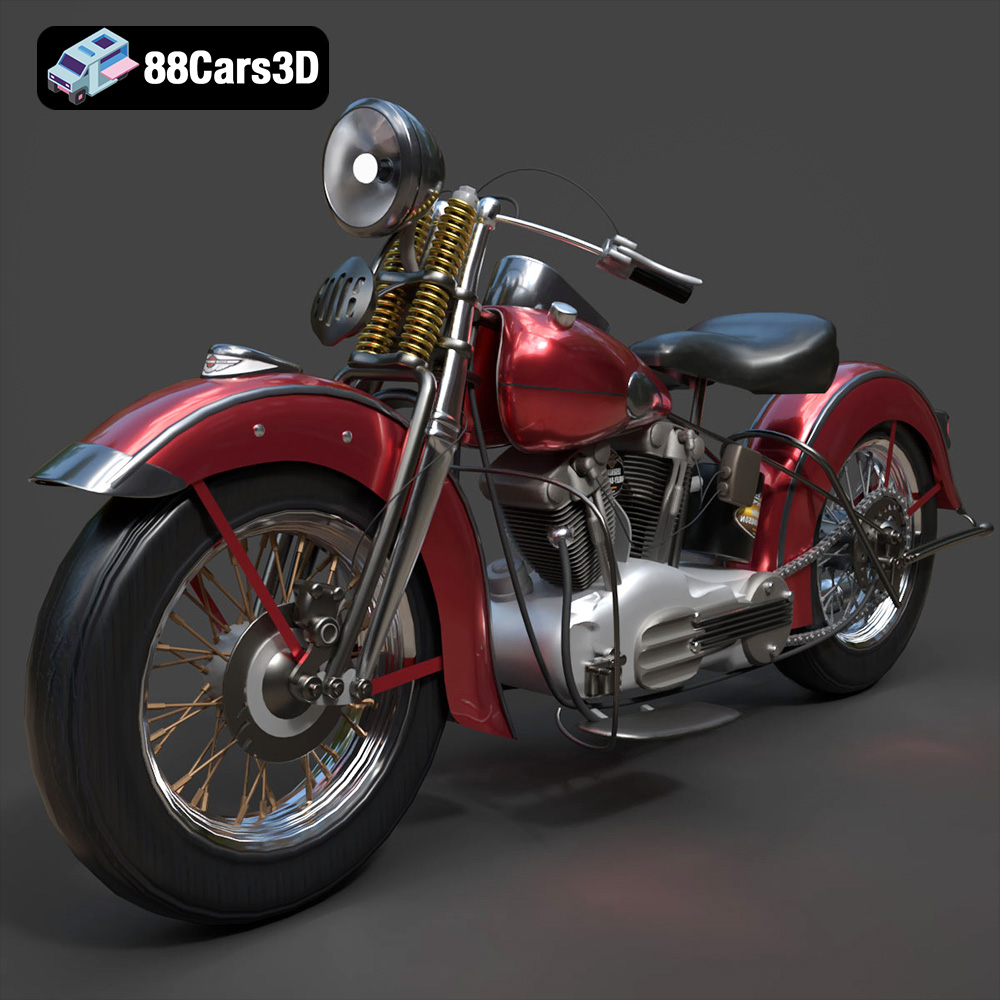
Texture: Yes
Material: Yes
Download the Harley Davidson F 1946 3D Model featuring clean geometry, realistic detailing, and a fully modeled interior. Includes .blend, .fbx, .obj, .glb, .stl, .ply, .unreal, and .max formats for rendering, simulation, and game development.
Price: $19.99
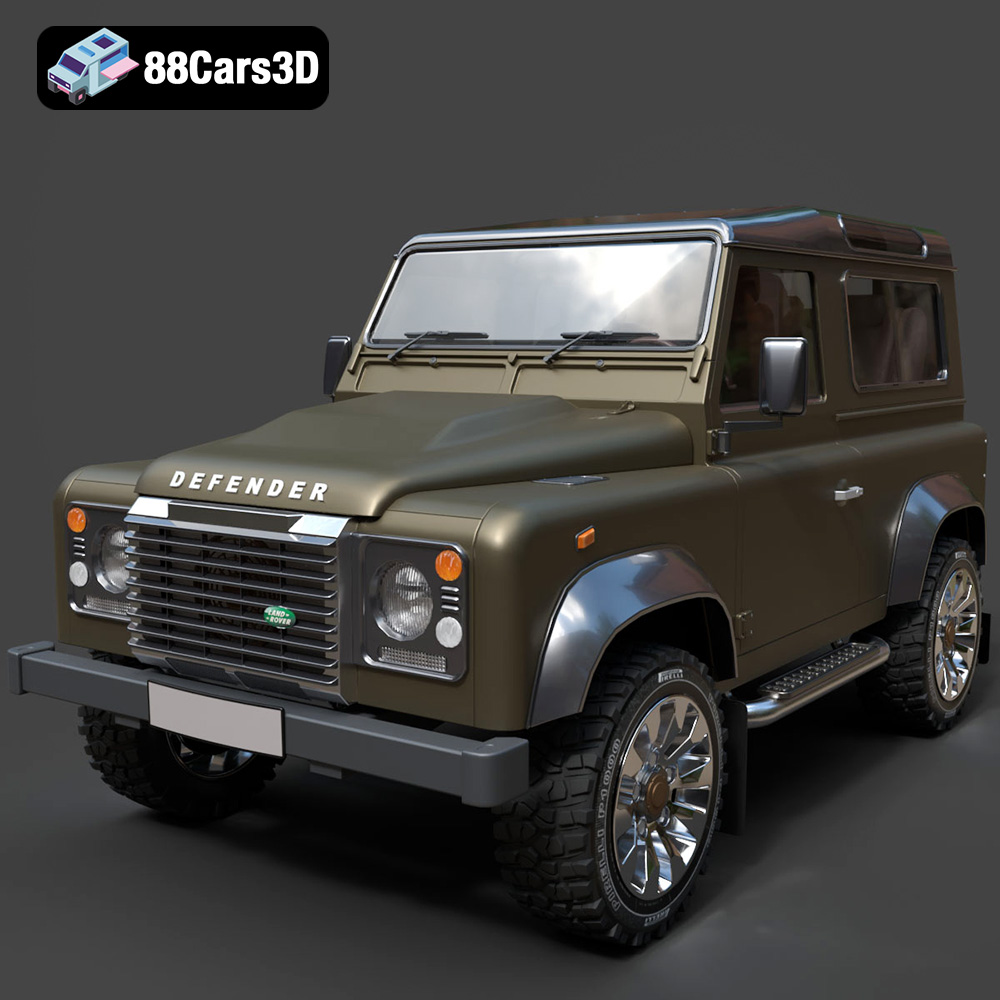
Texture: Yes
Material: Yes
Download the Land Rover Defender Works V8 3D Model featuring clean geometry, realistic detailing, and a fully modeled interior. Includes .blend, .fbx, .obj, .glb, .stl, .ply, .unreal, and .max formats for rendering, simulation, and game development.
Price: $19.99
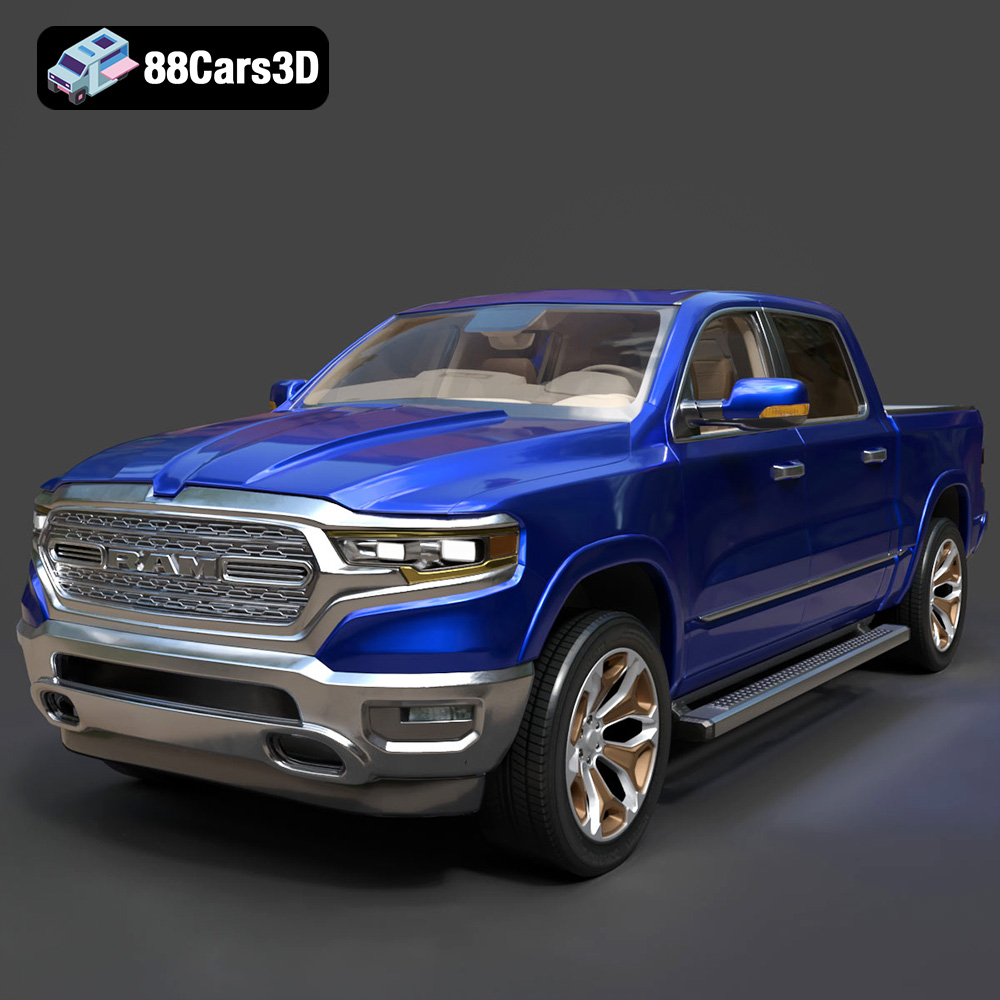
Texture: Yes
Material: Yes
Download the Dodge RAM 2019 3D Model featuring clean geometry, realistic detailing, and a fully modeled interior. Includes .blend, .fbx, .obj, .glb, .stl, .ply, .unreal, and .max formats for rendering, simulation, and game development.
Price: $19.99
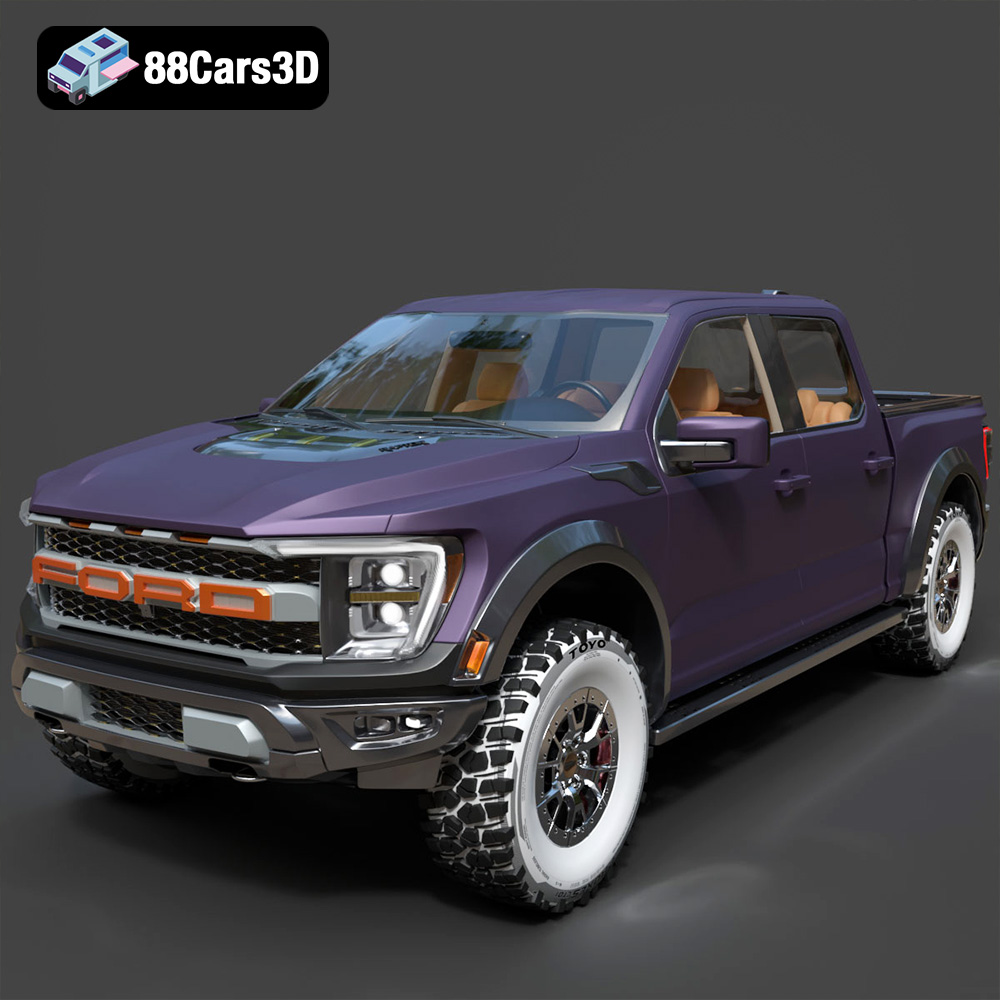
Texture: Yes | Material: Yes Download the ultra-high-detail Ford F-150 Raptor 2021 3D Model (8.73M Triangles). Features uncompromised widebody styling, fully modeled Fox Live Valve suspension, 37-inch tires, and interior. Perfect for premium VFX, cinematic rendering, and ArchViz. Includes .blend, .fbx, .obj, .glb, .stl, and .max formats.
Price: $29.99

Texture: Yes | Material: Yes Download the ultra-high-detail BMW 3 Series Limousine (2022) 3D Model (4.16M Triangles). Features the modernized G20 LCI exterior, the all-new BMW Curved Display interior, and ultra-dense topology. Perfect for ArchViz, VFX, and cinematic rendering. Includes .blend, .fbx, .obj, .glb, .stl, and .max formats.
Price: $19.99
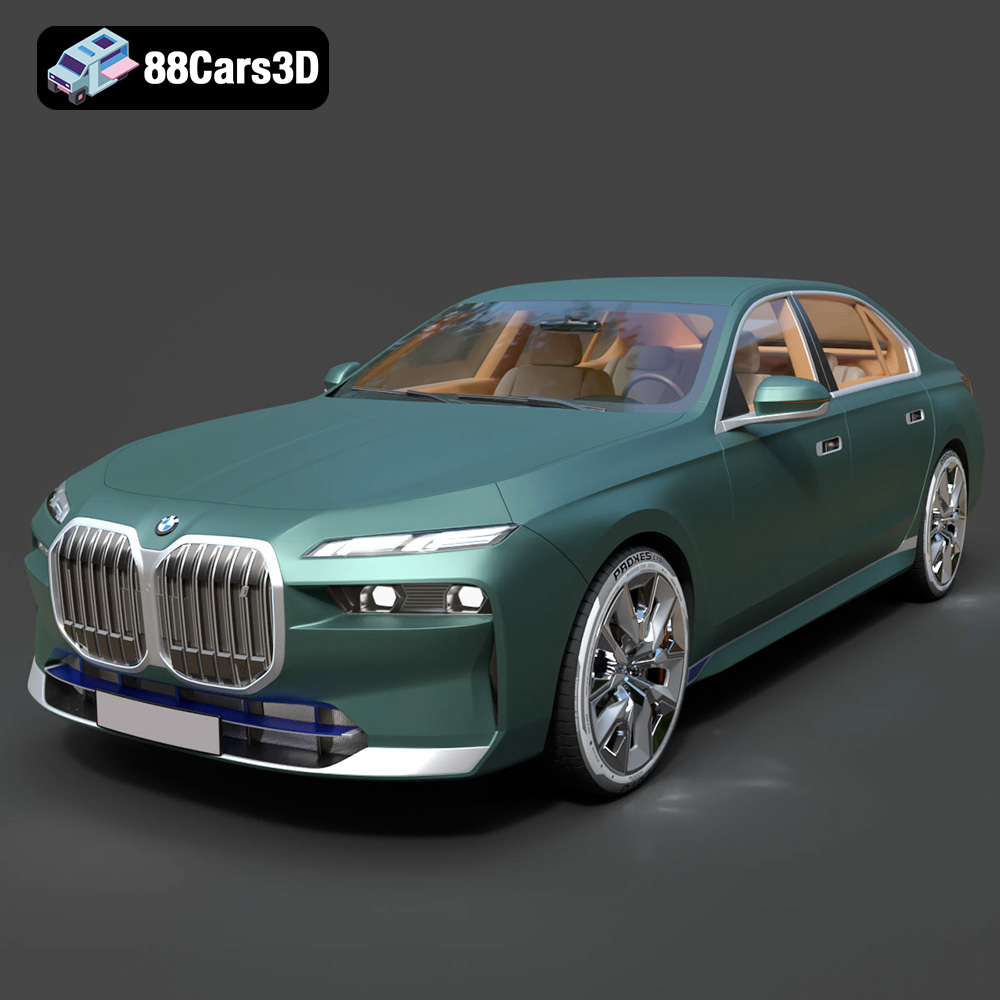
Texture: Yes | Material: Yes Download the ultra-high-detail BMW i7 (2023) 3D Model (4.14M Triangles). Features the illuminated kidney grille, split crystal headlights, fully modeled Theatre Screen interior, and monolithic luxury styling. Perfect for ArchViz, VFX, and cinematic rendering. Includes .blend, .fbx, .obj, .glb, .stl, and .max formats.
Price: $19.99
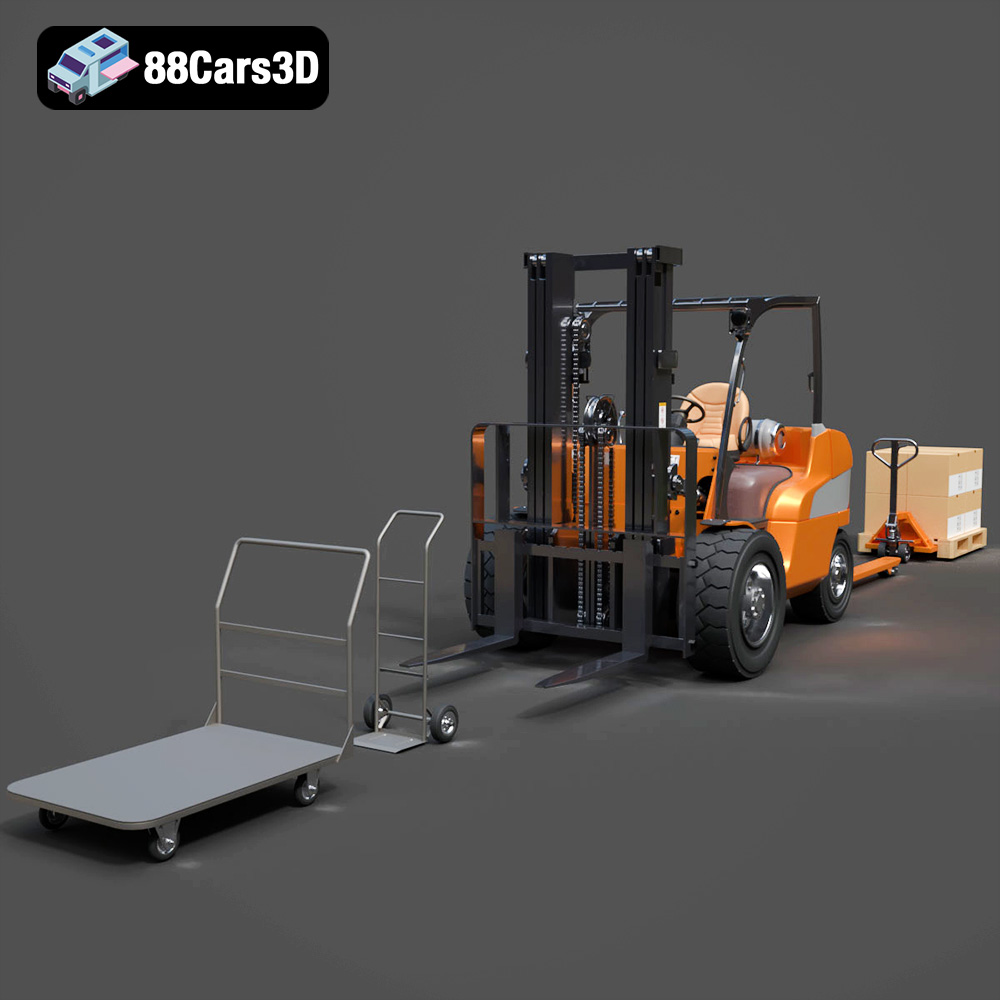
Texture: Yes | Material: Yes Download the highly detailed CAT Manual Loader & Warehouse Carts Kit 3D Model (2.4M Triangles). Features a macro-detailed hydraulic pallet jack, heavy-duty forks, and transport carts. Perfect for industrial ArchViz, factory rendering, and logistics simulations. Includes .blend, .fbx, .obj, .glb, .stl, and .max formats.
Price: $19.99

Texture: Yes | Material: Yes
Download the highly optimized Mazda CX-5 2014 3D Model (294k Triangles). Features the dynamic Kodo design language, signature grille, and a clean interior. Perfectly balanced for ArchViz, background traffic, and game development. Includes .blend, .fbx, .obj, .glb, .stl, and .max formats.
Price: $19.99
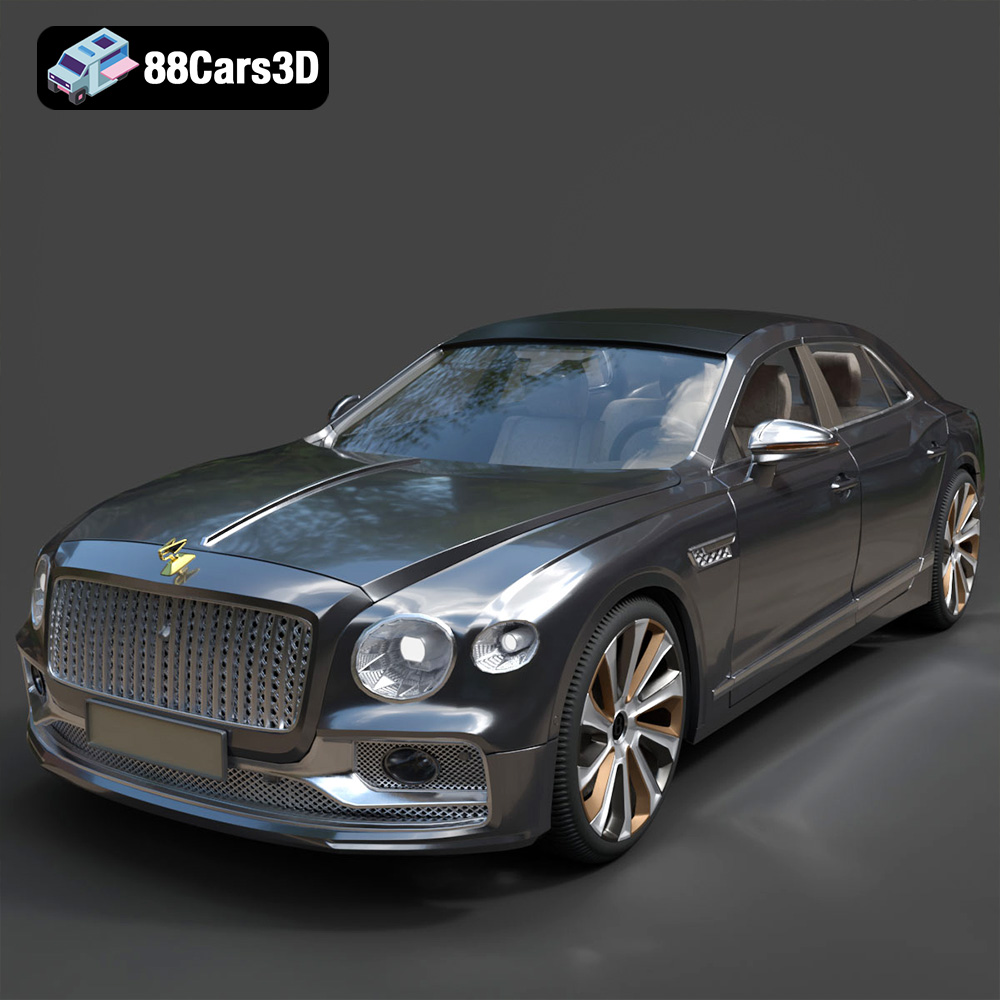
Texture: Yes | Material: Yes Download the ultra-high-detail Bentley Flying Spur Mulliner 2022 3D Model (2.94M Triangles). Features the bespoke Double Diamond grille, a fully modeled diamond-quilted interior, and exquisite luxury styling. Perfect for high-end ArchViz, VFX, and cinematic rendering. Includes .blend, .fbx, .obj, .glb, .stl, and .max formats.
Price: $19.90

Texture: Yes | Material: Yes | 3D Printable: Yes. Download the Ultimate Creators’ Showcase featuring 5 premium 3D models: Lamborghini Huracan, ZAV Concept Motorcycle, Sukhoi SU-26, Presidential Limousine, and Daewoo Damas. Optimized for 4K CGI rendering and 3D printing. Save massive with this exclusive multi-category bundle!
Price: $99.99

