Get 50% OFF All Premium 3D & STL Models!

“`html
The world of 3D printing offers incredible opportunities for creating intricate and detailed models, especially in the realm of automotive design. Platforms like 88cars3d.com provide a vast library of printable car models in STL format, ready to be brought to life. However, sometimes these files, or files you’ve created yourself, might contain errors that can lead to print failures. These errors often manifest as non-manifold geometry, holes, or flipped normals within the STL mesh. Fear not! This comprehensive guide will equip you with the knowledge and tools to diagnose and repair these broken STL meshes using two industry-standard software packages: Meshmixer and Netfabb. We’ll explore common issues, step-by-step repair workflows, and best practices to ensure your 3D prints are flawless, turning digital designs into tangible masterpieces.
Before diving into the specifics of repair, it’s crucial to understand why mesh integrity is so important for successful 3D printing. Slicers, the software that translates your 3D model into instructions for the printer, rely on the model being a closed, watertight volume. Errors in the STL file can confuse the slicer, leading to incorrect toolpaths, missing features, or even a complete inability to generate a printable file. A broken mesh can result in wasted filament, time, and frustration. Therefore, spending the time to repair STL files is an essential step in the 3D printing workflow, especially when dealing with complex models like those often found in automotive designs.
At its core, an STL file represents a 3D object as a collection of triangles. Each triangle is defined by three vertices (points in 3D space) and a normal vector (indicating the triangle’s orientation). The simplicity of this format makes it widely compatible, but it also makes it susceptible to errors if the data is not structured correctly. Understanding the common types of errors that can occur is the first step in effective mesh repair.
Non-manifold geometry is a common culprit behind printing issues. It refers to situations where edges are shared by more than two triangles, or where triangles intersect each other. Imagine a piece of paper folded in such a way that an edge is connected to three surfaces – that’s non-manifold. This breaks the slicer’s assumption that the model is a closed volume. In automotive models, this often occurs in areas with intricate details like grilles, lights, or complex body panels.
Holes and gaps represent missing triangles in the mesh, creating openings in the surface. These can range from tiny pinholes to large, noticeable gaps. Holes are problematic because they prevent the slicer from correctly interpreting the model’s interior and exterior. This is particularly critical for hollow parts or models that require watertight printing. When downloading models from marketplaces such as 88cars3d.com, it’s uncommon to find large holes, but smaller imperfections might still exist and need addressing. These can even result from issues encountered during the creation of the STL from the source CAD files.
Normals are vectors that define the direction a triangle is facing. If a normal is flipped, it means the triangle is facing inwards instead of outwards. This can confuse the slicer, causing it to interpret the inside of the model as the outside and vice versa. Flipped normals often lead to missing sections in the printed model or incorrect layering. Imagine painting a car model – if some panels are primed, but you paint the backside, the finish will be incorrect. Flipped normals are similar, causing incorrect material deposition during 3D printing.
Meshmixer is a free and powerful tool from Autodesk that’s specifically designed for mesh editing and repair. Its intuitive interface and robust set of tools make it an excellent choice for both beginners and experienced 3D printing enthusiasts. Here’s a detailed walkthrough of how to repair broken STL files using Meshmixer.
The first step is to import the STL file into Meshmixer. Go to “File” -> “Import” and select your file. Once the model is loaded, it’s crucial to analyze it for errors. Meshmixer has a built-in “Inspector” tool that automatically detects and highlights common mesh problems.
Sometimes, the automatic repair function isn’t enough. In these cases, you’ll need to use Meshmixer’s manual repair tools. This might be necessary for complex errors or when you want more control over the repair process. These manual adjustments can be helpful when repairing complex car model features.
After repairing the major errors, it’s good practice to clean and smooth the mesh. This will improve the overall print quality and reduce the risk of further issues. Meshmixer offers several tools for this purpose. Smoothing the car model’s surface can greatly improve the finished product and the appearance of the paint job.
Netfabb is a professional-grade software package designed for additive manufacturing workflows. While it comes with a cost, it offers a comprehensive set of tools for mesh repair, optimization, and analysis. Netfabb’s advanced algorithms and precision make it a preferred choice for engineers and professionals who require high-quality 3D prints.
Netfabb’s user interface is a bit more complex than Meshmixer’s, but its powerful features make it worth the learning curve. The initial steps of importing and diagnosing issues are similar, but Netfabb offers more detailed analysis tools.
Netfabb provides both automated and manual repair options. The automated repair often handles most common errors effectively, but manual intervention is sometimes necessary for more complex issues.
After repairing the mesh, Netfabb provides tools to optimize and refine it for 3D printing. This includes reducing the number of triangles, smoothing the surface, and ensuring consistent wall thickness.
Once you’ve repaired your STL file using Meshmixer or Netfabb, the next crucial step is to optimize your slicing parameters for the specific 3D printer and material you’re using. Proper slicing ensures that the repaired mesh translates into a high-quality, accurate print. Failing to adjust the settings can ruin your efforts in repairing the mesh. This is particularly true when printing car models, which often have fine details and complex geometries.
Layer height directly affects the print resolution and the overall smoothness of the final product. Lower layer heights result in smoother surfaces and finer details, but they also increase print time. For car models, especially those with curved surfaces and intricate features, a lower layer height is generally recommended.
Infill density determines the amount of material used inside the model. Higher infill densities provide greater strength and rigidity, but also increase print time and material consumption. The infill pattern also affects the model’s strength and weight. Platforms like 88cars3d.com offer models designed with optimized wall thicknesses, which can impact the need for substantial infill.
Support structures are essential for printing overhanging features and complex geometries. However, they can also be challenging to remove and can leave blemishes on the printed surface. Careful placement and optimization of support structures are crucial for achieving a clean and accurate print.
The choice of material and proper printer calibration are critical factors influencing the success of your 3D printing project. Even the most meticulously repaired STL file can produce unsatisfactory results if printed with the wrong material or on a poorly calibrated printer. This is especially true when aiming for the level of detail and accuracy required for scale model cars.
Different materials offer different properties in terms of strength, flexibility, heat resistance, and surface finish. Selecting the right material for your 3D printed car model depends on the intended use and desired aesthetic.
A properly calibrated and maintained 3D printer is essential for achieving accurate and reliable prints. Regular calibration ensures that the printer is extruding the correct amount of material and that the build platform is level. These steps help to avoid print failures and ensure the highest quality possible.
Even with a perfectly repaired mesh and optimized slicing parameters, post-processing is often necessary to achieve a professional-looking finish on your 3D printed car model. Post-processing techniques can remove support marks, smooth out surfaces, and add color and detail to bring your model to life. These finishing touches can transform a basic 3D print into a stunning replica.
Removing support structures cleanly and sanding the surface smooth are essential first steps in post-processing. Careful removal of supports minimizes damage to the printed model, and sanding creates a smooth canvas for painting and detailing.
Priming and painting are crucial for adding color, depth, and realism to your 3D printed car model. A good primer provides a smooth and uniform surface for the paint to adhere to, while careful painting techniques can create a professional-looking finish.
Adding fine details and assembling the various parts of your car model can bring it to life. Use small brushes, decals, and other detailing materials to add realistic features such as lights, badges, and interior components. Automotive model kits can be very helpful in finding detailing parts.
Repairing broken STL meshes is an essential skill for any 3D printing enthusiast, particularly when working with intricate designs like printable car models. By understanding the common types of mesh errors, mastering the repair tools in Meshmixer or Netfabb, and optimizing your slicing parameters, you can consistently produce high-quality, accurate prints. Don’t underestimate the importance of material selection, printer calibration, and post-processing techniques in achieving a professional finish. Platforms like 88cars3d.com offer print-ready STL files, but even these may sometimes benefit from a quick check and repair. Start by downloading Meshmixer or Netfabb and practicing with some sample STL files. Experiment with different repair techniques and slicing parameters to find what works best for your printer and material. With a little practice and patience, you’ll be able to overcome any mesh-related challenges and bring your 3D printing projects to life with stunning results. Now, go forth and conquer those broken meshes, and unleash your creativity with flawlessly printed car models!
“`
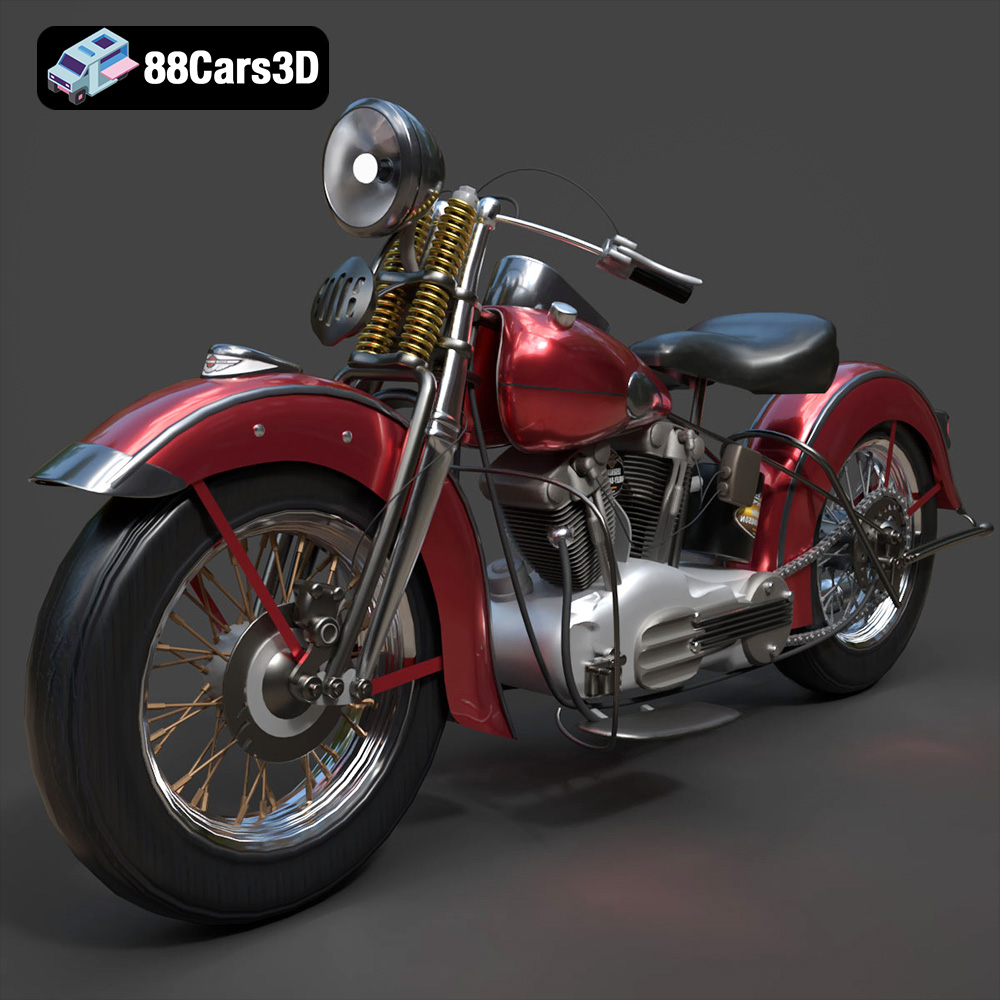
Texture: Yes
Material: Yes
Download the Harley Davidson F 1946 3D Model featuring clean geometry, realistic detailing, and a fully modeled interior. Includes .blend, .fbx, .obj, .glb, .stl, .ply, .unreal, and .max formats for rendering, simulation, and game development.
Price: $19.99
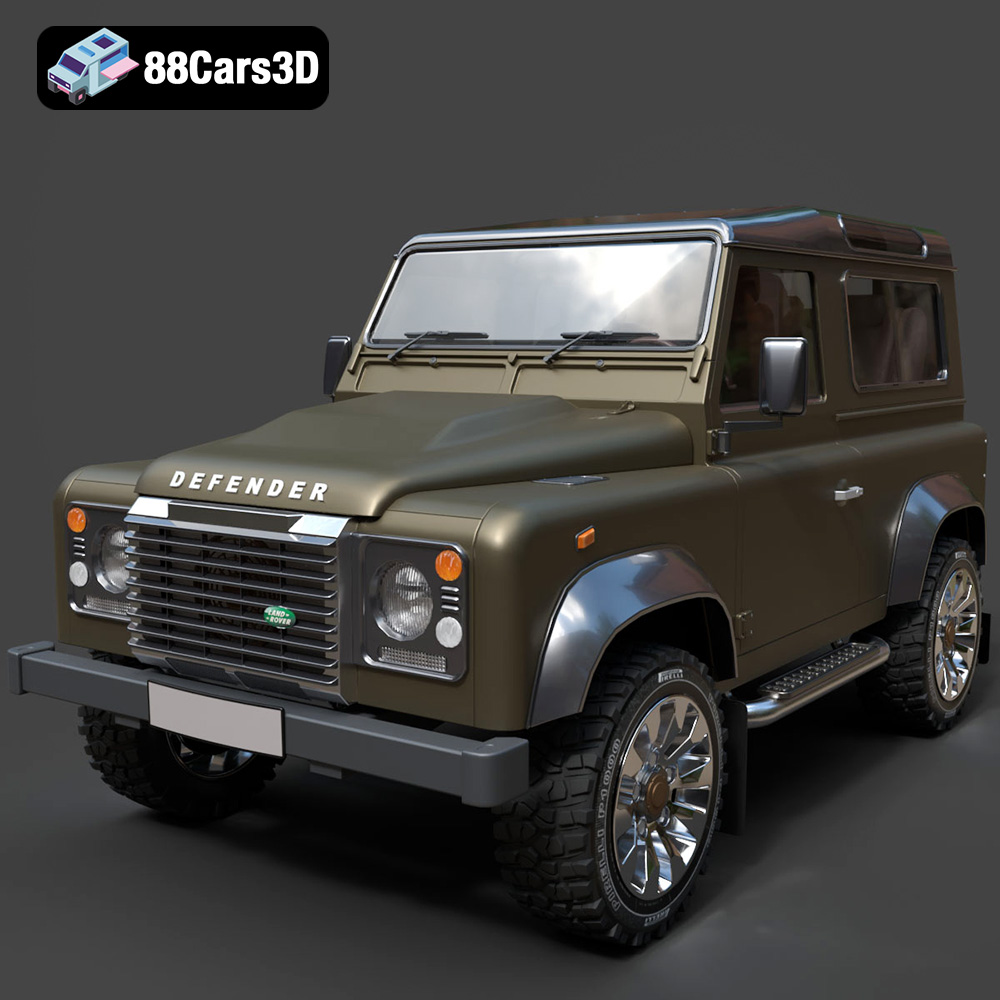
Texture: Yes
Material: Yes
Download the Land Rover Defender Works V8 3D Model featuring clean geometry, realistic detailing, and a fully modeled interior. Includes .blend, .fbx, .obj, .glb, .stl, .ply, .unreal, and .max formats for rendering, simulation, and game development.
Price: $19.99
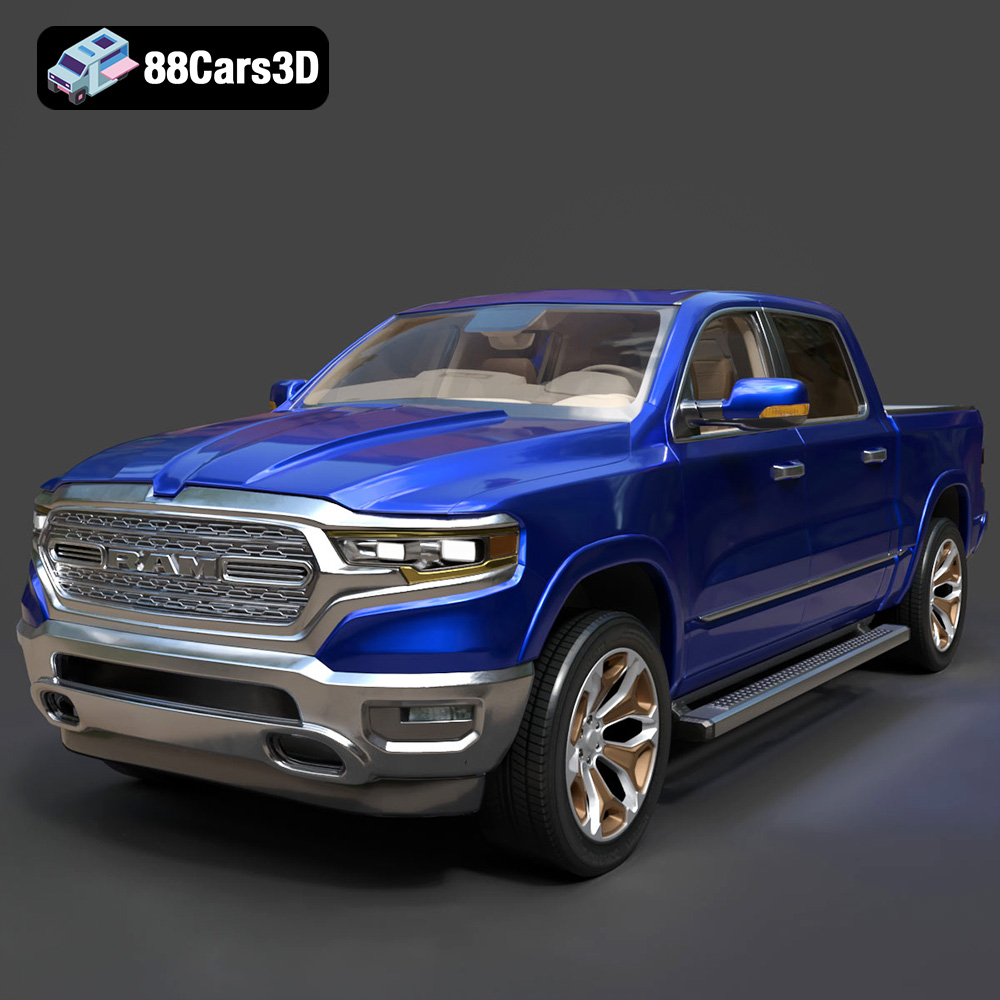
Texture: Yes
Material: Yes
Download the Dodge RAM 2019 3D Model featuring clean geometry, realistic detailing, and a fully modeled interior. Includes .blend, .fbx, .obj, .glb, .stl, .ply, .unreal, and .max formats for rendering, simulation, and game development.
Price: $19.99
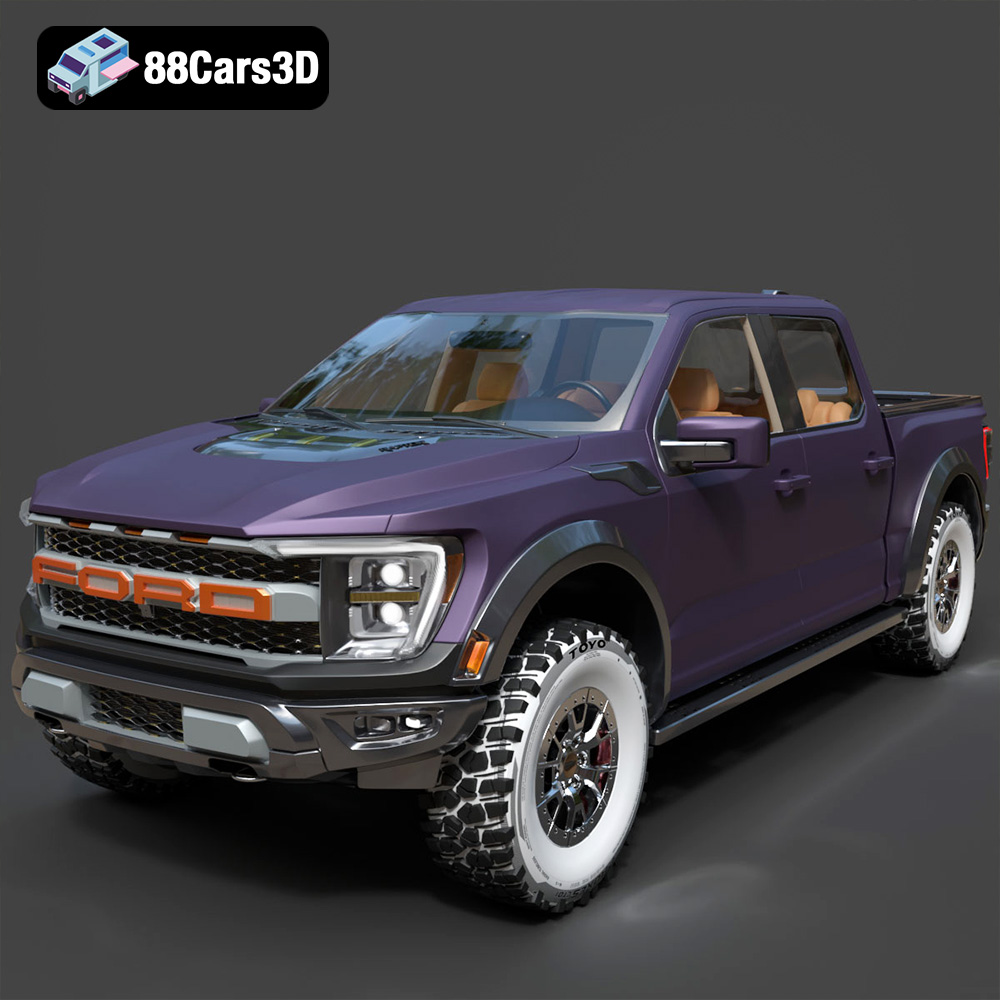
Texture: Yes | Material: Yes Download the ultra-high-detail Ford F-150 Raptor 2021 3D Model (8.73M Triangles). Features uncompromised widebody styling, fully modeled Fox Live Valve suspension, 37-inch tires, and interior. Perfect for premium VFX, cinematic rendering, and ArchViz. Includes .blend, .fbx, .obj, .glb, .stl, and .max formats.
Price: $29.99

Texture: Yes | Material: Yes Download the ultra-high-detail BMW 3 Series Limousine (2022) 3D Model (4.16M Triangles). Features the modernized G20 LCI exterior, the all-new BMW Curved Display interior, and ultra-dense topology. Perfect for ArchViz, VFX, and cinematic rendering. Includes .blend, .fbx, .obj, .glb, .stl, and .max formats.
Price: $19.99
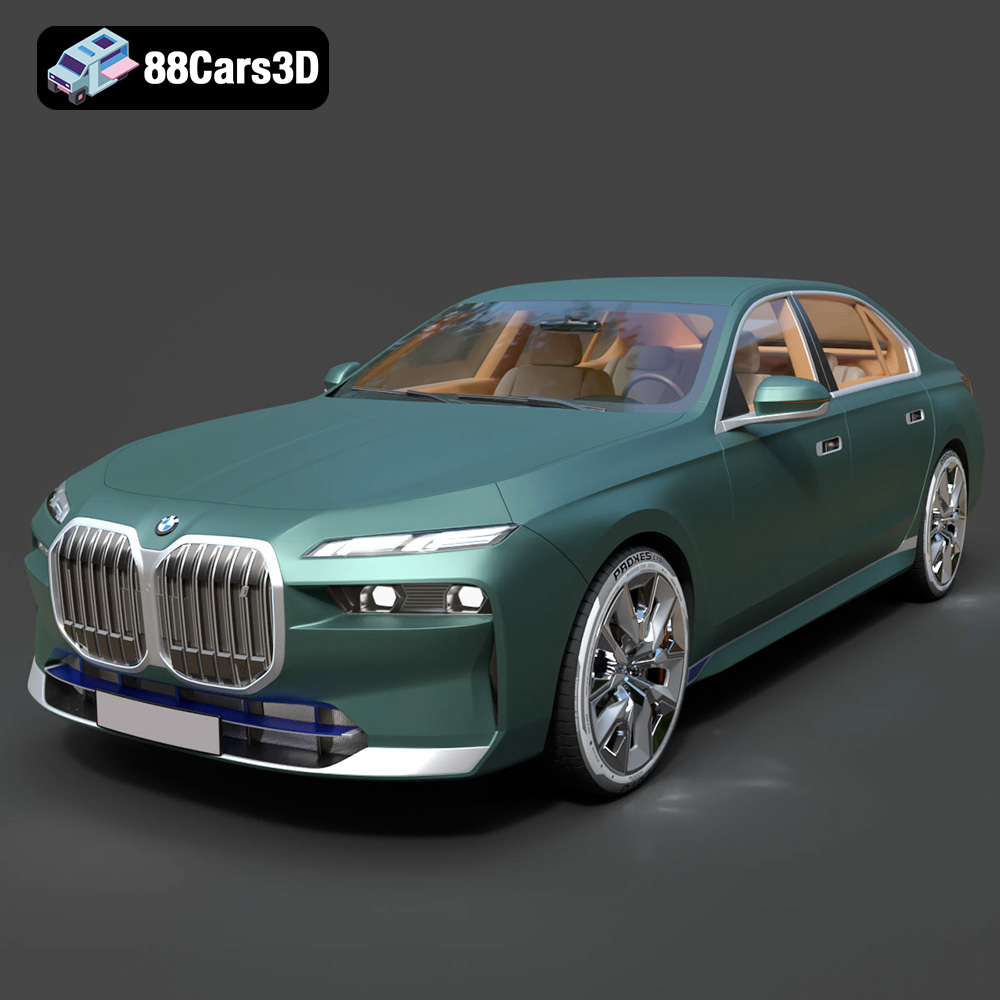
Texture: Yes | Material: Yes Download the ultra-high-detail BMW i7 (2023) 3D Model (4.14M Triangles). Features the illuminated kidney grille, split crystal headlights, fully modeled Theatre Screen interior, and monolithic luxury styling. Perfect for ArchViz, VFX, and cinematic rendering. Includes .blend, .fbx, .obj, .glb, .stl, and .max formats.
Price: $19.99
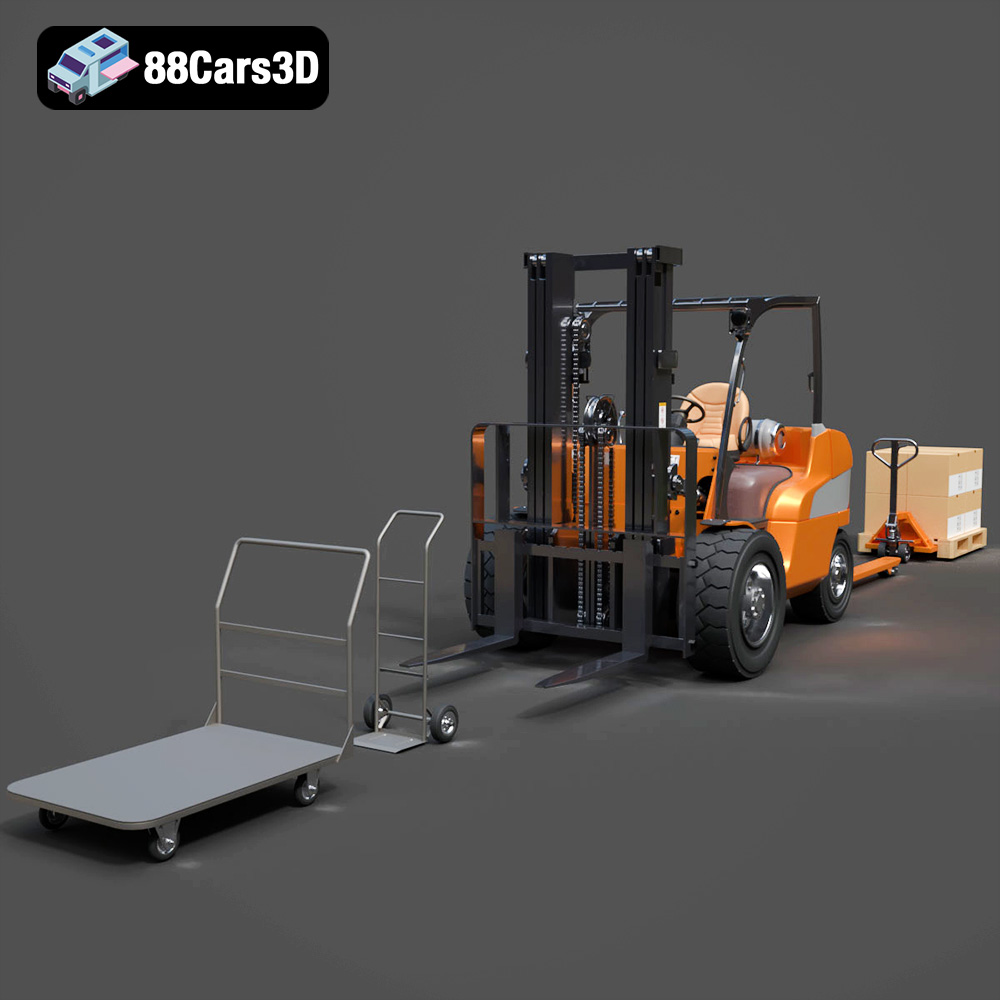
Texture: Yes | Material: Yes Download the highly detailed CAT Manual Loader & Warehouse Carts Kit 3D Model (2.4M Triangles). Features a macro-detailed hydraulic pallet jack, heavy-duty forks, and transport carts. Perfect for industrial ArchViz, factory rendering, and logistics simulations. Includes .blend, .fbx, .obj, .glb, .stl, and .max formats.
Price: $19.99

Texture: Yes | Material: Yes
Download the highly optimized Mazda CX-5 2014 3D Model (294k Triangles). Features the dynamic Kodo design language, signature grille, and a clean interior. Perfectly balanced for ArchViz, background traffic, and game development. Includes .blend, .fbx, .obj, .glb, .stl, and .max formats.
Price: $19.99
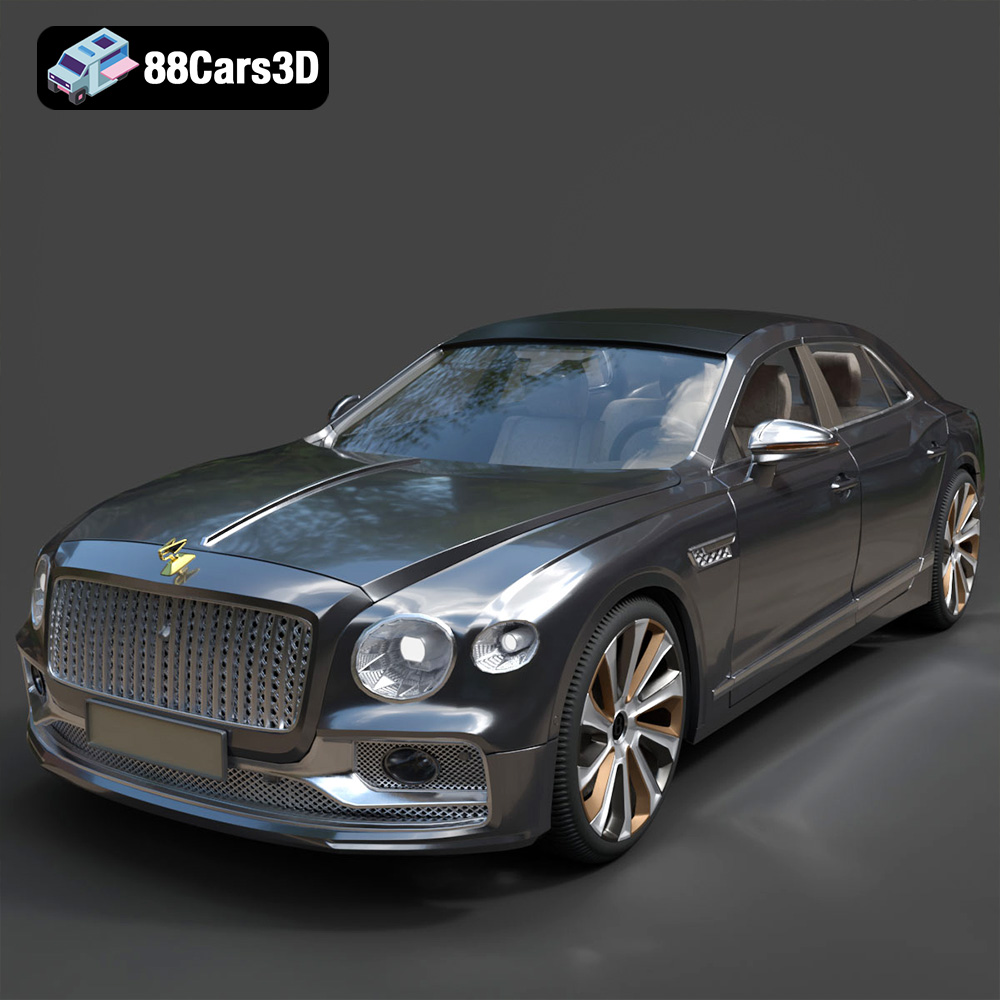
Texture: Yes | Material: Yes Download the ultra-high-detail Bentley Flying Spur Mulliner 2022 3D Model (2.94M Triangles). Features the bespoke Double Diamond grille, a fully modeled diamond-quilted interior, and exquisite luxury styling. Perfect for high-end ArchViz, VFX, and cinematic rendering. Includes .blend, .fbx, .obj, .glb, .stl, and .max formats.
Price: $19.90

Texture: Yes | Material: Yes | 3D Printable: Yes. Download the Ultimate Creators’ Showcase featuring 5 premium 3D models: Lamborghini Huracan, ZAV Concept Motorcycle, Sukhoi SU-26, Presidential Limousine, and Daewoo Damas. Optimized for 4K CGI rendering and 3D printing. Save massive with this exclusive multi-category bundle!
Price: $99.99

