Get 50% OFF All Premium 3D & STL Models!

“`html
The world of 3D printing has revolutionized the way we create, allowing hobbyists and collectors to bring their automotive dreams to life. At the heart of this process lies the STL file, a digital blueprint that guides your 3D printer in constructing intricate and detailed car models. This comprehensive guide delves deep into the world of printable car STL files, covering everything from understanding file structure and optimizing printer settings to mastering post-processing techniques. Whether you’re a seasoned 3D printing enthusiast or just starting your journey, this article will equip you with the knowledge and skills to produce stunning, high-quality car models.
We’ll explore the intricacies of slicing software, delve into the nuances of FDM and resin printing, and provide actionable tips for achieving flawless results. We’ll also address common pitfalls and offer troubleshooting advice to help you overcome any challenges you may encounter. So, buckle up and prepare to embark on a journey into the exciting world of 3D printed automotive masterpieces!
The STL (Stereolithography) file format is the cornerstone of 3D printing. It represents a 3D object as a collection of triangles, forming a mesh that defines the surface geometry. A well-structured STL file is crucial for a successful 3D print, especially when dealing with the complex curves and intricate details of car models. Understanding the underlying principles of STL files allows you to optimize them for printing and troubleshoot potential issues.
The density of the triangular mesh in an STL file directly impacts the smoothness and detail of the final 3D print. A higher density (more triangles) results in a smoother surface but also increases file size and processing time. Lower density files print faster but can exhibit noticeable faceting, especially on curved surfaces. A good rule of thumb is to find a balance between detail and printability. For car models, areas with significant curves, like the hood and fenders, might require a higher mesh density than flatter surfaces.
An STL file must represent a “manifold” geometry, meaning that the mesh is closed and watertight. Non-manifold errors, such as holes, self-intersections, and flipped normals, can cause slicing software to malfunction and lead to printing failures. Fortunately, several software tools like Meshmixer, Netfabb, and even the built-in repair functions in some slicers (like PrusaSlicer) can automatically detect and repair these errors. Before printing any STL file, especially those downloaded from online sources, it’s essential to run it through a mesh repair tool. Platforms like 88cars3d.com ensure that their STL files are thoroughly checked and repaired, saving you valuable time and effort.
Slicing software takes an STL file and converts it into a series of instructions (G-code) that your 3D printer can understand. These instructions dictate the movement of the printer head, the amount of material to extrude, and other crucial parameters. Mastering slicing software is essential for achieving optimal print quality and controlling the characteristics of your 3D printed car models. Popular slicing software includes Cura, PrusaSlicer, Simplify3D, and Chitubox (for resin printing).
Several slicing parameters significantly impact the quality of your 3D printed car models. Layer height determines the vertical resolution of the print – smaller layer heights produce smoother surfaces but increase print time. Infill density affects the internal strength and weight of the model. For purely aesthetic models, a lower infill density (e.g., 10-15%) is often sufficient, while models intended for functional use may require a higher density (e.g., 25-50%). Print speed influences both print time and surface finish – slower speeds generally result in better quality but take longer to complete. Support structures are crucial for printing overhangs and intricate details, ensuring that these features are properly supported during the printing process. When downloading models from marketplaces such as 88cars3d.com, you might find pre-supported versions tailored for specific printing technologies, simplifying the process.
Cura offers a wide range of settings and plugins, making it a versatile choice for both beginners and advanced users. One useful feature is the “fuzzy skin” setting, which can add a textured surface finish to your car models. PrusaSlicer, known for its precision and advanced features, excels at generating efficient support structures and optimizing print paths. Its adaptive layer height feature automatically adjusts the layer height based on the geometry, allowing for finer details in curved areas while maintaining speed in flatter sections. Understanding the strengths of each software package allows you to choose the best tool for the job.
Fused Deposition Modeling (FDM) and resin printing (SLA/DLP/LCD) are the two most common 3D printing technologies for hobbyists and collectors. FDM printing uses a heated nozzle to extrude thermoplastic filament layer by layer, while resin printing uses light to cure liquid resin. Each technology has its own advantages and disadvantages, making it crucial to choose the right one for your specific needs and desired level of detail.
FDM printing is generally more affordable and accessible than resin printing, making it a popular choice for beginners. FDM printers can print larger objects and offer a wider range of material options, including PLA, PETG, ABS, and flexible filaments. However, FDM prints typically have lower resolution and layer lines are more visible, requiring more post-processing to achieve a smooth surface finish. For printing car models, consider using a nozzle size of 0.4mm or smaller to improve detail. PLA is a good starting point due to its ease of use, while PETG offers better strength and temperature resistance. Bed adhesion is critical for FDM printing, so ensure your print bed is level and use appropriate adhesion aids like glue stick or hairspray.
Resin printing excels at producing highly detailed and accurate prints with smooth surfaces, making it ideal for intricate car models with fine details. Resin printers are capable of achieving resolutions down to a few microns, allowing for incredibly sharp edges and complex geometries. However, resin printers are typically more expensive than FDM printers, and the available build volume is often smaller. Resin materials can also be more expensive and require careful handling due to their toxicity. When printing car models with resin, consider using a high-quality resin specifically formulated for detailed parts. Proper exposure settings are crucial for achieving optimal results, so calibrate your printer carefully. Support structures are essential for resin printing, and removing them can be more challenging than with FDM prints. Post-curing is also required to fully harden the resin and achieve its final properties.
Support structures are temporary scaffolding that supports overhangs and bridges during the 3D printing process. Without support structures, these features would simply collapse under their own weight. Generating and removing support structures is a crucial aspect of 3D printing, and the type of support used can significantly impact the final quality and appearance of your 3D printed car models.
FDM printing typically uses two main types of support structures: tree supports and linear supports. Tree supports are more efficient and require less material, but they can be more difficult to remove and may leave behind noticeable marks. Linear supports are easier to remove but use more material and can sometimes interfere with fine details. Resin printing typically uses a combination of raft, supports, and brims. The raft provides a stable base for the print, while the supports hold up the overhangs. Brims help with bed adhesion and prevent warping. The optimal type of support structure depends on the geometry of the car model and the specific printing technology used.
Proper support placement is crucial for minimizing support material and ensuring that the supports are easy to remove without damaging the model. Consider the orientation of the model on the print bed and strategically place supports in areas where they will have the least impact on the visible surfaces. When removing supports, use sharp tools like hobby knives or pliers to carefully detach them. For FDM prints, heating the supports slightly with a heat gun or hair dryer can make them easier to remove. For resin prints, soaking the model in warm water can soften the supports. Take your time and be patient to avoid damaging the model during support removal.
Post-processing is the final stage in the 3D printing workflow, transforming a raw 3D print into a polished masterpiece. This process typically involves removing support structures, sanding, filling imperfections, and painting. Mastering post-processing techniques is essential for achieving a professional-looking finish on your 3D printed car models.
Sanding is used to smooth out layer lines and remove any imperfections on the surface of the print. Start with a coarse grit sandpaper (e.g., 120 grit) and gradually work your way up to finer grits (e.g., 400 grit, 600 grit, 800 grit). For deeper imperfections, use a filler like spot putty or Bondo to fill in the gaps. After sanding, apply a primer to create a smooth and uniform surface for painting. Choose a primer that is compatible with the material you used to print the model. Several thin coats of primer are better than one thick coat.
Painting is where your 3D printed car model truly comes to life. Use high-quality paints specifically designed for models. Apply thin, even coats of paint to avoid runs and drips. Consider using an airbrush for a professional-looking finish. After painting, you can add details like decals, chrome accents, and weathering effects. Finally, apply a clear coat to protect the paint and give the model a glossy or matte finish. Remember to allow each layer (primer, paint, clear coat) to fully dry before applying the next. Many hobbyists find inspiration and detailed instructions for painting specific car models in online forums and communities.
The choice of material significantly impacts the appearance, strength, and durability of your 3D printed car models. Different materials have different properties, making some more suitable for certain applications than others. Understanding the characteristics of various filaments and resins is crucial for selecting the best material for your project. The common filaments include PLA, PETG, ABS, and ASA. For resin printing, the options include standard resin, ABS-like resin, flexible resin, and high-temperature resin.
PLA (Polylactic Acid) is a biodegradable thermoplastic that is easy to print and offers good detail. It’s a great starting point for beginners. PETG (Polyethylene Terephthalate Glycol-modified) offers better strength and temperature resistance than PLA, making it a good choice for functional parts or models that will be exposed to heat. ABS (Acrylonitrile Butadiene Styrene) is a strong and durable thermoplastic that is commonly used in automotive applications. It requires higher printing temperatures and is more prone to warping than PLA and PETG. ASA (Acrylonitrile Styrene Acrylate) is similar to ABS but offers better UV resistance, making it suitable for outdoor use.
Standard resin is a general-purpose resin that offers good detail and is relatively affordable. ABS-like resin is designed to mimic the properties of ABS plastic, offering higher strength and impact resistance. Flexible resin allows you to print flexible and elastic parts, such as tires or rubber components. High-temperature resin can withstand high temperatures, making it suitable for functional parts that will be exposed to heat. Selecting the right resin depends on the desired properties of the final model. Some specialty resins are formulated to produce exceptionally smooth surfaces, reducing the amount of post-processing required. When selecting materials, keep in mind the intended use of the model and the environmental conditions it will be exposed to.
3D printing car models from STL files is a rewarding and engaging hobby that allows you to bring your automotive passions to life. By understanding the intricacies of STL files, mastering slicing software, choosing the right printing technology and materials, and perfecting post-processing techniques, you can create stunning replicas that showcase your skills and dedication. Platforms like 88cars3d.com offer print-ready STL files, greatly simplifying the initial stages of your 3D printing journey.
Remember to experiment with different settings, materials, and techniques to discover what works best for you. Don’t be afraid to make mistakes and learn from them. The 3D printing community is a valuable resource for sharing knowledge, troubleshooting issues, and finding inspiration. So, dive in, explore the endless possibilities, and start creating your own collection of 3D printed automotive masterpieces! With the knowledge and skills you’ve gained from this guide, you’re well-equipped to embark on this exciting adventure. Good luck, and happy printing!
“`
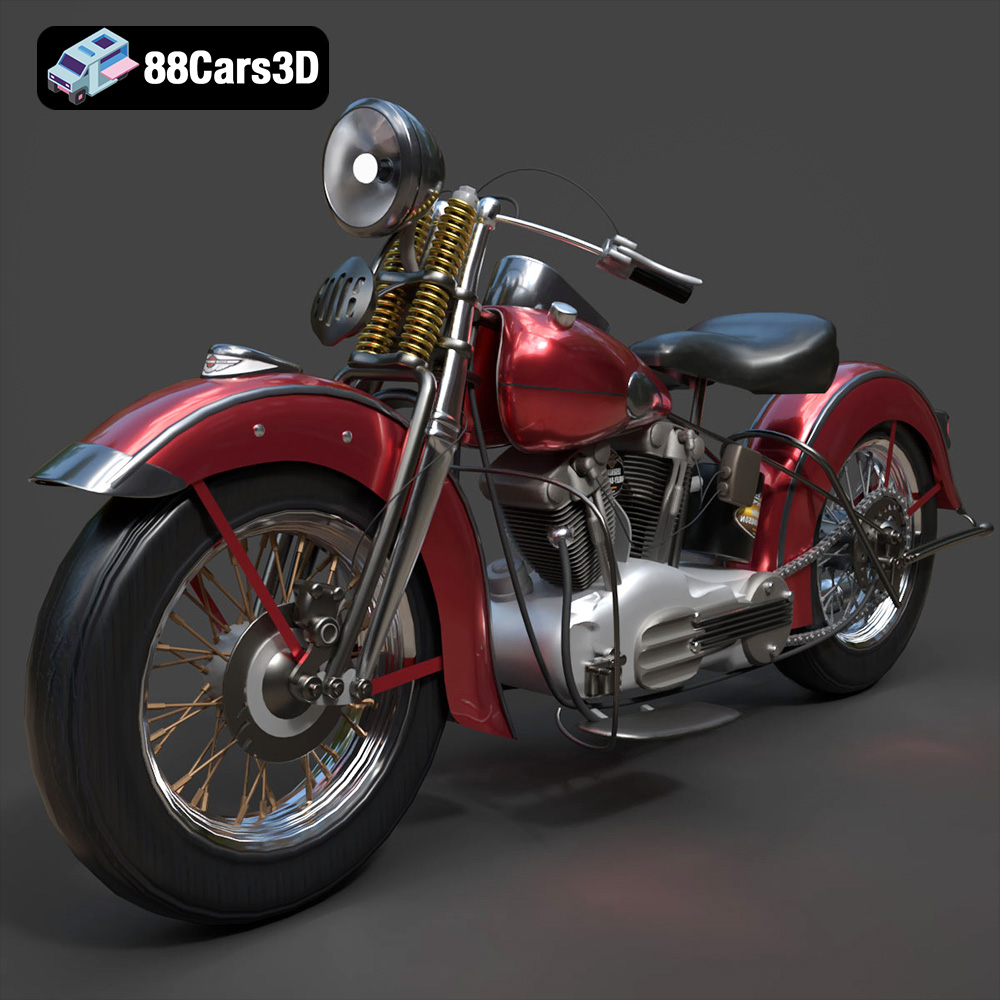
Texture: Yes
Material: Yes
Download the Harley Davidson F 1946 3D Model featuring clean geometry, realistic detailing, and a fully modeled interior. Includes .blend, .fbx, .obj, .glb, .stl, .ply, .unreal, and .max formats for rendering, simulation, and game development.
Price: $19.99
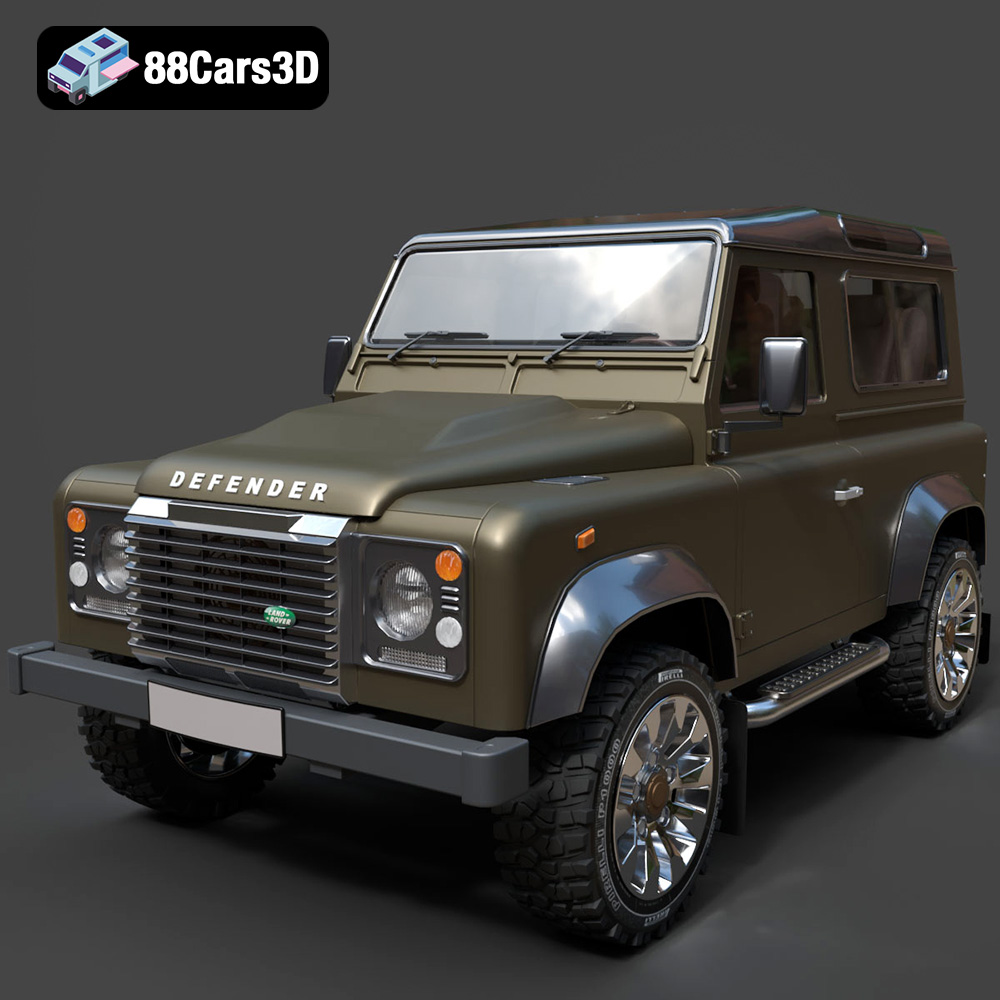
Texture: Yes
Material: Yes
Download the Land Rover Defender Works V8 3D Model featuring clean geometry, realistic detailing, and a fully modeled interior. Includes .blend, .fbx, .obj, .glb, .stl, .ply, .unreal, and .max formats for rendering, simulation, and game development.
Price: $19.99
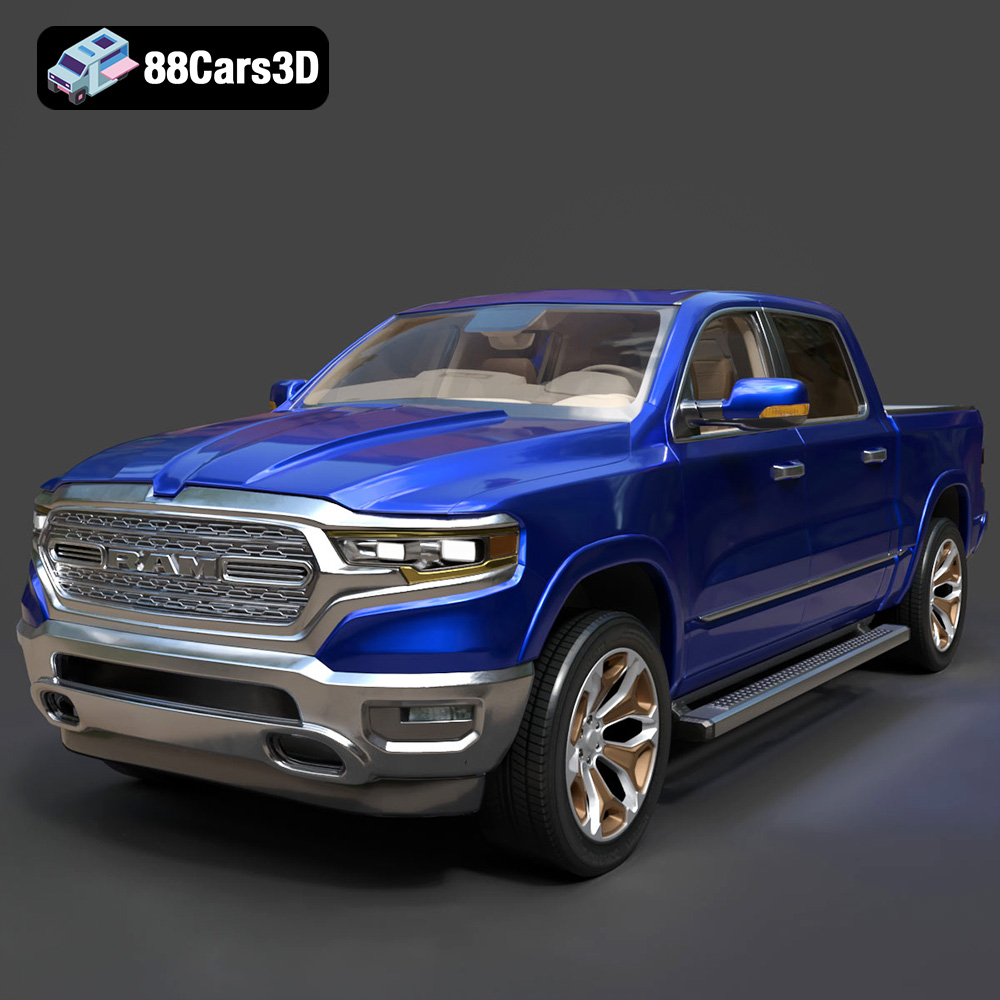
Texture: Yes
Material: Yes
Download the Dodge RAM 2019 3D Model featuring clean geometry, realistic detailing, and a fully modeled interior. Includes .blend, .fbx, .obj, .glb, .stl, .ply, .unreal, and .max formats for rendering, simulation, and game development.
Price: $19.99
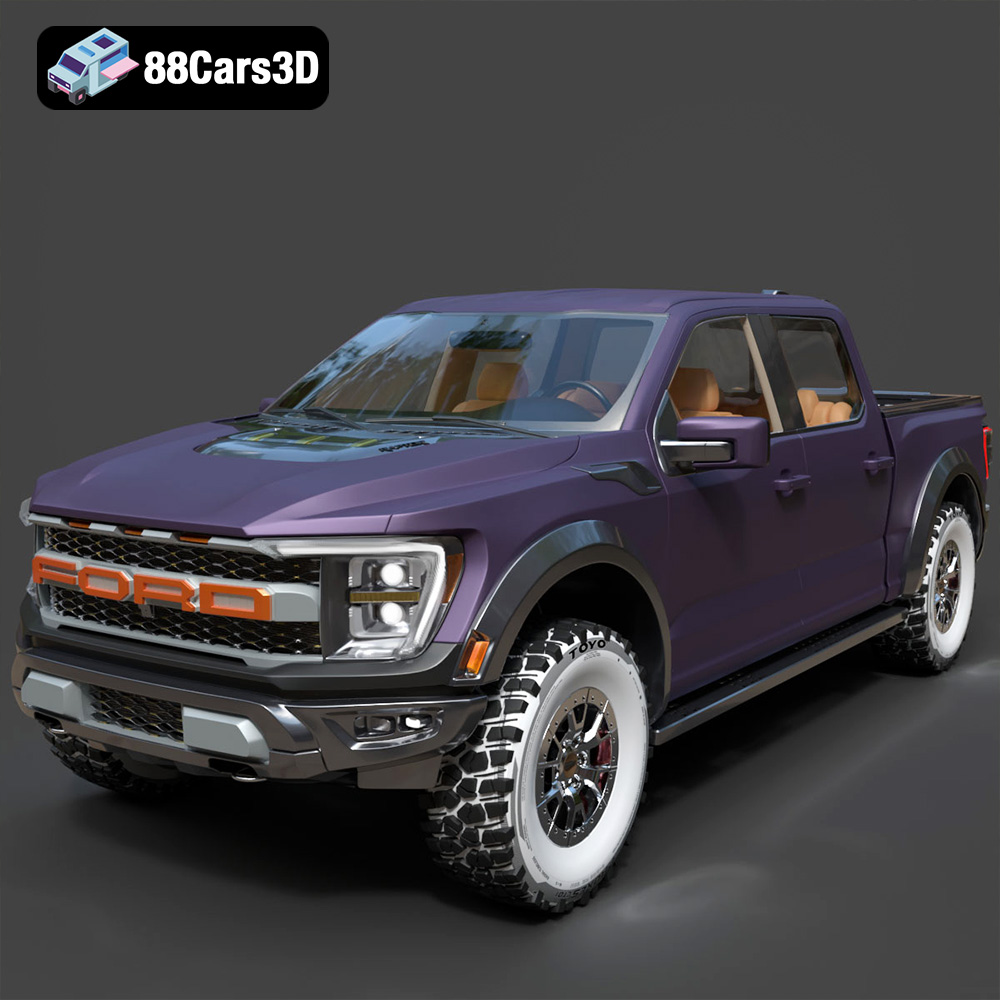
Texture: Yes | Material: Yes Download the ultra-high-detail Ford F-150 Raptor 2021 3D Model (8.73M Triangles). Features uncompromised widebody styling, fully modeled Fox Live Valve suspension, 37-inch tires, and interior. Perfect for premium VFX, cinematic rendering, and ArchViz. Includes .blend, .fbx, .obj, .glb, .stl, and .max formats.
Price: $29.99
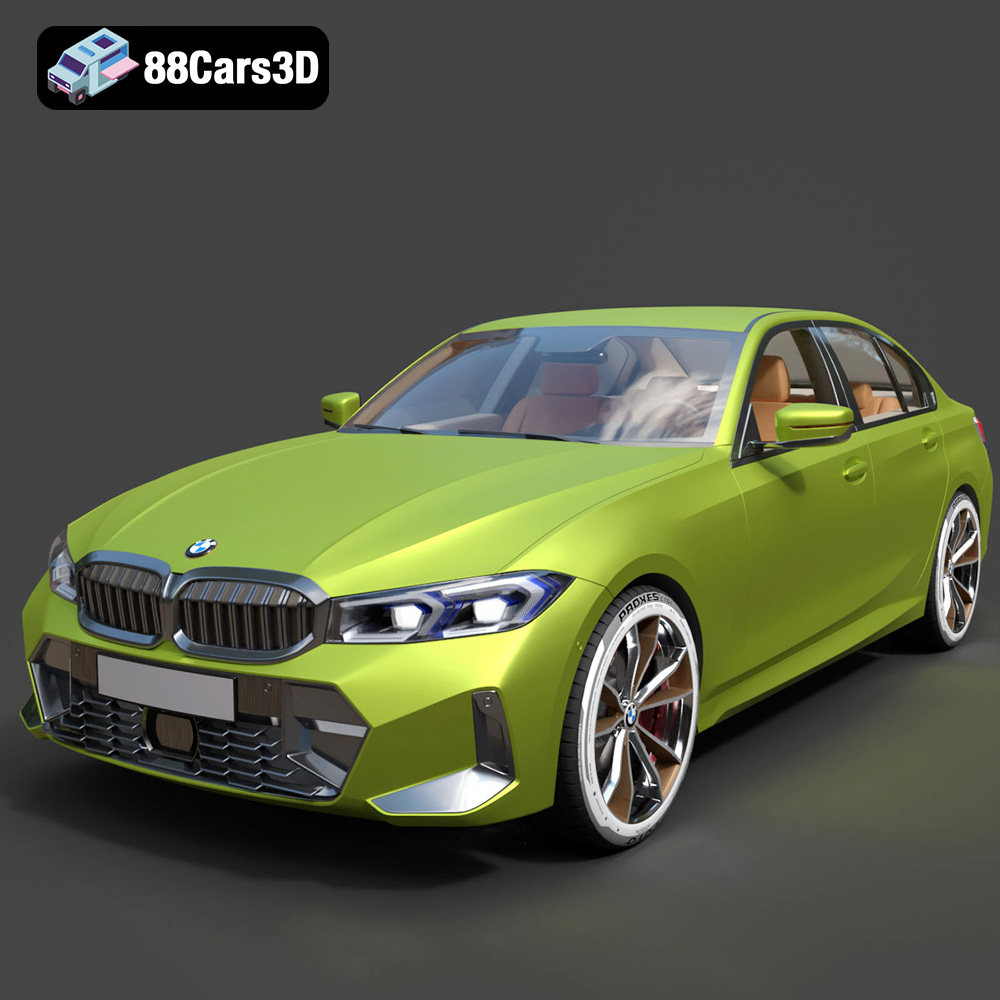
Texture: Yes | Material: Yes Download the ultra-high-detail BMW 3 Series Limousine (2022) 3D Model (4.16M Triangles). Features the modernized G20 LCI exterior, the all-new BMW Curved Display interior, and ultra-dense topology. Perfect for ArchViz, VFX, and cinematic rendering. Includes .blend, .fbx, .obj, .glb, .stl, and .max formats.
Price: $19.99
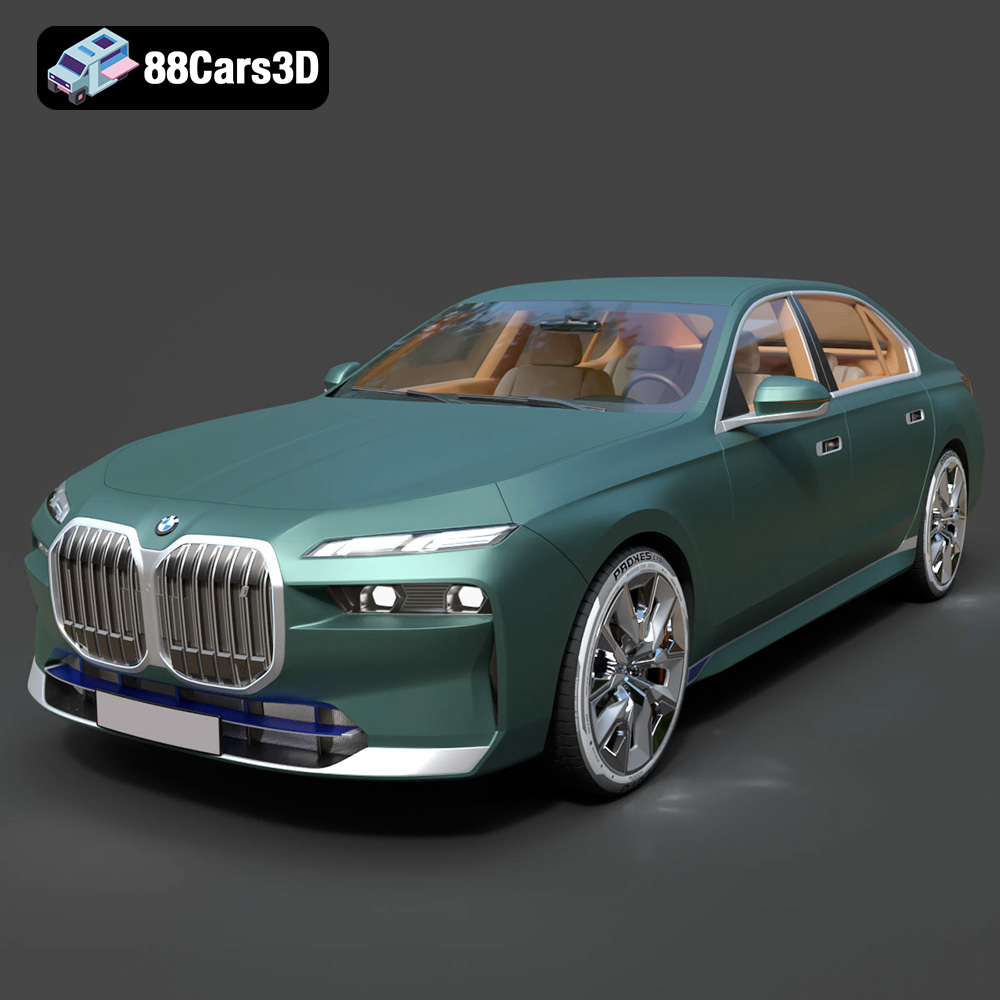
Texture: Yes | Material: Yes Download the ultra-high-detail BMW i7 (2023) 3D Model (4.14M Triangles). Features the illuminated kidney grille, split crystal headlights, fully modeled Theatre Screen interior, and monolithic luxury styling. Perfect for ArchViz, VFX, and cinematic rendering. Includes .blend, .fbx, .obj, .glb, .stl, and .max formats.
Price: $19.99
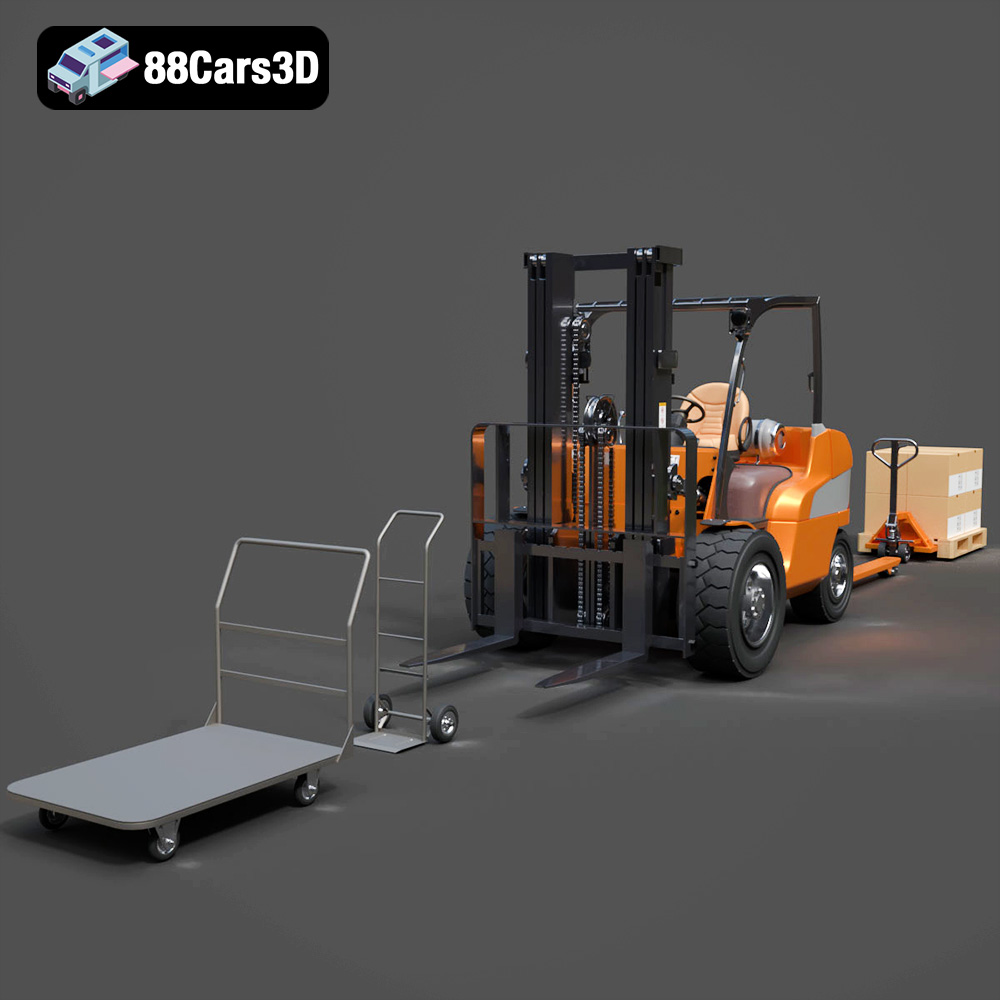
Texture: Yes | Material: Yes Download the highly detailed CAT Manual Loader & Warehouse Carts Kit 3D Model (2.4M Triangles). Features a macro-detailed hydraulic pallet jack, heavy-duty forks, and transport carts. Perfect for industrial ArchViz, factory rendering, and logistics simulations. Includes .blend, .fbx, .obj, .glb, .stl, and .max formats.
Price: $19.99

Texture: Yes | Material: Yes
Download the highly optimized Mazda CX-5 2014 3D Model (294k Triangles). Features the dynamic Kodo design language, signature grille, and a clean interior. Perfectly balanced for ArchViz, background traffic, and game development. Includes .blend, .fbx, .obj, .glb, .stl, and .max formats.
Price: $19.99
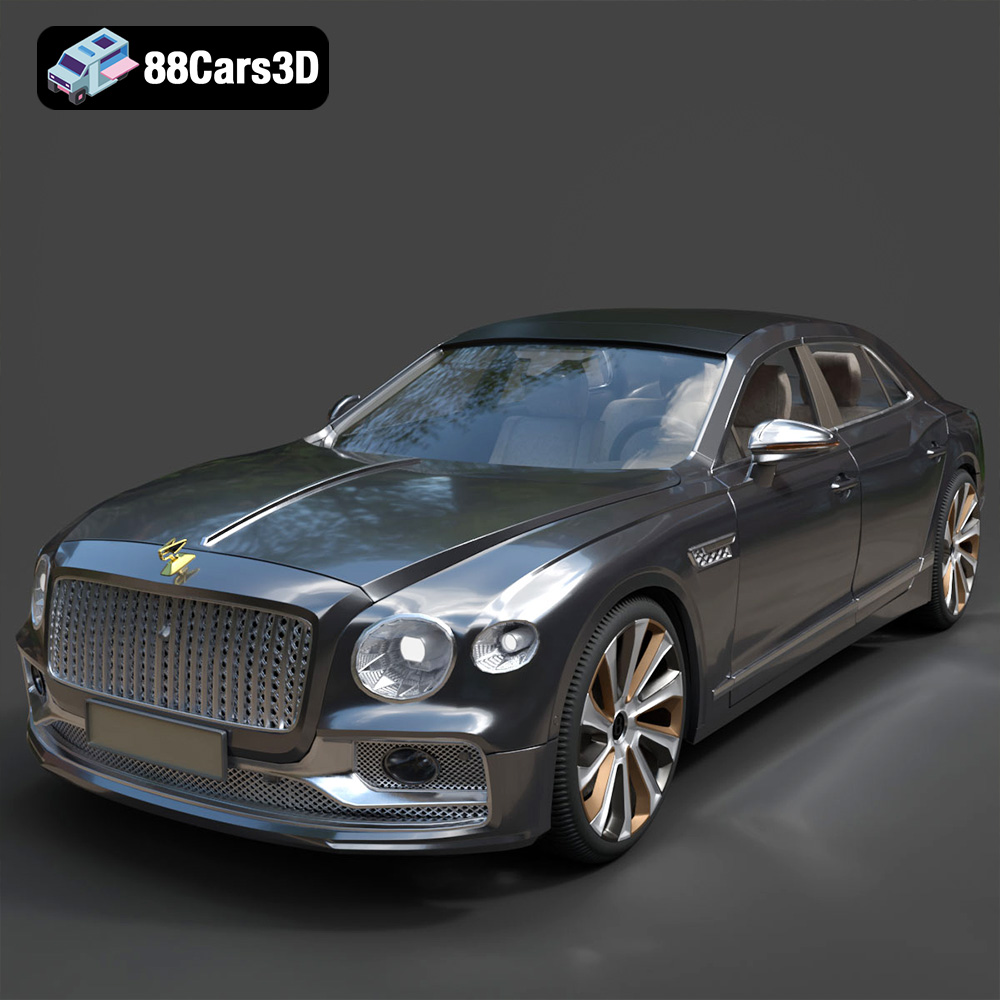
Texture: Yes | Material: Yes Download the ultra-high-detail Bentley Flying Spur Mulliner 2022 3D Model (2.94M Triangles). Features the bespoke Double Diamond grille, a fully modeled diamond-quilted interior, and exquisite luxury styling. Perfect for high-end ArchViz, VFX, and cinematic rendering. Includes .blend, .fbx, .obj, .glb, .stl, and .max formats.
Price: $19.90
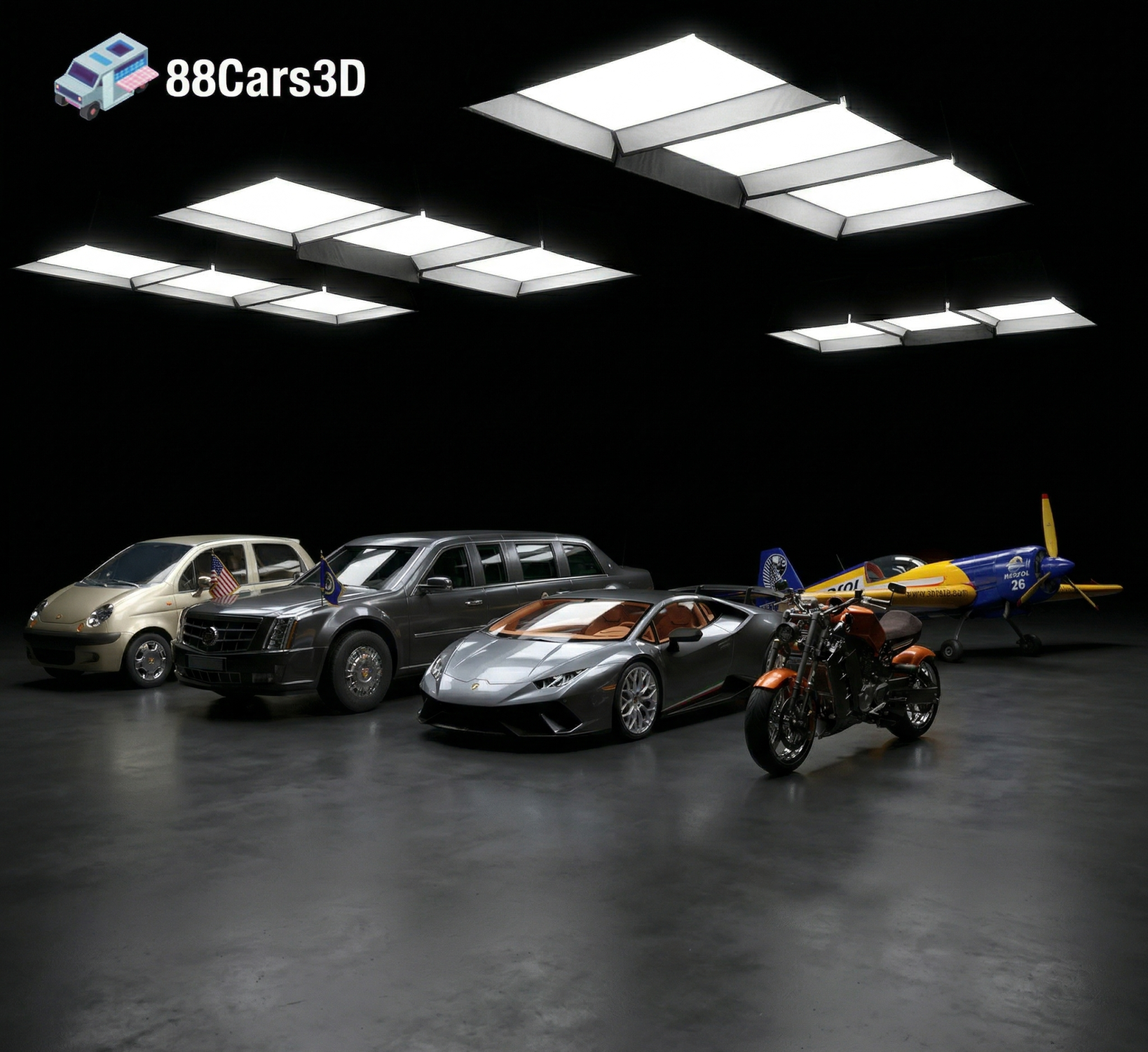
Texture: Yes | Material: Yes | 3D Printable: Yes. Download the Ultimate Creators’ Showcase featuring 5 premium 3D models: Lamborghini Huracan, ZAV Concept Motorcycle, Sukhoi SU-26, Presidential Limousine, and Daewoo Damas. Optimized for 4K CGI rendering and 3D printing. Save massive with this exclusive multi-category bundle!
Price: $99.99

