Get 50% OFF All Premium 3D & STL Models!

“`html
3D printing car models opens a world of possibilities, allowing enthusiasts and hobbyists to create personalized and highly detailed replicas. One of the most impactful ways to customize these models is by adding car logos, emblems, and other intricate details. This comprehensive guide explores the techniques and workflows involved in incorporating these elements into STL files, ensuring high-quality, print-ready models. Whether you’re a seasoned 3D printing expert or just starting out, this guide will provide you with the knowledge and skills to elevate your 3D printed car models to the next level. Platforms like 88cars3d.com offer a fantastic starting point with a wide selection of car models in STL format, providing a solid foundation for your customization efforts. This article will guide you through the process, from understanding STL file structure to advanced post-processing techniques, ensuring a professional and visually stunning final product. Let’s dive into the world of 3D printing customization!
The difference between a good and a great 3D printed car model often lies in the details. Logos, emblems, and other intricate features add realism and character, making the model more engaging and visually appealing. These details also provide a unique opportunity for personalization, allowing you to create a one-of-a-kind piece.
STL (Stereolithography) files are the standard format for 3D printing due to their simplicity and widespread compatibility. They represent the surface geometry of a 3D object using a mesh of triangles. Understanding the structure of an STL file is crucial for successful customization.
Before you can start adding logos and emblems, you need to prepare both your car model STL file and the logo/emblem files. This involves ensuring the model is printable, the logo is in a compatible format, and both are properly scaled.
First, examine your car model STL file for any errors or imperfections. Use software like MeshMixer or Netfabb to check for non-manifold edges, flipped normals, and holes in the mesh. These issues can cause printing problems. Here’s a checklist:
For example, in MeshMixer, import your STL file and use the “Analysis” tool to identify any errors. The software will highlight problematic areas, allowing you to fix them using the appropriate tools. When downloading models from marketplaces such as 88cars3d.com, you can usually expect a higher degree of pre-print optimization, saving valuable time.
Logos and emblems are often available in vector formats like SVG or raster formats like PNG. These need to be converted to STL format before they can be merged with the car model. There are several ways to do this:
When converting, pay attention to the level of detail. Complex logos with intricate curves may require a higher polygon count, which can increase file size and printing time. Experiment with different settings to find the optimal balance between detail and performance.
Once you have both the car model and logo files in STL format, you can merge them using 3D modeling software. This process involves importing both files into the software, positioning the logo correctly, and then combining the meshes.
Blender is a popular and powerful open-source 3D modeling software. Here’s how to merge logos with a car model in Blender:
Remember to save your Blender project frequently. If the Boolean operation fails, try increasing the mesh density of both objects or simplifying the logo geometry. Consider increasing the “Resolution” in the Remesh modifier for a smoother result, but be mindful of increasing the polygon count.
Fusion 360 is a CAD/CAM software that offers more precise control over object placement. Here’s how to merge logos with a car model in Fusion 360:
Fusion 360 excels in precision. Utilize the “Snap” feature to precisely align the logo to specific points on the car model. Before exporting, verify the mesh quality using the “Mesh > Repair” tool, which helps resolve any geometry issues resulting from the merging process.
After merging the logo with the car model, it’s essential to optimize the STL file for 3D printing. This involves adjusting settings like mesh density, wall thickness, and support structures to ensure a successful print.
The mesh density of an STL file determines the level of detail in the model. A higher mesh density results in a smoother surface, but it also increases file size and printing time. A lower mesh density can result in a blockier appearance.
Target a balance between detail and printability. For smaller models, a higher density might be acceptable, whereas for larger models, optimization is critical to manage file size and print times.
Wall thickness refers to the thickness of the outer shell of the model. It’s crucial to ensure that the wall thickness is sufficient for the 3D printer and material you’re using. Insufficient wall thickness can result in weak or fragile prints.
A general guideline is to use a wall thickness that is at least twice the nozzle diameter of your 3D printer. For example, if you’re using a 0.4mm nozzle, aim for a wall thickness of at least 0.8mm. For resin printing, even thinner walls can work effectively due to the higher resolution.
Slicing is the process of converting the STL file into a series of layers that the 3D printer can understand. The slicer software generates the toolpath and defines the printing parameters, such as layer height, infill density, and print speed.
The slicing parameters can significantly affect the quality, strength, and printing time of the model. Here are some key parameters to consider:
Experiment with different slicing parameters to find the optimal settings for your 3D printer and material. Slicing software like Cura and PrusaSlicer offer advanced settings for fine-tuning the printing process.
The choice between FDM (Fused Deposition Modeling) and resin printing depends on the desired level of detail and the complexity of the model:
When printing logos and emblems, consider using resin printing for the best possible results. If you’re using FDM printing, use a smaller nozzle size (e.g., 0.25mm) and a lower layer height to improve detail resolution.
Post-processing involves cleaning, sanding, painting, and assembling the 3D printed model to achieve the desired final appearance. This step is crucial for removing support structures, smoothing out surfaces, and adding color and texture.
Removing support structures can be a delicate process. Use appropriate tools and techniques to avoid damaging the model:
For resin prints, soaking the model in warm water can help soften the supports. For FDM prints, consider using dissolvable support materials, such as HIPS (High Impact Polystyrene) or PVA (Polyvinyl Alcohol), which can be easily removed by dissolving them in a solvent.
Painting can add color and realism to the 3D printed car model. Here are some tips for achieving a professional finish:
Consider using airbrushing for a smoother and more even paint application. For intricate details, use masking tape to protect areas that you don’t want to paint. Consider using reference images of the real car to ensure accurate color and detailing.
Even with careful preparation, 3D printing can sometimes encounter issues. Here are some common problems and their solutions:
Warping occurs when the corners of the print lift off the build plate due to uneven cooling. Poor bed adhesion can cause the print to detach from the build plate entirely.
Ensure that your build plate is properly leveled. Clean the build plate with isopropyl alcohol to remove any oils or residues. Experiment with different bed temperatures to find the optimal setting for your material.
Stringing occurs when the printer extrudes material while moving between different parts of the model. Blobs are small deposits of material that can appear on the surface of the print.
Dry your filament before printing, as moisture can contribute to stringing and blobs. Calibrate your extruder to ensure accurate material flow.
Adding car logos, emblems, and custom details to 3D printed car models is a rewarding process that allows for personalization and the creation of stunning replicas. By understanding the intricacies of STL files, mastering merging techniques in software like Blender and Fusion 360, and optimizing 3D printer settings, you can achieve professional-quality results. Remember the importance of proper file preparation, careful slicing, and diligent post-processing. Don’t be afraid to experiment with different materials, settings, and techniques to find what works best for you. And when you need high-quality base models to start with, consider exploring the selection available at 88cars3d.com. With the knowledge and skills gained from this guide, you’re well-equipped to elevate your 3D printed car models to new heights. Now, go ahead and bring your automotive visions to life!
“`
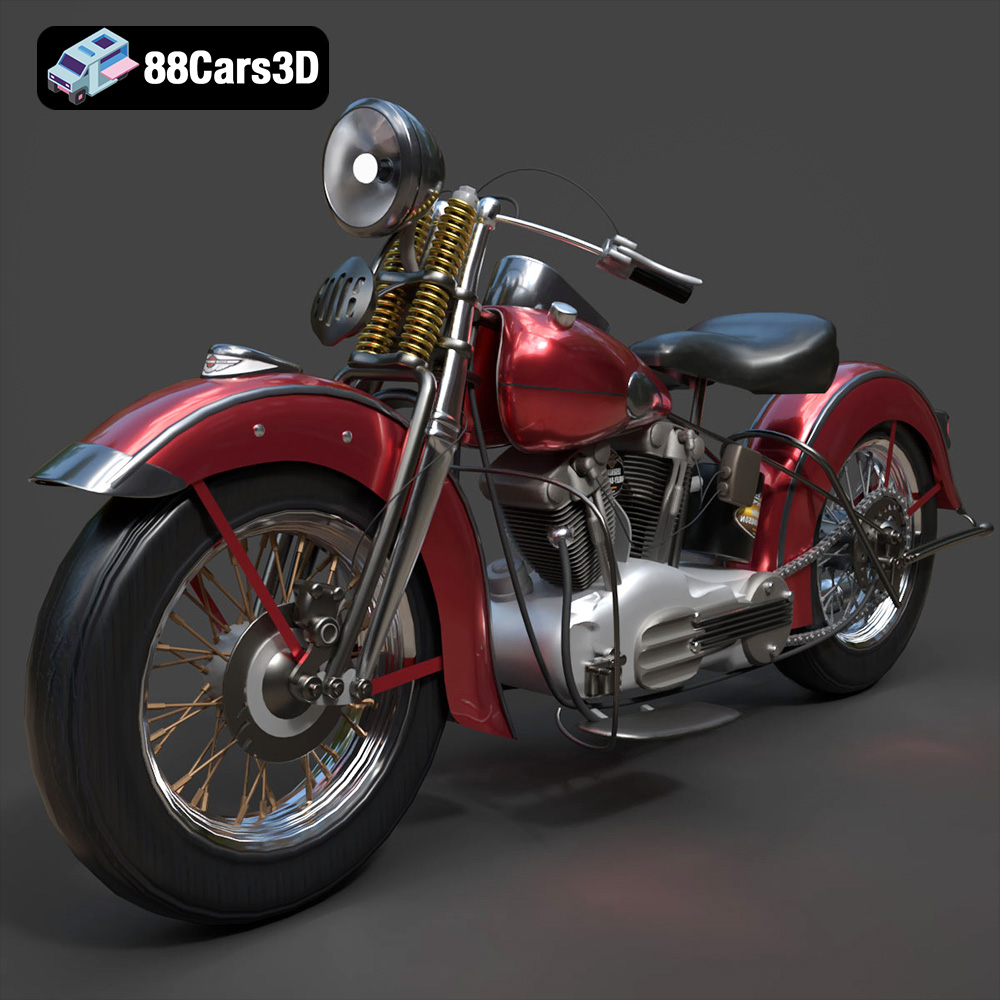
Texture: Yes
Material: Yes
Download the Harley Davidson F 1946 3D Model featuring clean geometry, realistic detailing, and a fully modeled interior. Includes .blend, .fbx, .obj, .glb, .stl, .ply, .unreal, and .max formats for rendering, simulation, and game development.
Price: $19.99
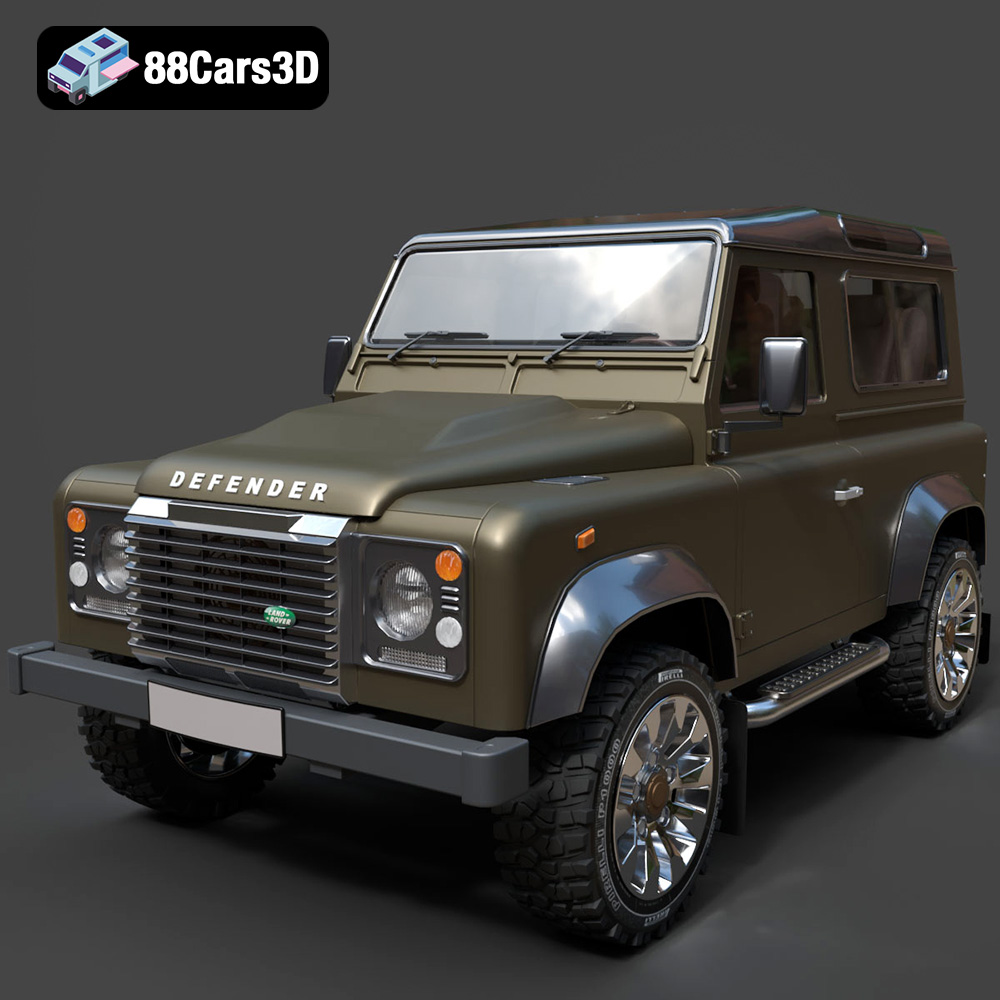
Texture: Yes
Material: Yes
Download the Land Rover Defender Works V8 3D Model featuring clean geometry, realistic detailing, and a fully modeled interior. Includes .blend, .fbx, .obj, .glb, .stl, .ply, .unreal, and .max formats for rendering, simulation, and game development.
Price: $19.99
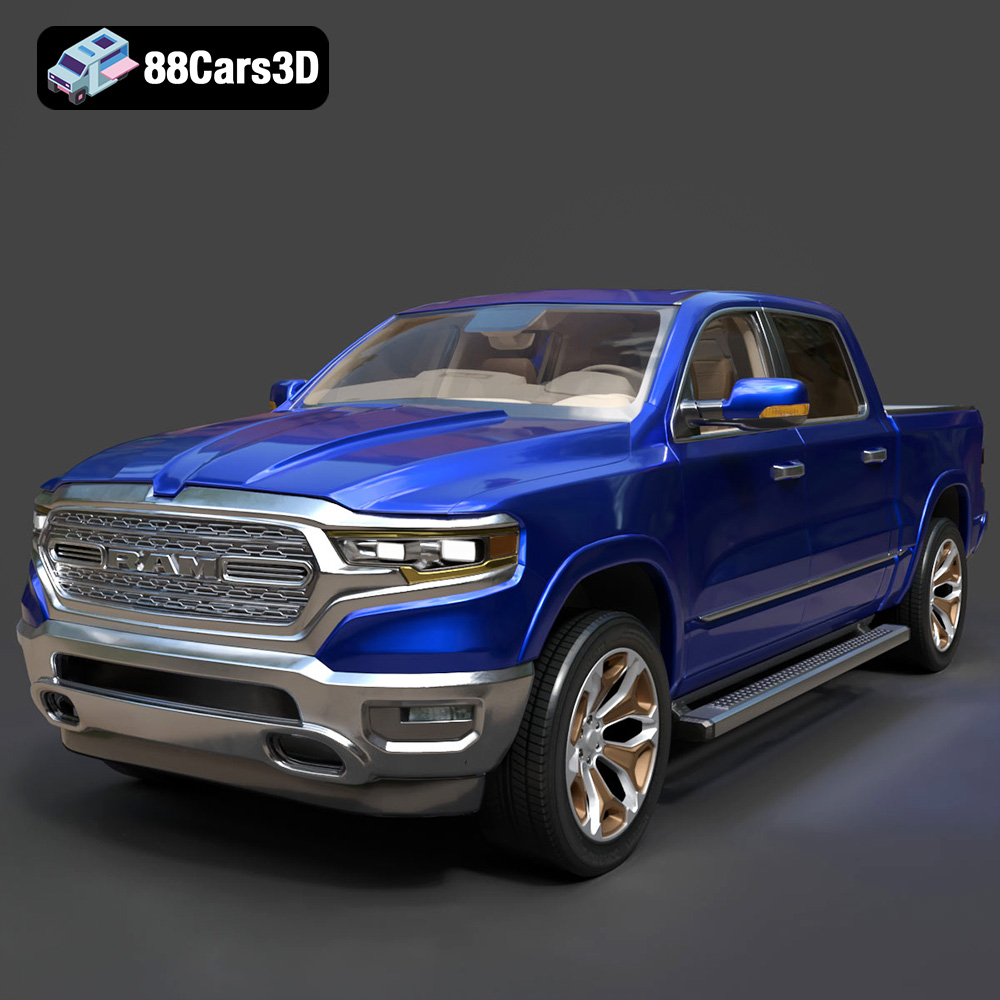
Texture: Yes
Material: Yes
Download the Dodge RAM 2019 3D Model featuring clean geometry, realistic detailing, and a fully modeled interior. Includes .blend, .fbx, .obj, .glb, .stl, .ply, .unreal, and .max formats for rendering, simulation, and game development.
Price: $19.99
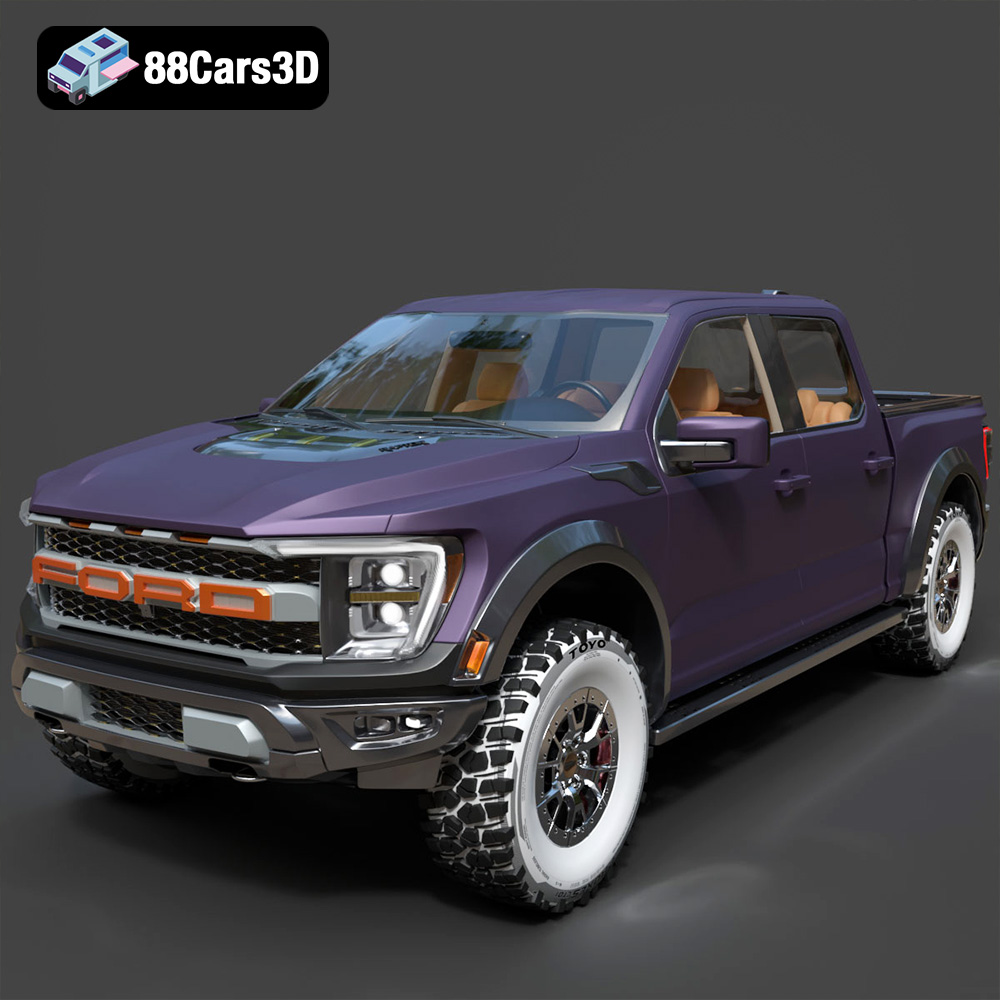
Texture: Yes | Material: Yes Download the ultra-high-detail Ford F-150 Raptor 2021 3D Model (8.73M Triangles). Features uncompromised widebody styling, fully modeled Fox Live Valve suspension, 37-inch tires, and interior. Perfect for premium VFX, cinematic rendering, and ArchViz. Includes .blend, .fbx, .obj, .glb, .stl, and .max formats.
Price: $29.99
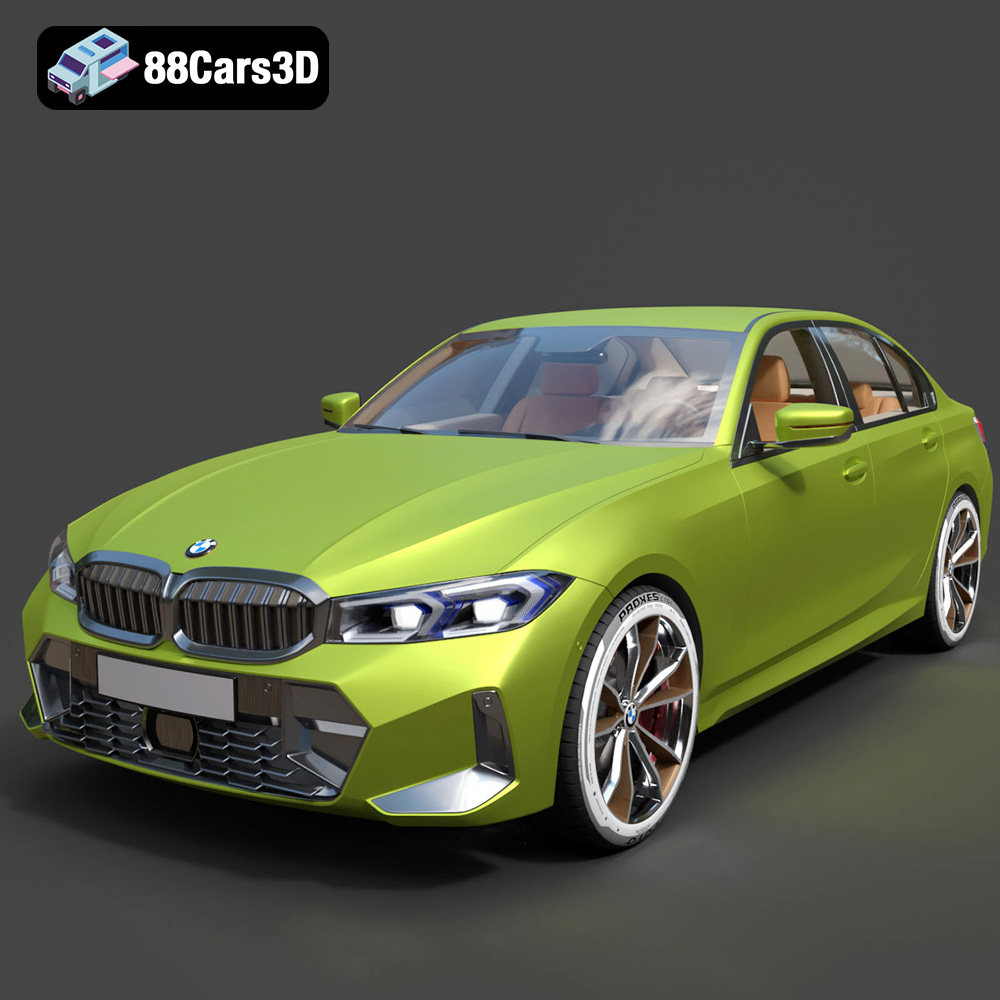
Texture: Yes | Material: Yes Download the ultra-high-detail BMW 3 Series Limousine (2022) 3D Model (4.16M Triangles). Features the modernized G20 LCI exterior, the all-new BMW Curved Display interior, and ultra-dense topology. Perfect for ArchViz, VFX, and cinematic rendering. Includes .blend, .fbx, .obj, .glb, .stl, and .max formats.
Price: $19.99
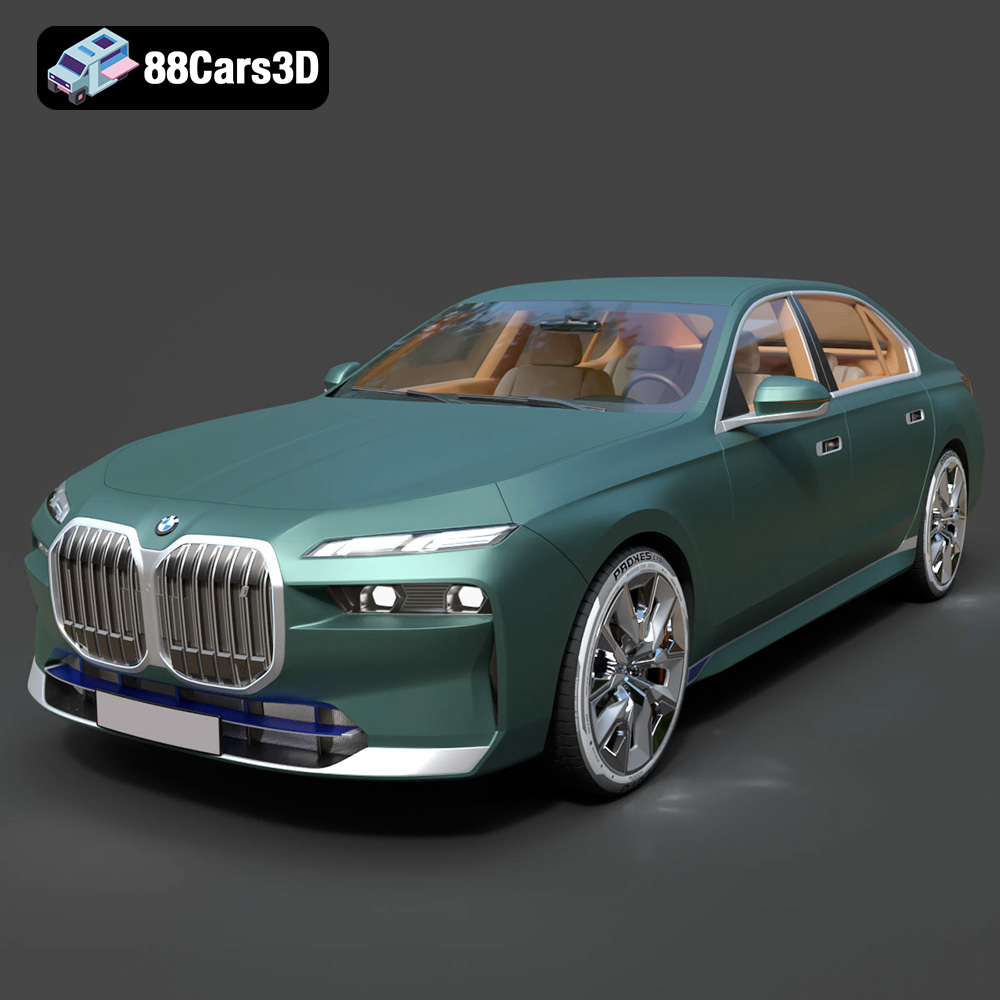
Texture: Yes | Material: Yes Download the ultra-high-detail BMW i7 (2023) 3D Model (4.14M Triangles). Features the illuminated kidney grille, split crystal headlights, fully modeled Theatre Screen interior, and monolithic luxury styling. Perfect for ArchViz, VFX, and cinematic rendering. Includes .blend, .fbx, .obj, .glb, .stl, and .max formats.
Price: $19.99
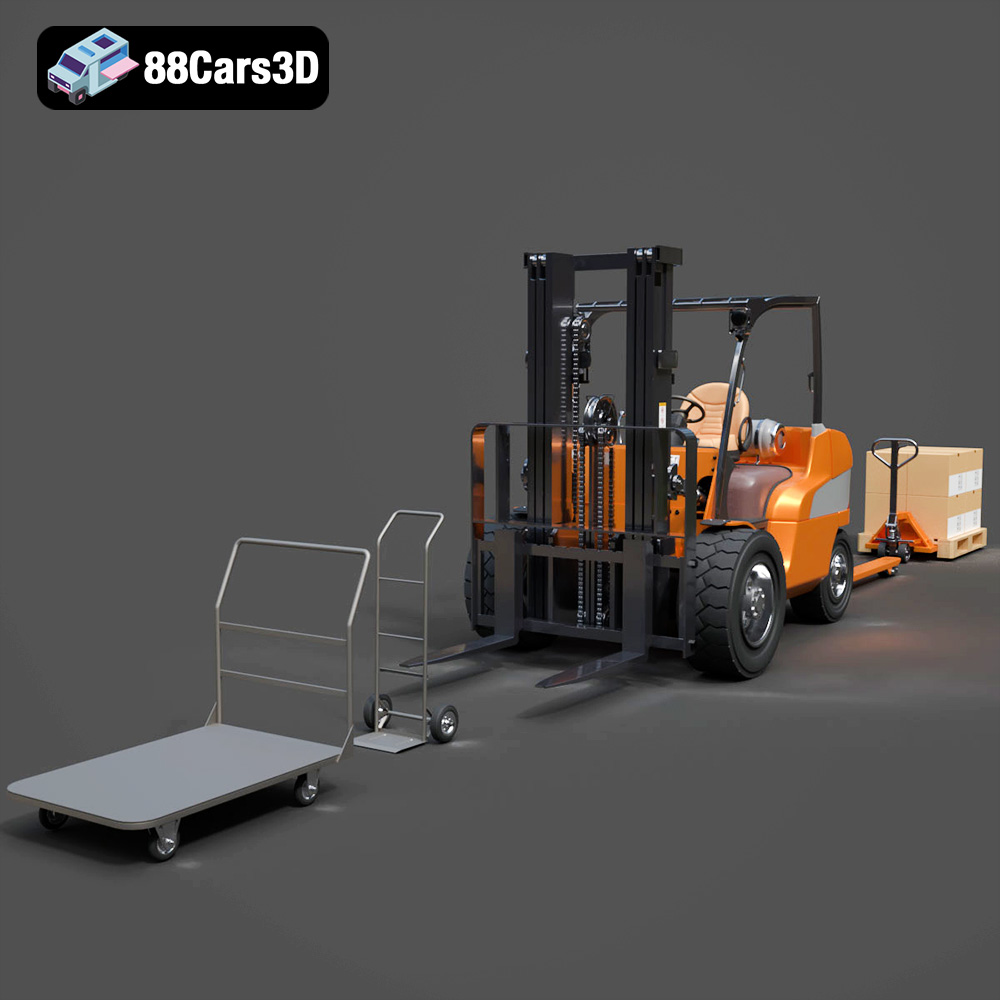
Texture: Yes | Material: Yes Download the highly detailed CAT Manual Loader & Warehouse Carts Kit 3D Model (2.4M Triangles). Features a macro-detailed hydraulic pallet jack, heavy-duty forks, and transport carts. Perfect for industrial ArchViz, factory rendering, and logistics simulations. Includes .blend, .fbx, .obj, .glb, .stl, and .max formats.
Price: $19.99
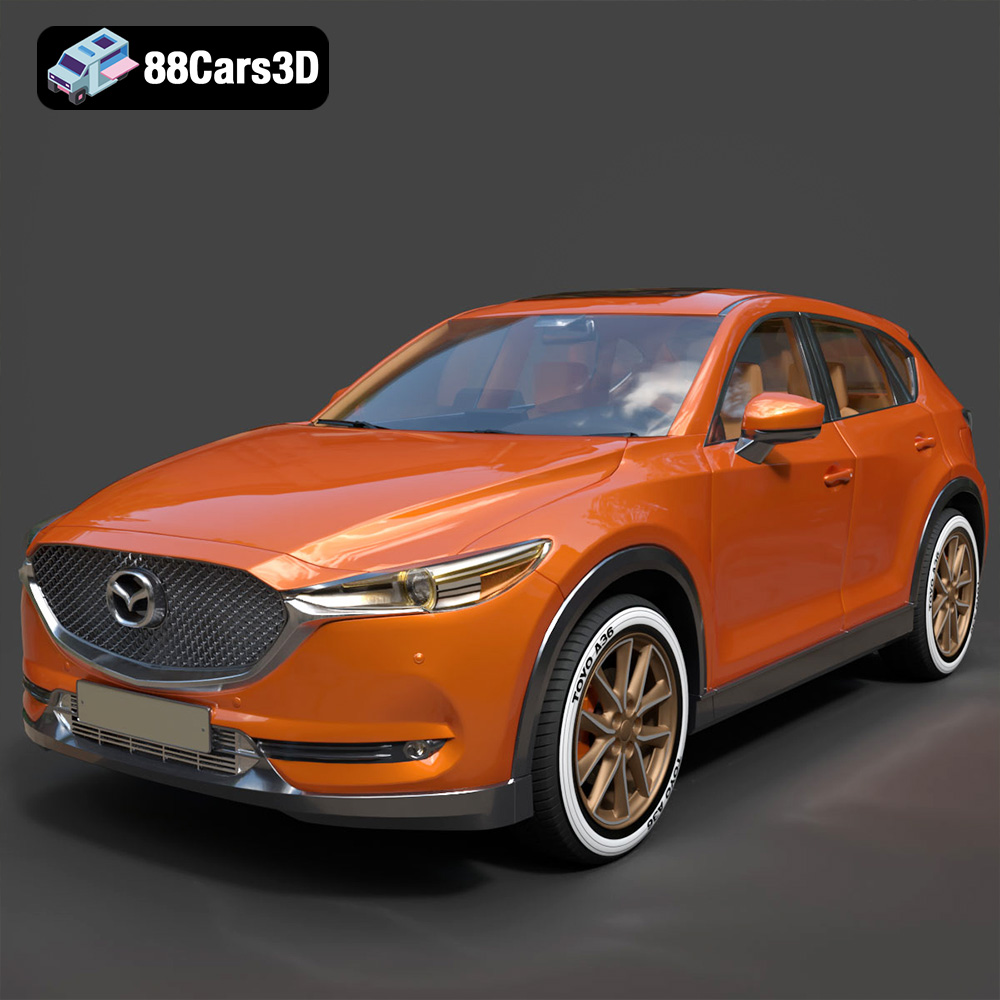
Texture: Yes | Material: Yes
Download the highly optimized Mazda CX-5 2014 3D Model (294k Triangles). Features the dynamic Kodo design language, signature grille, and a clean interior. Perfectly balanced for ArchViz, background traffic, and game development. Includes .blend, .fbx, .obj, .glb, .stl, and .max formats.
Price: $19.99
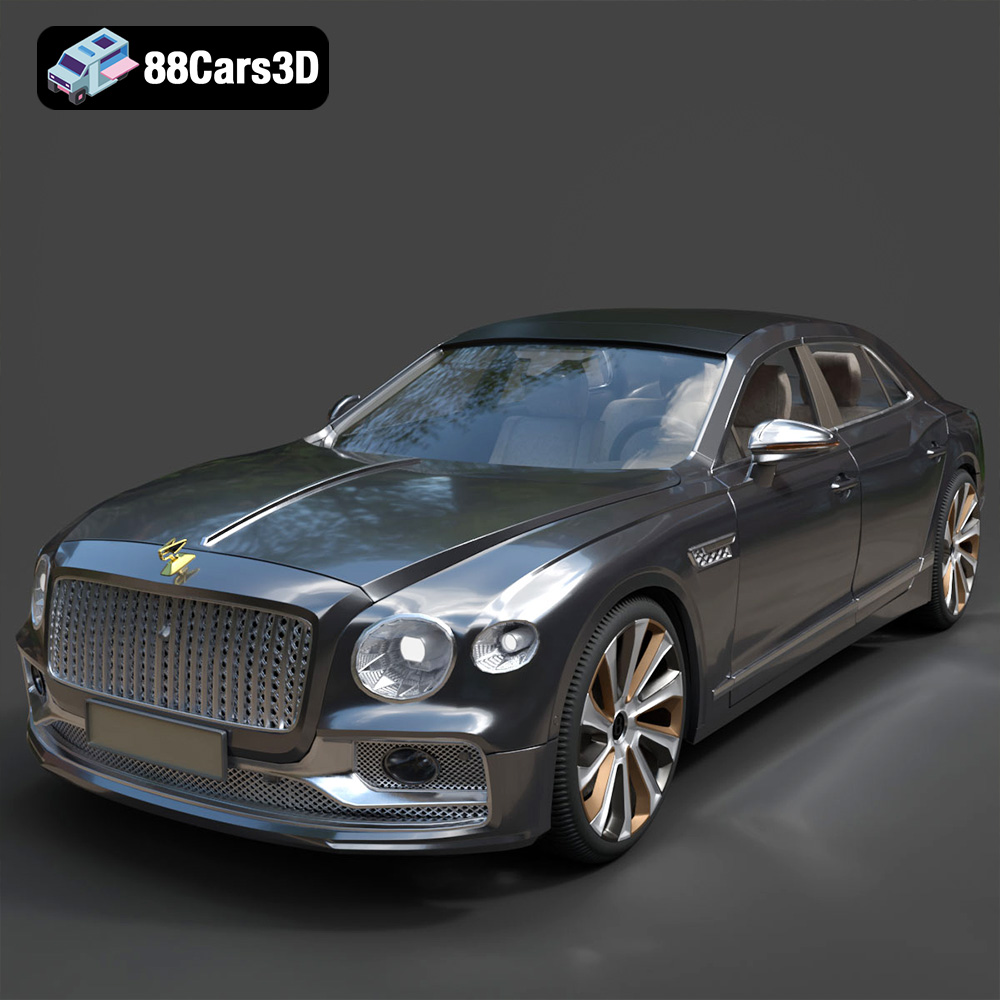
Texture: Yes | Material: Yes Download the ultra-high-detail Bentley Flying Spur Mulliner 2022 3D Model (2.94M Triangles). Features the bespoke Double Diamond grille, a fully modeled diamond-quilted interior, and exquisite luxury styling. Perfect for high-end ArchViz, VFX, and cinematic rendering. Includes .blend, .fbx, .obj, .glb, .stl, and .max formats.
Price: $19.90
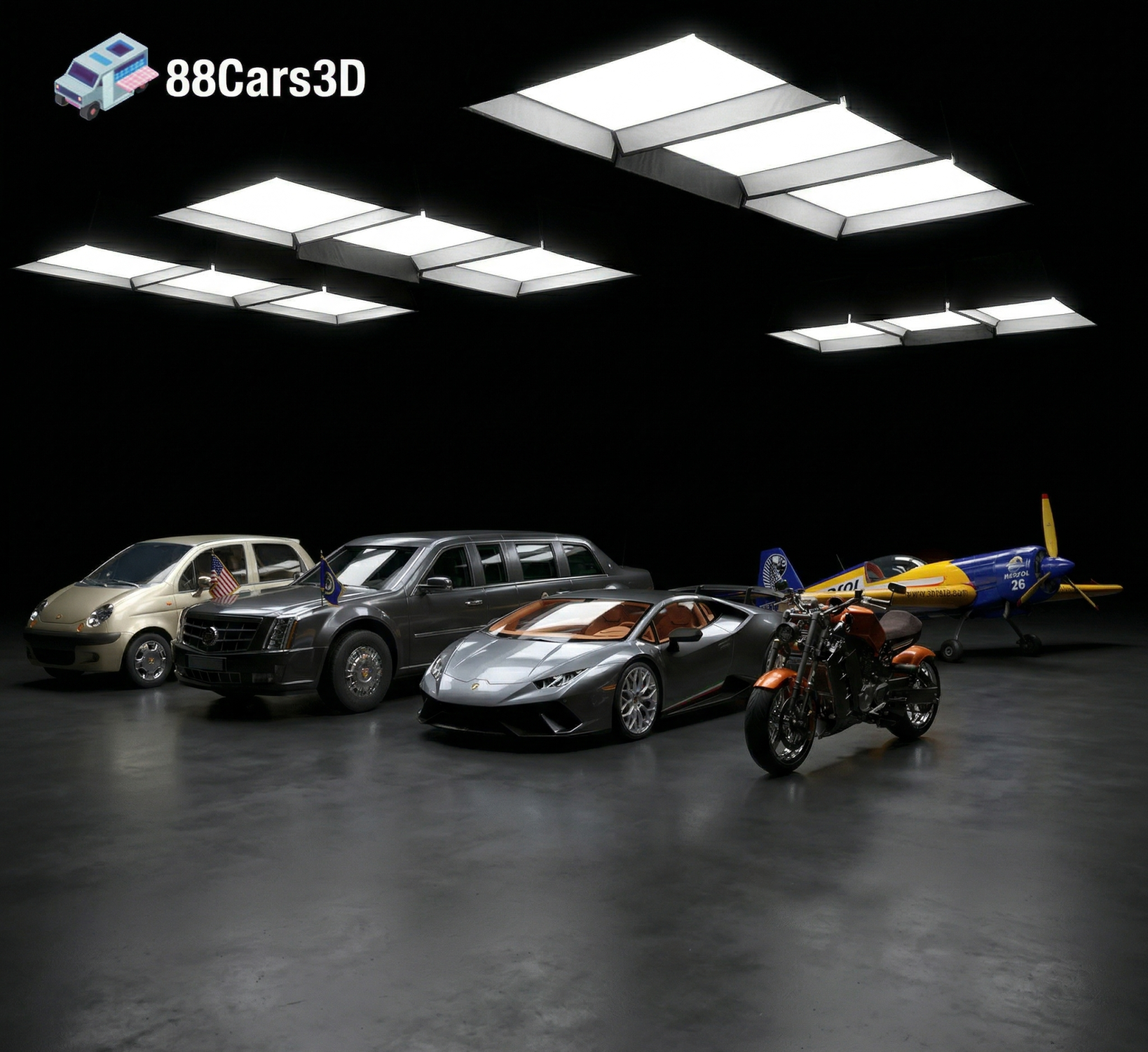
Texture: Yes | Material: Yes | 3D Printable: Yes. Download the Ultimate Creators’ Showcase featuring 5 premium 3D models: Lamborghini Huracan, ZAV Concept Motorcycle, Sukhoi SU-26, Presidential Limousine, and Daewoo Damas. Optimized for 4K CGI rendering and 3D printing. Save massive with this exclusive multi-category bundle!
Price: $99.99

