Get 50% OFF All Premium 3D & STL Models!

“`html
3D printing offers an incredible avenue for bringing digital designs into the physical world, and the possibilities are virtually limitless. For automotive enthusiasts, 3D printing opens the door to creating stunningly detailed car models. However, a successful print hinges on meticulous preparation of your 3D model. Whether you’re downloading a design from platforms like 88cars3d.com or creating your own, understanding the steps involved in preparing your model is crucial. This comprehensive guide will walk you through the entire process, from assessing STL files to optimizing printer settings, ensuring you achieve high-quality, accurate 3D prints. We’ll cover everything from understanding the intricacies of STL files to advanced slicing techniques and post-processing tips, empowering you to master the art of 3D model preparation.
In this guide, you will learn:
The STL (Stereolithography) file format is the workhorse of 3D printing. It represents a 3D model’s surface as a collection of interconnected triangles. The quality of this triangular mesh directly impacts the final print quality. A poorly constructed mesh can lead to print errors, visible facets, and structural weaknesses. Therefore, understanding the intricacies of STL files and mesh topology is paramount for successful 3D printing.
STL files store surface geometry data, defining the shape of a 3D object. Each triangle in the mesh is described by its three vertices (coordinates in 3D space) and a normal vector (indicating the triangle’s orientation). While seemingly simple, the way these triangles are arranged and connected dictates the overall integrity of the model. Issues like non-manifold geometry (where edges are shared by more than two triangles) or self-intersecting faces can cause significant printing problems. When downloading models from marketplaces such as 88cars3d.com, you can usually trust the models to be high quality, but it’s always good practice to check them yourself.
The density of the triangular mesh – the number of triangles used to represent the surface – determines the model’s resolution. A higher density mesh captures finer details but results in larger file sizes and increased processing time during slicing. Lower density meshes, on the other hand, are more efficient but can lead to a faceted appearance, especially on curved surfaces. The key is to strike a balance between detail and efficiency, choosing a mesh density appropriate for the size and complexity of your model. For detailed car models, a higher mesh density is generally preferred to accurately represent intricate features like grilles, emblems, and panel lines. When exporting your own models to STL, aim for a deviation tolerance of 0.01mm to 0.05mm, which typically yields good results. If using software like Blender, using the “Decimate” modifier can help reduce the mesh density while preserving detail. For instance, a ratio of 0.5 will halve the number of faces.
Before sending your STL file to the 3D printer, it’s essential to thoroughly inspect it for errors. These errors can range from minor imperfections to critical flaws that prevent successful printing. Various software tools are available to identify and repair these issues, ensuring a watertight and printable model.
Several software packages offer mesh analysis capabilities, including Meshmixer, Netfabb, and the built-in repair tools in some slicers like PrusaSlicer. These tools can automatically detect and highlight common errors such as non-manifold edges, holes in the mesh, flipped normals, and self-intersections. For example, in Meshmixer, the “Inspector” tool can automatically identify and attempt to repair these errors. It’s important to understand the nature of the errors to ensure the automatic repairs don’t inadvertently distort the model’s intended design. Look for warnings about “degenerate faces,” “inverted normals,” or “open edges.”
Sometimes, automatic repair tools aren’t enough, and manual intervention is required. Software like Blender provides powerful sculpting and mesh editing tools that allow you to directly manipulate the mesh. For example, you can use the “Fill” tool to close small holes or the “Merge by Distance” tool to weld nearly coincident vertices. When dealing with complex geometry, consider using the “Remesh” modifier to rebuild the mesh with a more uniform topology. Be mindful of maintaining the model’s original shape and dimensions during manual repairs. A common technique is to enable “X-Ray” mode to see through the model and easily select hidden vertices or edges. Always save a backup copy of the original file before making any modifications.
The orientation in which your model is printed significantly impacts print quality, support structure requirements, and overall printing time. Choosing the right orientation can minimize the need for supports, improve surface finish, and reduce the risk of warping or other printing defects. The generation and placement of support structures are equally critical, especially for models with overhangs or intricate details.
Consider the following factors when choosing the optimal print orientation: minimize overhangs (areas where the printer is printing in mid-air), reduce support material, improve surface finish on critical areas, and ensure bed adhesion. For car models, printing the body at an angle of 45 degrees can often reduce the need for supports on the roof and hood. Orient the model so that the most detailed surfaces face upwards, as this typically results in the best print quality. In Cura, use the “Rotate” tool to adjust the model’s orientation along the X, Y, and Z axes. Experiment with different orientations to find the best balance between support material and surface quality. Remember to consider the location of prominent features, such as wheels or spoilers, to ensure they are printed with minimal support interference.
Slicing software offers various options for generating support structures, including tree supports, linear supports, and grid supports. Tree supports are generally more efficient in terms of material usage and can be easier to remove, but they may not be suitable for all geometries. Linear supports provide stronger support but can leave more noticeable marks on the printed surface. The key is to customize the support settings to suit the specific needs of your model. Adjust the support density, overhang angle, and support placement to optimize support effectiveness and minimize material waste. In PrusaSlicer, the “Support on build plate only” option can be helpful for models with internal overhangs. Consider manually adding or removing supports in areas where they are either unnecessary or insufficient. The goal is to provide adequate support without excessively impacting the print time or surface finish.
Achieving exceptional results when 3D printing car models requires careful calibration of your 3D printer and precise adjustment of slicing parameters. The optimal settings will depend on your printer type (FDM or resin), the material you’re using, and the desired level of detail. Understanding the interplay between different settings is crucial for maximizing print quality and minimizing printing defects.
For FDM (Fused Deposition Modeling) printing, consider the following settings: Layer height: a lower layer height (e.g., 0.1mm to 0.15mm) will produce finer details but increase print time. Nozzle size: a smaller nozzle (e.g., 0.4mm or 0.25mm) can improve resolution but requires slower print speeds. Infill density: use a higher infill density (e.g., 20% to 30%) for parts that require strength or structural integrity. Print speed: reduce the print speed (e.g., 40mm/s to 50mm/s) for better accuracy and reduced warping. Temperature: adjust the temperature according to the filament manufacturer’s recommendations. Bed adhesion: use a heated bed and bed adhesion aids (e.g., glue stick, hairspray) to prevent warping. For PLA, a bed temperature of 60°C is generally recommended; for ABS, 100-110°C. Consider using a brim or raft for better bed adhesion, especially for large or complex models.
For resin printing, consider these settings: Layer height: a lower layer height (e.g., 0.025mm to 0.05mm) will produce incredibly fine details. Exposure time: adjust the exposure time according to the resin manufacturer’s recommendations and your printer’s specifications. Lift speed: optimize the lift speed to balance print speed and minimize suction forces. Support settings: use a higher support density and thicker support tips for better stability. Anti-aliasing: enable anti-aliasing to smooth out the surface of the printed model. Resin temperature: maintain a consistent resin temperature for optimal results. For best results, consider running exposure tests to fine-tune the exposure time for your specific resin and printer combination. Overexposure can lead to loss of detail, while underexposure can result in weak or incomplete prints. Calibration models, readily available online, can help you determine the ideal exposure settings.
Slicing software is the bridge between your 3D model and the 3D printer. Mastering advanced slicing techniques can significantly improve print quality, reduce material consumption, and shorten printing time. This involves understanding the various parameters offered by your slicing software and how they interact with each other.
Variable layer height allows you to adjust the layer height dynamically throughout the print, prioritizing detail in critical areas and speed in less important areas. For example, you can use a lower layer height for the exterior of the car model to capture fine details and a higher layer height for the interior to reduce printing time. Adaptive slicing automatically adjusts the layer height based on the curvature of the model, providing a similar benefit. In Cura, explore the “Adaptive Layers” setting under the “Experimental” section. This feature automatically varies the layer height based on the model’s geometry, optimizing both print time and detail. This can be especially effective for complex car models with intricate curves and sharp edges.
The infill pattern affects the strength, weight, and material consumption of your 3D print. Different infill patterns offer varying levels of strength and stiffness. Common patterns include rectilinear, grid, honeycomb, and gyroid. For car models, consider using a gyroid infill for its balanced strength and isotropic properties. Adjust the infill density based on the structural requirements of the part. For decorative models, a lower infill density (e.g., 10% to 15%) may suffice, while functional parts may require a higher density (e.g., 25% to 50%). Some slicers, like Simplify3D, offer the ability to vary the infill density within different regions of the model, allowing you to optimize strength and weight even further. For example, you might increase the infill density in areas that will be subject to stress or strain.
Post-processing is the final stage in the 3D printing process, where you refine the printed part to achieve the desired look and feel. This can involve removing support structures, sanding the surface, applying coatings, and assembling multiple parts. The techniques you use will depend on the material you’ve printed with and the desired aesthetic.
Careful support removal is crucial to avoid damaging the printed part. Use appropriate tools, such as pliers, cutters, and scalpels, to gently remove the supports. For FDM prints, consider using a heat gun to soften the supports before removal. After removing the supports, sand the surface to smooth out any imperfections and remove support marks. Start with a coarse grit sandpaper (e.g., 220 grit) and gradually move to finer grits (e.g., 400 grit, 600 grit, 800 grit) for a smoother finish. Wet sanding can also help to minimize scratches and dust. For resin prints, soaking the part in warm water can help to soften the supports and make them easier to remove. Remember to wear appropriate safety gear, such as gloves and a respirator, when sanding.
Painting can significantly enhance the appearance of your 3D printed car model. Start by applying a primer to create a smooth and uniform base for the paint. Use acrylic paints or automotive paints for best results. Apply multiple thin coats of paint, allowing each coat to dry completely before applying the next. Consider using masking tape to create clean lines and separate different colors. After painting, apply a clear coat to protect the paint and add a glossy finish. For multi-part models, use super glue or epoxy to assemble the different components. Ensure proper alignment and fit before gluing the parts together. Consider using clamps or weights to hold the parts in place while the glue dries. With careful attention to detail, you can create a stunningly realistic and professional-looking 3D printed car model.
Even with careful preparation, 3D printing can sometimes present challenges. Recognizing and addressing common printing issues is essential for a smooth and successful printing experience. Knowing how to diagnose and fix these problems can save you time, material, and frustration.
Warping occurs when the corners of the printed part lift off the build plate, often due to temperature differences and poor bed adhesion. To prevent warping, ensure the build plate is properly leveled and heated. Use bed adhesion aids like glue stick or hairspray. For materials prone to warping, like ABS, consider printing inside an enclosure. Bed adhesion problems can also be caused by a dirty build plate. Clean the build plate regularly with isopropyl alcohol. Layer delamination, where layers separate during printing, can be caused by insufficient extrusion temperature or poor layer adhesion. Increase the printing temperature and reduce the print speed to improve layer adhesion. Ensure your filament is dry, as moisture can also contribute to layer delamination. For larger parts, consider increasing the bed temperature to prevent the lower layers from cooling too quickly.
Stringing occurs when the printer extrudes filament while moving between different parts of the model, leaving thin strands of plastic behind. To reduce stringing, adjust the retraction settings in your slicer. Increase the retraction distance and speed to pull the filament back into the nozzle more effectively. Blobs are small lumps of plastic that appear on the surface of the print, often caused by inconsistent extrusion or over-extrusion. Reduce the flow rate and ensure the extruder is properly calibrated. Inconsistent extrusion can be caused by a clogged nozzle or a malfunctioning extruder. Clean the nozzle and check the extruder motor and gears for any issues. Also, ensure your filament diameter is correctly set in your slicer. Consider performing a cold pull to remove any debris from the nozzle. Regular maintenance and calibration of your 3D printer are crucial for preventing these issues.
Preparing 3D models for printing is a multi-faceted process that requires attention to detail and a solid understanding of both the software and hardware involved. From carefully inspecting and repairing STL files to optimizing print orientation, support structures, and printer settings, each step plays a crucial role in achieving high-quality, accurate prints. By mastering advanced slicing techniques and post-processing methods, you can further refine your prints and bring your 3D models to life with stunning realism. Platforms like 88cars3d.com provide excellent resources for finding printable car models, but understanding how to prepare these files for printing is essential for achieving the best possible results. Remember to experiment with different settings and techniques to find what works best for your specific printer, material, and model. With practice and patience, you can overcome common printing challenges and unlock the full potential of 3D printing.
Your next steps should be:
“`
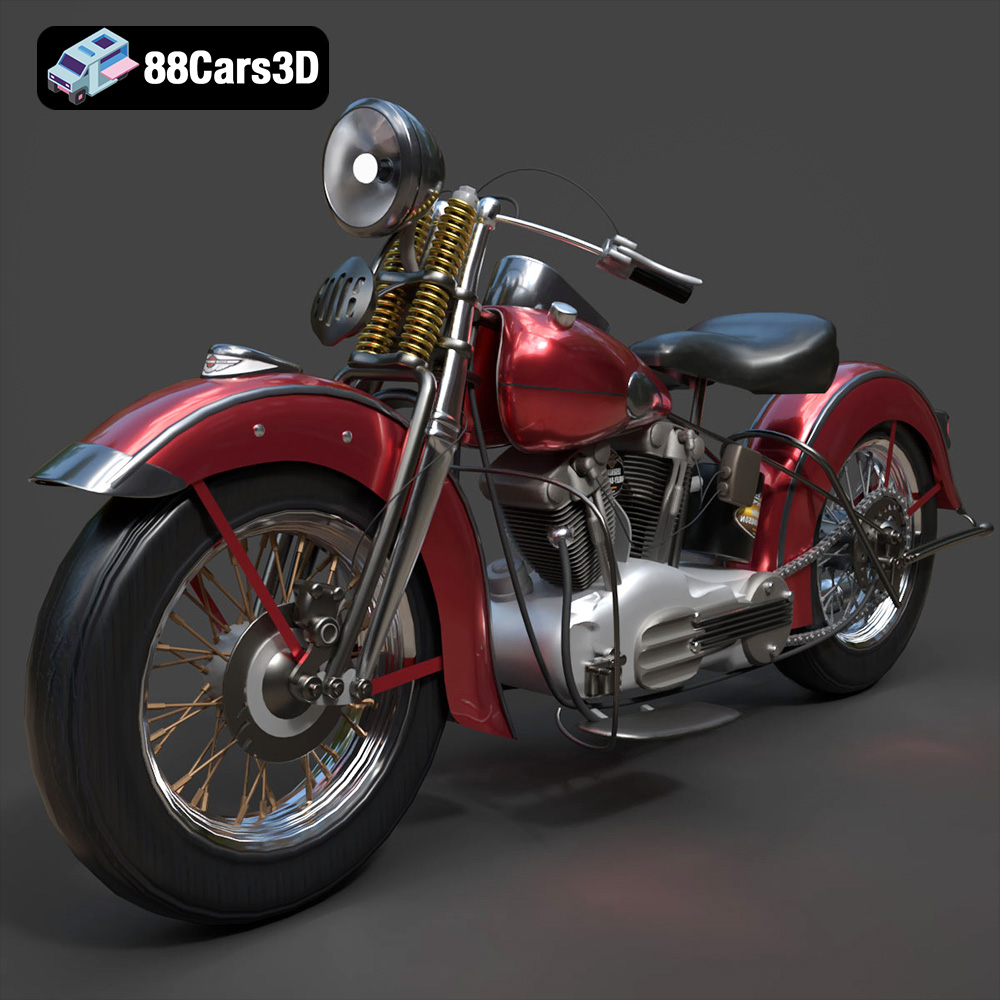
Texture: Yes
Material: Yes
Download the Harley Davidson F 1946 3D Model featuring clean geometry, realistic detailing, and a fully modeled interior. Includes .blend, .fbx, .obj, .glb, .stl, .ply, .unreal, and .max formats for rendering, simulation, and game development.
Price: $19.99
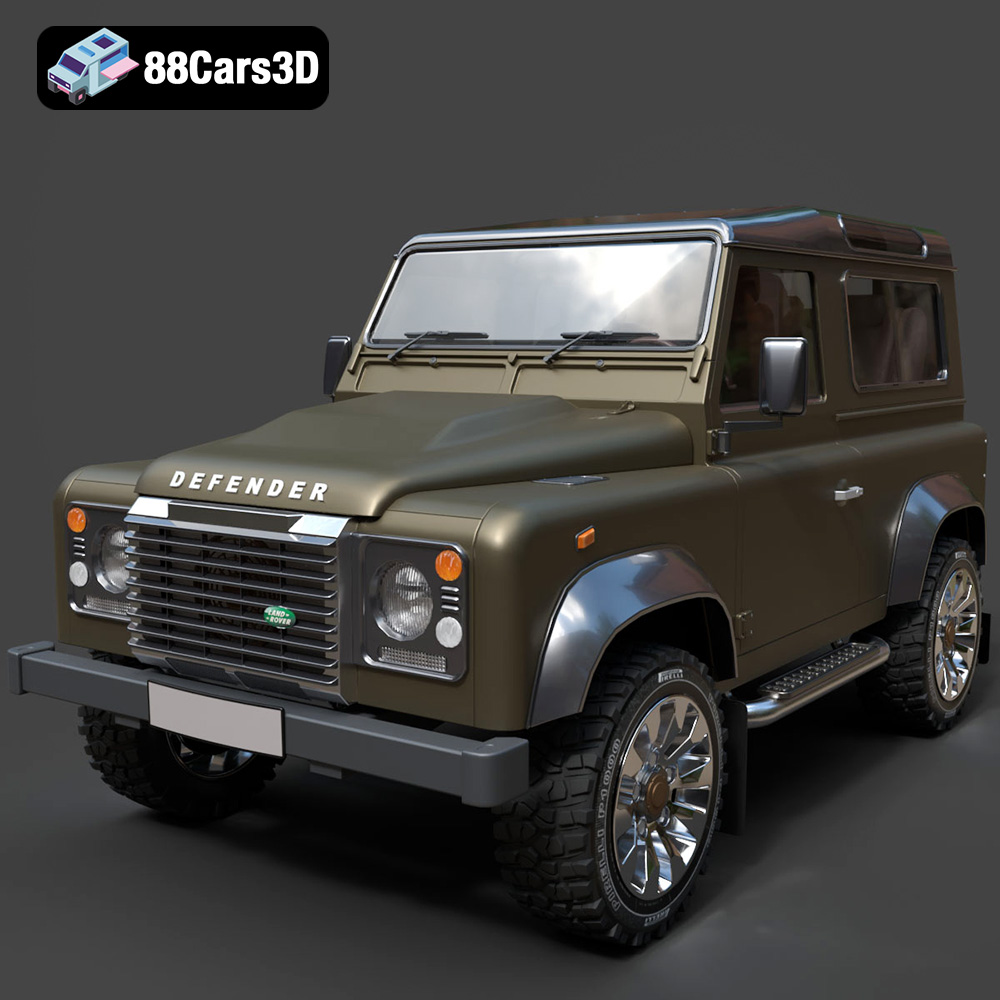
Texture: Yes
Material: Yes
Download the Land Rover Defender Works V8 3D Model featuring clean geometry, realistic detailing, and a fully modeled interior. Includes .blend, .fbx, .obj, .glb, .stl, .ply, .unreal, and .max formats for rendering, simulation, and game development.
Price: $19.99
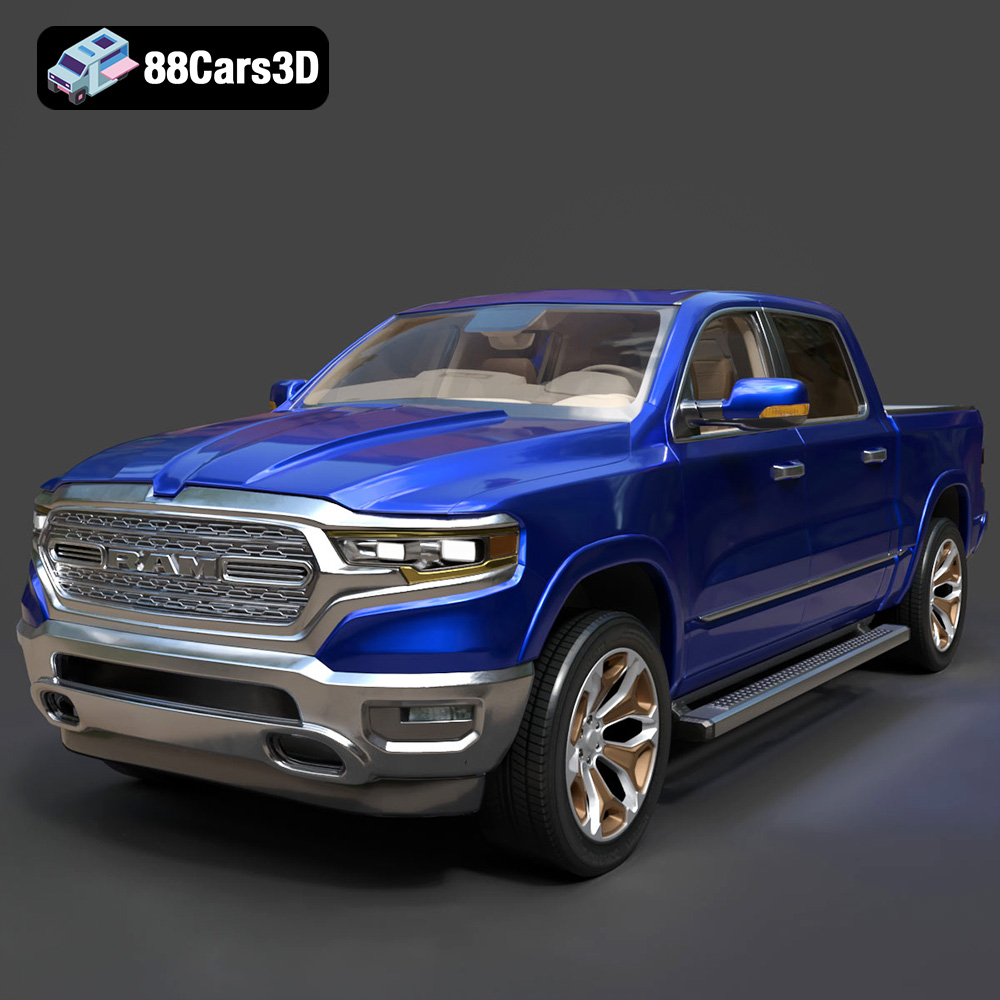
Texture: Yes
Material: Yes
Download the Dodge RAM 2019 3D Model featuring clean geometry, realistic detailing, and a fully modeled interior. Includes .blend, .fbx, .obj, .glb, .stl, .ply, .unreal, and .max formats for rendering, simulation, and game development.
Price: $19.99
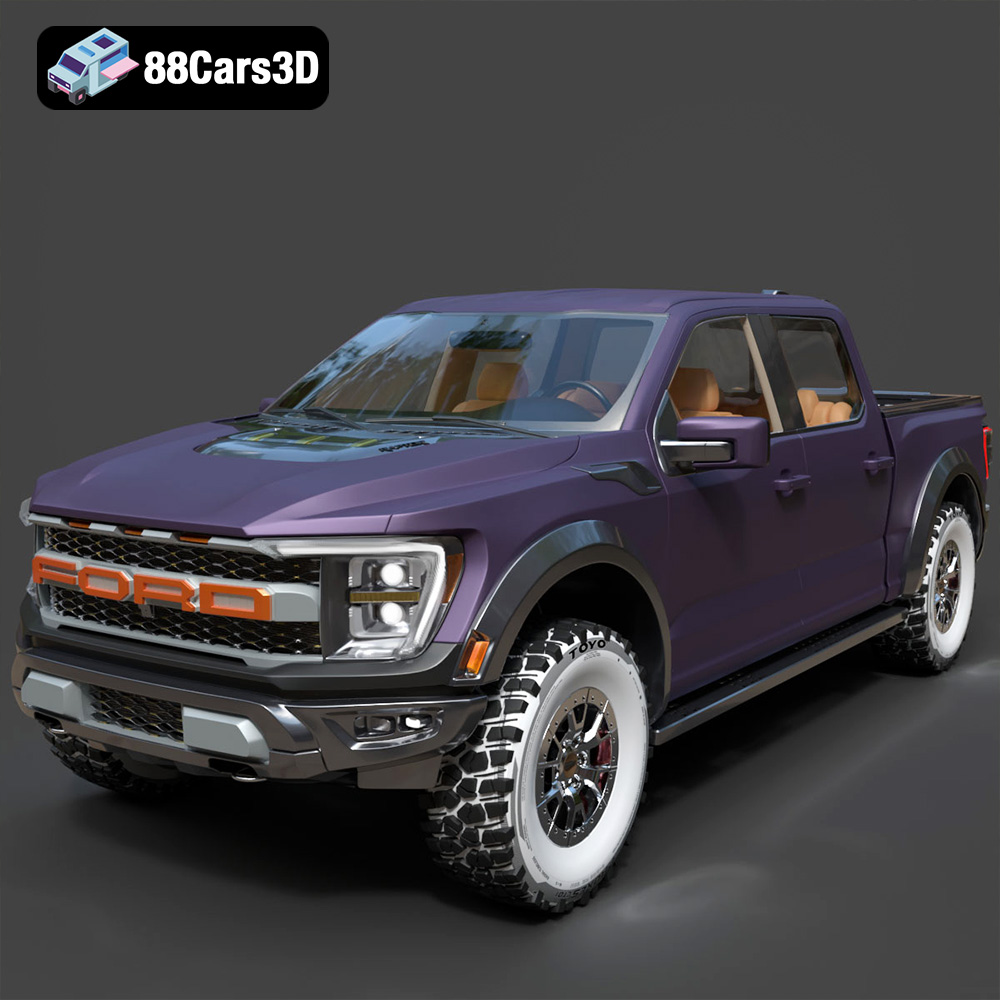
Texture: Yes | Material: Yes Download the ultra-high-detail Ford F-150 Raptor 2021 3D Model (8.73M Triangles). Features uncompromised widebody styling, fully modeled Fox Live Valve suspension, 37-inch tires, and interior. Perfect for premium VFX, cinematic rendering, and ArchViz. Includes .blend, .fbx, .obj, .glb, .stl, and .max formats.
Price: $29.99

Texture: Yes | Material: Yes Download the ultra-high-detail BMW 3 Series Limousine (2022) 3D Model (4.16M Triangles). Features the modernized G20 LCI exterior, the all-new BMW Curved Display interior, and ultra-dense topology. Perfect for ArchViz, VFX, and cinematic rendering. Includes .blend, .fbx, .obj, .glb, .stl, and .max formats.
Price: $19.99
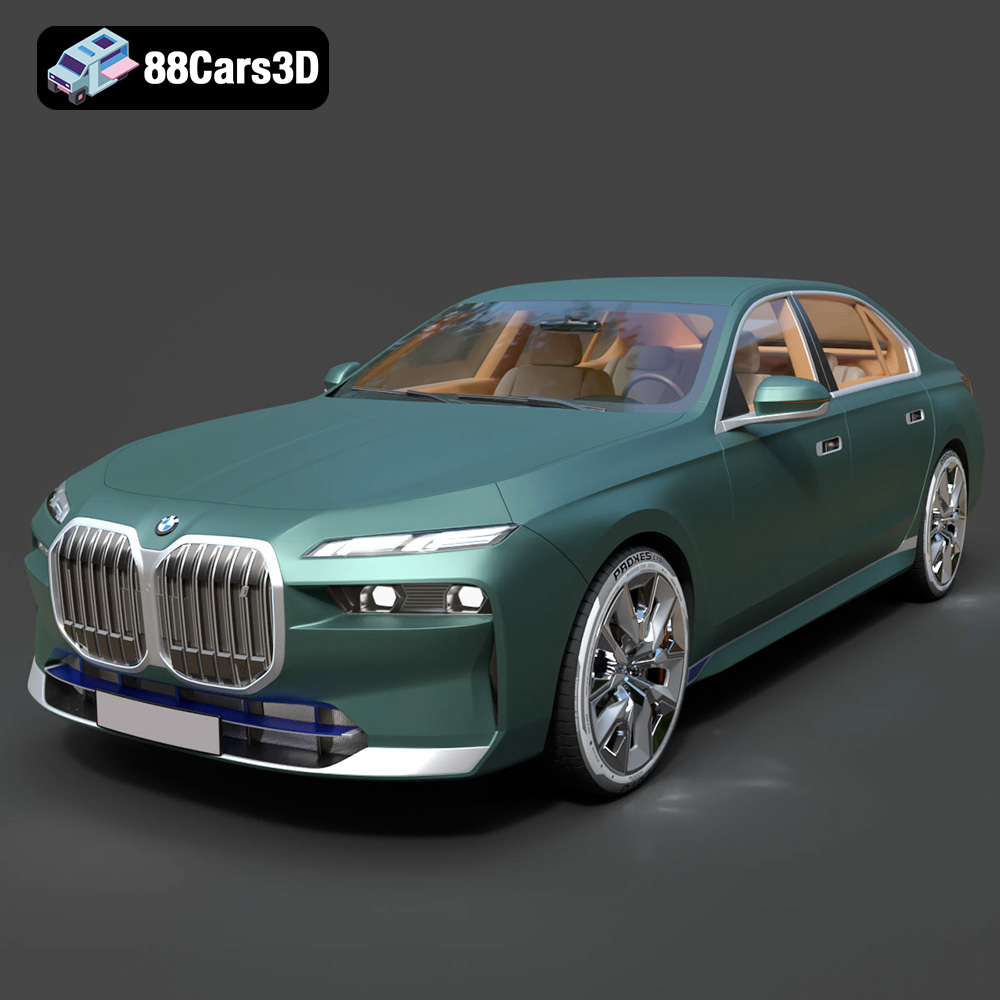
Texture: Yes | Material: Yes Download the ultra-high-detail BMW i7 (2023) 3D Model (4.14M Triangles). Features the illuminated kidney grille, split crystal headlights, fully modeled Theatre Screen interior, and monolithic luxury styling. Perfect for ArchViz, VFX, and cinematic rendering. Includes .blend, .fbx, .obj, .glb, .stl, and .max formats.
Price: $19.99
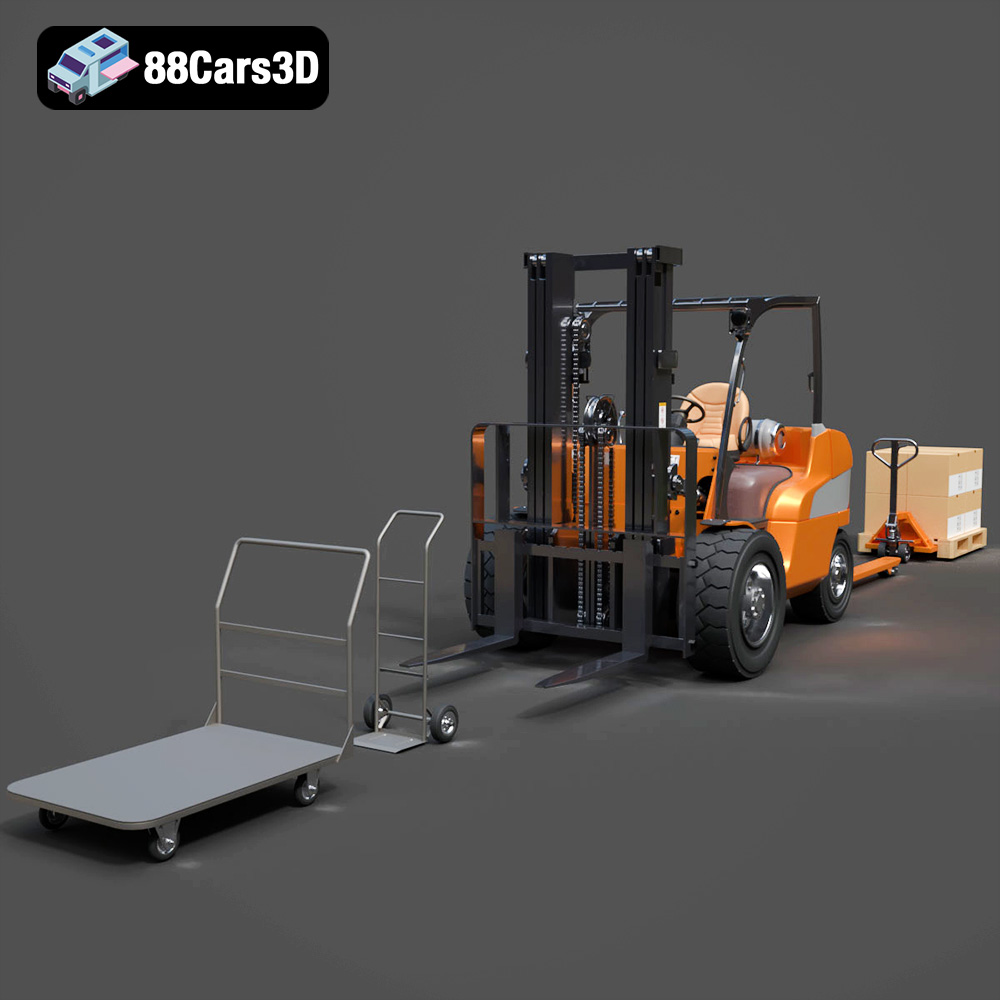
Texture: Yes | Material: Yes Download the highly detailed CAT Manual Loader & Warehouse Carts Kit 3D Model (2.4M Triangles). Features a macro-detailed hydraulic pallet jack, heavy-duty forks, and transport carts. Perfect for industrial ArchViz, factory rendering, and logistics simulations. Includes .blend, .fbx, .obj, .glb, .stl, and .max formats.
Price: $19.99

Texture: Yes | Material: Yes
Download the highly optimized Mazda CX-5 2014 3D Model (294k Triangles). Features the dynamic Kodo design language, signature grille, and a clean interior. Perfectly balanced for ArchViz, background traffic, and game development. Includes .blend, .fbx, .obj, .glb, .stl, and .max formats.
Price: $19.99
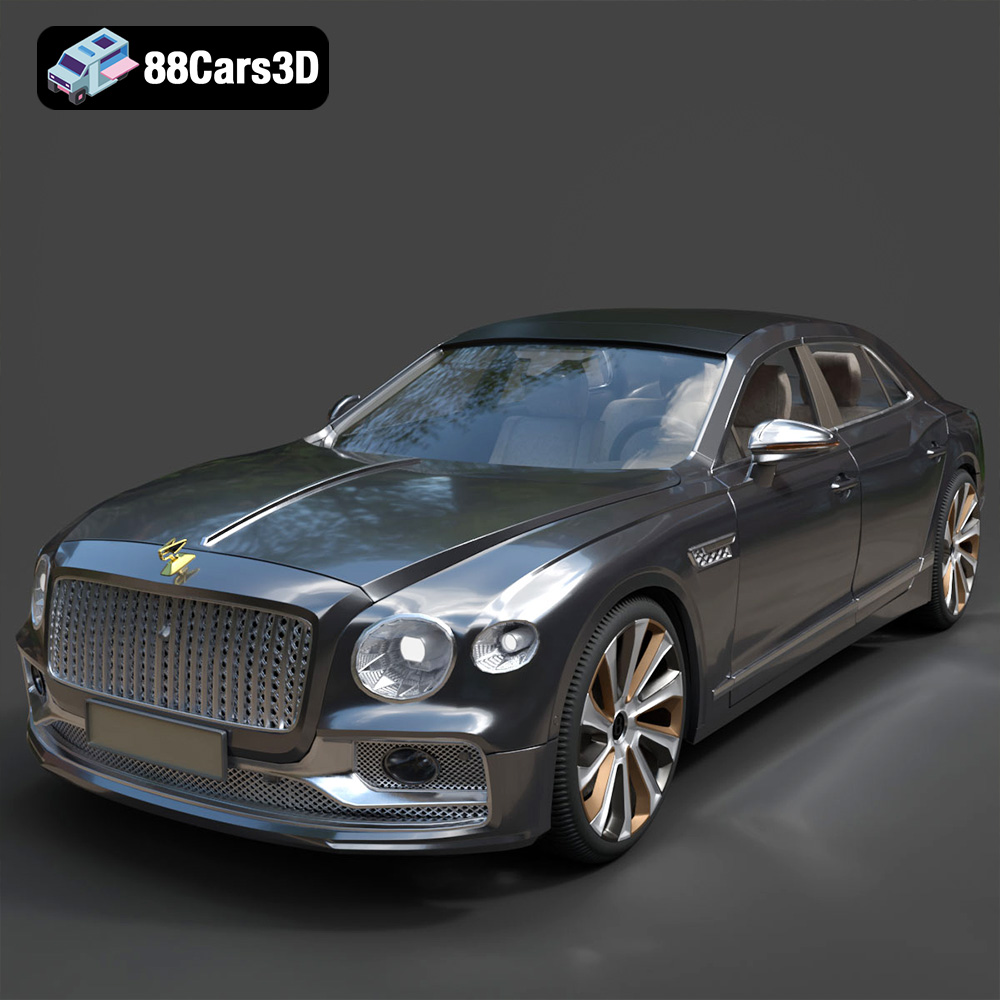
Texture: Yes | Material: Yes Download the ultra-high-detail Bentley Flying Spur Mulliner 2022 3D Model (2.94M Triangles). Features the bespoke Double Diamond grille, a fully modeled diamond-quilted interior, and exquisite luxury styling. Perfect for high-end ArchViz, VFX, and cinematic rendering. Includes .blend, .fbx, .obj, .glb, .stl, and .max formats.
Price: $19.90
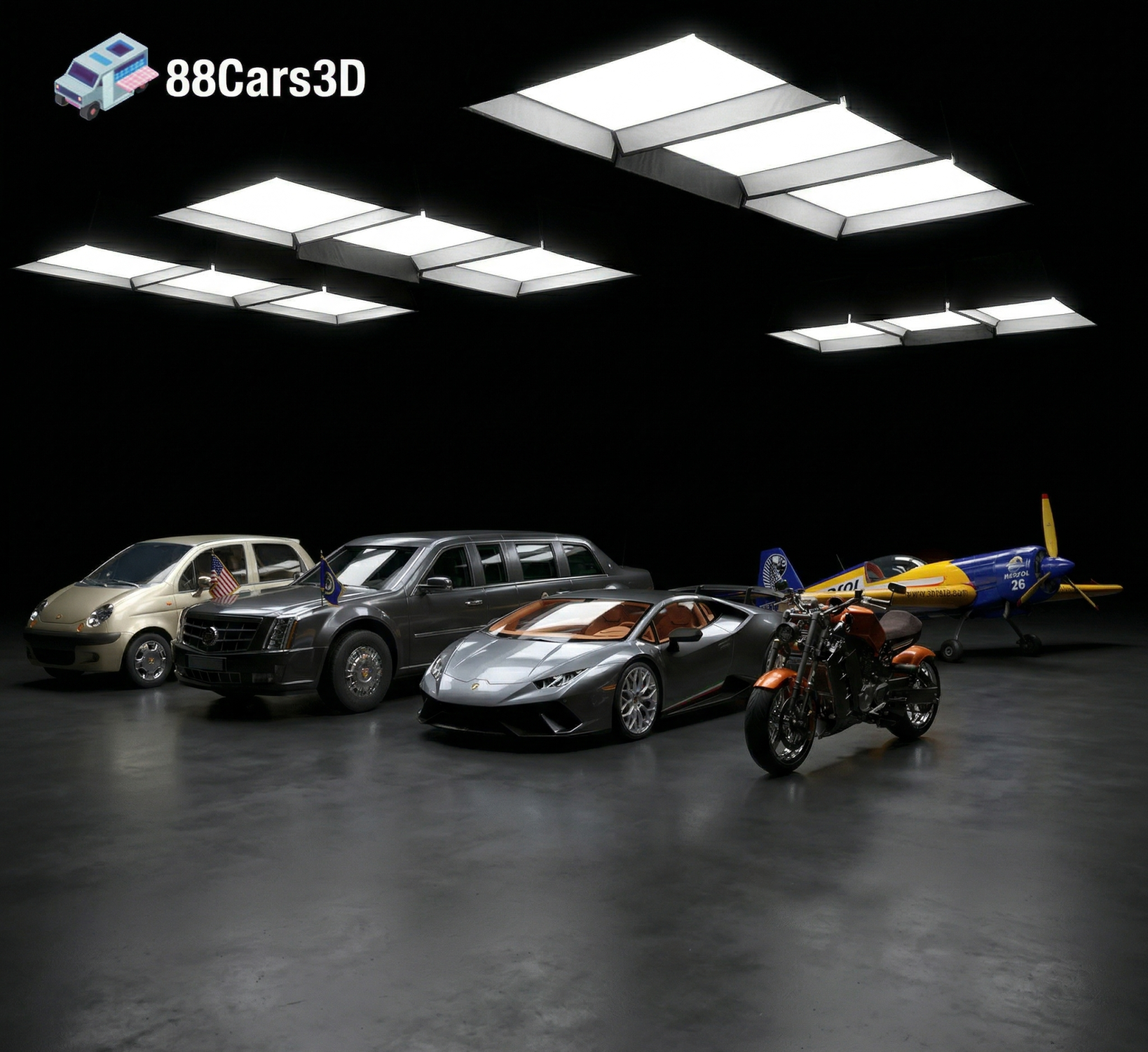
Texture: Yes | Material: Yes | 3D Printable: Yes. Download the Ultimate Creators’ Showcase featuring 5 premium 3D models: Lamborghini Huracan, ZAV Concept Motorcycle, Sukhoi SU-26, Presidential Limousine, and Daewoo Damas. Optimized for 4K CGI rendering and 3D printing. Save massive with this exclusive multi-category bundle!
Price: $99.99

