Get 50% OFF All Premium 3D & STL Models!

“`html
Unreal Engine is a powerhouse for creating stunning automotive visualizations, interactive experiences, and realistic vehicle simulations. At the heart of bringing these virtual cars to life lies the Animation Blueprint. This visual scripting system empowers artists and developers to control skeletal mesh animations, blend between states, and create dynamic responses to gameplay events. Mastering Animation Blueprints is crucial for anyone aiming to produce high-fidelity automotive experiences in Unreal Engine. In this comprehensive guide, we’ll delve into the core concepts, workflows, and best practices for leveraging Animation Blueprints to create compelling and realistic vehicle animations.
We’ll cover everything from setting up your project and importing 3D car models to crafting sophisticated state machines, implementing blend spaces, and optimizing performance for real-time rendering. Whether you’re creating a showroom experience, a driving simulator, or a cinematic car chase, this guide will provide you with the knowledge and tools to effectively utilize Animation Blueprints.
The Animation Blueprint editor is your primary workspace for creating and managing animation logic. It’s divided into several key areas:
The AnimGraph is where you’ll spend most of your time. It’s a node-based system where you connect animation assets (e.g., animations, blend spaces) and control logic (e.g., state machines, blend nodes) to define the animation behavior of your skeletal mesh. Familiarizing yourself with these interface elements is the first step towards effectively using Animation Blueprints.
Before diving into Animation Blueprints, you need a project and a 3D car model. Start by creating a new Unreal Engine project using the “Games” template and selecting either a blank or a vehicle template. Importing your 3D car model involves several steps:
Properly importing and setting up your 3D car model is crucial for a smooth animation workflow. Ensure your model has clean topology, realistic materials, and correct scaling before proceeding to the next step. Check out Unreal Engine’s official documentation on skeletal mesh importing for detailed instructions: https://dev.epicgames.com/community/unreal-engine/learning
A state machine is a fundamental component of Animation Blueprints, allowing you to define different animation states (e.g., Idle, Driving, Braking) and the transitions between them. This ensures that your animations play in a logical and controlled manner.
To create a state machine, right-click in the AnimGraph and select “Add New State Machine.” Double-click the state machine node to enter its graph. Here, you can add states by right-clicking and selecting “Add New State.” Give each state a descriptive name that reflects its animation (e.g., “Idle,” “Accelerating,” “Turning”). Connect these states using transitions, which define the conditions under which the animation should switch from one state to another. Transitions use Boolean logic and can reference variables exposed from the Animation Blueprint.
For example, to transition from an “Idle” state to an “Accelerating” state, you might create a Boolean variable called “IsAccelerating.” The transition condition would then be “IsAccelerating == True.” This means that the animation will only transition to the “Accelerating” state when the “IsAccelerating” variable is set to true, typically driven by player input or game logic. Using descriptive names for variables and states makes the animation blueprint easier to understand and maintain.
Once you have defined your states, you need to populate them with animation assets. Drag an animation sequence (e.g., an “Idle” animation, an “Accelerating” animation) from the Content Browser into the corresponding state. Connect the animation sequence node to the state’s output pose. You can also use Blend Spaces within states to smoothly transition between different animation variations based on input values (e.g., vehicle speed, steering angle).
Consider using additive animations to layer subtle movements on top of your base animations. For example, you could have a base “Driving” animation and then add an additive animation for steering wheel movement based on the steering input. This adds realism and prevents animations from looking stiff or unnatural. Remember to adjust the blending settings of your animations to achieve the desired smoothness and responsiveness.
Blend Spaces are powerful assets that allow you to blend between multiple animations based on input parameters. They are essential for creating smooth and natural transitions between different animation variations.
Unreal Engine offers two types of Blend Spaces: 1D and 2D. A 1D Blend Space blends between animations along a single axis (e.g., vehicle speed), while a 2D Blend Space blends between animations based on two axes (e.g., vehicle speed and steering angle). To create a Blend Space, right-click in the Content Browser, select “Animation,” and choose either “Blend Space 1D” or “Blend Space.”
For a car’s engine sound and animation, a 1D Blend Space is ideal for blending between idle, acceleration, and top speed animations based on the vehicle’s current speed. A 2D Blend Space can be used for blending between animations that depend on both speed and steering, like drifting. Remember to set appropriate ranges for your input axes (e.g., speed from 0 to 100, steering angle from -1 to 1) and populate the Blend Space with the corresponding animations at each sample point.
Once you’ve created a Blend Space, open it in the editor. You’ll see a graph with input axes. Define the range and number of samples for each axis. Then, drag animation sequences from the Content Browser onto the graph at the appropriate sample points. Unreal Engine will automatically blend between these animations based on the input values. Adjust the “Interpolation Time” setting to control the smoothness of the blending.
Using a blend space allows you to easily adjust the responsiveness of your car’s animations. For example, lowering the interpolation time will make the transitions between animations faster and snappier, while increasing it will make them smoother and more gradual. Experiment with different interpolation times to find the best balance for your specific vehicle and driving style. Consider creating multiple blend spaces for different aspects of the vehicle’s animation, such as engine sounds, body movements, and suspension behavior, for greater control and realism.
While state machines and blend spaces form the foundation of Animation Blueprints, advanced techniques like animation layers and montages provide further control and flexibility for complex animation scenarios.
Animation layers allow you to apply additive animations on top of your base animations. This is useful for adding subtle movements or effects without modifying the core animation data. For example, you can use an animation layer to add head movements based on camera input or to simulate body roll during cornering. Create an animation layer by right-clicking in the AnimGraph and selecting “Add New Layered Blend Per Bone.” Connect your base animation to the “Base Pose” input and your additive animation to the “Blend Pose” input. Adjust the “Blend Weight” to control the intensity of the additive effect.
Animation layers are particularly effective for adding secondary motion to a vehicle. For example, you can use a layered blend per bone to add slight vibrations to the steering wheel based on the engine’s RPM, or to simulate the subtle rocking of the car’s body as it drives over uneven terrain. When using animation layers, pay close attention to the bone weights to ensure that the additive animation is applied correctly. You may need to adjust the weights to prevent unnatural deformations or clipping.
Animation Montages are self-contained animation sequences that can interrupt the current animation state. They are ideal for handling special actions like opening doors, activating features, or playing cutscenes. To create a Montage, right-click on an animation sequence in the Content Browser and select “Create” -> “Create Anim Montage.” In the Montage editor, you can define different “Sections” within the animation and trigger events at specific points in time using “Animation Notifies.”
Animation montages are invaluable for adding interactive elements to your automotive visualization. For example, you can create a montage for opening and closing the car doors, trunk, or hood. Use animation notifies to trigger sound effects, particle effects, or other events at specific points in the animation, such as the latch clicking open or the hydraulic struts extending. You can also use montages to play cinematic sequences, such as a close-up of the engine starting or a dramatic reveal of the car’s interior.
Performance is crucial for real-time rendering, especially when dealing with complex automotive models and animations. Optimizing your Animation Blueprints can significantly improve frame rates and ensure a smooth user experience.
Minimize the number of nodes and connections in your Animation Blueprints. Complex blueprints can be computationally expensive, especially on lower-end hardware. Break down large state machines into smaller, more manageable components. Use functions and macros to encapsulate reusable logic and reduce redundancy. Avoid performing complex calculations within the AnimGraph; instead, pre-calculate values and store them in variables.
One effective strategy for reducing blueprint complexity is to use data-driven animation. Instead of hardcoding animation parameters directly into the blueprint, you can store them in data tables or scriptable objects and load them at runtime. This allows you to easily modify animation behavior without having to edit the blueprint itself. Consider using platforms like 88cars3d.com that frequently provide assets that come with well organized and optimized animation blueprints, allowing for a faster integration into your projects.
Use Level of Detail (LOD) meshes to reduce the polygon count of your car model at lower distances. This can significantly improve rendering performance, especially in complex scenes. Also, implement animation budgeting to limit the amount of processing time spent on animation calculations per frame. This can prevent animation from becoming a bottleneck and ensure that other systems (e.g., rendering, physics) have sufficient resources. Unreal Engine’s built-in profiling tools can help you identify performance bottlenecks in your Animation Blueprints. Use the “Stat Anim” command to view detailed animation statistics.
Experiment with different LOD settings to find the optimal balance between visual quality and performance. You can also create custom LODs specifically for animation, such as simplifying the skeleton or reducing the number of blended bones. Remember to test your animations on a range of target devices to ensure that they perform adequately on all platforms. Optimizing your animation blueprints is an iterative process, so be prepared to experiment and refine your approach until you achieve the desired results.
Animation Blueprints are used extensively in various automotive applications, from interactive showrooms to virtual production workflows.
Animation Blueprints are the backbone of interactive showrooms and car configurators. They allow users to customize vehicle options, open doors, adjust seats, and explore interior features in real-time. By connecting animation events to user input, you can create a highly engaging and personalized experience. For example, clicking on a specific interior feature could trigger an animation montage that zooms in and highlights the details of that feature. You can also use Animation Blueprints to dynamically update the car’s materials and colors based on user selections.
Consider incorporating physics-based animations to simulate the movement of car parts, such as the suspension compressing when the car is driven over a bump. This adds a layer of realism and immersiveness to the experience. Animation Blueprints can also be used to control the animation of virtual cameras, creating smooth and cinematic transitions between different viewpoints within the showroom.
In virtual production, Animation Blueprints are used to synchronize the movement of virtual cars with real-world camera movements. By tracking the position and rotation of the camera in real-time, you can drive the animation of the virtual car and seamlessly composite it into the live-action footage. This allows filmmakers to create complex car chase sequences and stunts without the need for expensive location shoots or dangerous stunts.
Animation Blueprints can also be used to control the lighting and effects within the virtual environment, ensuring that they match the lighting and effects on the physical set. For example, you can use animation notifies to trigger lighting cues or particle effects at specific points in the animation. By carefully coordinating the virtual and physical elements, you can create a seamless and convincing illusion that blurs the line between reality and simulation.
Mastering Animation Blueprints is key to unlocking the full potential of Unreal Engine for automotive visualization. By understanding the core concepts, implementing best practices, and optimizing for performance, you can create stunning and interactive automotive experiences that captivate your audience. Remember to refer to the Unreal Engine documentation and community resources for further learning and inspiration.
“`
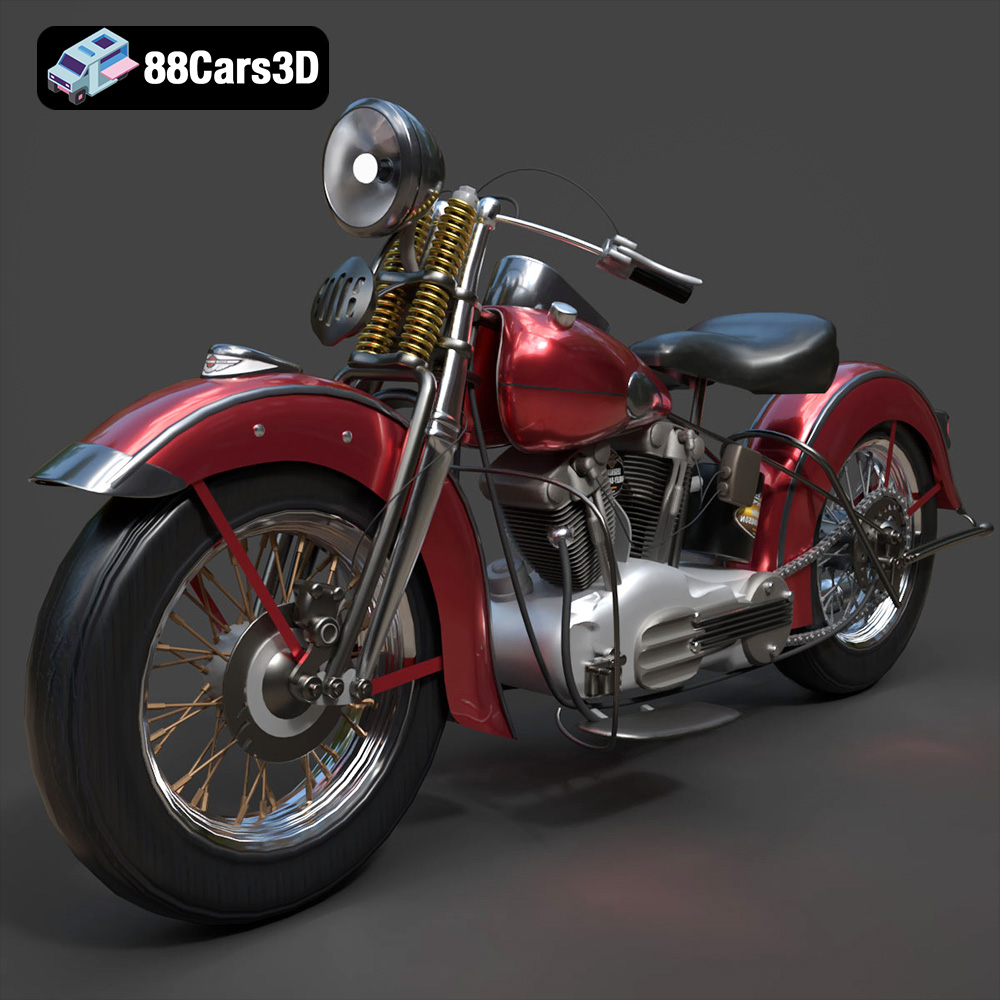
Texture: Yes
Material: Yes
Download the Harley Davidson F 1946 3D Model featuring clean geometry, realistic detailing, and a fully modeled interior. Includes .blend, .fbx, .obj, .glb, .stl, .ply, .unreal, and .max formats for rendering, simulation, and game development.
Price: $19.99
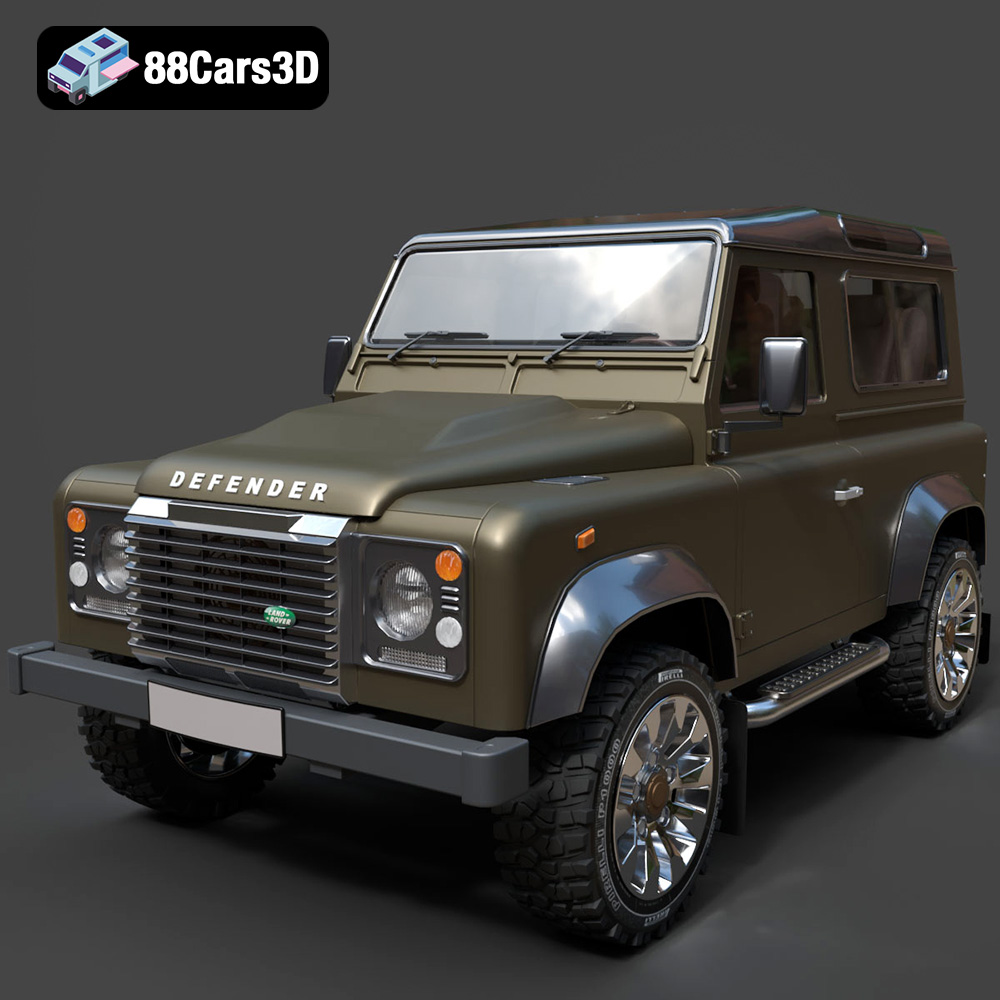
Texture: Yes
Material: Yes
Download the Land Rover Defender Works V8 3D Model featuring clean geometry, realistic detailing, and a fully modeled interior. Includes .blend, .fbx, .obj, .glb, .stl, .ply, .unreal, and .max formats for rendering, simulation, and game development.
Price: $19.99
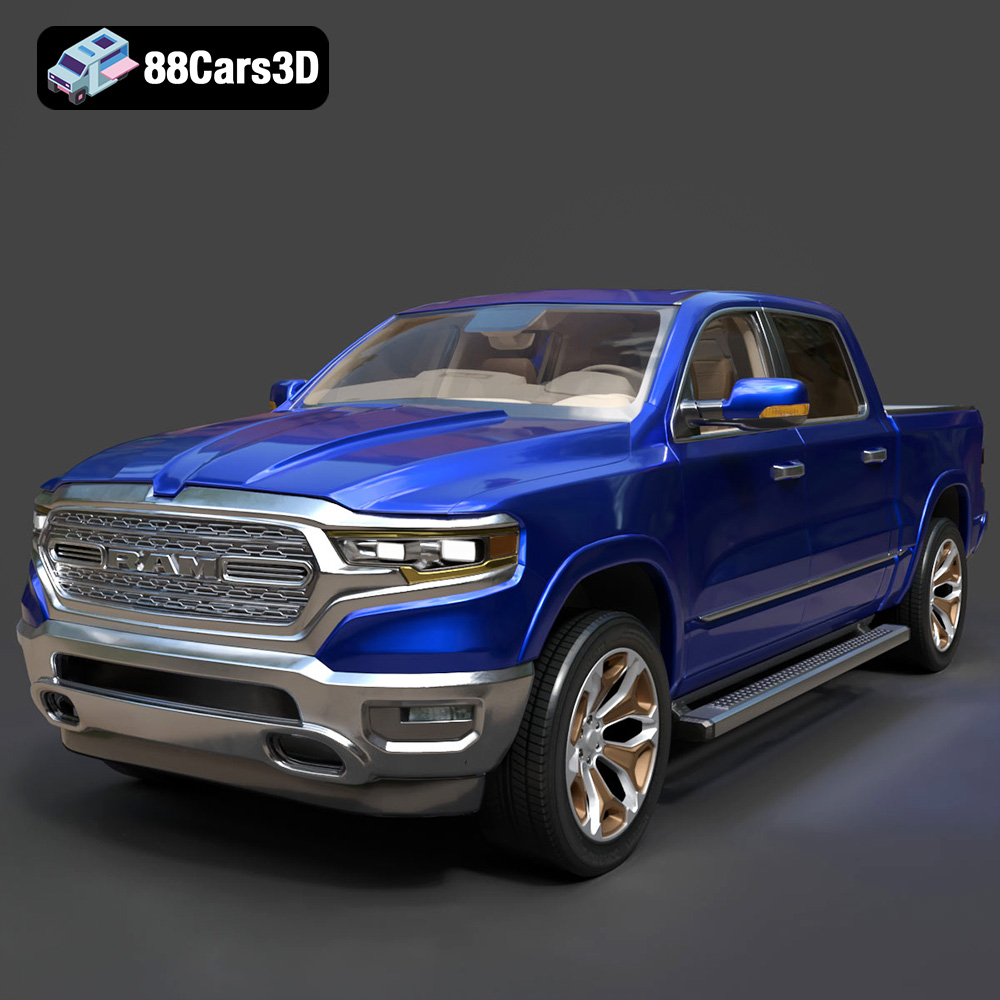
Texture: Yes
Material: Yes
Download the Dodge RAM 2019 3D Model featuring clean geometry, realistic detailing, and a fully modeled interior. Includes .blend, .fbx, .obj, .glb, .stl, .ply, .unreal, and .max formats for rendering, simulation, and game development.
Price: $19.99
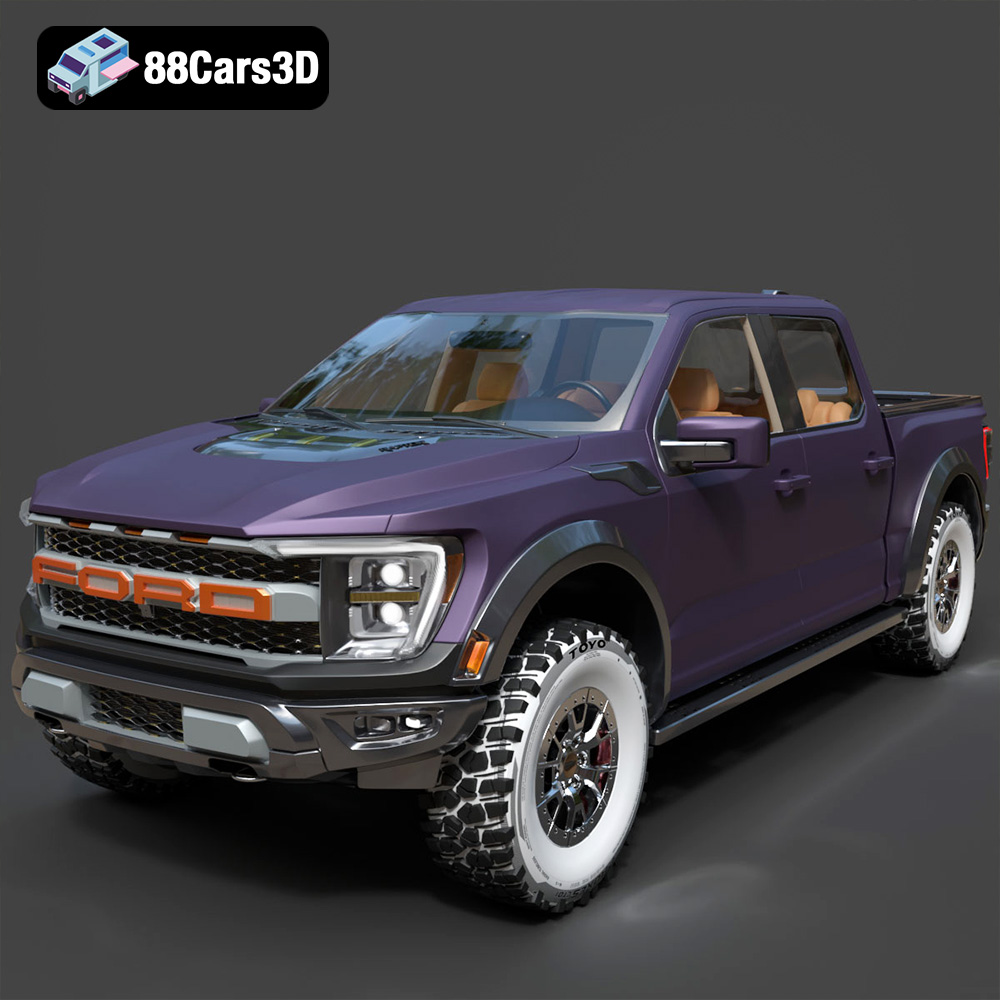
Texture: Yes | Material: Yes Download the ultra-high-detail Ford F-150 Raptor 2021 3D Model (8.73M Triangles). Features uncompromised widebody styling, fully modeled Fox Live Valve suspension, 37-inch tires, and interior. Perfect for premium VFX, cinematic rendering, and ArchViz. Includes .blend, .fbx, .obj, .glb, .stl, and .max formats.
Price: $29.99
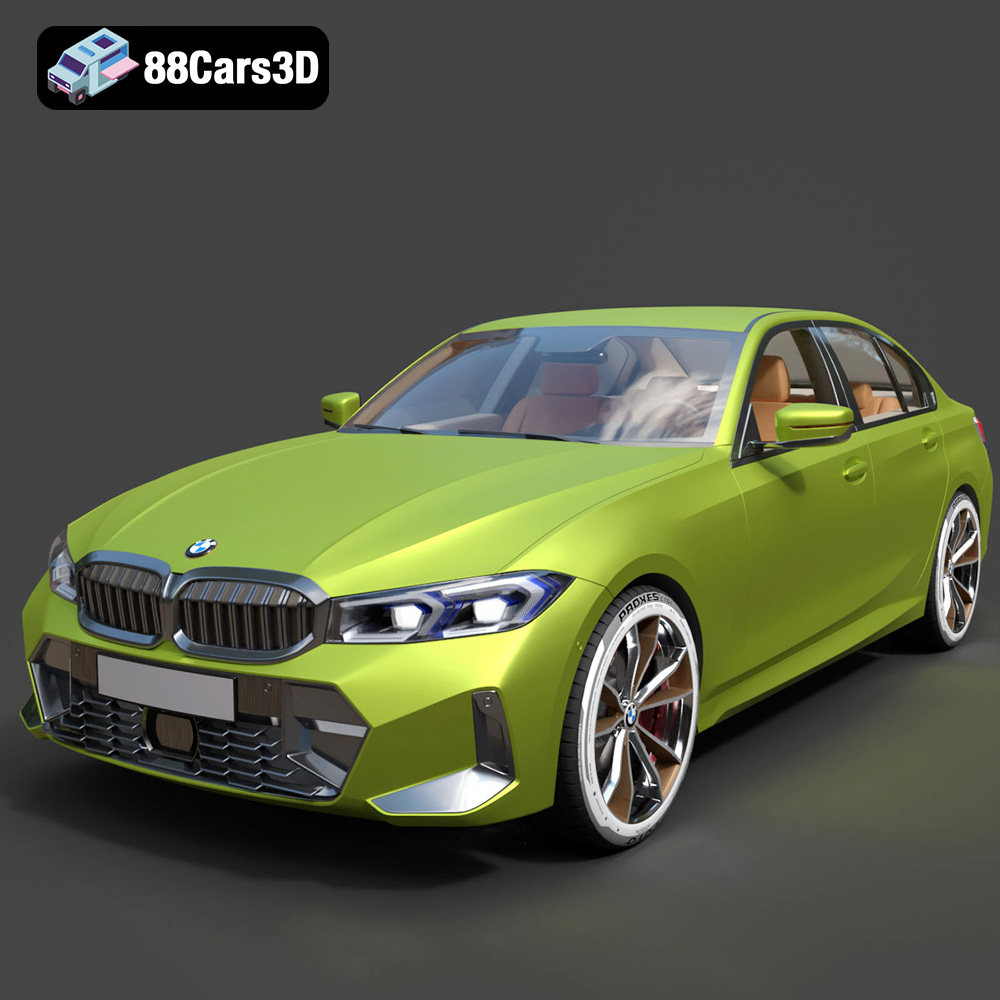
Texture: Yes | Material: Yes Download the ultra-high-detail BMW 3 Series Limousine (2022) 3D Model (4.16M Triangles). Features the modernized G20 LCI exterior, the all-new BMW Curved Display interior, and ultra-dense topology. Perfect for ArchViz, VFX, and cinematic rendering. Includes .blend, .fbx, .obj, .glb, .stl, and .max formats.
Price: $19.99
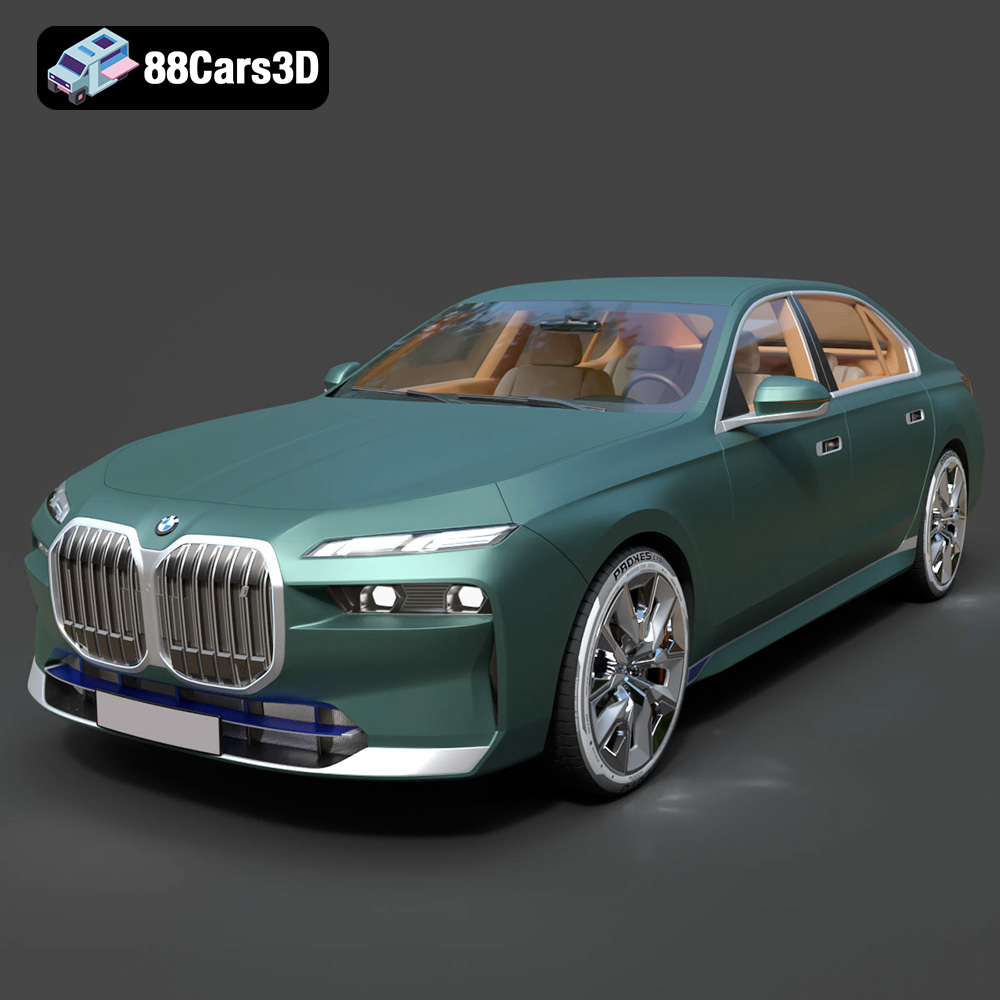
Texture: Yes | Material: Yes Download the ultra-high-detail BMW i7 (2023) 3D Model (4.14M Triangles). Features the illuminated kidney grille, split crystal headlights, fully modeled Theatre Screen interior, and monolithic luxury styling. Perfect for ArchViz, VFX, and cinematic rendering. Includes .blend, .fbx, .obj, .glb, .stl, and .max formats.
Price: $19.99
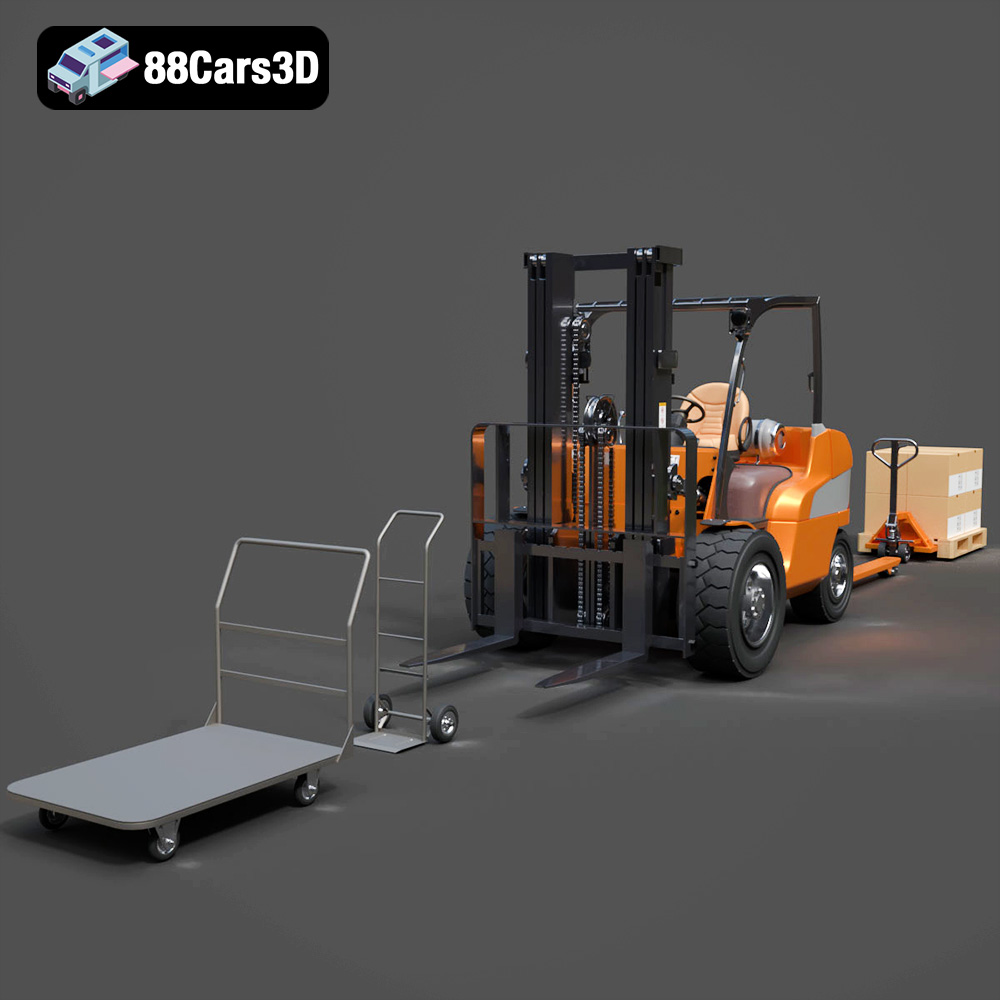
Texture: Yes | Material: Yes Download the highly detailed CAT Manual Loader & Warehouse Carts Kit 3D Model (2.4M Triangles). Features a macro-detailed hydraulic pallet jack, heavy-duty forks, and transport carts. Perfect for industrial ArchViz, factory rendering, and logistics simulations. Includes .blend, .fbx, .obj, .glb, .stl, and .max formats.
Price: $19.99
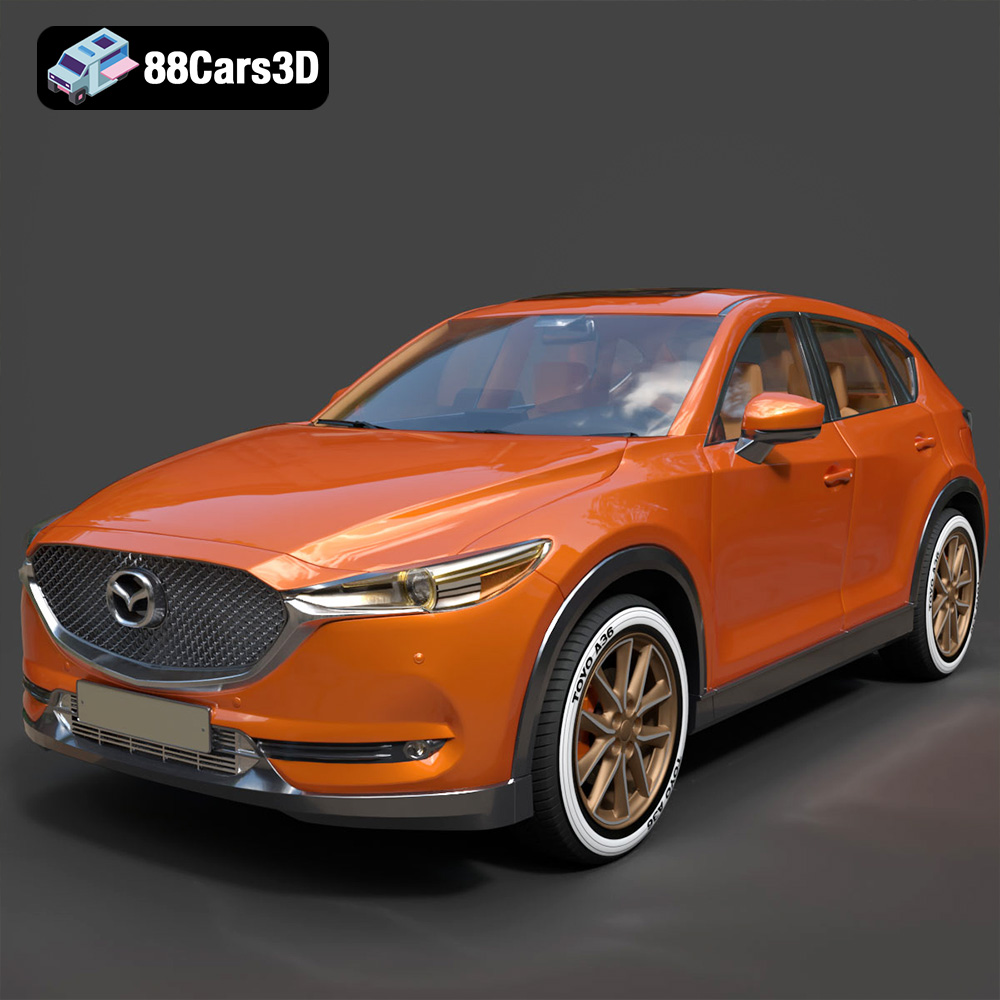
Texture: Yes | Material: Yes
Download the highly optimized Mazda CX-5 2014 3D Model (294k Triangles). Features the dynamic Kodo design language, signature grille, and a clean interior. Perfectly balanced for ArchViz, background traffic, and game development. Includes .blend, .fbx, .obj, .glb, .stl, and .max formats.
Price: $19.99
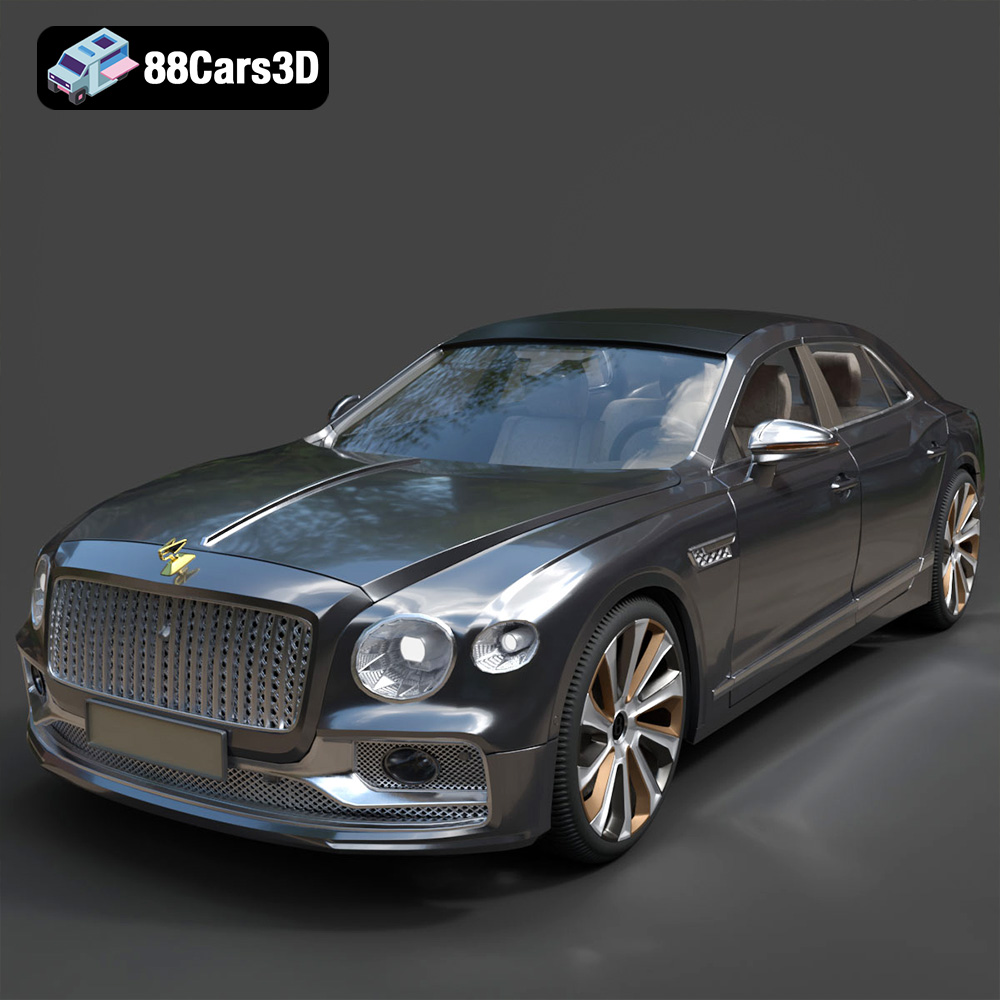
Texture: Yes | Material: Yes Download the ultra-high-detail Bentley Flying Spur Mulliner 2022 3D Model (2.94M Triangles). Features the bespoke Double Diamond grille, a fully modeled diamond-quilted interior, and exquisite luxury styling. Perfect for high-end ArchViz, VFX, and cinematic rendering. Includes .blend, .fbx, .obj, .glb, .stl, and .max formats.
Price: $19.90
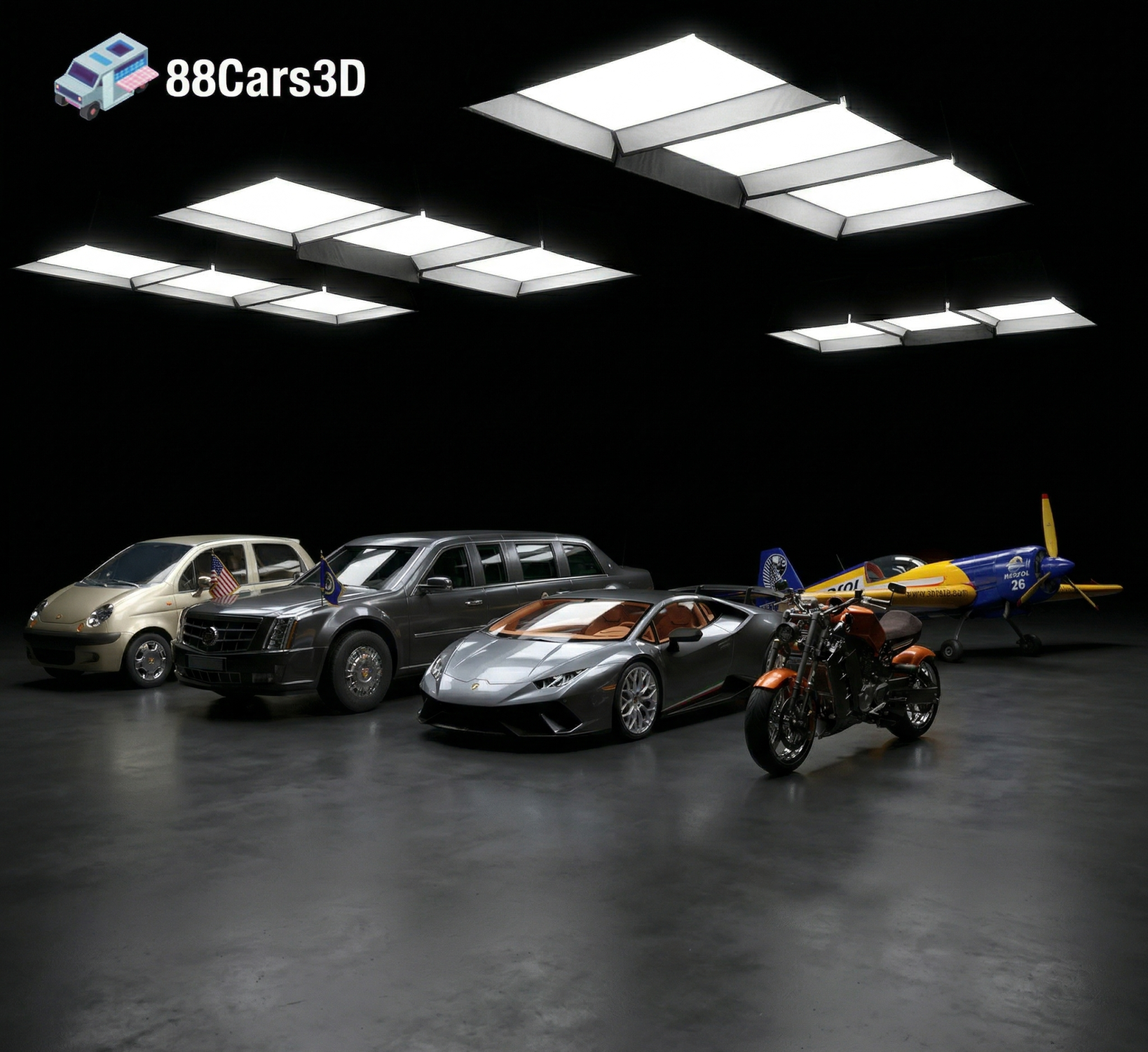
Texture: Yes | Material: Yes | 3D Printable: Yes. Download the Ultimate Creators’ Showcase featuring 5 premium 3D models: Lamborghini Huracan, ZAV Concept Motorcycle, Sukhoi SU-26, Presidential Limousine, and Daewoo Damas. Optimized for 4K CGI rendering and 3D printing. Save massive with this exclusive multi-category bundle!
Price: $99.99

