Get 50% OFF All Premium 3D & STL Models!

The world of 3D modeling has revolutionized countless industries, and the automotive sector is no exception. From stunning automotive renderings to immersive game assets and precise 3D printing prototypes, high-quality 3D car models are the foundation upon which innovation is built. This article delves into the intricacies of working with 3D car models, exploring their applications, technical specifications, and the workflows needed to bring these digital creations to life. Whether you’re a seasoned professional or just starting your journey, understanding the nuances of 3D car models is crucial for success.
Choosing the right file format for your 3D car model is paramount for seamless integration across different software and platforms. Each format offers unique advantages and caters to specific use cases. Let’s explore some of the most common and crucial formats:
The .blend format is the native file type for Blender, a powerful and free open-source 3D creation suite. This format retains all the information about your scene, including geometry, textures, materials, animations, and modifiers. It’s ideal for projects developed entirely within Blender, allowing for full editability and control. Using .blend files ensures that you can easily revisit and modify your work without any loss of data. However, its proprietary nature means it’s best suited for Blender-centric workflows.
The .fbx format, developed by Autodesk, is widely considered the industry standard for exchanging 3D data between different software packages. It’s particularly well-suited for game development, serving as a bridge between modeling software (like 3ds Max or Blender) and game engines like Unreal Engine and Unity. .fbx supports a wide range of features, including geometry, textures, materials, skeletal animations, and blend shapes. Its compatibility and robust feature set make it the go-to choice for real-time pipelines. When exporting to .fbx, carefully consider your target engine’s limitations and adjust export settings accordingly to ensure optimal performance.
The .obj format is a simple, text-based format that stores basic 3D geometry data, including vertices, normals, and UV coordinates. It’s highly compatible with a vast array of 3D software, making it a universal translator for transferring models between different applications. However, .obj has limitations; it doesn’t support animations or complex material setups. It relies on a separate .mtl file for basic material information. Use .obj when you need to move a static 3D model between different software packages and don’t require animation or advanced material properties.
The .glb format is designed for efficient delivery and display of 3D models in augmented reality (AR), virtual reality (VR), and browser-based applications. It’s a binary format that encapsulates all the necessary data – geometry, textures, materials, and animations – into a single file. This makes it incredibly convenient for distributing and loading 3D assets on the web and mobile devices. .glb is particularly well-suited for platforms like WebGL and ARKit/ARCore, where performance and file size are critical. It is the preferred format for showcasing 3D car models online, allowing potential customers to view them interactively in their browser.
The .stl (stereolithography) format is the industry standard for 3D printing. It represents the surface geometry of a 3D model as a collection of triangles. While .stl is simple and widely supported by 3D printing software, it doesn’t store any color, texture, or material information. Before exporting to .stl, ensure your 3D car model is manifold (watertight) and free of any non-manifold geometry, as these issues can lead to printing errors. Use .stl when preparing your 3D car model for physical prototyping or manufacturing.
The .ply (polygon file format) is designed to store 3D data acquired from 3D scanners and other data acquisition systems. It can store not only geometric data (vertices, faces) but also color, normals, texture coordinates, and other properties. .ply comes in both ASCII and binary formats. It’s often used in CAD applications and for analyzing 3D models. Due to its ability to hold additional data, it’s beneficial in instances where you need precise mesh data.
The .unreal format is primarily used within the Unreal Engine ecosystem. While not technically an export format, you can directly import various other formats (like .fbx) into Unreal Engine, which then creates .uasset files representing the asset within the engine’s content browser. These .uasset files contain all the information needed for the engine to render and interact with the 3D car model, including geometry, textures, materials, and blueprints. This format is the key to creating interactive and visually stunning automotive experiences within Unreal Engine.
Similar to .blend, .max is the native file format for Autodesk 3ds Max. It encapsulates the entire scene, including geometry, modifiers, materials, lighting, and animation data. It allows full editability within 3ds Max. The .max format is ideal for complex projects that require extensive modeling, animation, and rendering capabilities within 3ds Max. Like .blend, it’s best suited for workflows centered around its native software.
Creating photorealistic automotive renderings requires careful attention to detail and optimization. A visually stunning render starts with a well-crafted 3D car model and ends with the right rendering techniques.
The polygon count of your 3D car model directly impacts rendering performance and visual fidelity. High polygon counts result in smoother surfaces and more detailed reflections but can significantly increase rendering times. Conversely, low polygon counts lead to faster rendering but may compromise the visual quality. The ideal polygon count depends on the intended use case. For close-up studio shots, higher polygon counts are acceptable, while for real-time applications, optimization is critical. Use tools like decimation or retopology to reduce polygon counts without sacrificing too much visual detail.
Realistic materials are crucial for convincing automotive renderings. Pay close attention to the material properties of different car parts, such as the paint, chrome, glass, and tires. Use physically based rendering (PBR) workflows to accurately simulate how light interacts with these materials. High-resolution textures are essential for capturing fine details, such as scratches, imperfections, and surface roughness. Properly unwrapping the UVs of your 3D car model is vital for applying textures correctly and avoiding distortions. Consider using texture maps like diffuse, specular, roughness, metalness, and normal maps to create realistic material appearances.
Developing 3D car models for games presents unique challenges, as performance is paramount. Game assets must be optimized to run smoothly on a variety of hardware configurations.
LODs are essential for optimizing 3D car models for games. LODs involve creating multiple versions of the same model with varying polygon counts. The game engine dynamically switches between these versions based on the distance from the camera. When the car is close to the camera, the high-resolution model is used, while when it’s far away, a lower-resolution model is displayed. This technique significantly reduces the rendering load without sacrificing visual quality. Creating LODs is a standard practice in game asset development.
Collision meshes are simplified representations of the 3D car model used for collision detection in the game engine. They don’t need to be visually appealing, but they must accurately represent the car’s physical shape. Complex collision meshes can be performance-intensive, so it’s best to use simple shapes like boxes, spheres, and capsules to approximate the car’s geometry. Properly designed collision meshes ensure that the car interacts realistically with the environment and other objects in the game.
Augmented reality (AR) and virtual reality (VR) applications demand highly optimized 3D car models that can be rendered in real-time on mobile devices or VR headsets. Performance and visual fidelity are equally important in these immersive experiences.
When creating 3D car models for AR/VR on mobile devices, optimization is critical. Use techniques like texture atlasing (combining multiple textures into a single image to reduce draw calls), and shader optimization (simplifying shaders to reduce GPU load). Keep polygon counts as low as possible while maintaining acceptable visual quality. Baking lighting into textures can also improve performance by reducing the need for real-time lighting calculations. Tools like profiling in Unity and Unreal Engine can help identify performance bottlenecks.
AR/VR experiences often involve interactive elements, such as opening doors, turning on lights, or changing the car’s color. These interactions require carefully rigged and animated 3D car models. Optimize animations to minimize performance impact. Use efficient animation techniques, such as blend shapes or skeletal animation, to create realistic movement without sacrificing performance. Consider using lightmaps for realistic lighting effects.
3D car models are used in a wide range of industries, from automotive design and marketing to entertainment and education. Let’s examine a few real-world case studies:
Automotive designers use 3D car models to visualize and refine their designs before physical prototypes are built. High-quality renderings allow designers to evaluate the car’s aesthetics, proportions, and details. 3D models can also be used to create interactive presentations for stakeholders, showcasing the design from different angles and perspectives. This process allows for quick iteration and design feedback, dramatically reducing the time and cost associated with traditional prototyping.
Racing simulators rely heavily on accurate and detailed 3D car models to create a realistic and immersive driving experience. The models must be visually stunning and optimized for real-time performance. Realistic physics simulations, accurate handling characteristics, and detailed interior and exterior details are essential for creating a compelling racing experience. Popular racing games like Assetto Corsa and Gran Turismo feature hundreds of meticulously crafted 3D car models.
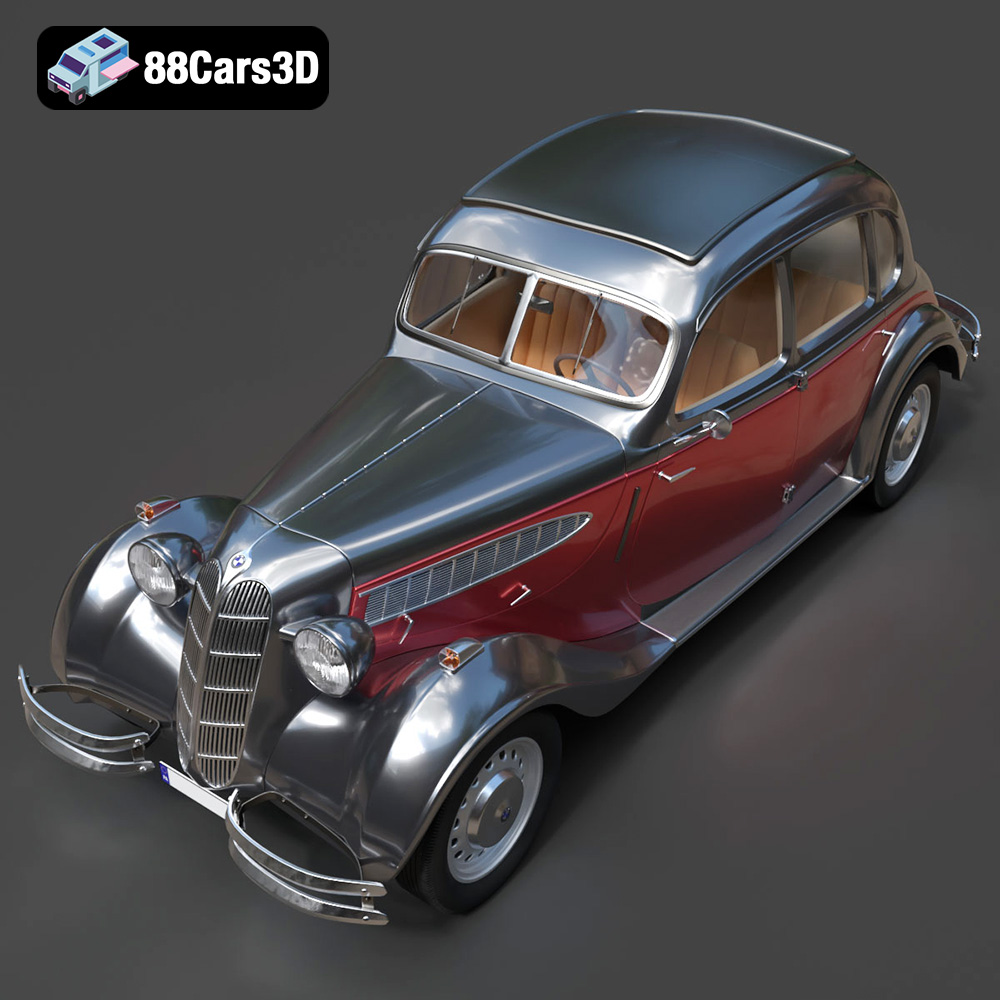
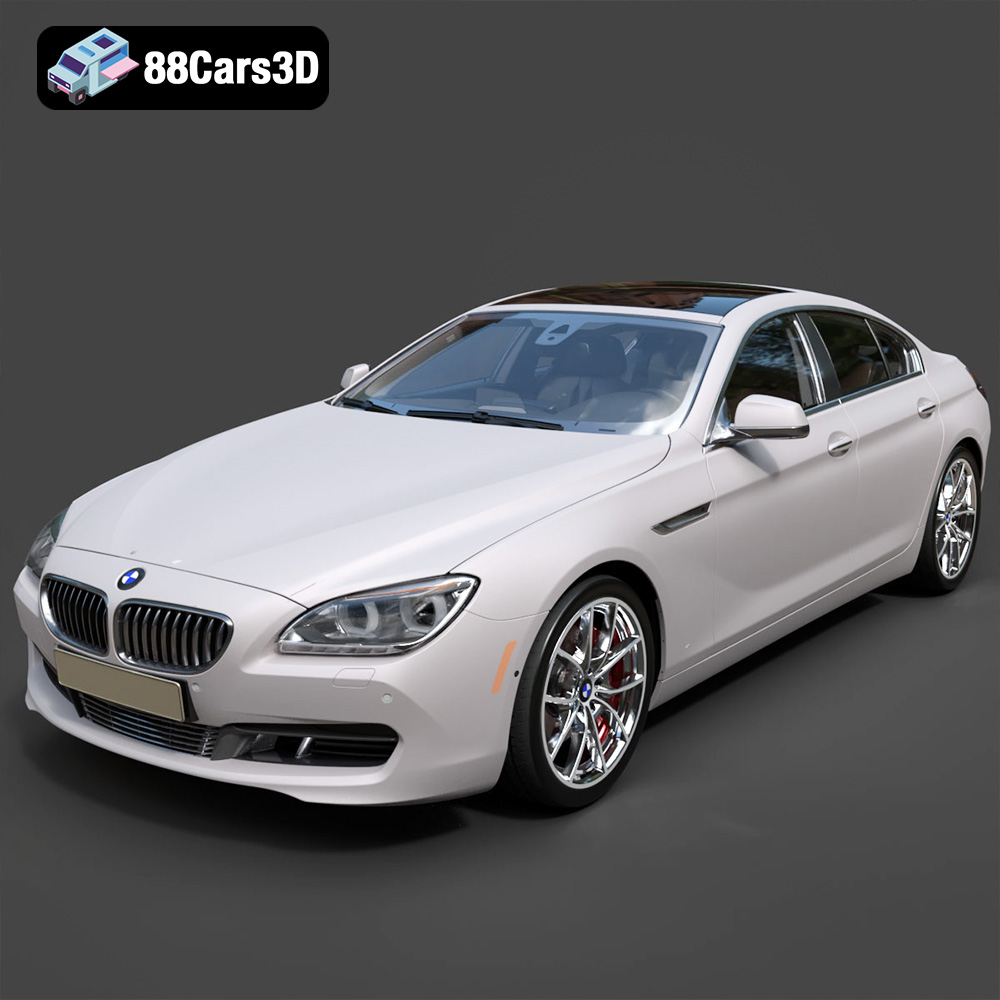
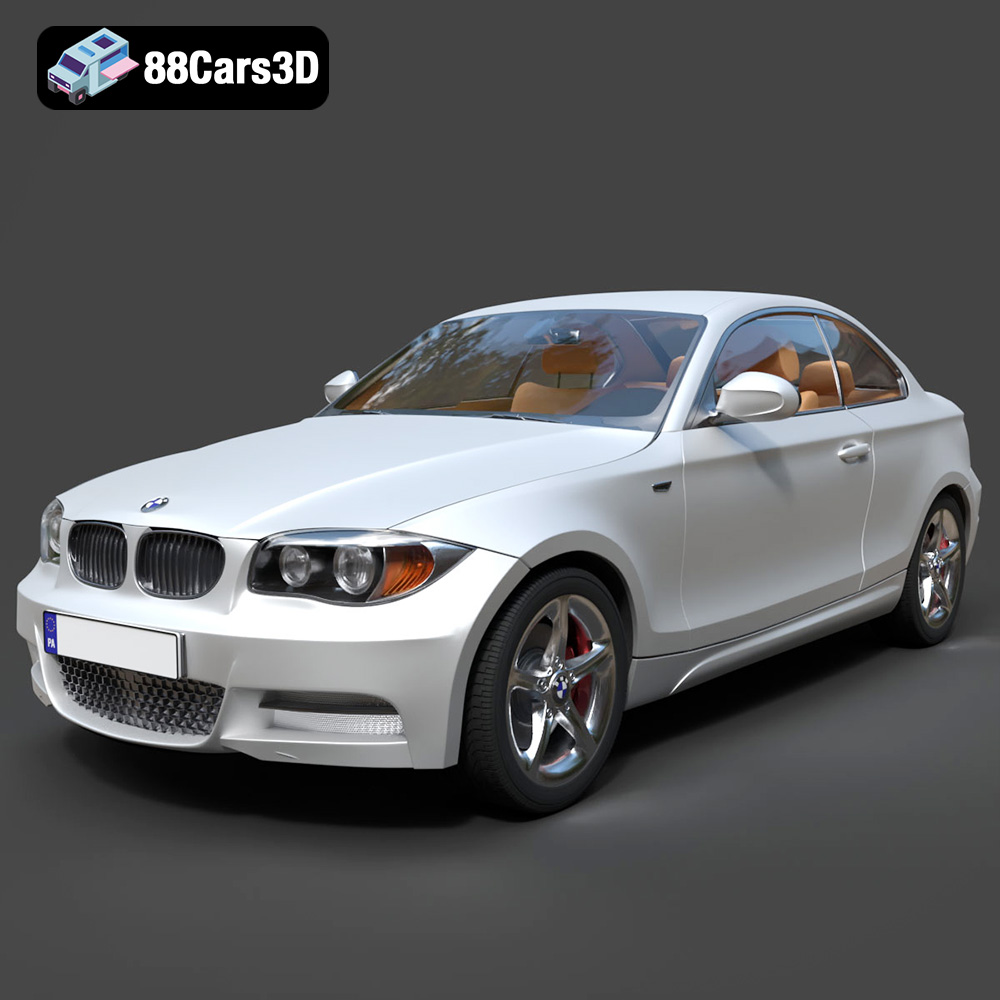
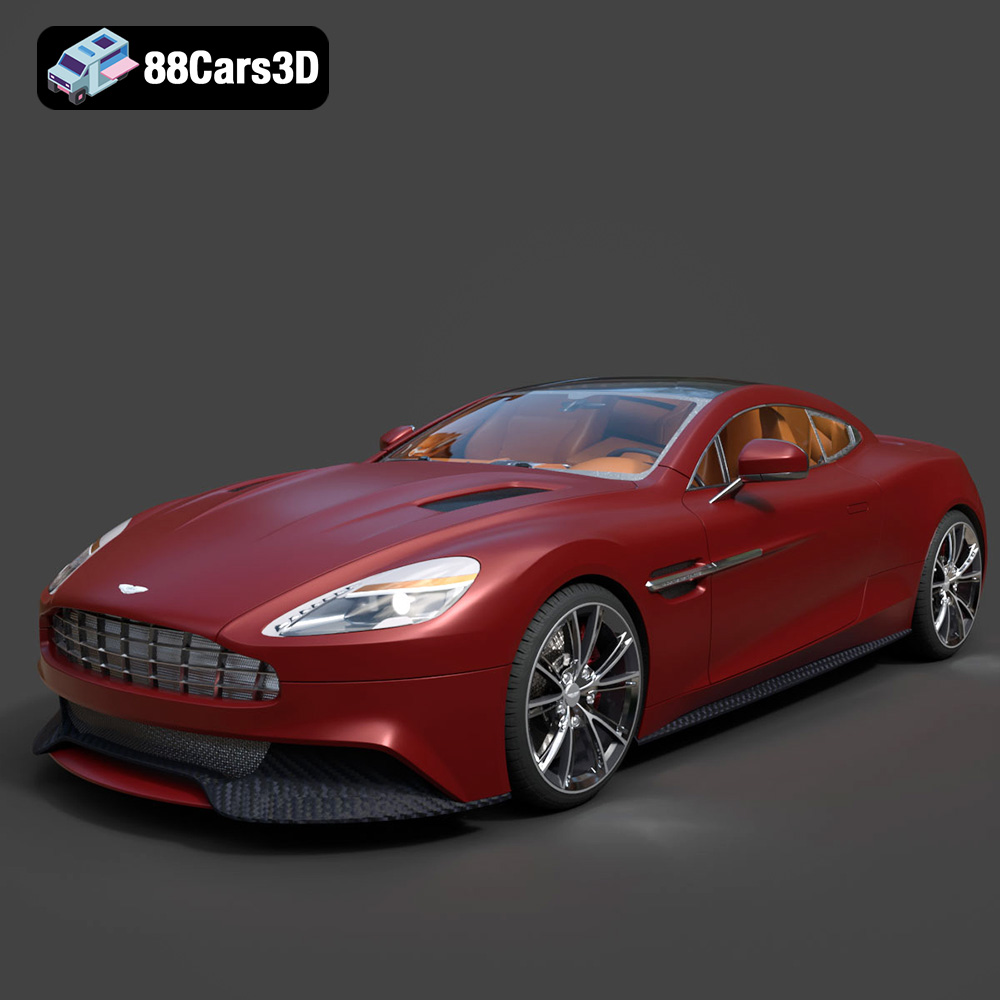
Creating high-quality 3D car models from scratch can be time-consuming and expensive. Fortunately, several online marketplaces offer a wide selection of pre-made models for various purposes. Platforms like 88cars3d.com provide a convenient way to access professionally crafted 3D car models, saving you time and effort. When choosing a 3D car model, consider its polygon count, texture resolution, file format compatibility, and licensing terms.
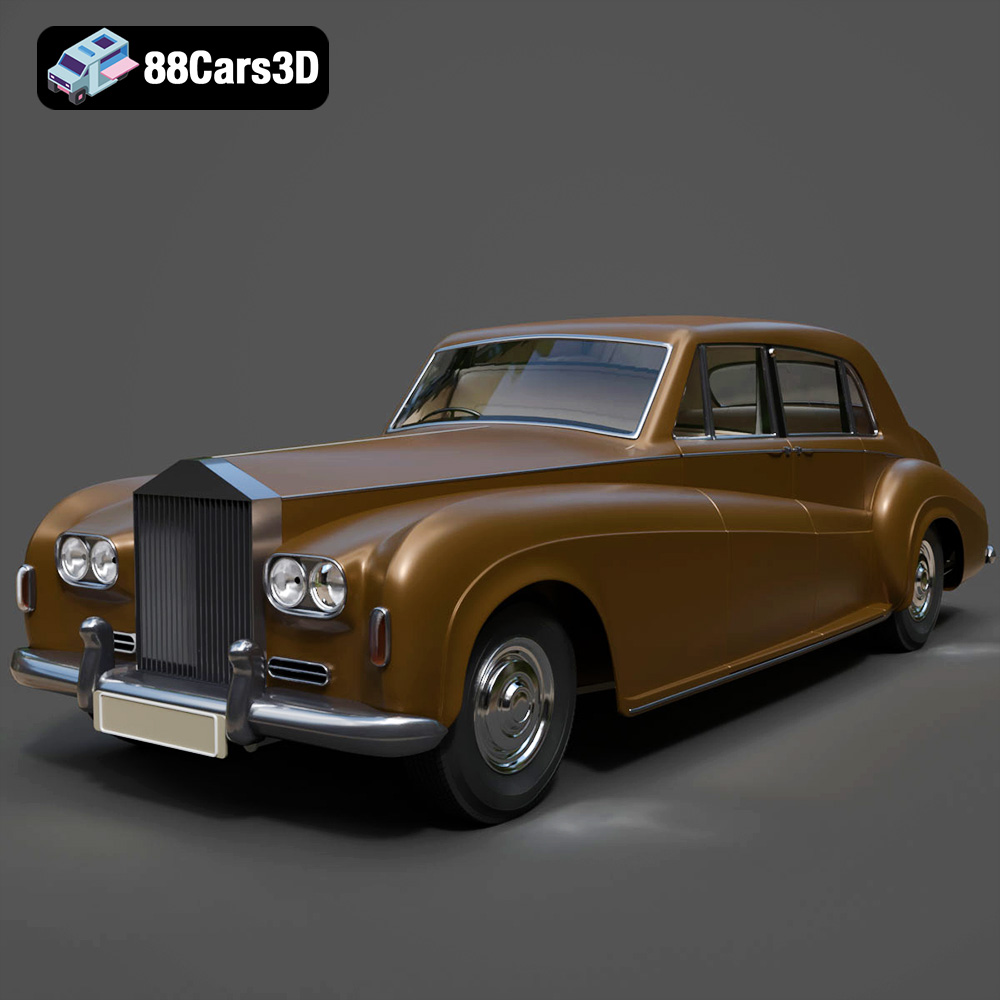
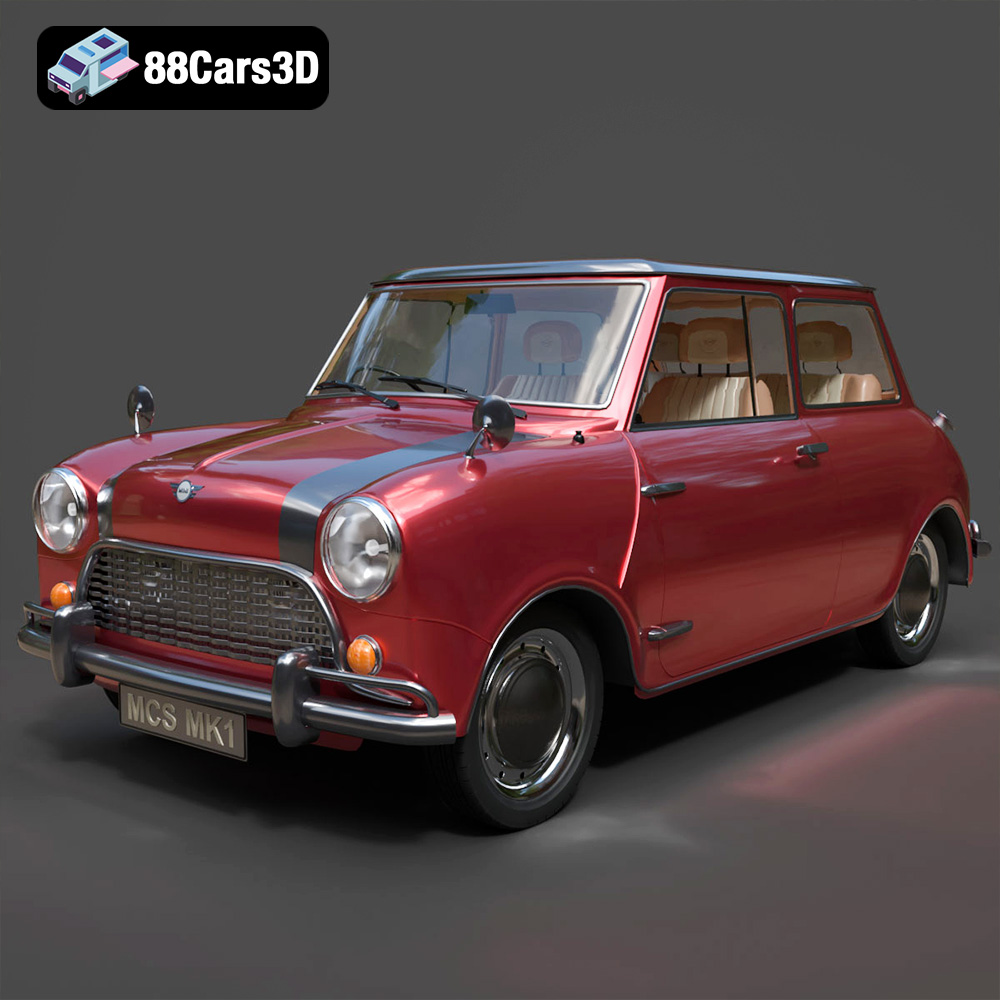
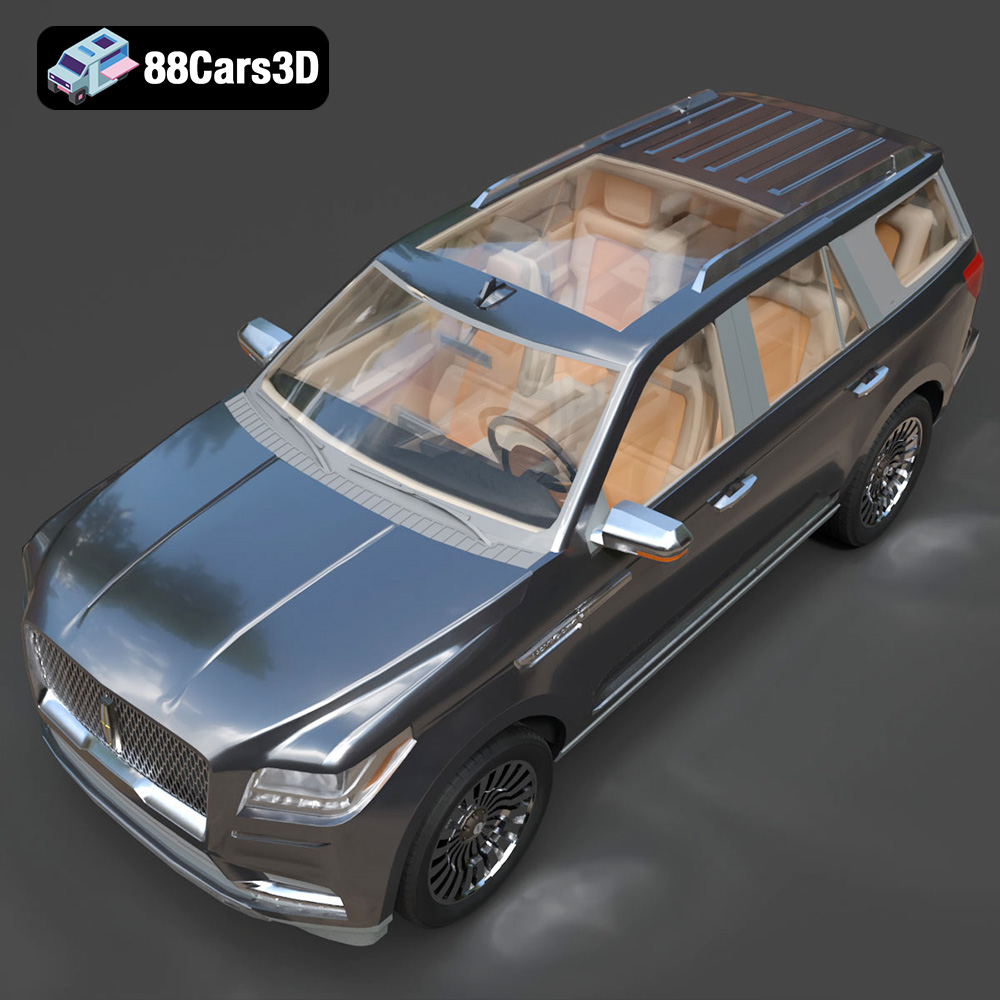
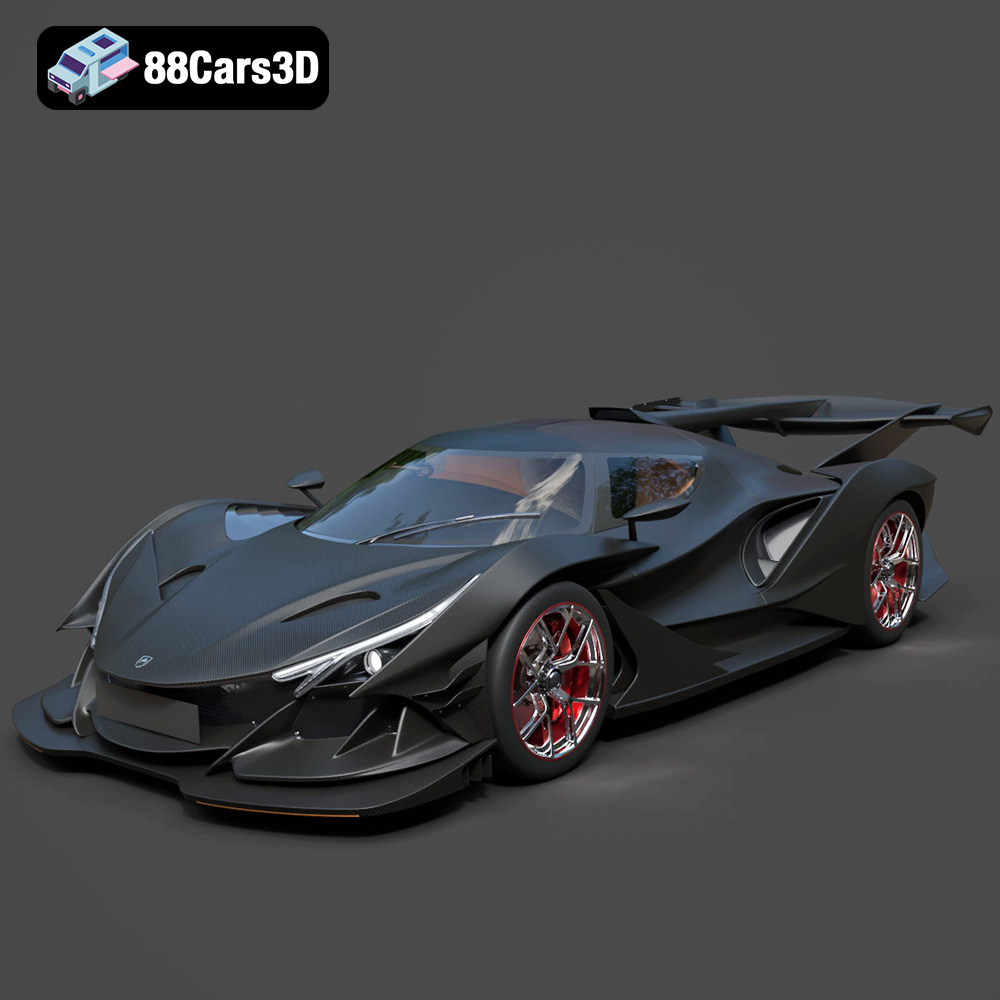
88cars3d.com offers a vast library of meticulously crafted 3D car models suitable for a wide range of applications, from automotive rendering to game development. Each model is created with attention to detail, ensuring realistic visuals and optimized performance.
3D car models are essential assets for a wide range of applications, including automotive rendering, game development, AR/VR experiences, and 3D printing. Understanding the different file formats, optimization techniques, and workflows is crucial for creating visually stunning and performant 3D car models. From meticulously crafting materials to optimizing polygon counts, and selecting the right file format, every step contributes to the final result. Remember to choose the right platform for finding high-quality assets like 88cars3d.com. By mastering these techniques, you can unlock the full potential of 3D car models and create compelling and immersive experiences.

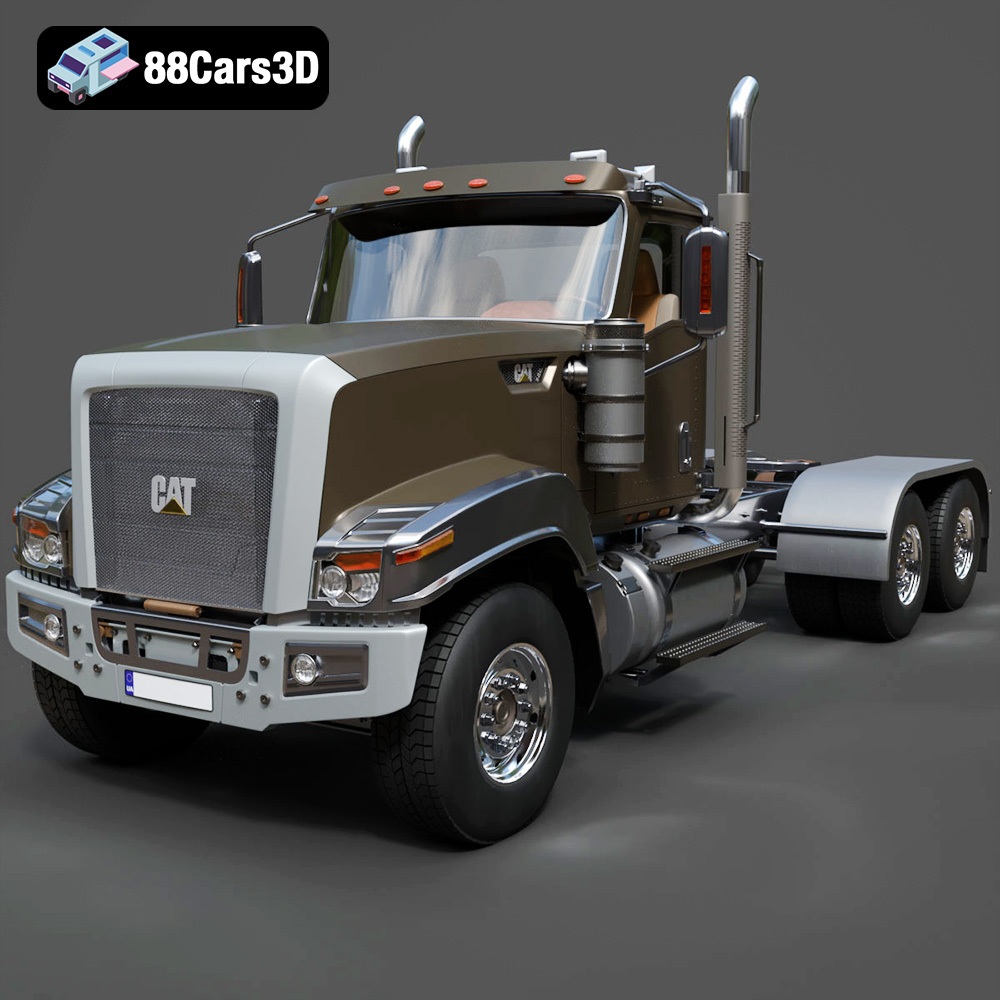
Price: $129.99

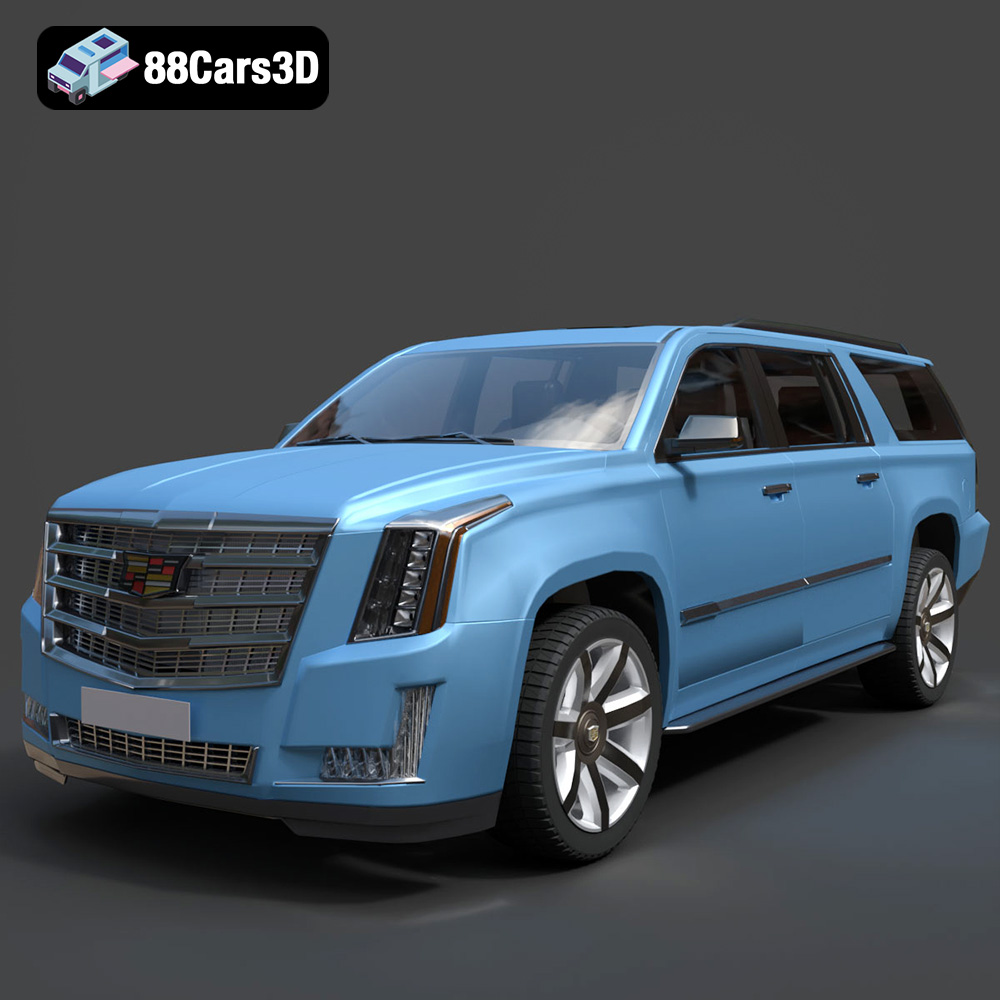
Price: $99.99
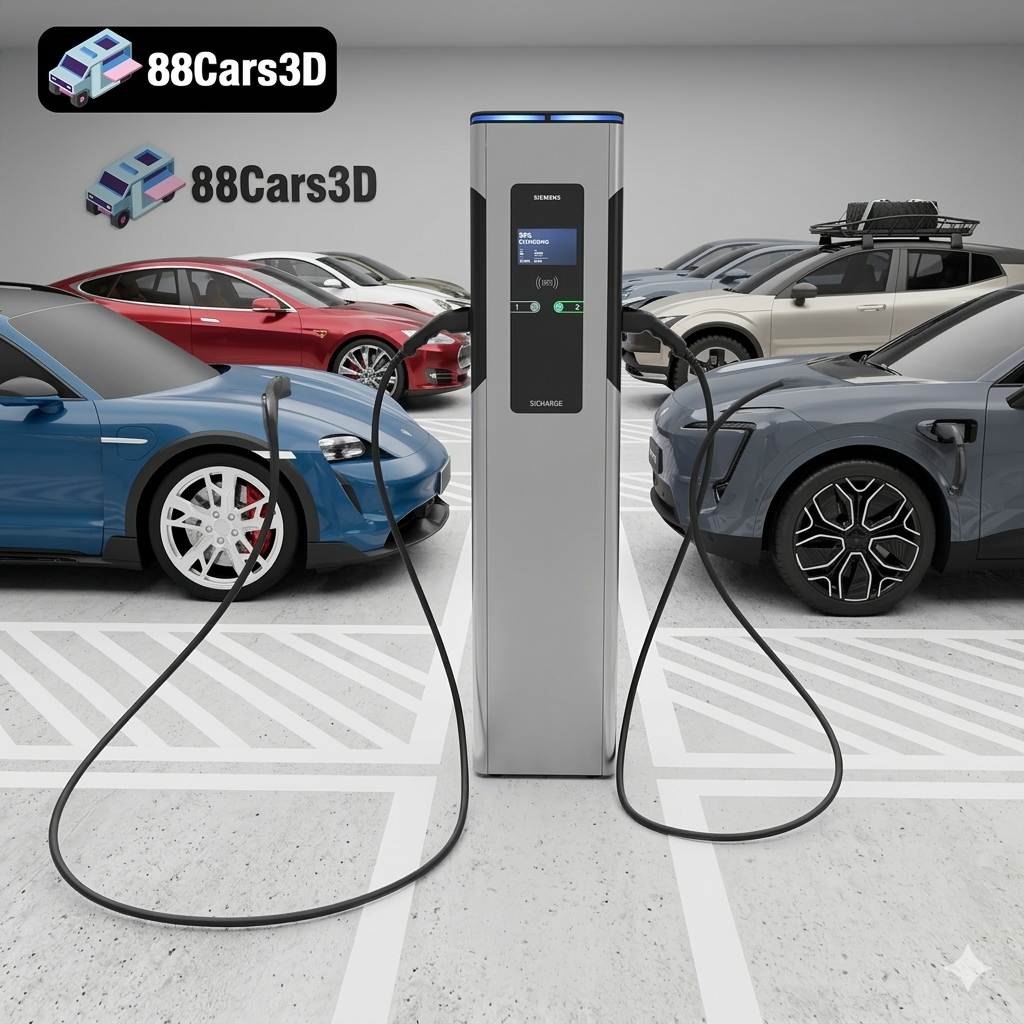
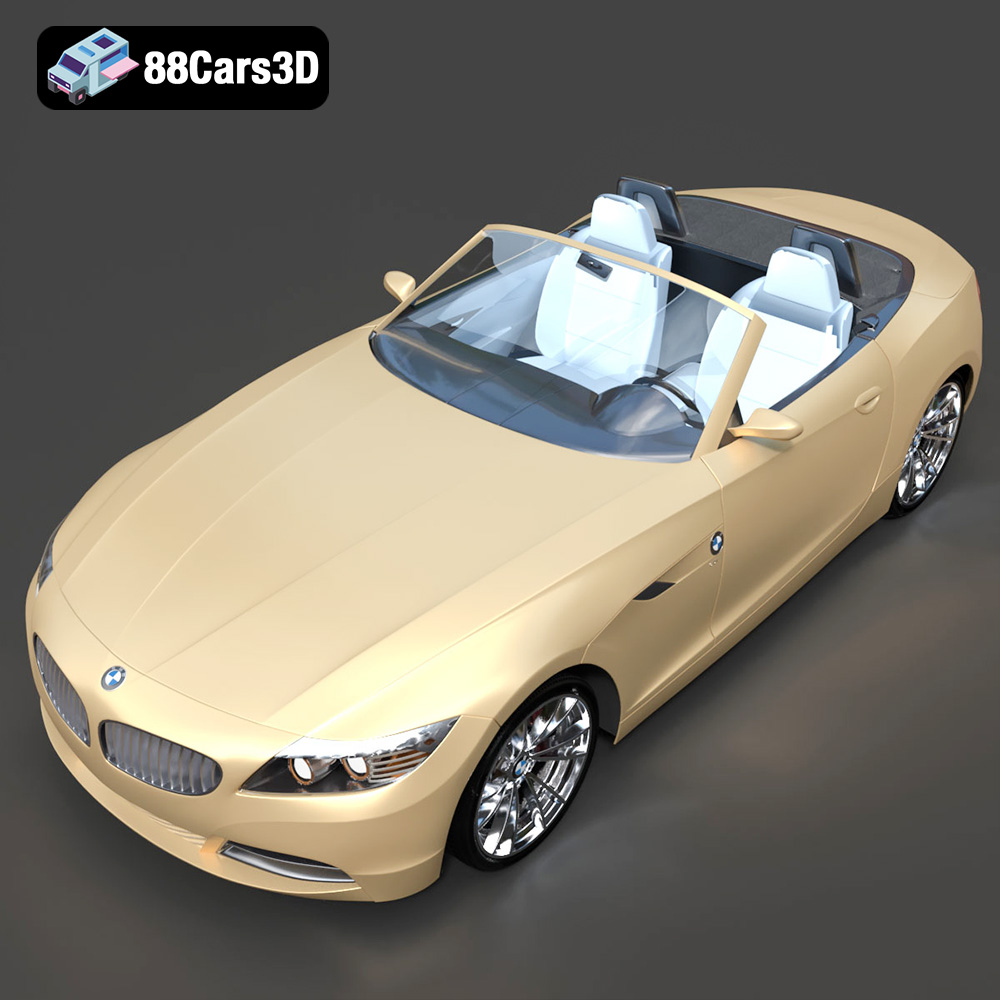
Price: $89.99