Get 50% OFF All Premium 3D & STL Models!

“`html
3D printing offers incredible possibilities, from creating intricate prototypes to bringing your favorite automotive designs to life. However, achieving optimal print speed and material usage requires careful preparation of your STL files. Scaling, hollowing, and optimizing your models are crucial steps in this process, ensuring faster print times, reduced material consumption, and ultimately, a more efficient 3D printing experience. This guide will delve into the technical aspects of these processes, providing you with the knowledge and techniques to maximize your print efficiency. Whether you’re printing detailed car models from platforms like 88cars3d.com or creating functional parts, mastering these techniques will significantly enhance your 3D printing workflow. We’ll cover everything from understanding STL file structure to advanced slicing techniques, empowering you to take control of your printing process.
In this comprehensive guide, you’ll learn how to properly scale your models, hollow them to reduce material usage and print time, and optimize the STL mesh for efficient slicing. We will explore different software tools and techniques, covering both FDM and resin printing considerations. By the end of this article, you’ll have a solid understanding of how to prepare your STL files for faster, more efficient 3D printing, regardless of the complexity of the model.
The STL (Stereolithography) file format is the standard for 3D printing, representing the surface geometry of a 3D object as a collection of triangles. Understanding its structure and limitations is paramount for effective model optimization. A poorly constructed STL file can lead to slicing errors, long print times, and weakened final prints. The key to successful 3D printing lies in ensuring your STL file is watertight, manifold, and optimized for the intended printing process.
A high-quality STL file should possess certain characteristics to ensure successful printing. These include:
Many STL files, especially those converted from other formats, can contain errors. Here are some common issues and methods for resolving them:
Before printing, always run your STL file through a mesh repair tool to identify and correct any potential issues. This can save you significant time and material in the long run.
Scaling is a fundamental step in preparing your STL model for 3D printing. It involves adjusting the overall size of the model to meet specific requirements or printing capabilities. Scaling can impact print time, material usage, and the level of detail achievable in the final print. Choosing the right scale is crucial for both aesthetic appeal and functional performance, especially when printing intricate designs like those found on 88cars3d.com.
Scale factors represent the multiplier applied to the dimensions of the original model. A scale factor of 2 doubles the size of the model, while a scale factor of 0.5 halves it. Most slicing software allows you to specify scale factors as percentages or absolute dimensions (e.g., millimeters or inches).
When scaling your STL files, consider these best practices:
Scaling can be easily done in your slicer software. In Cura, for example, the “Scale” tool allows you to input a percentage or a dimension along any axis. PrusaSlicer offers similar functionality, with options to scale uniformly or non-uniformly. Remember to always double-check your dimensions after scaling to ensure they meet your requirements.
Hollowing is a technique used to remove the internal material from a 3D model, creating a hollow shell. This significantly reduces material usage, print time, and overall weight of the printed object. Hollowing is particularly beneficial for larger models or those with solid interiors. However, it’s essential to implement hollowing strategically to maintain structural integrity and prevent print failures. Hollowing is a critical technique when printing larger, detailed models, like printable car models, to minimize material waste and reduce printing time without sacrificing aesthetics.
Hollowing can be achieved using various 3D modeling and slicing software. Here’s a general workflow:
To maximize the benefits of hollowing, consider these optimization techniques:
When hollowing models for resin printing, it’s crucial to thoroughly clean the inside of the model after printing to remove any uncured resin. Use isopropyl alcohol (IPA) and a syringe to flush out the interior. Ensure the model is completely dry before post-curing.
Print orientation and support structure generation are critical for successful 3D printing, especially when dealing with complex geometries. Optimizing these factors can significantly reduce print time, improve surface quality, and minimize material waste. The right orientation can also enhance the structural integrity of the final part by aligning layer lines along the direction of stress. For intricate models, the correct supports can be the difference between a successful print and a pile of failed filament.
The optimal print orientation depends on several factors, including:
Support structures are essential for printing overhangs and bridging gaps in 3D models. However, poorly generated supports can be difficult to remove and can leave unsightly marks on the printed surface. Consider these strategies for optimizing support structures:
Many slicing software packages, such as Cura and PrusaSlicer, offer advanced support generation features. These features allow you to customize support placement, density, and interface layers to optimize the support structures for your specific model and printing requirements. For instance, using Cura’s “Support Blocker” tool, you can selectively prevent support generation in specific areas, further reducing material usage and post-processing effort. Furthermore, using support interface layers with a small air gap allows easier support removal and better surface quality. When printing detailed models from 88cars3d.com, carefully consider support placement to preserve the intricate details of the design.
Slicing is the process of converting a 3D model into a series of layers that the 3D printer can understand. The slicing parameters you choose directly impact the print speed, quality, and strength of the final product. Optimizing these parameters is crucial for achieving the best possible results. Understanding the interplay between different slicing parameters and their impact on print performance is critical for efficient and high-quality 3D printing.
Several key slicing parameters influence print speed and quality:
To optimize for print speed without sacrificing quality, consider these techniques:
Experimenting with different slicing parameters and observing their impact on print performance is crucial for finding the optimal settings for your specific printer, material, and model. Many slicer programs, such as PrusaSlicer, provide built-in profiles for various materials and printer configurations, offering a good starting point for your optimization efforts.
The choice of printing material and the proper calibration of your 3D printer are fundamental for achieving successful and efficient prints. Different materials possess unique properties that make them suitable for various applications, and a well-calibrated printer ensures accurate and consistent results. Understanding the characteristics of common 3D printing materials and the importance of printer calibration will greatly enhance your 3D printing capabilities.
Several materials are commonly used in 3D printing, each with its own advantages and disadvantages:
Proper printer calibration is essential for achieving accurate and consistent prints. Here are some key calibration techniques:
Regular maintenance and calibration are crucial for maintaining the performance of your 3D printer. Clean the nozzle regularly, lubricate moving parts, and re-calibrate the printer as needed. A well-maintained and calibrated printer will produce consistently high-quality prints and minimize the risk of printing failures. When printing car models from sites like 88cars3d.com, selecting the right material and ensuring proper calibration will result in a high-quality, accurate replica.
Optimizing STL models for print speed and efficiency is a multifaceted process involving careful consideration of file structure, scaling, hollowing, support generation, slicing parameters, material selection, and printer calibration. By mastering these techniques, you can significantly reduce print times, minimize material waste, and improve the overall quality of your 3D printed objects. Whether you’re a hobbyist printing figurines or an engineer prototyping functional parts, the principles outlined in this guide will empower you to take control of your 3D printing workflow.
Remember to always start with a clean, manifold STL file. Experiment with different scaling factors and hollowing parameters to find the optimal balance between size, material usage, and structural integrity. Carefully consider print orientation and support generation to minimize material waste and improve surface quality. Fine-tune your slicing parameters to achieve the desired balance between speed and quality. And finally, select the appropriate material and calibrate your printer to ensure accurate and consistent results. Platforms like 88cars3d.com offer a wealth of printable car models that can benefit greatly from these optimization techniques. By applying these strategies, you can unlock the full potential of your 3D printer and bring your creative visions to life more efficiently and effectively.
“`
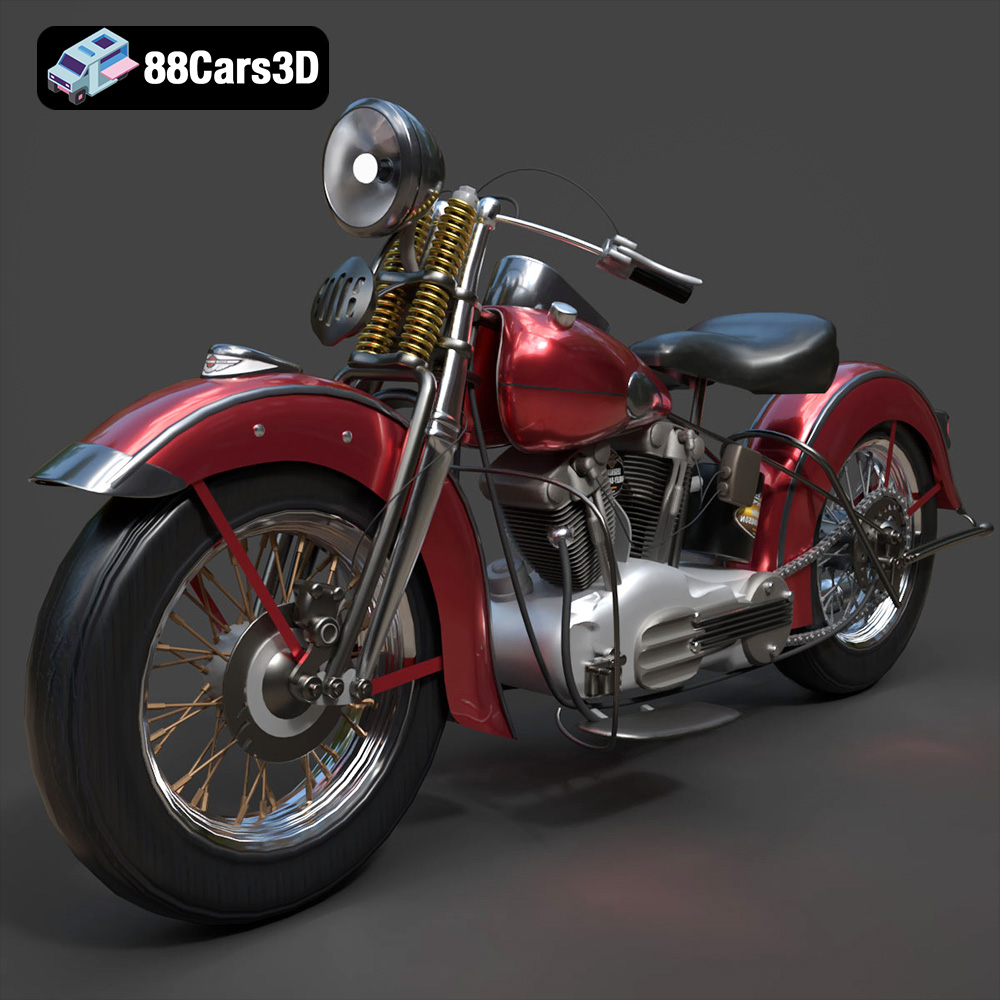
Texture: Yes
Material: Yes
Download the Harley Davidson F 1946 3D Model featuring clean geometry, realistic detailing, and a fully modeled interior. Includes .blend, .fbx, .obj, .glb, .stl, .ply, .unreal, and .max formats for rendering, simulation, and game development.
Price: $19.99
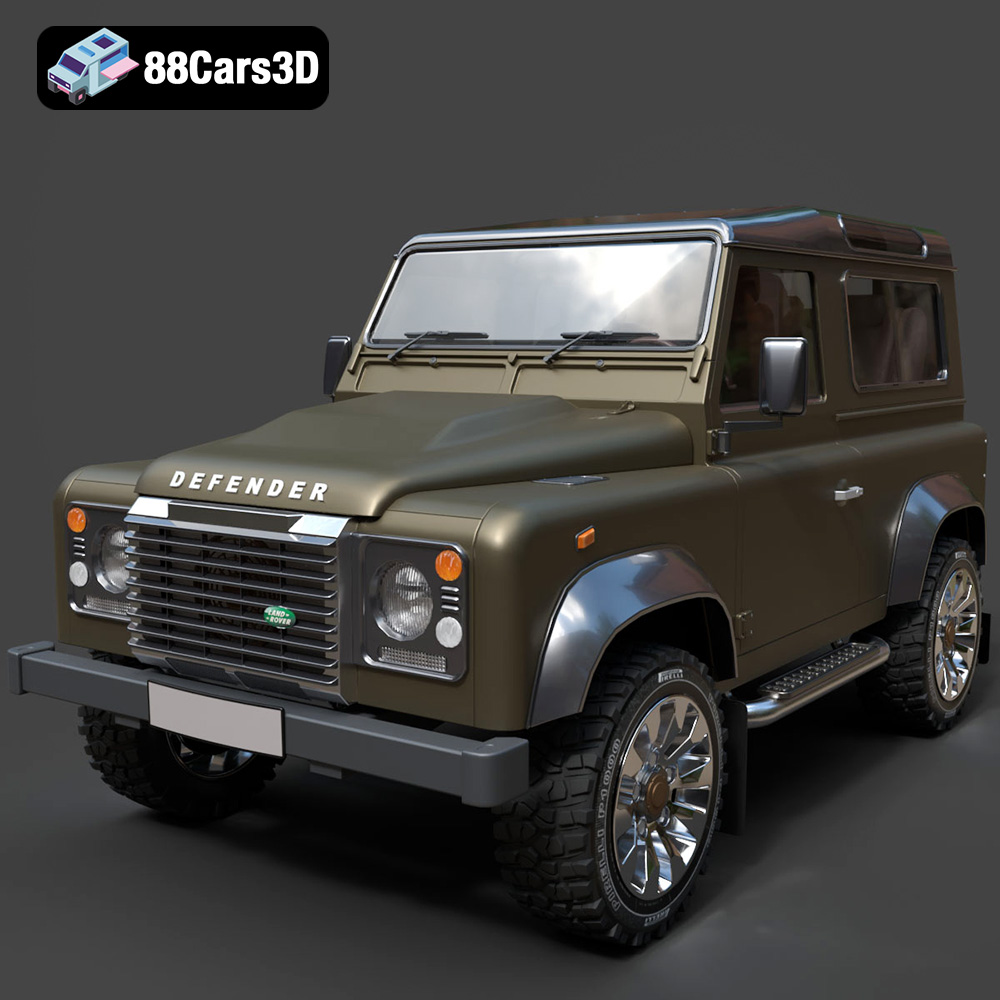
Texture: Yes
Material: Yes
Download the Land Rover Defender Works V8 3D Model featuring clean geometry, realistic detailing, and a fully modeled interior. Includes .blend, .fbx, .obj, .glb, .stl, .ply, .unreal, and .max formats for rendering, simulation, and game development.
Price: $19.99
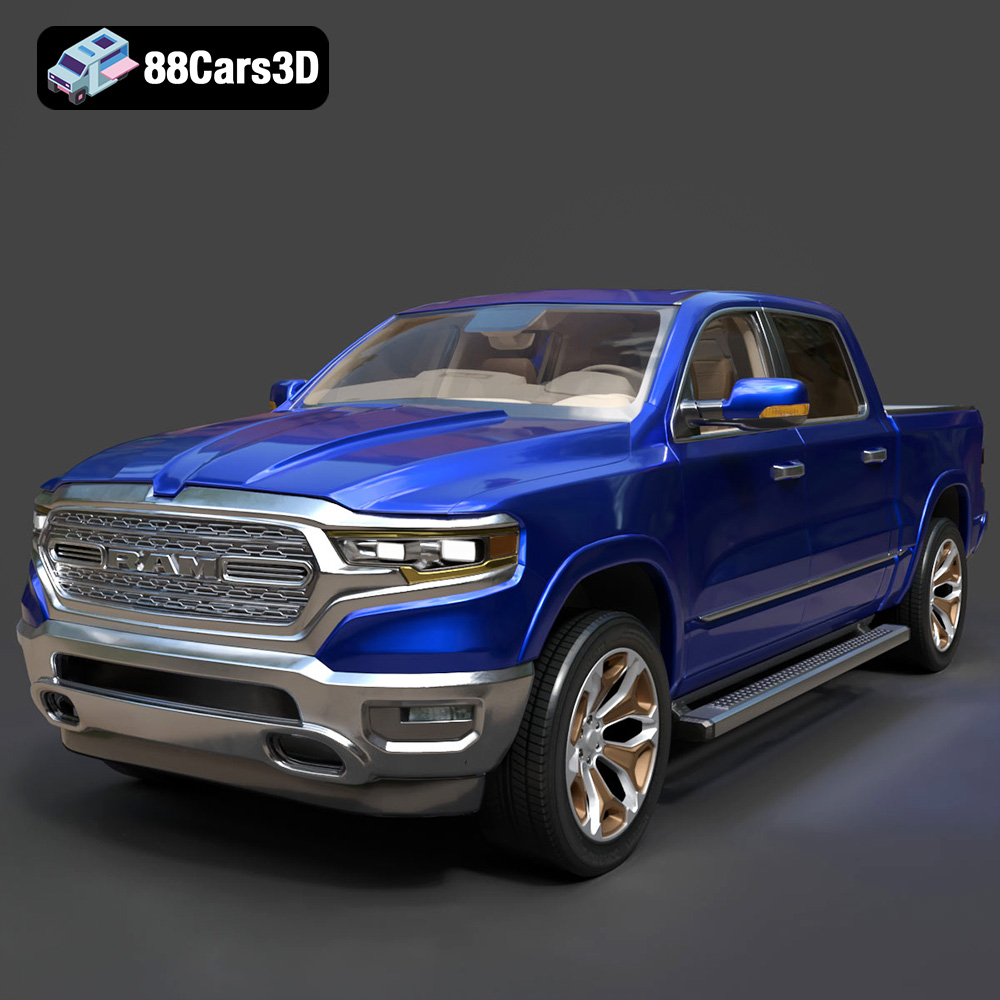
Texture: Yes
Material: Yes
Download the Dodge RAM 2019 3D Model featuring clean geometry, realistic detailing, and a fully modeled interior. Includes .blend, .fbx, .obj, .glb, .stl, .ply, .unreal, and .max formats for rendering, simulation, and game development.
Price: $19.99
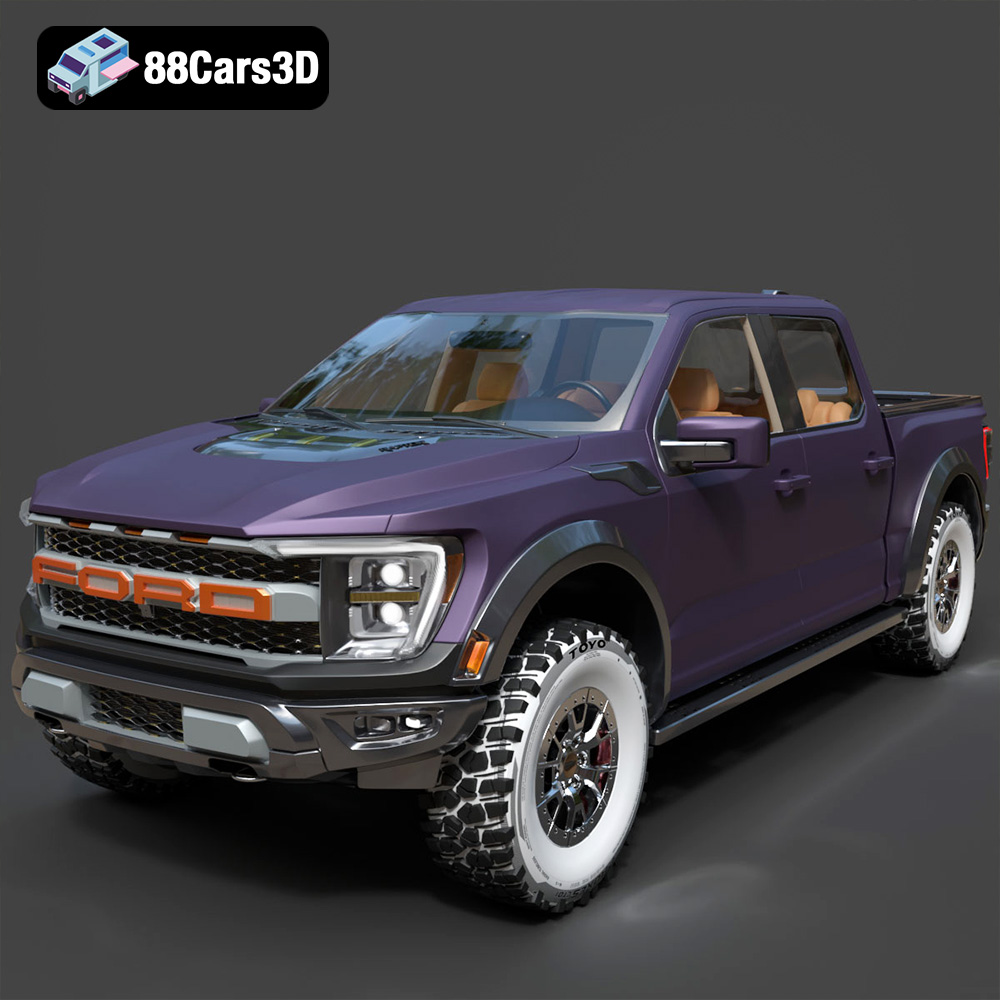
Texture: Yes | Material: Yes Download the ultra-high-detail Ford F-150 Raptor 2021 3D Model (8.73M Triangles). Features uncompromised widebody styling, fully modeled Fox Live Valve suspension, 37-inch tires, and interior. Perfect for premium VFX, cinematic rendering, and ArchViz. Includes .blend, .fbx, .obj, .glb, .stl, and .max formats.
Price: $29.99

Texture: Yes | Material: Yes Download the ultra-high-detail BMW 3 Series Limousine (2022) 3D Model (4.16M Triangles). Features the modernized G20 LCI exterior, the all-new BMW Curved Display interior, and ultra-dense topology. Perfect for ArchViz, VFX, and cinematic rendering. Includes .blend, .fbx, .obj, .glb, .stl, and .max formats.
Price: $19.99

Texture: Yes | Material: Yes Download the ultra-high-detail BMW i7 (2023) 3D Model (4.14M Triangles). Features the illuminated kidney grille, split crystal headlights, fully modeled Theatre Screen interior, and monolithic luxury styling. Perfect for ArchViz, VFX, and cinematic rendering. Includes .blend, .fbx, .obj, .glb, .stl, and .max formats.
Price: $19.99
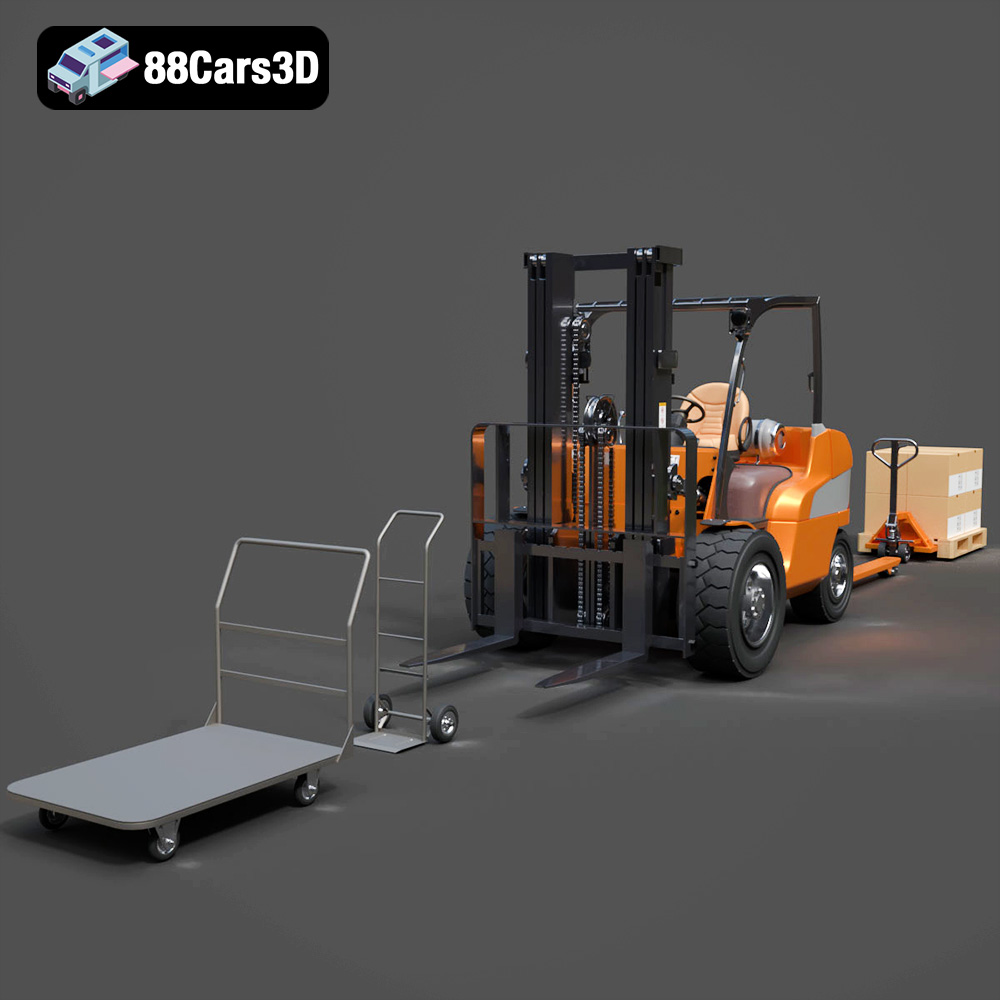
Texture: Yes | Material: Yes Download the highly detailed CAT Manual Loader & Warehouse Carts Kit 3D Model (2.4M Triangles). Features a macro-detailed hydraulic pallet jack, heavy-duty forks, and transport carts. Perfect for industrial ArchViz, factory rendering, and logistics simulations. Includes .blend, .fbx, .obj, .glb, .stl, and .max formats.
Price: $19.99

Texture: Yes | Material: Yes
Download the highly optimized Mazda CX-5 2014 3D Model (294k Triangles). Features the dynamic Kodo design language, signature grille, and a clean interior. Perfectly balanced for ArchViz, background traffic, and game development. Includes .blend, .fbx, .obj, .glb, .stl, and .max formats.
Price: $19.99
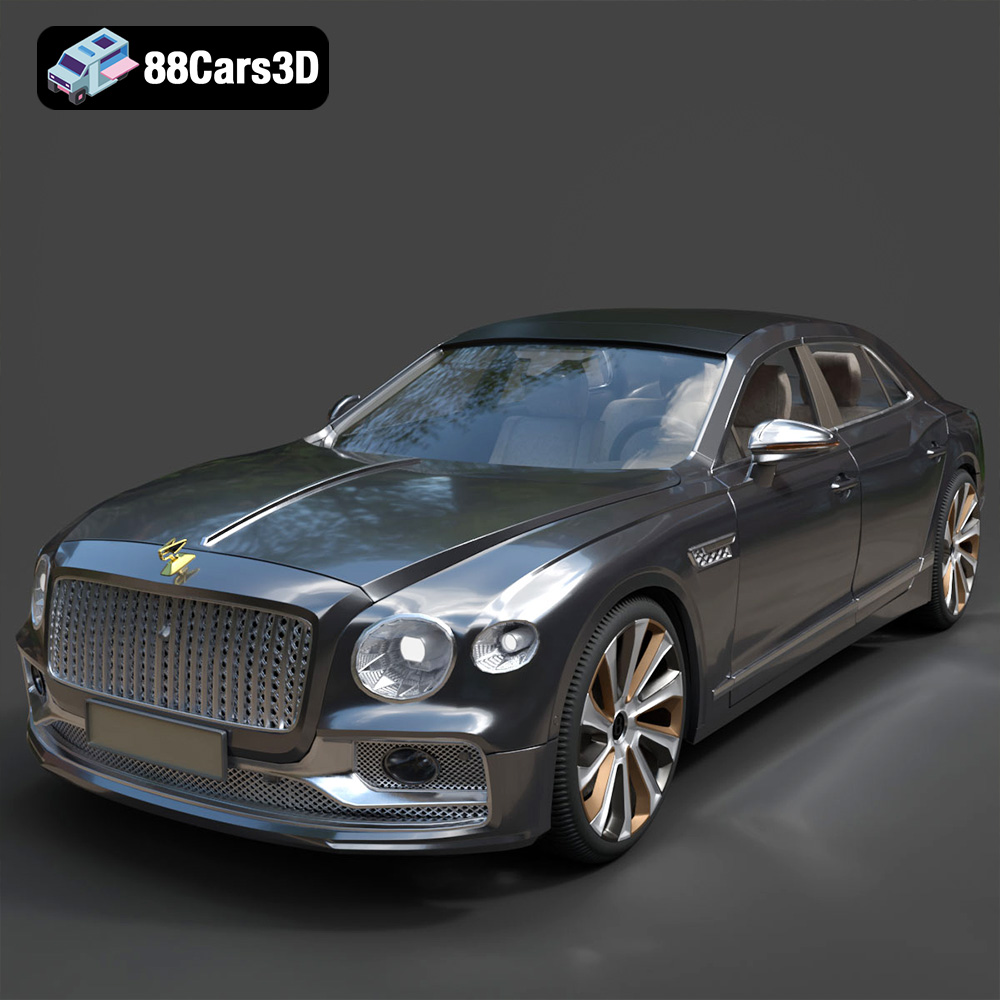
Texture: Yes | Material: Yes Download the ultra-high-detail Bentley Flying Spur Mulliner 2022 3D Model (2.94M Triangles). Features the bespoke Double Diamond grille, a fully modeled diamond-quilted interior, and exquisite luxury styling. Perfect for high-end ArchViz, VFX, and cinematic rendering. Includes .blend, .fbx, .obj, .glb, .stl, and .max formats.
Price: $19.90

Texture: Yes | Material: Yes | 3D Printable: Yes. Download the Ultimate Creators’ Showcase featuring 5 premium 3D models: Lamborghini Huracan, ZAV Concept Motorcycle, Sukhoi SU-26, Presidential Limousine, and Daewoo Damas. Optimized for 4K CGI rendering and 3D printing. Save massive with this exclusive multi-category bundle!
Price: $99.99

