Get 50% OFF All Premium 3D & STL Models!

“`html
In the realm of game development, the ability to rapidly iterate and modify game mechanics is paramount. Unreal Engine’s data-driven gameplay approach, utilizing Data Assets, provides a robust and flexible system for managing game logic, parameters, and content outside of code. This allows for designers and artists to tweak gameplay without requiring constant code recompilation, accelerating the development process and fostering creativity. This post explores how to leverage Data Assets for automotive visualization and game development, particularly when using high-quality 3D car models from sources like 88cars3d.com, enabling you to create dynamic and engaging experiences.
We’ll cover everything from project setup and Data Asset creation to advanced Blueprint integration and performance optimization. Whether you’re building a realistic car configurator, an interactive racing game, or a virtual production environment, mastering data-driven gameplay with Data Assets will significantly enhance your Unreal Engine workflow and empower your team.
Data Assets are essentially containers for data defined outside of C++ code. They are created as instances of User-Defined Structures (Structs) or Classes in the Unreal Engine Editor. Unlike traditional hardcoded values, Data Assets can be easily modified directly within the editor, allowing for rapid experimentation and iteration. This separation of data from code promotes a cleaner, more organized project structure and reduces the risk of introducing bugs during gameplay modifications.
Before diving into Data Asset creation, it’s crucial to set up your Unreal Engine project correctly. This includes creating appropriate folders for your Data Assets, defining naming conventions, and configuring your project settings for optimal performance. Begin by creating a new Unreal Engine project or using an existing one. If you are focusing on automotive visualization, you can select the “Automotive, Product Design & Manufacturing” template for a pre-configured setup with realistic lighting and rendering features.
A well-organized folder structure is essential for managing your Data Assets effectively. Create a dedicated folder (e.g., “DataAssets”) in your Content Browser and subfolders for different categories of data, such as “VehicleData”, “TrackData”, and “AIData”. This helps to keep your project organized and makes it easier to find specific Data Assets when you need them.
Establish clear naming conventions for your Data Assets to ensure consistency and clarity across your project. For example, you could use prefixes like “DA_” followed by a descriptive name (e.g., “DA_Vehicle_Sportscar”). Consistency in naming conventions significantly improves project maintainability, especially in larger team environments.
Now, let’s delve into the process of creating and populating Data Assets specifically for 3D car models. We’ll define a custom Struct to hold various vehicle properties, create instances of Data Assets based on this Struct, and then populate them with data relevant to each car model. When sourcing automotive assets from marketplaces such as 88cars3d.com, having a robust system for managing their properties is crucial.
Start by creating a new Struct in your Unreal Engine project. This Struct will define the data structure for your vehicle properties. Navigate to your Content Browser, right-click, and select “New > Structure”. Name it something descriptive, like “VehicleData”. Open the Struct and add variables to represent the different properties of your car models. Some key properties to include are:
Ensure that you select appropriate variable types for each property (e.g., String, Float, Static Mesh, Sound Cue, LinearColor). This Struct now serves as a blueprint for your Data Assets, defining the structure of the data they will contain.
Once your VehicleData Struct is defined, you can create instances of Data Assets based on it. In your Content Browser, right-click and select “New > Data Asset”. Choose your “VehicleData” Struct as the parent class. Name the Data Asset after the specific car model it represents (e.g., “DA_Vehicle_SportscarGT”). Open the Data Asset and you’ll see the variables you defined in the VehicleData Struct. Now, populate these variables with the specific data for your car model. For example, set the VehicleName to “Sportscar GT”, TopSpeed to 320, Acceleration to 8.5, Handling to 0.8, and select the corresponding Static Mesh asset from your Content Browser. You can also assign appropriate engine sounds and set the default paint color.
To enhance customization options, you can use array variables within your Data Assets. For example, you could add an array of “LinearColor” variables to represent different paint colors available for the car model. Similarly, you could add an array of “Static Mesh” variables to represent different wheel options or body kits. This allows players or users to customize the appearance of the car by selecting from a predefined set of options, all driven by the data within the Data Asset.
The real power of Data Assets lies in their integration with Blueprint visual scripting. By accessing the data stored in Data Assets within your Blueprints, you can create dynamic and interactive experiences, such as car configurators, driving simulations, and customizable vehicle systems. Unreal Engine’s official documentation at https://dev.epicgames.com/community/unreal-engine/learning provides more information on using Blueprints effectively.
To access a Data Asset within a Blueprint, you first need to load it. You can do this using the “Load Data Asset” node. This node takes a string representing the path to your Data Asset as input and returns a reference to the loaded Data Asset. Once you have a reference to the Data Asset, you can access its variables using the “Get” node. For example, if you want to access the TopSpeed variable, you would drag a pin from the Data Asset reference and search for “Get TopSpeed”. This will return the value of the TopSpeed variable stored in the Data Asset.
Example Blueprint Setup:
Using Data Assets and Blueprints, you can create a dynamic car configurator that allows users to customize the appearance and performance of their vehicles. You could create a User Interface (UI) with buttons or sliders that allow the user to select different paint colors, wheel options, or performance upgrades. When the user selects an option, the Blueprint would update the corresponding variables in the Data Asset and then update the visual representation of the car model accordingly. This allows for a highly interactive and customizable experience without requiring any code changes.
You can use the values stored in your Data Assets to dynamically update the properties of your vehicle in real-time. For example, you could use the TopSpeed and Acceleration values to control the vehicle’s movement speed and acceleration rate. Similarly, you could use the Handling value to adjust the vehicle’s steering sensitivity. This allows you to create a variety of different vehicle behaviors based on the data stored in your Data Assets, providing a flexible and customizable driving experience.
While Data Assets provide numerous benefits, it’s crucial to consider performance optimization, especially when working with high-poly 3D car models from sources like 88cars3d.com. Implementing Level of Detail (LOD) management and optimizing data access patterns are essential for maintaining smooth frame rates, particularly in real-time rendering scenarios.
Level of Detail (LOD) is a technique that involves creating multiple versions of a 3D model with varying levels of detail. The engine automatically switches between these versions based on the distance between the camera and the model. When the car is far away, the engine uses the low-poly version, reducing the rendering workload. As the car gets closer, the engine switches to the high-poly version, providing more detail. Unreal Engine provides built-in tools for creating and managing LODs. When importing 3D car models, ensure that you generate appropriate LODs to optimize performance.
Steps for Creating LODs in Unreal Engine:
Accessing Data Assets frequently within your Blueprints can impact performance, especially if you are loading them multiple times or accessing them every frame. To optimize data access, consider caching the Data Asset reference and its values. Load the Data Asset only once and store the reference in a variable. Similarly, store the values you need from the Data Asset in local variables and access those variables instead of accessing the Data Asset directly every frame. This reduces the overhead of data access and improves performance.
Data Assets can also be used to drive Material Instances, allowing you to create customizable materials without needing to modify the base material. You can store material parameters, such as color, roughness, and metallic values, in a Data Asset and then use those values to dynamically update the parameters of a Material Instance. This allows you to create a variety of different material variations based on the data stored in your Data Assets, providing a flexible and customizable visual experience.
For cutting-edge automotive visualization, integrating Unreal Engine’s advanced features like Nanite and Lumen, alongside virtual production workflows, can significantly elevate the realism and interactivity of your projects. These technologies, combined with data-driven gameplay using Data Assets, provide a powerful toolkit for creating stunning and immersive experiences. Using platforms like 88cars3d.com that offer optimized models is key to success with these advanced techniques.
Nanite is Unreal Engine’s virtualized geometry system that allows you to import and render highly detailed 3D models without the traditional polygon count limitations. With Nanite, you can directly import high-poly car models from sources like 88cars3d.com without needing to decimate or simplify them. This preserves the intricate details and realism of the models, resulting in stunning visual quality. To enable Nanite, simply enable it in the Static Mesh editor under the “Nanite Settings” section. Note that Nanite requires compatible hardware and may impact performance on lower-end systems.
Lumen is Unreal Engine’s global illumination and reflections system that provides dynamic and realistic lighting without the need for precomputed lightmaps. With Lumen, you can create dynamic lighting scenarios that respond to changes in the environment, such as moving the car or changing the time of day. This results in a more immersive and believable visual experience. Lumen is enabled by default in new Unreal Engine projects, but you can adjust its settings in the Project Settings under the “Rendering” section.
Data Assets can be seamlessly integrated into virtual production workflows, allowing you to control and customize various aspects of your virtual environment in real-time. For example, you could use Data Assets to store information about the virtual set, such as the lighting setup, camera positions, and actor placements. This allows you to quickly and easily modify the virtual environment without needing to manually adjust each element. This is particularly useful for automotive visualization, where you might want to simulate different studio lighting setups or showcase the car in various environments.
Data-driven gameplay with Data Assets is not just a theoretical concept; it’s widely used in the industry for various applications. Let’s explore some real-world case studies to understand how Data Assets are used to enhance game development and automotive visualization workflows.
Many automotive manufacturers use Unreal Engine to create interactive car configurators for their websites and showrooms. These configurators allow potential customers to customize the appearance and features of their desired car model, such as selecting different paint colors, wheel options, and interior trims. Data Assets are used to store the data for each customization option, allowing the configurator to dynamically update the car’s appearance based on the user’s selections. This provides a highly engaging and informative experience for potential customers.
Data Assets are also used in interactive driving simulations for training and research purposes. These simulations allow drivers to experience realistic driving scenarios in a safe and controlled environment. Data Assets are used to store information about the vehicle’s performance characteristics, such as its acceleration, braking, and handling. This allows the simulation to accurately replicate the behavior of the real-world vehicle. Additionally, Data Assets can be used to store information about the driving environment, such as the road conditions, traffic patterns, and weather conditions.
Data Assets are increasingly being used in virtual production workflows for automotive advertising. Virtual production allows filmmakers to create realistic and visually stunning commercials without needing to physically film the car in real-world locations. Data Assets are used to store information about the car model, such as its appearance, materials, and animations. This allows the filmmakers to create a virtual version of the car that can be seamlessly integrated into the virtual environment. This significantly reduces the cost and complexity of automotive advertising production.
Mastering data-driven gameplay with Data Assets in Unreal Engine unlocks immense potential for automotive visualization and game development. By decoupling data from code, you gain the flexibility to iterate faster, organize your project more effectively, and empower designers and artists to contribute meaningfully to the development process. Using optimized 3D car models from platforms like 88cars3d.com in conjunction with the techniques described, results in high-quality, interactive experiences.
Key takeaways:
Next steps:
By embracing data-driven gameplay with Data Assets, you can unlock new levels of creativity and efficiency in your Unreal Engine projects, creating stunning and engaging automotive experiences that captivate your audience.
“`
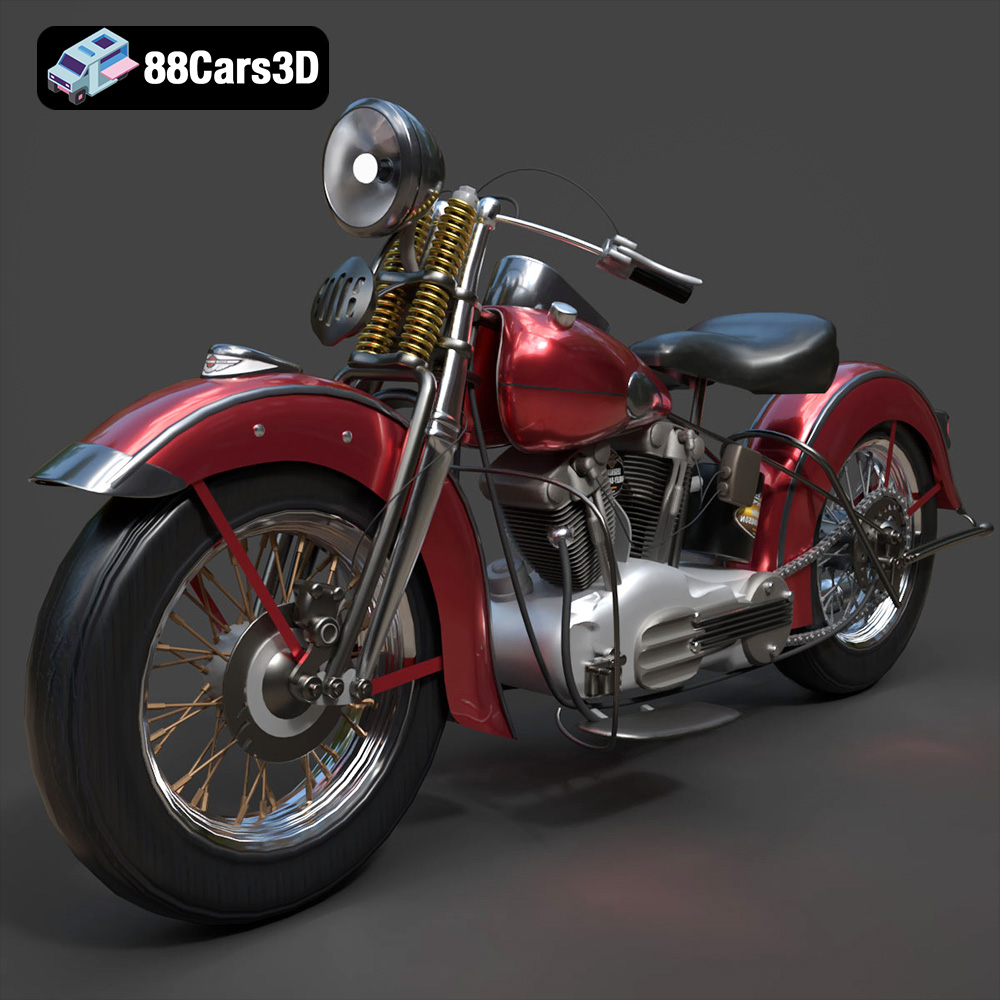
Texture: Yes
Material: Yes
Download the Harley Davidson F 1946 3D Model featuring clean geometry, realistic detailing, and a fully modeled interior. Includes .blend, .fbx, .obj, .glb, .stl, .ply, .unreal, and .max formats for rendering, simulation, and game development.
Price: $19.99
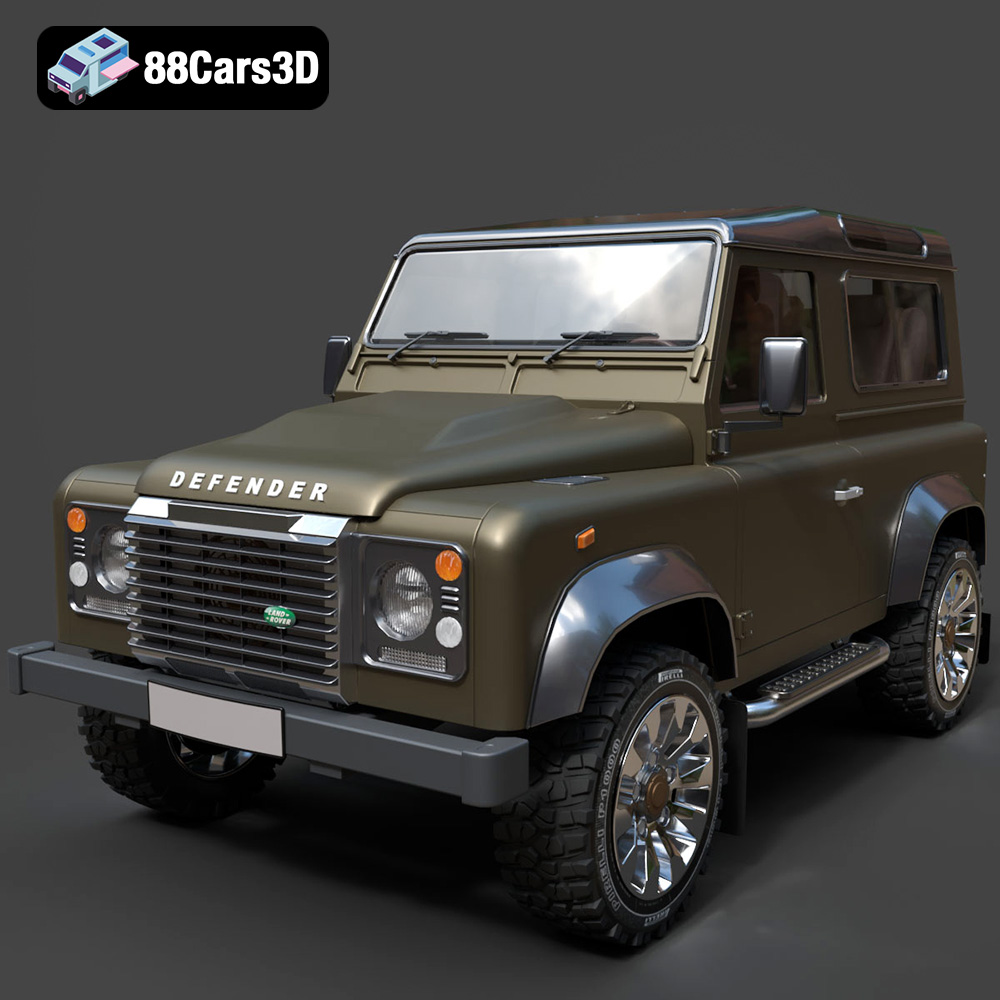
Texture: Yes
Material: Yes
Download the Land Rover Defender Works V8 3D Model featuring clean geometry, realistic detailing, and a fully modeled interior. Includes .blend, .fbx, .obj, .glb, .stl, .ply, .unreal, and .max formats for rendering, simulation, and game development.
Price: $19.99
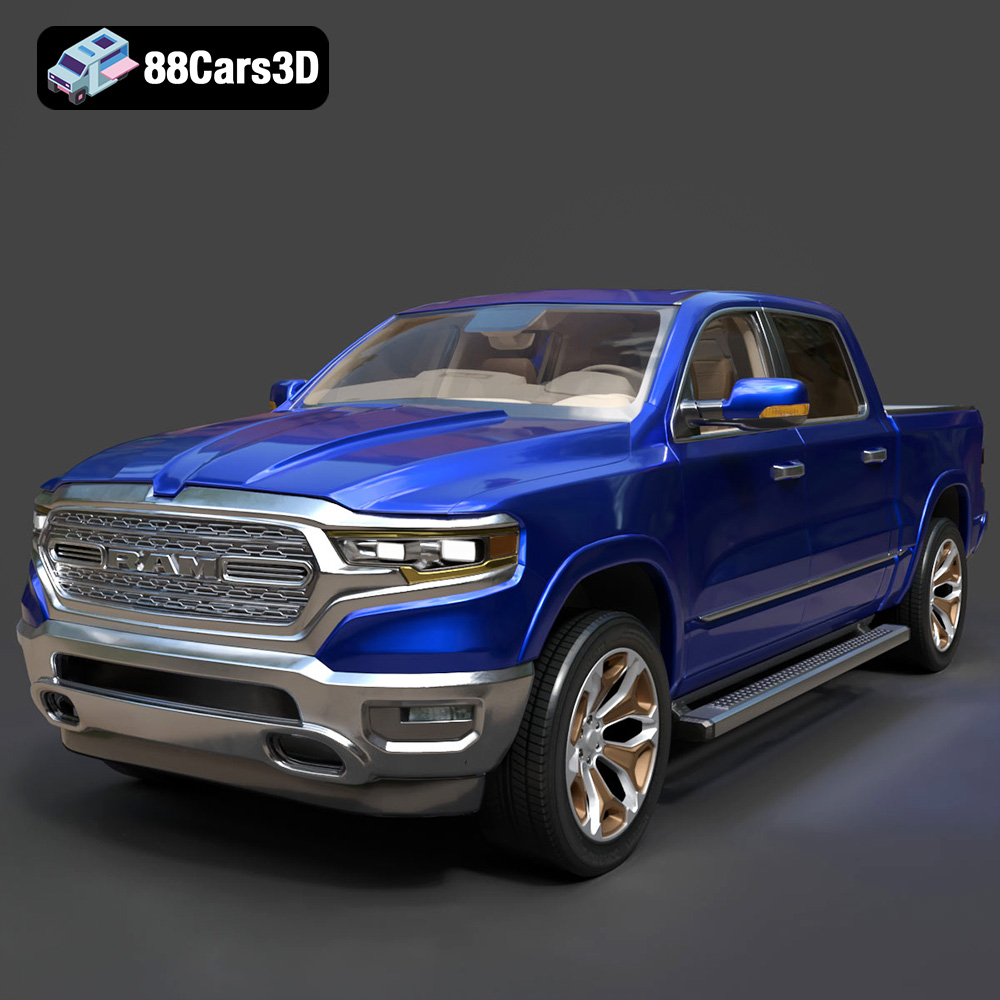
Texture: Yes
Material: Yes
Download the Dodge RAM 2019 3D Model featuring clean geometry, realistic detailing, and a fully modeled interior. Includes .blend, .fbx, .obj, .glb, .stl, .ply, .unreal, and .max formats for rendering, simulation, and game development.
Price: $19.99
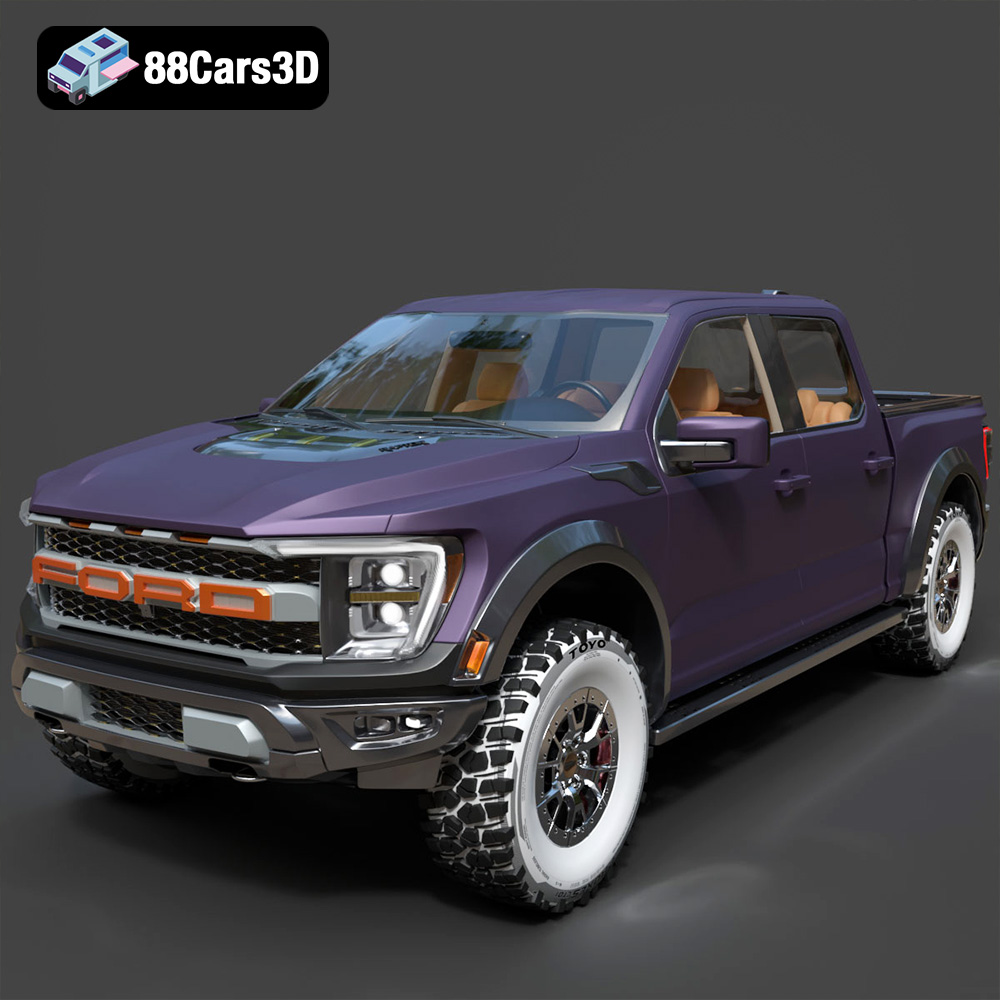
Texture: Yes | Material: Yes Download the ultra-high-detail Ford F-150 Raptor 2021 3D Model (8.73M Triangles). Features uncompromised widebody styling, fully modeled Fox Live Valve suspension, 37-inch tires, and interior. Perfect for premium VFX, cinematic rendering, and ArchViz. Includes .blend, .fbx, .obj, .glb, .stl, and .max formats.
Price: $29.99

Texture: Yes | Material: Yes Download the ultra-high-detail BMW 3 Series Limousine (2022) 3D Model (4.16M Triangles). Features the modernized G20 LCI exterior, the all-new BMW Curved Display interior, and ultra-dense topology. Perfect for ArchViz, VFX, and cinematic rendering. Includes .blend, .fbx, .obj, .glb, .stl, and .max formats.
Price: $19.99
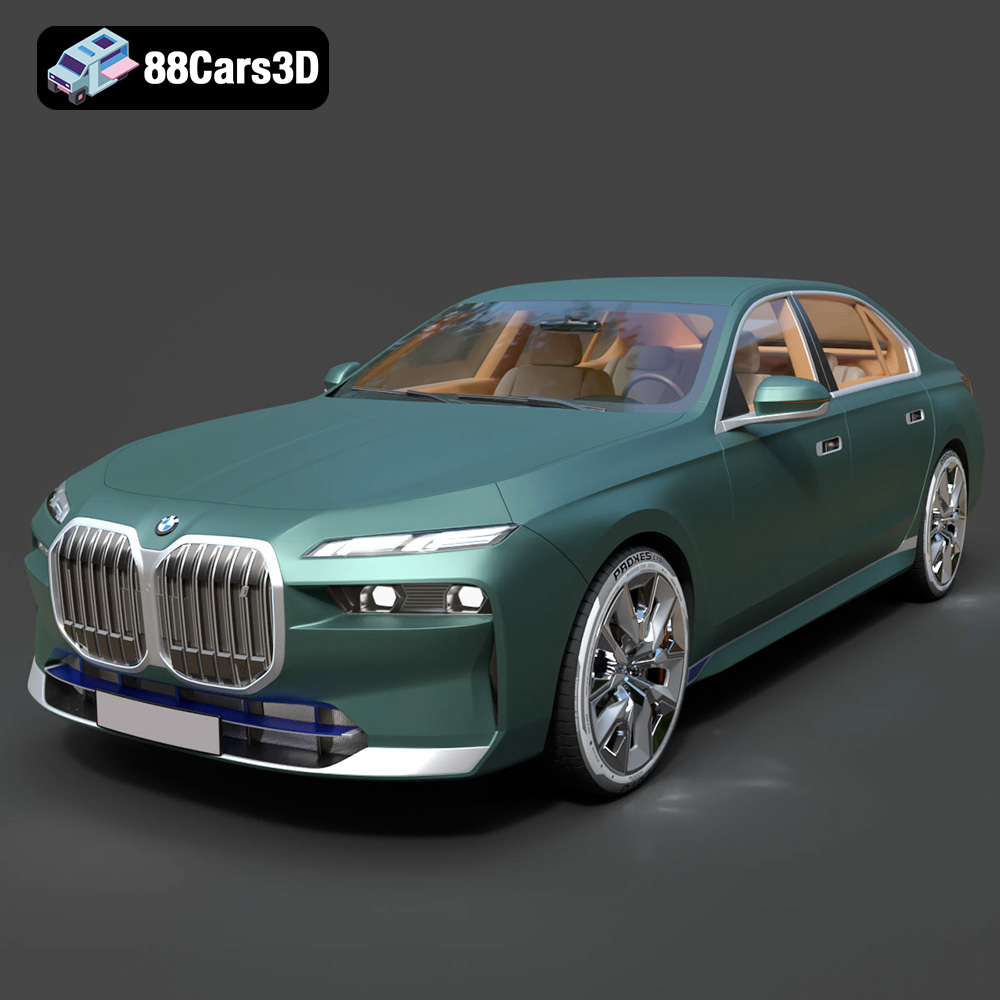
Texture: Yes | Material: Yes Download the ultra-high-detail BMW i7 (2023) 3D Model (4.14M Triangles). Features the illuminated kidney grille, split crystal headlights, fully modeled Theatre Screen interior, and monolithic luxury styling. Perfect for ArchViz, VFX, and cinematic rendering. Includes .blend, .fbx, .obj, .glb, .stl, and .max formats.
Price: $19.99
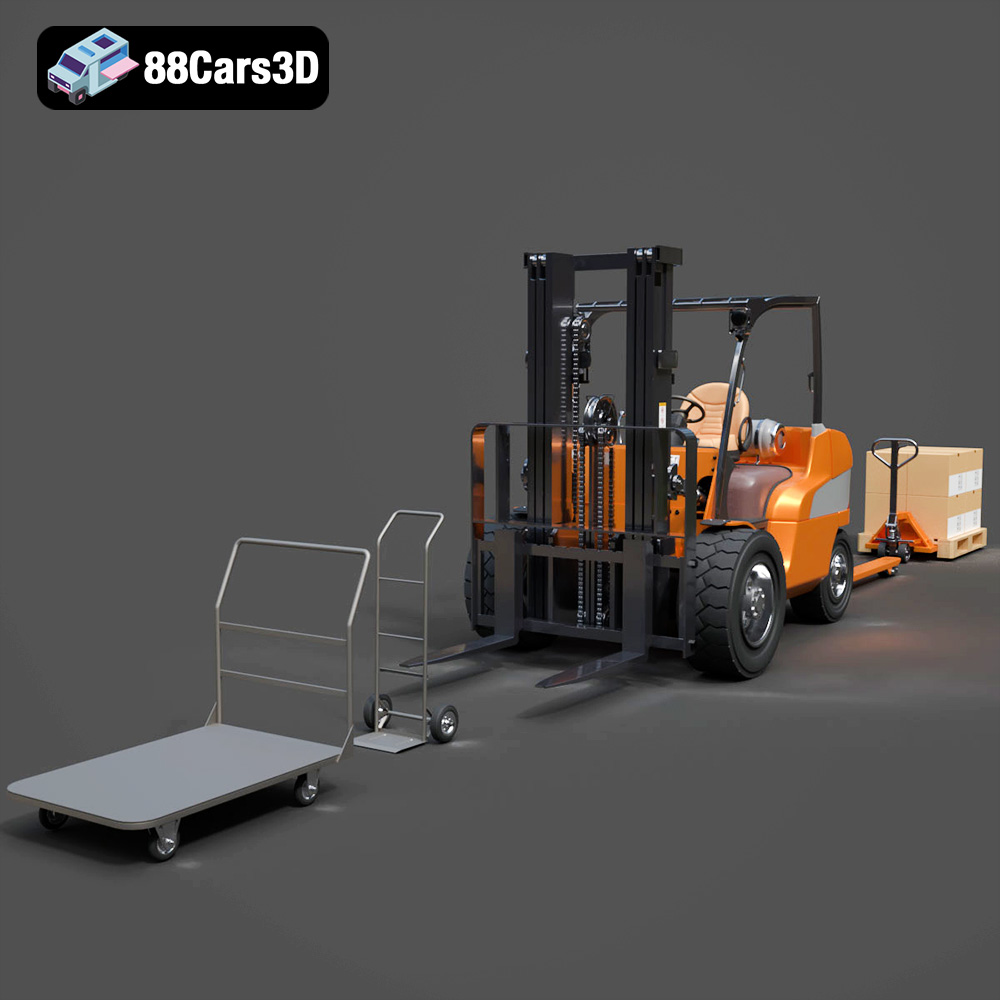
Texture: Yes | Material: Yes Download the highly detailed CAT Manual Loader & Warehouse Carts Kit 3D Model (2.4M Triangles). Features a macro-detailed hydraulic pallet jack, heavy-duty forks, and transport carts. Perfect for industrial ArchViz, factory rendering, and logistics simulations. Includes .blend, .fbx, .obj, .glb, .stl, and .max formats.
Price: $19.99

Texture: Yes | Material: Yes
Download the highly optimized Mazda CX-5 2014 3D Model (294k Triangles). Features the dynamic Kodo design language, signature grille, and a clean interior. Perfectly balanced for ArchViz, background traffic, and game development. Includes .blend, .fbx, .obj, .glb, .stl, and .max formats.
Price: $19.99
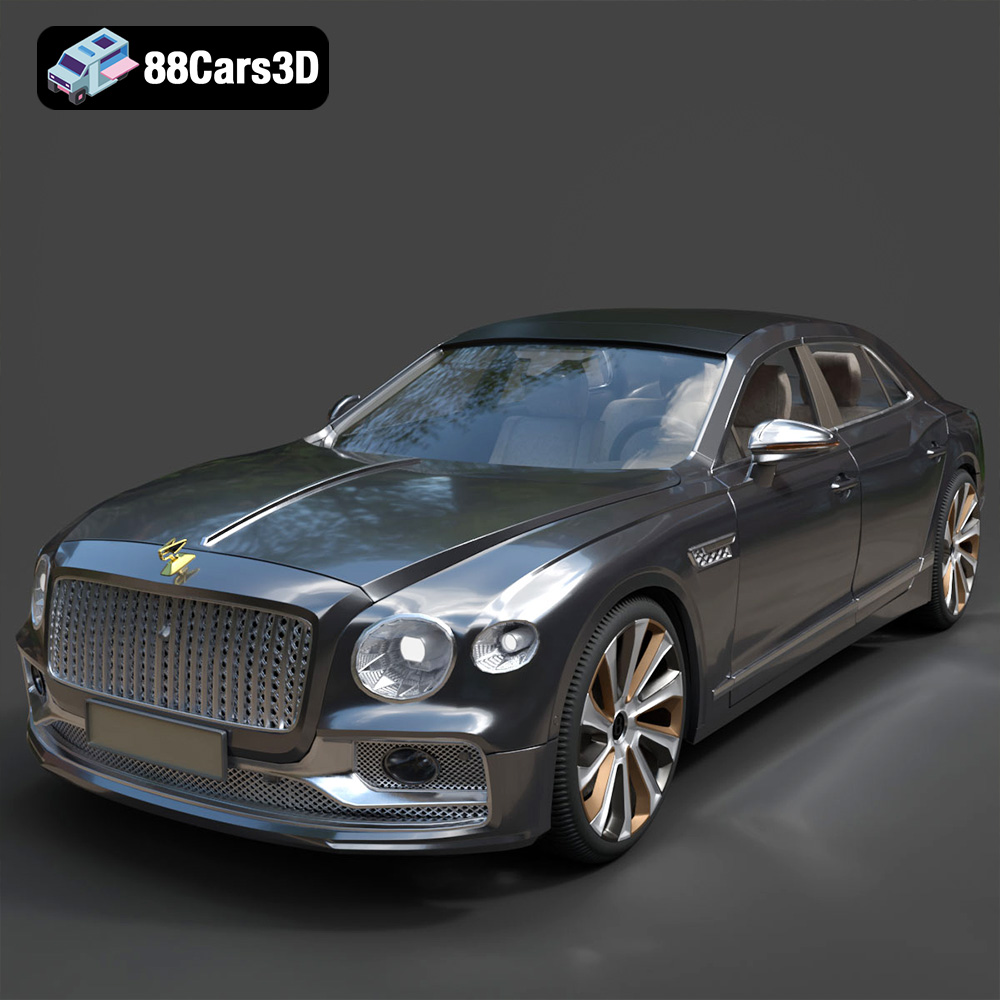
Texture: Yes | Material: Yes Download the ultra-high-detail Bentley Flying Spur Mulliner 2022 3D Model (2.94M Triangles). Features the bespoke Double Diamond grille, a fully modeled diamond-quilted interior, and exquisite luxury styling. Perfect for high-end ArchViz, VFX, and cinematic rendering. Includes .blend, .fbx, .obj, .glb, .stl, and .max formats.
Price: $19.90

Texture: Yes | Material: Yes | 3D Printable: Yes. Download the Ultimate Creators’ Showcase featuring 5 premium 3D models: Lamborghini Huracan, ZAV Concept Motorcycle, Sukhoi SU-26, Presidential Limousine, and Daewoo Damas. Optimized for 4K CGI rendering and 3D printing. Save massive with this exclusive multi-category bundle!
Price: $99.99

