Get 50% OFF All Premium 3D & STL Models!

“`html
The world of 3D printing is rapidly evolving, becoming more accessible and affordable for hobbyists and enthusiasts. If you’re eager to dive into this exciting field, particularly with a focus on printing stunning automotive models from platforms like 88cars3d.com, finding the right budget-friendly 3D printer is crucial. This guide will explore some of the best entry-level printers, focusing on their capabilities, print quality, ease of use, and how they handle STL files – the standard format for 3D models. We’ll delve into both FDM (Fused Deposition Modeling) and resin printing options, covering essential settings, troubleshooting tips, and post-processing techniques to help you bring your 3D car models to life. Whether you dream of replicating classic cars or creating futuristic designs, this article will equip you with the knowledge to choose the perfect starting point for your 3D printing journey.
Before diving into specific printer recommendations, it’s important to understand the fundamental differences between FDM and resin 3D printing, as each technology excels in different aspects of model creation. FDM printers use a thermoplastic filament that is heated and extruded layer by layer, while resin printers use liquid resin that is cured by UV light. This difference significantly impacts the print quality, detail, and material properties of the final product.
FDM printers are generally more affordable and user-friendly for beginners. They are well-suited for larger models that don’t require extremely fine details. Common materials like PLA (Polylactic Acid) are readily available and easy to print with, making them a popular choice. When printing car models with FDM, consider layer heights between 0.1mm and 0.2mm for a good balance of speed and detail. Infill percentages of 15-25% are typically sufficient for structural integrity. Remember to use appropriate support structures, especially for overhanging features, to prevent print failures.
Resin printers offer significantly higher resolution and smoother surfaces, making them ideal for intricate car models with fine details. However, they tend to have a smaller build volume and require more post-processing, including washing and curing. When working with resin printers, layer heights between 0.025mm and 0.05mm are common for achieving exceptional detail. Support structures are still essential but often need to be thinner and more carefully placed to avoid damaging the delicate model during removal. Remember to wear gloves and eye protection when handling resin.
For beginners looking to print car models using FDM technology, several budget-friendly options offer excellent performance and ease of use. These printers are known for their reliability, user-friendly interfaces, and ability to handle STL files effectively.
The Creality Ender 3 V2 is a widely popular choice for beginners due to its affordability, large community support, and readily available upgrades. This printer offers a decent build volume of 220 x 220 x 250mm, making it suitable for printing a variety of car models. To optimize your prints for STL files from 88cars3d.com, consider using a Cura slicer profile with a layer height of 0.15mm, a print speed of 50mm/s, and a bed temperature of 60°C. Ensure proper bed adhesion by using a brim or raft. When dealing with complex car models, use tree supports for easier removal and cleaner surfaces.
The Anycubic Mega S is another excellent option that boasts a robust frame and a user-friendly interface. It features a similar build volume to the Ender 3 V2 and offers reliable performance. When slicing STL files for this printer, try using PrusaSlicer with a layer height of 0.18mm, an infill density of 20%, and a nozzle temperature of 200°C for PLA. Pay attention to the orientation of your car model to minimize the need for support structures. Angling the model at 45 degrees can often reduce support requirements and improve print quality. Regularly calibrate the bed to ensure optimal adhesion.
If you have limited space, the Monoprice Mini Delta V2 is a compact and portable option that doesn’t compromise on print quality. While its build volume is smaller (110 x 110 x 120mm), it’s still capable of printing smaller car models. This printer is known for its ease of use and automatic bed leveling. When using this printer, experiment with different infill patterns, such as gyroid, to achieve a balance between strength and material consumption. For best results, use a layer height of 0.1mm and a print speed of 40mm/s. Also, consider using a glue stick on the build plate to enhance adhesion for those first crucial layers.
For enthusiasts seeking exceptional detail and smooth surfaces in their 3D printed car models, resin printers offer a superior alternative to FDM technology. While they require more careful handling and post-processing, the results are often worth the extra effort. Here are some of the top budget resin 3D printers for beginners.
The Elegoo Mars 3 is a popular choice for its high resolution and ease of use. It features a 4K monochrome LCD, which allows for faster print times and sharper details. When printing car models from platforms like 88cars3d.com, set your layer height to 0.03mm for optimal results. Use a resin exposure time of 2.5 seconds and a bottom layer exposure time of 25 seconds. Proper support placement is critical for resin printing; use a combination of light, medium, and heavy supports to ensure successful prints. Before curing, wash the model thoroughly with isopropyl alcohol (IPA) to remove any residual resin.
The Anycubic Photon Mono is another excellent option that offers fast print times and reliable performance. It also features a monochrome LCD screen for increased efficiency. When slicing STL files for this printer, use the Anycubic Photon Workshop software and set your layer height to 0.04mm. Experiment with different resin types to find the one that best suits your needs. Some resins are more flexible, while others are more rigid. For car models, a balance between flexibility and rigidity is often ideal. Remember to properly level the build plate before each print to ensure consistent results. Also, when hollowing out models to save on resin, make sure to include drain holes to prevent resin from being trapped inside.
The Creality LD-002R is known for its user-friendly interface and reliable performance. It features a carbon filter to reduce odor and a decent build volume for printing various car models. When using this printer, set your layer height to 0.05mm and your resin exposure time according to the resin manufacturer’s recommendations. Properly ventilate your workspace when printing with resin, as the fumes can be harmful. After printing, cure the model under UV light to harden the resin and improve its mechanical properties. Inspect the model carefully for any imperfections or support marks, and sand them down if necessary.
Regardless of the 3D printer you choose, mastering slicing parameters and printer settings is crucial for achieving high-quality prints of your car models. These settings determine the resolution, strength, and overall appearance of the final product.
Layer height is one of the most important settings to consider. Lower layer heights (e.g., 0.1mm for FDM, 0.025mm for resin) result in smoother surfaces and finer details, but they also increase print time. Higher layer heights (e.g., 0.2mm for FDM, 0.05mm for resin) reduce print time but sacrifice detail. Print speed also affects print quality. Slower print speeds generally result in better adhesion and fewer imperfections, but they also increase print time. Experiment with different combinations of layer height and print speed to find the optimal balance for your specific printer and STL file.
Infill density refers to the amount of material used inside the model. Higher infill densities increase strength but also increase material consumption and print time. Lower infill densities reduce material consumption and print time but may compromise strength. For car models, an infill density of 15-25% is typically sufficient for structural integrity. The infill pattern also affects strength and print time. Common infill patterns include grid, honeycomb, gyroid, and triangle. Gyroid infill is often preferred for its strength and isotropic properties.
Support structures are necessary for printing overhanging features and preventing print failures. Choose support structures that are easy to remove and don’t leave excessive marks on the model. Tree supports are often a good option for their ease of removal. Bed adhesion is crucial for preventing warping and ensuring that the model stays attached to the build plate throughout the printing process. Use a brim or raft to improve bed adhesion, especially for large or complex car models. Clean the build plate thoroughly with isopropyl alcohol before each print to remove any oils or contaminants.
Once your car model is printed, post-processing is essential for achieving a polished and professional look. This involves removing support structures, sanding down imperfections, and painting or finishing the model to your desired aesthetic.
Carefully remove support structures using pliers, cutters, or a sharp knife. Be gentle to avoid damaging the model. Sand down any imperfections or support marks using progressively finer grit sandpaper. Start with a rougher grit (e.g., 220) and gradually move to finer grits (e.g., 400, 600, 800) to achieve a smooth surface. For resin prints, use wet sanding to prevent dust from spreading and to achieve a smoother finish.
Once the model is sanded smooth, you can paint it using acrylic paints or spray paints. Apply multiple thin coats of paint to avoid drips and runs. Use masking tape to create clean lines and separate different colors. After painting, apply a clear coat to protect the paint and add a glossy or matte finish. Consider using weathering techniques, such as dry brushing or washes, to add realism and detail to your car model.
If your car model consists of multiple parts, assemble them using glue or screws. Pay attention to the alignment of the parts and ensure that they fit together seamlessly. Add small details, such as mirrors, lights, or decals, to enhance the realism of your model. Consider using photo-etched parts for finer details. Explore the wide variety of detailing options available at hobby stores and online retailers to truly personalize your car models.
Even with the best printers and settings, 3D printing can sometimes be challenging. Here are some common problems and how to troubleshoot them.
Warping occurs when the corners of the model lift off the build plate during printing. This is often caused by poor bed adhesion or temperature fluctuations. To prevent warping, ensure that the build plate is properly leveled and heated. Use a brim or raft to increase adhesion. Enclose the printer to maintain a consistent temperature. Consider using a bed adhesive, such as glue stick or hairspray, to further improve adhesion.
Stringing occurs when thin strands of plastic are left behind between different parts of the model. This is often caused by excessive retraction or high printing temperatures. Reduce the printing temperature and increase the retraction distance and speed. Ensure that the nozzle is clean and free of debris. Blobs occur when excess plastic is deposited on the surface of the model. This is often caused by inconsistent extrusion or slow cooling. Reduce the extrusion multiplier and increase the cooling fan speed.
Layer separation occurs when the layers of the model don’t adhere properly to each other. This can be caused by low printing temperatures, insufficient bed adhesion, or weak support structures. Increase the printing temperature and ensure that the bed is properly leveled and heated. Use stronger support structures and increase the layer adhesion settings in your slicer software. Print failures can be caused by a variety of factors, including clogged nozzles, tangled filament, or power outages. Regularly maintain your printer and troubleshoot any issues as they arise.
The quality of your STL file directly impacts the success of your 3D print. Proper file preparation and mesh repair are essential for achieving optimal results, especially when downloading models from marketplaces such as 88cars3d.com, where variations in file quality can occur.
STL files represent 3D models as a collection of triangles. Sometimes, these files can contain errors, such as non-manifold geometry (edges shared by more than two faces) or holes in the mesh. These errors can cause slicing problems and print failures. Use mesh repair software, such as Netfabb or Meshmixer, to identify and fix these errors. Ensure that the mesh is manifold and watertight before slicing.
The orientation of your model on the build plate can significantly affect print quality and support requirements. Choose an orientation that minimizes the need for support structures and maximizes bed adhesion. Optimize the model for 3D printing by reducing the number of triangles and simplifying complex features. This can reduce print time and improve performance. Consider hollowing out the model to save on material, but be sure to include drain holes to prevent resin from being trapped inside.
By considering these factors and carefully preparing your STL files, you can significantly improve the quality and success of your 3D printed car models. Platforms like 88cars3d.com offer a fantastic range of printable car models; with the right printer, settings, and preparation, you’ll be creating stunning replicas in no time.
Choosing the right budget 3D printer for printing STL files of car models is an exciting first step into the world of additive manufacturing. Whether you opt for an FDM printer like the Creality Ender 3 V2 for its affordability and versatility or a resin printer like the Elegoo Mars 3 for its exceptional detail, understanding the nuances of slicing parameters, printer settings, and post-processing techniques is crucial for achieving high-quality results. Remember to focus on proper STL file preparation, explore various material options, and troubleshoot common printing problems as they arise. The journey of 3D printing is a continuous learning process, so embrace experimentation and don’t be afraid to try new things. With the knowledge and insights gained from this guide, you’re well-equipped to bring your favorite car models from 88cars3d.com to life and unlock your creative potential. Now, go forth and print!
“`
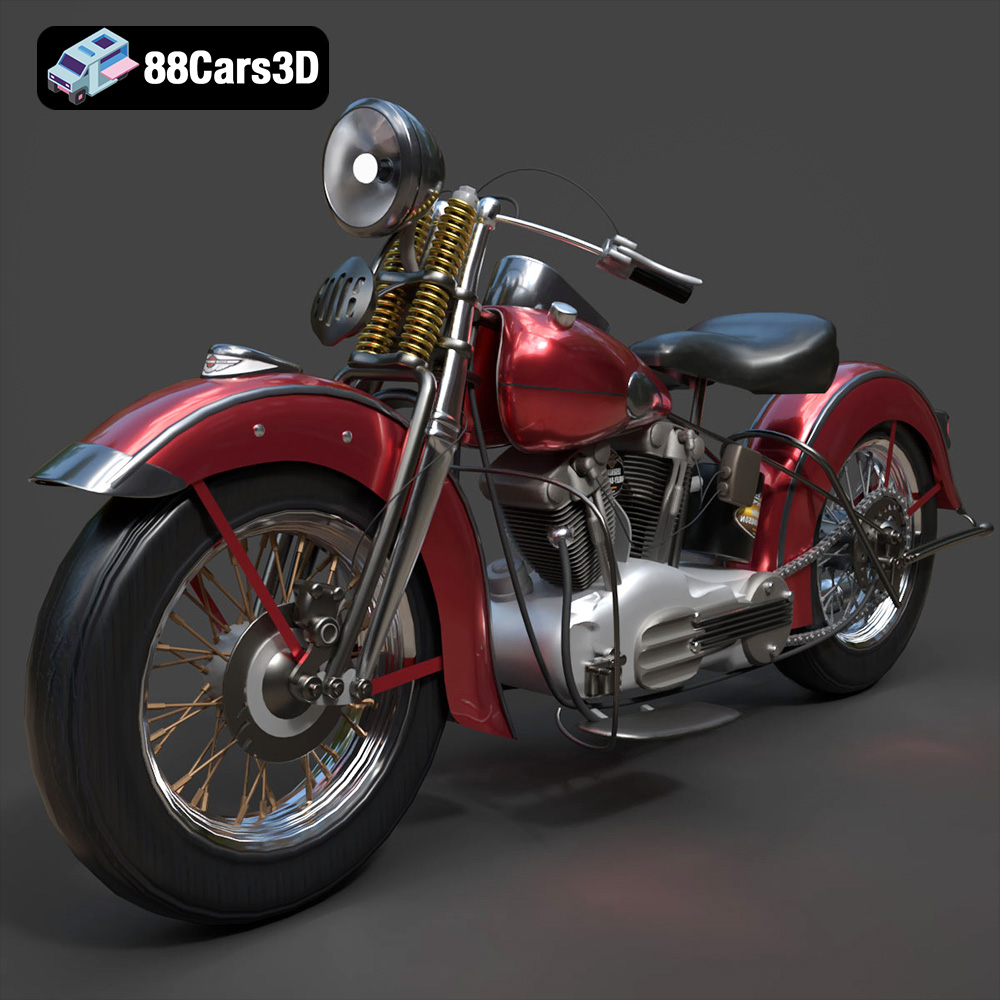
Texture: Yes
Material: Yes
Download the Harley Davidson F 1946 3D Model featuring clean geometry, realistic detailing, and a fully modeled interior. Includes .blend, .fbx, .obj, .glb, .stl, .ply, .unreal, and .max formats for rendering, simulation, and game development.
Price: $19.99
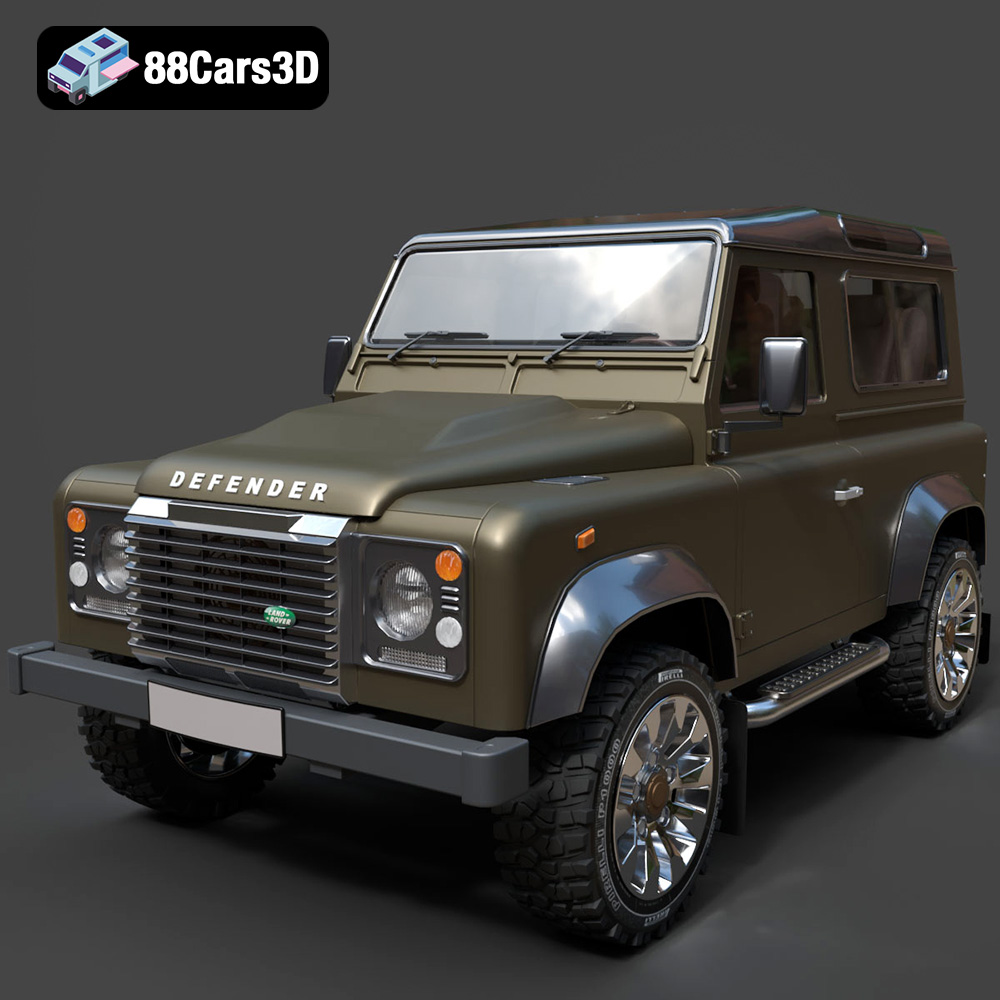
Texture: Yes
Material: Yes
Download the Land Rover Defender Works V8 3D Model featuring clean geometry, realistic detailing, and a fully modeled interior. Includes .blend, .fbx, .obj, .glb, .stl, .ply, .unreal, and .max formats for rendering, simulation, and game development.
Price: $19.99
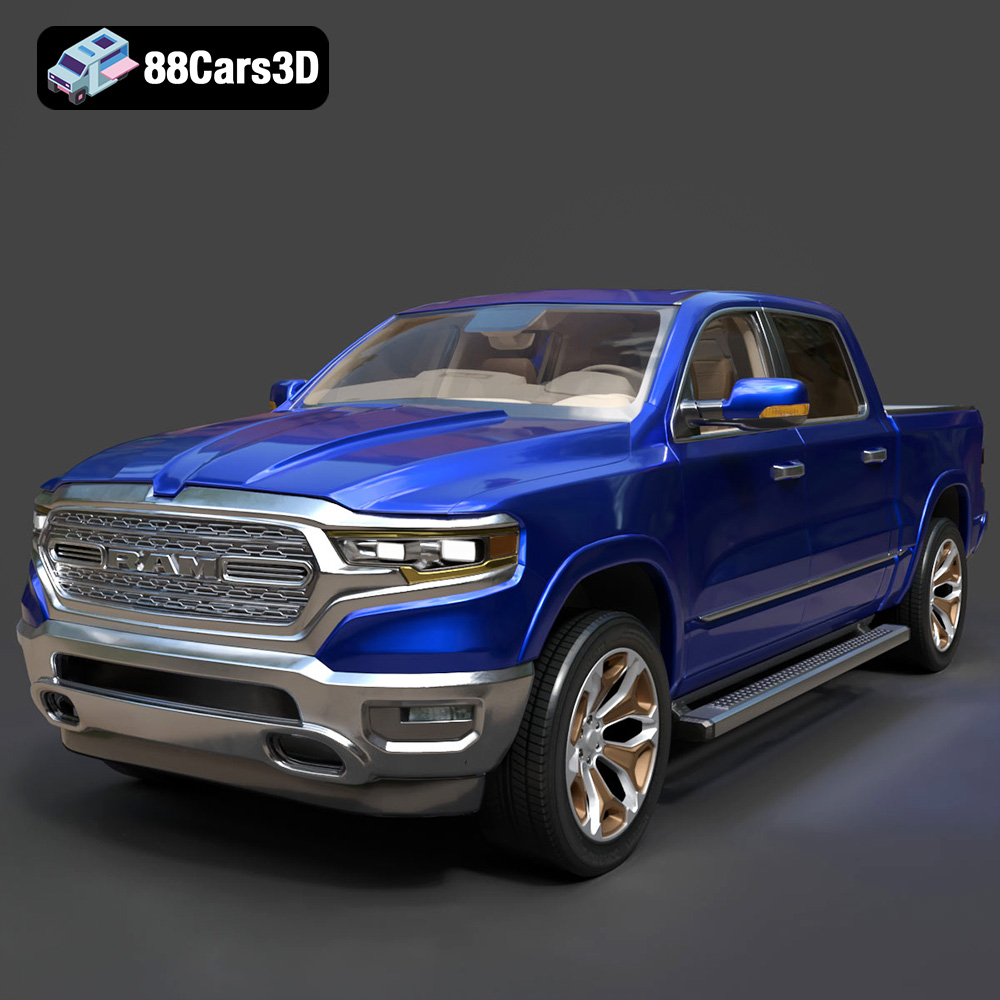
Texture: Yes
Material: Yes
Download the Dodge RAM 2019 3D Model featuring clean geometry, realistic detailing, and a fully modeled interior. Includes .blend, .fbx, .obj, .glb, .stl, .ply, .unreal, and .max formats for rendering, simulation, and game development.
Price: $19.99
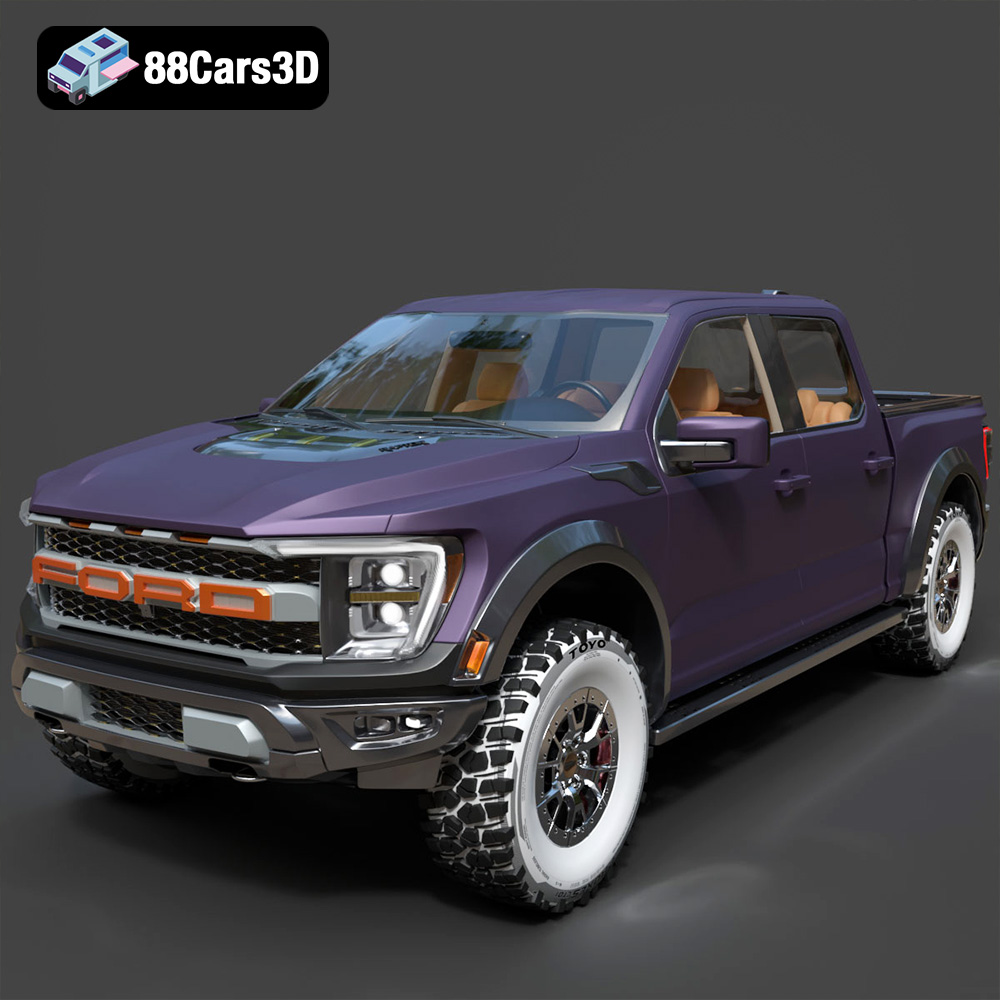
Texture: Yes | Material: Yes Download the ultra-high-detail Ford F-150 Raptor 2021 3D Model (8.73M Triangles). Features uncompromised widebody styling, fully modeled Fox Live Valve suspension, 37-inch tires, and interior. Perfect for premium VFX, cinematic rendering, and ArchViz. Includes .blend, .fbx, .obj, .glb, .stl, and .max formats.
Price: $29.99
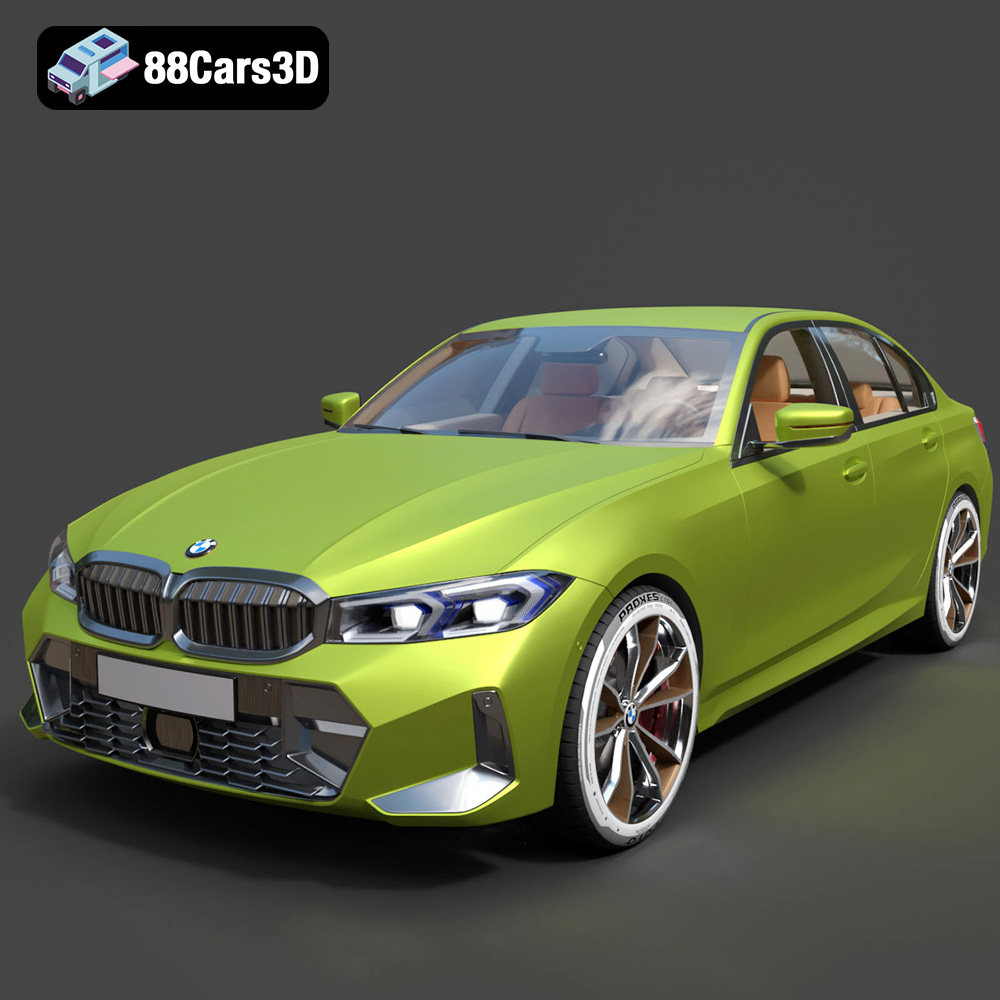
Texture: Yes | Material: Yes Download the ultra-high-detail BMW 3 Series Limousine (2022) 3D Model (4.16M Triangles). Features the modernized G20 LCI exterior, the all-new BMW Curved Display interior, and ultra-dense topology. Perfect for ArchViz, VFX, and cinematic rendering. Includes .blend, .fbx, .obj, .glb, .stl, and .max formats.
Price: $19.99
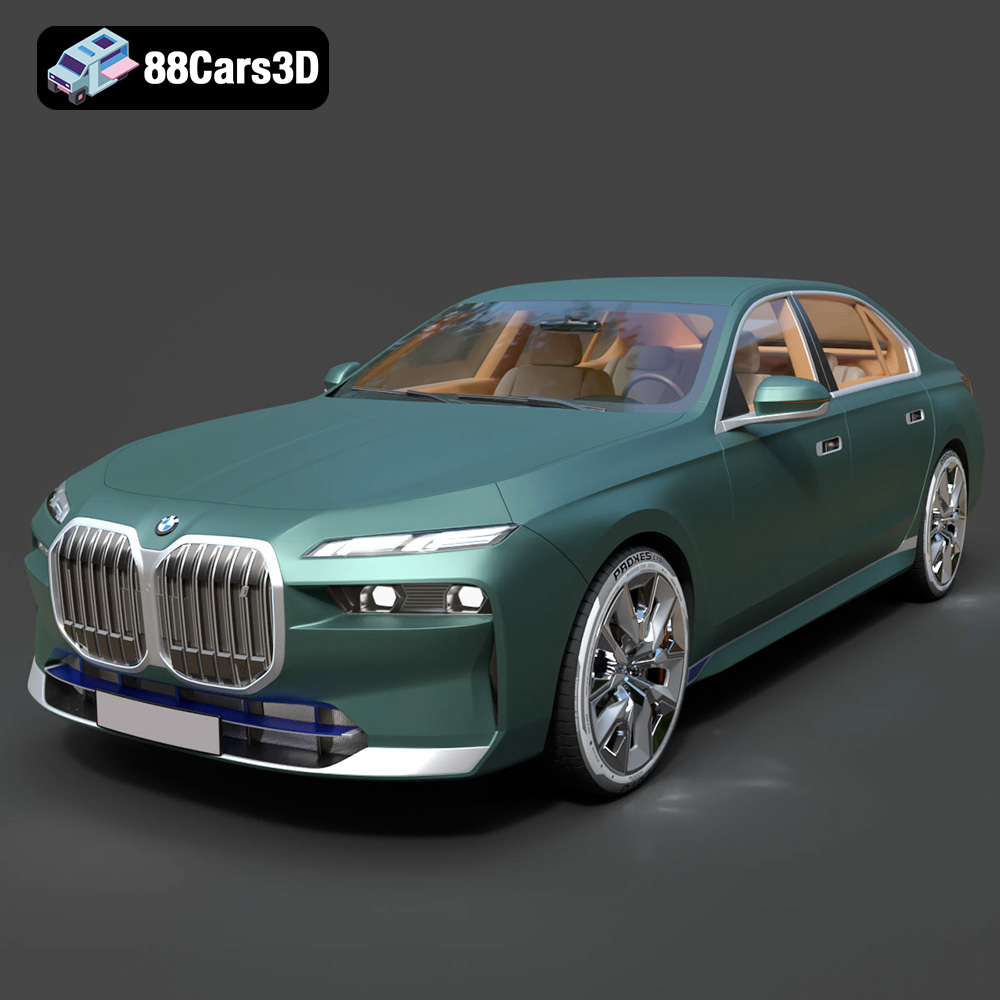
Texture: Yes | Material: Yes Download the ultra-high-detail BMW i7 (2023) 3D Model (4.14M Triangles). Features the illuminated kidney grille, split crystal headlights, fully modeled Theatre Screen interior, and monolithic luxury styling. Perfect for ArchViz, VFX, and cinematic rendering. Includes .blend, .fbx, .obj, .glb, .stl, and .max formats.
Price: $19.99
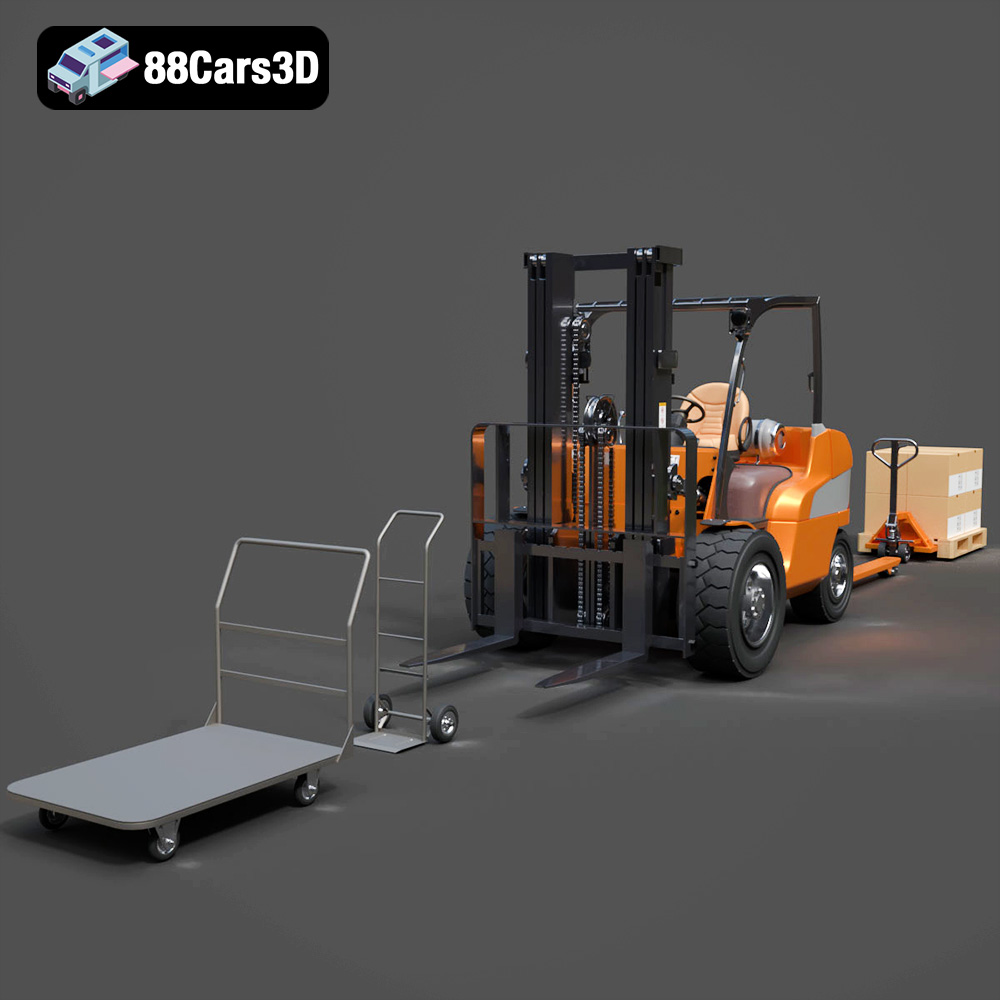
Texture: Yes | Material: Yes Download the highly detailed CAT Manual Loader & Warehouse Carts Kit 3D Model (2.4M Triangles). Features a macro-detailed hydraulic pallet jack, heavy-duty forks, and transport carts. Perfect for industrial ArchViz, factory rendering, and logistics simulations. Includes .blend, .fbx, .obj, .glb, .stl, and .max formats.
Price: $19.99
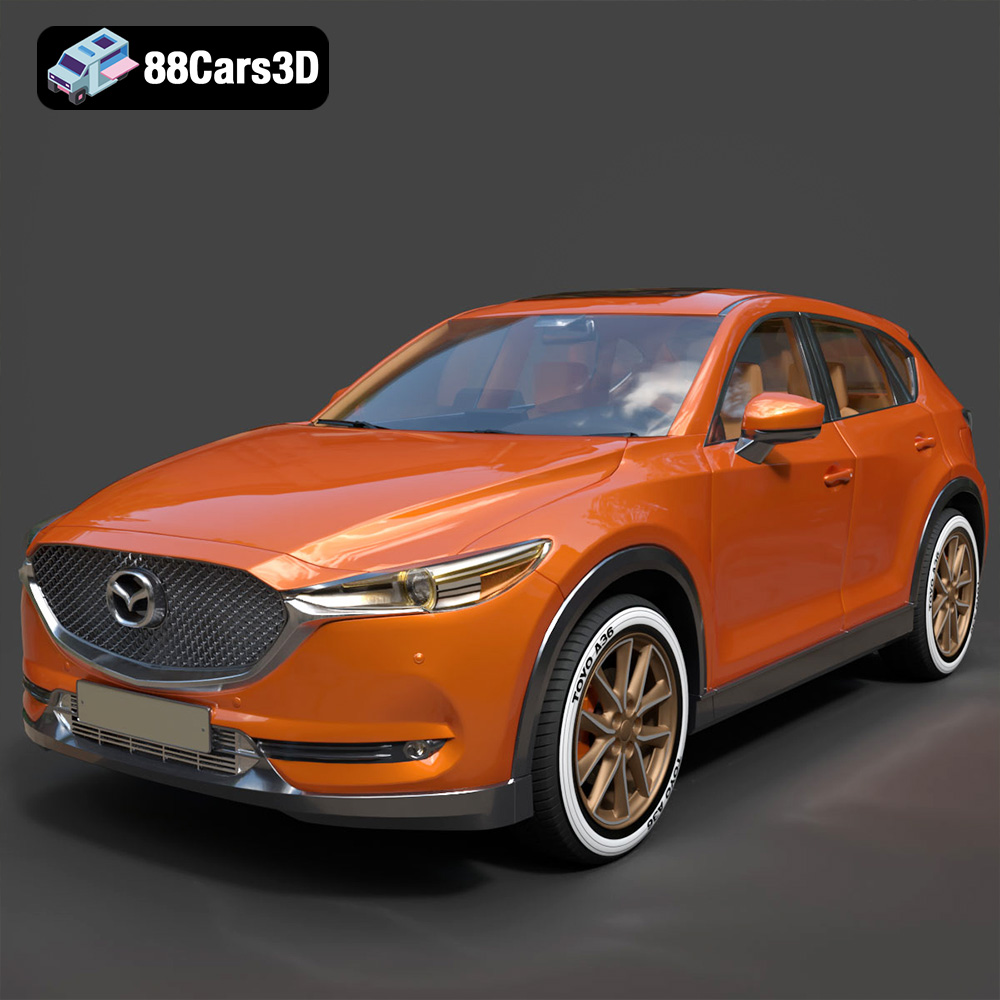
Texture: Yes | Material: Yes
Download the highly optimized Mazda CX-5 2014 3D Model (294k Triangles). Features the dynamic Kodo design language, signature grille, and a clean interior. Perfectly balanced for ArchViz, background traffic, and game development. Includes .blend, .fbx, .obj, .glb, .stl, and .max formats.
Price: $19.99
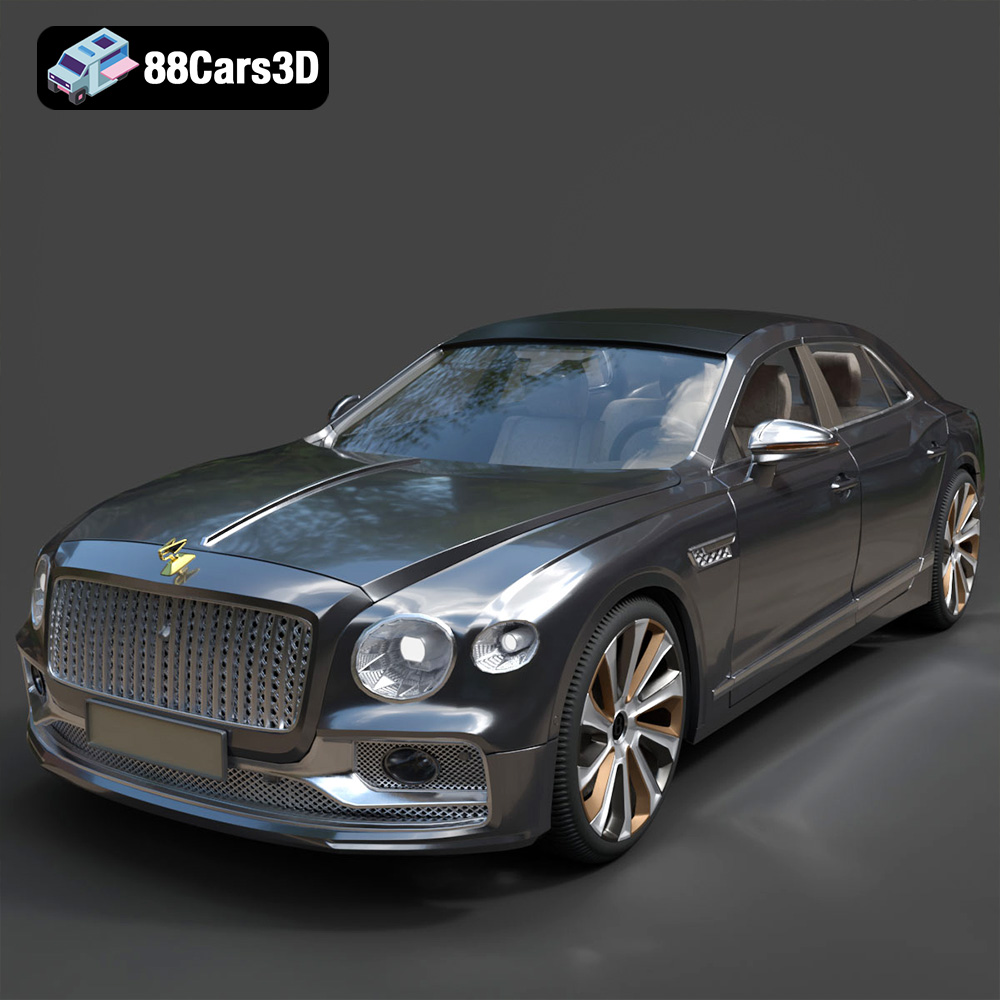
Texture: Yes | Material: Yes Download the ultra-high-detail Bentley Flying Spur Mulliner 2022 3D Model (2.94M Triangles). Features the bespoke Double Diamond grille, a fully modeled diamond-quilted interior, and exquisite luxury styling. Perfect for high-end ArchViz, VFX, and cinematic rendering. Includes .blend, .fbx, .obj, .glb, .stl, and .max formats.
Price: $19.90
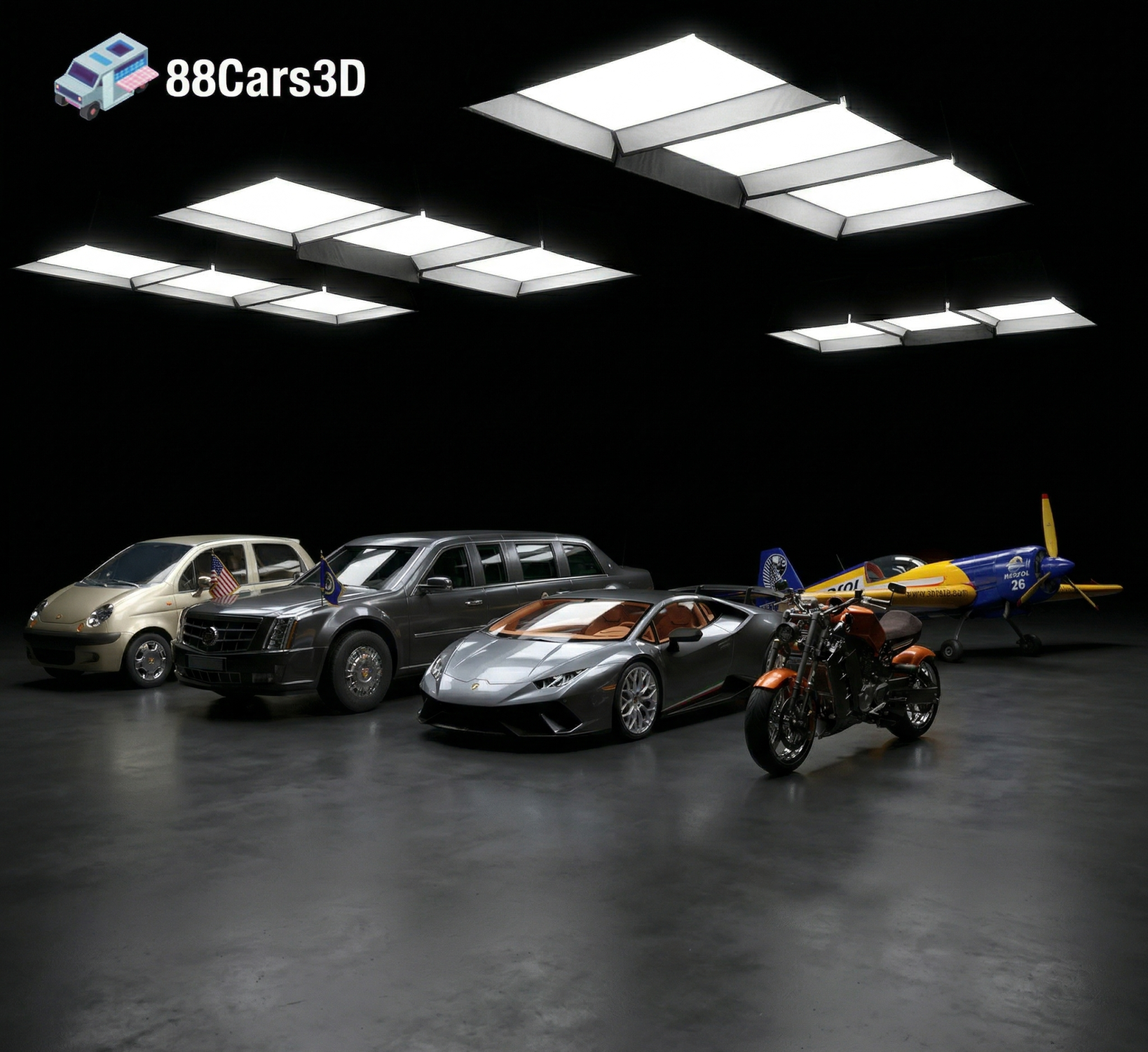
Texture: Yes | Material: Yes | 3D Printable: Yes. Download the Ultimate Creators’ Showcase featuring 5 premium 3D models: Lamborghini Huracan, ZAV Concept Motorcycle, Sukhoi SU-26, Presidential Limousine, and Daewoo Damas. Optimized for 4K CGI rendering and 3D printing. Save massive with this exclusive multi-category bundle!
Price: $99.99

