Get 50% OFF All Premium 3D & STL Models!

“`html
In the realm of automotive visualization and game development, creating immersive and intuitive user interfaces (UI) and user experiences (UX) is paramount. Unreal Engine’s UMG (Unreal Motion Graphics) Widget System provides a powerful suite of tools for designing and implementing interactive interfaces directly within the engine. This article delves into the intricacies of UMG, exploring how to craft visually appealing and functionally robust UIs for automotive configurators, virtual showrooms, and in-game vehicle controls. We’ll cover everything from basic widget creation to advanced animation techniques and performance optimization, ensuring your Unreal Engine projects deliver a seamless and engaging user experience. Learn how to leverage UMG to transform your 3D car models into interactive showcases, creating stunning automotive experiences that captivate your audience.
The Unreal Motion Graphics (UMG) Widget System is Unreal Engine’s visual UI authoring tool. It allows designers and developers to create and implement UI elements without extensive coding. UMG is built on a canvas-based system, making it easy to arrange, resize, and style widgets visually. Its integration with Blueprint visual scripting allows for dynamic behavior and data binding, creating interactive and responsive user interfaces.
UMG offers a wide array of pre-built widgets, each serving a specific purpose. Common widgets include: Text Blocks (for displaying text), Buttons (for user interaction), Image widgets (for displaying textures), Progress Bars (for visualizing progress), Sliders (for numerical input), and Scroll Boxes (for managing content overflow). These widgets can be nested within containers such as Canvas Panels, Vertical Boxes, Horizontal Boxes, and Grid Panels to create complex layouts. Understanding the widget hierarchy is crucial for managing the UI structure and ensuring proper functionality. A well-organized hierarchy simplifies the process of modifying and updating UI elements, and it optimizes performance by reducing unnecessary calculations during rendering.
The UMG Designer is the primary workspace for creating and editing widgets. It provides a visual interface for arranging widgets, setting their properties, and defining their behavior. To create a new widget, simply right-click in the Content Browser and select “User Interface” -> “Widget Blueprint.” This creates a new asset that can be opened in the UMG Designer. Within the designer, you can drag and drop widgets from the Palette panel onto the Canvas. The Details panel allows you to modify the properties of selected widgets, such as their size, position, color, font, and alignment. Utilizing anchor points is crucial for UI elements to scale correctly across different screen resolutions. You can also bind properties to variables in the Blueprint graph, allowing for dynamic updates based on game logic or user input. For detailed information about working with the UMG UI Designer, refer to the official Unreal Engine documentation: https://dev.epicgames.com/community/unreal-engine/learning
Integrating high-quality 3D car models into your UMG interface requires careful consideration of optimization and rendering techniques. While UMG primarily deals with 2D elements, you can seamlessly integrate 3D models using the Scene Capture 2D component and a Render Target. This approach allows you to display a live render of your car model within the UI, enabling interactive features like rotation, zooming, and color customization.
To display a 3D car model in your UMG UI, you first need to set up a dedicated scene with the model and appropriate lighting. Add a Scene Capture 2D component to an Actor in your level. Configure the capture component to target a specific Render Target. The Render Target acts as a texture that stores the rendered image. Within your UMG widget, add an Image widget and bind its source to the Render Target. This will display the rendered car model within the UI. Adjust the camera position and rotation of the Scene Capture component to frame the car model appropriately. Consider using a separate, uncluttered level for this rendering setup to avoid performance bottlenecks in your main game world. When sourcing automotive assets from marketplaces such as 88cars3d.com, ensure the models are optimized for real-time rendering with clean topology and efficient UV mapping.
Even though the car model is rendered to a 2D texture, optimization is still critical. Reduce the polygon count of the model to the lowest acceptable level without sacrificing visual quality. Use Level of Detail (LOD) meshes to further optimize performance. Ensure that textures are appropriately sized and compressed. Use mipmaps to improve rendering performance at different distances. For static elements, consider baking lighting into textures to reduce the rendering cost. Disable unnecessary features such as collision or physics simulation. The goal is to minimize the impact of the 3D model on the UI rendering performance, ensuring smooth and responsive interactions. Remember that the UI needs to remain responsive, so keeping the rendering lean is vital.
Achieving realistic car visualization in UMG relies heavily on physically-based rendering (PBR) materials. PBR materials define how light interacts with the surface of your 3D car model, creating a visually convincing and immersive experience. Unreal Engine’s Material Editor provides a comprehensive toolset for creating and customizing PBR materials.
PBR materials are defined by several key properties: Base Color (the inherent color of the surface), Metallic (whether the surface is metallic or non-metallic), Roughness (the surface’s microfacet distribution, affecting its shininess), Specular (the intensity of specular reflections), Normal (surface details that simulate bumps and dents). These properties work together to simulate realistic light interactions. When creating PBR materials, it’s essential to use consistent and physically plausible values. For example, metallic surfaces typically have a high Metallic value and low Roughness, while non-metallic surfaces have a low Metallic value and varying Roughness. Understanding the interplay between these properties is crucial for creating visually compelling materials.
To allow for customization of car materials within the UMG interface, you should use Material Instances. Create a master material with exposed parameters for Base Color, Metallic, Roughness, and other relevant properties. Then, create Material Instances from this master material. Material Instances allow you to modify the exposed parameters without recompiling the entire material. Within your UMG widget, you can bind sliders, color pickers, or other UI elements to these exposed parameters. This allows users to dynamically adjust the car’s material properties in real-time. Platforms like 88cars3d.com often provide assets with well-structured master materials and instances, simplifying the customization process. This is essential for creating car configurators and interactive demos where users can personalize the appearance of the vehicle.
Blueprint visual scripting is the key to adding interactivity to your UMG UI. Blueprint allows you to define the behavior of widgets in response to user input, data changes, and other events. By connecting widgets to Blueprint scripts, you can create dynamic and engaging user experiences.
Each UMG widget has a set of events that are triggered by user interactions. For example, a Button widget has events like “OnClicked,” “OnHovered,” and “OnPressed.” You can bind these events to custom functions in your Blueprint graph. When the event is triggered, the associated function will be executed. This allows you to create complex interactions such as opening menus, changing car colors, and triggering animations. To bind an event, select the widget in the UMG Designer and navigate to the Events section in the Details panel. Click the “+” button next to the desired event to create a new event handler in the Blueprint graph. From there, you can add nodes to define the behavior of the event handler.
Data binding allows you to connect widget properties to variables in your Blueprint graph. When the variable changes, the widget property is automatically updated. This is useful for displaying dynamic information such as car speed, fuel level, or engine temperature. To create a data binding, select the widget in the UMG Designer and navigate to the property you want to bind in the Details panel. Click the dropdown arrow next to the property and select “Bind.” This will open a menu where you can select the variable you want to bind to. Unreal Engine automatically generates the necessary code to keep the widget property synchronized with the variable. Consider the example of a car color customization feature. You can bind the Base Color parameter of a Material Instance to a color variable in your Blueprint. When the user selects a new color in the UI, the color variable is updated, and the car’s material changes accordingly.
Performance is crucial for real-time automotive visualization, especially when dealing with complex UMG interfaces and high-resolution 3D car models. Optimizing your UMG UI ensures smooth frame rates and a responsive user experience.
Overdraw occurs when pixels are drawn multiple times in the same frame. This can significantly impact rendering performance, especially on mobile devices or low-end hardware. To reduce overdraw in UMG, minimize the number of overlapping widgets. Use containers like Canvas Panels efficiently, ensuring that widgets are only drawn when necessary. Avoid using transparent widgets unnecessarily, as transparency requires blending, which increases overdraw. Use the “Show Overdraw” view mode in the Unreal Engine editor to visualize areas of high overdraw and identify potential optimization opportunities. For example, if you have a stack of panels where only the top panel is visible, consider hiding the underlying panels to reduce overdraw.
Widget caching and pooling can significantly improve UMG performance by reducing the overhead of creating and destroying widgets. Widget caching involves storing previously created widgets in memory and reusing them when needed. Widget pooling involves creating a pool of widgets at the start of the game and then allocating and deallocating them as required. These techniques are particularly useful for dynamically created widgets, such as those used in lists or grids. To implement widget caching or pooling, you can use a custom Blueprint script to manage the creation and destruction of widgets. Store the widgets in an array or map and then retrieve them when needed. This can significantly reduce the number of garbage collection cycles, leading to smoother frame rates. If you have a UI that needs to display several car models, for example, create several UMG widgets beforehand and simply fill them with the car model data when needed.
Adding animations and transitions to your UMG UI can significantly enhance the user experience, making your automotive visualization projects more engaging and professional. Unreal Engine provides a powerful animation system that integrates seamlessly with UMG.
The UMG Sequencer allows you to create complex animations for your widgets. You can animate properties such as position, rotation, scale, color, and opacity. To create an animation, open the UMG Designer and click the “Animation” button. This will open the UMG Sequencer panel. Add a new animation track for the widget you want to animate. Then, add keyframes at different points in time to define the desired animation. You can use different easing functions to control the speed and smoothness of the animation. For example, you can use a “Ease In” function to start the animation slowly and then accelerate towards the end. Animations can be triggered by user input, data changes, or other events. For example, you can create an animation that slides a menu into view when a button is clicked. By crafting sleek transitions, you can elevate your UI beyond simple static displays.
Timelines provide another way to create UI transitions in UMG. Timelines allow you to define a curve that controls the value of a widget property over time. This is useful for creating smooth and gradual transitions. To create a timeline, add a Timeline node to your Blueprint graph. Define a curve that represents the desired transition. Then, connect the output of the timeline to the property you want to animate. For example, you can use a timeline to gradually fade in a widget by connecting the timeline output to the Opacity property of the widget. You can control the duration and playback speed of the timeline to adjust the transition. Timelines are particularly useful for creating subtle animations that enhance the user experience without being distracting. For instance, fading UI elements in and out instead of abruptly appearing or disappearing.
Mastering UI/UX design in Unreal Engine with UMG is essential for creating immersive and engaging automotive visualization experiences. By understanding the fundamentals of UMG, optimizing your 3D car models, creating PBR materials, and leveraging Blueprint scripting, you can craft visually stunning and functionally robust interfaces that captivate your audience. Remember to prioritize performance optimization to ensure smooth frame rates and a responsive user experience. Platforms like 88cars3d.com offer optimized models for Unreal Engine projects. By integrating advanced animation techniques and transitions, you can elevate your UI beyond simple static displays, creating truly interactive and immersive automotive showcases. Start experimenting with UMG today and unlock the potential to transform your 3D car models into interactive experiences that push the boundaries of automotive visualization.
“`
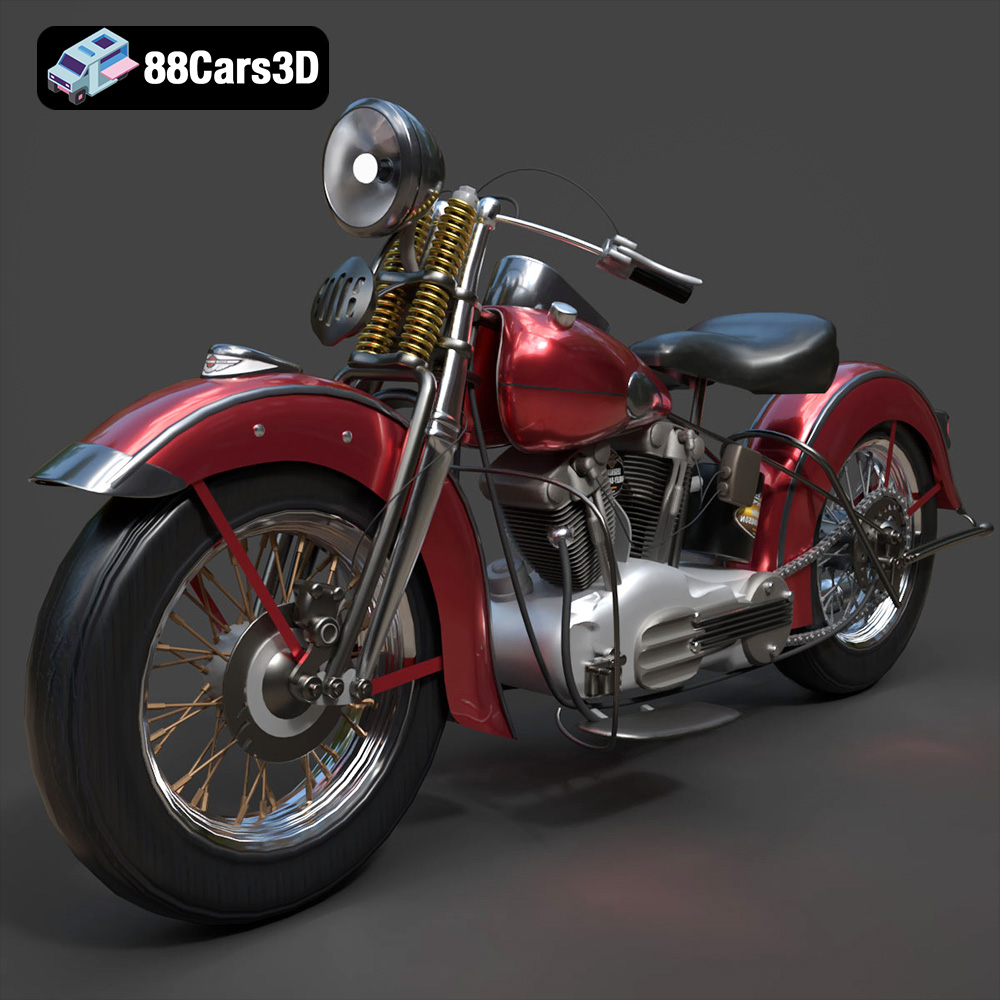
Texture: Yes
Material: Yes
Download the Harley Davidson F 1946 3D Model featuring clean geometry, realistic detailing, and a fully modeled interior. Includes .blend, .fbx, .obj, .glb, .stl, .ply, .unreal, and .max formats for rendering, simulation, and game development.
Price: $19.99
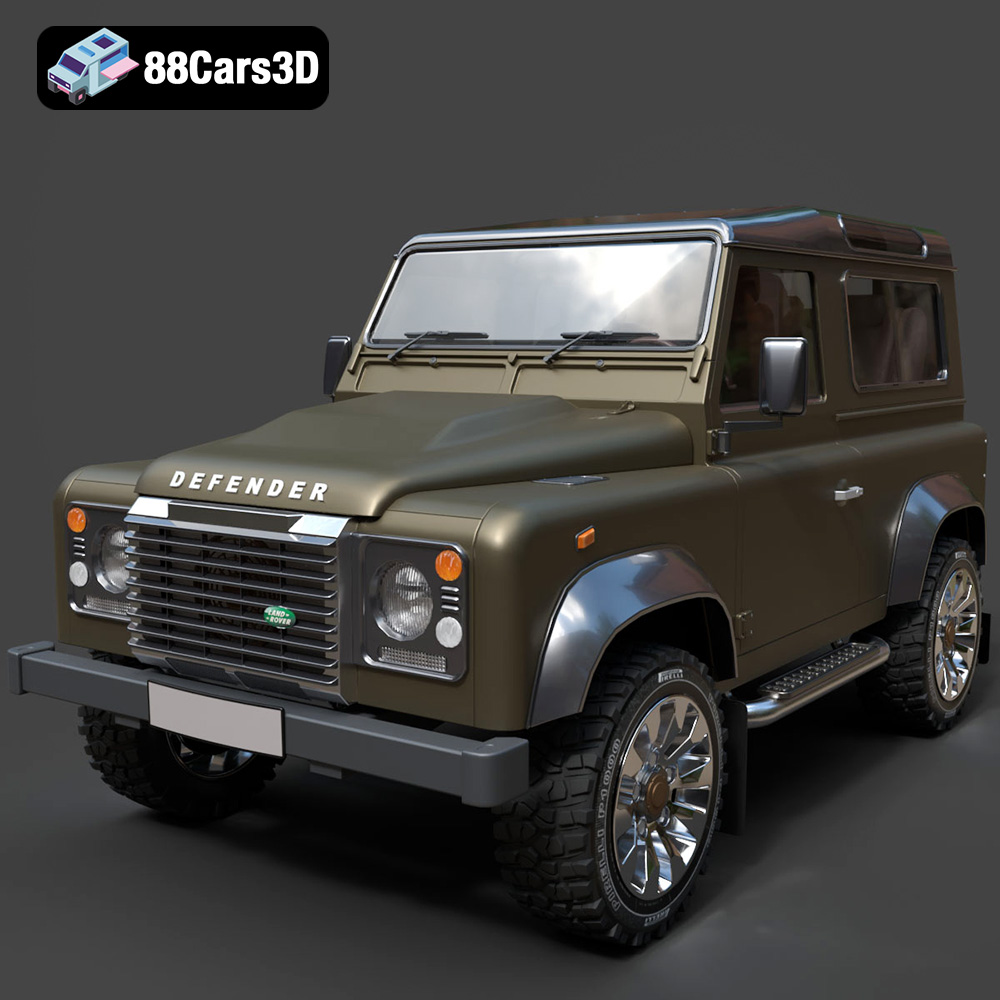
Texture: Yes
Material: Yes
Download the Land Rover Defender Works V8 3D Model featuring clean geometry, realistic detailing, and a fully modeled interior. Includes .blend, .fbx, .obj, .glb, .stl, .ply, .unreal, and .max formats for rendering, simulation, and game development.
Price: $19.99
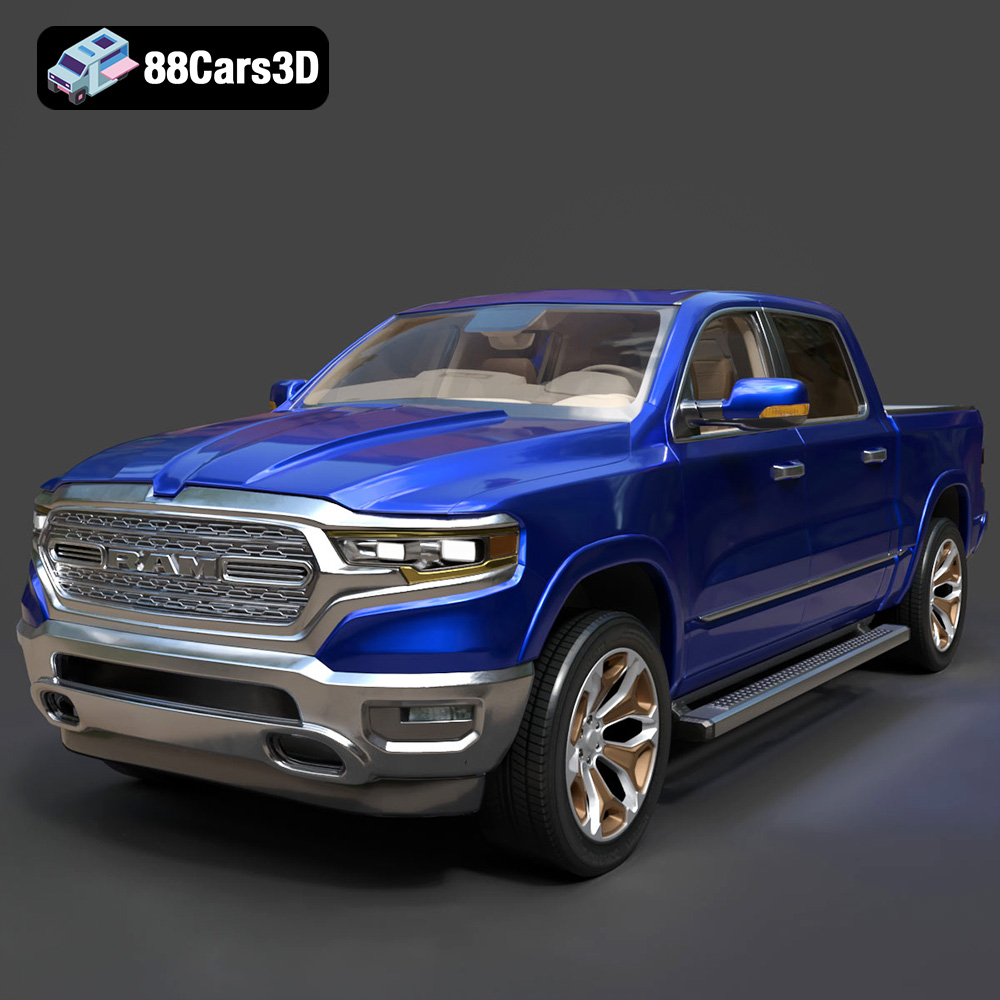
Texture: Yes
Material: Yes
Download the Dodge RAM 2019 3D Model featuring clean geometry, realistic detailing, and a fully modeled interior. Includes .blend, .fbx, .obj, .glb, .stl, .ply, .unreal, and .max formats for rendering, simulation, and game development.
Price: $19.99
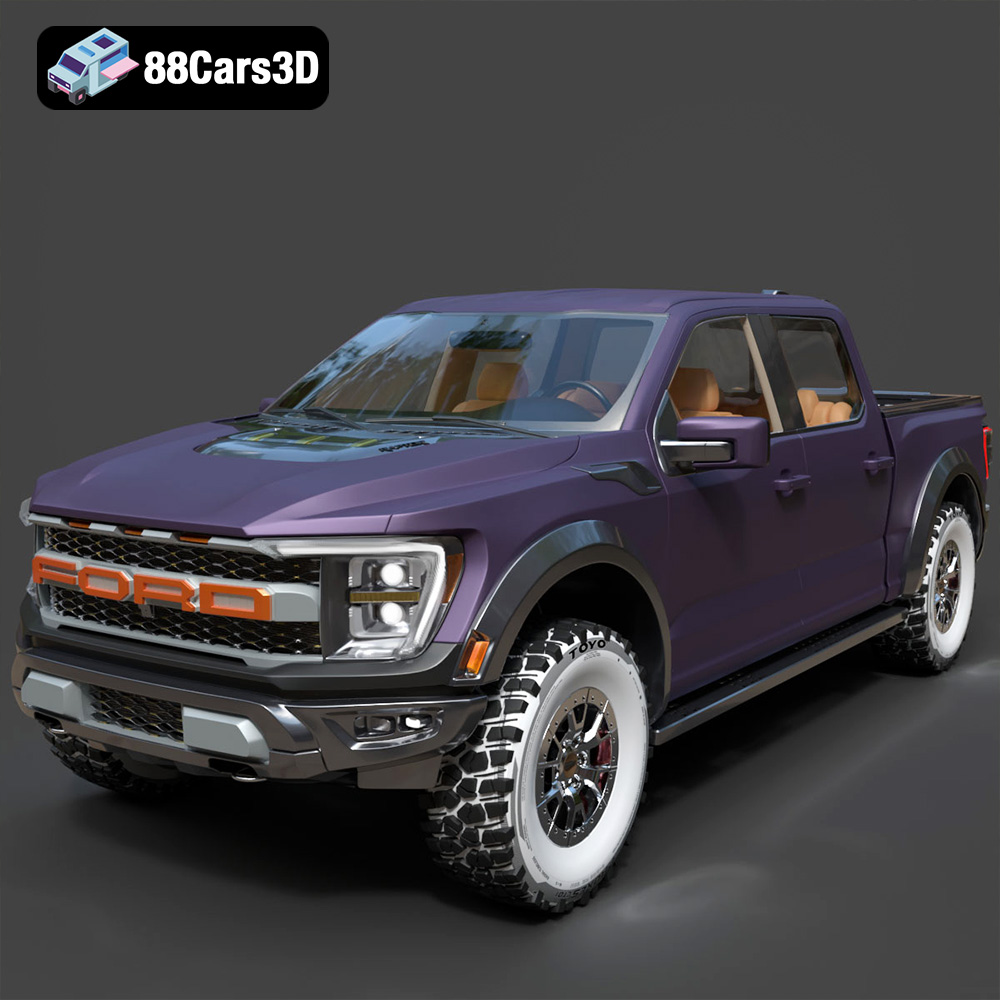
Texture: Yes | Material: Yes Download the ultra-high-detail Ford F-150 Raptor 2021 3D Model (8.73M Triangles). Features uncompromised widebody styling, fully modeled Fox Live Valve suspension, 37-inch tires, and interior. Perfect for premium VFX, cinematic rendering, and ArchViz. Includes .blend, .fbx, .obj, .glb, .stl, and .max formats.
Price: $29.99
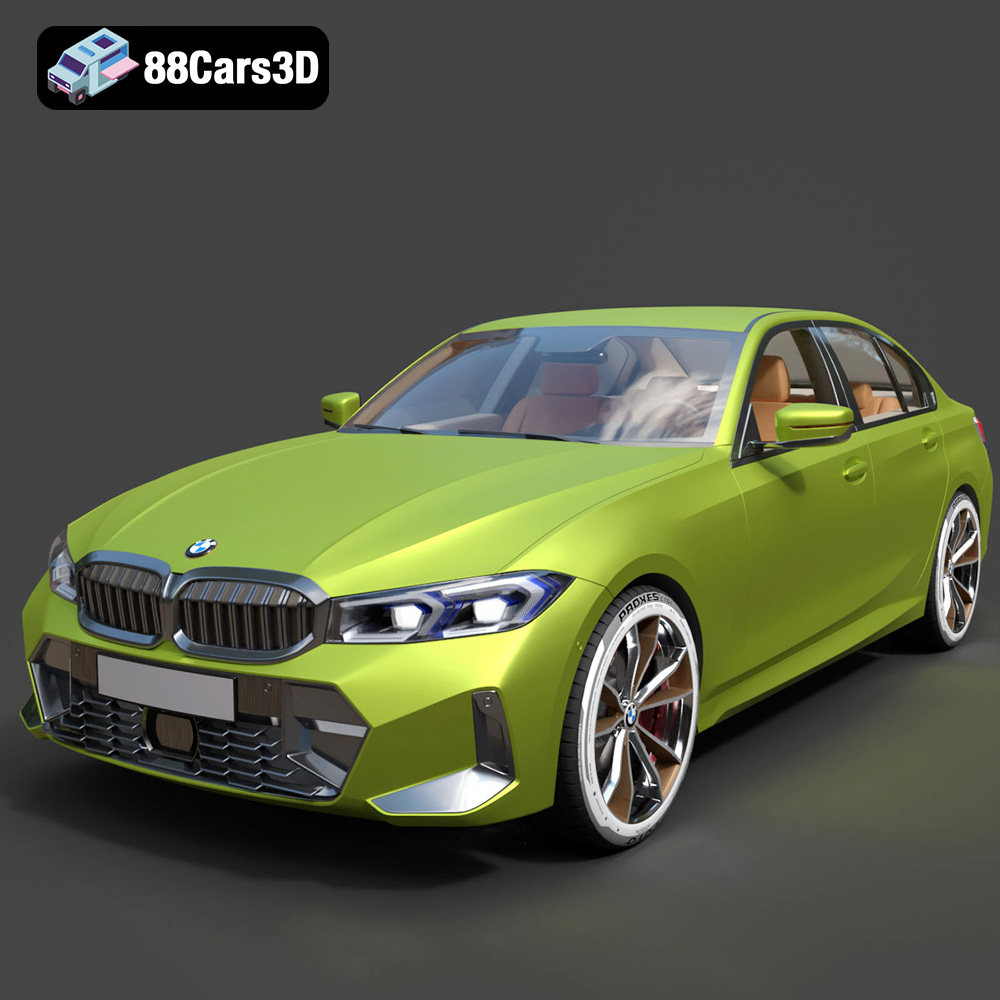
Texture: Yes | Material: Yes Download the ultra-high-detail BMW 3 Series Limousine (2022) 3D Model (4.16M Triangles). Features the modernized G20 LCI exterior, the all-new BMW Curved Display interior, and ultra-dense topology. Perfect for ArchViz, VFX, and cinematic rendering. Includes .blend, .fbx, .obj, .glb, .stl, and .max formats.
Price: $19.99
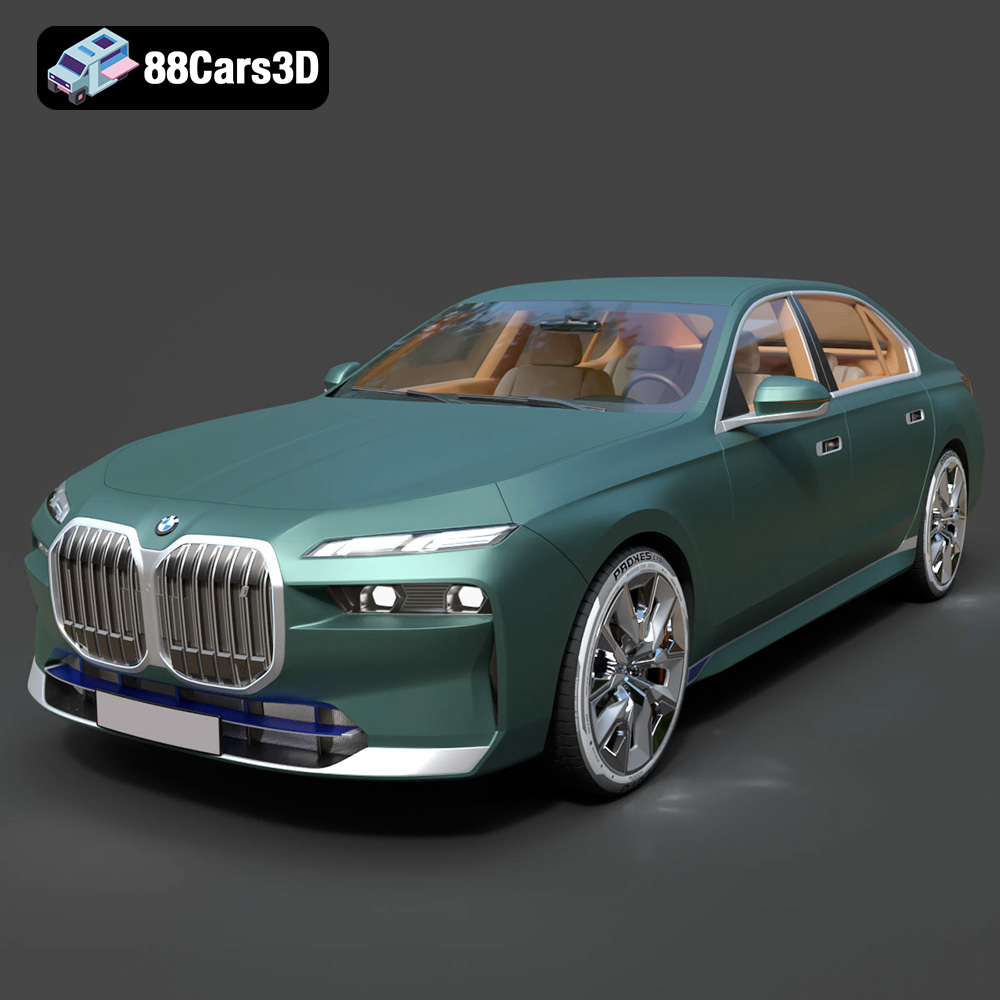
Texture: Yes | Material: Yes Download the ultra-high-detail BMW i7 (2023) 3D Model (4.14M Triangles). Features the illuminated kidney grille, split crystal headlights, fully modeled Theatre Screen interior, and monolithic luxury styling. Perfect for ArchViz, VFX, and cinematic rendering. Includes .blend, .fbx, .obj, .glb, .stl, and .max formats.
Price: $19.99
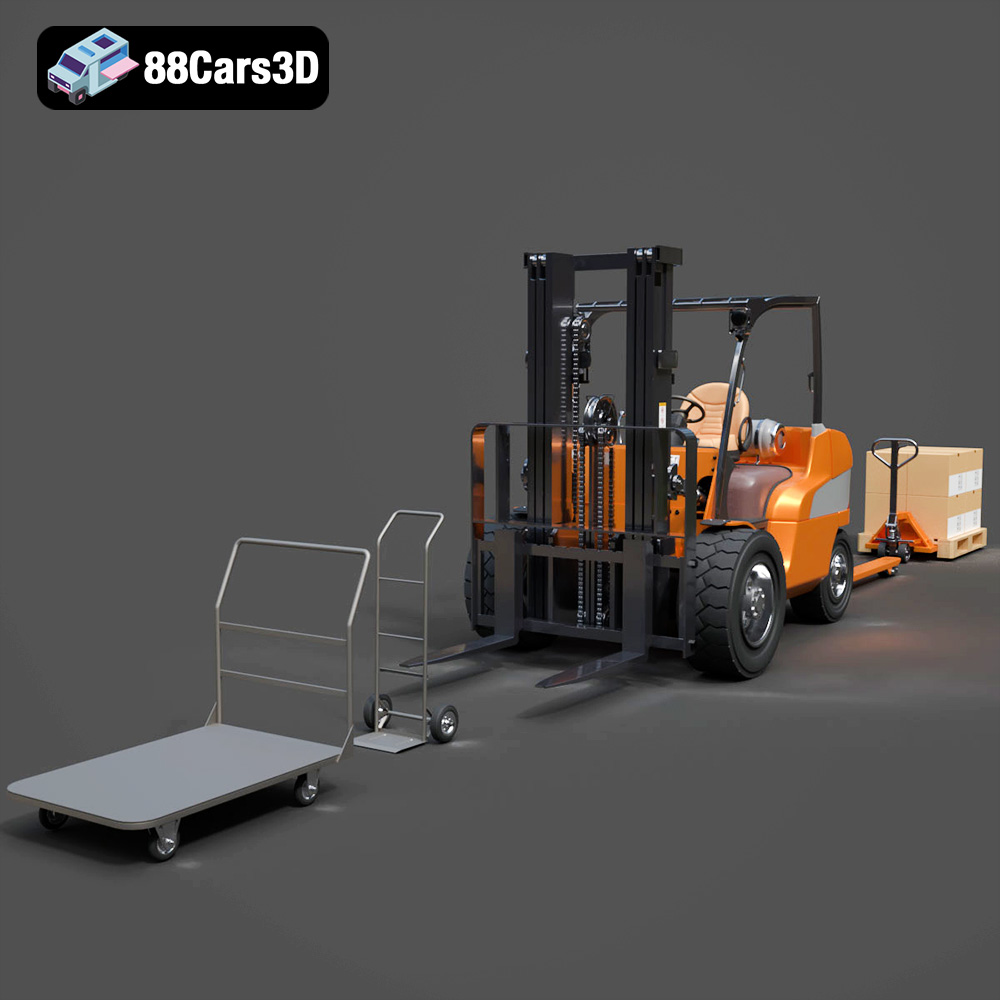
Texture: Yes | Material: Yes Download the highly detailed CAT Manual Loader & Warehouse Carts Kit 3D Model (2.4M Triangles). Features a macro-detailed hydraulic pallet jack, heavy-duty forks, and transport carts. Perfect for industrial ArchViz, factory rendering, and logistics simulations. Includes .blend, .fbx, .obj, .glb, .stl, and .max formats.
Price: $19.99
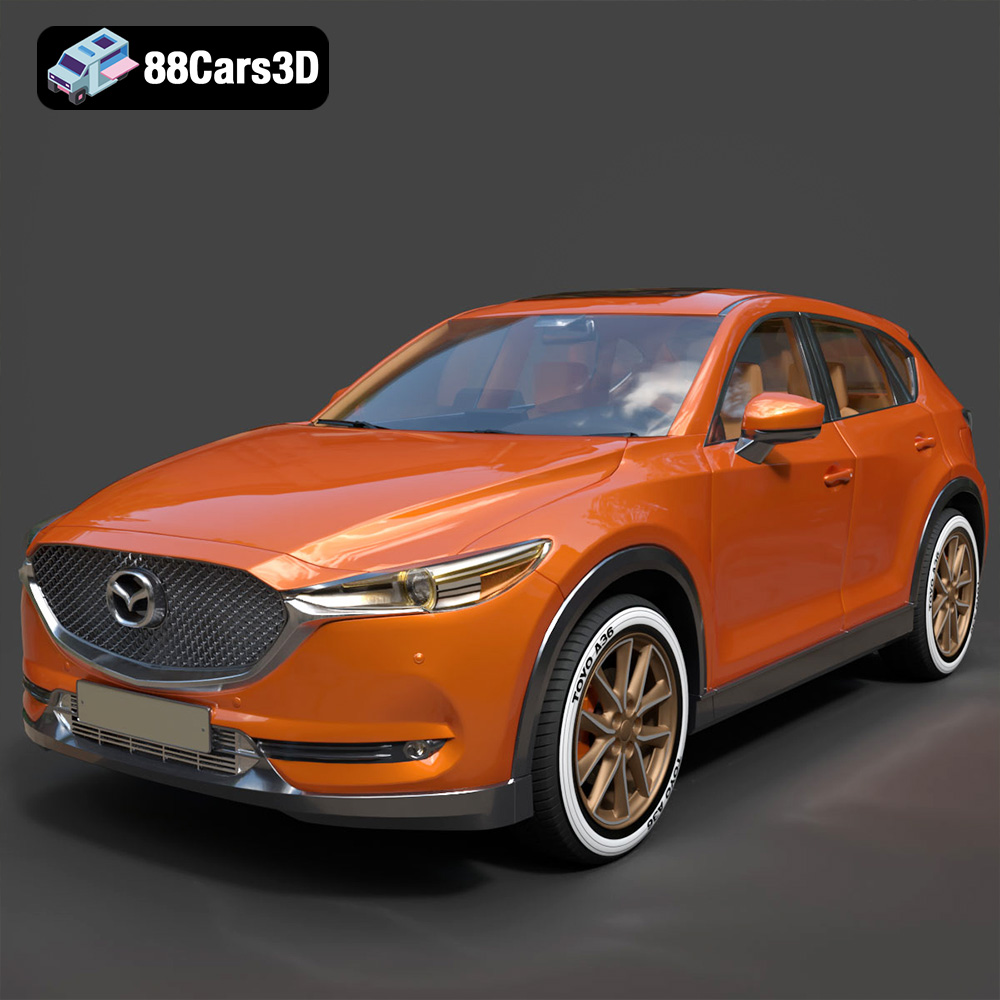
Texture: Yes | Material: Yes
Download the highly optimized Mazda CX-5 2014 3D Model (294k Triangles). Features the dynamic Kodo design language, signature grille, and a clean interior. Perfectly balanced for ArchViz, background traffic, and game development. Includes .blend, .fbx, .obj, .glb, .stl, and .max formats.
Price: $19.99
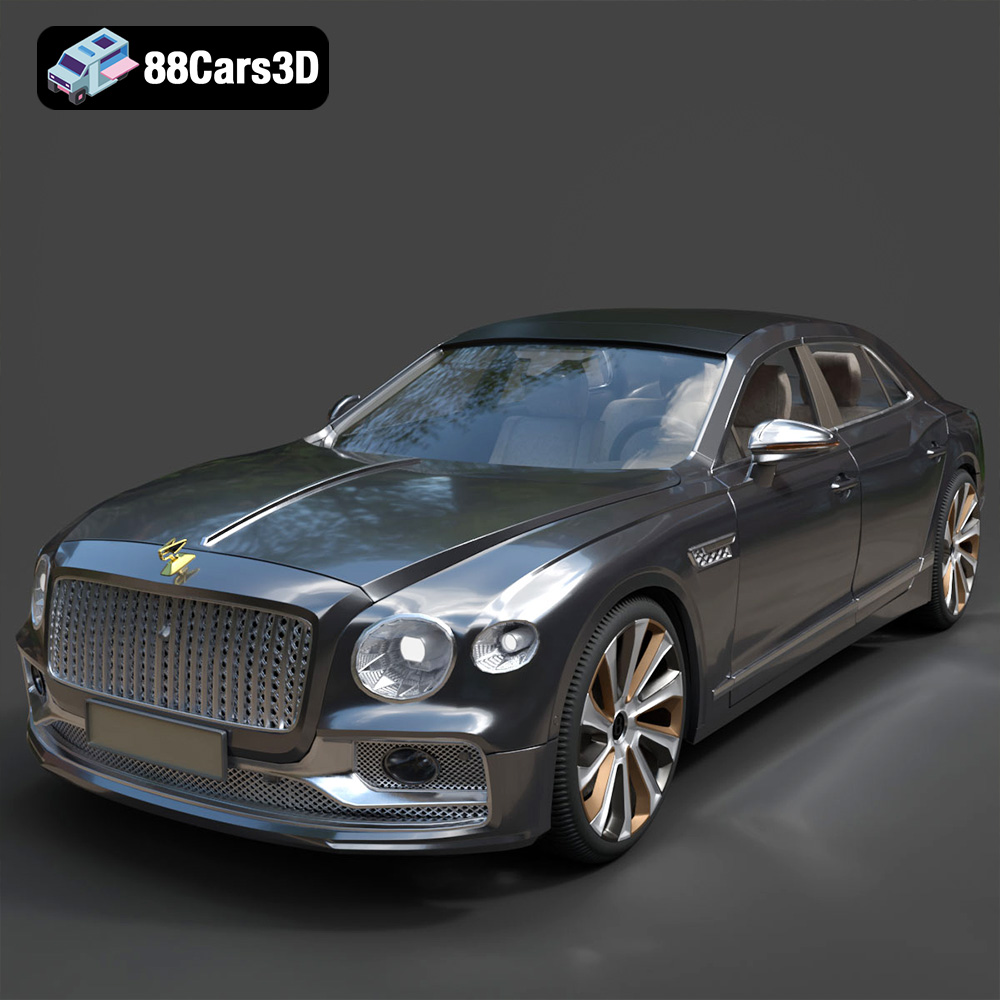
Texture: Yes | Material: Yes Download the ultra-high-detail Bentley Flying Spur Mulliner 2022 3D Model (2.94M Triangles). Features the bespoke Double Diamond grille, a fully modeled diamond-quilted interior, and exquisite luxury styling. Perfect for high-end ArchViz, VFX, and cinematic rendering. Includes .blend, .fbx, .obj, .glb, .stl, and .max formats.
Price: $19.90
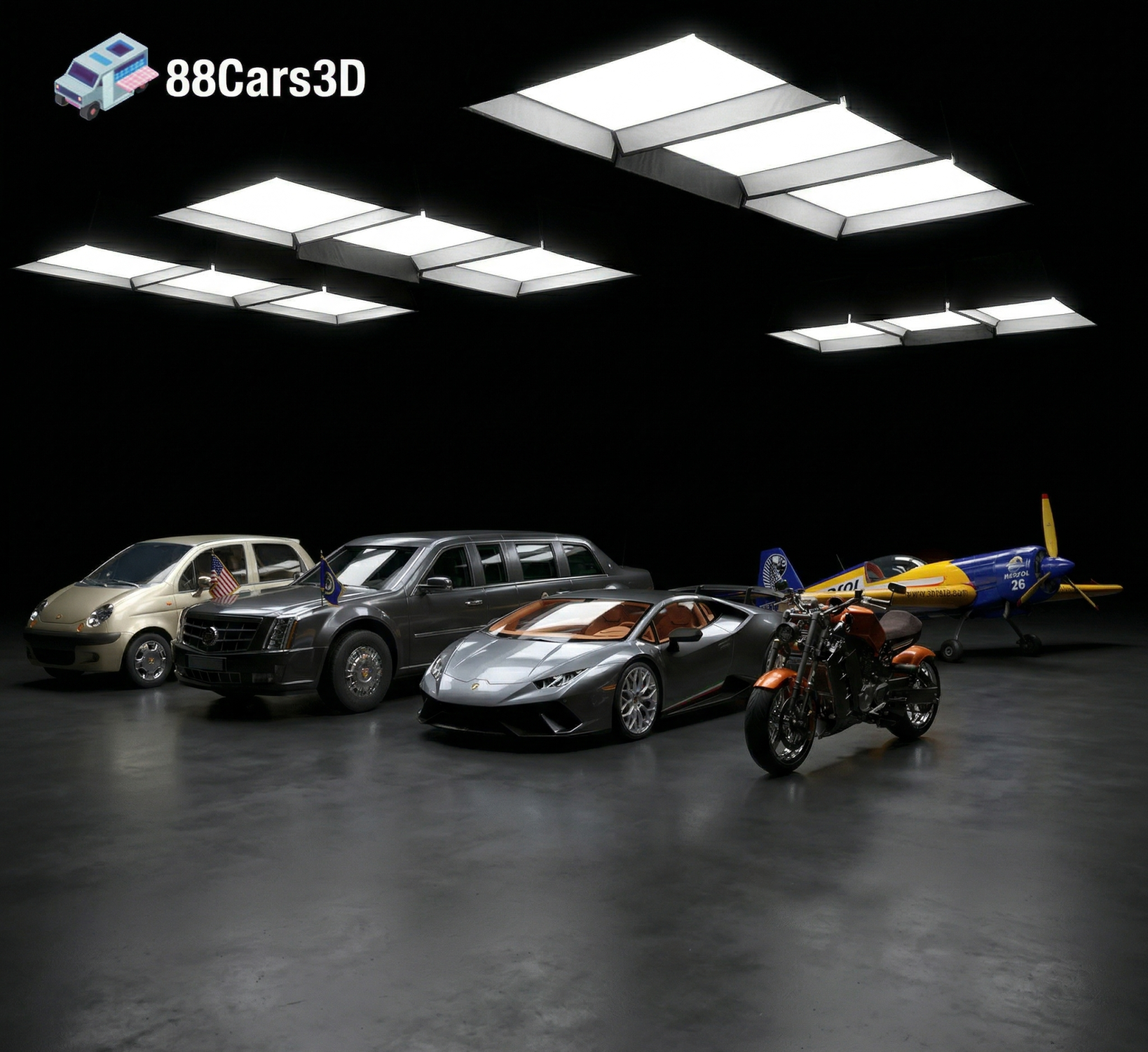
Texture: Yes | Material: Yes | 3D Printable: Yes. Download the Ultimate Creators’ Showcase featuring 5 premium 3D models: Lamborghini Huracan, ZAV Concept Motorcycle, Sukhoi SU-26, Presidential Limousine, and Daewoo Damas. Optimized for 4K CGI rendering and 3D printing. Save massive with this exclusive multi-category bundle!
Price: $99.99

