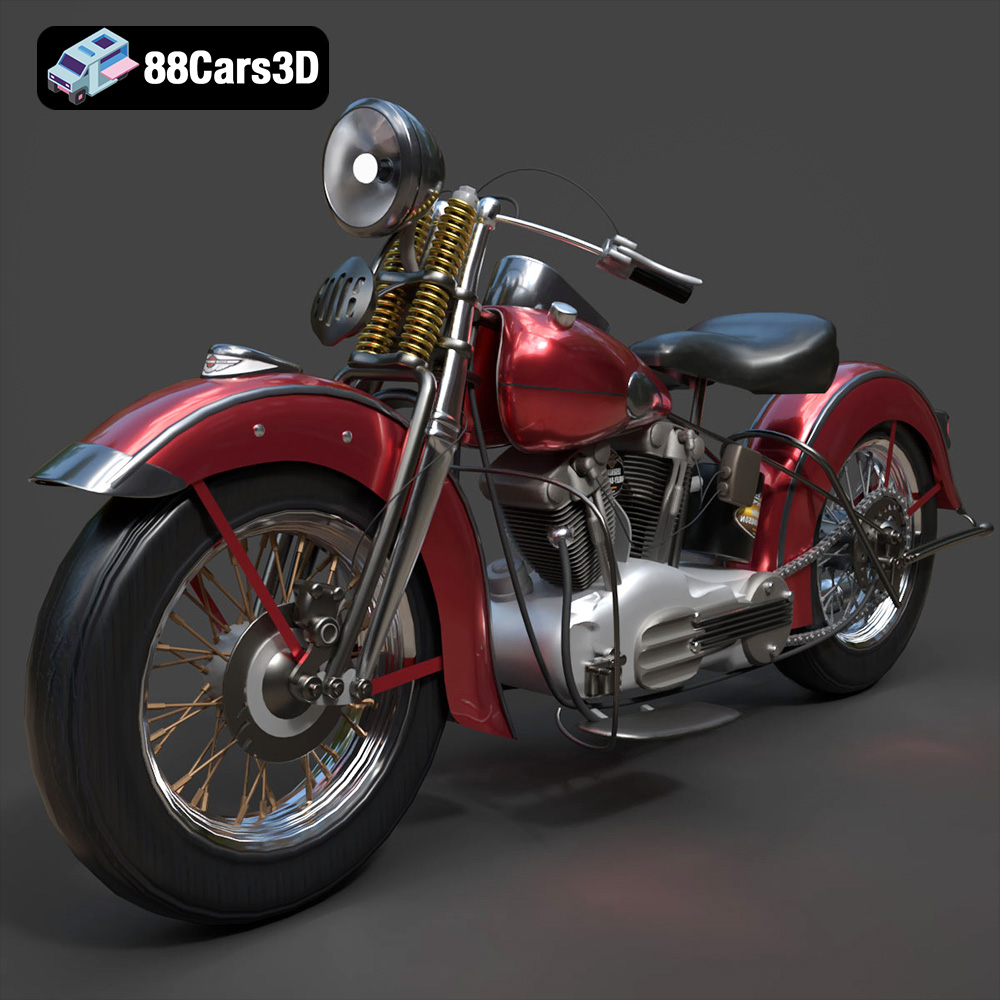
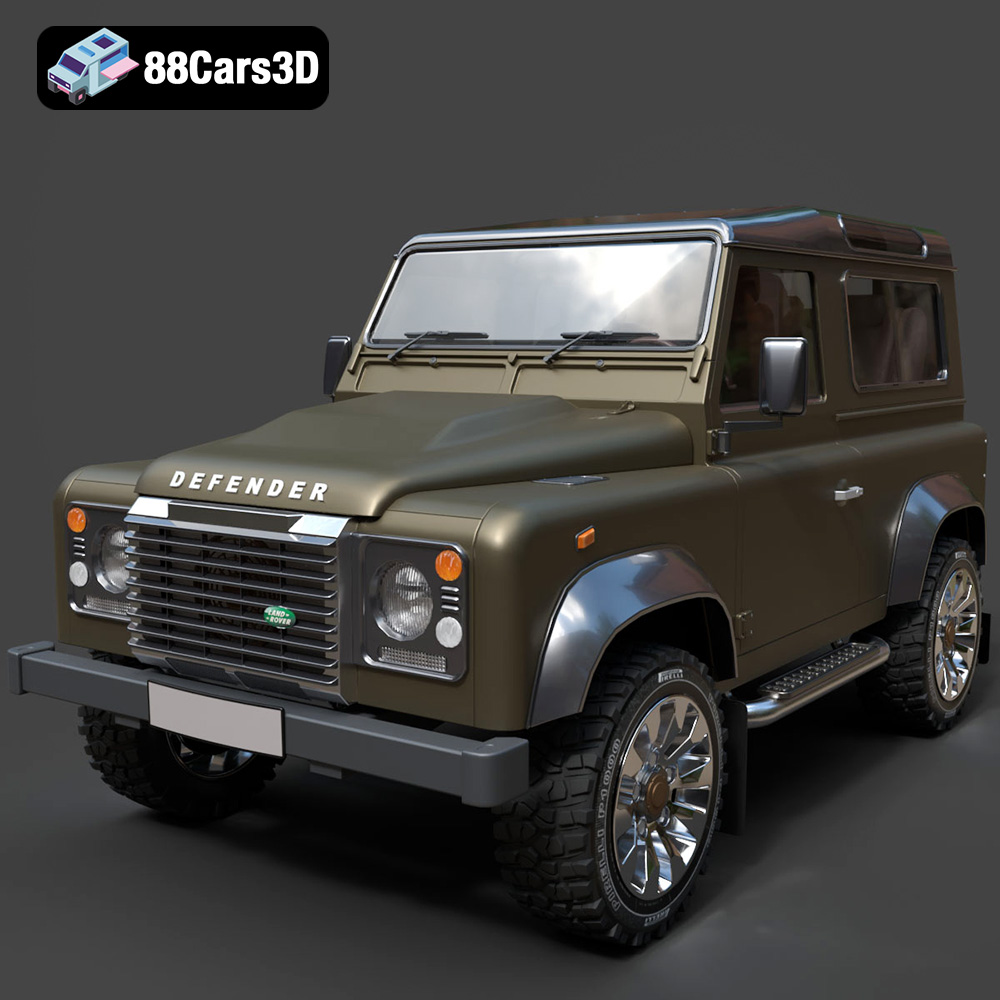
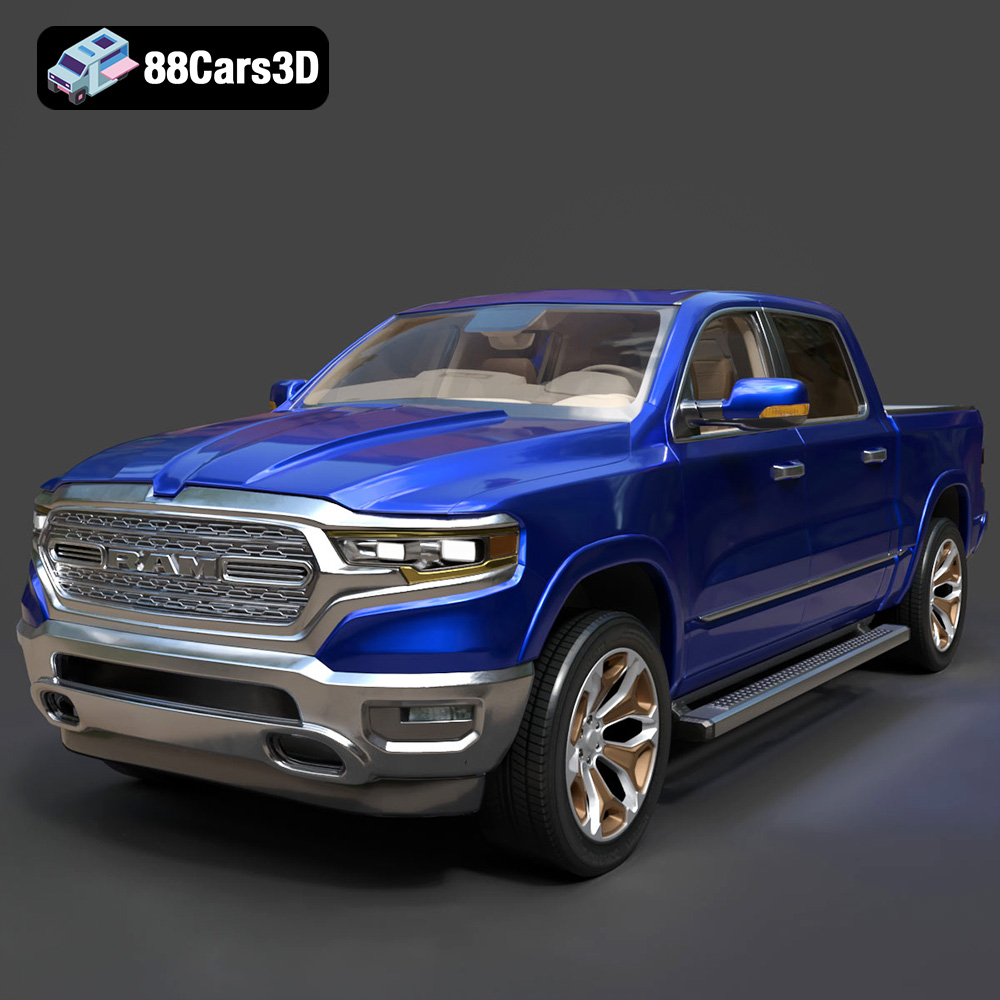
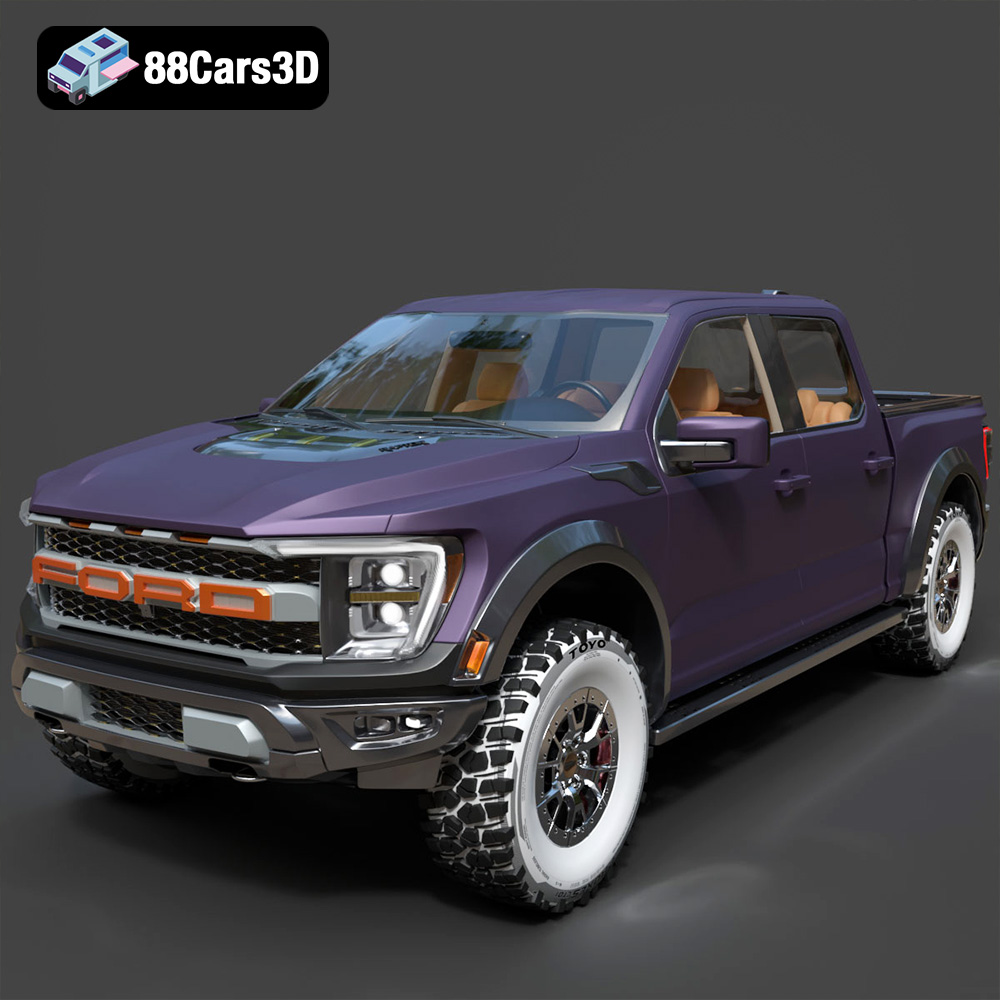
Get 50% OFF All Premium 3D & STL Models!

The world of 3D car models has exploded in recent years, permeating industries from automotive rendering and design visualization to game development and even 3D printing. Creating compelling, realistic, and technically sound 3D car models requires a mastery of specialized software, an understanding of automotive design principles, and a keen eye for detail. This article will explore the key focus areas involved in creating and utilizing high-quality 3D car models, offering insights valuable to both seasoned professionals and aspiring artists.
The automotive industry is increasingly reliant on 3D models. From early-stage design mockups to marketing materials, the benefits of visualizing vehicles in a virtual environment are undeniable. This demand extends far beyond automotive manufacturers. Game developers need accurate and detailed car models for racing games and open-world environments. Architects and designers utilize them for urban planning visualizations, and marketing agencies employ them to create stunning visual content. With the rise of AR/VR technologies, the demand for optimized 3D car models continues to grow exponentially. At 88cars3d.com, we understand this demand and strive to provide models that meet the highest standards of quality and accuracy.
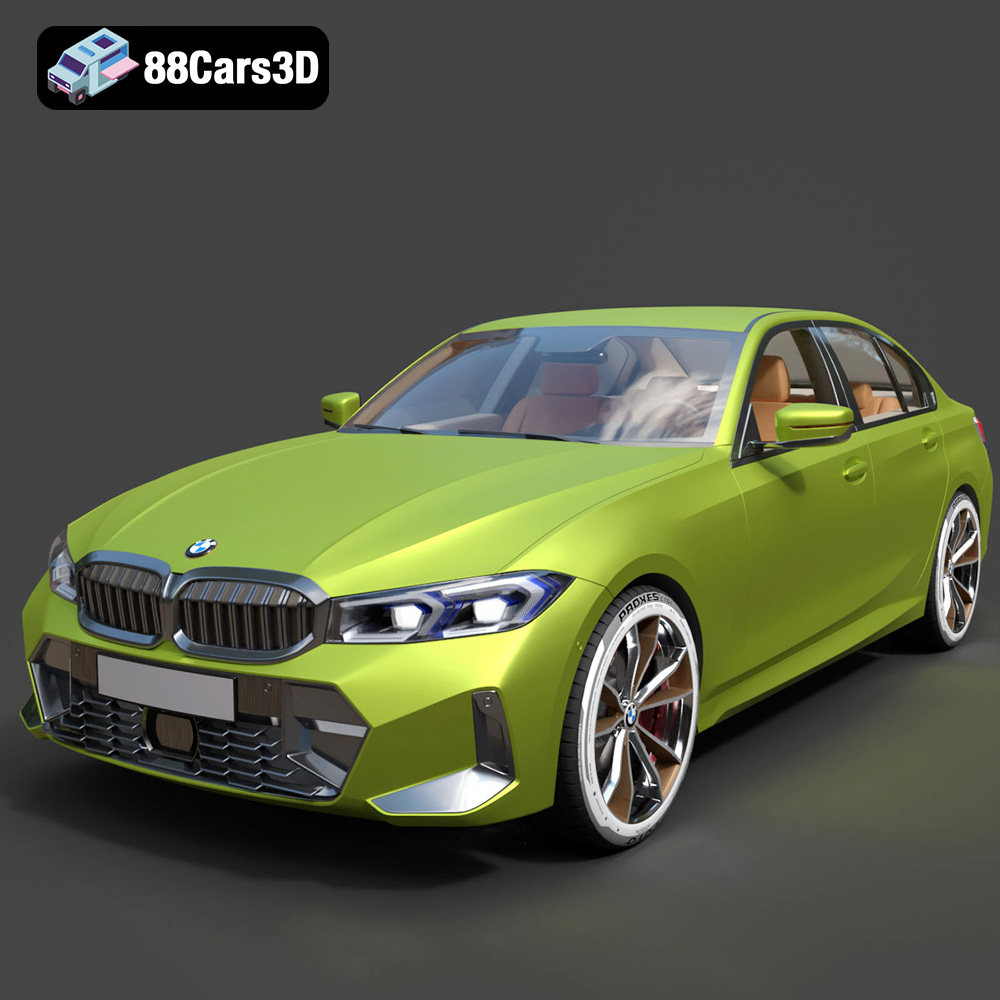
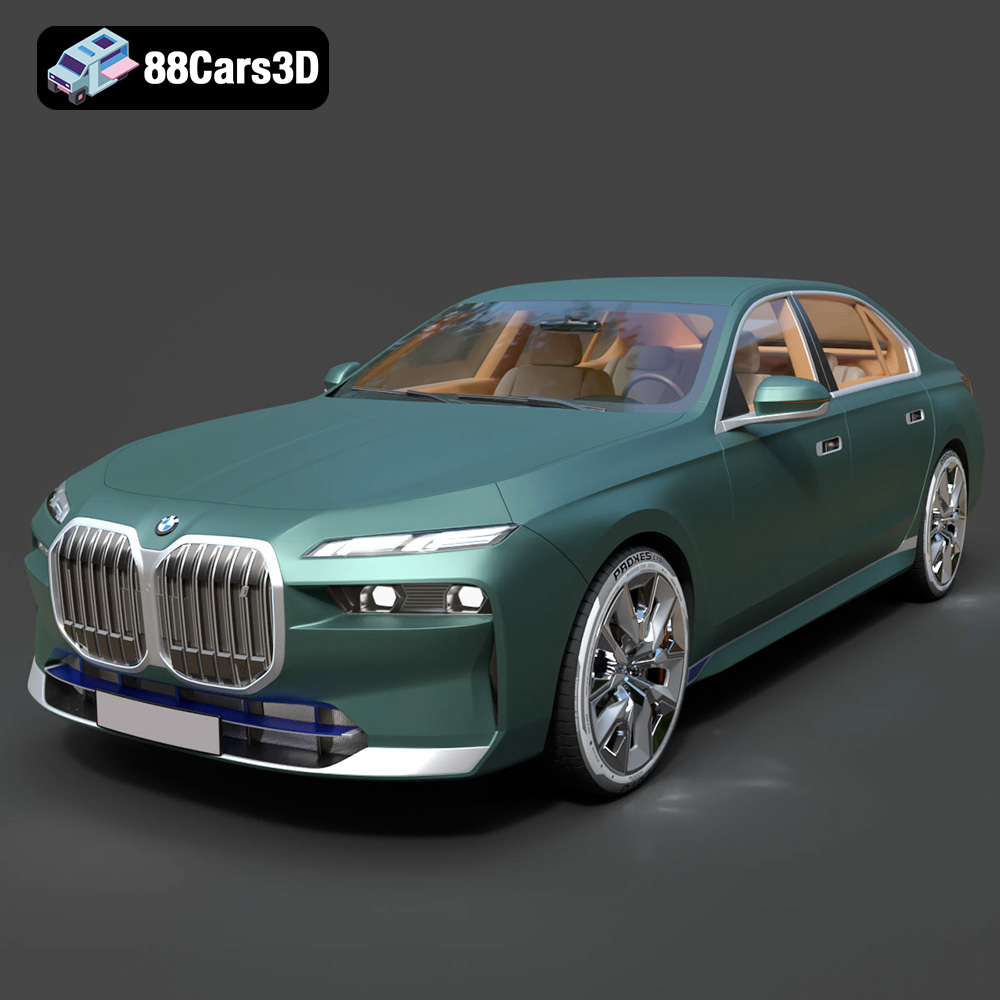
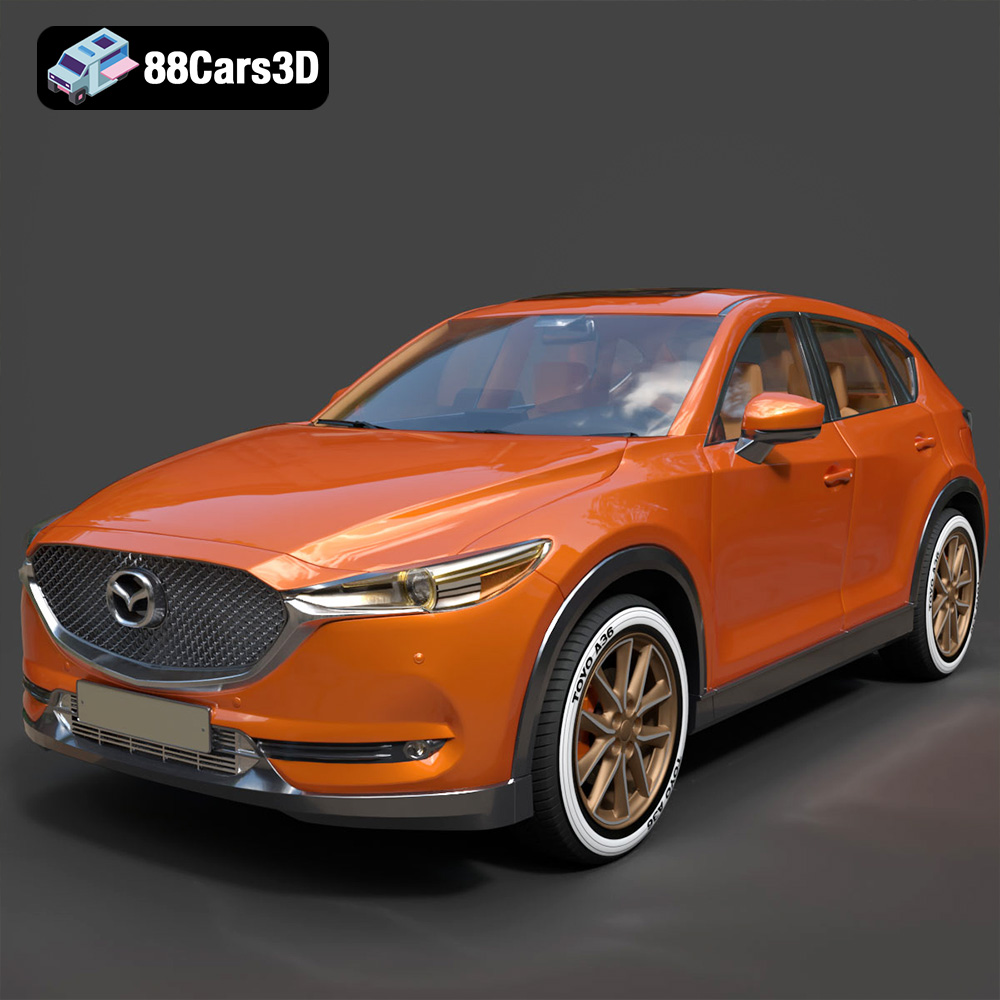
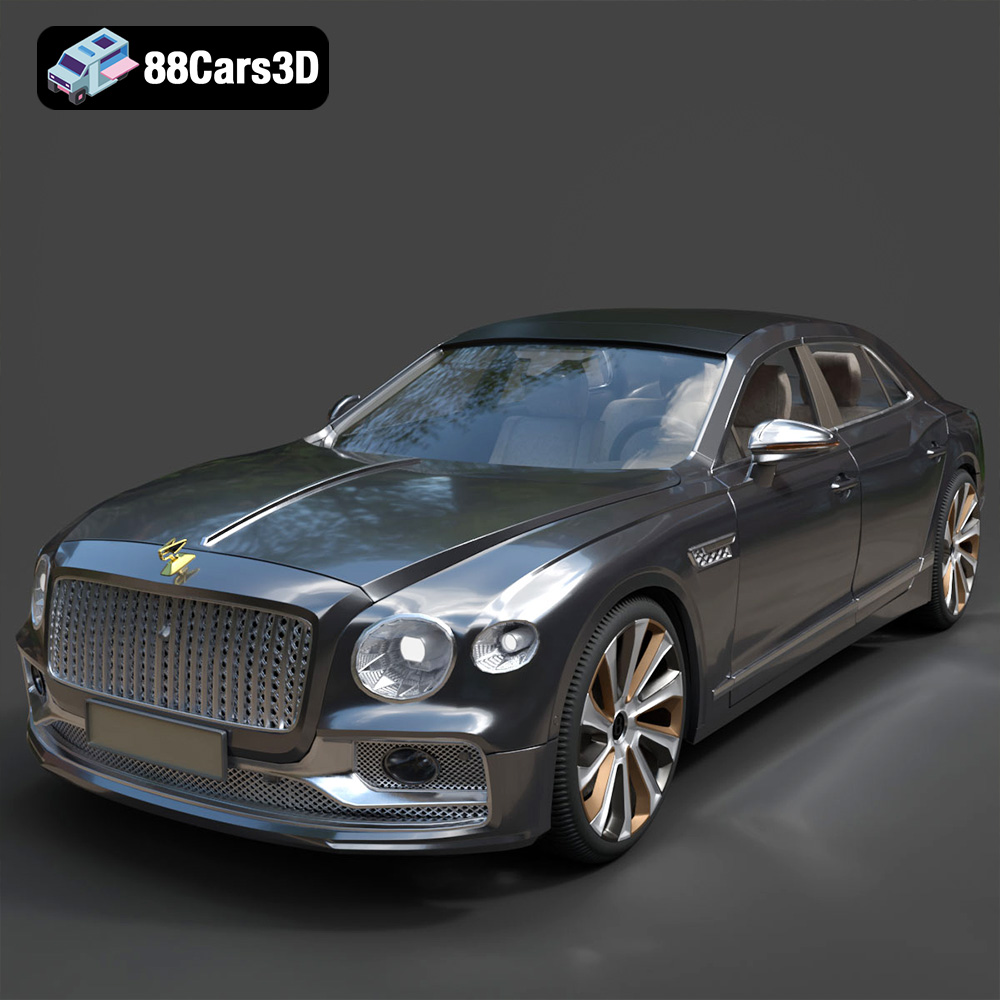
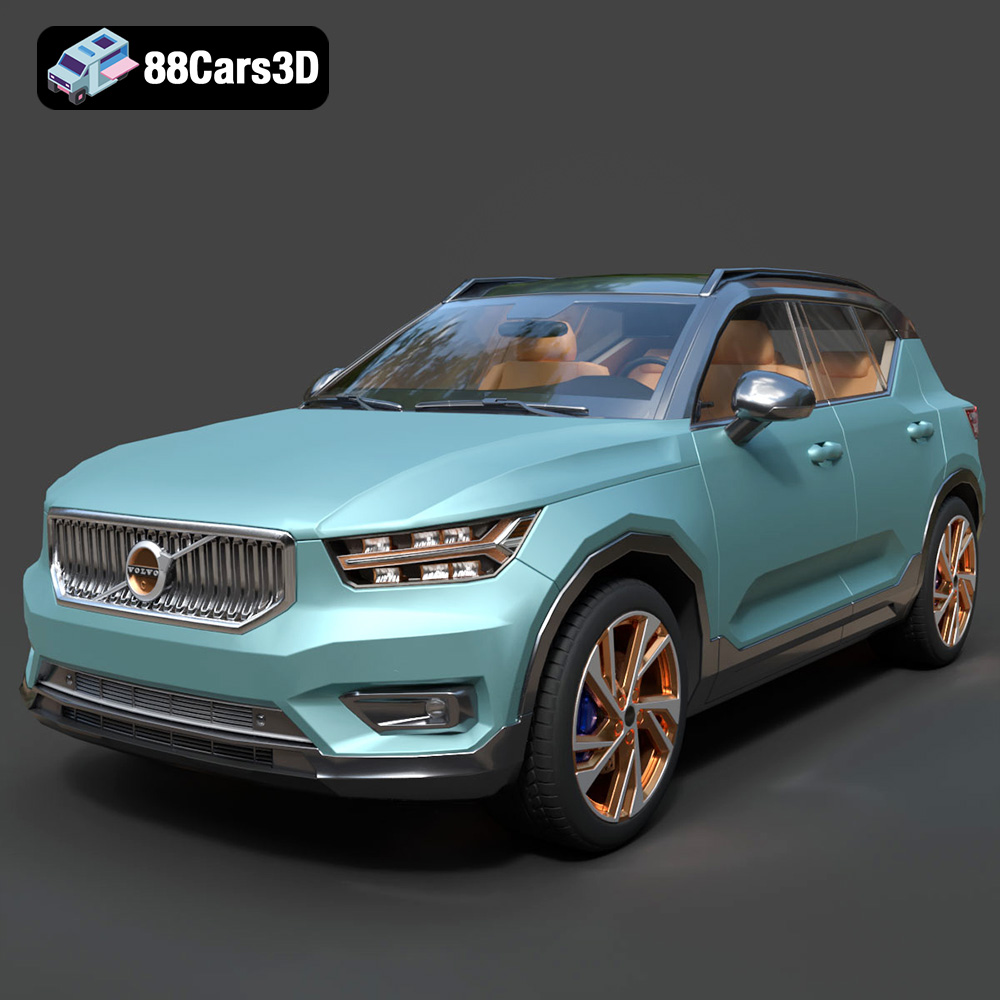
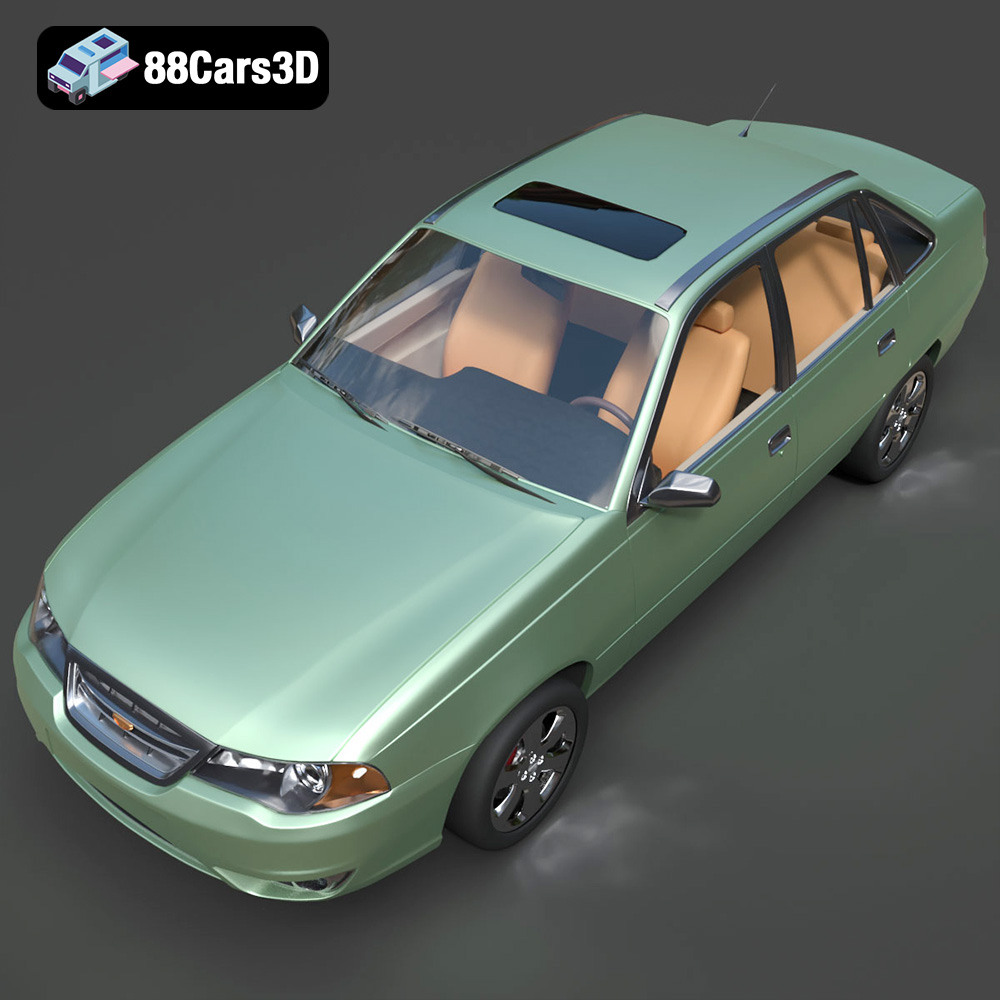
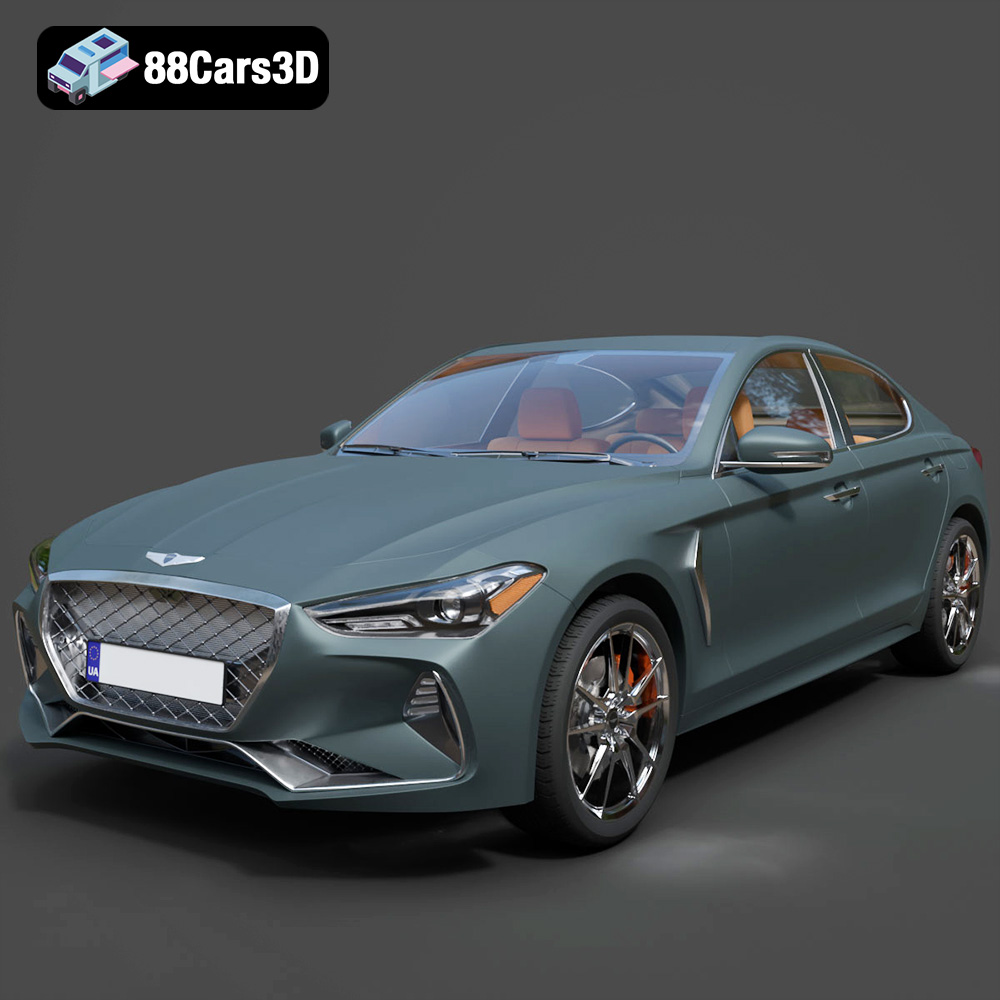
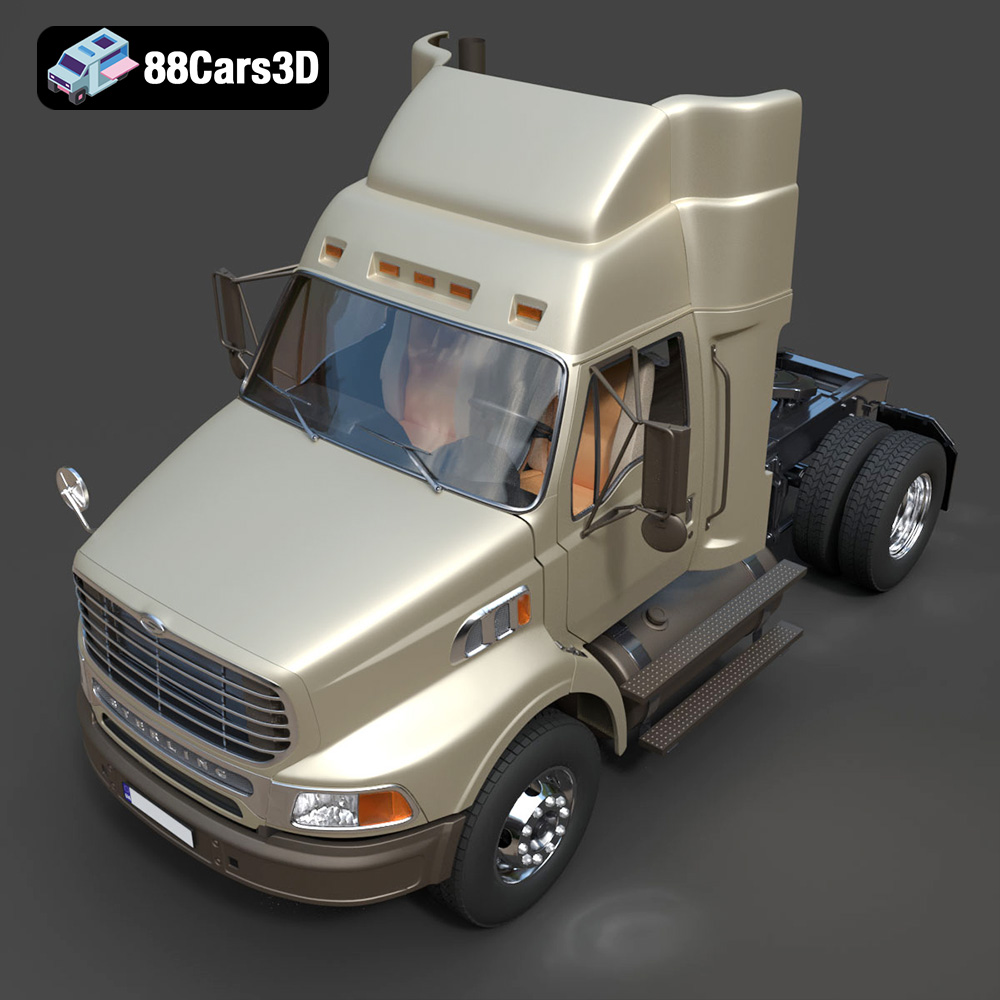
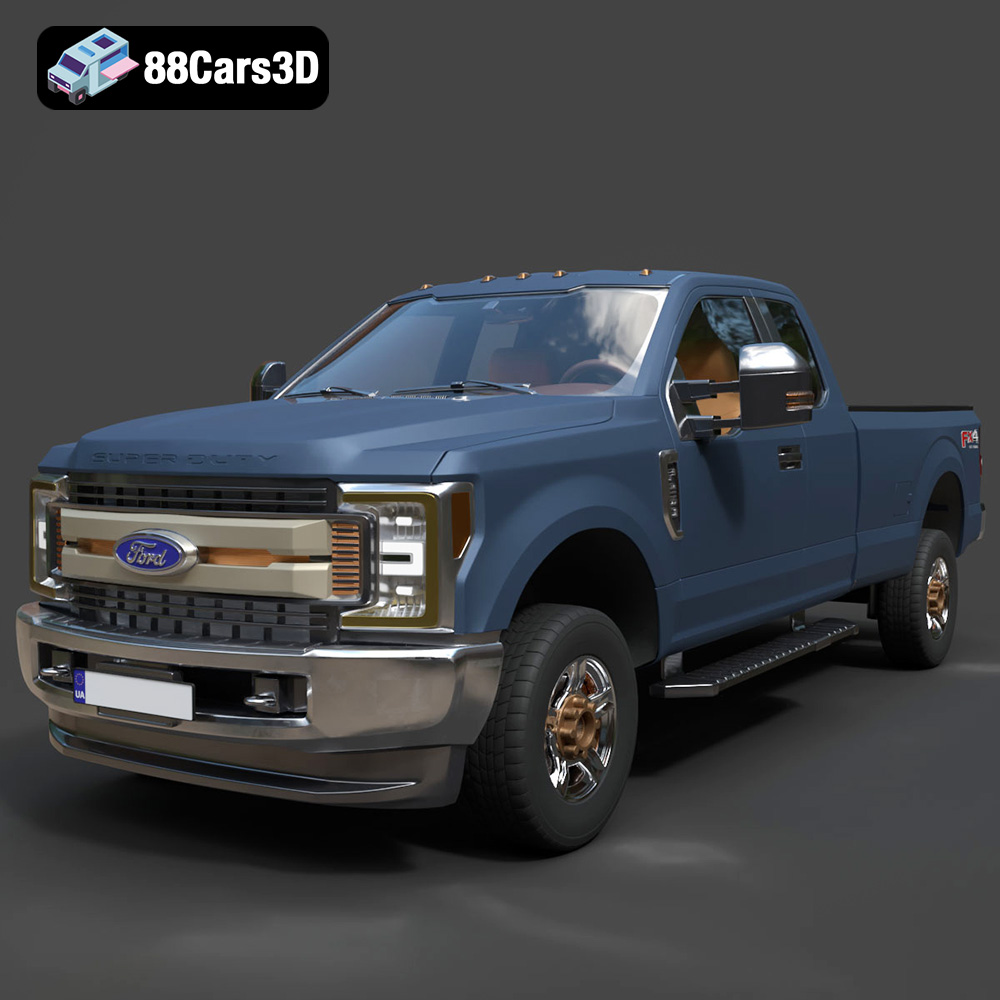
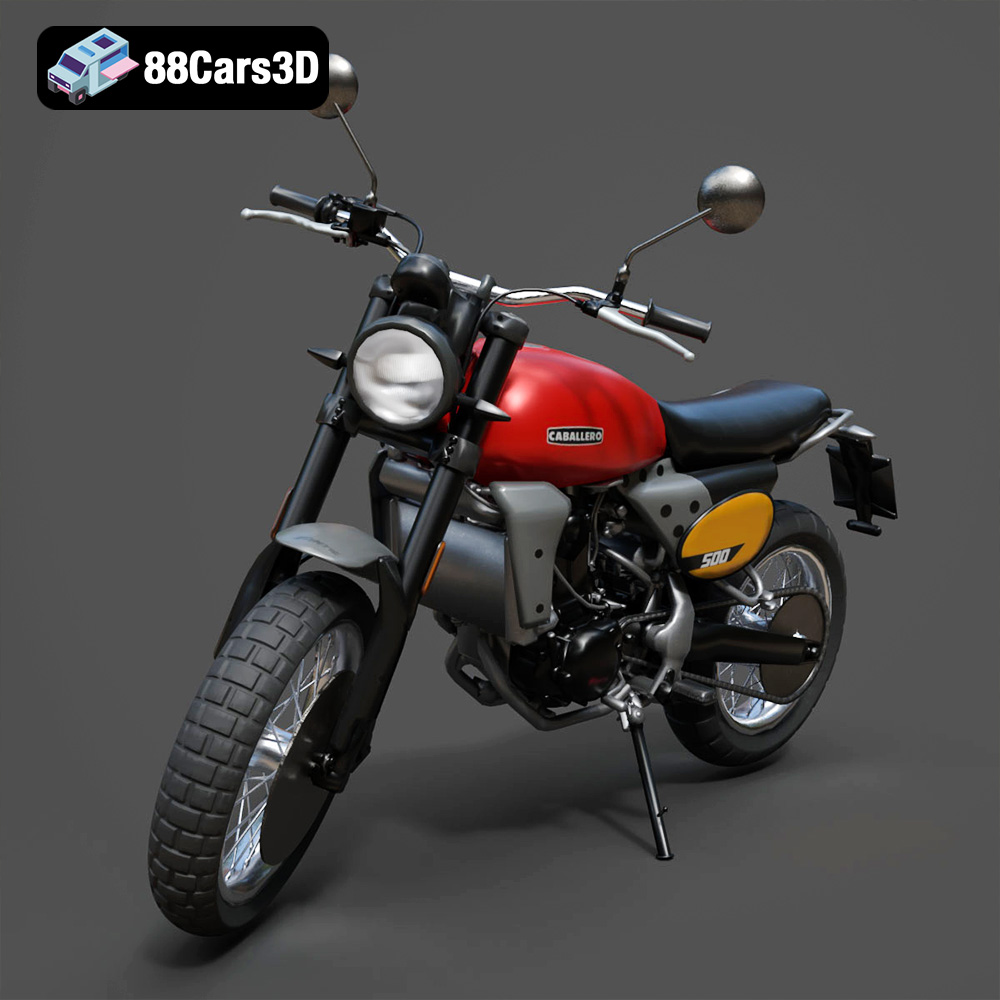
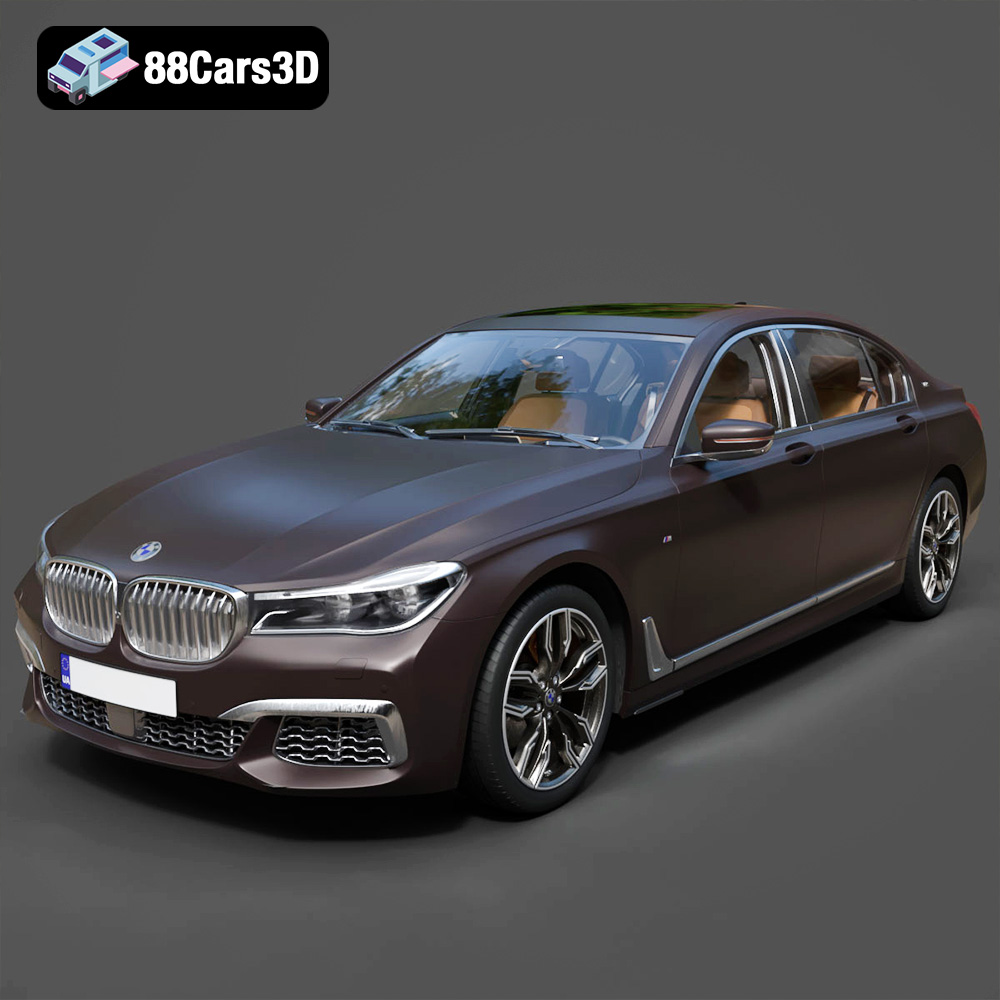
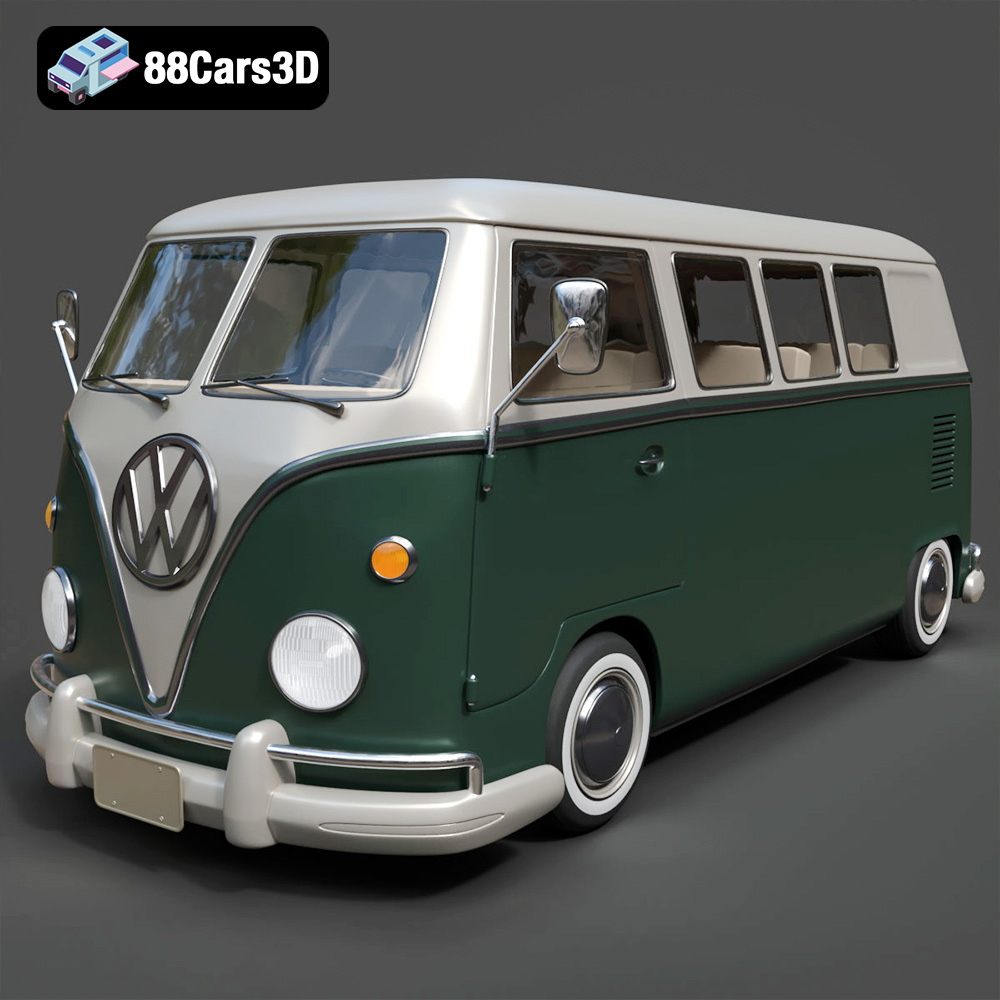
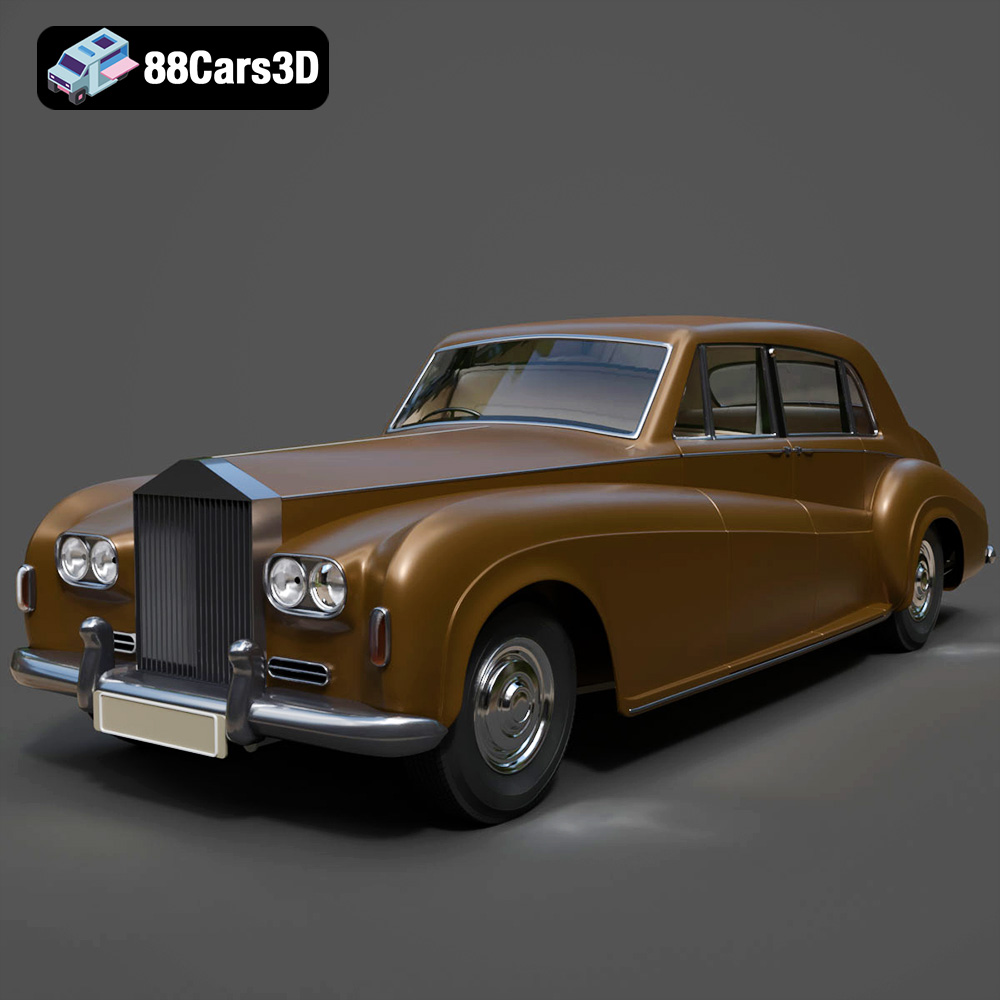
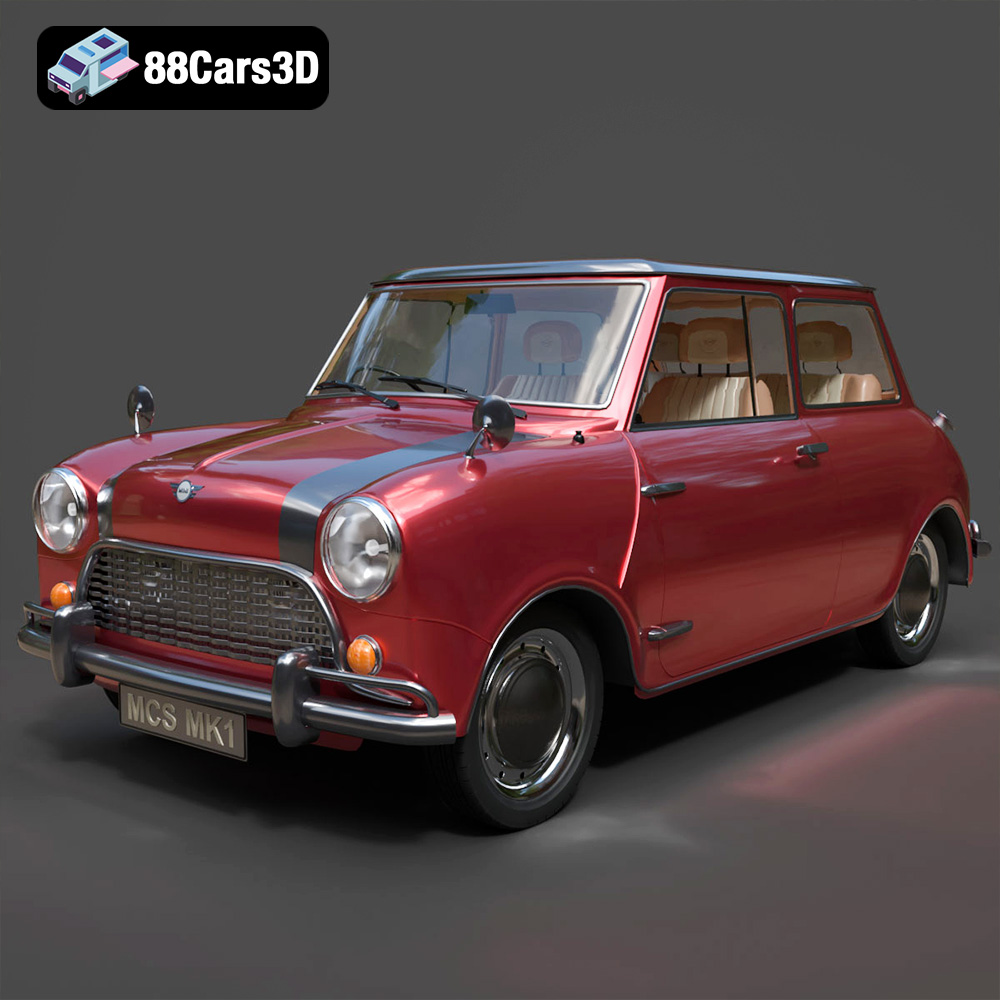
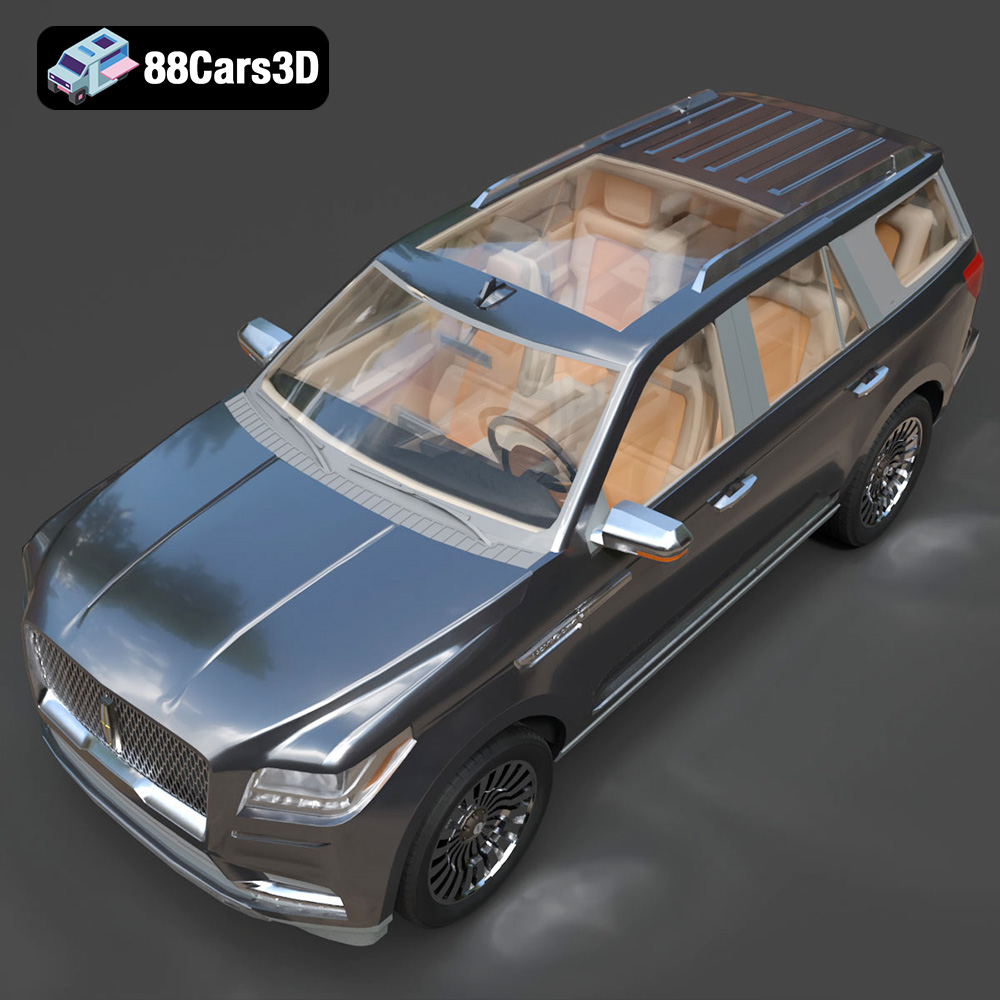
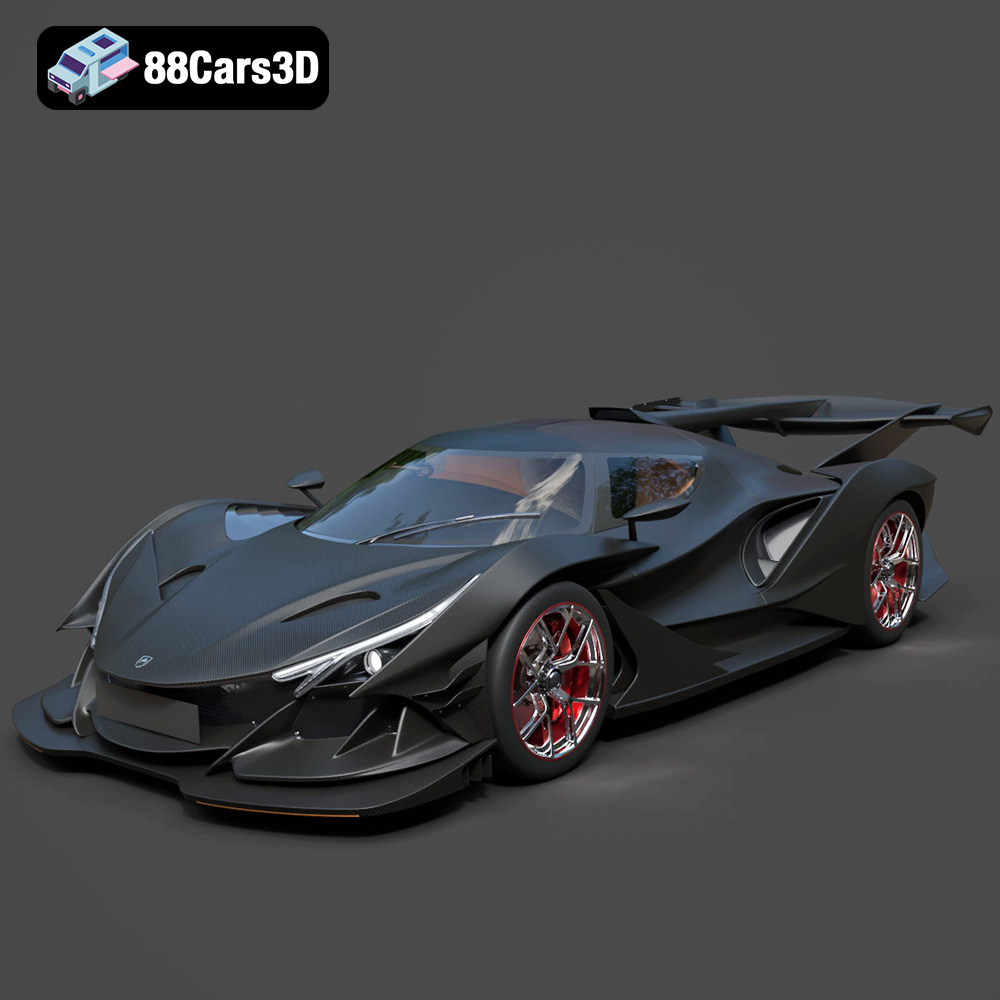
For any 3D car model, accuracy is paramount. The model must faithfully represent the real-world vehicle’s dimensions, proportions, and design details. Inaccurate models can lead to problems in rendering, animation, and even manufacturing processes. High-resolution textures are also crucial. These textures provide the visual fidelity necessary for realistic renderings, especially when simulating paint finishes, chrome trim, and interior materials. Attention to detail, from accurately representing panel gaps to meticulously modeling interior components, significantly enhances the overall realism and believability of the 3D car model.
Choosing the correct file format is crucial for ensuring compatibility and optimizing performance across various software and applications. Different file formats have different strengths and weaknesses, and selecting the appropriate one depends on the specific use case.
.blend is the native file format for Blender, a powerful and versatile open-source 3D creation suite. The .blend format stores everything related to a Blender project, including the 3D model itself, materials, textures, animation data, and scene settings. Its greatest strength lies in its editability. You can open a .blend file in Blender and make any modifications you desire, from tweaking the mesh to completely reworking the materials. This makes .blend ideal for collaborative projects within Blender, where multiple artists can work on the same asset. However, its compatibility outside of Blender is limited. While other software can sometimes import .blend files, it’s often more reliable to export to a more universal format like .fbx or .obj.
.fbx (Filmbox) is a widely supported file format developed by Autodesk. It is designed to facilitate data exchange between different 3D applications, making it a crucial format for real-time pipelines. .fbx excels at storing complex scene data, including meshes, textures, materials, animations, and skeletal rigs. This makes it a go-to format for transferring 3D car models into game engines like Unreal Engine and Unity. When exporting to .fbx, you can specify various export settings, such as whether to include animations, tangents and normals, and embedded media. Its robust support for animation and its widespread compatibility make .fbx an indispensable format for game development and animation workflows.
.obj (Wavefront Object) is one of the oldest and most universally supported 3D file formats. It is a simple, text-based format that primarily stores geometric data, such as vertices, faces, and texture coordinates. While .obj does not support animation or complex scene data, its widespread compatibility makes it a reliable choice for transferring 3D models between different software packages. Most 3D modeling applications, including 3ds Max, Maya, Cinema 4D, and Blender, can import and export .obj files. It’s often used as an intermediary format when direct import/export is not possible or when you only need to transfer the basic mesh data. When using .obj, remember that material and texture information are typically stored in a separate .mtl file.
.glb (GL Transmission Format Binary) is a relatively new file format specifically designed for efficient transmission and loading of 3D models in web-based applications. It’s the binary version of the glTF format. .glb packages the entire 3D scene, including meshes, textures, materials, and animations, into a single file, reducing the number of HTTP requests and improving loading times. This makes .glb ideal for AR/VR experiences, online product configurators, and interactive 3D visualizations embedded in websites. .glb is gaining popularity due to its performance advantages and its support for Physically Based Rendering (PBR) materials, which allows for more realistic and visually appealing rendering in web browsers.
.stl (Stereolithography) is a file format primarily used for 3D printing. It represents the surface geometry of a 3D object as a collection of triangles. .stl files do not contain any color, texture, or material information. They only define the shape of the object. .stl is the de facto standard for rapid prototyping and additive manufacturing processes. Before 3D printing a 3D car model, you’ll typically need to convert it to .stl format. The resolution of the .stl file (i.e., the density of the triangles) affects the quality of the printed object.
.ply (Polygon File Format) is designed to store 3D data acquired from 3D scanners or generated through simulations. It can store not only geometric data like vertices and faces, but also color, normals, and other properties associated with each vertex. .ply is often used in CAD (Computer-Aided Design) and CAE (Computer-Aided Engineering) applications for tasks like reverse engineering and analysis.
.unreal is not a file format in the traditional sense, but rather a project or asset folder structure specifically designed for use with Unreal Engine. When importing 3D car models into Unreal Engine, you typically import them as .fbx files. Unreal Engine then processes these files and creates assets within the Unreal project structure. These assets can include static meshes, skeletal meshes, materials, textures, and animations. The .unreal project folder contains all the necessary files for the car model to be used within the Unreal Engine environment.
.max is the native file format for Autodesk 3ds Max, a professional 3D modeling, animation, and rendering software. The .max format, similar to Blender’s .blend, contains all the information related to a 3ds Max project, including the 3D model, materials, textures, lighting, animation, and rendering settings. The .max format allows for full editability of the scene within 3ds Max. This makes it ideal for collaborative projects and for making modifications to existing 3D models. However, its compatibility outside of 3ds Max is limited, so exporting to a more universal format like .fbx or .obj is often necessary for use in other applications.
The creation of high-quality 3D car models relies on a combination of artistic skill and technical proficiency. Choosing the right software and mastering efficient modeling techniques are essential for achieving accurate and visually appealing results.
3ds Max is a popular choice for automotive rendering and visualization due to its robust modeling tools, advanced rendering capabilities, and extensive plugin ecosystem. Its polygon modeling tools are particularly well-suited for creating complex and detailed car models. 3ds Max also offers powerful texturing and material editing tools, allowing artists to create realistic paint finishes, chrome trim, and interior materials.
Blender has emerged as a viable alternative to commercial 3D modeling software. Its comprehensive feature set, active community, and open-source nature make it an attractive option for both hobbyists and professionals. Blender’s sculpting tools are excellent for creating organic shapes and refining surface details. Its node-based material system allows for the creation of complex and realistic materials. The increasing adoption of Blender in the industry makes it a valuable skill for any 3D artist.
Two primary modeling techniques are used in creating 3D car models: polygon modeling and NURBS (Non-Uniform Rational B-Spline) modeling. Polygon modeling involves creating the model from a mesh of interconnected polygons. It’s a versatile technique suitable for both hard-surface and organic modeling. NURBS modeling, on the other hand, uses mathematical curves and surfaces to define the shape of the model. NURBS modeling is often preferred for creating smooth, flowing surfaces, which are common in automotive design. However, polygon modeling is generally more suitable for real-time applications like game development due to its lower computational cost.
Creating visually stunning automotive renderings requires more than just a detailed 3D model. It also demands a strong understanding of lighting, materials, and composition.
Lighting plays a crucial role in creating realistic automotive renderings. Accurate lighting can highlight the curves and contours of the car, showcase its design details, and create a sense of depth and realism. High Dynamic Range Images (HDRIs) are often used to simulate real-world lighting environments. These images capture a wide range of light intensities, allowing for more realistic reflections and shadows. Experimenting with different lighting setups and carefully adjusting the light intensity, color, and direction is essential for achieving the desired look and feel.
Realistic materials are crucial for convincing automotive renderings. Accurately simulating paint finishes, chrome trim, glass, and interior materials requires a deep understanding of material properties and rendering techniques. Physically Based Rendering (PBR) is a rendering approach that aims to simulate how light interacts with materials in the real world. PBR materials are defined by parameters such as base color, roughness, metallicness, and specular. Using PBR materials and carefully adjusting their parameters allows for the creation of highly realistic and visually appealing renderings.
Post-processing involves making adjustments to the rendered image after it has been rendered. This can include adjusting the color balance, contrast, and sharpness, as well as adding effects such as bloom and glare. Post-processing can enhance the overall realism and visual appeal of the rendering. Software like Adobe Photoshop or dedicated compositing software can be used for post-processing. Subtle adjustments can make a significant difference in the final result.
Creating 3D car models for game development requires a different set of considerations compared to rendering. Optimization, performance, and game engine compatibility are paramount.
In game development, performance is critical. High poly counts can negatively impact frame rates and reduce the overall gaming experience. Therefore, it’s essential to optimize the poly count of 3D car models without sacrificing visual quality. Techniques such as polygon reduction and LOD (Level of Detail) models can be used to reduce the poly count of the model at different distances from the camera. Careful planning and optimization are essential for creating game-ready 3D car models that perform well in real-time environments.
UV unwrapping is the process of unfolding the 3D model’s surface onto a 2D plane, allowing for the application of textures. In game development, efficient UV unwrapping is crucial for optimizing texture resolution and minimizing texture distortion. Textures should be optimized for size and performance. Using texture atlases, where multiple textures are combined into a single image, can reduce the number of draw calls and improve performance.
Importing 3D car models into game engines like Unreal Engine involves several steps. First, the model is typically exported from the modeling software as an .fbx file. The .fbx file is then imported into Unreal Engine, where it is converted into a static mesh or skeletal mesh asset. Materials and textures are then assigned to the mesh. The car model can then be placed in the game world and integrated into the game’s systems. Proper scaling, pivot point placement, and collision setup are crucial for ensuring that the car model behaves correctly in the game environment.
3D car models are used in a wide range of industries and applications. Examining real-world case studies can provide valuable insights into the diverse ways in which these models are utilized.
Automotive manufacturers use 3D car models extensively throughout the design process. From initial concept sketches to final production models, 3D models are used for visualization, simulation, and testing. 3D models allow designers to explore different design options, evaluate the car’s aesthetics, and identify potential problems before physical prototypes are built.
3D car models are a staple of racing games, open-world games, and other interactive entertainment experiences. Detailed and accurate car models enhance the realism and immersion of these games. Game developers often use 3D car models as assets for creating compelling and engaging gameplay experiences.
3D car models are used to create stunning visual content for marketing and advertising campaigns. They can be used to create photorealistic renderings, animations, and interactive experiences that showcase the car’s features and design. 3D car models allow marketers to create compelling visual content that resonates with their target audience. You can find many such models available for licensing at 88cars3d.com.
Creating high-quality 3D car models requires a blend of artistic skill, technical knowledge, and attention to detail. From understanding different file formats and mastering modeling techniques to creating realistic renderings and optimizing models for game development, there are many aspects to consider. By focusing on accuracy, detail, and performance, and by continuously learning and experimenting, artists can create stunning 3D car models that are both visually appealing and technically sound. The demand for high-quality 3D car models is constantly growing, offering exciting opportunities for skilled artists and designers.

Price: $129.99

Price: $99.99

Price: $89.99