Get 50% OFF All Premium 3D & STL Models!

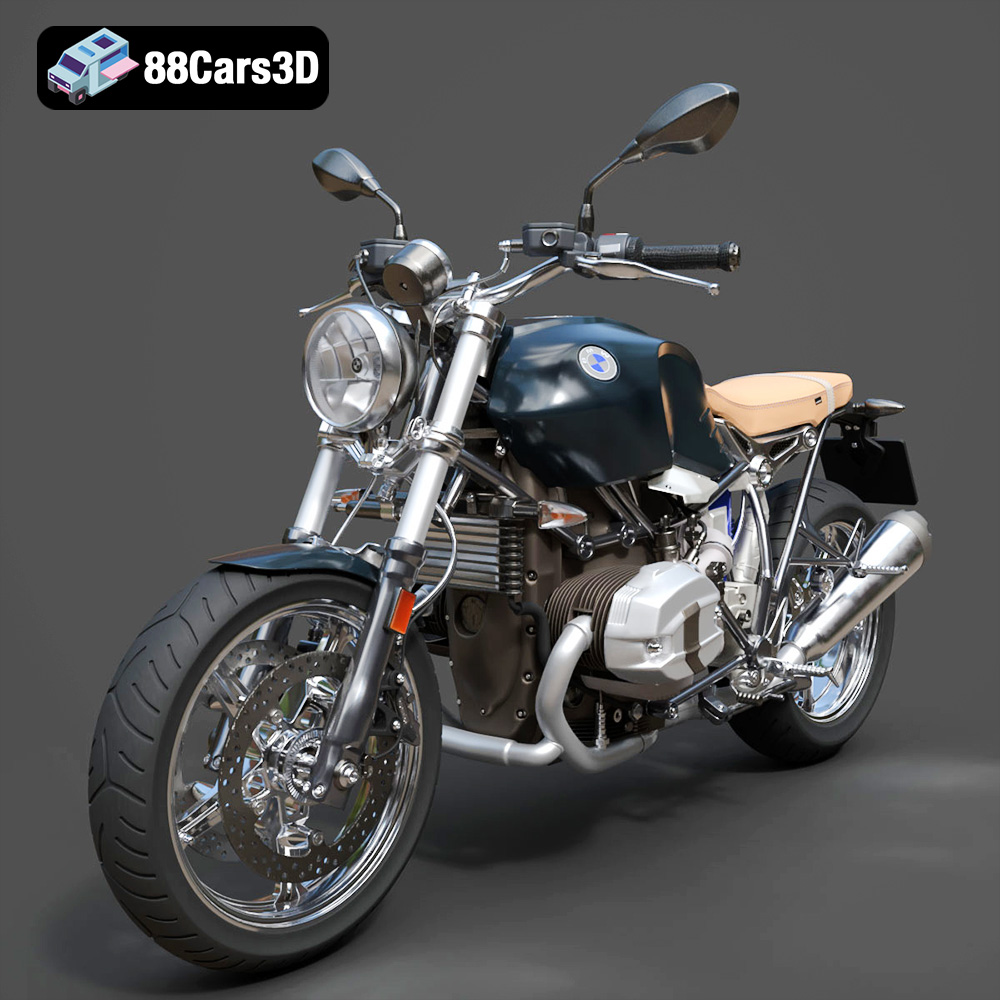
The BMW R nineT Pure 2018 is a stunning motorcycle, blending classic aesthetics with modern engineering. Bringing this beauty to life in miniature form through 3D printing is a rewarding project. This detailed guide will walk you through the entire process, from preparing the 3D model to post-processing your finished 3D printed model. The goal is to help you achieve a high-quality, accurate replica of this iconic motorcycle using additive manufacturing techniques. Whether you are a seasoned 3D printing enthusiast or a beginner, this comprehensive guide will provide valuable insights and tips. You can find the detailed 3D model, optimized for 3D printing, on 88cars3d.com.
Choosing the right file format is crucial for a successful 3D printing experience. The BMW R nineT Pure 2018 3D model, like many available on 88cars3d.com, comes in several formats. Let’s break down some of the most common ones and how they impact the printing process.
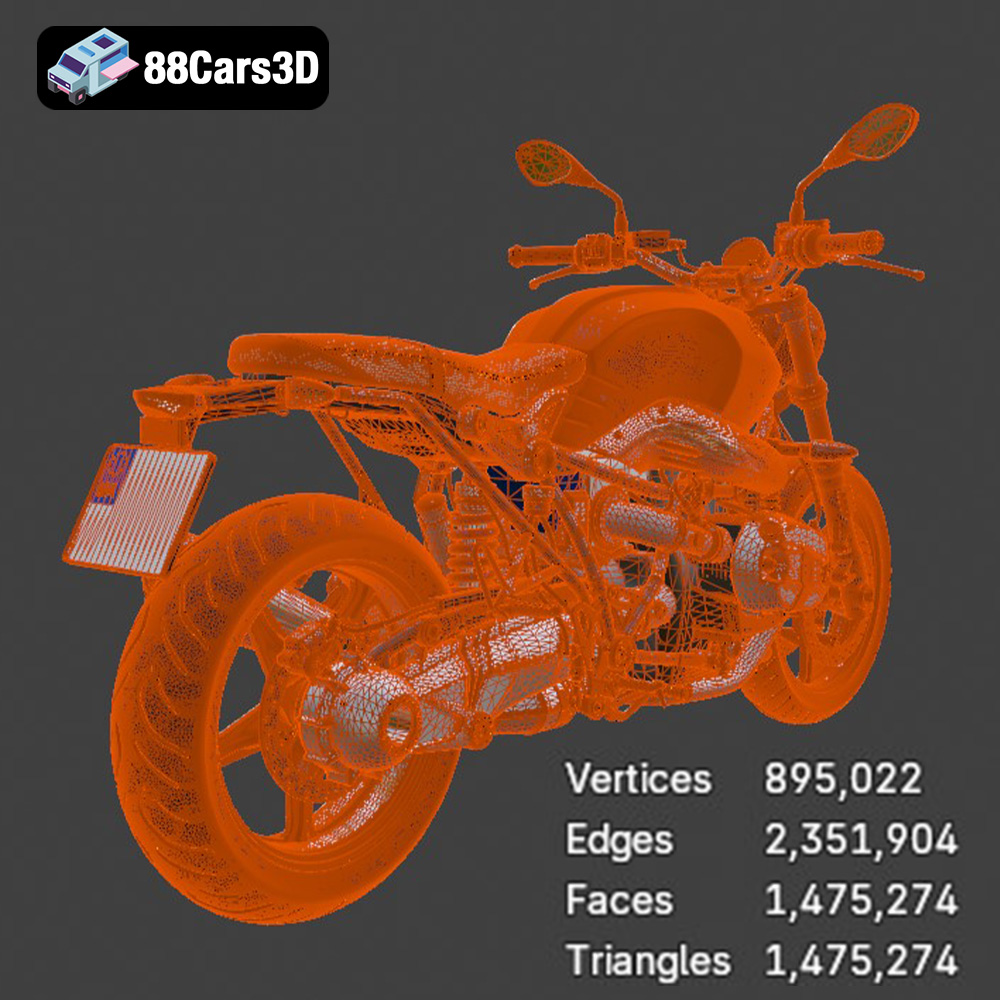
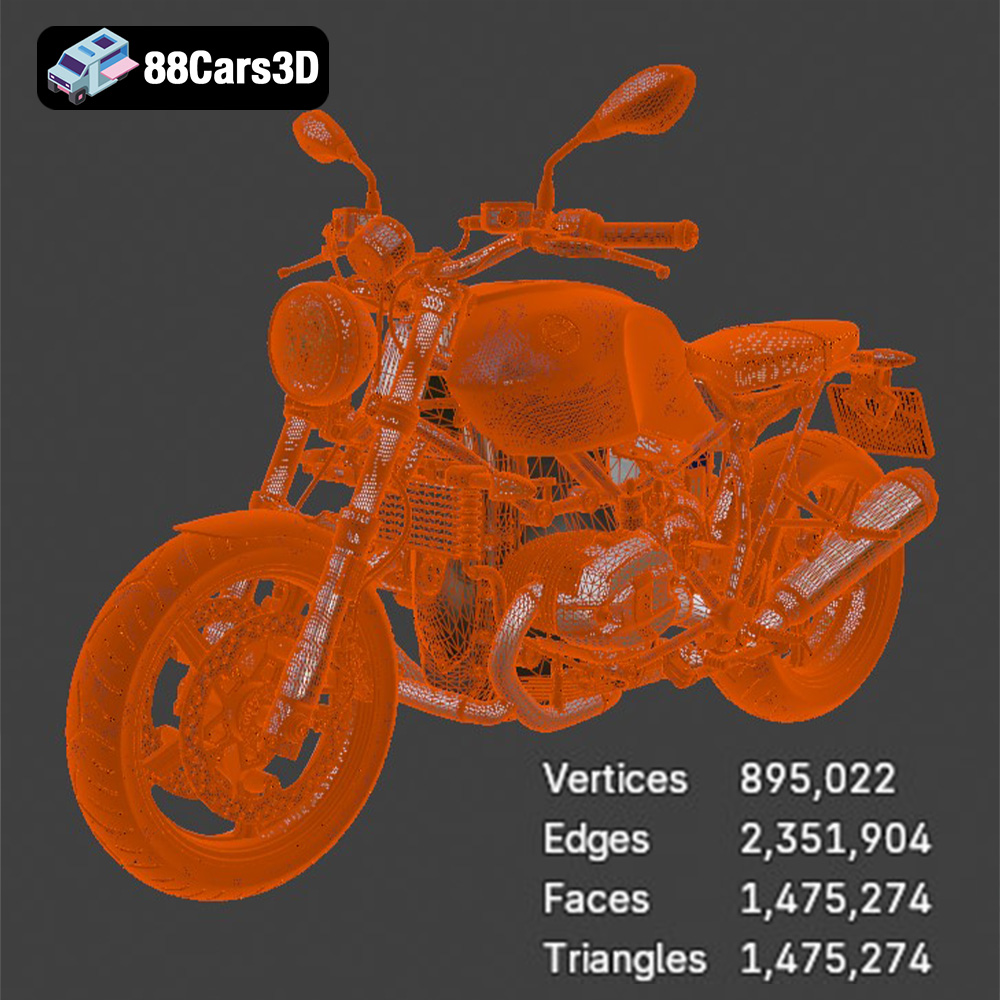
The .stl (Stereolithography) file format is the workhorse of 3D printing. It represents the 3D model’s surface geometry as a collection of triangles. Because it only stores the surface mesh, it’s a relatively simple and universally compatible format. However, .stl files do not contain color, texture, or material information. For 3D printing, this format is ideal. Almost every slicing software can read and process STL files, making it easy to prepare the BMW R nineT Pure 2018 model for printing. The resolution of the .stl file (the number of triangles used to represent the surface) is important for print quality. Higher resolution means smoother curves, but it also results in a larger file size and potentially longer slicing times. For detailed models like the R nineT Pure, using a finely tessellated .stl file is essential to capture all the intricate details.
The .obj (Wavefront Object) format is another widely supported format. Unlike .stl, .obj files can store color and texture information, along with the mesh geometry. While this format is great for rendering and visualization, its relevance in 3D printing is limited if you are only printing with a single color filament. However, if you are considering using a multi-material 3D printer or exploring techniques for adding color after printing, the .obj file can provide a valuable reference.
The .ply (Polygon File Format) is designed for storing 3D data acquired from 3D scanners. It can store not only geometry but also vertex colors, normals, and other properties. While not as commonly used for 3D printing as .stl or .obj, .ply can be useful for high-detail models where precision is paramount.
.blend files are the native format for Blender, a popular open-source 3D modeling software. This is not typically used for directly 3D printing. Instead, .blend offers a complete scene file containing the model, materials, lighting, and other scene-related data. If you intend to modify the BMW R nineT Pure 2018 model before printing (e.g., adding custom parts or adjusting the geometry), having the .blend file is a huge advantage. You can then export it as an .stl file for printing.
The .fbx (Filmbox) format is a proprietary format developed by Autodesk. It is commonly used for exchanging 3D data between different software applications, including those used in game development and animation. Like .obj, it can store geometry, textures, materials, and animation data. It’s primary use in 3D printing is to import models with pre-defined materials into slicer software for rendering, but it may not be directly printable.
The .glb (GL Transmission Format Binary) format is designed for efficient delivery and loading of 3D models, especially in web and mobile applications. It’s often used for Augmented Reality (AR) applications, allowing you to preview the model in a real-world environment before printing.
Similar to .blend for Blender, .max files are the native format for 3ds Max, another industry-standard 3D modeling software. Having the .max file allows for extensive modifications and customization of the BMW R nineT Pure 2018 model before exporting it for 3D printing as an .stl file.
In conclusion, while the BMW R nineT Pure 2018 model may be available in a variety of formats, .stl is the most important for 3D printing. Make sure to use a high-resolution .stl file for optimal results and compatibility with your slicing software. The other file formats are great for modifying the model and visualizing it with textures and materials before printing.
Before you can start printing, you’ll need to prepare the 3D model. This involves using slicing software to convert the .stl file into a format that your 3D printer can understand. It also includes inspecting the model for errors and making necessary adjustments.
The slicing software is the bridge between your 3D model and your 3D printer. Popular options include Cura, PrusaSlicer, Simplify3D, and others. Each slicer has its own strengths and weaknesses, so experiment to find one that suits your workflow. For the BMW R nineT Pure 2018, consider the following features when choosing a slicer:
* **Support Generation:** The model will require supports for overhanging parts, so a slicer with good support generation algorithms is essential.
* **Fine-Tuning:** Look for a slicer that allows you to adjust parameters such as layer height, infill density, and print speed.
* **Preview:** A good preview feature will let you visualize the print process layer by layer, allowing you to identify potential problems before they occur.
Before slicing, it’s crucial to inspect the .stl file for errors. These can include non-manifold geometry, holes, and inverted faces. Many slicers have built-in repair tools that can automatically fix these issues. Alternatively, you can use dedicated mesh editing software like MeshMixer or Netfabb. A clean, error-free mesh will significantly improve print quality and reduce the risk of printing failures.
The BMW R nineT Pure 2018 model can be scaled to your desired size. The product description mentions recommended scales of 1:18, 1:12, 1:10, and 1:8. Smaller scales will require finer details and may be better suited for resin printers, while larger scales will be easier to print on FDM printers.
Orientation is another critical factor. The optimal orientation will minimize the need for supports and maximize the surface finish of important features. For the R nineT Pure, consider the following:
* **Frame:** Print the frame angled to preserve details and minimize supports on the top surfaces.
* **Wheels:** Print the wheels separately, ideally flat on the print bed, for maximum adhesion and roundness.
* **Engine:** This might benefit from a vertical orientation, with the cylinder heads facing upwards, to capture the details of the cooling fins.
The choice of material will significantly impact the final appearance and properties of your 3D printed BMW R nineT Pure 2018 model.
PLA (Polylactic Acid) is a popular thermoplastic known for its ease of use and biodegradability. It’s a good choice for beginners due to its low printing temperature, minimal warping, and wide availability. PLA is suitable for the R nineT Pure model, especially for larger scales where fine details are less critical. However, PLA is not very heat-resistant and can become brittle over time.
PETG (Polyethylene Terephthalate Glycol-modified) offers a good balance of strength, flexibility, and ease of printing. It’s more durable and heat-resistant than PLA, making it a better choice for parts that may be subject to stress or outdoor exposure. PETG can be used for the entire model or for specific components like the frame or wheels.
For smaller scales and intricate details, resin 3D printing is the way to go. Resin printers use liquid photopolymer resins that are cured by UV light, resulting in incredibly fine details and smooth surfaces. Resin is ideal for capturing the complex geometry of the engine, exhaust system, and other small features of the BMW R nineT Pure 2018. However, resin prints tend to be more brittle than FDM prints and require more extensive post-processing.
Consider experimenting with specialty filaments like carbon fiber-infused PLA or metal-filled PLA for a unique look and feel. These materials can add strength and aesthetic appeal to your 3D printed model.
Achieving a successful print requires fine-tuning your printer settings based on the material and the specific details of the model.
Layer height is one of the most important settings. A smaller layer height results in smoother surfaces and finer details but increases print time. For FDM printing, a layer height of 0.08-0.16mm is a good starting point. For resin printing, layer heights can be much smaller (0.025-0.05mm) for even greater detail.
Infill density determines the internal structure of the model. A higher infill density increases strength and weight but also increases print time and material consumption. For the BMW R nineT Pure 2018, an infill density of 15-25% is generally sufficient. Choose an infill pattern that provides good support for the outer walls, such as rectilinear, gyroid, or honeycomb.
Print speed and temperature should be adjusted according to the material manufacturer’s recommendations. Printing too fast can lead to poor adhesion and layer separation, while printing too slow can cause stringing and warping.
Proper support settings are crucial for preventing print failures. Use a support pattern that is easy to remove, such as tree supports or linear supports. Adjust the support density and overhang angle to provide adequate support without being too difficult to remove.
Post-processing is the final step in bringing your 3D printed model to life. It involves cleaning up the print, removing supports, and applying finishing techniques.
Carefully remove the supports using pliers, cutters, or a sharp knife. Be patient and avoid damaging the model. After removing the supports, use sandpaper or a file to smooth out any rough edges or support scars.
Sanding is essential for achieving a smooth surface finish. Start with coarse-grit sandpaper (e.g., 220 grit) and gradually move to finer grits (e.g., 400, 600, 800 grit). Apply a primer to fill in any remaining imperfections and provide a good base for painting.
Painting is where you can truly bring the BMW R nineT Pure 2018 to life. Use acrylic paints or model paints for best results. Apply multiple thin coats for a smooth, even finish. Consider using masking tape to create sharp lines and details. You can find reference images online to accurately replicate the colors and markings of the real motorcycle. Adding decals and small details like the BMW logo will enhance the realism of your model.
If you printed the model in separate parts (e.g., frame, wheels, engine), carefully assemble them using glue or epoxy. Ensure proper alignment and secure bonding.
Even with careful preparation, 3D printing can be challenging. Here are some common issues and their solutions:
* **Warping:** This occurs when the print detaches from the build plate due to uneven cooling. Ensure good bed adhesion by using a heated bed, applying a bed adhesive (e.g., glue stick, hairspray), or using a brim.
* **Stringing:** This is caused by oozing filament between parts. Reduce printing temperature, increase retraction distance, or adjust travel speed.
* **Layer Separation:** This happens when layers do not adhere properly. Increase printing temperature, reduce print speed, or increase layer height.
* **Support Failure:** If supports fail, the overhanging parts will not print correctly. Increase support density, adjust support overhang angle, or use a different support pattern.
By understanding these potential issues and their solutions, you can increase your chances of a successful 3D print.
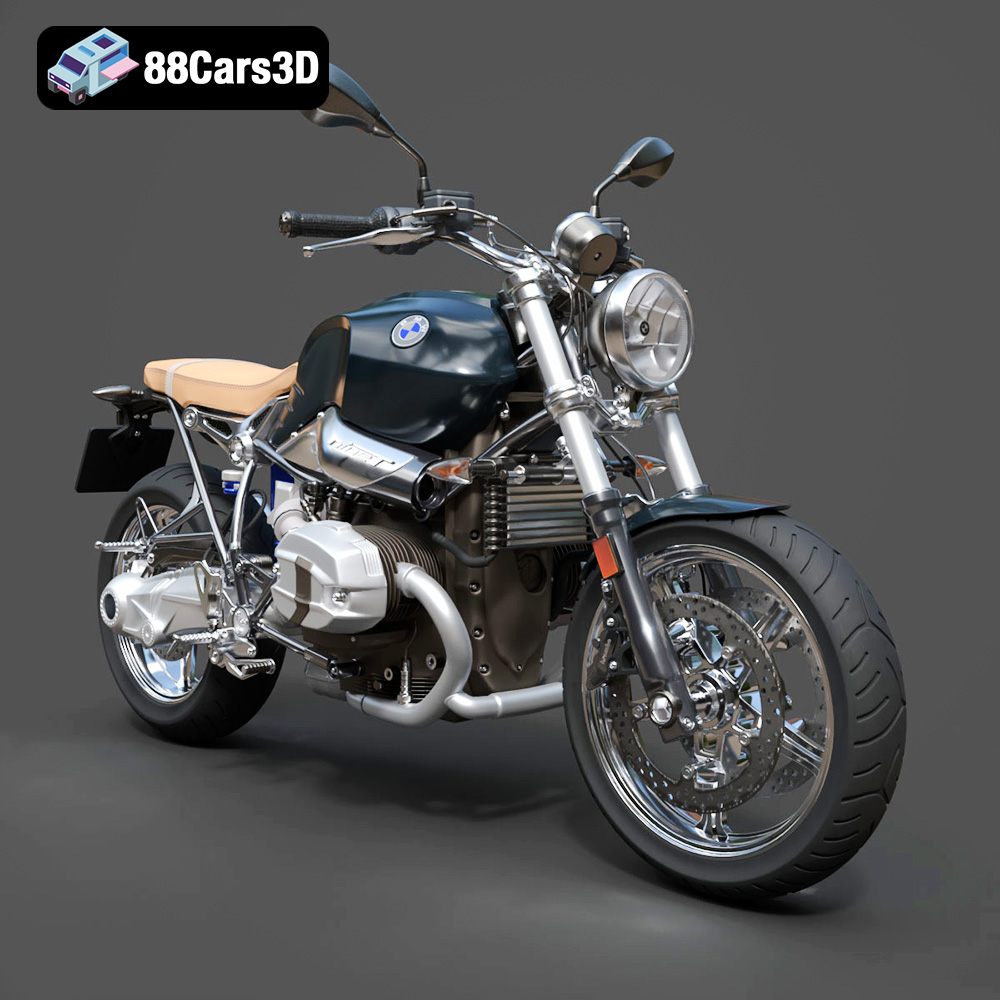
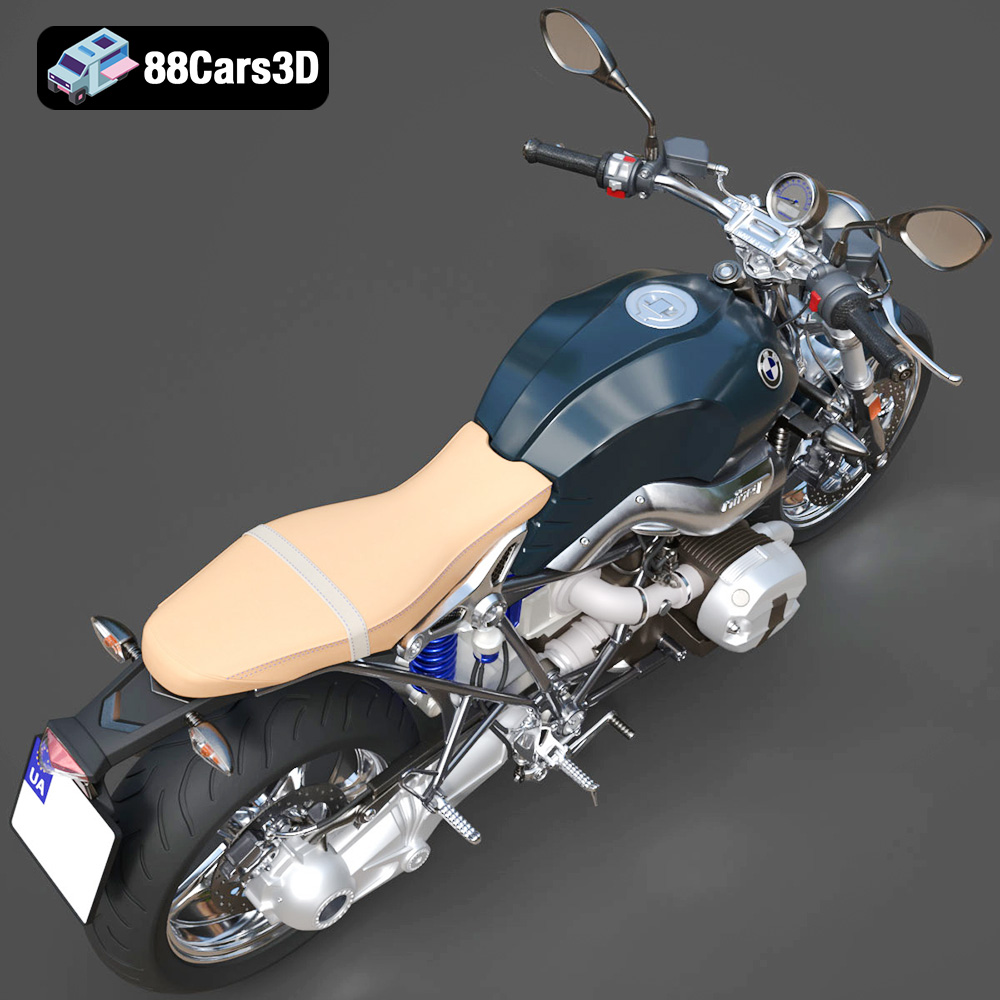
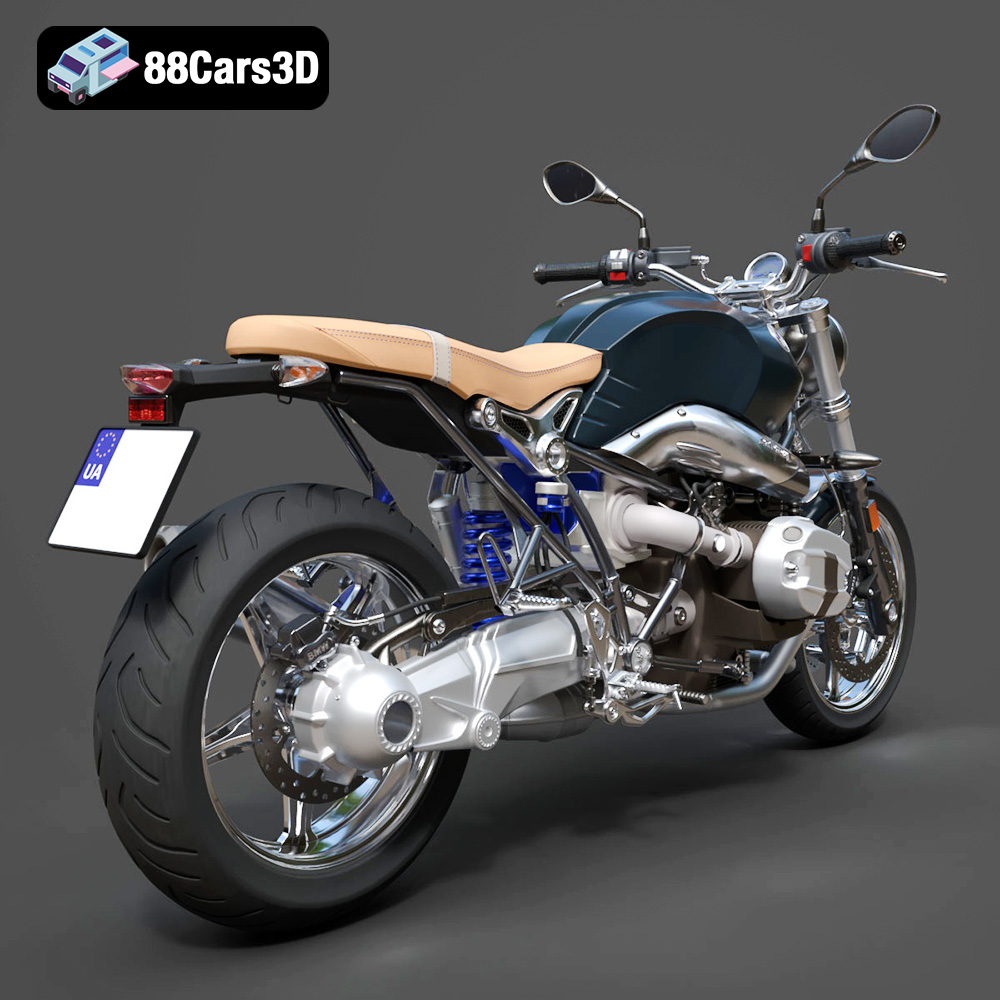
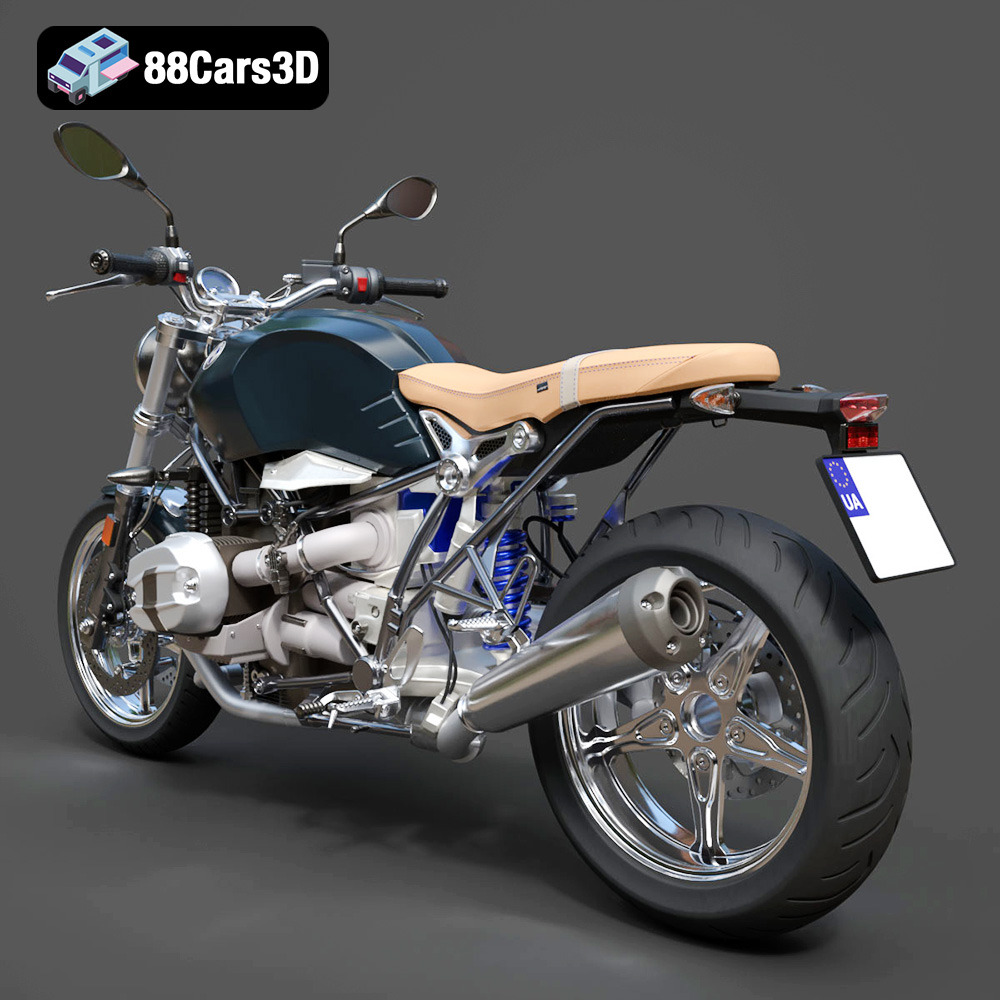
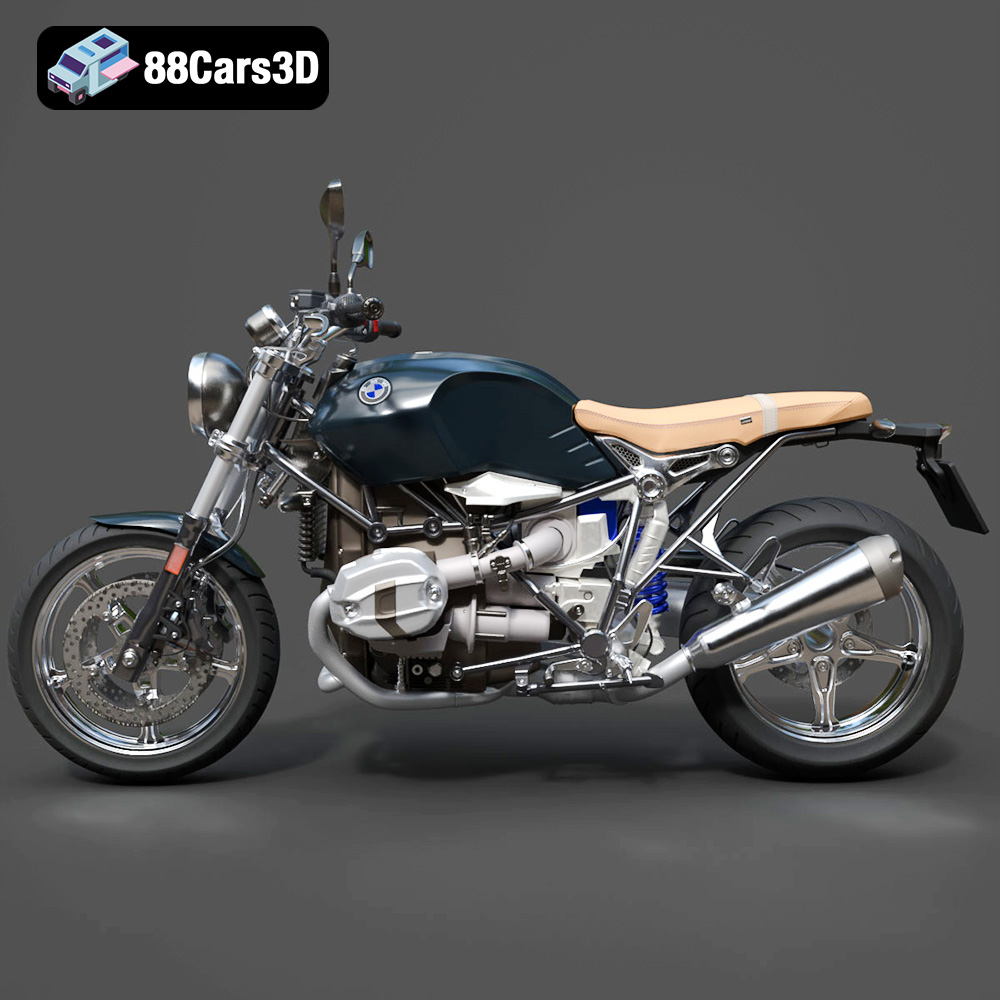
The BMW R nineT Pure 2018 3D Model is a high-detail digital recreation of the minimalist retro roadster from BMW Motorrad’s Heritage lineup. Blending classic motorcycle styling with modern engineering, the R nineT Pure features a timeless naked-bike design, air/oil-cooled boxer engine, and clean mechanical aesthetics.
$9.99
3D printing the BMW R nineT Pure 2018 is a challenging yet rewarding project. By carefully preparing the model, choosing the right material, optimizing printer settings, and mastering post-processing techniques, you can create a stunning replica of this iconic motorcycle. Remember to start with the .stl file, take your time, and don’t be afraid to experiment. Happy printing! And don’t forget to check out 88cars3d.com for other high-quality 3D printed models.
.2018motorcycle
.arvr
.blend
.bmw
.fbx
.gameasset
.glb
.heritagebike
.max
.motorcycle3dmodel
.obj
.ply
.rendering
.rninet
.rninetpure
.simulation
.stl
.twowheeler
.unreal
boxerengine