Get 50% OFF All Premium 3D & STL Models!

“`html
The world of 3D printing opens up endless possibilities, from creating intricate figurines to functional prototypes. For automotive enthusiasts, platforms like 88cars3d.com offer an amazing selection of printable car models in STL format. However, downloading an STL file is only the first step. Often, these files, especially those sourced from various online repositories, require cleanup and optimization before they’re ready for a successful print. This is where Blender, a powerful and free 3D modeling software, comes in handy. This guide will walk you through the process of cleaning up STL files using Blender, ensuring optimal print quality and minimizing potential printing issues. We’ll cover everything from importing and inspecting your STL file to fixing common mesh errors, optimizing geometry, and preparing your model for slicing. Whether you’re a seasoned 3D printing veteran or a newcomer to the hobby, this guide will provide you with the knowledge and skills you need to confidently prepare your STL files for printing.
In this comprehensive guide, you’ll learn:
Before you can clean up your STL file, you need to import it into Blender. This process is straightforward, but understanding the Blender interface is crucial for efficient workflow.
To import an STL file, go to File > Import > Stl (.stl). Navigate to the location of your STL file and select it. Blender will import the mesh into the 3D viewport. Initially, the model might appear small or large depending on the units used during its creation. Don’t worry about the initial scale; we can adjust this later if necessary. It’s always a good practice to source your STL files from reputable sources. When downloading models from marketplaces such as 88cars3d.com, you can be more confident in the quality and accuracy of the models.
Blender’s interface can seem daunting at first, but mastering the basic navigation is essential. Here’s a quick rundown:
The Object Mode is the default mode, allowing you to manipulate the entire object. To edit the mesh itself, you need to switch to Edit Mode by pressing Tab or selecting it from the dropdown menu in the top-left corner.
Once the model is imported, take a close look. Use the navigation tools to examine the model from all angles. Look for obvious defects like missing faces, holes, or distorted geometry. In Edit Mode, you can enable Backface Culling in the Viewport Overlays menu (the two overlapping circles icon) to see if any faces are flipped (appearing invisible from the outside). Flipped normals can cause printing issues. Check for any intersecting geometry, which can also cause problems during slicing. Pay close attention to the areas that might be difficult to print, such as thin walls or small details, as these are often the source of errors.
STL files, especially those converted from other formats, can often contain errors that will cause issues during 3D printing. Identifying and fixing these errors is crucial for a successful print. Blender offers several tools to help you with this process.
Non-manifold geometry is a common issue that occurs when the mesh isn’t “watertight.” This means there are edges shared by more than two faces, or faces that are not connected properly. This is a critical error for 3D printing, as slicers rely on a closed, continuous surface to generate the printing paths. To check for non-manifold geometry, go to Edit Mode, select Select > Select All by Trait > Non Manifold. Blender will highlight any non-manifold edges or vertices. Often, deleting and recreating the problematic faces, or using the Merge by Distance tool (Mesh > Clean Up > Merge by Distance) can resolve these issues. Increasing the distance slightly can help merge vertices that are very close but not quite connected. For more complex issues, manual reconstruction of the geometry might be necessary.
Holes in the mesh are another common issue. These can be caused by data loss during conversion or simply errors in the original model. To fill a hole, select the edges surrounding the hole in Edit Mode. Make sure all the selected edges form a closed loop. Then, press F to fill the hole with a face. If the hole is complex, you might need to manually create several faces to fill it properly. For more complex hole filling, the “Bridge Edge Loops” tool (Edge > Bridge Edge Loops) can be helpful, especially when dealing with cylindrical or curved surfaces. Be sure to check the newly created faces for correct orientation and adjust as needed.
Flipped normals occur when the “front” of a face is pointing inwards instead of outwards. This can cause issues with rendering and slicing, as the slicer might not recognize the inside of the model as solid. To check for flipped normals, enable Backface Culling in the Viewport Overlays menu. Faces with flipped normals will appear invisible from the outside. To correct flipped normals, select the affected faces in Edit Mode and press Shift+N. This will recalculate the normals, ensuring they are pointing in the correct direction. Alternatively, you can use Mesh > Normals > Flip to manually flip the normals if the automatic recalculation doesn’t work as expected. Consistent and correctly oriented normals are essential for proper slicing and printing.
Optimizing the geometry of your STL file can significantly improve print quality, reduce print time, and minimize resource usage. This involves simplifying complex meshes, reducing polygon count, and ensuring proper wall thickness.
Complex meshes with a high polygon count can be taxing on your 3D printer and slicer. Reducing the polygon count can speed up the slicing process and reduce the file size. Blender offers several tools for simplifying meshes, including the Decimate Modifier. To use the Decimate Modifier, add it to your object in the Modifiers tab. The Ratio option allows you to reduce the polygon count by a certain percentage. Experiment with different values to find a good balance between simplification and detail preservation. The Collapse option can be used to remove edges and faces based on their length, while the Unsubdivide option can be used to reverse subdivision operations. Remember to apply the modifier (click “Apply” in the modifier panel) once you are satisfied with the result. Be careful not to over-simplify the mesh, as this can lead to loss of important details.
Reducing the polygon count directly reduces the complexity of the model, making it easier for the slicer to process and for the printer to render each layer. Using the Decimate Modifier, you can target a specific polygon count rather than a ratio. The “Planar” decimation mode preserves flat surfaces while simplifying curved areas. This is particularly useful for architectural models or models with both flat and curved surfaces. It’s important to inspect the model carefully after decimation to ensure that no important details have been lost or distorted. If necessary, you can apply the Decimate Modifier only to specific parts of the model to preserve detail in critical areas.
Wall thickness is a critical factor for printability. Thin walls can be fragile and prone to breaking during printing, while overly thick walls can increase print time and material usage. Ideally, your model should have a wall thickness that is a multiple of your nozzle diameter. For example, if you are using a 0.4mm nozzle, a wall thickness of 0.8mm or 1.2mm would be ideal. To check wall thickness in Blender, you can use the MeasureIt addon. This addon allows you to measure the distance between two faces, giving you an accurate reading of the wall thickness. If the wall thickness is insufficient, you can use the Solidify Modifier to add thickness to the model. Adjust the “Thickness” value in the modifier settings to achieve the desired wall thickness. Always apply the modifier after adjusting the thickness. For models like printable car models from 88cars3d.com, ensuring proper wall thickness for the body and smaller details like mirrors and spoilers is crucial for a successful and durable print.
Many 3D models, particularly those designed for visual purposes, may not have sufficient wall thickness for 3D printing. Adding thickness and properly orienting your model on the build plate are crucial steps in preparing it for a successful print.
The Solidify Modifier is the go-to tool for adding thickness to a surface. Select your object and add a Solidify Modifier from the Modifiers tab. Adjust the “Thickness” value to achieve the desired wall thickness. The “Offset” value controls whether the thickness is added inwards or outwards. A value of -1 will add thickness inwards, while a value of 1 will add thickness outwards. Experiment with different settings to achieve the best result. Consider enabling “Even Thickness” to ensure uniform thickness across the entire model. For complex models, you might need to adjust the “Rim” settings to prevent artifacts around the edges. Remember to apply the modifier once you are satisfied with the result. For resin printing, hollowing the model and adding drain holes is also important. This can be achieved by applying the solidify modifier inwards, leaving a hollow space inside.
The orientation of your model on the build plate can significantly impact print quality, support generation, and print time. Ideally, you want to orient the model in a way that minimizes the need for supports and maximizes bed adhesion. Consider the following factors when choosing an orientation:
To rotate the model, select it in Object Mode and press R, then X, Y, or Z to rotate along that axis. You can enter a specific angle by typing it after pressing R and the axis key. Consider using the “Make Face Planar” tool (Mesh > Clean Up > Make Face Planar) to flatten the bottom surface of the model for better bed adhesion. Experiment with different orientations until you find one that meets your needs. For car models from 88cars3d.com, orienting the car with the roof facing upwards might minimize supports on the more detailed lower sections of the body.
Even with careful orientation, some models will still require support structures. Blender itself doesn’t generate supports automatically; this is typically done in the slicer software. However, you can manually add simple support structures in Blender if needed. For example, you can add cylinders or cubes to support overhanging features. When adding manual supports, keep in mind that they will need to be removed after printing, so make them as easy to remove as possible. Consider using a small contact point between the support and the model. However, it’s generally recommended to rely on the slicer’s support generation capabilities, as they are often more sophisticated and optimized for 3D printing. Slicers like Cura or PrusaSlicer offer advanced support settings, allowing you to control the density, placement, and type of support structures. Understanding these settings is crucial for achieving a clean and successful print.
Once you’ve cleaned up and optimized your STL file in Blender, the next step is to slice it and print it. Slicing is the process of converting the 3D model into a series of layers that the 3D printer can understand. Choosing the right slicer settings is crucial for achieving optimal print quality.
There are many slicer software options available, each with its own strengths and weaknesses. Some popular choices include:
The best slicer for you will depend on your printer, your experience level, and your specific needs. Experiment with different slicers to find one that you are comfortable with. Most slicers support importing STL files directly, allowing you to load the model you prepared in Blender. The key is understanding and properly configuring the slicer settings to match your printer and the material you’re using.
Here are some key slicer settings that can significantly impact print quality:
Experiment with different settings to find the optimal values for your printer and material. Consult online resources and forums for recommended settings for specific materials and printers. Fine-tuning these settings can greatly improve the final result of your 3D printed car model.
Even with careful preparation, printing issues can still arise. Here are some common problems and their solutions:
By carefully observing the printing process and experimenting with different settings, you can diagnose and resolve most common printing issues. Don’t be afraid to try different approaches and learn from your mistakes. Remember that 3D printing is a process of continuous learning and refinement. Platforms like 88cars3d.com can also be a source of inspiration and best practices, as they often showcase successful prints and share tips and tricks with their community.
Cleaning up STL files in Blender is an essential skill for any 3D printing enthusiast. By mastering the techniques outlined in this guide, you can ensure that your models are free of errors, optimized for printing, and ready for a successful outcome. From importing and inspecting your STL file to fixing mesh errors, optimizing geometry, and adding thickness, each step plays a crucial role in achieving a high-quality print. Remember to experiment with different settings and learn from your mistakes. The world of 3D printing is constantly evolving, so continuous learning is key. With the knowledge and skills you’ve gained from this guide, you’re well-equipped to tackle even the most challenging STL files and bring your 3D printing projects to life. So go ahead, download that STL file from 88cars3d.com, fire up Blender, and start printing!
Next Steps:
“`
Texture: Yes
Material: Yes
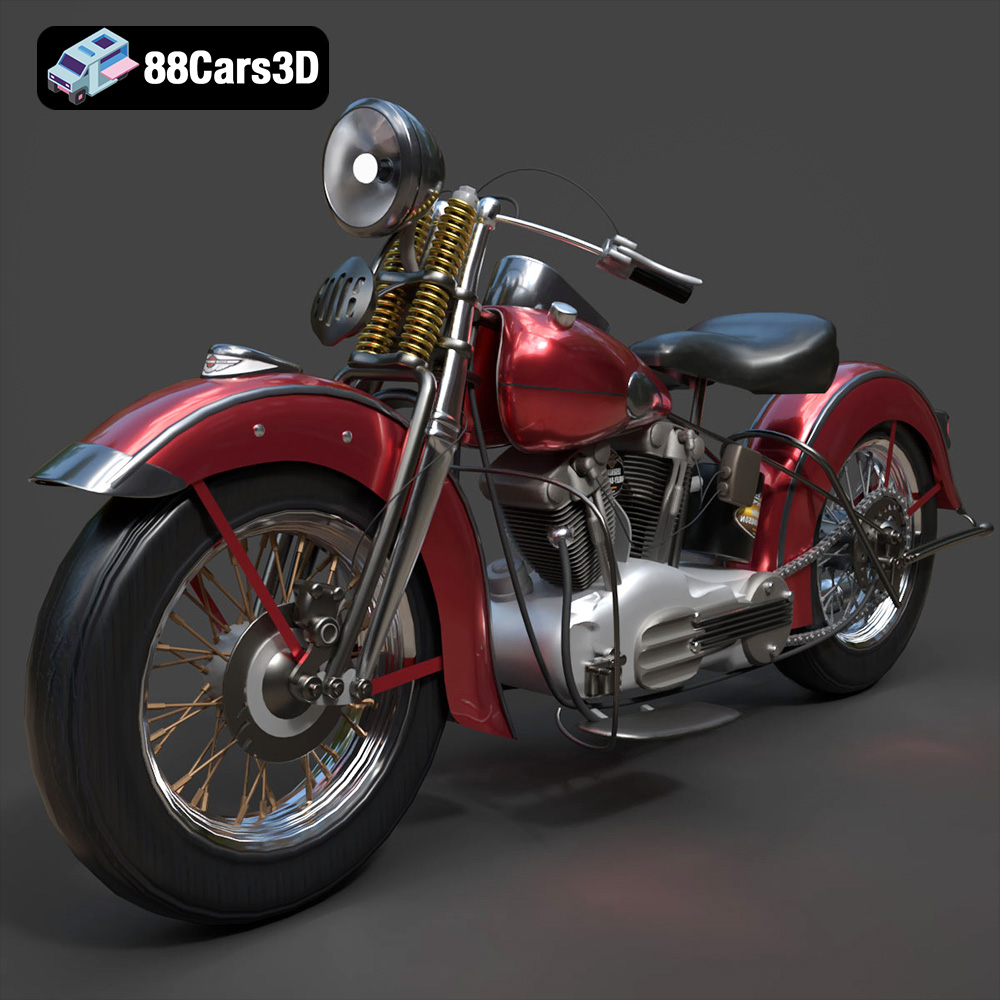
Download the Harley Davidson F 1946 3D Model featuring clean geometry, realistic detailing, and a fully modeled interior. Includes .blend, .fbx, .obj, .glb, .stl, .ply, .unreal, and .max formats for rendering, simulation, and game development.
Price: $19.99
Texture: Yes
Material: Yes
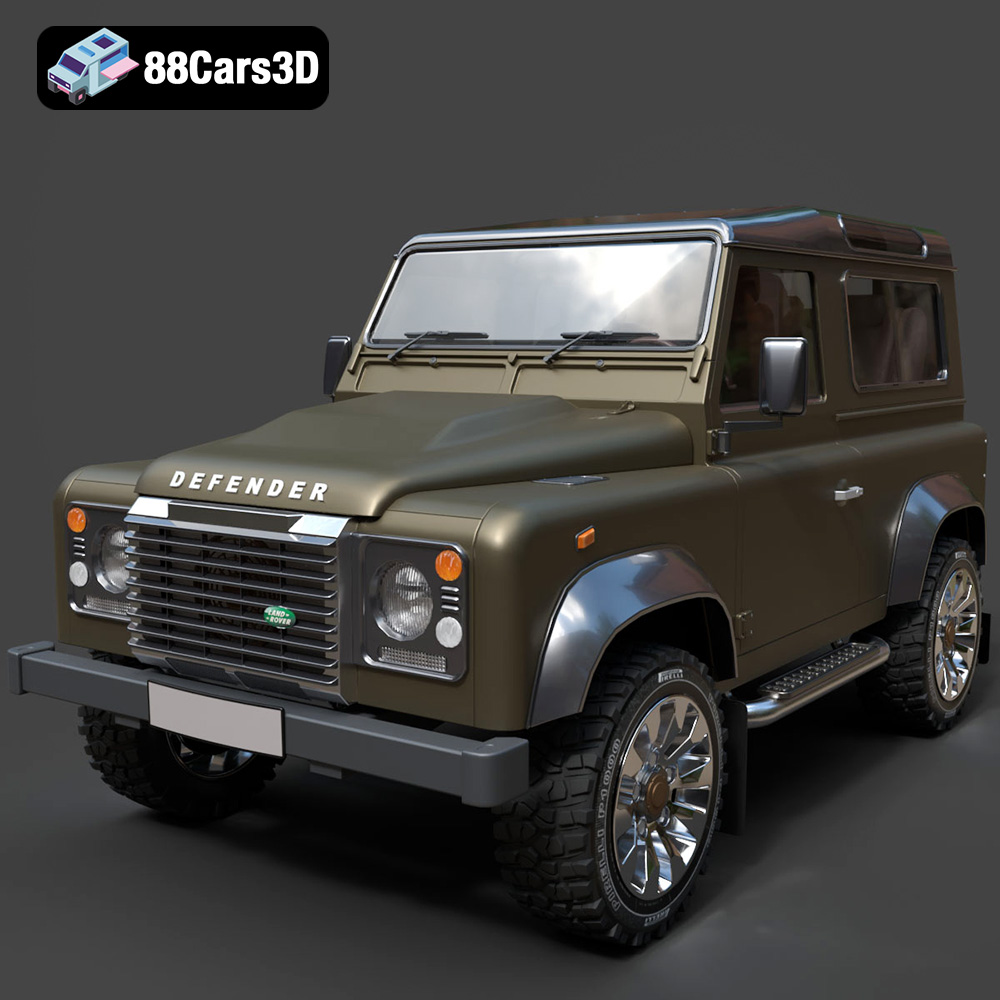
Download the Land Rover Defender Works V8 3D Model featuring clean geometry, realistic detailing, and a fully modeled interior. Includes .blend, .fbx, .obj, .glb, .stl, .ply, .unreal, and .max formats for rendering, simulation, and game development.
Price: $19.99
Texture: Yes
Material: Yes
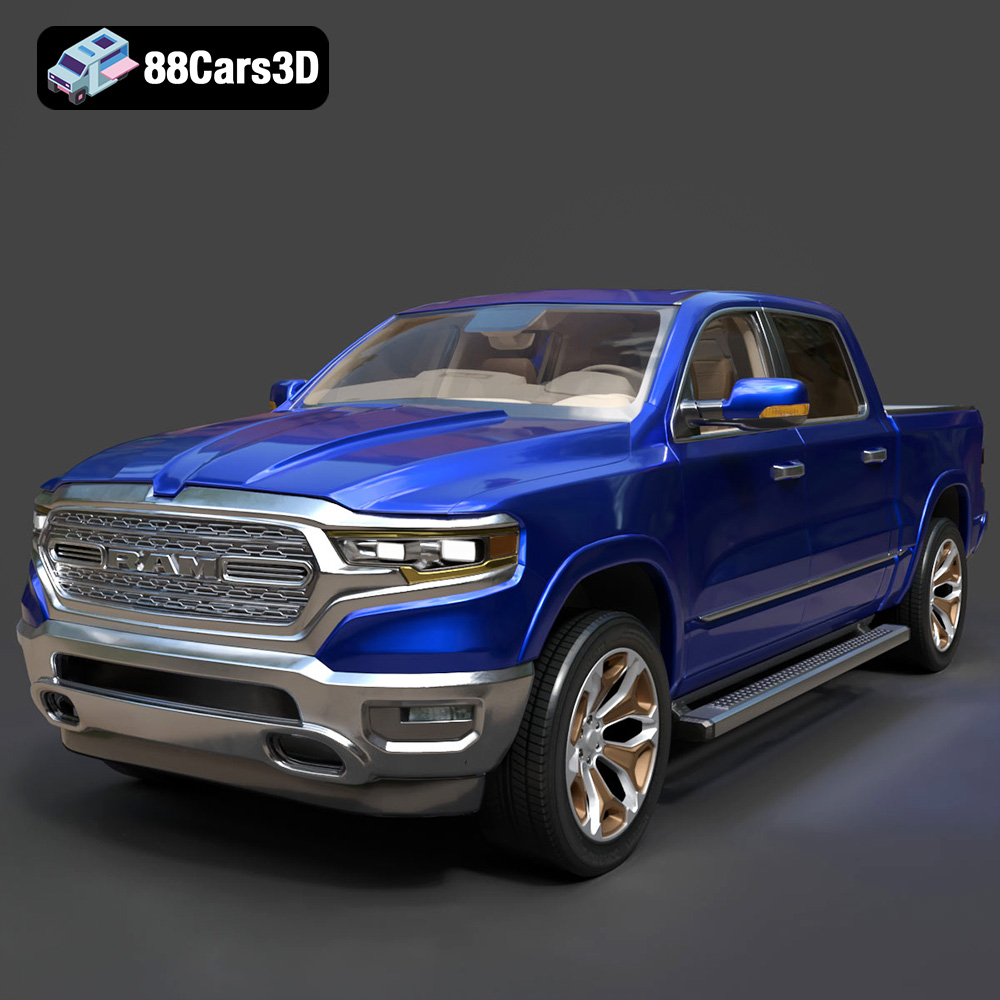
Download the Dodge RAM 2019 3D Model featuring clean geometry, realistic detailing, and a fully modeled interior. Includes .blend, .fbx, .obj, .glb, .stl, .ply, .unreal, and .max formats for rendering, simulation, and game development.
Price: $19.99
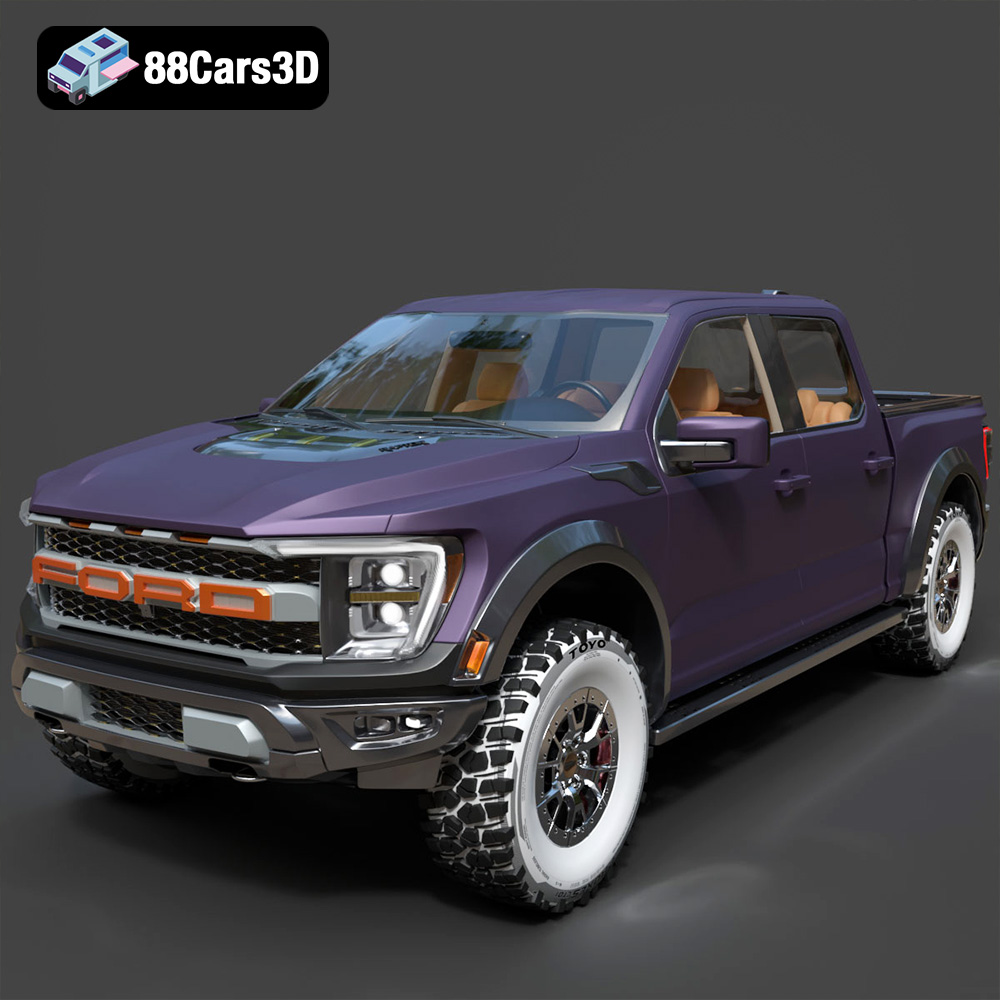
Texture: Yes | Material: Yes Download the ultra-high-detail Ford F-150 Raptor 2021 3D Model (8.73M Triangles). Features uncompromised widebody styling, fully modeled Fox Live Valve suspension, 37-inch tires, and interior. Perfect for premium VFX, cinematic rendering, and ArchViz. Includes .blend, .fbx, .obj, .glb, .stl, and .max formats.
Price: $29.99
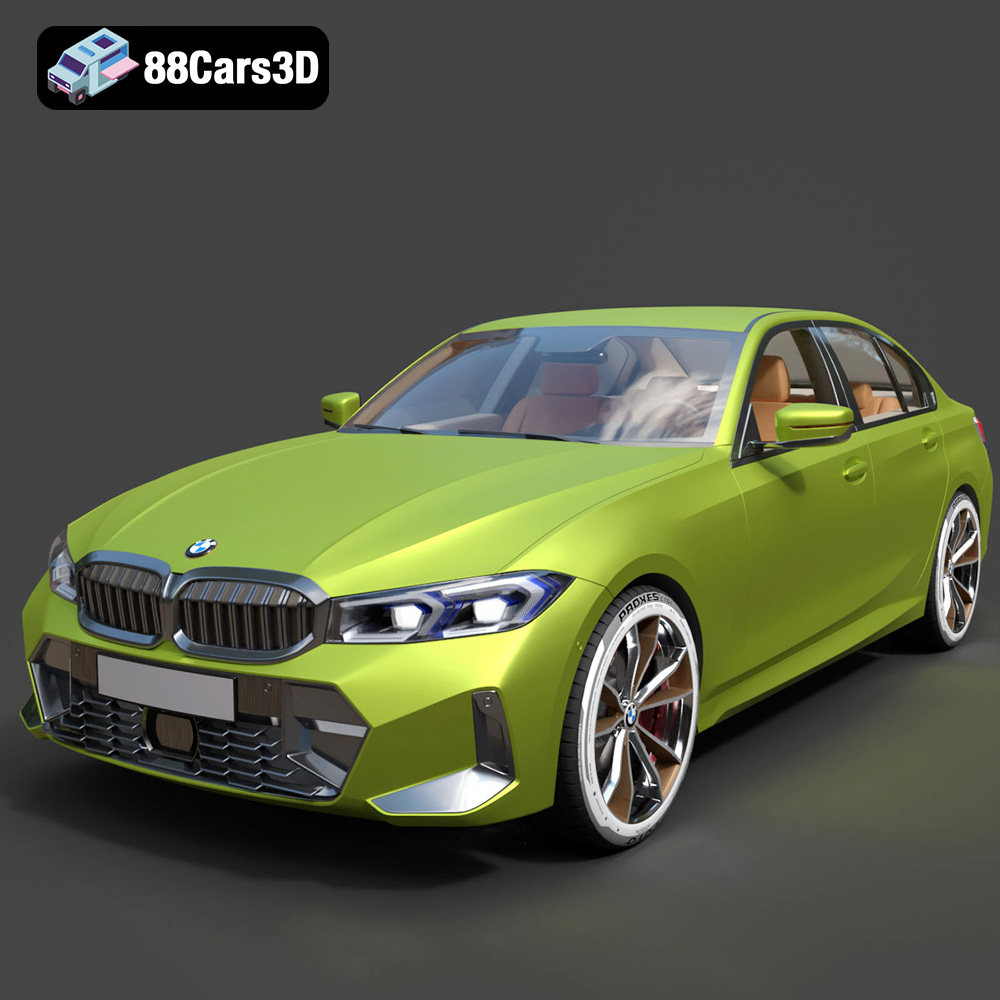
Texture: Yes | Material: Yes Download the ultra-high-detail BMW 3 Series Limousine (2022) 3D Model (4.16M Triangles). Features the modernized G20 LCI exterior, the all-new BMW Curved Display interior, and ultra-dense topology. Perfect for ArchViz, VFX, and cinematic rendering. Includes .blend, .fbx, .obj, .glb, .stl, and .max formats.
Price: $19.99
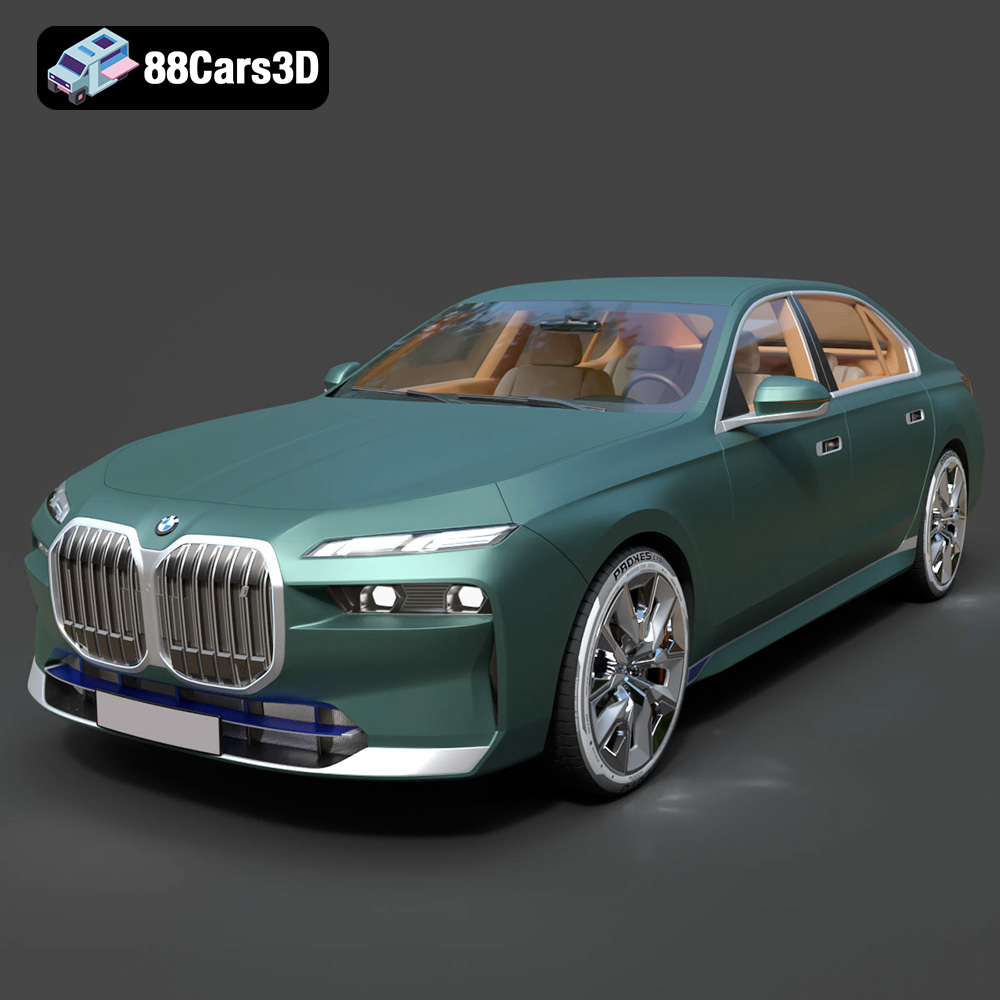
Texture: Yes | Material: Yes Download the ultra-high-detail BMW i7 (2023) 3D Model (4.14M Triangles). Features the illuminated kidney grille, split crystal headlights, fully modeled Theatre Screen interior, and monolithic luxury styling. Perfect for ArchViz, VFX, and cinematic rendering. Includes .blend, .fbx, .obj, .glb, .stl, and .max formats.
Price: $19.99
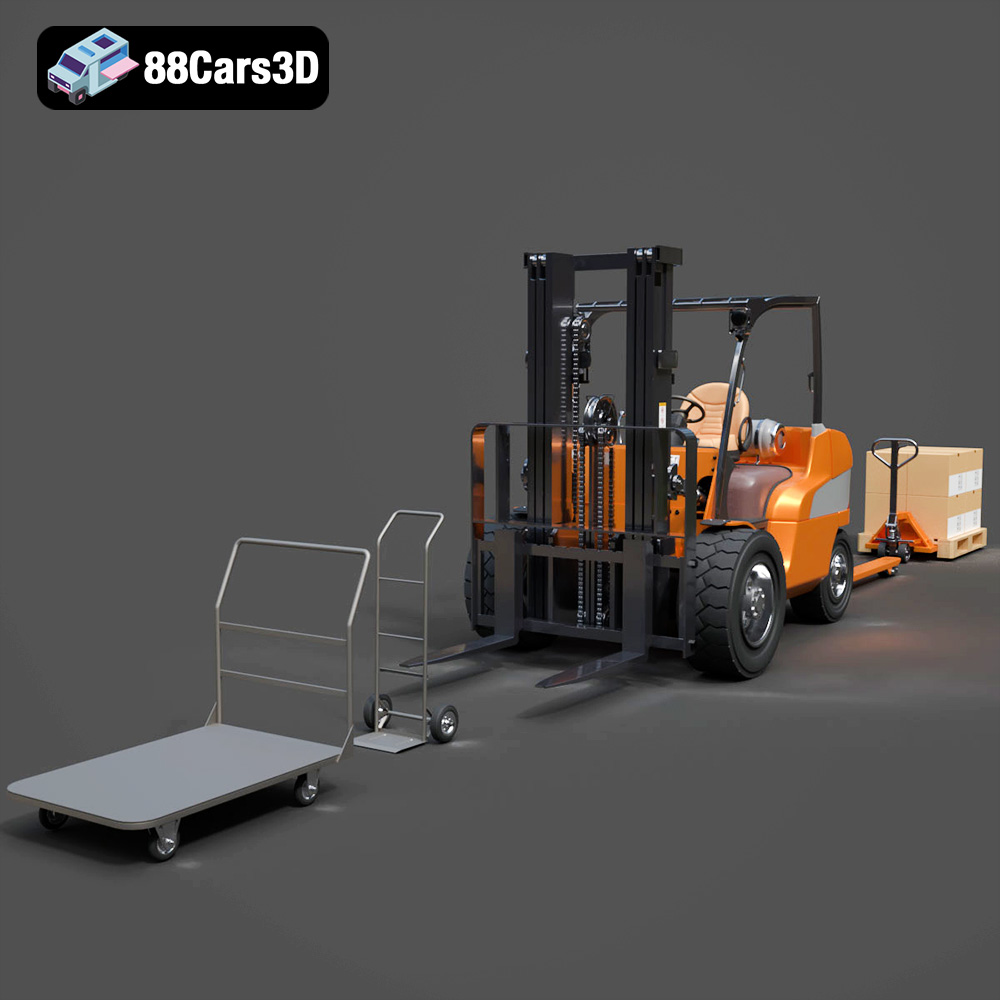
Texture: Yes | Material: Yes Download the highly detailed CAT Manual Loader & Warehouse Carts Kit 3D Model (2.4M Triangles). Features a macro-detailed hydraulic pallet jack, heavy-duty forks, and transport carts. Perfect for industrial ArchViz, factory rendering, and logistics simulations. Includes .blend, .fbx, .obj, .glb, .stl, and .max formats.
Price: $19.99

Texture: Yes | Material: Yes
Download the highly optimized Mazda CX-5 2014 3D Model (294k Triangles). Features the dynamic Kodo design language, signature grille, and a clean interior. Perfectly balanced for ArchViz, background traffic, and game development. Includes .blend, .fbx, .obj, .glb, .stl, and .max formats.
Price: $19.99
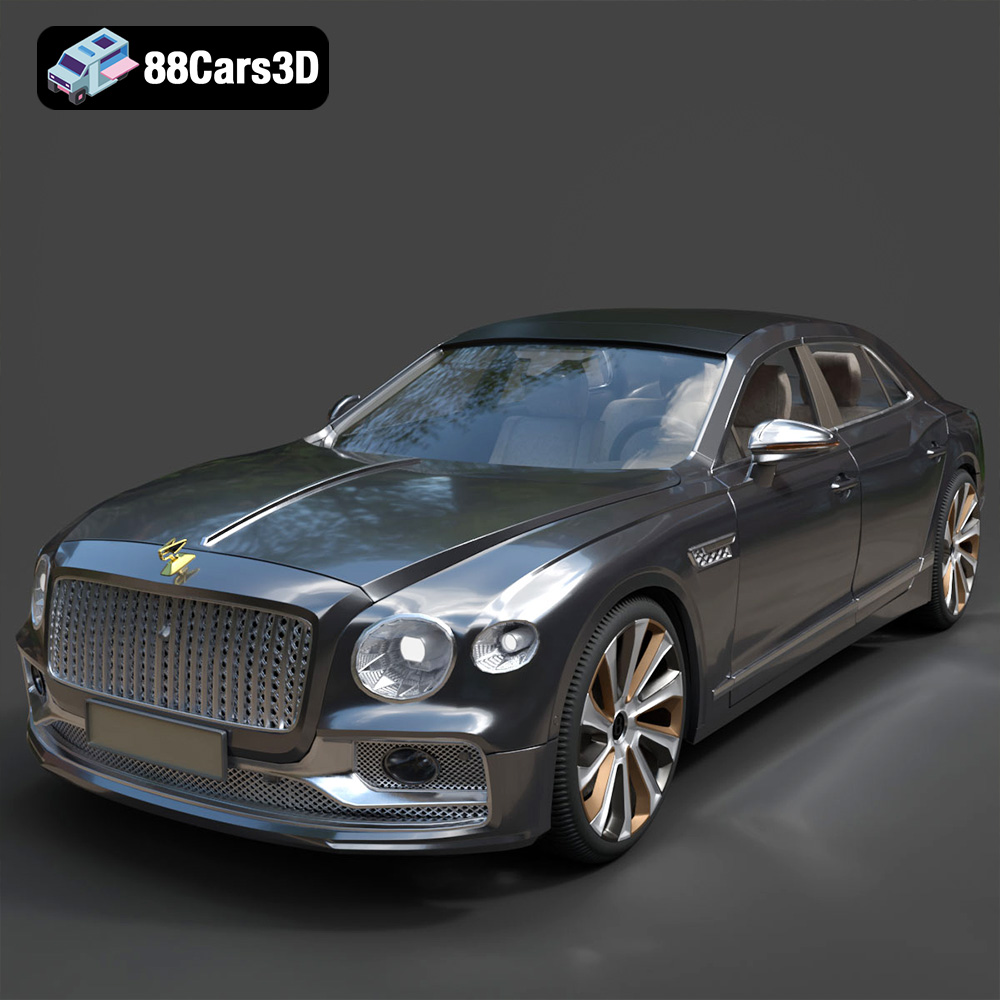
Texture: Yes | Material: Yes Download the ultra-high-detail Bentley Flying Spur Mulliner 2022 3D Model (2.94M Triangles). Features the bespoke Double Diamond grille, a fully modeled diamond-quilted interior, and exquisite luxury styling. Perfect for high-end ArchViz, VFX, and cinematic rendering. Includes .blend, .fbx, .obj, .glb, .stl, and .max formats.
Price: $19.90

Texture: Yes | Material: Yes | 3D Printable: Yes. Download the Ultimate Creators’ Showcase featuring 5 premium 3D models: Lamborghini Huracan, ZAV Concept Motorcycle, Sukhoi SU-26, Presidential Limousine, and Daewoo Damas. Optimized for 4K CGI rendering and 3D printing. Save massive with this exclusive multi-category bundle!
Price: $99.99

