Get 50% OFF All Premium 3D & STL Models!

“`html
Creating stunning automotive visualizations and interactive experiences in Unreal Engine requires more than just beautiful 3D car models. Performance optimization is crucial to ensuring a smooth and engaging user experience, especially when targeting real-time rendering for applications like virtual production, game development, and AR/VR. This article provides a comprehensive guide to optimizing Unreal Engine projects, focusing on techniques relevant to automotive visualization and the use of high-quality 3D car models. From project setup to advanced rendering features, we’ll cover everything you need to know to achieve optimal performance without sacrificing visual fidelity.
Before diving into specific optimization techniques, it’s important to understand what factors typically contribute to performance bottlenecks in Unreal Engine. These often include high polygon counts, complex materials, excessive draw calls, inefficient lighting, and unoptimized physics simulations. Identifying the main culprits in your project is the first step toward effective optimization. Understanding where the engine is spending the most time is crucial. Use Unreal Engine’s built-in profiling tools (like the Stat commands in the console) to identify bottlenecks. For example, stat rhi provides detailed rendering hardware interface statistics, while stat unit shows overall frame time breakdown. Armed with this data, you can focus your optimization efforts where they’ll have the greatest impact.
Proper project setup is the foundation for a well-optimized Unreal Engine project. This includes choosing the right project template, configuring rendering settings, and establishing a clear folder structure for assets. Consider using the “Automotive, Product Design, & Manufacturing” template. This template provides a baseline configuration specifically designed for high-fidelity rendering and visualization. When creating a new project, carefully choose the scalability settings. Start with a lower setting and gradually increase it as you optimize individual assets and features. This allows you to maintain a playable frame rate throughout the development process. Platforms like 88cars3d.com offer optimized models designed for real-time applications, which can significantly streamline the import and setup process.
Unreal Engine offers a wide range of rendering settings that directly impact performance. Understanding these settings and how to adjust them is crucial for achieving optimal frame rates. Explore the Project Settings under the Rendering section. Pay close attention to settings like Anti-Aliasing Method (consider Temporal Super-Resolution (TSR) for a balance of quality and performance), Shadow Quality, and Global Illumination Method. Start with lower settings and gradually increase them as you optimize other aspects of your project. Disable features you don’t need. For example, if you’re not using motion blur, disable it to save performance. Experiment with different settings to find the best balance between visual quality and performance. Refer to the Unreal Engine documentation (https://dev.epicgames.com/community/unreal-engine/learning) for detailed information on each setting and its impact on performance.
A well-organized project structure is essential for efficient workflow and optimization. Establish clear naming conventions for assets, materials, and textures. Use a consistent folder structure to keep your project organized. This will make it easier to find and manage assets, and it will also improve collaboration within a team. For example, you might organize your assets into folders like “Vehicles,” “Environments,” “Materials,” and “Textures.” Within each folder, use subfolders to further categorize assets based on type or function. For example, in the “Vehicles” folder, you might have subfolders for “Exterior,” “Interior,” and “Wheels.” This structured approach not only aids in organization but also simplifies the process of batch processing and optimization.
The quality and optimization of your 3D car models directly impact the performance of your Unreal Engine project. When importing models, pay close attention to polygon count, texture resolution, and material complexity. High-quality models, such as those found on platforms like 88cars3d.com, often come with clean topology and optimized materials, but further optimization may still be required depending on your target platform and performance goals. The import settings in Unreal Engine also play a crucial role. Experiment with different settings to find the best balance between visual fidelity and performance. For example, you can adjust the Normal Import Method, Tangent Import Method, and LOD settings during import.
Reducing polygon count is a fundamental optimization technique. High-poly models can significantly impact rendering performance, especially on lower-end hardware. Tools like the Decimation Master plugin (available for some 3D modeling software) can be used to reduce polygon count while preserving the overall shape and detail of the model. Alternatively, Unreal Engine’s built-in Simplygon integration (if licensed) can be used for automatic LOD generation and polygon reduction. The key is to reduce polygon count without sacrificing visual quality. Focus on areas that are less visible or have less impact on the overall appearance of the car. For example, you might reduce the polygon count on the undercarriage or in areas hidden by other parts of the car.
Level of Detail (LOD) is a technique that involves creating multiple versions of a model with varying levels of detail. As the camera moves further away from the model, the engine automatically switches to a lower-detail version, reducing the rendering workload. Unreal Engine provides built-in tools for generating LODs, or you can create them manually in your 3D modeling software. Implement LODs aggressively, especially for large scenes with multiple vehicles. Ensure that the transitions between LODs are smooth and unnoticeable to the user. Pay attention to the screen size of the object when determining LOD distances. Objects that occupy a small portion of the screen can use lower-detail LODs without a noticeable loss in visual quality.
Physically Based Rendering (PBR) materials are essential for realistic automotive visualizations. However, complex material graphs with numerous calculations can significantly impact performance. Optimize your PBR materials by simplifying the material graph, using texture compression, and avoiding unnecessary calculations. Unreal Engine’s Material Editor provides various tools for optimizing materials, such as the Material Analyzer and the Shader Complexity view. Utilize these tools to identify and address performance bottlenecks in your materials. Understanding the performance cost of different material functions and expressions is crucial for creating efficient materials.
Texture resolution and compression format play a significant role in material performance. Use appropriate texture resolutions for your materials. Avoid using excessively high-resolution textures unless absolutely necessary. Compress your textures using formats like DXT or BC compression to reduce memory usage and improve rendering performance. Unreal Engine provides various texture compression settings in the Texture Editor. Experiment with different settings to find the best balance between visual quality and compression ratio. Consider using Texture Streaming to load textures as needed, rather than loading them all into memory at once. This can significantly reduce memory usage and improve startup time.
Material Instances are a powerful tool for creating variations of a base material without duplicating the entire material graph. Use Material Instances to create different colors, finishes, and details for your car models. Parameterize your materials to allow for dynamic adjustments at runtime. This allows you to change material properties without recompiling the shader, which can be a significant performance bottleneck. Using Material Parameter Collections can further improve performance by allowing you to control multiple material instances from a single location. This is particularly useful for global settings like lighting and environment parameters.
Lighting and shadows are crucial for creating realistic and immersive automotive visualizations. Unreal Engine offers several lighting solutions, including Lumen (Global Illumination and Reflections), baked lighting, and traditional dynamic lighting. Choose the lighting method that best suits your project’s needs and performance goals. Lumen provides stunning real-time global illumination and reflections, but it can be performance-intensive, especially on lower-end hardware. Baked lighting offers excellent performance but requires pre-calculation and does not support dynamic lighting changes. Traditional dynamic lighting offers flexibility but can be more expensive than baked lighting. Carefully consider the trade-offs between visual quality, performance, and flexibility when choosing your lighting method.
When using Lumen, optimize your scene to minimize its performance impact. Reduce the number of light sources, simplify the scene geometry, and use appropriate Lumen settings. Experiment with different Lumen scene detail settings to find the best balance between visual quality and performance. Use Lumen reflections sparingly, especially on reflective surfaces like car paint. Consider using Screen Space Reflections (SSR) as an alternative for less critical reflections. Optimize your Nanite geometry to improve Lumen performance. Nanite’s virtualized geometry allows for incredibly detailed models, but it can be performance-intensive if not optimized properly.
Shadows can significantly impact performance, especially dynamic shadows. Optimize your shadows by reducing shadow resolution, limiting shadow distance, and using shadow cascades. Experiment with different shadow settings in the Light Source settings. Consider using Distance Field Shadows for static objects to improve performance. Use shadow caching to reduce the number of shadow calculations required per frame. Avoid overlapping shadows, as they can significantly increase rendering cost. Choose the appropriate shadow type for each light source based on its importance and performance impact. For example, you might use static shadows for distant objects and dynamic shadows for objects close to the camera.
Blueprint visual scripting allows you to create interactive experiences and dynamic behaviors without writing code. However, inefficient Blueprint scripts can significantly impact performance. Optimize your Blueprint scripts by avoiding unnecessary calculations, using event-driven logic, and caching frequently used values. Profile your Blueprint scripts to identify performance bottlenecks. Unreal Engine provides various profiling tools for Blueprint scripts, such as the Blueprint Debugger and the Profile Visualizer. Minimize the number of actors ticking every frame. Use timers and event-driven logic to execute code only when necessary.
Avoid performing complex calculations in the Event Tick function. The Event Tick function is executed every frame, so any calculations performed there will be repeated unnecessarily. Instead, use timers or events to trigger calculations only when necessary. Cache frequently used values in variables to avoid recalculating them every frame. Use the “DoOnce” node to execute code only once. This is useful for initialization tasks or other tasks that only need to be performed once. Deactivate Blueprint components when they are not needed. This can significantly reduce the amount of processing required per frame.
Blueprint can be used to create interactive automotive configurators that allow users to customize various aspects of a car, such as color, wheels, and interior options. Optimize your configurator by using Material Instances to change the color of the car, loading assets asynchronously to avoid stalls, and using LODs to reduce polygon count. Use a data-driven approach to manage the available options. This makes it easier to add or modify options without having to change the Blueprint code. Use a user interface (UI) to provide users with a clear and intuitive way to customize the car. Implement features like undo/redo to allow users to easily experiment with different options. Consider using a streaming solution to load assets on demand, reducing the initial load time of the configurator.
Nanite is Unreal Engine’s virtualized geometry system that allows you to import and render extremely high-poly models without significant performance impact. When using Nanite, optimize your models by cleaning up the mesh, using appropriate Nanite settings, and avoiding unnecessary Nanite triangles. Nanite is particularly well-suited for automotive visualization, as it allows you to showcase the intricate details of car models without sacrificing performance. However, it’s important to understand Nanite’s limitations and how to optimize your models for best results.
Before importing a model into Nanite, clean up the mesh by removing any unnecessary geometry or overlapping triangles. This will improve Nanite’s performance and reduce memory usage. Adjust the Nanite settings in the Static Mesh Editor to optimize the rendering of your model. Experiment with different settings to find the best balance between visual quality and performance. Pay attention to the “Position Precision” setting, which controls the accuracy of the Nanite geometry. Avoid using excessively high position precision, as it can increase memory usage. Consider using Nanite for only the most detailed parts of your model. For example, you might use Nanite for the car body and traditional LODs for the wheels and interior.
While Nanite can handle extremely high polygon counts, it’s still important to manage the triangle density of your models. Avoid using excessively high triangle density in areas that are not visible or have little impact on the overall appearance of the car. Use the Nanite Visualization modes to analyze the triangle density of your models and identify areas that can be optimized. Experiment with different Nanite settings to control the triangle density of your models. Pay attention to the “Fallback Percent Triangles” setting, which controls the percentage of triangles that are used when Nanite is disabled. Using highly detailed models from sources such as 88cars3d.com becomes easier to handle with Nanite, as these models are created with optimization in mind.
Optimizing performance in Unreal Engine projects for automotive visualization is a continuous process that requires careful planning, attention to detail, and a deep understanding of the engine’s features and limitations. By following the techniques outlined in this guide, you can create stunning and immersive automotive experiences that run smoothly on a variety of hardware platforms. Remember to profile your projects regularly, identify performance bottlenecks, and iterate on your optimization strategies. Don’t be afraid to experiment with different settings and techniques to find what works best for your specific project. Consider leveraging optimized 3D car models available on marketplaces to further streamline your workflow. Ultimately, the goal is to strike a balance between visual quality and performance, ensuring a seamless and enjoyable experience for your users. The next step is to start implementing these techniques in your own projects and experimenting with different settings to see how they impact performance. Remember to always profile your projects to identify bottlenecks and track your progress. By continuously optimizing your projects, you can create stunning and immersive automotive experiences that push the boundaries of real-time rendering.
“`
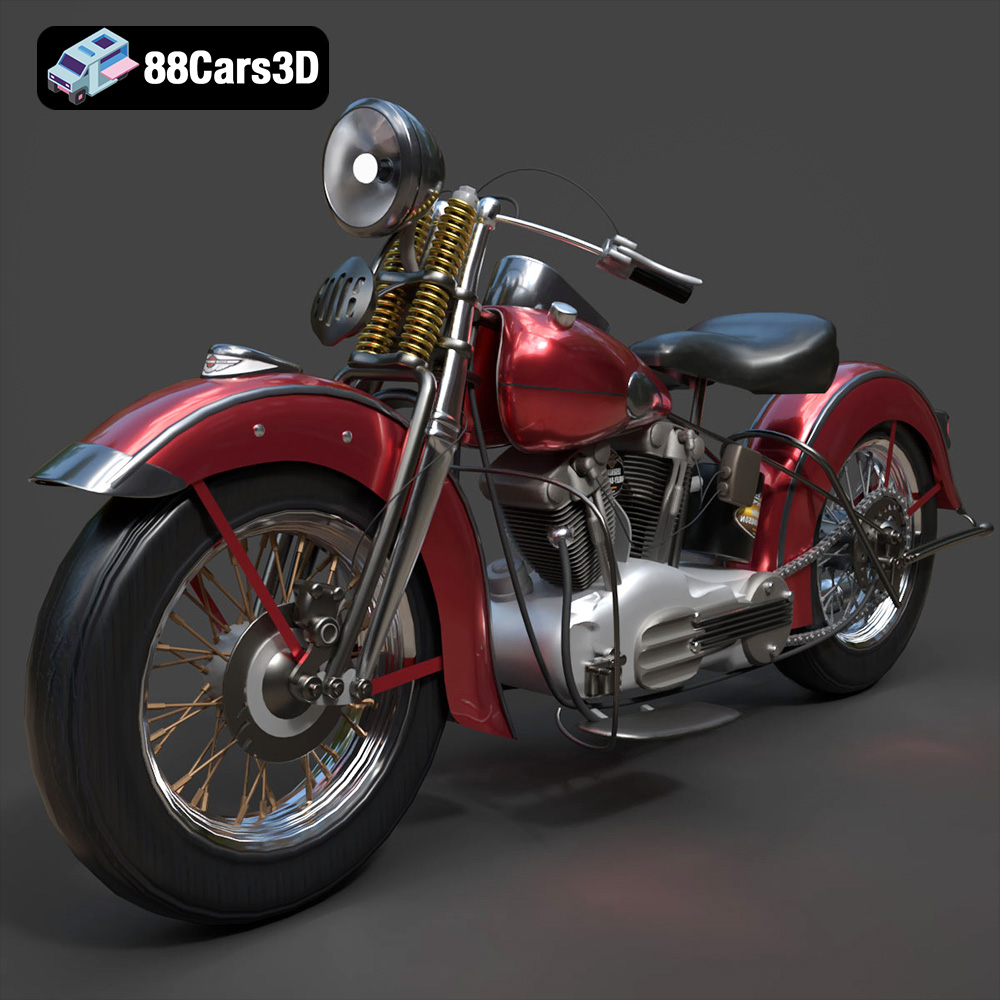
Texture: Yes
Material: Yes
Download the Harley Davidson F 1946 3D Model featuring clean geometry, realistic detailing, and a fully modeled interior. Includes .blend, .fbx, .obj, .glb, .stl, .ply, .unreal, and .max formats for rendering, simulation, and game development.
Price: $19.99
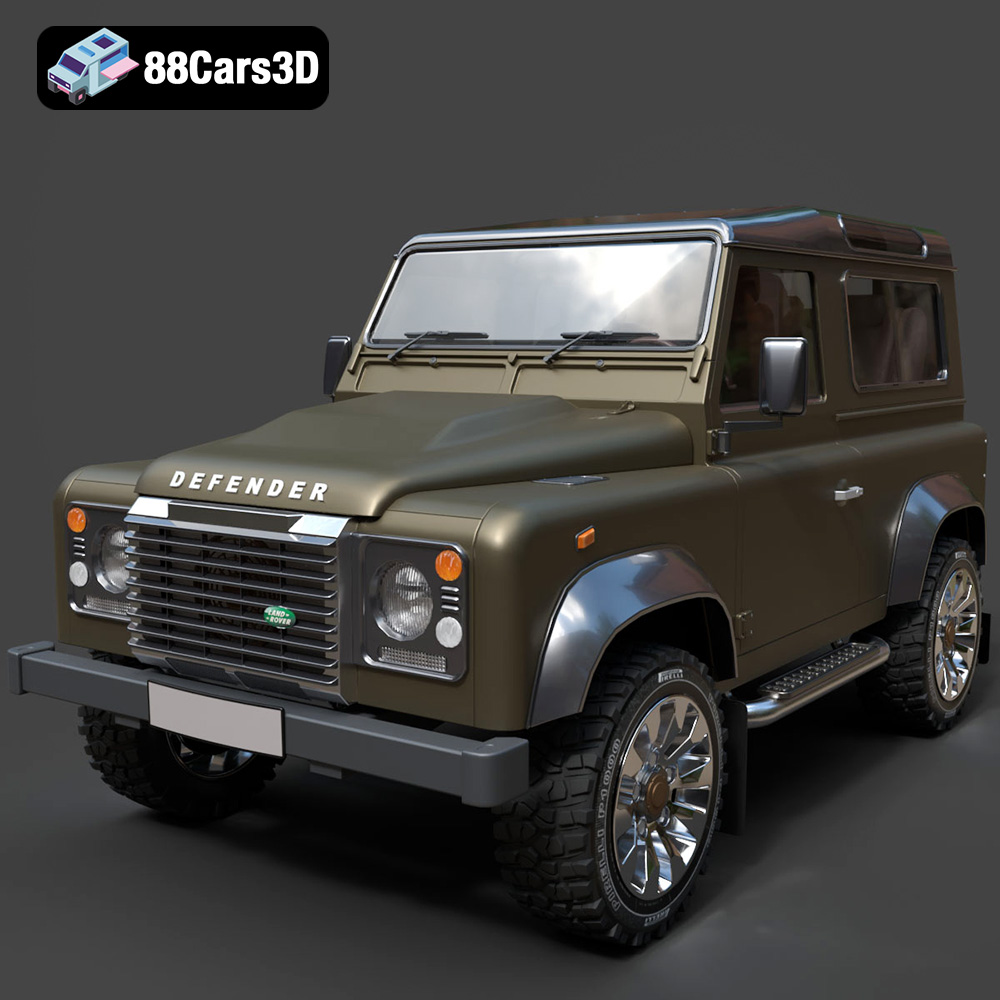
Texture: Yes
Material: Yes
Download the Land Rover Defender Works V8 3D Model featuring clean geometry, realistic detailing, and a fully modeled interior. Includes .blend, .fbx, .obj, .glb, .stl, .ply, .unreal, and .max formats for rendering, simulation, and game development.
Price: $19.99
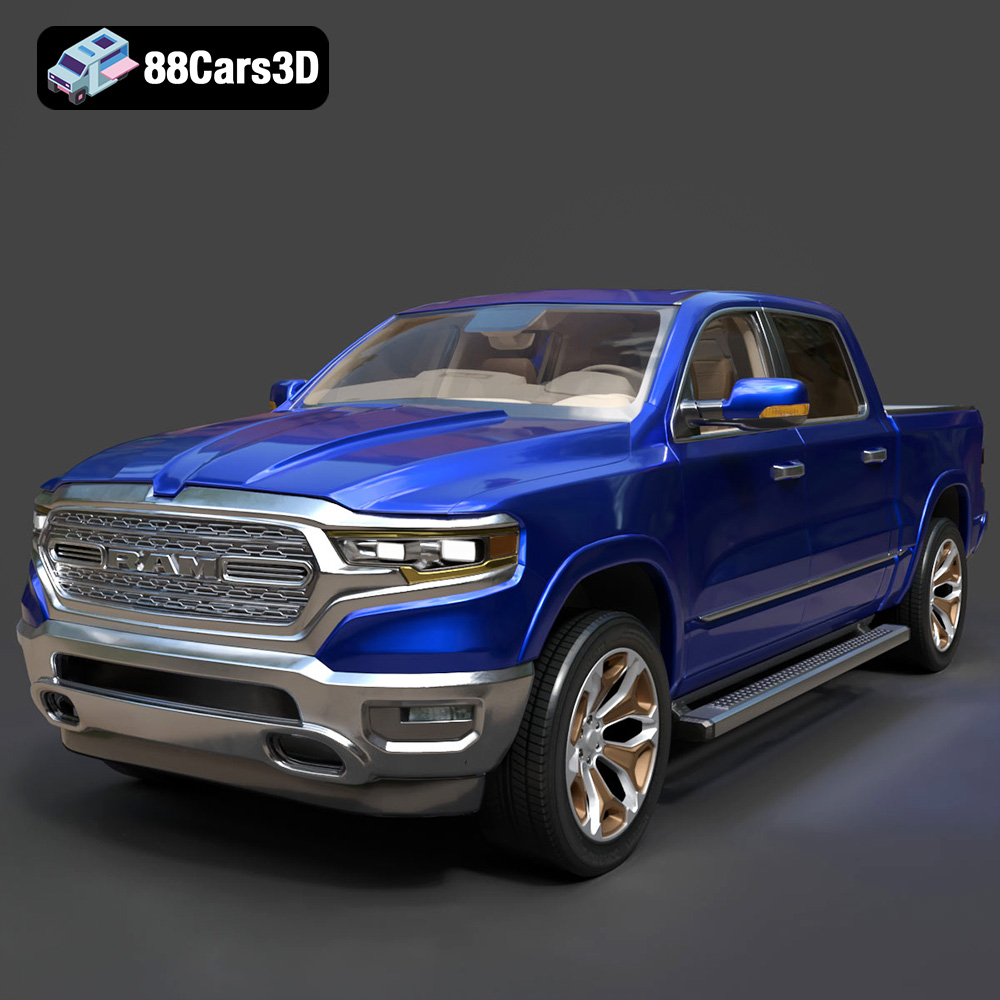
Texture: Yes
Material: Yes
Download the Dodge RAM 2019 3D Model featuring clean geometry, realistic detailing, and a fully modeled interior. Includes .blend, .fbx, .obj, .glb, .stl, .ply, .unreal, and .max formats for rendering, simulation, and game development.
Price: $19.99
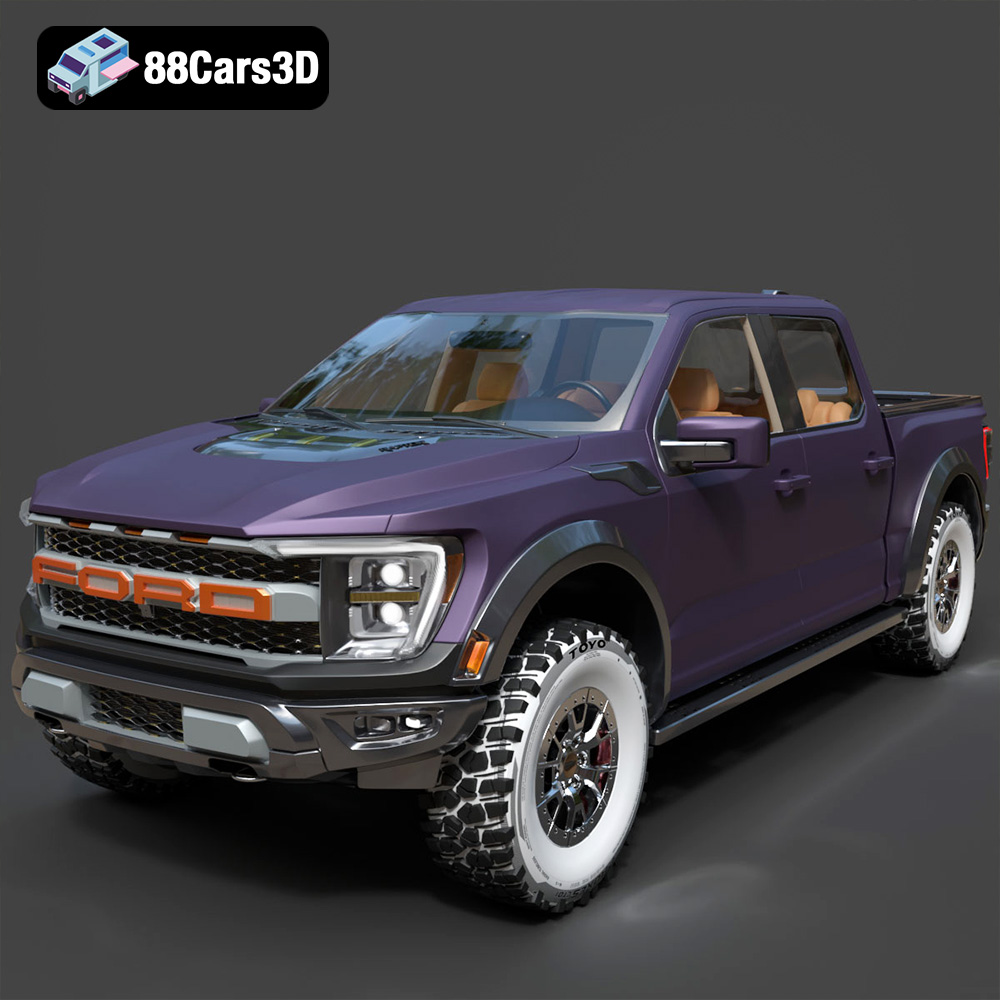
Texture: Yes | Material: Yes Download the ultra-high-detail Ford F-150 Raptor 2021 3D Model (8.73M Triangles). Features uncompromised widebody styling, fully modeled Fox Live Valve suspension, 37-inch tires, and interior. Perfect for premium VFX, cinematic rendering, and ArchViz. Includes .blend, .fbx, .obj, .glb, .stl, and .max formats.
Price: $29.99
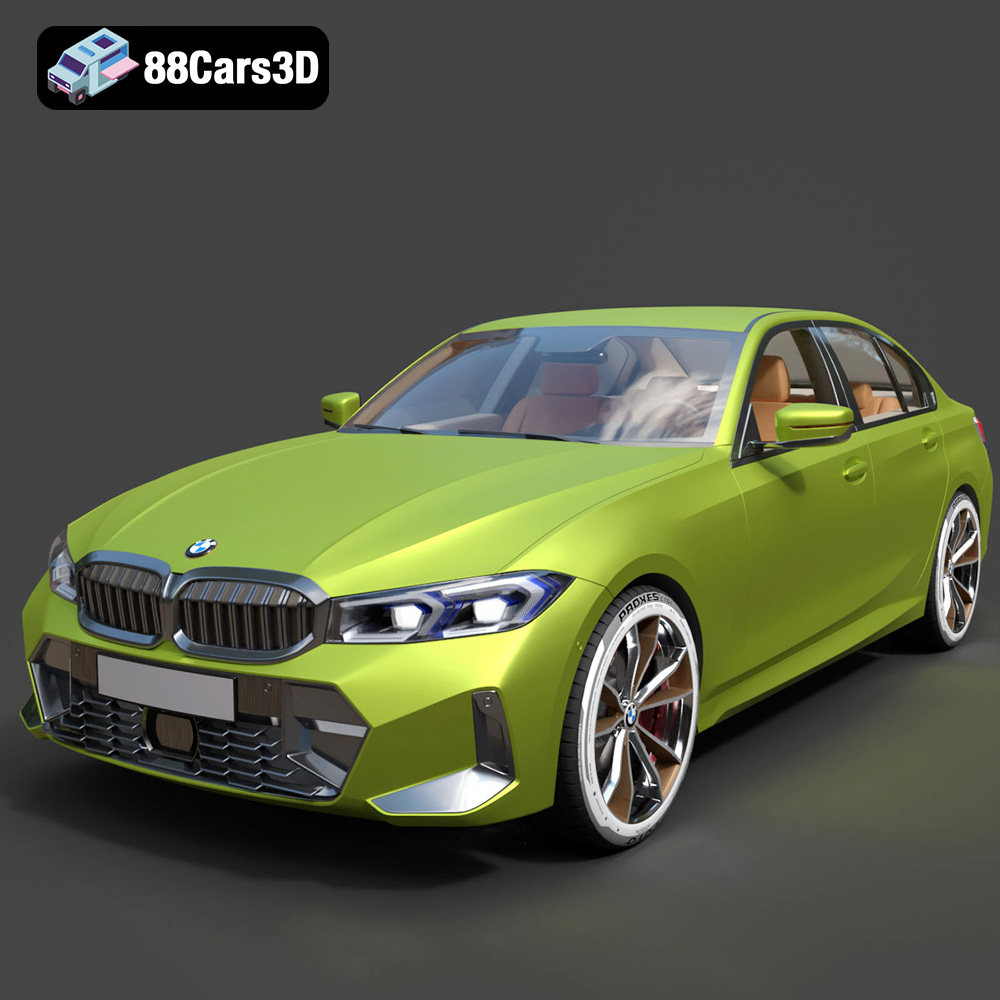
Texture: Yes | Material: Yes Download the ultra-high-detail BMW 3 Series Limousine (2022) 3D Model (4.16M Triangles). Features the modernized G20 LCI exterior, the all-new BMW Curved Display interior, and ultra-dense topology. Perfect for ArchViz, VFX, and cinematic rendering. Includes .blend, .fbx, .obj, .glb, .stl, and .max formats.
Price: $19.99
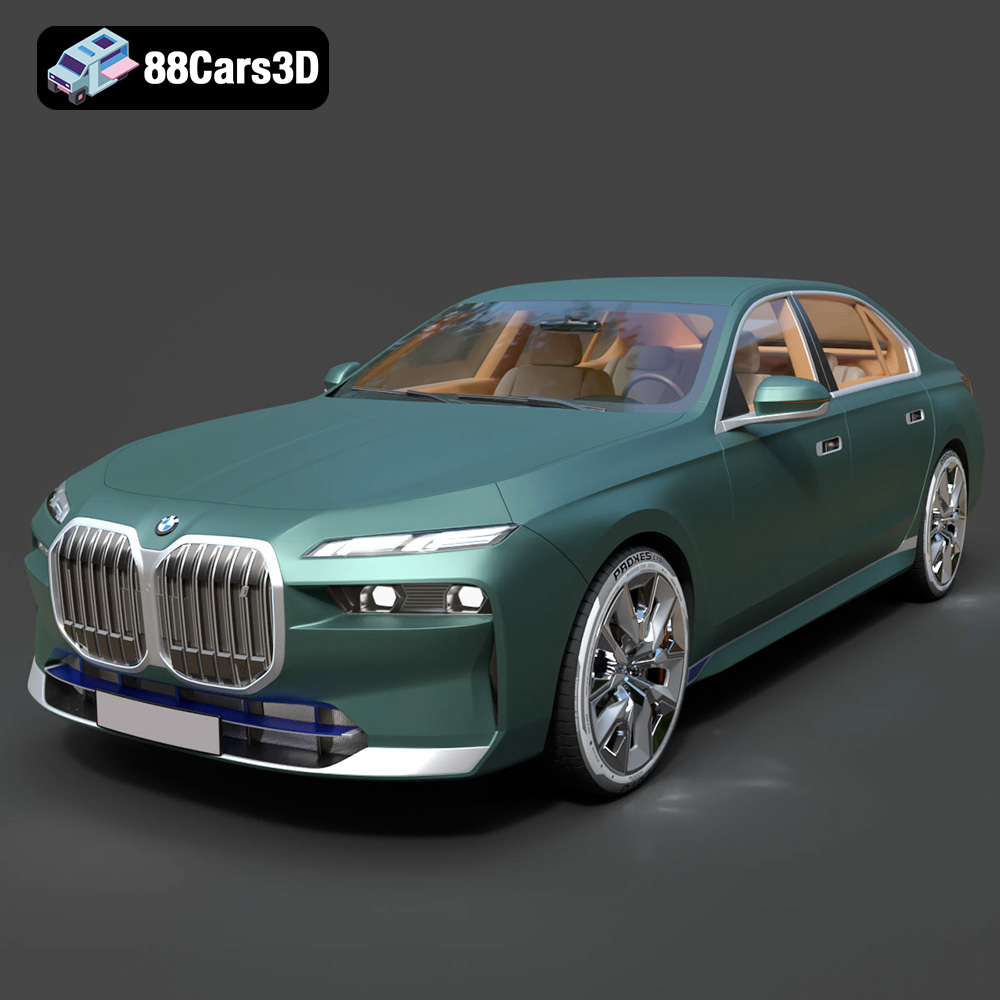
Texture: Yes | Material: Yes Download the ultra-high-detail BMW i7 (2023) 3D Model (4.14M Triangles). Features the illuminated kidney grille, split crystal headlights, fully modeled Theatre Screen interior, and monolithic luxury styling. Perfect for ArchViz, VFX, and cinematic rendering. Includes .blend, .fbx, .obj, .glb, .stl, and .max formats.
Price: $19.99
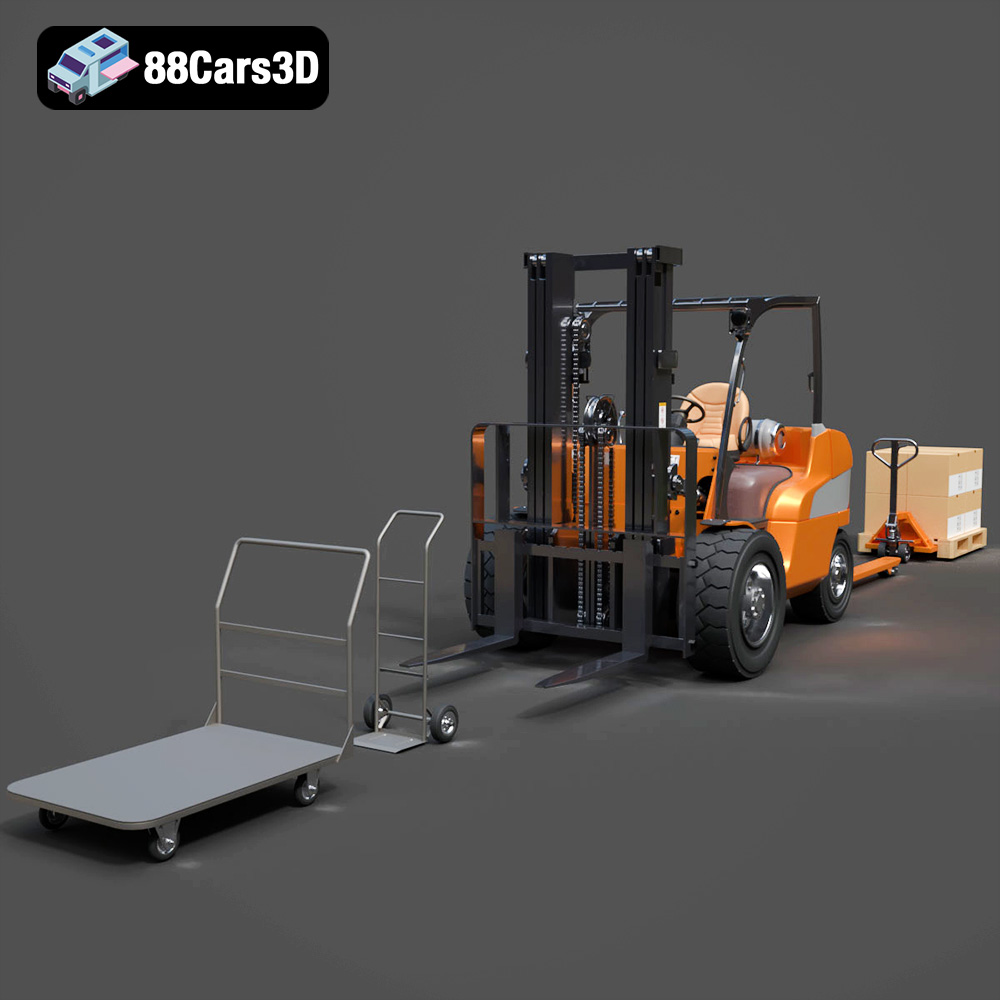
Texture: Yes | Material: Yes Download the highly detailed CAT Manual Loader & Warehouse Carts Kit 3D Model (2.4M Triangles). Features a macro-detailed hydraulic pallet jack, heavy-duty forks, and transport carts. Perfect for industrial ArchViz, factory rendering, and logistics simulations. Includes .blend, .fbx, .obj, .glb, .stl, and .max formats.
Price: $19.99
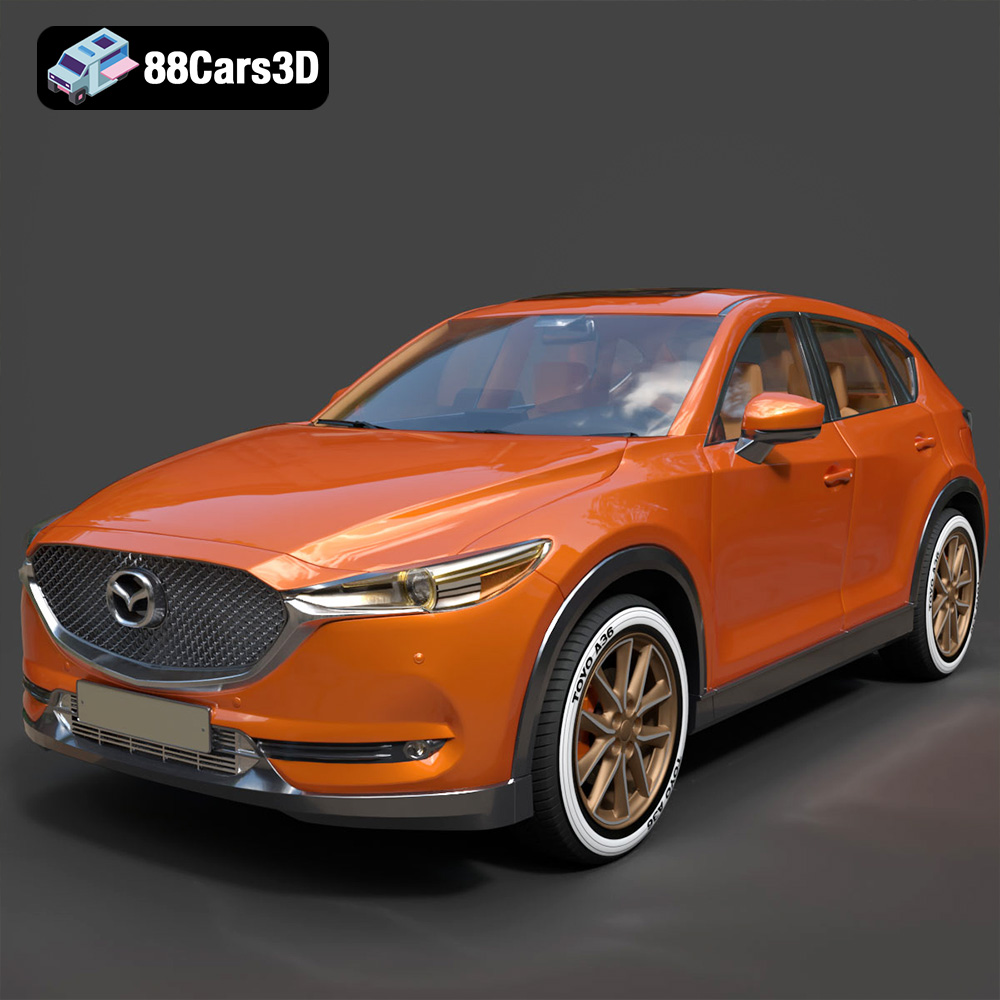
Texture: Yes | Material: Yes
Download the highly optimized Mazda CX-5 2014 3D Model (294k Triangles). Features the dynamic Kodo design language, signature grille, and a clean interior. Perfectly balanced for ArchViz, background traffic, and game development. Includes .blend, .fbx, .obj, .glb, .stl, and .max formats.
Price: $19.99
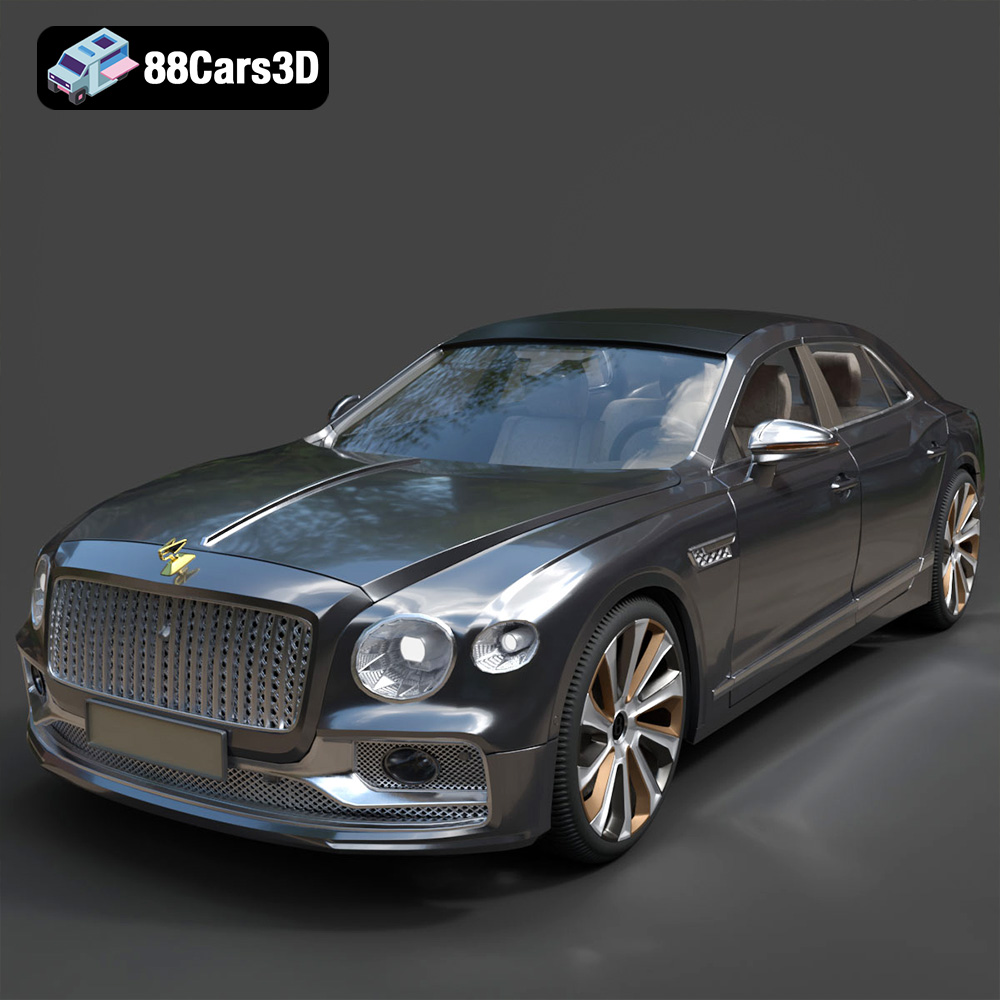
Texture: Yes | Material: Yes Download the ultra-high-detail Bentley Flying Spur Mulliner 2022 3D Model (2.94M Triangles). Features the bespoke Double Diamond grille, a fully modeled diamond-quilted interior, and exquisite luxury styling. Perfect for high-end ArchViz, VFX, and cinematic rendering. Includes .blend, .fbx, .obj, .glb, .stl, and .max formats.
Price: $19.90
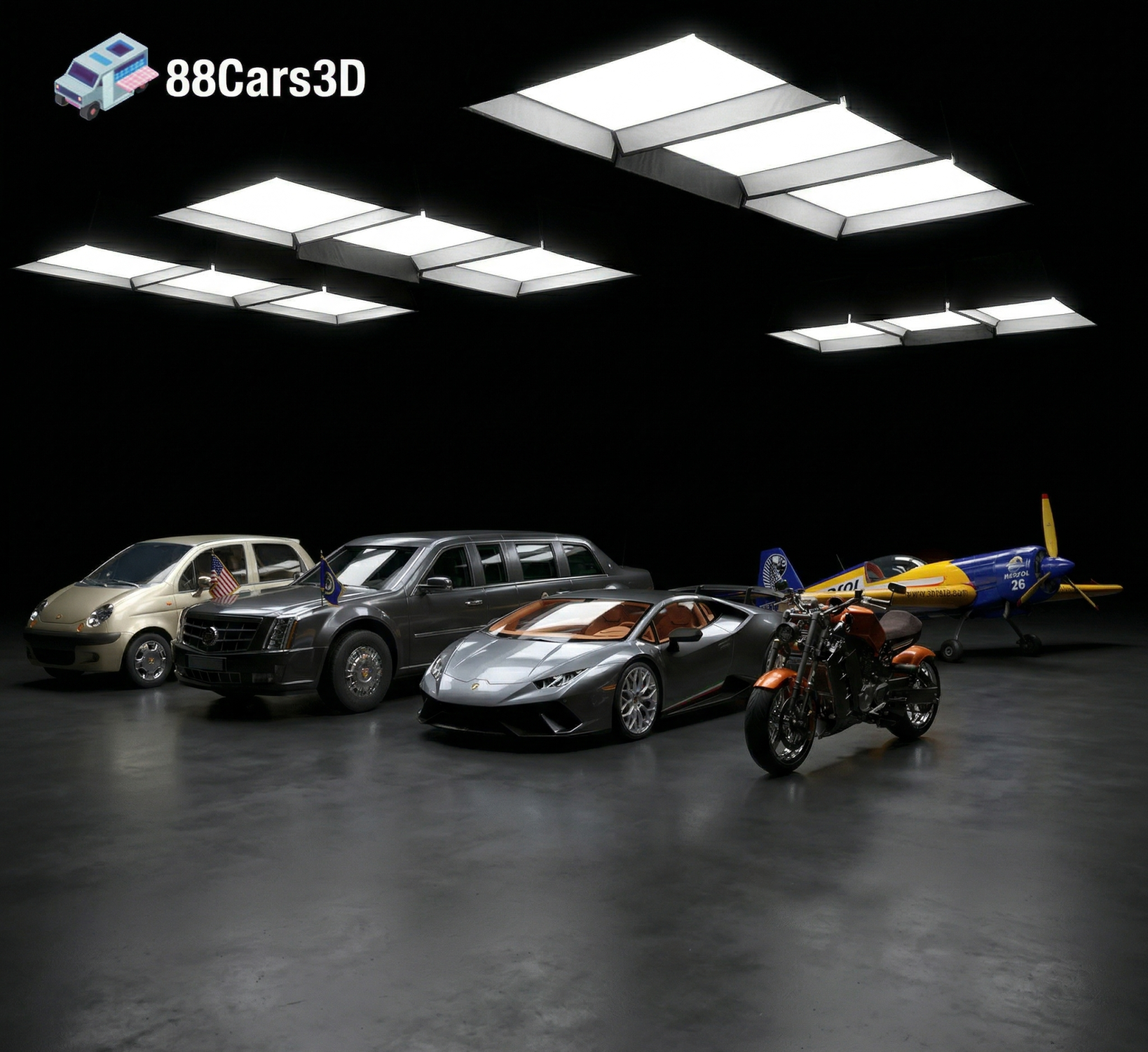
Texture: Yes | Material: Yes | 3D Printable: Yes. Download the Ultimate Creators’ Showcase featuring 5 premium 3D models: Lamborghini Huracan, ZAV Concept Motorcycle, Sukhoi SU-26, Presidential Limousine, and Daewoo Damas. Optimized for 4K CGI rendering and 3D printing. Save massive with this exclusive multi-category bundle!
Price: $99.99

