Get 50% OFF All Premium 3D & STL Models!

“`html
Unreal Engine is a powerhouse for creating stunning visuals, interactive experiences, and high-fidelity simulations. Whether you’re aiming to build the next blockbuster game, design a photorealistic automotive visualization, or develop a cutting-edge AR/VR application, Unreal Engine provides the tools you need. This comprehensive guide will walk you through the fundamental steps to get started with Unreal Engine, focusing on practical workflows and best practices, especially for projects utilizing high-quality 3D car models. We’ll cover everything from setting up your project to importing assets, creating materials, and implementing basic interactivity. By the end of this tutorial, you’ll have a solid foundation to build upon and explore the vast capabilities of Unreal Engine.
The first step to any Unreal Engine project is setting up the environment. This includes installing the engine, creating a new project, and configuring basic settings for optimal performance. Choosing the right project template is crucial, especially if you’re planning to use pre-made assets like 3D car models. Refer to the official Unreal Engine documentation at https://dev.epicgames.com/community/unreal-engine/learning for detailed explanations of all engine features.
To install Unreal Engine, you’ll first need to download and install the Epic Games Launcher. This is your central hub for accessing Unreal Engine versions, managing projects, and exploring the Epic Games Marketplace. Once the launcher is installed, navigate to the “Unreal Engine” tab and choose the latest stable version to install. Be mindful of the engine requirements and ensure your system meets the specifications for optimal performance. Solid-state drives (SSDs) are highly recommended for fast loading times.
After installation, launch the Unreal Engine and create a new project. You’ll be presented with several templates, including “Games,” “Film, Television & Live Events,” and “Architecture, Engineering & Construction.” For automotive visualization or game development, the “Games” template is often a good starting point. You can choose from various sub-templates like “Blank,” “Third Person,” or “First Person,” depending on your desired project structure. Name your project appropriately and select a location to save it. Enabling “Starter Content” can provide a useful set of basic assets to experiment with.
Once the project is created, it’s important to configure the project settings for optimal performance and visual quality. Navigate to “Edit” -> “Project Settings” to access a wide range of customizable options. Pay particular attention to the “Rendering” settings. Adjust scalability settings to match your target hardware. For high-end visualizations, you can increase the settings, but for game development or AR/VR applications, you may need to lower them to maintain a smooth frame rate. Consider enabling features like “Virtual Shadow Maps” or “Nanite” if your hardware supports them and your assets are optimized accordingly.
Importing high-quality 3D car models is a critical step for any automotive-related Unreal Engine project. However, simply importing a model without proper optimization can lead to performance issues. This section will cover the best practices for importing, optimizing, and preparing your 3D car models for real-time rendering. Platforms like 88cars3d.com offer optimized models for Unreal Engine, but even those may require some adjustments based on your specific needs.
The FBX file format is the most common and versatile for importing 3D models into Unreal Engine. To import an FBX file, simply drag and drop it into the Content Browser or use the “Import” button. During the import process, you’ll have several options to configure, including:
Adjust these settings based on your specific model and project requirements.
High-poly models can significantly impact performance. It’s crucial to optimize the polygon count without sacrificing visual quality. One effective technique is to use Level of Detail (LOD) models. LODs are lower-resolution versions of the same model that are automatically displayed when the object is further away from the camera. Unreal Engine provides tools to automatically generate LODs or you can create them manually in a 3D modeling software. Aim to reduce the polygon count by 50-75% with each LOD level. When sourcing automotive assets from marketplaces such as 88cars3d.com, check if LODs are included.
Unreal Engine’s Nanite virtualized geometry system allows you to import film-quality models with millions or even billions of polygons without significant performance penalties. To enable Nanite, simply open the static mesh asset and enable the “Enable Nanite Support” option in the details panel. Nanite automatically handles the complexity and renders only the visible details. However, Nanite is not suitable for all types of geometry, particularly animated or deforming meshes. Careful consideration is needed when deciding whether to use Nanite. Performance is drastically improved for dense geometry, but can be decreased for simpler models.
Physically Based Rendering (PBR) is a shading model that simulates how light interacts with real-world materials. Creating realistic PBR materials is essential for achieving photorealistic automotive visualizations in Unreal Engine. The Material Editor provides a node-based interface for building complex materials.
PBR materials typically require several input textures:
Properly utilizing these textures is key to achieving realistic material properties. Good quality textures are essential for realistic rendering. A 4K texture provides more detail than a 1k texture. However, increasing the size of your textures, also increases the amount of Memory your scene requires.
To create a new material, right-click in the Content Browser and select “Material.” Open the material editor and start building your material graph. Drag your textures into the editor and connect them to the corresponding material inputs. Use the “Material Expression” nodes to perform calculations and modifications on the textures. For example, you can use the “Multiply” node to adjust the intensity of the roughness texture or the “Power” node to control the specular highlight. Experiment with different node combinations to achieve the desired look. You can often copy materials from the starter content, and modify these as a starting point.
Car paint materials require special attention to detail. One common technique is to use a layered material approach. Create a base material for the underlying paint and then add a clear coat layer on top. The clear coat layer should have a high specular value and a slight roughness to simulate the glossy finish. You can also add flakes or metallic particles to the base paint material for a more realistic effect. Utilize a fresnel node to increase reflectivity at glancing angles, simulating the way light reflects off car paint in reality.
Lighting is crucial for creating realistic and visually appealing scenes in Unreal Engine. Unreal Engine offers a powerful suite of lighting tools, including Lumen, a fully dynamic global illumination and reflections system, as well as traditional lighting methods like static and stationary lights.
Lumen provides dynamic global illumination and reflections without the need for precomputed lightmaps. This allows for real-time changes to lighting and materials without baking. To enable Lumen, go to “Project Settings” -> “Rendering” and set the “Global Illumination” and “Reflections” methods to “Lumen.” Lumen is excellent for interiors and scenes with dynamic lighting, but requires modern GPUs for optimal performance. Adjust the Lumen settings (such as “Final Gather Quality”) to balance visual quality and performance. Lumen’s performance can be heavily influenced by scene complexity and screen resolution.
Traditional lighting methods, such as static and stationary lights, are still valuable, especially for simpler scenes or when targeting lower-end hardware. Static lights are baked into lightmaps, providing excellent performance but no dynamic lighting. Stationary lights provide dynamic shadows but require lightmaps for indirect lighting. Directional lights, point lights, and spotlights can be used to create various lighting effects. Experiment with different light types and settings to achieve the desired look.
Lighting can be one of the most performance-intensive aspects of a real-time scene. Here are some tips for optimizing lighting:
Careful lighting optimization is essential for achieving a smooth frame rate, especially in complex scenes with multiple 3D car models.
Blueprint is Unreal Engine’s visual scripting system, allowing you to create complex interactions and behaviors without writing code. This section will cover the basics of Blueprint and how to use it to create interactive automotive experiences, such as opening doors, changing car colors, or triggering animations.
Blueprints are visual representations of code, using nodes and connections to define logic. A Blueprint is an asset that you can add to your scene. Blueprints consist of two main components: the “Event Graph” and the “Components.” The Event Graph is where you define the logic of your Blueprint using nodes. Components are objects that are attached to the Blueprint, such as static meshes, lights, and cameras. Learn the basic nodes to make the creation process smooth.
Familiarize yourself with these basic nodes and explore the wide range of available nodes to create complex behaviors.
One common application of Blueprint in automotive visualization is creating an interactive configurator. This allows users to customize the car’s appearance in real-time. For example, you can create a Blueprint that allows users to change the car’s color by clicking on different color swatches. You can achieve this by using the “Set Material” node to change the material of the car’s body. You can also add options to change the wheels, interior, or add accessories.
Blueprint can be used to add various interactive elements to your scene. For example, you can create a Blueprint that allows users to open the car doors by pressing a key. This involves using the “AddActorLocalRotation” node to rotate the door mesh. You can also add animations for opening the doors, using the “Timeline” node to create a smooth transition over time. Consider using trigger volumes to activate interactions when the player is near the car. Physics simulations can also be integrated using blueprints.
Performance optimization is essential for any real-time application, especially when working with complex 3D scenes. This section will focus on Level of Detail (LOD) management and other optimization techniques to ensure smooth frame rates in your Unreal Engine projects, specifically when using high-fidelity 3D car models.
Unreal Engine can automatically generate LODs for your static meshes. To enable automatic LOD generation, open the static mesh asset and go to the “LOD Settings” section. Set the “Number of LODs” to the desired number of levels. Unreal Engine will automatically generate the LODs based on the simplification settings. You can adjust the “Reduction Settings” to control the quality of the LODs. Experiment with different settings to find the best balance between visual quality and performance. When importing models, consider the target platform (PC, Console, Mobile), and consider if you need to have different LOD levels for each.
Occlusion culling is a technique that prevents objects that are hidden behind other objects from being rendered. This can significantly improve performance, especially in complex scenes. Unreal Engine provides built-in occlusion culling features. Ensure that your static meshes are properly set up for occlusion culling. Using properly created collision objects can help with occlusion culling.
Unreal Engine provides a suite of profiling and optimization tools to help you identify and resolve performance bottlenecks. The “Stat Unit” command displays frame time information. The “ProfileGPU” command captures GPU performance data. Use these tools to identify areas where your scene is underperforming and optimize accordingly. Consider using the Unreal Insights tool for detailed performance analysis. Optimize material complexity, shadow settings, and post-processing effects to improve performance.
This tutorial provided a comprehensive introduction to getting started with Unreal Engine, focusing on workflows relevant to automotive visualization and projects utilizing 3D car models. We covered project setup, asset importing, material creation, lighting, Blueprint scripting, and optimization techniques. By understanding these fundamentals, you’re well-equipped to create stunning and interactive automotive experiences. Remember that continuous learning and experimentation are key to mastering Unreal Engine. Explore the official documentation, experiment with different techniques, and leverage the vast community resources available. Platforms like 88cars3d.com can accelerate your workflow by providing high-quality, optimized assets. As a next step, consider exploring advanced topics such as virtual production workflows, physics simulations for vehicle dynamics, or creating AR/VR experiences. Start experimenting, and keep learning. The possibilities are endless!
“`
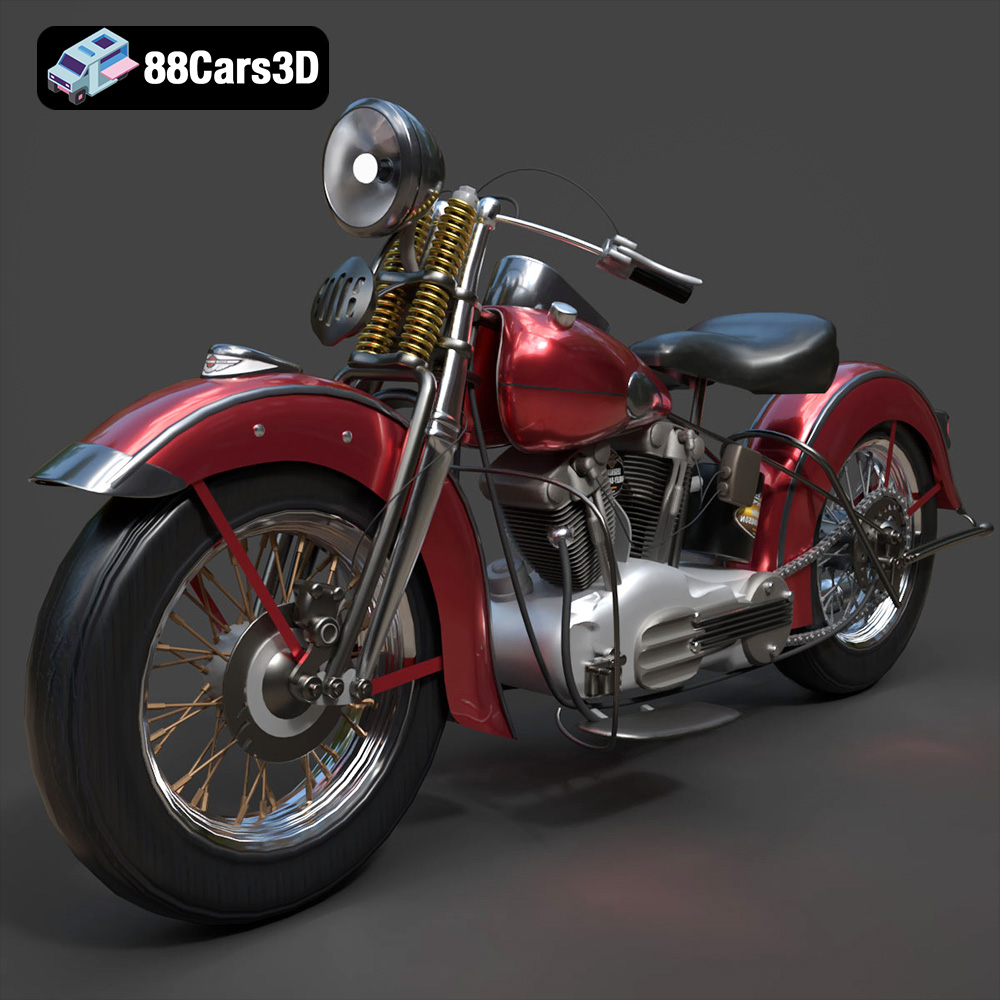
Texture: Yes
Material: Yes
Download the Harley Davidson F 1946 3D Model featuring clean geometry, realistic detailing, and a fully modeled interior. Includes .blend, .fbx, .obj, .glb, .stl, .ply, .unreal, and .max formats for rendering, simulation, and game development.
Price: $19.99
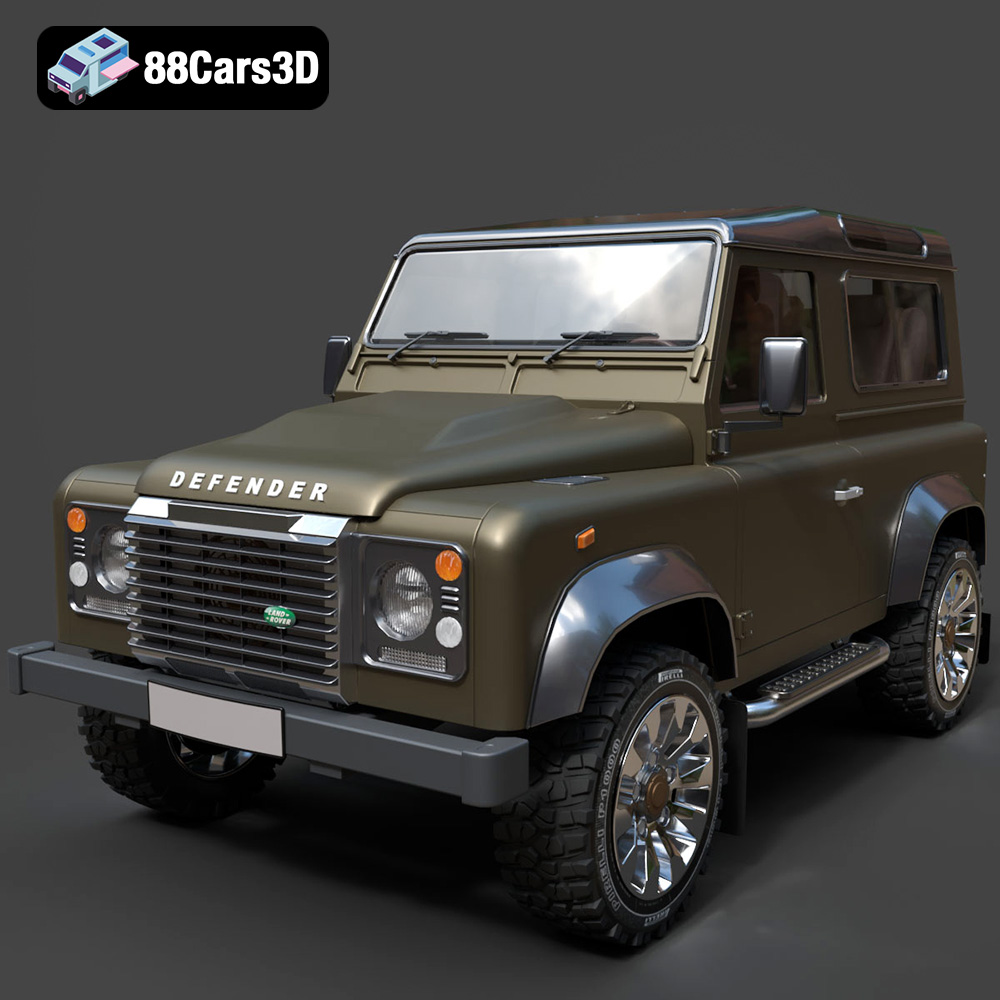
Texture: Yes
Material: Yes
Download the Land Rover Defender Works V8 3D Model featuring clean geometry, realistic detailing, and a fully modeled interior. Includes .blend, .fbx, .obj, .glb, .stl, .ply, .unreal, and .max formats for rendering, simulation, and game development.
Price: $19.99
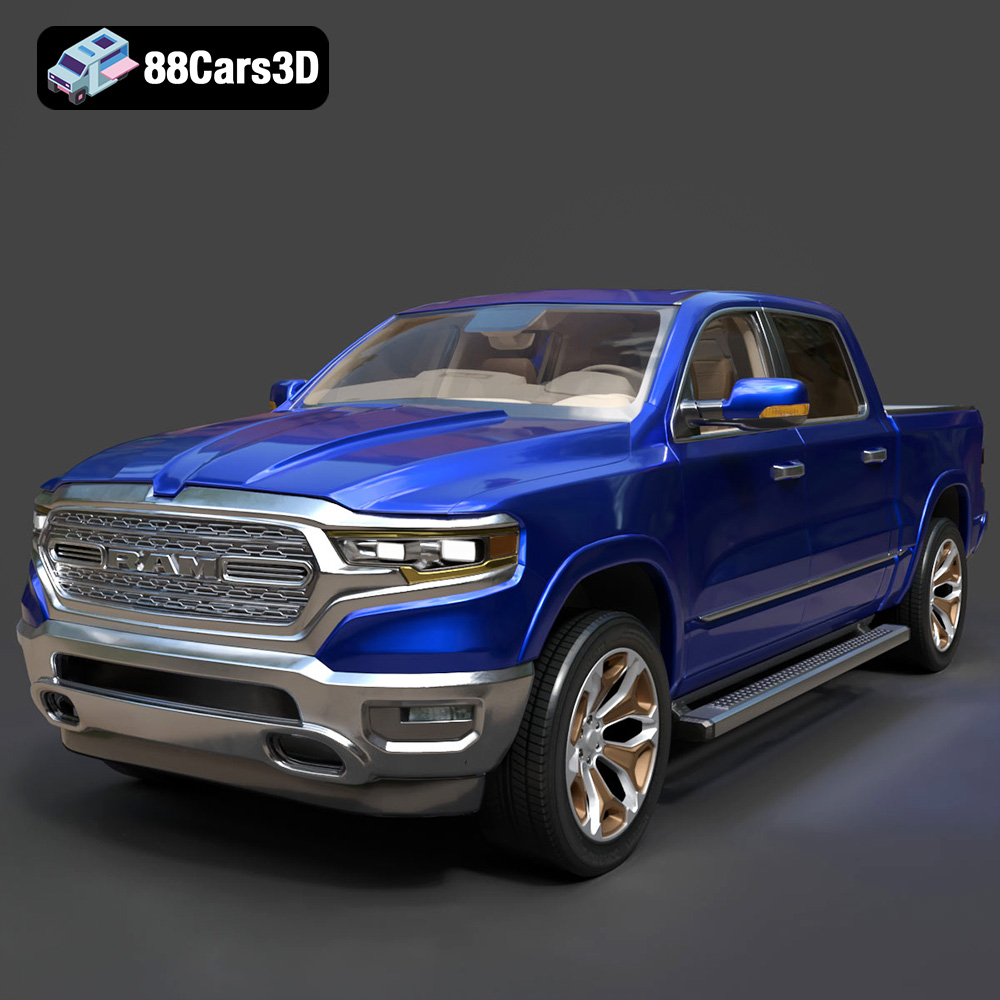
Texture: Yes
Material: Yes
Download the Dodge RAM 2019 3D Model featuring clean geometry, realistic detailing, and a fully modeled interior. Includes .blend, .fbx, .obj, .glb, .stl, .ply, .unreal, and .max formats for rendering, simulation, and game development.
Price: $19.99
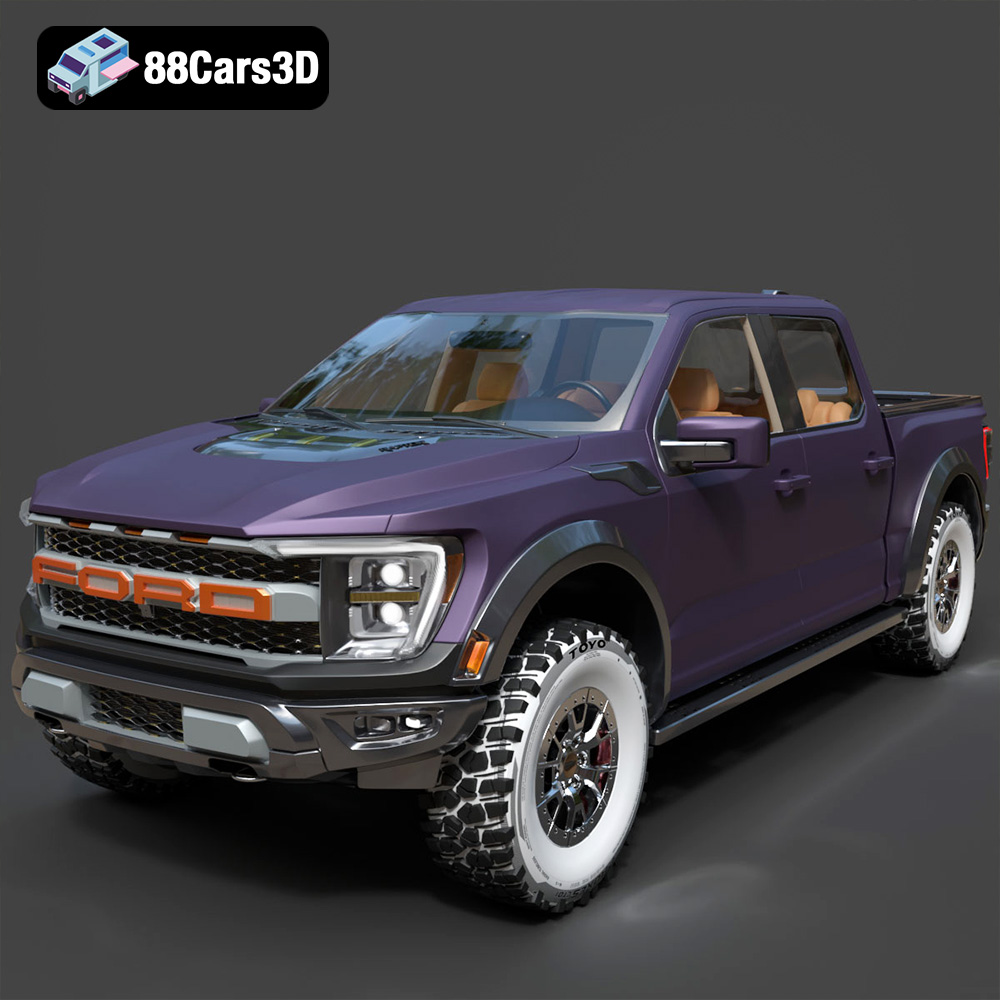
Texture: Yes | Material: Yes Download the ultra-high-detail Ford F-150 Raptor 2021 3D Model (8.73M Triangles). Features uncompromised widebody styling, fully modeled Fox Live Valve suspension, 37-inch tires, and interior. Perfect for premium VFX, cinematic rendering, and ArchViz. Includes .blend, .fbx, .obj, .glb, .stl, and .max formats.
Price: $29.99
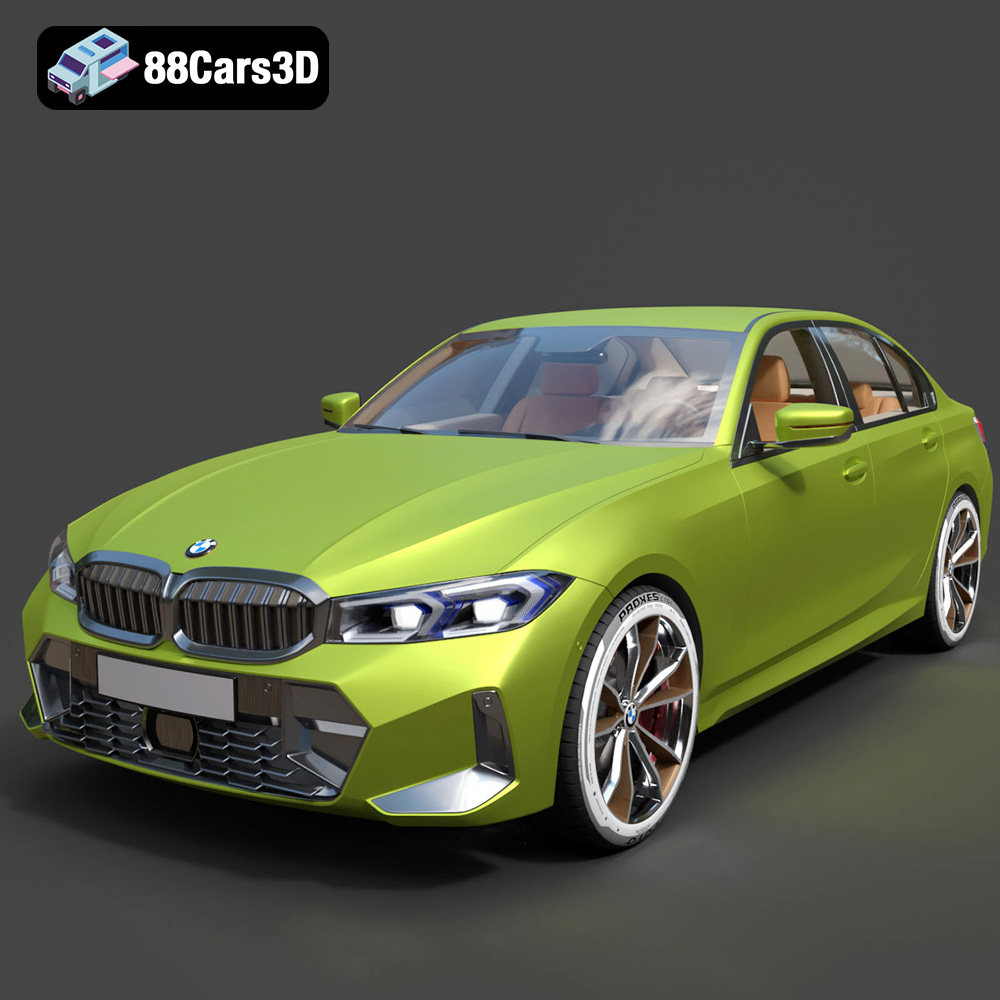
Texture: Yes | Material: Yes Download the ultra-high-detail BMW 3 Series Limousine (2022) 3D Model (4.16M Triangles). Features the modernized G20 LCI exterior, the all-new BMW Curved Display interior, and ultra-dense topology. Perfect for ArchViz, VFX, and cinematic rendering. Includes .blend, .fbx, .obj, .glb, .stl, and .max formats.
Price: $19.99
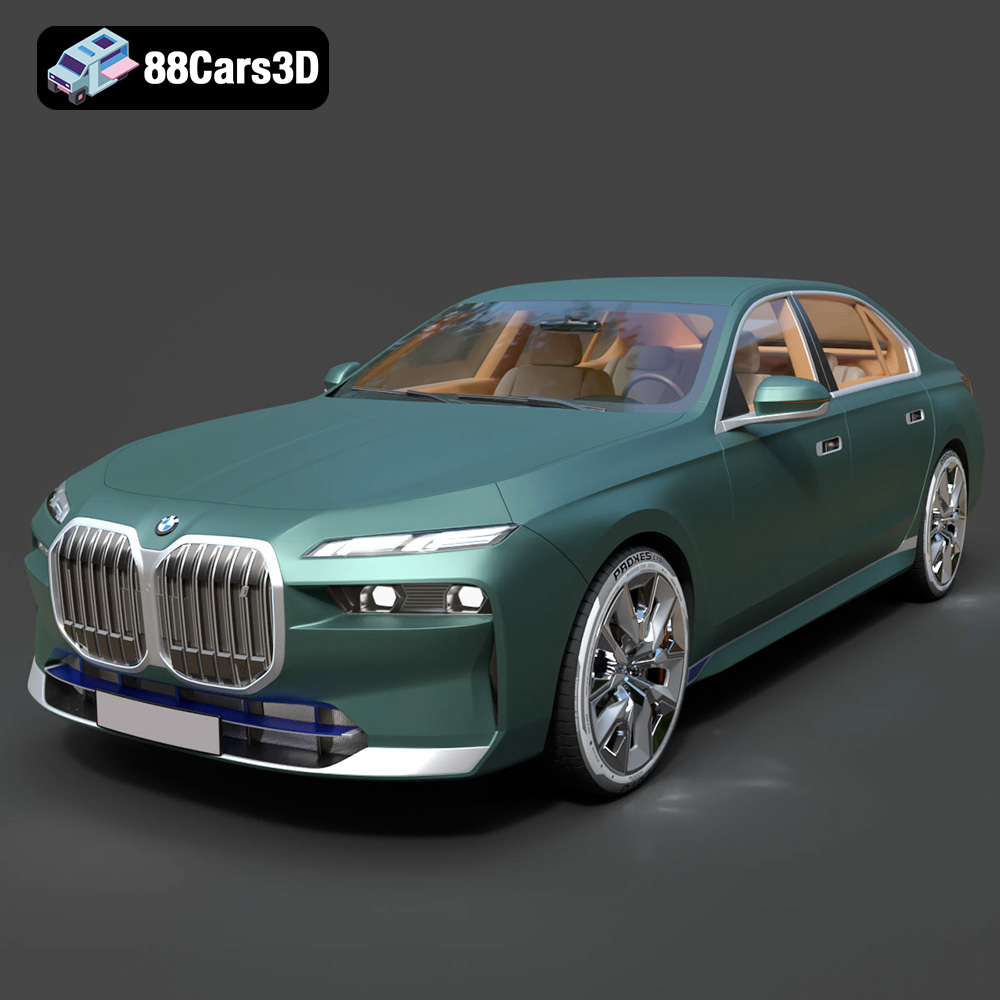
Texture: Yes | Material: Yes Download the ultra-high-detail BMW i7 (2023) 3D Model (4.14M Triangles). Features the illuminated kidney grille, split crystal headlights, fully modeled Theatre Screen interior, and monolithic luxury styling. Perfect for ArchViz, VFX, and cinematic rendering. Includes .blend, .fbx, .obj, .glb, .stl, and .max formats.
Price: $19.99
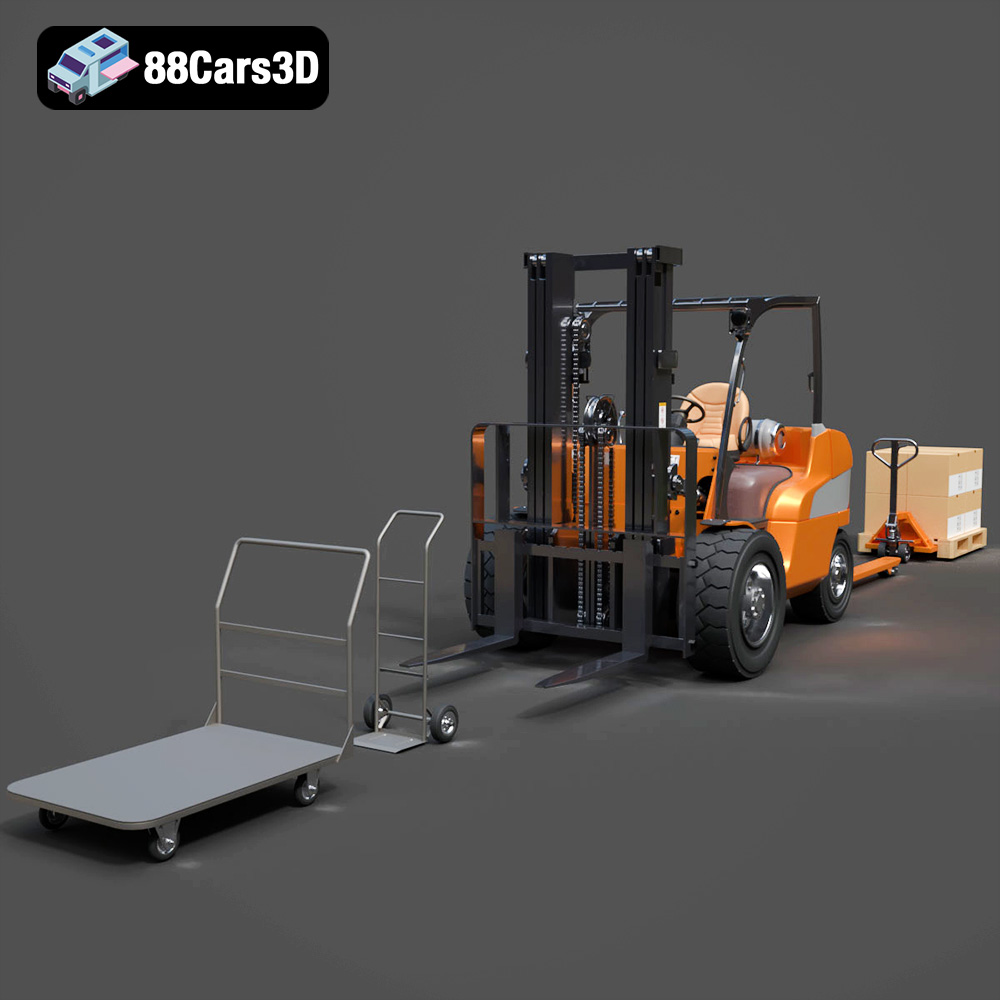
Texture: Yes | Material: Yes Download the highly detailed CAT Manual Loader & Warehouse Carts Kit 3D Model (2.4M Triangles). Features a macro-detailed hydraulic pallet jack, heavy-duty forks, and transport carts. Perfect for industrial ArchViz, factory rendering, and logistics simulations. Includes .blend, .fbx, .obj, .glb, .stl, and .max formats.
Price: $19.99
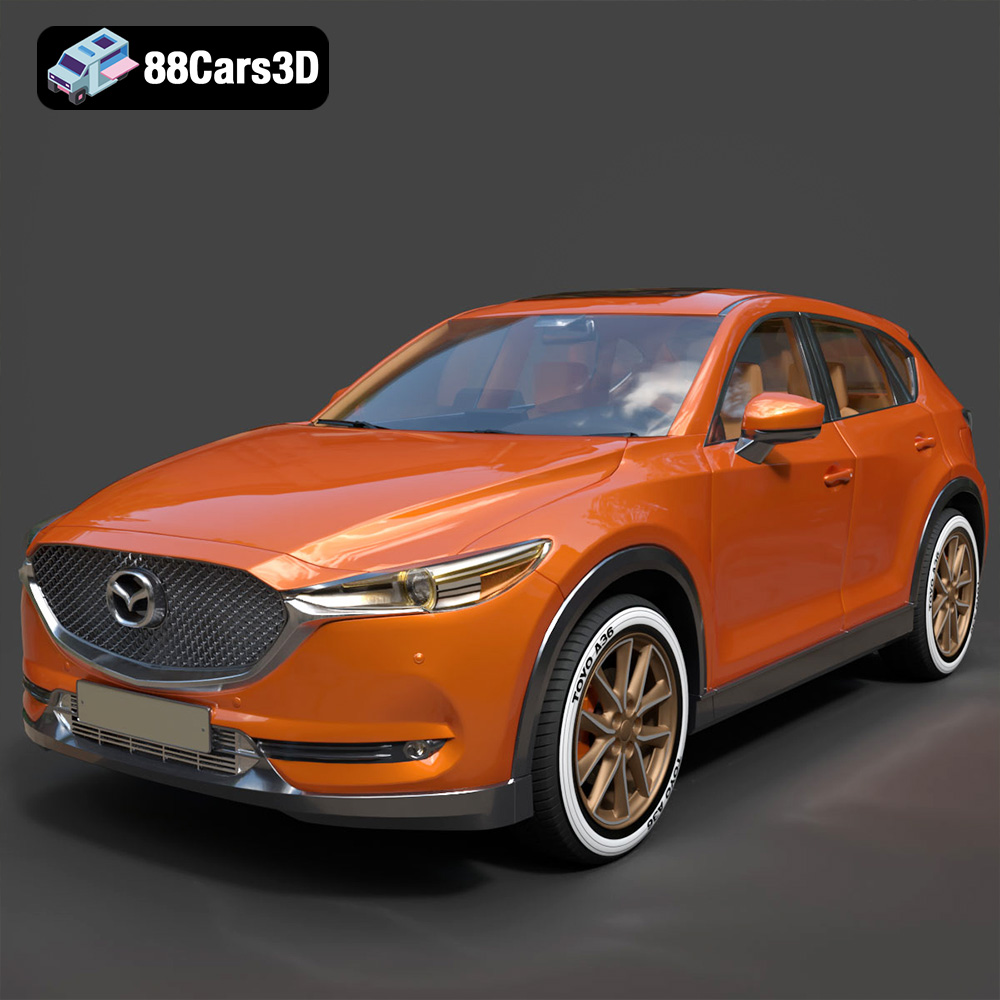
Texture: Yes | Material: Yes
Download the highly optimized Mazda CX-5 2014 3D Model (294k Triangles). Features the dynamic Kodo design language, signature grille, and a clean interior. Perfectly balanced for ArchViz, background traffic, and game development. Includes .blend, .fbx, .obj, .glb, .stl, and .max formats.
Price: $19.99
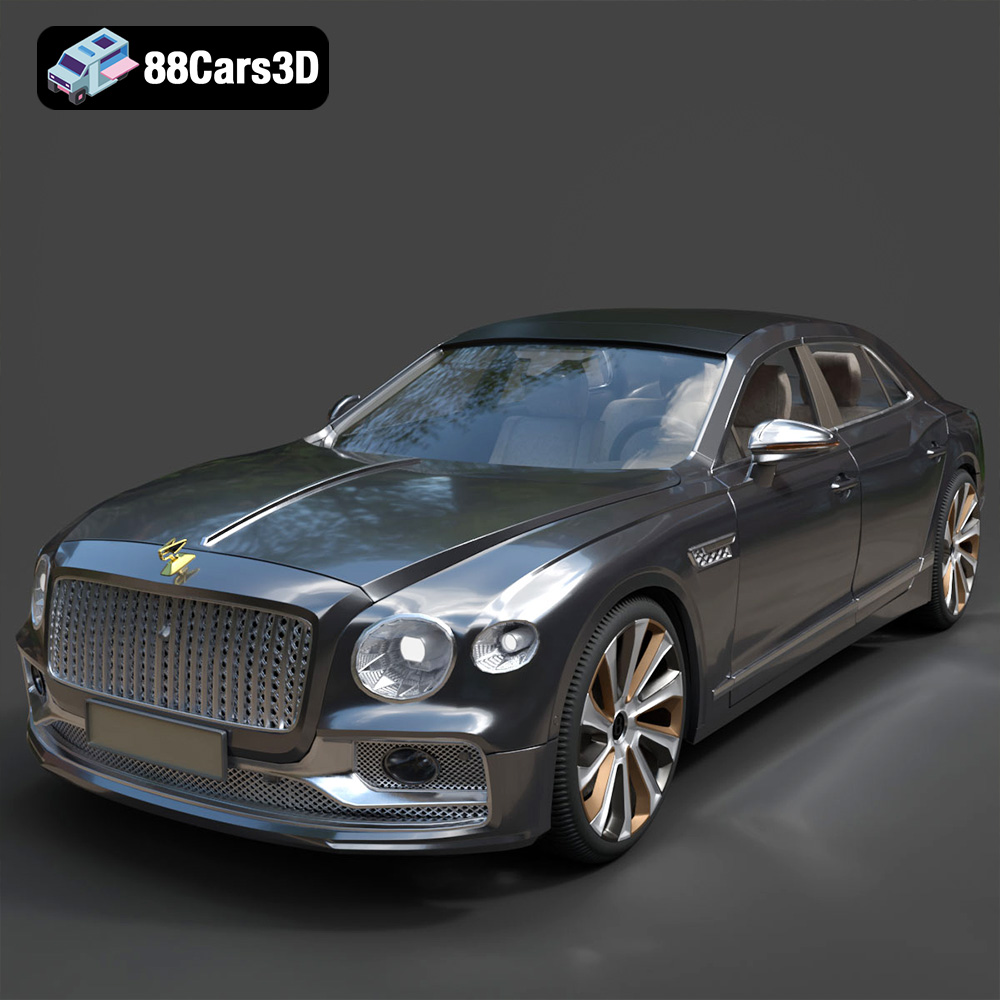
Texture: Yes | Material: Yes Download the ultra-high-detail Bentley Flying Spur Mulliner 2022 3D Model (2.94M Triangles). Features the bespoke Double Diamond grille, a fully modeled diamond-quilted interior, and exquisite luxury styling. Perfect for high-end ArchViz, VFX, and cinematic rendering. Includes .blend, .fbx, .obj, .glb, .stl, and .max formats.
Price: $19.90
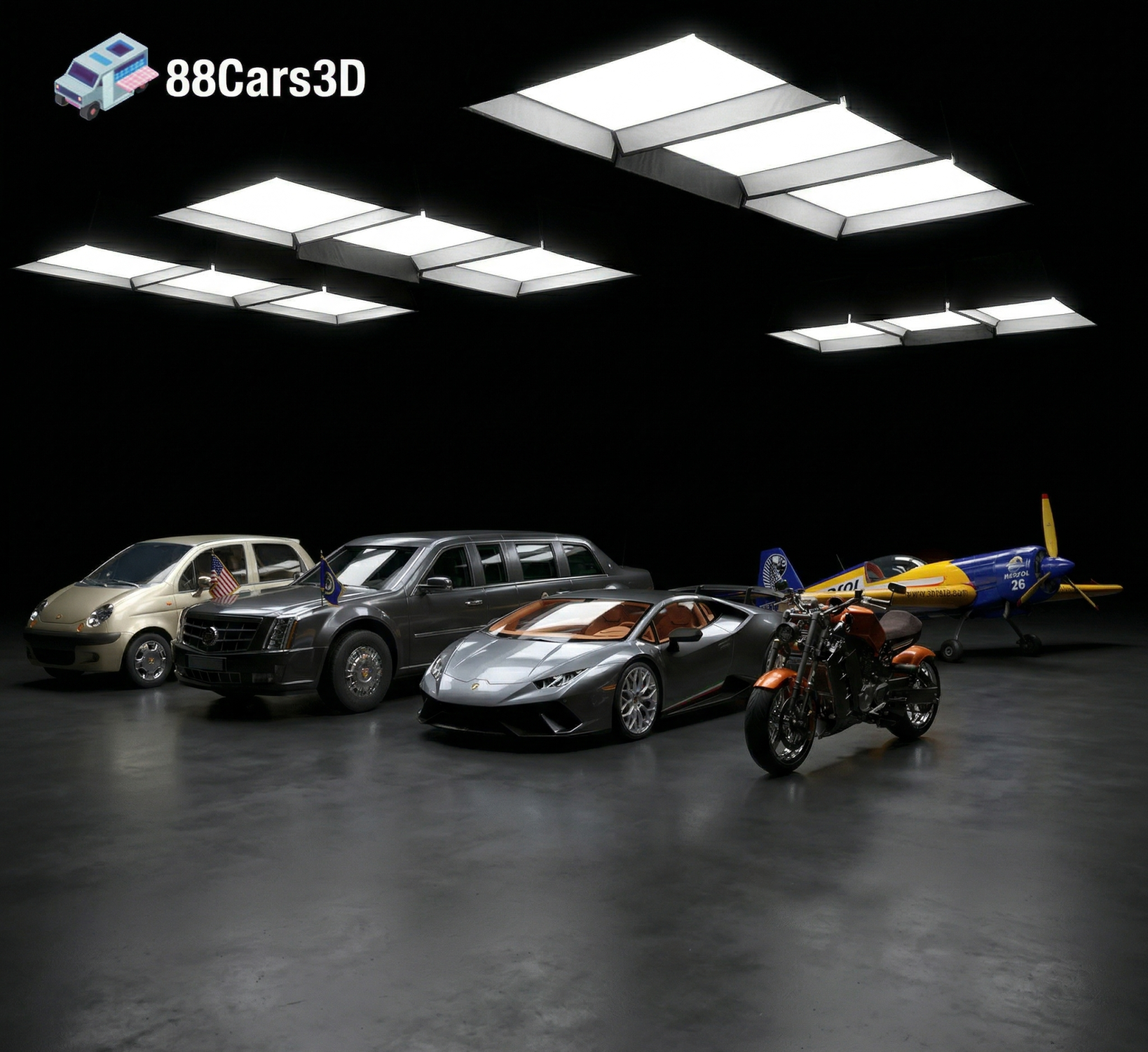
Texture: Yes | Material: Yes | 3D Printable: Yes. Download the Ultimate Creators’ Showcase featuring 5 premium 3D models: Lamborghini Huracan, ZAV Concept Motorcycle, Sukhoi SU-26, Presidential Limousine, and Daewoo Damas. Optimized for 4K CGI rendering and 3D printing. Save massive with this exclusive multi-category bundle!
Price: $99.99

