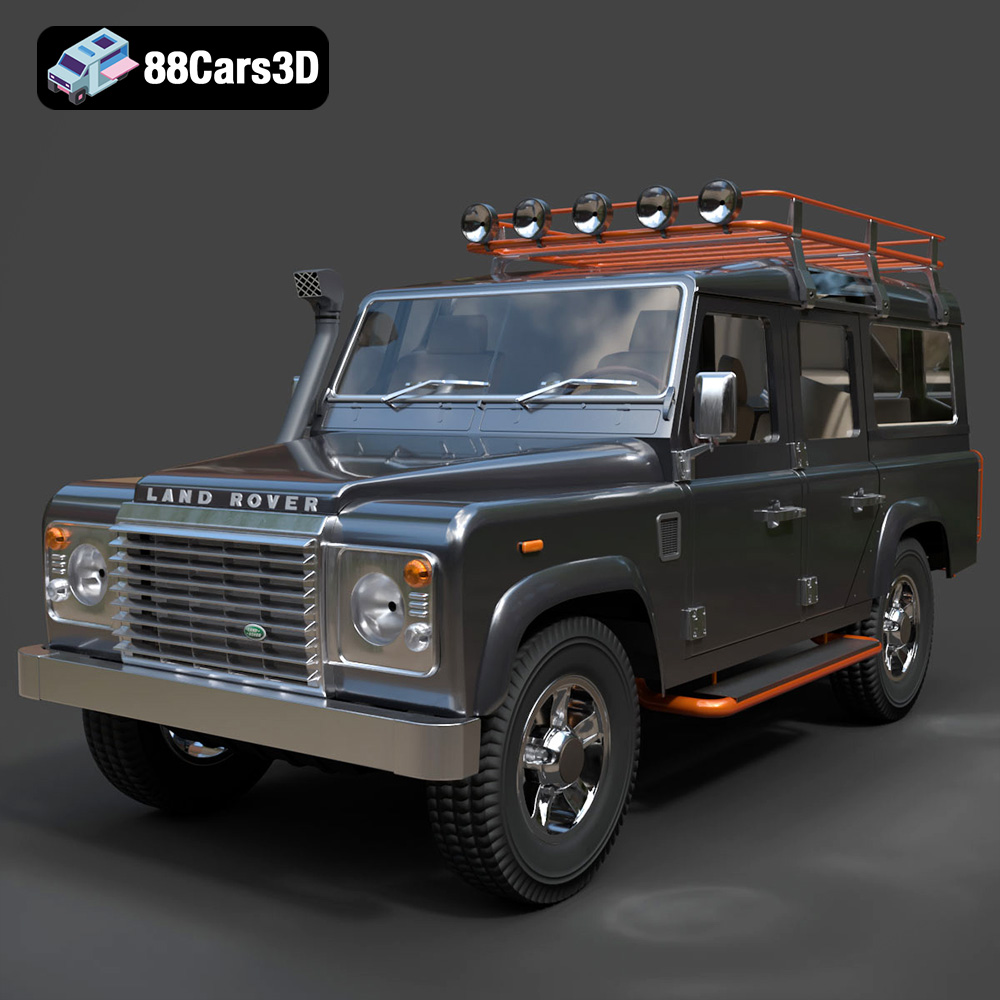
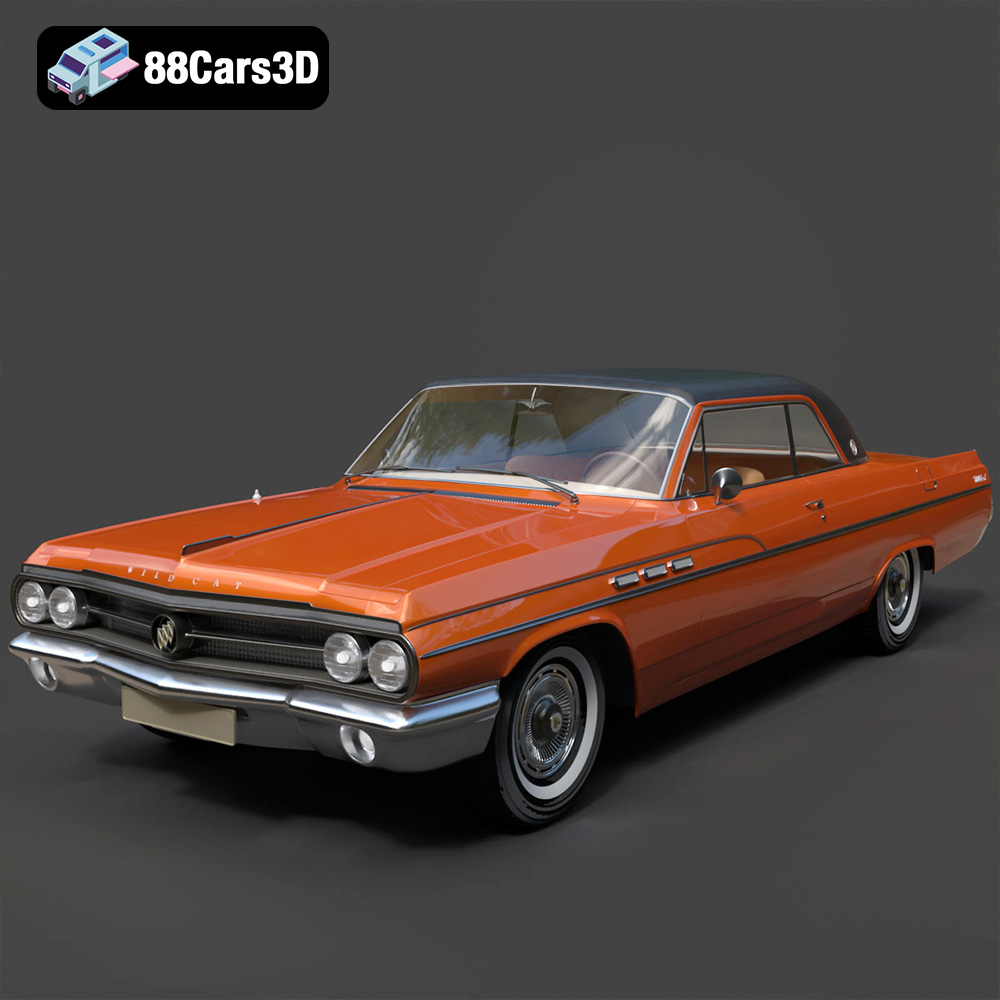
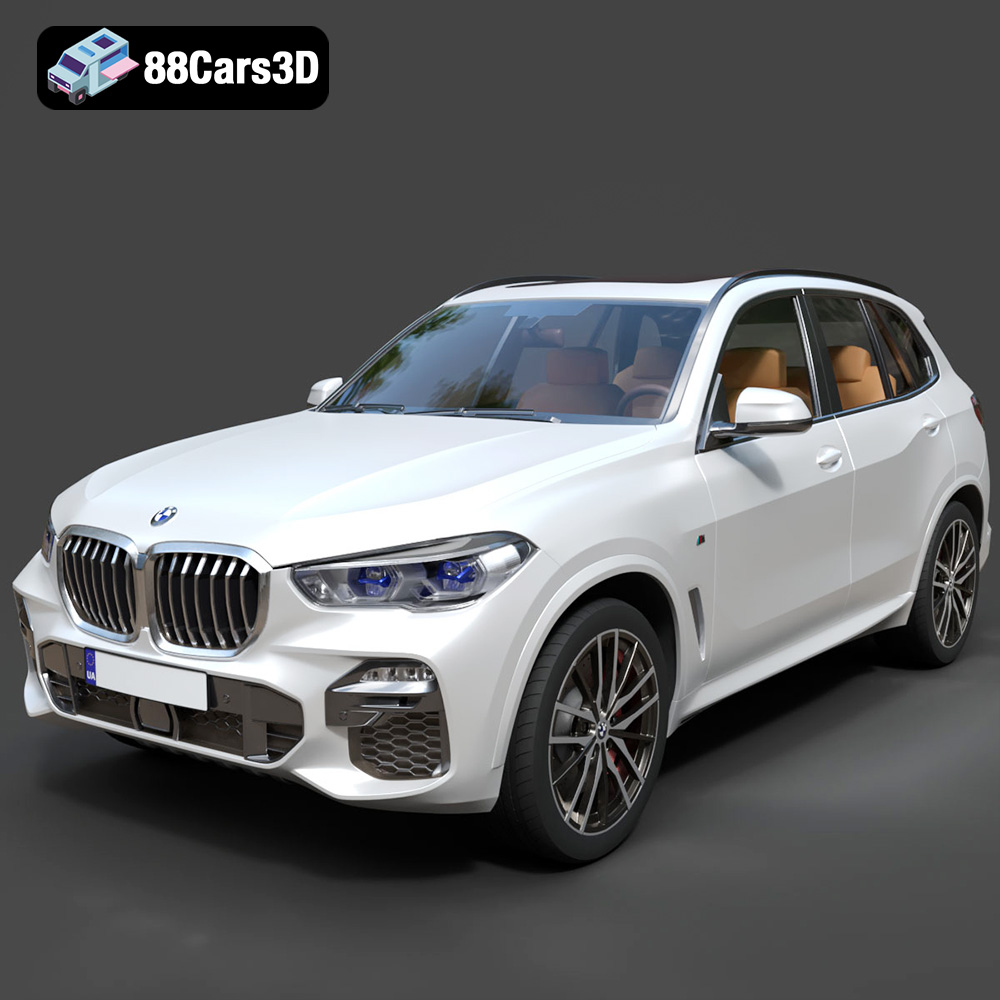
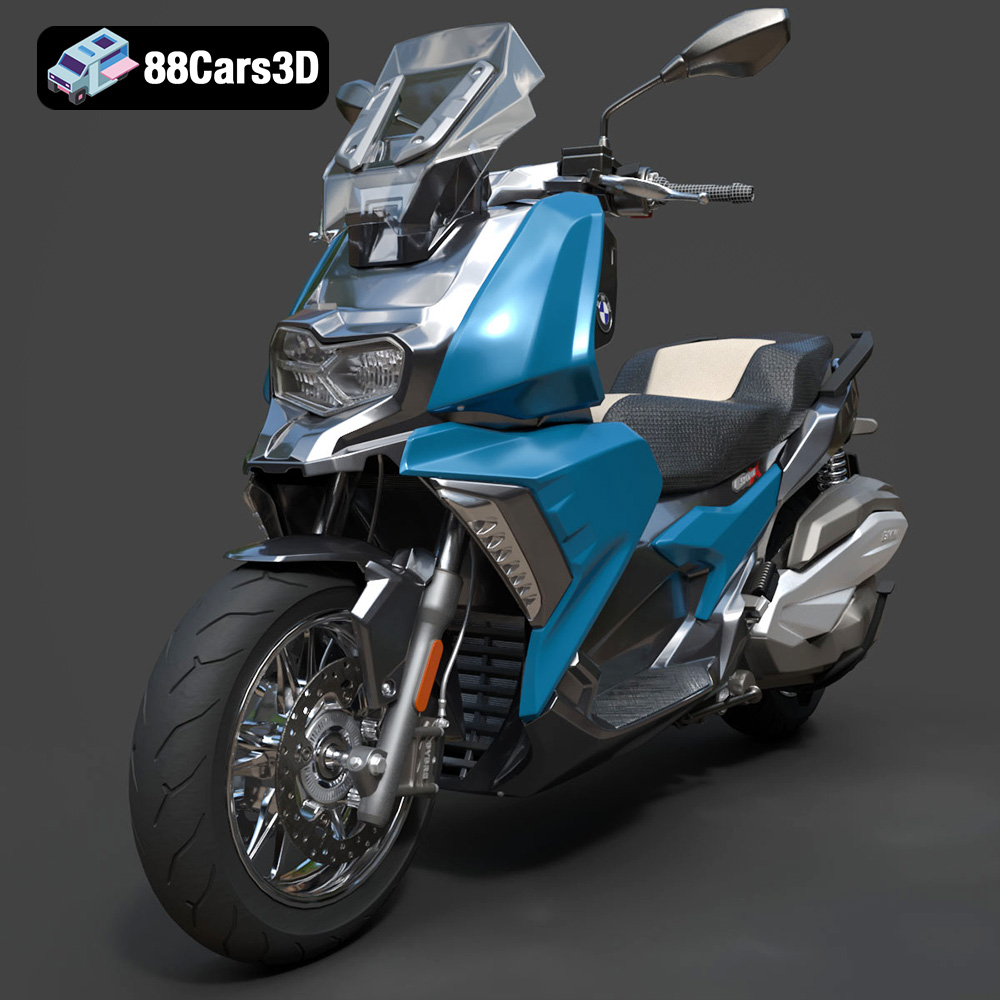
Get 50% OFF All Premium 3D & STL Models!

The world of 3D modeling has revolutionized numerous industries, from automotive design and marketing to game development and architectural visualization. At the heart of this revolution lies the ability to create incredibly realistic 3D car models, pushing the boundaries of what’s possible in digital representation. This article will explore the key aspects of working with these models, covering everything from file formats and software workflows to real-world applications and optimization techniques. Whether you’re a seasoned professional or just starting your journey, this guide will provide valuable insights into the fascinating world of 3D car models.
Choosing the right file format is crucial for a smooth workflow when working with 3D car models. Each format has its strengths and weaknesses, impacting compatibility, file size, and the amount of data preserved. Here’s a breakdown of common file formats and their ideal use cases:
The .blend format is the native file format for Blender, a powerful and open-source 3D creation suite. It preserves all aspects of a Blender scene, including meshes, materials, textures, animations, and modifiers. This makes it ideal for working directly within Blender, allowing for full editing capabilities. However, .blend files are typically only compatible with Blender, limiting their use in other software without exporting to a more universal format. Its primary advantage is complete scene fidelity within the Blender ecosystem.
Filmbox (.fbx) is a widely used file format developed by Autodesk, designed for interoperability between different 3D software packages. It supports meshes, textures, materials, animations, and skeletal rigs, making it an excellent choice for transferring 3D car models into game engines like Unreal Engine and Unity. FBX preserves a good balance between file size and data retention, making it suitable for real-time applications. While it supports a broad range of features, complex shaders and advanced material properties may not always translate perfectly between different applications, requiring some adjustments after import. Many artists prefer .fbx for transferring assets to game engines due to its robust support for animation and skeletal data.
Wavefront .obj is a simple and widely supported file format that stores basic mesh geometry, texture coordinates, and vertex normals. It’s a text-based format, making it relatively easy to parse and manipulate programmatically. OBJ files are highly compatible across different 3D software packages, making them a reliable choice for exchanging 3D car models between applications. However, OBJ does not store animation data or complex material information, and it can result in larger file sizes compared to more efficient formats like FBX. OBJ remains a cornerstone for basic geometry transfer and archiving.
glTF (GL Transmission Format) is a modern file format designed for efficient transmission and loading of 3D scenes and models. The binary version, .glb, packages the entire scene, including geometry, textures, and animations, into a single file. It’s specifically optimized for real-time rendering, making it ideal for AR/VR applications and browser-based display using WebGL. GLB files are typically smaller and load faster than other formats, making them well-suited for delivering 3D car models over the internet. The efficient packing and real-time optimization make it a favorite for web-based 3D experiences.
Stereolithography (.stl) is a file format primarily used for 3D printing. It represents the surface geometry of a 3D model as a collection of triangles. STL files only store the surface geometry, without any color, texture, or material information. It’s a simple and widely supported format for 3D printing, allowing manufacturers to directly translate digital models into physical objects. However, because it only stores surface data, complex curves and details may be approximated using a large number of triangles, potentially increasing file size. Ensure your models are watertight and manifold before exporting to STL for successful 3D printing.
PLY (Polygon File Format) is a file format used to store 3D data, especially point clouds and polygon meshes. It can store color, normals, transparency, and other properties associated with each vertex. PLY is a common format in 3D scanning, reverse engineering, and CAD/CAM applications. It can represent complex and detailed geometry accurately, making it suitable for analysis and simulation. PLY offers flexibility in storing various vertex attributes, making it useful for scientific and engineering applications beyond simple visualization.
The .unreal format often refers to assets specifically packaged for use within the Unreal Engine. While not a single file type in the traditional sense, it encompasses a collection of files and folders organized in a structure recognizable by the Unreal Engine content browser. This can include static meshes (.uasset), skeletal meshes (.uasset), materials (.uasset), textures (.uasset), and blueprints (.uasset). Importing .unreal assets directly into an Unreal Engine project provides optimized performance and ensures compatibility with the engine’s rendering pipeline. Direct asset import to Unreal can accelerate development workflows considerably.
The .max file format is the native format for 3ds Max, a professional 3D modeling, animation, and rendering software package. It stores the entire scene, including geometry, materials, textures, lighting, animation rigs, and rendering settings. Similar to Blender’s .blend format, .max files are only fully compatible with 3ds Max. This is ideal for collaborative projects where all artists are working within the same software environment. Using the .max format ensures all scene data is preserved, allowing for seamless editing and rendering workflows within 3ds Max.
Creating photorealistic automotive renderings requires careful attention to detail and a well-defined workflow. Here’s a general overview of the steps involved:
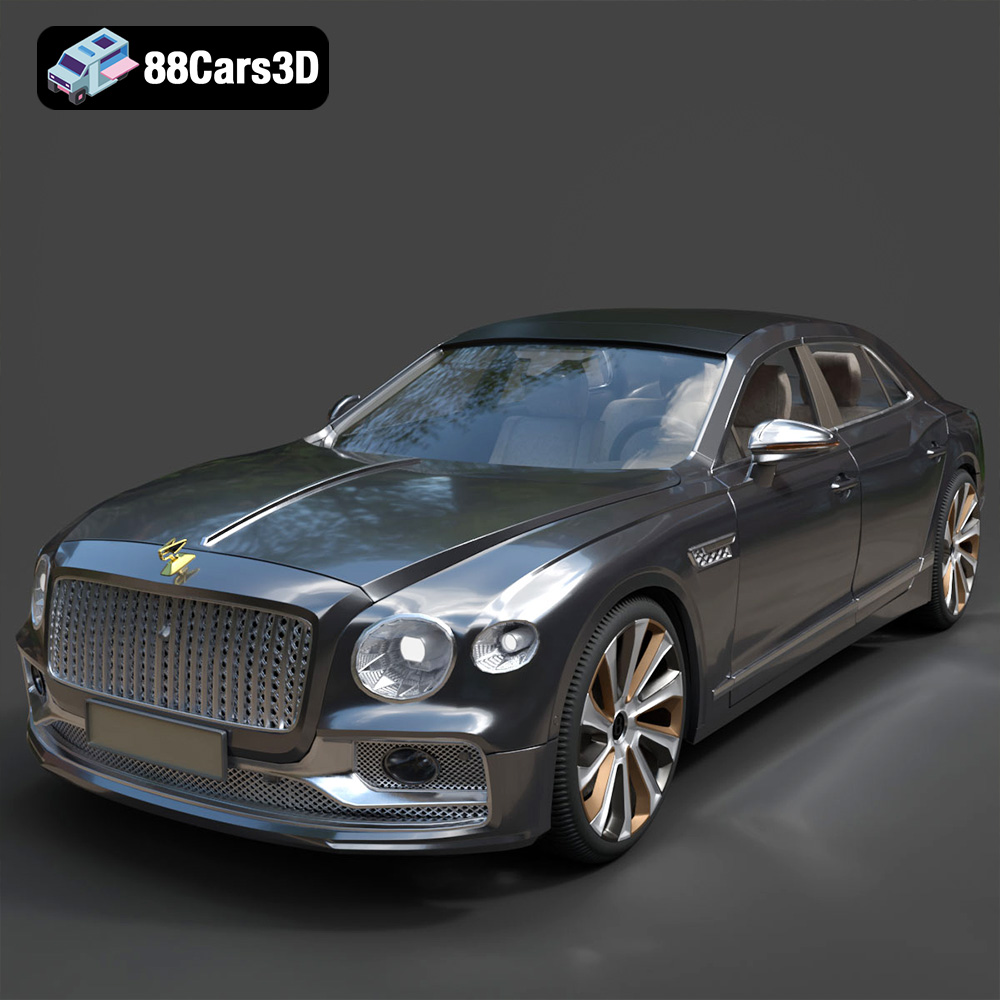
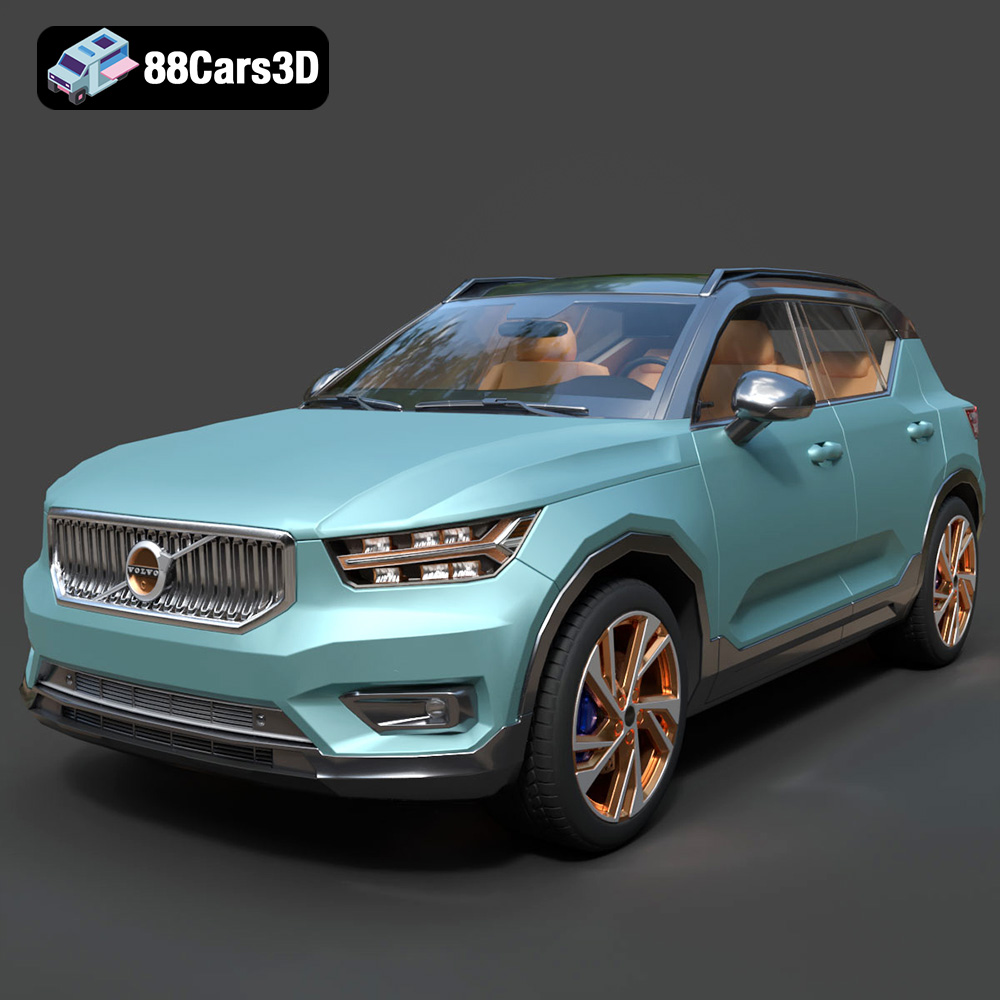
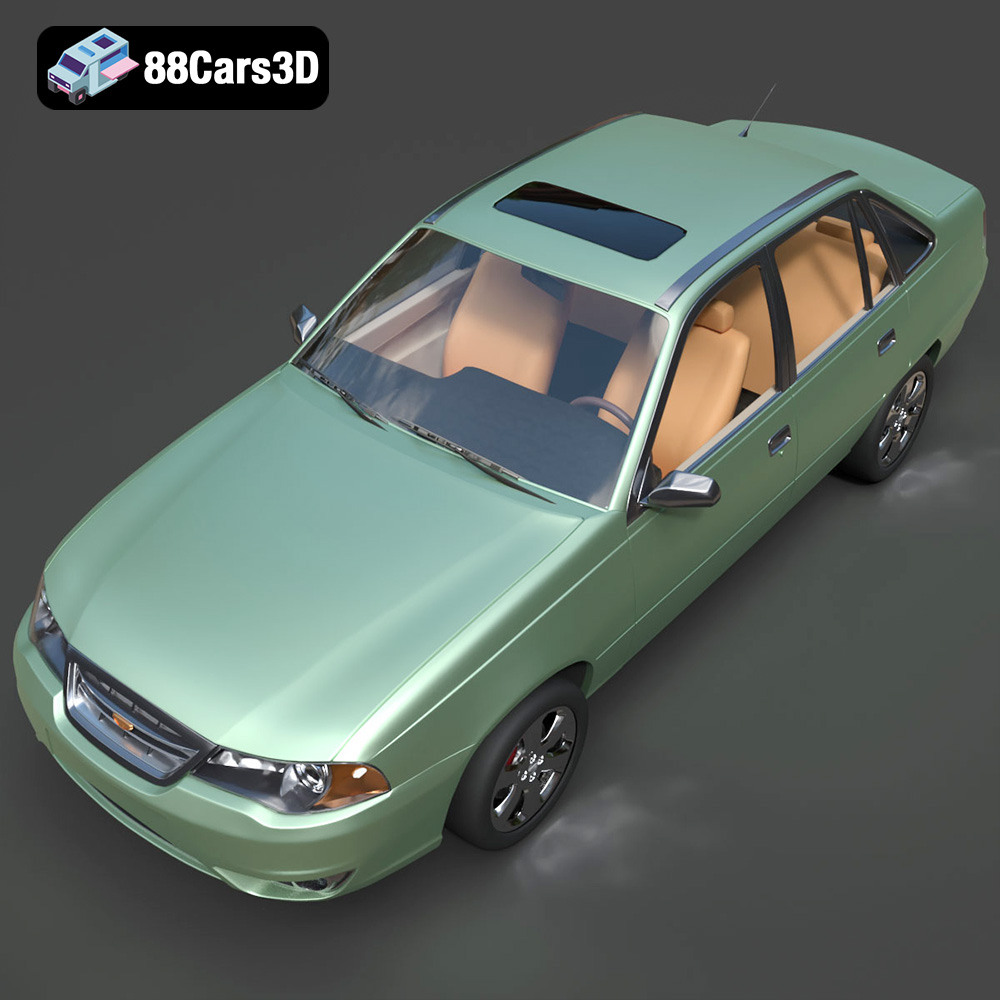
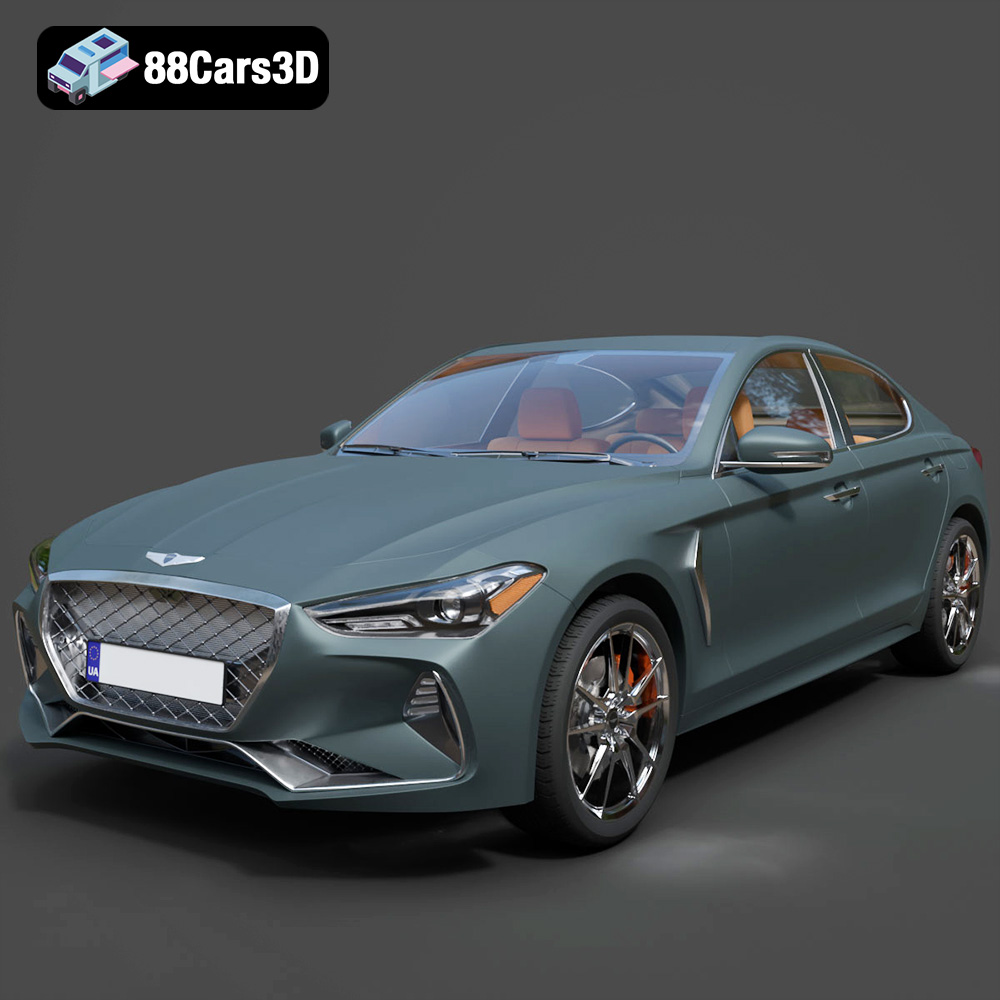
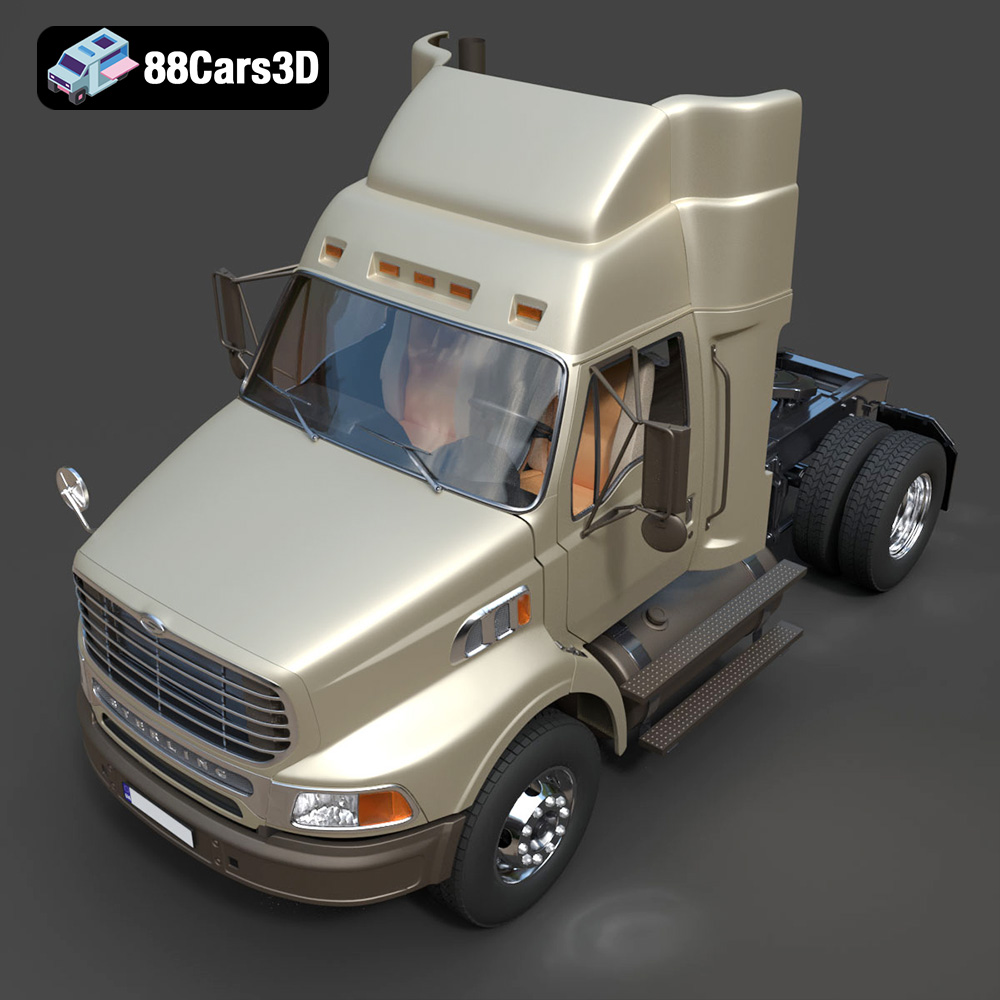
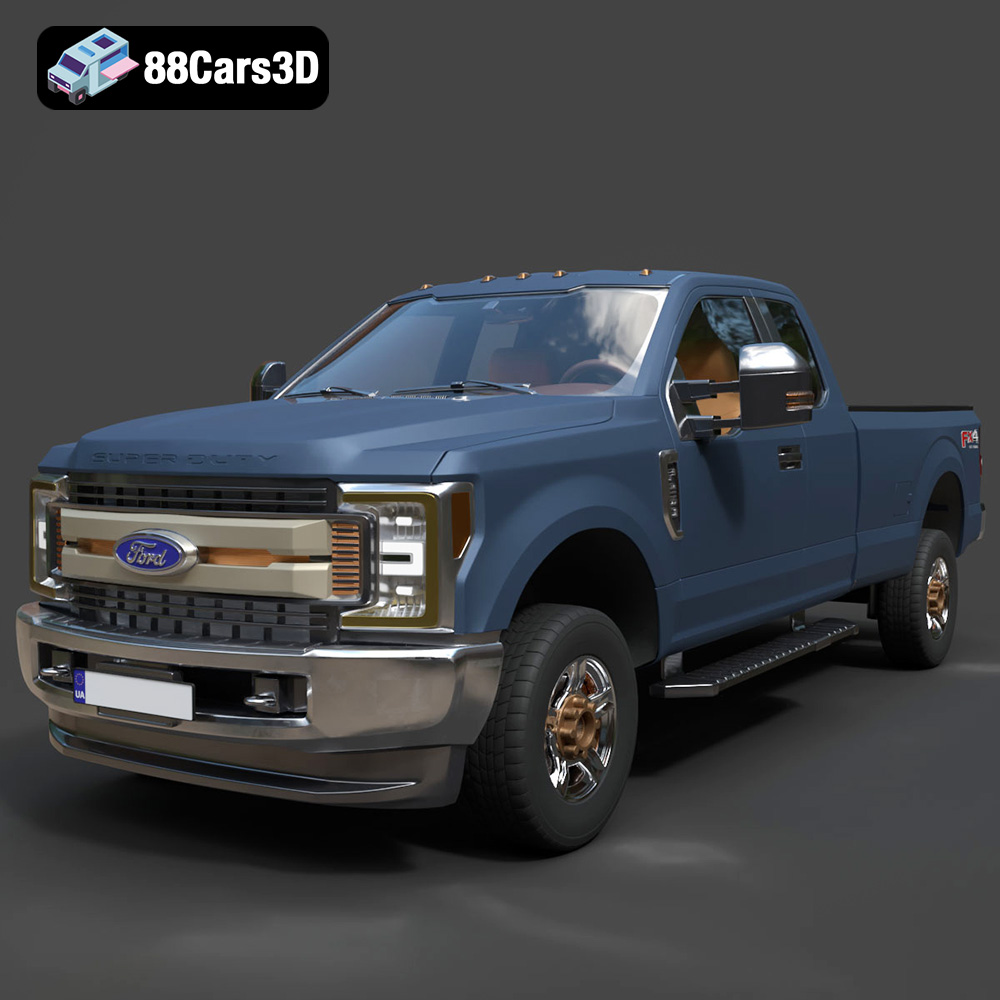
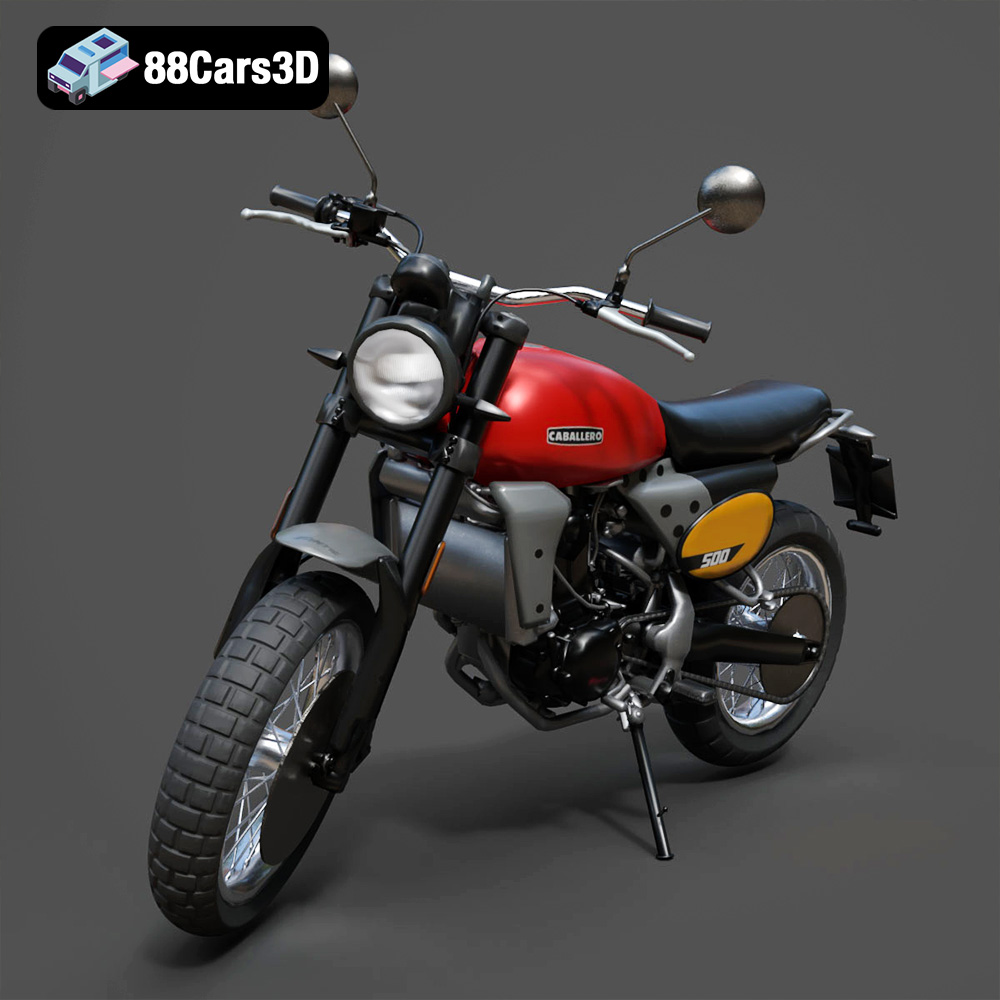
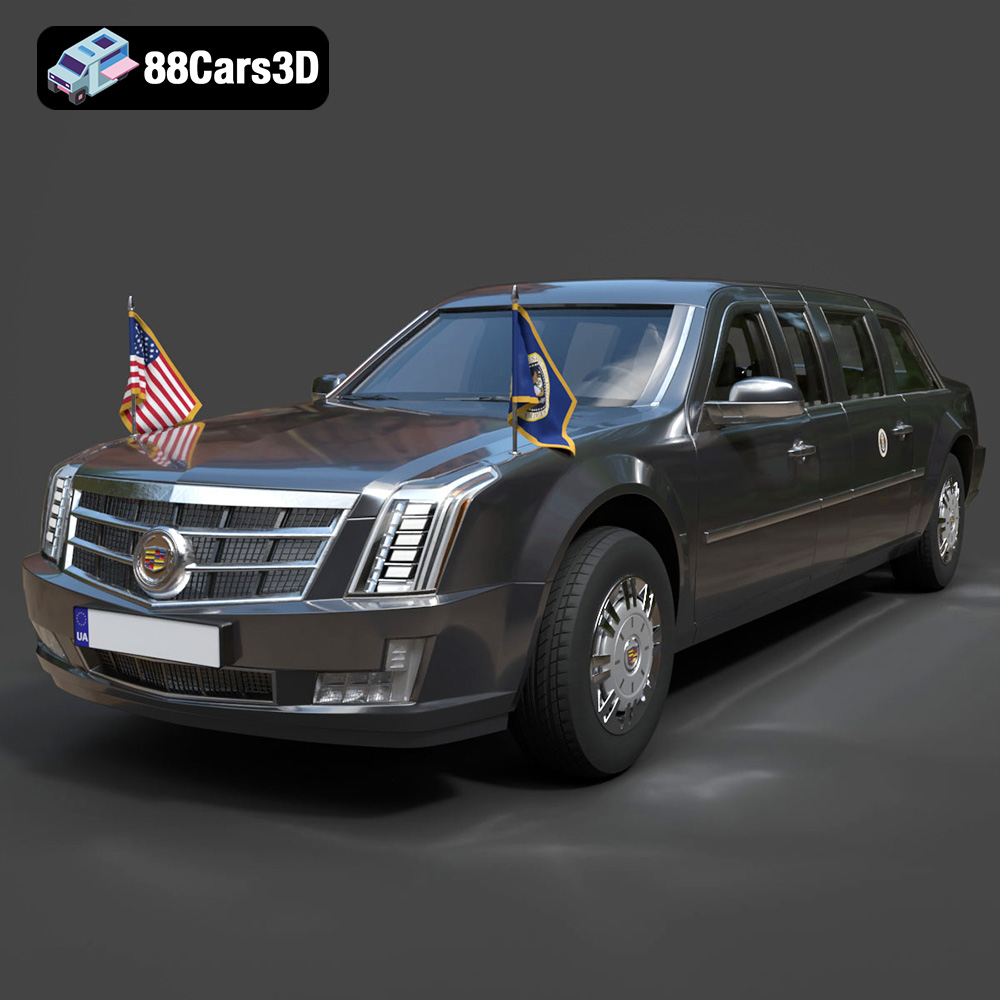
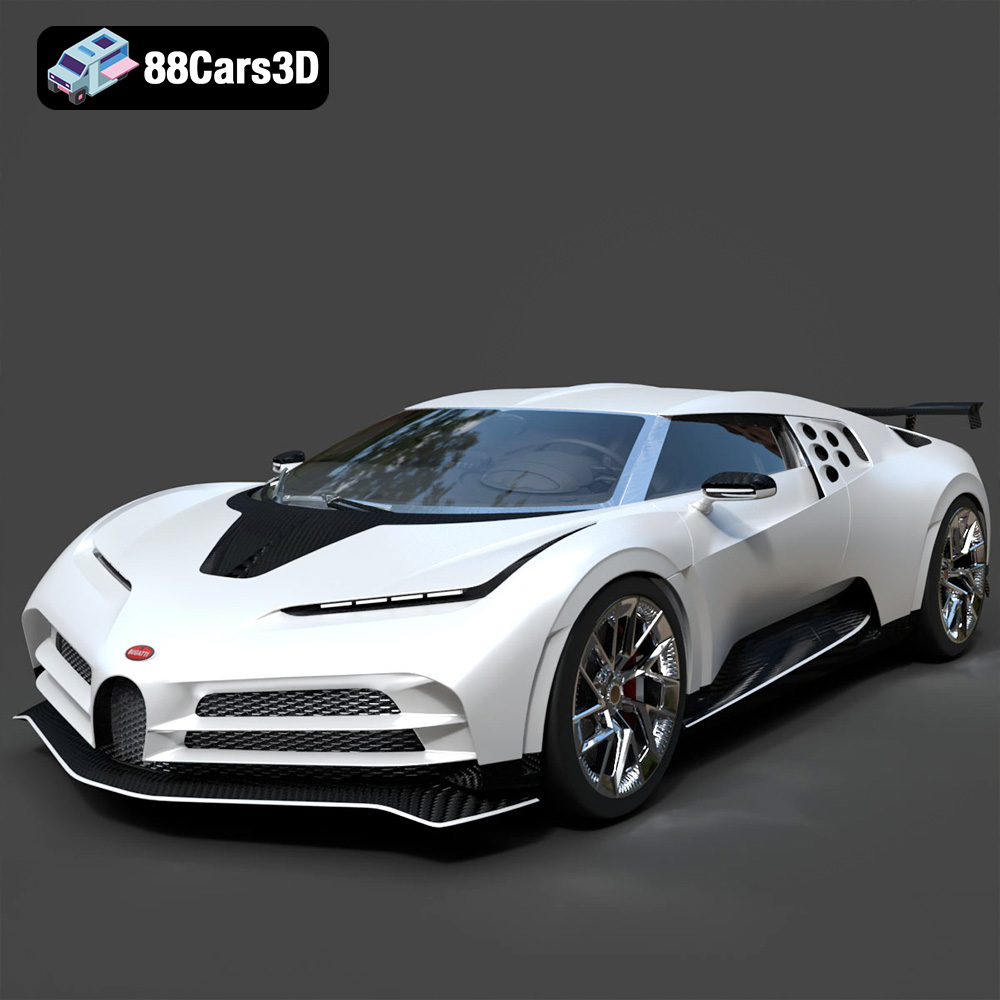
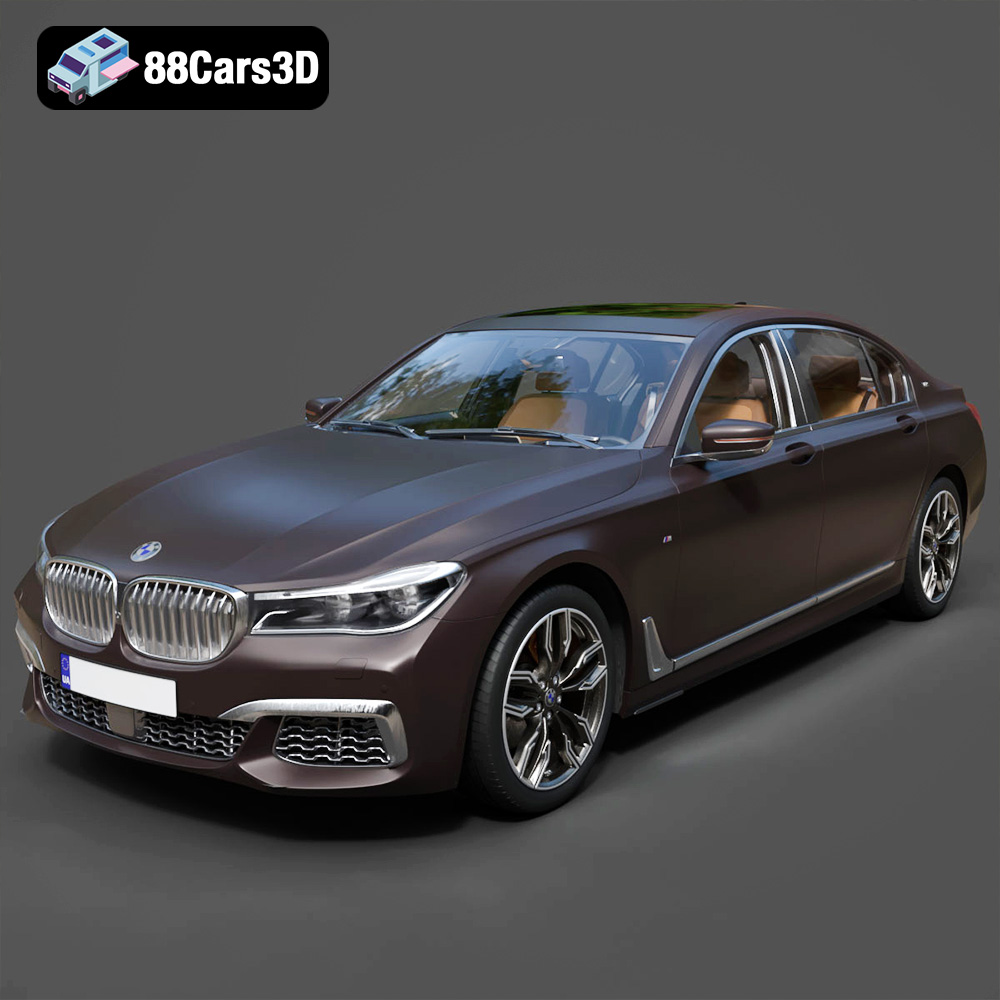
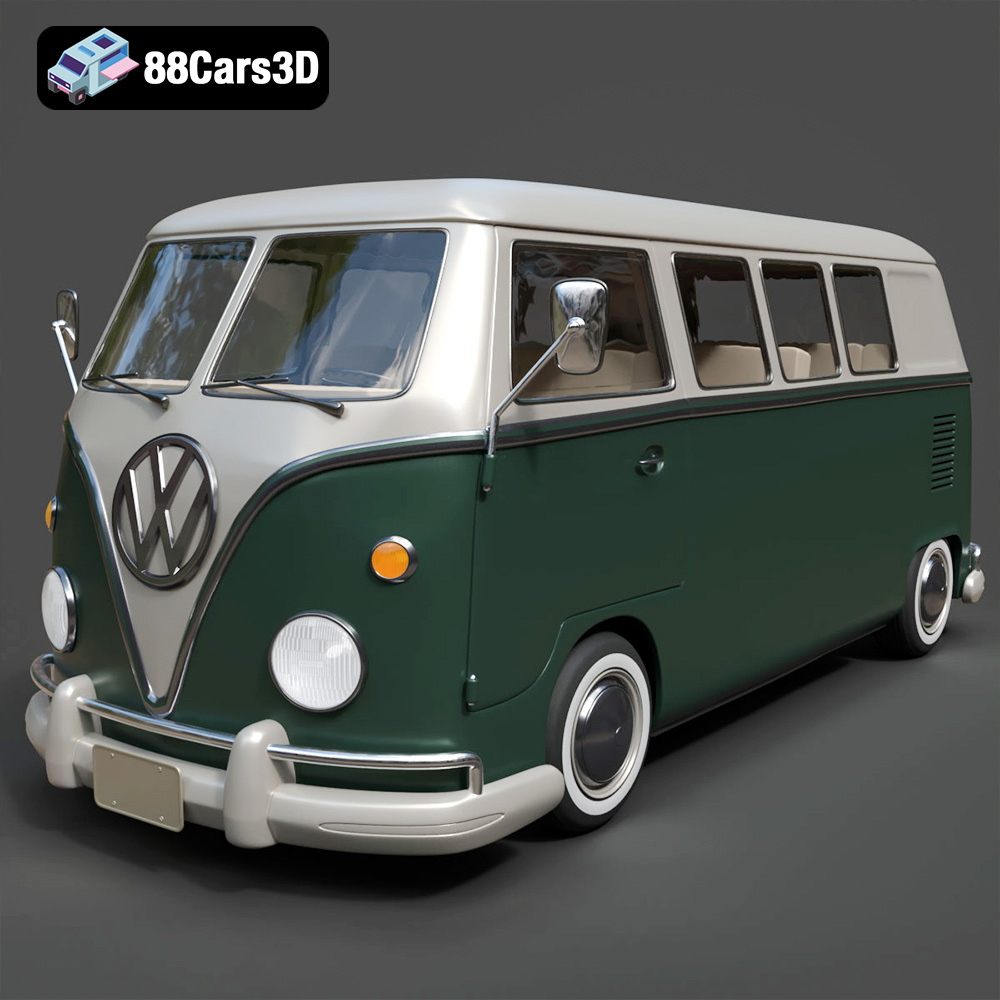
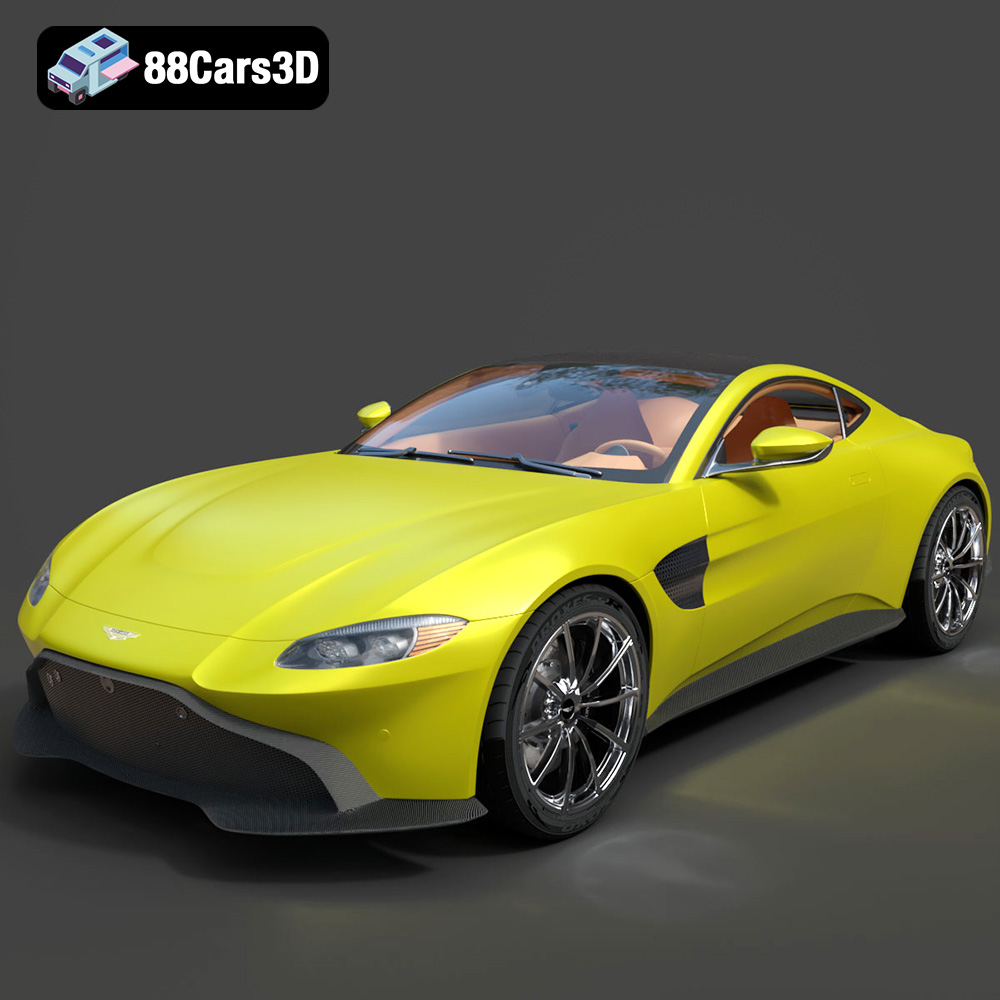
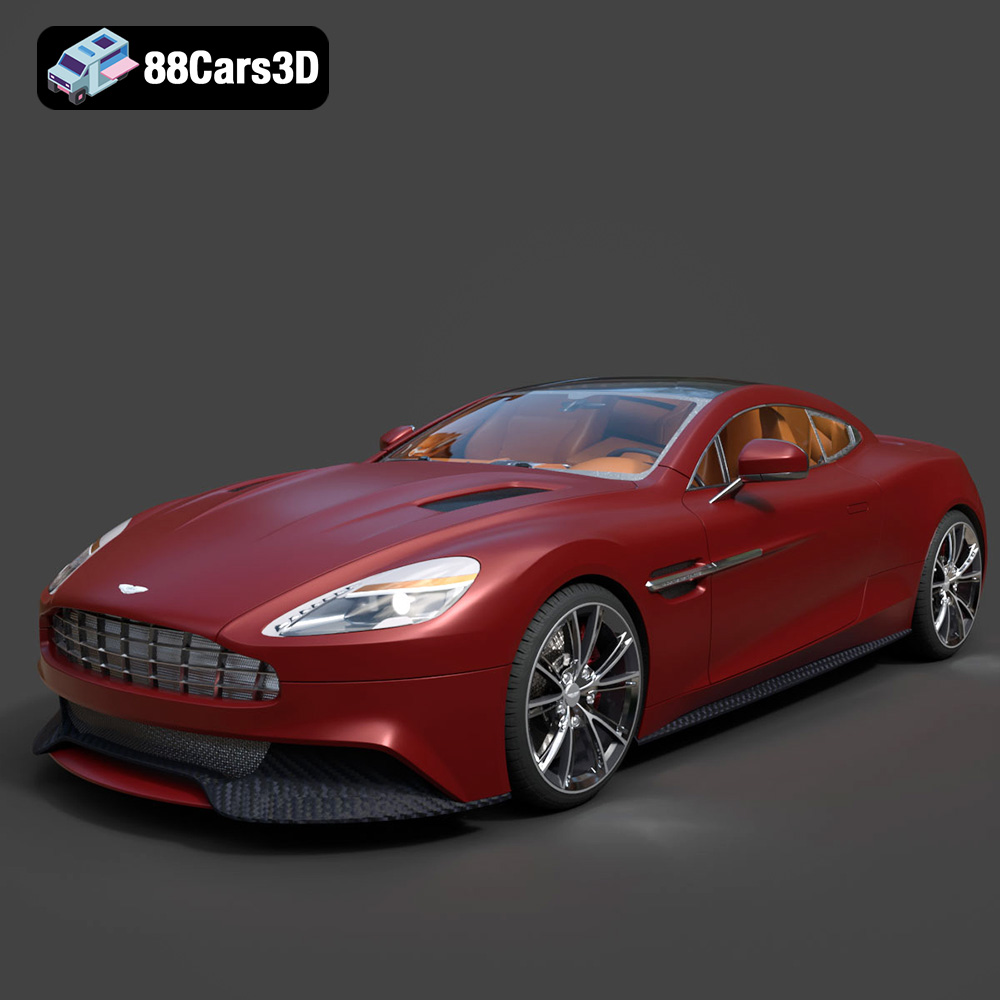
The first step is to create a highly detailed 3D car model. This can be done using software like 3ds Max, Blender, or Maya. The modeling process typically involves creating the car’s overall shape, followed by adding details such as panel gaps, lights, wheels, and interior components. High-quality 3D car models from resources like 88cars3d.com can significantly speed up this process, providing a solid base for further customization. The level of detail required depends on the desired level of realism and the intended use of the rendering. For example, close-up shots require more detailed modeling than distant shots.
Once the model is complete, the next step is to apply textures and define materials. This involves creating or sourcing realistic textures for the car’s paint, chrome, glass, and other surfaces. PBR (Physically Based Rendering) materials are commonly used to achieve accurate and realistic lighting responses. Setting up realistic materials is crucial for achieving photorealistic results. Programs like Substance Painter or Quixel Mixer can be used to create custom textures and materials.
Lighting plays a crucial role in creating realistic automotive renderings. It’s important to carefully consider the type of lighting to use (e.g., HDRIs, area lights, spotlights) and how they interact with the car’s materials. An environment setup is also essential to provide realistic reflections and ambient lighting. HDRIs (High Dynamic Range Images) are commonly used to create realistic environments and lighting scenarios. Experimenting with different lighting setups can dramatically affect the final look of the rendering.
Using 3D car models in game engines requires careful optimization to ensure smooth performance. Here’s a look at some key techniques:
Game engines have strict performance requirements, so it’s important to reduce the polygon count of 3D car models as much as possible without sacrificing visual quality. This can be achieved using polygon reduction tools in 3D modeling software. LODs (Levels of Detail) are also commonly used, where multiple versions of the model with varying polygon counts are created. The game engine then switches between these LODs depending on the distance of the car from the camera, reducing the rendering load.
Proper UV unwrapping is essential for applying textures to 3D car models in game engines. The UVs should be laid out efficiently to minimize texture distortion and maximize texture resolution. Texture baking can also be used to bake lighting and shadow information into the textures, reducing the real-time rendering cost. Baked lighting can improve the visual fidelity of the model without impacting performance.
Optimizing materials and reducing shader complexity is crucial for achieving good performance in game engines. Complex shaders with numerous calculations can significantly impact the rendering speed. Using simpler shaders and optimizing texture sizes can help improve performance without sacrificing visual quality. Minimize the number of draw calls by combining materials where possible.
3D car models have found applications in a wide range of industries. Here are a few real-world examples:
3D car models are extensively used in automotive marketing and advertising. They allow manufacturers to showcase their vehicles in stunning detail, even before the physical cars are available. 3D renderings and animations are used in brochures, websites, and television commercials. High-quality visuals are essential for attracting potential customers.
3D car models are essential assets in racing games and driving simulators. They provide realistic representations of vehicles, allowing players to experience the thrill of driving in a virtual environment. Optimizing the models for real-time performance is critical in this application.
3D car models can be used in architectural visualization and urban planning to showcase how vehicles interact with buildings and infrastructure. This can help architects and urban planners make informed decisions about design and traffic flow. Placing 3D car models in architectural renderings adds realism and context.
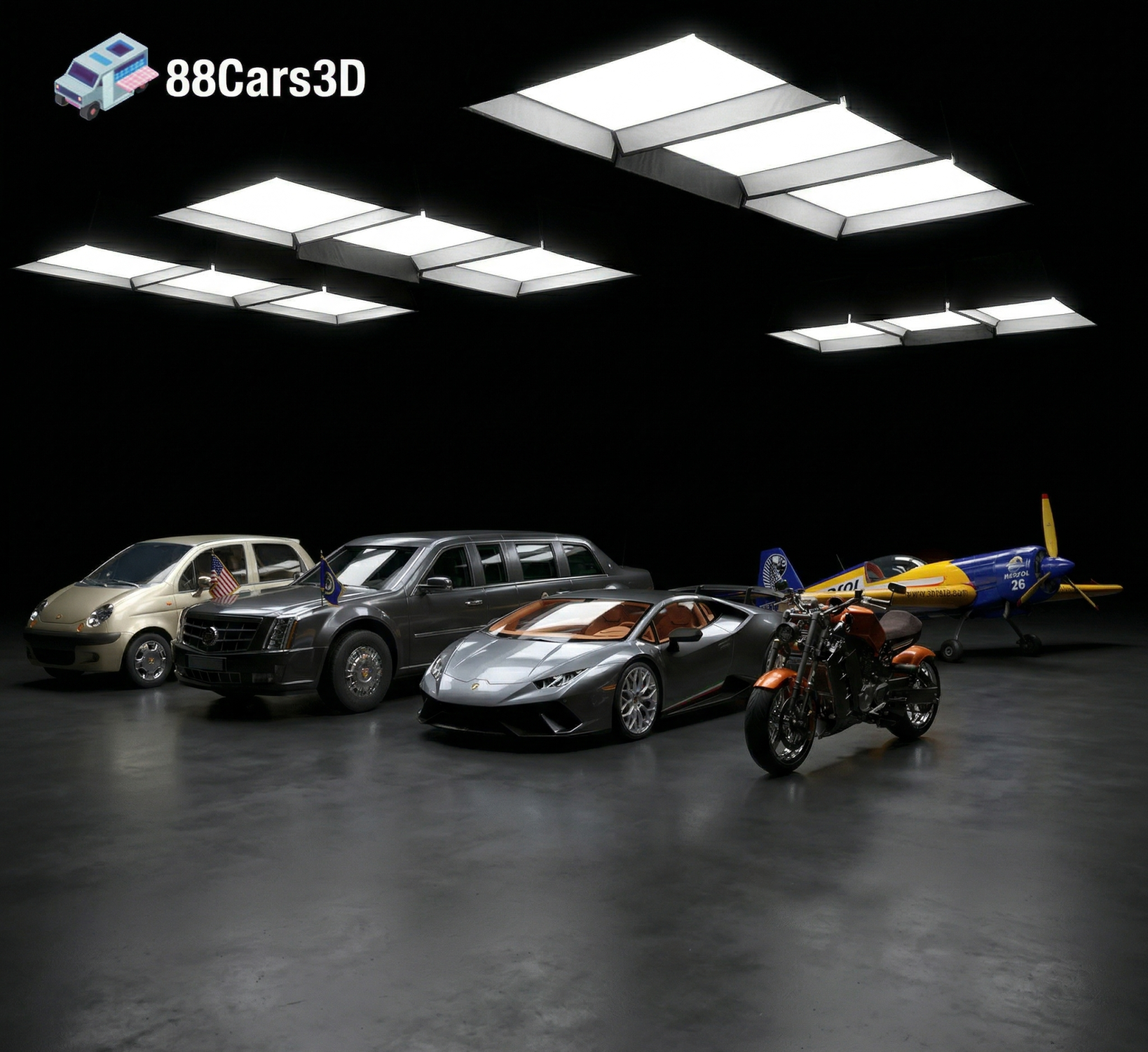
Finding high-quality 3D car models can be a challenge. That’s where resources like 88cars3d.com come in. They offer a wide selection of meticulously crafted 3D car models suitable for various applications, from rendering to game development.
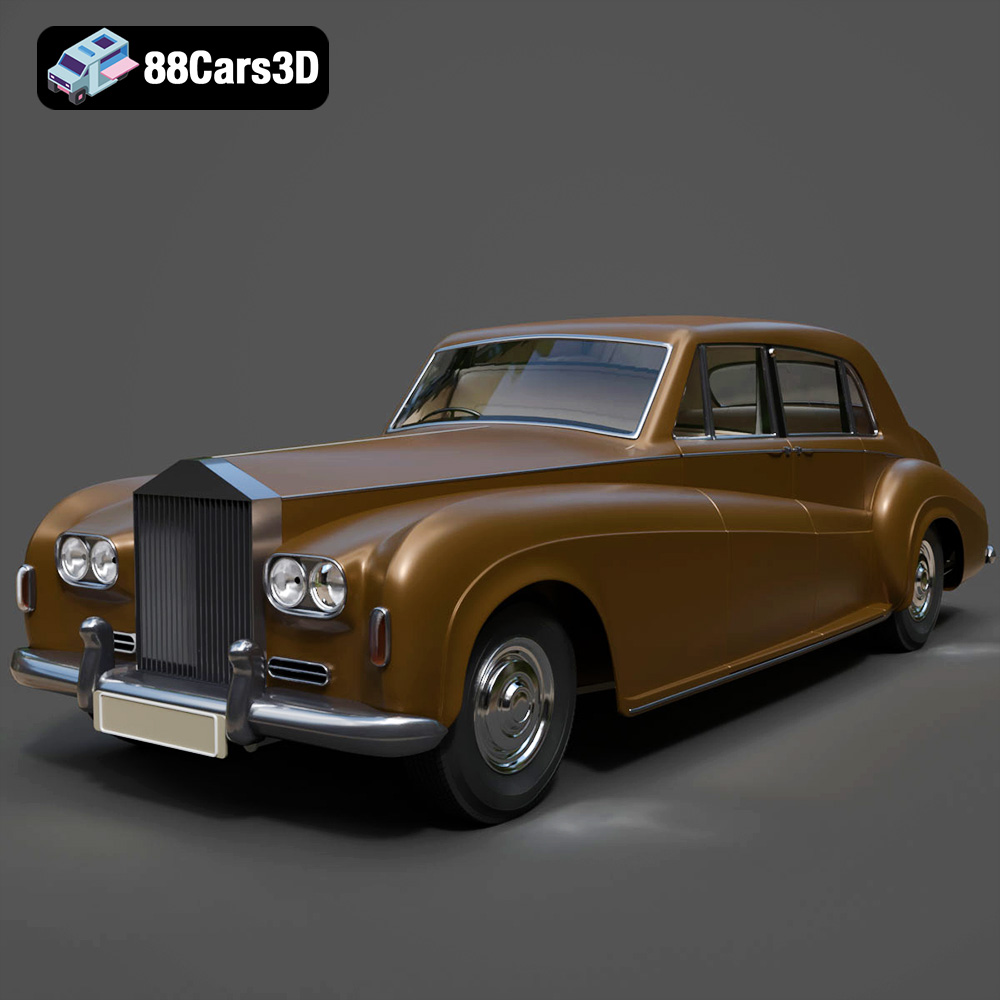
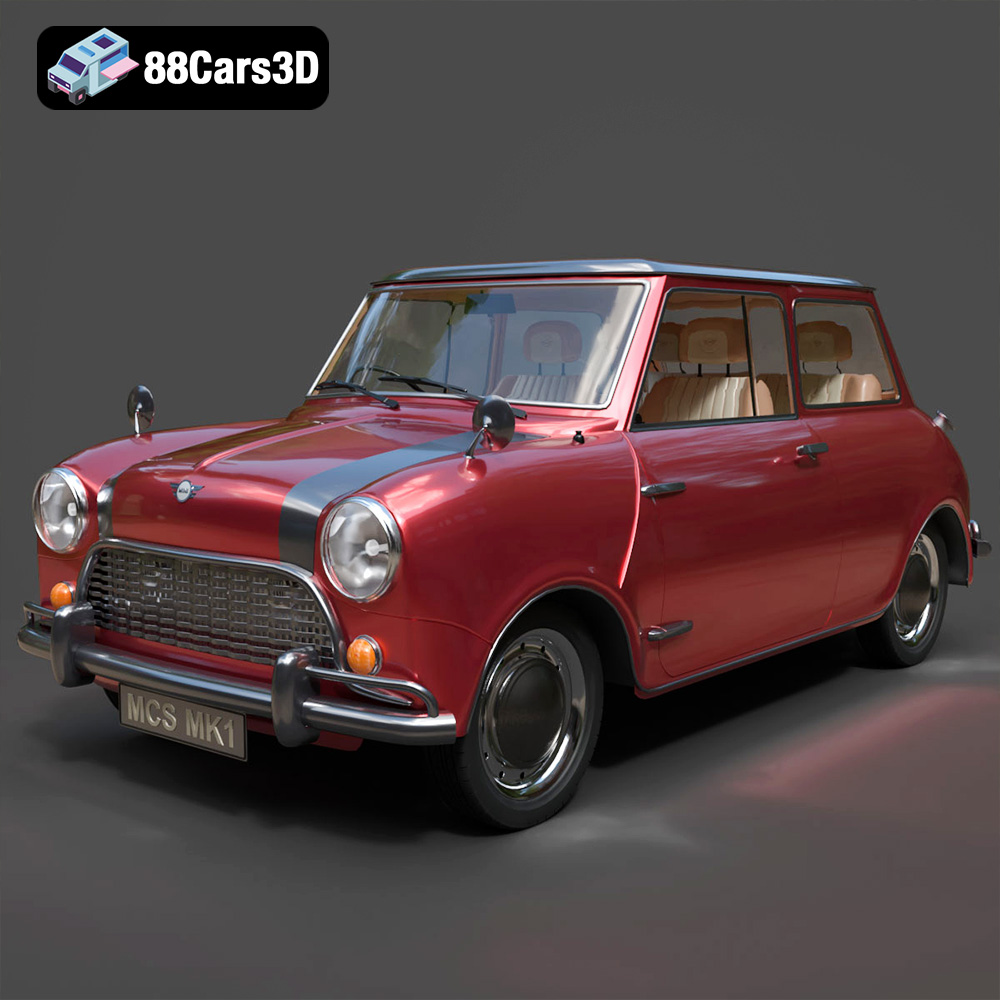
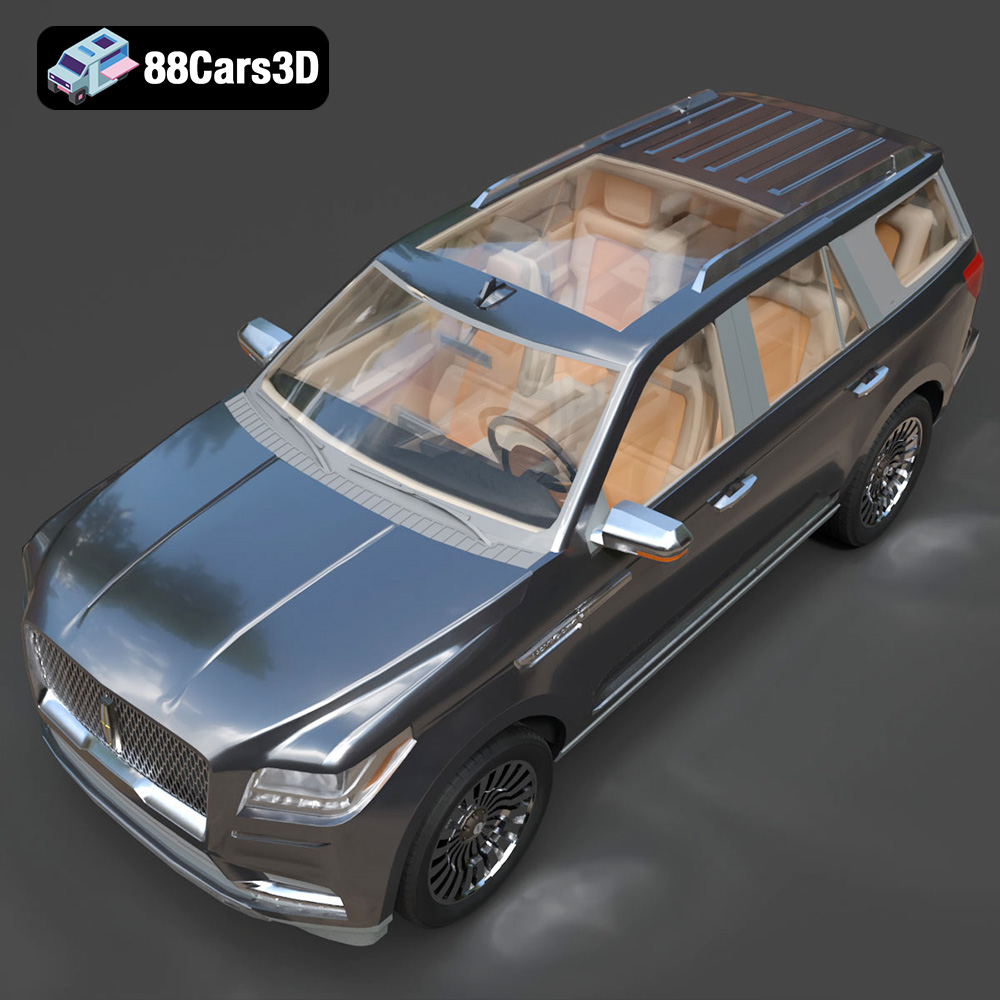
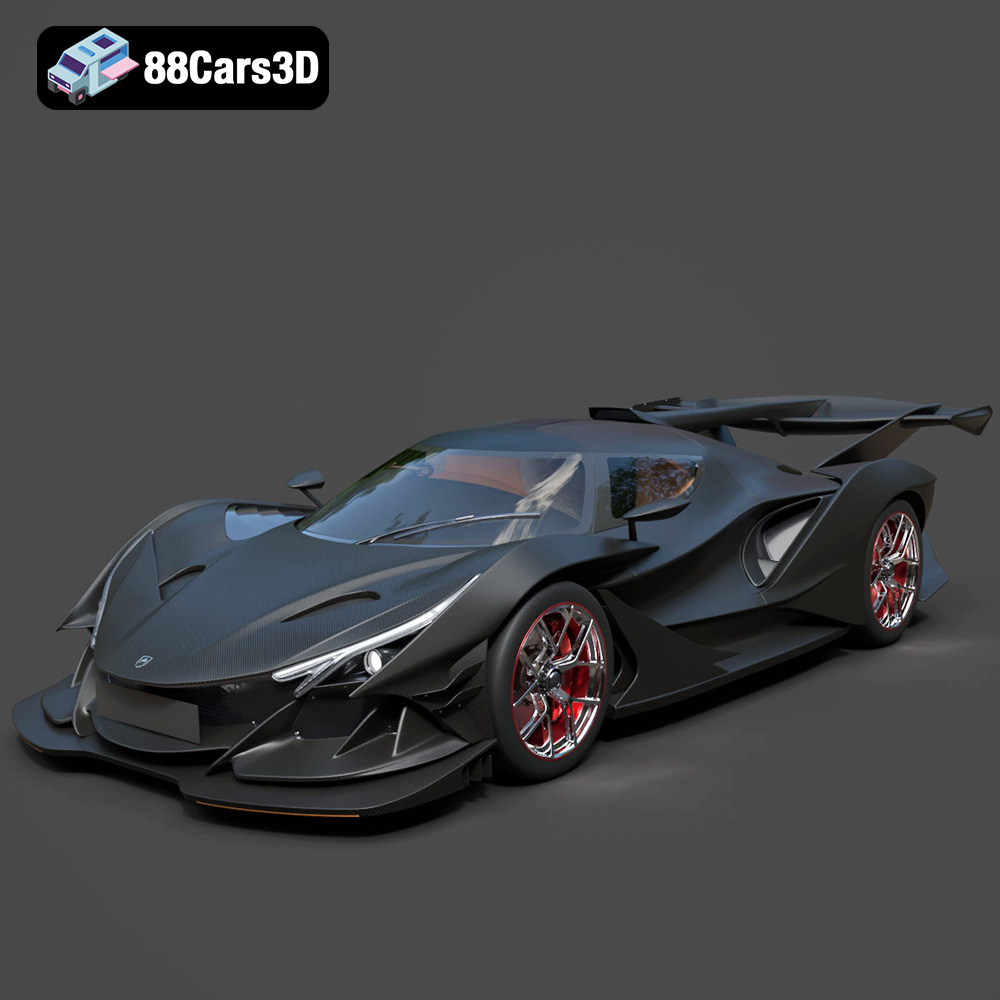
88cars3d.com boasts an extensive catalog of 3D car models, covering a wide range of makes, models, and years. Whether you’re looking for a classic vintage car or the latest sports car, you’re likely to find it there. Each model is carefully crafted and optimized for quality and performance. The website makes it easy to search and filter models based on your specific needs.
Before purchasing a 3D car model, it’s important to understand its specifications and quality. 88cars3d.com provides detailed information about each model, including polygon count, texture resolution, and file formats. This allows you to make an informed decision and choose the model that best suits your project requirements. Pay close attention to the wireframe images to assess the model’s topology and construction quality.
Working with 3D car models is a complex and rewarding endeavor. By understanding the different file formats, mastering the software workflows, and optimizing the models for their intended use, you can create stunning visuals and immersive experiences. Resources like 88cars3d.com can provide access to high-quality models, saving you time and effort in the modeling process. Whether you’re an automotive designer, a game developer, or an architectural visualizer, the ability to work effectively with 3D car models is a valuable skill in today’s digital world.

Price: $129.99

Price: $99.99

Price: $89.99