Get 50% OFF All Premium 3D & STL Models!

“`html
The allure of 3D printing lies in its ability to transform digital designs into tangible objects. For automotive enthusiasts, this translates to crafting stunningly detailed car models. However, achieving a smooth, showroom-worthy finish on these printed marvels requires careful attention to detail, from STL file preparation to post-processing techniques. This guide will delve into the intricacies of 3D printing car models, focusing on strategies to minimize layer lines, optimize surface quality, and ultimately, create a model that rivals the real thing. Whether you’re printing a classic roadster or a futuristic concept car from platforms like 88cars3d.com, mastering these techniques will elevate your 3D printing game. In this article, you’ll learn about:
The journey to a smooth 3D printed car model begins with the STL file itself. STL (Stereolithography) is a file format that represents 3D surfaces as a collection of triangles. The density and distribution of these triangles directly influence the smoothness of the final print. A poorly optimized STL file can lead to visible facets, stair-stepping effects, and overall reduced surface quality. Therefore, meticulous preparation of the STL file is paramount.
The number of triangles used to represent a curved surface determines its resolution. A higher triangle count results in a smoother, more detailed representation. However, excessively high triangle counts can lead to larger file sizes and increased processing time. Finding the right balance is key. For car models, focus on increasing the triangle density in areas with complex curves, such as fenders, hoods, and roofs. Use mesh editing software like Blender or Meshmixer to remesh the STL, adding more triangles where needed and reducing them in flatter areas. A good starting point is to aim for a maximum deviation of 0.05mm between the original surface and the triangulated mesh.
Before slicing, it’s crucial to check the STL file for errors such as non-manifold edges, holes, and self-intersections. These imperfections can cause printing failures or result in defects on the surface of the model. Utilize mesh repair tools like Netfabb Basic or the built-in repair functions in your slicing software (e.g., Cura, PrusaSlicer). These tools can automatically detect and fix common mesh errors. Specifically, ensure that the mesh is “watertight,” meaning it encloses a complete volume without any gaps. A non-watertight mesh can cause unexpected behavior during slicing and printing. For instance, if you’re downloading models from marketplaces such as 88cars3d.com, ensure you run a mesh check regardless, as even professional models can sometimes contain minor imperfections.
The slicing software translates the STL file into a set of instructions for the 3D printer. The slicing parameters you choose significantly impact the final surface quality. Optimizing these parameters is crucial for minimizing layer lines and achieving a smooth finish. Key parameters to consider include layer height, print speed, and temperature settings.
Layer height is the thickness of each layer of material deposited by the printer. Smaller layer heights result in smoother surfaces because the steps between layers are less pronounced. However, reducing layer height also increases printing time. A good starting point for achieving a smooth finish on car models is a layer height of 0.1mm to 0.15mm. For extremely detailed models, you can experiment with even smaller layer heights, such as 0.05mm, but be prepared for significantly longer print times. Remember that your printer’s capabilities also play a role; some printers are better suited for very fine layer heights than others. For FDM printers, consider the nozzle size. A smaller nozzle (e.g., 0.25mm) will allow for finer layer heights compared to a standard 0.4mm nozzle.
Excessively high print speeds can lead to vibrations, inconsistent extrusion, and visible layer lines. Reducing the print speed allows the printer to deposit material more accurately and consistently. A recommended print speed for achieving a smooth finish is 30-40mm/s. Temperature settings also play a crucial role. If the temperature is too low, the layers may not adhere properly, resulting in weak bonding and a rough surface. If the temperature is too high, the material may warp or sag. Experiment with different temperature settings within the material manufacturer’s recommended range to find the optimal balance. For PLA, a typical temperature range is 190-220°C, while for PETG, it’s 230-250°C.
The material you choose for printing your car model directly impacts the final appearance and surface quality. Different materials have different properties that affect how they melt, solidify, and adhere to each other. Selecting the right material is essential for achieving the desired level of smoothness and detail.
For FDM (Fused Deposition Modeling) printing, common filament options include PLA, PETG, and ABS. PLA is easy to print and offers good detail, but it’s less heat-resistant than other materials. PETG is stronger and more heat-resistant than PLA, making it a good choice for functional parts. ABS is known for its high strength and durability but can be more challenging to print due to its tendency to warp. For achieving a smooth finish, PETG is often a good compromise between printability and surface quality. When using ABS, an enclosure is highly recommended to maintain a consistent temperature and minimize warping. Experiment with different brands of filament, as the quality and consistency can vary significantly.
Resin printing, also known as SLA (Stereolithography) or DLP (Digital Light Processing), offers significantly higher resolution and smoother surfaces compared to FDM printing. Resin printers use liquid resin that is cured by UV light. This allows for much finer details and virtually invisible layer lines. Different types of resin are available, each with its own properties. Standard resin is a good all-around option, while tough resin is more durable and impact-resistant. Flexible resin can be used for parts that need to bend or flex. For car models, a standard or tough resin is typically recommended. Resin printing requires post-processing steps such as washing and curing to remove excess resin and fully harden the part. Always follow the manufacturer’s instructions for post-processing.
Support structures are often necessary when printing complex car models with overhangs or intricate details. However, supports can leave marks on the surface of the model, especially in areas that are difficult to reach. Proper support generation and removal techniques are crucial for minimizing the impact on surface quality.
Carefully consider the placement and density of support structures. Position supports in areas that are less visible or easier to sand down. Reduce the support density to minimize the contact area between the supports and the model. In Cura and PrusaSlicer, you can adjust the support density and pattern. Experiment with different settings to find the optimal balance between support strength and ease of removal. Tree supports, which are branching structures that connect to the model at fewer points, can be a good option for minimizing support marks. They also use less material than traditional linear supports.
The way you remove supports can significantly impact the final surface quality. Use sharp tools such as hobby knives, flush cutters, or dental picks to carefully detach the supports from the model. Avoid pulling or tearing the supports, as this can damage the surface. For resin prints, soaking the model in warm water for a few minutes can soften the supports and make them easier to remove. After removing the supports, use sandpaper to smooth out any remaining marks or imperfections. Start with a coarse grit sandpaper (e.g., 220 grit) and gradually move to finer grits (e.g., 400, 600, 800 grit) to achieve a smooth finish.
Post-processing is the final step in achieving a smooth, showroom-worthy finish on your 3D printed car model. This involves a series of techniques such as sanding, filling, priming, and painting to eliminate layer lines, imperfections, and create a flawless surface.
Sanding is essential for removing layer lines and smoothing out the surface of the model. Start with a coarse grit sandpaper to remove larger imperfections, and gradually move to finer grits to achieve a smooth finish. Wet sanding can help to reduce dust and prevent the sandpaper from clogging. After sanding, use a filler primer to fill in any remaining imperfections or gaps. Apply the filler primer in thin, even coats, allowing each coat to dry completely before applying the next. Once the filler primer is dry, sand it down with fine-grit sandpaper to create a perfectly smooth base for painting. For larger gaps or imperfections, use a spot putty or body filler to fill them in before priming.
Painting is the final step in transforming your 3D printed car model into a masterpiece. Use high-quality automotive paint and apply it in thin, even coats. Allow each coat to dry completely before applying the next. Multiple thin coats are better than one thick coat, as they are less likely to run or sag. After the paint is dry, apply a clear coat to protect the paint and add a glossy finish. Use a polishing compound to buff the clear coat and remove any imperfections. Finally, add any finishing touches such as decals, chrome trim, or window detailing to complete the look. Consider using an airbrush for painting complex areas and achieving a smooth, even finish. Practice on scrap pieces before painting the final model to get a feel for the paint and application technique.
Even with the best STL files, slicing parameters, and post-processing techniques, a poorly calibrated or maintained 3D printer can produce subpar results. Regular calibration and maintenance are essential for ensuring consistent and high-quality prints.
Proper bed leveling is crucial for ensuring that the first layer adheres properly to the build plate. If the bed is not level, the first layer may be too thin or too thick, leading to warping or poor adhesion. Use the printer’s built-in bed leveling feature or manually adjust the bed leveling screws to ensure that the nozzle is the correct distance from the build plate across the entire surface. Bed adhesion can be further improved by using a bed adhesive such as glue stick, hairspray, or painter’s tape. For some materials, such as ABS, a heated bed is essential for preventing warping.
The extruder is responsible for feeding the filament to the nozzle. Proper extruder calibration is essential for ensuring that the correct amount of material is extruded. Calibrate the extruder by measuring the actual amount of filament extruded compared to the amount requested by the slicing software. Adjust the extruder steps/mm setting in the printer’s firmware to compensate for any discrepancies. Regular maintenance of the extruder is also important. Clean the nozzle regularly to remove any clogs or debris. Check the tension on the extruder gear and adjust it as needed to ensure proper filament feeding. Periodically lubricate the extruder bearings to keep them running smoothly.
Achieving smooth surfaces on 3D printed car models requires a multifaceted approach, encompassing meticulous STL file preparation, optimized slicing parameters, careful material selection, strategic support generation, and skillful post-processing. By understanding the nuances of each stage and implementing the techniques outlined in this guide, you can transform raw 3D prints into stunning replicas that capture the essence of automotive design. Remember to experiment with different settings and materials to find what works best for your printer and your desired aesthetic. Don’t be afraid to iterate and learn from your mistakes. With practice and patience, you’ll be well on your way to creating 3D printed car models that rival the quality of professionally manufactured models. Platforms like 88cars3d.com provide a fantastic starting point with their high-quality, printable car models. Now it’s time to apply these techniques, unleash your creativity, and bring your dream cars to life, one layer at a time.
“`
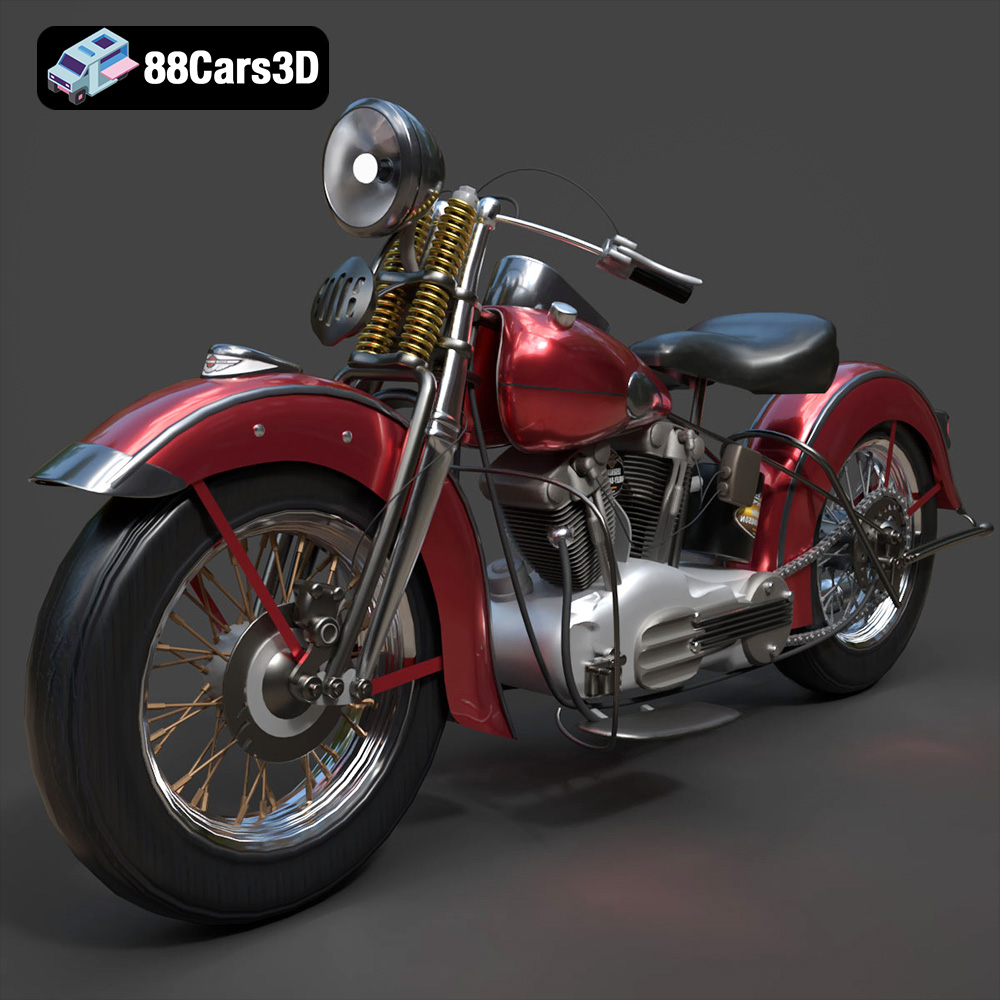
Texture: Yes
Material: Yes
Download the Harley Davidson F 1946 3D Model featuring clean geometry, realistic detailing, and a fully modeled interior. Includes .blend, .fbx, .obj, .glb, .stl, .ply, .unreal, and .max formats for rendering, simulation, and game development.
Price: $19.99
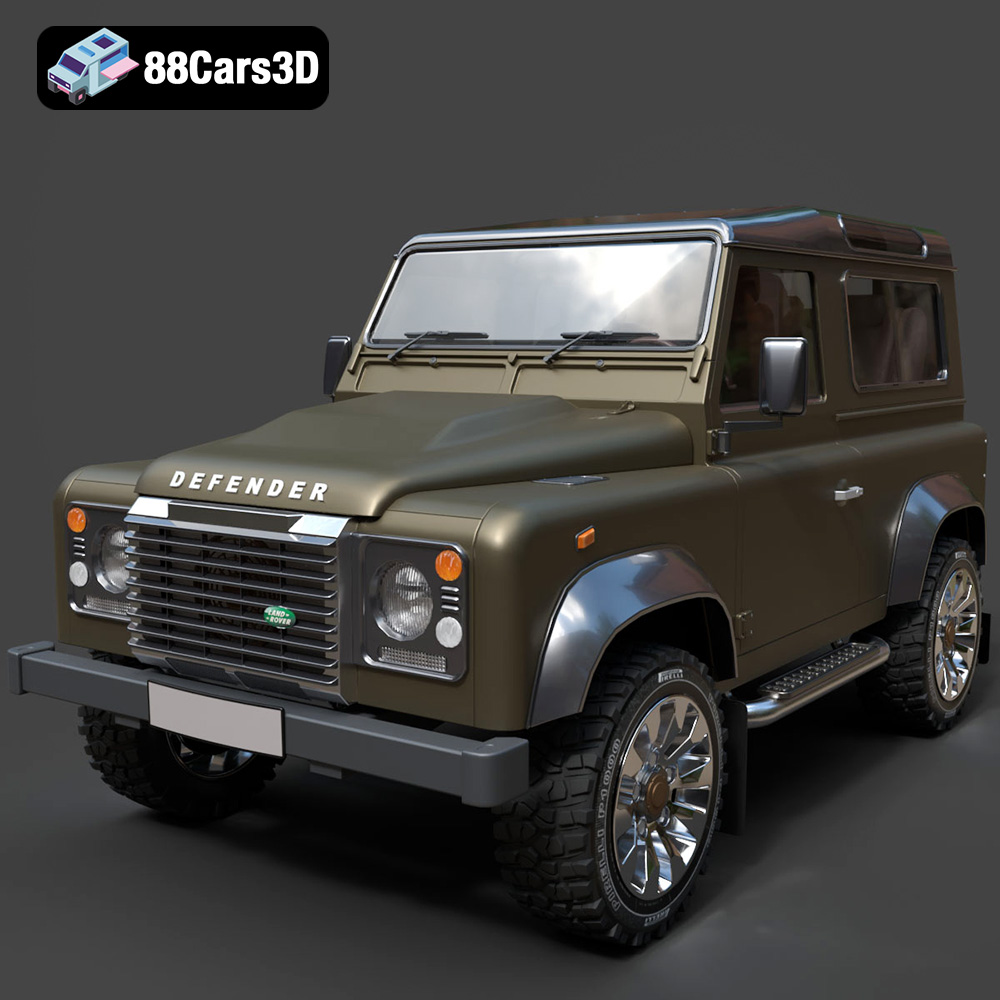
Texture: Yes
Material: Yes
Download the Land Rover Defender Works V8 3D Model featuring clean geometry, realistic detailing, and a fully modeled interior. Includes .blend, .fbx, .obj, .glb, .stl, .ply, .unreal, and .max formats for rendering, simulation, and game development.
Price: $19.99
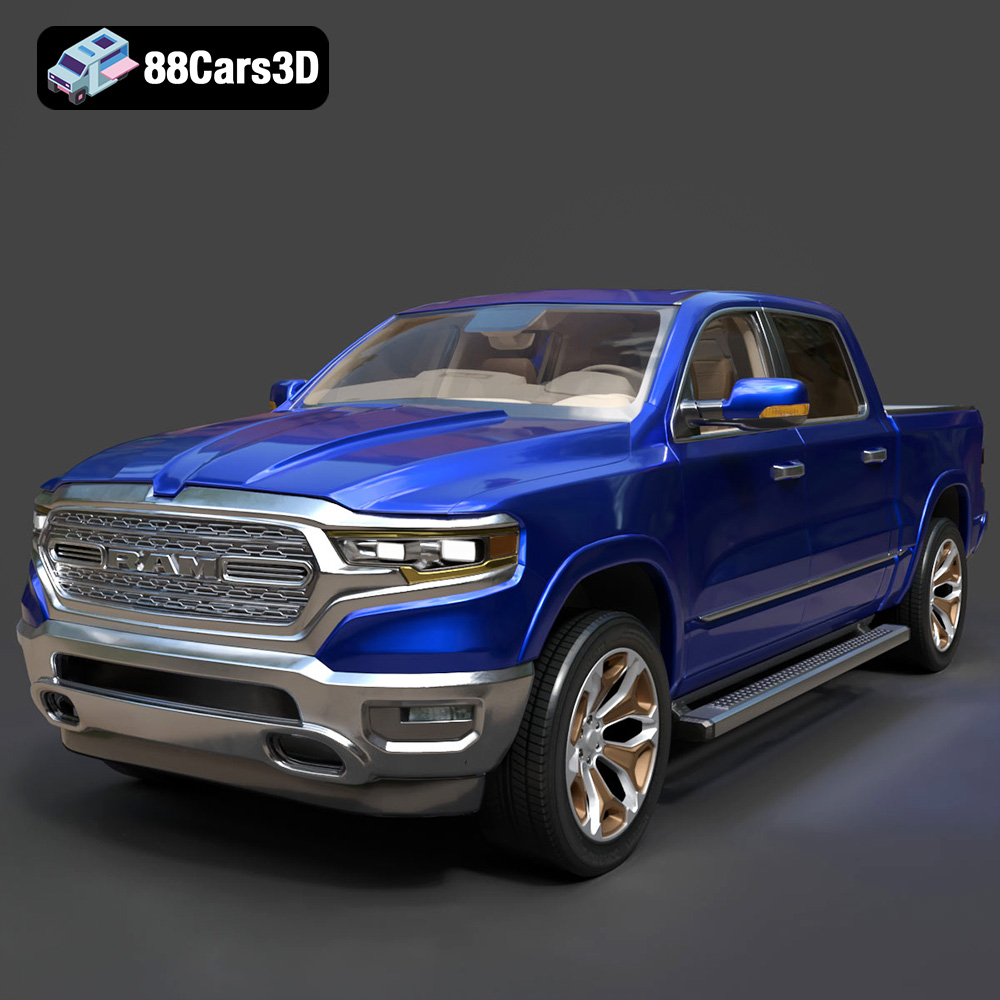
Texture: Yes
Material: Yes
Download the Dodge RAM 2019 3D Model featuring clean geometry, realistic detailing, and a fully modeled interior. Includes .blend, .fbx, .obj, .glb, .stl, .ply, .unreal, and .max formats for rendering, simulation, and game development.
Price: $19.99
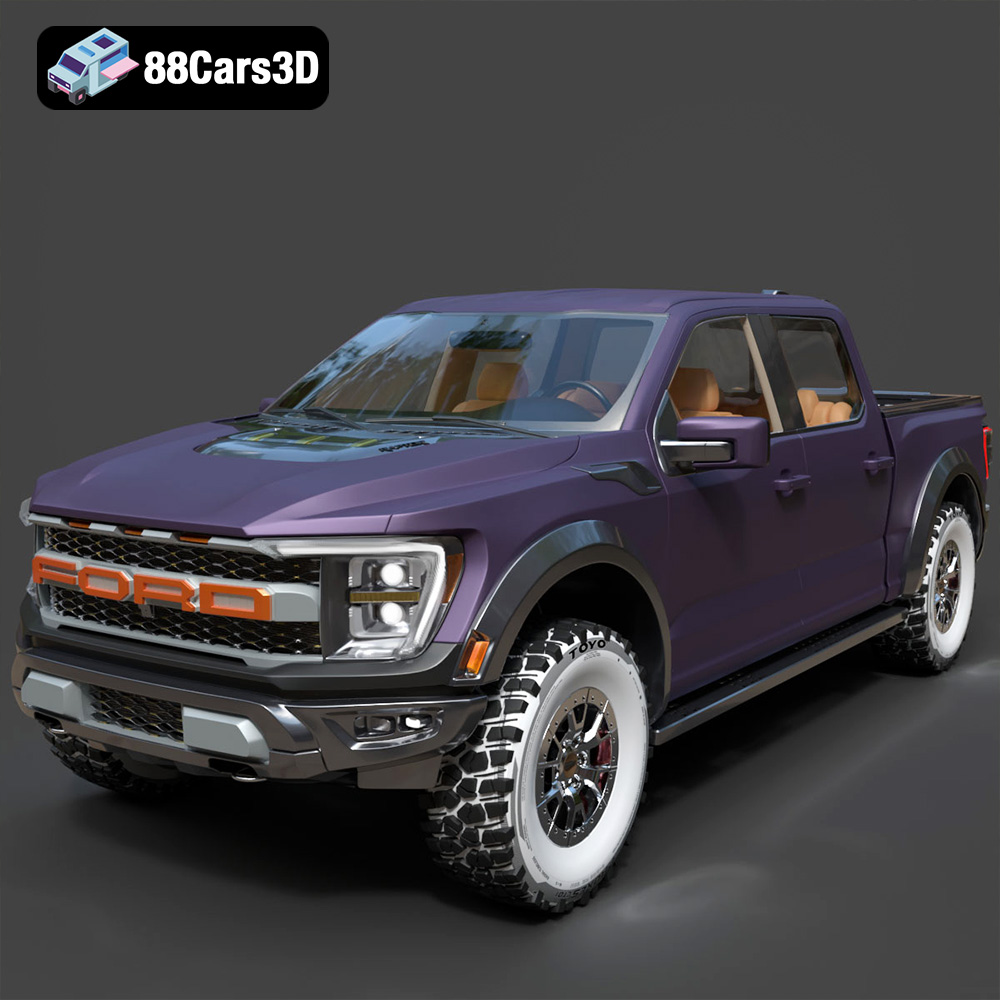
Texture: Yes | Material: Yes Download the ultra-high-detail Ford F-150 Raptor 2021 3D Model (8.73M Triangles). Features uncompromised widebody styling, fully modeled Fox Live Valve suspension, 37-inch tires, and interior. Perfect for premium VFX, cinematic rendering, and ArchViz. Includes .blend, .fbx, .obj, .glb, .stl, and .max formats.
Price: $29.99

Texture: Yes | Material: Yes Download the ultra-high-detail BMW 3 Series Limousine (2022) 3D Model (4.16M Triangles). Features the modernized G20 LCI exterior, the all-new BMW Curved Display interior, and ultra-dense topology. Perfect for ArchViz, VFX, and cinematic rendering. Includes .blend, .fbx, .obj, .glb, .stl, and .max formats.
Price: $19.99
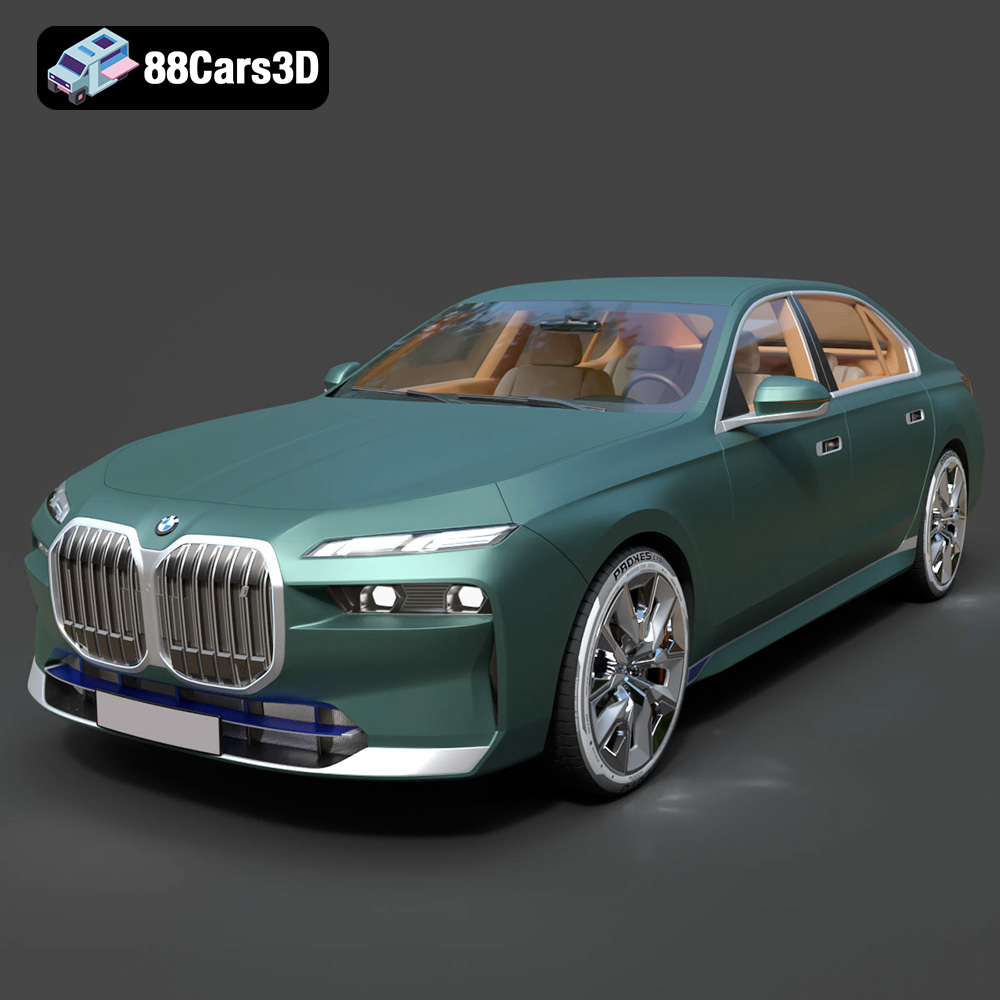
Texture: Yes | Material: Yes Download the ultra-high-detail BMW i7 (2023) 3D Model (4.14M Triangles). Features the illuminated kidney grille, split crystal headlights, fully modeled Theatre Screen interior, and monolithic luxury styling. Perfect for ArchViz, VFX, and cinematic rendering. Includes .blend, .fbx, .obj, .glb, .stl, and .max formats.
Price: $19.99
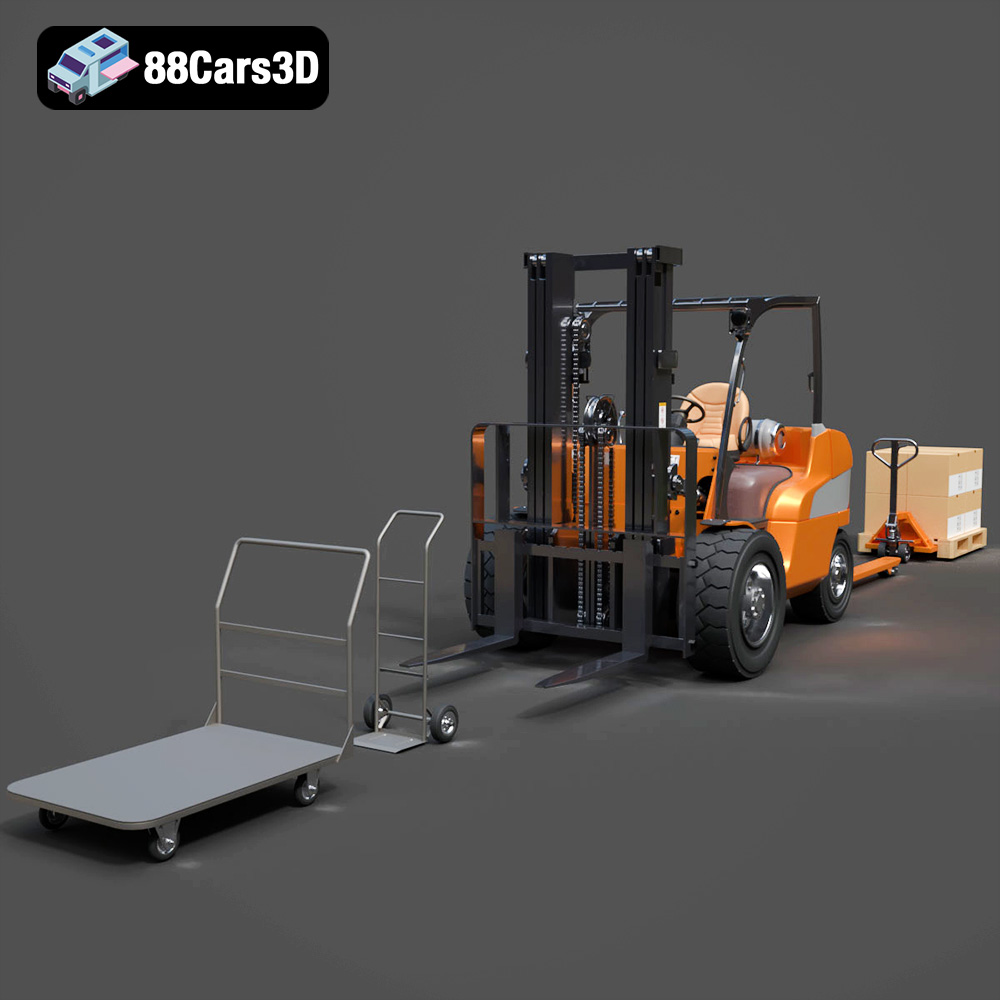
Texture: Yes | Material: Yes Download the highly detailed CAT Manual Loader & Warehouse Carts Kit 3D Model (2.4M Triangles). Features a macro-detailed hydraulic pallet jack, heavy-duty forks, and transport carts. Perfect for industrial ArchViz, factory rendering, and logistics simulations. Includes .blend, .fbx, .obj, .glb, .stl, and .max formats.
Price: $19.99

Texture: Yes | Material: Yes
Download the highly optimized Mazda CX-5 2014 3D Model (294k Triangles). Features the dynamic Kodo design language, signature grille, and a clean interior. Perfectly balanced for ArchViz, background traffic, and game development. Includes .blend, .fbx, .obj, .glb, .stl, and .max formats.
Price: $19.99
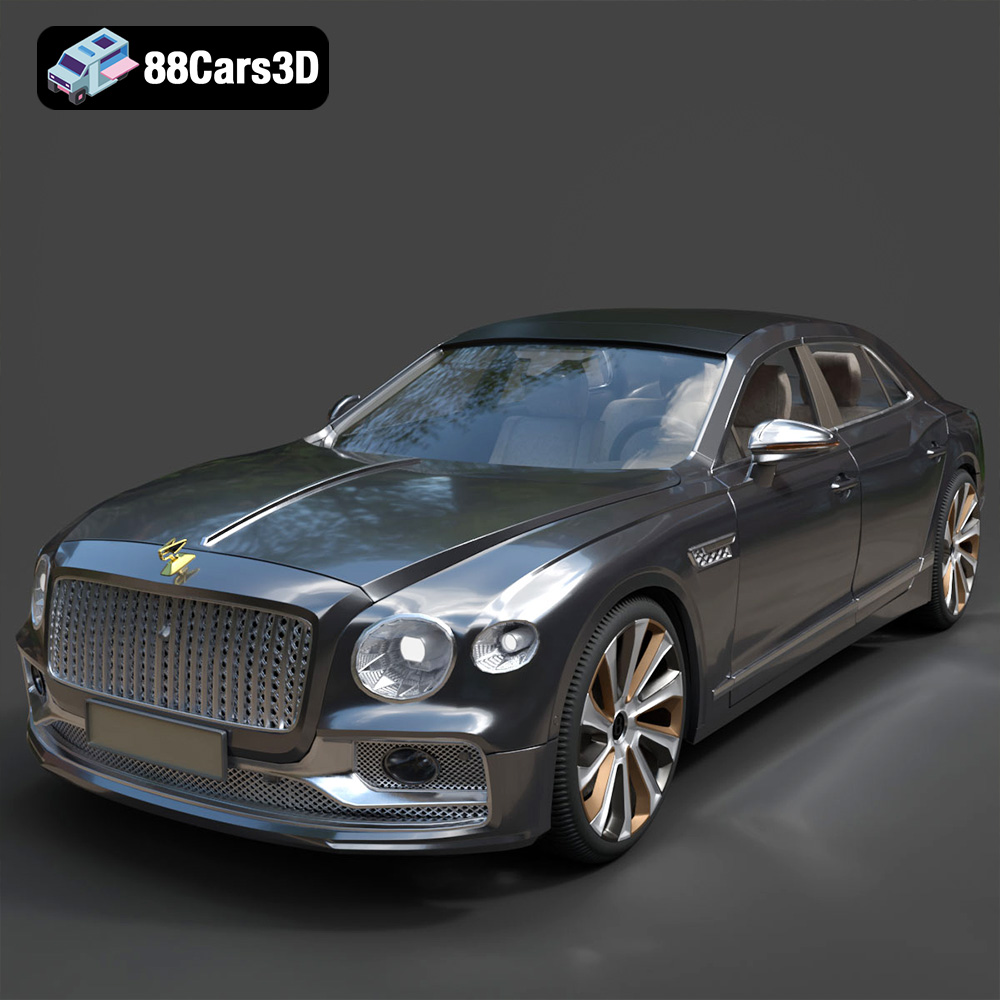
Texture: Yes | Material: Yes Download the ultra-high-detail Bentley Flying Spur Mulliner 2022 3D Model (2.94M Triangles). Features the bespoke Double Diamond grille, a fully modeled diamond-quilted interior, and exquisite luxury styling. Perfect for high-end ArchViz, VFX, and cinematic rendering. Includes .blend, .fbx, .obj, .glb, .stl, and .max formats.
Price: $19.90
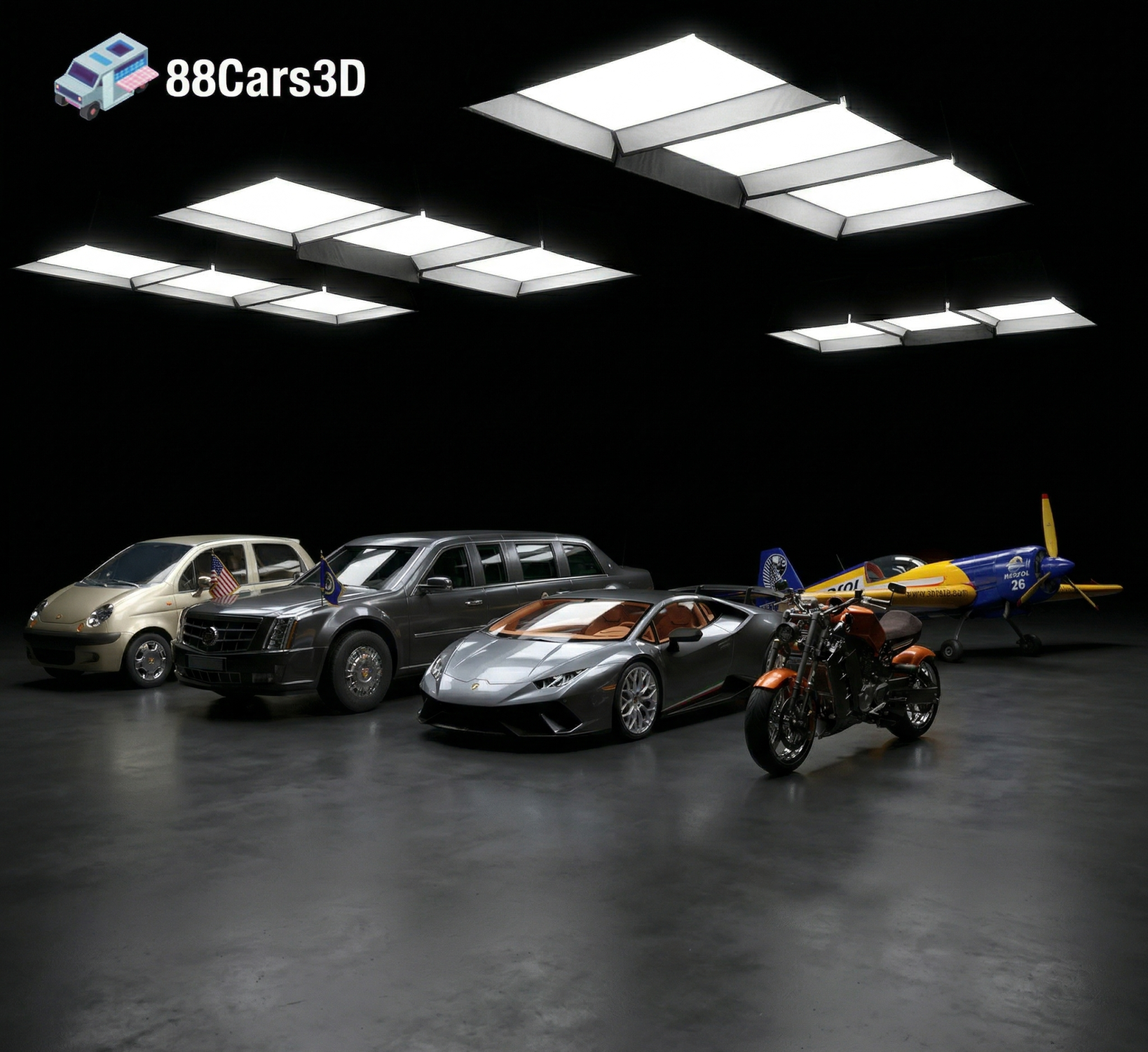
Texture: Yes | Material: Yes | 3D Printable: Yes. Download the Ultimate Creators’ Showcase featuring 5 premium 3D models: Lamborghini Huracan, ZAV Concept Motorcycle, Sukhoi SU-26, Presidential Limousine, and Daewoo Damas. Optimized for 4K CGI rendering and 3D printing. Save massive with this exclusive multi-category bundle!
Price: $99.99

