Get 50% OFF All Premium 3D & STL Models!

“`html
The world of 3D printing has become increasingly accessible, especially for beginners eager to bring digital designs to life. If you’re looking to dive into the realm of 3D printing, particularly for creating stunning printable car models from platforms like 88cars3d.com, finding the right budget-friendly printer is crucial. This guide will walk you through the top affordable 3D printers suitable for beginners, focusing on their capabilities, specifications, and how they handle STL files to produce high-quality prints. We’ll cover everything from choosing the right printer type and understanding key settings to optimizing your slicing parameters for the best possible results. Get ready to transform your digital designs into tangible masterpieces!
Before we dive into printer recommendations, let’s briefly discuss the backbone of 3D printing: the STL file format. STL (Stereolithography) files are the industry standard for representing 3D models as a collection of triangles. This format is universally compatible with 3D printers and slicing software. When downloading models from marketplaces such as 88cars3d.com, you’ll primarily encounter STL files ready for printing.
The quality of an STL file is directly related to the number of triangles used to represent the model. A higher triangle count results in a smoother, more detailed print. However, excessively high triangle counts can lead to larger file sizes and increased processing time. For models like those found on 88cars3d.com, a balance between detail and file size is crucial for efficient printing.
A crucial characteristic of a printable STL file is that it must be “manifold,” meaning it represents a closed, watertight volume. Non-manifold meshes have holes, overlapping faces, or disconnected components, which can cause slicing software to misinterpret the geometry and lead to print failures. Tools like MeshMixer and Netfabb can be used to repair non-manifold meshes before printing.
Two primary types of 3D printers dominate the budget-friendly market: Fused Deposition Modeling (FDM) and Resin printers. Each type has its pros and cons, impacting the printing process and the final product.
FDM printers are the workhorses of the 3D printing world. They work by melting plastic filament and extruding it layer by layer onto a build platform. FDM printers are known for their versatility, affordability, and ease of use. Common materials include PLA, PETG, and ABS.
Resin printers, also known as Stereolithography (SLA) or Digital Light Processing (DLP) printers, use liquid resin that is cured by UV light layer by layer. Resin printers are renowned for their ability to produce highly detailed prints with smooth surfaces, making them ideal for intricate models and miniatures.
Here are some of the top budget-friendly 3D printers that are perfect for beginners looking to print STL files of car models from 88cars3d.com:
The Creality Ender 3 V2 is a perennial favorite among beginners due to its affordability, ease of assembly, and large community support. It boasts a decent build volume (220x220x250mm), a heated bed, and a user-friendly interface. The Ender 3 V2 is an excellent choice for printing car models using PLA or PETG filament.
If you’re after highly detailed car models with smooth surfaces, the Anycubic Photon Mono is an excellent entry-level resin printer. It features a monochrome LCD screen for faster curing times and a decent build volume (130x80x165mm). The Photon Mono is ideal for printing smaller, intricate car models with incredible precision.
The slicing process is where the magic happens. Slicing software converts your STL file into a series of instructions (G-code) that the 3D printer can understand. Proper slicing techniques are crucial for achieving optimal print quality.
Cura and PrusaSlicer are two of the most popular and powerful slicing software options available. Both are free and open-source and offer a wide range of settings to fine-tune your prints. They both also support the import of STL files.
Support structures are essential for printing models with overhangs or complex geometries. Improper support placement or removal can lead to print defects. Using the tree support feature in Cura can help minimize material usage and make support removal easier.
Choosing the right material and properly calibrating your printer are critical for successful 3D printing. Different materials have different properties and require different printer settings.
PLA is the most popular filament for beginners due to its ease of use and biodegradability. PETG is a stronger and more heat-resistant alternative. ABS is known for its durability but requires a heated bed and good ventilation.
Proper printer calibration is essential for achieving accurate and consistent prints. This includes bed leveling, adjusting the Z-offset, and calibrating the extruder.
Post-processing is the final step in the 3D printing process and involves cleaning, sanding, painting, and assembling the printed parts. These techniques can significantly improve the appearance and functionality of your 3D printed car models.
Sanding removes layer lines and imperfections from the surface of the print. Priming provides a smooth base for painting. Painting adds color and detail to the model.
Many car models from platforms like 88cars3d.com may consist of multiple parts that need to be assembled. Use glue or screws to join the parts together. Add details like decals, mirrors, and lights to enhance the realism of the model.
Even with the best printers and settings, 3D printing failures can occur. Understanding common issues and how to troubleshoot them is essential for a smooth printing experience.
Warping occurs when the corners of the print lift off the bed. Bed adhesion issues prevent the first layer from sticking to the bed. Layer delamination is the separation of layers during printing.
Clogging occurs when filament gets stuck in the nozzle. Stringing is the formation of thin strands of filament between parts. Overhang issues occur when printing unsupported structures.
Choosing the right budget 3D printer for printing STL files of car models from 88cars3d.com is an exciting journey. Understanding the differences between FDM and resin printers, mastering slicing techniques, and learning to troubleshoot common printing issues are all essential steps. By following the tips and recommendations outlined in this guide, you’ll be well on your way to creating stunning, high-quality 3D printed car models. Remember to experiment with different settings and materials to find what works best for your specific printer and project. With patience and practice, you can unlock the full potential of 3D printing and bring your digital designs to life. So, start exploring the wide range of printable car models available online and begin your 3D printing adventure today!
“`
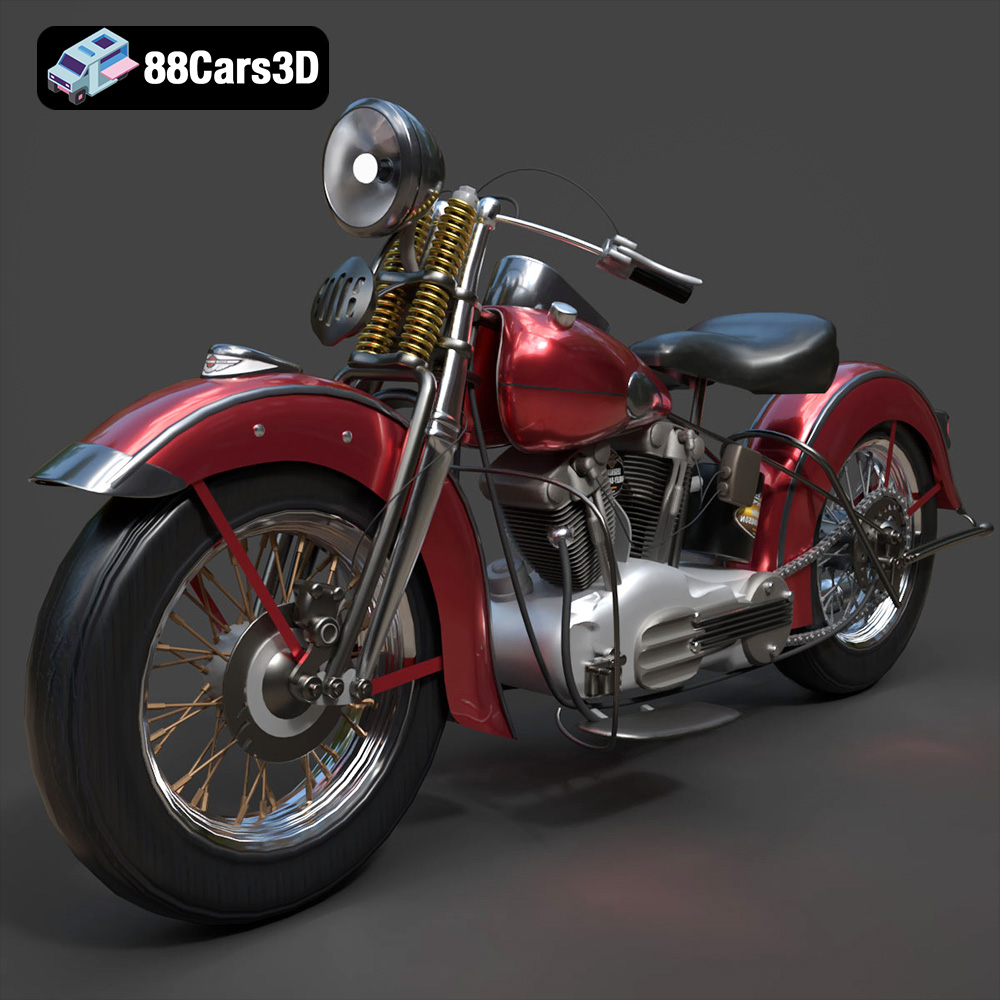
Texture: Yes
Material: Yes
Download the Harley Davidson F 1946 3D Model featuring clean geometry, realistic detailing, and a fully modeled interior. Includes .blend, .fbx, .obj, .glb, .stl, .ply, .unreal, and .max formats for rendering, simulation, and game development.
Price: $19.99
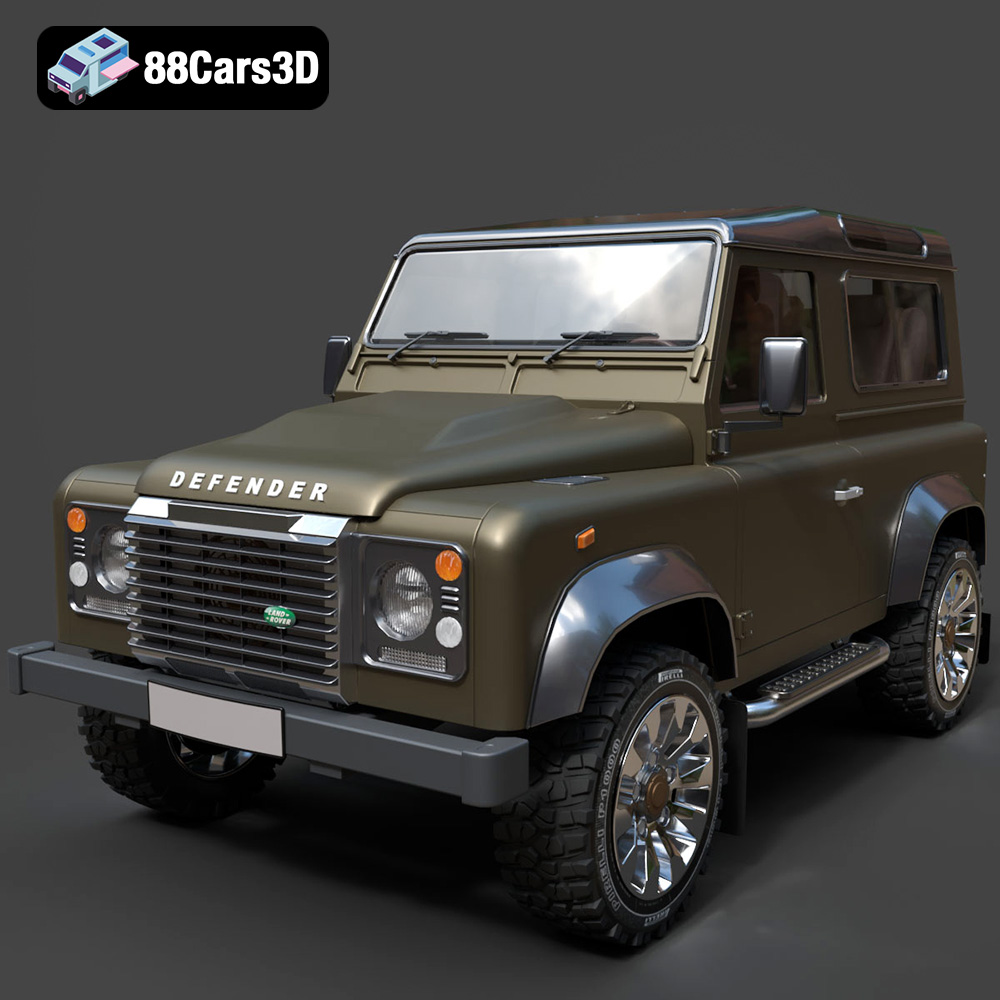
Texture: Yes
Material: Yes
Download the Land Rover Defender Works V8 3D Model featuring clean geometry, realistic detailing, and a fully modeled interior. Includes .blend, .fbx, .obj, .glb, .stl, .ply, .unreal, and .max formats for rendering, simulation, and game development.
Price: $19.99
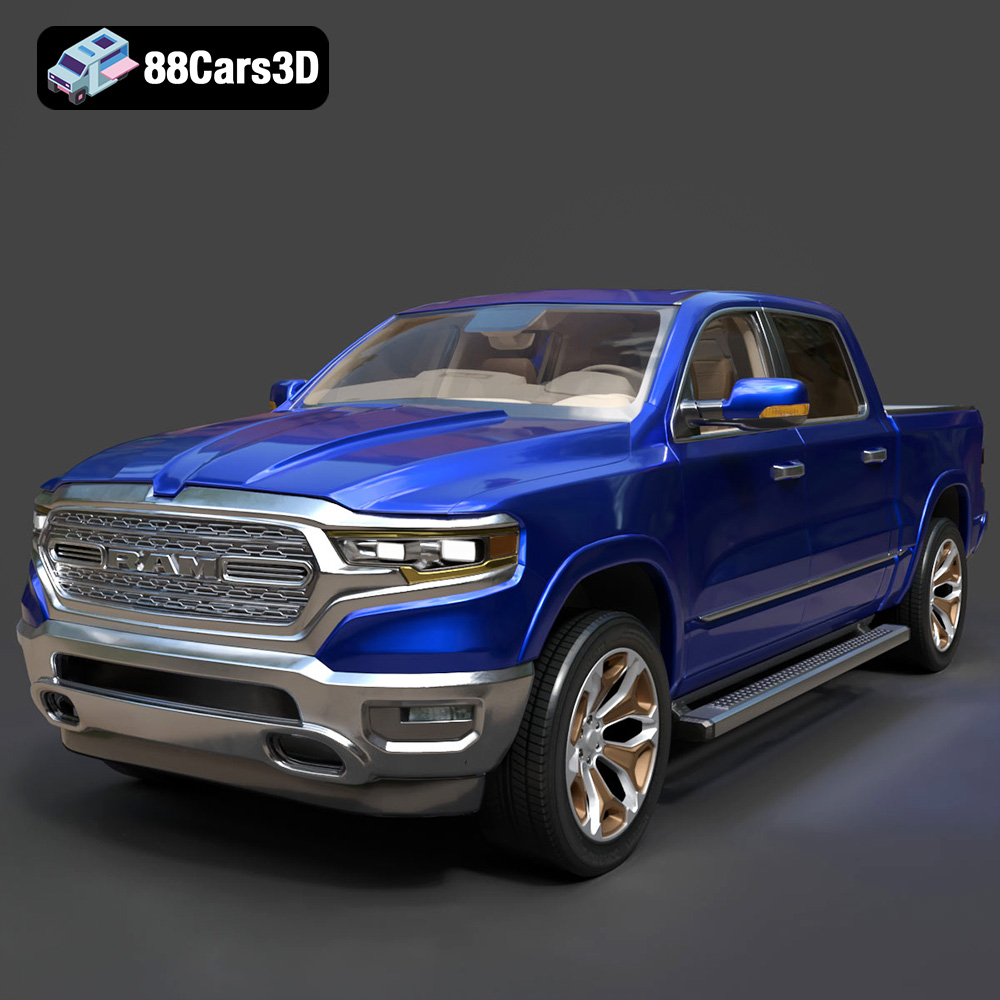
Texture: Yes
Material: Yes
Download the Dodge RAM 2019 3D Model featuring clean geometry, realistic detailing, and a fully modeled interior. Includes .blend, .fbx, .obj, .glb, .stl, .ply, .unreal, and .max formats for rendering, simulation, and game development.
Price: $19.99
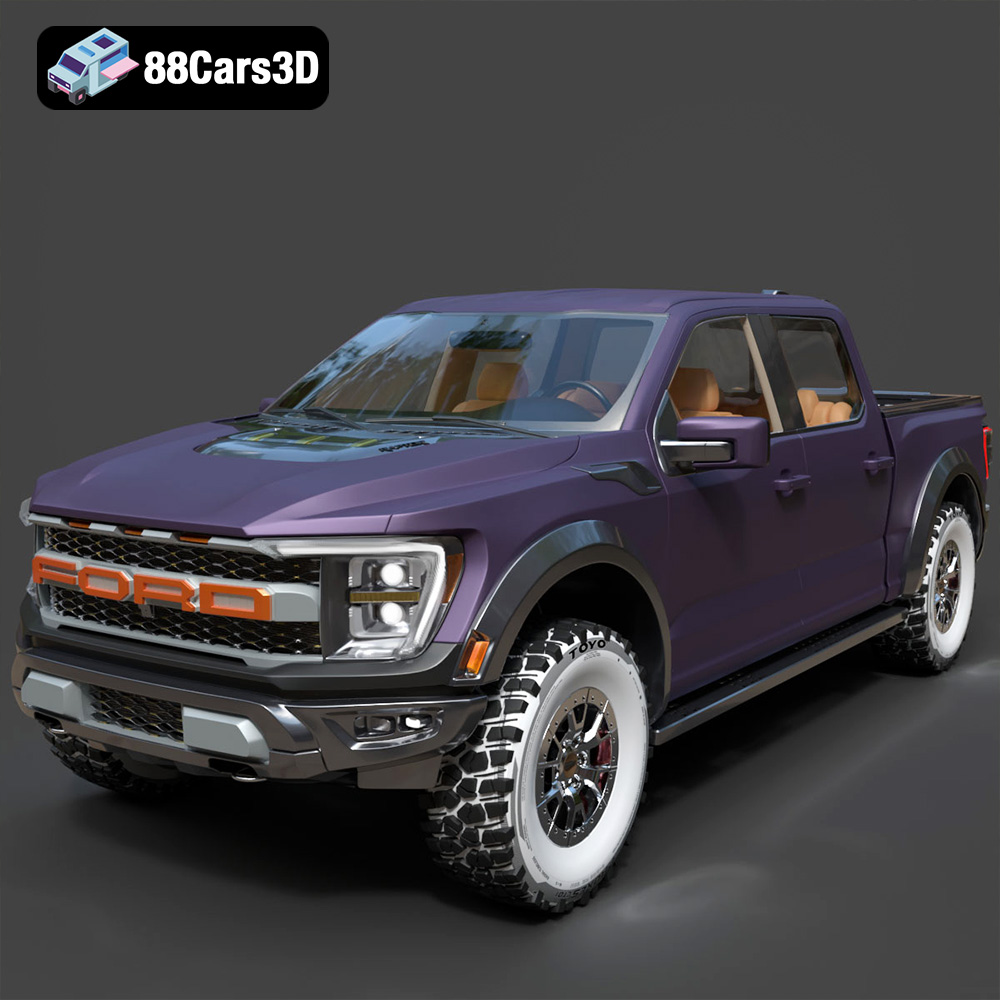
Texture: Yes | Material: Yes Download the ultra-high-detail Ford F-150 Raptor 2021 3D Model (8.73M Triangles). Features uncompromised widebody styling, fully modeled Fox Live Valve suspension, 37-inch tires, and interior. Perfect for premium VFX, cinematic rendering, and ArchViz. Includes .blend, .fbx, .obj, .glb, .stl, and .max formats.
Price: $29.99
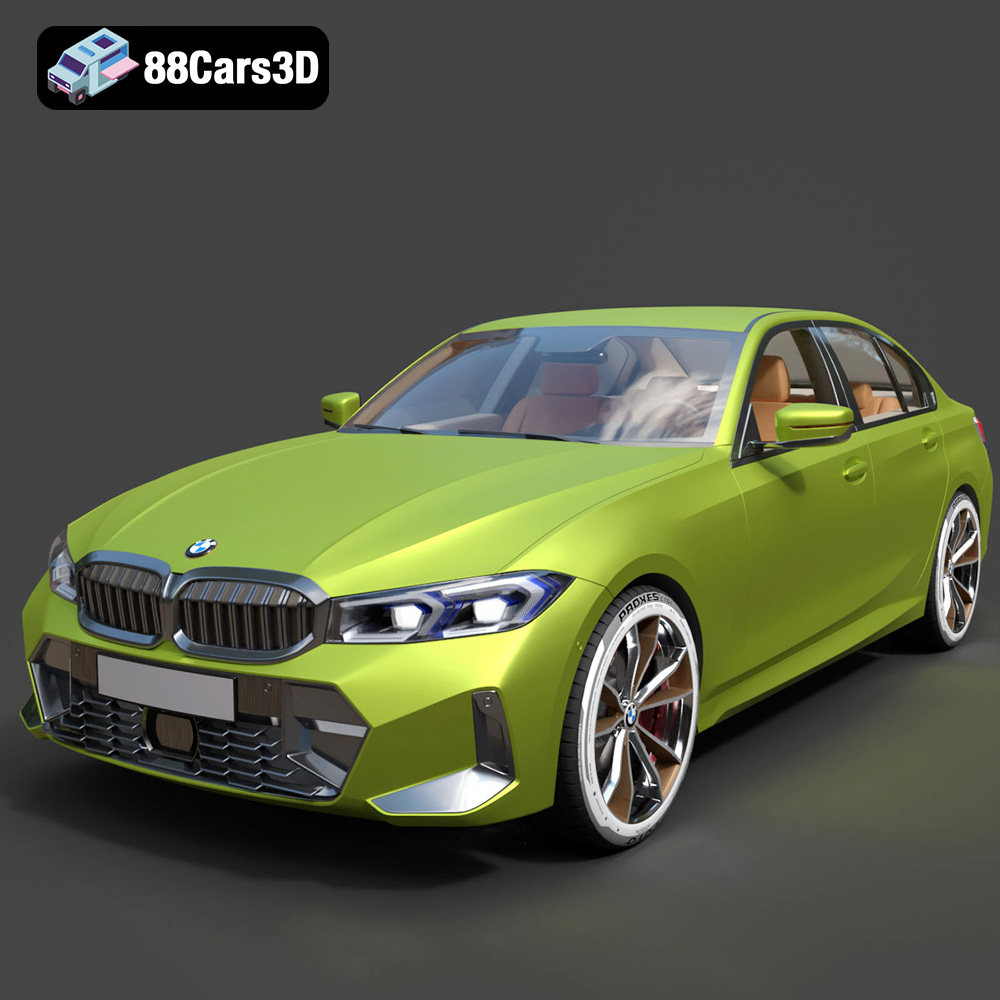
Texture: Yes | Material: Yes Download the ultra-high-detail BMW 3 Series Limousine (2022) 3D Model (4.16M Triangles). Features the modernized G20 LCI exterior, the all-new BMW Curved Display interior, and ultra-dense topology. Perfect for ArchViz, VFX, and cinematic rendering. Includes .blend, .fbx, .obj, .glb, .stl, and .max formats.
Price: $19.99
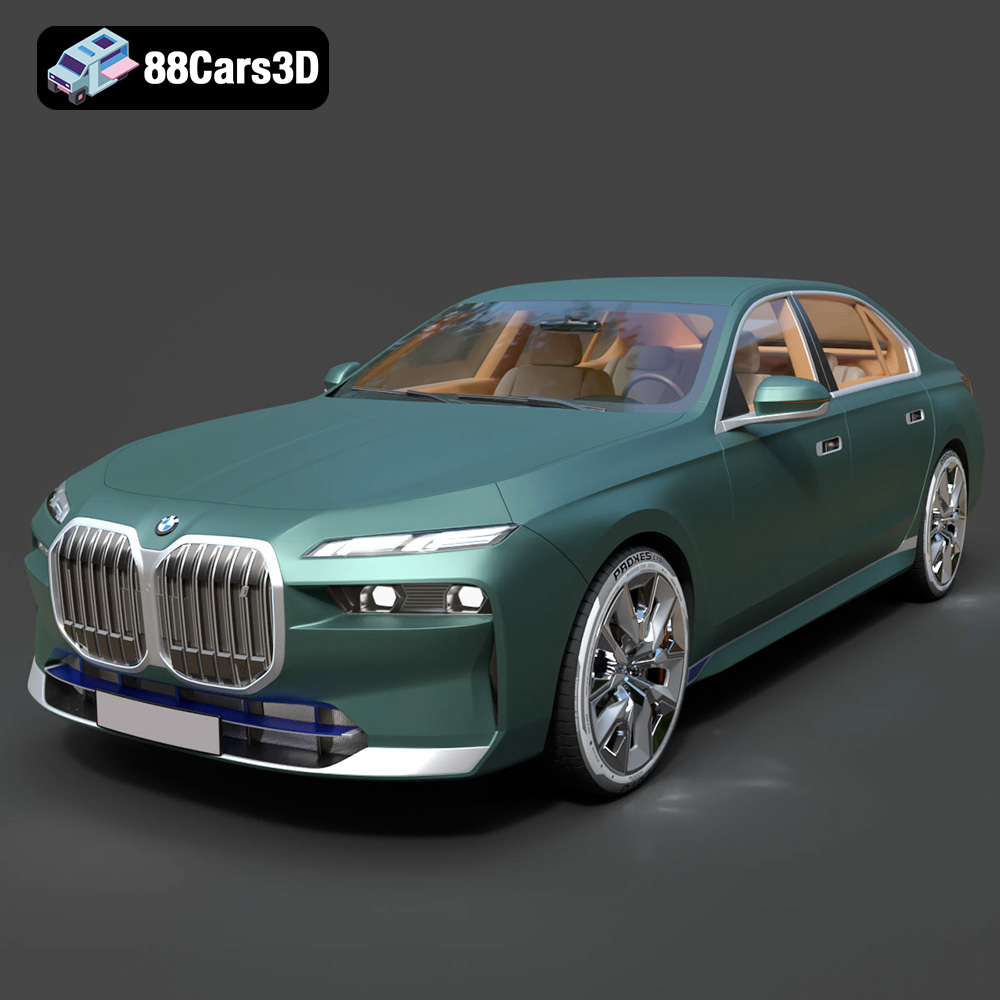
Texture: Yes | Material: Yes Download the ultra-high-detail BMW i7 (2023) 3D Model (4.14M Triangles). Features the illuminated kidney grille, split crystal headlights, fully modeled Theatre Screen interior, and monolithic luxury styling. Perfect for ArchViz, VFX, and cinematic rendering. Includes .blend, .fbx, .obj, .glb, .stl, and .max formats.
Price: $19.99
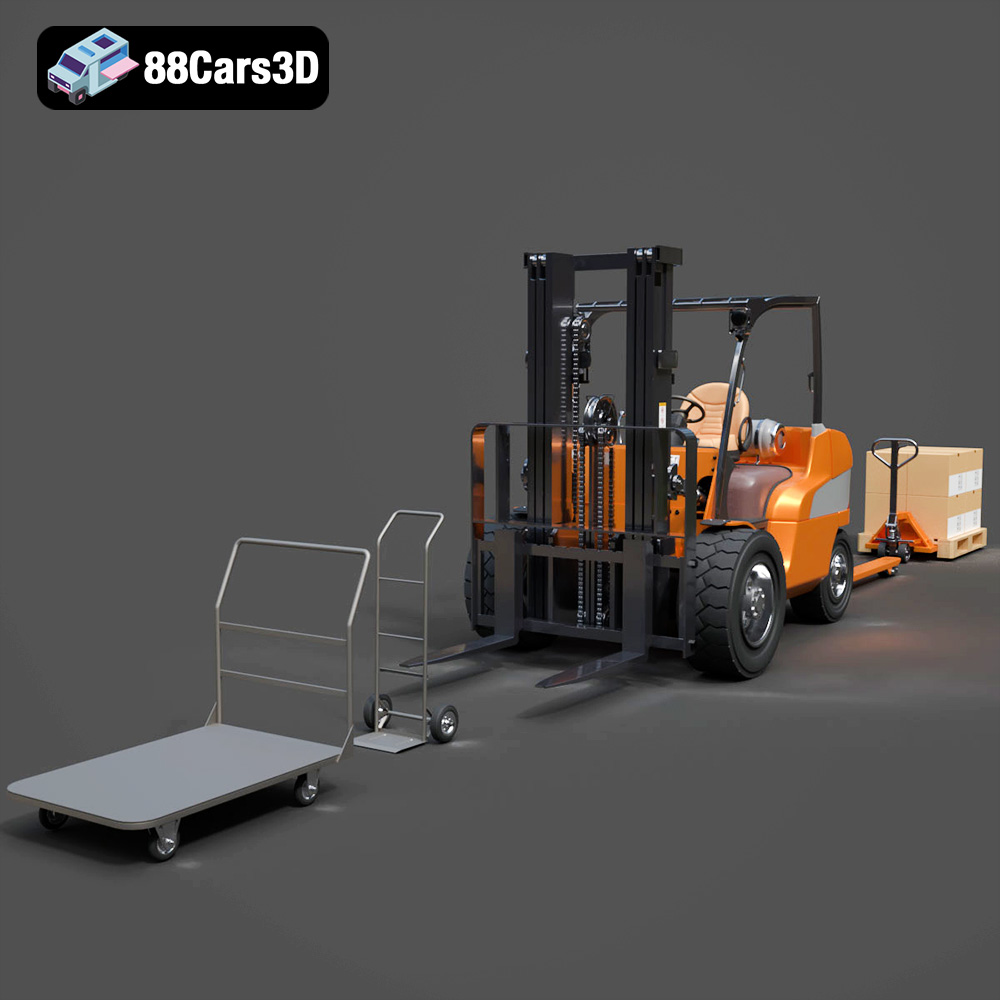
Texture: Yes | Material: Yes Download the highly detailed CAT Manual Loader & Warehouse Carts Kit 3D Model (2.4M Triangles). Features a macro-detailed hydraulic pallet jack, heavy-duty forks, and transport carts. Perfect for industrial ArchViz, factory rendering, and logistics simulations. Includes .blend, .fbx, .obj, .glb, .stl, and .max formats.
Price: $19.99
Texture: Yes | Material: Yes
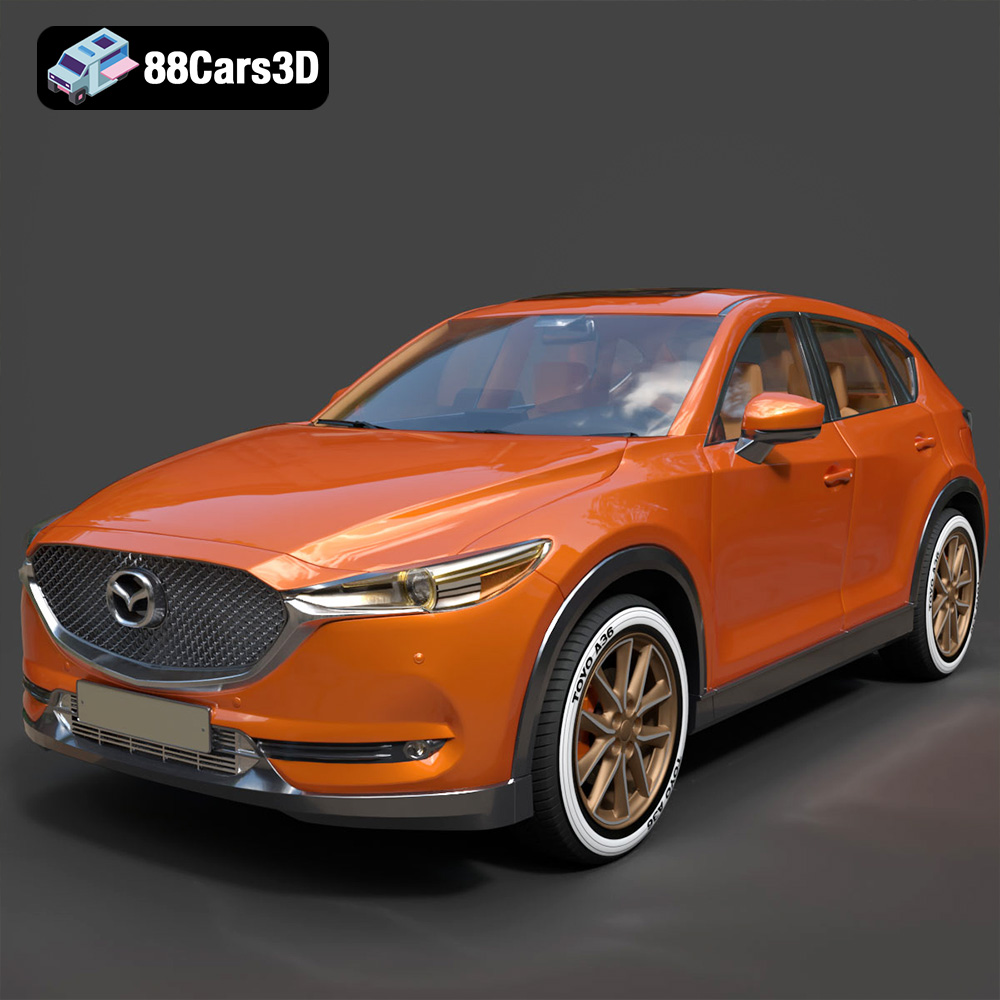
Download the highly optimized Mazda CX-5 2014 3D Model (294k Triangles). Features the dynamic Kodo design language, signature grille, and a clean interior. Perfectly balanced for ArchViz, background traffic, and game development. Includes .blend, .fbx, .obj, .glb, .stl, and .max formats.
Price: $19.99
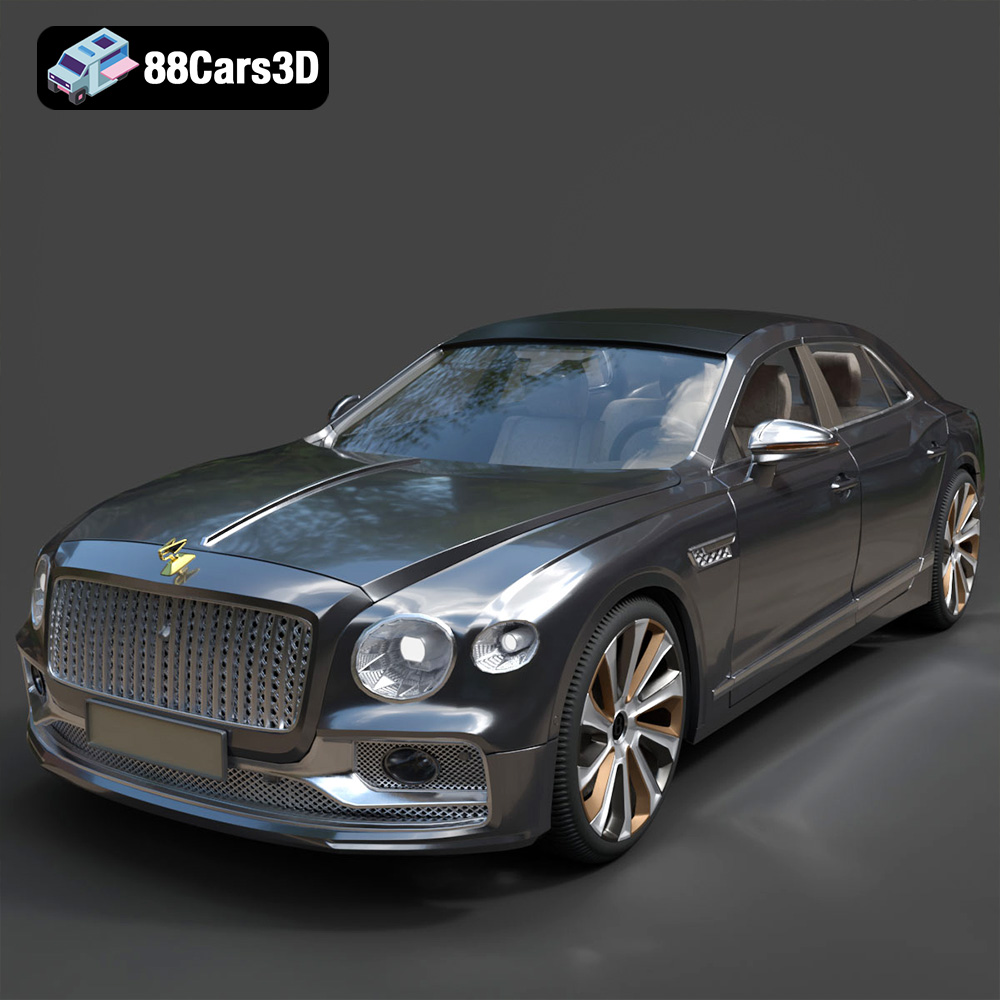
Texture: Yes | Material: Yes Download the ultra-high-detail Bentley Flying Spur Mulliner 2022 3D Model (2.94M Triangles). Features the bespoke Double Diamond grille, a fully modeled diamond-quilted interior, and exquisite luxury styling. Perfect for high-end ArchViz, VFX, and cinematic rendering. Includes .blend, .fbx, .obj, .glb, .stl, and .max formats.
Price: $19.90
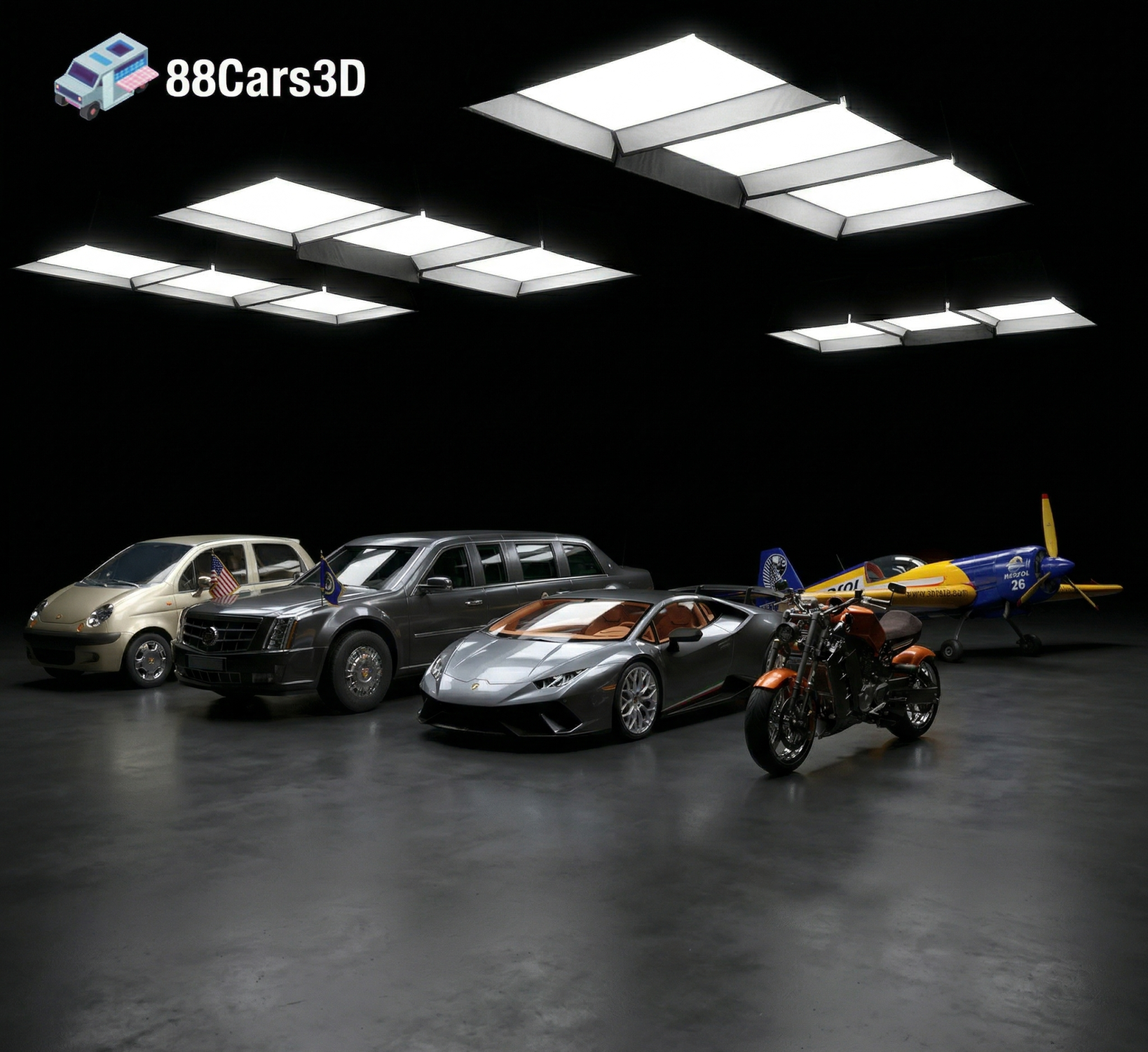
Texture: Yes | Material: Yes | 3D Printable: Yes. Download the Ultimate Creators’ Showcase featuring 5 premium 3D models: Lamborghini Huracan, ZAV Concept Motorcycle, Sukhoi SU-26, Presidential Limousine, and Daewoo Damas. Optimized for 4K CGI rendering and 3D printing. Save massive with this exclusive multi-category bundle!
Price: $99.99

