Get 50% OFF All Premium 3D & STL Models!

“`html
The world of 3D printing has revolutionized model making, offering unparalleled precision and customization. Whether you’re crafting miniature car models from 88cars3d.com, architectural marvels, or intricate character figures, selecting the right 3D printer is crucial. But with a dizzying array of options on the market, how do you determine which features truly matter? This comprehensive guide will delve into the essential aspects of 3D printers for model makers, covering everything from printing technology and resolution to software compatibility and material selection. We’ll explore the nuances of FDM and resin printing, discuss optimal slicing parameters, and provide actionable tips to help you achieve stunning results. By the end of this article, you’ll have a clear understanding of the critical features to consider when choosing a 3D printer for your model-making endeavors.
The first and perhaps most important decision is choosing between Fused Deposition Modeling (FDM) and resin-based printers (SLA, DLP, and LCD). Each technology offers distinct advantages and disadvantages, making one better suited than the other for specific modeling applications.
FDM printers work by extruding molten plastic filament through a nozzle, building up a model layer by layer. These printers are generally more affordable and user-friendly, making them a popular choice for beginners. They also offer a wider range of material options, including PLA, PETG, ABS, and even specialty filaments like carbon fiber-infused plastics. The build volume of FDM printers tends to be larger than resin printers in the same price range, allowing for bigger models or multiple smaller models to be printed simultaneously.
However, FDM prints typically exhibit layer lines, which can detract from the overall aesthetic of highly detailed models. Post-processing, such as sanding and painting, is often required to achieve a smooth finish. Typical layer heights for FDM printing range from 0.1mm to 0.3mm, with finer layers resulting in smoother surfaces but longer print times. Infill density is another crucial parameter, affecting the strength and weight of the model. A 15-20% infill is usually sufficient for aesthetic models, while functional parts may require higher densities.
Resin printers, on the other hand, utilize liquid resin that is cured by UV light. This process allows for significantly higher resolution and finer details compared to FDM printing. The resulting prints are smoother, with virtually no visible layer lines. Resin printing is ideal for creating intricate miniatures, jewelry, and other models that demand exceptional surface quality. Platforms like 88cars3d.com are great resources for finding highly detailed car models designed specifically for resin printing, maximizing the technology’s potential.
Resin printers come with their own set of challenges. They are generally more expensive than FDM printers, and the resin itself can be costly. Resin printing also requires careful handling and ventilation due to the fumes produced during the curing process. Post-processing involves washing the prints in isopropyl alcohol (IPA) and curing them under UV light to fully harden the resin. Common layer heights for resin printing range from 0.025mm to 0.05mm, enabling incredibly fine details. When printing with resin, consider the orientation of the model to minimize support structures, as these can leave marks on the surface.
Resolution and accuracy are paramount for model makers, directly impacting the level of detail and dimensional correctness of the finished product. Understanding these parameters and how they relate to your chosen printing technology is essential for achieving optimal results.
Layer height refers to the thickness of each layer deposited by the printer. As mentioned earlier, lower layer heights result in smoother surfaces and finer details, but also increase print time. For FDM printing, a layer height of 0.1mm is a good starting point for detailed models, while 0.2mm or 0.3mm can be used for larger, less intricate prints. For resin printing, layer heights of 0.025mm or even 0.01mm are achievable, allowing for incredibly fine details.
Experimenting with different layer heights is crucial to finding the optimal balance between detail and print time. Consider the complexity of your model and the desired level of surface smoothness when making your decision. In slicing software like Cura or PrusaSlicer, you can adjust the layer height settings to fine-tune your prints.
XY resolution refers to the smallest movement the printer can make in the horizontal plane. In FDM printing, this is determined by the nozzle diameter and the precision of the printer’s motors. Resin printers have a higher XY resolution, determined by the pixel size of the LCD screen or the precision of the laser. Higher XY resolution translates to sharper details and more accurate reproduction of fine features.
Accuracy, on the other hand, refers to how closely the printed model matches the original design. Factors such as printer calibration, material shrinkage, and support structure placement can affect accuracy. Regular printer calibration and careful material selection are essential for achieving accurate prints. When downloading models from marketplaces such as 88cars3d.com, ensure they are designed with sufficient tolerances to account for potential shrinkage during printing.
The build volume and the presence of an enclosure are critical factors that impact the size and types of models you can create, as well as the overall printing environment and quality.
Build volume refers to the maximum size of an object that can be printed. It is defined by the dimensions of the printer’s build plate (width x depth x height). Consider the typical size of the models you intend to create when selecting a printer. If you plan to print large car models or multi-part assemblies, a printer with a larger build volume is essential.
While a larger build volume offers more flexibility, it also comes with its own challenges. Larger models are more prone to warping and require stronger support structures. Bed adhesion becomes even more critical for large prints. Ensure your build plate is properly leveled and that you are using appropriate bed adhesion methods, such as glue stick or painter’s tape, to prevent warping.
An enclosure is a sealed chamber that surrounds the printer, providing a controlled printing environment. Enclosures are particularly important for printing materials like ABS, which are prone to warping and cracking if exposed to drafts or temperature fluctuations. Enclosures help to maintain a consistent temperature, ensuring that the plastic cools evenly and minimizing warping.
Even when printing with PLA, an enclosure can improve print quality by reducing drafts and maintaining a stable temperature. Some printers come with built-in enclosures, while others can be purchased separately or even built DIY. An enclosure also helps to contain fumes and odors, making the printing process more comfortable and safer.
The software and file formats your 3D printer supports are crucial for seamlessly integrating it into your model-making workflow. Compatibility with popular slicing software and common file formats will save you time and frustration.
Slicing software converts your 3D model into a series of instructions that the printer can understand. Popular slicing software options include Cura, PrusaSlicer, Simplify3D, and Chitubox (for resin printers). Each software offers a range of features and settings that allow you to fine-tune your prints. Key parameters to adjust in slicing software include layer height, infill density, support structures, print speed, and temperature.
Cura and PrusaSlicer are excellent free options that offer a wide range of features and support for a variety of printers. Simplify3D is a paid option that offers advanced features and greater control over the printing process. Chitubox is a popular choice for resin printing, offering features specifically tailored to resin-based technologies. Understanding the capabilities of your chosen slicing software is essential for achieving optimal print quality. Experiment with different settings and profiles to find what works best for your printer and the materials you are using.
The most common file format for 3D printing is STL (Stereolithography). STL files represent the surface geometry of a 3D model as a collection of triangles. While STL is widely supported, it can sometimes lead to issues with mesh quality, such as gaps or non-manifold edges. Other common file formats include OBJ (Object) and 3MF (3D Manufacturing Format). OBJ files can store color and texture information, while 3MF files are a more modern format that aims to address the limitations of STL.
When working with STL files, it’s important to ensure that the mesh is clean and manifold. Mesh repair software, such as Meshmixer or Netfabb, can be used to fix common issues. Many slicing software programs also include basic mesh repair tools. Always inspect your STL files carefully before printing to avoid unexpected errors or print failures. Platforms like 88cars3d.com ensure that the STL files they offer are pre-checked and optimized for 3D printing, saving you valuable time and effort.
The range of materials a printer can handle and the ability to fine-tune print settings for each material are crucial for achieving optimal results and expanding your creative possibilities.
FDM printers offer a wide range of material options, including PLA, PETG, ABS, TPU (flexible filament), and specialty filaments like carbon fiber-infused or wood-filled plastics. Each material has its own unique properties and printing requirements. PLA is a biodegradable plastic that is easy to print and offers good strength and stiffness. PETG is more durable and heat-resistant than PLA. ABS is a strong and impact-resistant plastic, but it requires higher printing temperatures and an enclosed build chamber to prevent warping.
Resin printers typically use UV-curable resins, which come in a variety of formulations with different properties. Standard resins are suitable for general-purpose printing, while tough resins offer higher strength and impact resistance. Flexible resins can be used to create flexible parts, and castable resins are designed for investment casting. Select the material that best suits the requirements of your model and the desired final properties.
Optimal print settings vary depending on the material being used and the specific printer. Key parameters to adjust include nozzle temperature, bed temperature, print speed, layer height, infill density, and support structures. Refer to the manufacturer’s recommendations for the specific material you are using as a starting point, and then fine-tune the settings based on your own experience and observations.
For example, PLA typically prints well at a nozzle temperature of 200-220°C and a bed temperature of 60°C. ABS requires higher temperatures, typically 230-250°C for the nozzle and 80-110°C for the bed. Print speed also affects print quality. Slower speeds generally result in smoother surfaces and more accurate details, but also increase print time. Experiment with different print speeds to find the optimal balance for your printer and the material you are using.
Support structures are essential for printing models with overhangs or complex geometries. Understanding how to generate and remove support structures effectively is crucial for achieving successful prints.
Support structures are temporary structures that provide support for overhanging features during printing. They are typically generated automatically by slicing software, but you can also manually add or remove supports to optimize the printing process. When generating supports, consider the angle of the overhangs and the amount of support needed. Too few supports can lead to sagging or collapse, while too many supports can be difficult to remove and leave marks on the surface of the model.
Slicing software offers various options for support structures, including tree supports, linear supports, and grid supports. Tree supports are more efficient in terms of material usage and can be easier to remove, but they may not be suitable for all geometries. Linear supports are stronger and provide more support, but they can be more difficult to remove. Experiment with different support types and settings to find what works best for your model.
Removing support structures can be a delicate process, especially for detailed models. Use appropriate tools, such as pliers, tweezers, and a sharp knife, to carefully remove the supports without damaging the surface of the model. Consider the material being used and the type of support structures when choosing your removal method. Some supports can be easily broken off by hand, while others may require more careful cutting or sanding.
Dissolvable support materials, such as HIPS (High Impact Polystyrene) for ABS or PVA (Polyvinyl Alcohol) for PLA, can be used with dual-extrusion printers. These materials dissolve in a solvent, such as limonene for HIPS or water for PVA, leaving behind a clean surface without any marks. Proper orientation during printing can often reduce the need for supports in the first place. Planning the print and rotating the model can place more surfaces on the print bed, negating the need for supports. Careful planning minimizes post-processing work. Consider the placement of the seams on your models to keep them in less visible locations.
Proper printer calibration and regular maintenance are essential for ensuring the longevity of your 3D printer and maintaining consistent print quality. Neglecting these aspects can lead to various printing issues and reduce the lifespan of your printer.
Bed leveling is the process of ensuring that the build plate is perfectly level and at the correct distance from the nozzle. A properly leveled bed is crucial for achieving good bed adhesion, which is essential for successful prints. Most 3D printers have manual bed leveling knobs or automatic bed leveling sensors. Follow the manufacturer’s instructions for your specific printer to level the bed correctly.
Regularly check the bed level, especially after moving the printer or making significant changes to the print settings. A warped or uneven bed can lead to warping, poor adhesion, and even damage to the nozzle. Consider using a bed adhesion aid, such as glue stick or painter’s tape, to improve adhesion, especially for materials that are prone to warping.
Regular maintenance and cleaning are essential for keeping your 3D printer in good working order. Clean the nozzle regularly to remove any buildup of plastic. Use a wire brush or a nozzle cleaning needle to remove any clogs. Clean the build plate with isopropyl alcohol to remove any residue and ensure good adhesion.
Lubricate the moving parts of the printer, such as the lead screws and bearings, with appropriate lubricant. Check the belts for tension and adjust them as needed. Inspect the wiring and connectors for any signs of damage or wear. By performing regular maintenance and cleaning, you can prevent many common printing issues and extend the lifespan of your 3D printer. When acquiring car model STL files, ensure the site providing them offers clear guidance, and that the files are robust to avoid complications. For instance, platforms like 88cars3d.com often provide pre-optimized and quality-checked files.
Choosing the right 3D printer for model making is a multifaceted decision, but by carefully considering the factors outlined in this guide, you can select a printer that meets your specific needs and allows you to create stunning, high-quality models. From understanding the nuances of FDM and resin printing to mastering slicing parameters, support structures, and printer maintenance, each aspect plays a crucial role in the overall success of your 3D printing endeavors. Remember to prioritize resolution and accuracy, choose a build volume that accommodates your projects, and ensure compatibility with your preferred software and file formats.
Take the time to research different printer models, read reviews, and experiment with various materials and settings. The world of 3D printing is constantly evolving, so staying informed about the latest advancements and best practices will help you to continually improve your skills and push the boundaries of what’s possible. Armed with this knowledge, you’re now well-equipped to embark on your 3D printing journey and bring your creative visions to life with unparalleled precision and detail.
“`
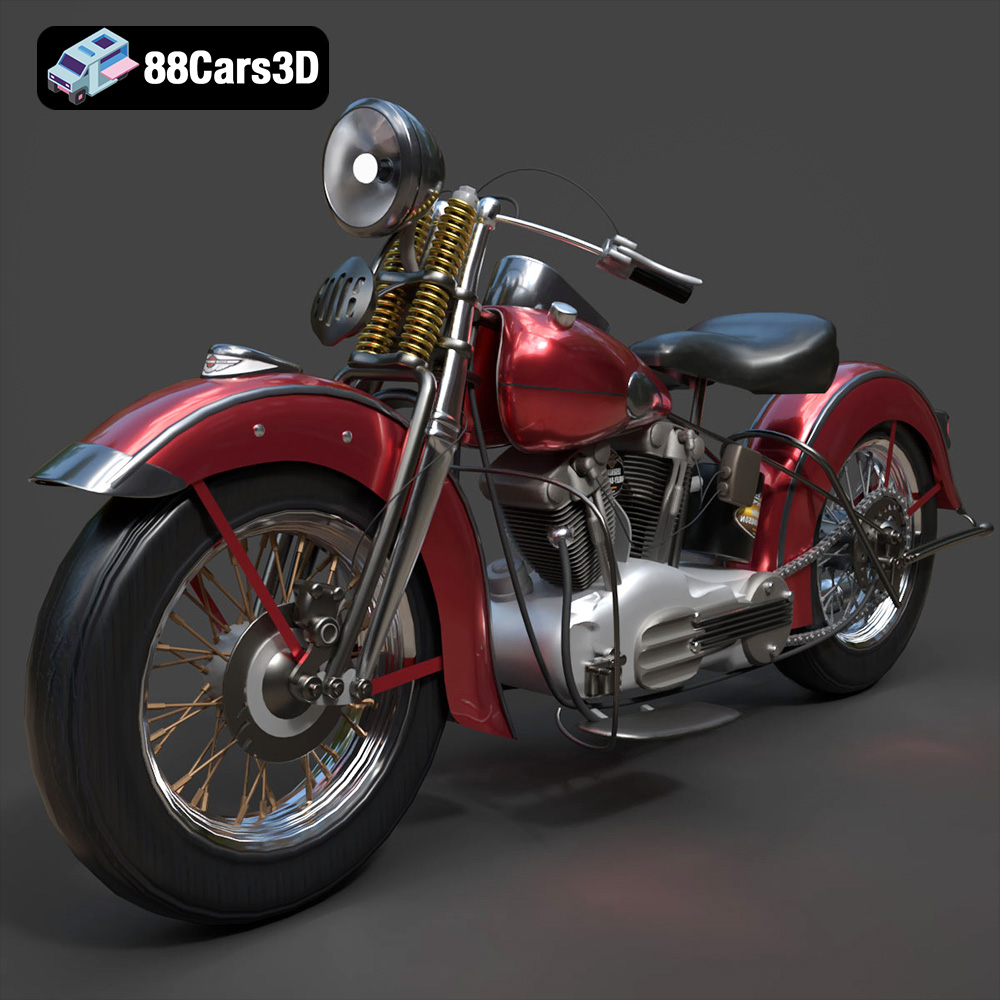
Texture: Yes
Material: Yes
Download the Harley Davidson F 1946 3D Model featuring clean geometry, realistic detailing, and a fully modeled interior. Includes .blend, .fbx, .obj, .glb, .stl, .ply, .unreal, and .max formats for rendering, simulation, and game development.
Price: $19.99
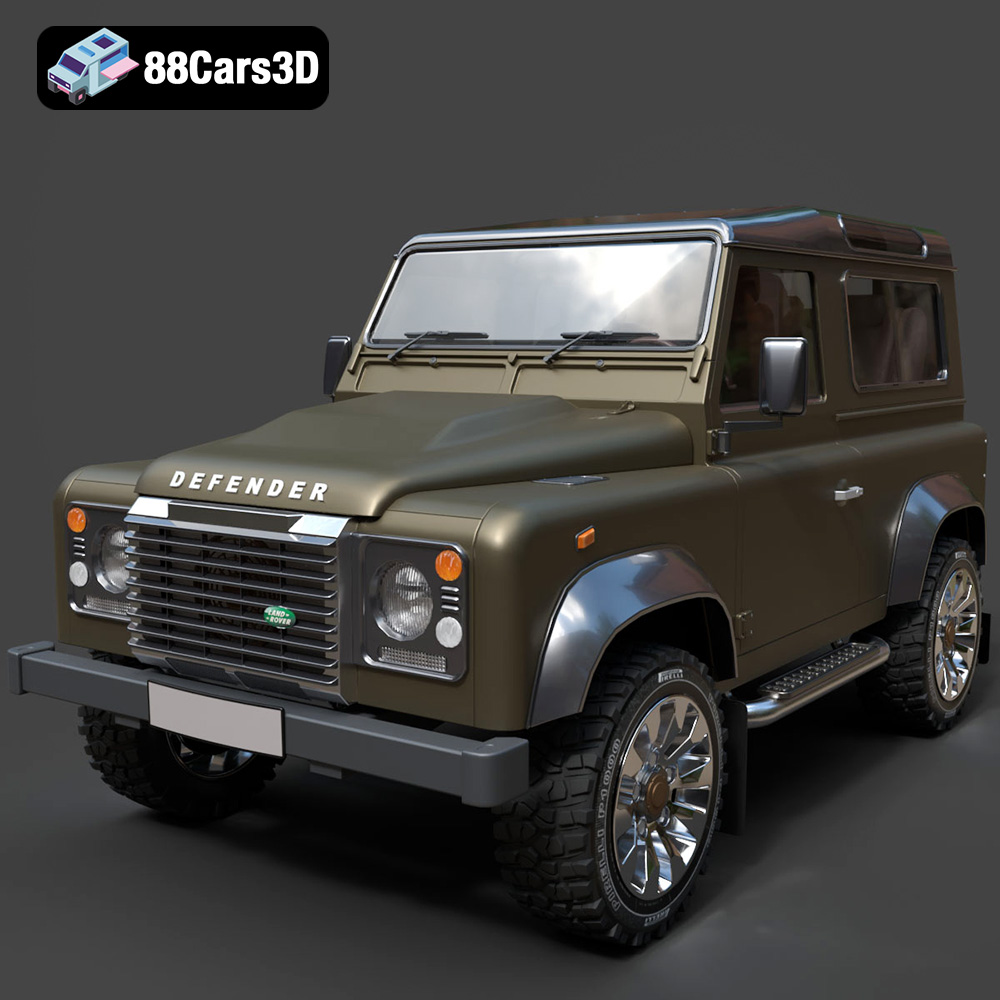
Texture: Yes
Material: Yes
Download the Land Rover Defender Works V8 3D Model featuring clean geometry, realistic detailing, and a fully modeled interior. Includes .blend, .fbx, .obj, .glb, .stl, .ply, .unreal, and .max formats for rendering, simulation, and game development.
Price: $19.99
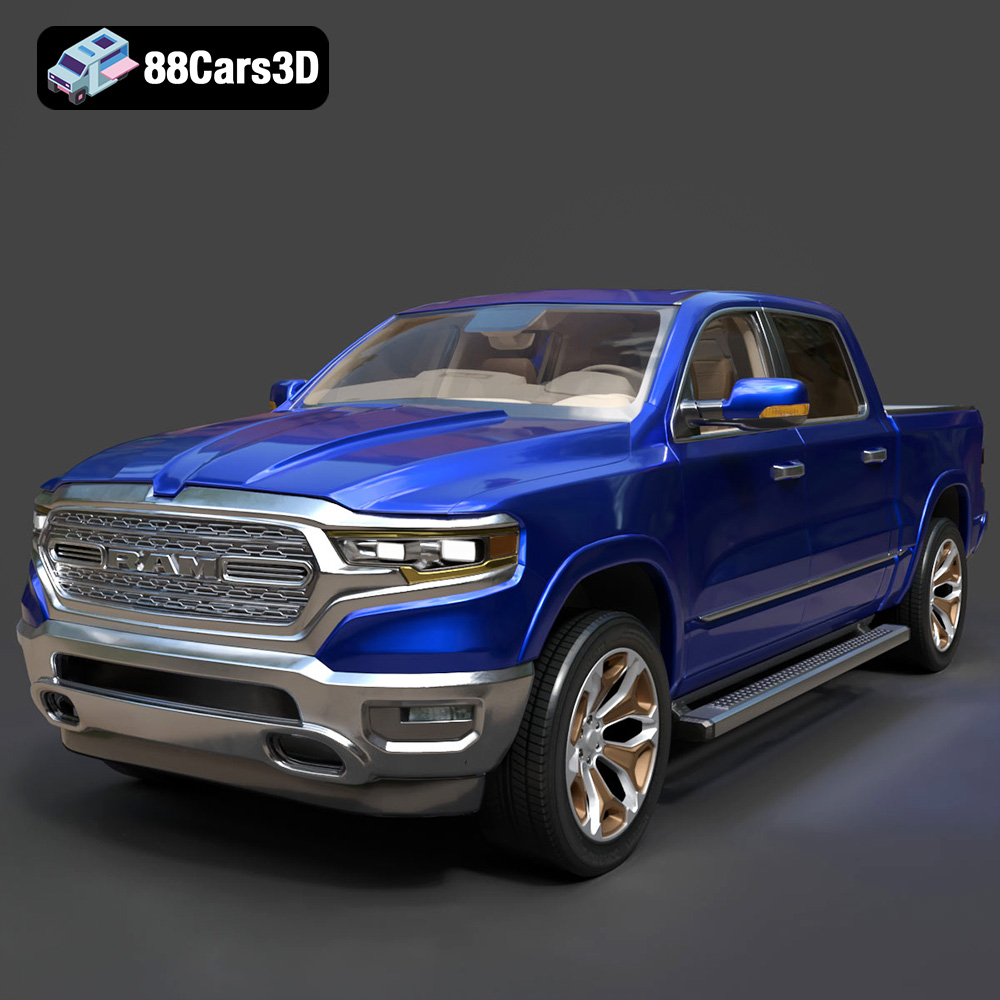
Texture: Yes
Material: Yes
Download the Dodge RAM 2019 3D Model featuring clean geometry, realistic detailing, and a fully modeled interior. Includes .blend, .fbx, .obj, .glb, .stl, .ply, .unreal, and .max formats for rendering, simulation, and game development.
Price: $19.99
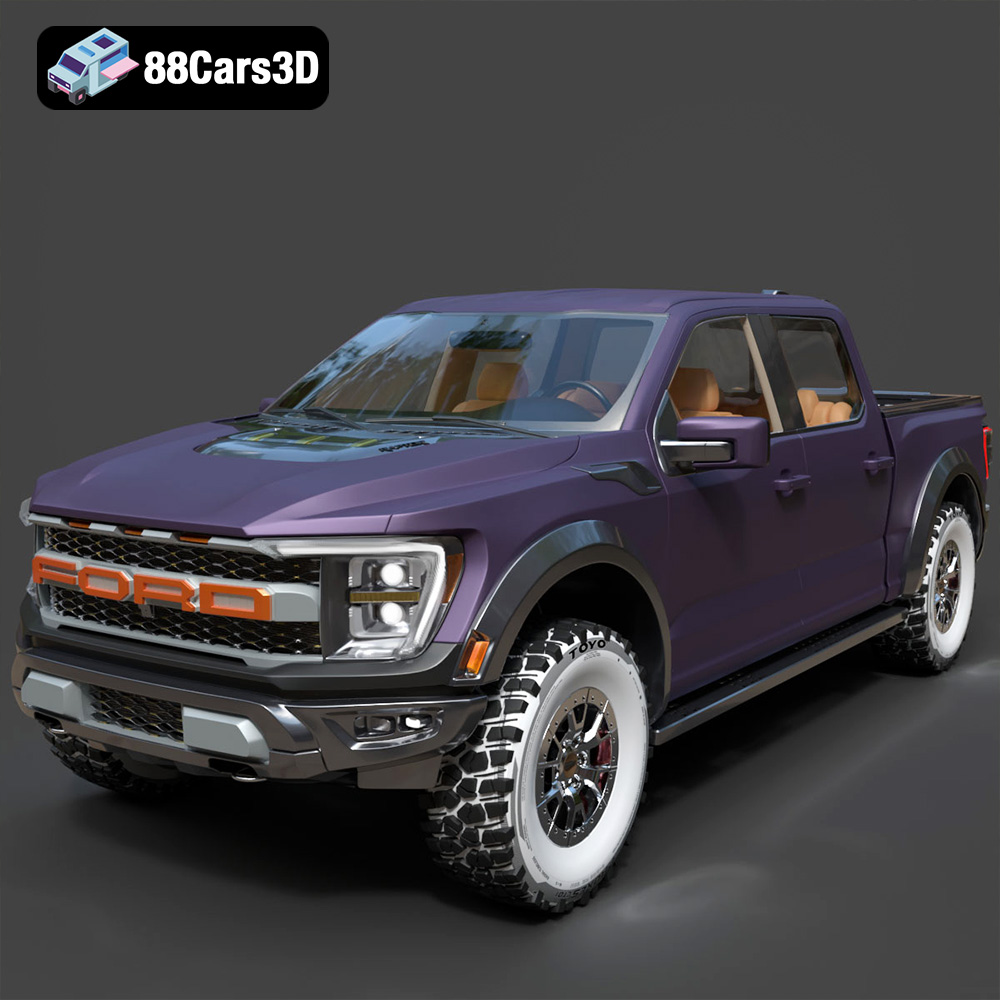
Texture: Yes | Material: Yes Download the ultra-high-detail Ford F-150 Raptor 2021 3D Model (8.73M Triangles). Features uncompromised widebody styling, fully modeled Fox Live Valve suspension, 37-inch tires, and interior. Perfect for premium VFX, cinematic rendering, and ArchViz. Includes .blend, .fbx, .obj, .glb, .stl, and .max formats.
Price: $29.99
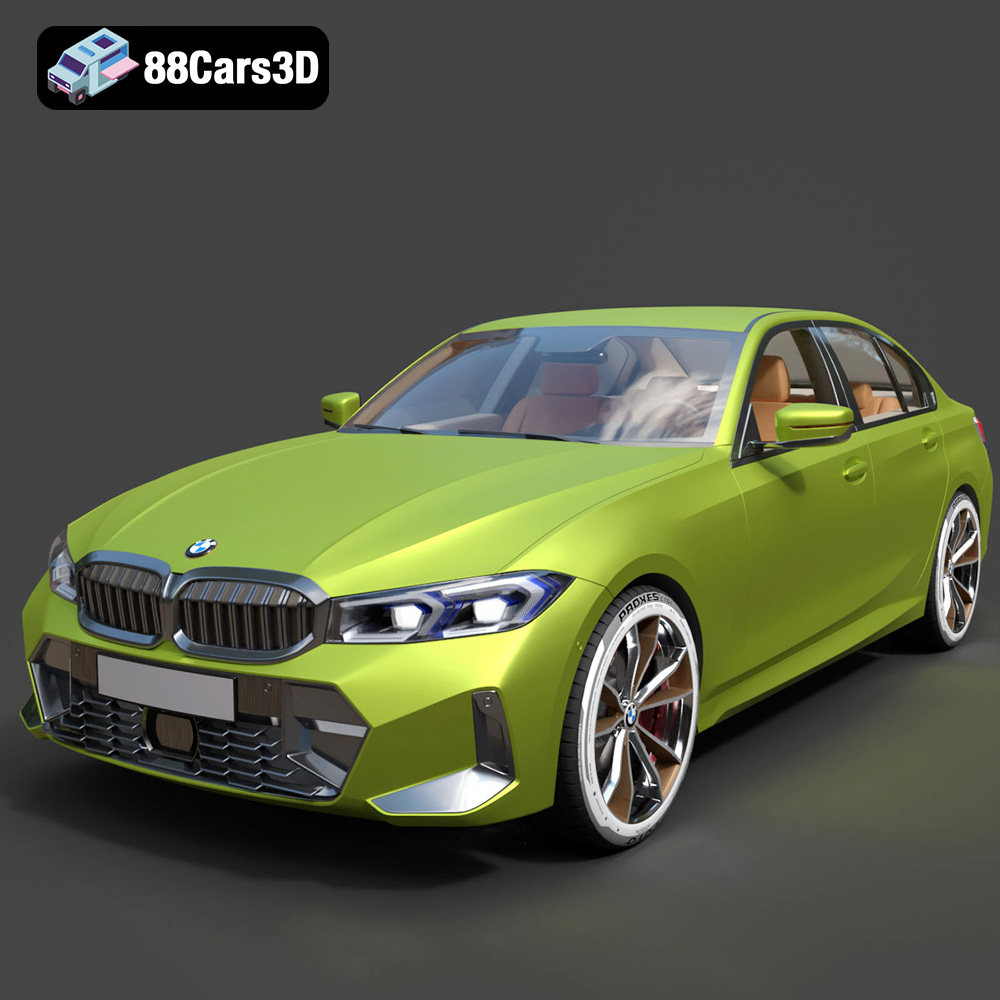
Texture: Yes | Material: Yes Download the ultra-high-detail BMW 3 Series Limousine (2022) 3D Model (4.16M Triangles). Features the modernized G20 LCI exterior, the all-new BMW Curved Display interior, and ultra-dense topology. Perfect for ArchViz, VFX, and cinematic rendering. Includes .blend, .fbx, .obj, .glb, .stl, and .max formats.
Price: $19.99
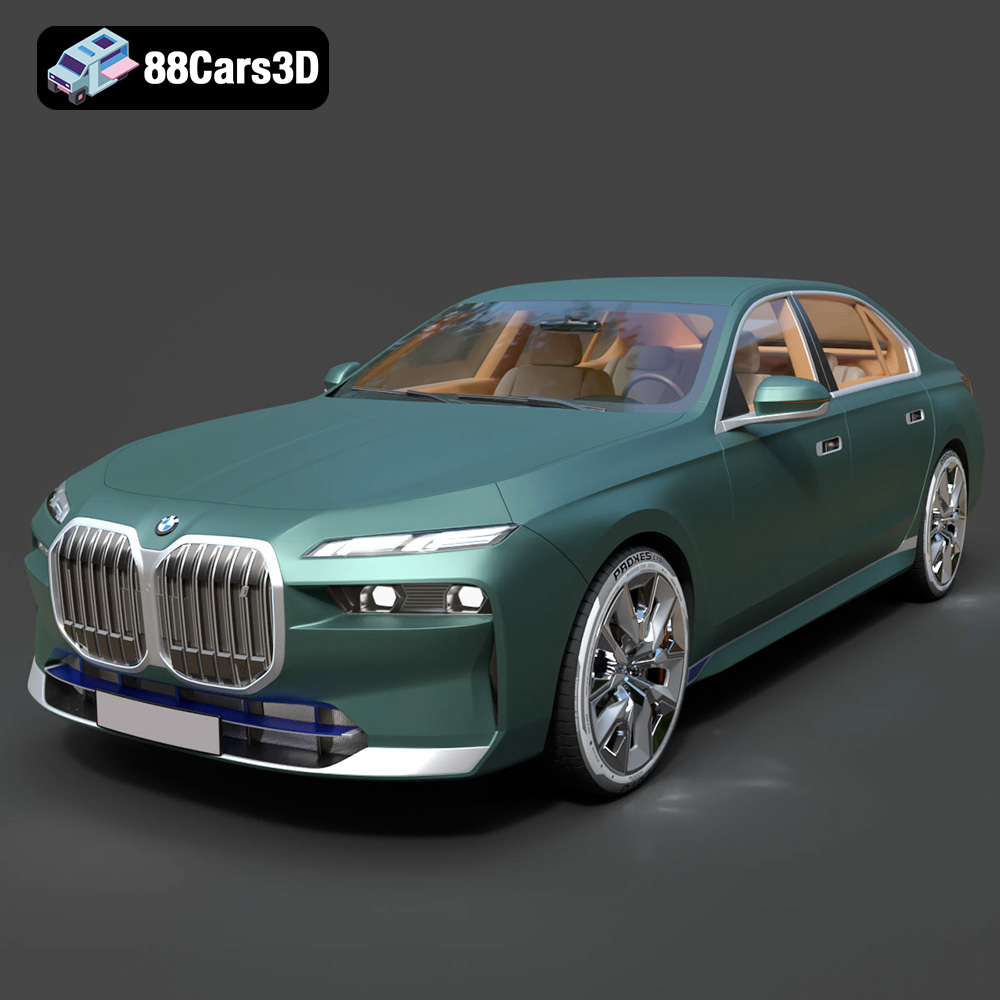
Texture: Yes | Material: Yes Download the ultra-high-detail BMW i7 (2023) 3D Model (4.14M Triangles). Features the illuminated kidney grille, split crystal headlights, fully modeled Theatre Screen interior, and monolithic luxury styling. Perfect for ArchViz, VFX, and cinematic rendering. Includes .blend, .fbx, .obj, .glb, .stl, and .max formats.
Price: $19.99
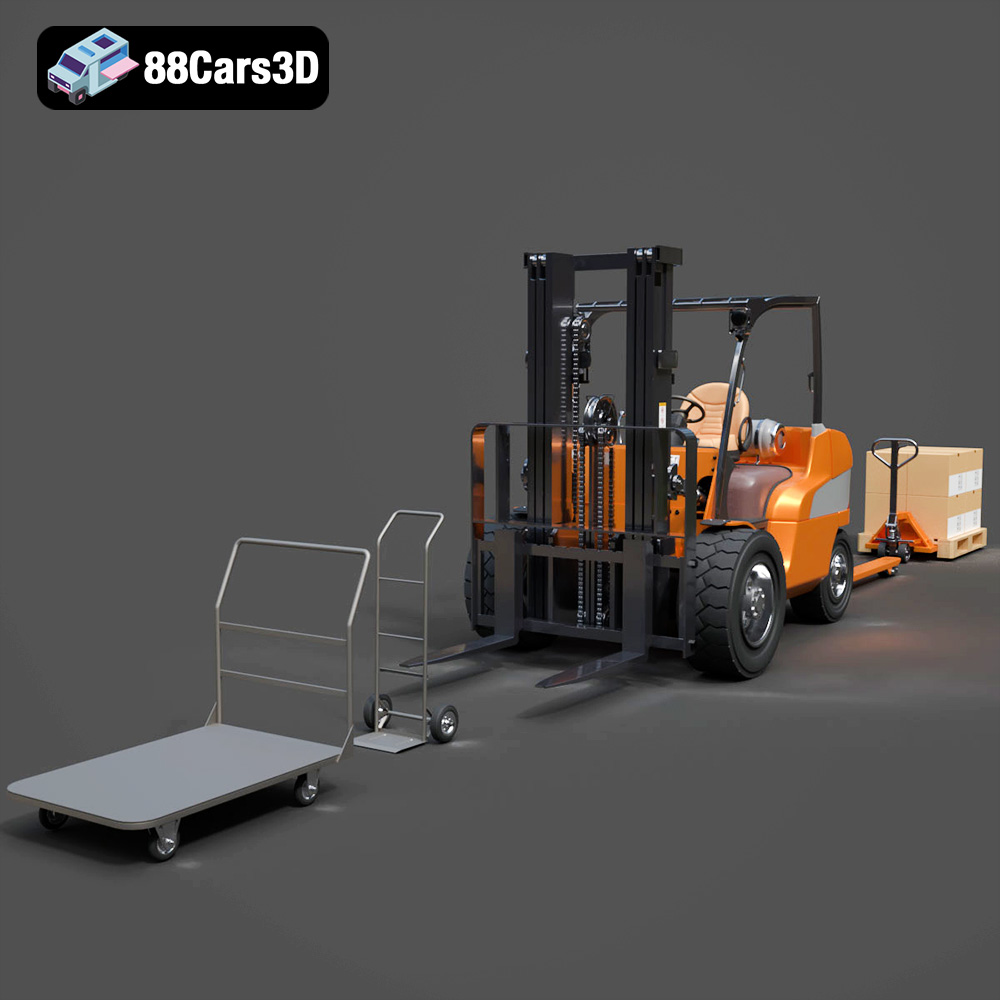
Texture: Yes | Material: Yes Download the highly detailed CAT Manual Loader & Warehouse Carts Kit 3D Model (2.4M Triangles). Features a macro-detailed hydraulic pallet jack, heavy-duty forks, and transport carts. Perfect for industrial ArchViz, factory rendering, and logistics simulations. Includes .blend, .fbx, .obj, .glb, .stl, and .max formats.
Price: $19.99

Texture: Yes | Material: Yes
Download the highly optimized Mazda CX-5 2014 3D Model (294k Triangles). Features the dynamic Kodo design language, signature grille, and a clean interior. Perfectly balanced for ArchViz, background traffic, and game development. Includes .blend, .fbx, .obj, .glb, .stl, and .max formats.
Price: $19.99
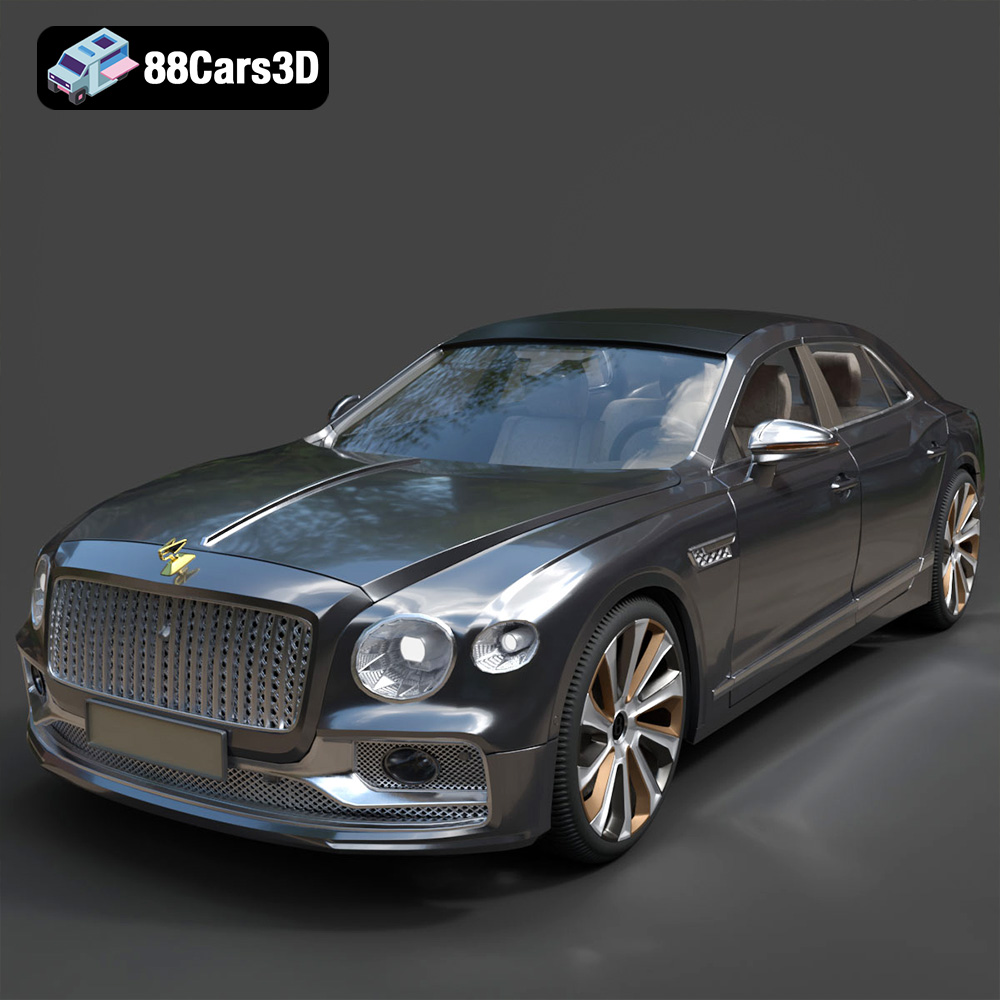
Texture: Yes | Material: Yes Download the ultra-high-detail Bentley Flying Spur Mulliner 2022 3D Model (2.94M Triangles). Features the bespoke Double Diamond grille, a fully modeled diamond-quilted interior, and exquisite luxury styling. Perfect for high-end ArchViz, VFX, and cinematic rendering. Includes .blend, .fbx, .obj, .glb, .stl, and .max formats.
Price: $19.90
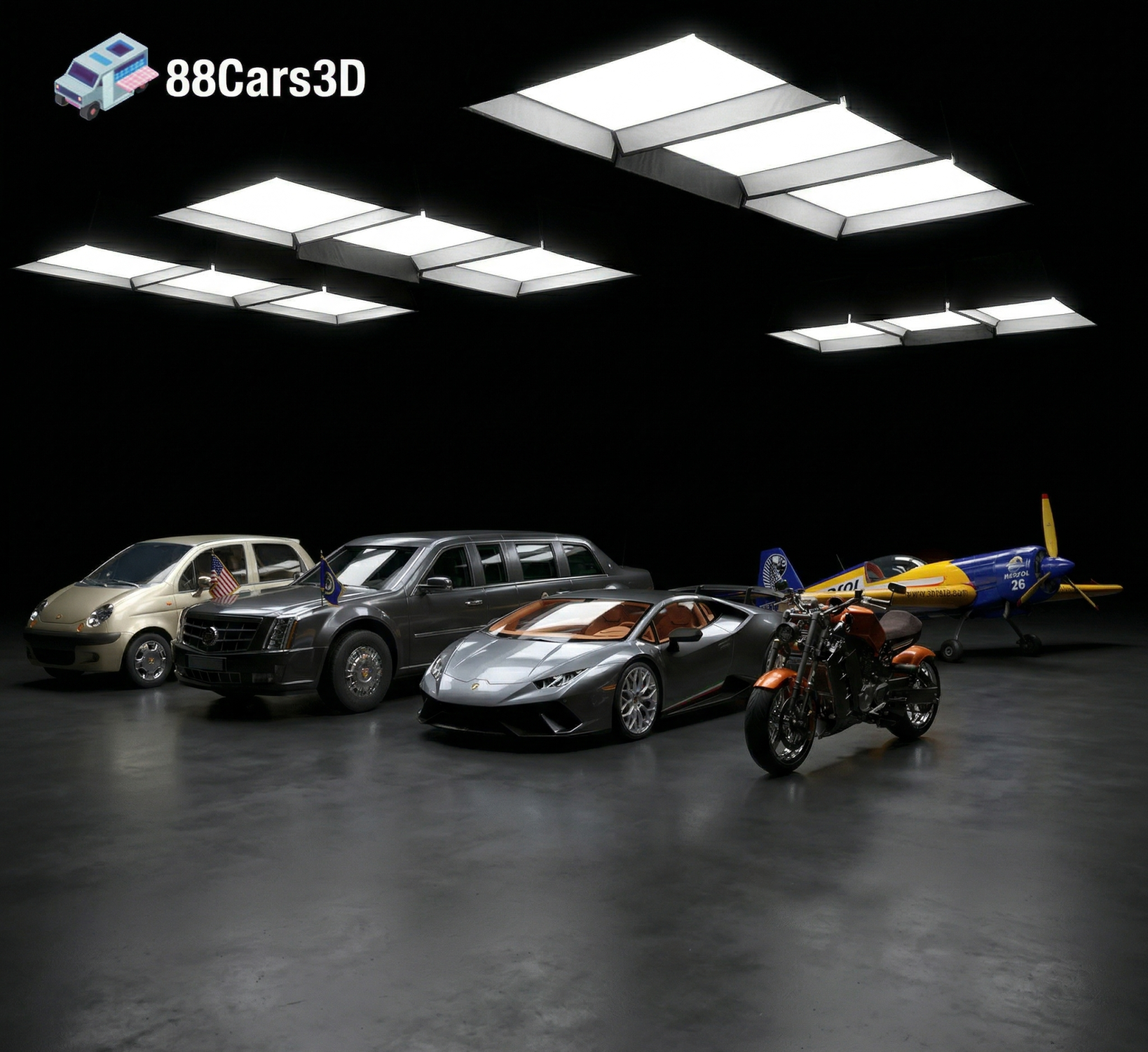
Texture: Yes | Material: Yes | 3D Printable: Yes. Download the Ultimate Creators’ Showcase featuring 5 premium 3D models: Lamborghini Huracan, ZAV Concept Motorcycle, Sukhoi SU-26, Presidential Limousine, and Daewoo Damas. Optimized for 4K CGI rendering and 3D printing. Save massive with this exclusive multi-category bundle!
Price: $99.99

