Get 50% OFF All Premium 3D & STL Models!

The world of 3D modeling has revolutionized industries ranging from automotive design and visualization to game development and augmented reality. Central to many of these applications are high-quality 3D car models. These digital assets serve as the foundation for creating compelling visuals, immersive experiences, and interactive simulations. In this comprehensive guide, we’ll explore the key aspects of working with 3D car models, covering everything from technical specifications and file formats to practical workflows and real-world case studies. Whether you’re a seasoned 3D artist or just starting, this information will provide valuable insights into harnessing the power of 3D car models.
Choosing the right file format is crucial for ensuring compatibility and optimal performance across different software and platforms. Each format has its own strengths and weaknesses, making it essential to understand their nuances.
.blend files are the native format for Blender, the popular open-source 3D creation suite. They encapsulate the entire scene, including the model’s geometry, textures, materials, lighting, and animation data. This makes .blend the ideal choice for projects primarily developed within Blender. The format supports Blender’s advanced features, such as the node-based material system and sculpting tools, allowing for highly detailed and customizable 3D car models. However, its primary drawback is limited compatibility with other software outside the Blender ecosystem.
FBX (Filmbox) is a proprietary file format developed by Autodesk and is widely considered the industry standard for exchanging 3D data between different applications. It supports geometry, textures, materials, animations, and skeletal rigs, making it well-suited for game development and real-time rendering. Its compatibility with major game engines like Unreal Engine and Unity makes it an indispensable format for creating interactive car simulations or incorporating 3D car models into virtual environments. When exporting to FBX, it’s essential to consider factors like texture embedding and animation baking to ensure seamless integration.
OBJ (Object) is one of the oldest and most universal 3D file formats. It primarily stores geometry data (vertices, faces, and UV coordinates) and references external material files (MTL). While OBJ doesn’t directly support animations or skeletal rigs, its simplicity and wide compatibility make it a reliable choice for transferring static 3D car models between different software packages. It’s often used as an intermediary format when converting between less common formats. Keep in mind that OBJ files can become quite large, especially for highly detailed models.
GLB (GL Transmission Format Binary) is a binary file format designed for efficient delivery of 3D scenes in web and mobile applications. It combines the geometry, textures, and animations into a single file, reducing the number of HTTP requests and improving loading times. GLB is particularly well-suited for augmented reality (AR), virtual reality (VR), and browser-based applications, where performance is critical. This format is often preferred when showcasing 3D car models directly within a website or mobile app.
STL (Stereolithography) is a file format primarily used for 3D printing. It represents the surface geometry of a 3D object as a collection of triangles. STL files do not contain any color, texture, or material information; they only define the shape. Due to its simplicity, STL is widely supported by 3D printing software and hardware. It’s important to ensure that the STL file is watertight (i.e., free of gaps or holes) to prevent errors during the printing process.
PLY (Polygon File Format) is a flexible format capable of storing a wide range of data, including geometry, color, normals, texture coordinates, and other properties. Unlike STL, PLY can represent data in both binary and ASCII formats. Its ability to store additional attributes makes it well-suited for applications such as CAD, reverse engineering, and scientific visualization. The precise mesh data it provides is invaluable for car body analysis and simulations.
.unreal files are not a common export format, but rather a reference to assets that are organized and managed within the Unreal Engine project structure. These files could represent static meshes, materials, textures, animations, or blueprints. They are optimized for use within the Unreal Engine and leverage its features, such as physically-based rendering (PBR) and advanced material properties. Usually, assets are imported into Unreal using .fbx, then saved in the .unreal format.
.max files are the native format for 3ds Max, another industry-leading 3D modeling and animation software. Similar to Blender’s .blend format, .max files encapsulate the entire scene, including the model’s geometry, textures, materials, lighting, animation rigs, and rendering settings. This makes .max the ideal choice for projects primarily developed within 3ds Max. It supports all of 3ds Max’s advanced features, including its robust modifier stack, extensive material library, and powerful rendering engine.
Performance optimization is crucial, especially when working with complex 3D car models in real-time applications like games or interactive visualizations. Several techniques can be employed to reduce the polygon count, optimize textures, and improve overall performance.
Reducing the number of polygons in a 3D car model can significantly improve performance without sacrificing visual quality. Techniques like decimation, remeshing, and polygon reduction algorithms can be used to simplify the geometry while preserving the overall shape and detail. It’s important to strike a balance between polygon count and visual fidelity, as excessive simplification can lead to a loss of detail and realism.
Textures play a vital role in the visual appearance of a 3D car model. Optimizing textures involves reducing the file size, using appropriate compression formats (e.g., JPEG for color textures, PNG for transparency), and employing texture atlases to minimize draw calls. Mipmapping is another essential technique that generates a series of progressively smaller versions of a texture, improving performance at different viewing distances.
Level of Detail (LOD) is a technique that involves creating multiple versions of a 3D car model with varying levels of detail. The appropriate LOD is selected based on the distance between the camera and the model. When the model is far away, a low-polygon LOD is used, while a high-polygon LOD is used when the model is close to the camera. This reduces the rendering workload and improves overall performance.
UV unwrapping is the process of unfolding a 3D model’s surface onto a 2D plane, allowing for the application of textures. Proper UV unwrapping is essential for creating realistic and visually appealing 3D car models.
The placement of seams in the UV map can significantly impact the final result. It’s important to strategically place seams in areas that are less visible, such as along edges or in the interior of the car. Careful seam placement can minimize distortion and prevent noticeable seams in the rendered image.
Physically Based Rendering (PBR) materials simulate the interaction of light with surfaces in a realistic manner. PBR materials typically consist of several textures, including albedo (base color), metallic, roughness, normal, and ambient occlusion maps. Using PBR materials can significantly enhance the realism and visual quality of 3D car models.
Ambient occlusion (AO) is a shading technique that simulates the darkening of surfaces in crevices and areas where light is occluded. Baking AO into a texture map can add depth and realism to a 3D car model without requiring real-time calculations. This is especially useful for optimizing performance in real-time applications.
Different software packages offer unique workflows for creating and working with 3D car models. Let’s explore some common workflows in 3ds Max, Blender, and Unreal Engine.
3ds Max is a popular choice for automotive visualization due to its powerful modeling tools, advanced rendering capabilities, and robust animation features. A typical workflow in 3ds Max involves:
Blender offers a versatile and accessible workflow for creating 3D car models, thanks to its open-source nature and comprehensive set of tools. A typical workflow in Blender involves:
Unreal Engine is a powerful game engine that can be used to create immersive and interactive experiences with 3D car models. A typical workflow in Unreal Engine involves:
3D car models are used in a wide range of industries, each with its own unique requirements and applications.
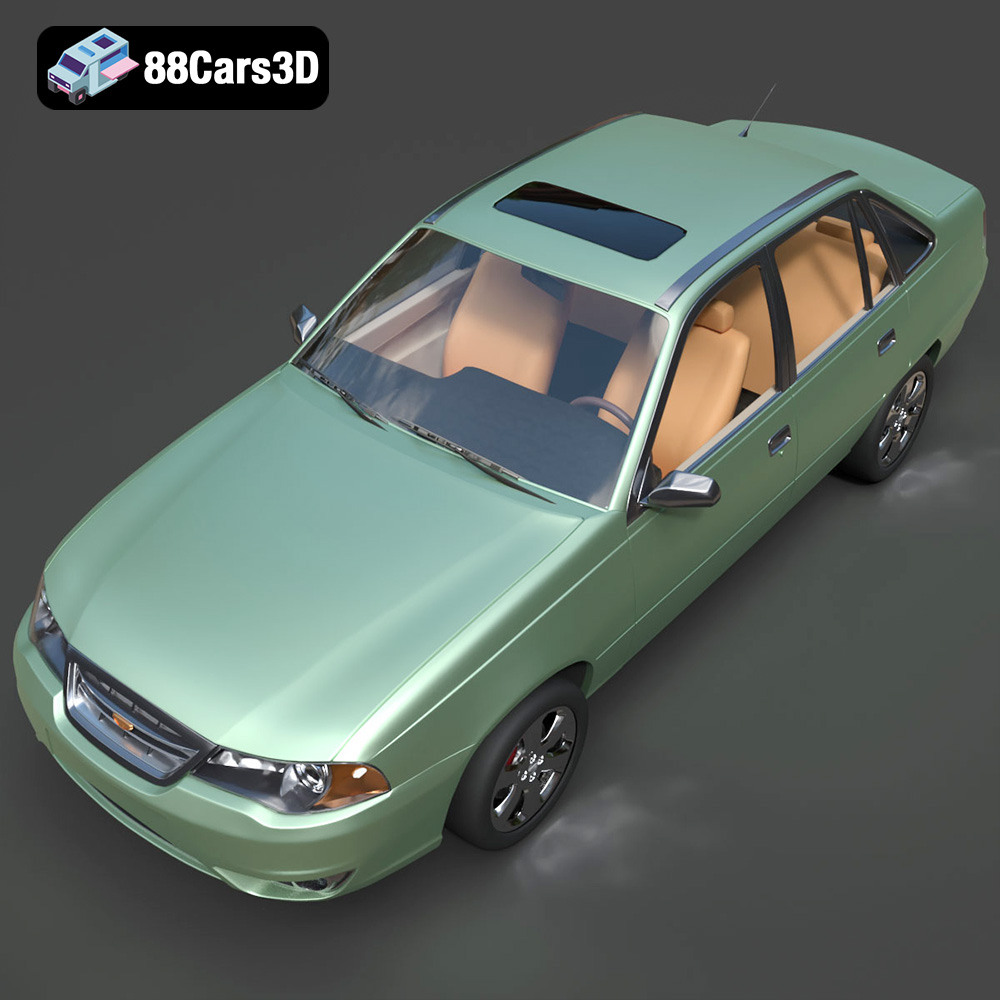
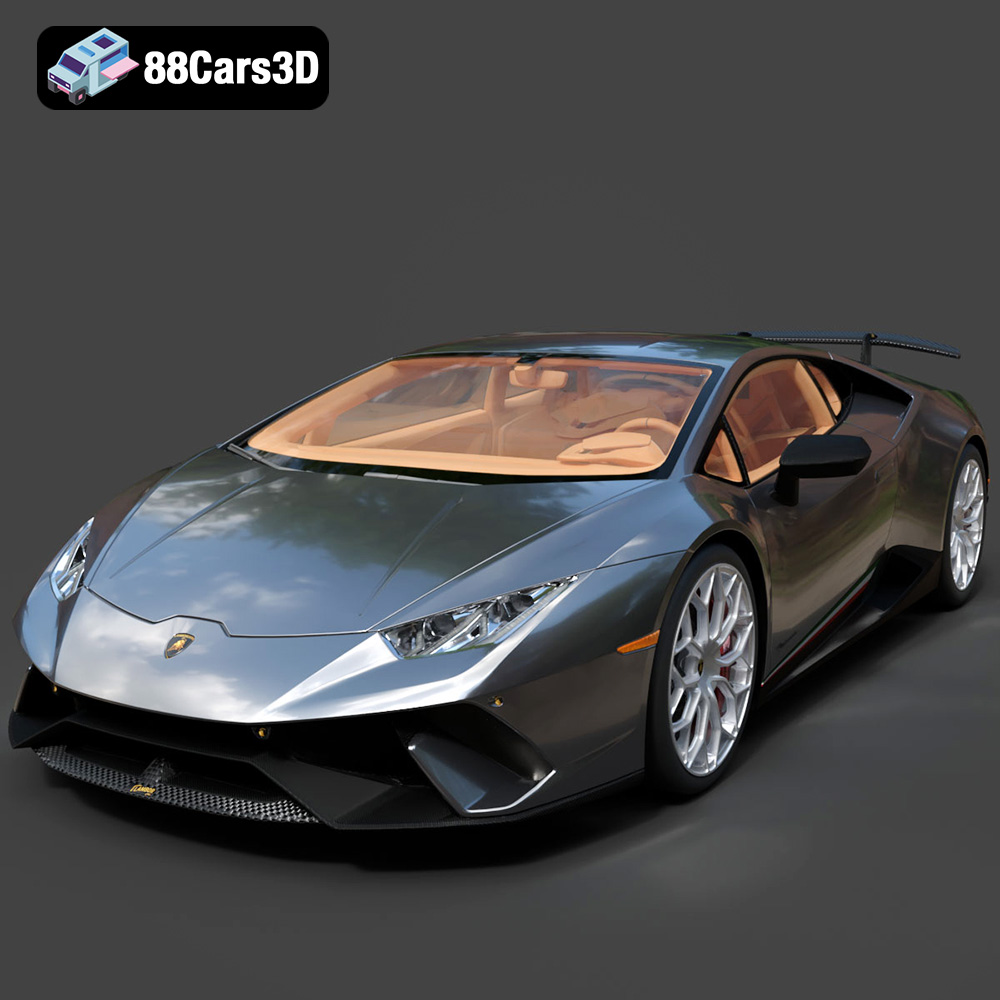
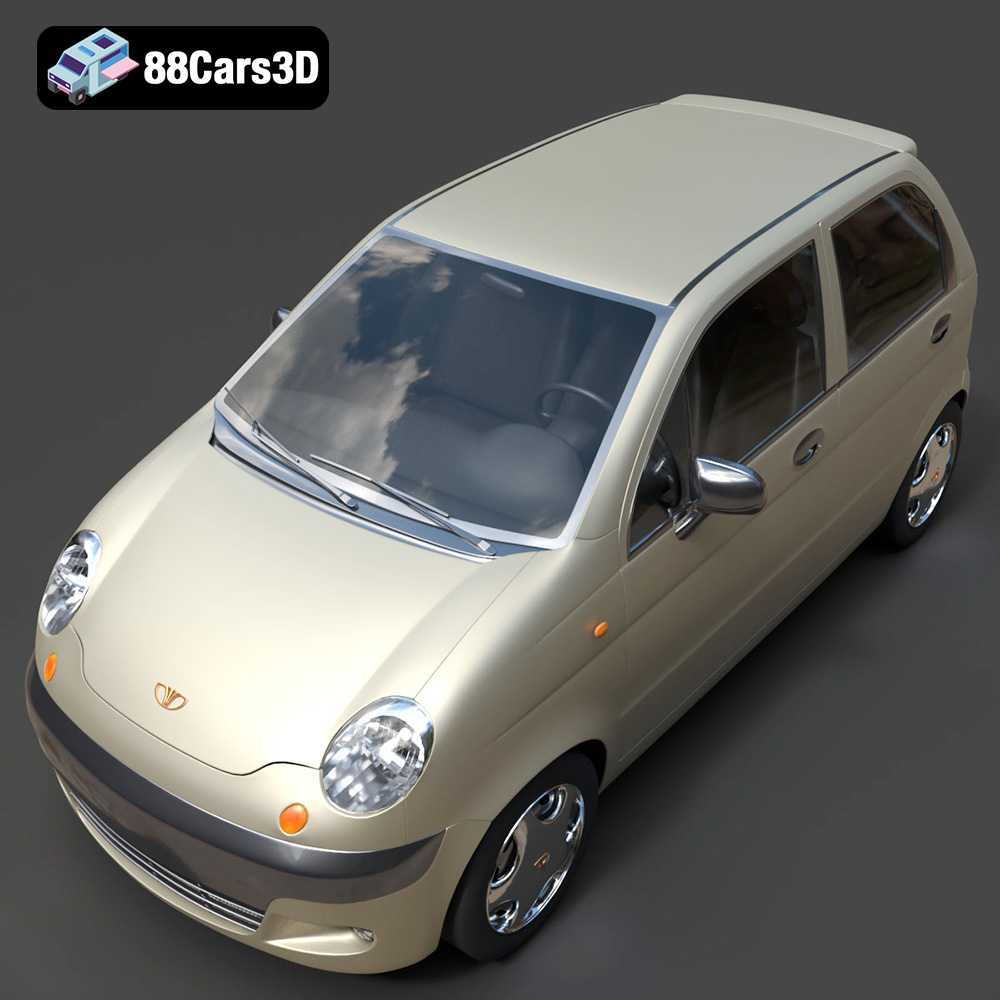
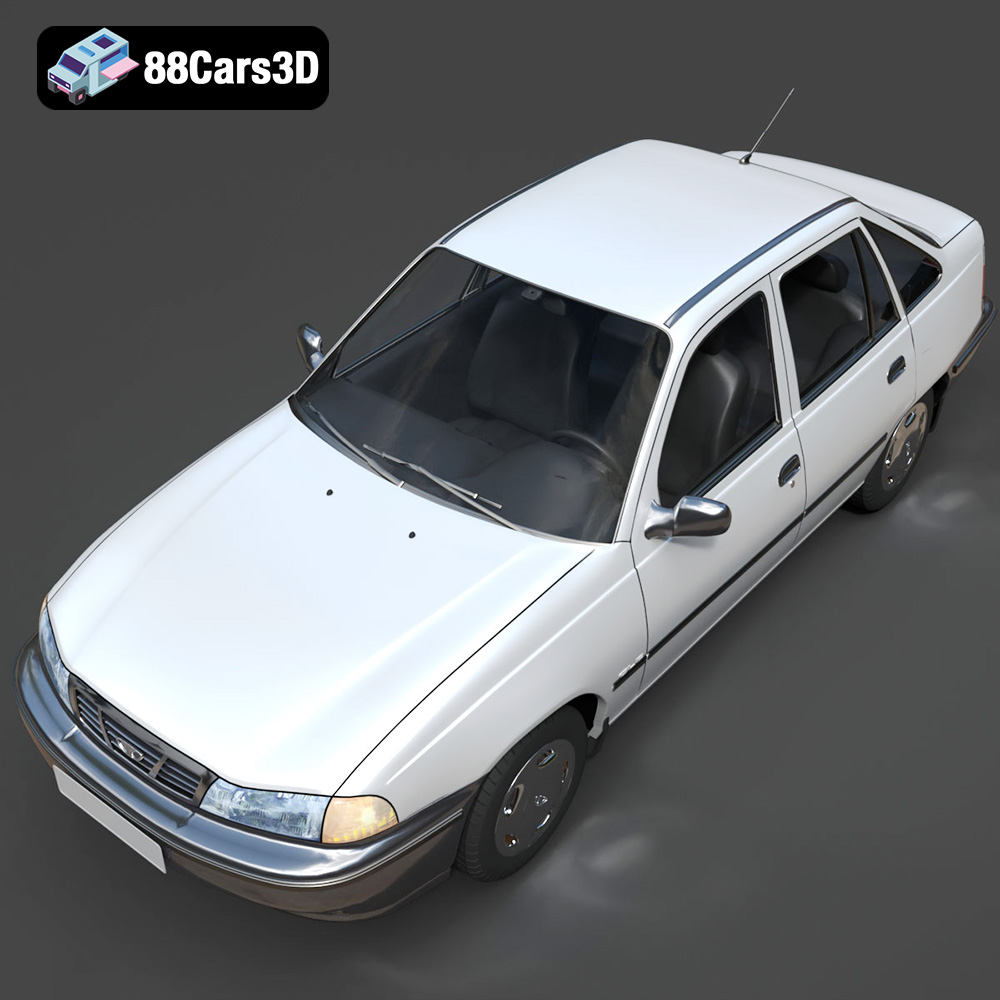
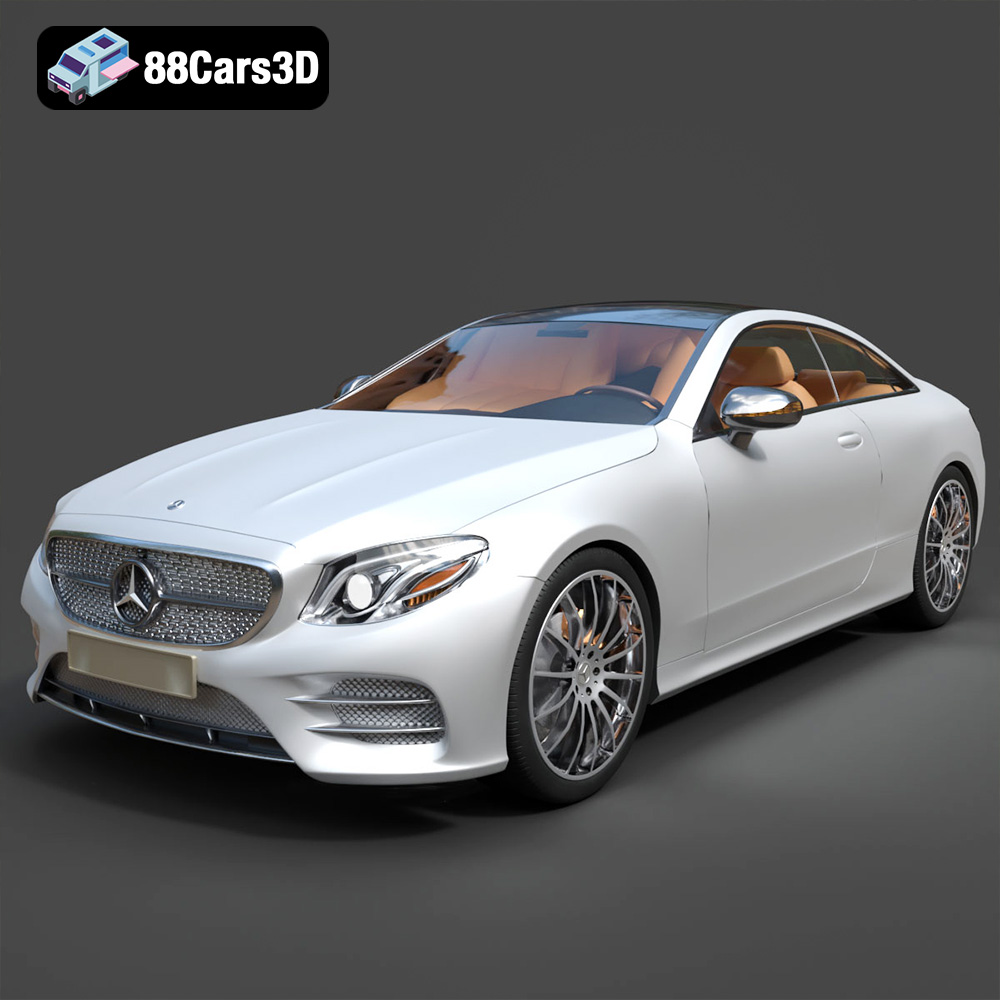
In the automotive industry, 3D car models are used for creating photorealistic renderings for marketing materials, website content, and virtual showrooms. These renderings allow potential customers to visualize the car from different angles, customize options, and explore interior details before making a purchase. 88cars3d.com offers a wide selection of models perfectly suited for this purpose.
3D car models are essential assets in game development, where they are used to create realistic racing games, open-world environments, and vehicle simulation experiences. Optimizing the models for real-time performance is crucial in these applications, ensuring a smooth and immersive gameplay experience.
Augmented reality (AR) and virtual reality (VR) are increasingly being used to create immersive car experiences. 3D car models are used to allow users to explore the car in a virtual environment, customize options, and even take a virtual test drive. These applications provide a unique and engaging way for consumers to interact with cars.
Working with 3D car models requires a blend of technical knowledge, artistic skill, and attention to detail. By understanding the different file formats, optimization techniques, UV unwrapping strategies, and software workflows, you can create stunning visuals, immersive experiences, and interactive simulations. Whether you’re creating automotive renderings, developing a racing game, or building an AR/VR application, mastering the art of 3D car models is essential for achieving professional-quality results. Remember to choose your assets wisely; platforms like 88cars3d.com provide excellent options. By continually exploring new techniques and experimenting with different approaches, you can unlock the full potential of 3D car models and bring your creative visions to life.

Price: $129.99

Price: $99.99

Price: $89.99