Get 50% OFF All Premium 3D & STL Models!

“`html
The world of 3D printing has revolutionized prototyping and model making, especially in the automotive sector. Creating stunningly detailed and functional automotive components, from scale models to custom parts, is now within reach of enthusiasts and professionals alike. However, the key to successful automotive 3D prints lies in selecting the right materials. This blog post will delve into the best resins and filaments for achieving optimal results when 3D printing automotive models, covering everything from material properties to specific printer settings and post-processing techniques. Whether you’re aiming for aesthetic accuracy or functional strength, understanding the nuances of these materials is crucial for bringing your automotive visions to life. Platforms like 88cars3d.com offer a fantastic range of print-ready STL files specifically designed to showcase the capabilities of these materials, making your journey into automotive 3D printing both rewarding and achievable. By the end of this guide, you’ll have a comprehensive understanding of which materials to choose and how to optimize your printing process for exceptional results.
The 3D printing landscape offers a vast array of materials, each with its unique properties and ideal applications. In the context of automotive 3D prints, understanding these differences is crucial. We’ll explore the two primary categories: filaments used in Fused Deposition Modeling (FDM) and resins used in Stereolithography (SLA) and other resin-based printing methods.
FDM filaments are thermoplastic polymers that are melted and extruded through a nozzle to create a 3D object layer by layer. Common choices include PLA, ABS, PETG, and nylon, each offering a different balance of strength, flexibility, and temperature resistance. For automotive models, PETG is often favored due to its durability and ease of printing. ABS provides higher temperature resistance but requires a heated build plate and enclosed chamber to prevent warping. Nylon offers excellent strength and chemical resistance, ideal for functional parts, but it is hygroscopic and requires careful drying and storage.
Resin printing utilizes liquid photopolymers that are cured by UV light. This process allows for exceptionally high detail and smooth surface finishes, making it ideal for intricate automotive models. Different resin types offer varying properties, including standard resin, tough resin, and high-temperature resin. Standard resin is cost-effective but can be brittle. Tough resin provides increased impact resistance and durability. High-temperature resin is designed to withstand higher temperatures, making it suitable for specific automotive applications.
Slicing is the process of converting a 3D model into a series of layers that the 3D printer can understand. The slicing software allows you to control various parameters that significantly impact the final print quality, strength, and appearance. For automotive models, precise control over these settings is essential to capture intricate details and achieve desired material properties.
Key FDM slicing parameters include layer height, infill density, print speed, and support structures. Layer height determines the resolution of the print; smaller layer heights result in smoother surfaces but increase print time. Infill density affects the strength and weight of the print; higher densities provide greater strength but consume more material. Print speed impacts both print time and quality; slower speeds generally produce better results. Support structures are necessary for overhanging features and should be carefully generated and removed.
Resin slicing parameters include layer height, exposure time, and support structures. Layer height is critical for capturing fine details; smaller layer heights produce higher resolution prints. Exposure time determines how long each layer is exposed to UV light; optimal exposure time varies depending on the resin type and printer. Support structures are essential for anchoring the model to the build plate and supporting overhanging features. Proper support placement and thickness are crucial for preventing print failures and minimizing surface blemishes.
Support structures are essential for successful 3D printing of models with overhanging features or complex geometries. They provide temporary support during the printing process and are removed after the print is complete. Designing, placing, and removing support structures effectively are crucial for achieving high-quality automotive 3D prints.
FDM printing offers various support structure types, including linear supports, tree supports, and raft supports. Linear supports are basic vertical structures that provide uniform support. Tree supports are more efficient and easier to remove, as they branch out from the build plate like a tree. Raft supports provide a stable foundation for the print and improve bed adhesion. When designing support structures, consider the overhang angle, support density, and support interface layer. A smaller overhang angle requires more support. Higher support density provides greater stability but increases material usage. A well-defined support interface layer facilitates easier removal.
Resin printing requires precise support structures to prevent print failures and minimize surface damage. Key considerations include support tip diameter, support density, and support placement. A smaller support tip diameter reduces the contact area with the model, minimizing surface blemishes. Higher support density provides greater stability but increases material usage. Support placement should be optimized to provide adequate support for overhanging features while minimizing the impact on the model’s surface finish.
Post-processing is the set of techniques applied to a 3D print after it has been removed from the printer. These techniques enhance the appearance, strength, and functionality of the print. For automotive models, post-processing is crucial for achieving a professional finish and accurately representing the original design.
Sanding is used to smooth the surface of the print and remove any imperfections. Start with coarse sandpaper and gradually move to finer grits for a smooth finish. Priming provides a uniform surface for painting and improves paint adhesion. Apply multiple thin coats of primer and sand lightly between coats. Painting adds color and detail to the model. Use automotive-grade paints for durability and a professional look. Apply multiple thin coats of paint and allow each coat to dry completely before applying the next. Consider using an airbrush for a more even and controlled application.
Many automotive models consist of multiple parts that need to be assembled. Use appropriate adhesives, such as super glue or epoxy, to join the parts together. Pay attention to alignment and fit to ensure a seamless assembly. Detailing adds realism to the model. Use fine-tipped brushes and paints to add details such as panel lines, emblems, and lights. Consider using aftermarket detailing parts, such as photo-etched parts, to enhance the realism of the model. When downloading models from marketplaces such as 88cars3d.com, ensure you understand the assembly process before starting the printing.
3D printing can be a rewarding but sometimes challenging process. Encountering issues during printing is common, especially with complex automotive models. Understanding common problems and how to troubleshoot them is essential for achieving successful prints.
Common FDM printing problems include warping, layer adhesion issues, and stringing. Warping occurs when the print lifts off the build plate due to uneven cooling. Improve bed adhesion by using a heated bed, applying adhesive to the build plate, or using a raft. Layer adhesion issues occur when layers do not properly bond together. Increase the printing temperature, reduce the printing speed, or increase the extrusion multiplier. Stringing occurs when the printer extrudes filament while moving between parts. Reduce the printing temperature, increase retraction settings, or use a travel speed.
Common resin printing problems include print failures, elephant’s foot, and support issues. Print failures occur when the print does not adhere to the build plate or when layers do not properly cure. Ensure the build plate is level and clean, increase the exposure time, or use a raft. Elephant’s foot occurs when the bottom layers of the print are wider than the rest of the print due to over-curing. Reduce the exposure time for the bottom layers. Support issues occur when supports are not strong enough or are improperly placed. Increase the support density, increase the support thickness, or reposition the supports.
The quality of the STL file plays a crucial role in the success of your 3D print. Preparing your STL files correctly can prevent a multitude of printing issues and ensure accurate reproduction of the intended design. This involves checking the mesh integrity, repairing errors, and optimizing the file for your specific printer and material.
Before slicing your STL file, it’s essential to inspect and repair any mesh errors. Common errors include non-manifold edges, holes, and flipped normals. Software like Meshmixer, Netfabb, and even some slicers offer tools to automatically detect and repair these issues. Ensure the mesh is watertight (no holes) and has consistent surface orientation (normals pointing outwards). Optimizing the mesh involves reducing the number of polygons without sacrificing detail, which can improve slicing performance and reduce file size.
The orientation of the model on the build plate can significantly impact print quality, support requirements, and overall print time. Consider the model’s geometry and choose an orientation that minimizes overhangs and maximizes bed adhesion. Scaling the model appropriately is also crucial. Ensure the model is scaled to the desired size and that all dimensions are accurate. Double-check the units (millimeters or inches) to avoid scaling errors. Some slicing software allows you to automatically optimize the orientation for minimal support usage. Remember that larger prints require more material and time, so optimize the scale accordingly. Proper orientation also influences the structural integrity of the final product.
Selecting the right materials, optimizing slicing settings, and mastering post-processing techniques are crucial for successful automotive 3D prints. By understanding the properties of different resins and filaments and applying the techniques discussed in this guide, you can create stunningly detailed and functional automotive models. Remember to experiment with different materials and settings to find what works best for your specific printer and desired outcome. Whether you’re a hobbyist, a model collector, or an automotive enthusiast, the world of 3D printing offers endless possibilities for bringing your automotive visions to life. Don’t forget to check out platforms like 88cars3d.com for high-quality, print-ready STL files to fuel your 3D printing journey. Now, with your newfound knowledge, you’re well-equipped to tackle any automotive 3D printing project with confidence and achieve exceptional results. Happy printing!
“`
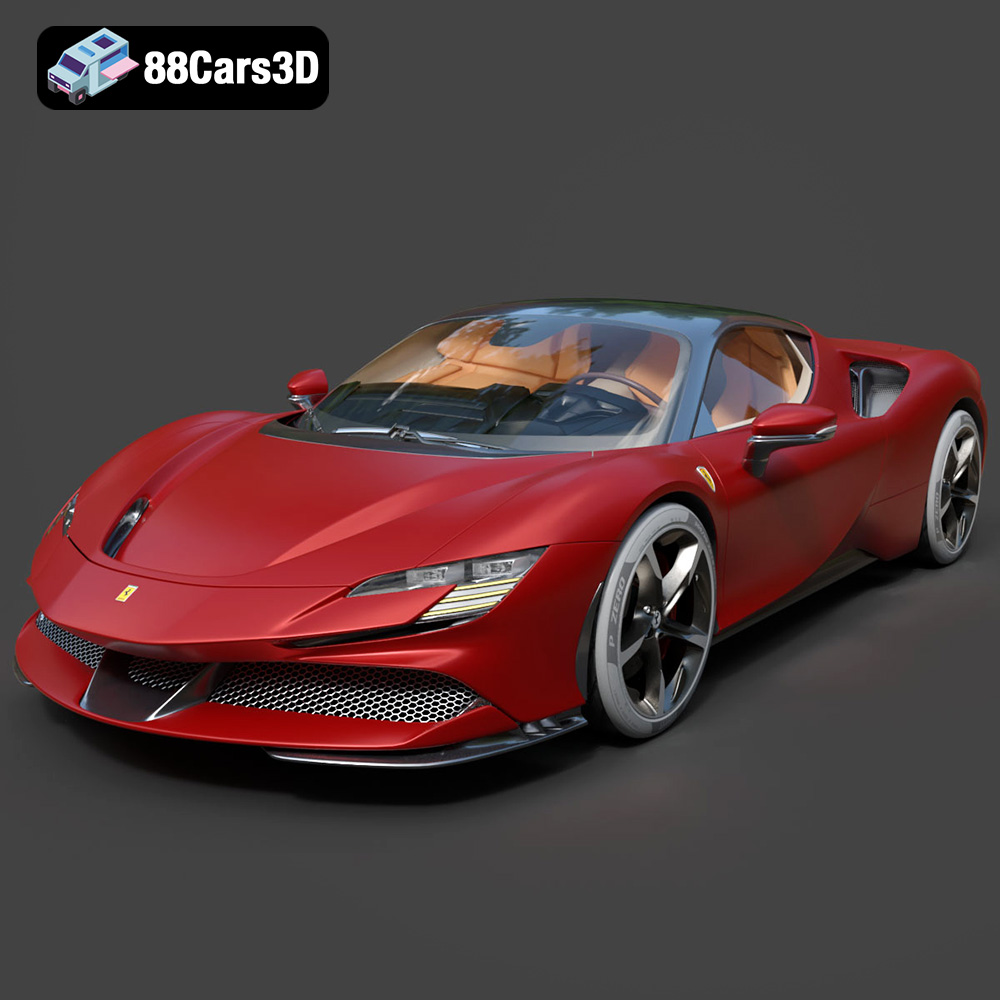
Texture: Yes
Material: Yes
Download the Ferrari SF90 Stradale 3D Model featuring clean geometry, realistic detailing, and a fully modeled interior. Includes .blend, .fbx, .obj, .glb, .stl, .ply, .unreal, and .max formats for rendering, simulation, and game development.
Price: $19.99
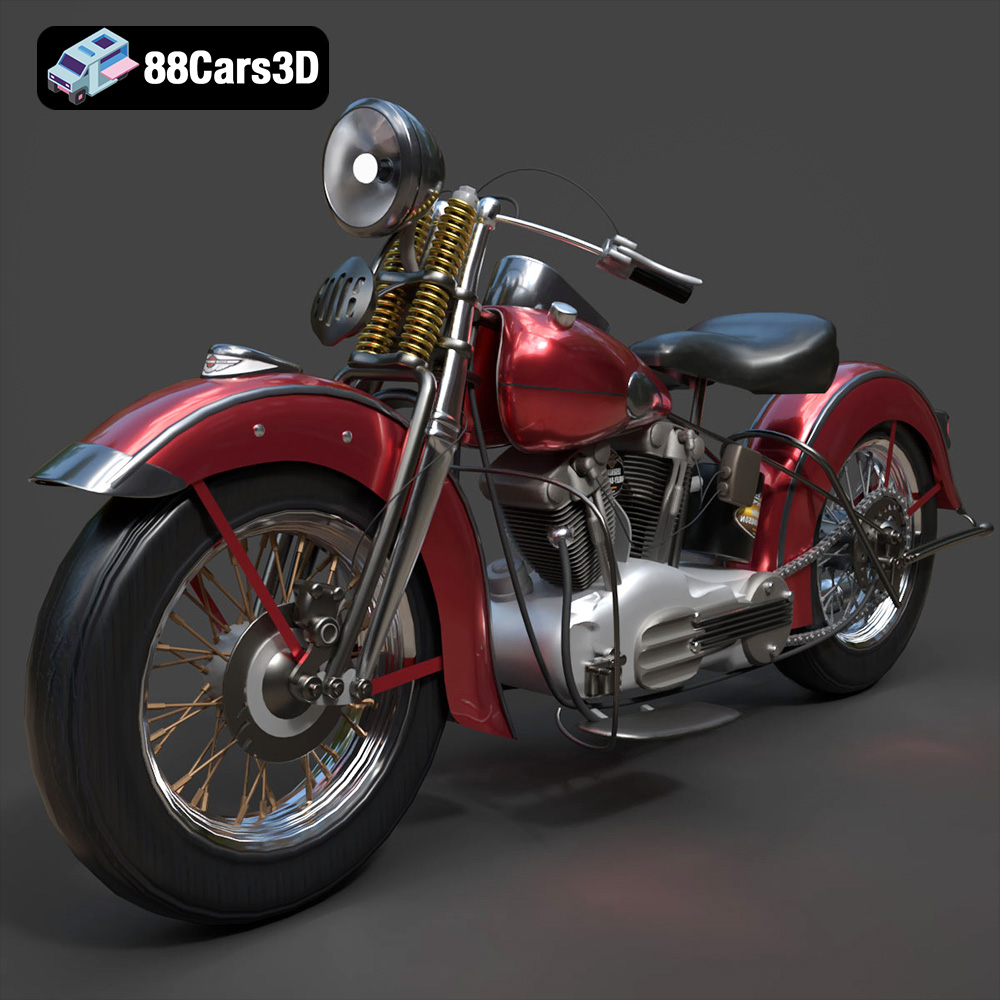
Texture: Yes
Material: Yes
Download the Harley Davidson F 1946 3D Model featuring clean geometry, realistic detailing, and a fully modeled interior. Includes .blend, .fbx, .obj, .glb, .stl, .ply, .unreal, and .max formats for rendering, simulation, and game development.
Price: $19.99
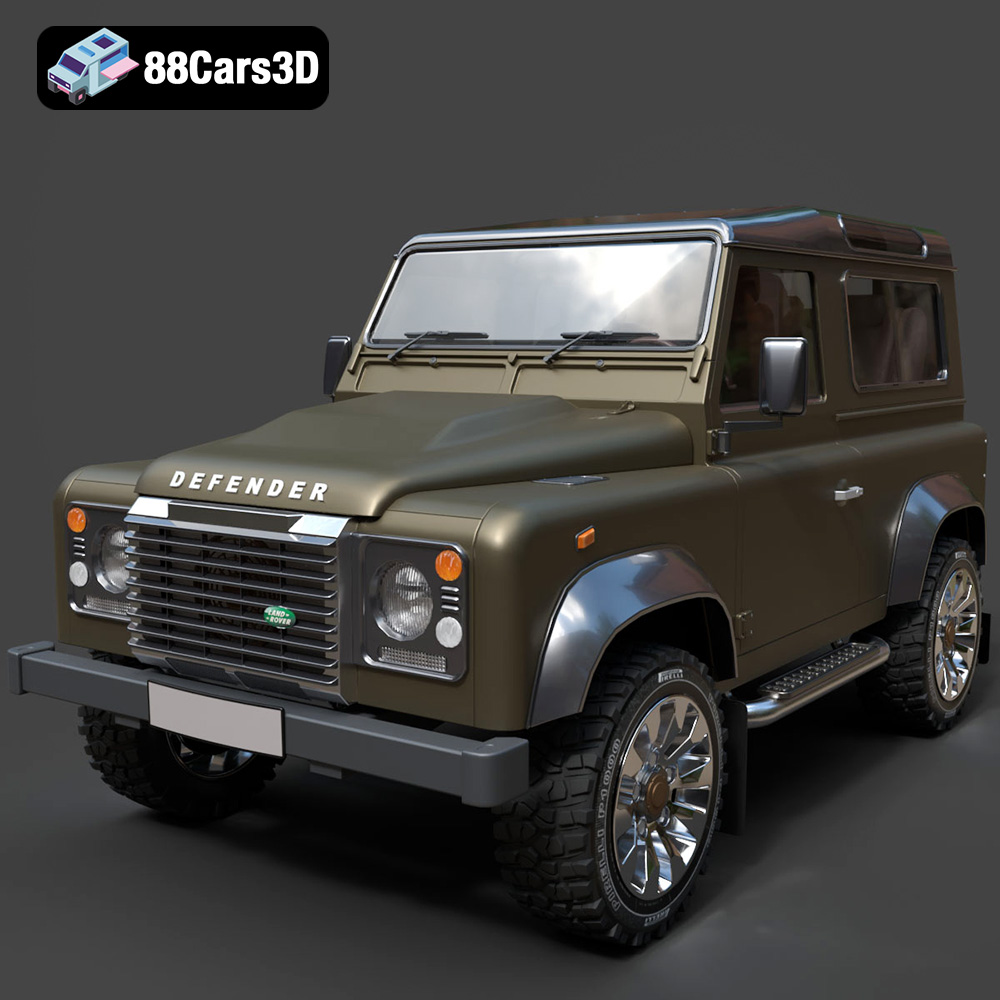
Texture: Yes
Material: Yes
Download the Land Rover Defender Works V8 3D Model featuring clean geometry, realistic detailing, and a fully modeled interior. Includes .blend, .fbx, .obj, .glb, .stl, .ply, .unreal, and .max formats for rendering, simulation, and game development.
Price: $19.99
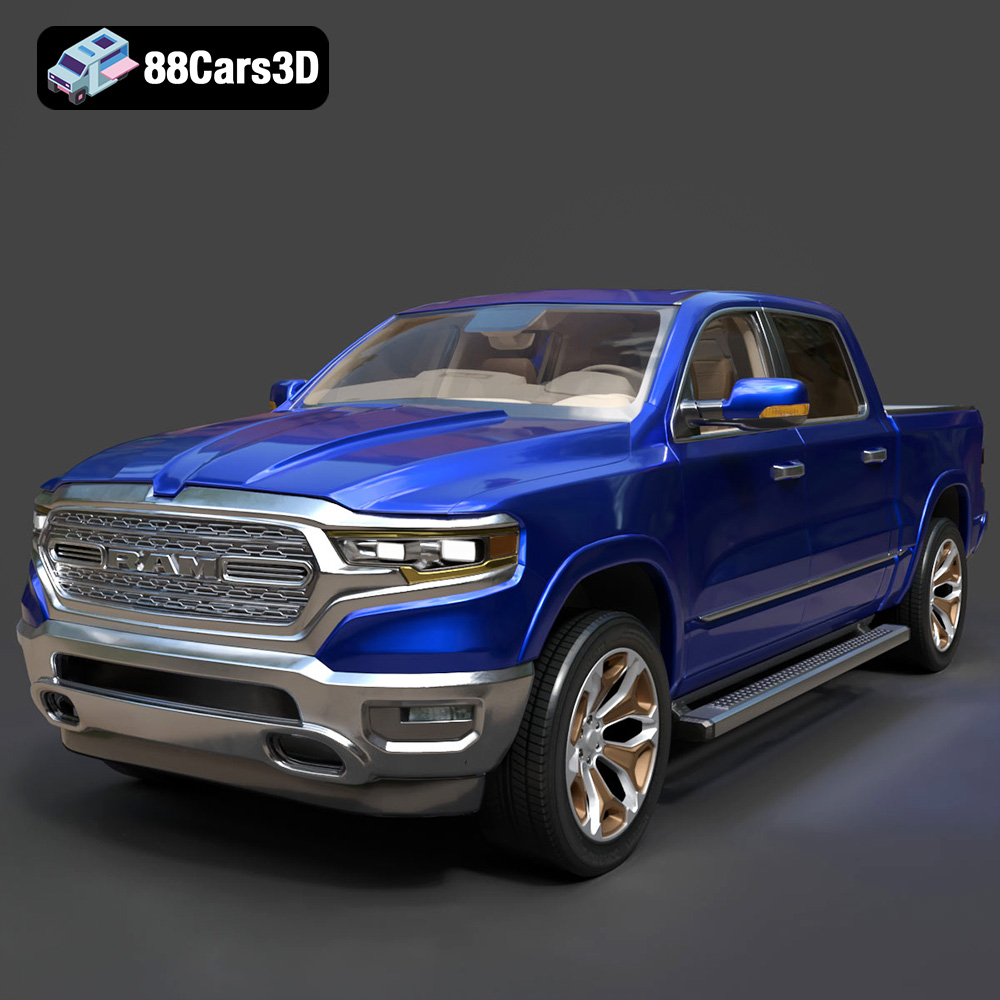
Texture: Yes
Material: Yes
Download the Dodge RAM 2019 3D Model featuring clean geometry, realistic detailing, and a fully modeled interior. Includes .blend, .fbx, .obj, .glb, .stl, .ply, .unreal, and .max formats for rendering, simulation, and game development.
Price: $19.99
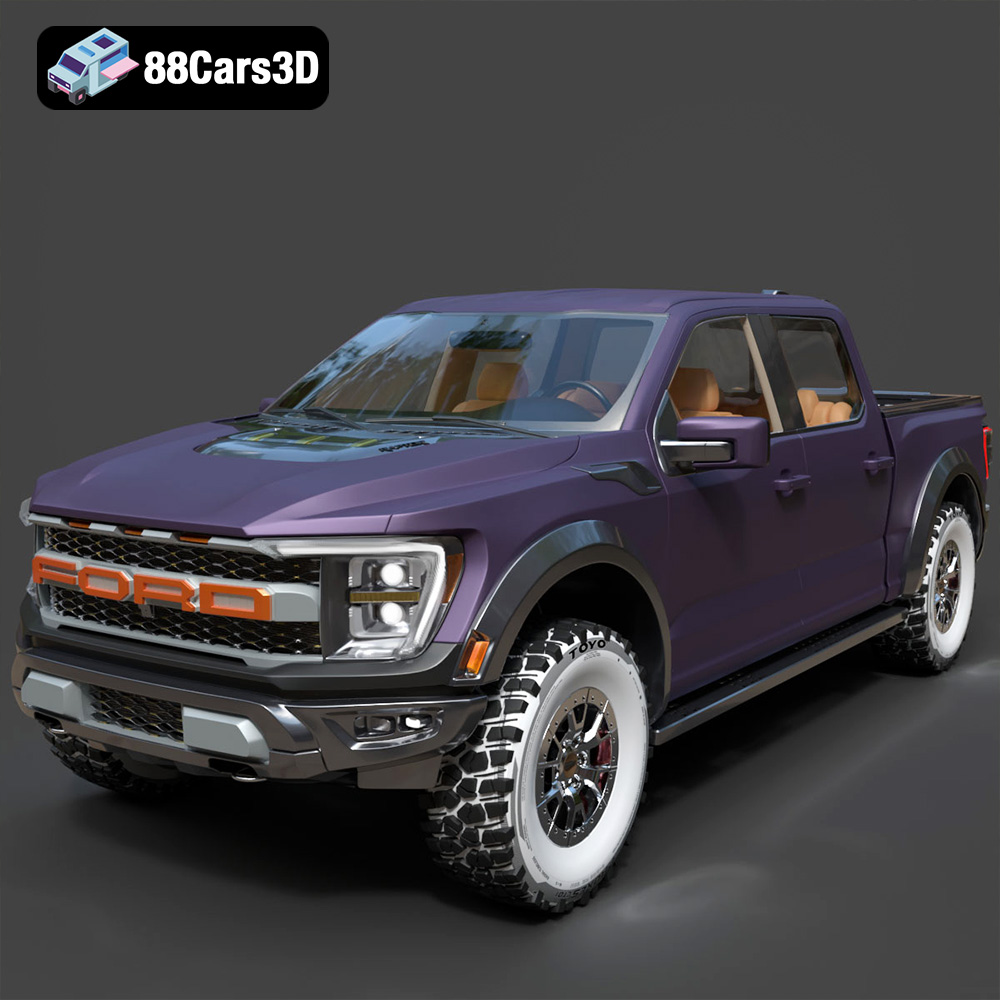
Texture: Yes | Material: Yes Download the ultra-high-detail Ford F-150 Raptor 2021 3D Model (8.73M Triangles). Features uncompromised widebody styling, fully modeled Fox Live Valve suspension, 37-inch tires, and interior. Perfect for premium VFX, cinematic rendering, and ArchViz. Includes .blend, .fbx, .obj, .glb, .stl, and .max formats.
Price: $29.99
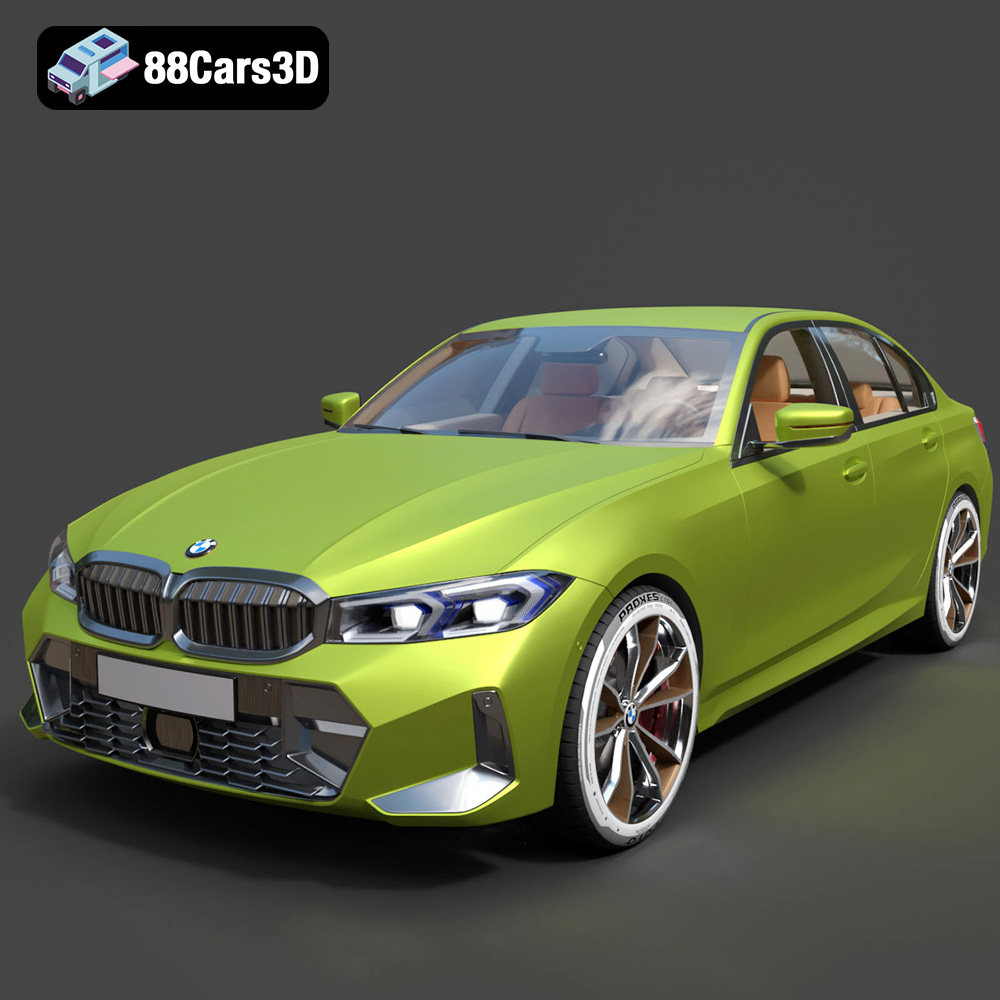
Texture: Yes | Material: Yes Download the ultra-high-detail BMW 3 Series Limousine (2022) 3D Model (4.16M Triangles). Features the modernized G20 LCI exterior, the all-new BMW Curved Display interior, and ultra-dense topology. Perfect for ArchViz, VFX, and cinematic rendering. Includes .blend, .fbx, .obj, .glb, .stl, and .max formats.
Price: $19.99
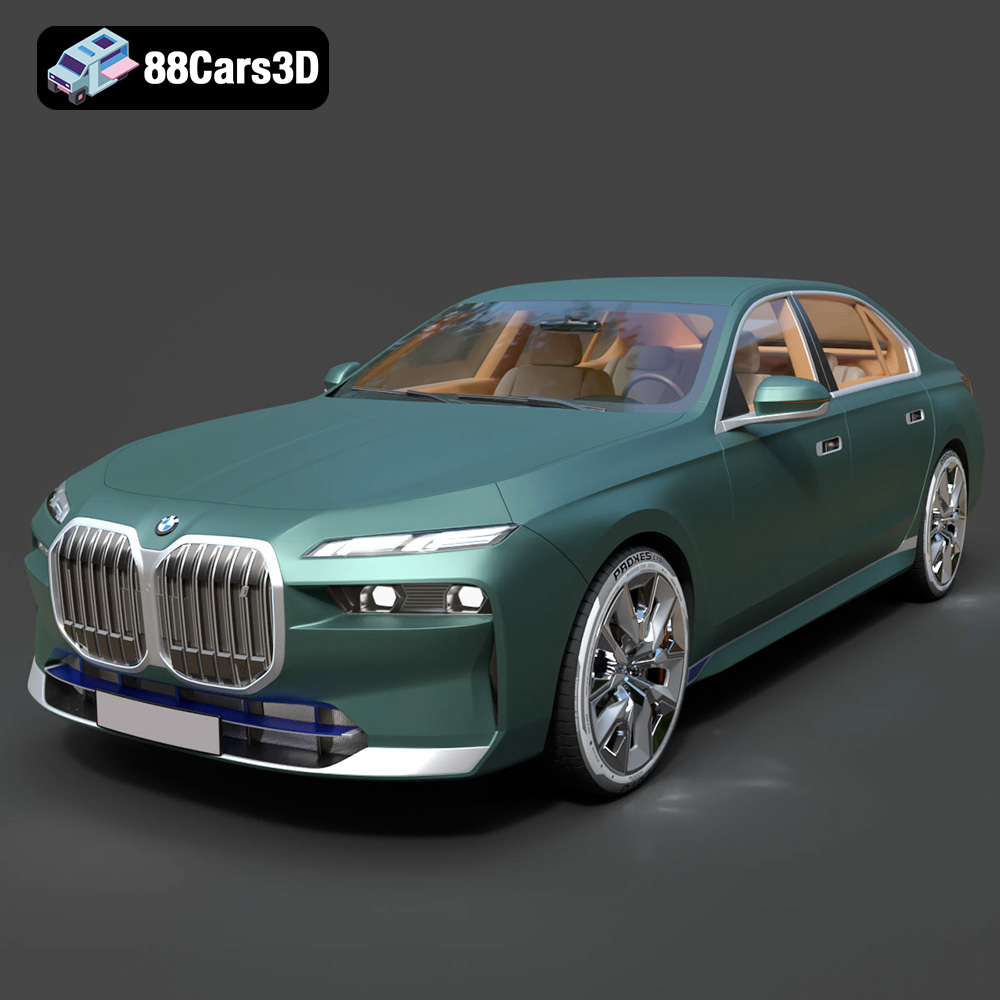
Texture: Yes | Material: Yes Download the ultra-high-detail BMW i7 (2023) 3D Model (4.14M Triangles). Features the illuminated kidney grille, split crystal headlights, fully modeled Theatre Screen interior, and monolithic luxury styling. Perfect for ArchViz, VFX, and cinematic rendering. Includes .blend, .fbx, .obj, .glb, .stl, and .max formats.
Price: $19.99
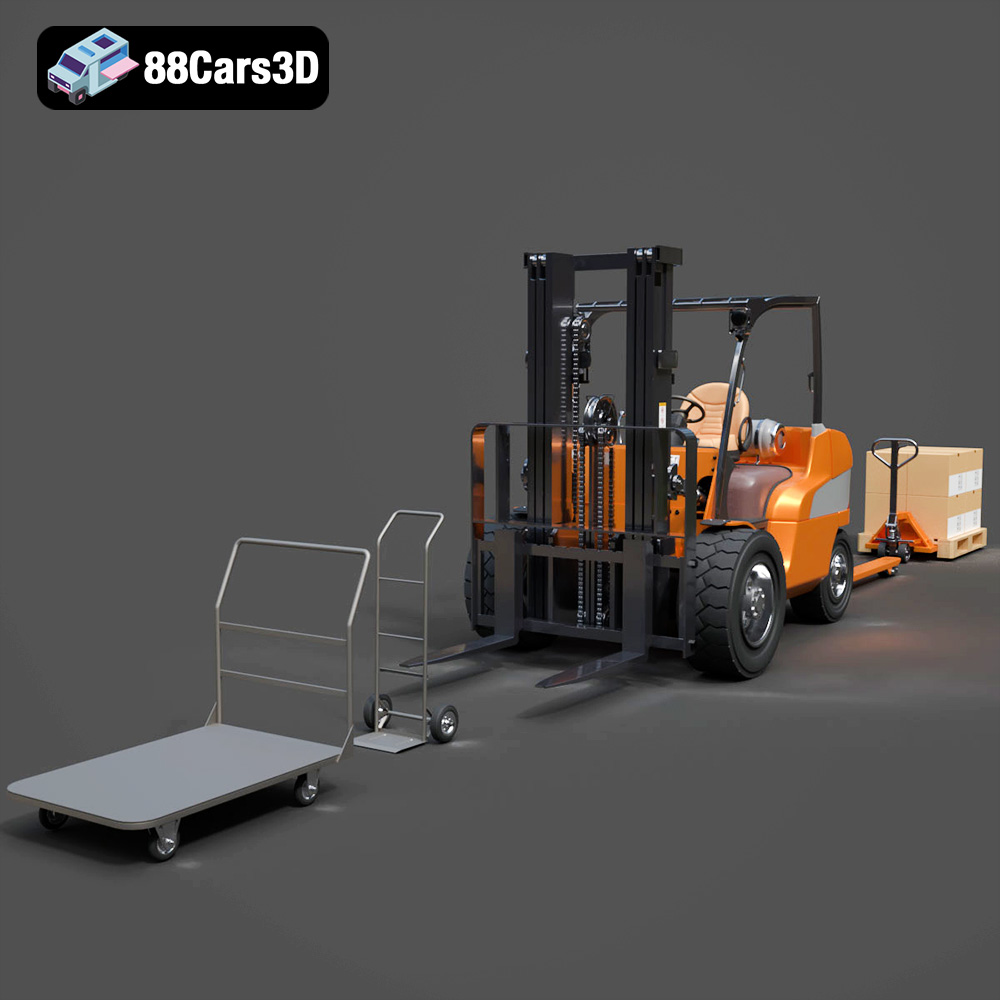
Texture: Yes | Material: Yes Download the highly detailed CAT Manual Loader & Warehouse Carts Kit 3D Model (2.4M Triangles). Features a macro-detailed hydraulic pallet jack, heavy-duty forks, and transport carts. Perfect for industrial ArchViz, factory rendering, and logistics simulations. Includes .blend, .fbx, .obj, .glb, .stl, and .max formats.
Price: $19.99

Texture: Yes | Material: Yes
Download the highly optimized Mazda CX-5 2014 3D Model (294k Triangles). Features the dynamic Kodo design language, signature grille, and a clean interior. Perfectly balanced for ArchViz, background traffic, and game development. Includes .blend, .fbx, .obj, .glb, .stl, and .max formats.
Price: $19.99
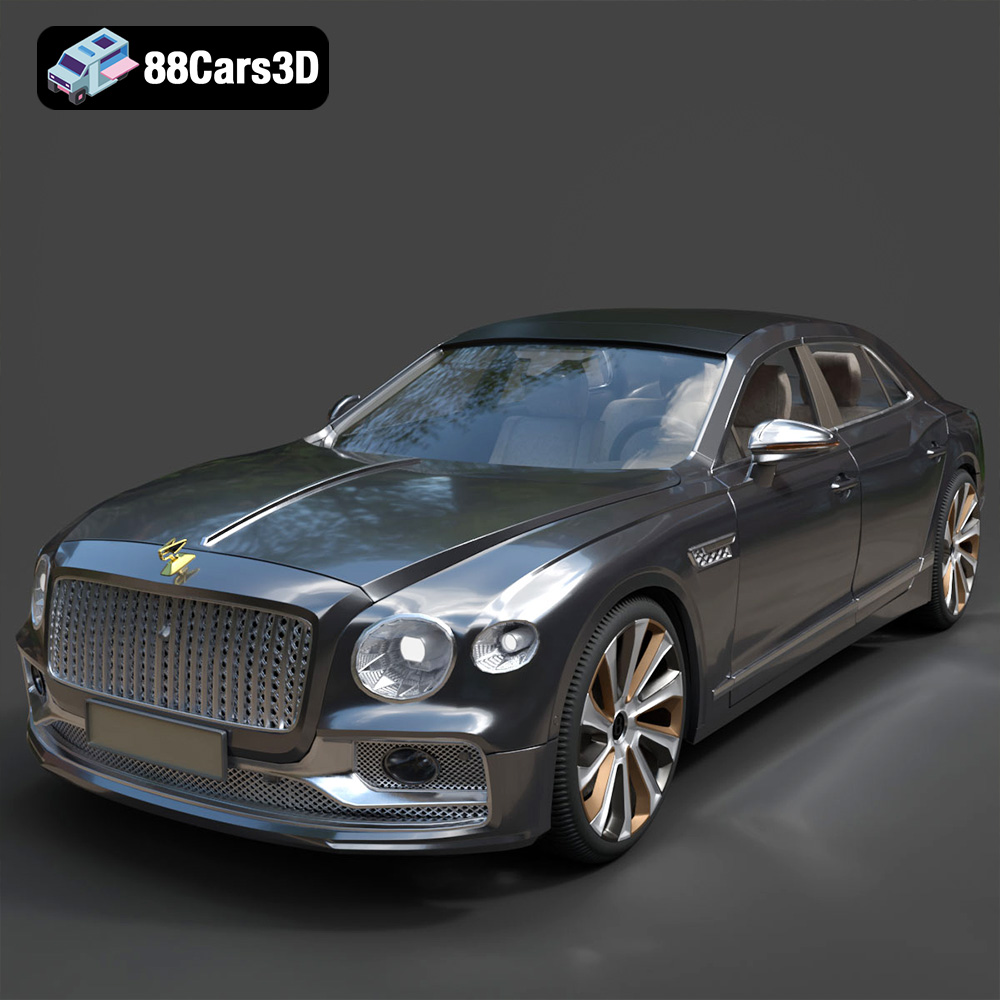
Texture: Yes | Material: Yes Download the ultra-high-detail Bentley Flying Spur Mulliner 2022 3D Model (2.94M Triangles). Features the bespoke Double Diamond grille, a fully modeled diamond-quilted interior, and exquisite luxury styling. Perfect for high-end ArchViz, VFX, and cinematic rendering. Includes .blend, .fbx, .obj, .glb, .stl, and .max formats.
Price: $19.90

