Get 50% OFF All Premium 3D & STL Models!

“`html
For automotive enthusiasts and 3D printing aficionados, the dream of bringing intricate vehicle models to life is now more attainable than ever. The advancements in 3D printing technology have opened doors to creating highly detailed replicas of classic cars, modern supercars, and everything in between. However, achieving truly stunning results requires selecting the right 3D printer and mastering the art of optimizing print settings. This comprehensive guide will walk you through the best 3D printers for printing detailed vehicle models, explore the nuances of slicing, and delve into the crucial aspects of post-processing. Whether you are a seasoned 3D printing expert or just starting, this article will provide the knowledge and insights needed to create impressive and accurate vehicle models. We will cover FDM (Fused Deposition Modeling) and resin-based printers, highlighting their strengths and weaknesses for this specific application. You’ll learn about STL file preparation, optimal print settings, support structure generation, and effective post-processing techniques, enabling you to confidently tackle even the most complex automotive designs.
Before diving into specific printer recommendations, it’s crucial to understand the unique challenges involved in printing detailed vehicle models. These models often feature intricate geometries, fine details like grilles and emblems, and smooth curved surfaces. These features demand a printer with high resolution, dimensional accuracy, and the ability to handle overhangs and complex geometries with ease.
Resolution refers to the smallest layer height a printer can achieve, typically measured in microns (µm). Lower layer heights translate to smoother surfaces and finer details. For vehicle models, aim for a printer capable of at least 50µm layer resolution, and ideally 25µm or lower for exceptional detail. Dimensional accuracy, on the other hand, is how closely the printed part matches the dimensions of the original STL file. This is critical for ensuring that parts fit together correctly during assembly and that the overall model accurately represents the vehicle.
Vehicle models often feature overhangs, such as spoilers, mirrors, and wheel arches. These require support structures to prevent the molten plastic or resin from collapsing during printing. A good printer will have a reliable support generation system, either built-in or through compatible slicing software. The complexity of the model’s geometry also plays a significant role. Printers with excellent bridging capabilities can handle gaps and openings without excessive sagging, resulting in cleaner prints and less post-processing.
FDM printers are a popular choice for hobbyists and makers due to their affordability and ease of use. They work by melting and extruding plastic filament layer by layer. While not typically known for the ultra-high resolution of resin printers, advanced FDM printers with precise nozzle control and fine-tuned settings can produce surprisingly detailed vehicle models. When using platforms like 88cars3d.com to acquire models, keep in mind the intricacies of FDM printing, as it might require some adjustments to the STL file for optimal results.
The Prusa i3 MK3S+ is a popular choice known for its reliability and print quality. Its automatic bed leveling and open-source design make it a versatile option. Consider a nozzle size of 0.25mm for finer details and experiment with layer heights between 0.08mm and 0.12mm. Another excellent option is the Creality Ender 3 S1 Pro, which offers a direct drive extruder and automatic bed leveling, improving print quality and reliability. Its higher printing temperature also allows printing of more advanced materials like ABS and Nylon.
To maximize detail on an FDM printer, several settings need to be carefully tuned. Layer height is the most crucial factor; lower layer heights create smoother surfaces but increase print time. Experiment with infill patterns and densities to balance strength and weight. Gyroid infill is often a good choice for its isotropic strength. Print speed should be reduced for intricate areas to allow for better adhesion and prevent warping. Start with a speed of 40-50 mm/s and reduce it further if necessary. Enabling features like “Combing Mode” in your slicer can minimize stringing by keeping the nozzle within the printed area.
Resin printers, also known as Stereolithography (SLA) or Digital Light Processing (DLP) printers, use liquid resin cured by UV light to create objects. They are renowned for their ability to produce incredibly detailed prints with smooth surfaces, making them ideal for intricate vehicle models. The level of detail achievable with resin printing is significantly higher than with FDM, capturing even the smallest features with impressive accuracy.
The Elegoo Mars 3 Pro and Anycubic Photon Mono X 6K are excellent choices for resin printing. The Elegoo Mars 3 Pro offers a balance of affordability and high resolution, making it a great entry point. It boasts a 4K resolution screen, allowing for incredibly detailed prints. The Anycubic Photon Mono X 6K steps up the resolution even further with a 6K screen and a larger build volume, ideal for larger models or batch printing smaller parts. Always follow safety guidelines when working with resin and ensure proper ventilation.
Key resin printing settings include layer height, exposure time, and lift speed. Lower layer heights (e.g., 25-50 µm) yield smoother surfaces. Exposure time determines how long each layer is exposed to UV light; adjust this based on the resin’s specifications. Lift speed affects how quickly the build plate moves after each layer, which can impact print success. Slower lift speeds can help prevent layer separation, especially with delicate features. Hollowing out models and adding drain holes can reduce resin consumption and prevent suction forces during printing. This is particularly important for larger vehicle models.
Regardless of the printer type you choose, preparing your STL file is crucial for a successful print. Poorly prepared files can lead to print failures, dimensional inaccuracies, and a lack of detail. When downloading models from marketplaces such as 88cars3d.com, ensure that the files are optimized for 3D printing. However, even high-quality files may require some adjustments.
Netfabb and Meshmixer are powerful tools for repairing and optimizing STL files. Netfabb is a professional-grade software with advanced mesh repair capabilities. It can automatically identify and fix errors like non-manifold edges, holes, and flipped normals. Meshmixer is a free alternative that offers a range of tools for editing and repairing meshes. Use Meshmixer’s “Make Solid” feature to create a watertight mesh and its “Inspector” tool to identify and fix errors. Repairing the mesh is crucial to ensure the slicer can properly interpret the model and generate correct print instructions.
Print orientation significantly impacts print quality and support requirements. Experiment with different orientations to minimize overhangs and the amount of support material needed. Orient the model so that the most detailed features face upwards. Use your slicer’s support generation tools to create effective support structures. For FDM printing, consider using tree supports, which minimize material usage and are easier to remove. For resin printing, use light supports for delicate features and heavy supports for larger overhangs. Manually editing support structures can also improve print quality and reduce post-processing time.
Post-processing is an essential step in achieving a professional finish on your 3D printed vehicle models. It involves removing support structures, sanding imperfections, and painting the model to bring it to life. The specific techniques used will depend on the material and printer used, but some common practices apply to both FDM and resin prints.
Carefully remove support structures using flush cutters or pliers. For FDM prints, a heat gun can soften the support material, making it easier to remove. For resin prints, soaking the model in warm water can help loosen the supports. Sanding is crucial for smoothing out surface imperfections and removing support marks. Start with coarse sandpaper (e.g., 220 grit) and gradually move to finer grits (e.g., 400, 600, 800) to achieve a smooth finish. Wet sanding can also help to reduce dust and improve the finish.
Painting is the final step in transforming your 3D printed model into a realistic replica. Start with a primer to create a smooth surface for the paint to adhere to. Use acrylic paints for their durability and wide range of colors. Apply multiple thin coats rather than one thick coat to avoid runs and drips. Use masking tape to create clean lines and separate different colored areas. Detailing with fine brushes can add realistic features like panel lines, trim, and emblems. Consider using clear coat to protect the paint and add a glossy finish.
The choice of material significantly impacts the final look, feel, and durability of your 3D printed vehicle models. Different materials offer varying properties, such as strength, flexibility, and heat resistance. Understanding these properties is crucial for selecting the right material for your project.
PLA (Polylactic Acid) is a biodegradable thermoplastic that is easy to print and offers good detail. It’s a good choice for beginners and for models that don’t require high heat resistance. PETG (Polyethylene Terephthalate Glycol) is more durable and heat-resistant than PLA, making it suitable for parts that may be exposed to higher temperatures. ABS (Acrylonitrile Butadiene Styrene) is a strong and heat-resistant plastic that is commonly used in automotive parts. However, it can be more challenging to print than PLA and PETG due to its tendency to warp. When printing with ABS, an enclosed printer is recommended to maintain a stable temperature.
Standard resin is a versatile option for general-purpose printing. It offers good detail and is relatively affordable. ABS-like resin is designed to mimic the properties of ABS plastic, offering higher strength and impact resistance. Tough resin is even more durable and is ideal for parts that need to withstand stress. Flexible resin allows you to print flexible or rubber-like parts, such as tires or gaskets. Each type of resin has unique properties and requires specific settings, so always refer to the manufacturer’s instructions.
Even with the best printers and settings, you may encounter issues during the 3D printing process. Understanding common problems and their solutions can save you time and frustration. Issues can range from bed adhesion problems to warping, stringing, and layer separation.
Bed adhesion is a common issue, especially with FDM printing. Ensure that your bed is level and clean. Use a bed adhesive, such as hairspray or glue stick, to improve adhesion. For ABS printing, use a heated bed and an enclosed printer to prevent warping. Warping occurs when the corners of the print lift off the bed due to uneven cooling. Increasing the bed temperature and using a brim or raft can help to prevent warping. Also, ensure there are no drafts or temperature fluctuations in the room.
Stringing occurs when the printer extrudes filament while moving between different parts of the model. This can be caused by excessive retraction distance or high printing temperature. Reduce the retraction distance and lower the printing temperature to minimize stringing. Layer separation occurs when the layers of the print do not adhere properly. This can be caused by insufficient bed adhesion, low printing temperature, or incorrect layer height. Increase the printing temperature and reduce the layer height to improve layer adhesion. Also, ensure that the filament is dry and free of moisture.
Printing detailed vehicle models is a rewarding but technically demanding endeavor. Selecting the right 3D printer, whether it’s an FDM or resin-based model, is paramount. Platforms like 88cars3d.com offer a wide selection of printable car models in STL format to fuel your projects. Mastering the art of slicing, understanding material properties, and implementing effective post-processing techniques are equally essential for achieving stunning results. By meticulously optimizing your printer settings, preparing your STL files, and addressing common printing issues, you can transform digital designs into tangible automotive masterpieces. Whether you’re a hobbyist, a professional model maker, or simply a car enthusiast, the world of 3D printing offers endless possibilities for bringing your automotive visions to life. Take the knowledge gained from this guide and start experimenting with different printers, materials, and techniques. The more you practice, the better you’ll become at creating intricate and accurate vehicle models. Happy printing!
“`
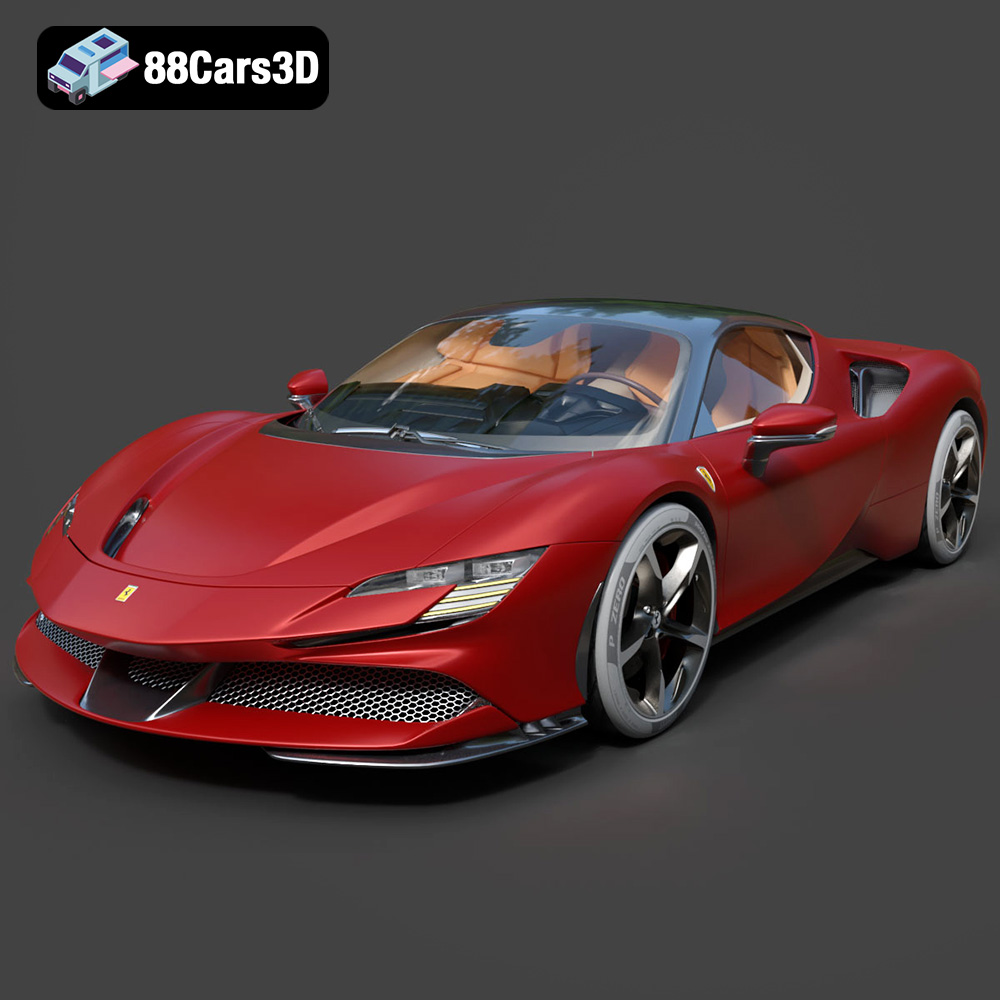
Texture: Yes
Material: Yes
Download the Ferrari SF90 Stradale 3D Model featuring clean geometry, realistic detailing, and a fully modeled interior. Includes .blend, .fbx, .obj, .glb, .stl, .ply, .unreal, and .max formats for rendering, simulation, and game development.
Price: $19.99
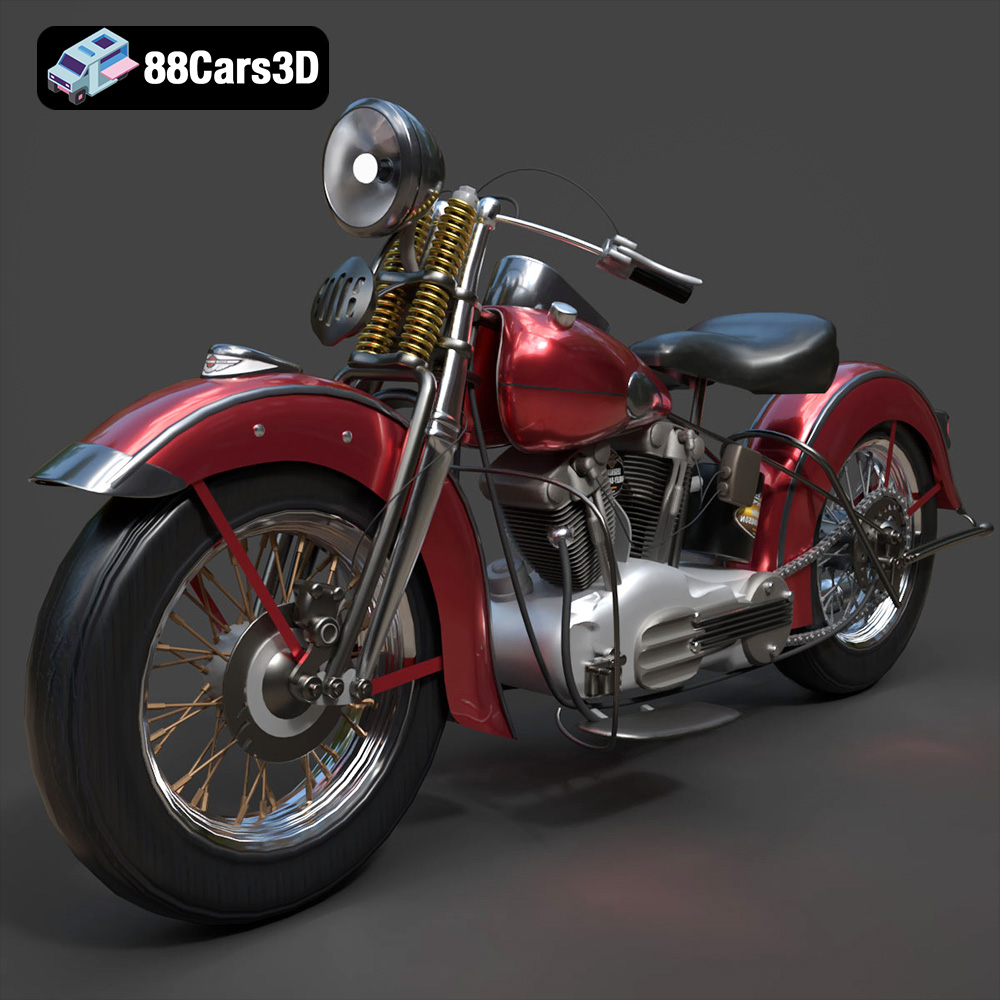
Texture: Yes
Material: Yes
Download the Harley Davidson F 1946 3D Model featuring clean geometry, realistic detailing, and a fully modeled interior. Includes .blend, .fbx, .obj, .glb, .stl, .ply, .unreal, and .max formats for rendering, simulation, and game development.
Price: $19.99
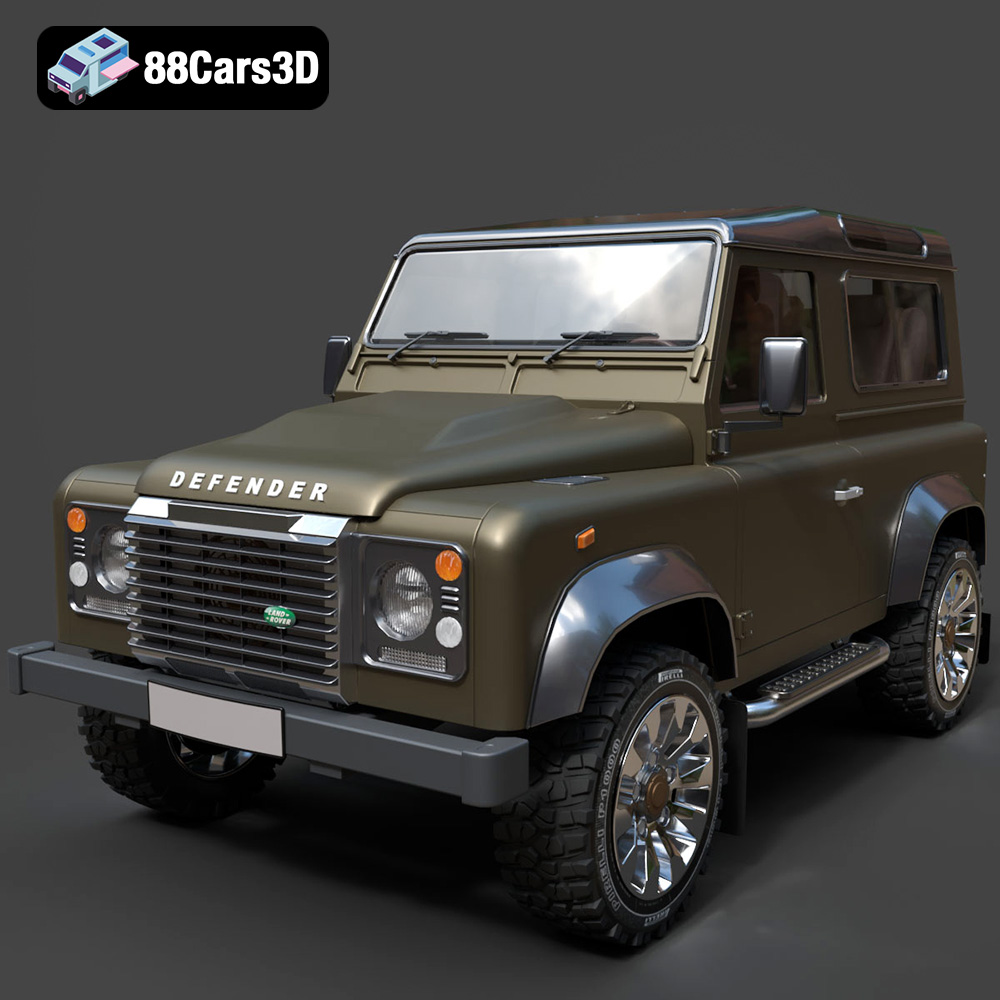
Texture: Yes
Material: Yes
Download the Land Rover Defender Works V8 3D Model featuring clean geometry, realistic detailing, and a fully modeled interior. Includes .blend, .fbx, .obj, .glb, .stl, .ply, .unreal, and .max formats for rendering, simulation, and game development.
Price: $19.99
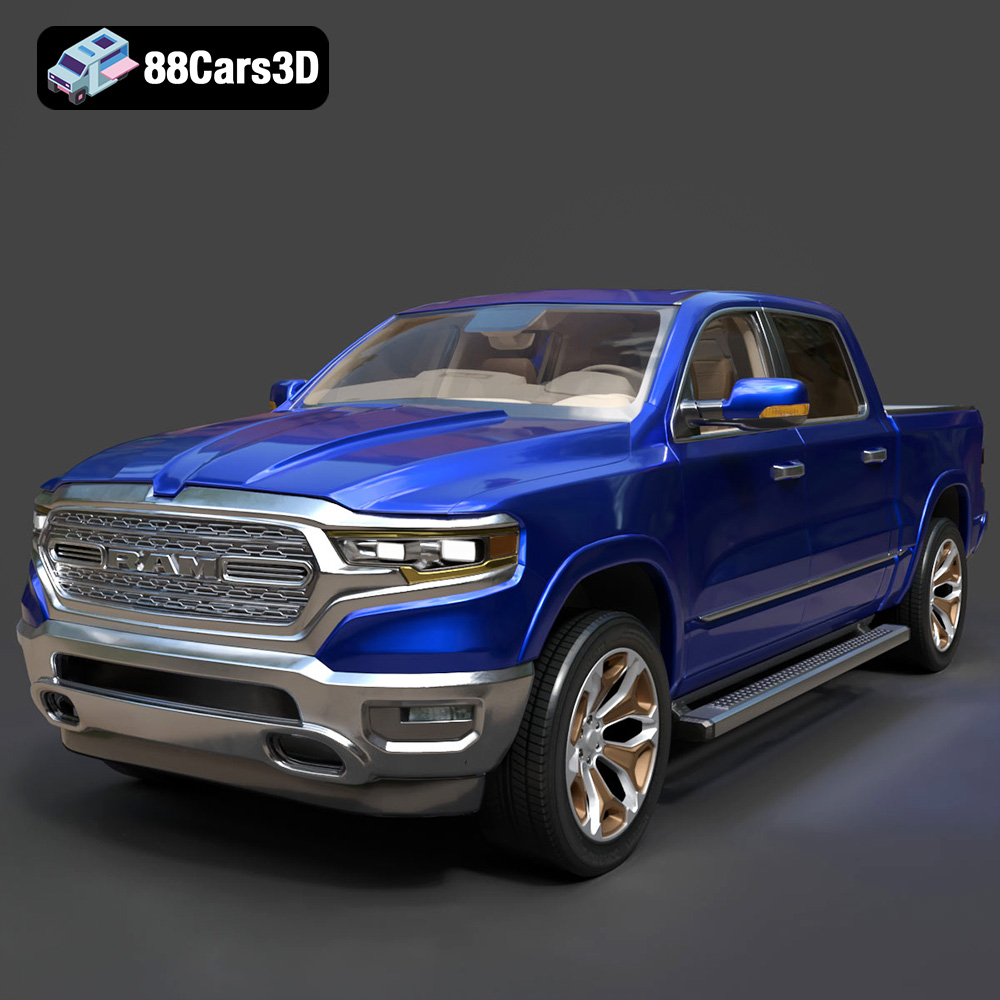
Texture: Yes
Material: Yes
Download the Dodge RAM 2019 3D Model featuring clean geometry, realistic detailing, and a fully modeled interior. Includes .blend, .fbx, .obj, .glb, .stl, .ply, .unreal, and .max formats for rendering, simulation, and game development.
Price: $19.99
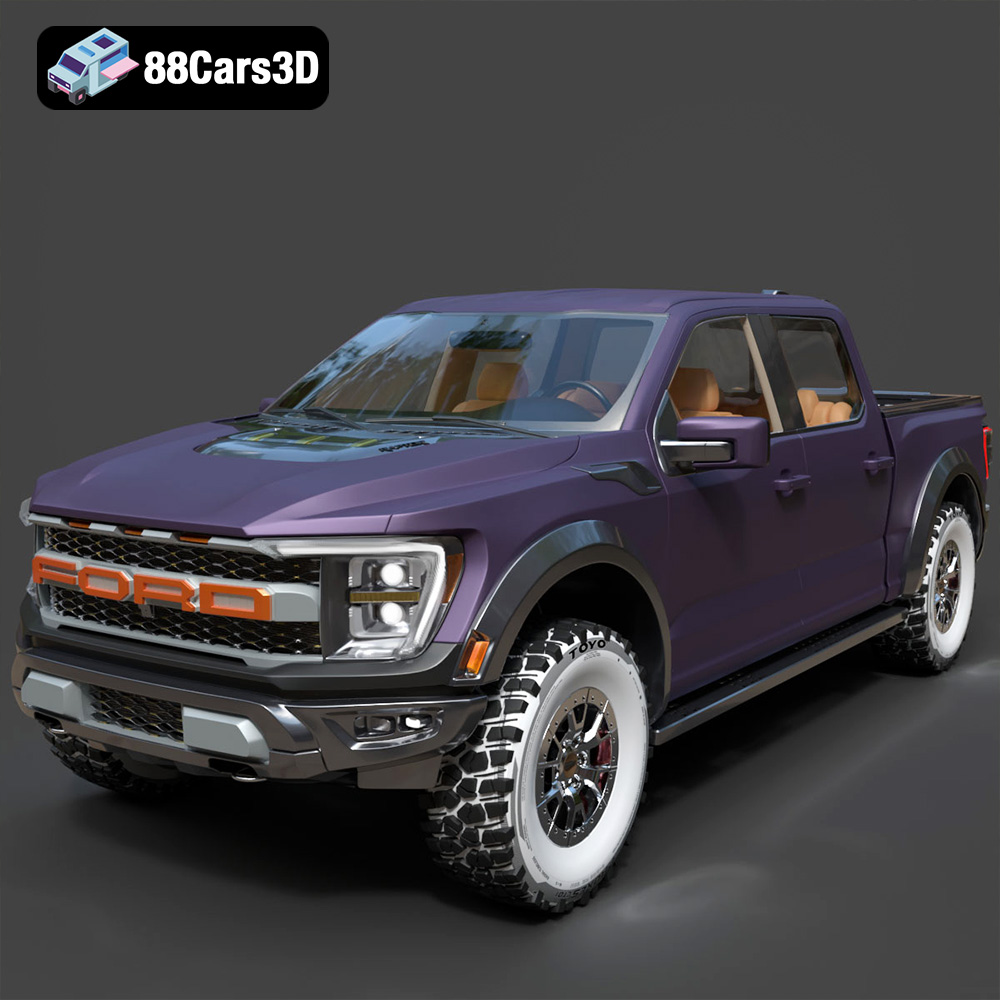
Texture: Yes | Material: Yes Download the ultra-high-detail Ford F-150 Raptor 2021 3D Model (8.73M Triangles). Features uncompromised widebody styling, fully modeled Fox Live Valve suspension, 37-inch tires, and interior. Perfect for premium VFX, cinematic rendering, and ArchViz. Includes .blend, .fbx, .obj, .glb, .stl, and .max formats.
Price: $29.99
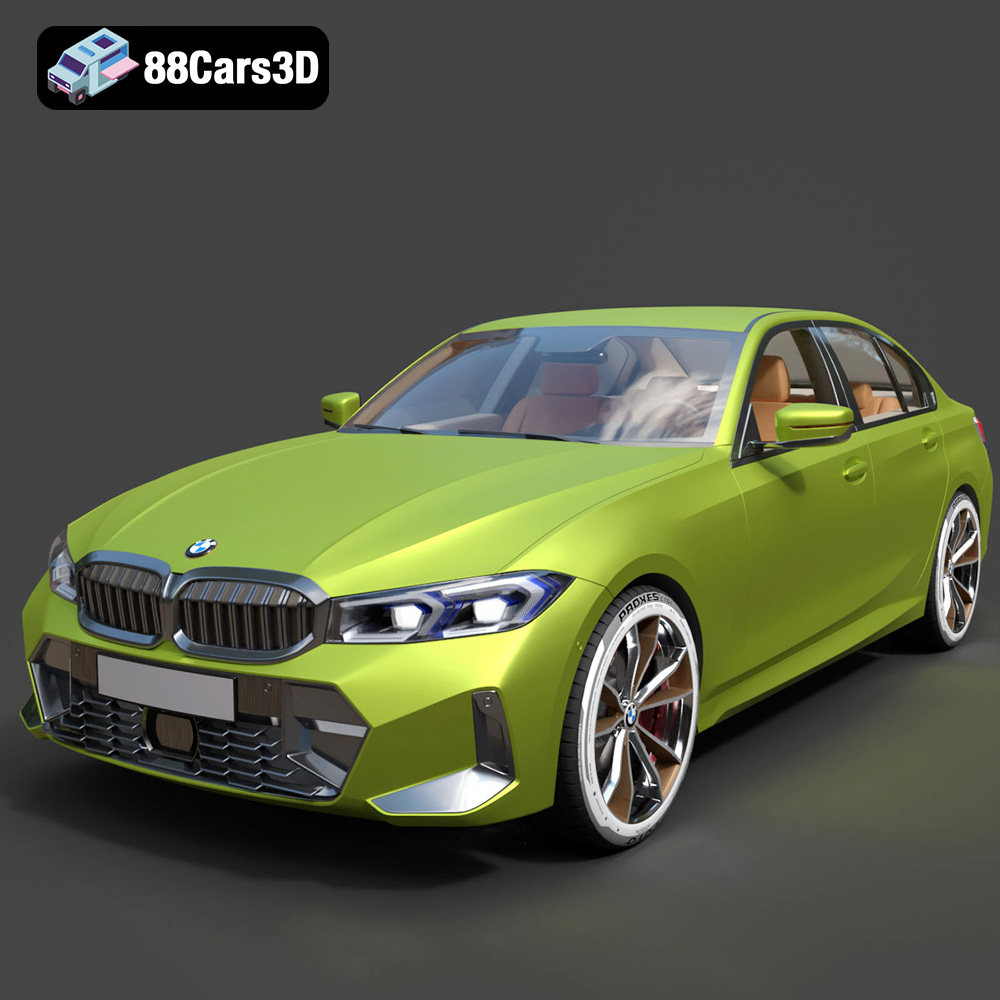
Texture: Yes | Material: Yes Download the ultra-high-detail BMW 3 Series Limousine (2022) 3D Model (4.16M Triangles). Features the modernized G20 LCI exterior, the all-new BMW Curved Display interior, and ultra-dense topology. Perfect for ArchViz, VFX, and cinematic rendering. Includes .blend, .fbx, .obj, .glb, .stl, and .max formats.
Price: $19.99
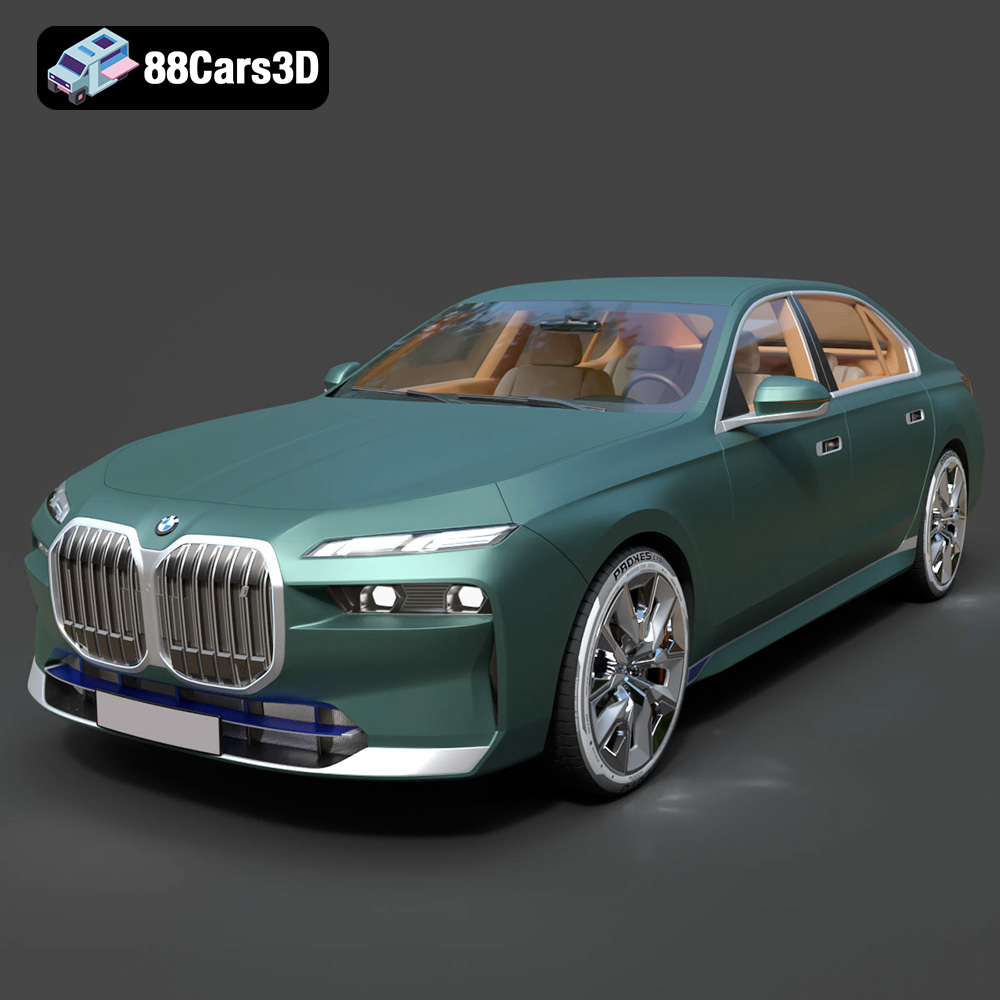
Texture: Yes | Material: Yes Download the ultra-high-detail BMW i7 (2023) 3D Model (4.14M Triangles). Features the illuminated kidney grille, split crystal headlights, fully modeled Theatre Screen interior, and monolithic luxury styling. Perfect for ArchViz, VFX, and cinematic rendering. Includes .blend, .fbx, .obj, .glb, .stl, and .max formats.
Price: $19.99
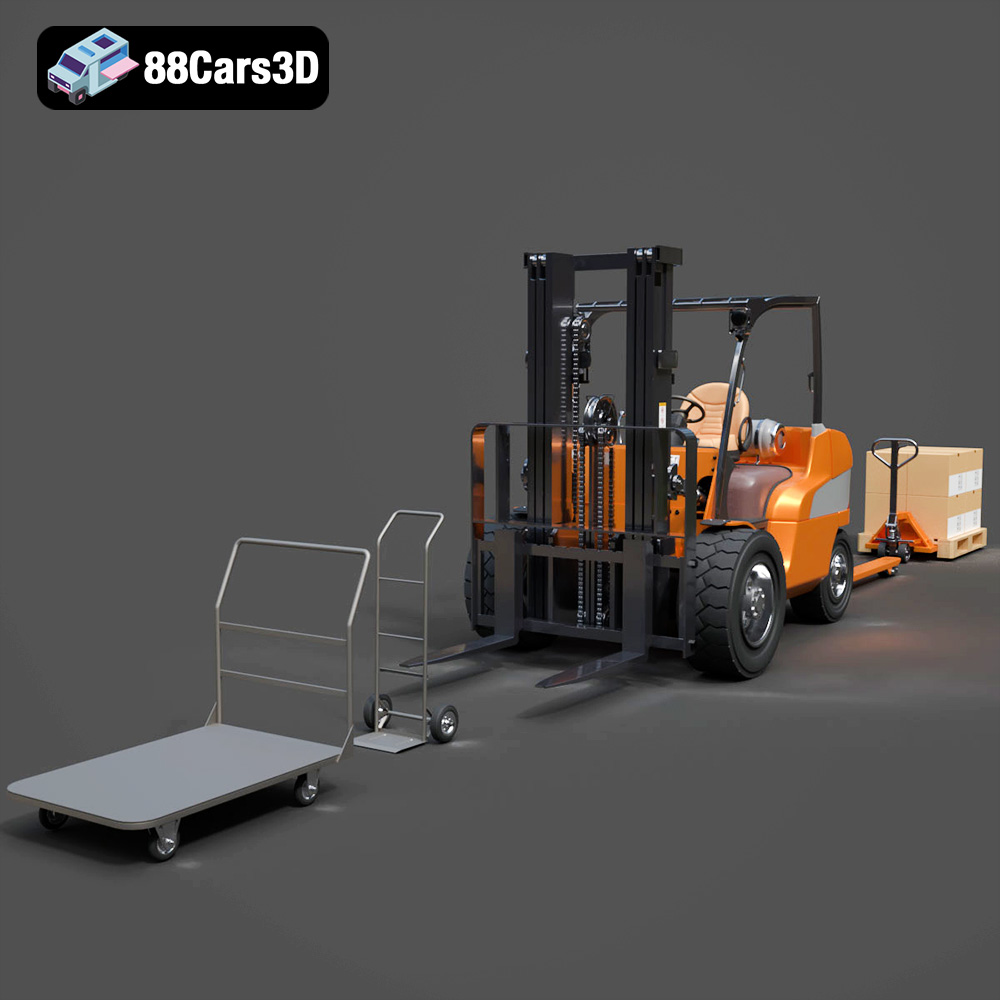
Texture: Yes | Material: Yes Download the highly detailed CAT Manual Loader & Warehouse Carts Kit 3D Model (2.4M Triangles). Features a macro-detailed hydraulic pallet jack, heavy-duty forks, and transport carts. Perfect for industrial ArchViz, factory rendering, and logistics simulations. Includes .blend, .fbx, .obj, .glb, .stl, and .max formats.
Price: $19.99

Texture: Yes | Material: Yes
Download the highly optimized Mazda CX-5 2014 3D Model (294k Triangles). Features the dynamic Kodo design language, signature grille, and a clean interior. Perfectly balanced for ArchViz, background traffic, and game development. Includes .blend, .fbx, .obj, .glb, .stl, and .max formats.
Price: $19.99
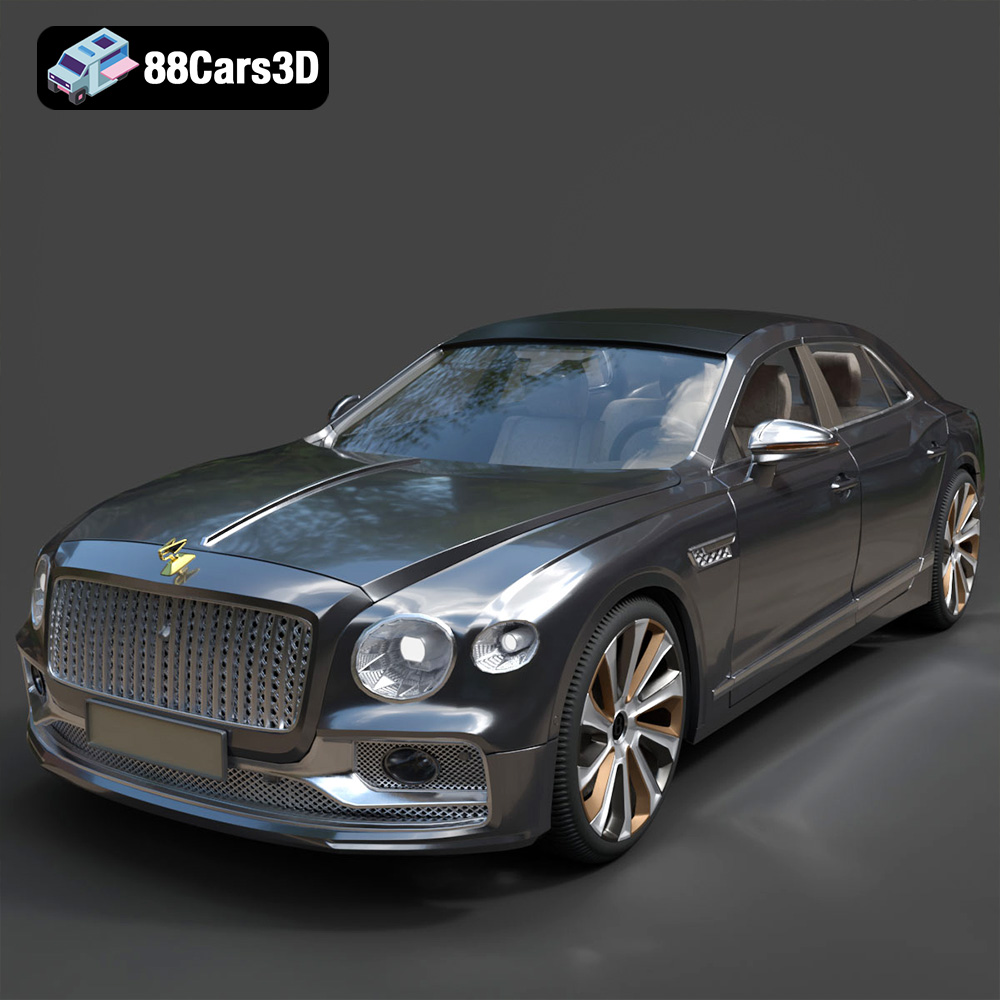
Texture: Yes | Material: Yes Download the ultra-high-detail Bentley Flying Spur Mulliner 2022 3D Model (2.94M Triangles). Features the bespoke Double Diamond grille, a fully modeled diamond-quilted interior, and exquisite luxury styling. Perfect for high-end ArchViz, VFX, and cinematic rendering. Includes .blend, .fbx, .obj, .glb, .stl, and .max formats.
Price: $19.90

