Get 50% OFF All Premium 3D & STL Models!

“`html
Architectural visualization has undergone a revolution with the advent of real-time rendering, and Unreal Engine has emerged as a leading platform for creating immersive and interactive architectural walkthroughs. This guide provides a comprehensive overview of using Unreal Engine to bring architectural designs to life, covering everything from project setup to advanced optimization techniques. Whether you’re an architect, designer, or visualization specialist, this guide will equip you with the knowledge to create stunning and engaging experiences for your clients. We’ll delve into importing assets, creating realistic materials, optimizing performance, and crafting interactive elements that elevate your presentations to the next level. Mastering these techniques allows you to showcase designs in a compelling and realistic manner, improving client understanding and accelerating the design process.
Real-time rendering offers immediate visual feedback, allowing for iterative design adjustments and interactive exploration of architectural spaces. This is a significant advantage over traditional rendering methods, which can be time-consuming and require significant computational resources. With Unreal Engine, you can create dynamic walkthroughs that clients can navigate and interact with, fostering a deeper understanding of the design and its spatial qualities.
Unreal Engine provides a powerful and versatile toolset for creating high-quality architectural visualizations. Its advanced rendering capabilities, Blueprint visual scripting system, and extensive asset library make it an ideal choice for bringing architectural designs to life. Furthermore, its ability to generate executables that run independently allows for easy distribution and client-side exploration, without requiring specialized software or plugins.
The first step in creating an architectural walkthrough is setting up your Unreal Engine project and importing your 3D models. A well-organized project structure and optimized assets are crucial for maintaining performance and streamlining the workflow. Unreal Engine’s project templates provide a solid foundation for various applications, and understanding the nuances of asset import is key to a successful visualization.
When creating a new project, select the “Architecture, Engineering, and Construction” template. This template provides a pre-configured environment with lighting and post-processing settings optimized for architectural visualization. Consider enabling ray tracing if your hardware supports it, as it significantly enhances visual fidelity. Ensure the project name is descriptive and reflects the project’s purpose. For instance, “Villa_Mediterranean_Walkthrough” is better than simply “Project1.” Unreal Engine documentation provides detailed instructions on project creation and configuration.
Unreal Engine supports various 3D file formats, including FBX, USD, and Datasmith. FBX is a commonly used format for architectural models. When importing, pay attention to the import settings, such as scale, coordinate system, and material creation. Ensure that your models are properly scaled and oriented before importing. A scale of 1 unit = 1 centimeter is generally a good starting point. Carefully review the coordinate system to avoid orientation issues. Platforms like 88cars3d.com offer optimized models for Unreal Engine, which can significantly reduce setup time and ensure compatibility. Datasmith is a dedicated import pipeline that preserves metadata and hierarchy, making it ideal for importing complex architectural models from CAD and BIM software.
Maintaining a well-organized project structure is essential for managing a large number of assets. Create folders for different asset types, such as meshes, textures, materials, and blueprints. Use descriptive naming conventions to easily identify assets. For example, “SM_Wall_Exterior_01” is more informative than “Wall_01.” Consider using Unreal Engine’s Collections feature to group related assets together for easy access and management.
Realistic materials are essential for creating believable architectural visualizations. Unreal Engine’s Material Editor allows you to create complex and physically-based rendering (PBR) materials that accurately simulate the interaction of light with surfaces. Understanding PBR principles and mastering the Material Editor are crucial for achieving photorealistic results. The accuracy of your materials directly impacts the perceived realism and quality of your walkthrough.
PBR materials are based on the physical properties of surfaces and how they interact with light. Key parameters include Base Color, Roughness, Metallic, and Normal. Base Color defines the color of the surface, Roughness controls the diffuseness of reflections, Metallic determines whether the surface is metallic or non-metallic, and Normal defines the surface details. Using accurate PBR values is crucial for achieving realistic results. For instance, a concrete material should have a high Roughness value and a non-metallic value.
The Material Editor allows you to create materials by connecting nodes that represent different material properties and functions. Start by creating a new material and opening the Material Editor. Add Texture Sample nodes for Base Color, Roughness, Metallic, and Normal maps. Connect these nodes to the corresponding material inputs. Use mathematical nodes, such as Multiply and Add, to adjust the values and create variations. Parameterize key material properties to easily adjust them in the Material Instance Editor. Creating material instances allows you to create variations of a base material without duplicating the entire material graph. This is particularly useful for architectural visualization, where you may have multiple instances of the same material with slight variations in color or roughness.
Material Instances allow you to create variations of a base material without duplicating the entire material graph. This is particularly useful for architectural visualization, where you may have multiple instances of the same material with slight variations in color or roughness. Create a Material Instance from your base material and adjust the parameters in the Material Instance Editor. This workflow is more efficient than creating separate materials for each variation and helps to keep your project organized.
Lighting plays a critical role in architectural visualization, influencing the mood, atmosphere, and realism of the scene. Unreal Engine offers a range of lighting options, including the new Lumen global illumination and reflections system, as well as traditional static and dynamic lighting methods. Choosing the right lighting approach depends on the project’s requirements and performance constraints.
Lumen is Unreal Engine’s fully dynamic global illumination and reflections system. It provides high-quality lighting without the need for precomputed lightmaps. Lumen dynamically calculates indirect lighting based on the scene geometry and materials, resulting in more realistic and responsive lighting. Lumen is particularly well-suited for architectural walkthroughs, where dynamic lighting is essential for simulating realistic daylight and artificial lighting conditions. It can handle complex scenes with dynamic objects and changing lighting conditions with ease.
To enable Lumen, go to Project Settings > Rendering and set the Default Global Illumination Method to Lumen. Also, set the Default Reflection Method to Lumen. Adjust the Lumen settings to optimize performance and visual quality. Increase the Lumen Scene Detail if you need higher-quality reflections and global illumination. Be aware that increasing Lumen Scene Detail will also increase the GPU cost. Experiment with different Lumen settings to find the optimal balance between visual quality and performance.
While Lumen provides excellent dynamic lighting, traditional lighting methods, such as static and stationary lights, can still be useful for certain scenarios. Static lights are baked into lightmaps and provide the highest performance. Stationary lights provide both static and dynamic lighting and are a good compromise between performance and flexibility. Use static lights for areas that do not require dynamic lighting and stationary lights for areas that require some dynamic lighting. Carefully plan your lighting setup to optimize performance and visual quality. Consider using a combination of Lumen and traditional lighting methods to achieve the best results. For instance, you can use Lumen for global illumination and reflections and static lights for ambient lighting in areas that do not require dynamic lighting.
Unreal Engine’s Blueprint visual scripting system allows you to create interactive elements and dynamic behaviors without writing code. This is particularly useful for architectural walkthroughs, where you can add interactive features such as door opening, light switching, and object manipulation. Blueprint scripting empowers you to create engaging and immersive experiences for your clients.
Blueprints are visual scripts that define the behavior of objects in the scene. They are created by connecting nodes that represent different actions and events. Key concepts include variables, functions, and events. Variables store data, functions perform actions, and events trigger functions. Understanding these basic concepts is essential for creating interactive elements in your architectural walkthrough. You can access Blueprint documentation on the Unreal Engine website.
To create an interactive element, such as a door that opens when clicked, create a new Blueprint Actor. Add a Static Mesh Component for the door and a Collision Component for the interaction trigger. In the Event Graph, add an Event ActorBeginOverlap node to detect when the player enters the trigger. Add a Timeline node to animate the door opening. Connect the Timeline node to the SetRelativeRotation node to rotate the door. Customize the Timeline node to control the speed and duration of the animation. This is a basic example, but you can use Blueprint scripting to create a wide range of interactive elements in your architectural walkthrough.
Leveraging assets from marketplaces such as 88cars3d.com, you could implement a simple automotive configurator within your architectural scene. Imagine a virtual garage within the building where the user can interact with a car model, changing its color, wheels, and interior options via Blueprint. This could be achieved by creating a user interface (UI) using Unreal Engine’s UMG system, with buttons that trigger Blueprint functions to swap out different Static Mesh Components representing the car’s customizable parts. Variables could store the user’s selections, updating the displayed model in real-time. This adds a compelling interactive element, demonstrating the building’s design potential in a more engaging way.
Maintaining a smooth frame rate is crucial for creating a pleasant and immersive experience. Unreal Engine offers a range of optimization techniques to improve performance, including LOD management, Nanite virtualized geometry, and occlusion culling. Understanding these techniques and applying them effectively is essential for creating high-quality architectural walkthroughs that run smoothly on a variety of hardware.
Level of Detail (LOD) management involves creating multiple versions of a mesh with varying levels of detail. The engine automatically switches between these versions based on the distance from the camera. This reduces the number of polygons that need to be rendered, improving performance. Create LODs for all of your large and complex meshes. Unreal Engine can automatically generate LODs, but it is often better to manually create them for more control over the quality. Aim for a polygon reduction of at least 50% for each LOD level. Optimize LOD transitions to minimize visual popping.
Nanite is Unreal Engine’s virtualized geometry system that allows you to import high-poly meshes without significantly impacting performance. Nanite automatically tessellates and renders the mesh at the appropriate level of detail based on the distance from the camera. This allows you to use highly detailed models without worrying about polygon count. Enable Nanite on your high-poly meshes to take advantage of this feature. Be aware that Nanite requires a powerful GPU and may not be suitable for all hardware. Experiment with different Nanite settings to find the optimal balance between visual quality and performance.
Occlusion culling is a technique that prevents the engine from rendering objects that are hidden from view. This reduces the number of polygons that need to be rendered, improving performance. Unreal Engine automatically performs occlusion culling, but you can improve its effectiveness by using Occlusion Volumes. Occlusion Volumes are simple boxes that define areas where objects are likely to be occluded. Place Occlusion Volumes strategically in your scene to improve occlusion culling performance.
Unreal Engine’s Sequencer allows you to create cinematic content, such as walkthrough animations and marketing videos. Sequencer provides a powerful and intuitive timeline-based interface for controlling camera movements, object animations, and lighting effects. This is a valuable tool for showcasing your architectural designs in a visually compelling way.
Sequencer is a non-linear animation editor that allows you to create complex animations by arranging shots and tracks on a timeline. Key concepts include shots, tracks, and keyframes. Shots are individual segments of animation, tracks control the properties of objects, and keyframes define the values of properties at specific points in time. Understanding these basic concepts is essential for creating cinematic content in Sequencer. Check the official Unreal Engine documentation for a comprehensive overview.
To create a walkthrough animation, create a new Level Sequence in Sequencer. Add a Camera Actor to the scene and create a Camera Cuts track in Sequencer. Add keyframes to the Camera Cuts track to define the camera’s position and orientation at different points in time. Animate the camera’s movement along a predefined path to create a smooth and engaging walkthrough. Adjust the camera’s focus and aperture to create a cinematic depth of field effect. Add music and sound effects to enhance the atmosphere and create a more immersive experience. Use the Render Movie tool to export the animation as a video file.
When creating your cinematic walkthrough, focus on visual storytelling. Showcase the key architectural features and design elements in a way that is both informative and visually appealing. Use camera angles and compositions to highlight the building’s strengths and create a sense of drama and excitement. Consider adding narrative elements, such as voiceovers or text overlays, to provide context and guide the viewer’s attention. A well-crafted cinematic walkthrough can be a powerful tool for communicating your design vision and engaging potential clients.
Unreal Engine offers a powerful and versatile platform for creating stunning and interactive architectural walkthroughs. By mastering the techniques outlined in this guide, you can bring your architectural designs to life and create engaging experiences for your clients. From project setup and asset import to material creation, lighting, Blueprint scripting, and optimization, each step is crucial for achieving photorealistic results and maintaining smooth real-time performance. Remember that continual learning and experimentation are key to mastering Unreal Engine and pushing the boundaries of architectural visualization. Start with simple projects and gradually increase the complexity as you gain experience. Explore the Unreal Engine Marketplace for assets and plugins that can accelerate your workflow and enhance your projects. Don’t hesitate to leverage online communities and forums for support and inspiration. By embracing the power of Unreal Engine, you can transform your architectural designs into immersive and compelling experiences that captivate and inspire.
“`

Texture: Yes
Material: Yes
Download the Ferrari SF90 Stradale 3D Model featuring clean geometry, realistic detailing, and a fully modeled interior. Includes .blend, .fbx, .obj, .glb, .stl, .ply, .unreal, and .max formats for rendering, simulation, and game development.
Price: $19.99
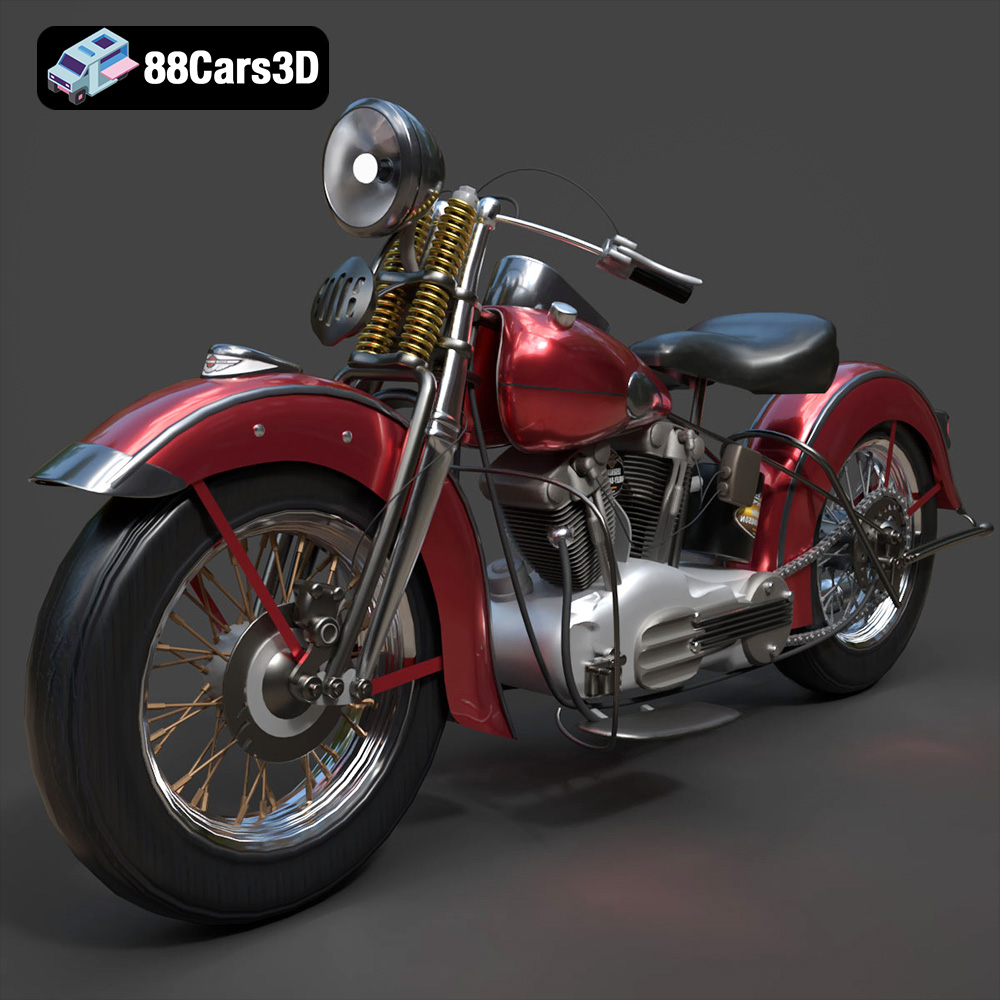
Texture: Yes
Material: Yes
Download the Harley Davidson F 1946 3D Model featuring clean geometry, realistic detailing, and a fully modeled interior. Includes .blend, .fbx, .obj, .glb, .stl, .ply, .unreal, and .max formats for rendering, simulation, and game development.
Price: $19.99
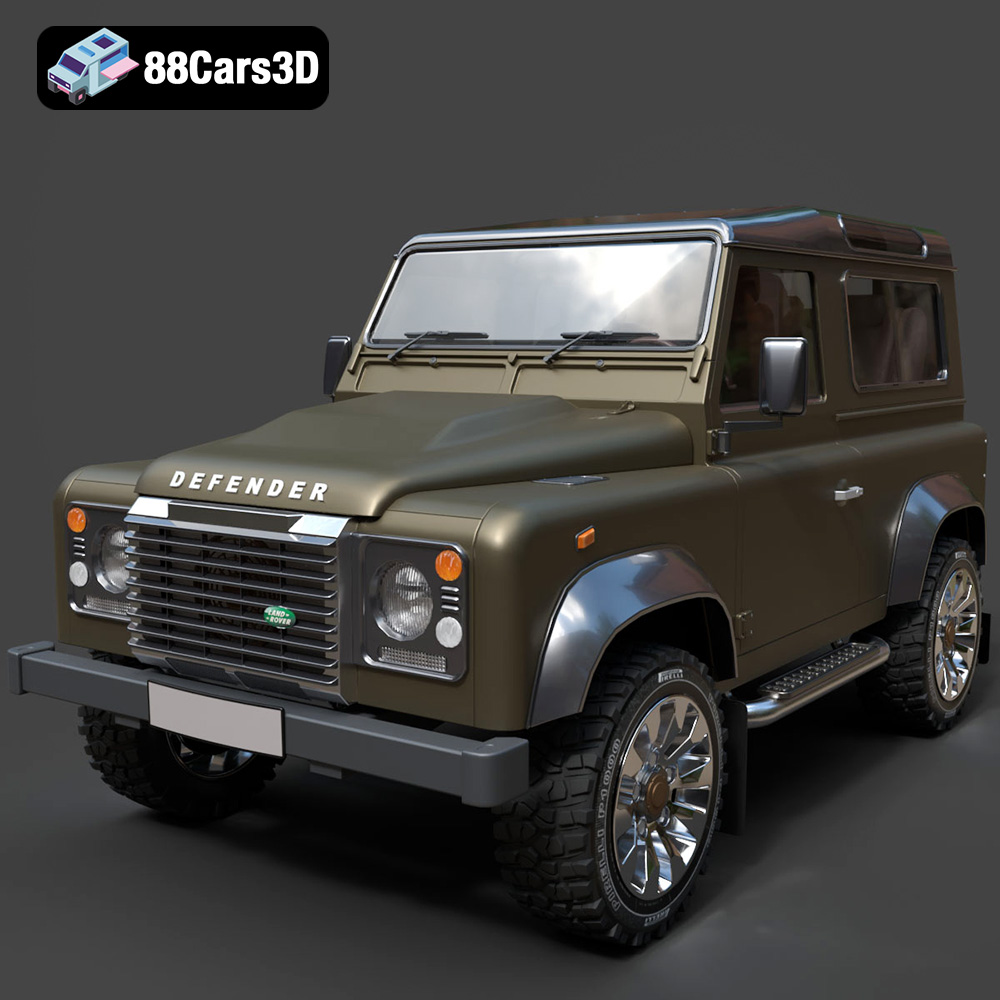
Texture: Yes
Material: Yes
Download the Land Rover Defender Works V8 3D Model featuring clean geometry, realistic detailing, and a fully modeled interior. Includes .blend, .fbx, .obj, .glb, .stl, .ply, .unreal, and .max formats for rendering, simulation, and game development.
Price: $19.99
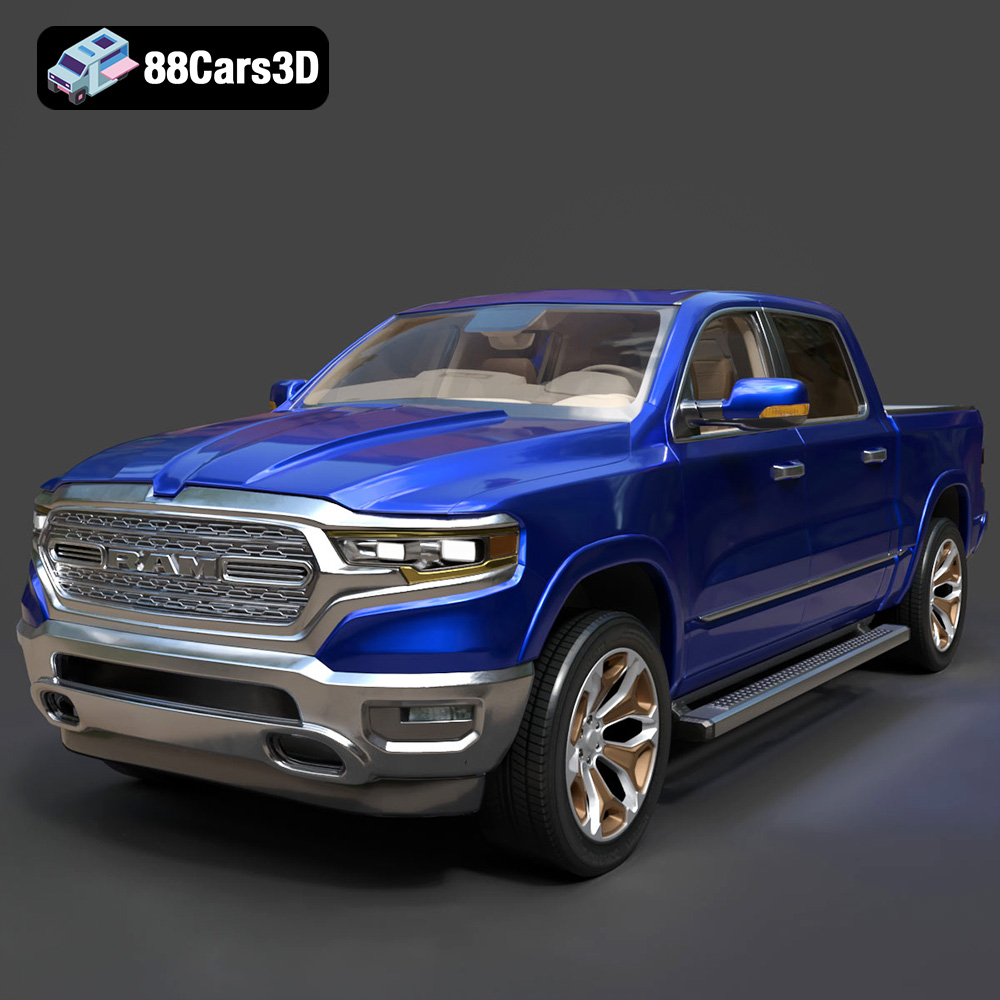
Texture: Yes
Material: Yes
Download the Dodge RAM 2019 3D Model featuring clean geometry, realistic detailing, and a fully modeled interior. Includes .blend, .fbx, .obj, .glb, .stl, .ply, .unreal, and .max formats for rendering, simulation, and game development.
Price: $19.99
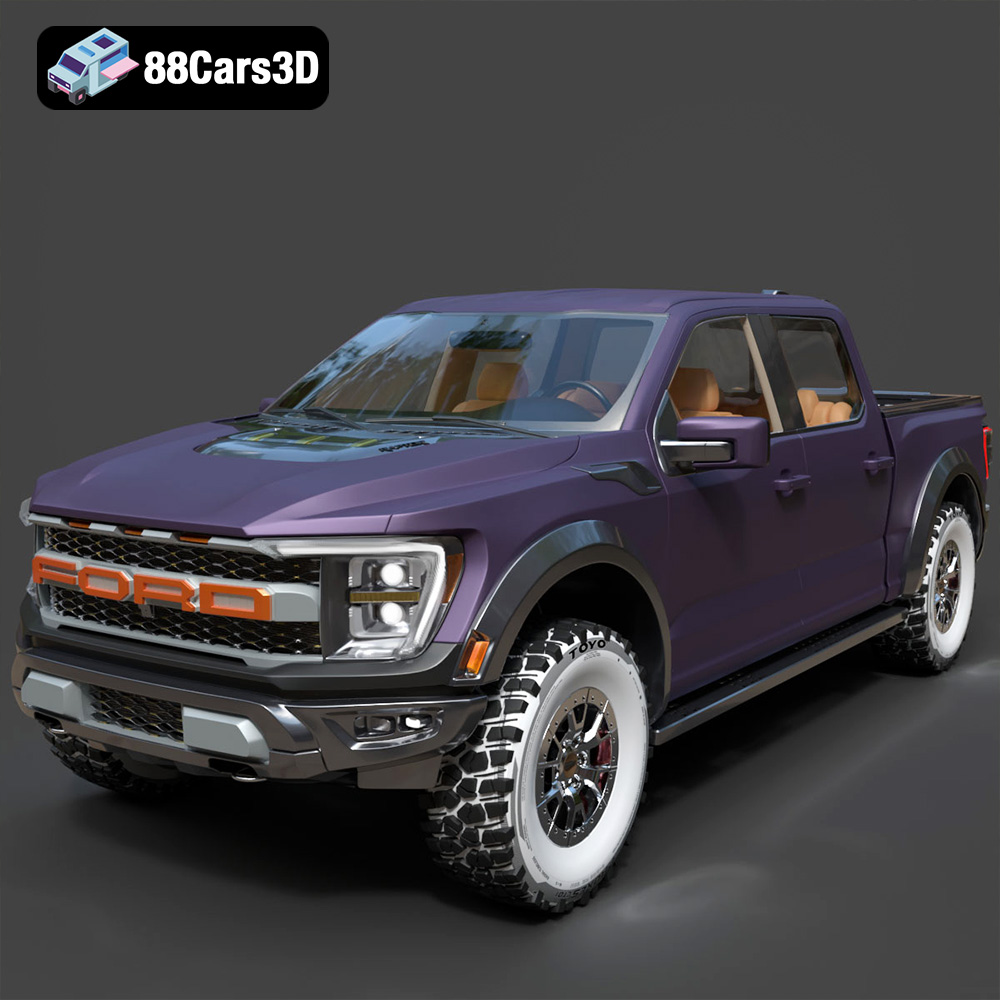
Texture: Yes | Material: Yes Download the ultra-high-detail Ford F-150 Raptor 2021 3D Model (8.73M Triangles). Features uncompromised widebody styling, fully modeled Fox Live Valve suspension, 37-inch tires, and interior. Perfect for premium VFX, cinematic rendering, and ArchViz. Includes .blend, .fbx, .obj, .glb, .stl, and .max formats.
Price: $29.99

Texture: Yes | Material: Yes Download the ultra-high-detail BMW 3 Series Limousine (2022) 3D Model (4.16M Triangles). Features the modernized G20 LCI exterior, the all-new BMW Curved Display interior, and ultra-dense topology. Perfect for ArchViz, VFX, and cinematic rendering. Includes .blend, .fbx, .obj, .glb, .stl, and .max formats.
Price: $19.99
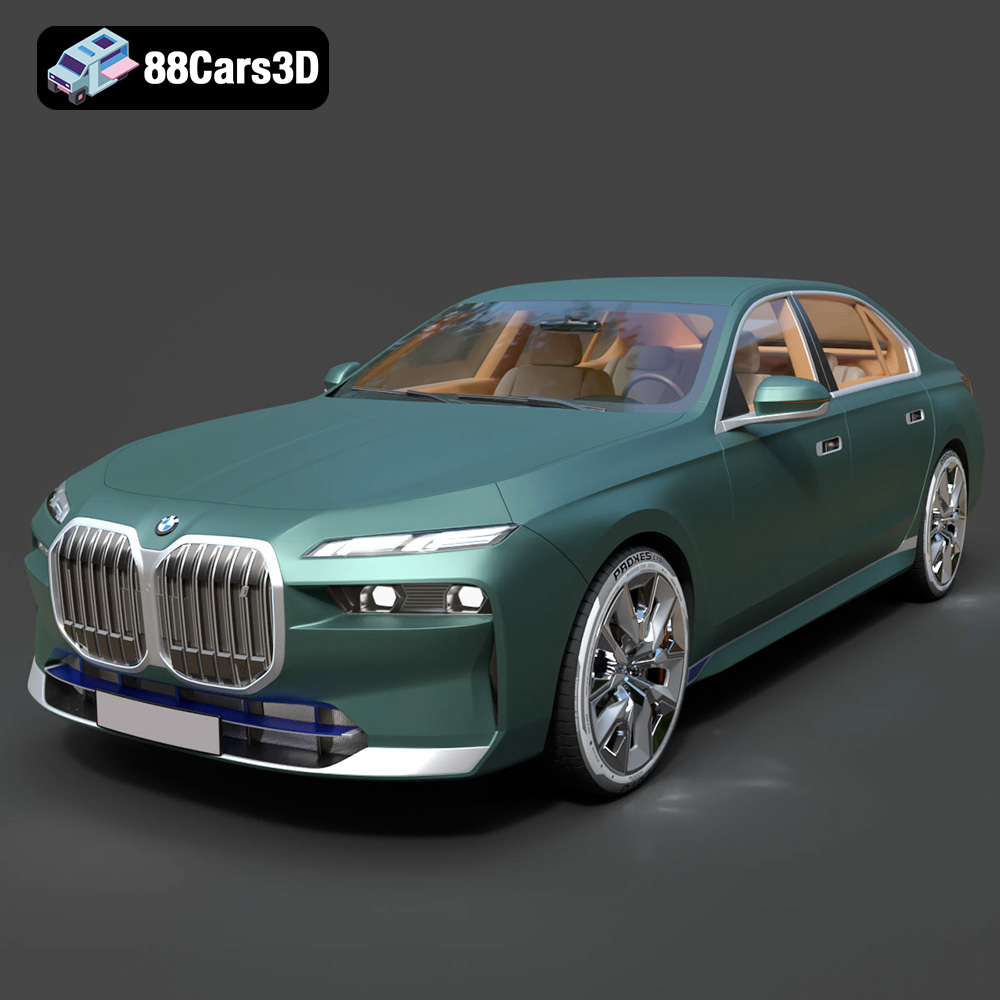
Texture: Yes | Material: Yes Download the ultra-high-detail BMW i7 (2023) 3D Model (4.14M Triangles). Features the illuminated kidney grille, split crystal headlights, fully modeled Theatre Screen interior, and monolithic luxury styling. Perfect for ArchViz, VFX, and cinematic rendering. Includes .blend, .fbx, .obj, .glb, .stl, and .max formats.
Price: $19.99
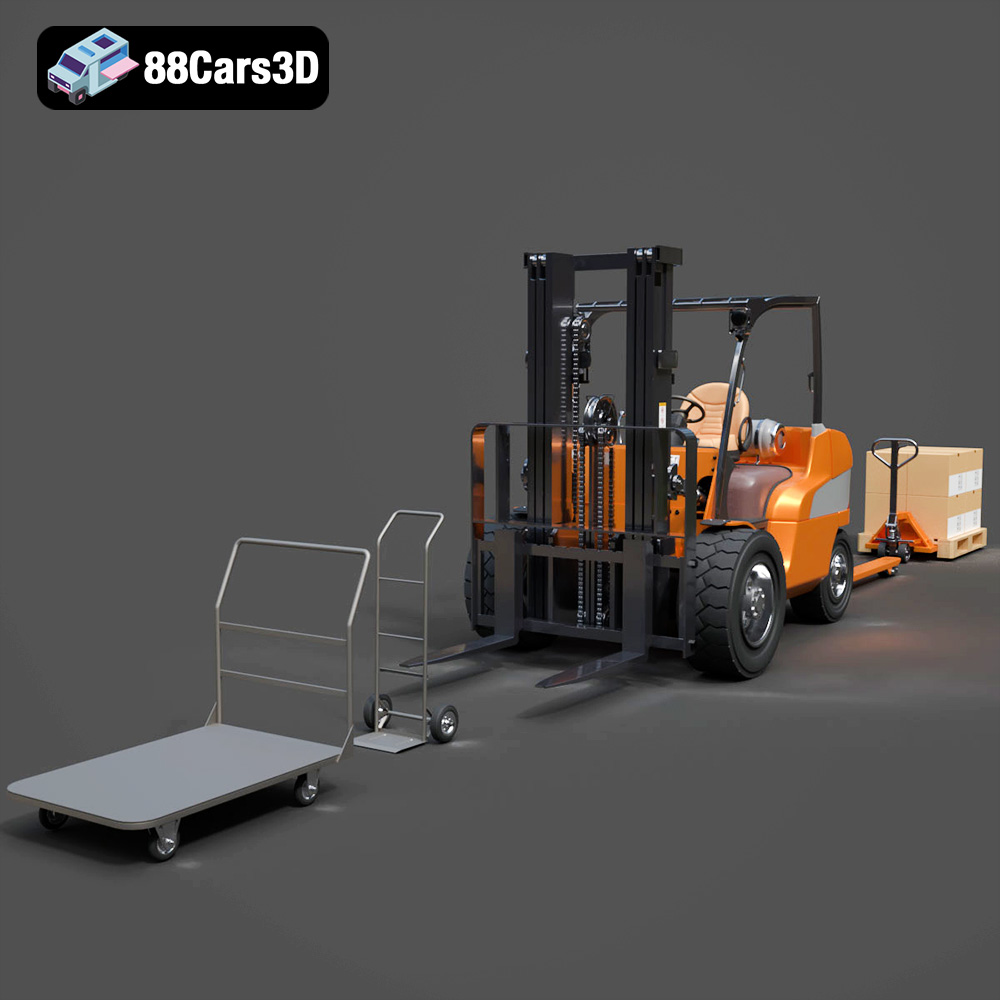
Texture: Yes | Material: Yes Download the highly detailed CAT Manual Loader & Warehouse Carts Kit 3D Model (2.4M Triangles). Features a macro-detailed hydraulic pallet jack, heavy-duty forks, and transport carts. Perfect for industrial ArchViz, factory rendering, and logistics simulations. Includes .blend, .fbx, .obj, .glb, .stl, and .max formats.
Price: $19.99

Texture: Yes | Material: Yes
Download the highly optimized Mazda CX-5 2014 3D Model (294k Triangles). Features the dynamic Kodo design language, signature grille, and a clean interior. Perfectly balanced for ArchViz, background traffic, and game development. Includes .blend, .fbx, .obj, .glb, .stl, and .max formats.
Price: $19.99
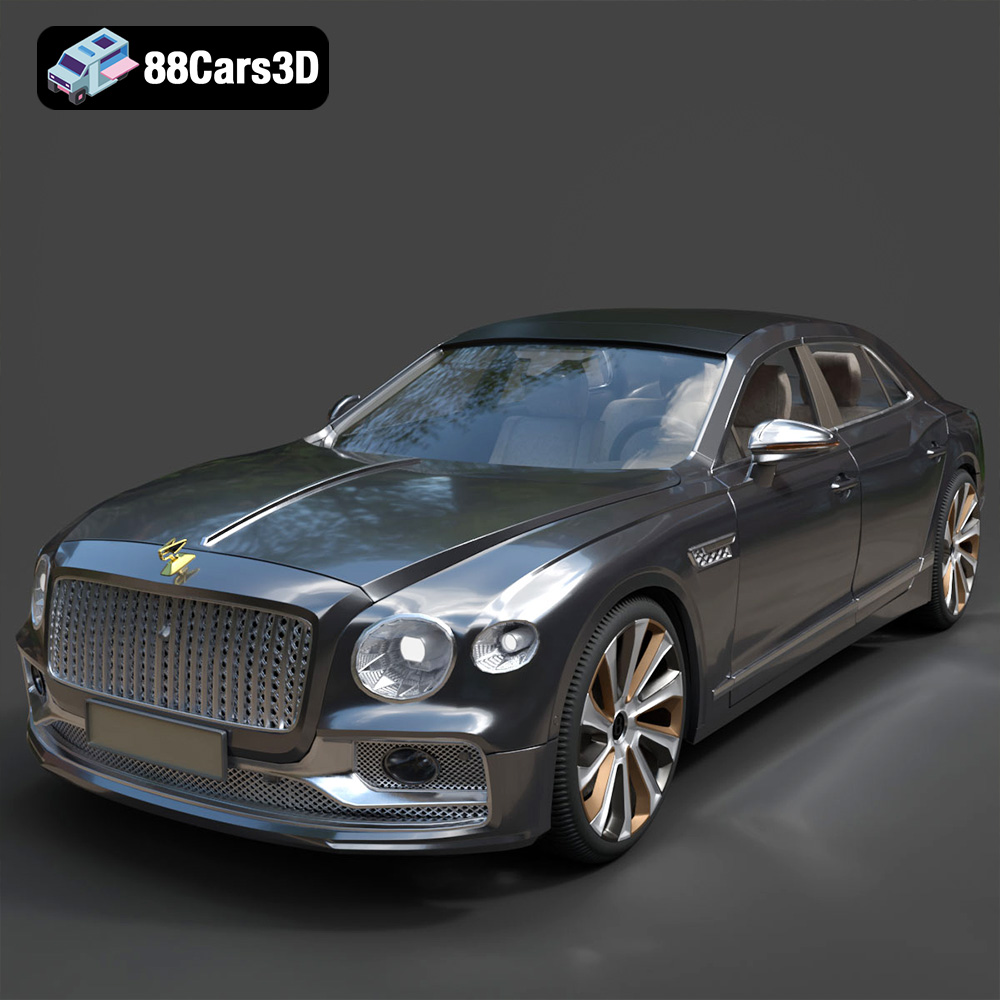
Texture: Yes | Material: Yes Download the ultra-high-detail Bentley Flying Spur Mulliner 2022 3D Model (2.94M Triangles). Features the bespoke Double Diamond grille, a fully modeled diamond-quilted interior, and exquisite luxury styling. Perfect for high-end ArchViz, VFX, and cinematic rendering. Includes .blend, .fbx, .obj, .glb, .stl, and .max formats.
Price: $19.90

