Get 50% OFF All Premium 3D & STL Models!

“`html
3D printing is an exciting field, enabling the creation of intricate objects from digital designs. However, printing large or complex models can be time-consuming and resource-intensive. This article provides a comprehensive guide on scaling, hollowing, and optimizing STL models to significantly improve print speed and reduce material usage. Whether you’re printing a detailed car model from platforms like 88cars3d.com or prototyping a new design, these techniques will help you streamline your 3D printing workflow.
We’ll delve into the technical aspects of STL file preparation, covering mesh manipulation, slicing parameters, and printer-specific settings. You’ll learn how to strategically scale your models, effectively hollow them to minimize material consumption, and optimize them for faster print times. By the end of this guide, you’ll possess the knowledge and skills to efficiently produce high-quality 3D prints while saving time and resources.
The STL (Stereolithography) file format is the standard for 3D printing. It represents the surface geometry of a 3D object using a collection of triangles. The more complex the object, the more triangles are required, which translates to larger file sizes and potentially longer print times. A well-structured STL file is crucial for successful 3D printing. Issues like non-manifold edges, flipped normals, and holes can lead to printing errors.
Mesh topology refers to the way triangles are connected to form the surface of the STL model. A good mesh topology is essential for smooth surfaces and accurate printing. Problems like self-intersecting faces or overlapping triangles can cause slicing software to misinterpret the model, leading to defects in the printed part. Before printing, it’s crucial to inspect your STL files for these issues and repair them using software like Meshmixer or Netfabb. These tools can automatically identify and fix common mesh errors, ensuring a watertight and printable model.
Larger STL files generally contain more detailed information, resulting in smoother surfaces on the final print. However, larger files can also increase slicing time and the computational load on your 3D printer. Finding the right balance between resolution and file size is key to optimizing print speed and quality. Consider reducing the number of triangles in your STL file using mesh simplification tools if you don’t need extremely high detail. This can significantly reduce file size without noticeably compromising the appearance of the printed part. For example, reducing the number of polygons in a complex car model from 88cars3d.com can significantly reduce the printing time without sacrificing the overall aesthetic.
Scaling is a straightforward way to adjust the size of your 3D print. However, it’s important to consider the implications of scaling on the model’s structural integrity and the capabilities of your 3D printer. Uniform scaling simply multiplies all dimensions by the same factor. Non-uniform scaling allows you to adjust the dimensions independently, which can be useful for specific applications but requires careful consideration to avoid distortion.
The optimal scale depends on several factors, including the build volume of your printer, the level of detail required, and the intended use of the printed object. For example, if you’re printing a car model, a smaller scale might be suitable for a desktop display, while a larger scale might be desired for a more prominent showcase. It’s crucial to check the minimum feature size of your printer to ensure that small details are accurately reproduced when scaling down. A common mistake is to scale a model too small, resulting in the loss of fine details. Test prints at different scales can help you determine the best balance between size and detail.
When scaling a model, it’s essential to maintain the correct proportions to avoid distorting the design. Uniform scaling preserves the original proportions, while non-uniform scaling can alter them significantly. Pay close attention to thin walls and intricate features when scaling down, as these can become too fragile to print reliably. Consider increasing the wall thickness or simplifying complex details if necessary to ensure a successful print. Many slicing software programs offer features to detect thin walls and suggest modifications to improve printability. For example, Cura can highlight areas that are likely to cause problems during printing.
Hollowing is a technique used to remove the internal material from a 3D model, reducing material consumption and print time. This is particularly useful for large models where a solid infill is unnecessary and wasteful. Effective hollowing requires careful planning and the addition of strategically placed drainage holes to allow excess resin or filament to escape during printing.
Software like Meshmixer offers powerful tools for hollowing 3D models. The process typically involves selecting the model, choosing a wall thickness, and generating a hollow interior. It’s crucial to ensure that the wall thickness is sufficient to provide structural integrity. Experiment with different wall thicknesses to find the optimal balance between strength and material savings. Additionally, consider adding internal support structures to prevent the walls from collapsing during printing. Meshmixer’s “Make Solid” feature is particularly useful for creating these internal supports.
Drainage holes are essential for allowing excess resin or filament to escape from the hollow interior during printing. Without drainage holes, trapped material can cause pressure buildup, leading to layer delamination or even cracking. The size and placement of drainage holes depend on the size and shape of the model. As a general rule, place drainage holes in inconspicuous locations, such as the bottom of the model or in areas that will be hidden from view. Ensure that the holes are large enough to allow for easy drainage, typically around 3-5mm in diameter. For resin printing, consider using slicing software like Chitubox to automatically generate drainage holes and optimize their placement.
Slicing software converts the STL file into a set of instructions (G-code) that the 3D printer can understand. Optimizing slicing parameters can significantly impact print speed, quality, and material usage. Key parameters to consider include layer height, infill density, print speed, and support settings.
Layer height is the thickness of each layer of material deposited during printing. Lower layer heights result in smoother surfaces and finer details, but also increase print time. Higher layer heights, on the other hand, reduce print time but may compromise surface quality. Finding the right balance depends on the specific requirements of the print. For example, a detailed car model might benefit from a lower layer height (e.g., 0.1mm) to capture intricate details, while a functional prototype might be acceptable with a higher layer height (e.g., 0.2mm) to reduce print time. Experiment with different layer heights to determine the optimal setting for your printer and application.
Infill is the internal structure of the 3D printed object. The infill pattern and density affect the strength, weight, and print time of the model. Common infill patterns include grid, honeycomb, and gyroid. Grid infill is fast and efficient but can be less strong than other patterns. Honeycomb infill provides good strength and is relatively lightweight. Gyroid infill offers excellent strength and isotropic properties, but can be slower to print. The infill density determines the amount of material used inside the model. A higher density (e.g., 50%) results in a stronger but heavier and slower print. A lower density (e.g., 15%) reduces material usage and print time but may compromise strength. For models that don’t require high strength, consider using a low infill density or even hollowing the model completely.
Print speed directly affects the overall print time. However, increasing the print speed too much can lead to defects like layer shifting, poor adhesion, and reduced surface quality. It’s important to find the optimal print speed for your printer and material. Generally, slower speeds are recommended for the first layer to ensure good bed adhesion. You can then increase the speed for subsequent layers. Experiment with different print speeds and monitor the results to identify the maximum speed that your printer can handle without compromising print quality. Filament type also plays a crucial role in print speed. PLA typically allows for faster printing speeds compared to ABS. Refer to your filament manufacturer’s recommendations for optimal print speed settings. Many slicers allow you to adjust the print speed for different features, such as infill, outer walls, and inner walls. Optimizing these settings can further reduce print time.
Support structures are temporary structures that support overhanging features during 3D printing. They are essential for printing complex geometries but can also add to print time and material usage. Effective support generation and removal are crucial for achieving high-quality prints.
There are several types of support structures available in slicing software, including linear supports, tree supports, and hybrid supports. Linear supports are simple and efficient but can leave noticeable marks on the printed surface. Tree supports are more flexible and can reach overhanging features with minimal contact, reducing the risk of damage during removal. Hybrid supports combine the advantages of both linear and tree supports. The choice of support type depends on the geometry of the model and the desired surface finish. For example, tree supports are often preferred for complex car models from 88cars3d.com with intricate details, as they provide better support with less impact on the surface quality.
Support placement and density significantly impact print time and material usage. Strategically placing supports only where they are needed can minimize material waste and reduce the risk of damage during removal. Avoid placing supports on critical surfaces or areas that require a smooth finish. Use the slicing software’s support placement tools to manually add or remove supports as needed. The support density determines the amount of material used to create the supports. A higher density provides more robust support but also increases print time and material usage. A lower density reduces print time and material usage but may not provide sufficient support for all overhanging features. Experiment with different support densities to find the optimal balance for your model.
Removing support structures can be a delicate process, especially for intricate models. Use appropriate tools, such as pliers, cutters, and sandpaper, to carefully remove the supports without damaging the printed part. Start by removing the larger supports first, and then move on to the smaller, more delicate supports. Take your time and be patient to avoid breaking or scratching the model. After removing the supports, you may need to perform post-processing steps to smooth out the surface and remove any remaining support marks. Sanding, filing, and polishing can help to achieve a smooth and professional finish. For resin prints, you can use a UV curing station to further harden the material and improve its durability.
The choice of material and proper printer calibration are crucial for achieving optimal print speed and quality. Different materials have different printing requirements, and a properly calibrated printer ensures accurate and consistent results.
FDM (Fused Deposition Modeling) and resin printing are two common 3D printing technologies. FDM printing uses a filament of thermoplastic material that is melted and extruded through a nozzle to create the object layer by layer. Resin printing, on the other hand, uses a liquid resin that is cured by UV light to create the object. FDM printing is generally faster for larger, less detailed objects, while resin printing is better suited for small, highly detailed objects. Material options are also different for FDM and resin printing. FDM printers can use a wide range of materials, including PLA, ABS, PETG, and nylon. Resin printers typically use proprietary resins that are specifically formulated for the printer. When downloading models from marketplaces such as 88cars3d.com, consider the material that you plan to use and choose a model that is optimized for that material.
Proper printer calibration is essential for achieving accurate and consistent results. Calibrate your printer regularly to ensure that the bed is level, the nozzle temperature is accurate, and the extruder is properly calibrated. Follow the manufacturer’s instructions for calibration procedures. Regular maintenance, such as cleaning the nozzle, lubricating moving parts, and tightening screws, can also help to maintain printer performance. A well-maintained and calibrated printer will produce higher-quality prints with fewer defects, ultimately saving time and material.
Even with careful planning and optimization, 3D printing can sometimes encounter problems. Common issues include warping, layer adhesion problems, stringing, and nozzle clogging. Understanding the causes of these problems and knowing how to troubleshoot them is essential for successful 3D printing.
Warping occurs when the corners of the printed object lift off the build plate. This is often caused by uneven heating or cooling, which creates stress in the material. To prevent warping, ensure that the build plate is clean and level. Use a heated bed to maintain a consistent temperature throughout the printing process. Applying an adhesive, such as glue stick or painter’s tape, can also improve bed adhesion. For materials like ABS, an enclosure can help to maintain a more stable temperature and prevent warping. If warping persists, try increasing the bed temperature or adding a brim to the model to provide a larger surface area for adhesion.
Layer adhesion problems occur when the layers of the printed object do not bond properly together. This can be caused by insufficient nozzle temperature, low print speed, or poor material quality. To improve layer adhesion, increase the nozzle temperature and reduce the print speed. Ensure that the filament is dry and free from moisture. Stringing occurs when the nozzle oozes material while traveling between different parts of the print. This can be caused by excessive nozzle temperature, low retraction settings, or poor filament quality. To reduce stringing, decrease the nozzle temperature, increase the retraction distance and speed, and use high-quality filament.
Optimizing STL models for print speed involves a multifaceted approach, encompassing scaling, hollowing, slicing parameter adjustments, support structure optimization, and material selection. By mastering these techniques, you can significantly reduce print times, minimize material consumption, and achieve high-quality results. Whether you are printing intricate car models from 88cars3d.com for your collection or prototyping functional parts, understanding and implementing these strategies will enhance your 3D printing workflow.
Remember to experiment with different settings and techniques to find the optimal combination for your specific printer, material, and model. Regular printer calibration and maintenance are also essential for consistent and reliable results. Embrace the learning process and continue to refine your skills to unlock the full potential of 3D printing. Start today by applying these principles to your next 3D printing project and experience the difference in speed, efficiency, and quality.
“`

Texture: Yes
Material: Yes
Download the Ferrari SF90 Stradale 3D Model featuring clean geometry, realistic detailing, and a fully modeled interior. Includes .blend, .fbx, .obj, .glb, .stl, .ply, .unreal, and .max formats for rendering, simulation, and game development.
Price: $19.99
Texture: Yes
Material: Yes
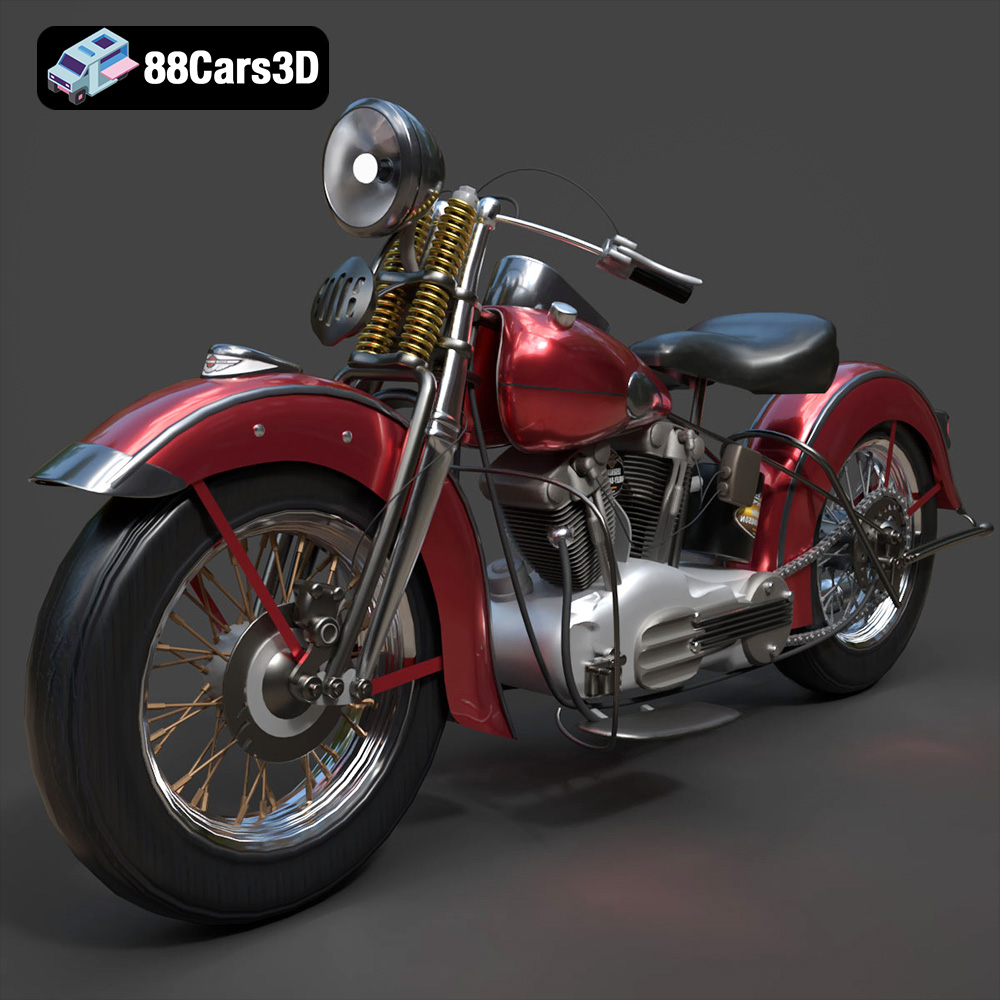
Download the Harley Davidson F 1946 3D Model featuring clean geometry, realistic detailing, and a fully modeled interior. Includes .blend, .fbx, .obj, .glb, .stl, .ply, .unreal, and .max formats for rendering, simulation, and game development.
Price: $19.99
Texture: Yes
Material: Yes
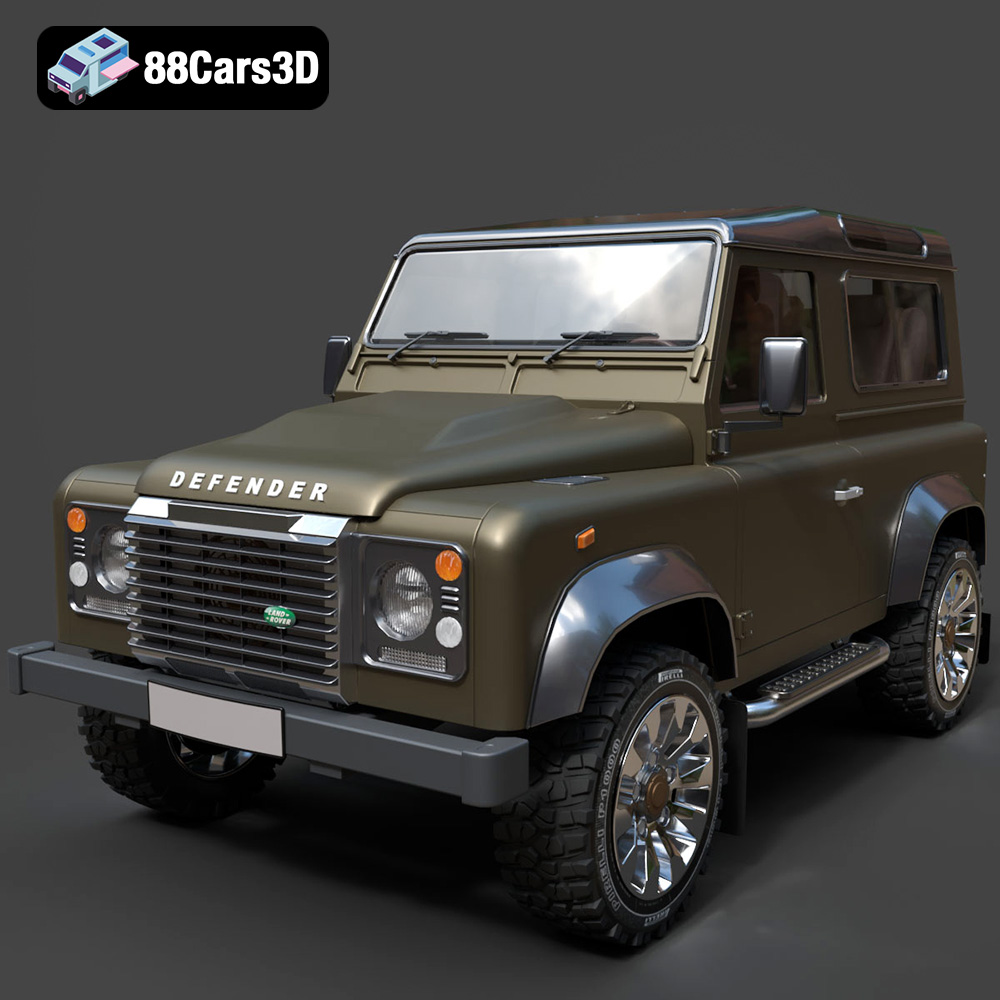
Download the Land Rover Defender Works V8 3D Model featuring clean geometry, realistic detailing, and a fully modeled interior. Includes .blend, .fbx, .obj, .glb, .stl, .ply, .unreal, and .max formats for rendering, simulation, and game development.
Price: $19.99
Texture: Yes
Material: Yes
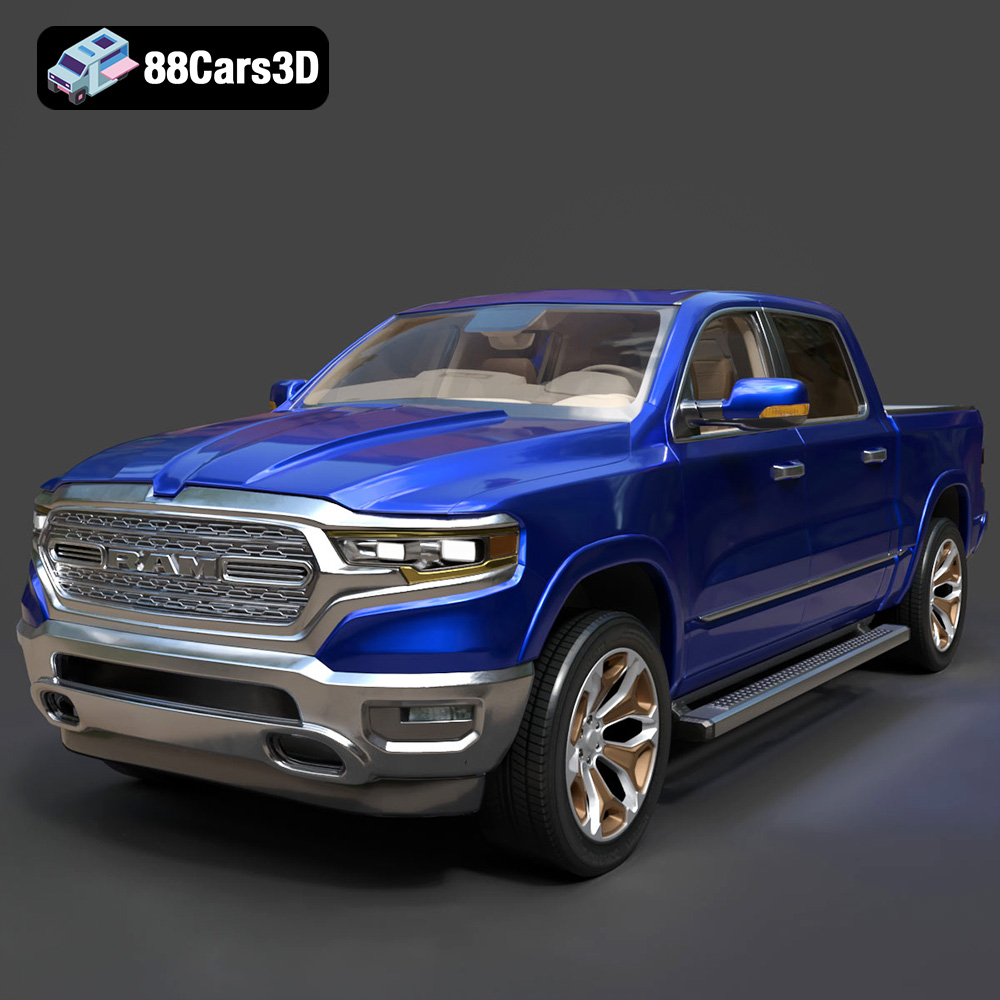
Download the Dodge RAM 2019 3D Model featuring clean geometry, realistic detailing, and a fully modeled interior. Includes .blend, .fbx, .obj, .glb, .stl, .ply, .unreal, and .max formats for rendering, simulation, and game development.
Price: $19.99
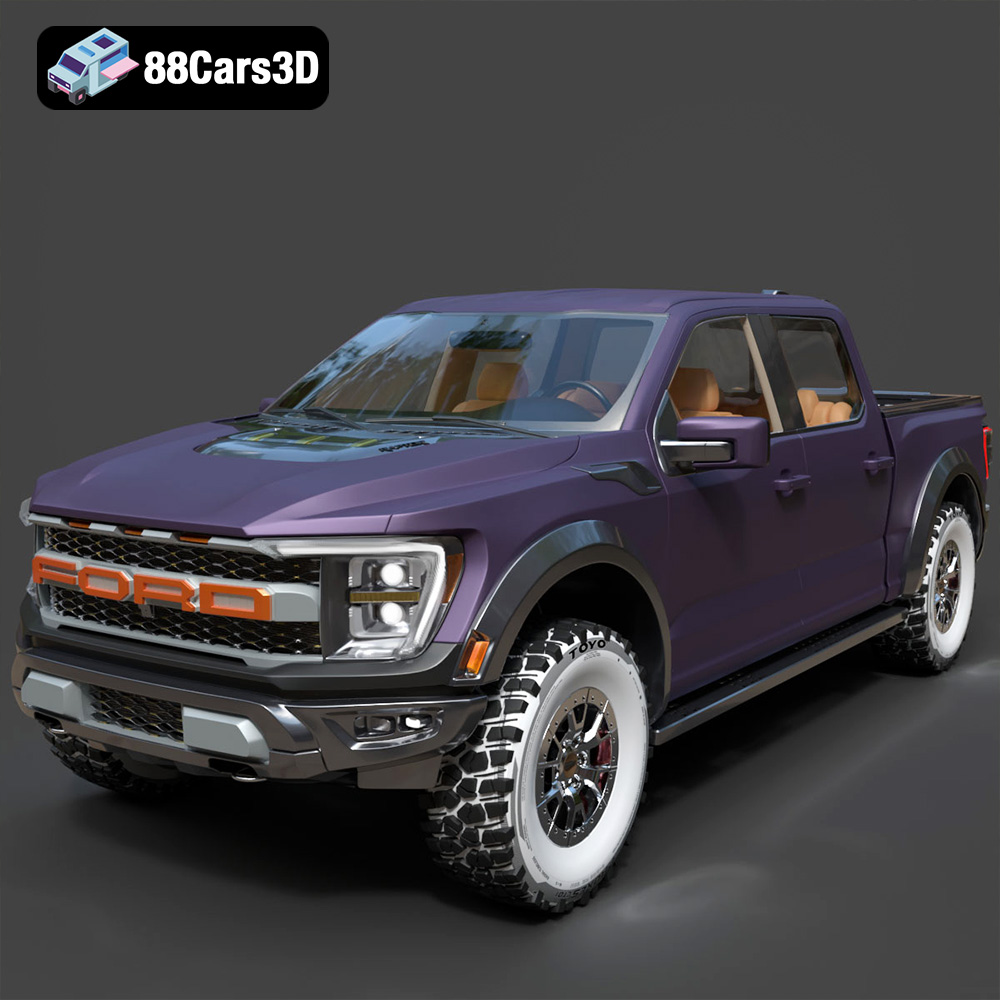
Texture: Yes | Material: Yes Download the ultra-high-detail Ford F-150 Raptor 2021 3D Model (8.73M Triangles). Features uncompromised widebody styling, fully modeled Fox Live Valve suspension, 37-inch tires, and interior. Perfect for premium VFX, cinematic rendering, and ArchViz. Includes .blend, .fbx, .obj, .glb, .stl, and .max formats.
Price: $29.99

Texture: Yes | Material: Yes Download the ultra-high-detail BMW 3 Series Limousine (2022) 3D Model (4.16M Triangles). Features the modernized G20 LCI exterior, the all-new BMW Curved Display interior, and ultra-dense topology. Perfect for ArchViz, VFX, and cinematic rendering. Includes .blend, .fbx, .obj, .glb, .stl, and .max formats.
Price: $19.99

Texture: Yes | Material: Yes Download the ultra-high-detail BMW i7 (2023) 3D Model (4.14M Triangles). Features the illuminated kidney grille, split crystal headlights, fully modeled Theatre Screen interior, and monolithic luxury styling. Perfect for ArchViz, VFX, and cinematic rendering. Includes .blend, .fbx, .obj, .glb, .stl, and .max formats.
Price: $19.99
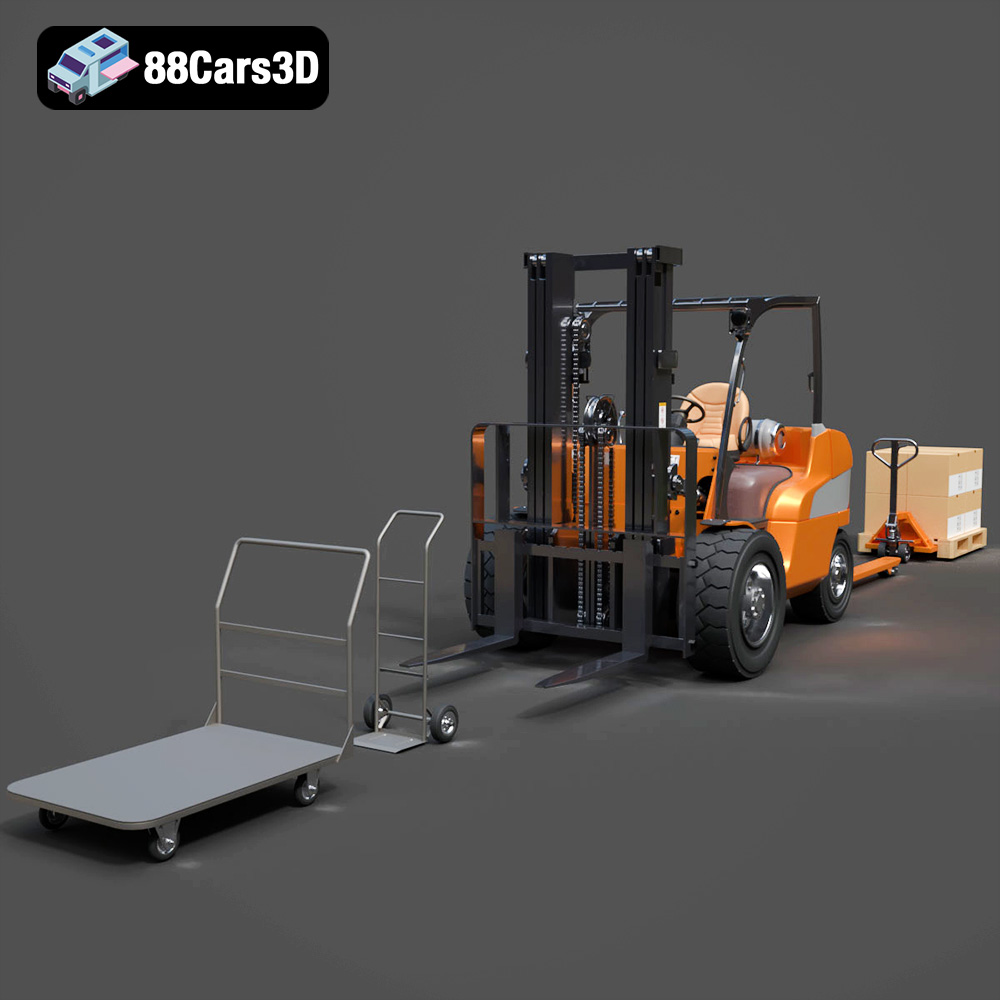
Texture: Yes | Material: Yes Download the highly detailed CAT Manual Loader & Warehouse Carts Kit 3D Model (2.4M Triangles). Features a macro-detailed hydraulic pallet jack, heavy-duty forks, and transport carts. Perfect for industrial ArchViz, factory rendering, and logistics simulations. Includes .blend, .fbx, .obj, .glb, .stl, and .max formats.
Price: $19.99

Texture: Yes | Material: Yes
Download the highly optimized Mazda CX-5 2014 3D Model (294k Triangles). Features the dynamic Kodo design language, signature grille, and a clean interior. Perfectly balanced for ArchViz, background traffic, and game development. Includes .blend, .fbx, .obj, .glb, .stl, and .max formats.
Price: $19.99
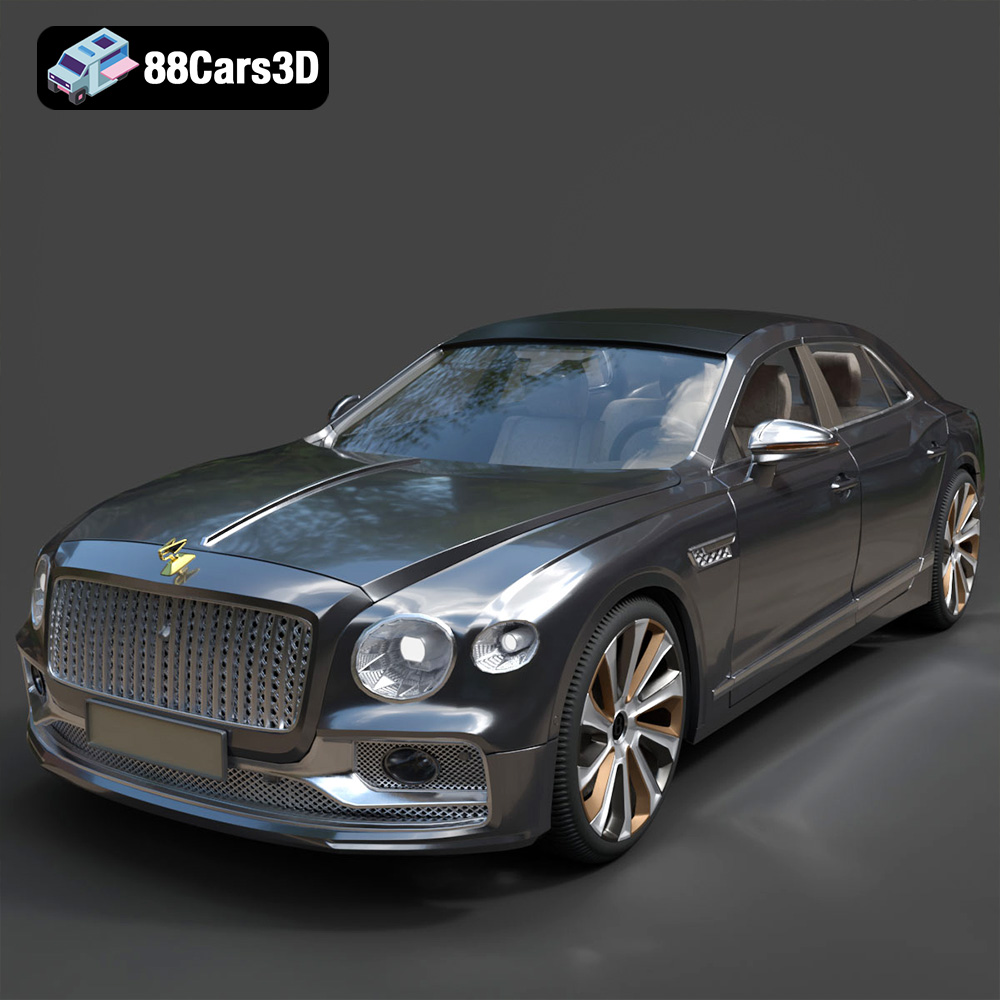
Texture: Yes | Material: Yes Download the ultra-high-detail Bentley Flying Spur Mulliner 2022 3D Model (2.94M Triangles). Features the bespoke Double Diamond grille, a fully modeled diamond-quilted interior, and exquisite luxury styling. Perfect for high-end ArchViz, VFX, and cinematic rendering. Includes .blend, .fbx, .obj, .glb, .stl, and .max formats.
Price: $19.90

