Get 50% OFF All Premium 3D & STL Models!

“`html
In the world of 3D visualization, few subjects captivate audiences as much as a perfectly rendered automobile. The sleek lines, the shimmering paint, the intricate details—all come to life under the right lighting. Yet, achieving that coveted photo-realistic look is often a daunting challenge, especially when it comes to studio setups. It’s not just about placing a light source; it’s about understanding how light interacts with complex surfaces, how it defines form, and how it evokes emotion. This comprehensive guide will take you on an in-depth journey through the art and science of studio lighting for automotive renders in 3ds Max, equipping you with the knowledge and techniques to transform your 3D car models into stunning visual masterpieces.
From foundational lighting principles to advanced renderer-specific workflows in Corona and V-Ray, we’ll delve into the technical intricacies that distinguish good renders from truly exceptional ones. You’ll learn how to set up your scene for optimal results, master PBR material creation, fine-tune camera settings, and polish your final image through post-processing. Whether you’re a seasoned 3D artist, an automotive designer, or a student aspiring to elevate your visualization skills, this article will provide actionable insights to help you illuminate your automotive projects with unparalleled realism and impact.
Before diving into the technicalities of 3ds Max and its renderers, it’s crucial to grasp the fundamental principles that underpin effective studio lighting for vehicles. Automotive surfaces are notoriously challenging due to their highly reflective nature, subtle curves, and diverse materials. Proper lighting isn’t merely about illumination; it’s about sculpting the form, highlighting design elements, and creating a sense of depth and realism.
A car’s design is defined by its curves and surfaces. Light, through its interaction with these surfaces, reveals these forms. Specular highlights and reflections play a pivotal role. Sharp, defined reflections on a glossy paint job can emphasize the tautness of a body panel, while softer, broader reflections can communicate gentle, flowing lines. The interplay between direct light, indirect light, and reflection maps determines how visually appealing and geometrically accurate your car model appears. For instance, strong, linear reflections from long light sources can make a car appear more aggressive and dynamic, whereas softbox-like reflections contribute to a luxurious, sophisticated aesthetic. Understanding how light reflects off different materials—be it metallic paint, clear coat, chrome, or glass—is paramount to creating convincing renders.
While often associated with character rendering, the principles of three-point lighting (key, fill, and back/rim light) provide an excellent foundation for automotive studios. The key light is your primary light source, defining the dominant direction and mood. For cars, this is often a large, soft light to create broad, appealing reflections. The fill light softens shadows created by the key light, reducing harsh contrast and revealing details in darker areas without flattening the image. A strong fill light can create a high-key, airy look, while a subtle fill enhances drama. The back or rim light (also called a kick light) is crucial for separating the car from its background and emphasizing its silhouette, especially along prominent edges. This light often helps to define the car’s overall shape and adds a sense of depth. Beyond this traditional setup, understanding contrast is vital; the ratio between light and shadow areas dictates the drama and mood. High contrast can be dramatic and aggressive, while lower contrast lends a more elegant or subdued feel. Finally, falloff, or how light diminishes over distance, is essential for realism. Real-world lights naturally lose intensity further away from their source; replicating this behavior prevents your scene from looking flat and artificial.
A well-prepared scene is the bedrock of any successful render. In 3ds Max, this involves careful consideration of scale, model preparation, and the construction of an appropriate studio environment. Neglecting these initial steps can lead to frustrating issues down the line, from incorrect light falloff to distorted reflections.
Accurate scene scale is non-negotiable for realistic lighting. Most physical-based renderers (PBR) rely on real-world units to calculate light intensity, falloff, and material properties correctly. In 3ds Max, always start by configuring your System Unit Setup (Customize > Units Setup > System Unit Setup) to real-world measurements like centimeters or meters. Consistency here ensures that lights behave predictably and that your camera’s depth of field, if used, will function correctly. A standard car might be around 450-500cm long, so setting your units to centimeters is often a practical choice for automotive visualization. Running a scene at an incorrect scale, for example, a car imported as 1 unit long, will make light sources appear disproportionately large or small, leading to unrealistic lighting results.
When you acquire a high-quality 3D car model, perhaps from a reputable marketplace like 88cars3d.com, it typically comes optimized and ready for use. However, it’s always good practice to perform a quick check. Verify the model’s scale upon import. Ensure its pivot point is centered and at the base for easy manipulation. Check the topology—clean quad-based topology is ideal for smooth subdivision and avoids shading artifacts. Confirm that UV mapping is present and properly laid out, as this is crucial for accurate material texturing and reflection mapping. If you’re using a model you’ve created, ensure its normals are unified and there are no flipped faces. Complex models often benefit from having different parts separated into logical objects (e.g., body, wheels, glass, interior) for easier material assignment and isolation during lighting tests.
A classic studio setup for automotive renders typically involves a cyclorama, also known as an infinity curve or infinite backdrop. This seamless background provides an uninterrupted surface for reflections and eliminates hard edges that could distract from the car. To create one in 3ds Max, start with a simple plane or box. Use the “Chamfer” modifier on the edges where the floor meets the wall to create a smooth curve. Ensure the chamfer amount is generous enough to prevent any discernible seam. Alternatively, use a “Shell” modifier on a curved spline to create a more organic, flowing backdrop. For lighting, consider surrounding your cyclorama with large, soft light panels, mimicking real-world studio softboxes. This controlled environment gives you absolute command over your lighting, minimizing unwanted environmental reflections and focusing attention squarely on the vehicle. For a minimalist look, ensure the backdrop material is a simple, neutral gray or white, ideally with a very subtle rough finish to avoid overly sharp reflections that might compete with the car’s surfaces.
Corona Renderer is renowned for its ease of use and ability to produce stunningly realistic results with minimal setup. For automotive visualization, its physically based lighting system offers immense flexibility and power, allowing artists to craft nuanced and captivating scenes. Utilizing Corona’s various light types effectively is key to achieving that desired studio aesthetic.
The primary workhorse for studio lighting in Corona is the Corona Light. This versatile light can be set to different shapes, each with unique applications. Corona Plane Lights are indispensable for creating large, softbox-like light sources. These are ideal for mimicking studio softboxes or strip lights that cast long, elegant reflections across the car’s body. By scaling these plane lights to appropriate sizes (e.g., 200cm x 100cm or larger) and positioning them around the vehicle, you can generate beautiful, smooth gradients and highlights. Corona Sphere Lights are excellent for simulating bare bulbs or for creating pinpoint specular highlights, often used for subtle eye-catching glints on chrome elements. Corona Disk Lights offer a middle ground, producing circular reflections that can be very effective for replicating ring lights or specific types of studio reflectors. Experimenting with their size, intensity (controlled via ‘Power’ in Lumens or Watts), and color temperature (using Kelvin values) allows for precise control over the mood and fidelity of your lighting setup.
While studio setups imply controlled lighting, High Dynamic Range Images (HDRIs) are still invaluable even in enclosed environments. HDRIs provide rich, complex environmental reflections that are incredibly difficult to replicate with discrete lights alone. In Corona, an HDRI is typically loaded into a Corona Bitmap node and then connected to the Environment Map slot in the Corona Render Settings (Scene tab > Scene Environment). For a studio setup, use a neutral studio HDRI or a simple gradient HDRI to provide subtle variations in reflection without introducing a specific outdoor environment. The rotation of the HDRI (controlled by the “U Offset” parameter in the Corona Bitmap) is critical for manipulating where these reflections land on the car’s surface. Even a simple studio HDRI can add depth and realism that enhances the overall appeal of the vehicle. By adjusting its overall intensity, you can blend its ambient contribution with your direct Corona lights.
For adding a touch of cinematic drama, Corona Renderer’s volumetric effects can be incredibly powerful. While not always a standard “studio” technique, judicious use of volumetrics can elevate your render. The Corona Volume Material, applied to a large box encompassing your scene, allows light to scatter and create atmospheric effects. If you have strong, directional light sources in your studio setup, enabling volumetrics can generate subtle “god rays” or light shafts, adding depth and visual interest. This is particularly effective if you want to imply a dusty or atmospheric studio space, or simply want to soften the edges of your light beams for a more ethereal quality. However, use this sparingly in automotive renders to avoid obscuring the car’s details. The balance between visual flair and clarity is paramount.
V-Ray, another industry-standard renderer for 3ds Max, offers a robust and comprehensive lighting system capable of delivering exceptional realism. Its physically based approach and diverse set of lighting tools provide artists with precise control, making it a favorite for high-end automotive visualization and game asset creation.
Similar to Corona, V-Ray offers various light types tailored for specific purposes. The V-Ray Plane Light is the cornerstone for studio lighting, creating rectangular light sources that simulate softboxes. You can scale them to be large and soft, or narrow and intense, to produce a variety of reflections on the car’s body. The ‘Directional’ parameter can be useful for controlling the spread of light, making it more focused like a studio grid. V-Ray Sphere Lights are excellent for general omnidirectional illumination or for creating specific point highlights. A unique and powerful feature in V-Ray is the V-Ray Mesh Light. This allows you to turn any piece of geometry into a light source. This is incredibly useful for custom light shapes, such as complex studio lighting rigs, illuminating specific parts of a custom studio backdrop, or even converting existing geometry within the car model (like headlight reflectors) into emissive light sources for added realism. When creating mesh lights, ensure the emitting mesh has good topology for predictable results.
The V-Ray Dome Light is central to efficient and realistic environment lighting in V-Ray. It’s designed to sample an HDRI map and project it onto the scene from all directions, providing global illumination and, crucially, accurate reflections. To use it, simply create a V-Ray Dome Light and load your chosen HDRI into its ‘Texture’ slot. For studio environments, as with Corona, opt for neutral studio HDRIs or gradient maps to provide subtle, controlled reflections. The ‘UVW Gen. Environment’ modifier (set to Spherical Environment) or the ‘V-Ray HDRI’ map type (with its built-in rotation controls) allows you to rotate the HDRI to position reflections exactly where you want them on the car’s surfaces. The intensity of the Dome Light can be adjusted to blend seamlessly with your direct V-Ray Plane Lights, creating a comprehensive and realistic lighting setup. For high-quality 3D car models found on platforms like 88cars3d.com, a well-calibrated V-Ray Dome Light with a carefully chosen HDRI can immediately elevate the perceived quality of the asset.
IES (Illuminating Engineering Society) profiles are a game-changer for achieving accurate and physically correct light distribution from specific light sources. These text files contain photometric data that describes how a real-world light fixture emits light. While often used for architectural lighting, IES profiles are invaluable for automotive renders to simulate realistic headlights, taillights, or specific studio spotlights. In V-Ray, you use the V-Ray IES Light and load your desired .ies file. This will accurately replicate the light spread, intensity, and falloff of the real-world fixture. The result is a far more convincing and technical representation of light emission, especially when focusing on specific details of the car, such as how light emanates from a projector headlight or a LED strip.
Excellent lighting is only half the equation; the other half lies in compelling materials. Even the most sophisticated lighting setup will fall flat if the car’s materials don’t react realistically to light. Understanding Physically Based Rendering (PBR) principles and crafting detailed shaders is crucial for automotive visualization.
Physically Based Rendering (PBR) has become the standard for creating realistic materials across various 3D applications, including game development and high-end rendering. PBR materials simulate how light interacts with surfaces in a physically accurate manner, ensuring consistency across different lighting conditions. Key PBR maps include Albedo (or Base Color), which defines the intrinsic color of the surface without lighting information; Metallic, a grayscale map indicating which areas are metallic (white) and non-metallic (black); and Roughness (or Glossiness, its inverse), which controls the microscopic surface irregularities that determine how sharp or blurry reflections are. For instance, a very low roughness value (or high glossiness) will produce mirror-like reflections on a car’s clear coat, while a higher roughness value will create a more diffused, satin finish. Additional maps like Normal (for fine surface detail), Height/Displacement (for significant surface deformation), and Ambient Occlusion (for subtle shadow detail in crevices) further enhance realism. While this article focuses on 3ds Max, the core principles of PBR and how these maps interact are universal across 3D software. For deeper insights into these fundamental concepts, artists can refer to resources like the official Blender 4.4 documentation, which provides detailed explanations of PBR shaders and their parameters in its Cycles and Eevee render engines, demonstrating the cross-platform applicability of these principles.
Car paint is one of the most complex materials to replicate accurately. A truly photo-realistic car paint shader goes beyond a simple PBR setup and often involves multiple layers. The foundation is a base metallic layer (controlled by your metallic map and a base color). On top of this, an often-overlooked detail is the metallic flake layer, which is responsible for the glittering effect seen in real car paints. In Corona and V-Ray, this is typically achieved by blending a noise map or a custom flake texture with a subtle Fresnel effect or using specialized car paint materials that have built-in flake controls. Finally, a thick, glossy clear coat layer sits on top, providing the characteristic depth, high reflections, and subtle refraction. This clear coat usually has a very low roughness value and can benefit from a slight ‘IOR’ (Index of Refraction) adjustment, usually around 1.4-1.5, to simulate the actual physical properties of clear lacquer. Many renderers offer dedicated “Car Paint” materials that simplify this multi-layered approach, providing intuitive controls for flake size, density, and clear coat properties.
Each distinct material on a car requires specific attention. Glass, for instance, needs accurate refraction (IOR typically around 1.5-1.6 for automotive glass), transmission color (often a very subtle green or blue tint), and a reflection component. Crucially, the ‘Thin Walled’ or ‘Affect Shadows’ options (depending on the renderer) must be correctly set for realistic light absorption and shadow casting. Chrome and other metallic trims are high-metallic, low-roughness materials, requiring a near-white albedo/base color and a metallic value close to 1. The quality of reflections on these surfaces is paramount. For tires, a rubber material typically involves a low metallic value, a dark albedo, and a relatively high roughness value (to simulate a matte, slightly textured surface). A subtle bump or normal map derived from the tire tread geometry is essential to give the rubber its characteristic texture. Displacement maps can be used for higher detail, especially on the sidewalls, but should be used judiciously due to their rendering cost.
Beyond lighting and materials, the final presentation of your 3D car model hinges on a professional camera setup, thoughtful composition, and optimized rendering settings. These elements collectively dictate the visual impact and technical fidelity of your automotive visualization.
The choice of camera lens (focal length) profoundly affects the perspective and perceived scale of your car. For automotive photography and rendering, specific focal lengths are generally preferred to avoid distortion and present the vehicle in its best light. Wide-angle lenses (below 35mm) tend to distort perspectives, making cars look stretched or bloated, especially at the edges. Telephoto lenses, conversely, compress perspective, making objects appear closer together and flatter. For realistic and appealing automotive renders, a focal length between 85mm and 120mm is often considered the sweet spot. This range provides a natural perspective, minimizing distortion while maintaining a sense of depth and scale. For hero shots or detail close-ups, you might go slightly higher. Always use a Physical Camera in 3ds Max (or its equivalents in Corona/V-Ray) as it offers real-world camera controls like F-stop, Shutter Speed, and ISO, directly impacting depth of field, motion blur, and exposure in a physically accurate manner.
Good composition guides the viewer’s eye and enhances the aesthetic appeal of your render. The Rule of Thirds is a fundamental principle: imagine your frame divided into nine equal segments by two horizontal and two vertical lines. Placing key elements (like the car’s headlights, grille, or a prominent wheel) along these lines or at their intersections creates a more balanced and dynamic image. Leading Lines are another powerful tool; use elements in your studio (e.g., the curve of the cyclorama, the reflections from a strip light, or even the lines of the car itself) to direct the viewer’s gaze towards the main subject. Experiment with different camera angles—low angles can make a car appear more powerful, while higher angles offer a more observational or luxurious feel. Pay attention to negative space, ensuring there’s enough room around the car to let it breathe and stand out without feeling cramped. A well-composed image, even of a static object, tells a story and engages the audience more effectively.
Optimizing render settings involves a delicate balance between image quality and rendering time. Both Corona and V-Ray offer sophisticated controls. For Corona Renderer, the primary control is the ‘Pass Limit’ or ‘Noise Level Limit’. For high-quality, production-ready automotive renders, aim for a low noise level (e.g., 2-3%) or a sufficiently high pass limit (e.g., 200-500 passes, depending on scene complexity). The ‘Adaptive Image Sampling’ and ‘Adaptive Light Sampling’ in Corona are excellent for distributing samples efficiently. Always enable the Denoiser (Corona or NVIDIA AI Denoiser) for a cleaner final image, especially for still renders. For V-Ray, the ‘Image Sampler’ (often set to Progressive) and ‘Noise Threshold’ are critical. A noise threshold of 0.01 or 0.005 is generally good for production. Optimize your ‘Global Illumination’ settings: ‘Brute Force’ for Primary GI and ‘Light Cache’ for Secondary GI is a common and robust combination for accuracy and speed. Ensure your render elements (passes) are set up for post-processing, as they are crucial for final adjustments without re-rendering the entire scene.
The rendering process doesn’t end when the image finishes calculating. Post-processing, or compositing, is an essential stage where you can significantly enhance the visual appeal, correct minor imperfections, and add artistic flair to your automotive renders. This step can transform a good render into an outstanding one.
To effectively post-process, you need more than just the raw beauty pass. Render elements (also known as render passes) provide individual layers of information that give you granular control over your image in a compositing software like Adobe Photoshop, Affinity Photo, or GIMP. Key render elements for automotive include: Beauty/RGB Color (the main image), Alpha/Mask (for isolating the car), Reflections (for adjusting reflective intensity), Refractions (for tweaking glass properties), Z-Depth (for creating depth of field effects in post), Normals (for re-lighting or detail enhancement), Material ID/Object ID (for selecting specific materials or objects), and Lighting/Direct Light/Indirect Light (for fine-tuning illumination). Both Corona and V-Ray have robust render element systems. Collecting these passes allows for non-destructive adjustments, meaning you can modify exposure, color, or reflectivity without having to re-render the entire scene, saving valuable time.
Once your render passes are in your compositing software, the first steps often involve global adjustments. Use adjustment layers to fine-tune exposure, brightening or darkening the overall image. Pay close attention to the highlights and shadows—you want detail in both, without “crushing” blacks or “blowing out” whites. Color correction is vital for achieving the desired mood. Use curves, levels, and color balance adjustments to refine the overall color palette. For automotive, subtle shifts in hue and saturation can dramatically impact how the paint color is perceived. Increase contrast carefully to add punch and visual separation, making the car pop from its background. Often, a render might come out a little flat, and a well-applied contrast curve can bring it to life. Ensure these adjustments enhance the render rather than creating an artificial look. Aim for subtlety and realism.
After core adjustments, subtle effects can add a professional polish. A gentle vignette (darkening the edges of the frame) can help draw the viewer’s eye towards the center, focusing attention on the car. Be careful not to overdo it, as a heavy vignette can look dated. Chromatic aberration, a subtle color fringing effect often seen in real-world lenses, can be added sparingly to the edges of the image to mimic optical imperfections and enhance realism. Many compositing software have dedicated filters for this. Glare (or bloom) can add a beautiful ethereal quality to bright reflections or light sources, especially if your render contains bright chrome or strong studio lights. This softens the edges of intense light, making them feel more natural and photographic. However, these effects are best used with a light touch; their purpose is to enhance, not distract, from the hero asset. Remember, the goal is often to emulate the subtleties of real-world photography, and excessive effects can break that illusion.
Mastering studio lighting for automotive renders in 3ds Max is an art form that blends technical proficiency with an keen eye for aesthetics. We’ve journeyed through the foundational principles of how light interacts with form and reflection, emphasizing the crucial role of concepts like three-point lighting, contrast, and falloff. We then delved into the practicalities of scene setup in 3ds Max, from correct unit configuration to the meticulous preparation of your 3D car model, perhaps sourced from a trusted marketplace like 88cars3d.com, and the creation of seamless cyclorama backdrops.
Our exploration extended to the specific powerful tools offered by industry-leading renderers. You’ve gained insights into harnessing Corona Renderer’s plane lights, HDRI capabilities, and subtle volumetric effects, as well as V-Ray’s versatile light types, efficient Dome Light workflows, and the precision of IES profiles. We underscored the non-negotiable importance of PBR materials, detailing how to craft realistic car paint, glass, chrome, and tire shaders. Finally, we covered the critical aspects of camera setup, compositional guidelines, optimized rendering settings, and the transformative power of post-processing through render elements, color correction, and subtle photographic effects.
The journey to creating truly photo-realistic automotive renders is continuous, fueled by practice, experimentation, and a deep understanding of light. Armed with the comprehensive knowledge from this guide, you are now well-equipped to tackle your next automotive visualization project with confidence. Remember that the quality of your base model is paramount; consider exploring the high-quality 3D car models available on 88cars3d.com to give your lighting and rendering skills the best possible canvas. Apply these techniques, refine your workflow, and watch your 3D car models shine under the perfect studio light.
“`
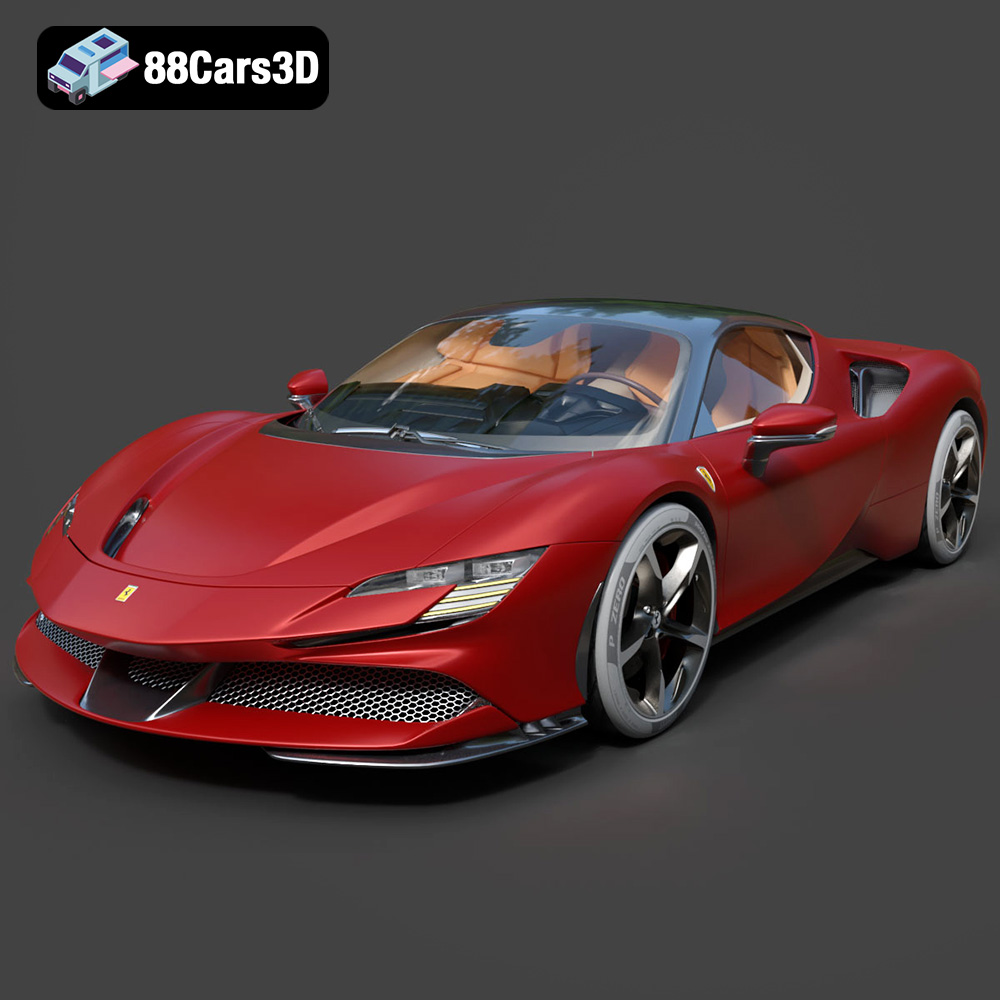
Texture: Yes
Material: Yes
Download the Ferrari SF90 Stradale 3D Model featuring clean geometry, realistic detailing, and a fully modeled interior. Includes .blend, .fbx, .obj, .glb, .stl, .ply, .unreal, and .max formats for rendering, simulation, and game development.
Price: $19.99
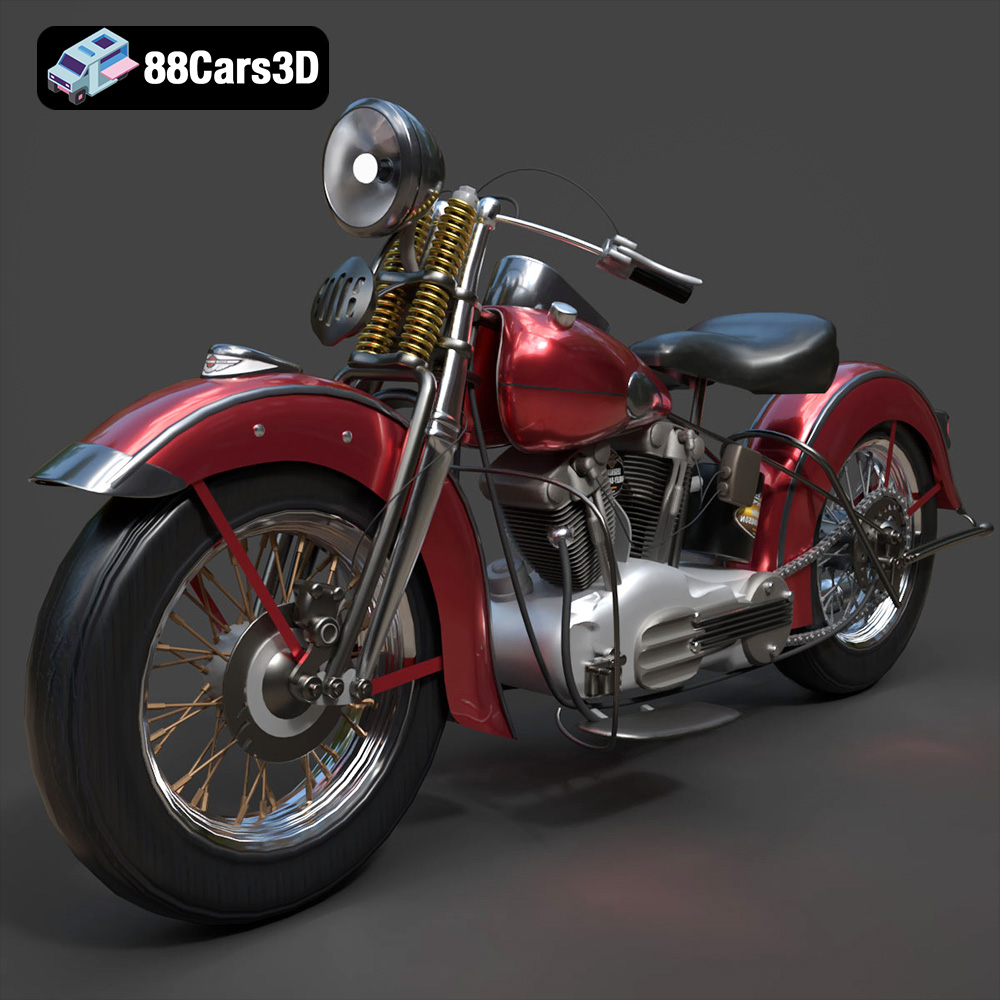
Texture: Yes
Material: Yes
Download the Harley Davidson F 1946 3D Model featuring clean geometry, realistic detailing, and a fully modeled interior. Includes .blend, .fbx, .obj, .glb, .stl, .ply, .unreal, and .max formats for rendering, simulation, and game development.
Price: $19.99
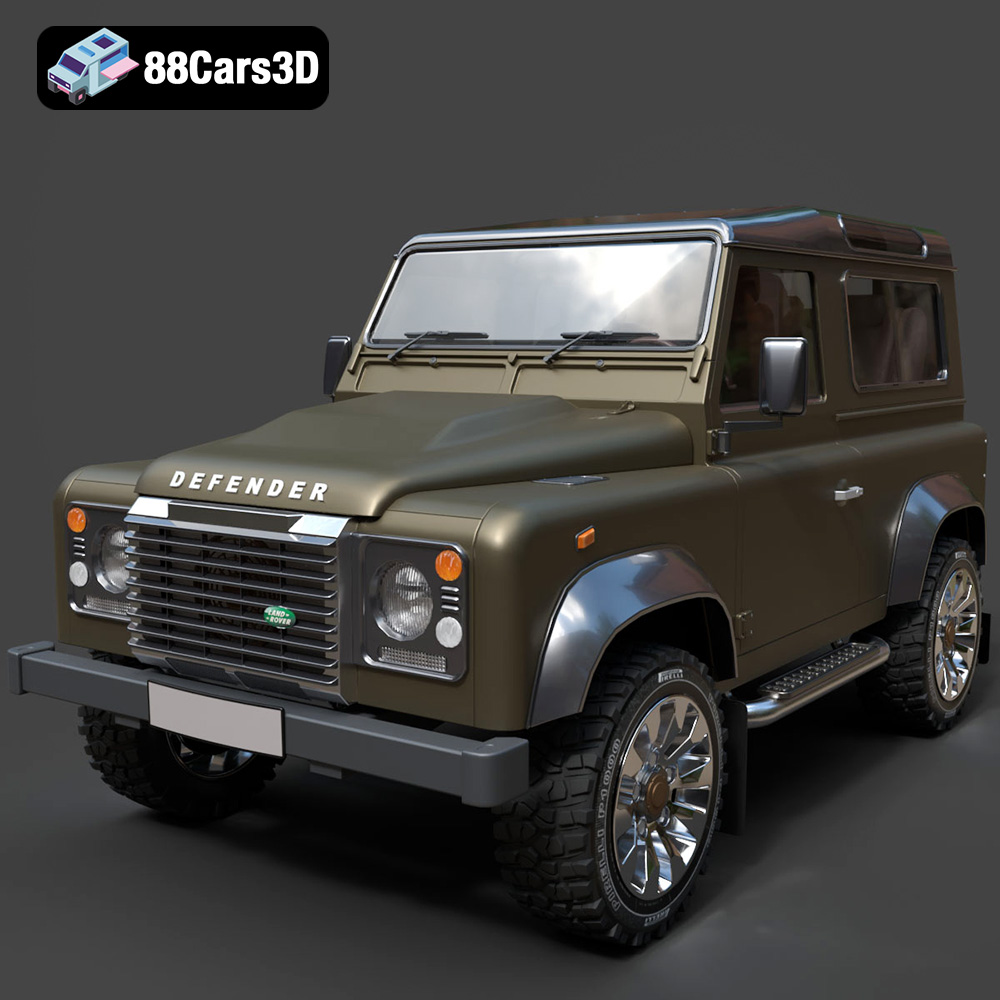
Texture: Yes
Material: Yes
Download the Land Rover Defender Works V8 3D Model featuring clean geometry, realistic detailing, and a fully modeled interior. Includes .blend, .fbx, .obj, .glb, .stl, .ply, .unreal, and .max formats for rendering, simulation, and game development.
Price: $19.99
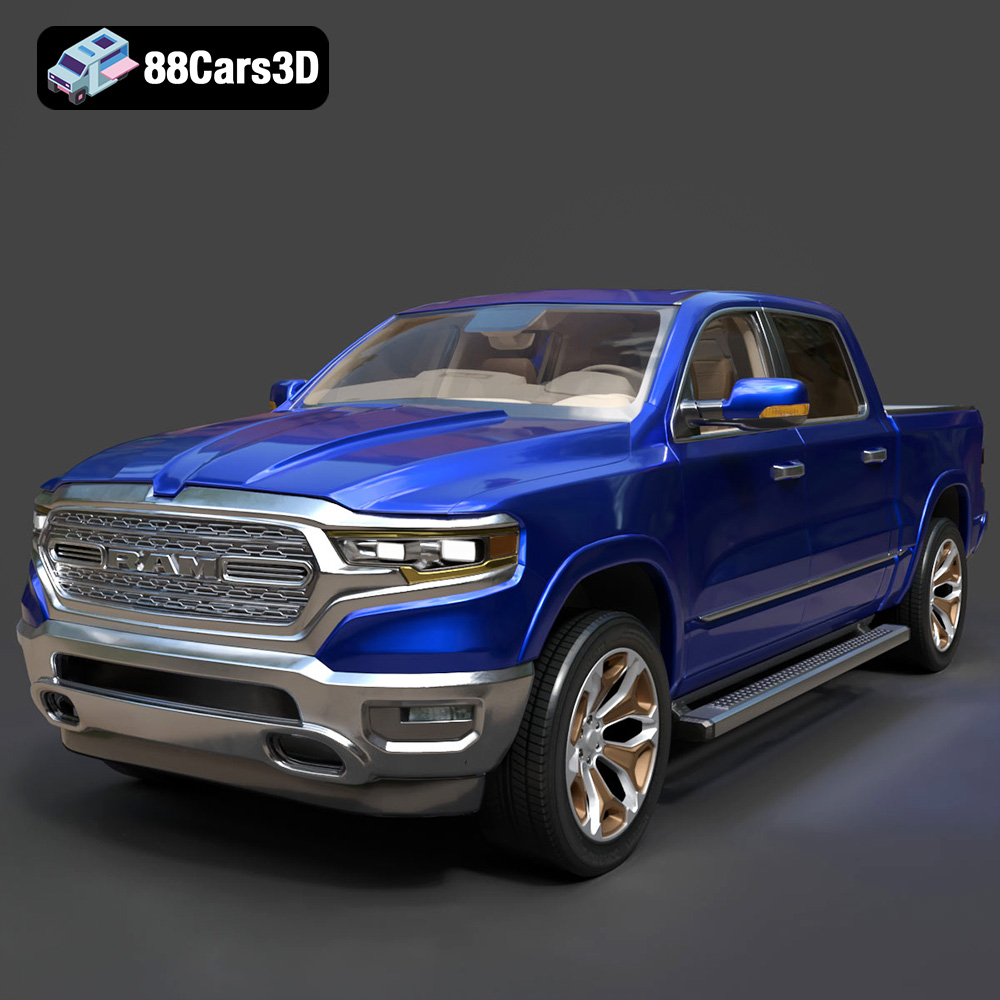
Texture: Yes
Material: Yes
Download the Dodge RAM 2019 3D Model featuring clean geometry, realistic detailing, and a fully modeled interior. Includes .blend, .fbx, .obj, .glb, .stl, .ply, .unreal, and .max formats for rendering, simulation, and game development.
Price: $19.99
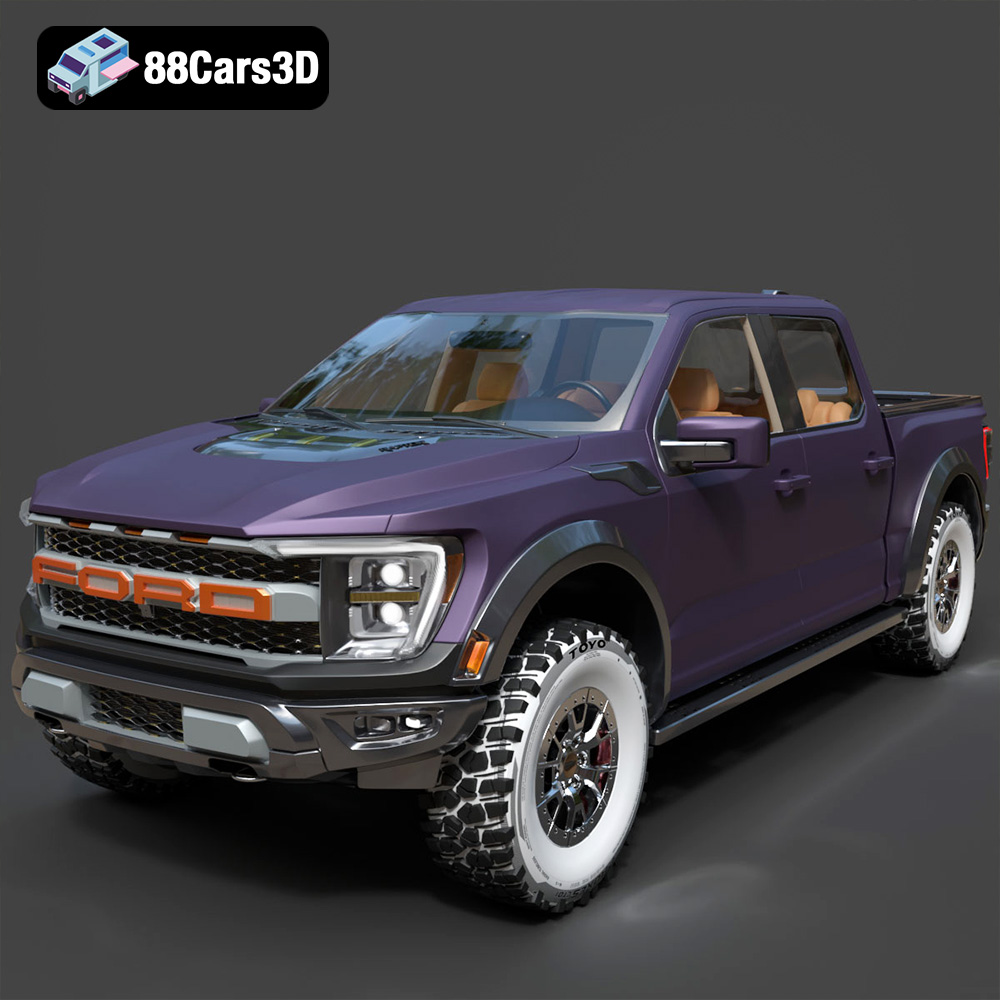
Texture: Yes | Material: Yes Download the ultra-high-detail Ford F-150 Raptor 2021 3D Model (8.73M Triangles). Features uncompromised widebody styling, fully modeled Fox Live Valve suspension, 37-inch tires, and interior. Perfect for premium VFX, cinematic rendering, and ArchViz. Includes .blend, .fbx, .obj, .glb, .stl, and .max formats.
Price: $29.99
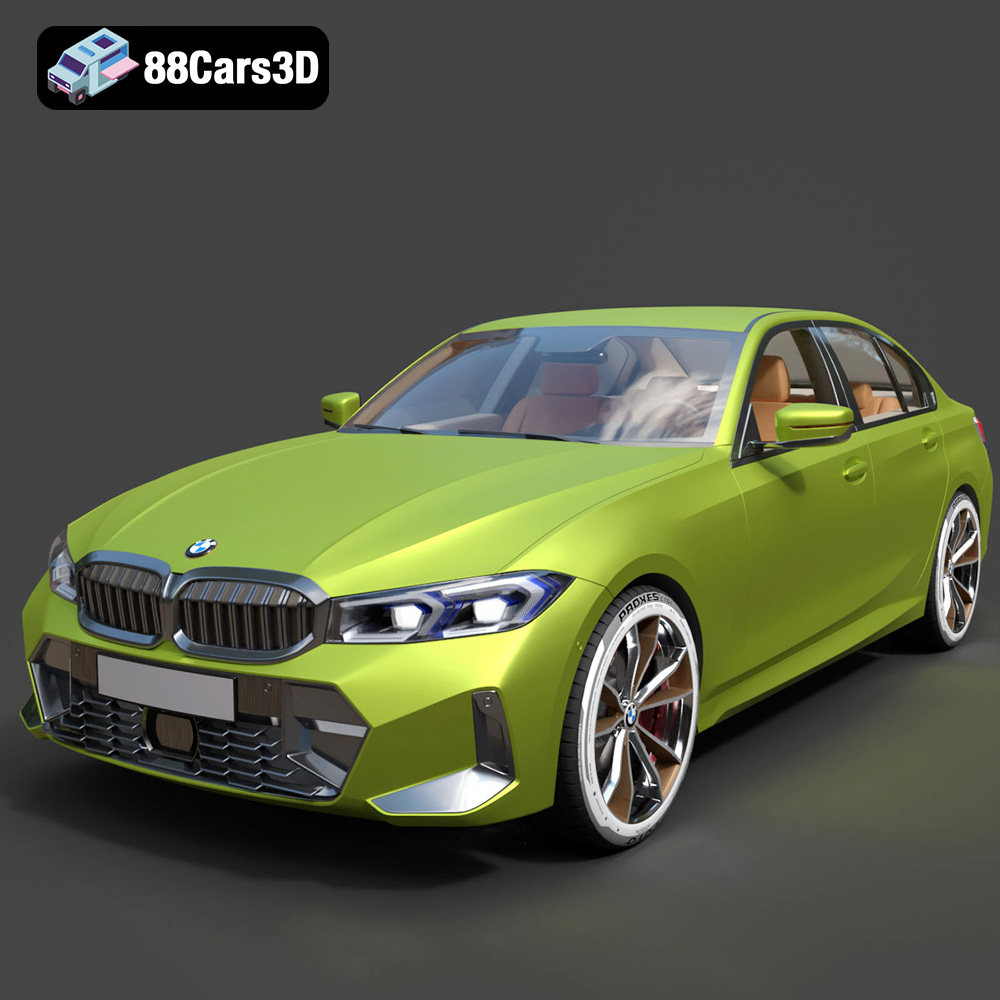
Texture: Yes | Material: Yes Download the ultra-high-detail BMW 3 Series Limousine (2022) 3D Model (4.16M Triangles). Features the modernized G20 LCI exterior, the all-new BMW Curved Display interior, and ultra-dense topology. Perfect for ArchViz, VFX, and cinematic rendering. Includes .blend, .fbx, .obj, .glb, .stl, and .max formats.
Price: $19.99
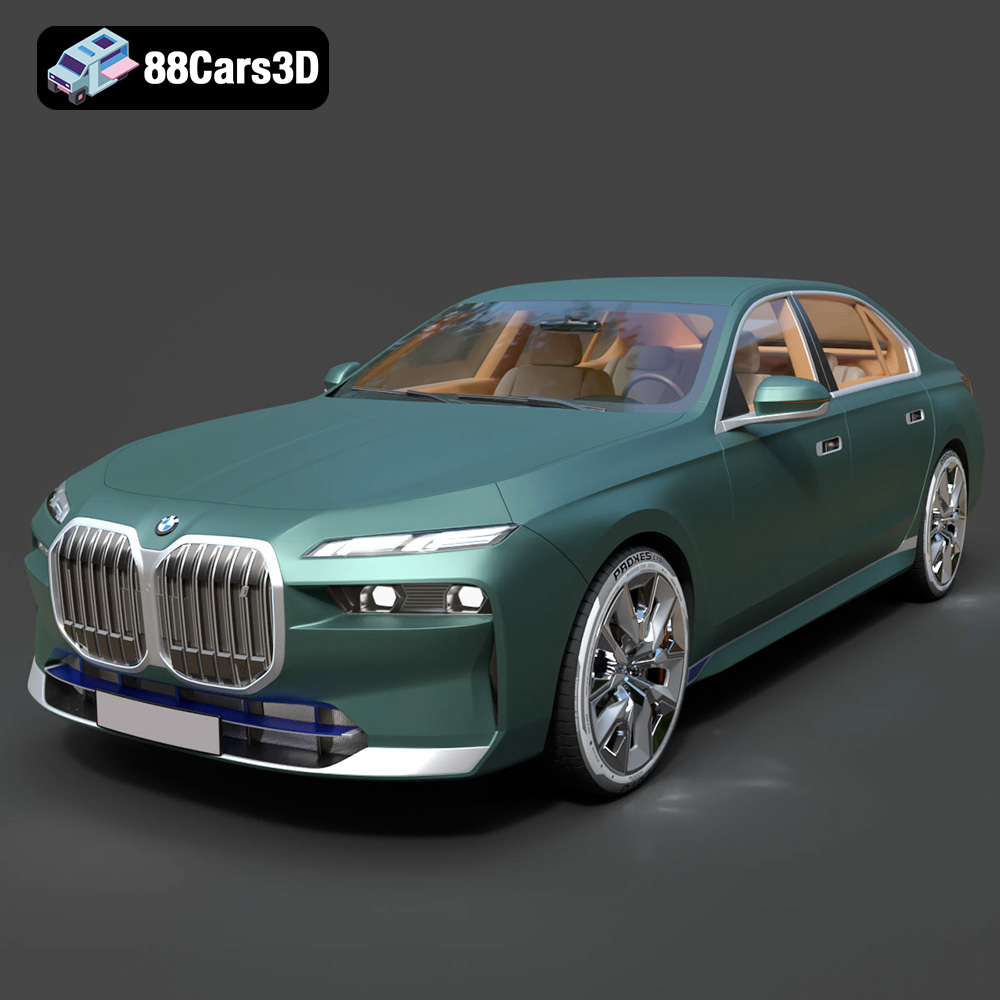
Texture: Yes | Material: Yes Download the ultra-high-detail BMW i7 (2023) 3D Model (4.14M Triangles). Features the illuminated kidney grille, split crystal headlights, fully modeled Theatre Screen interior, and monolithic luxury styling. Perfect for ArchViz, VFX, and cinematic rendering. Includes .blend, .fbx, .obj, .glb, .stl, and .max formats.
Price: $19.99
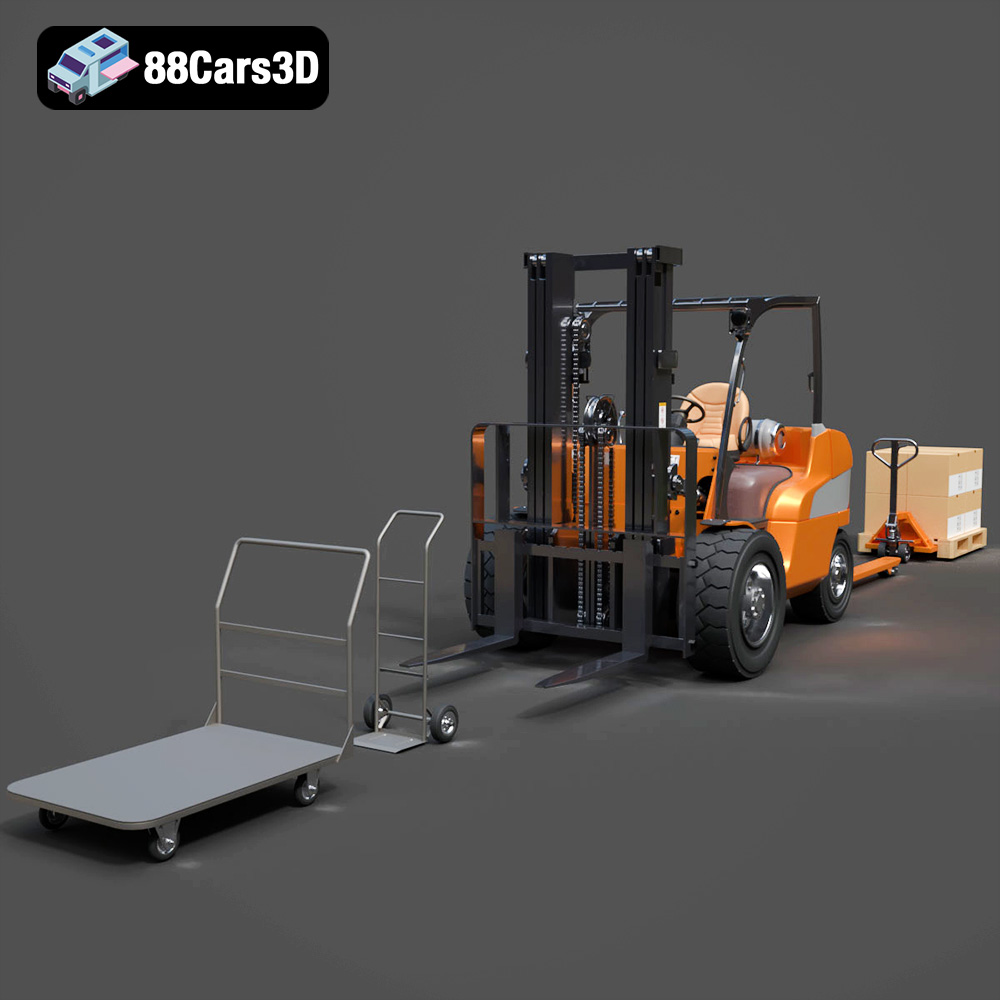
Texture: Yes | Material: Yes Download the highly detailed CAT Manual Loader & Warehouse Carts Kit 3D Model (2.4M Triangles). Features a macro-detailed hydraulic pallet jack, heavy-duty forks, and transport carts. Perfect for industrial ArchViz, factory rendering, and logistics simulations. Includes .blend, .fbx, .obj, .glb, .stl, and .max formats.
Price: $19.99
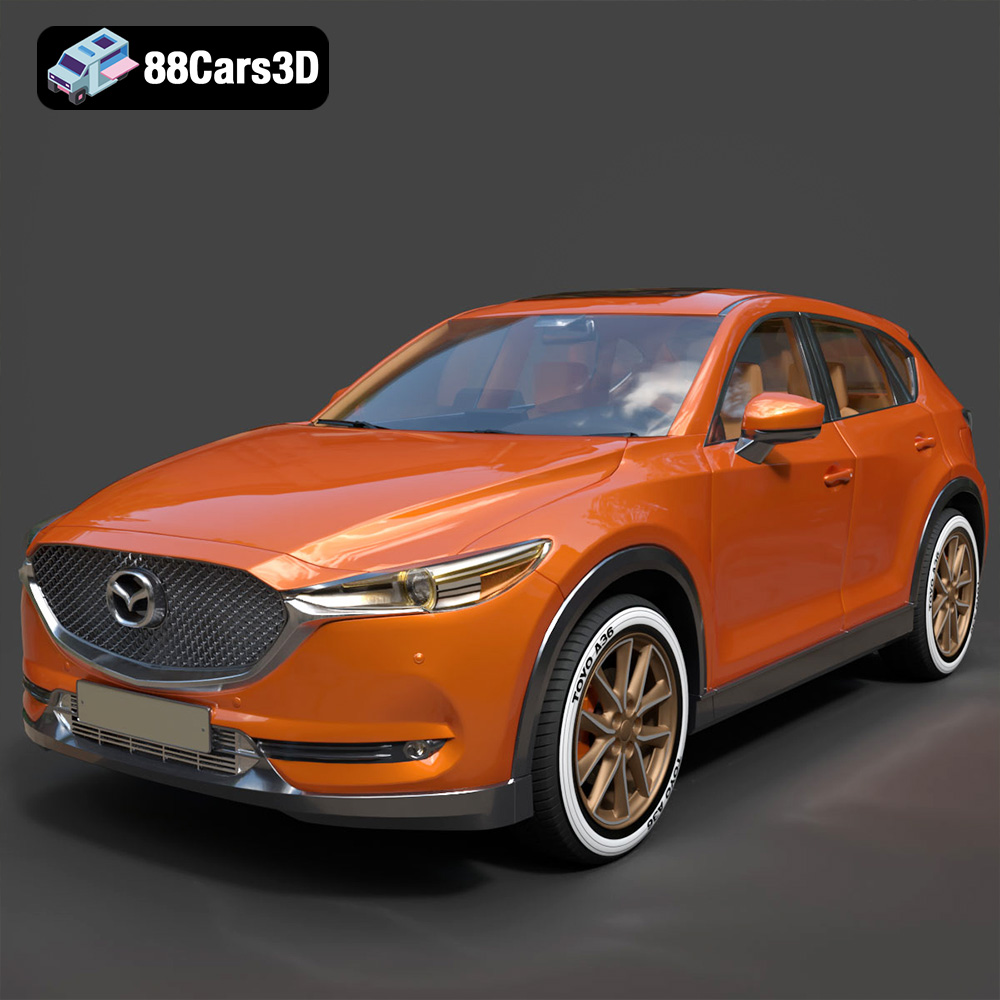
Texture: Yes | Material: Yes
Download the highly optimized Mazda CX-5 2014 3D Model (294k Triangles). Features the dynamic Kodo design language, signature grille, and a clean interior. Perfectly balanced for ArchViz, background traffic, and game development. Includes .blend, .fbx, .obj, .glb, .stl, and .max formats.
Price: $19.99
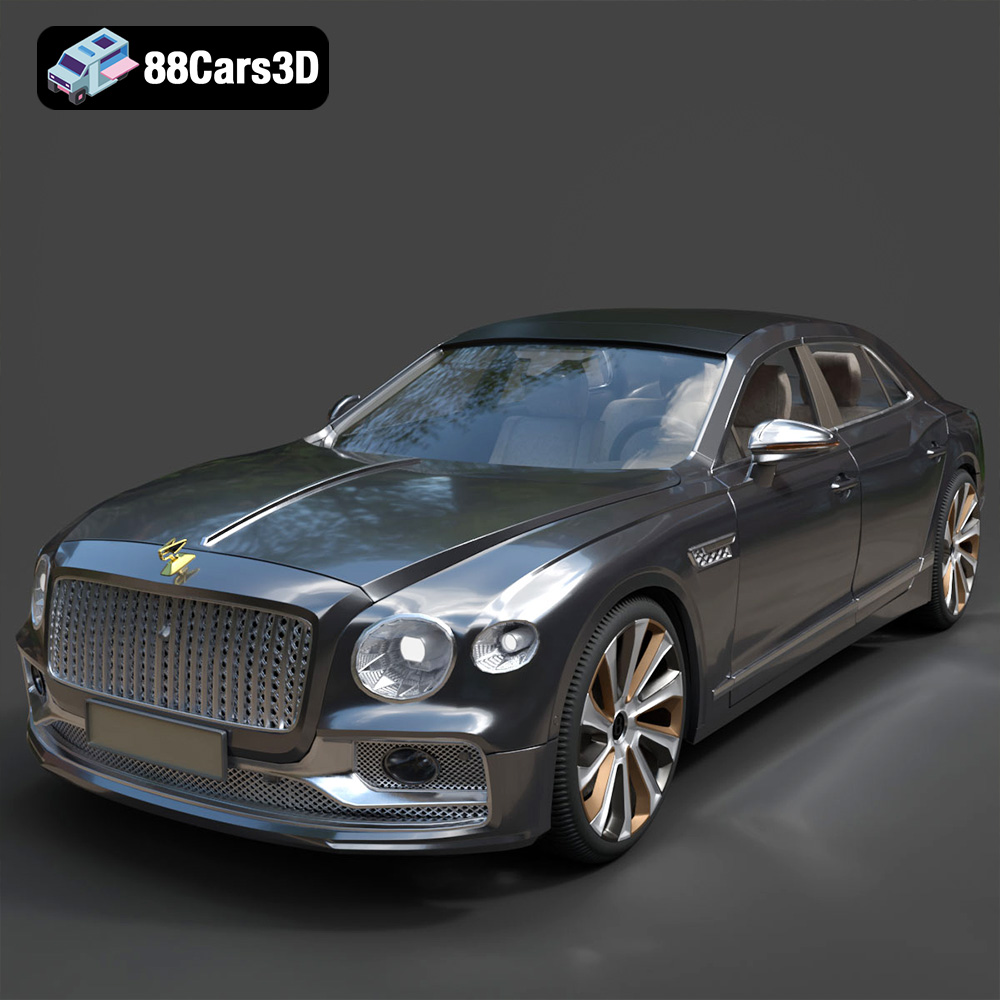
Texture: Yes | Material: Yes Download the ultra-high-detail Bentley Flying Spur Mulliner 2022 3D Model (2.94M Triangles). Features the bespoke Double Diamond grille, a fully modeled diamond-quilted interior, and exquisite luxury styling. Perfect for high-end ArchViz, VFX, and cinematic rendering. Includes .blend, .fbx, .obj, .glb, .stl, and .max formats.
Price: $19.90

