Get 50% OFF All Premium 3D & STL Models!

The roar of a finely tuned engine, the glint of chrome under neon lights, the unmistakable silhouette of a legendary Japanese sports car — these are the hallmarks of JDM (Japanese Domestic Market) culture that have captivated enthusiasts worldwide. From the winding mountain roads of Japan to the global stage of street racing and car meets, these vehicles represent a unique blend of engineering prowess, aesthetic appeal, and customization potential. In the digital realm, capturing this essence with authenticity and precision is paramount for artists, game developers, and visualization specialists.
For those aiming to bring the iconic spirit of JDM into their virtual worlds, the challenge often lies in sourcing high-quality, technically sound 3D models that are ready for diverse applications. This is where a curated collection can make all the difference. Imagine a single resource offering some of the most revered Japanese legends, optimized for everything from photorealistic rendering to real-time game engines and even 3D printing. Such a resource is not a distant dream but a tangible asset: the Japanese Legends: JDM Street Racing 3D Models Bundle (5-in-1 Pack) available on 88cars3d.com.
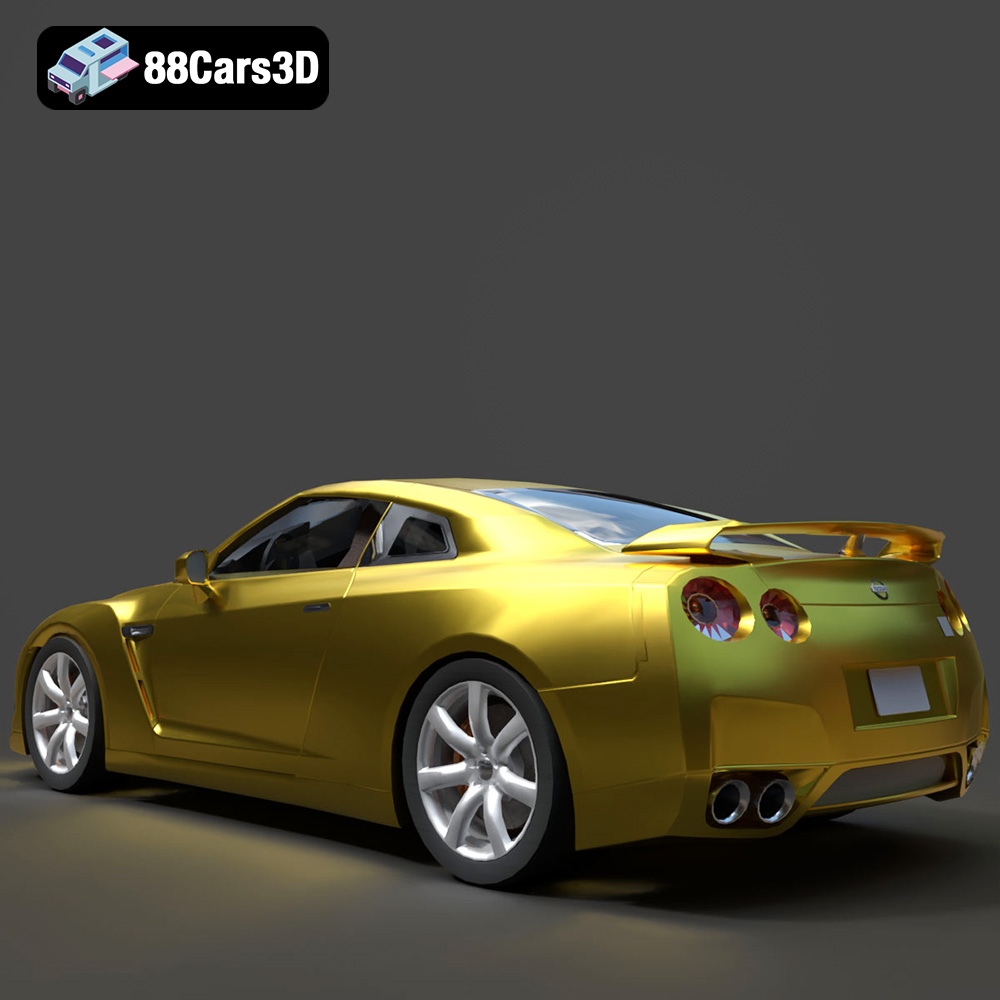
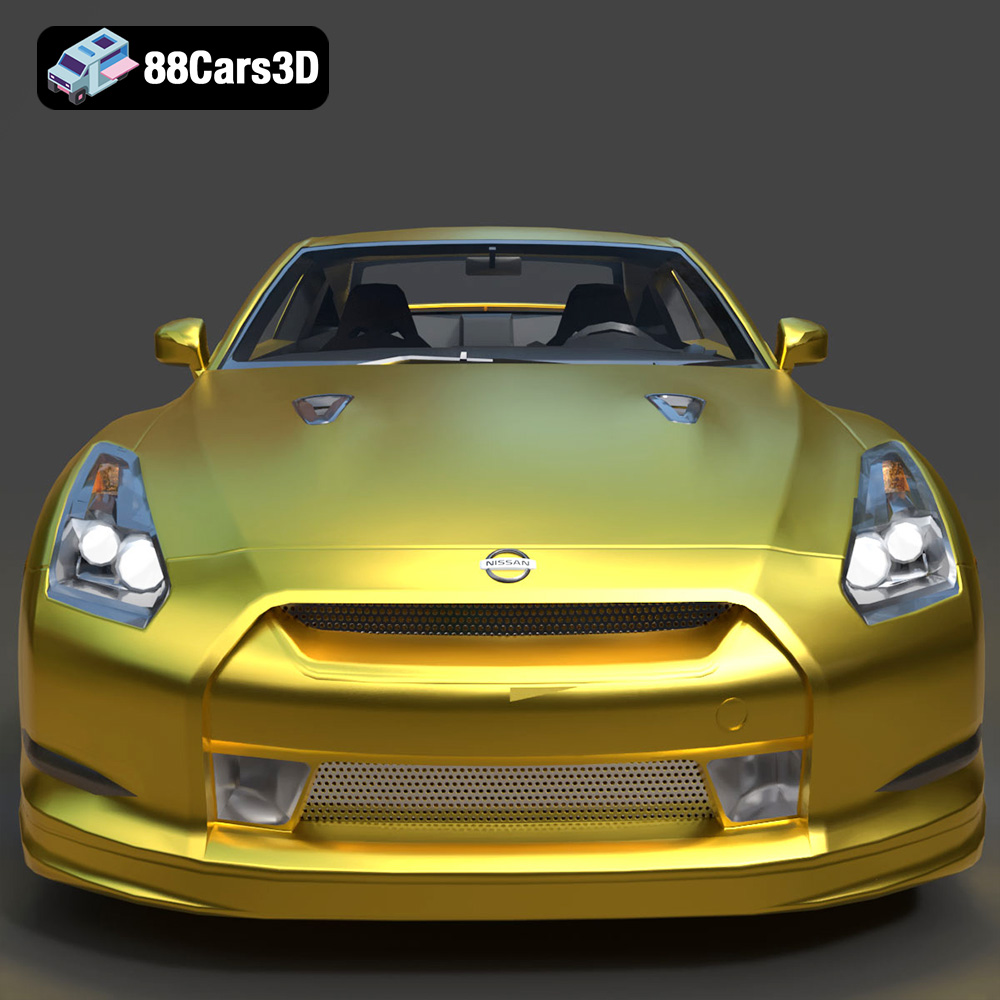
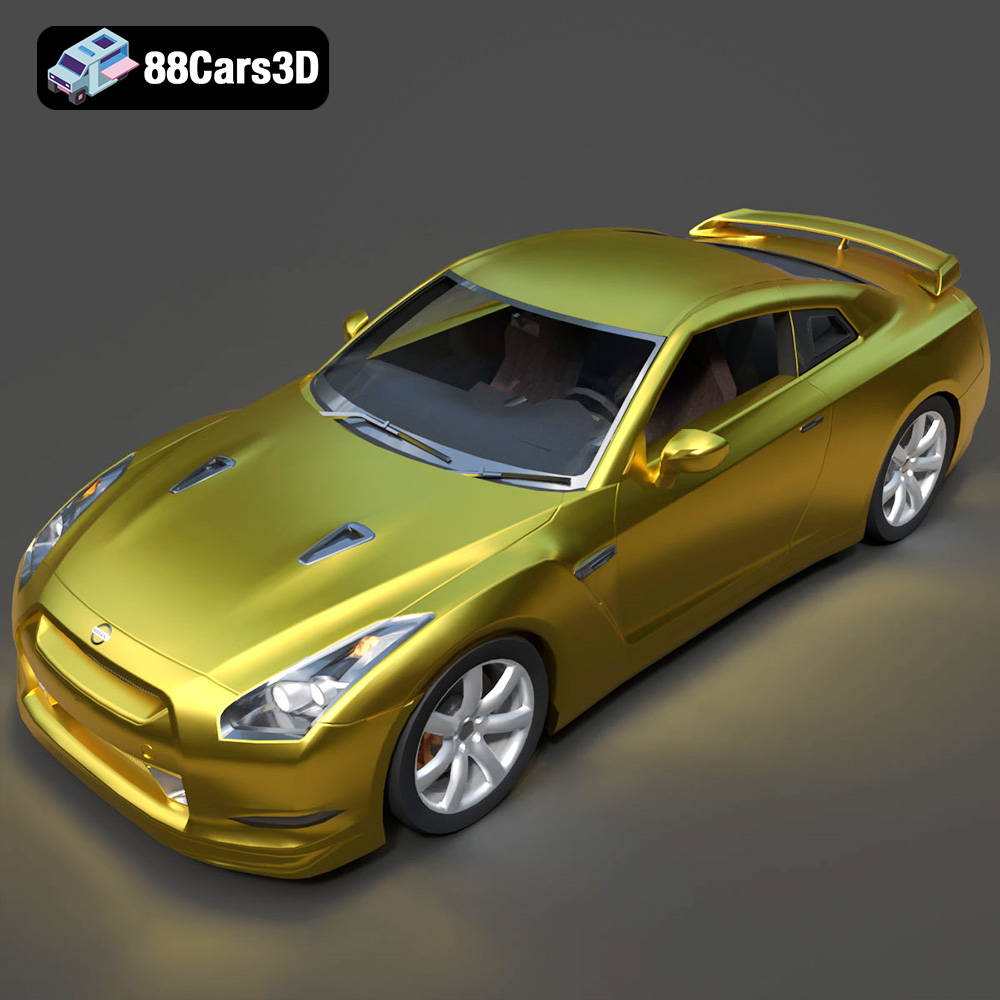
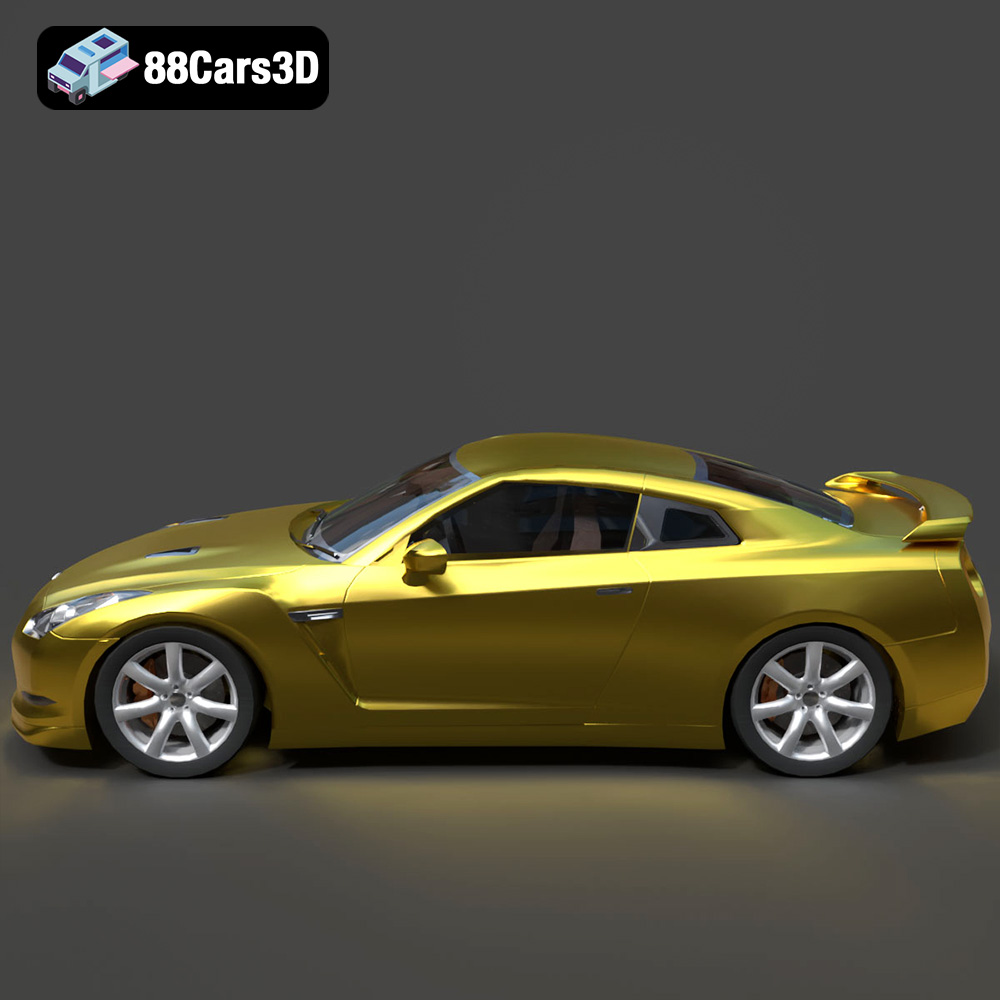
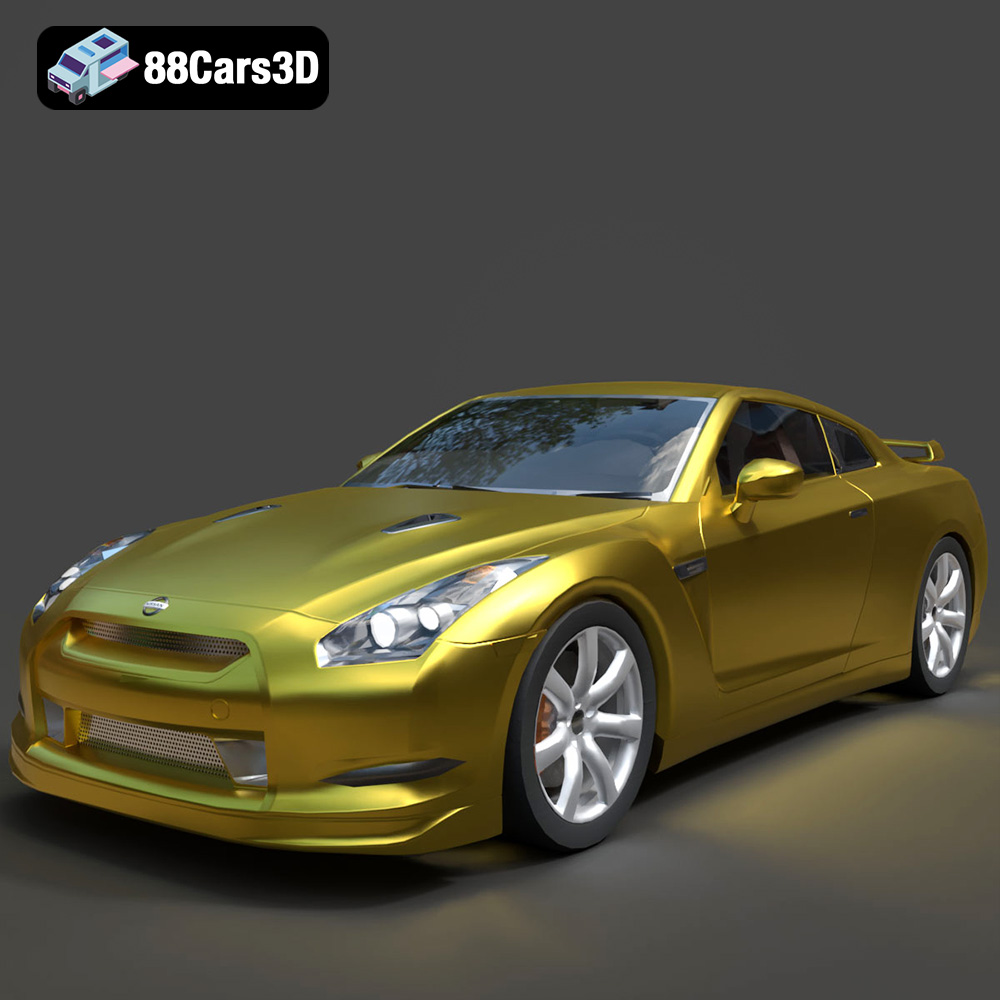
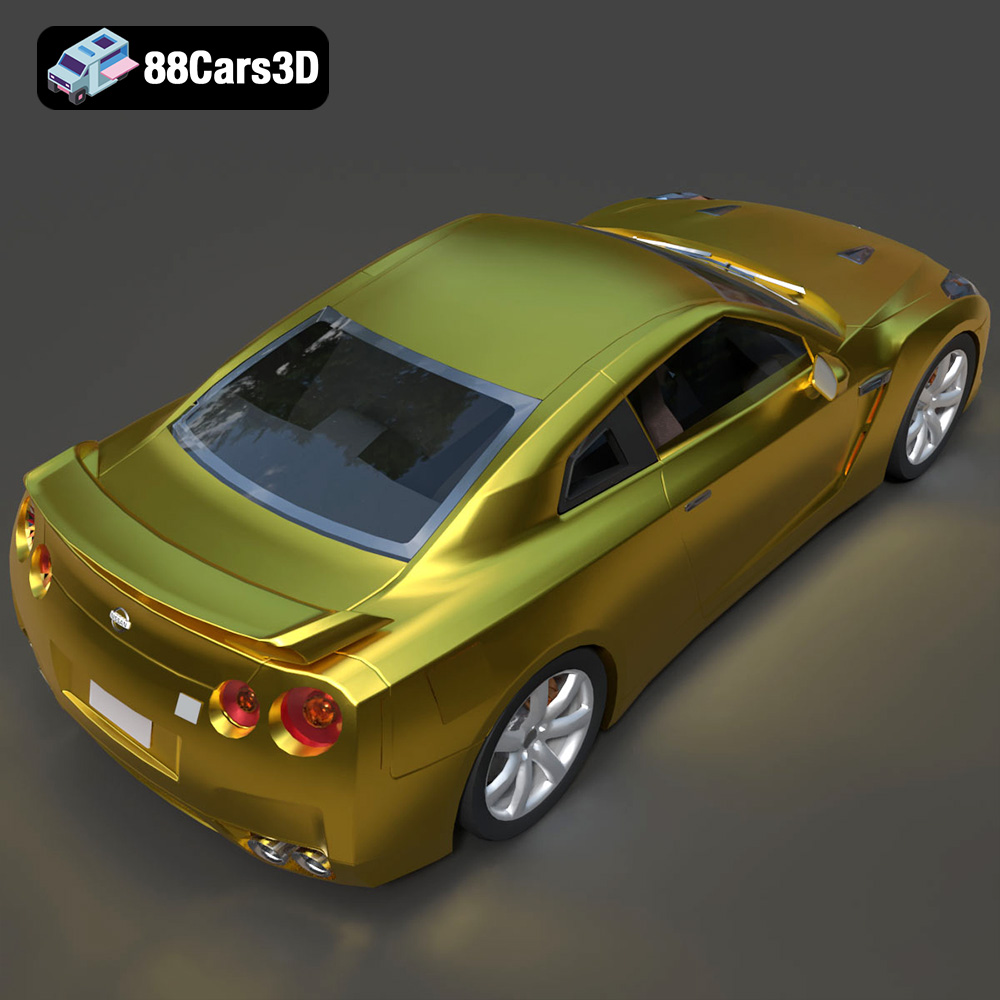
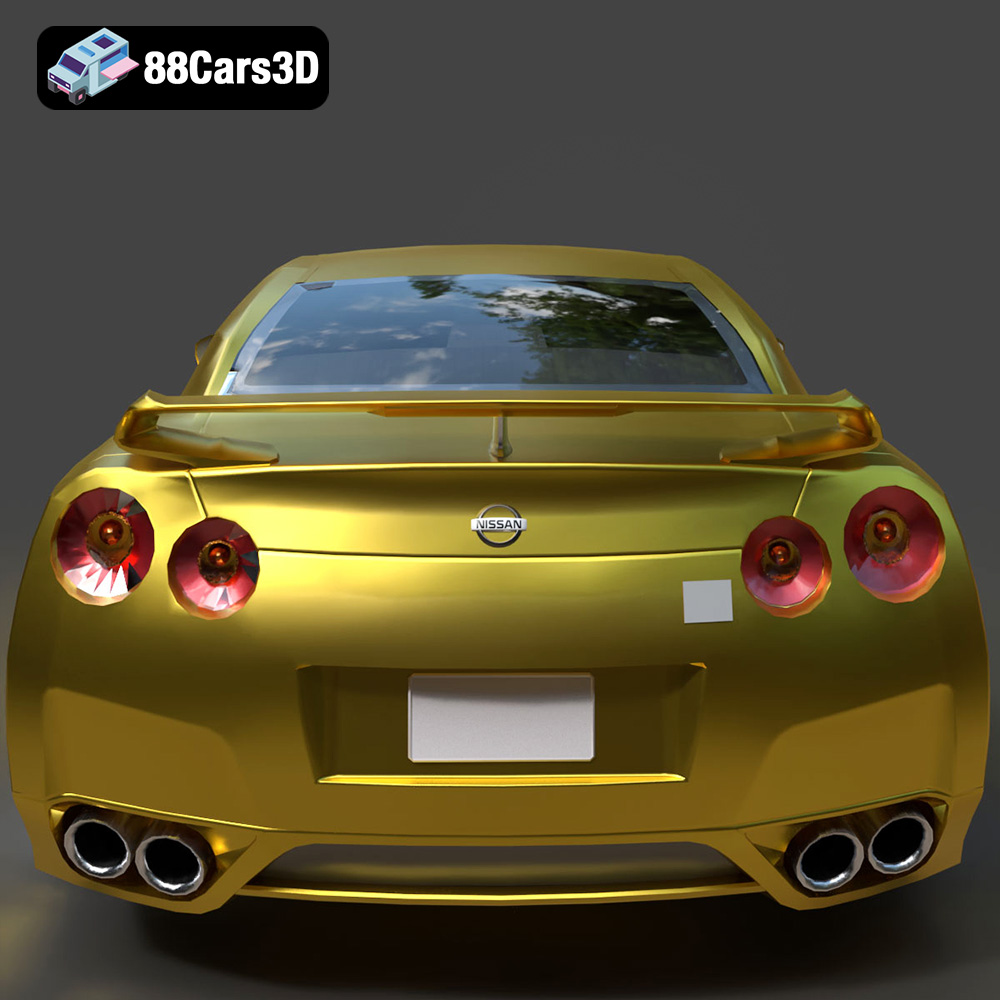
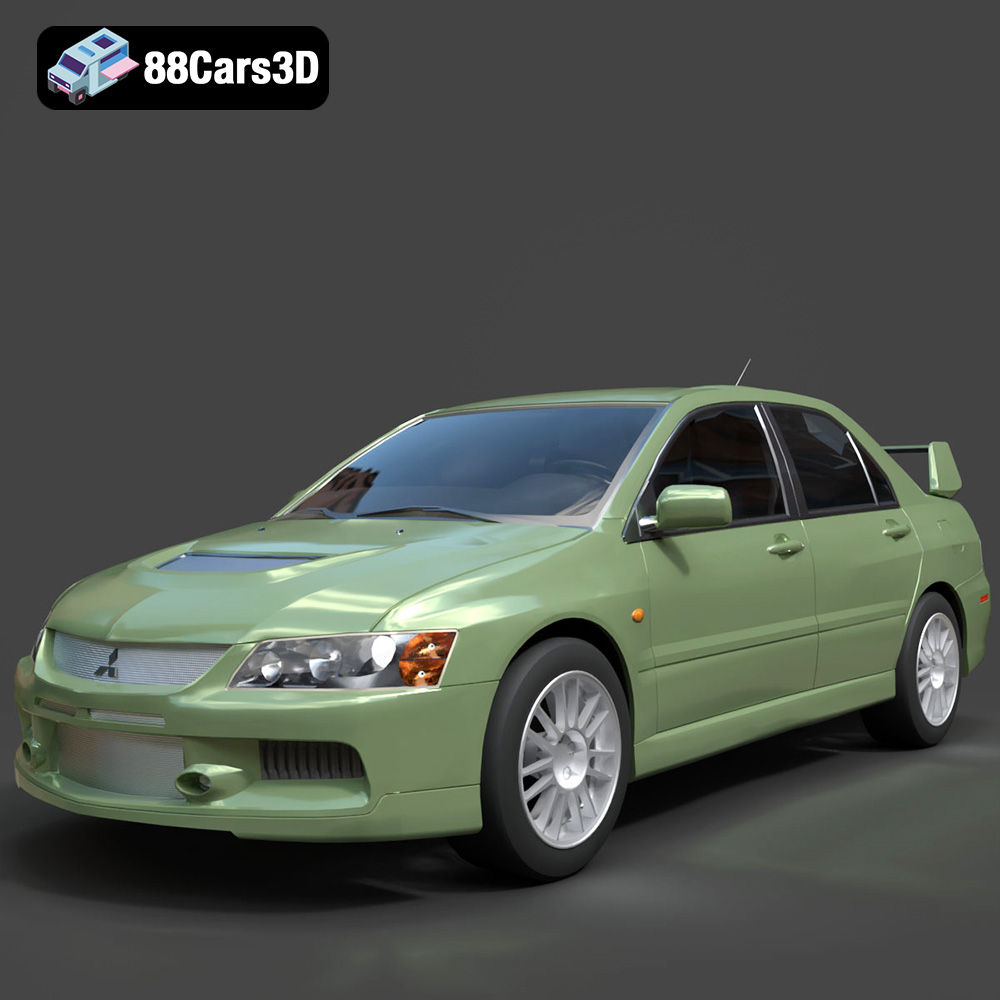
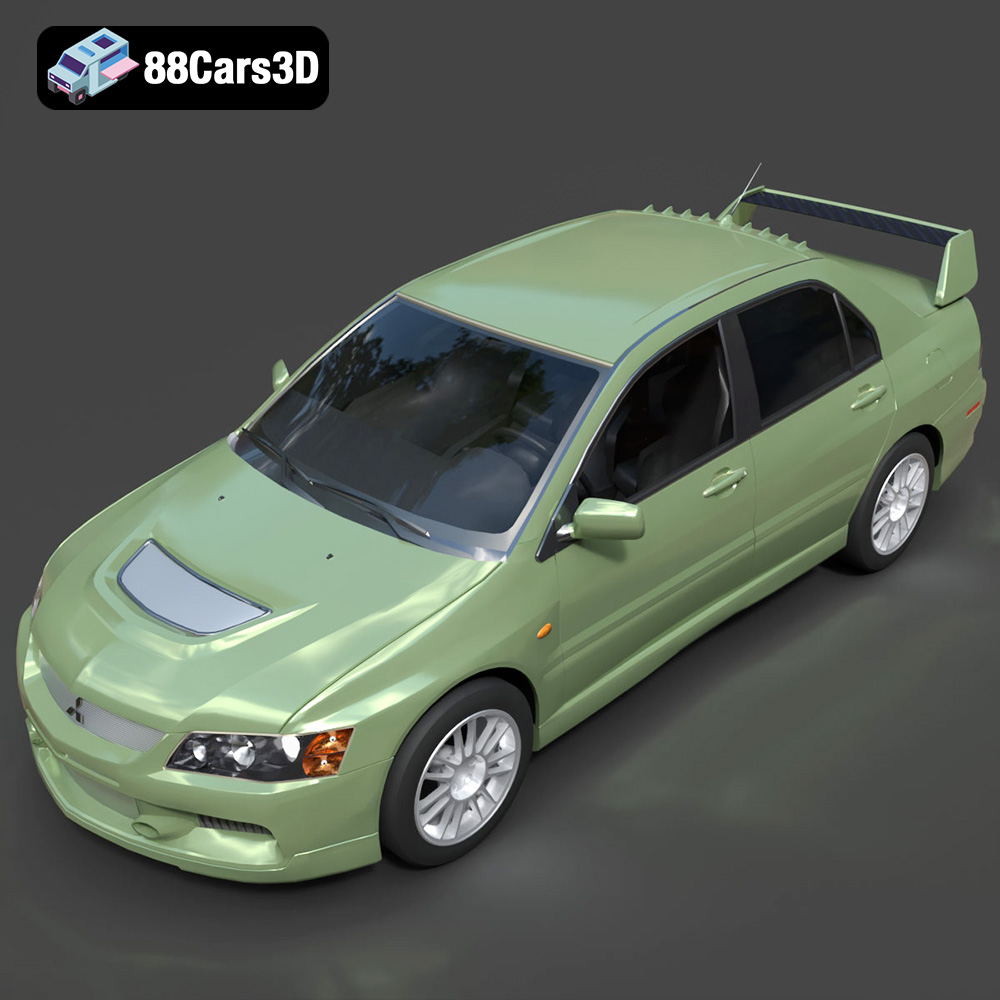
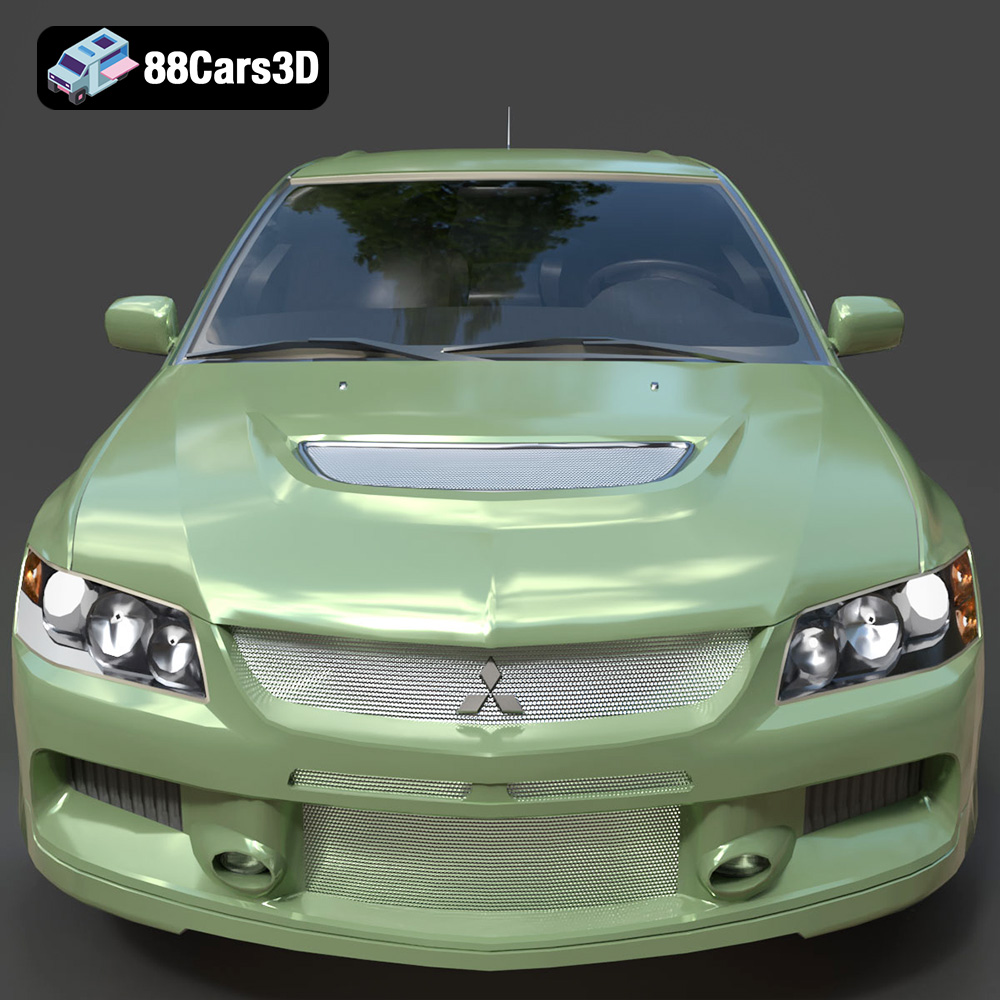
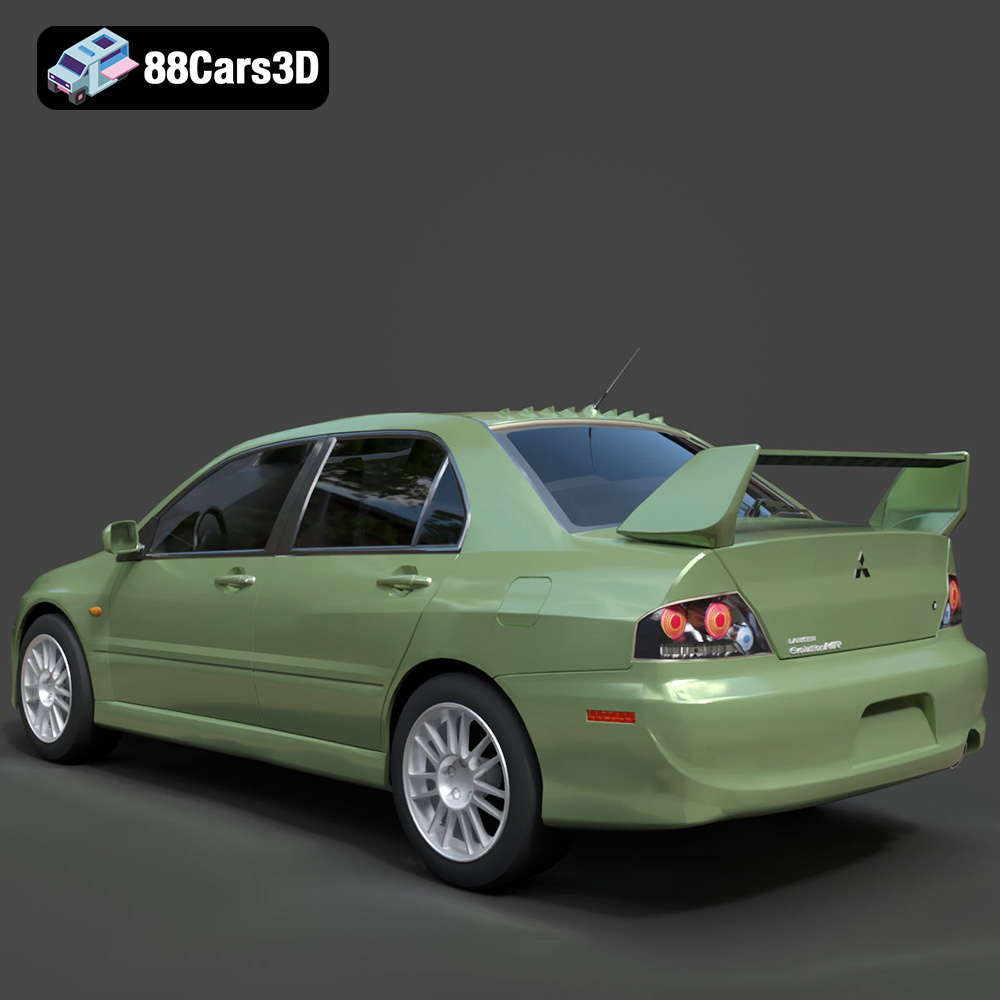
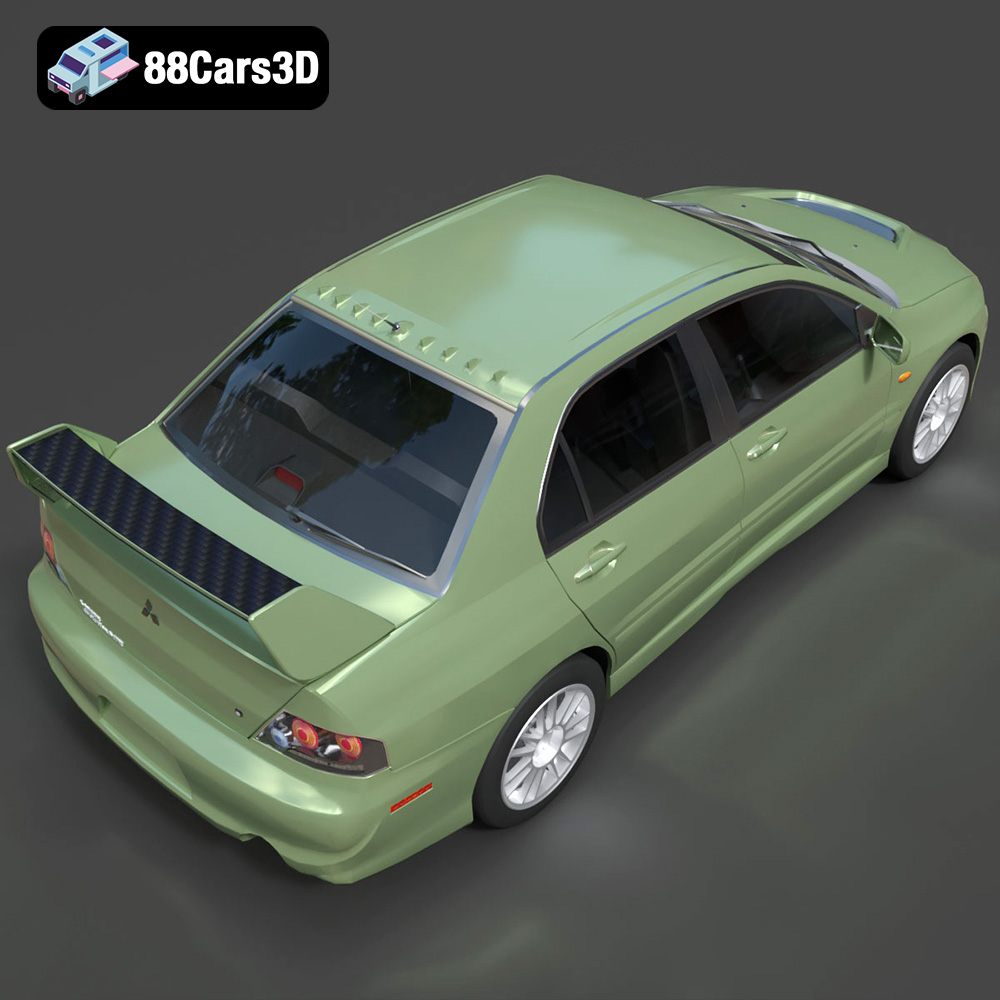
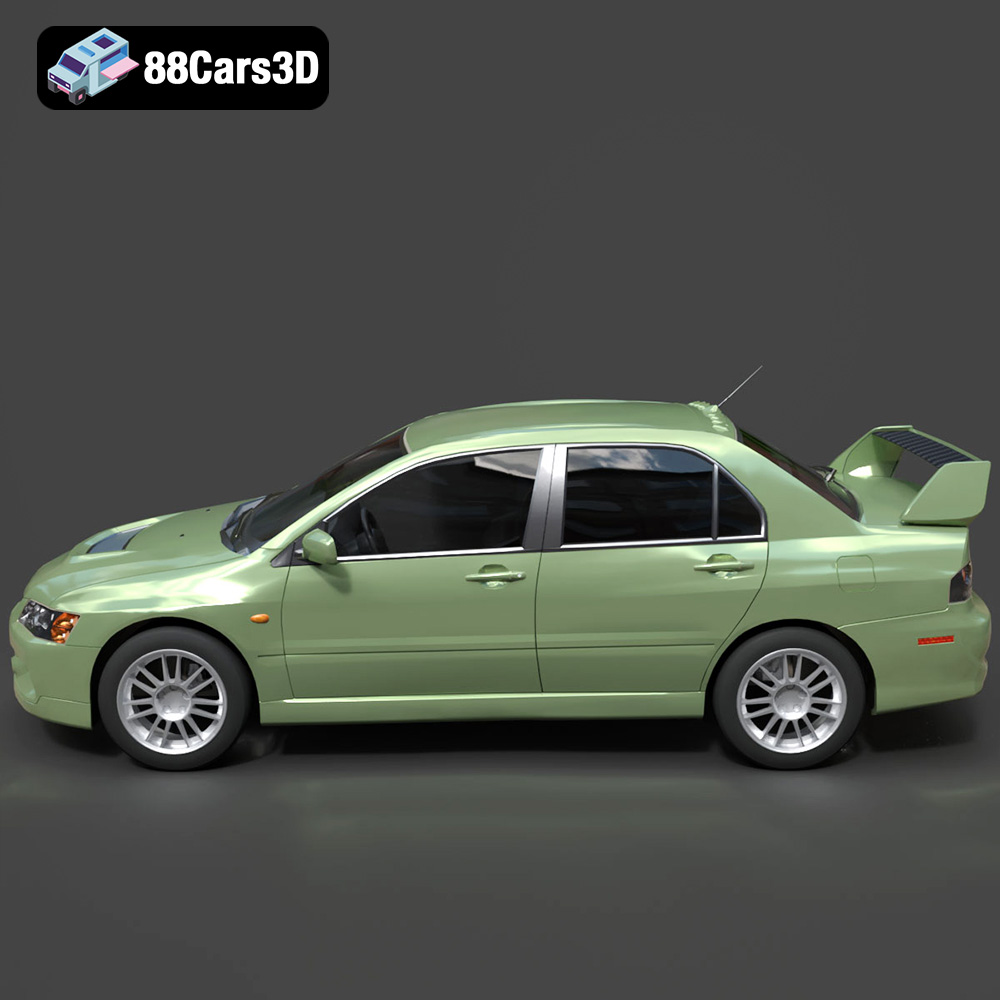
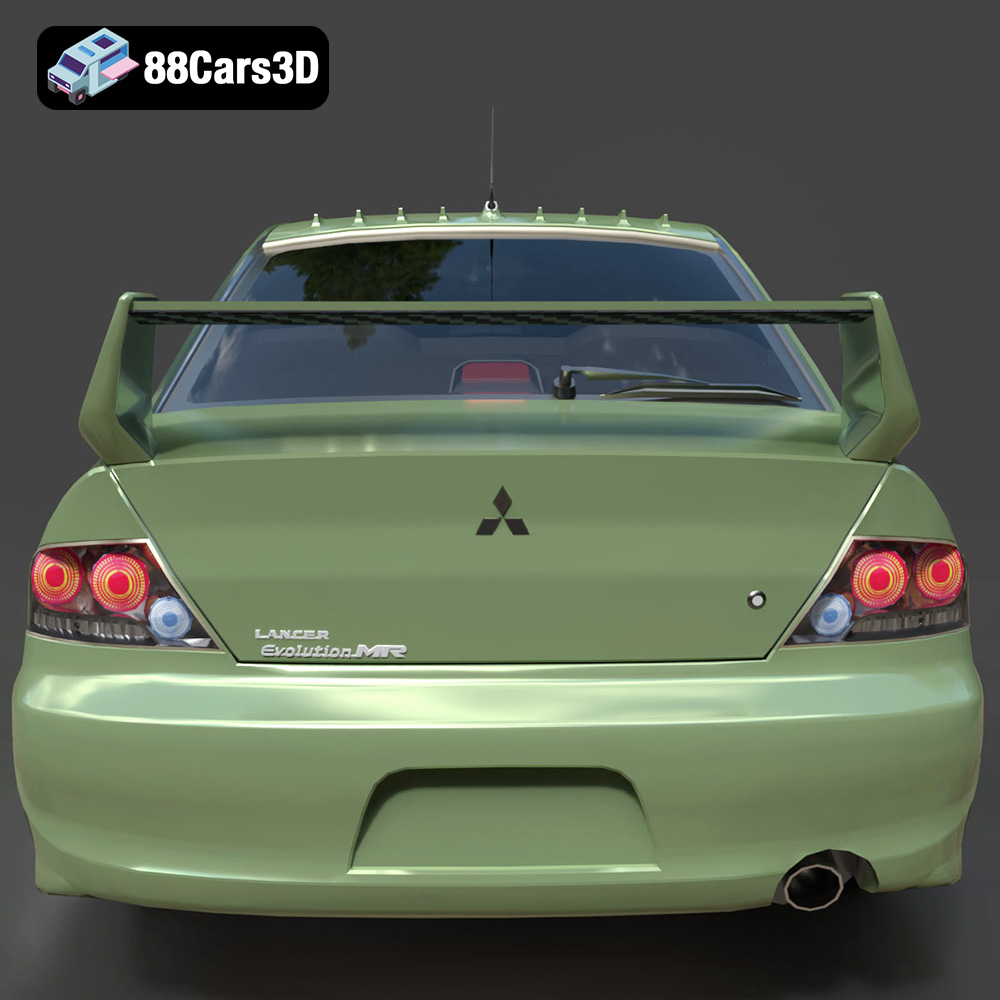
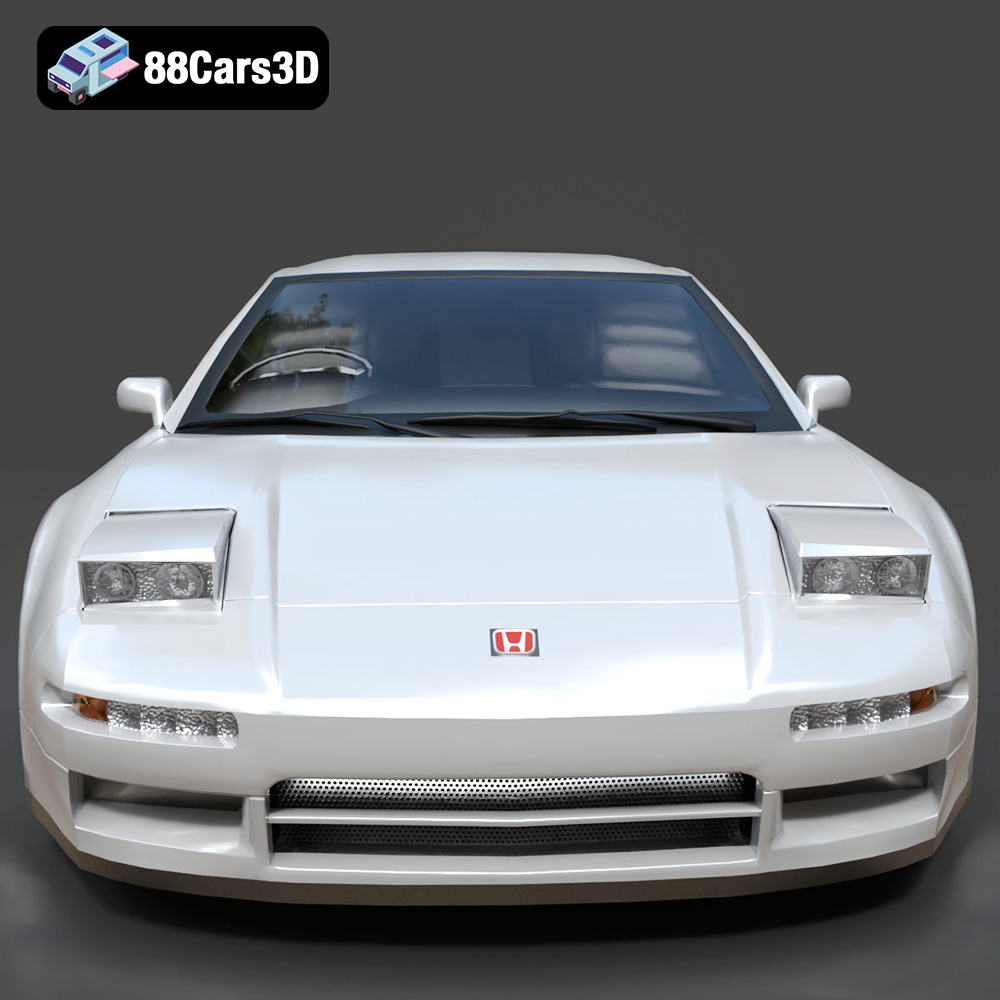
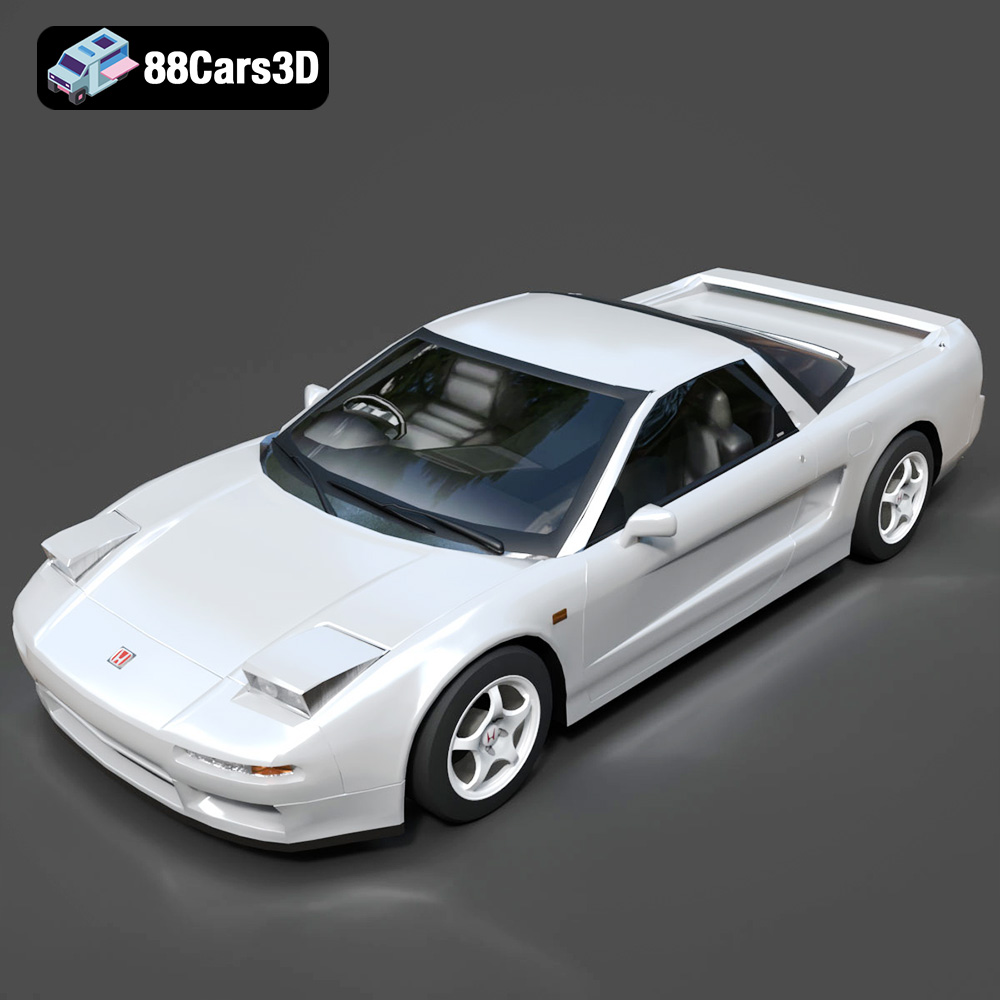
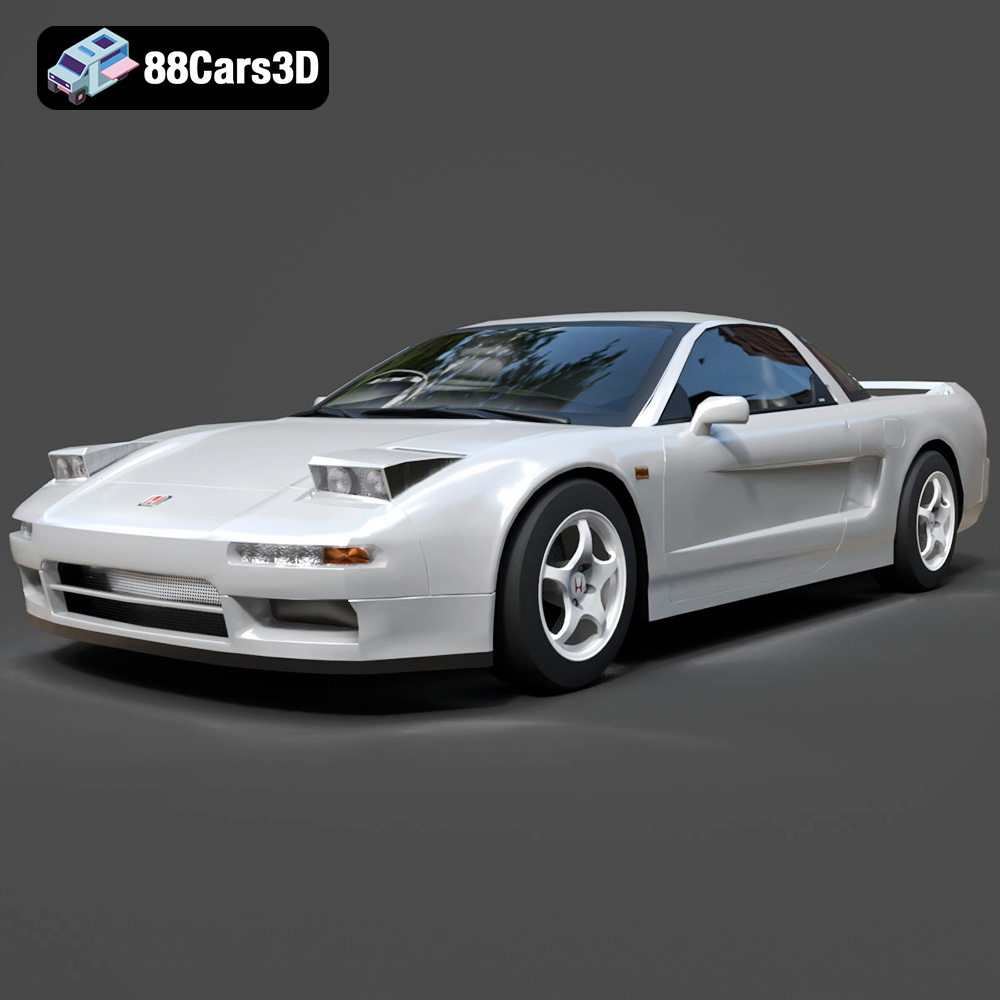
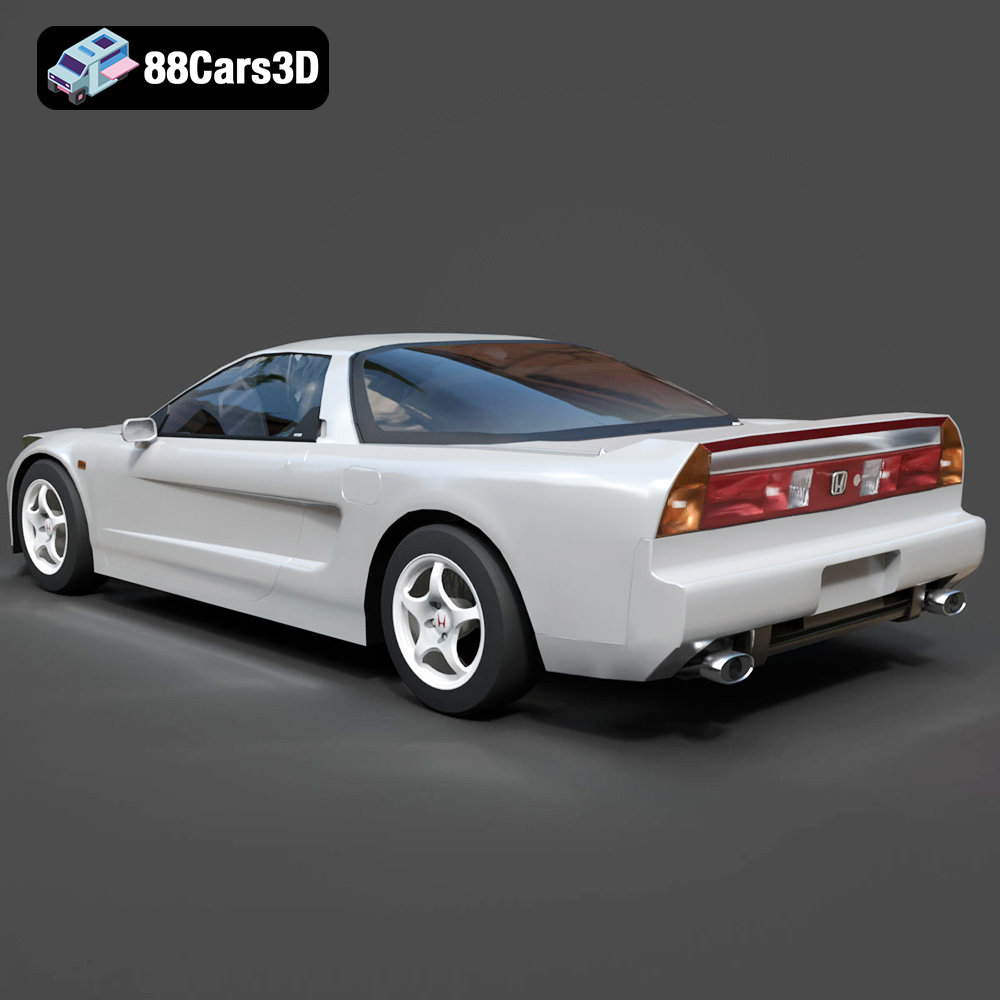
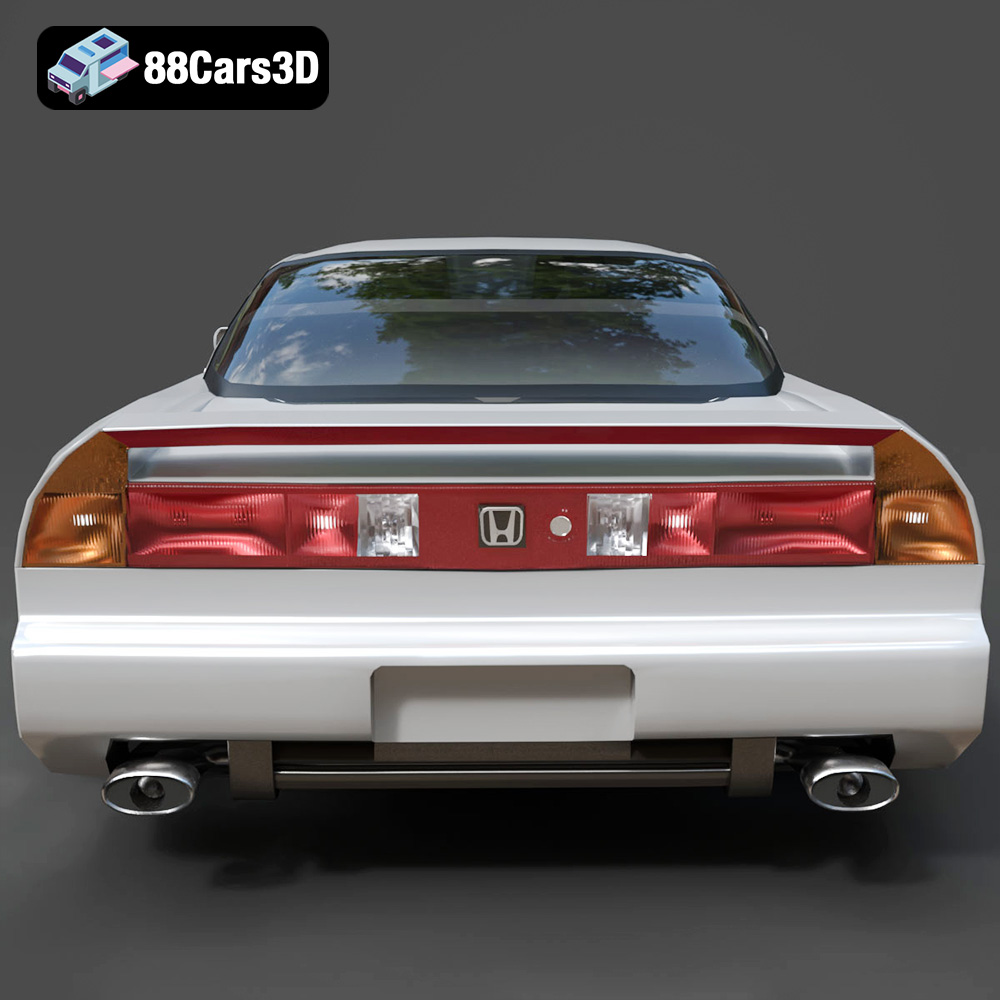
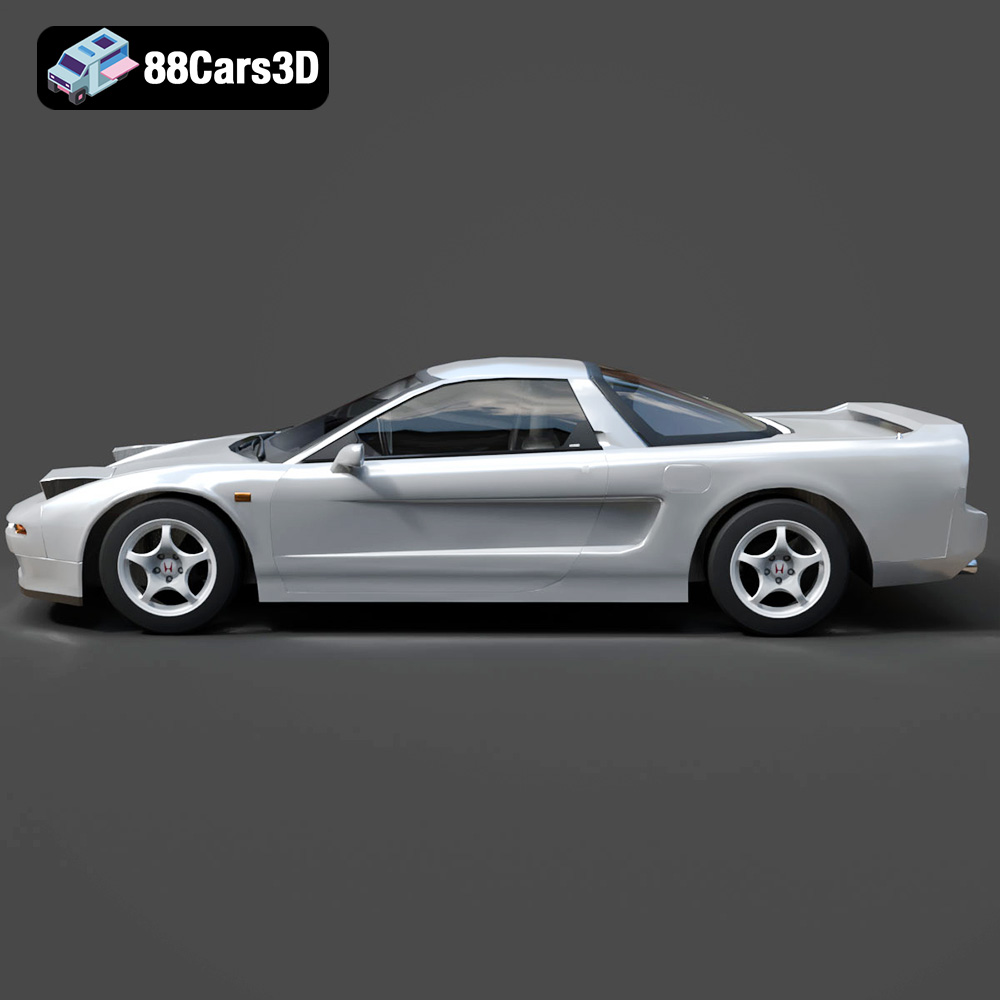
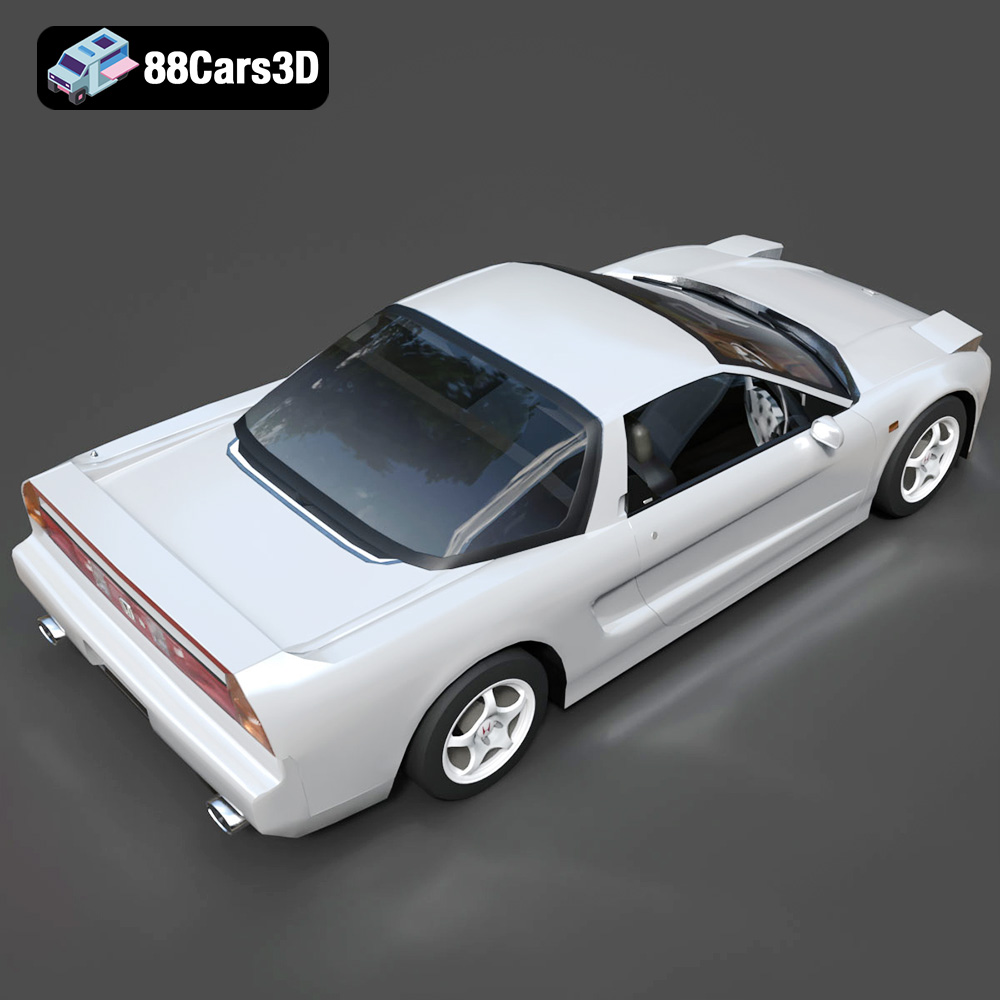
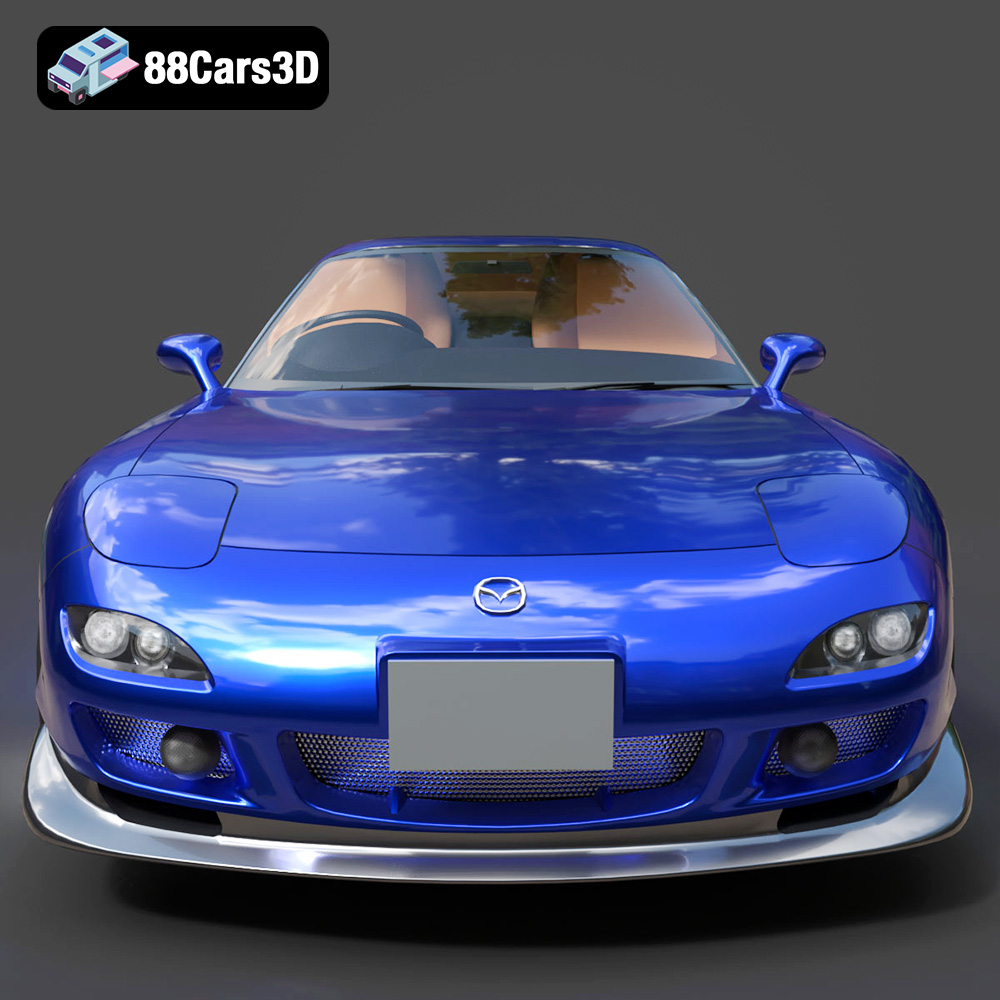
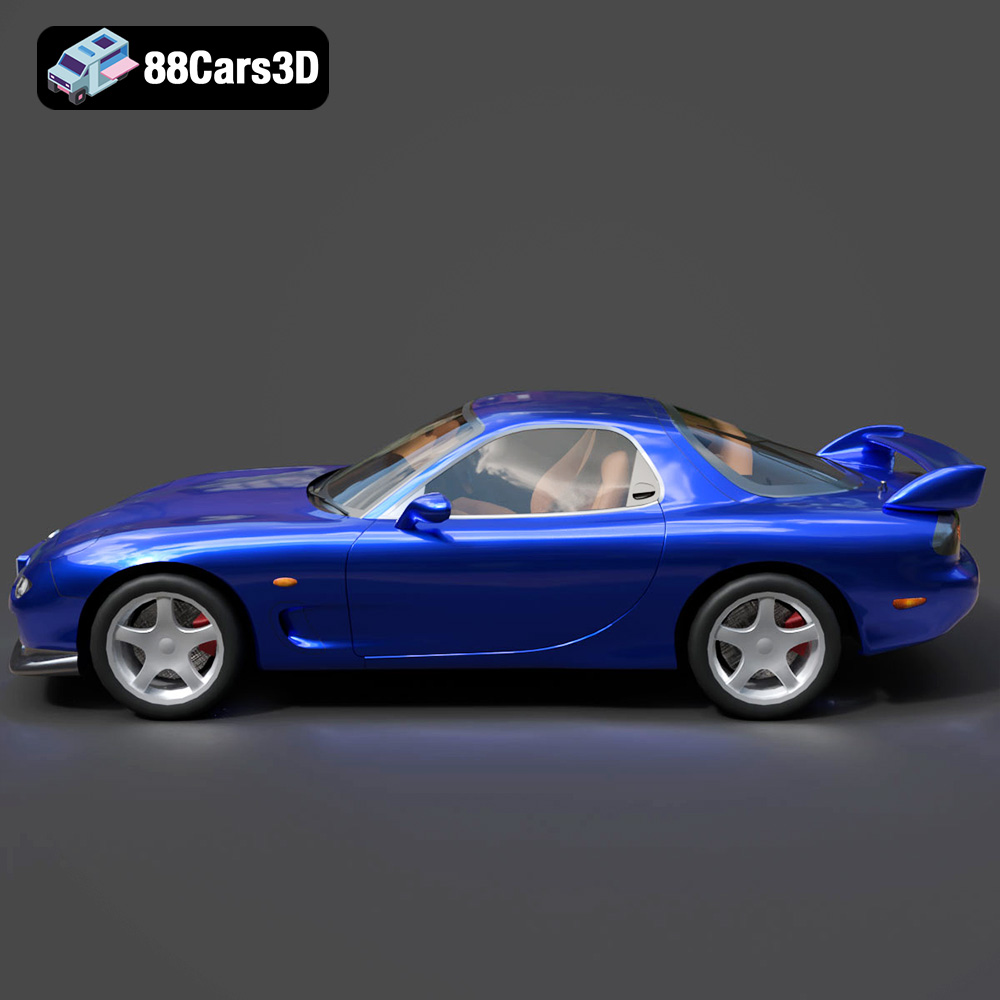
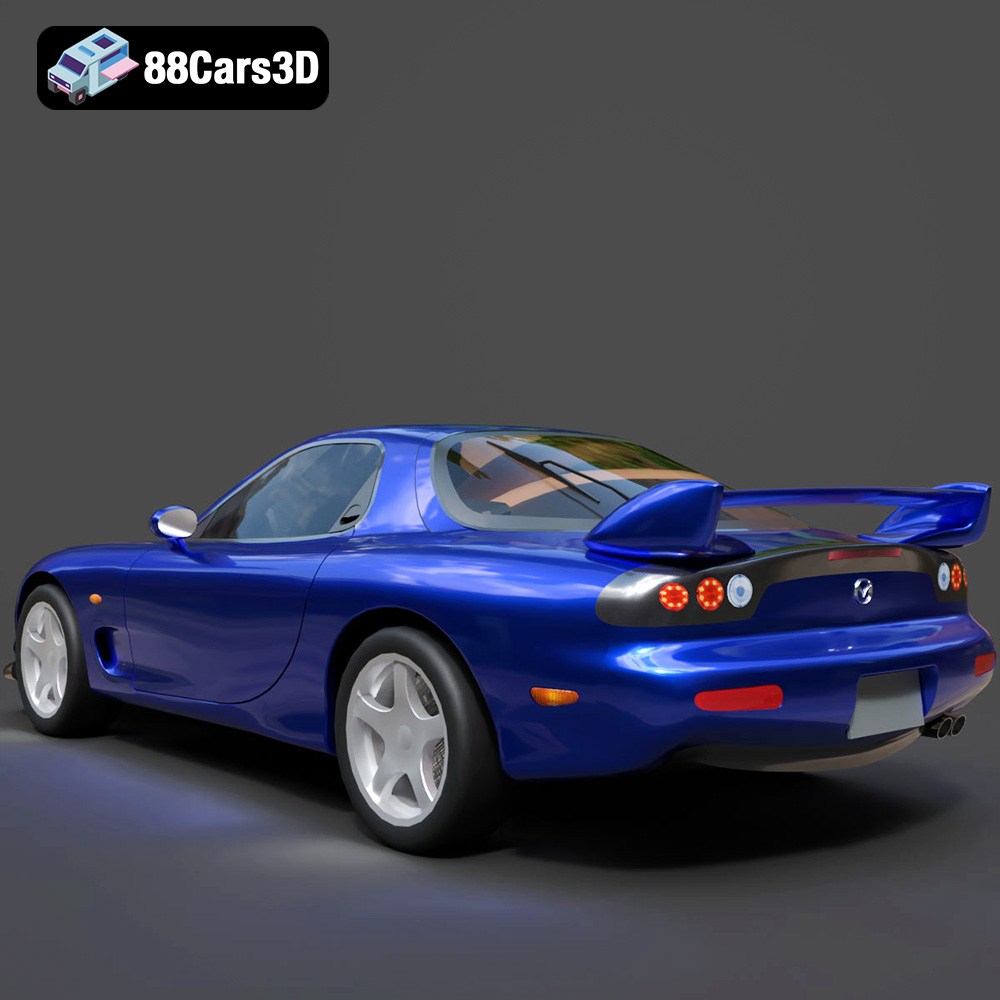
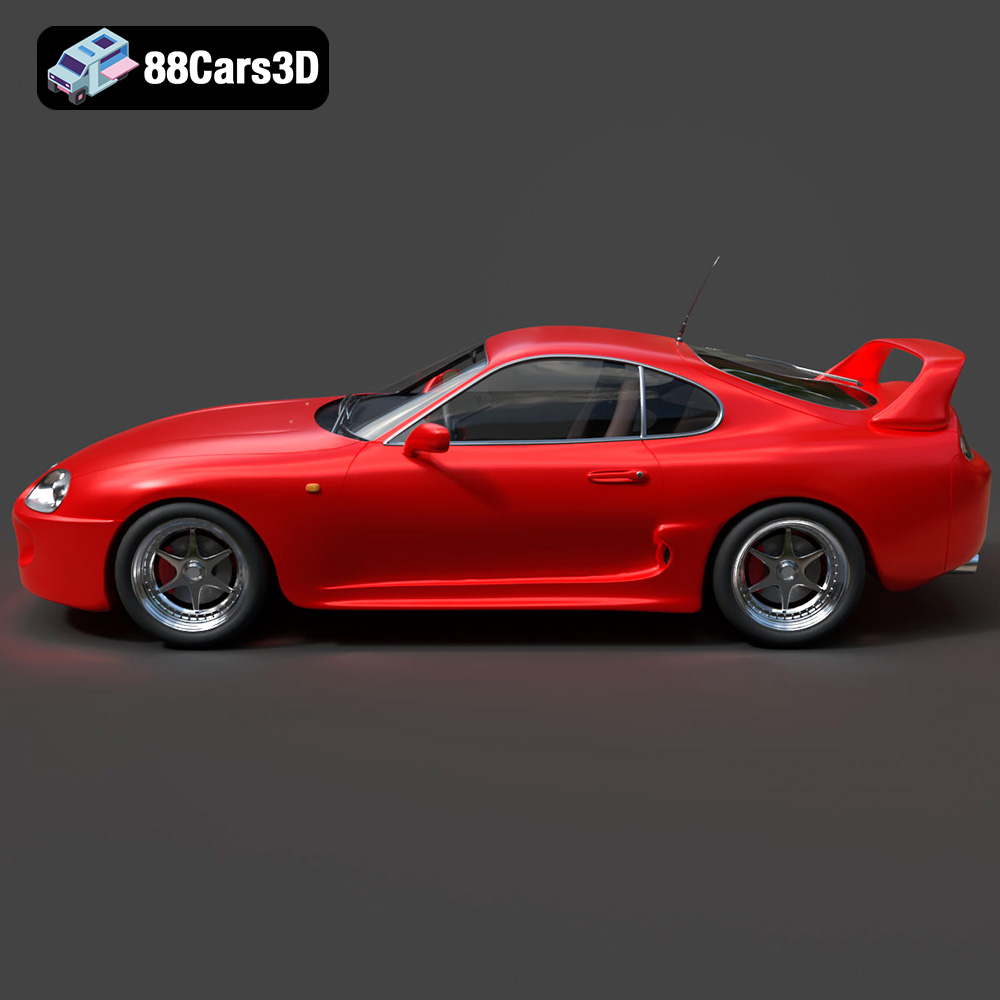
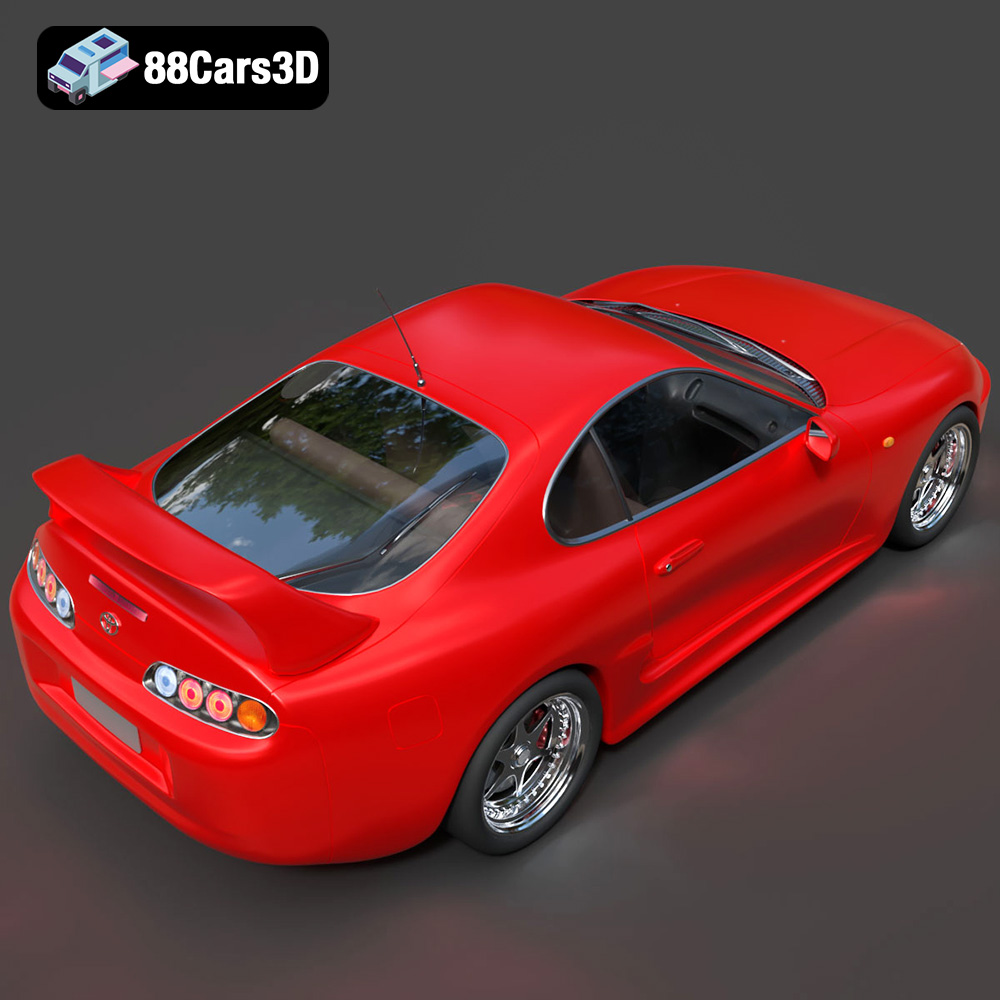
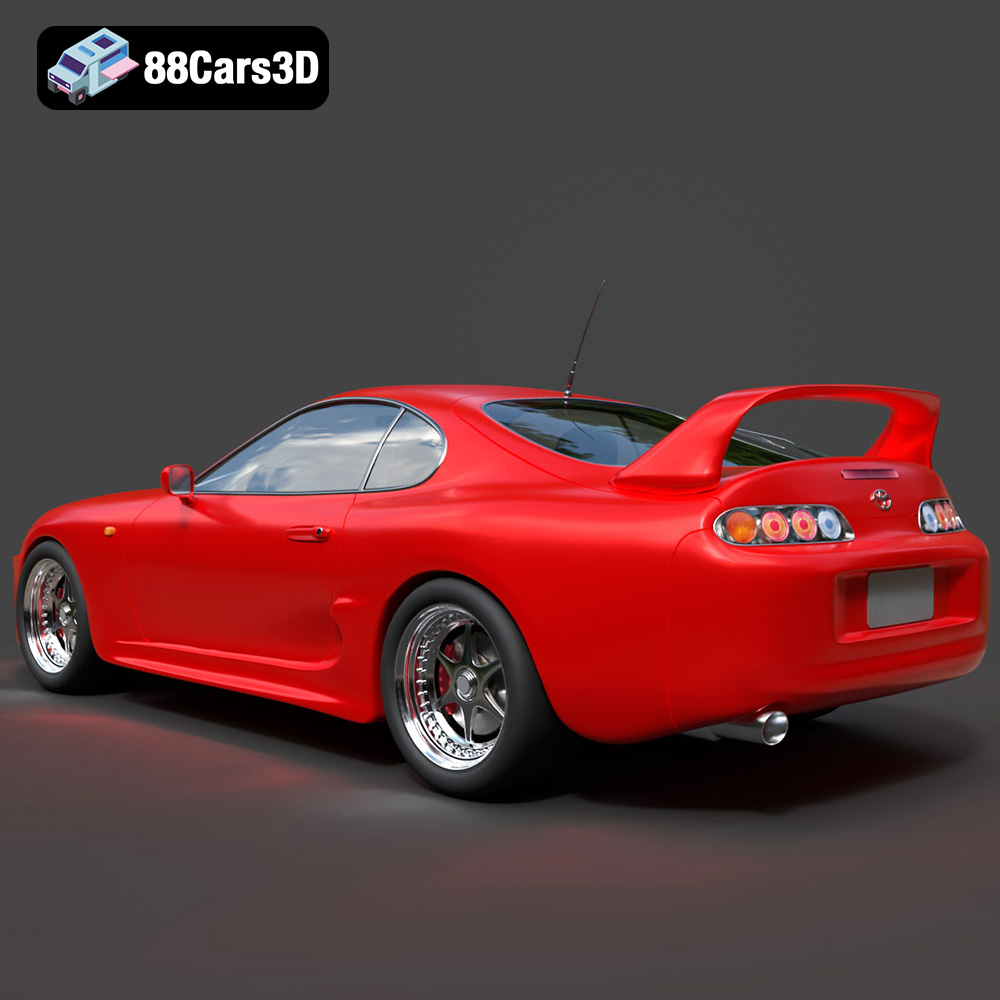
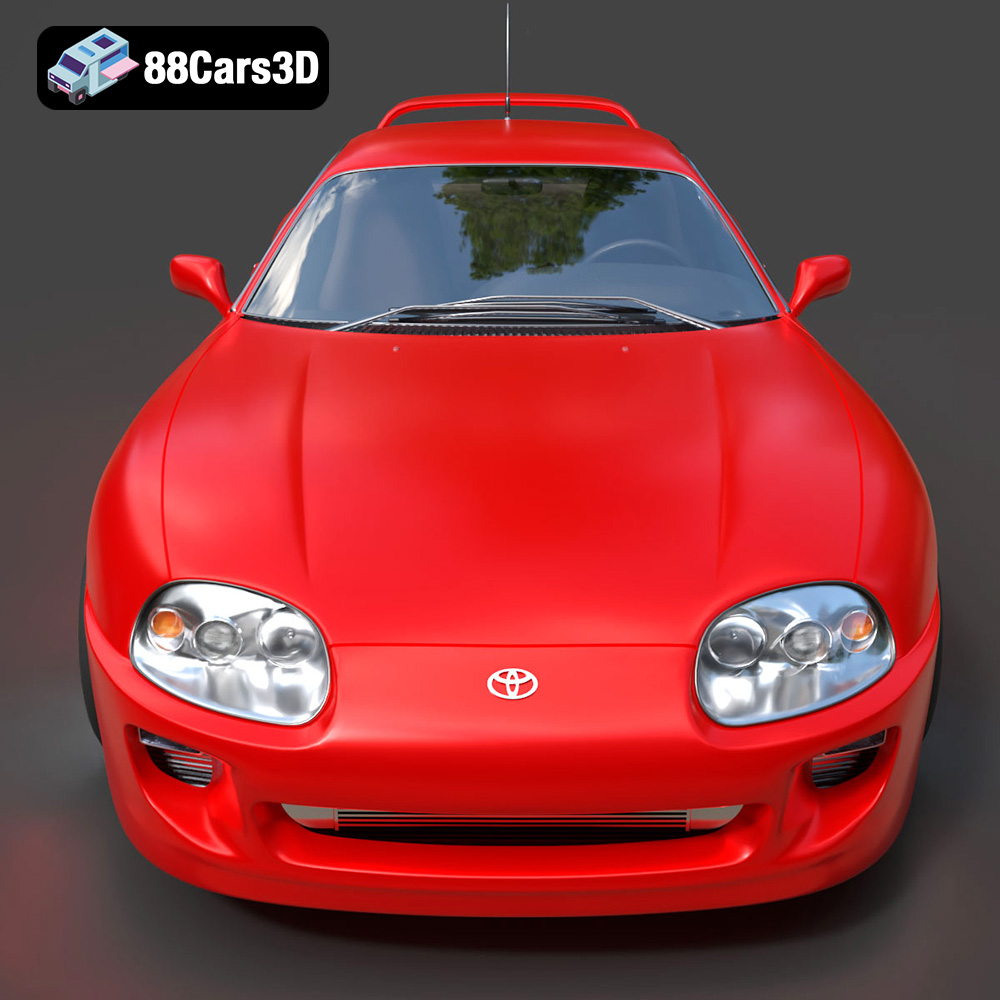
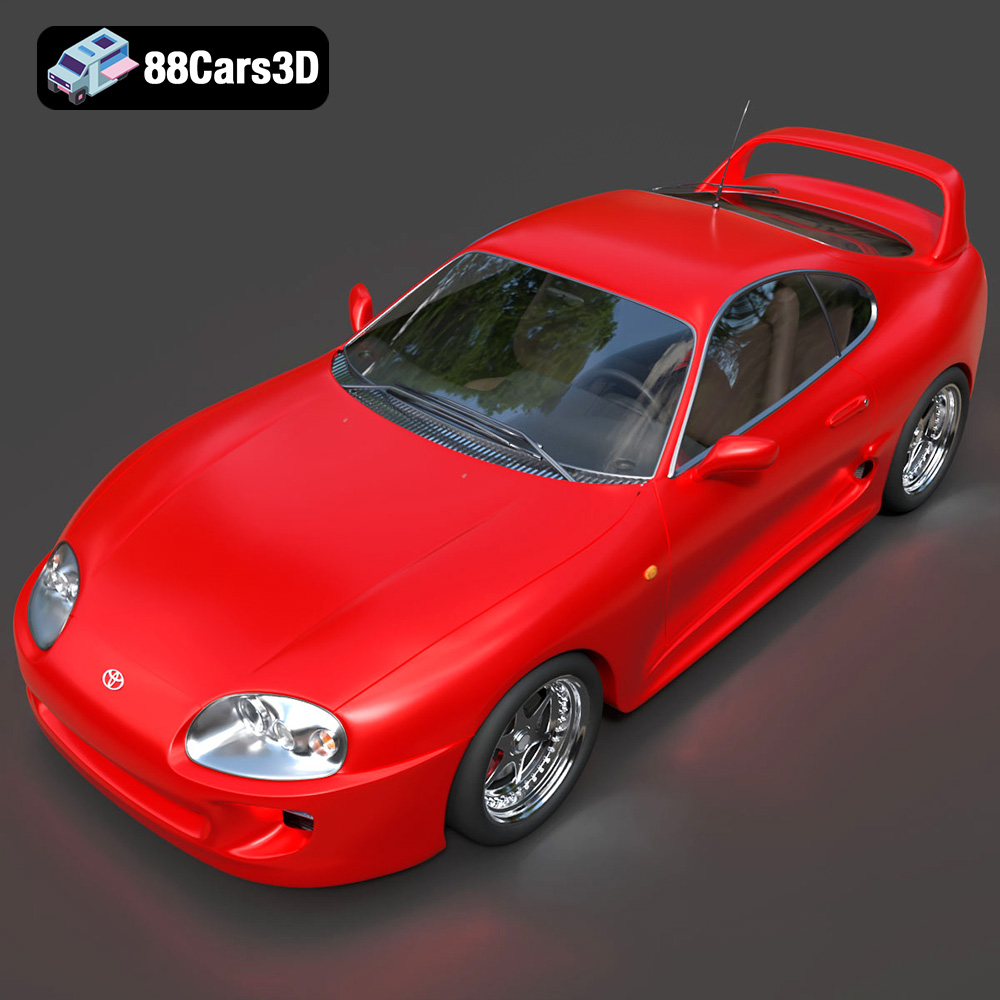
This comprehensive bundle provides an unparalleled opportunity to integrate five absolute icons – the Nissan GT-R 2008, Mitsubishi Lancer Evolution IX, Honda NSX-R 1992, Mazda RX-7, and Toyota Supra 2020 – into your projects. But what makes these models truly professional-grade, and how do they streamline complex 3D workflows? Let’s delve into the technical intricacies and creative possibilities this bundle unlocks.
The versatility of 3D assets is often determined by the range and quality of their included file formats. Each format serves a specific purpose, catering to different software environments, project requirements, and output destinations. The Japanese Legends bundle offers a robust selection, ensuring broad compatibility and utility. Understanding these formats is crucial for any serious 3D artist or developer.
The .blend format is the native file type for Blender, the powerful open-source 3D creation suite. When a model is provided as a .blend file, it means you’re getting a fully editable Blender scene. This typically includes not just the mesh geometry, but also materials, textures, lighting setups, cameras, and even animation data if present. For the JDM bundle, receiving .blend files ensures that Blender users can immediately open the models, inspect their topology, modify materials, apply custom shaders, and prepare them for rendering within Cycles or Eevee. This format is ideal for deep customization and leveraging Blender’s extensive toolset, offering unparalleled flexibility for artists who prefer this ecosystem.
FBX (Filmbox) is arguably one of the most widely adopted proprietary file formats for 3D data exchange, particularly prevalent in the game development and animation industries. Developed by Autodesk, it’s designed to store a vast array of 3D scene information, including mesh data, materials, textures, animation, skeletal rigging, and even camera and light data. The .fbx format is the ideal choice for importing the JDM models into game engines like Unreal Engine and Unity, or into other major 3D software packages such as 3ds Max, Maya, or Cinema 4D. Its robust nature for handling hierarchies and animation makes it indispensable for creating interactive experiences or complex cinematic sequences where the cars need to move or interact dynamically. The proper pivot point setup for wheels in this bundle, for instance, is perfectly leveraged by the .fbx format for immediate integration into vehicle physics systems.
OBJ (or .obj) is a simple, universal 3D geometry definition file format that has been around for decades. It’s an excellent choice for basic mesh exchange between almost any 3D software. While it doesn’t store animation or advanced material properties as comprehensively as .fbx, it reliably preserves polygonal geometry, UV coordinates, and vertex normals. Often accompanied by an .mtl (material) file for basic material definitions, .obj files ensure that the core mesh data of these JDM legends can be imported into virtually any 3D application, from ZBrush for sculpting detail to SketchUp for architectural visualization. Its simplicity makes it highly stable and a safe bet for cross-software compatibility when complex scene data isn’t required.
GLB (GL Transmission Format Binary) is the binary version of glTF, a royalty-free specification for the efficient transmission and loading of 3D scenes and models by applications. It’s a relatively newer format, rapidly gaining traction as the “JPEG of 3D” due to its optimization for web-based 3D, augmented reality (AR), and virtual reality (VR) applications. A single .glb file can contain all mesh data, textures, materials, and animations, making it highly portable and efficient for real-time display in browsers or mobile devices. For artists looking to showcase the JDM models in interactive web experiences or AR apps, .glb provides a streamlined, performance-oriented solution, ensuring quick loading times and broad platform support.
STL (STereoLithography) is the de facto standard file format for 3D printing. It represents a 3D model as a series of connected triangles, describing only the surface geometry of an object without color, texture, or other CAD attributes. For the JDM bundle, the inclusion of .stl files is a game-changer for scale modelers and collectors. It means these meticulously crafted digital cars can be brought into the physical world. The format is directly readable by slicing software, which prepares the model for a 3D printer. While robust for geometry, users should note that .stl files are typically larger than other formats due to the tessellation and do not inherently carry the rich visual data, relying on physical material properties and post-processing for aesthetic appeal. The specific 3D printing recommendations for scale and layer height in the bundle are tailored for optimal results with these .stl outputs.
PLY (Polygon File Format) is another format for storing 3D data, particularly useful for scanned data and often found in scientific or engineering applications. It can store various properties beyond just geometry, such as color, transparency, texture coordinates, and normal vectors per vertex, making it more flexible than .obj in some aspects for detailed analytical work. While less common for general artist workflows compared to .fbx or .obj, its inclusion ensures that the precise mesh data of these JDM models can be utilized in specialized CAD software or for detailed mesh analysis, offering an alternative for users needing high-fidelity geometric data beyond standard artistic applications.
While not a universal standalone file extension like .fbx or .obj, ‘.unreal’ often refers to assets specifically packaged or optimized for direct import and use within Unreal Engine. This typically means an .fbx file that has been thoroughly checked, configured with proper scales, pivots, collision meshes, and material slots to ensure seamless integration into Unreal Engine’s project structure, often leveraging its native material system. For the JDM bundle, this implies that the provided models are ‘game-engine ready,’ with their pivots correctly set up for Unreal Engine’s Chaos Vehicles or other physics systems, minimizing setup time for developers.
The .max format is the native file type for Autodesk 3ds Max, another industry-standard 3D modeling, animation, and rendering software. Like .blend, a .max file provides a complete 3ds Max scene, including all geometry, modifiers, cameras, lights, materials (often configured for V-Ray, Corona, or Arnold), and animation data. For professionals working within the 3ds Max ecosystem, this format offers the highest level of control and editability. It allows direct access to the underlying scene structure, enabling artists to adjust modifiers, fine-tune material parameters, and integrate the JDM models effortlessly into existing 3ds Max projects for high-end rendering and animation. This is particularly valuable for automotive rendering studios that rely on 3ds Max for their primary workflow.
Achieving photorealism in automotive rendering is a nuanced art, demanding meticulous attention to geometry, materials, lighting, and environmental context. The Japanese Legends bundle provides a robust foundation for this complex task, offering models specifically designed to excel in high-fidelity rendering pipelines.
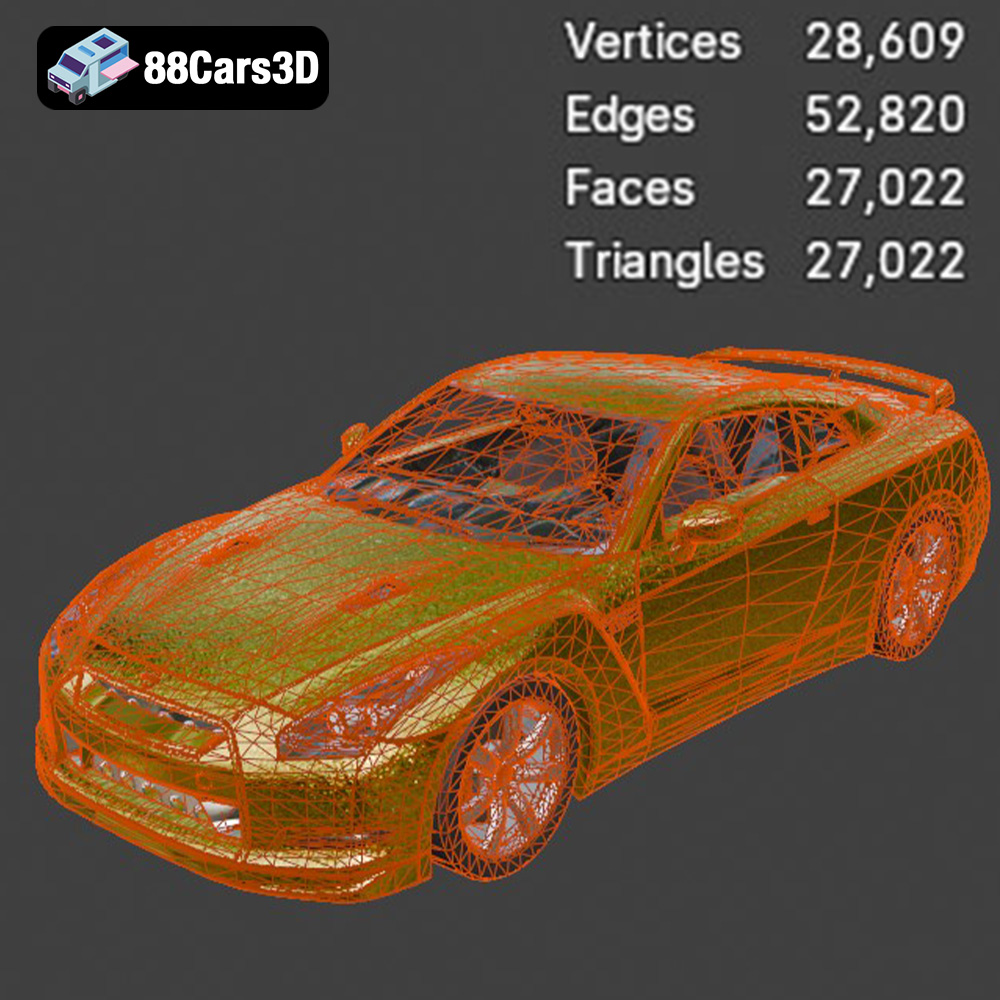
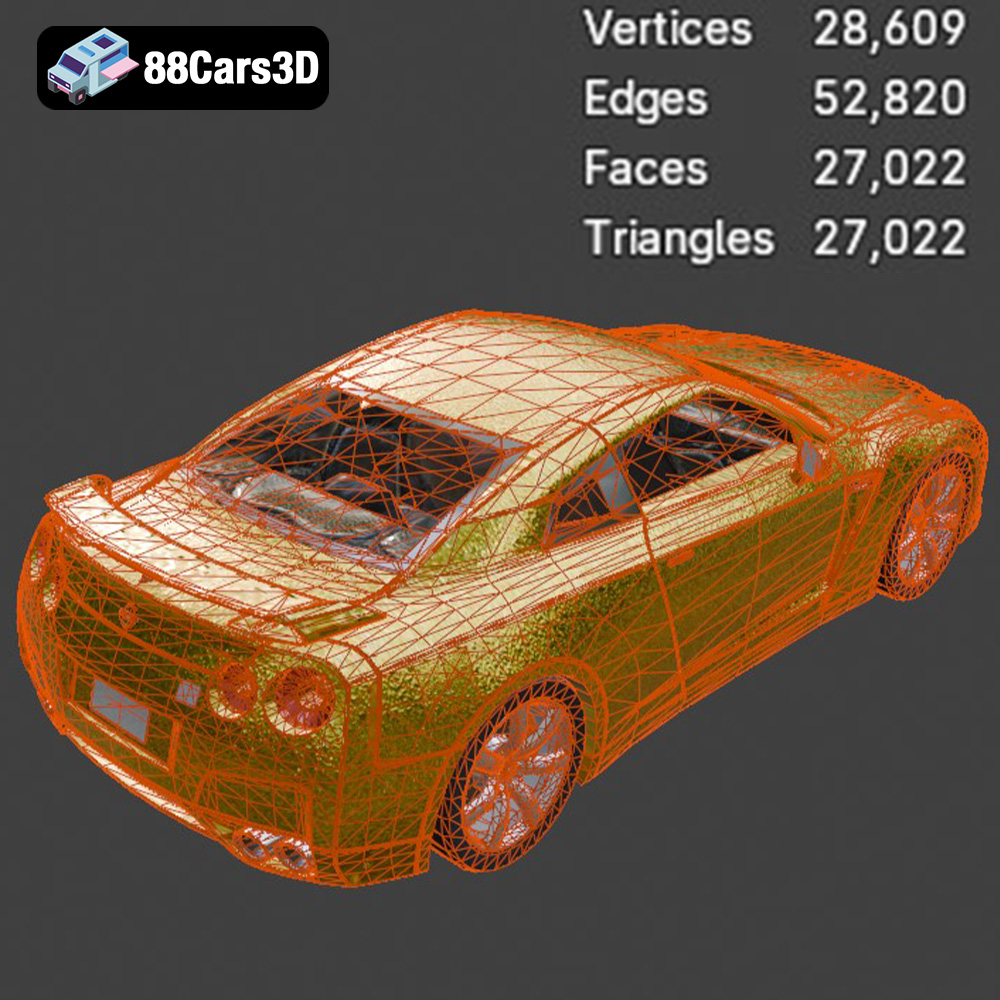
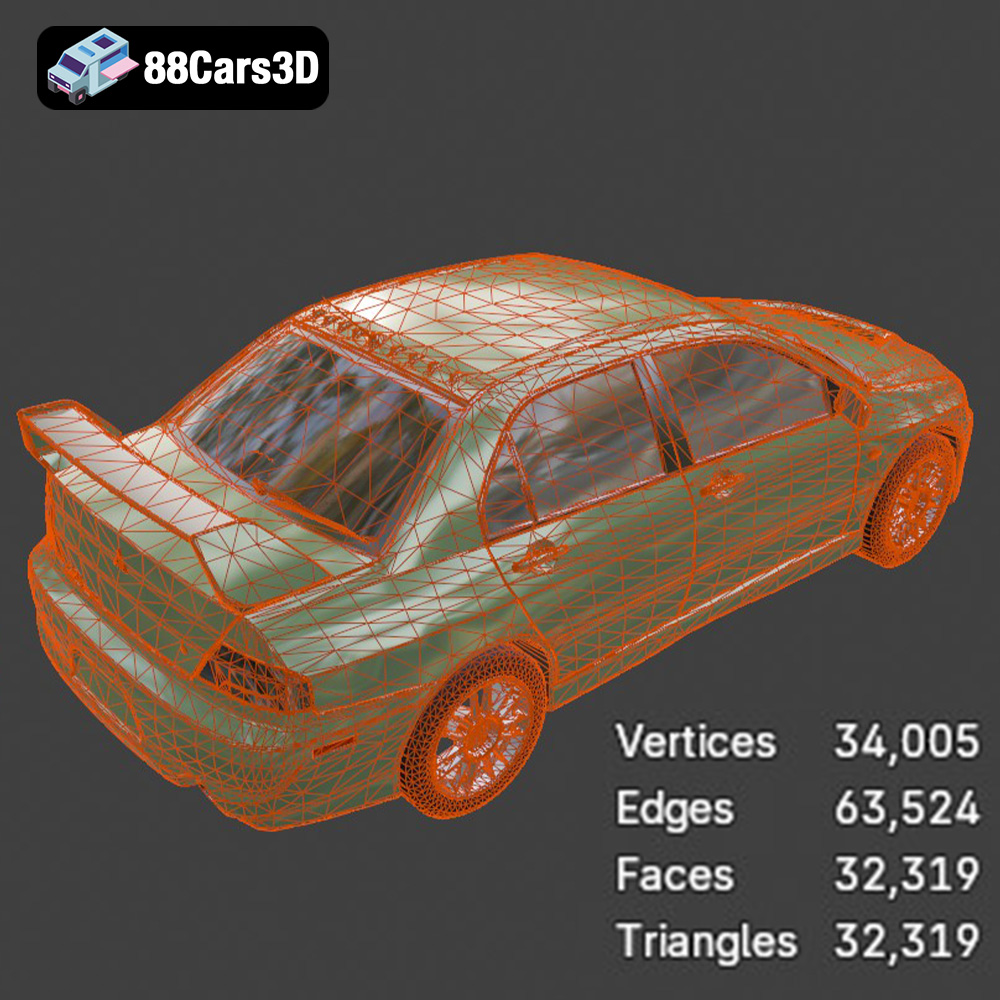
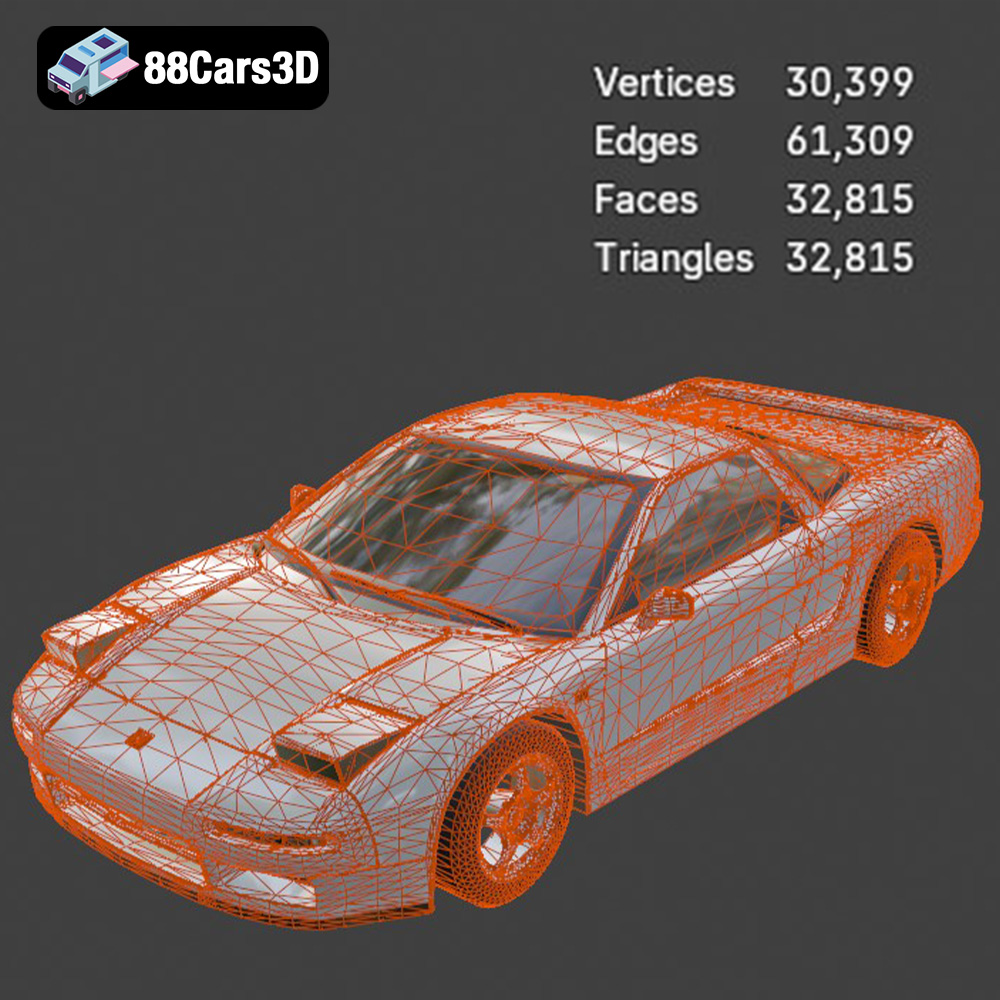
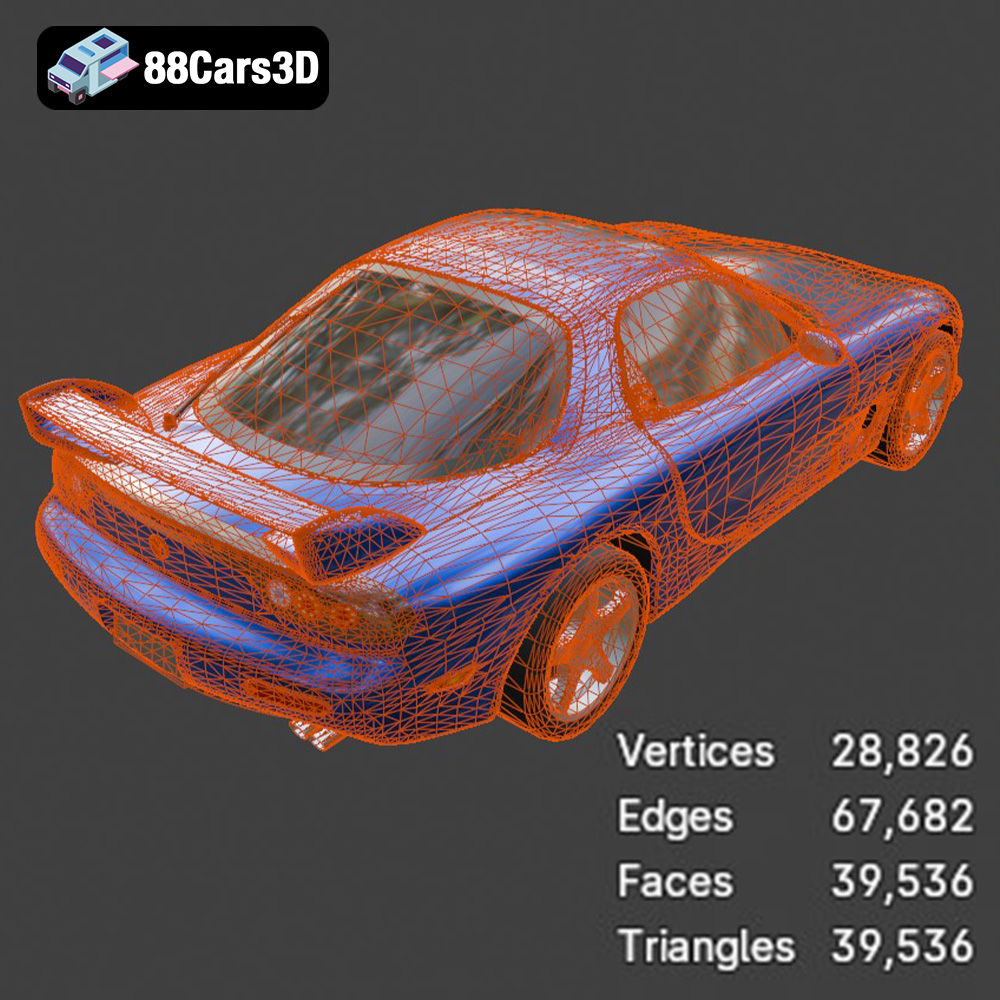
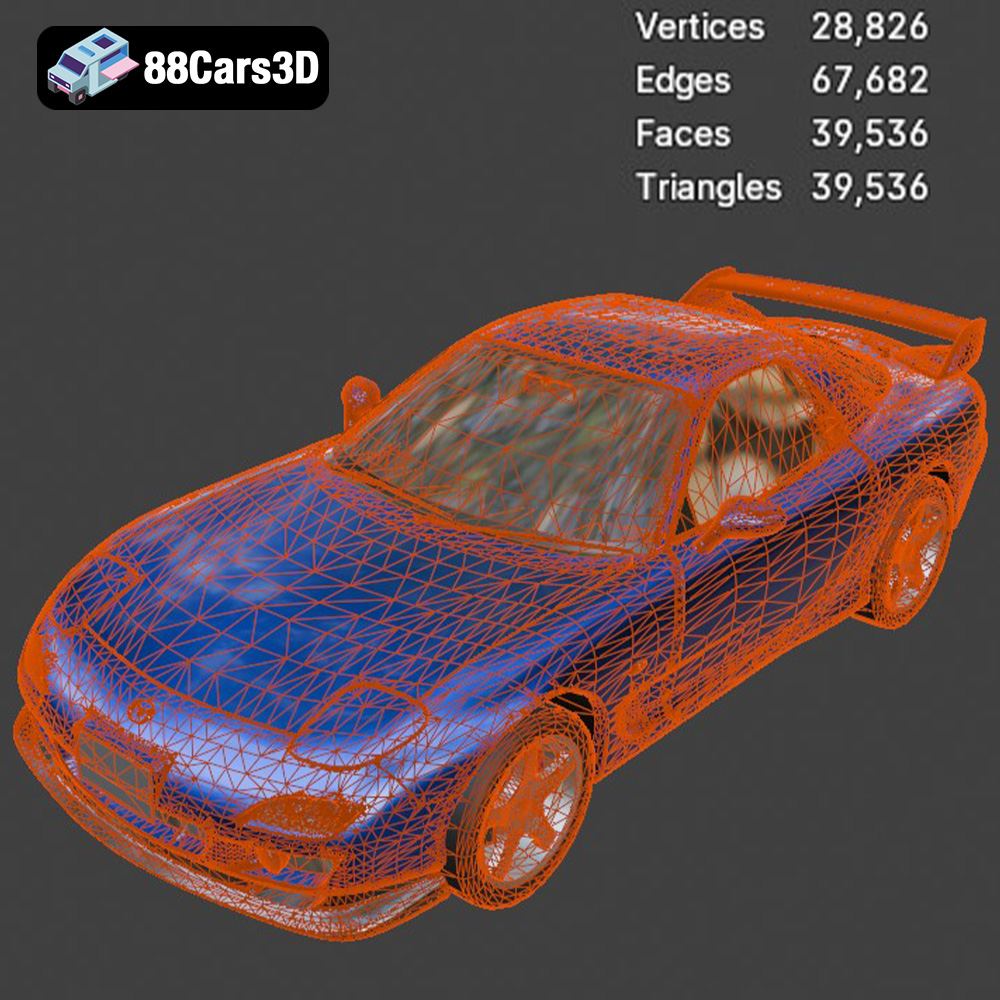
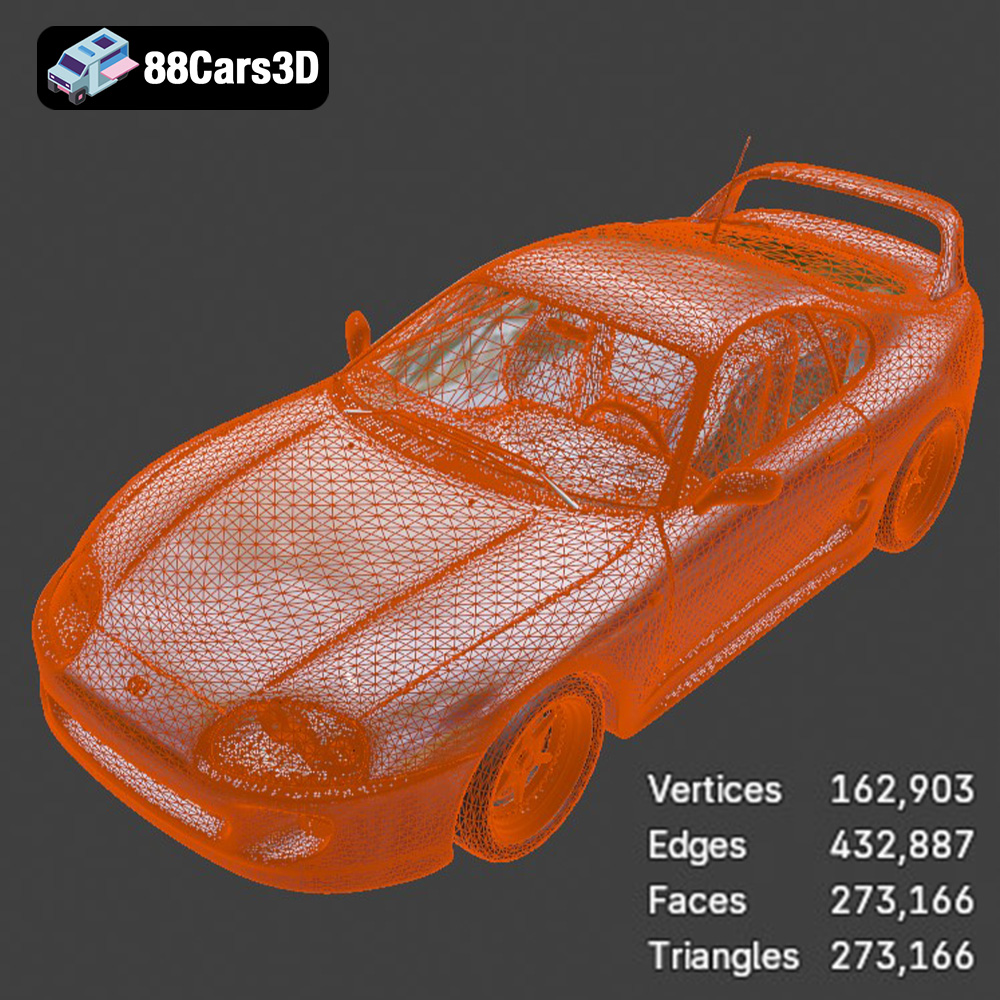
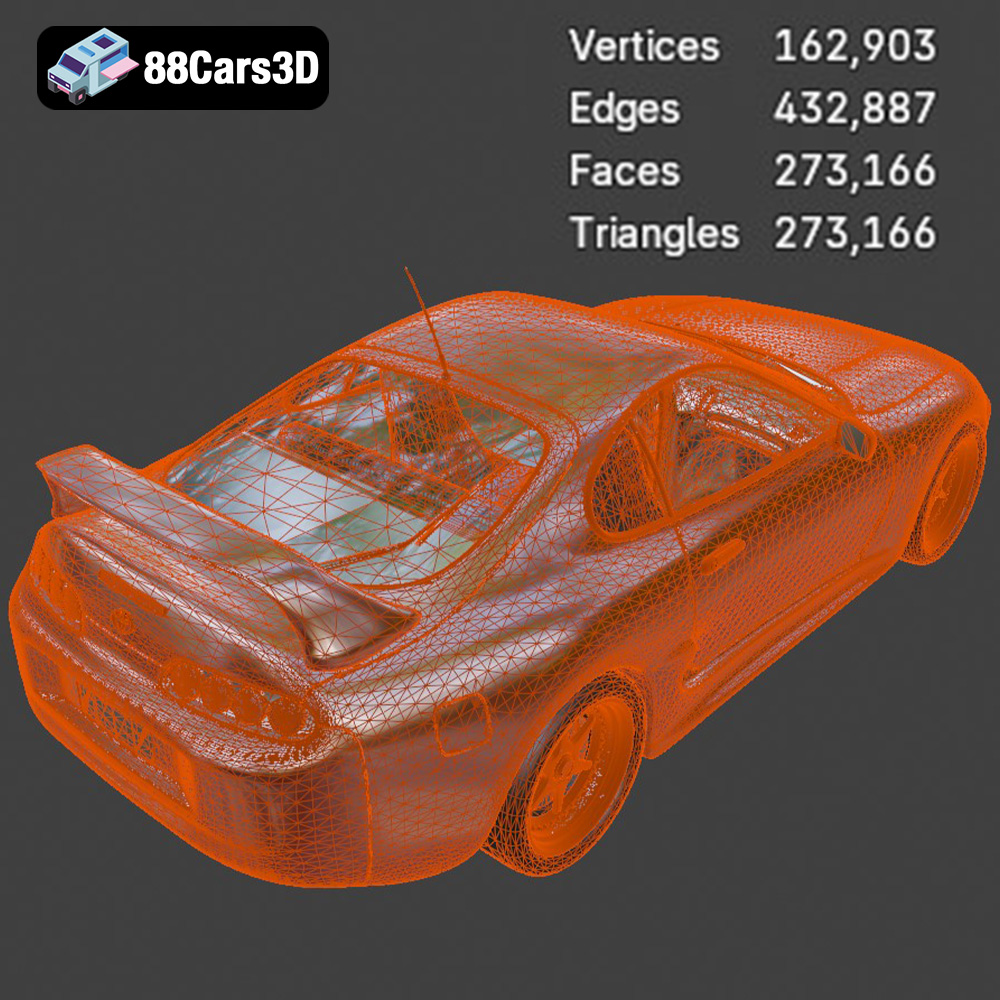
Central to photorealistic car rendering is the quality of the reflections on the vehicle’s paintwork and chrome surfaces. The bundle’s models boast “optimized topology” with “beautifully balanced quad-heavy geometry.” This isn’t merely an aesthetic choice; it’s a technical necessity. Quad-dominant meshes are inherently smoother and more predictable when subdivided, preventing unsightly pinches or artifacts that often plague triangulated or poorly constructed models. This clean geometry ensures that when ray tracing algorithms calculate reflections from a virtual environment onto the car’s surface, the results are crisp, accurate, and free from visual noise, creating that coveted showroom finish. The Nissan GT-R 2008, with its aggressive lines and sculpted body, would demand this level of precision to capture its “Godzilla” presence in a cinematic render.
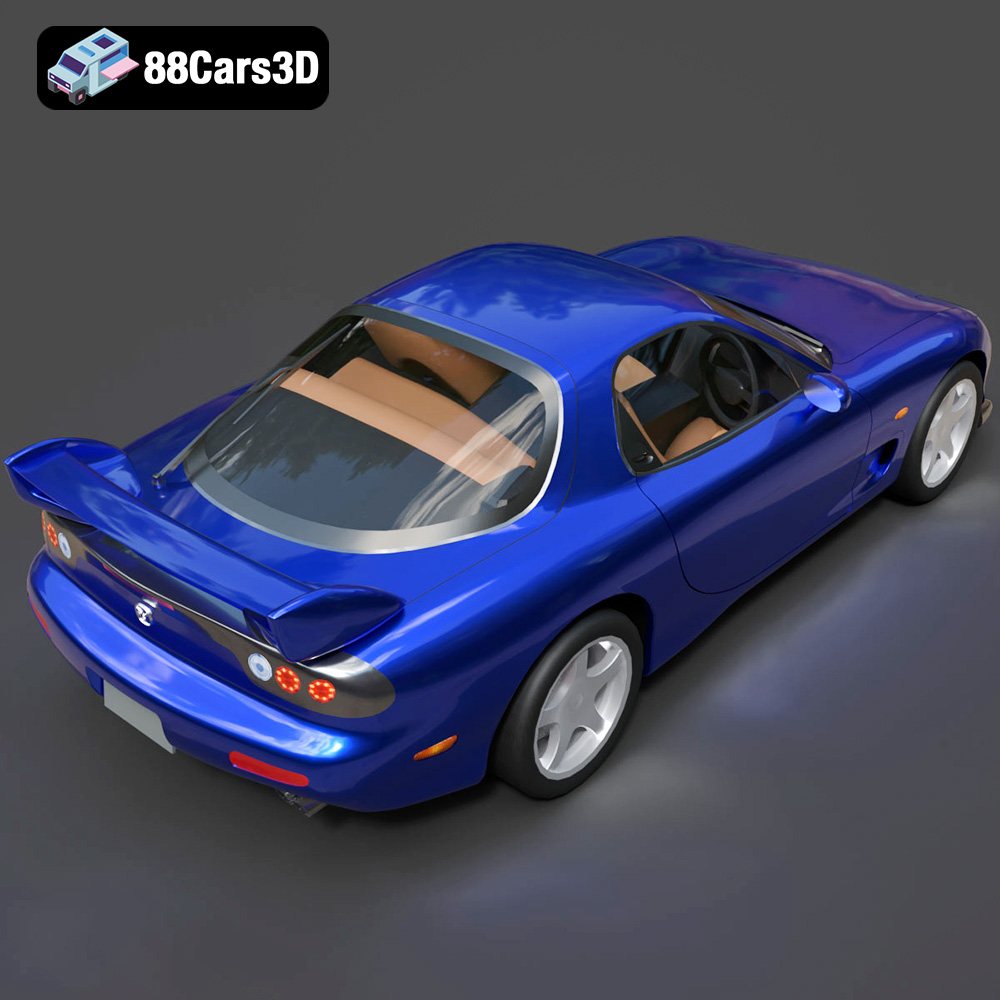
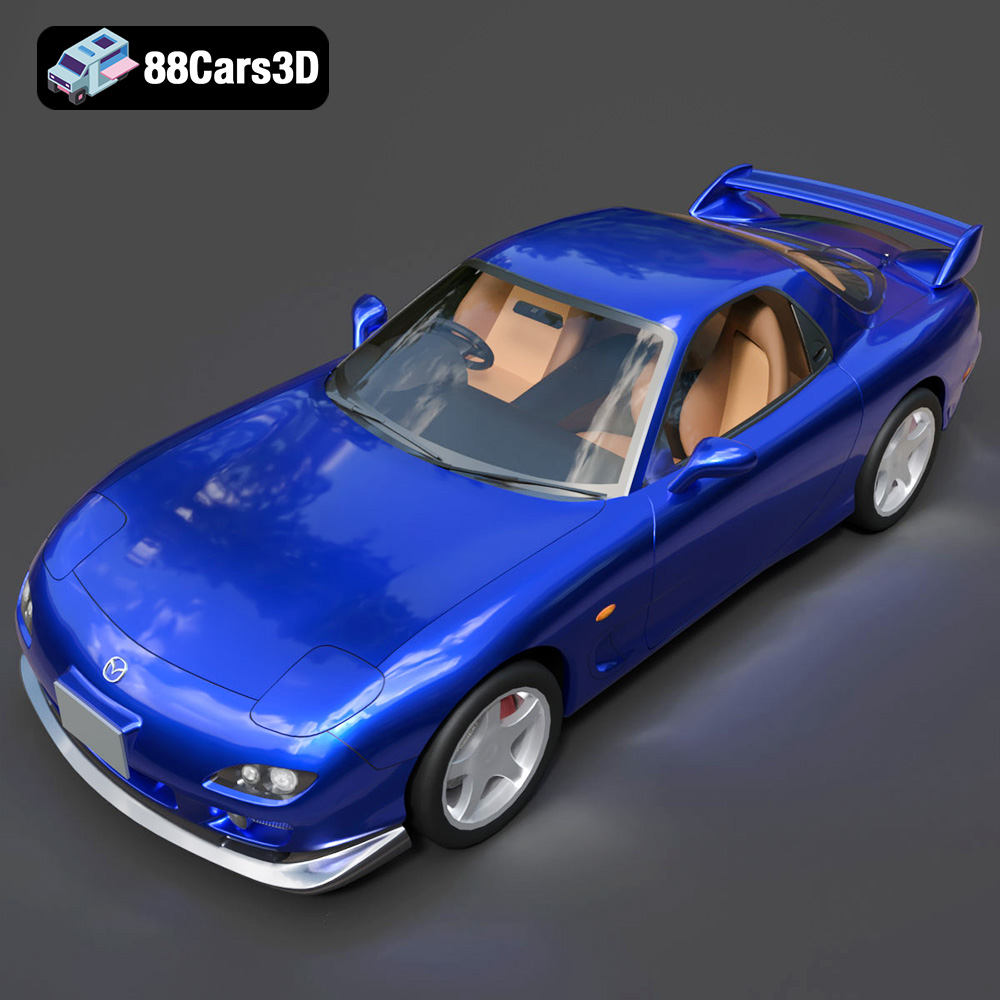
The description highlights full compatibility with industry-standard renderers like V-Ray, Corona, and Arnold. These renderers are renowned for their physically based rendering (PBR) capabilities, which rely on accurate material properties to simulate light interaction. The bundle’s models are designed to integrate seamlessly, meaning artists can apply PBR materials for paint, glass, rubber, and metal with confidence, knowing the underlying mesh will support realistic shading. Furthermore, the “100% Real-world scale accuracy” is critical. It ensures that light interacts with the car in a physically correct manner, preventing issues with global illumination, depth of field, or environmental lighting that can arise from incorrectly scaled assets. This attention to detail is essential for creating believable renders, whether it’s a high-gloss studio shot or a neon-lit street scene featuring the Mazda RX-7.
While the car models themselves are stellar, their true potential for automotive rendering is unleashed when placed in compelling environments. The JDM aesthetic often involves urban settings, neon lights, and atmospheric conditions. Artists can leverage these models to create:
The quality of these 3D car models from 88cars3d.com allows artists to focus on environmental storytelling without battling mesh imperfections, ensuring a smooth and efficient rendering workflow.
Game development demands a unique blend of visual fidelity and performance optimization. 3D car models for games must be meticulously prepared to run efficiently in real-time engines while still looking stunning. The Japanese Legends bundle shines in this arena, offering assets tailor-made for interactive experiences.
One of the most significant advantages for game developers is the “Separated Parts” feature. Wheels, doors, and steering components are intelligently isolated, which is absolutely crucial for implementing vehicle physics, animation, and customization systems in engines like Unreal Engine and Unity. Without separated parts and correctly aligned pivot points, animating wheel rotation, opening doors, or simulating suspension would be a cumbersome, if not impossible, task. The bundle explicitly states “Proper pivot point setup for all wheels, ready for Unreal Engine (Chaos Vehicles) or Unity.” This means developers can drag and drop these models, assign material IDs, and almost instantly get them driving, drifting, or crashing within their game world, saving countless hours of preparation time. Imagine the thrilling drift sequences possible with the Mazda RX-7, its wheels spinning independently, reacting realistically to the terrain.
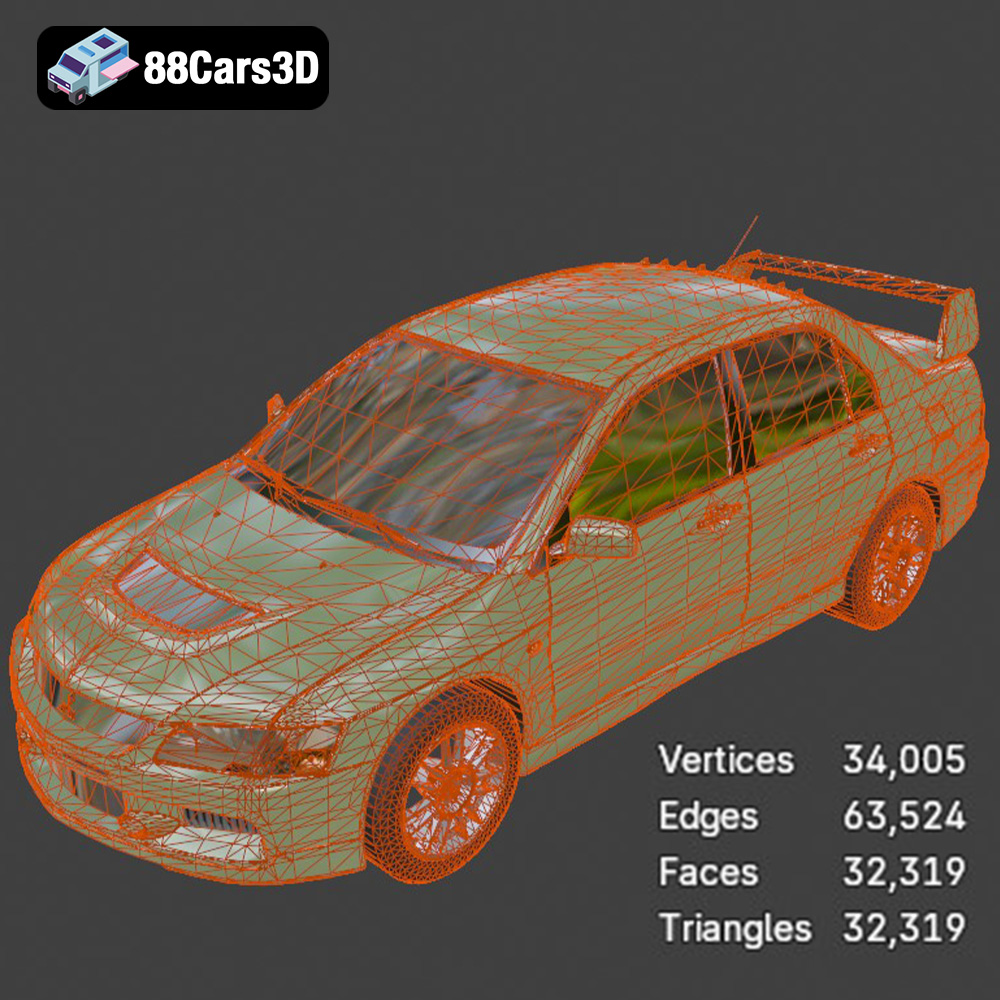
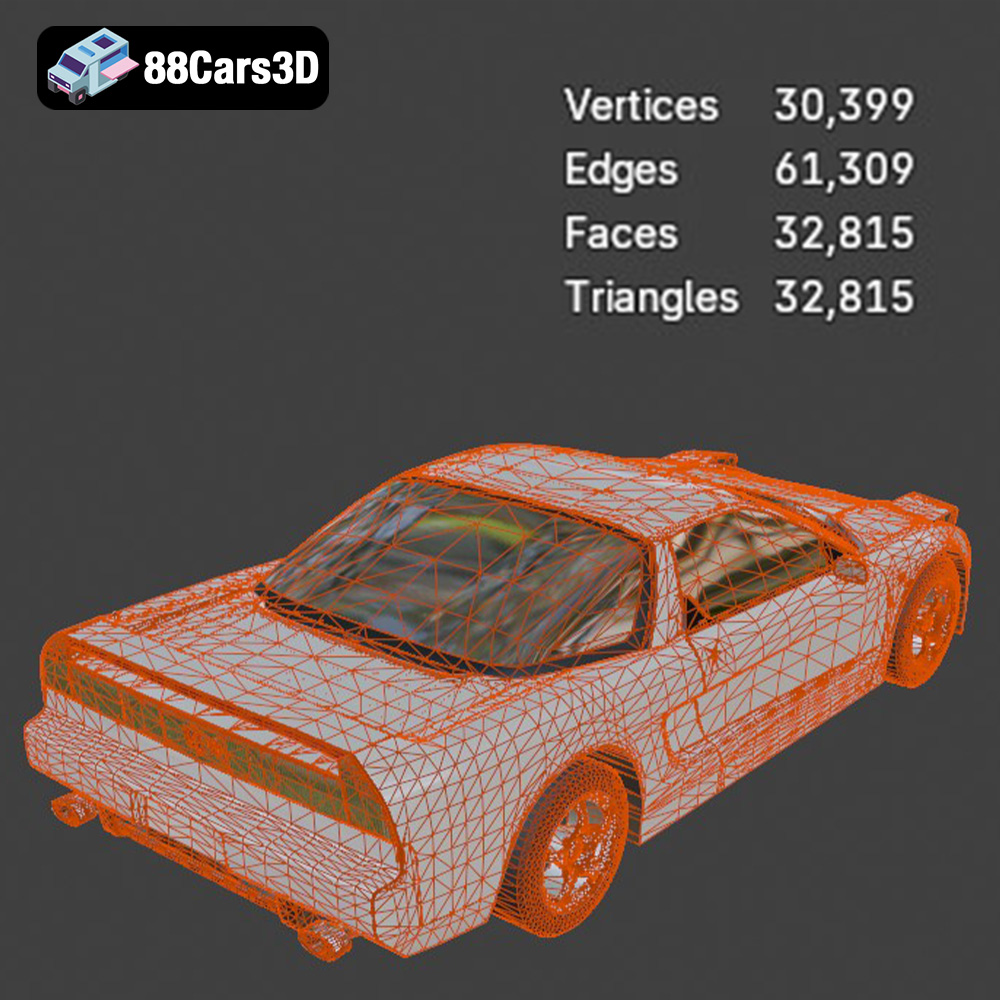
While the models feature “high-poly topology” suitable for photorealistic renders, the “Optimized Topology” suggests a balance that allows for efficient real-time display. For game development, this usually means a mesh that is detailed enough to look good up close but avoids excessive polygon counts that would cripple performance. Developers often use Level of Detail (LOD) systems, where simpler versions of the mesh are swapped in at a distance. A well-optimized base mesh, like those in this bundle, provides an excellent foundation for creating these LODs. The clean quad geometry not only benefits rendering but also simplifies UV mapping and texture baking, which are critical for achieving high visual quality in game engines without relying solely on raw polygon count.
The JDM Street Racing bundle is an ideal starter pack for various game genres:
By providing high-quality, game-engine-ready 3D car models, 88cars3d.com empowers developers to jumpstart their automotive projects with a foundation of iconic JDM vehicles.
JDM culture is synonymous with tuning and personalization. From subtle performance enhancements to dramatic widebody kits, the ability to customize a vehicle is a core aspect. In the 3D world, this translates to the flexibility of the digital model, allowing artists to modify, enhance, and transform these iconic cars to fit specific creative visions.
The bundle’s emphasis on being “Tuning Ready” is a significant technical advantage. This implies several key characteristics of the models’ construction:
This allows for a level of artistic freedom that is often missing from less thoughtfully constructed models, making the Japanese Legends bundle a powerful tool for bespoke vehicle design.
Artists leveraging the .blend or .max files included in the bundle can embark on a rich customization workflow:
The “Tuning Ready” aspect significantly reduces the initial hurdle, allowing artists to jump straight into the creative process of modifying these JDM icons into truly unique digital masterpieces.
The versatility of 3D models extends beyond virtual environments into the tangible world of physical objects. For enthusiasts of JDM cars, having a high-quality 3D printable model means transforming a digital asset into a cherished scale model or collectible. The Japanese Legends bundle caters directly to this growing demand with its inclusion of .stl files and detailed printing guidelines.
As discussed, the .stl format is the industry standard for additive manufacturing. It translates the complex geometry of a 3D model into a mesh of triangles that a 3D printer can interpret and build layer by layer. For the high-fidelity car models in this bundle, the .stl output ensures that the intricate details of the Nissan GT-R 2008’s aggressive fascia or the Toyota Supra 2020’s distinct double-bubble roof are accurately preserved for physical reproduction. This direct compatibility means that modelers and collectors can bypass complex conversion steps and go straight to preparing their prints.
The bundle provides crucial “3D Print Settings” that are invaluable for achieving superior results, especially for detailed automotive models:
These guidelines transform the digital asset into a production-ready file, enabling hobbyists and professionals to create high-quality physical replicas of their favorite JDM cars, ready for painting and display.
The true measure of a 3D asset’s quality lies in its seamless integration into various professional pipelines. The Japanese Legends: JDM Street Racing 3D Models Bundle is designed with this professional utility in mind, offering a versatile foundation for a wide range of creative and commercial endeavors.
A hypothetical game studio is developing a new open-world street racing game set in a fictionalized Tokyo. Their need is immediate: a roster of iconic JDM cars that are game-engine ready. Instead of allocating weeks or months for in-house modeling, texturing, and rigging of each car, the studio can acquire this bundle from 88cars3d.com. They’ll utilize the .fbx files, which come with “separated parts” and “proper pivot point setup” for wheels. This allows their vehicle engineers to import the models directly into Unreal Engine, configure them with Chaos Vehicles, and begin implementing physics and AI almost immediately. The “Optimized Topology” ensures high frame rates even with multiple cars on screen. The “Tuning Ready” geometry empowers their artists to quickly develop in-game customization options, offering players a vast array of body kits and performance parts for the Mitsubishi Lancer Evolution IX or the Toyota Supra 2020, significantly accelerating the project timeline and reducing development costs.
An architectural visualization (ArchViz) firm is creating a photorealistic render of a luxury apartment complex with an underground parking garage. To inject life and realism into the scene, they require high-quality car models. The firm predominantly uses 3ds Max with V-Ray for rendering. The .max files included in the bundle are perfect. They can import the Nissan GT-R 2008 and the Honda NSX-R 1992, instantly leveraging the pre-configured materials for V-Ray. The “real-world scale accuracy” ensures that the cars fit perfectly within the architectural context, and the “optimized topology” guarantees crisp reflections on the polished garage floor, enhancing the overall realism and visual appeal of their presentation. This allows the ArchViz artists to focus on environmental details and lighting, knowing the vehicle assets are already of professional quality.
An independent filmmaker is planning a short film featuring a high-octane chase sequence through city streets, starring a modified Mazda RX-7. The film’s budget doesn’t allow for real car stunts, so they turn to visual effects (VFX). The bundle’s models provide the necessary high-quality assets. The filmmaker’s VFX team can import the RX-7 model as an .fbx into their preferred 3D software (e.g., Maya or Blender). They can then utilize the “Tuning Ready” aspect to add custom details or damage, animate the car’s movements, and integrate it into live-action plates. The “Optimized Topology” ensures that when rendered with high-fidelity VFX renderers, the car holds up to extreme close-ups and dynamic lighting, delivering cinematic quality without the prohibitive costs of physical vehicle acquisition and modification. This allows for creative freedom and high production value on a constrained budget.
Across these diverse professional applications, the Japanese Legends bundle consistently demonstrates its value. It’s more than just a collection of 3D car models; it’s a meticulously engineered toolkit designed to meet the rigorous demands of modern 3D production.
The allure of JDM street racing cars is undeniable, a fusion of iconic design and raw performance that translates beautifully into the digital realm. For professionals and enthusiasts alike, the availability of high-quality, technically sound 3D assets is paramount to authentically capturing this spirit. The Japanese Legends: JDM Street Racing 3D Models Bundle (5-in-1 Pack) truly stands out as a comprehensive solution.
From its broad file format compatibility – covering everything from native .blend and .max projects to universal .fbx, .obj, and specialized .stl for 3D printing – to its meticulously optimized geometry and game-ready features, this bundle addresses the multifaceted needs of modern 3D workflows. Whether you’re aiming for breathtaking photorealistic renders of a Nissan GT-R 2008, building an immersive street racing game with the Mitsubishi Lancer Evolution IX, or even 3D printing a scale model of the classic Honda NSX-R 1992, these assets provide a robust and efficient starting point.
The “Tuning Ready” nature of these models invites boundless creativity, allowing for extensive customization and personalization, while their real-world scale and pivot accuracy streamline integration into complex environments and physics systems. In essence, this bundle from 88cars3d.com isn’t just a collection of cars; it’s an investment in efficiency, quality, and creative potential, empowering artists and developers to bring their JDM dreams to vibrant digital life.
The Japanese Legends: JDM Street Racing 3D Models Bundle is the ultimate digital garage for automotive artists, game developers, and drifting enthusiasts. Japanese Domestic Market (JDM) cars have created a massive, devoted culture worldwide. Whether you are creating an underground street racing game, a neon-lit Tokyo cinematic animation, or custom tuning renders, this pack gives you the most iconic Japanese sports cars ever built. Instead of acquiring these highly sought-after tuner cars individually (Total Value: €282.95), this 5-in-1 bundle gives you an irresistible opportunity to own five absolute legends of the street racing scene at a massive discount.
$129.99
car-bundle
game-ready-cars
honda-nsx
jdm-3d-model
lancer-evo
mazda-rx7
nissan-gtr-3d
street-racing-cars
tokyo-drift
toyota-supra-3d
tuning-cars