Get 50% OFF All Premium 3D & STL Models!

In the dynamic world of 3D visualization, the quality of your foundational assets can make or break a project. Whether you’re crafting breathtaking automotive renders, developing immersive game environments, or fabricating physical prototypes, the demand for highly detailed, accurately modeled content is paramount. High-quality 3D car models are the backbone of many creative and technical endeavors, allowing artists and developers to bring complex designs to life with unparalleled realism.
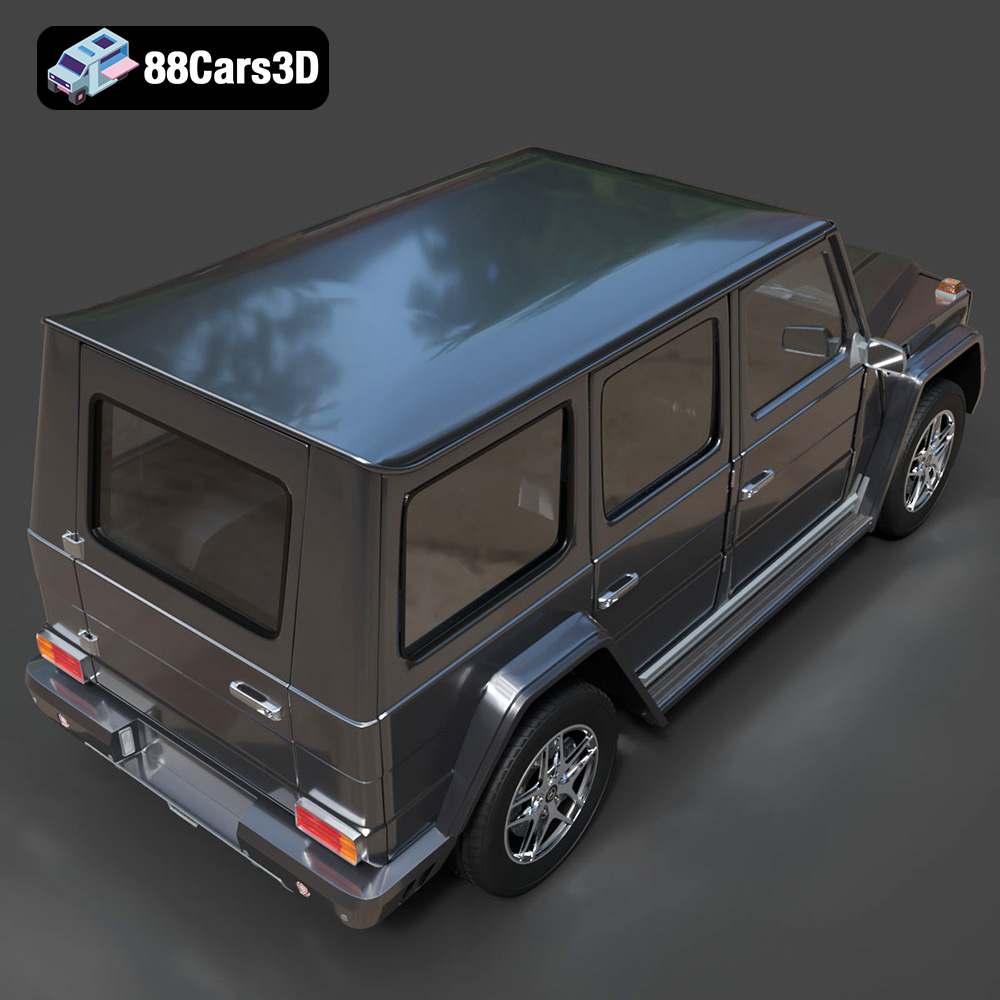
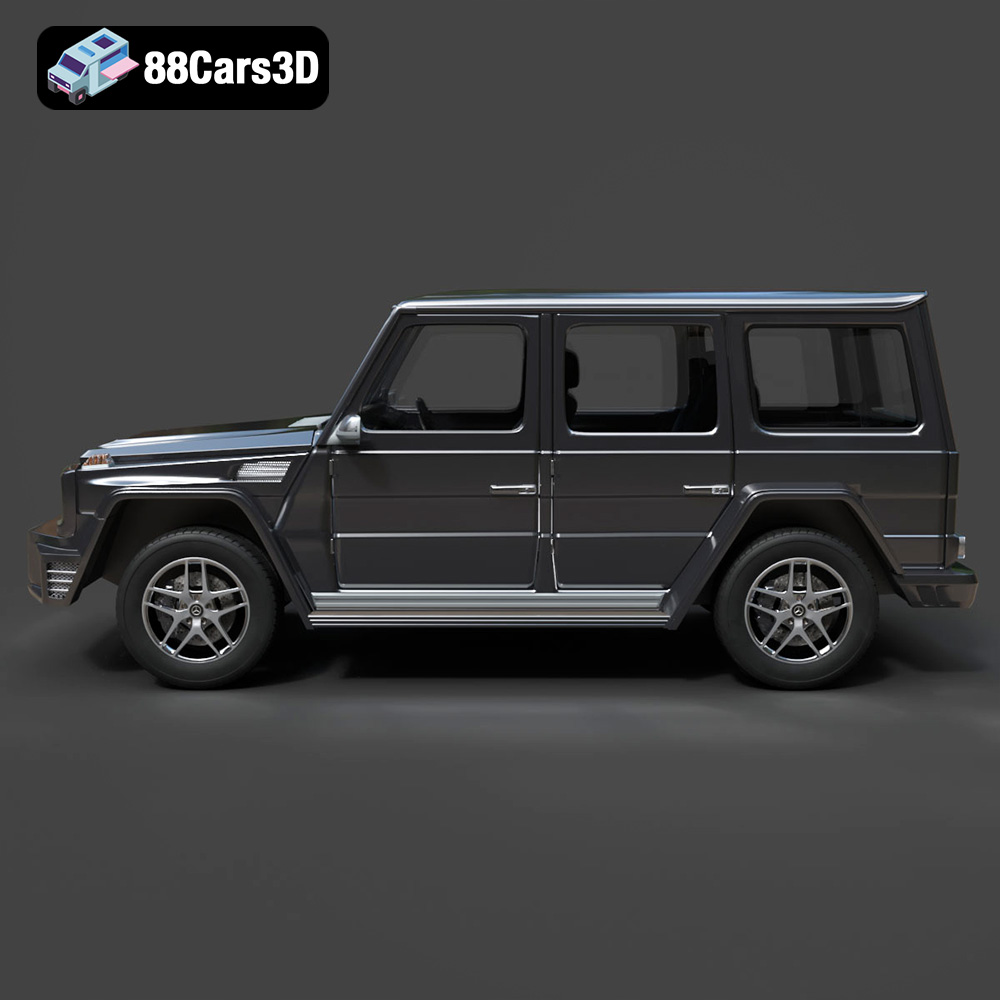
Today, we delve into an exceptional example of such an asset: the Mercedes-Benz G Class 2013 3D Model. This meticulously crafted digital recreation of the iconic luxury off-road SUV embodies the precision and versatility required by professionals across various industries. Its distinctive squared body, rugged capability, and premium craftsmanship translate seamlessly into the digital realm, offering a robust starting point for an array of applications. Available on 88cars3d.com, this model is designed to integrate effortlessly into diverse pipelines, from high-fidelity rendering to real-time game engines and even physical 3D printing.
The Mercedes-Benz G-Class, affectionately known as the G-Wagen, is more than just a vehicle; it’s a cultural icon. Its journey from a military utility vehicle to a luxury status symbol is unique, cementing its place in automotive history. For 3D artists and developers, the 2013 G-Class presents a fascinating challenge and opportunity: to capture both its rugged functionality and its refined luxury in a digital format. This particular model year strikes a perfect balance, showcasing the classic G-Wagen aesthetic before significant stylistic shifts.
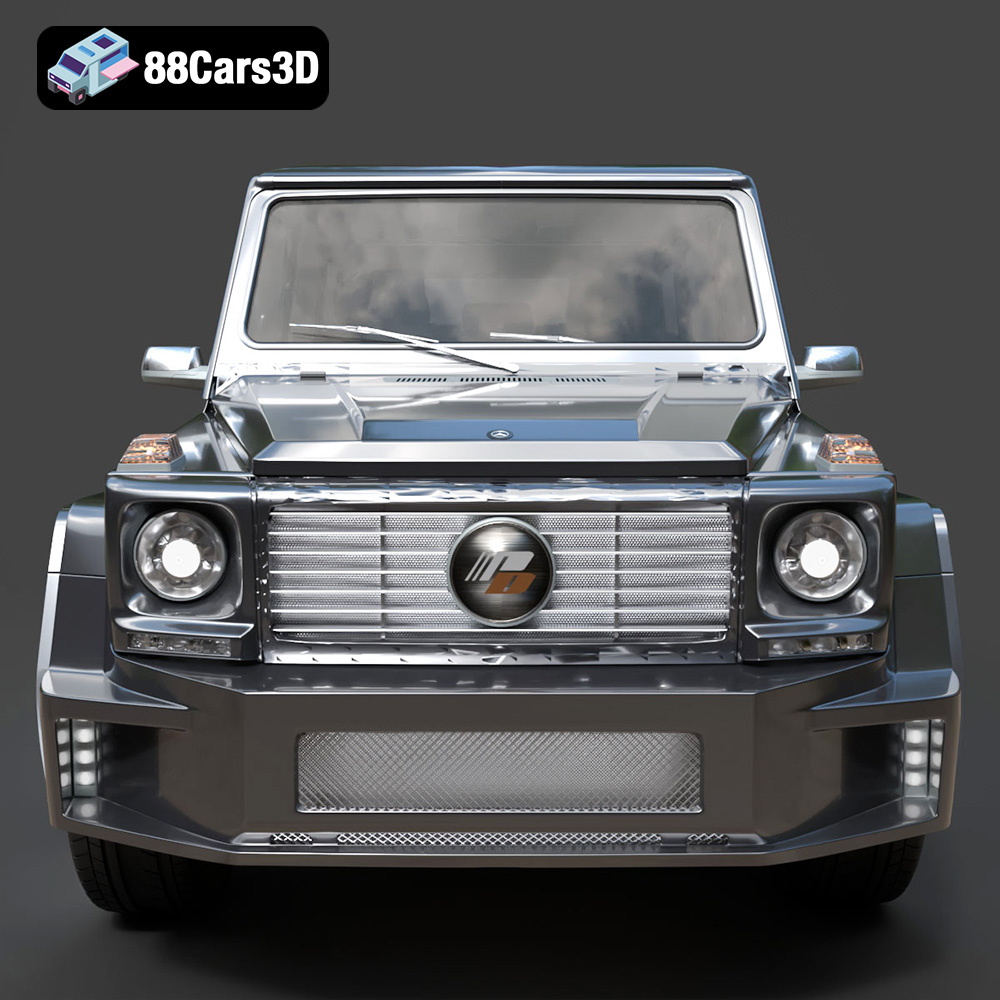
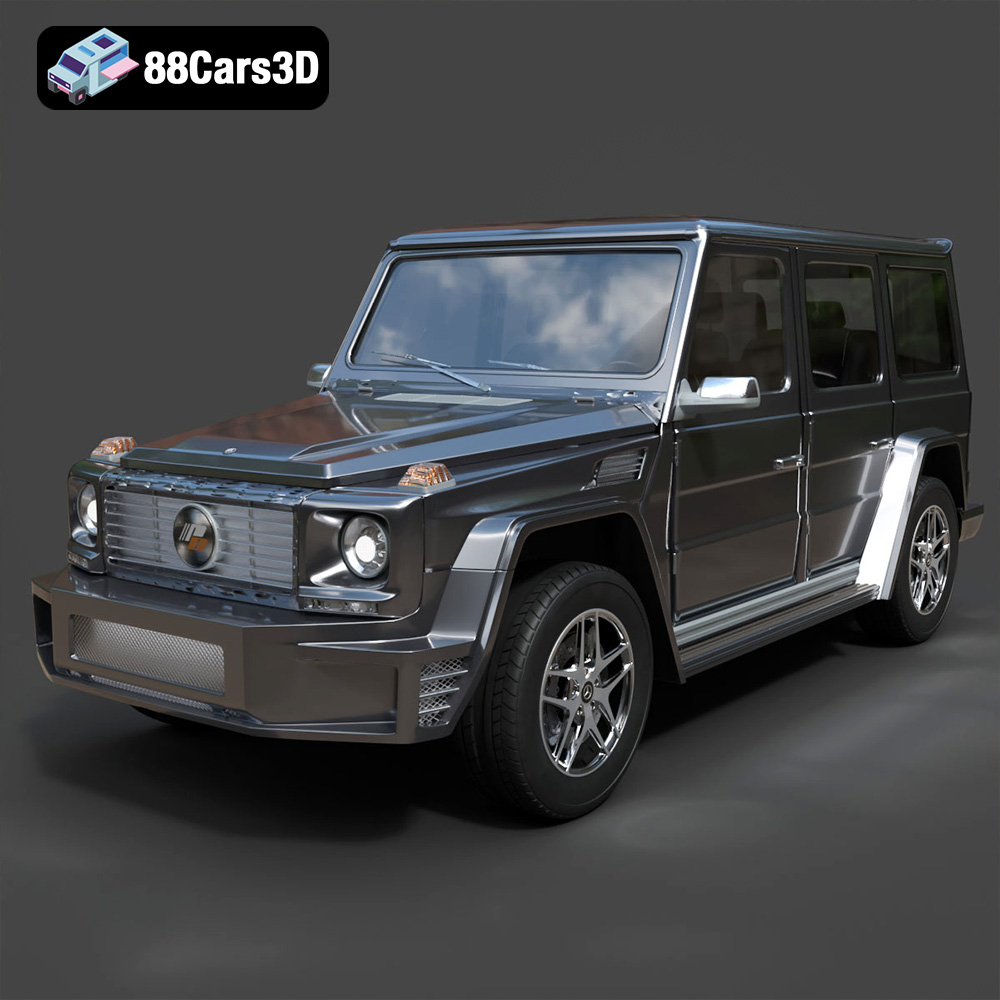
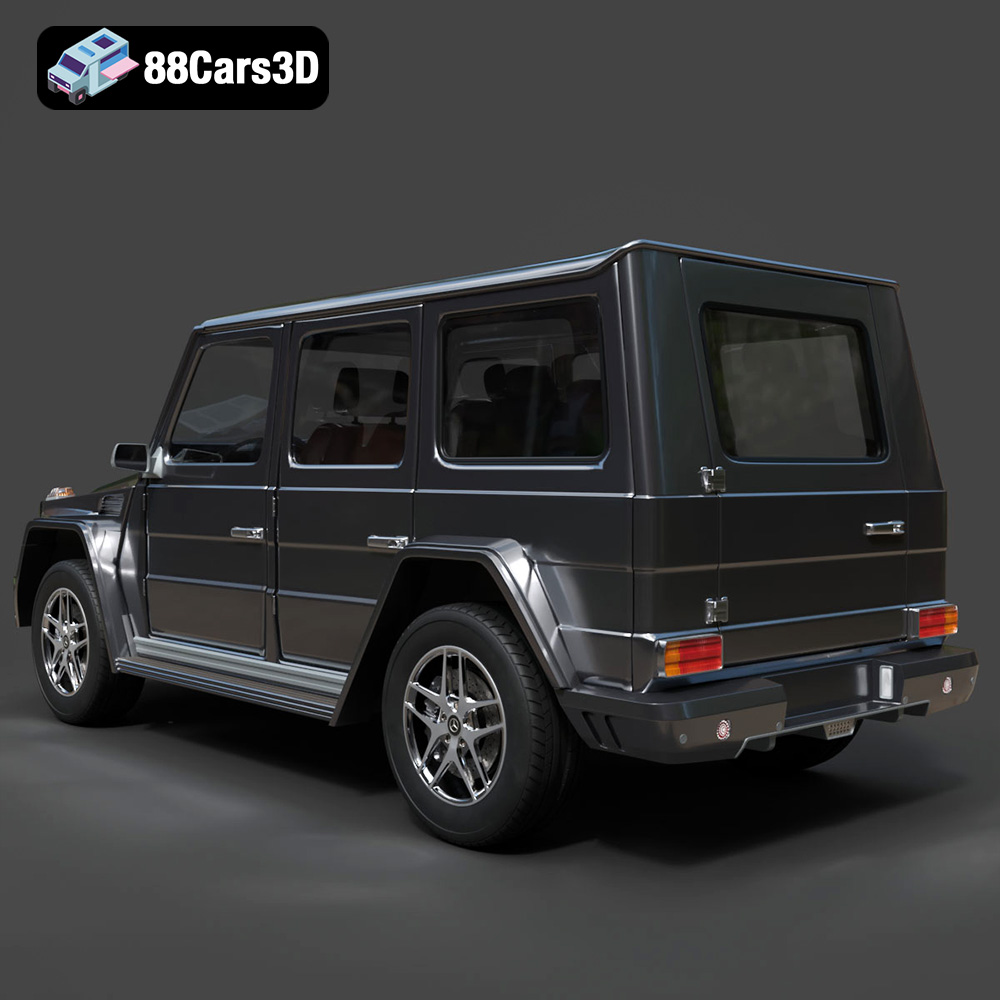
A truly high-quality 3D car model must do justice to its real-world counterpart. The Mercedes-Benz G Class 2013 3D Model excels in this regard, accurately representing the vehicle’s signature characteristics. The distinctive squared body shape, sharp panel edges, bold front grille with emblem placement, and classic round headlights are all meticulously recreated. Crucially, details such as the exposed door hinges, roof rails, rear-mounted spare wheel housing, and elevated ground clearance are not merely present but are modeled with an attention to detail that ensures authenticity. These exterior features are complemented by large alloy wheels with appropriate off-road tire geometry, and crucially, separate wheels and steering components, enabling realistic animation rigs for driving simulations or cinematic sequences. The internal geometry, including a luxury dashboard, multifunction steering wheel, and detailed seating, further enhances its value for comprehensive visualization projects.
The enduring appeal of the G-Class in 3D also stems from its inherent versatility. Its recognizable silhouette and strong visual presence make it suitable for a wide array of digital scenes. From urban luxury settings and high-end advertising campaigns to gritty off-road environments and post-apocalyptic game scenarios, the G-Class can adapt to virtually any narrative. This adaptability makes it an invaluable asset for creative professionals, offering a foundation that can be customized to fit diverse project requirements, whether for automotive rendering, game development, or AR/VR experiences. The clean topology and real-world scale accuracy ensure that the model behaves predictably and realistically within various 3D software platforms and game engines.
Navigating the landscape of 3D content creation often requires a deep understanding of file formats. Each format serves specific purposes, offering unique advantages in terms of compatibility, data preservation, and performance across different software and pipelines. The Mercedes-Benz G Class 2013 3D Model comes with a comprehensive suite of file formats, ensuring maximum flexibility for any professional workflow. Understanding when and how to utilize each one is crucial for efficient and successful project execution.
The provision of such a wide range of formats for the Mercedes-Benz G Class 2013 3D Model significantly enhances its value, enabling seamless integration into virtually any professional pipeline.
The true measure of a high-quality 3D asset lies in its seamless integration into diverse professional workflows. The Mercedes-Benz G Class 2013 3D Model is engineered to be a flexible foundation, whether you’re aiming for photorealistic renders, interactive game experiences, or precise simulations. Its clean structure and multiple file formats ensure that it can be dropped into your preferred software with minimal fuss, allowing artists to focus on creative output rather than troubleshooting.
For professionals in automotive marketing and visualization, achieving photorealism is paramount. The .max file format, coupled with rendering engines like V-Ray or Corona Renderer, provides an unparalleled environment for this. Artists can leverage 3ds Max’s robust modeling and animation tools to fine-tune the G-Class model, adjusting specific details or integrating it into complex scene setups. The model’s optimized polygon flow and real-world scale are critical here, ensuring that light interacts correctly with its surfaces. Material assignments can be easily adapted to PBR (Physically Based Rendering) workflows, allowing for realistic paint finishes, chrome reflections, and tire textures. Imagine setting the G-Class against a luxurious urban backdrop or an expansive desert landscape, using HDRI lighting and advanced camera effects to create breathtaking promotional imagery. The proper pivot setup for steering and wheel rotation further facilitates sophisticated animations for marketing videos, showcasing the vehicle in dynamic motion.
The gaming industry demands assets that are not only visually appealing but also highly optimized for real-time performance. The .fbx and .unreal formats of the Mercedes-Benz G Class 2013 3D Model are specifically tailored for this purpose. When imported into Unreal Engine, the model’s clean mesh and pre-configured materials (if included in the .unreal package) reduce the effort required for setup. Game developers can quickly integrate the G-Class into an open-world driving game, an off-road simulator, or as a high-detail vehicle in a cinematic sequence. Its optimized geometry ensures that it doesn’t excessively tax engine resources, maintaining smooth frame rates even in complex environments. Furthermore, separate wheels and steering components allow for realistic vehicle physics implementation, giving players an authentic driving experience. This model serves as an excellent foundation for customizing with various liveries, damage models, or performance upgrades within a game’s ecosystem, showcasing the value of well-prepared game assets.
Blender, as a powerful open-source 3D suite, offers incredible creative freedom. The inclusion of the .blend file format means artists can access the Mercedes-Benz G Class 2013 3D Model in its native Blender environment, complete with materials, textures, and potentially even lighting setups. This allows for deep customization, from adjusting the body color and trim accents to adding complex modifiers or rigging it for advanced character interactions. Blender’s Cycles and Eevee renderers can produce stunning visuals, making the G-Class ideal for independent animations, short films, or personal portfolio pieces. The clean mesh structure and organized UVs simplify texture painting and material creation, enabling artists to experiment with different looks, such as a weathered off-road vehicle or a pristine show car. The model’s inherent quality ensures that even with extensive modifications, the underlying integrity remains robust, a testament to quality 3D car models.
The utility of a versatile 3D asset like the Mercedes-Benz G Class 2013 extends far beyond traditional rendering and game development. As technology evolves, applications in augmented reality (AR), virtual reality (VR), and digital fabrication are becoming increasingly important, requiring 3D models that are adaptable and technically sound.
AR and VR are transforming how we interact with digital content, offering immersive experiences that blur the lines between virtual and physical. The Mercedes-Benz G Class 2013 3D Model, particularly in .glb format, is perfectly suited for these emerging platforms. In AR, the G-Class can be placed in a user’s real-world environment, allowing for virtual car showrooms, interactive product demonstrations, or simply the joy of seeing a premium SUV parked in your driveway. In VR, it can serve as a centerpiece for virtual test drives, interactive vehicle configurators, or even simulated off-road adventures. The model’s optimized geometry and efficient texture packing in .glb ensure smooth performance on mobile devices and VR headsets, delivering a fluid and realistic user experience. Its real-world scale accuracy is critical for maintaining immersion, making the virtual G-Class feel tangible within these digital spaces.
One of the most exciting applications of this 3D model is its potential for 3D printing. The ability to convert the digital asset into a physical object opens up possibilities for collectors, hobbyists, and automotive enthusiasts. The provided information regarding 3D print settings for the Mercedes-Benz G Class 2013 3D Model highlights its readiness for fabrication. By utilizing the .stl format or converting the model, users can create tangible scale models at recommended scales like 1:32, 1:24, 1:18, or 1:14. Key considerations for 3D printing include:
This capability to transition from digital visualization to physical collectible truly showcases the multifaceted value of high-quality 3D car models available on platforms like 88cars3d.com.
Beyond the aesthetic appeal, the technical underpinnings of a 3D model are what truly define its professional utility. The Mercedes-Benz G Class 2013 3D Model is built with a strong technical foundation, ensuring optimal performance and flexibility across various applications. These specifications are crucial for artists and developers who require predictable behavior and ease of manipulation from their assets.
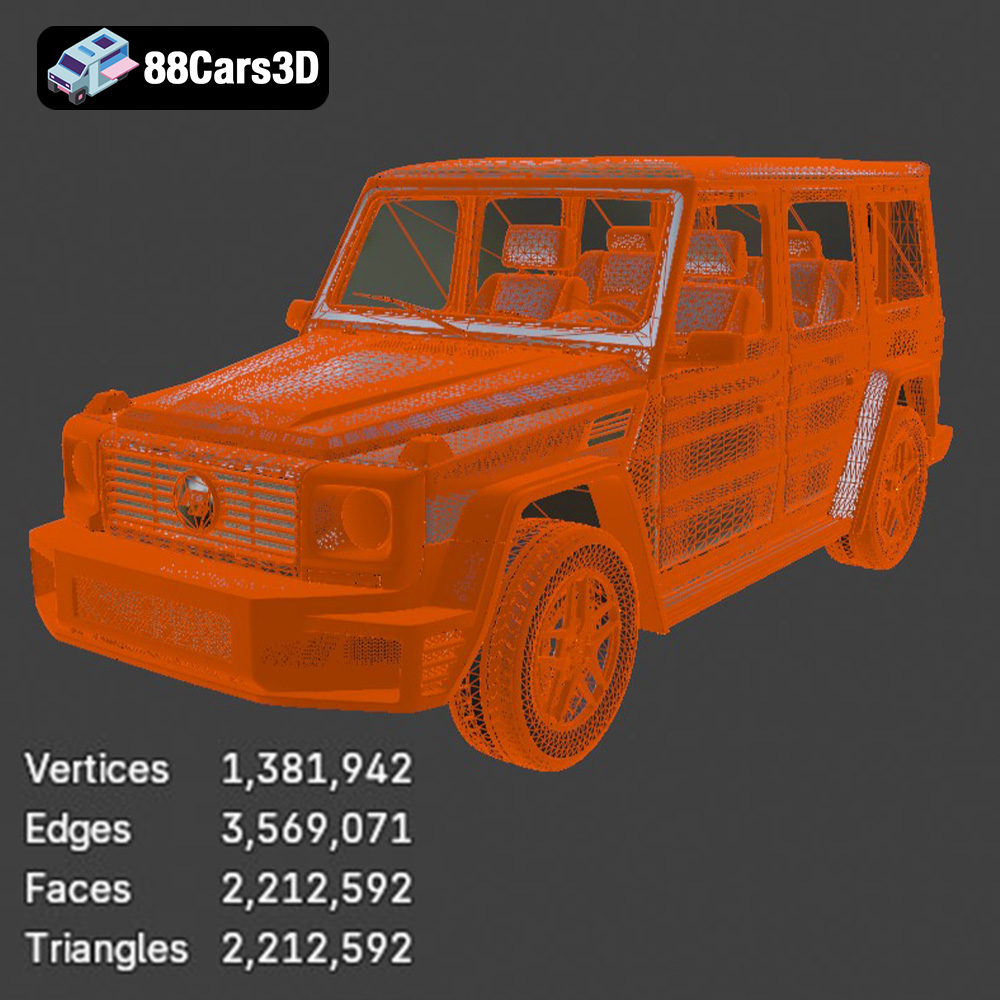
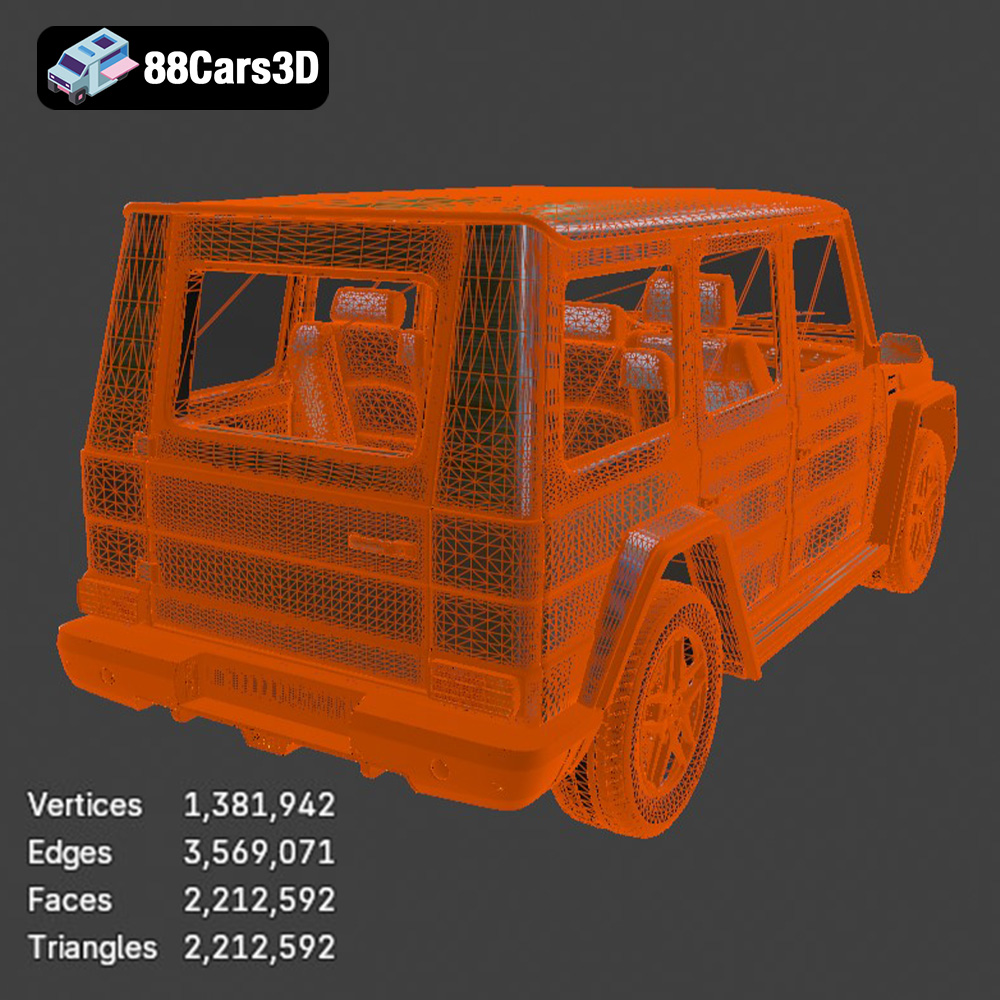
A hallmark of a professional 3D asset is its clean and well-organized mesh structure. This model boasts clean topology, meaning the polygon flow is efficient, free from errors, and optimized for both performance and realism. Such a mesh makes UV unwrapping easier, reduces rendering artifacts, and allows for smooth deformations if the model were to be animated for suspension or body damage. Real-world scale accuracy is another critical technical advantage. This ensures that when the G-Class model is imported into any 3D environment, it appears at its correct physical dimensions, eliminating the need for tedious scaling adjustments and maintaining consistency across projects. This is particularly vital for simulations, architectural visualization, and game assets where spatial accuracy is key.
The model’s materials are designed to be PBR (Physically Based Rendering) ready. This means that with appropriate textures (which are typically included or easily sourced for PBR workflows), the model will react to light in a physically accurate manner, resulting in highly realistic renders whether in real-time engines or offline renderers. Coupled with this are well-organized UV maps. Proper UV mapping ensures that textures can be applied without distortion, maximizing detail and simplifying the texturing process. The “Texture: Yes” and “Material: Yes” notes in the meta description confirm that artists will have a solid starting point for visual fidelity. Furthermore, the proper pivot setup for steering and wheel rotation provides engineers and animators with a ready-to-rig structure, accelerating the animation pipeline for dynamic scenes.
To truly understand the impact of a high-quality 3D asset, it’s beneficial to envision its application in real-world scenarios. The Mercedes-Benz G Class 2013 3D Model from 88cars3d.com offers a robust solution for a multitude of professional projects, enabling efficiency and delivering impressive results.
Imagine a luxury car manufacturer launching a new advertising campaign for a special edition G-Class. Instead of costly and time-consuming physical photo shoots in exotic locations, a 3D visualization studio utilizes this model. They import the Mercedes-Benz G Class 2013 into 3ds Max, applying custom paint finishes and rim designs to match the new edition. Leveraging its clean topology, they animate the vehicle driving through a meticulously crafted virtual cityscape, bathed in golden hour sunlight. The realistic reflections on the glossy bodywork and the detailed interior shots, all generated digitally, create stunning promotional videos and high-resolution print ads. The ability to iterate on colors, camera angles, and environments quickly, without moving a physical vehicle, dramatically reduces production time and costs while maintaining unparalleled visual quality.
A game development studio is embarking on a new open-world off-road simulation. They require a fleet of iconic SUVs, and the G-Class is a must-have. By acquiring the Mercedes-Benz G Class 2013 3D Model, they gain an engine-ready asset in .fbx and .unreal formats. The development team quickly integrates the model, leveraging its separate wheels and steering components for realistic physics and robust suspension systems. Artists then proceed to create various texture sets for customization – a pristine showroom version, a mud-splattered adventurer, or a rugged military variant. The optimized geometry ensures the game maintains smooth performance, even with multiple G-Classes on screen. This significantly accelerates their asset creation pipeline, allowing them to focus resources on core gameplay mechanics and environmental storytelling rather than building complex vehicle models from scratch, demonstrating the efficiency high-quality game assets provide.
The demand for high-quality 3D car models continues to grow across industries, driving innovation in automotive rendering, game asset creation, and interactive visualization. The Mercedes-Benz G Class 2013 3D Model exemplifies the pinnacle of what a professional-grade asset should offer: meticulous detail, technical precision, and unparalleled versatility. From its iconic design faithfully recreated to its availability in a comprehensive array of file formats – including .blend, .fbx, .obj, .glb, .stl, .ply, .unreal, and .max – this model provides a robust foundation for virtually any project.
Whether you’re an automotive visualization expert creating stunning renders, a game developer building an immersive open world, an AR/VR designer crafting interactive experiences, or a hobbyist looking to 3D print a collectible miniature, this model delivers. It streamlines workflows, reduces development time, and elevates the quality of your final output. Explore this exceptional asset and many other premium 3D models at 88cars3d.com, where quality and versatility empower your creative vision.
The Mercedes-Benz G Class 2013 3D Model is a high-detail digital recreation of the iconic luxury off-road SUV known for its boxy design, rugged capability, and premium craftsmanship. The 2013 G-Class blends military-inspired durability with refined interior comfort, making it a timeless symbol of performance and prestige. This 3D model accurately represents the distinctive squared body shape, bold front grille, round headlights, exposed door hinges, roof rails, spare wheel rear mount, and elevated ground clearance. Designed with clean topology and real-world scale accuracy, it is ideal for rendering, animation, automotive visualization, game development, and AR/VR experiences. Perfect for urban luxury scenes, off-road environments, desert simulations, cinematic projects, and SUV driving games.
$9.99