Get 50% OFF All Premium 3D & STL Models!

In the dynamic world of digital design, the demand for high-fidelity 3D assets continues to surge across industries. From cinematic spectacles and immersive gaming experiences to cutting-edge architectural visualization and advanced product prototyping, the quality of a 3D model can be the linchpin of a project’s success. Among the most sought-after assets are expertly crafted 3D car models, which serve as the backbone for countless applications requiring realistic vehicle representation. These aren’t just decorative elements; they are complex digital sculptures engineered for performance, versatility, and visual impact.
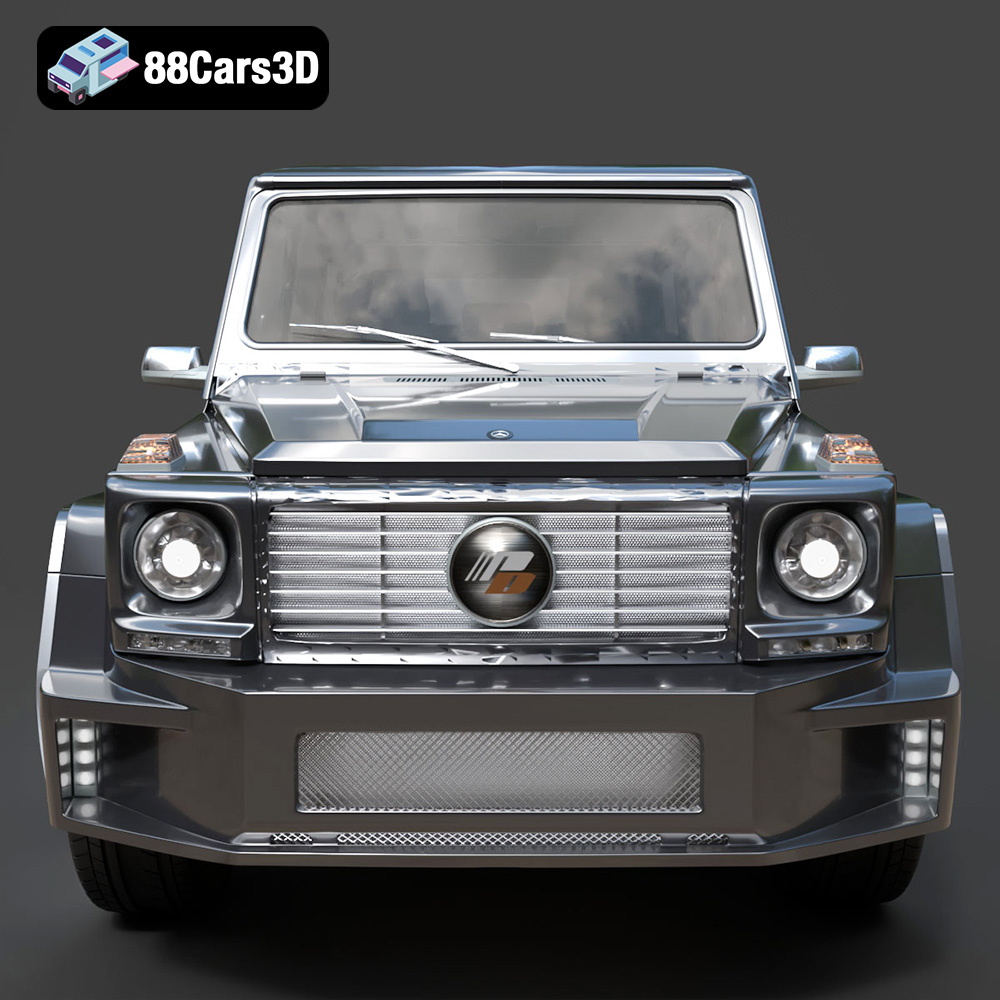
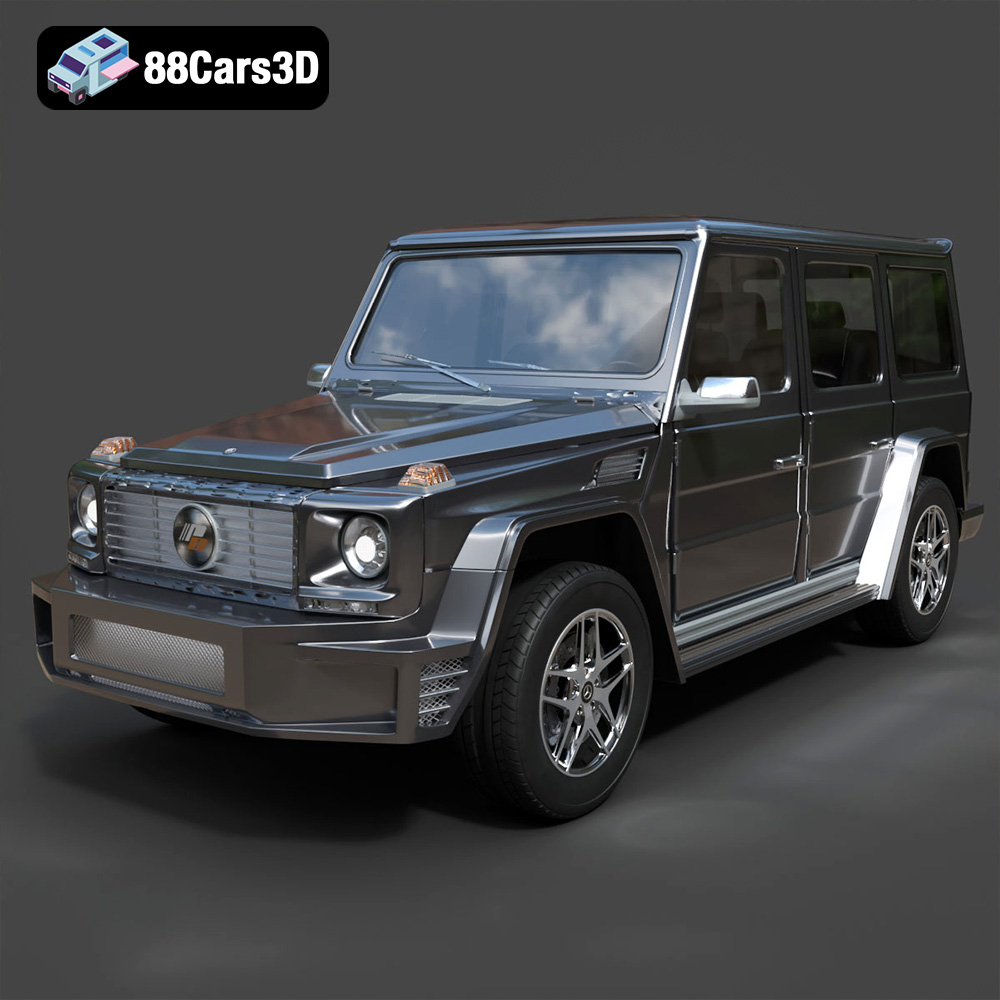
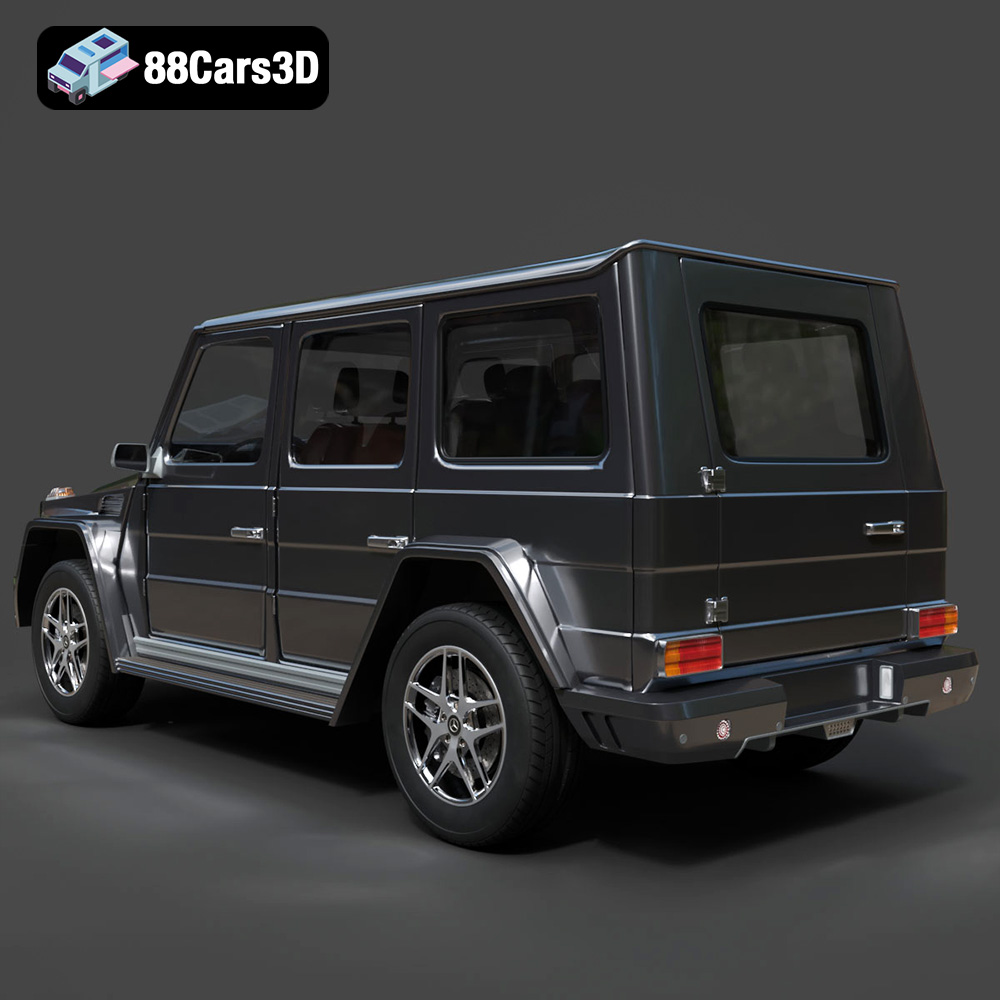
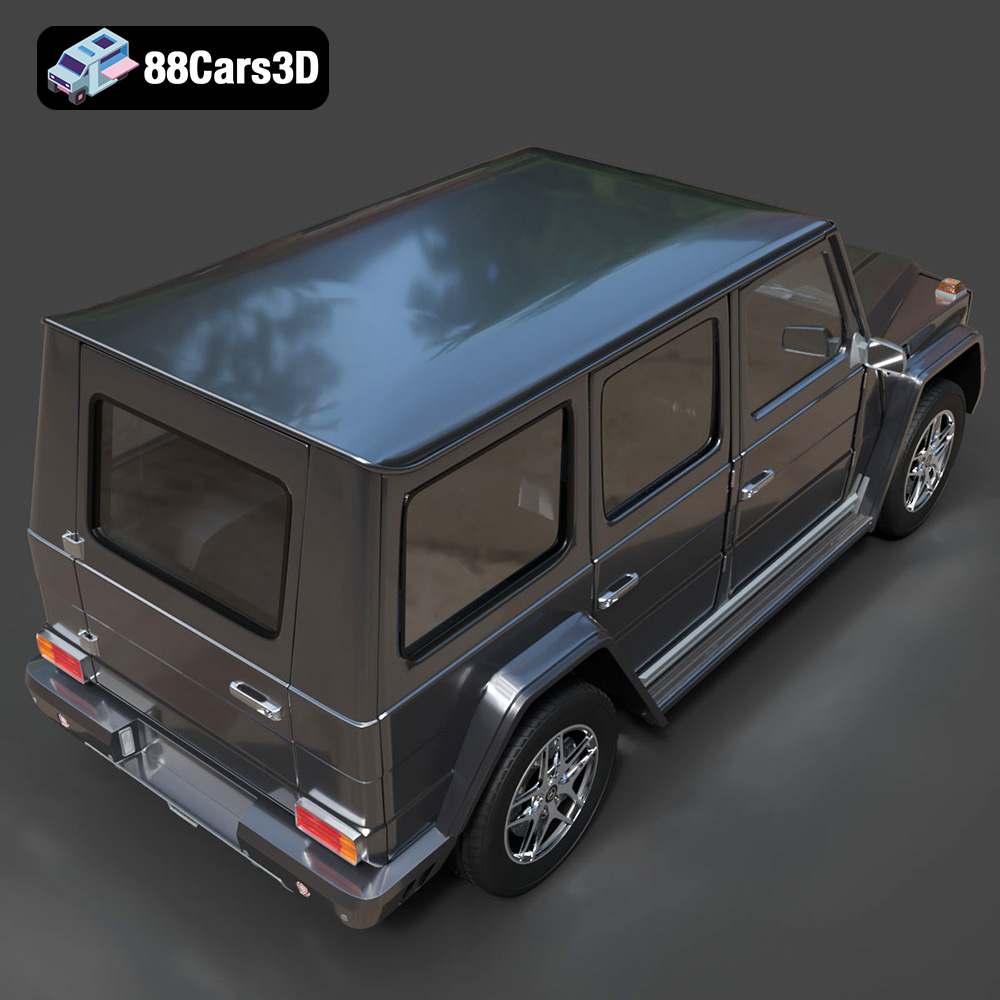
Consider the iconic Mercedes-Benz G-Class, a vehicle renowned for its robust elegance and timeless design. Recreating such a distinctive automobile in the digital realm demands meticulous attention to detail, clean geometry, and a deep understanding of its real-world counterpart. The Mercedes-Benz G Class 2013 3D Model exemplifies this commitment to excellence, offering a digital asset that stands ready for the most demanding professional workflows. This comprehensive article delves into the technical intricacies of acquiring, utilizing, and optimizing premium 3D car models, highlighting how assets like the G-Class can elevate your automotive rendering, game development, and even 3D printing projects to new heights.
The journey from concept to a stunning digital visualization or an interactive game asset begins with a high-quality 3D model. In automotive design, this is particularly critical, as vehicles are complex machines with intricate curves, sharp lines, and finely detailed components. A poorly constructed model can lead to endless headaches, from rendering artifacts and animation glitches to performance bottlenecks in real-time engines. Conversely, a well-executed 3D car model provides a stable, flexible foundation that saves time and enhances the overall visual fidelity of any project.
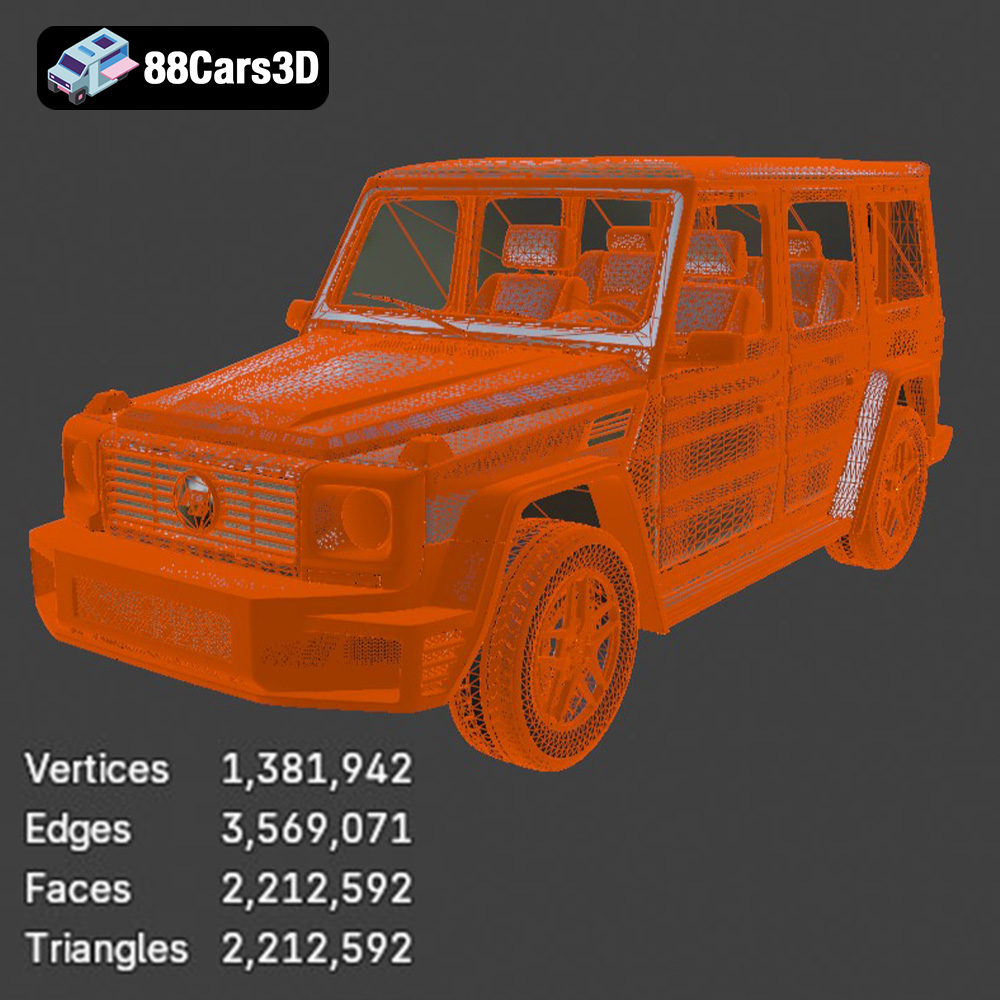
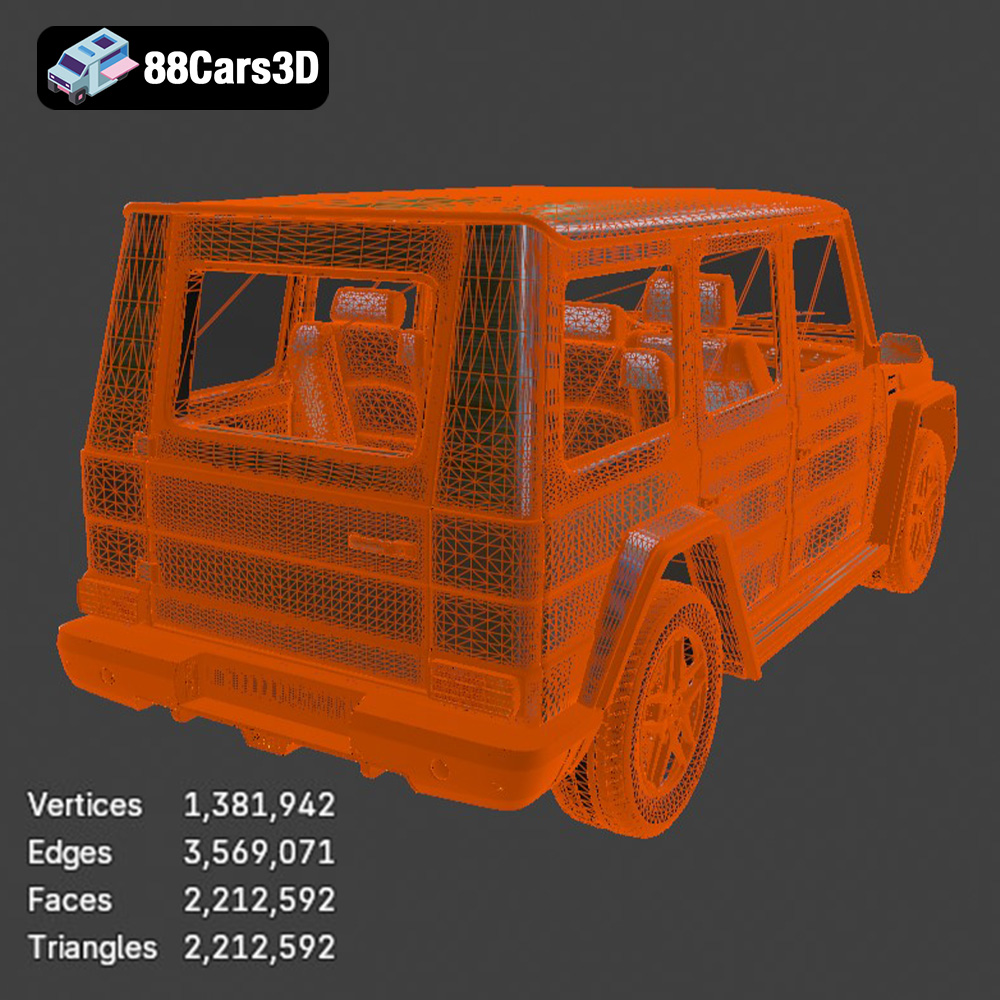
Clean geometry and efficient topology are the cornerstones of a professional 3D model. This means the mesh should consist primarily of quads (four-sided polygons), minimizing triangles and N-gons (polygons with more than four sides), especially in areas that need to deform or animate smoothly. For the Mercedes-Benz G Class 2013 3D Model, this translates into accurately capturing its signature boxy silhouette, sharp panel edges, and intricate grille details without introducing artifacts. Good topology also ensures that subdivision surfaces (like those used in rendering for smoother results) perform predictably, maintaining the vehicle’s integrity from broad strokes to subtle contours. This meticulous approach is essential for achieving photorealistic results in automotive rendering and ensuring smooth deformation if the model is animated for cinematic sequences or realistic driving simulations.
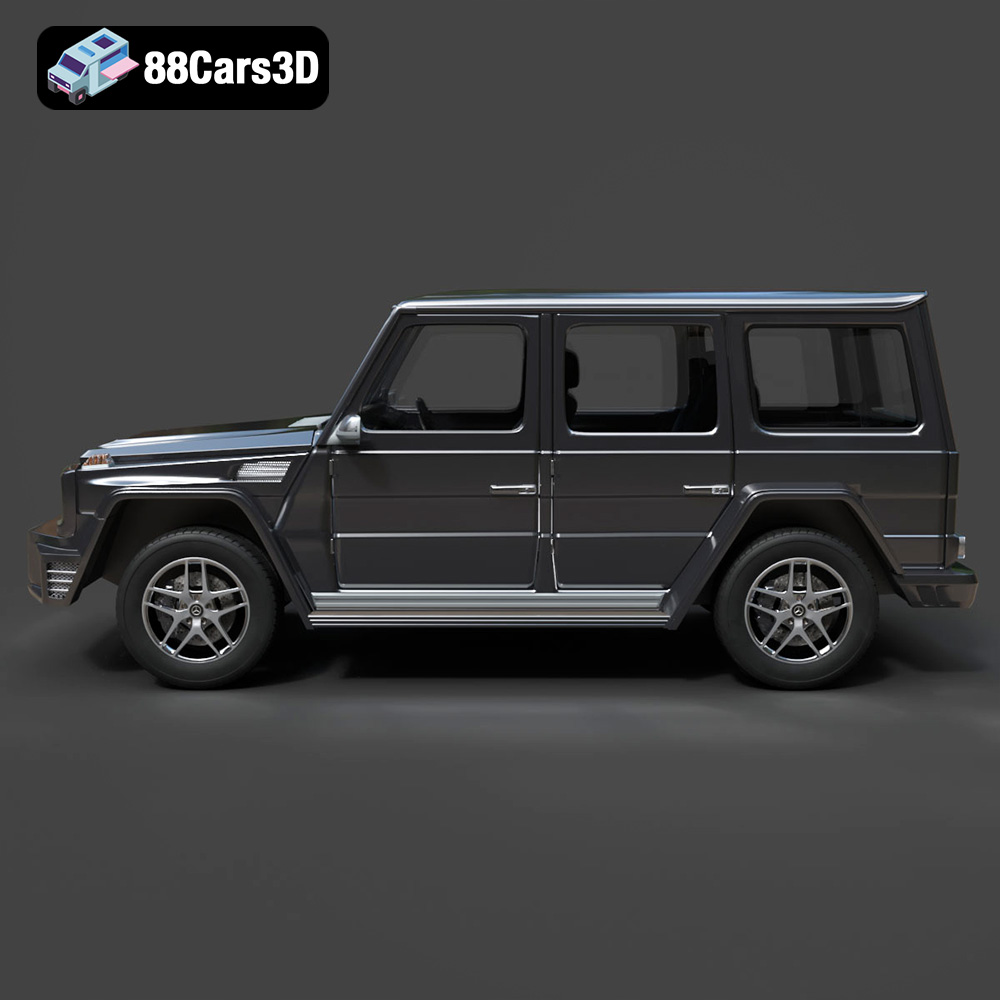
Accuracy in scale is non-negotiable for realistic 3D car models. Whether it’s for architectural visualization where a car needs to fit perfectly into a scene, or for game development where collision detection and physics engines rely on precise dimensions, real-world scale is paramount. The Mercedes-Benz G Class 2013 3D Model is built to real-world scale, meaning its dimensions directly correspond to those of the actual vehicle. This ensures seamless integration into existing scenes and environments without requiring manual scaling adjustments that can often introduce errors. Furthermore, correct proportions are vital for maintaining the aesthetic integrity of the iconic G-Class design, ensuring it looks authentic from every angle, whether showcased in a luxury urban scene or an rugged off-road environment.
Navigating the diverse landscape of 3D model file formats is crucial for any professional working with digital assets. Each format comes with its own strengths, limitations, and specific use cases, dictating how a model integrates into different software pipelines and applications. Understanding these nuances ensures seamless workflow and optimal performance. The Mercedes-Benz G Class 2013 3D Model, available on 88cars3d.com, is offered in a comprehensive range of formats, making it incredibly versatile for various projects.
The provision of the Mercedes-Benz G Class 2013 3D Model in these diverse formats on 88cars3d.com underscores its adaptability, allowing professionals to select the exact format that best fits their software ecosystem and project requirements.
Automotive rendering is an art form that blends technical proficiency with an eye for photorealistic detail. It’s about more than just placing a car in a scene; it’s about crafting an atmosphere, conveying emotion, and showcasing every curve and reflection with breathtaking accuracy. High-quality 3D car models are indispensable in this process, providing the fidelity required to produce visuals indistinguishable from reality.
For artists working in 3ds Max or Blender, integrating a model like the Mercedes-Benz G Class 2013 3D Model is a streamlined process thanks to its clean geometry and proper setup. In 3ds Max, with its robust rendering engines like V-Ray or Corona, the workflow typically involves importing the .max or .fbx file, verifying material assignments (PBR materials are crucial for realism), and then setting up the lighting environment. This often includes an HDRI (High Dynamic Range Image) for realistic reflections and global illumination, complemented by area lights to emphasize specific features or create studio-like setups. The G-Class’s detailed body proportions and clean mesh ensure that these complex lighting scenarios resolve into stunning, artifact-free images. Similarly, in Blender, utilizing Cycles or Eevee, artists can leverage the .blend file directly, benefiting from pre-configured materials and a well-structured scene. Focusing on node-based materials, custom paint shaders, and realistic tire textures transforms the raw model into a visually rich asset ready for a multitude of scenes, from urban luxury backdrops to rugged desert environments.
In automotive marketing, visuals speak volumes. Dealerships, advertising agencies, and luxury brands constantly seek compelling imagery to engage potential customers. The Mercedes-Benz G Class 2013 3D Model is an ideal asset for creating high-impact marketing visuals. Its accurate representation allows designers to generate a vast array of promotional content without the need for expensive physical photography shoots. Imagine a series of renders showcasing the G-Class in a dynamic off-road setting, then seamlessly transitioning to an elegant city street, all created digitally. Customization options, such as changing body color, modifying wheel styles, or adjusting suspension height, enable endless variations to suit specific campaigns. These rendered images and animations can be used for brochures, websites, social media campaigns, and even interactive configurators, providing a powerful tool for luxury automotive visualization.
The demand for high-quality game assets has never been greater, especially with the continuous evolution of game engines and hardware. Incorporating realistic 3D car models is fundamental for creating immersive driving games, open-world environments, and interactive simulations. However, real-time performance often dictates a different approach to asset creation and optimization compared to offline rendering.
Game engines like Unreal Engine and Unity require 3D models to be optimized for real-time performance. This means managing polygon counts effectively, employing efficient UV mapping for texture atlases, and implementing Levels of Detail (LODs). The Mercedes-Benz G Class 2013 3D Model, provided with an “.unreal” optimized format and clean topology, is an excellent candidate for this process. For Unreal Engine, artists can import the .fbx or .unreal file, which ideally includes PBR (Physically Based Rendering) ready materials. This involves setting up base color, metallic, roughness, normal, and ambient occlusion textures to achieve realistic surface properties. Implementing multiple LODs ensures that the model maintains visual fidelity up close while reducing polygon count significantly at a distance, thus improving frame rates. Proper pivot setups for steering and wheel rotation, as detailed in the product description, are crucial for realistic vehicle physics and animation in both Unreal and Unity. Collision meshes also need to be generated to enable accurate interaction with the game world, ensuring the G-Class behaves realistically in driving simulators or as part of a larger open-world game asset library.
Augmented Reality (AR) and Virtual Reality (VR) platforms are transforming how we interact with digital content, offering immersive experiences that blend the virtual with the real. High-quality 3D car models are at the forefront of this revolution, enabling virtual showrooms, interactive product demonstrations, and training simulations. The Mercedes-Benz G Class 2013 3D Model, especially in its optimized .glb format, is perfectly suited for AR/VR applications. Imagine a customer exploring the G-Class in a virtual showroom, walking around it, opening doors, and even changing its body color or adding off-road accessories in real-time. The optimized polygon flow and real-world scale of the model ensure smooth performance on mobile AR devices or high-end VR headsets. These interactive experiences offer an unparalleled level of engagement, allowing users to connect with the vehicle in a deeply personal and detailed way, far beyond what static images or videos can achieve.
Beyond the digital realm, 3D car models are increasingly finding their way into the physical world through 3D printing. This technology offers an exciting avenue for creators to transform virtual assets into tangible objects, from collectible scale models to functional prototypes. The Mercedes-Benz G Class 2013 3D Model’s availability in .stl format and its detailed print settings make it exceptionally well-suited for this purpose.
3D printing requires models to have manifold geometry—meaning they must be “watertight” with no holes, inverted faces, or intersecting surfaces—to ensure a successful print. The .stl format provided for the Mercedes-Benz G Class 2013 3D Model confirms its readiness for this process. For FDM (Fused Deposition Modeling) printers, which build models layer by layer using thermoplastic filament, careful consideration of print settings is key. The recommended scales (1:32, 1:24, 1:18, 1:14), layer height (0.10–0.18 mm), wall thickness (1.5–2.5 mm), and infill (15–25%) are critical guidelines to achieve a robust and detailed print. Supports are often necessary for overhangs like mirrors, the spare wheel housing, and underbody details, ensuring these elements are accurately reproduced without warping. For higher detail and smaller scales, resin (SLA/DLP) printing is often preferred, capable of capturing finer nuances with much thinner layer heights, though it typically requires more careful post-processing.
The ability to convert a meticulously crafted 3D model into a physical object opens up new creative and commercial opportunities. The Mercedes-Benz G Class 2013 3D Model can be transformed into a stunning collectible SUV scale model or display miniature. After printing, post-processing steps such as sanding, priming, and applying a chosen finish (gloss or matte) bring the model to life. Enthusiasts can further enhance realism with chrome detailing, custom paint jobs, and even small decals, creating a unique piece of automotive art. These physical assets can serve as prototypes for custom car parts, educational tools, or unique merchandise. The comprehensive nature of the G-Class model, extending from its digital form to specific 3D print settings, truly demonstrates its versatility across both virtual and tangible mediums, offering a complete solution for designers and hobbyists alike.
A truly valuable 3D asset is not static; it’s a flexible tool that can be adapted and customized to fit an endless array of creative visions. The underlying structure and meticulous design of models like the Mercedes-Benz G Class 2013 3D Model ensure that they serve as powerful starting points, rather than rigid endpoints, for various projects.
The ability to customize a 3D car model is paramount in professional workflows. For the G-Class model, this means artists can effortlessly change body colors and trim accents to match specific branding, client requests, or aesthetic themes. Imagine adjusting the vehicle’s paint from a classic metallic black for a luxury commercial to a rugged matte green for an adventure game asset. Beyond color, the model allows for the addition of off-road accessories such as roof racks, auxiliary lights, or winches, transforming its appearance from a city cruiser to an expedition vehicle. Modifying wheel styles and tire types can dramatically alter its character, whether opting for sleek street rims or aggressive all-terrain tires. Furthermore, adjusting suspension height allows for dynamic stances, from a lowered, sporty look to an elevated, off-road-ready posture. These customization options provide immense creative freedom, ensuring the model can be tailored to perfectly integrate into any narrative or visual context, making it a highly adaptable asset from 88cars3d.com.
For projects requiring movement, a 3D model must be built with animation in mind. The Mercedes-Benz G Class 2013 3D Model features separate wheels and steering components, along with proper pivot setup for steering and wheel rotation. This is a critical advantage for animators. It means the wheels can be easily rotated for driving animations, and the steering wheel can articulate naturally with tire movement. This foundational setup saves countless hours of rigging and preparation, allowing artists to immediately focus on crafting compelling sequences. Whether for a cinematic shot of the G-Class cruising through a desert landscape, a promotional animation for a luxury brand, or interactive driving in a game, the model’s inherent animation readiness simplifies the technical challenges and allows for the creation of dynamic, lifelike scenes that captivate audiences. The optimized geometry also ensures smooth deformation and consistent visual quality throughout any animated sequence, providing a robust foundation for dynamic storytelling.
The world of 3D modeling thrives on precision, versatility, and visual excellence. For professionals in automotive design, game development, rendering, and AR/VR, access to high-quality 3D car models is not merely a convenience—it’s a fundamental requirement for creating compelling and realistic digital experiences. The Mercedes-Benz G Class 2013 3D Model stands as a testament to these principles, offering a meticulously crafted asset that seamlessly integrates into diverse professional workflows. Its clean topology, real-world scale, comprehensive file format support, and animation readiness empower designers and developers to bring their visions to life, whether for a photorealistic render, an immersive game environment, or a tangible 3D printed collectible. Investing in premium 3D assets like this G-Class model from 88cars3d.com not only streamlines production but significantly elevates the quality and impact of your creative projects, ensuring you remain at the forefront of digital innovation.
The Mercedes-Benz G Class 2013 3D Model is a high-detail digital recreation of the iconic luxury off-road SUV known for its boxy design, rugged capability, and premium craftsmanship. The 2013 G-Class blends military-inspired durability with refined interior comfort, making it a timeless symbol of performance and prestige. This 3D model accurately represents the distinctive squared body shape, bold front grille, round headlights, exposed door hinges, roof rails, spare wheel rear mount, and elevated ground clearance. Designed with clean topology and real-world scale accuracy, it is ideal for rendering, animation, automotive visualization, game development, and AR/VR experiences. Perfect for urban luxury scenes, off-road environments, desert simulations, cinematic projects, and SUV driving games.
$9.99