Get 50% OFF All Premium 3D & STL Models!

In the dynamic world of 3D visualization, where photorealism meets interactive experiences, the demand for exceptionally crafted digital assets is ever-growing. From cinematic renders to immersive game environments and precise architectural visualizations, a high-quality 3D model forms the bedrock of any successful project. For automotive enthusiasts and professionals, this demand escalates, requiring models that not only look stunning but are also technically robust for diverse applications.
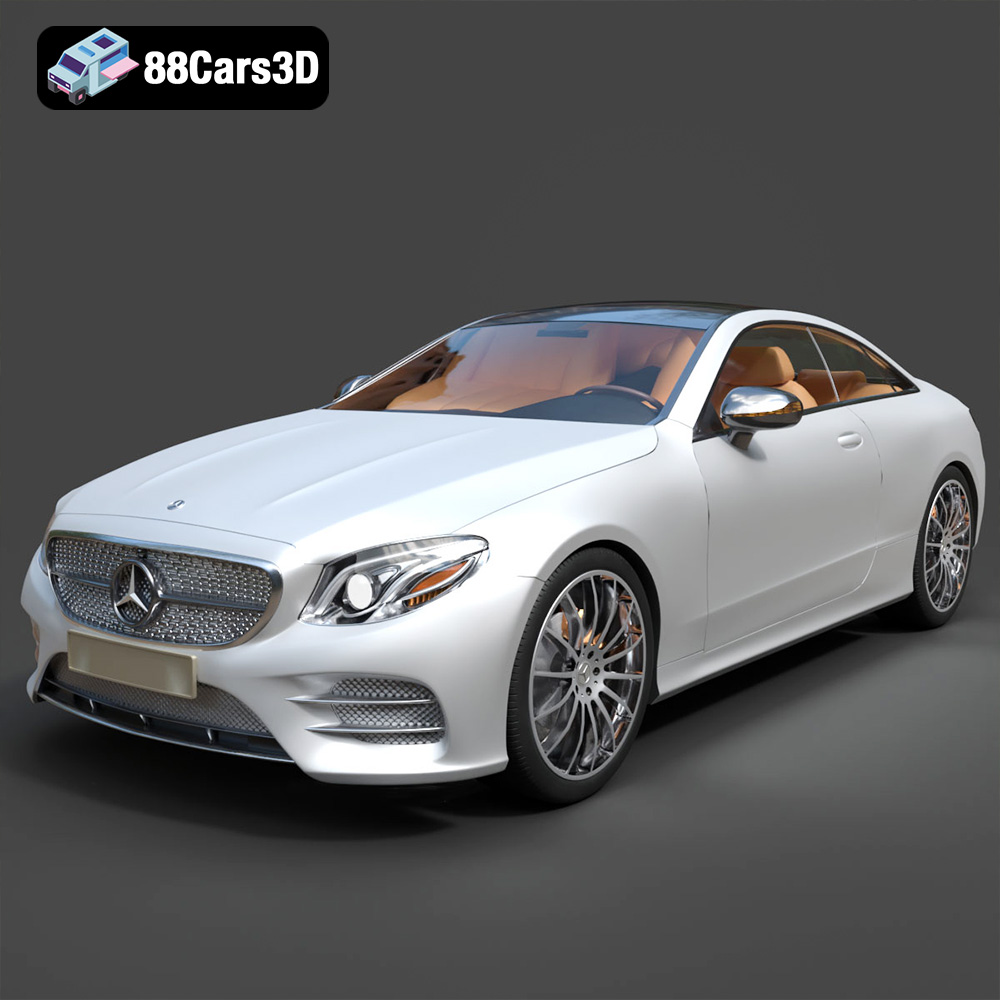
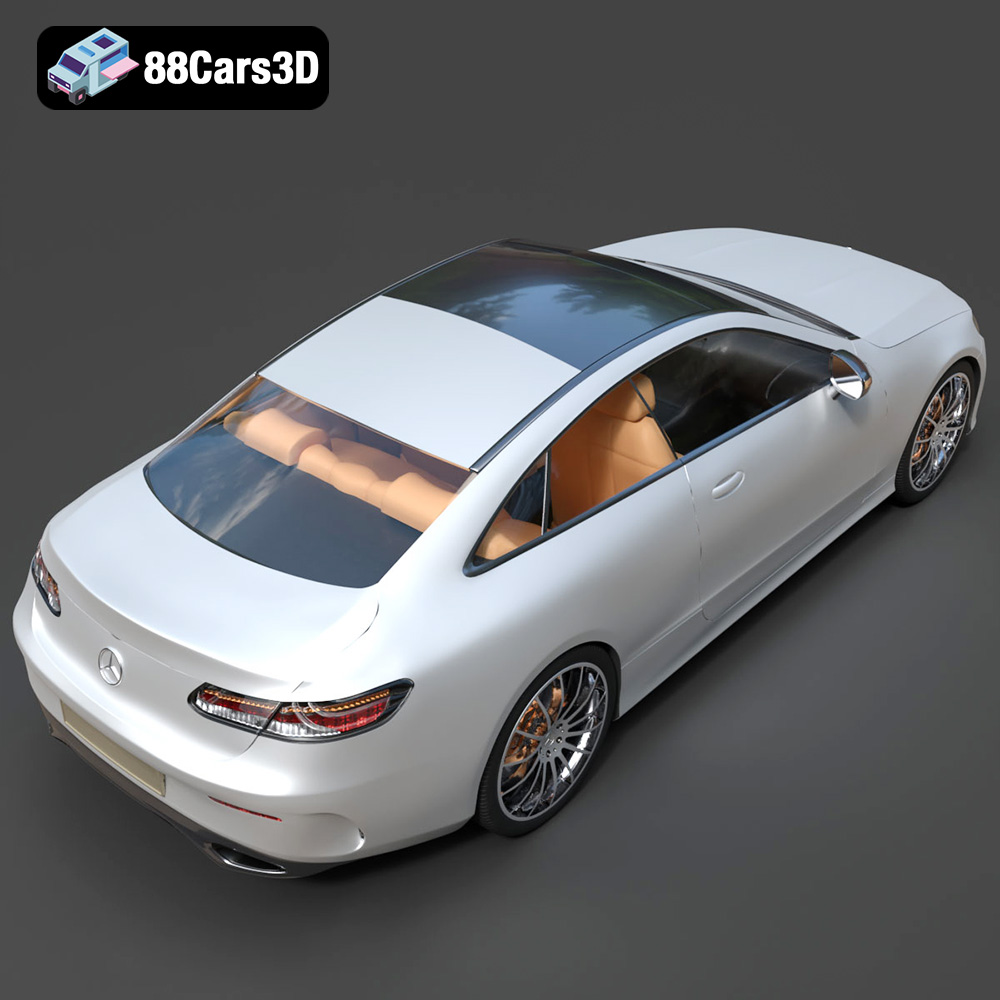
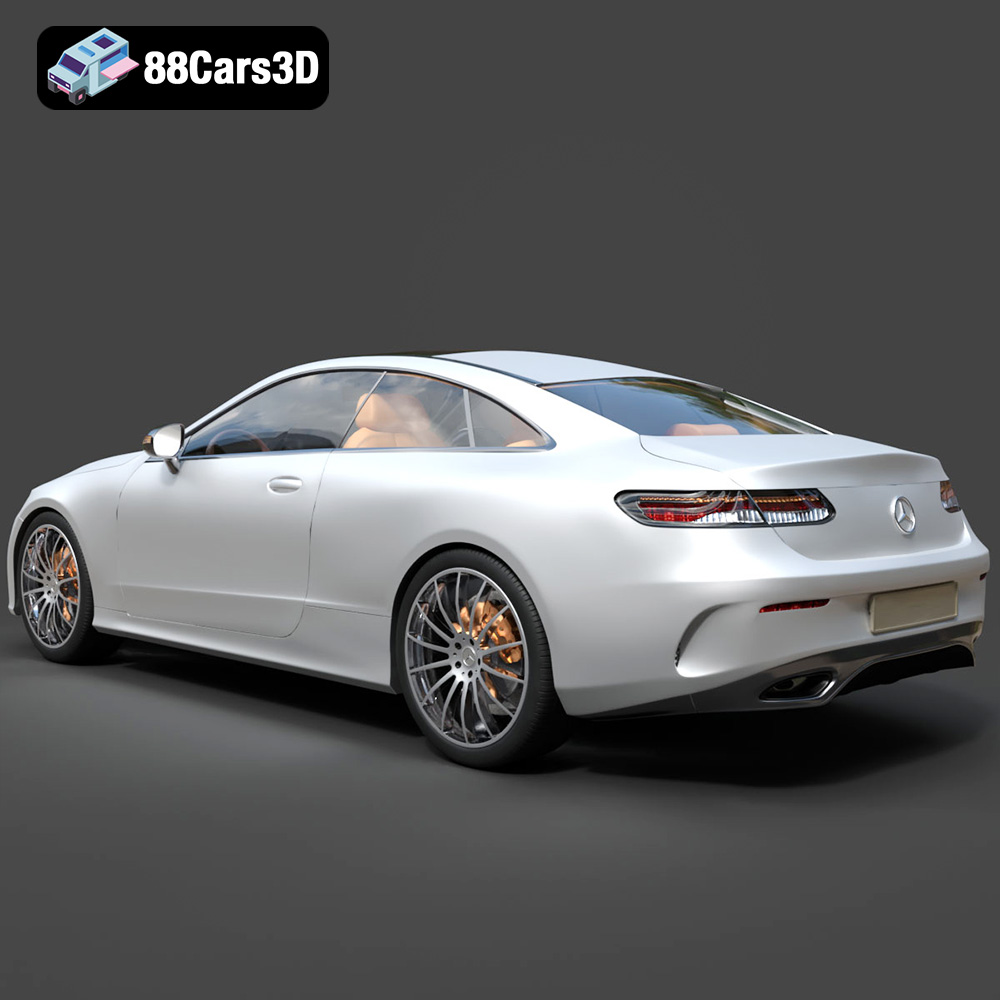
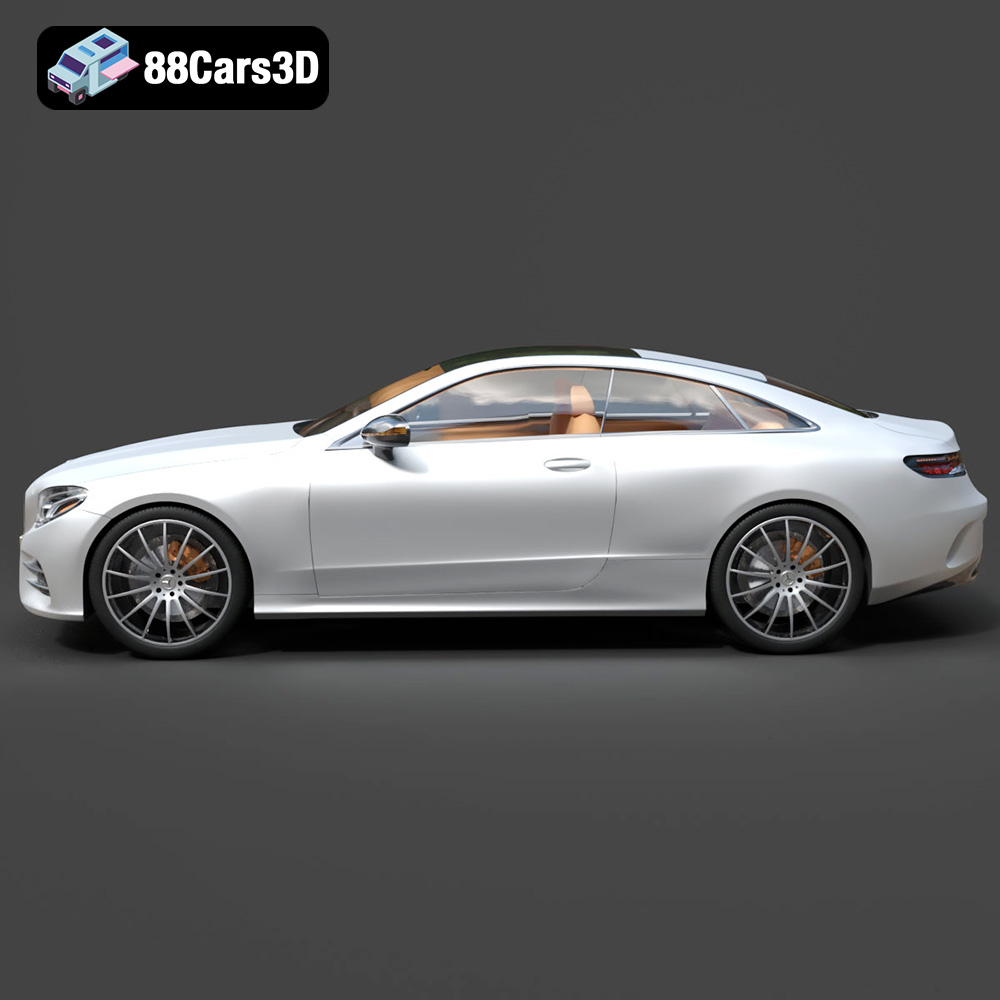
Today, we delve into the intricate details of professional 3D car models, exploring how they empower creators across various industries. We’ll examine the technical considerations, workflow advantages, and creative possibilities that a meticulously designed asset brings to the table. Central to our discussion is an exemplary product from 88cars3d.com: the Mercedes-Benz E-Class C238 3D Model. This high-detail digital recreation of the elegant two-door coupe embodies the pinnacle of precision and versatility, making it an indispensable tool for anyone serious about automotive design, rendering, game development, or even 3D printing.
Creating a realistic 3D car model is far more than just sculpting a virtual vehicle; it’s a meticulous blend of artistic interpretation and engineering precision. Every curve, every panel gap, every internal component must be accurately represented to achieve true fidelity. This attention to detail is crucial whether the model is destined for a high-poly cinematic scene or an optimized real-time game environment.
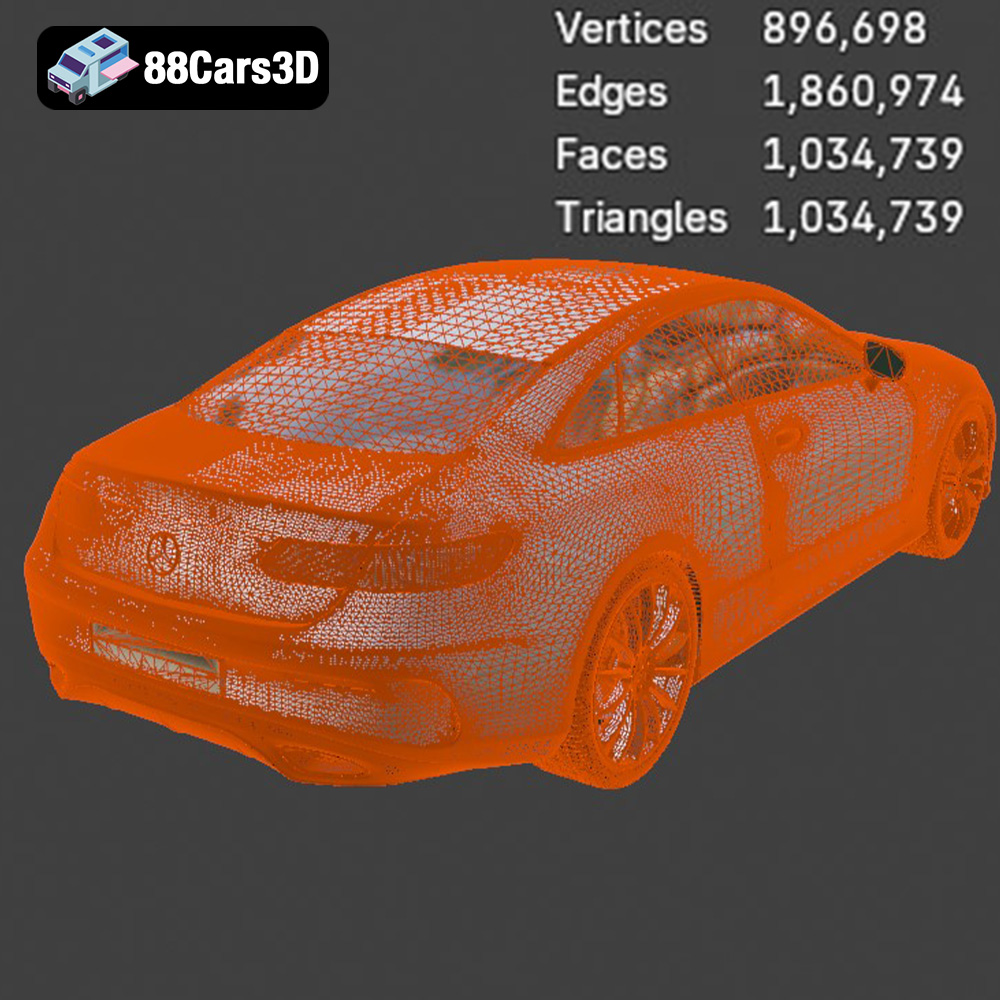
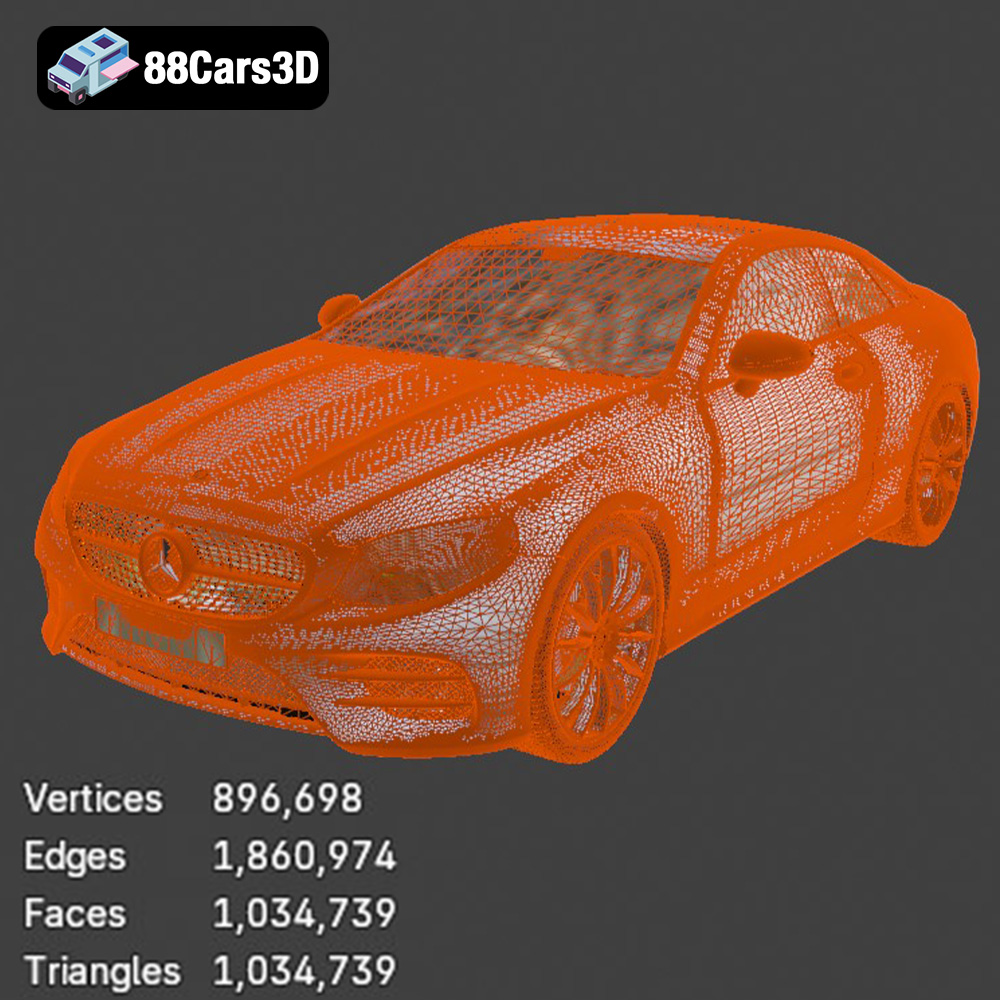
The inherent complexity of modern vehicles presents significant challenges to 3D artists. Achieving a perfect balance between visual realism and performance efficiency requires a deep understanding of topology, UV mapping, material science, and rendering techniques. A truly professional 3D car model, such as the Mercedes-Benz E-Class C238, starts with clean, optimized geometry. This means maintaining a low polygon count where possible without sacrificing detail, ensuring smooth subdivision, and eliminating artifacts like n-gons or non-manifold geometry. These foundational elements are paramount for seamless integration into various pipelines, from a demanding automotive rendering project to a fast-paced game simulation.
The journey from a vehicle concept to a fully realized 3D model often involves extensive reference gathering, precise CAD data conversion, and manual sculpting and retopology. Artists meticulously craft every component, ensuring that features like the signature front grille, aerodynamic bumper, and intricate alloy wheels are perfectly proportioned. The goal is not just a likeness, but an exact digital twin that captures the essence and technical specifications of the real-world counterpart. This rigor makes assets like the Mercedes-Benz E-Class C238 3D Model valuable for luxury showroom scenes, urban environments, and promotional renders.
The choice of 3D model file format is a critical decision that dictates compatibility, functionality, and performance across different software and platforms. Professionals dealing with 3D car models, game assets, or intricate automotive rendering projects must understand the nuances of each to optimize their workflow. The Mercedes-Benz E-Class C238 3D Model from 88cars3d.com is exemplary in its provision of a wide array of formats, ensuring maximum flexibility.
This comprehensive set of formats ensures that the Mercedes-Benz E-Class C238 3D Model is ready for virtually any professional pipeline, highlighting the foresight and technical expertise behind 88cars3d.com’s offerings.
The Mercedes-Benz E-Class C238 3D Model is more than just a collection of polygons; it’s a testament to digital craftsmanship. This high-detail recreation of the luxurious two-door coupe encapsulates the vehicle’s blend of performance and modern design language, making it an ideal choice for diverse professional applications. Its meticulous construction sets a high bar for 3D car models available in the market.
The exterior of the C238 model meticulously captures the car’s distinctive silhouette. Accurate coupe body proportions are the foundation, complemented by a detailed front grille and emblem styling that screams Mercedes-Benz luxury. The realistic LED headlights and taillights, often a complex component to replicate digitally, are perfectly rendered, contributing significantly to photorealistic automotive rendering. Sculpted side panels and frameless windows add to the elegance, while detailed alloy wheels with brake discs and calipers, along with a dual exhaust system, underline its sporty pedigree. Crucially, separate wheels and steering components are included for animation, offering unparalleled flexibility for driving simulations and cinematic sequences. Transparent glass materials and mirror detailing complete the exterior, ensuring a holistic visual experience.
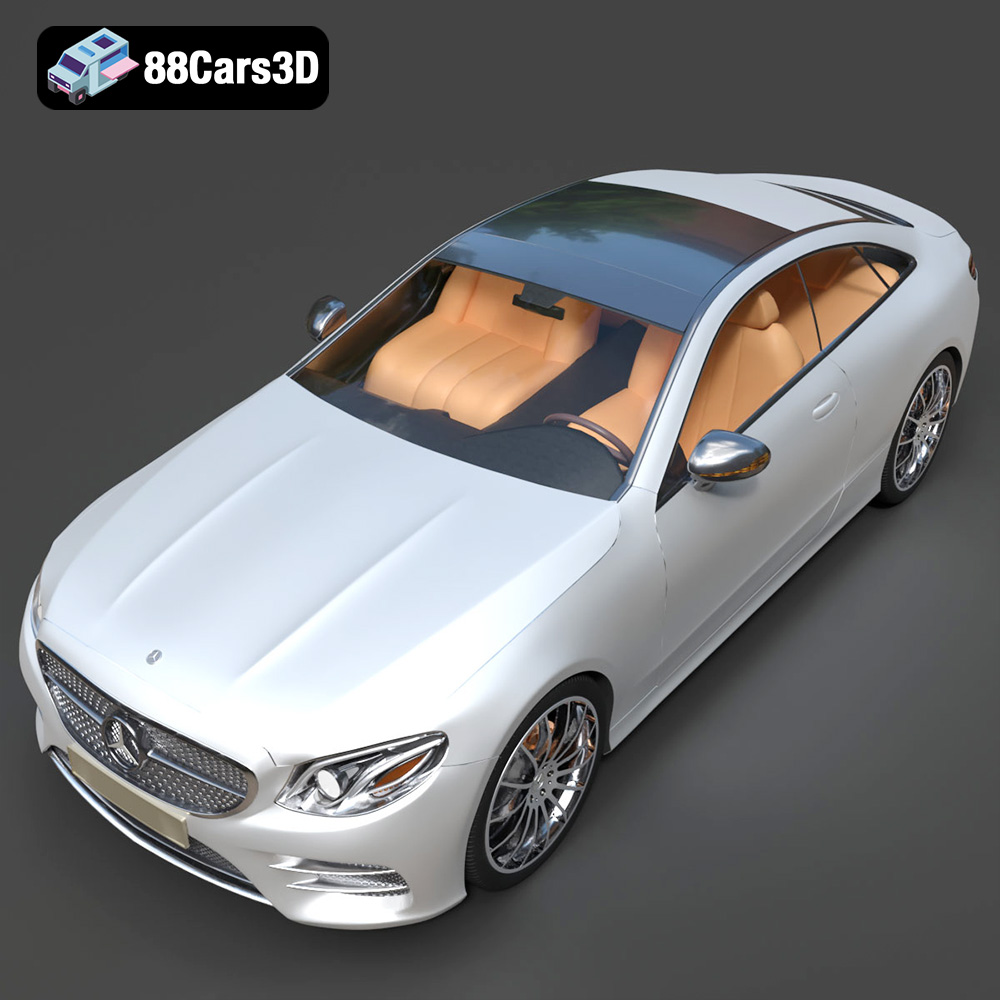
Stepping inside the virtual cabin of the C238, the attention to detail remains impeccable. A modeled dashboard with the iconic dual-screen layout immediately grabs attention, reflecting the cutting-edge technology of the real vehicle. The sport steering wheel with multifunction controls, premium seat geometry featuring realistic stitching detail, and a precisely rendered center console and infotainment system all contribute to an authentic luxury feel. Door panels and interior trim elements are also accurately recreated. This level of internal detail is crucial for projects requiring full camera movement inside the vehicle, such as virtual showrooms or detailed cinematic shots, and is optimized for both real-time engines and high-quality renders.
Beyond its visual appeal, the Mercedes-Benz E-Class C238 3D Model boasts several technical advantages. It features a clean and well-organized mesh structure, which is vital for smooth subdivisions and efficient unwrapping. Real-world scale accuracy ensures seamless integration into architectural or urban environments. Proper pivot setup for steering and wheel rotation simplifies animation workflows, saving countless hours for animators. Optimized polygon flow guarantees excellent performance in real-time applications while maintaining realism for high-fidelity renders. This compatibility with major 3D software platforms and engines makes it a versatile asset for any professional toolkit.
The advent of powerful real-time engines like Unreal Engine has revolutionized automotive visualization, game development, and interactive experiences. With features like Lumen and Nanite, achieving cinematic quality in real-time is no longer a futuristic dream. High-quality 3D car models are the cornerstone of leveraging this technology effectively.
The Mercedes-Benz E-Class C238 3D Model, with its .fbx and .unreal formats, is perfectly primed for integration into Unreal Engine. The process typically involves importing the .fbx file, which brings in the mesh and basic material slots. The next crucial step is setting up Physically Based Rendering (PBR) materials. This involves connecting texture maps (Albedo/Base Color, Normal, Roughness, Metallic, Ambient Occlusion) to the appropriate material inputs in Unreal Engine’s material editor. For a luxury vehicle like the C238, meticulous material setup for paint, chrome, glass, and leather is essential to achieve photorealism.
While the C238 model is designed with optimized geometry, further steps can be taken for demanding real-time projects. Utilizing Unreal’s Nanite virtualized geometry system allows for incredible detail without the traditional performance overhead, automatically managing LODs (Levels of Detail). Lumen, Unreal’s global illumination and reflection system, can be configured to bring dynamic, realistic lighting to the scene, highlighting the vehicle’s sculpted surfaces. For game assets, collision meshes need to be generated, and the separate wheel and steering components of the C238 facilitate easy implementation of vehicle physics and animation blueprints, allowing for realistic driving simulators and open-world city games.
For projects demanding the utmost in visual fidelity, such as automotive marketing campaigns or cinematic sequences, desktop rendering platforms like 3ds Max and Blender remain indispensable. The flexibility of native file formats like .max and .blend, coupled with powerful renderers, allows for breathtaking results.
In 3ds Max, artists can import the Mercedes-Benz E-Class C238 3D Model via its native .max file, preserving all scene data. For Blender users, the .blend file provides a complete, editable scene. The journey to photorealism begins with advanced material setup. Utilizing V-Ray, Corona Renderer in 3ds Max, or Cycles/LuxCoreRender in Blender, artists can create complex shaders for the car paint, mimicking real-world automotive finishes with multiple layers of clear coat, metallic flakes, and subsurface scattering. Chrome, glass, and interior materials are carefully crafted to reflect and refract light accurately. High Dynamic Range (HDR) image-based lighting is often employed to simulate realistic outdoor or studio lighting environments, casting accurate shadows and reflections that define the car’s form.
The C238 model’s design, with separate wheels and steering components, is a significant advantage for animators. In 3ds Max, artists can rig the vehicle using dedicated car rig tools or standard bones, linking the wheels and steering to control objects for intuitive animation. Path constraints can be used to guide the car along predefined routes, while expressions or scripts manage wheel rotation based on speed and steering input. Blender offers similar rigging capabilities with its robust armature system and constraints. These features enable the creation of dynamic driving sequences, elegant camera fly-throughs, or even complex assembly/disassembly animations for engineering demonstrations. The optimized polygon flow ensures smooth deformations during animation, crucial for cinematic projects.
The versatility of high-quality 3D car models extends beyond the digital realm. The Mercedes-Benz E-Class C238 3D Model is explicitly designed to be 3D printable, opening up a fascinating avenue for creating physical scale models, prototypes, and unique collectibles. This bridge between the virtual and tangible is a powerful application for any designer or enthusiast.
To transition the digital C238 into a physical object, the .stl format is key. This format defines the surface geometry as a triangulated mesh, which 3D printers understand. While the model from 88cars3d.com is prepared for 3D printing, some pre-processing steps are often beneficial. Checking for manifold geometry (ensuring all surfaces are enclosed and have no gaps) and repairing any non-manifold edges are crucial for a successful print. Scaling the model to the desired size – common scales like 1:32, 1:24, or 1:18 are recommended – must be done accurately in the slicing software.
For the Mercedes-Benz E-Class C238, specific print settings are advised for best results. A layer height of 0.10–0.16 mm strikes a good balance between detail and print time, though for smaller scales and finer details, resin printing (SLA) with even finer layers (0.04-0.12mm) is often recommended. A wall thickness of 1.5–2.5 mm ensures structural integrity for the printed model. An infill of 15–25% typically provides sufficient strength without excessive material usage. Supports are required for overhangs like mirrors, spoiler edges, and the front splitter to prevent sagging during printing. A thoughtful print orientation, such as printing the body angled for a smooth surface finish and the wheels separately, further enhances quality.
Post-processing is where the printed model truly comes to life. This involves careful sanding to remove layer lines, applying a primer, and then painting with gloss automotive paint finishes. Optional chrome detailing, weathering effects, or clear coats can elevate the realism, transforming a raw 3D print into a stunning miniature collectible or a tangible prototype of the E-Class coupe.
As technology advances, so do the applications for high-quality 3D car models. Augmented Reality (AR), Virtual Reality (VR), and advanced simulation platforms are increasingly reliant on highly detailed and optimized digital assets, offering immersive experiences that were once confined to science fiction.
The Mercedes-Benz E-Class C238 3D Model, particularly in its .glb format, is ideal for virtual showrooms and interactive configurators. Imagine a customer wearing a VR headset, walking around a life-sized E-Class C238, opening doors, changing interior trim, or even taking a virtual test drive. AR applications can overlay the digital car onto a real-world environment via a smartphone or tablet, allowing users to “place” the car in their driveway. These applications demand optimized geometry and textures (which the C238 model provides) to ensure smooth performance and a believable presence in real-time AR/VR environments, elevating customer engagement and sales processes.
Beyond entertainment, professional 3D car models are invaluable for simulation and training. The C238 model can be integrated into advanced driving simulators used for driver training, automotive research, or even autonomous vehicle development. The accurate representation of its exterior and interior, combined with proper pivot setups for animation and an optimized mesh, ensures that the simulation provides a realistic and functional digital twin. This capability allows engineers and designers to visualize, test, and demonstrate automotive concepts in a dynamic and interactive manner, pushing the boundaries of what’s possible in automotive visualization projects and engineering demonstrations.
The realm of 3D modeling for automotive design is a fascinating convergence of art and technical prowess. From the initial conceptualization to the final render, game asset integration, or even a tangible 3D print, the quality of the underlying 3D model dictates the success of any project. The Mercedes-Benz E-Class C238 3D Model stands out as a prime example of an asset that meets these stringent professional demands, offering unparalleled detail, technical robustness, and multi-format compatibility.
Whether you’re an automotive designer crafting the next luxury concept, a game developer building an immersive open-world, a visualization artist producing cinematic marketing materials, or an enthusiast wanting to 3D print your dream car, this model provides the foundation you need. Its inclusion of various file formats like .blend, .fbx, .obj, .glb, .stl, .ply, .unreal, and .max ensures that it seamlessly integrates into virtually any professional workflow. This commitment to quality and versatility is what makes 88cars3d.com a trusted resource for high-fidelity 3D car models. Elevate your projects and bring your automotive visions to life with the Mercedes-Benz E-Class C238 3D Model – a truly exceptional digital asset ready for your next masterpiece.
The Mercedes-Benz E-Class C238 3D Model is a high-detail digital recreation of the elegant two-door coupe variant of the E-Class lineup. Combining luxury, performance, and modern design language, the C238 generation features sleek coupe proportions, frameless doors, refined LED lighting, and premium interior craftsmanship. This 3D model accurately represents the sculpted body lines, signature front grille, aerodynamic front bumper, multi-spoke alloy wheels, LED headlamps and taillights, dual exhaust system, and detailed cabin layout. Designed with clean topology and real-world scale accuracy, it is ideal for rendering, animation, automotive visualization, game development, and AR/VR showroom applications. Perfect for luxury showroom scenes, urban environments, promotional renders, cinematic projects, and driving simulation platforms.
$9.99
.arvr
.automotive
.blend
.c238
.car3dmodel
.eclass
.fbx
.gameasset
.glb
.luxurycoupe
.max
.mercedesbenz
.obj
.ply
.premiumcar
.rendering
.simulation
.stl
.unreal