Get 50% OFF All Premium 3D & STL Models!

The allure of a high-performance vehicle isn’t just in its exterior lines or roaring engine; often, the true mark of luxury and craftsmanship lies within its interior. For 3D artists, game developers, and visualization professionals, replicating the intricate details of a car’s cabin – especially its fabric and leather materials – presents a unique and rewarding challenge. Achieving photorealistic textures and shaders for seats, dashboards, and trim is paramount to creating a believable and immersive experience, whether for automotive marketing renders, interactive configurators, or cutting-edge game environments.
The subtle sheen of premium leather, the delicate weave of a custom fabric, or the worn patina of a vintage interior can elevate a 3D car model from good to exceptional. This deep dive will explore the technical methodologies and artistic considerations behind crafting hyper-realistic fabric and leather materials for 3D automotive models. We’ll cover everything from foundational PBR principles and advanced UV mapping to sophisticated shader networks and crucial optimization techniques, ensuring your car interiors possess the visual fidelity demanded by today’s discerning audiences. Prepare to transform your digital automotive spaces with unparalleled material realism.
Physically Based Rendering (PBR) forms the bedrock of modern 3D material creation, offering a pipeline that accurately simulates how light interacts with surfaces in the real world. For automotive interiors, a solid grasp of PBR is non-negotiable for achieving photorealism in materials like fabric and leather. PBR workflows ensure consistency across different lighting conditions and rendering engines, making your assets versatile and robust. Instead of manually tweaking diffuse and specular values, PBR relies on physically accurate parameters that mimic real-world material properties, resulting in a more predictable and convincing outcome.
The core concept behind PBR is energy conservation – the idea that a surface cannot reflect more light than it receives. This principle guides the creation of various texture maps that define a material’s appearance. For interior car models, particularly with fabric and leather, understanding the subtle interplay of these maps is crucial. Factors like microscopic fibers in fabric or the natural oils in leather significantly influence how light scatters and reflects, and PBR provides the framework to represent these nuances accurately. Adhering to PBR guidelines also streamlines the integration of 3D car models into diverse rendering pipelines, from V-Ray and Corona to real-time engines like Unity and Unreal Engine.
Fabric materials are characterized by their intricate weave patterns and often diffuse, soft reflections. The Albedo map (sometimes called Base Color) defines the fundamental color of the fabric. For PBR, this map should contain only color information, devoid of any baked-in shadows or highlights. For a dark gray upholstery fabric, the albedo would be a consistent dark gray, allowing the lighting in the 3D scene to dictate its illumination. Texture resolutions of 2K or 4K are typically recommended for car interiors to capture fine details, especially for close-up renders of seats or door panels. Maintaining a consistent color palette across all fabric components is essential for a cohesive interior design.
The Roughness map is critical for defining how shiny or dull a fabric appears. A smoother, silkier fabric will have lower roughness values (darker areas in a grayscale map), leading to sharper reflections, while a coarse woven fabric will have higher roughness values (lighter areas), resulting in a more diffuse, spread-out reflection. Most automotive fabrics, like upholstery or headliners, tend to have relatively high roughness. The Normal map introduces the illusion of surface detail without adding actual geometry. For fabric, this map is vital for capturing the microscopic undulations of individual threads and the overall weave pattern. A strong normal map can make a flat polygon look like a richly textured cloth, providing depth and realism to car seats and door inserts. These maps are often generated from high-resolution scans or created procedurally in software like Substance Designer.
Leather, being a dielectric material (a non-conductor of electricity), primarily uses the Specular/Glossiness workflow in PBR, although it can also be adapted to the Metallic/Roughness workflow by treating it as a dielectric. In the Specular/Glossiness setup, the Diffuse map defines the color, the Specular map controls the color and intensity of reflections, and the Glossiness map (inverse of roughness) determines the sharpness of those reflections. For a smooth, polished leather, the glossiness map would be lighter, indicating higher gloss, while a distressed or matte leather would have darker areas for lower gloss. A common technique for leather is to apply subtle variations in glossiness to mimic natural wear and oils, which can significantly enhance realism.
Regardless of the workflow, the Albedo/Base Color map for leather should capture its inherent hue. For a black leather interior, the albedo would be a deep black. The Roughness map (or Glossiness) is paramount for leather, as different finishes – from a high-gloss patent leather to a matte aniline leather – are primarily distinguished by their surface reflectivity. A rougher leather will exhibit a wider, softer reflection, while a smooth, polished leather will show sharper, more defined highlights. The Normal map for leather is crucial for detailing its natural grain, wrinkles, and any perforation patterns. Even subtle normal map details can make a significant difference, as leather, unlike fabric, often has a less uniform surface, with natural imperfections and textures that add character and authenticity. For materials like semi-aniline or full-grain leather, a touch of Subsurface Scattering (SSS) can also be incorporated into the shader to simulate the slight light absorption and scattering beneath the surface, giving the material a softer, more organic look.
UV mapping is the bridge between your 3D model and its 2D textures. For the complex, often organic shapes of a car interior, effective UV unwrapping is paramount for avoiding texture distortion, achieving consistent texel density, and ensuring a seamless appearance. Poor UVs can instantly break the illusion of realism, leading to stretched patterns, visible seams, and blurry textures. The goal is to create a clean, organized UV layout that maximizes texture space utilization while minimizing visible artifacts. This requires careful planning and a strategic approach to seam placement, especially for components with intricate curvature like seats, dashboards, and door panels.
Many interior components have non-uniform surfaces, blending curved panels with sharper edges. Effective UV mapping means identifying these areas and planning cuts that follow natural breaks in the geometry or areas that will be less visible in the final render. For high-quality 3D car models, a single object might have multiple material IDs, each requiring its own UV set or a carefully planned shared UV space. Maintaining consistent texel density across all UV shells is a professional best practice; this ensures that texture resolution appears uniform regardless of the object’s size or position in the scene. Tools like 3ds Max’s Unwrap UVW modifier or Blender’s robust UV Editor (see Blender 4.4 UV Editor documentation) offer powerful functionalities for this precise task.
When UV mapping fabric components like seats, headliners, and carpet, strategic seam placement is key to hiding texture repetition and stretching. Ideally, UV seams should follow existing geometry seams, such as where two fabric panels meet, or be placed in less visible areas, like the underside of a seat or along an edge that will be covered by trim. For car seats, seams are often placed along the stitching lines or where different fabric sections naturally join. This makes any UV distortion less noticeable and aligns the texture’s pattern with the model’s inherent structure. It’s crucial to avoid placing seams across prominent, flat surfaces where they would be immediately obvious.
Texel density, which refers to the number of pixels per unit of 3D space, must be consistent across all fabric elements. A seat upholstery and a small fabric insert on the door panel should ideally have the same texel density to ensure uniform texture detail when rendered. In software like Blender or 3ds Max, you can measure and adjust texel density using specialized tools or by scaling UV shells proportionally. For instance, if a section of fabric requires a very detailed weave, its UV shell should occupy a larger area in the UV map, ensuring sufficient pixel data. For repeating fabric patterns, ensure the UV islands snap perfectly to a grid for seamless tiling. Utilizing multiple UV maps can also be beneficial: one for the base fabric pattern and another for unique details like embroidery or wear, allowing for greater control and efficient texture usage.
Leather surfaces in a car interior, such as dashboards, steering wheels, and door panels, often have more organic shapes and require careful UV unwrapping to avoid stretching the leather grain or any embossed details. Similar to fabric, UV seams should be placed strategically, following the natural contours of the model or along hard edges where seams are less visible. For a steering wheel, seams might run along the underside or where different leather sections are stitched together. On a dashboard, seams can follow the edges of air vents or where it meets the windshield.
For large, relatively flat leather surfaces, consider using UV tiling. This involves using a smaller, repeatable texture over a large area to save texture memory. However, to break up noticeable repetition, blend in a unique dirt or wear map, or use a technique called “texture bombing” which subtly offsets and rotates instances of the tiled texture. For areas requiring unique details, like a leather-wrapped gear shifter with a specific stitching pattern or an embossed logo, a dedicated UV island with unique texture space should be allocated. For perforated leather, ensure the UVs are perfectly clean and uniform to avoid distortion of the tiny holes in the normal map. When dealing with highly curved leather surfaces, like the bolstering of a sport seat, projection mapping techniques or careful manual unwrapping can help distribute UV space more evenly, minimizing texture stretching and maintaining the integrity of the leather grain. Tools like Maya’s UV Toolkit or 3ds Max’s Relax tool are invaluable for evening out distorted UVs.
The realism of your car interior materials ultimately hinges on the quality and fidelity of your textures. While PBR shaders define how light reacts, it’s the texture maps that provide the intricate details, color variations, and surface imperfections that breathe life into fabric and leather. Generic textures often fall short for automotive applications, where precision and subtle nuances are critical. The most effective approach involves a combination of techniques, leveraging real-world data and powerful procedural generation tools to create textures that are both accurate and artistically compelling. Understanding when to use a scanned texture versus a procedurally generated one, or how to blend them, is a hallmark of an expert 3D artist.
The choice of texture creation method can significantly impact the visual fidelity and efficiency of your workflow. For the highest level of realism, especially for hero assets or close-up renders, capturing real-world data is often preferred. However, procedural tools offer unparalleled flexibility and the ability to create infinite variations, making them ideal for iterating on designs or generating seamless tileable textures. Regardless of the method, attention to detail is paramount – from the subtle fraying of fabric threads to the unique grain pattern of different leather types. Moreover, ensuring consistent color space and resolution across all your texture assets is crucial for maintaining a cohesive and professional look for your 3D car models.
For unparalleled realism in fabric and leather, photogrammetry and direct material scanning are gold standards. Photogrammetry involves taking multiple photographs of a real-world material from various angles and then using specialized software (like RealityCapture or Meshroom) to reconstruct a 3D model and generate high-resolution texture maps (albedo, normal, roughness, displacement). This method captures every microscopic detail, imperfection, and subtle color variation of the actual material. For a specific type of car upholstery, for instance, scanning a swatch of that exact fabric will yield textures that are indistinguishable from reality. However, careful lighting setup and post-processing of the generated maps are essential to remove shadows and ensure they are tileable and PBR-compliant.
Dedicated material scanners provide even greater accuracy, capturing photometric data and precise surface properties. While specialized and often expensive, the resulting texture libraries are invaluable for top-tier automotive visualization. The advantages are obvious: textures that are perfectly PBR-calibrated, free of baked lighting, and rich in natural detail. The limitations, however, include the time and cost involved, as well as the need for clean-up to make the textures seamlessly tileable. Software like Adobe Substance Alchemist can aid in converting scanned data into PBR material sets, allowing artists to generate variations and fix issues. For platforms like 88cars3d.com, where high-quality materials are a key selling point, textures derived from scanning add immense value and authenticity to their 3D car models.
While scanning offers unmatched realism, procedural texturing provides immense flexibility and efficiency, especially for game assets or when a specific, custom look is required. Software like Substance Designer is a powerhouse for creating node-based, resolution-independent textures. Artists can build complex graphs to generate intricate fabric weaves, leather grains, stitching patterns, and even subtle wear effects entirely procedurally. This allows for endless variations, easy parameter adjustments, and the creation of perfectly tileable textures, saving significant time compared to traditional photographic methods. For instance, generating a procedural tweed fabric allows for adjustments to thread thickness, color, and roughness with a few slider tweaks, instantly creating new material swatches.
Manual painting, typically done in software like Substance Painter or 3D Coat, is indispensable for adding unique, non-repeating details and storytelling elements. This is where artists can add targeted wear and tear, dirt accumulation in crevices, scuff marks on leather, or even subtle dye variations. Using smart masks and generators in Substance Painter, artists can quickly apply realistic aging effects that conform to the model’s geometry. For example, edge wear on seat bolstering, dirt in the stitching grooves of a dashboard, or faded patches on a fabric armrest can be painted directly onto the 3D model. This blend of procedural generation for base textures and manual painting for unique details creates rich, believable materials. Texture resolutions for manually painted maps can range from 1K for subtle details to 8K for hero close-ups, depending on the required fidelity and target application.
Once you have your high-quality PBR textures, the next crucial step is to assemble them into sophisticated shader networks within your chosen 3D software or game engine. A shader is a program that dictates how a material responds to light, and for realistic fabric and leather, a standard PBR setup often needs additional layers of complexity. This involves understanding and leveraging advanced material properties like anisotropy, subsurface scattering, and clear coat layers. The goal is to move beyond a simple “plug-and-play” texture setup to a nuanced material that accurately simulates the unique optical characteristics of different types of fabric and leather. Each rendering engine—be it Corona, V-Ray, Cycles, or Arnold—offers its own set of powerful nodes and parameters to achieve these advanced effects.
The difference between a basic PBR material and an advanced shader lies in its ability to simulate microscopic surface phenomena. For instance, the way light reflects off the individual fibers of velvet is distinctly different from how it reflects off a smooth piece of vinyl. Capturing these subtle interactions requires a deeper understanding of material physics and how to translate that into a shader graph. This section will delve into specific node setups and parameters that elevate fabric and leather materials to a professional level, providing a blueprint for creating truly believable car interior assets. Knowing how to layer materials, blend different effects, and fine-tune parameters is what separates an average render from a captivating one.
Fabric shaders, especially for materials like Alcantara, velvet, or even a tight-weave upholstery, require special attention beyond standard PBR maps. A key element is simulating the effect of micro-fibers, which cause light to scatter in complex ways, often leading to a soft, diffuse sheen that changes with the viewing angle. This effect is often achieved using a combination of techniques:
Blending these layers with the primary albedo, roughness, and displacement maps results in a highly convincing fabric material. For example, an Alcantara shader in Corona Renderer might involve a base diffuse layer, a roughness map with slight variations, a normal map for its subtle texture, and a strong sheen component to capture its characteristic velvety look. Fine-tuning the sheen color and intensity is crucial to match real-world references.
Leather shaders, particularly for high-quality automotive interiors, can benefit immensely from advanced properties like Subsurface Scattering (SSS) and a clear coat layer, pushing them beyond a simple diffuse-and-reflectance setup. SSS simulates the way light penetrates the surface of a material, scatters around, and then exits at a different point, giving the material a softer, more organic, and less ‘plastic’ appearance. For premium leather, like a semi-aniline or full-grain, a subtle SSS effect can add significant depth and realism, making it appear more supple and alive. The trick is to keep the SSS radius and color very subtle, typically reflecting the leather’s base color, to avoid a waxy or translucent look.
A sophisticated leather shader in Arnold, for example, might combine an albedo map, a roughness map with fine detail, a normal map for the grain, a displacement map for larger wrinkles, a subtle SSS component to soften its appearance, and a clear coat layer for a protective sheen. Balancing these elements is key to achieving a material that feels rich, durable, and authentic.
The finest 3D car models and most meticulously crafted materials will only reach their full potential when paired with expertly executed rendering and post-processing techniques. Rendering is the art of translating your 3D scene into a 2D image, while post-processing enhances that image to achieve photographic realism and artistic impact. For automotive interiors, this means not just illuminating your fabric and leather, but doing so in a way that highlights their unique properties, textures, and subtle reflections. A well-rendered interior doesn’t just show the materials; it makes them palpable, inviting the viewer to imagine touching them.
The goal is to create a compelling visual narrative, making the viewer feel present within the vehicle. This involves a deep understanding of cinematic lighting principles, how different light sources interact with various materials, and the critical role of environment in defining the mood. Furthermore, even the most perfect raw render can be significantly improved through post-processing. Techniques like color grading, depth of field, and subtle atmospheric effects can transform a clinical 3D output into a breathtaking automotive photograph. This section will guide you through strategic lighting setups and essential post-production steps to ensure your car interior renders are nothing short of stunning, making your 3D car models truly stand out.
Lighting is arguably the most critical factor in making fabric and leather materials look realistic. For car interiors, the challenge lies in creating a convincing and atmospheric lighting setup within a confined space. A common starting point is an HDRI (High Dynamic Range Image) environment map, which provides realistic ambient lighting, reflections, and subtle shadows from a real-world location. For car interiors, HDRIs captured within studios, showrooms, or even outdoor environments can be incredibly effective.
Once the render is complete, post-processing and compositing in software like Adobe Photoshop, Affinity Photo, or Blackmagic Fusion are essential for pushing the image towards photographic perfection. Raw renders, while accurate, often lack the subtle imperfections and enhancements that characterize professional automotive photography. This stage allows you to refine colors, add atmosphere, and correct any minor issues that may have slipped through the rendering phase.
While high-fidelity renders prioritize visual quality above all else, real-time applications like video games, AR/VR experiences, and interactive configurators demand a careful balance between visual fidelity and performance. A richly detailed car interior with millions of polygons and 8K textures will simply cripple a game engine if not properly optimized. For artists developing 3D car models for these platforms, understanding and implementing optimization strategies is just as crucial as the initial material creation. The goal is to retain as much visual quality as possible while ensuring smooth frame rates and efficient memory usage across a range of hardware.
Optimizing fabric and leather materials for real-time environments involves a multi-faceted approach, touching upon geometry, textures, and shader complexity. This process often starts during the modeling and texturing phases, where decisions about polygon counts and texture resolutions are made with performance in mind. However, specific techniques like creating Levels of Detail (LODs) and combining textures are unique to real-time pipelines. For marketplaces like 88cars3d.com, offering game-ready assets means providing models that are not only visually stunning but also technically optimized for immediate integration into platforms like Unity and Unreal Engine. This ensures a broad appeal and usability for game developers and AR/VR creators.
Levels of Detail (LODs) are crucial for managing polygon counts in real-time applications. For a car interior, a high-detail LOD0 mesh might be used for close-up views of the dashboard or seats, while progressively lower-polygon versions (LOD1, LOD2, etc.) are swapped in as the camera moves further away. This dramatically reduces the geometric load on the engine without a noticeable drop in visual quality from a distance. For interior components, this means creating simplified versions of seats, steering wheels, and door panels. For instance, a detailed seat with individual stitching geometry might be reduced to a smoother mesh with stitching represented only by a normal map in a lower LOD.
Texture atlasing is another powerful optimization technique. Instead of using separate texture files for every small interior component (e.g., seat fabric, dashboard leather, door trim), an atlas combines multiple smaller textures into one larger texture sheet. This reduces the number of draw calls – commands sent to the GPU to render an object – which significantly improves performance. For a car interior, all fabric textures could be combined into one atlas, and all leather textures into another. When modeling, the UVs of these different objects are then arranged within the corresponding areas of the atlas texture. Modern game engines like Unity and Unreal Engine support material instances, which allow you to create variations of a single master material, reducing shader complexity and memory overhead.
AR/VR applications have even stricter performance budgets than traditional games due to the need for stereoscopic rendering (two images simultaneously) and often mobile hardware constraints. Texture compression is paramount here. Instead of uncompressed PNGs or TIFFs, textures should be compressed using formats optimized for mobile GPUs, such as ASTC (Adaptive Scalable Texture Compression) for Android and iOS, or ETC2. While these introduce some quality loss, it’s often negligible and necessary for memory efficiency. Similarly, limiting texture resolutions (e.g., 1K or 512px for smaller details) is a common practice.
Material instancing is critical for AR/VR. Instead of having unique materials for every slight variation (e.g., a dark gray fabric, a light gray fabric, a beige fabric), a single master material is created, and instances of it are made. These instances then reference the master material’s shader but allow for unique parameter overrides (like color, roughness values, or texture inputs). This dramatically reduces the number of unique shaders that need to be compiled and stored, leading to significant memory savings and faster load times. When exporting 3D car models for AR/VR, formats like GLB (GL Transmission Format) and USDZ are highly optimized, efficiently bundling meshes, materials, and textures for streamlined deployment on platforms like Apple ARKit or Google ARCore. Additionally, carefully monitoring shader complexity views in engines like Unreal can help identify overly complex materials that are bogging down performance and allow for targeted optimization.
Even the most experienced 3D artists encounter challenges when striving for ultimate realism in automotive interior materials. The nuances of fabric and leather can be notoriously difficult to capture, leading to issues such as noticeable tiling, inconsistent color, or materials that simply don’t “feel” right. These problems can quickly detract from the overall quality of a 3D car model, making the interior look artificial or unfinished. Identifying these common pitfalls early and having a repertoire of solutions is essential for maintaining a high standard of work and ensuring client satisfaction. This section will address some of the most frequently encountered hurdles and provide actionable strategies to overcome them, allowing you to refine your materials to perfection.
Troubleshooting is an integral part of the 3D pipeline, and material creation is no exception. Whether it’s a subtle seam in a texture, an unexpected color shift under different lighting conditions, or a fabric that lacks a convincing tactile quality, these issues demand a methodical approach. From ensuring proper UV layouts to maintaining a consistent color pipeline, a systematic review of your assets can often pinpoint the source of the problem. By proactively addressing these challenges, artists can save significant time and effort in the long run, ensuring their 3D car models possess a level of fidelity that truly stands out in the competitive world of automotive rendering and game asset development.
One of the most common issues with repeating textures, especially for large fabric or leather surfaces in car interiors, is noticeable tiling artifacts. This occurs when the edges of a repeating texture are too obvious, creating a distracting pattern that breaks the illusion of realism. Similarly, visible UV seams, even with proper texture tiling, can be a major immersion killer.
Maintaining accurate color and consistent material properties across an entire car interior can be challenging, especially when working with multiple assets, different artists, or various software packages. Inconsistent colors can make a beautiful 3D car model look disjointed, while mismatched material properties can lead to an unrealistic overall appearance.
Crafting realistic fabric and leather materials for 3D car interiors is a sophisticated blend of technical mastery and artistic sensibility. From the foundational principles of Physically Based Rendering to advanced UV mapping, detailed texture creation, and complex shader networks, every stage plays a critical role in bringing a digital automotive cabin to life. We’ve explored the nuances of achieving authentic fabric sheen with micro-fibers and anisotropy, and the depth of leather through subtle subsurface scattering and clear coat layers. The journey culminates in a captivating render, enhanced by strategic lighting and meticulous post-processing, and optimized for seamless integration into game engines or AR/VR experiences.
The pursuit of realism in automotive visualization is an ongoing evolution, driven by ever-improving software and hardware. By applying the techniques discussed – from ensuring clean topology and efficient UV layouts to leveraging photogrammetry and procedural texturing – you can elevate your 3D car models to new heights of authenticity. Remember that attention to detail, a keen eye for real-world references, and a commitment to optimization are the hallmarks of professional-grade 3D assets. Embrace the challenges, experiment with different workflows, and continuously refine your skills. If you’re looking to jumpstart your projects with high-quality, pre-made assets, platforms like 88cars3d.com offer an excellent starting point, providing meticulously crafted 3D car models that adhere to industry best practices. Master these techniques, and you’ll not only create stunning visualizations but also deliver immersive experiences that captivate and engage your audience.
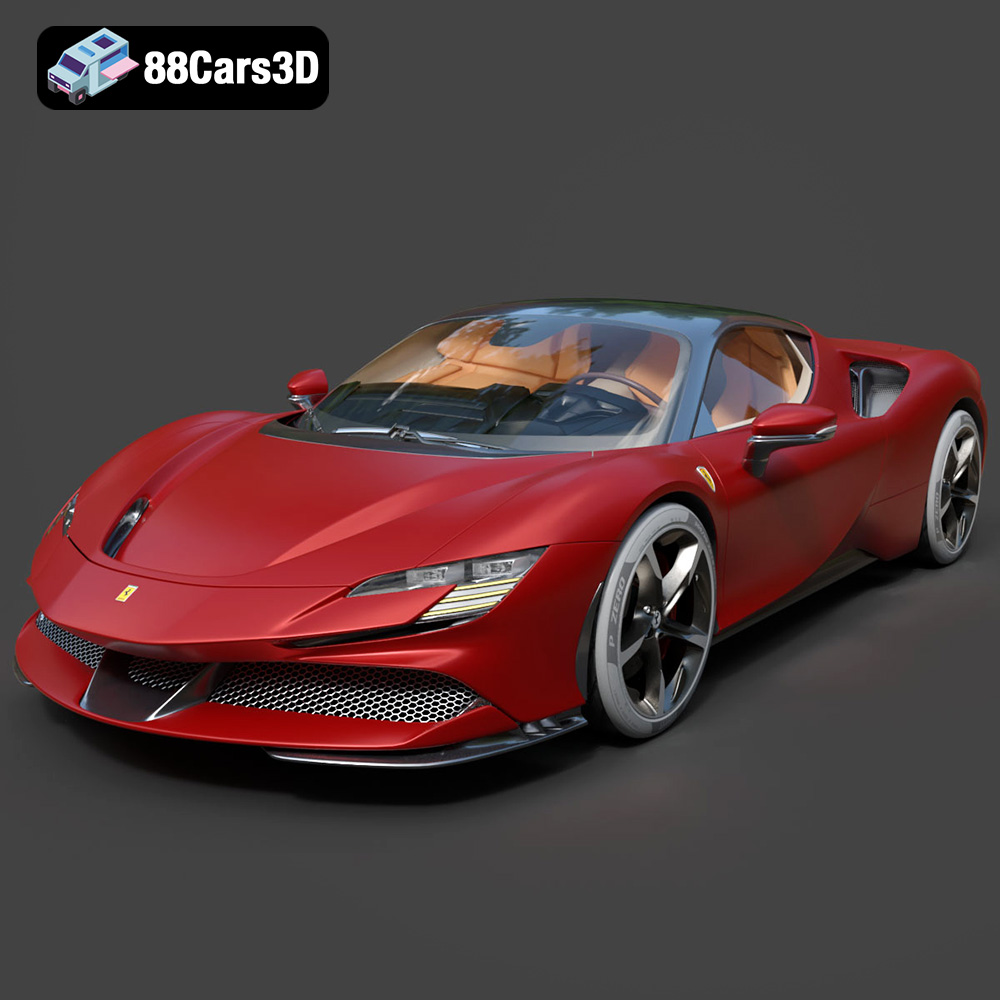
Texture: Yes
Material: Yes
Download the Ferrari SF90 Stradale 3D Model featuring clean geometry, realistic detailing, and a fully modeled interior. Includes .blend, .fbx, .obj, .glb, .stl, .ply, .unreal, and .max formats for rendering, simulation, and game development.
Price: $19.99
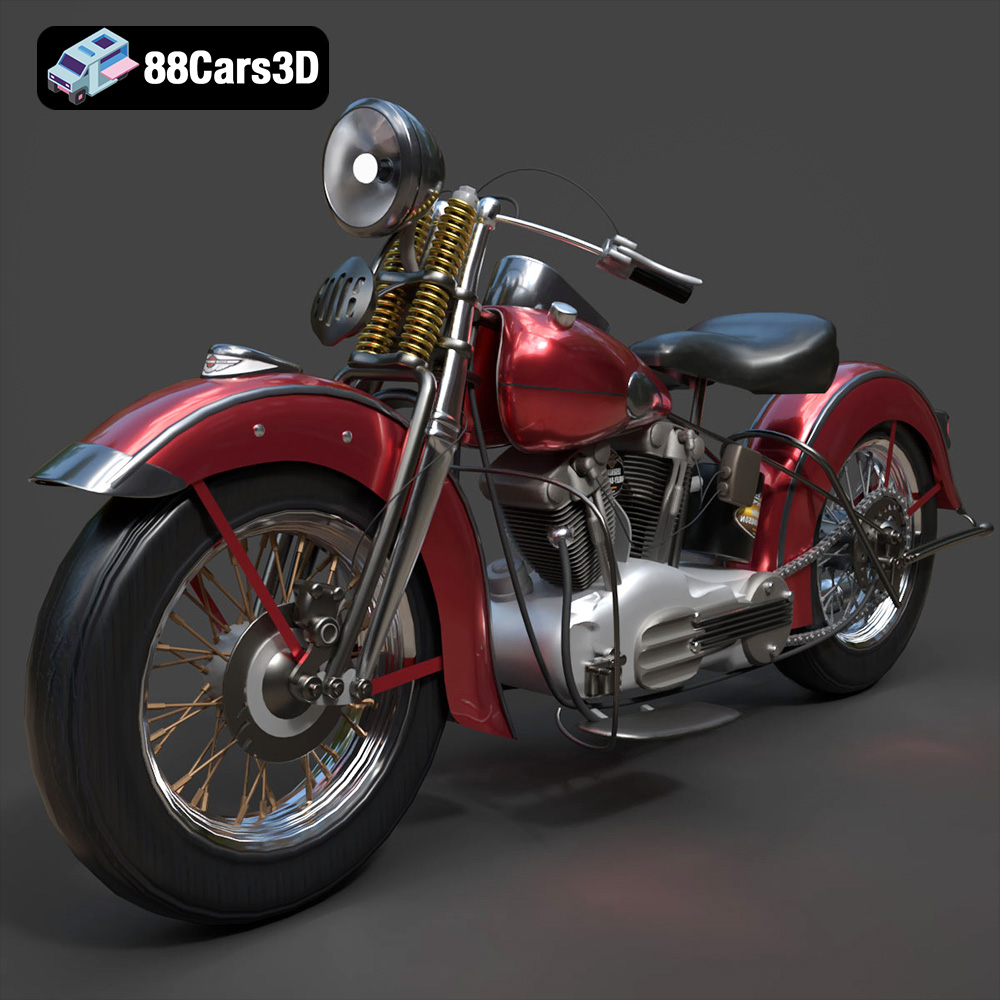
Texture: Yes
Material: Yes
Download the Harley Davidson F 1946 3D Model featuring clean geometry, realistic detailing, and a fully modeled interior. Includes .blend, .fbx, .obj, .glb, .stl, .ply, .unreal, and .max formats for rendering, simulation, and game development.
Price: $19.99
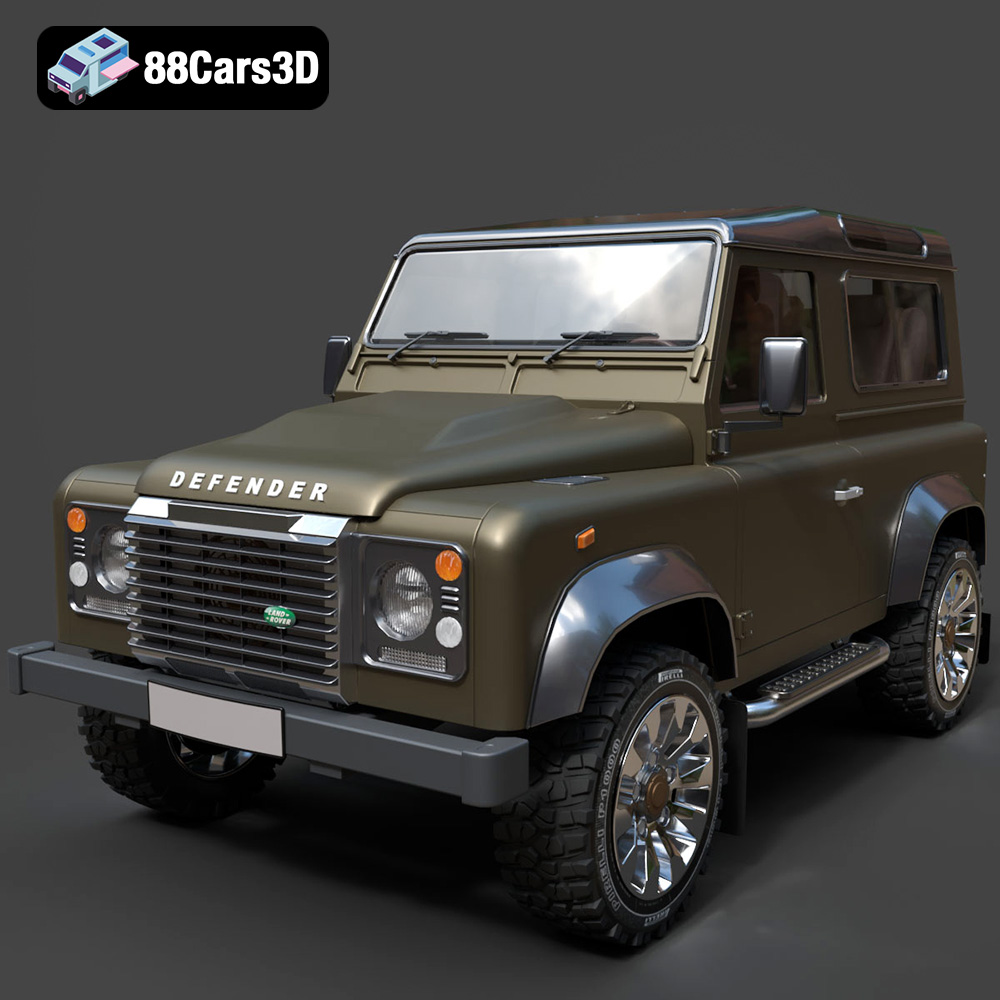
Texture: Yes
Material: Yes
Download the Land Rover Defender Works V8 3D Model featuring clean geometry, realistic detailing, and a fully modeled interior. Includes .blend, .fbx, .obj, .glb, .stl, .ply, .unreal, and .max formats for rendering, simulation, and game development.
Price: $19.99
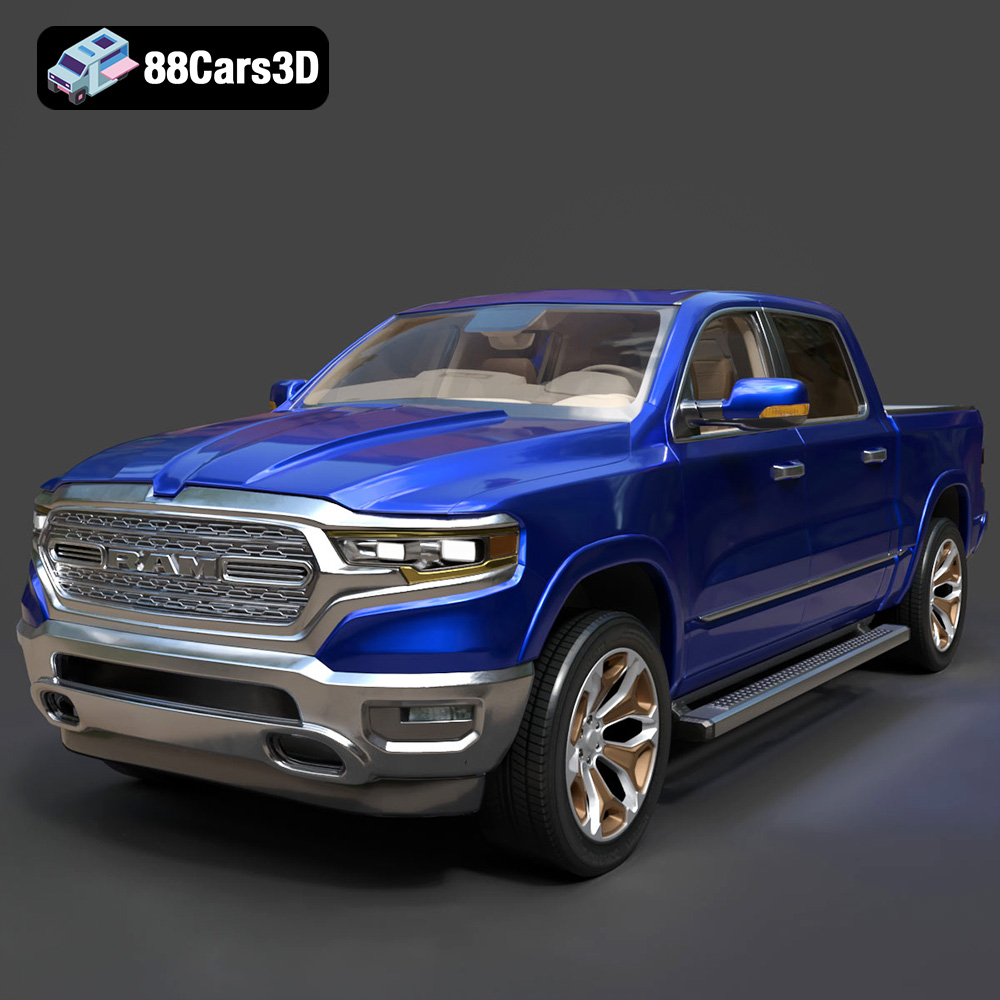
Texture: Yes
Material: Yes
Download the Dodge RAM 2019 3D Model featuring clean geometry, realistic detailing, and a fully modeled interior. Includes .blend, .fbx, .obj, .glb, .stl, .ply, .unreal, and .max formats for rendering, simulation, and game development.
Price: $19.99
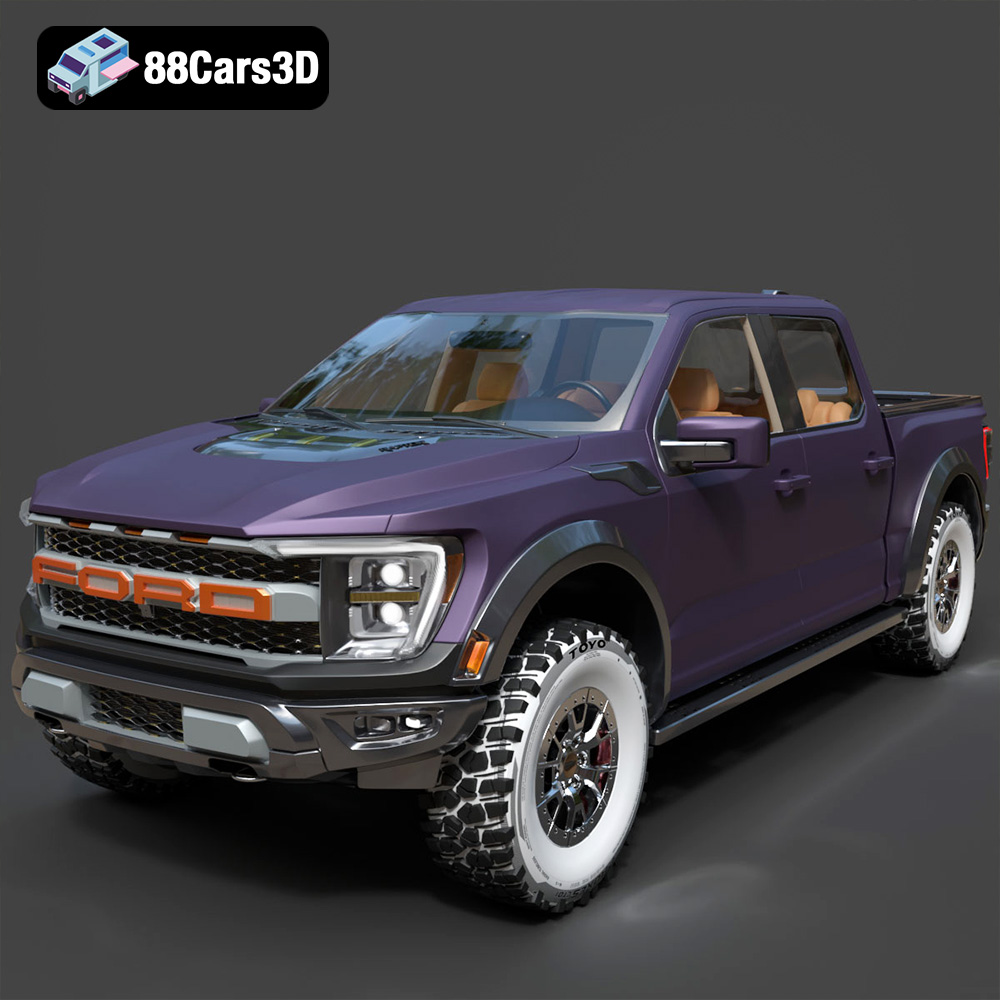
Texture: Yes | Material: Yes Download the ultra-high-detail Ford F-150 Raptor 2021 3D Model (8.73M Triangles). Features uncompromised widebody styling, fully modeled Fox Live Valve suspension, 37-inch tires, and interior. Perfect for premium VFX, cinematic rendering, and ArchViz. Includes .blend, .fbx, .obj, .glb, .stl, and .max formats.
Price: $29.99
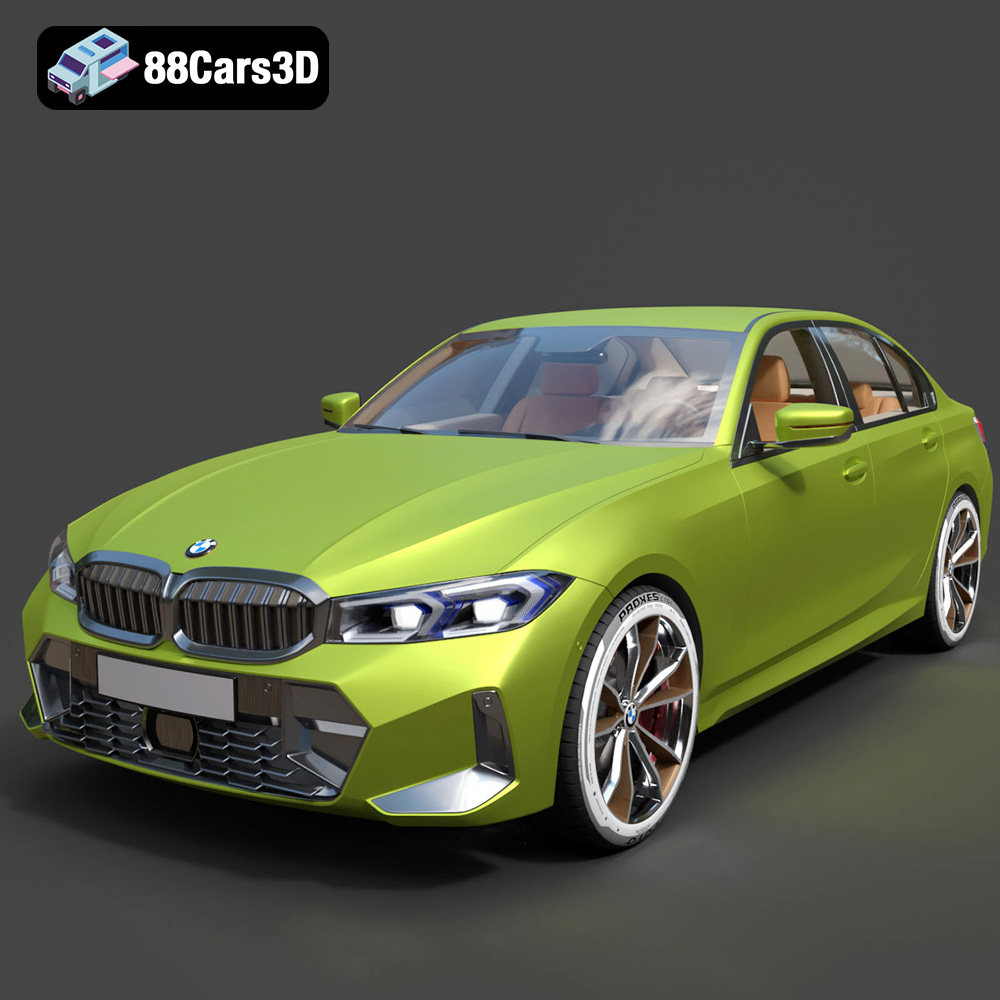
Texture: Yes | Material: Yes Download the ultra-high-detail BMW 3 Series Limousine (2022) 3D Model (4.16M Triangles). Features the modernized G20 LCI exterior, the all-new BMW Curved Display interior, and ultra-dense topology. Perfect for ArchViz, VFX, and cinematic rendering. Includes .blend, .fbx, .obj, .glb, .stl, and .max formats.
Price: $19.99
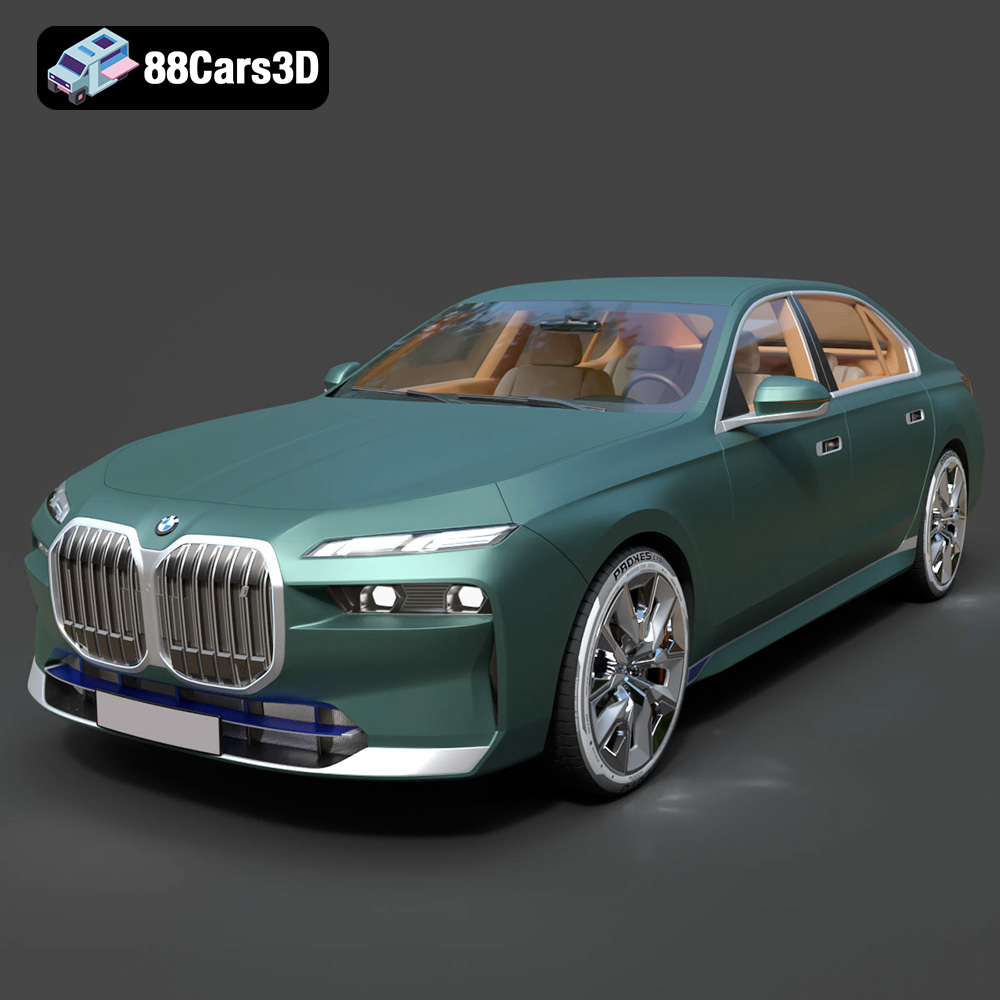
Texture: Yes | Material: Yes Download the ultra-high-detail BMW i7 (2023) 3D Model (4.14M Triangles). Features the illuminated kidney grille, split crystal headlights, fully modeled Theatre Screen interior, and monolithic luxury styling. Perfect for ArchViz, VFX, and cinematic rendering. Includes .blend, .fbx, .obj, .glb, .stl, and .max formats.
Price: $19.99
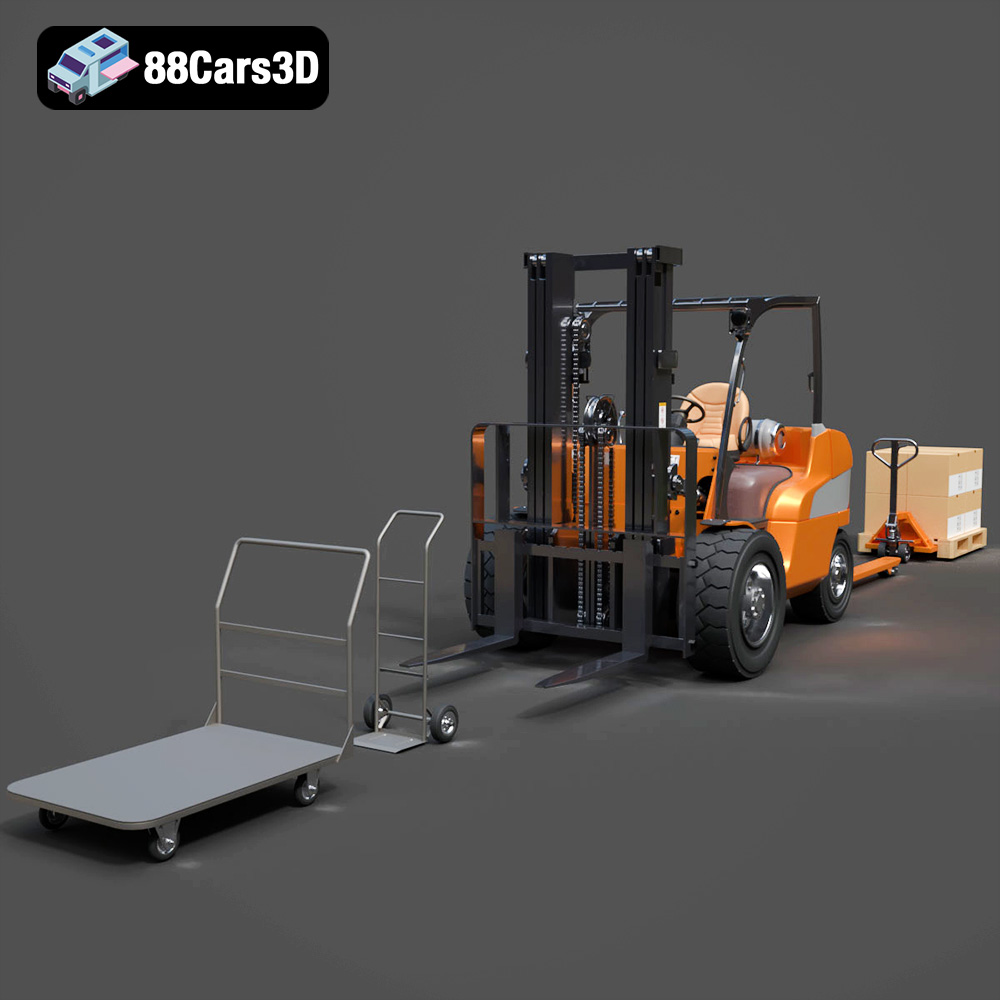
Texture: Yes | Material: Yes Download the highly detailed CAT Manual Loader & Warehouse Carts Kit 3D Model (2.4M Triangles). Features a macro-detailed hydraulic pallet jack, heavy-duty forks, and transport carts. Perfect for industrial ArchViz, factory rendering, and logistics simulations. Includes .blend, .fbx, .obj, .glb, .stl, and .max formats.
Price: $19.99
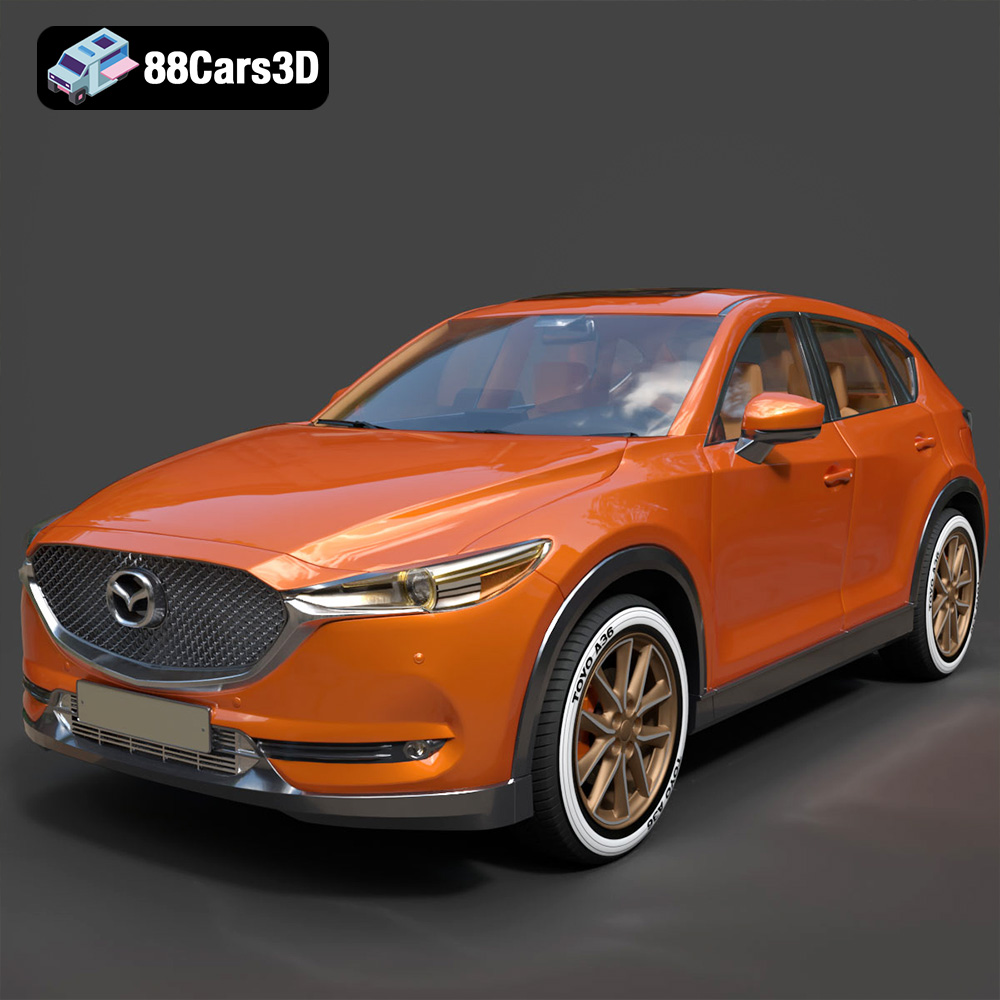
Texture: Yes | Material: Yes
Download the highly optimized Mazda CX-5 2014 3D Model (294k Triangles). Features the dynamic Kodo design language, signature grille, and a clean interior. Perfectly balanced for ArchViz, background traffic, and game development. Includes .blend, .fbx, .obj, .glb, .stl, and .max formats.
Price: $19.99
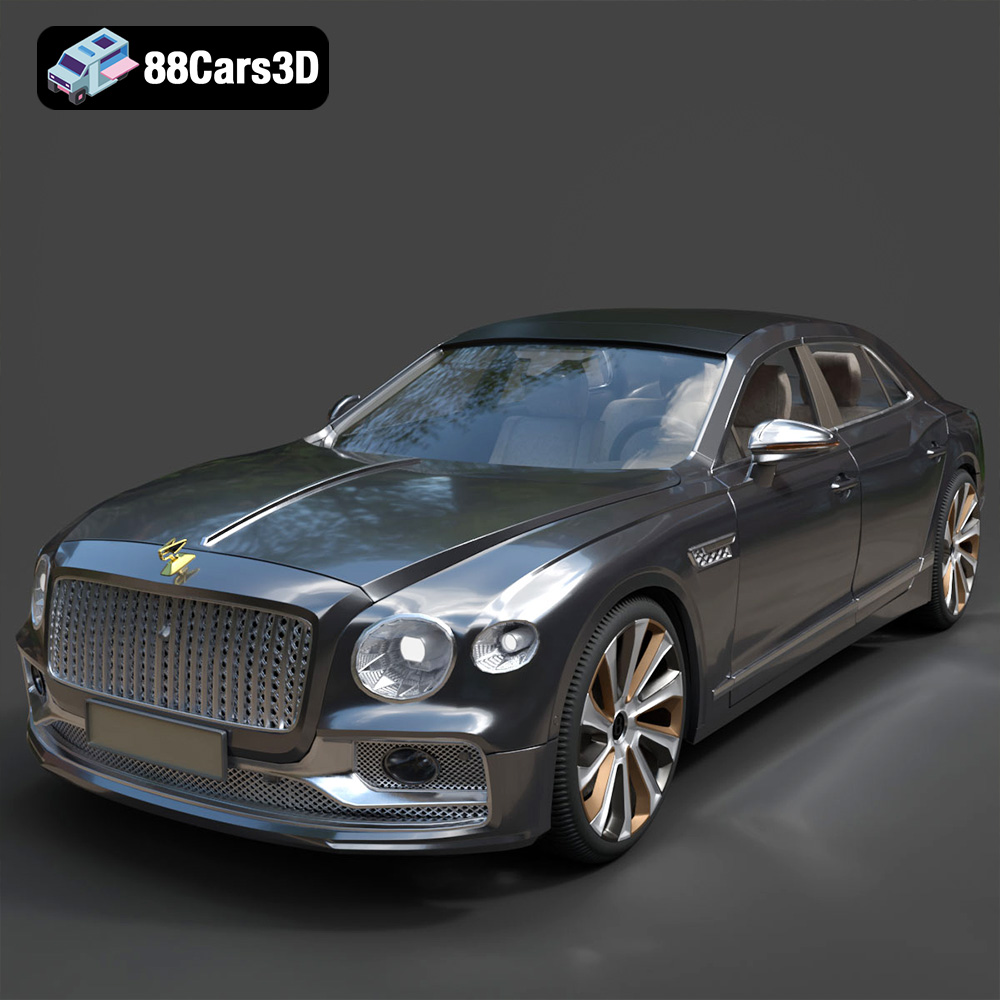
Texture: Yes | Material: Yes Download the ultra-high-detail Bentley Flying Spur Mulliner 2022 3D Model (2.94M Triangles). Features the bespoke Double Diamond grille, a fully modeled diamond-quilted interior, and exquisite luxury styling. Perfect for high-end ArchViz, VFX, and cinematic rendering. Includes .blend, .fbx, .obj, .glb, .stl, and .max formats.
Price: $19.90

