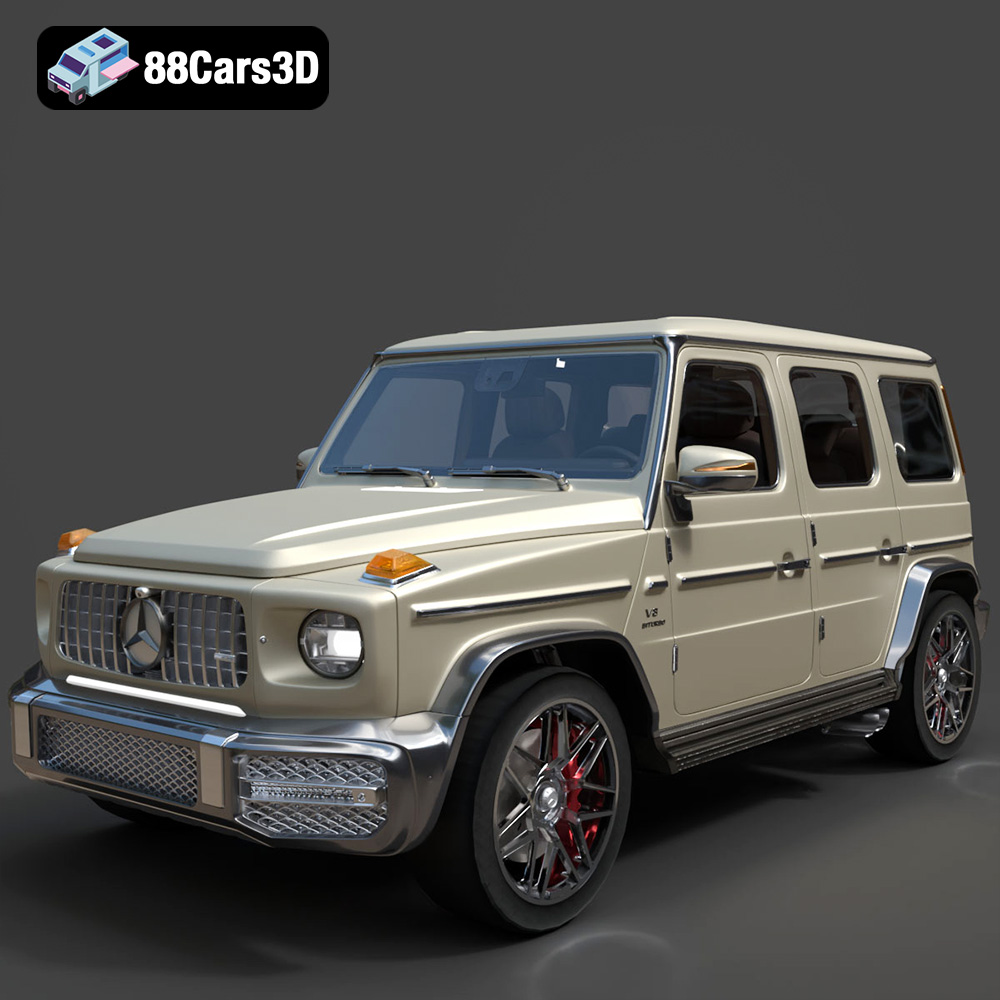
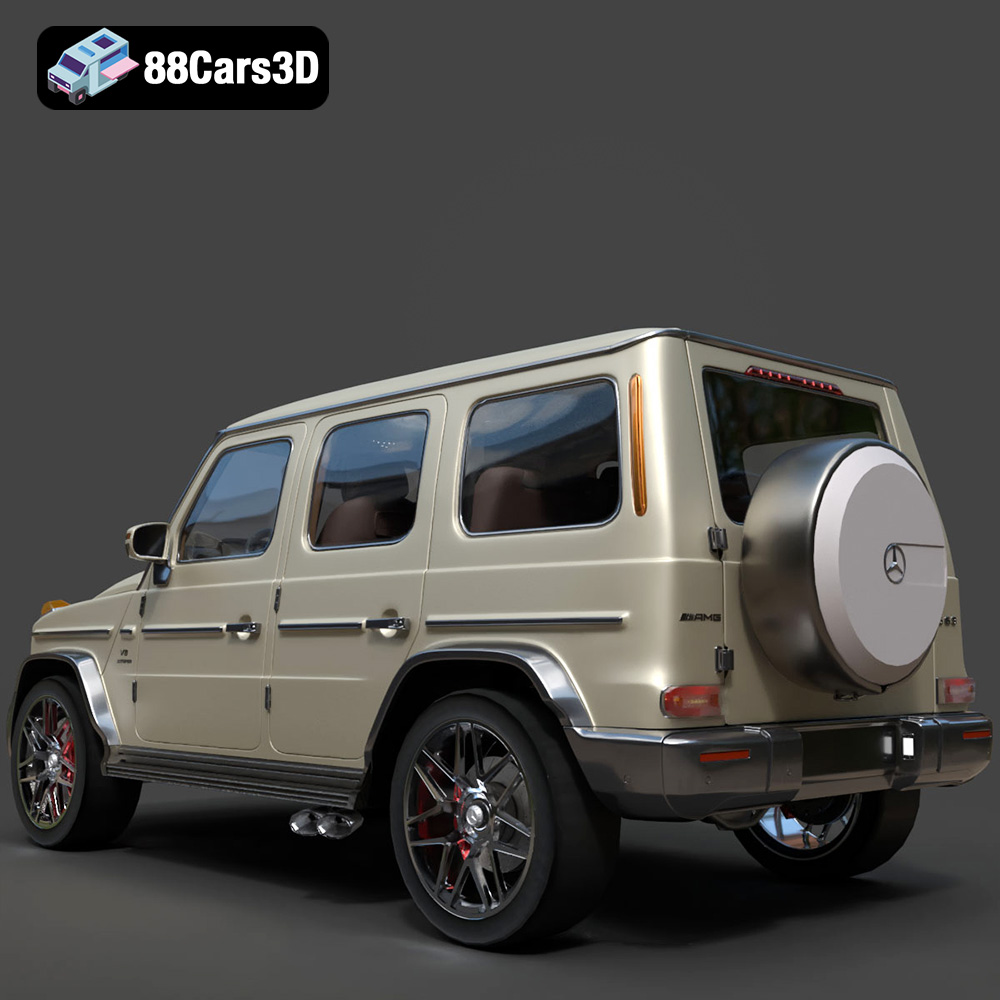
Get 50% OFF All Premium 3D & STL Models!

In the fast-paced world of digital creation, the demand for photorealistic assets is ever-growing. From crafting breathtaking architectural visualizations (ArchViz) that sell multi-million dollar properties to developing immersive open-world games and cutting-edge virtual reality experiences, high-fidelity 3D models are the backbone of compelling visual narratives. Automotive assets, in particular, hold a unique place, often serving as critical focal points that convey luxury, speed, and sophisticated design. They ground virtual environments in realism and instantly elevate the perceived quality of any scene.
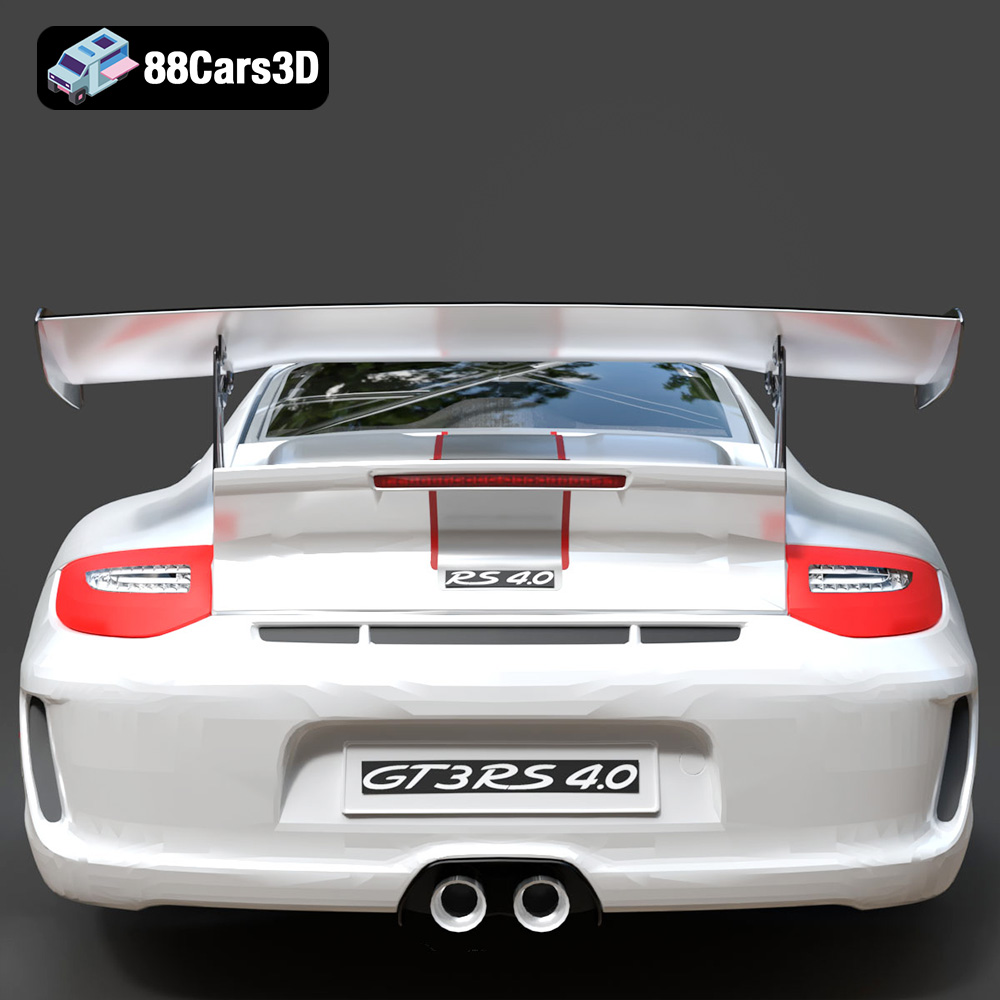
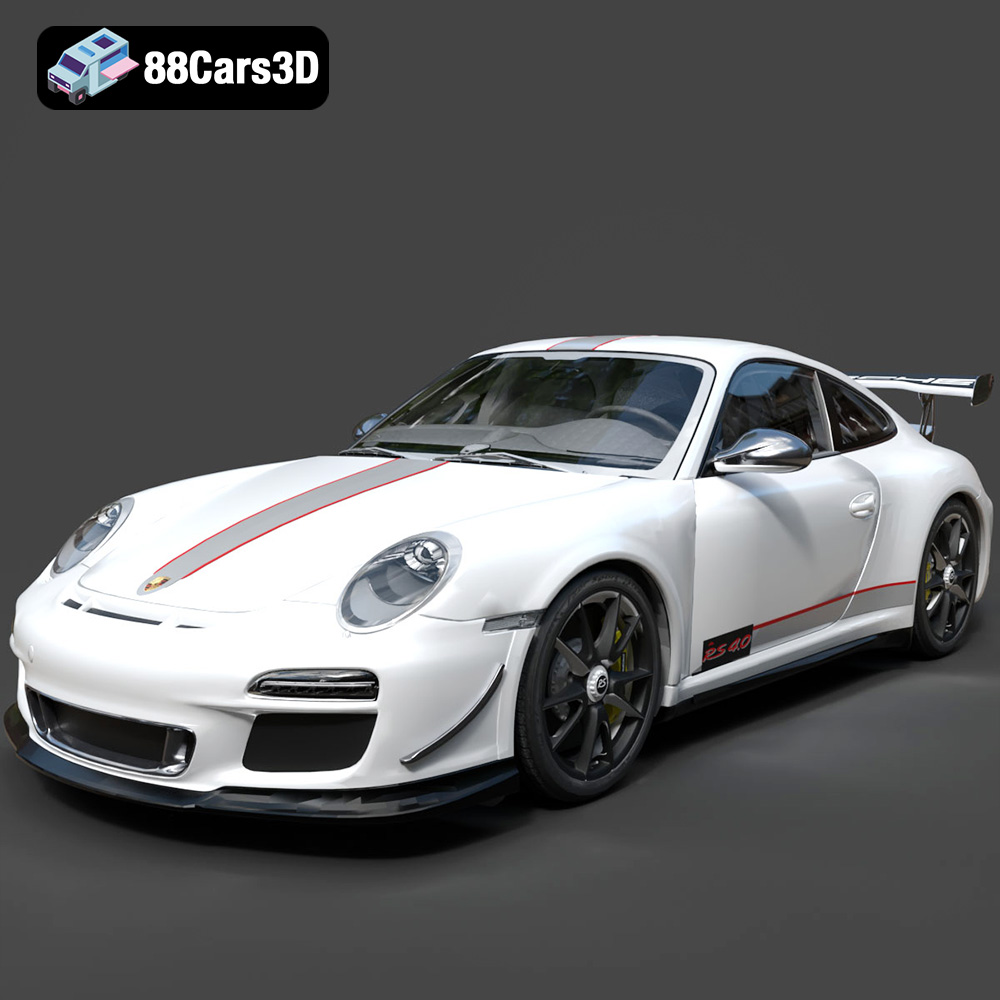
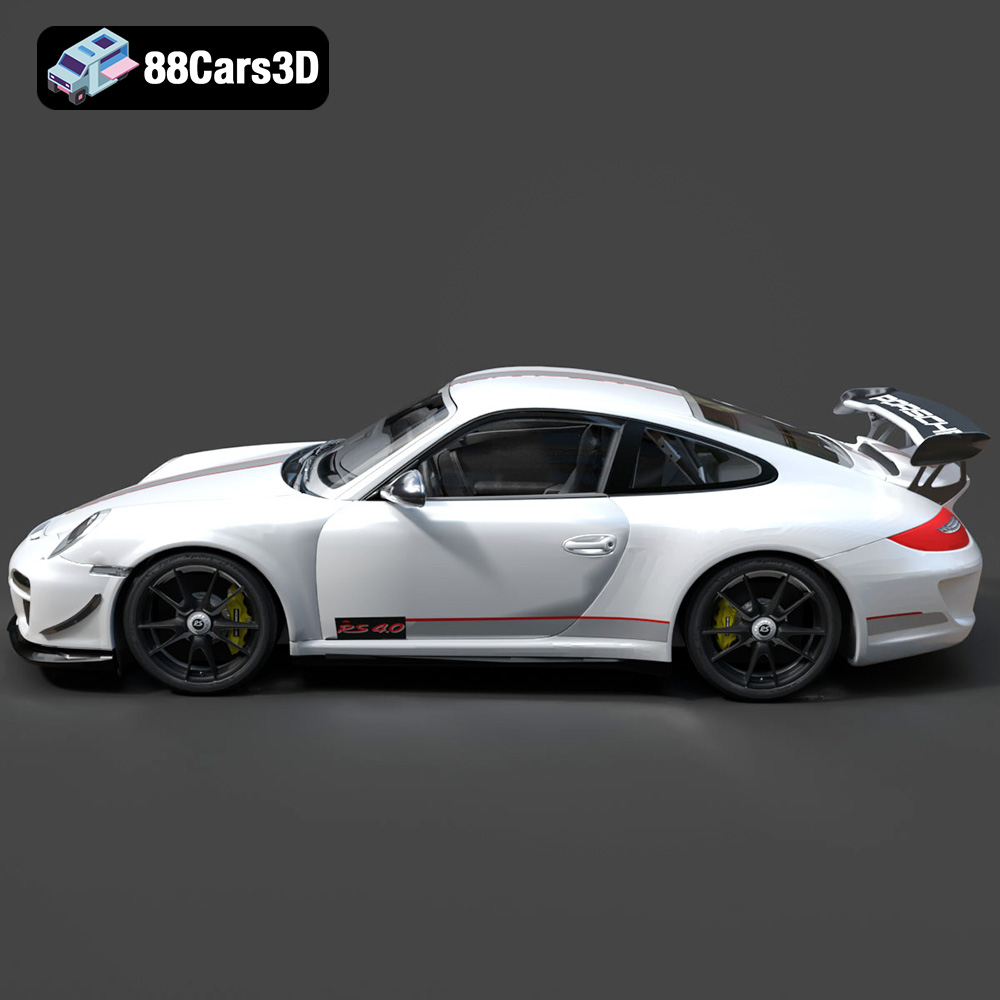
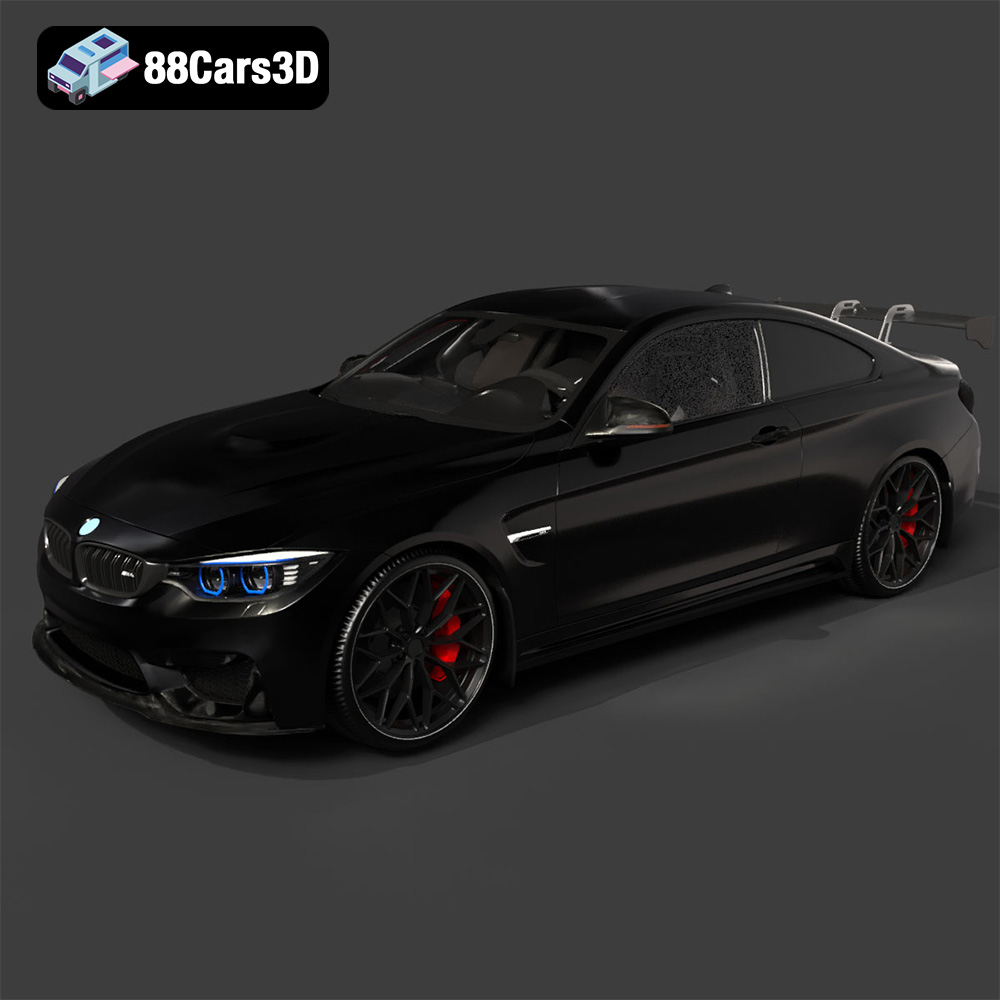
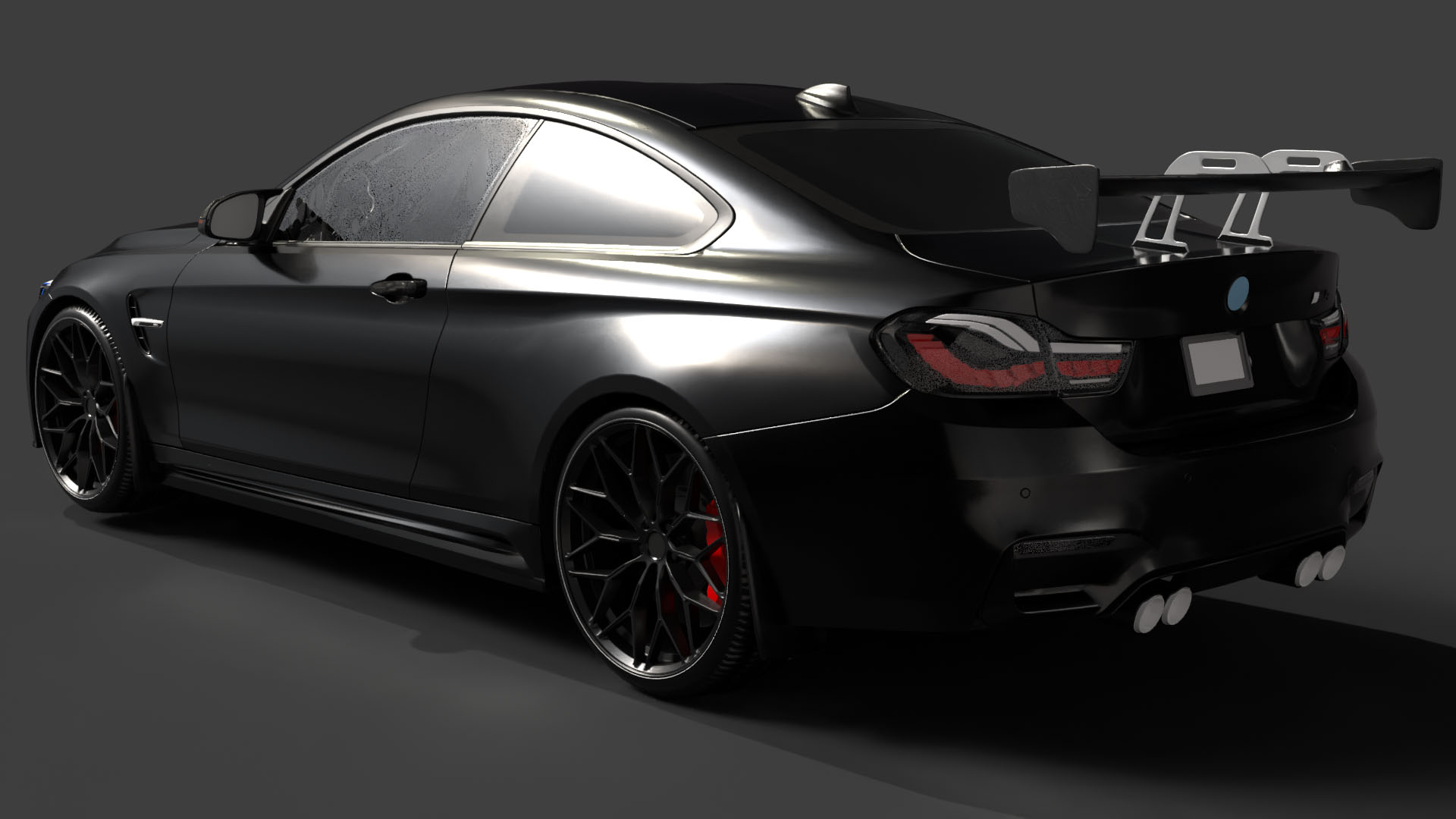
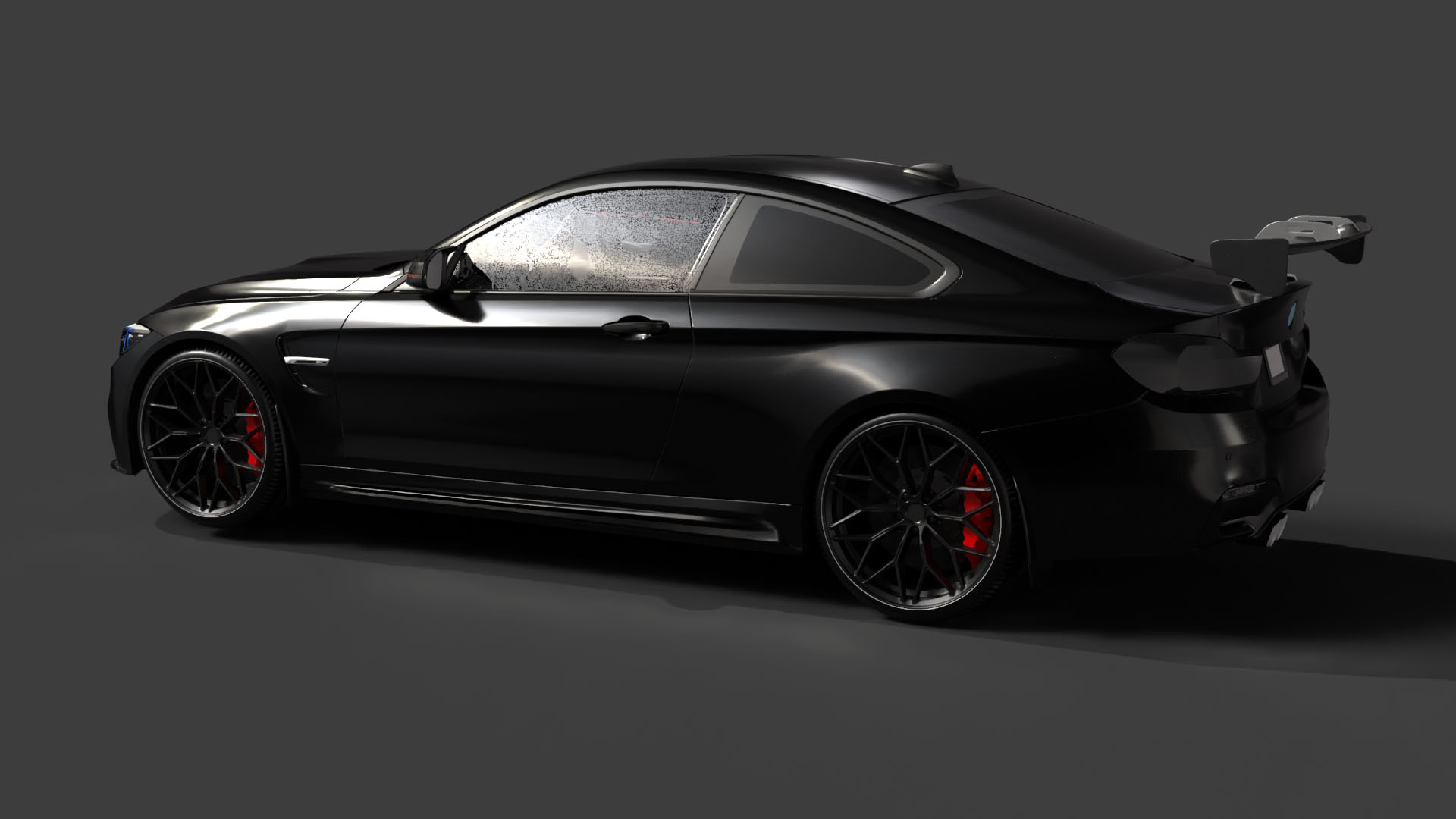
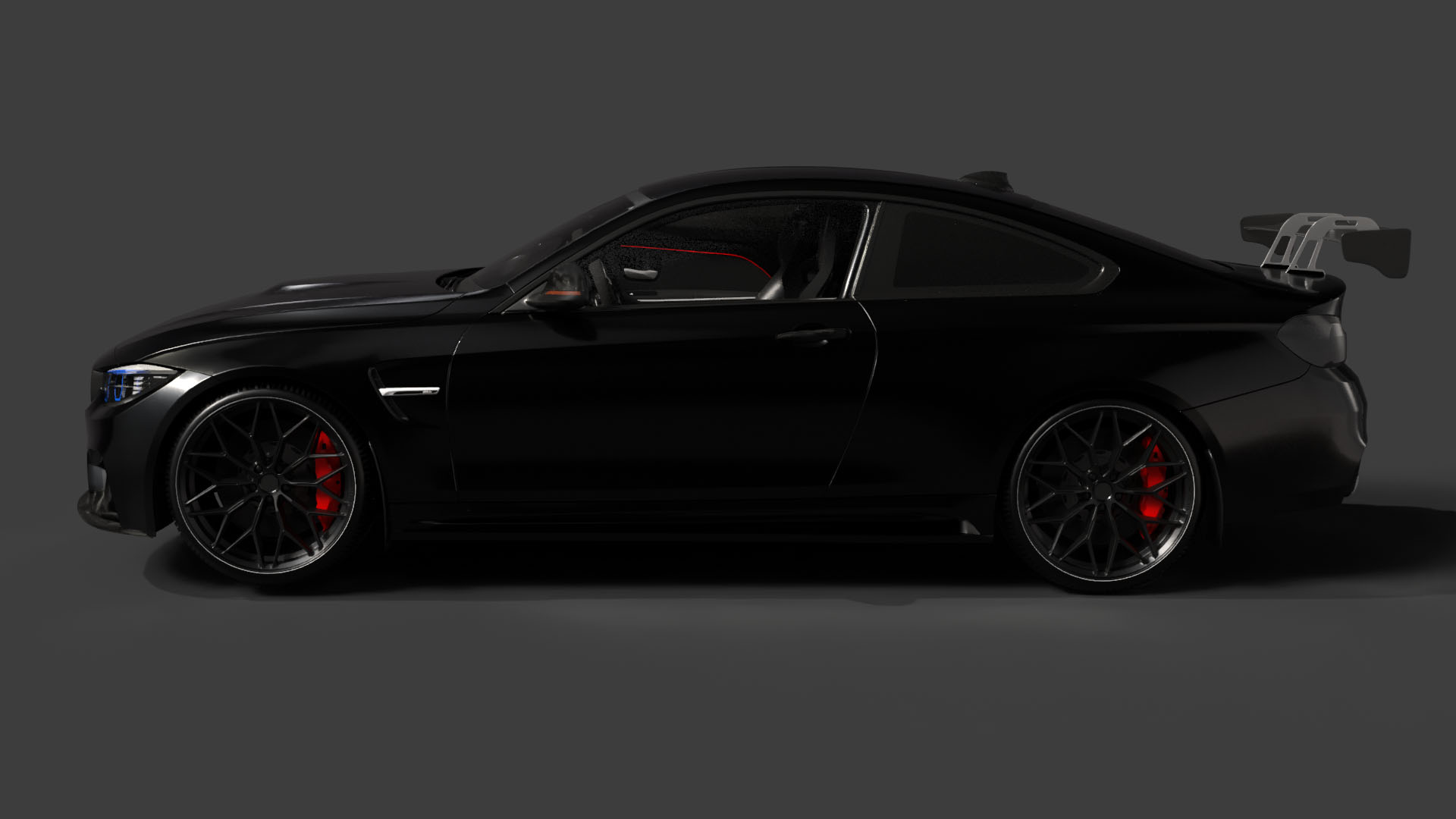
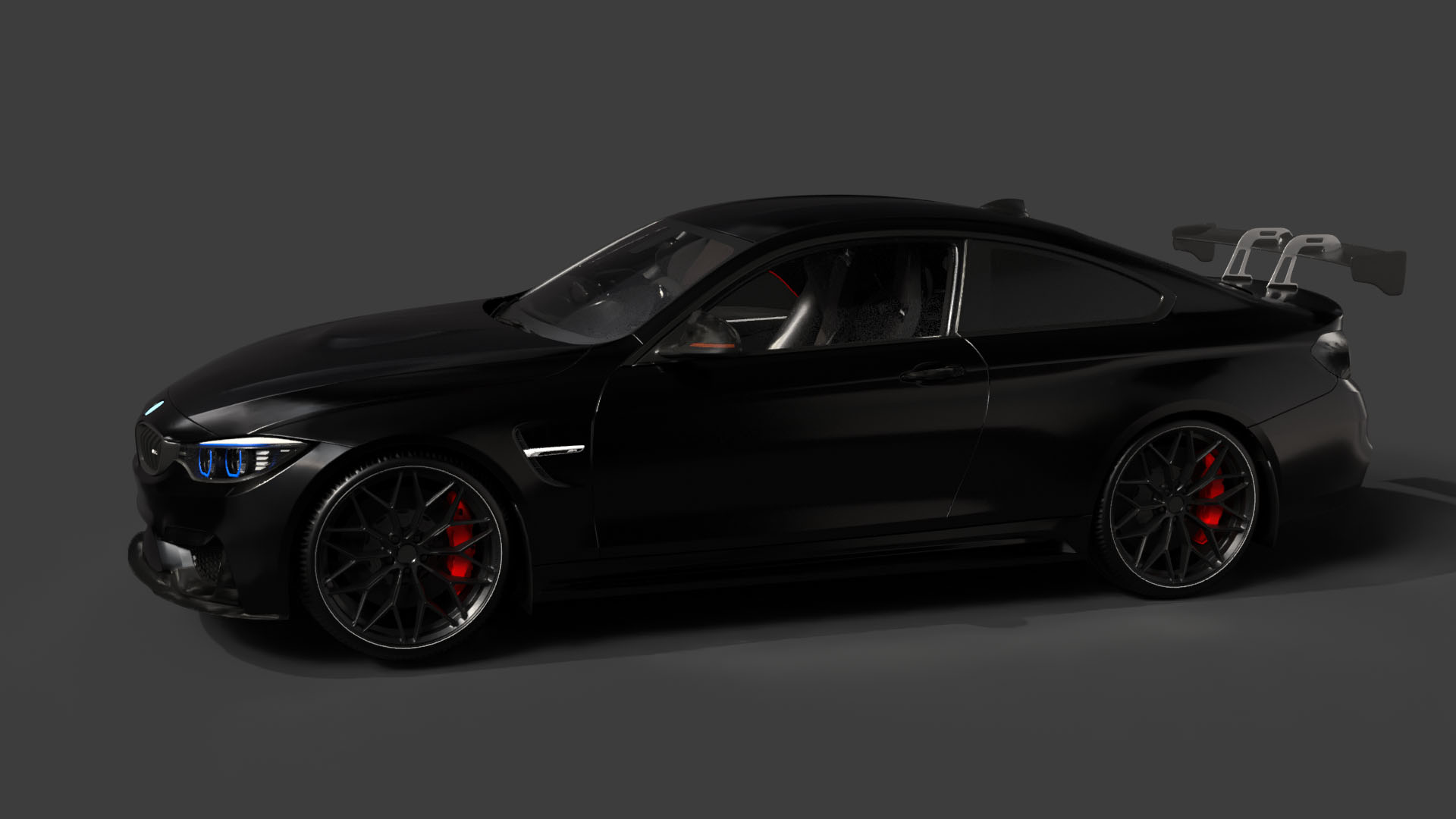
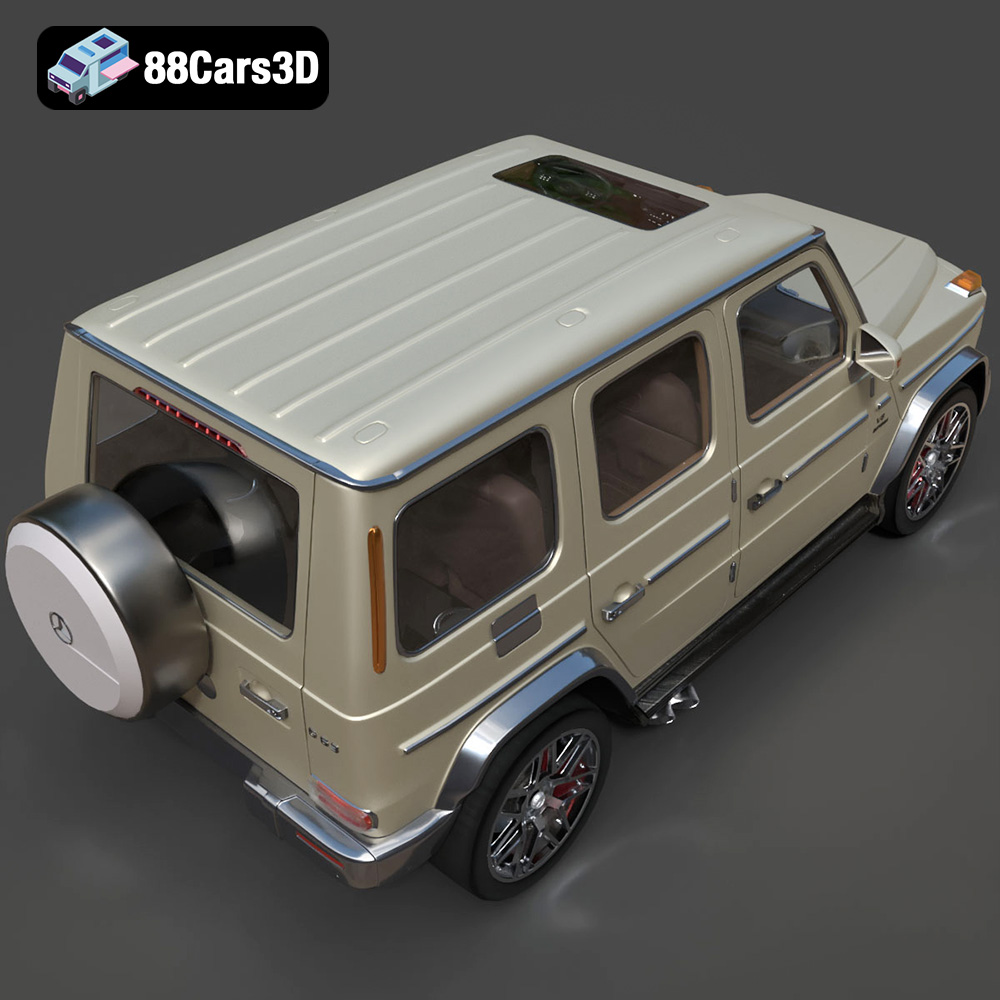
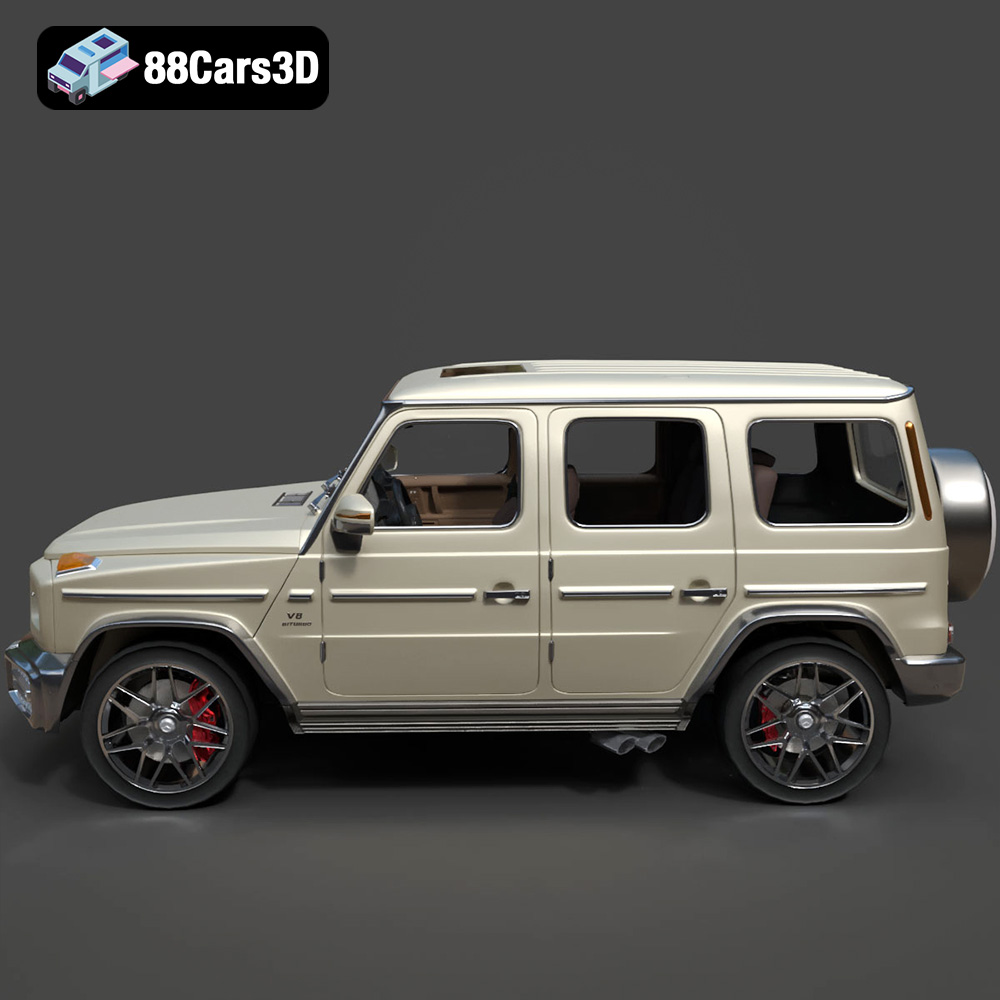
Imagine showcasing a sleek, modern mansion without a striking luxury vehicle parked in the driveway, or an urban game environment devoid of realistic traffic. Such omissions detract from immersion and professionalism. This is precisely where meticulously crafted 3D car models become not just an asset, but a strategic investment. We’re talking about models that capture every curve, every reflection, and every nuanced detail that defines automotive excellence. Today, we’ll delve into the technical intricacies and creative applications of such models, highlighting how a collection like the Ultimate German Luxury Cars 3D Models Bundle empowers artists to achieve unparalleled realism and efficiency in their projects. This premium pack features iconic vehicles like the Porsche 911 GT3, Audi RS7, BMW M4 F82, and Mercedes-Benz G63 AMG, providing a versatile arsenal for diverse creative needs.
The world of 3D modeling is rich with various file formats, each designed to serve specific purposes and optimize workflows across different software and platforms. Choosing the correct format is crucial for maintaining data integrity, ensuring compatibility, and achieving desired outcomes, whether for rendering, game development, or 3D printing. The Ultimate German Luxury Cars 3D Models Bundle, for instance, offers a range of formats to ensure maximum flexibility for professionals.
The .blend format is Blender’s native file type, offering a comprehensive package that includes not only the mesh data but also materials, textures, lighting setups, animations, and even physics simulations. This makes it ideal for users working entirely within the Blender ecosystem, providing a fully editable scene ready for further modifications or rendering using Cycles or Eevee. Technical details within a .blend file typically encompass detailed nodal material setups, packed textures, and often, clean, quad-based topology with appropriate edge creasing or subdivision surface modifiers applied. For the Porsche 911 GT3 or BMW M4 F82 from the German Luxury Pack, the .blend file would provide a fantastic starting point for custom paint jobs or rigging.
Autodesk’s .fbx (Filmbox) format has become an industry standard for exchanging 3D data between various software applications, especially prominent in game development. It efficiently stores complex scene data, including geometry, materials, animations, and skeletal structures. For real-time pipelines, .fbx is invaluable for importing assets into game engines like Unreal Engine and Unity, preserving animations, and ensuring proper material assignments (though often requiring re-setup of shaders within the engine). When integrating the Audi RS7 into an Unreal project, the .fbx is your go-to format for clean import of the vehicle’s mesh and separated components like wheels.
The .obj (Wavefront Object) format is one of the most widely supported and simplest 3D file formats. It primarily stores geometric data – vertices, normals, UV coordinates, and faces – along with references to external material files (.mtl). Its universality makes it excellent for cross-software compatibility, though it typically doesn’t store animation data or complex material nodes. For basic mesh transfer or 3D printing preparation where only the geometry is needed, .obj is a reliable choice. It’s often used when an artist needs to import a model into a sculpting application like ZBrush or simply for archival purposes due to its plain-text, human-readable nature.
The .glb (GLB File Format) is the binary version of glTF (GL Transmission Format), designed for efficient transmission and loading of 3D scenes and models by web applications and AR/VR platforms. It’s a self-contained format that embeds textures, materials, and animations directly into a single file, making it highly optimized for browser-based display and real-time interactive experiences. With the increasing demand for 3D content on websites and in augmented reality, .glb is becoming indispensable. Imagine showcasing the Mercedes-Benz G63 AMG directly in a web browser for a car configurator – .glb would be the format of choice.
The .stl (Stereolithography) format is the de facto standard for 3D printing. It represents a 3D model as a collection of unconnected triangular facets, defining only the surface geometry of an object without color, texture, or material information. While simple, its ubiquity ensures compatibility with virtually all 3D printers and slicer software. For creating physical diecast models of the Porsche 911 GT3 or BMW M4 F82, the .stl file provided in the bundle is perfectly suited for preparing for resin or FDM printing, allowing hobbyists and professionals to bring digital assets into the physical world.
The .ply (Polygon File Format) is a versatile format for storing 3D data from 3D scanners, CAD software, and other sources. It can store a wider range of information than .obj or .stl, including color, transparency, and sometimes even scalar data per vertex or face. It’s often used in academic, scientific, or precision engineering contexts where detailed mesh data and attribute storage are critical. While less common for general asset exchange, it’s valuable for specific technical applications or when dealing with highly accurate scan data.
The .unreal format, typically referring to Unreal Engine’s native asset files (e.g., .uasset), are specifically designed for direct import and optimal performance within the Unreal Engine ecosystem. These files store all the necessary data—mesh, materials, textures, animations, blueprints, and more—in a format that the engine can rapidly process. While not directly transferable outside Unreal, having assets pre-optimized and packaged in this manner streamlines development for games and virtual production. The German Luxury Pack’s “engine-ready” designation implies that while the direct .uasset isn’t always provided for every model, the .fbx is prepared for seamless integration into Unreal with minimal setup.
The .max format is the native file type for Autodesk 3ds Max, a powerhouse in architectural visualization, design, and animation. Like .blend files, .max files encapsulate the entire scene: geometry, modifiers, materials (V-Ray, Corona, Arnold), lights, cameras, and animation data. This format provides maximum flexibility for 3ds Max users to modify, animate, or render the models with full control over all scene elements. For ArchViz artists utilizing the Mercedes-Benz G63 AMG or Audi RS7, the .max file offers the most robust platform for custom scene integration and high-fidelity rendering.
Architectural Visualization relies heavily on creating environments that blur the lines between virtual and reality. High-quality 3D car models are pivotal in this discipline, adding a layer of authenticity, scale, and aspirational lifestyle to a scene. The Ultimate German Luxury Cars bundle is purpose-built to be the “cheat code” for ArchViz artists.
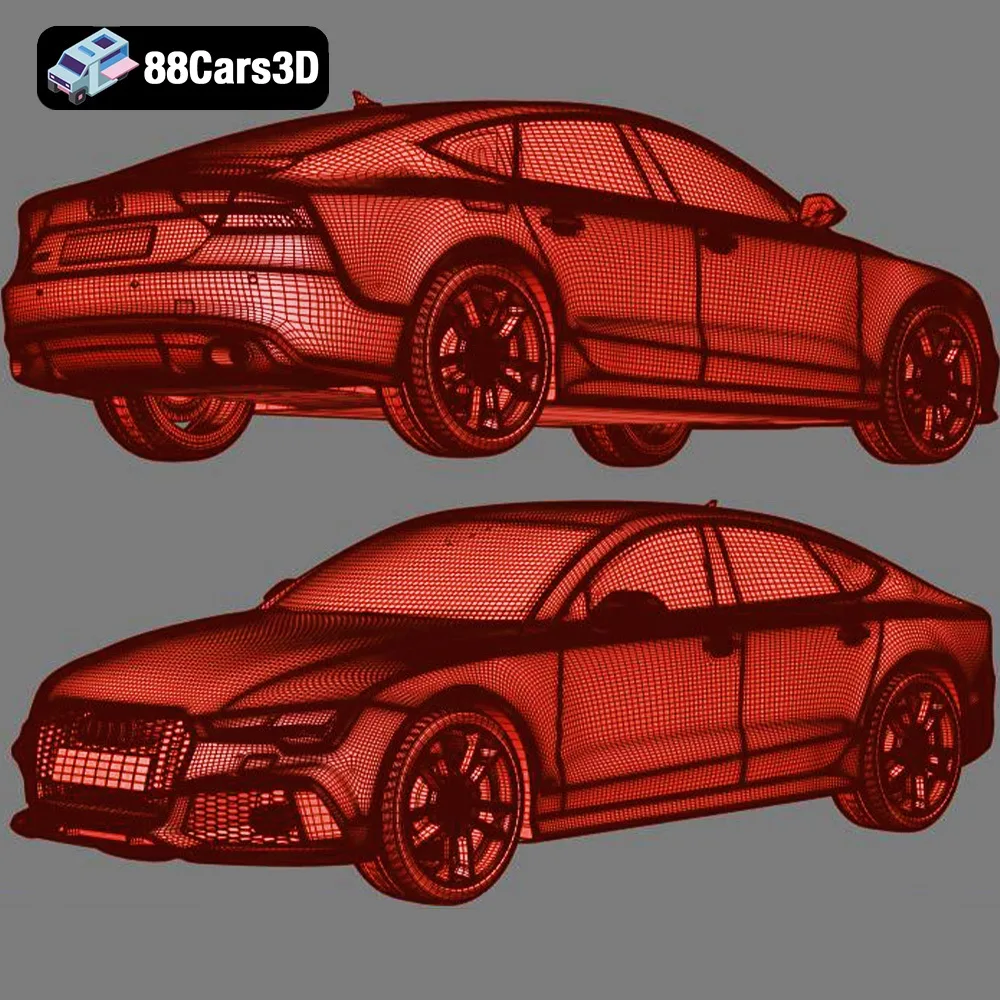
A pristine Porsche 911 GT3 parked in a minimalist glass garage or a commanding Mercedes-Benz G63 AMG in the driveway of a modern villa immediately elevates the perceived value and sophistication of an architectural render. The process typically begins with importing the chosen car model into your primary 3D application, often 3ds Max or Blender. Artists leverage the clean topology and real-world scale of models like those from 88cars3d.com to ensure they fit seamlessly into the scene without distortions. Proper pivot points on the wheels, a feature of the German Luxury Pack, are essential for subtle adjustments like parking on an incline or rotating wheels slightly to suggest movement, adding dynamic realism to a static image.
Achieving photorealism extends beyond just accurate geometry; it requires sophisticated material setup and nuanced lighting. For ArchViz, artists frequently utilize renderers like V-Ray, Corona, or Arnold. The car models in this bundle are designed for compatibility with these industry-standard renderers. This means their UVs are meticulously prepared for PBR (Physically Based Rendering) materials, allowing for realistic paint shaders, intricate headlight glass, and chrome reflections. Setting up studio-quality lighting, often employing HDRI environments combined with targeted area lights, is crucial to bring out the car’s sculpted lines and metallic finishes, mimicking real-world automotive photography. The separate components of the models, such as headlights and taillights, allow for individual material assignments, enabling artists to simulate realistic light emission and refraction for stunning night renders.
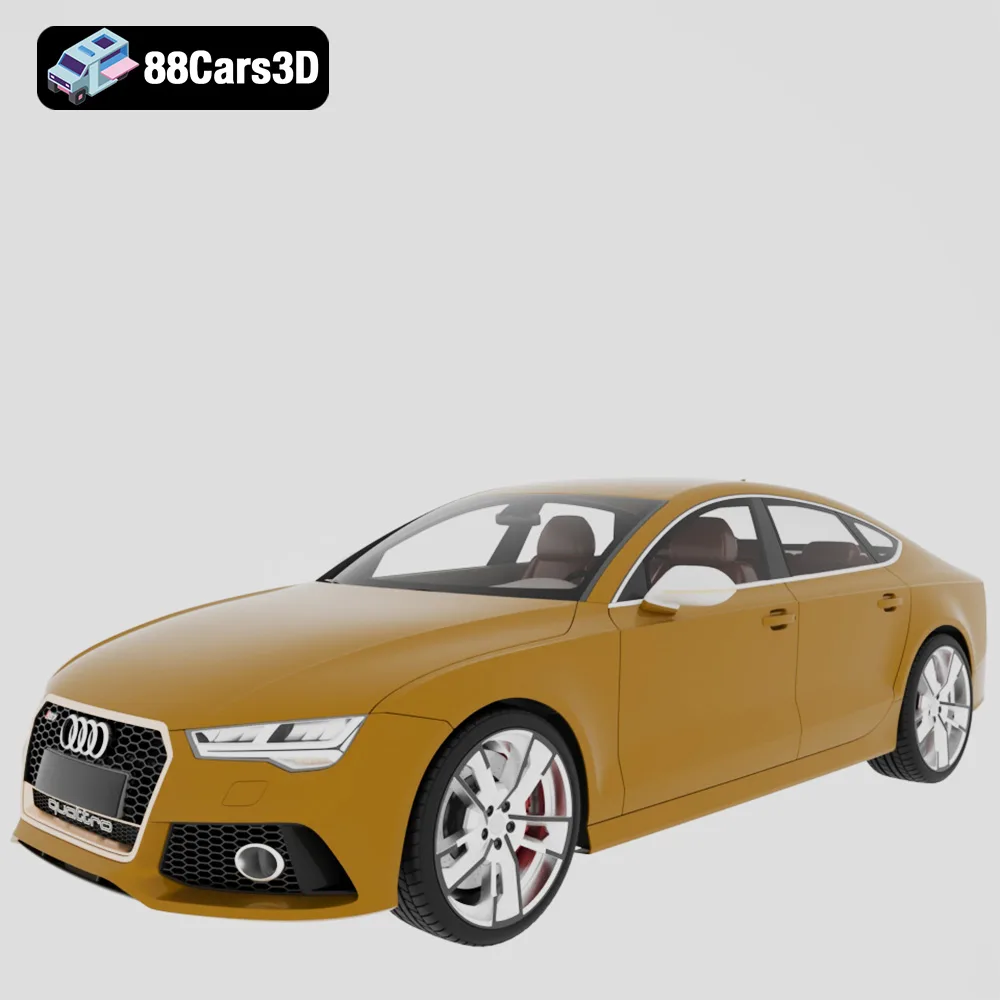
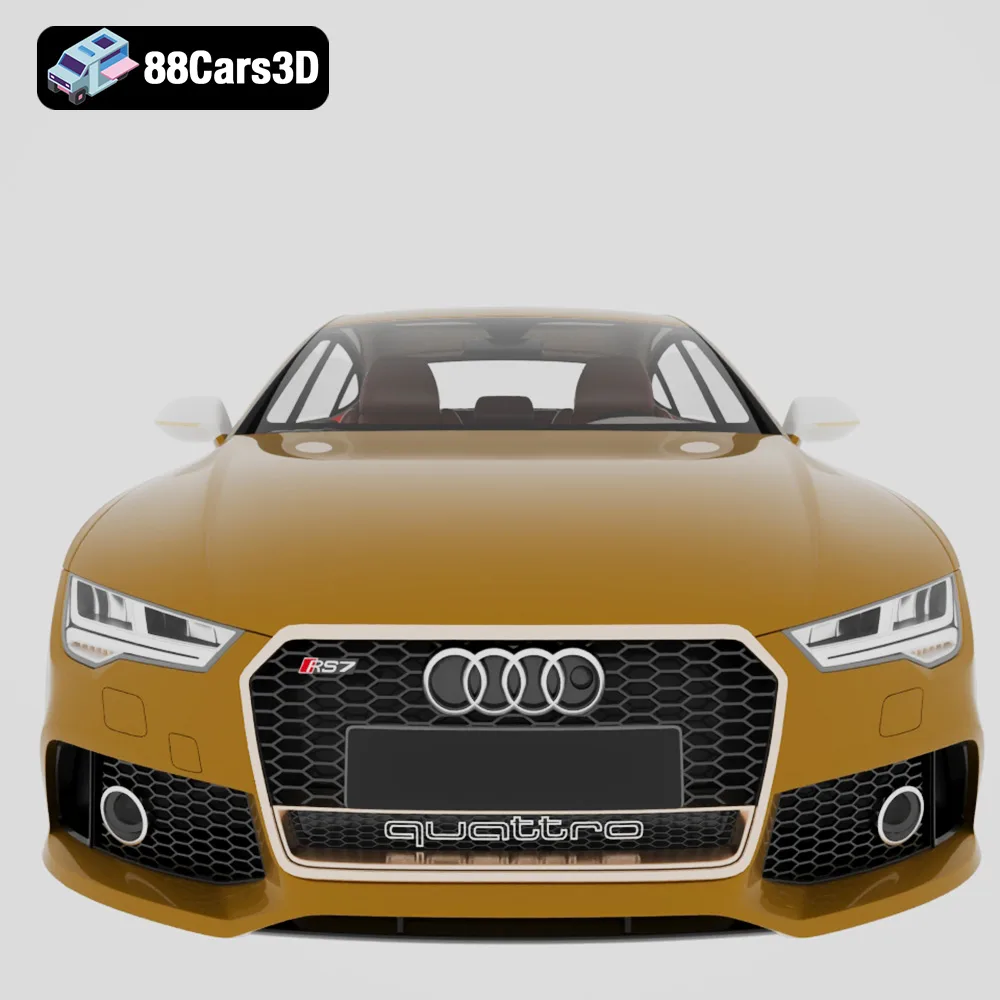
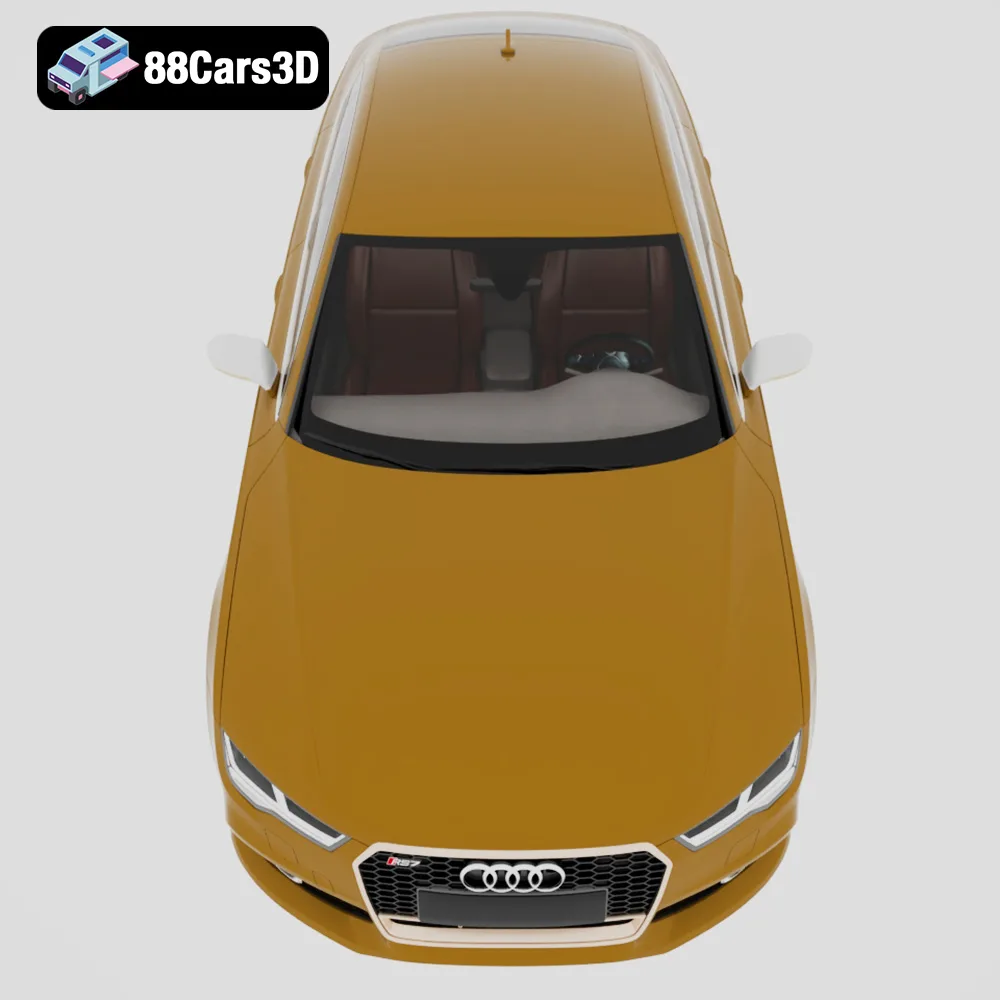
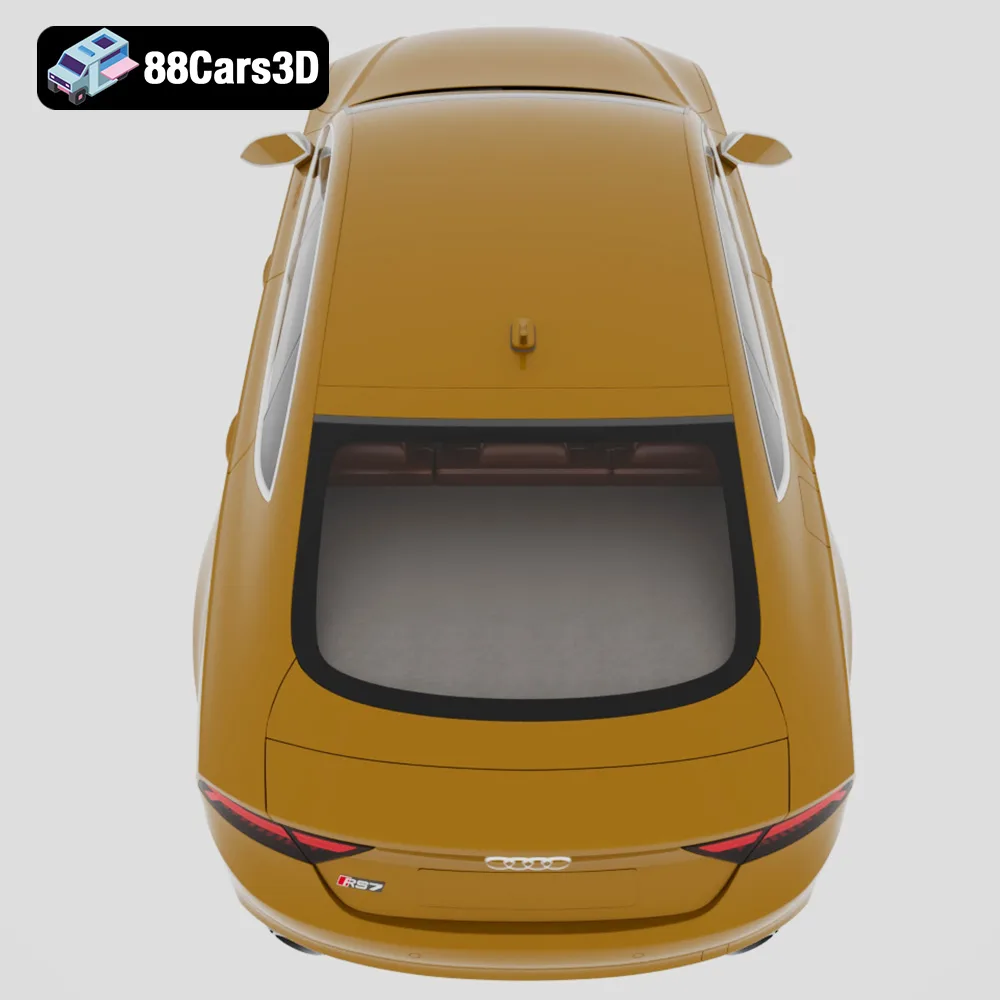
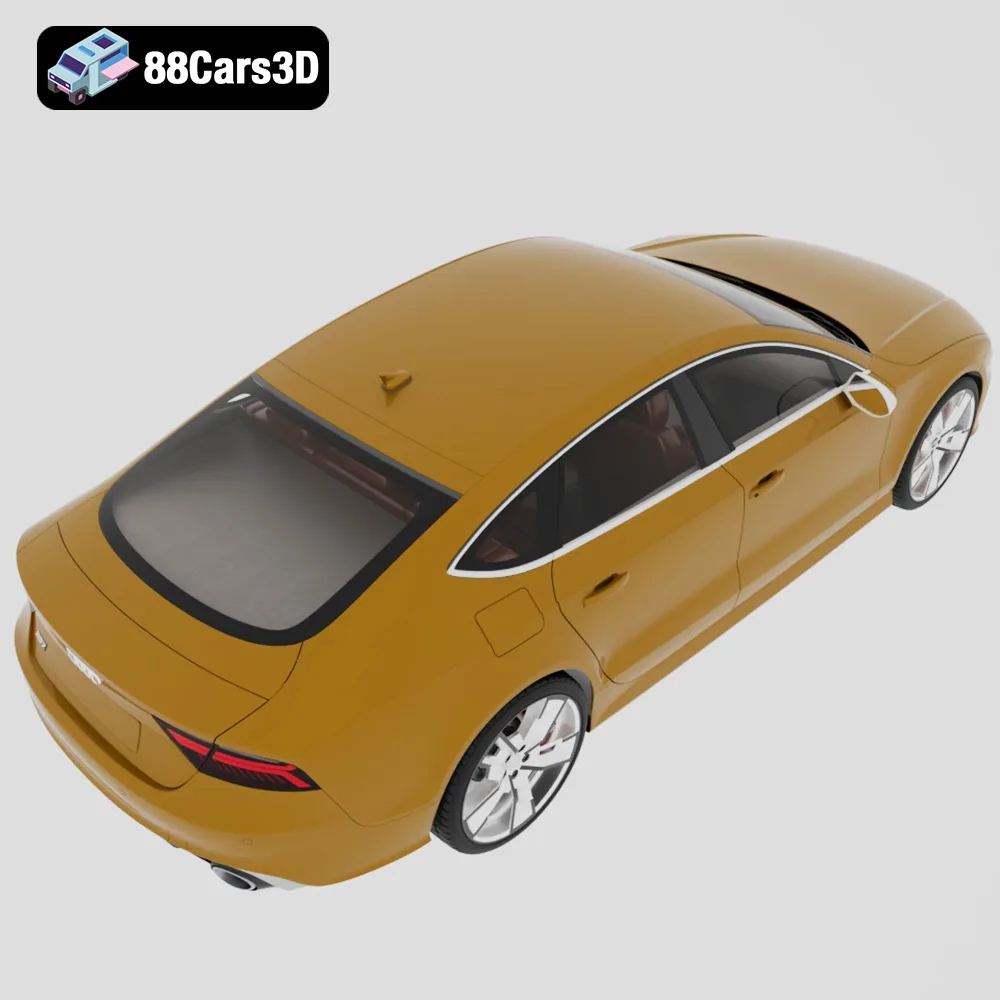
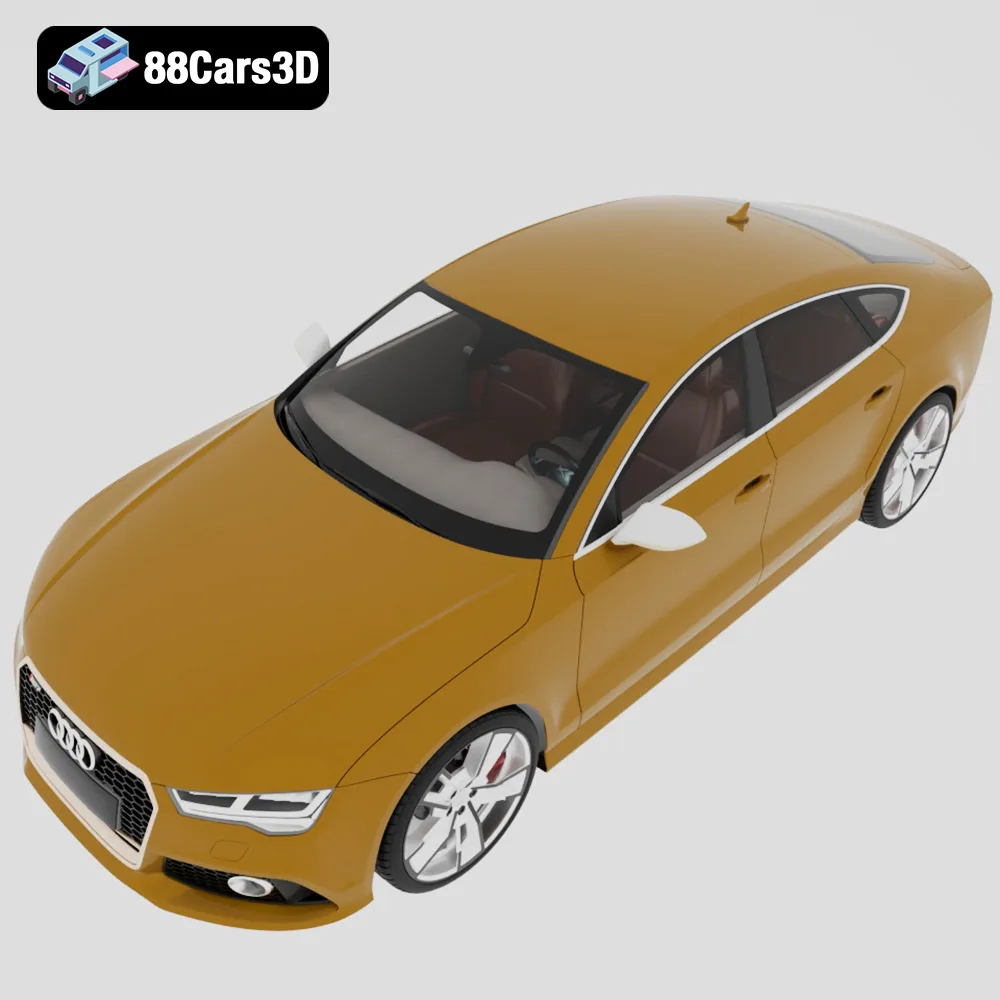
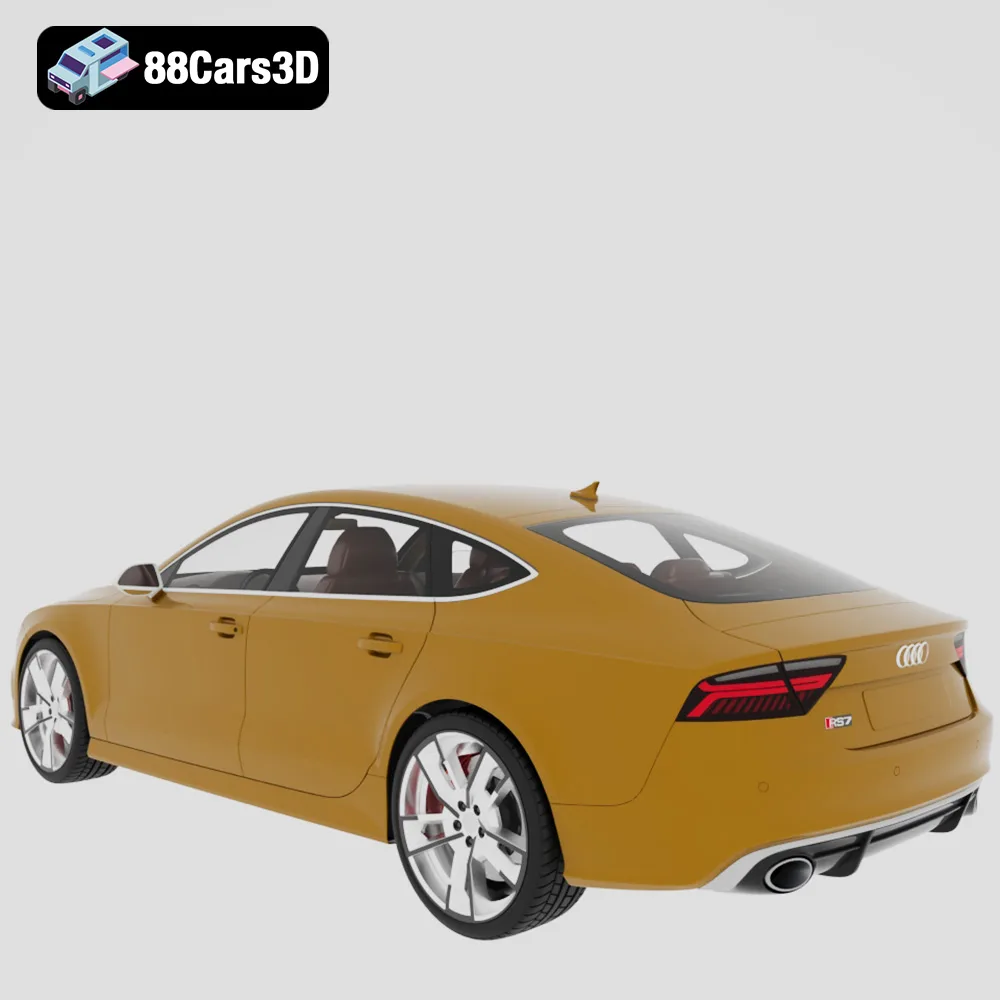
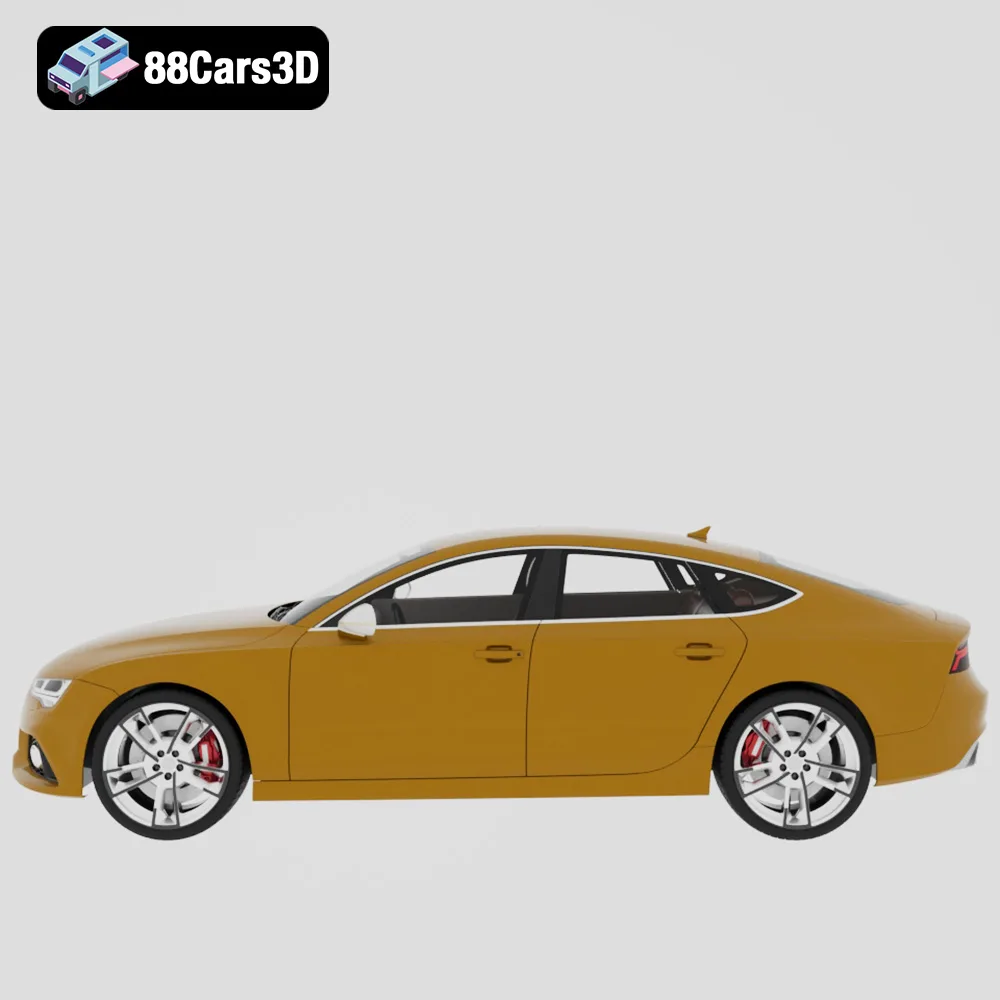
Consider a project for a high-end real estate developer. A render of a sprawling estate featuring a beautifully designed house might look good on its own. However, placing an Audi RS7 Sportback Performance 2016 in the driveway, perhaps with the sun glinting off its sleek roofline, transforms the image. It tells a story of luxury, aspirational living, and sophistication. The detail in the RS7’s honeycomb grille and flowing roofline, as provided in this bundle, would withstand close-up shots, showcasing the quality of the render. This attention to detail isn’t just aesthetic; it psychologically connects potential buyers with the lifestyle the property represents, making the virtual tour more impactful and memorable. Using the German Luxury Pack, ArchViz studios can quickly populate scenes with vehicles that perfectly match the aesthetic and target demographic of their projects, significantly reducing asset creation time.
The demands of real-time rendering in game development are stringent, requiring assets that are not only visually stunning but also highly optimized for performance. The Ultimate German Luxury Cars 3D Models Bundle provides game assets that strike this critical balance, making them ideal for AAA titles and interactive experiences.
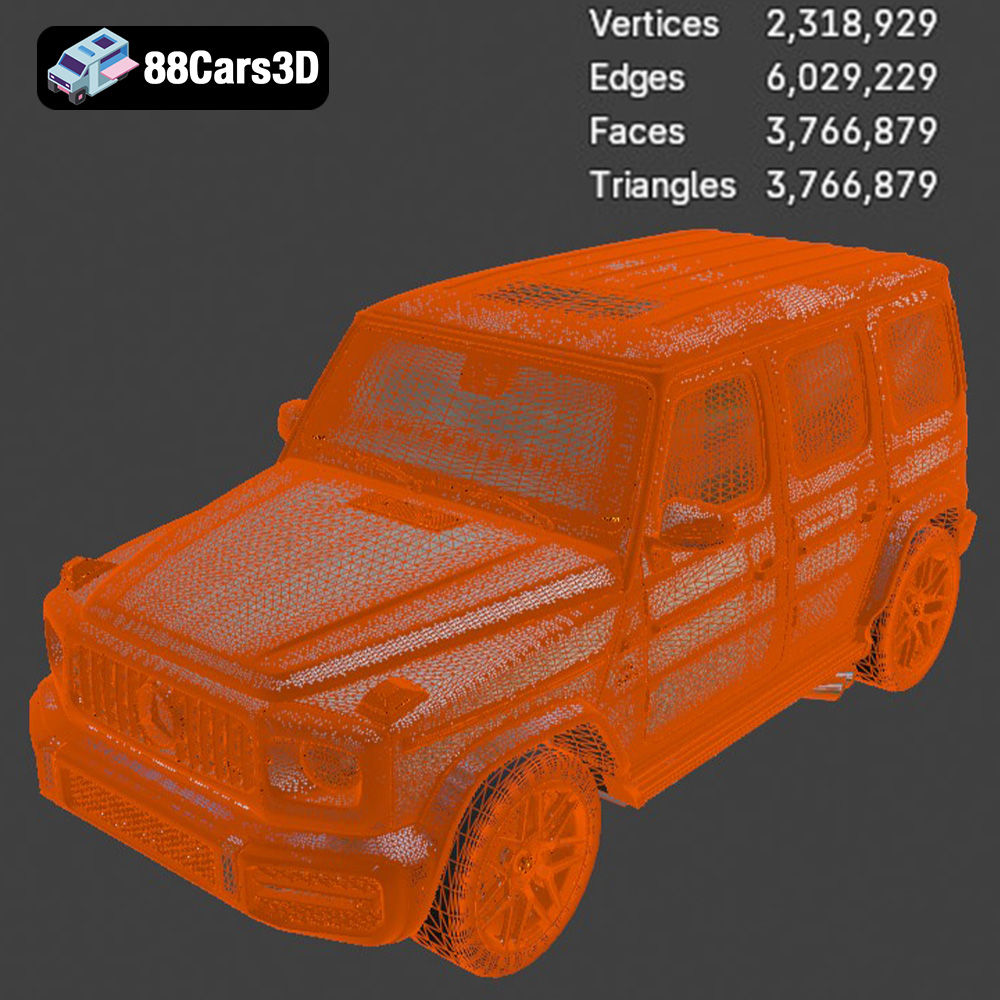
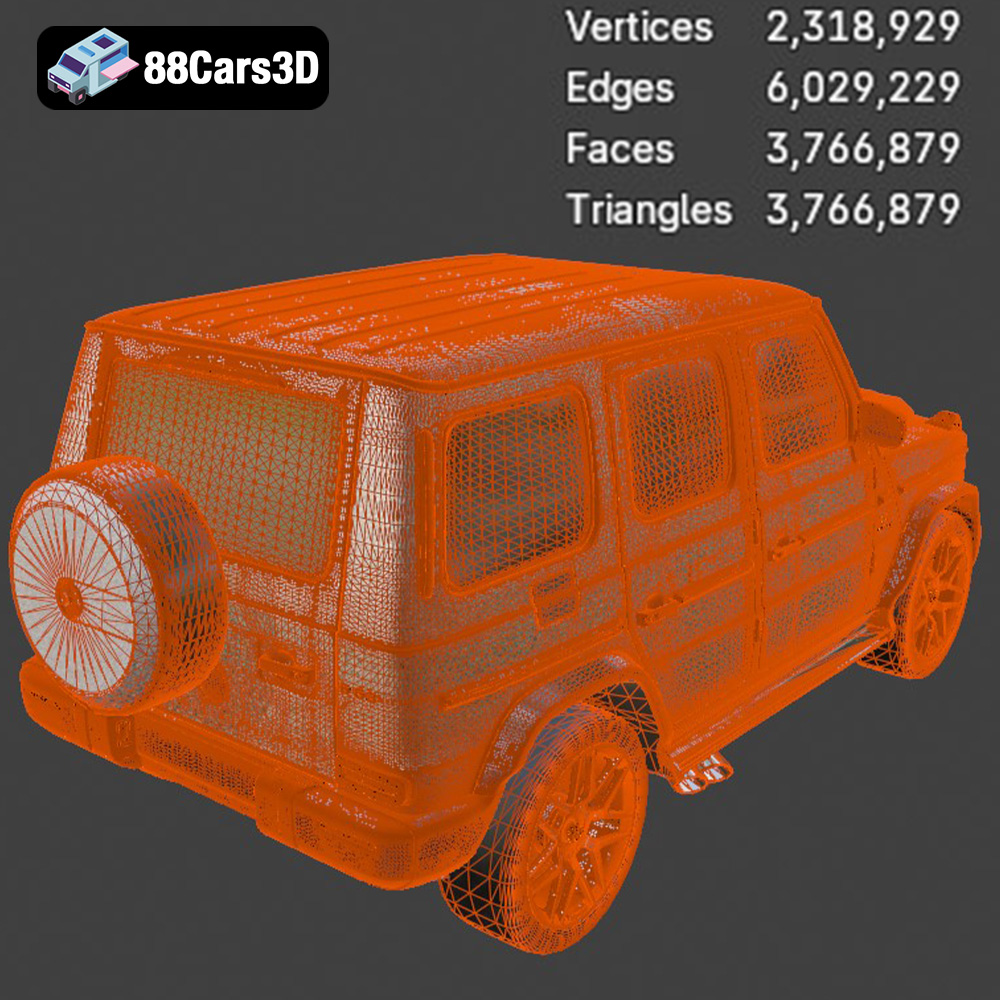
When bringing these high-fidelity car models into game engines like Unreal Engine 5 or Unity, optimization is key. While the models boast high detail for rendering, their clean, quad-based topology is designed to allow for efficient poly-reduction techniques if needed, or seamless integration as hero cars. The ‘separated parts’ feature—wheels, doors, and steering components—is crucial here. It allows developers to easily rig the vehicles for realistic physics, animation, and interaction. In Unreal Engine, this means setting up vehicle blueprints, assigning physics assets, and configuring complex material graphs for paint, glass, and tire shaders. PBR texture workflows are paramount, with roughness, metallic, normal, and ambient occlusion maps ensuring surfaces react correctly to the engine’s real-time lighting. For games, these models could serve as drivable hero cars, high-quality NPC vehicles, or even detailed background traffic, enriching the game world without sacrificing frame rates.
The proper pivot point setup for all four wheels in the German Luxury Pack significantly streamlines the integration of vehicle physics controllers. This allows developers to quickly set up realistic suspension, steering, and acceleration for a truly immersive driving experience. Beyond physics, interactive elements like opening doors, turning wheels, or activating headlights can be easily implemented thanks to the separated mesh components. For instance, a player could approach the BMW M4 F82, open its door, and get in, all animated using the cleanly separated geometry. These levels of interaction are vital for modern game design, enhancing player agency and world credibility.
Beyond traditional gaming, these 3D car models excel in virtual production workflows, used for high-end commercials, film VFX shots, and even interactive AR/VR car configurators. The fidelity of the models allows them to hold up under close scrutiny on large LED walls or in head-mounted displays. For virtual production, artists can leverage real-time ray tracing in Unreal Engine to achieve photorealistic results on the fly, saving immense rendering time. In AR/VR, the .glb format becomes particularly relevant, providing an optimized, self-contained package for displaying these luxury vehicles in augmented reality apps or virtual showrooms, allowing users to inspect the Porsche 911 GT3 or Mercedes-Benz G63 AMG from every angle in a truly immersive way.
The versatility of high-quality 3D car models extends far beyond digital screens. For enthusiasts and collectors, the ability to transform these virtual assets into tangible, physical miniatures opens up a whole new realm of creativity. The Ultimate German Luxury Cars Bundle also offers models optimized for 3D printing, catering to a burgeoning community of automotive model makers.
While the digital models boast intricate details, preparing them for 3D printing requires specific considerations. The included .stl format is the foundation for this. For resin (SLA/DLP) printing, which is highly recommended for these detailed automotive models, the focus is on capturing fine elements like grilles, badges, and intricate wheel designs. Layer heights of 0.04-0.05 mm are ideal for achieving smooth surfaces and sharp details. For FDM (Fused Deposition Modeling) printing, thicker walls and slightly larger layer heights might be necessary, though resin still generally provides superior aesthetic quality for intricate models like a Porsche 911 GT3. The bundle’s recommendation to print bodies at a 45-degree angle helps minimize support structures on visible surfaces and ensures flawless roofs and hoods, while printing wheels separately allows for optimal detail and easier post-processing.
The bundle recommends scales such as 1:18, 1:24, or 1:43, which are standard for diecast car collections, ensuring compatibility with existing displays. Proper print orientation is critical; for example, angling the car body can help prevent visible layer lines on prominent surfaces. Supports are almost always required for overhangs like side mirrors, wheel arches, and subtle spoilers, and careful removal is part of the post-processing. After printing, models can be sanded, primed, and painted with automotive-grade paints to replicate factory colors, transforming a digital file into a high-fidelity physical collectible. Imagine painting a miniature Audi RS7 in a bespoke metallic finish or the Mercedes-Benz G63 AMG in its iconic matte black. This process bridges the gap between digital design and tangible craftsmanship.
The inclusion of 3D printable files signifies a growing trend in digital manufacturing for niche markets. Automotive enthusiasts can now customize and produce their own highly detailed scale models, prototypes, or unique display pieces directly from professionally created 3D data. This not only offers a cost-effective alternative to traditional model kits but also provides unparalleled customization opportunities. From creating custom dioramas to producing limited-edition prototypes, the ability to 3D print these German luxury cars empowers a new generation of makers and collectors, bringing the allure of high-performance vehicles into their physical spaces.
In any professional 3D workflow, time is money, and efficiency is paramount. Sourcing high-quality, pre-optimized 3D car models can dramatically accelerate project timelines and elevate the final output. This is precisely the value proposition offered by 88cars3d.com, particularly with comprehensive packages like the Ultimate German Luxury Cars 3D Models Bundle.
Creating a highly detailed, accurate 3D car model from scratch is an incredibly time-consuming and skill-intensive process. It involves intricate modeling, precise UV mapping, complex material creation, and rigorous optimization for various uses. By providing a bundle of four iconic German luxury cars—each meticulously crafted with clean, quad-based topology, separated parts for easy rigging, and real-world scale—88cars3d.com effectively provides an “asset shortcut.” Artists can bypass weeks or even months of development time, immediately dropping these models into their scenes and focusing their energy on lighting, composition, and storytelling rather than foundational asset creation. The balance of high visual fidelity for 4K ray-traced rendering and optimized geometry for dense city environments means artists don’t have to compromise between quality and performance.
The product description highlights compatibility with industry-standard renderers like V-Ray, Corona, and Arnold, as well as real-time engines such as Unreal Engine 5 and Unity. This broad compatibility is a hallmark of professional 3D assets. The provision of multiple file formats (.blend, .fbx, .obj, .glb, .stl, .max) ensures that artists, regardless of their preferred software ecosystem, can seamlessly integrate these models. Whether you’re an ArchViz specialist in 3ds Max, a game developer in Blender and Unreal, or a hobbyist looking for 3D printable files, this bundle caters to diverse professional needs. This commitment to wide-ranging compatibility and adherence to industry best practices, such as proper pivot points and clean topology, underscores the professional quality of assets found on 88cars3d.com.
Investing in a high-value bundle like the Ultimate German Luxury Cars 3D Models Pack from 88cars3d.com isn’t just about acquiring assets; it’s about unlocking creative potential and realizing significant cost savings. Individually, these four premium models would cost significantly more. The bundle offers them at a massive discount, making top-tier assets accessible. This allows studios and freelance artists to enhance their asset libraries with diverse, high-demand vehicles without breaking the bank. From populating a virtual showroom with the Porsche 911 GT3 to adding dynamic background elements with the Audi RS7, BMW M4 F82, or Mercedes-Benz G63 AMG, the creative possibilities are vast. Ultimately, this leads to higher quality projects delivered faster, positioning artists and studios for greater success in competitive creative industries.
The digital landscape demands realism and efficiency, and high-quality 3D car models are central to achieving both. Whether you’re an architectural visualizer aiming to evoke aspirational lifestyles, a game developer crafting immersive open worlds, or an enthusiast seeking to bring virtual models into the physical realm through 3D printing, the need for meticulously detailed and optimized automotive assets is undeniable. The Ultimate German Luxury Cars 3D Models Bundle provides an unparalleled collection of iconic vehicles, each engineered to meet the stringent technical demands of modern creative workflows. By offering clean topology, separated parts, real-world scale, and broad file format compatibility, this pack from 88cars3d.com stands as a testament to the power of well-crafted assets.
It enables artists to save invaluable time, elevate their projects with stunning photorealism, and explore new dimensions of creativity across various mediums. From the track-ready aggression of the Porsche 911 GT3 to the commanding presence of the Mercedes-Benz G63 AMG, these models are more than just digital objects; they are catalysts for exceptional visual storytelling and professional achievement. Investing in such a comprehensive and high-fidelity collection is not merely an expense, but a strategic decision to enhance your artistic capabilities and deliver outstanding results.
The Ultimate German Luxury Cars 3D Models Bundle is an elite collection featuring the pinnacle of European automotive engineering. Designed for high-end architectural visualization (ArchViz), AAA game development, and photorealistic rendering, this 4-in-1 premium package provides everything a 3D artist needs to populate luxury driveways, urban streetscapes, and virtual showrooms. Instead of purchasing these highly detailed models individually (Total Value: €274.97), this bundle offers an irresistible opportunity to acquire four iconic, meticulously crafted German masterpieces at a massive discount.
$129.99
.corona
3d-assets
archviz-pack
audi-rs7
bmw-m4
car-collection
game-ready
german-cars-bundle
luxury-car-3d-model
mercedes-g63
porsche-911-gt3
vehicle-bundle
vray