Get 50% OFF All Premium 3D & STL Models!

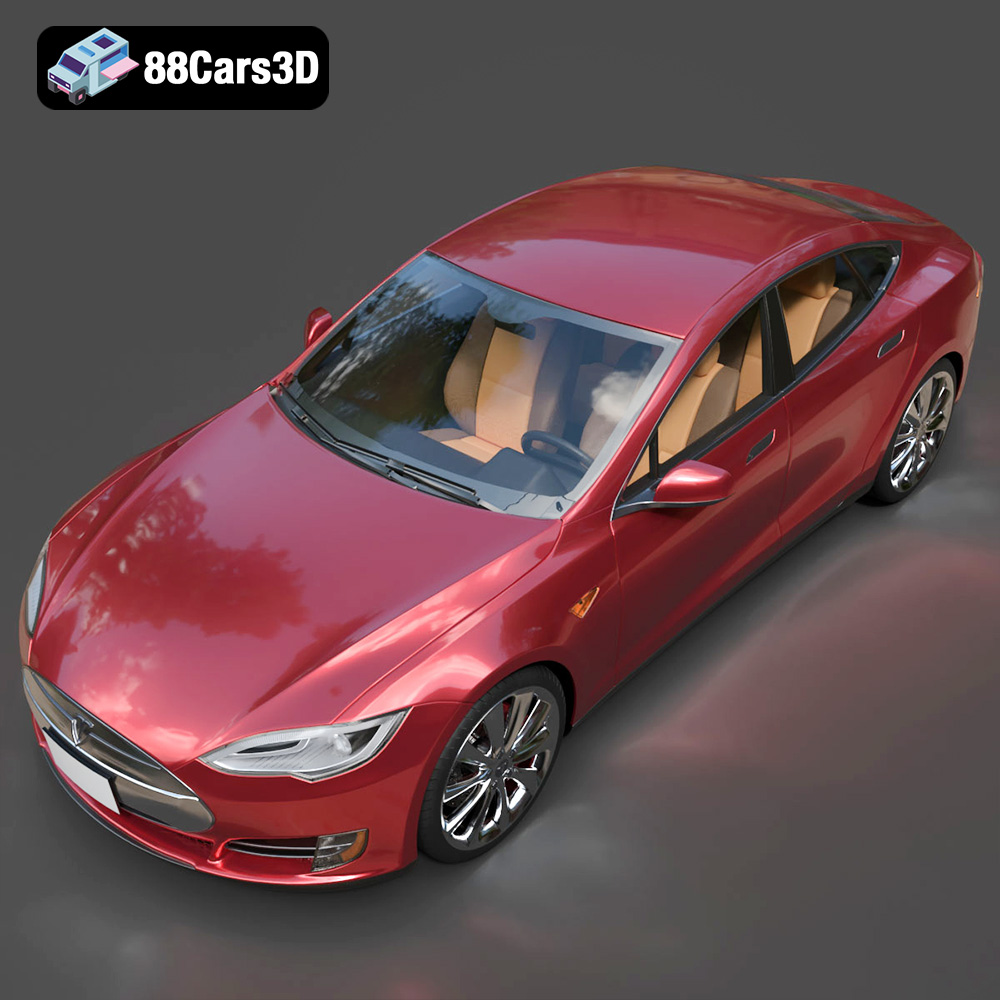
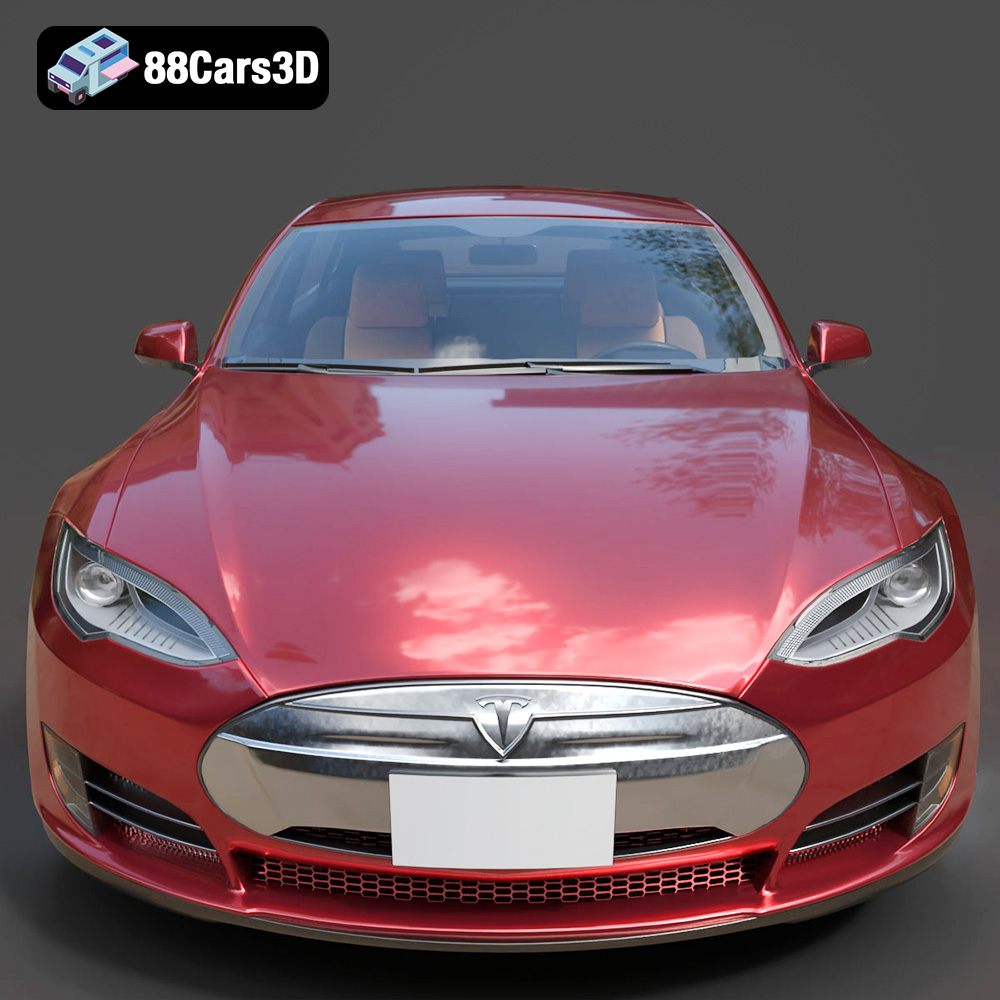
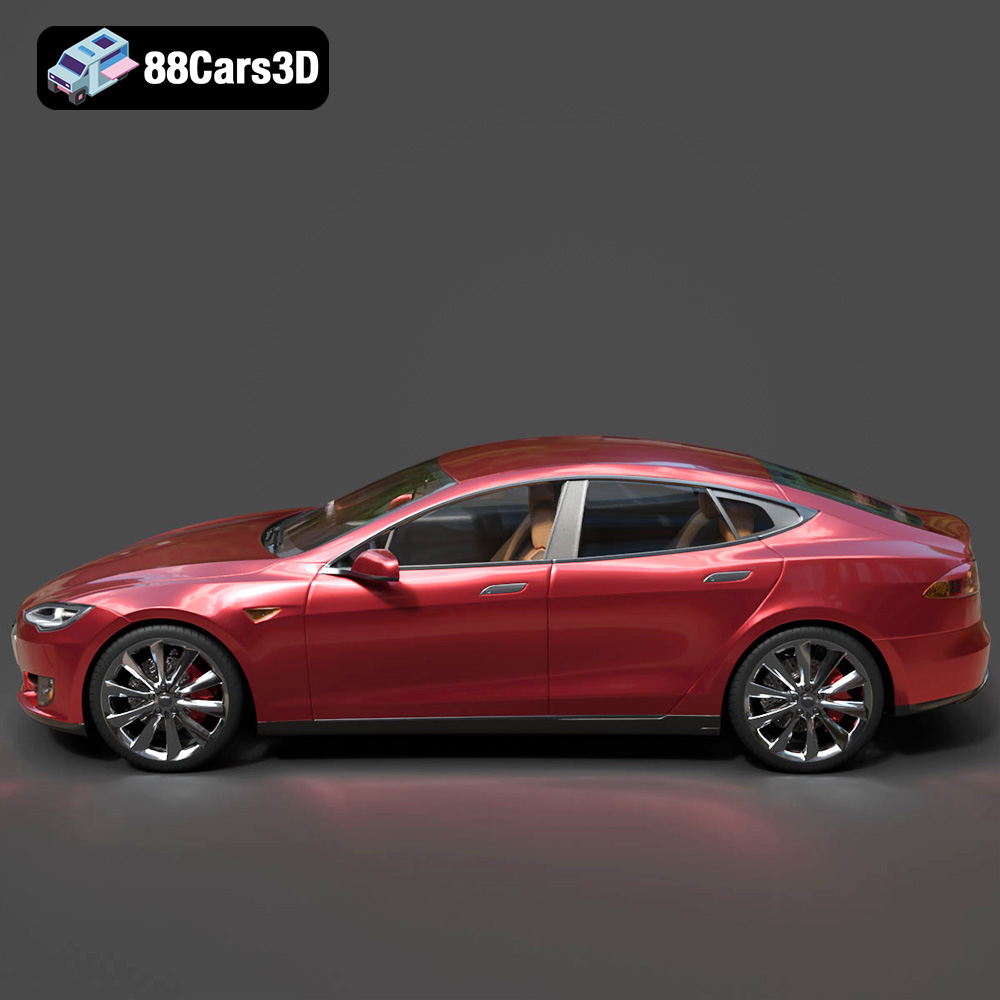
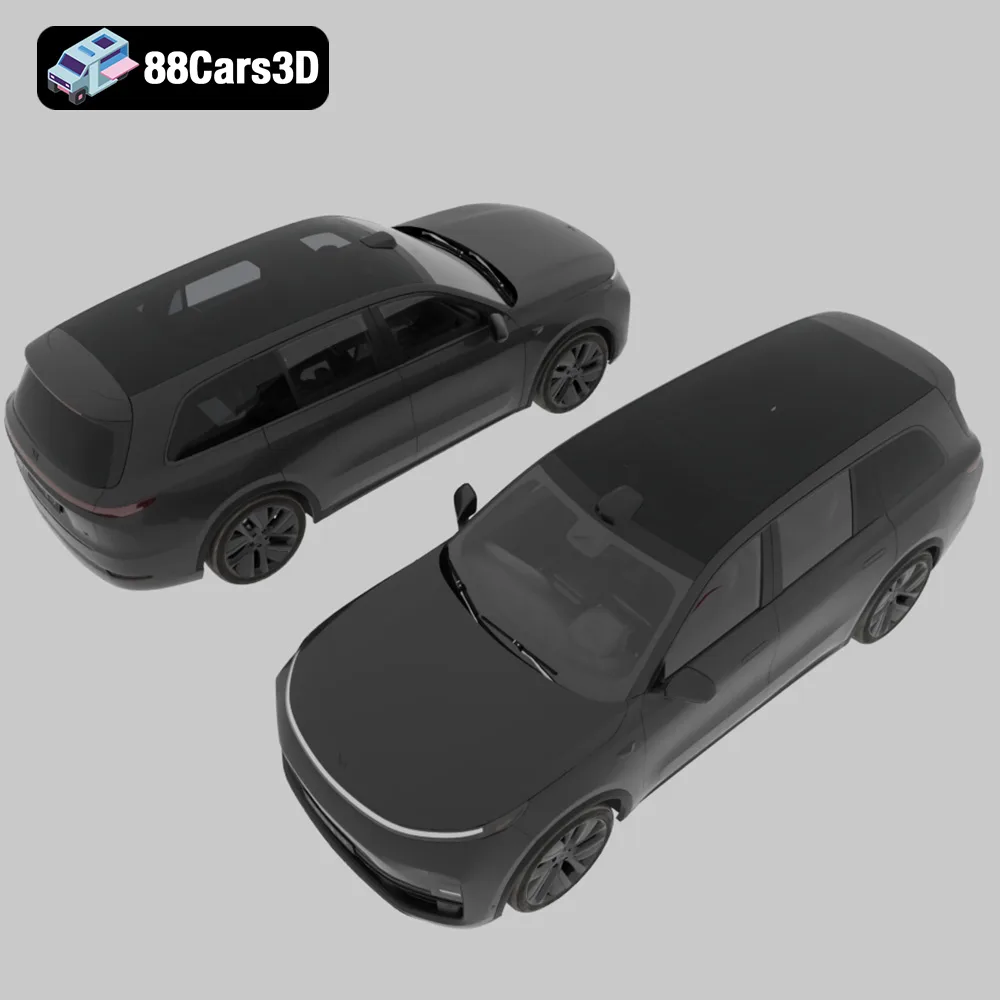
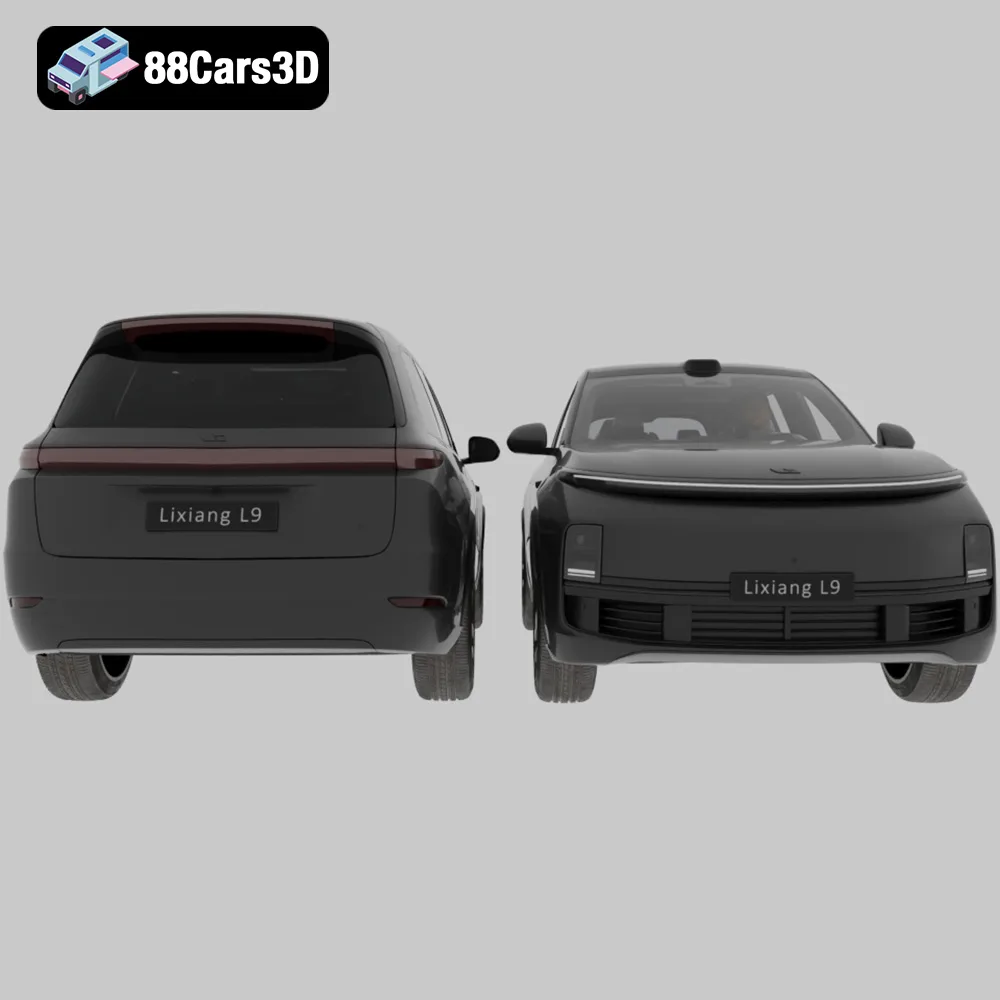
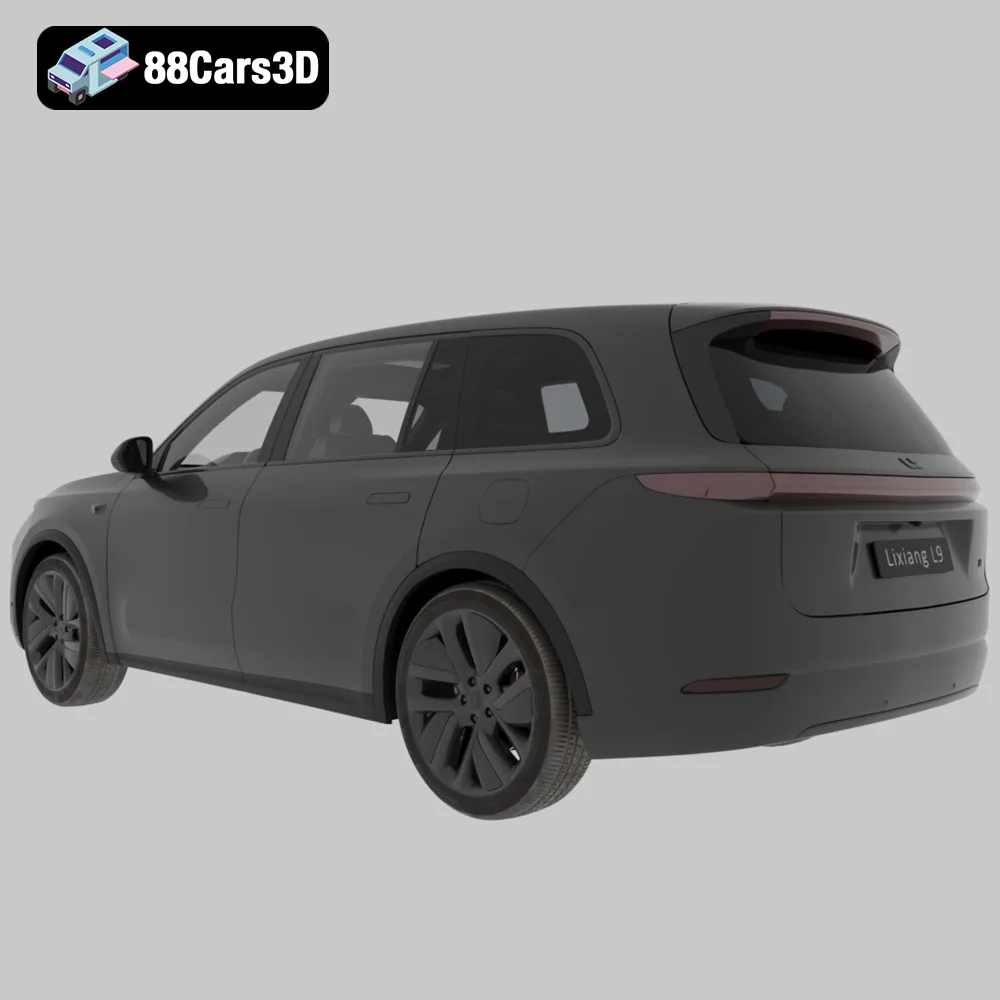
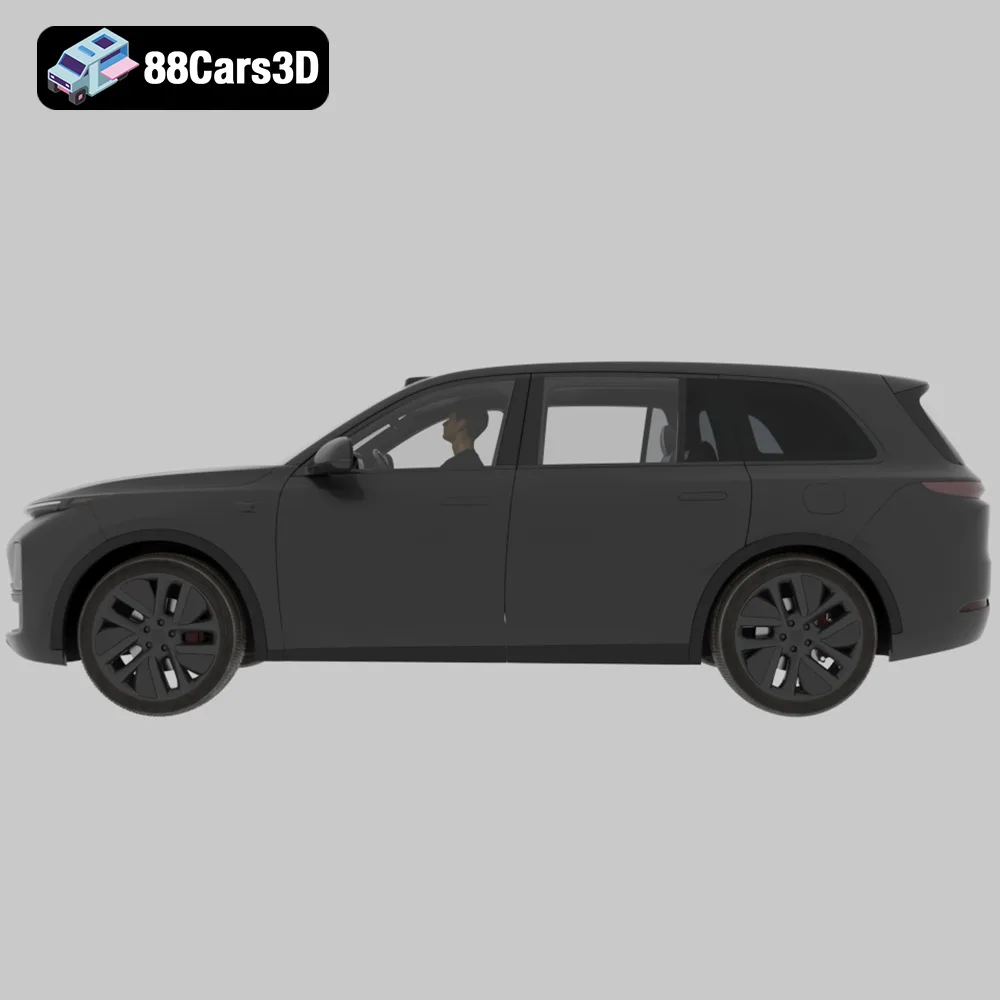
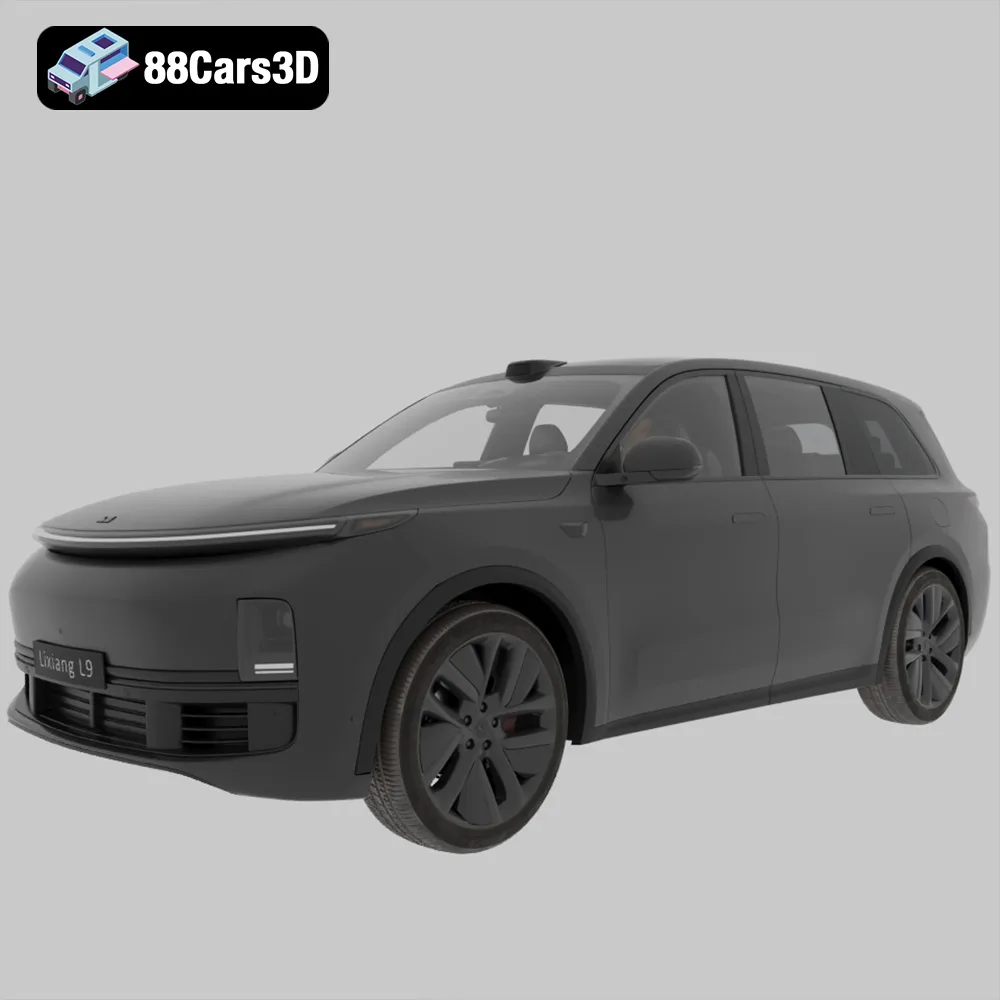
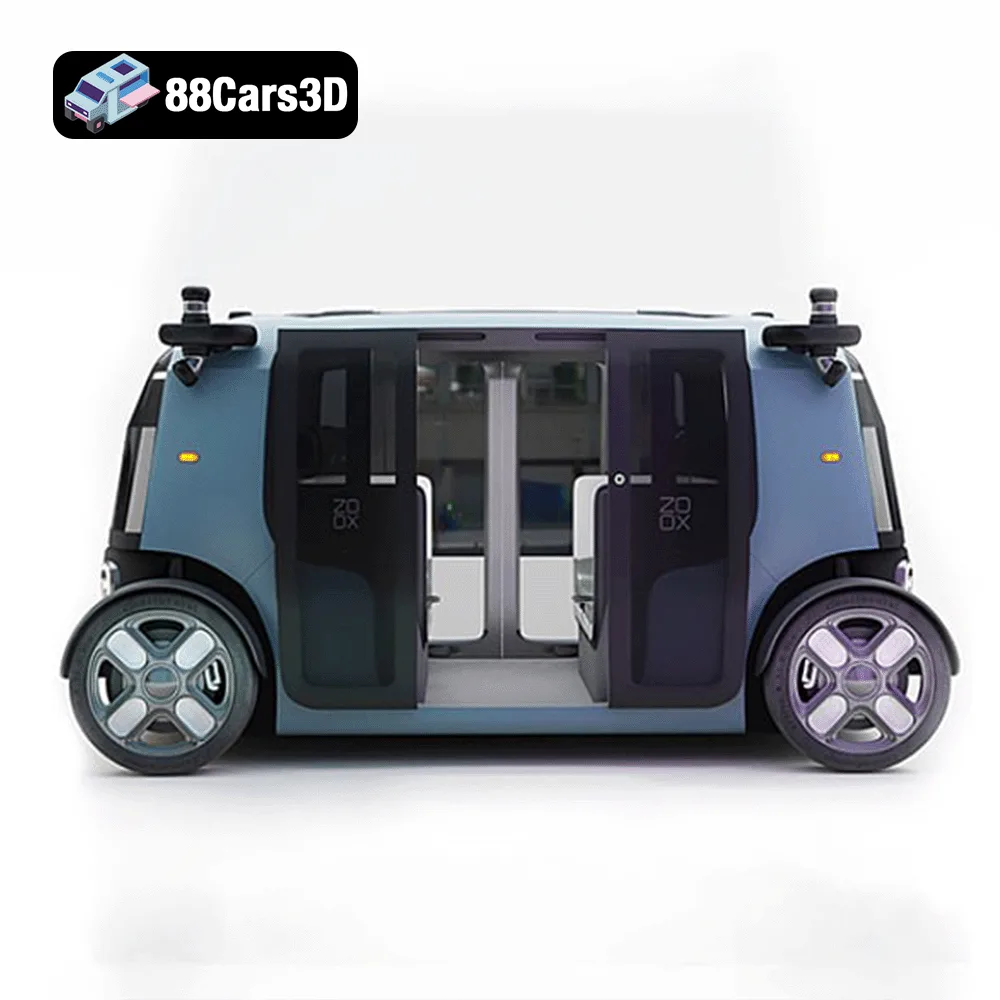
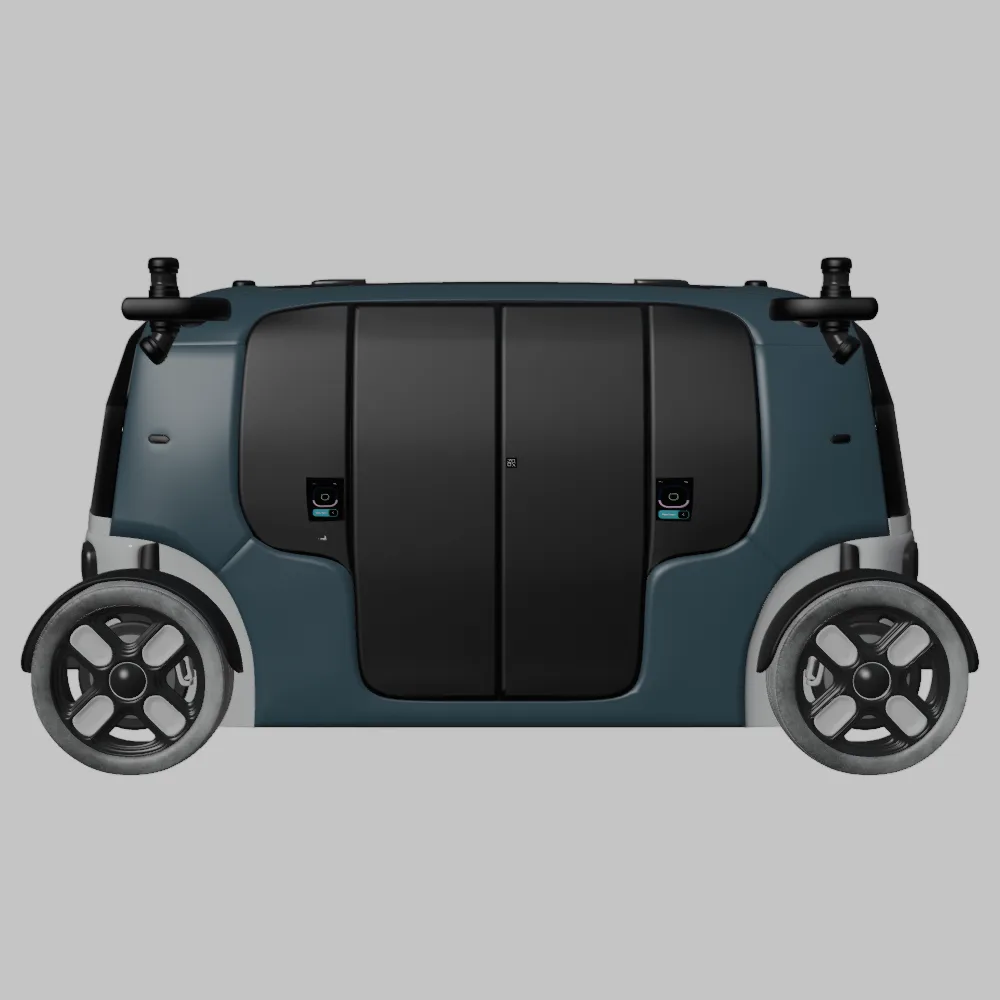
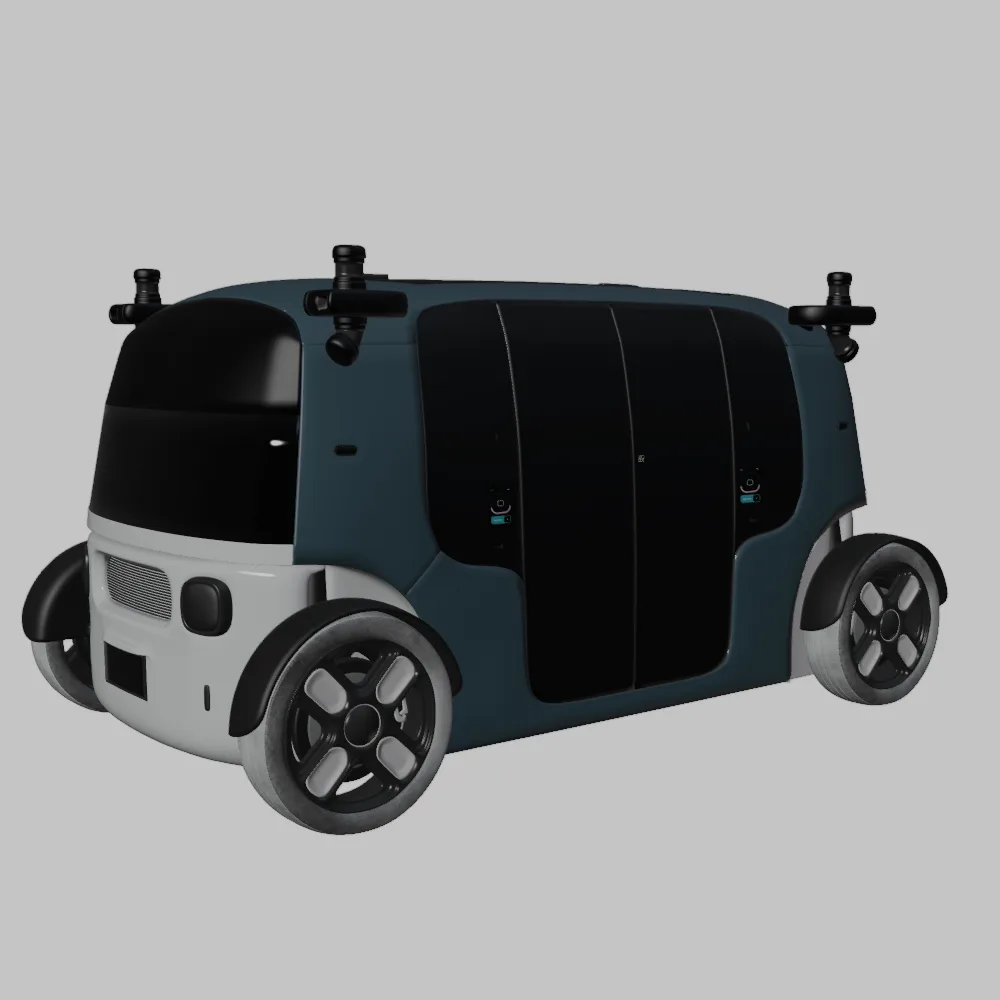
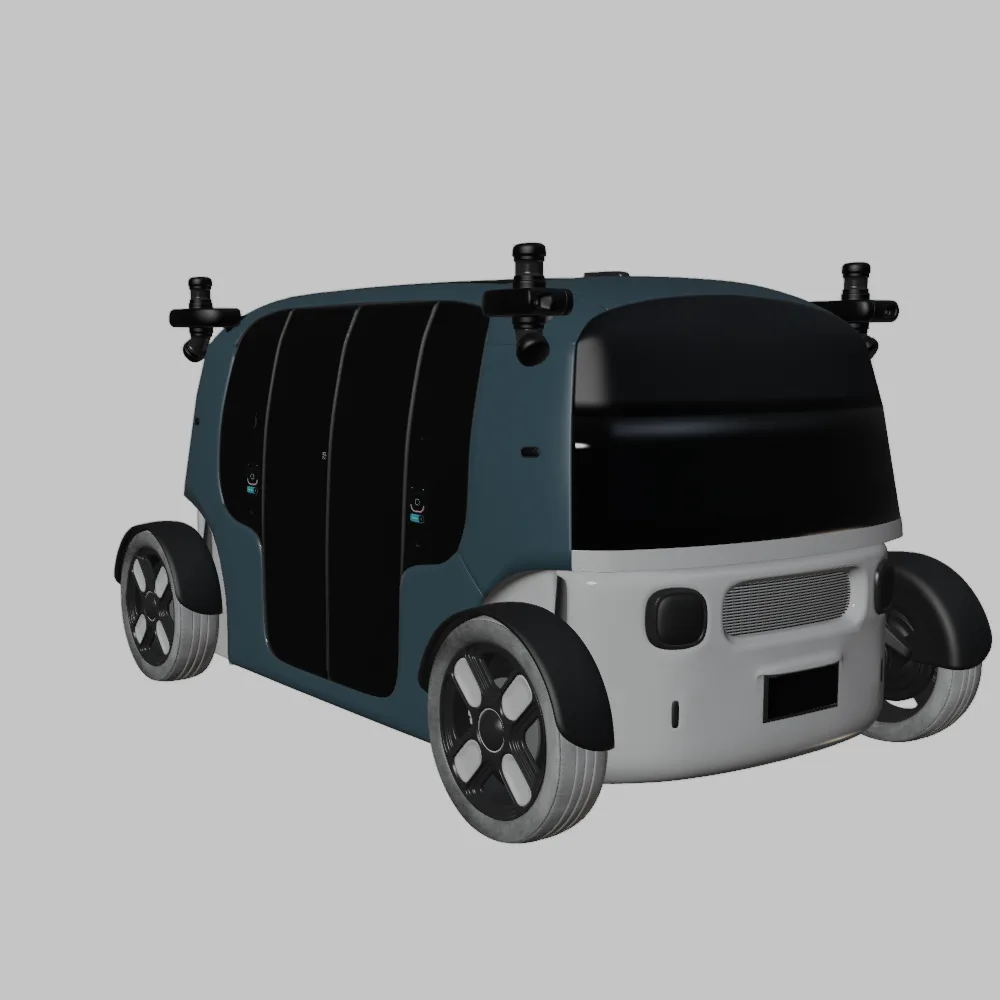
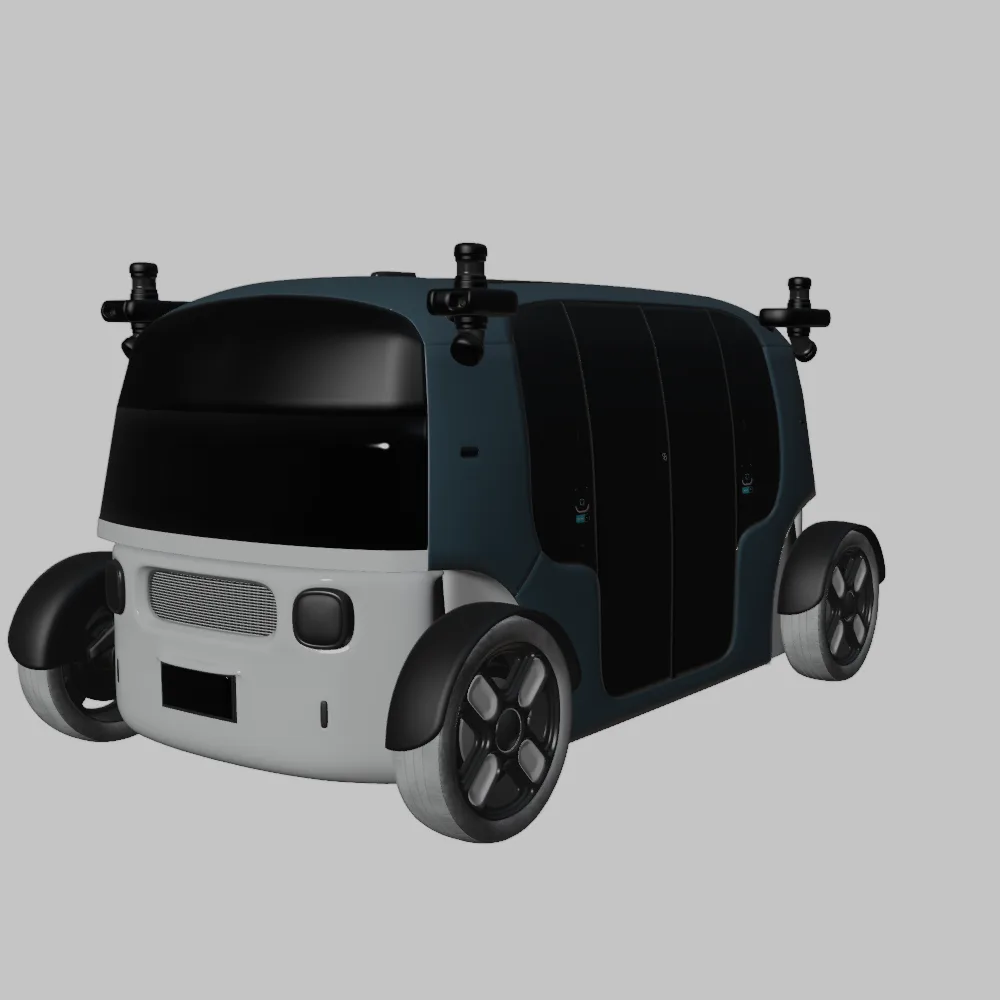
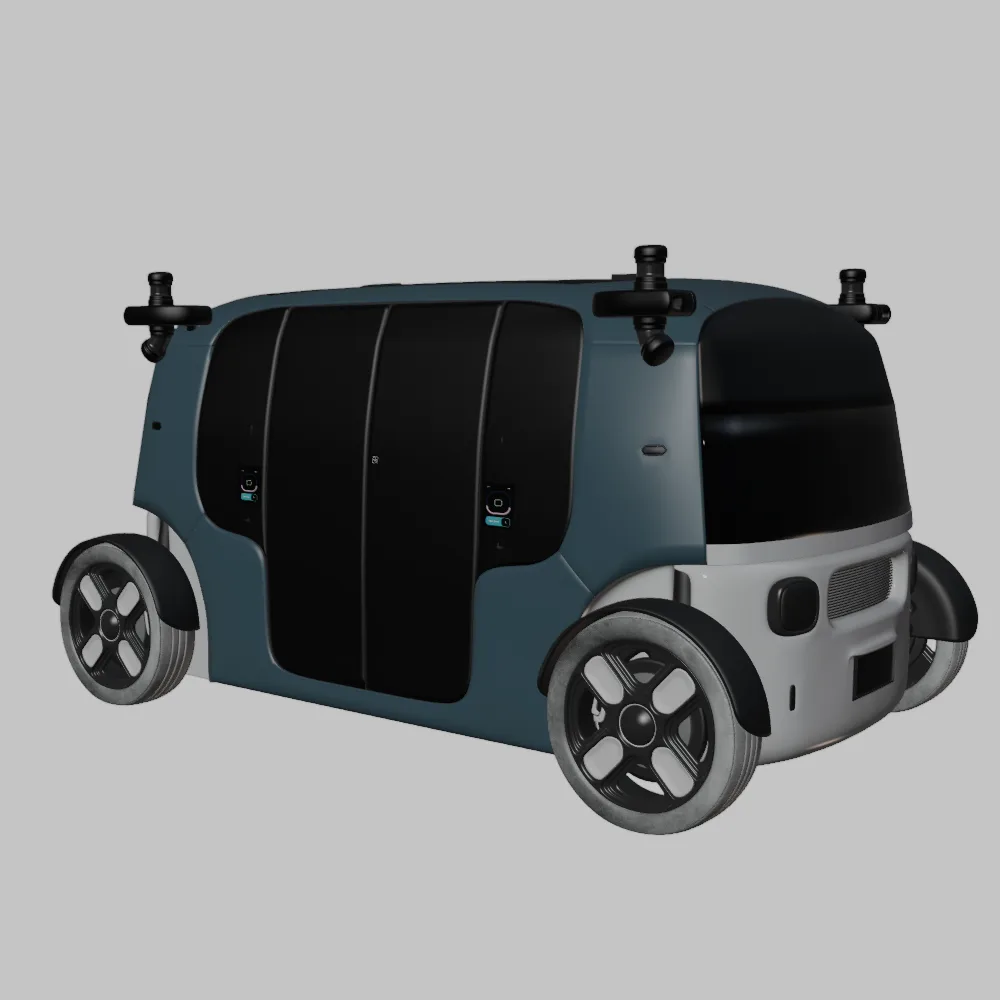
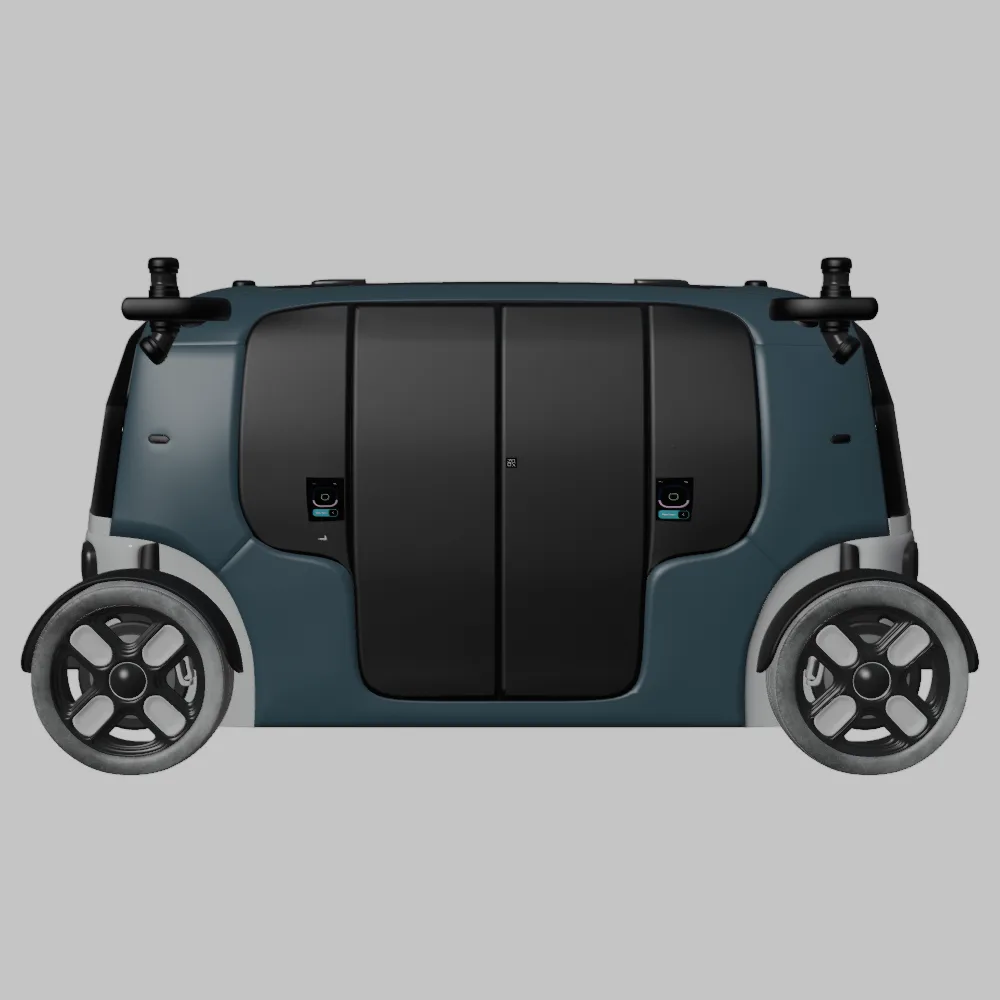
The future is electric, autonomous, and undeniably stylish. Now, you can bring a piece of that future to your desk, shelf, or gaming table with the Elite Future Mobility: EV & Autonomous SUV Bundle from 88cars3d.com. This collection of four meticulously designed 3D models – the Tesla Model S, Avatr 11, Li L9, and Zoox Robotaxi – offers a fantastic opportunity to explore the world of 3D printing. This comprehensive guide will walk you through the entire process, from preparing your STL files to applying the finishing touches to your miniature vehicles.
Before diving into printer settings and material choices, it’s crucial to understand the different file formats that come with the Elite Future Mobility Bundle. These formats each serve a different purpose, but some are better suited for 3D printing than others.
The .stl (stereolithography) file format is the workhorse of 3D printing. It represents the surface geometry of a 3D object as a collection of triangles. This simplicity makes it universally compatible with slicing software and 3D printers. The .stl format in the Elite Future Mobility Bundle ensures direct compatibility with your printer.
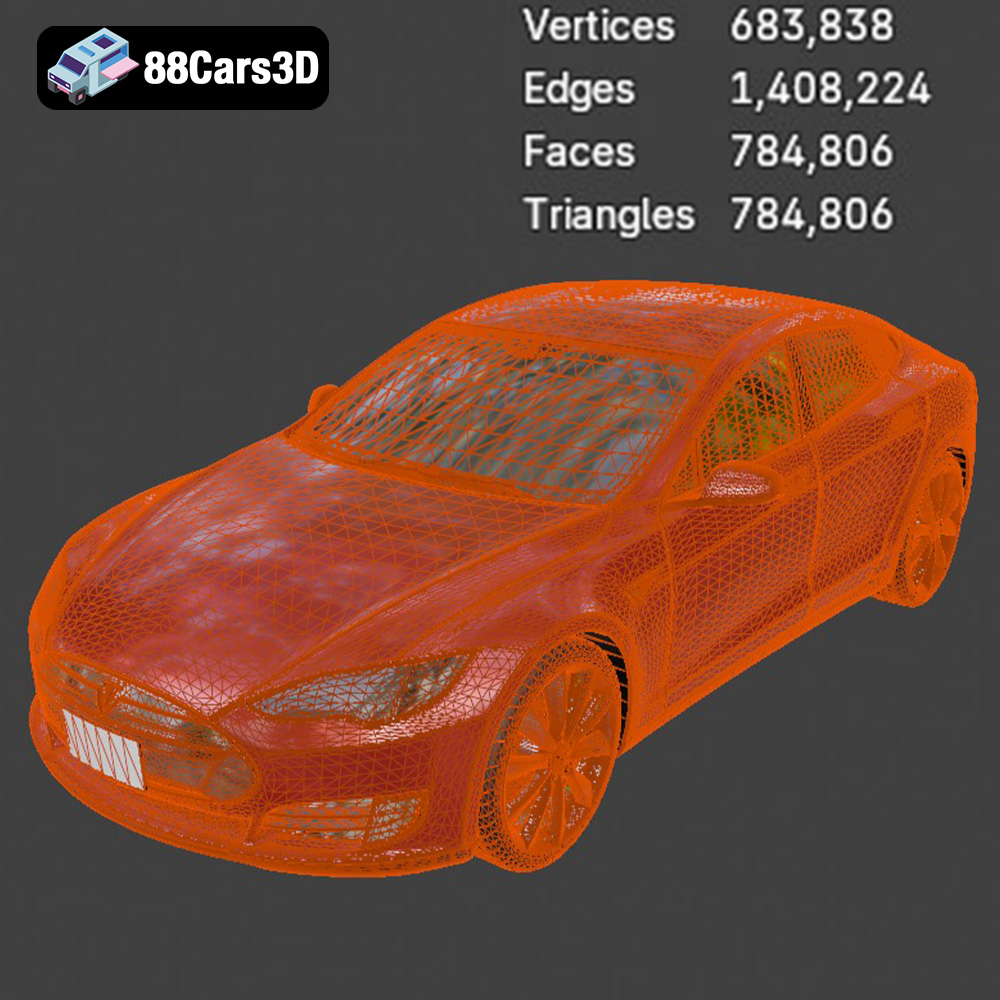
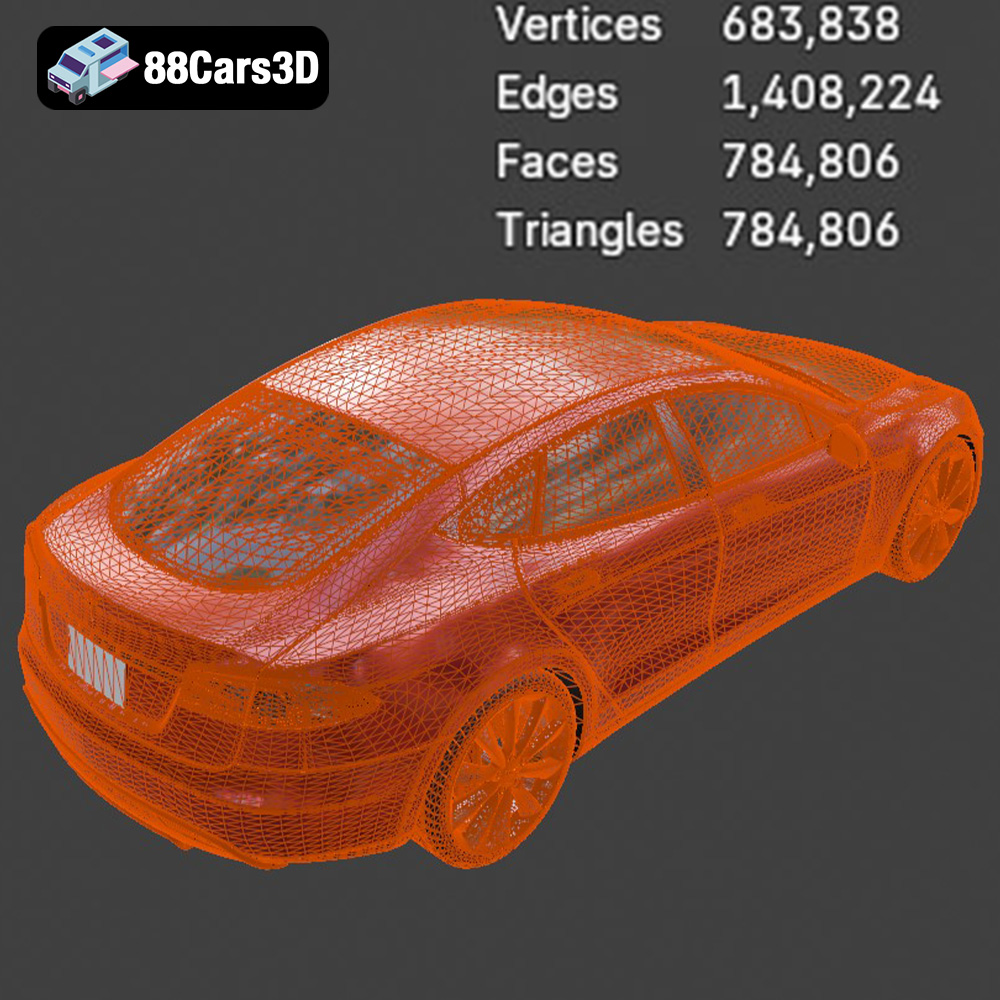
When working with .stl files, it’s important to ensure the mesh quality is adequate. A low-resolution .stl file will result in a blocky, faceted print, while an excessively high-resolution file can be computationally expensive to process and may not offer a significant improvement in print quality. The models from 88cars3d.com are optimized for a balance of detail and performance, providing a good starting point for 3D printing.
The .obj file format is another common format for 3D models. Unlike .stl, .obj can store color and texture information. This makes it useful for creating visually appealing renders and game assets. While some advanced 3D printers can print in multiple colors, the primary use of .obj for the Elite Future Mobility Bundle would be for referencing visual details during post-processing and painting.
The .ply format is designed for storing 3D data acquired from 3D scanners. It’s capable of representing high-detail meshes and can also store color information. While .ply is less commonly used for 3D printing than .stl, it can be useful if you intend to further refine the models using mesh editing software before printing.
The .blend file format is the native format for Blender, a popular open-source 3D modeling software. This format gives you the most flexibility to customize the models before printing. You can modify the geometry, add details, or even split the models into smaller parts for easier printing. The .blend files included in the Elite Future Mobility Bundle are a powerful tool for advanced users who want to personalize their 3D prints.
The .fbx format is a proprietary format developed by Autodesk. It is often used for exchanging 3D models between different software applications, preserving material and animation data. While you can import .fbx files into some slicing software, it’s primarily used for game development and animation workflows.
The .glb format is a binary file format that is used to store 3D models and scenes. It is designed to be efficient for transmission and rendering on the web and in augmented reality (AR) applications. Before printing, .glb files enable you to preview your 3D models in AR to check their size and how they will look in your environment.
The .max format is the native format for 3ds Max, another popular 3D modeling software. Like .blend, it allows for extensive modification of the models before exporting them in a printable format.
For 3D printing, the .stl format is the most reliable and widely supported option. It’s the format you’ll primarily use when slicing the Elite Future Mobility models for your 3D printer. If you need to modify the models before printing, use the .blend or .max files and then export them as .stl for printing.
Once you’ve chosen your model and file format, the next step is to prepare it for printing. This involves using slicing software to convert the 3D model into a set of instructions that your 3D printer can understand.
Several excellent slicing software options are available, both free and paid. Popular choices include:
* **Cura:** A free and open-source slicer that is easy to use and offers a wide range of settings.
* **PrusaSlicer:** Another excellent free slicer with a strong focus on print quality and customization.
* **Simplify3D:** A paid slicer known for its advanced features and precise control over the printing process.
No matter which slicer you choose, familiarize yourself with its interface and settings before proceeding.
Proper model orientation is crucial for a successful print. For the Elite Future Mobility Bundle models, consider the following:
* **Body:** Angling the car body slightly can help to minimize the need for supports on the curved surfaces. This can improve the surface finish and reduce post-processing time. The recommended print orientation is body printed angled for a smooth surface finish
* **Wheels:** Print the wheels separately, oriented vertically for maximum strength and detail.
Supports are necessary to hold up overhanging parts of the model during printing. Pay close attention to areas like side mirrors, wheel arches, and the subtle rear roof spoiler, as these will require support structures. Experiment with different support settings in your slicer to find the optimal balance between support strength, ease of removal, and surface finish.
The material you choose will significantly impact the final appearance and durability of your 3D printed Elite Future Mobility models.
PLA (Polylactic Acid) is a biodegradable thermoplastic derived from renewable resources. It’s a popular choice for 3D printing due to its ease of use, low odor, and wide availability. PLA is a good option for beginners, but it’s not as durable or heat-resistant as other materials.
PETG (Polyethylene Terephthalate Glycol-modified) offers a good balance of strength, durability, and ease of printing. It’s more heat-resistant than PLA and less prone to warping. PETG is a great choice for models that will be handled frequently or exposed to higher temperatures.
Resin printing offers the highest level of detail and surface finish, making it ideal for small-scale models like the Elite Future Mobility Bundle. Resin printers use liquid resin that is cured by UV light. Resin prints are typically more brittle than FDM prints, but they can be made more durable with careful material selection and post-processing. The recommended layer height of 0.04–0.12 mm (Resin printing recommended for the smaller scale details like the Thor’s Hammer headlights) is ideal for resin printing.
Once you’ve chosen your material, you need to adjust your printer settings to optimize for the Elite Future Mobility models. Here are some recommended settings:
Layer height determines the thickness of each layer of plastic that your printer deposits. Lower layer heights result in smoother surfaces and finer details, but they also increase print time. For the Elite Future Mobility models, a layer height of 0.1mm to 0.2mm is a good starting point for FDM printing. For resin printing, follow the earlier recommendation of 0.04–0.12 mm, especially for smaller details.
Infill density determines how much plastic is used to fill the interior of the model. Higher infill densities result in stronger parts, but they also increase print time and material consumption. For the Elite Future Mobility models, an infill density of 15-25% should be sufficient for most applications.
Print speed affects both the quality and the duration of your print. Printing too fast can lead to poor layer adhesion and other defects, while printing too slowly can waste time. Experiment with different print speeds to find the sweet spot for your printer and material.
As mentioned earlier, supports are necessary for printing overhanging parts of the model. The type and density of supports can affect both the print quality and the ease of removal. Experiment with different support settings to find what works best for your printer and material.
After printing, some post-processing is typically required to achieve the desired final result.
Carefully remove any support structures or rafts from your 3D printed models. Use pliers, a hobby knife, or other tools to gently detach the supports without damaging the model.
Sanding is an essential step for smoothing out the surface of your 3D printed models. Start with coarse-grit sandpaper and gradually move to finer grits to achieve a smooth, even finish.
Priming helps to create a uniform surface for painting and improves the adhesion of the paint. Apply several thin coats of primer, allowing each coat to dry completely before applying the next. Once the primer is dry, you can paint your models with your desired colors. The product description recommends modern Volvo factory colors (like Sage Green, Glacier Silver, or Crystal White) paired with a gloss black roof.
If you printed the wheels separately, you’ll need to attach them to the car body. Use glue or other adhesives to securely attach the wheels.
Even with careful preparation and planning, 3D printing can sometimes present challenges. Here are some common issues and how to address them:
Warping occurs when the corners of your print lift off the build plate. This is often caused by poor bed adhesion or temperature fluctuations. To prevent warping, ensure your build plate is clean and level, use a heated bed (if your printer has one), and consider using a brim or raft.
Stringing occurs when thin strands of plastic are left between different parts of the model. This is often caused by excessive retraction or too high of a printing temperature. To reduce stringing, adjust your retraction settings in your slicer, lower your printing temperature, and ensure your filament is dry.
Layer adhesion issues occur when the layers of your print do not stick together properly. This can be caused by too low of a printing temperature, insufficient cooling, or poor bed adhesion. To improve layer adhesion, increase your printing temperature, ensure your cooling fan is working properly, and check your bed adhesion.
The print time and material cost for the Elite Future Mobility Bundle models will vary depending on your printer, settings, and material choice. However, here are some general estimates:
* **Print Time:** A single car body could take anywhere from 4 to 12 hours to print, depending on the size, layer height, and infill density. The wheels will typically print much faster, taking around 1 to 3 hours per set.
* **Material Cost:** A single car body could use anywhere from 50 to 200 grams of filament, depending on the size and infill density. The wheels will typically use less than 20 grams per set.
Keep in mind that these are just estimates, and your actual results may vary.
3D printing the Elite Future Mobility: EV & Autonomous SUV Bundle is a rewarding experience that combines technology, creativity, and a passion for automotive design. By following the tips and techniques outlined in this guide, you can create stunning miniature models that showcase the future of transportation. Whether you’re a seasoned 3D printing enthusiast or a curious beginner, this bundle from 88cars3d.com offers a fantastic opportunity to explore the world of additive manufacturing and bring your vision to life. Remember to experiment with different settings, materials, and post-processing techniques to achieve the best possible results. Happy printing!
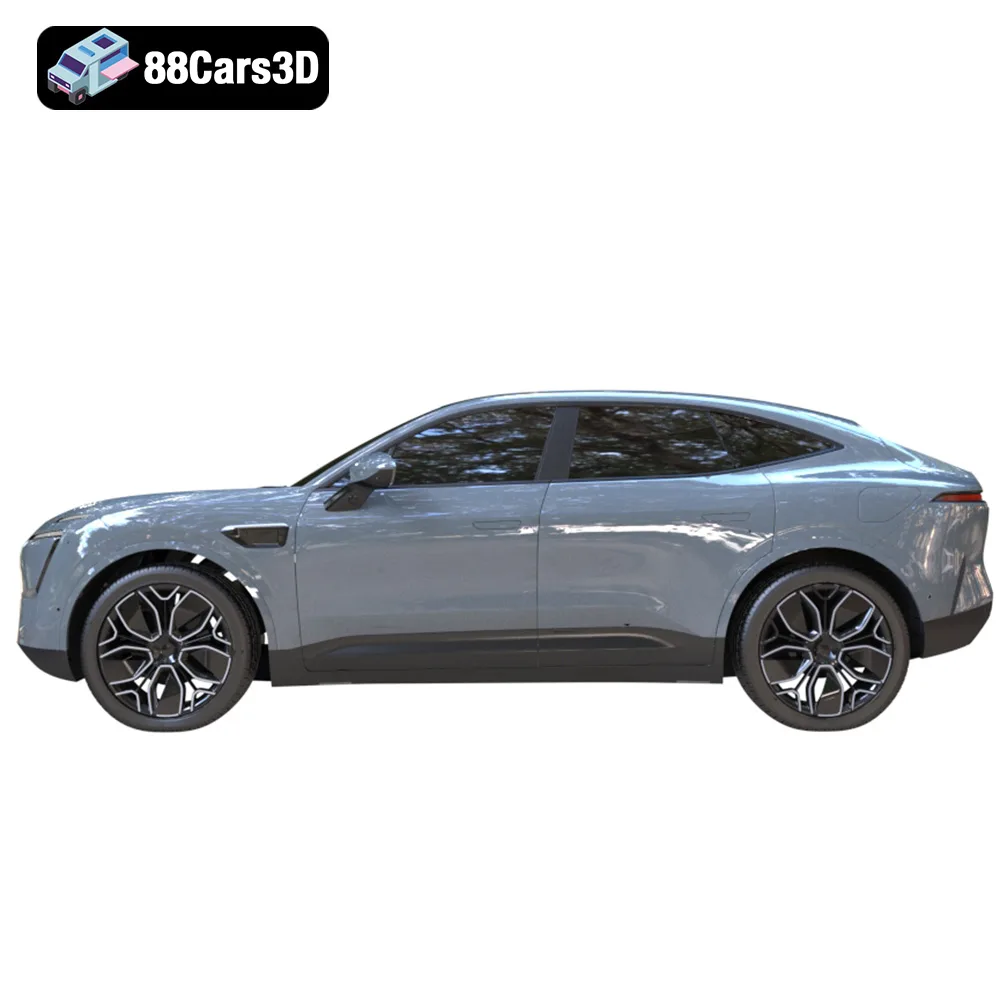
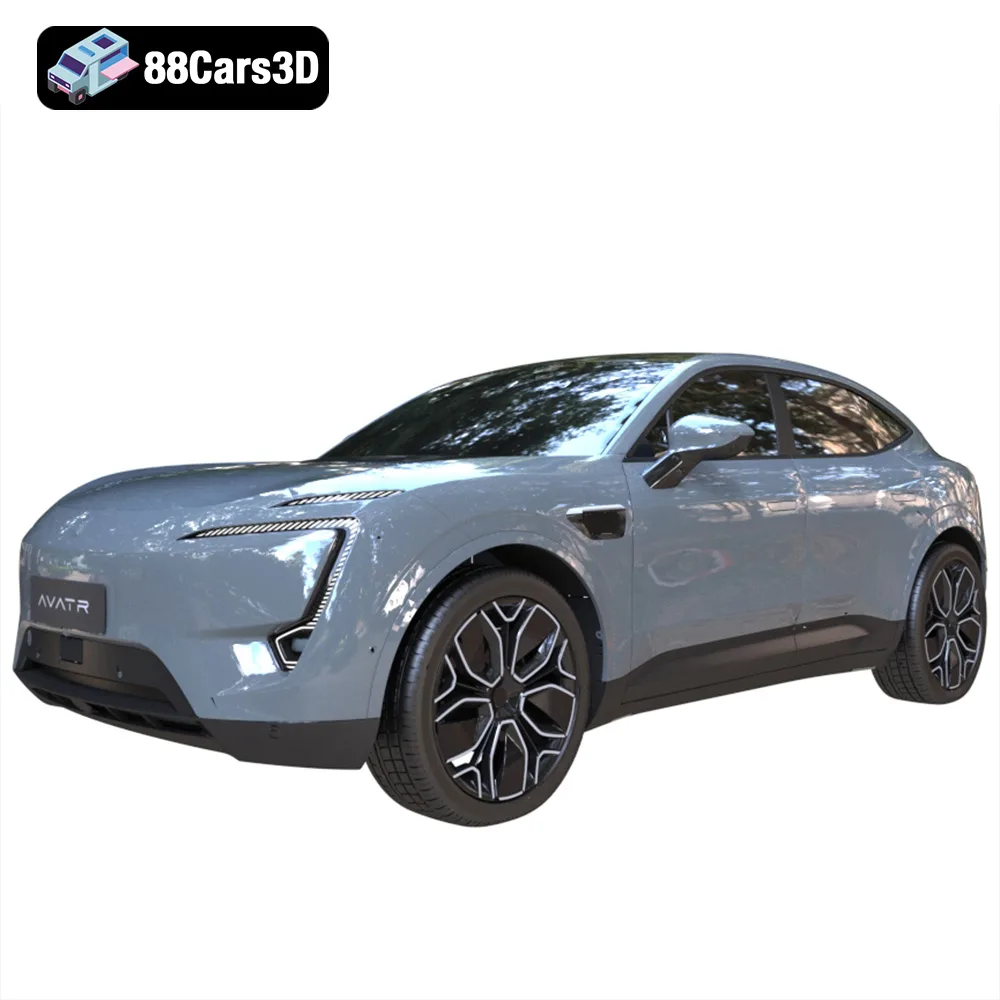
The Elite Future Mobility Bundle is a curated collection of four groundbreaking vehicles that define the next era of transportation. This pack combines the elegance of high-performance electric sedans, the rugged luxury of next-gen SUVs, and the visionary design of autonomous urban pods.
$99
3d-vehicle-pack
archviz-assets
autonomous-driving
avatr-11
electric-vehicles
ev-bundle
future-cars
futuristic-suv
game-ready-cars
li-l9
luxury-ev
smart-city
tesla-3d-model
zoox-robotaxi