Get 50% OFF All Premium 3D & STL Models!

In today’s visually driven world, the demand for hyper-realistic and functionally robust 3D assets is skyrocketing across industries. From blockbuster game titles and captivating automotive advertisements to immersive virtual reality experiences and precision engineering simulations, the foundation of excellence lies in the quality of the 3D models used. Automotive design, in particular, relies heavily on these digital representations to visualize concepts, test aerodynamics, and market new vehicles long before physical prototypes exist. A truly professional 3D car model is more than just a shape; it’s a meticulously crafted digital blueprint, brimming with accurate geometry, lifelike materials, and thoughtful optimization.
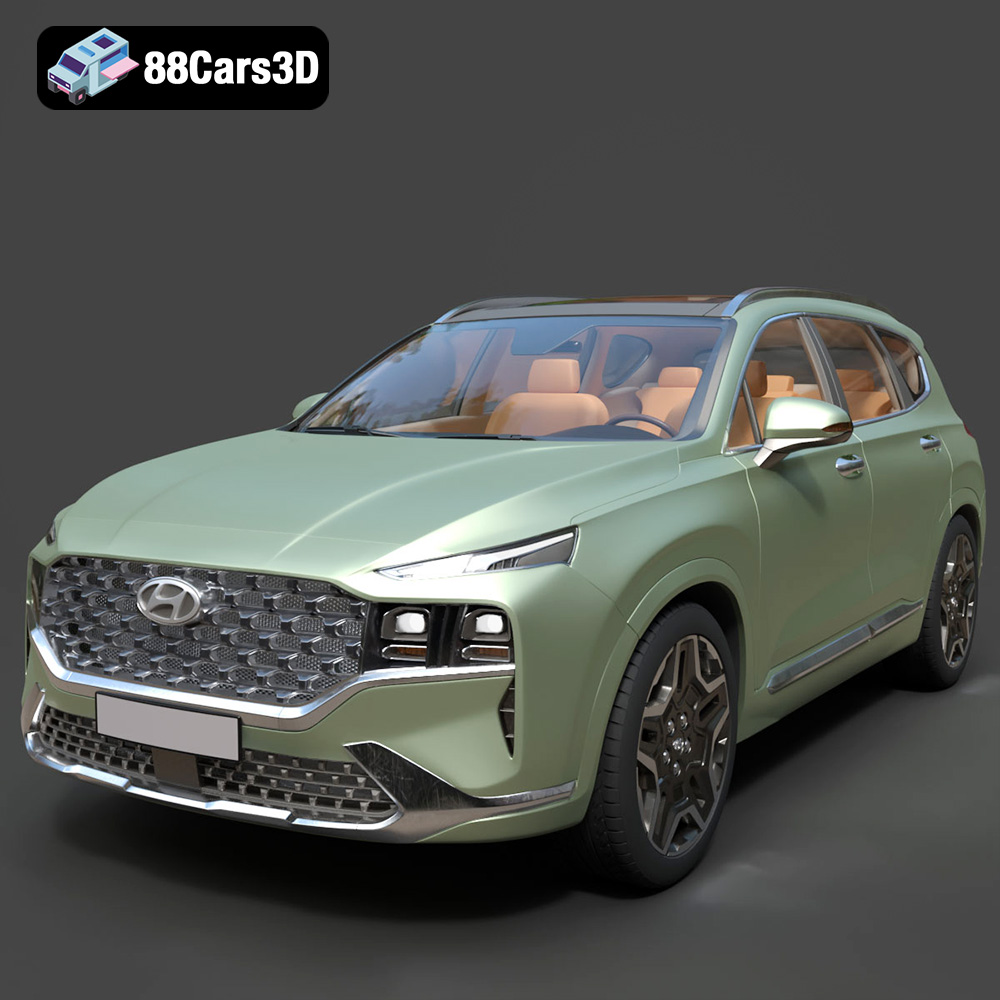
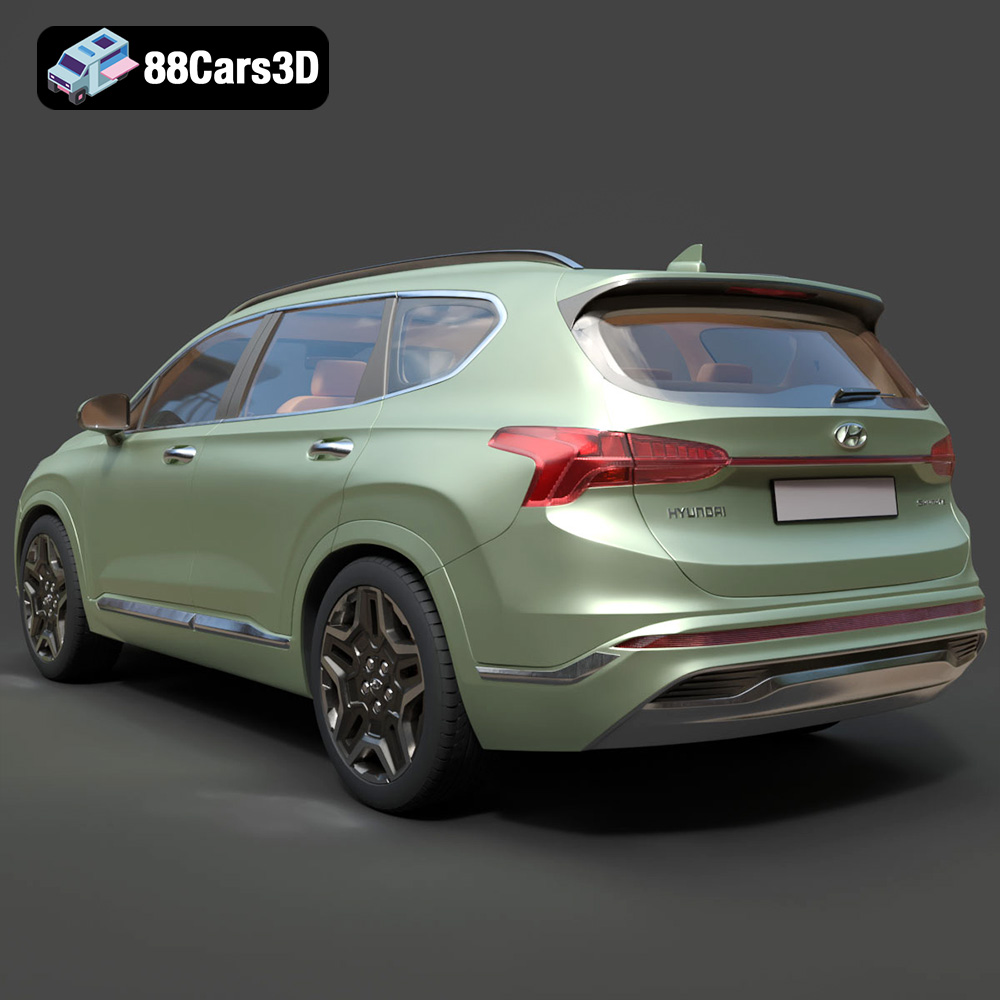
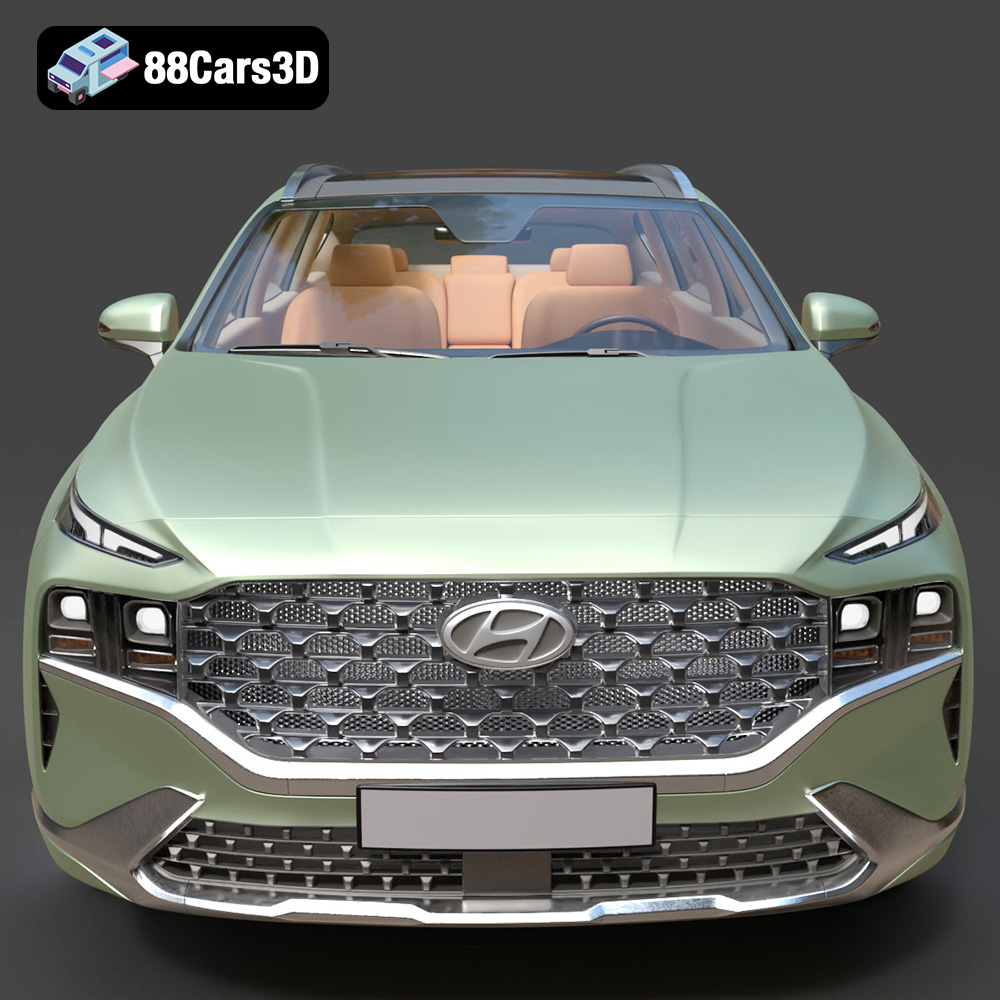
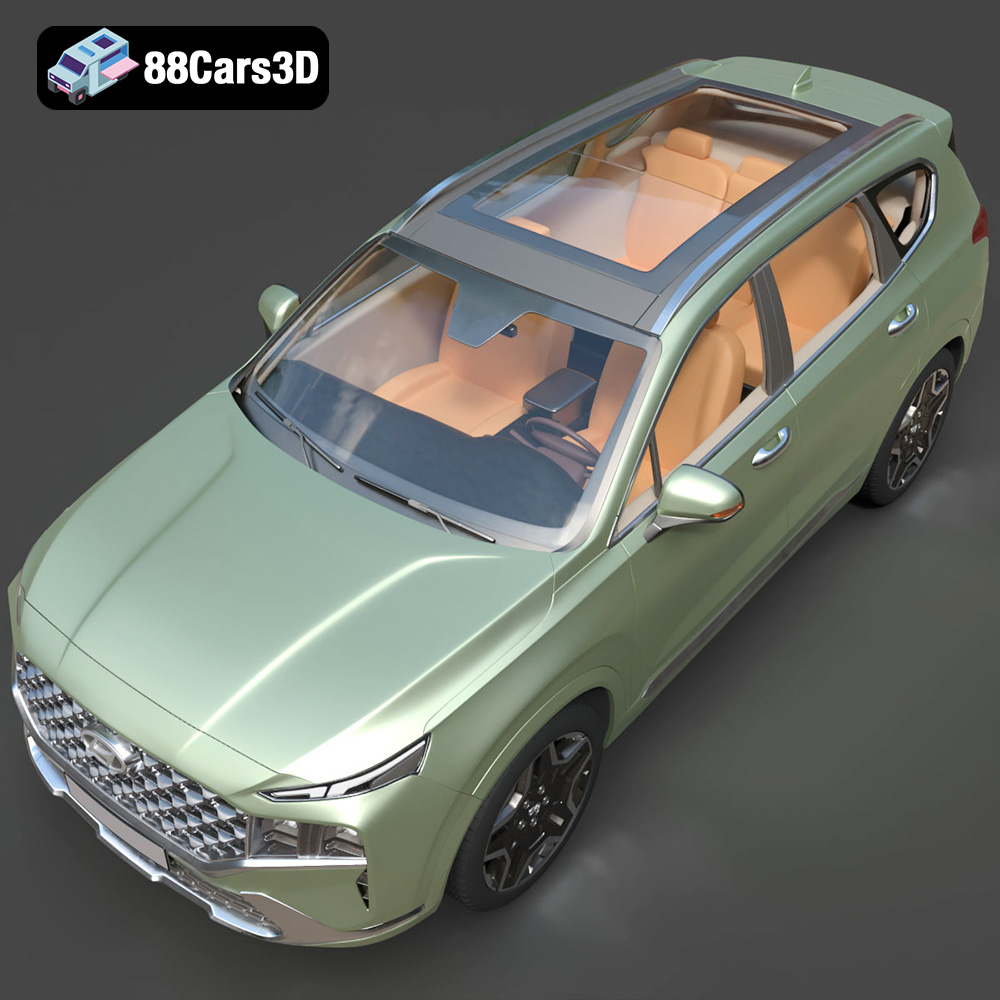
The creation of such assets can be an incredibly time-consuming and complex endeavor, requiring specialized skills in modeling, texturing, and rigging. This is where pre-made, professional-grade 3D car models become invaluable. They empower artists, developers, and engineers to shortcut the laborious initial stages, allowing them to focus on integration, animation, and final presentation. Take, for instance, the Hyundai Santa Fe 2021 3D Model available on 88cars3d.com. This asset isn’t just a representation; it’s a meticulously detailed recreation, built to professional standards, offering clean geometry, realistic materials, and a design faithfully capturing the essence of the actual vehicle. Such a model becomes a cornerstone for any project demanding accuracy and visual fidelity, accelerating workflows and elevating the final output.
Automotive visualization is a field where every curve, reflection, and material property must be exact. Car manufacturers use 3D models for everything from internal design reviews and engineering simulations to marketing campaigns and online configurators. The ability to render a vehicle in various colors, environments, and lighting conditions digitally saves immense time and cost compared to physical prototypes. A model like the Hyundai Santa Fe 2021, with its professional-grade design and accurate details, ensures that these visualizations are not only stunning but also credible and representative of the final product.
While visual appeal is paramount, a high-quality 3D car model must also be functionally sound. This means clean topology that deforms predictably during animation, optimized poly counts for real-time applications, and properly unwrapped UVs for efficient texturing. These technical underpinnings are what separate a usable professional asset from a purely aesthetic one. For game developers or AR/VR creators, these technical specifications dictate performance, interactivity, and the overall user experience, making carefully engineered models a necessity.
The world of 3D modeling is rich with a myriad of file formats, each designed with specific purposes, software compatibility, and optimization goals in mind. Understanding which format to use for a particular application is crucial for efficient workflows and successful project outcomes. The Hyundai Santa Fe 2021 3D Model comes with a comprehensive suite of formats, ensuring its versatility across virtually any professional pipeline. Let’s delve into the technical specifics of these common formats.
The .blend format is Blender’s native file type, a powerhouse for 3D content creation. When you acquire a .blend file, you’re not just getting the mesh; you’re typically receiving a fully editable Blender scene. This includes all materials (often set up with physically based rendering, or PBR, principles using nodes), lighting setups (HDRIs, area lights, sun lamps), camera configurations, modifiers, animation data, and even the scene’s physics simulations. For artists deeply integrated into the Blender ecosystem, this format offers maximum flexibility. You can easily tweak materials, modify geometry, adjust lighting to suit your specific rendering needs (e.g., Cycles or Eevee), or prepare the model for animation with minimal fuss. For the Hyundai Santa Fe 2021, the .blend file provides a ready-to-render scene, saving valuable setup time.
.fbx (Filmbox) is a proprietary file format owned by Autodesk, but it has become an industry-standard interchange format, particularly for game development and animation pipelines. Its strength lies in its ability to store not just mesh data, but also complex animation, rigging, skinning, materials (though material definitions can be simplified and may require re-setup in target engines), textures, and even embedded media. It’s often the go-to format for exporting models from DCC (Digital Content Creation) software like 3ds Max or Blender into game engines such as Unreal Engine and Unity. For the Hyundai Santa Fe 2021, the .fbx is game-engine ready, meaning it’s typically optimized for real-time performance, with triangulated meshes, appropriate UV layouts, and potentially baked textures, ensuring smooth import and performance in interactive environments.
The .obj (Wavefront Object) format is one of the oldest and most widely supported 3D file formats. It’s incredibly robust for transferring static mesh data, including vertices, normals, UV coordinates, and groups. While it can reference external material files (.mtl), its material definition capabilities are basic compared to modern PBR workflows. Its universal compatibility is its primary advantage; nearly every 3D software application can import and export .obj files without issues. It serves as an excellent fallback or a primary choice when only mesh geometry is needed, or when working across disparate software platforms where other formats might pose compatibility challenges. For the Hyundai Santa Fe 2021, the .obj provides a clean, raw mesh that can be easily imported into any 3D package for custom material and lighting setup.
.glb (GL Transmission Format Binary) is the binary version of glTF, a royalty-free specification for the efficient transmission and loading of 3D scenes and models by applications. It’s designed for speed and small file sizes, making it ideal for web-based 3D viewers, Augmented Reality (AR), and Virtual Reality (VR) applications. A .glb file packages all necessary data—geometry, materials, textures, animations—into a single, self-contained binary file, simplifying distribution and parsing. Its PBR material support and efficient mesh representation make it a modern choice for interactive 3D experiences. The Hyundai Santa Fe 2021 in .glb format is perfectly optimized for immediate deployment in AR/VR apps or embedded 3D viewers on websites.
The .stl (Stereolithography) format is the ubiquitous standard for 3D printing. It represents a 3D model as a series of connected triangles, essentially describing the surface geometry of an object without color, texture, or material information. Its simplicity makes it universally compatible with 3D printing software (slicers). However, this also means it doesn’t store any scale information, relying on the printing software to interpret units. For the Hyundai Santa Fe 2021, the .stl file would be a watertight, manifold mesh, ready to be sliced and printed, offering a physical prototype or collectible based on the digital model.
The .ply (Polygon File Format, or Stanford Triangle Format) is a flexible and precise format for storing 3D data, particularly useful for scanned data, CAD applications, and scientific visualization. It supports a wide range of properties for each vertex (color, normal, texture coordinates, transparency) and face (color). While less common for general animation or game development, its strength lies in its ability to accurately represent complex point clouds and polygonal meshes with additional attribute data, making it valuable for analytical or reverse-engineering tasks. The Hyundai Santa Fe 2021 in .ply format could be used for detailed dimensional analysis or as a base for specific engineering simulations.
The .unreal format, while not a standalone file extension in the traditional sense, refers to assets pre-configured and packaged specifically for Unreal Engine. This often implies an imported .fbx or similar format that has been fully set up within an Unreal project. This means materials have been converted to Unreal’s PBR shader system, textures are correctly applied, collision meshes might be generated, and the asset is optimized for Unreal’s rendering pipeline. The Hyundai Santa Fe 2021 provided as “.unreal” signifies a ready-to-use asset, saving developers the extensive setup and optimization work required to integrate raw 3D models into a complex game environment, ensuring immediate drag-and-drop functionality.
Finally, the .max format is Autodesk 3ds Max’s native scene file. Similar to Blender’s .blend, a .max file contains the entire 3ds Max scene, including geometry, materials, lighting, cameras, animation, modifiers, and plugin data. For users of 3ds Max, this provides the highest level of editability and integration into their existing projects. It’s ideal for high-fidelity architectural rendering, product visualization, and complex animation sequences. The Hyundai Santa Fe 2021 .max file offers a professional starting point for high-end rendering projects, allowing artists to leverage 3ds Max’s powerful rendering engines like V-Ray or Corona with minimal setup.
The availability of such a diverse array of formats for the Hyundai Santa Fe 2021 3D Model underscores its versatility and value. It means that whether your project is destined for a photorealistic advertisement, a fast-paced game, a new AR app, or even a physical print, this single asset has you covered.
Achieving photorealistic results in 3D rendering and real-time applications isn’t just about throwing textures onto a model. It’s a symphony of meticulous planning and execution, particularly crucial for complex subjects like automobiles. A premium 3D car model, such as the Hyundai Santa Fe 2021, exemplifies this technical excellence through its foundational components: clean geometry, realistic materials, and precise UV mapping.
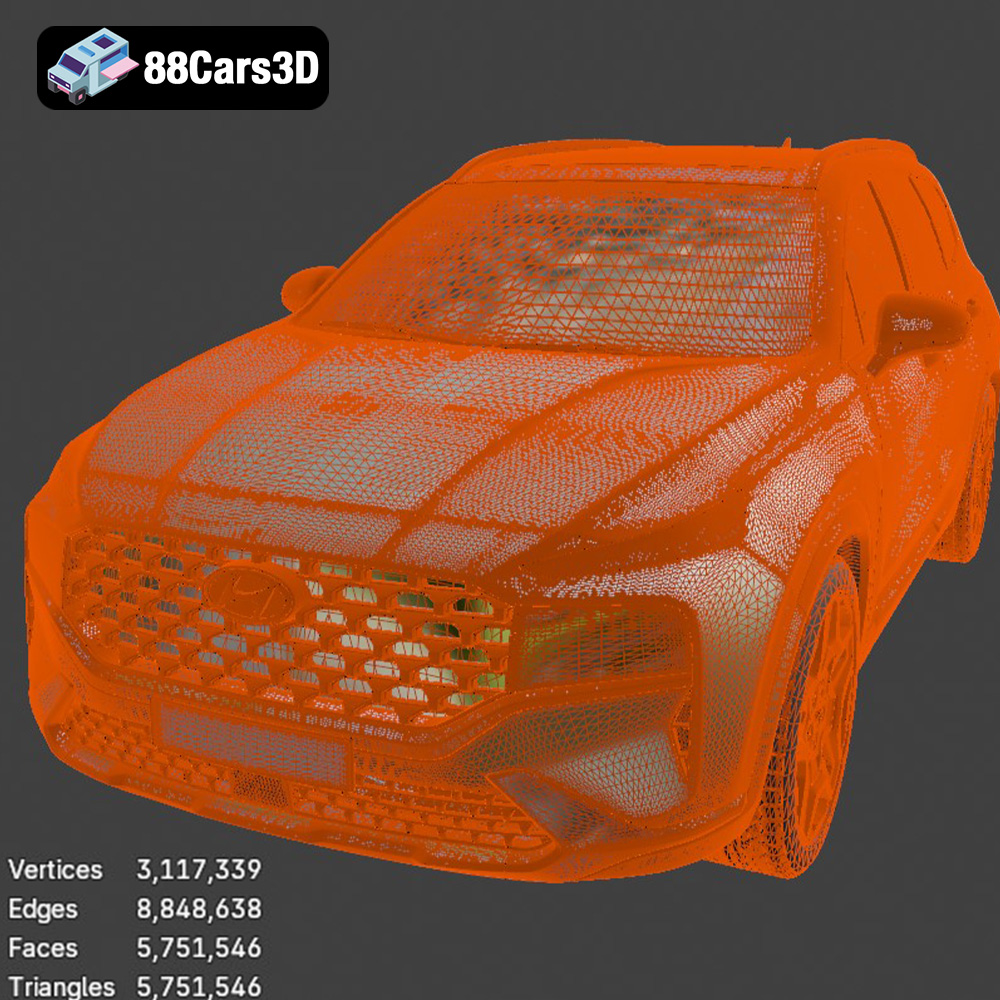
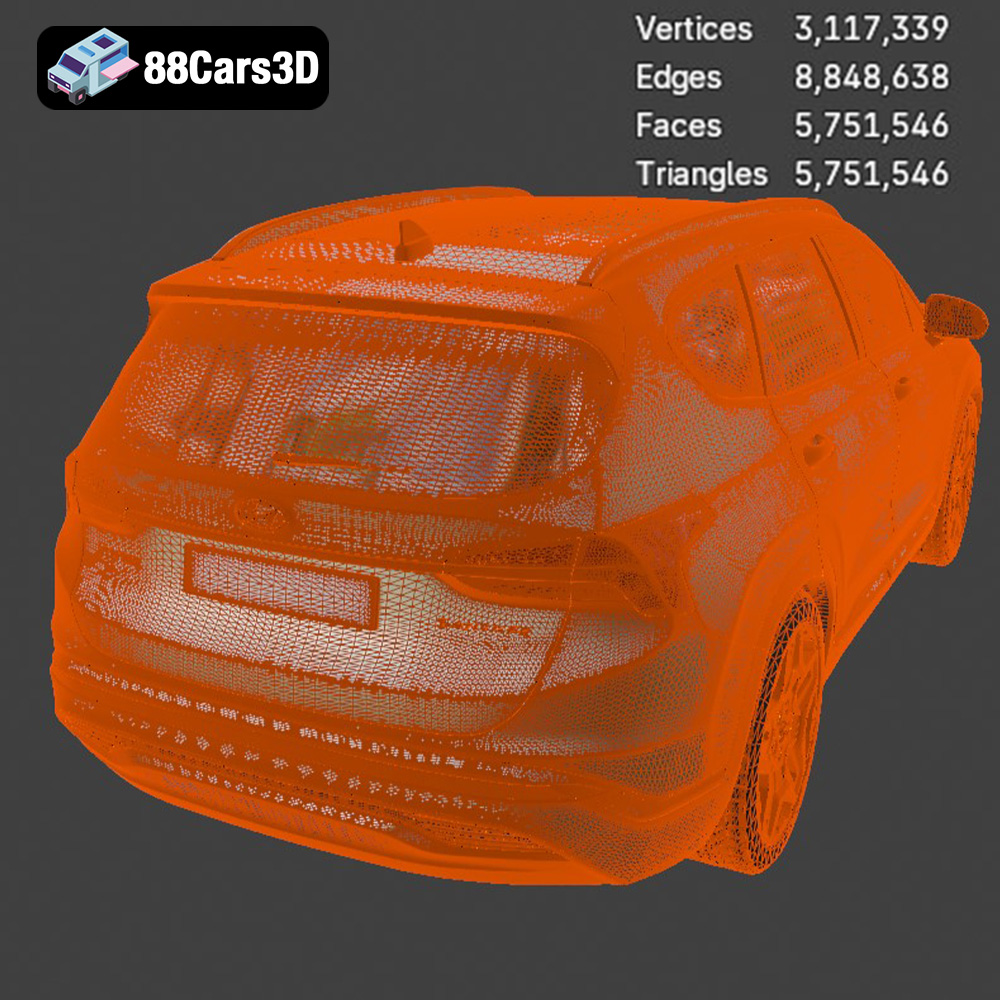
The “clean geometry” of a 3D model refers to its underlying mesh structure. For a professional asset, this means a well-organized polygon flow, primarily using quads (four-sided polygons) where possible, which ensures smooth subdivisions and predictable deformation during animation. Ngons (polygons with more than four sides) or triangles are minimized or used strategically to avoid rendering artifacts and issues with subdivision surface modifiers. Furthermore, “optimized geometry” means striking a balance between detail and poly count. High-poly models are fantastic for close-up renders and cinematic shots, but too many polygons can cripple real-time performance in games or VR. Professional models often come with different levels of detail (LODs) or are carefully modeled to look high-detail with an efficient poly count, allowing scalability across various applications. The Hyundai Santa Fe 2021 3D Model is described as having clean and optimized geometry, signifying that it’s built to perform efficiently without compromising visual fidelity, whether it’s destined for a high-end render or a demanding game engine.
Materials are the skin of a 3D model, defining how light interacts with its surface. Realistic materials in modern 3D workflows utilize Physically Based Rendering (PBR) principles, which simulate real-world light behavior. This involves a suite of texture maps (Albedo/Base Color, Roughness, Metallic, Normal, Ambient Occlusion, etc.) that dictate color, reflectivity, microscopic surface details, and shadows. High-resolution materials mean these textures are large enough to maintain sharpness even at close inspection. For an automotive model, this translates to chrome that shines authentically, paint that reflects light with the correct metallic flake and clear coat, and rubber that absorbs light appropriately. The Hyundai Santa Fe 2021 3D Model boasts realistic and high-resolution materials, ensuring that its paint, glass, tires, and interior elements look convincing from every angle and under diverse lighting conditions.
UV mapping is the process of unwrapping a 3D model’s surface into a 2D layout, much like flattening a cardboard box. This 2D map, known as a UV island, is where textures are painted or applied. Proper UV mapping is critical for several reasons: it prevents texture stretching, allows for efficient texture resolution across the model, and is essential for baking various maps (like ambient occlusion or normal maps) and applying decals. Clean UVs are non-overlapping and well-organized, making texturing a smooth process and ensuring textures render correctly in any engine. While not explicitly listed as a key feature, “realistic and high-resolution materials” implicitly relies on excellent UV mapping, without which, no texture set, however detailed, would appear correctly on the Hyundai Santa Fe 2021.
The true power of a versatile 3D asset like the Hyundai Santa Fe 2021 3D Model lies in its ability to integrate effortlessly into diverse professional workflows. Whether your goal is a stunning photorealistic render or a high-performance game asset, the included file formats facilitate smooth transitions into your preferred software.
For cinematic quality renders and architectural visualizations, 3ds Max and Blender are industry powerhouses. The Hyundai Santa Fe 2021’s dedicated .max and .blend files are optimized for these environments. In 3ds Max, artists can open the .max file and find a scene ready for rendering with engines like V-Ray or Corona. This means materials are typically pre-configured, often with PBR shaders, and basic lighting setups might be included. Users can then adjust lighting, add environmental elements, and animate cameras to create compelling marketing imagery or product showcases. Similarly, the .blend file provides a complete scene for Blender users. Artists can leverage Blender’s powerful Cycles or Eevee renderers, tweaking the provided materials and lighting to match specific aesthetic requirements. For instance, simulating different times of day or weather conditions to showcase the vehicle’s design under various realistic circumstances becomes a streamlined process. The clean geometry ensures smooth subdivisions for extreme close-ups without visual artifacts.
Game development demands a different set of optimizations, focusing on real-time performance without sacrificing visual quality. The Hyundai Santa Fe 2021 3D Model excels here with its .fbx and .unreal formats. Importing the .fbx into Unreal Engine or Unity is a common practice. Once imported, developers typically set up PBR materials using the provided texture maps (Albedo, Normal, Roughness, Metallic, etc.) within the engine’s material editor. The optimized geometry ensures the model maintains a respectable poly count, crucial for maintaining frame rates. For Unreal Engine specifically, the included “.unreal” file implies a pre-configured asset, significantly cutting down setup time. This means the model is already imported, materials are set up, and it might even have basic collision meshes, making it a true drag-and-drop solution for immediate use in interactive environments, simulations, or virtual showrooms. The clean topology also allows for efficient LOD generation, ensuring the model scales well for different viewing distances within the game world.
The utility of a robust 3D car model extends far beyond traditional rendering and game development. With advancements in technology, these assets are becoming pivotal in augmented reality (AR), virtual reality (VR), 3D printing, and sophisticated simulation environments.
AR and VR are transforming how we interact with digital content, offering immersive experiences that blur the lines between virtual and physical. High-quality 3D car models are central to these technologies. Imagine stepping into a virtual showroom where you can walk around, open the doors, and even “sit inside” the Hyundai Santa Fe 2021, all before the physical car is available. Or an AR application that lets you project the virtual car onto your driveway, scaling it to life-size. The .glb format included with the Hyundai Santa Fe 2021 3D Model is specifically optimized for these applications. Its compact, self-contained nature ensures quick loading times and efficient rendering on mobile devices or VR headsets, providing a seamless and engaging user experience. For automotive brands, this opens up unprecedented opportunities for customer engagement and product showcasing.
The journey from digital model to physical object is made possible through 3D printing. Engineers and designers often create scaled-down prototypes to test ergonomic principles, visual appeal, or fit and finish before committing to expensive tooling. The .stl format of the Hyundai Santa Fe 2021 3D Model is ideal for this. It provides a watertight, triangulated mesh that can be directly fed into 3D printing slicer software. While the digital model allows for limitless variations, a physical print offers a tangible representation, allowing for hands-on evaluation of form and proportion. This is particularly valuable in early design phases, where quick iterations and physical feedback can accelerate the development cycle significantly.
Simulation is another critical application for precise 3D car models. From driver training simulators that replicate real-world conditions to autonomous vehicle development environments, accurate vehicle representations are essential. These simulations require models with precise dimensions, correct mass distribution (though typically added in the simulation software), and clean geometry for collision detection. The .ply or even the optimized .fbx of the Hyundai Santa Fe 2021 can serve as the foundational visual model for such simulations. This allows for virtual testing of safety features, aerodynamic performance, or even emergency response training in a controlled, virtual environment, offering a cost-effective and safe alternative to real-world tests.
With an abundance of 3D models available online, selecting the right one can be challenging. However, understanding the characteristics of a professional-grade asset will guide your decision, ensuring your project benefits from both visual excellence and technical reliability. The Hyundai Santa Fe 2021 3D Model stands as an exemplar of these qualities.
When evaluating 3D car models, look for a balance of detail and optimization. “Meticulously crafted for exceptional detail and accuracy” is a hallmark of a premium model. This means that the proportions, panel gaps, headlight designs, and interior elements (if included) should faithfully replicate the real vehicle. Accuracy is paramount for automotive projects, as even slight discrepancies can undermine credibility. Optimization refers to the efficiency of the model’s geometry and texture use. A good model is optimized for its intended use—whether high-poly for rendering or lower-poly with LODs for real-time. The Hyundai Santa Fe 2021 3D Model boasts “clean and optimized geometry” and “realistic and high-resolution materials,” guaranteeing both stunning visuals and practical performance.
A truly valuable 3D model is versatile, capable of adapting to various project types. Does it come with multiple file formats? Is it suitable for rendering, game development, AR/VR, and even 3D printing? The more applications a single model can serve, the greater its value and return on investment. The Hyundai Santa Fe 2021 3D Model’s extensive list of included formats—from .blend and .max for editable scenes to .fbx and .unreal for game engines, .glb for AR/VR, and .stl for printing—makes it an incredibly flexible asset, ready for almost any professional undertaking. This eliminates the need to source or create separate models for different pipelines, streamlining production.
Creating a 3D car model from scratch is a monumental task, demanding hundreds of hours from skilled artists. For studios, freelancers, or companies on tight deadlines, purchasing a pre-made, high-quality asset is often the most cost-effective and time-efficient solution. The investment in a professional model like the Hyundai Santa Fe 2021 at just $19.99 can save thousands in labor costs and weeks of development time. It allows teams to focus on the creative aspects of their project—such as scene composition, animation, or interactive logic—rather than getting bogged down in foundational asset creation. When you choose models from reputable marketplaces like 88cars3d.com, you’re not just buying a file; you’re investing in quality, reliability, and expedited production.
In the dynamic landscape of digital content creation, the bedrock of compelling visuals and efficient workflows lies in the quality of your 3D assets. From the intricate details required for automotive visualization to the performance demands of real-time game engines and the immersive potential of AR/VR, a well-crafted 3D car model is an indispensable tool. We’ve explored the critical role of clean geometry, realistic materials, and the versatility offered by a comprehensive suite of file formats, each tailored for specific professional applications.
The Hyundai Santa Fe 2021 3D Model exemplifies what a premium asset should be: meticulously detailed, accurately represented, and optimized for a broad spectrum of uses. Whether you’re an architect needing to visualize a scene, a game developer crafting an open world, a marketer creating a captivating advertisement, or an engineer prototyping a design, this model provides the foundational quality you need to achieve outstanding results. By leveraging such high-quality, production-ready assets from trusted sources like 88cars3d.com, you not only elevate the visual fidelity of your projects but also significantly streamline your development process, allowing you to focus on innovation and creativity. Invest in quality, save time, and bring your digital visions to life with unparalleled realism.
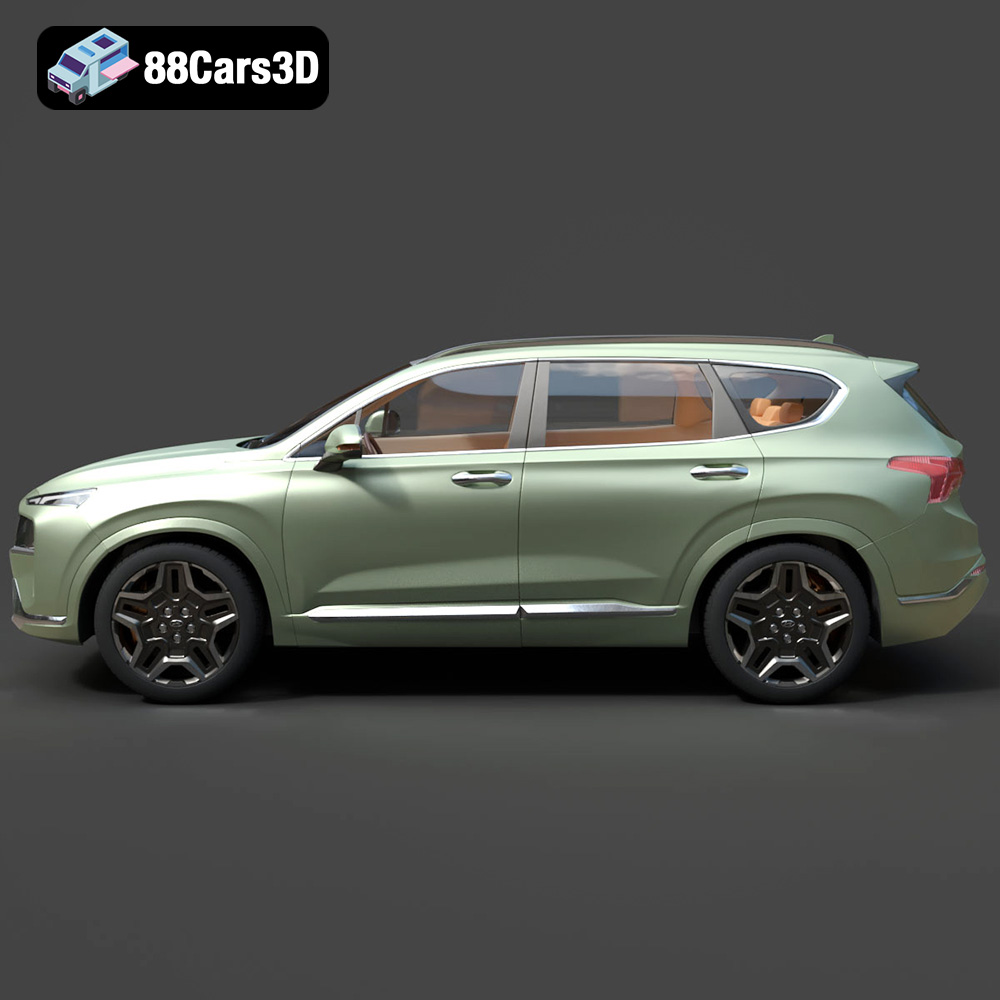
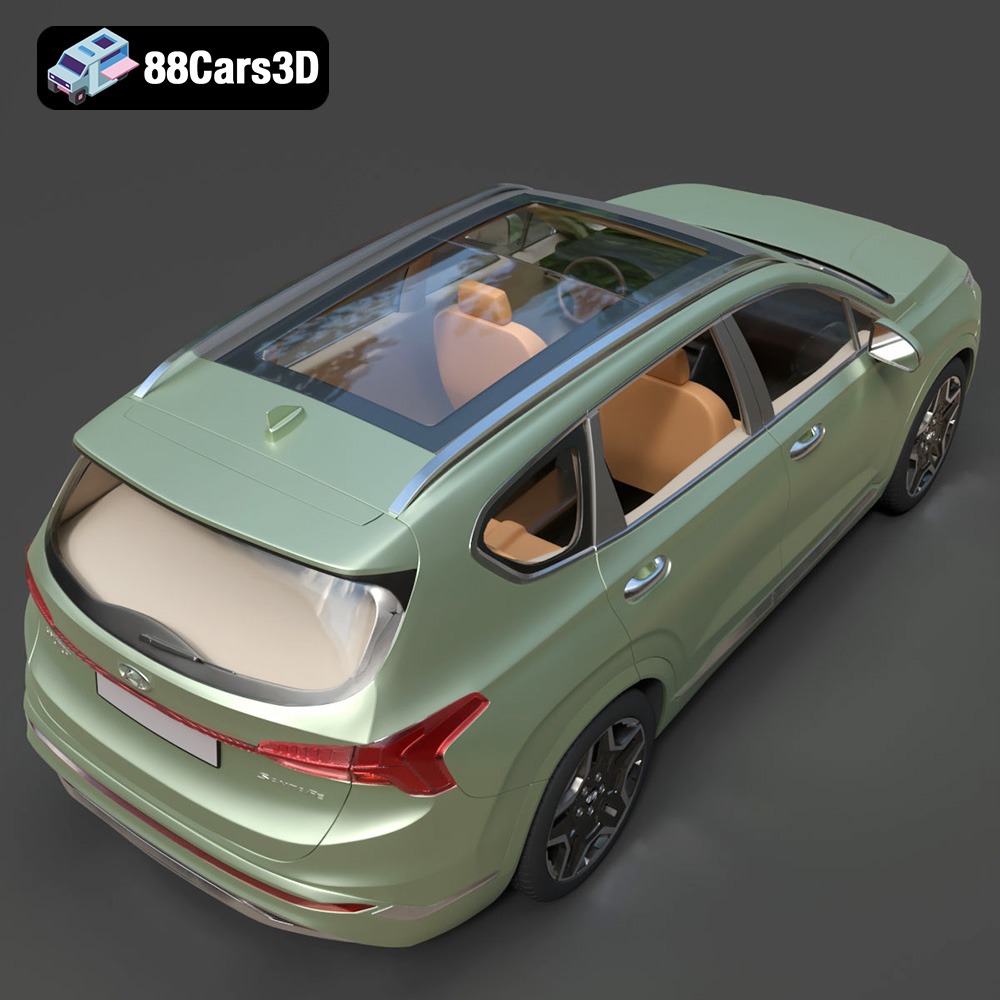
Experience the realism of the Hyundai Santa Fe 2021 3D Model, meticulously crafted for exceptional detail and accuracy. This model offers clean geometry, realistic materials, and a professional-grade design, making it ideal for a wide range of applications.
$19.99
.arvr
.blend
.car3dmodel
.fbx
.gameasset
.glb
.hyundai
.hyundaisantafe
.max
.obj
.ply
.rendering
.santafe
.simulation
.stl
.unreal
SUV