Get 50% OFF All Premium 3D & STL Models!

In the fast-paced world of 3D visualization, the quality of your assets can make or break a project. From breathtaking automotive renders that captivate audiences to immersive game environments that draw players in, the foundation of excellence lies in meticulously crafted 3D car models. These aren’t just static objects; they are complex digital blueprints that convey design intent, performance, and aesthetic appeal. Professionals across industries demand assets that are not only visually stunning but also technically robust, offering seamless integration and optimal performance.
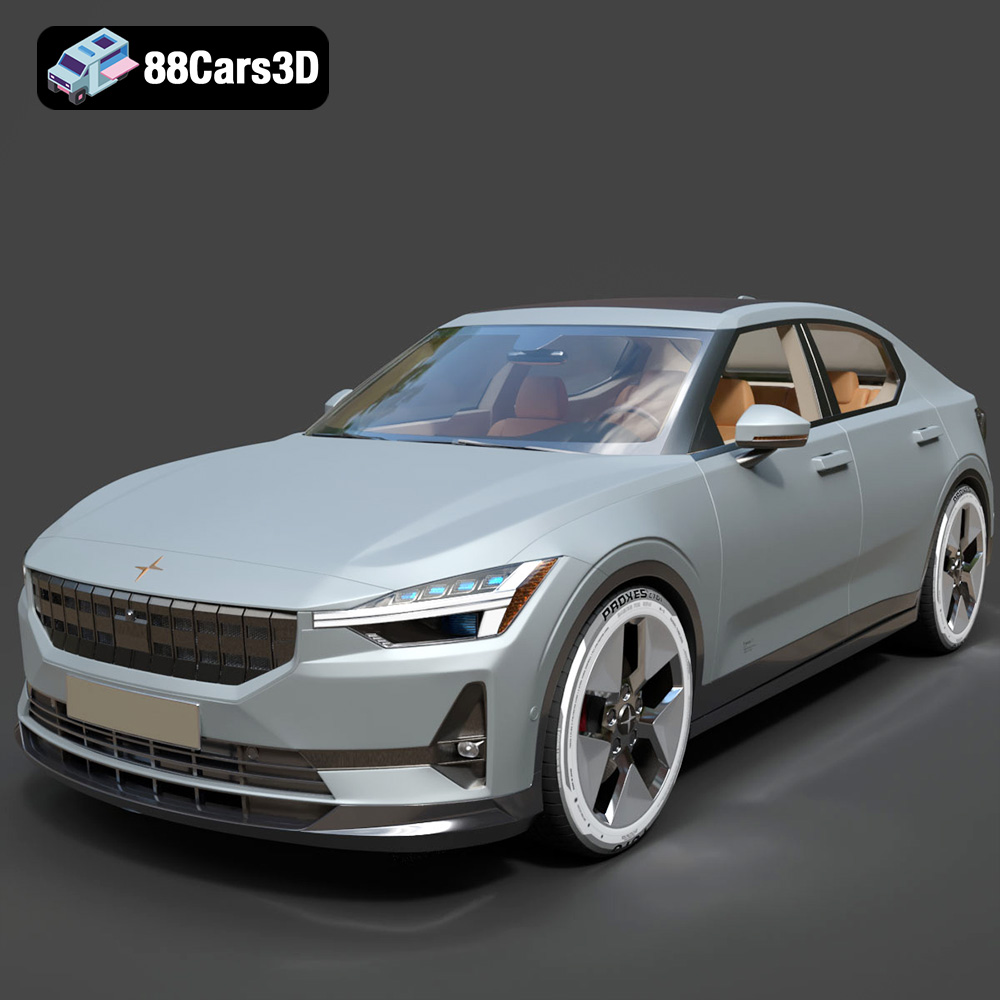
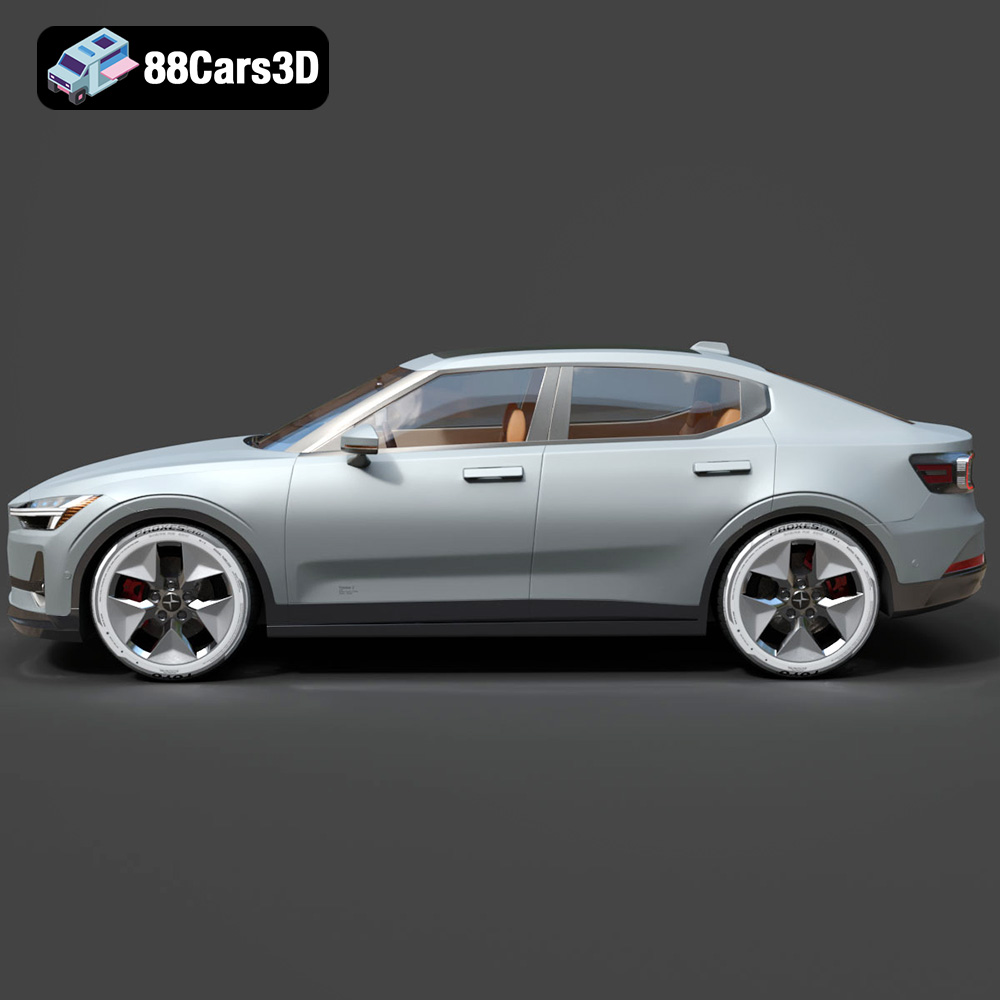
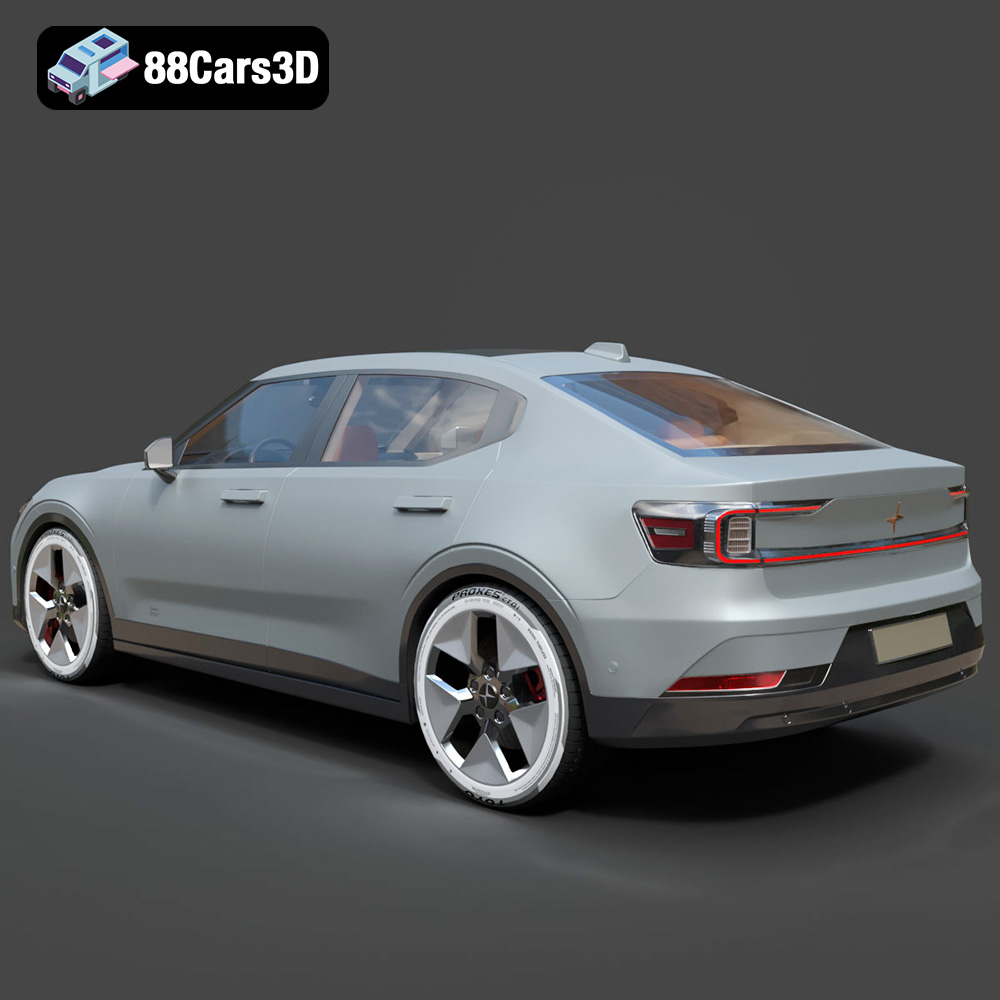
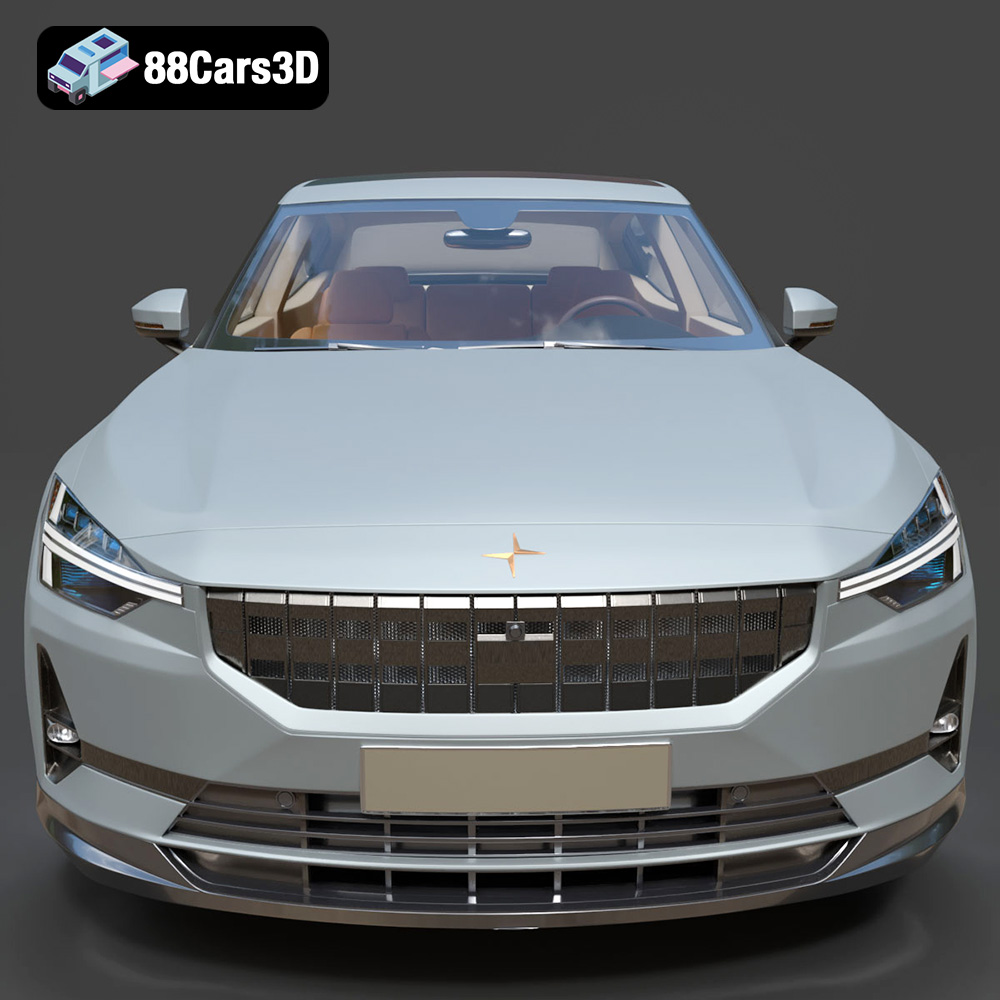
Today, we’ll delve deep into the technical intricacies and creative possibilities unlocked by high-quality 3D car models. We’ll explore their applications in automotive rendering, game development, AR/VR, and more, highlighting critical workflows and specifications. As a prime example of such excellence, we’ll feature the Polestar 2 2023 3D Model, a digital masterpiece that meticulously replicates the sleek, modern design of this cutting-edge electric fastback. Its clean topology, accurate geometry, and professional-grade materials make it a stellar example of what industry professionals seek.
The choice of a 3D model file format is far more than a simple preference; it dictates compatibility, functionality, and optimization for specific pipelines. A truly versatile 3D car model, like the Polestar 2 2023 3D Model available on 88cars3d.com, provides a range of formats to ensure it fits perfectly into any professional workflow. Understanding each format’s strengths is crucial for efficient project execution.
The .blend format is native to Blender, an incredibly powerful open-source 3D creation suite. When a model is supplied as a .blend file, it typically includes the complete scene setup: the mesh geometry, PBR (Physically Based Rendering) materials, textures, lighting configurations, and often camera setups. This format is ideal for users who work extensively in Blender, providing full editability of all scene elements, modifiers, and animation data. It allows for advanced customization, fine-tuning of shaders, and direct access to the model’s underlying structure, making it perfect for artists who need to adapt the asset extensively.
FBX (Filmbox) is a proprietary file format owned by Autodesk, but it has become a de facto industry standard for exchanging 3D data between various applications, especially for real-time engines like Unreal Engine and Unity. An .fbx file can encapsulate a wide array of 3D data, including model geometry, UV maps, textures (though often linked, not embedded), materials, rigging, skinning, and animation. Its widespread support makes it incredibly versatile, and it’s favored for its ability to transfer complex scene data while maintaining structural integrity. When importing a 3D car model into a game engine, .fbx is often the most reliable choice for preserving hierarchy and animation.
The Wavefront .obj (Object) file format is one of the oldest and most widely supported 3D file formats. It’s a simple, text-based format primarily used to define geometric objects. An .obj file stores vertex positions, UV coordinates, normals, and face information, often accompanied by a separate .mtl (material) file for basic material properties. While it doesn’t support advanced features like animation or rigging, its universal compatibility means virtually every 3D software can import and export it. It’s an excellent choice for basic mesh exchange and ensures maximum interoperability across different software packages, perfect for core geometry transfer.
.glb (GL Transmission Format Binary) is the binary version of the glTF (GL Transmission Format) specification, specifically designed for efficient transmission and loading of 3D scenes and models in web and AR/VR applications. It’s an API-neutral runtime asset delivery format, meaning it’s highly optimized for interactive applications and doesn’t rely on a specific rendering engine. A .glb file packages all necessary assets – geometry, materials, textures, animations – into a single binary file, making it incredibly easy to share and integrate into browser-based viewers, augmented reality apps, and virtual reality experiences. For showcasing the Polestar 2 2023 3D Model in a web configurator or an AR app, .glb is the definitive format.
.stl (STereoLithography) is the standard file format for 3D printing. It represents a 3D model as a series of connected triangles, defining only the surface geometry of an object without color, texture, or other CAD attributes. While simple, its ubiquity in additive manufacturing means that if you plan to 3D print a physical prototype of the Polestar 2, the .stl format is essential. .ply (Polygon File Format) is another format that can store 3D data from scanners and is useful for storing information from digital microscopy. It can store more complex data than .stl, including color per vertex, normal information, and material properties, making it suitable for more detailed analysis or visualization, often used in scientific or industrial applications.
The .unreal format implies a file or asset directly configured for Unreal Engine, often a UDATA or UPROJECT file containing imported FBX models, textures, and specific material setups tailored for the engine’s rendering pipeline. This pre-configuration saves significant time for game developers and real-time visualization artists by providing an “out-of-the-box” solution optimized for Unreal Engine’s PBR workflow, lighting, and performance. Similarly, .max is the native file format for Autodesk 3ds Max, a leading software for 3D modeling, animation, rendering, and compositing. Like .blend, a .max file contains the complete scene data, including advanced render settings, V-Ray or Corona materials, complex lighting setups, and intricate animation rigs. It offers full editability for professionals working within the 3ds Max ecosystem for high-end cinematic renders or complex scene development.
Automotive rendering is a specialized field that blends technical precision with artistic vision to create photorealistic images and animations of vehicles. It’s a critical tool for marketing, design iteration, and visualization in the automotive industry. A high-fidelity 3D car model, such as the Polestar 2 2023, is the cornerstone of achieving exceptional results.
The realism in an automotive render hinges significantly on the quality of its materials. Modern rendering relies on Physically Based Rendering (PBR) workflows, which simulate how light interacts with surfaces in the real world. This involves complex shader networks that define properties like base color, metallicness, roughness, normal maps, and often advanced attributes like clear coat, anisotropy, and subsurface scattering for interior elements. For the Polestar 2 2023 3D Model, this means meticulously crafted paint shaders that accurately reflect its finish, realistic glass with correct refraction and reflection, and detailed tire materials with subtle displacement and texture. Each material is fine-tuned to react authentically to light, making the digital model indistinguishable from a photograph.
Beyond materials, lighting is paramount. A skilled renderer utilizes High Dynamic Range (HDR) image-based lighting (IBL) combined with carefully placed area lights, spot lights, and volumetric effects to mimic real-world lighting scenarios. Whether it’s the soft ambient glow of an overcast day, the harsh direct sunlight revealing sharp reflections, or a studio setup with controlled illumination, the lighting environment dictates the mood and emphasizes the car’s design language. For an electric vehicle like the Polestar 2, showcasing its sleek lines and minimalist aesthetic often involves dramatic contrast and sophisticated reflections to highlight its modern appeal. The pre-configured lighting setups in .blend or .max formats can provide excellent starting points for professional artists.
Imagine a global advertising campaign for the Polestar 2. Instead of costly physical photoshoots in exotic locations, automotive brands increasingly rely on 3D renders. Using a high-quality asset like the Polestar 2 2023 3D Model, artists can place the car in any digital environment imaginable – from a bustling cityscape at dusk to a serene mountain road at dawn. The ability to control every aspect of the scene, from camera angle to light intensity and material reflectivity, allows for unparalleled creative freedom and consistency across all marketing collateral. This flexibility drastically reduces production costs and time while delivering visuals of stunning quality, a clear advantage provided by premium 3D car models from marketplaces like 88cars3d.com.
In the realm of game development, vehicles are often central to the player experience. From open-world racing simulations to interactive vehicle exploration, high-fidelity 3D car models are essential. However, the demands of real-time rendering mean that these assets must be not only visually impressive but also highly optimized for performance.
Game engines operate under strict performance budgets. A detailed 3D car model like the Polestar 2 2023, while highly intricate, must be optimized to run smoothly at high frame rates. This involves several technical considerations: polygon count reduction (often using LODs – Levels of Detail), efficient UV mapping for texture atlases, and careful material setup to minimize draw calls. A professionally made model will have a clean, quad-based topology that allows for easy polygon reduction without compromising silhouette integrity. It will also feature well-organized UVs to prevent texture stretching and allow for efficient texture packing, crucial for maintaining performance across a range of gaming hardware.
Unreal Engine is a powerhouse for real-time applications, including games and cinematic experiences. Integrating a 3D car model into Unreal typically begins with importing an .fbx file. The .unreal format, if provided, significantly streamlines this process, often including pre-built blueprints for doors, wheels, and basic physics setup. Artists then configure Unreal’s sophisticated material editor to create PBR materials that respond dynamically to the engine’s lighting system. Collision meshes are added for physical interactions, and animation blueprints handle moving parts like doors, trunks, and steering. The Polestar 2 2023 3D Model, with its game-engine ready .fbx and .unreal files, is designed for immediate integration, saving valuable development time for studios.
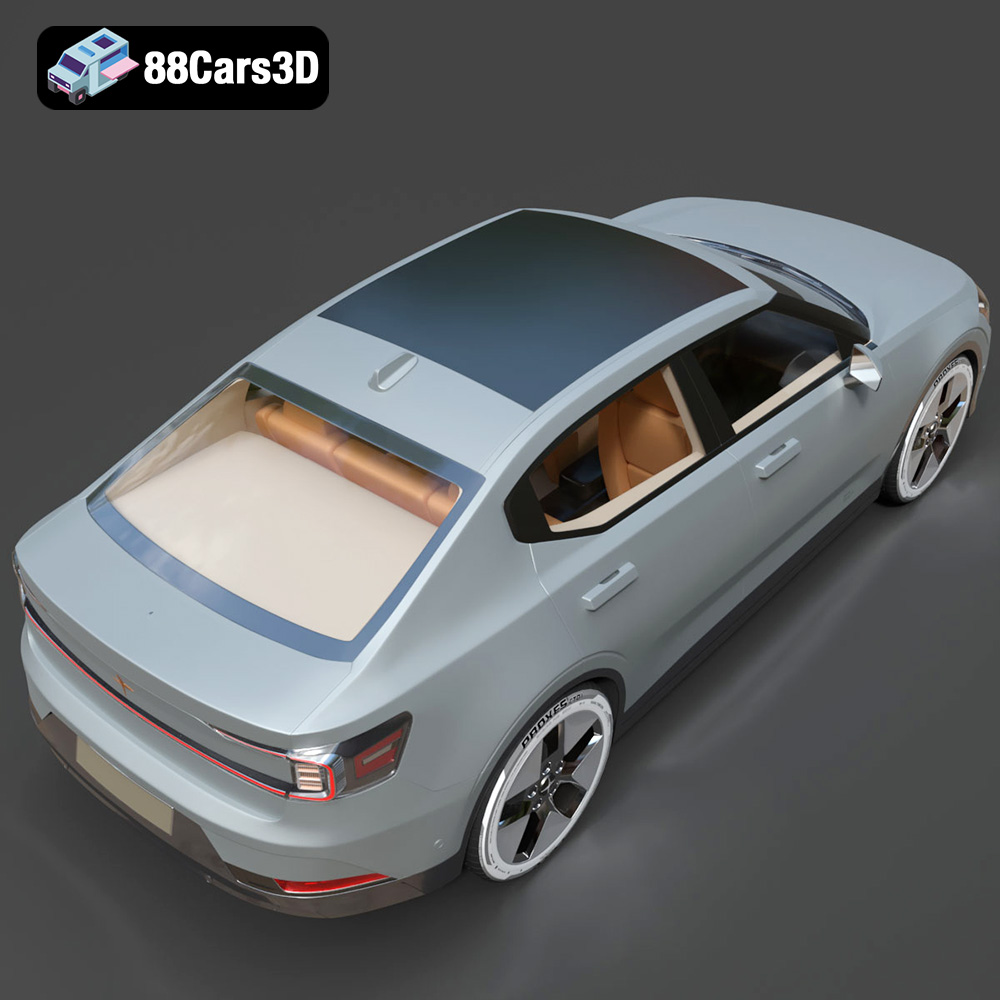
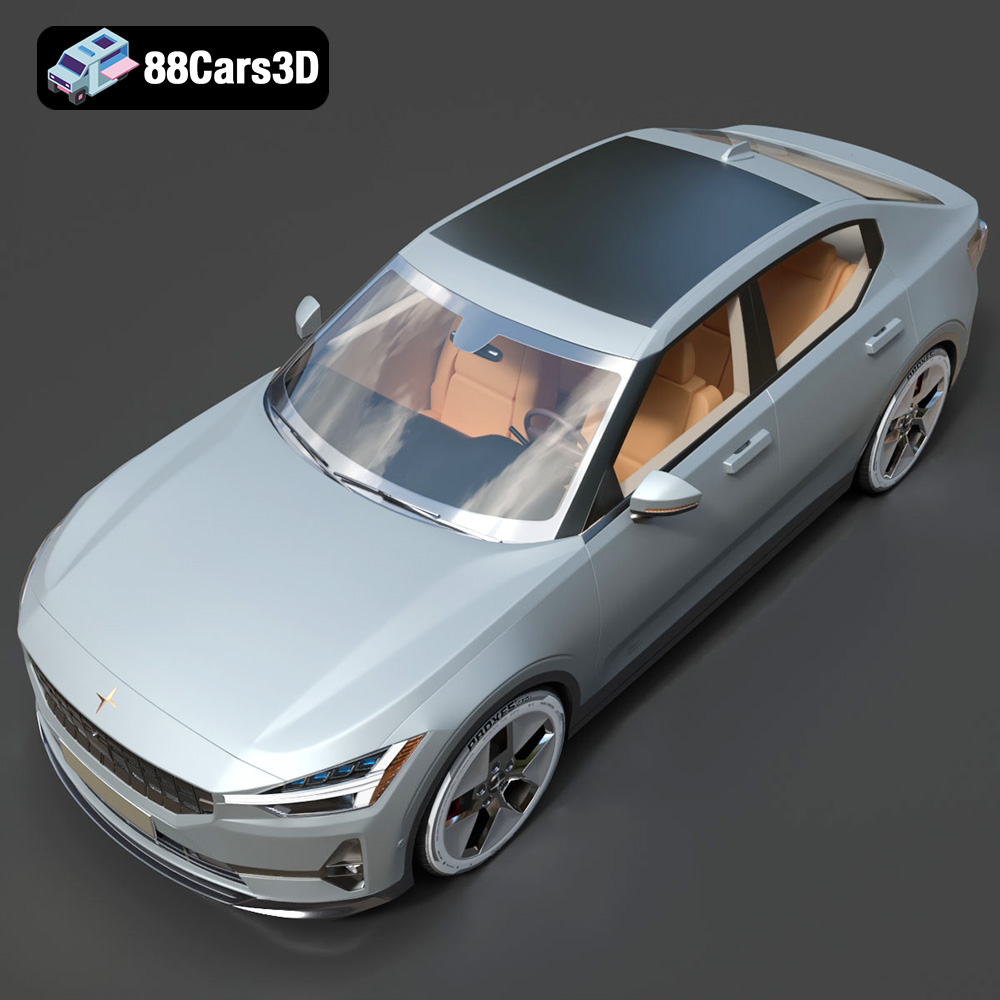
For modern games and simulations, the expectation for vehicle detail extends far beyond the exterior. Intricate interiors, complete with dashboards, seats, steering wheels, and door panels, are crucial for immersive first-person perspectives and interactive elements. The Polestar 2 2023 3D Model boasts a carefully detailed exterior and interior, ensuring that whether a player is admiring its sleek lines from outside or sitting virtually behind the wheel, the realism is maintained. This level of detail enhances player immersion, making the vehicle feel tangible and responsive within the game world, reinforcing the quality users expect from 3D car models sourced from reputable sites like 88cars3d.com.
Beyond traditional rendering and game development, high-quality 3D car models are pivotal in emerging technologies like Augmented Reality (AR) and Virtual Reality (VR), as well as in broader visualization contexts such as architectural and product design. These applications leverage the immersive potential of 3D data to create engaging and informative experiences.
Imagine a prospective buyer exploring the Polestar 2 in their driveway using an AR app, or walking around it in a virtual showroom via VR. This is where the .glb format shines. Optimized for web and mobile platforms, the Polestar 2 2023 3D Model in .glb format allows for lightweight yet detailed visualizations. Users can interact with the vehicle, change colors, open doors, and even sit inside, all rendered in real-time. These immersive experiences provide a powerful sales and marketing tool, allowing customers to engage with the product in a highly personal and memorable way, blurring the lines between the digital and physical worlds.
3D car models are also indispensable in architectural visualization. Placing a realistic car within an architectural render not only adds scale and realism but also brings a sense of life and context to the scene. The Polestar 2, with its contemporary design, would seamlessly integrate into modern architectural renderings, enhancing the overall aesthetic and realism of proposed buildings or urban environments. For product showcases, companies can use these models to demonstrate how their products (e.g., car accessories, charging stations) interact with specific vehicles, creating dynamic and compelling presentations that transcend static imagery.
In industrial design and engineering, high-fidelity 3D models can serve as digital twins. Starting often from CAD data, these models are refined for visualization, simulation, and interactive experiences. The Polestar 2 2023 3D Model’s accurate geometry and clean topology make it suitable for various stages of this digital twin pipeline. Engineers might use the .ply or even .obj formats for analysis, while marketing teams leverage .glb for interactive web experiences. This interconnected use of 3D data across design, engineering, and marketing streamlines workflows and ensures consistency, underscoring the versatility of professional 3D car models.
The distinction between an average 3D model and a professional-grade asset lies in its technical foundation. Quality isn’t just about how a model looks; it’s about its underlying structure, efficiency, and adaptability. Investing in superior 3D car models ensures longevity and reliability for your projects.
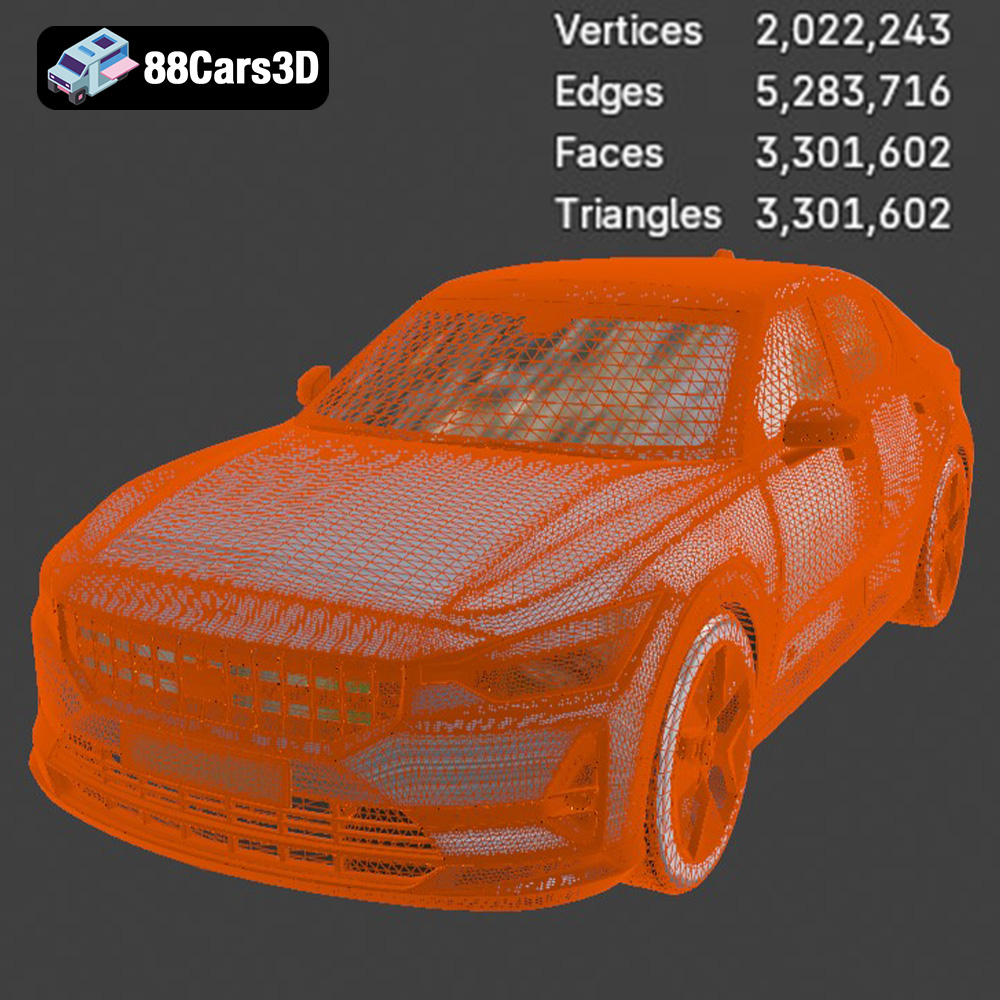
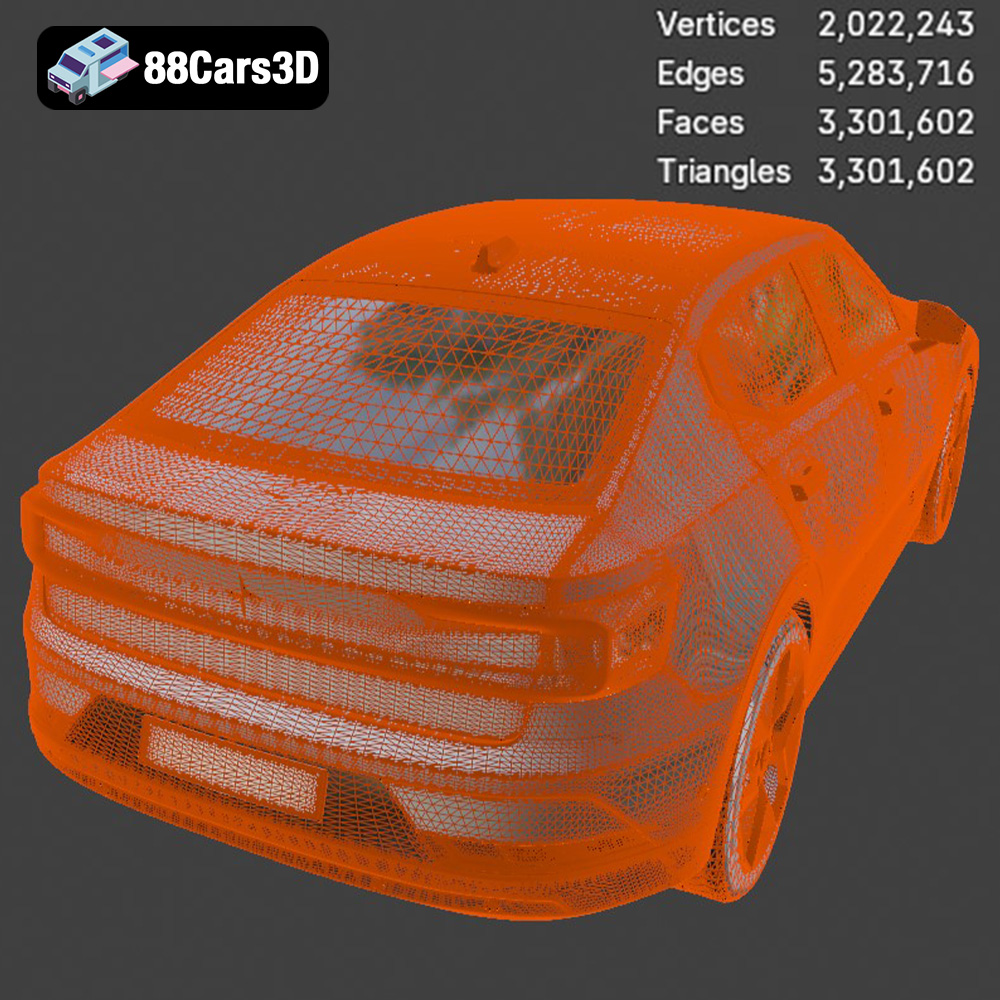
A hallmark of a professional 3D car model is its clean topology. This refers to the orderly arrangement of polygons (preferably quads) that form the model’s surface. Clean topology ensures smooth deformations during animation, prevents shading artifacts, and allows for easy editing and optimization. Similarly, expert UV mapping is crucial. UVs are 2D coordinates that map textures onto the 3D surface. High-quality UVs are organized, non-overlapping, and minimize distortion, which is vital for sharp textures and efficient material creation. The Polestar 2 2023 3D Model’s description highlights its clean topology and accurate geometry, indicating it adheres to these critical standards, making it easy to work with in 3ds Max, Blender, or any other software.
Professional 3D assets are designed with scalability in mind. This means they can be adapted for various levels of detail (LODs) – from high-resolution cinematic renders to low-polygon game assets – without significant rework. Their robust structure allows them to be ‘future-proofed,’ meaning they can be easily updated with new textures, materials, or even slight design modifications as technology evolves or project requirements change. A well-constructed model will continue to serve your needs for years to come, offering excellent return on investment, which is a key consideration when selecting 3D car models for long-term projects.
Finding high-quality 3D assets can be a challenge. This is where specialized marketplaces like 88cars3d.com provide immense value. They curate collections of professional-grade 3D car models, ensuring that artists, developers, and designers have access to reliable, technically sound, and visually appealing assets. Each model, like the Polestar 2 2023 3D Model, undergoes rigorous quality checks, guaranteeing clean topology, accurate geometry, realistic materials, and a range of useful file formats. This eliminates the guesswork and allows professionals to focus on their creative work, confident in the integrity of their purchased assets. Whether you need a model for automotive rendering, game assets, or AR/VR applications, 88cars3d.com is a trusted source for premium content.
The journey through the world of high-quality 3D car models reveals a landscape where technical precision meets boundless creativity. From the nuanced requirements of automotive rendering to the rigorous demands of game development and the immersive potential of AR/VR, a superior 3D asset is an indispensable tool. Understanding the various file formats, optimization techniques, and the critical importance of clean topology and materials empowers professionals to achieve stunning results across diverse applications.
The Polestar 2 2023 3D Model exemplifies this fusion of technical excellence and aesthetic fidelity. Its meticulously crafted design, versatile file formats, and professional-grade attributes make it an ideal choice for anyone seeking to elevate their digital projects. By choosing assets of this caliber, you not only ensure visual brilliance but also streamline your workflow and future-proof your creative endeavors. Explore the possibilities and discover premium 3D car models that drive success at 88cars3d.com.
Experience exceptional realism with the Polestar 2 2023 3D Model, meticulously crafted to replicate the sleek, modern design of this cutting-edge electric fastback. Every curve and detail has been modeled to provide an authentic digital representation.
This model features clean topology and accurate geometry, ensuring optimal performance across various applications. With realistic materials and a carefully detailed exterior and interior, it offers a professional-grade asset ready for immediate integration into your projects.
Perfect for a wide range of uses, this 3D asset excels in game development, automotive rendering, augmented and virtual reality (AR/VR) experiences, and architectural visualizations. Its versatile nature makes it an excellent choice for animators, developers, and designers.
Available file formats include:
Tags: .polestar, .2, .polestar2, .electricvehicle, .ev, .sedan, .fastback, .car3dmodel, .rendering, .simulation, .gameasset, .arvr, .blend, .fbx, .obj, .glb, .stl, .ply, .unreal, .max
$19.99
.2
.arvr
.blend
.car3dmodel
.electricvehicle
.ev
.fastback
.fbx
.gameasset
.glb
.max
.obj
.ply
.polestar
.polestar2
.rendering
.sedan
.simulation
.stl
.unreal