Get 50% OFF All Premium 3D & STL Models!

The digital frontier of automotive design, visualization, and entertainment is constantly expanding, demanding increasingly realistic and technically sound assets. From captivating marketing renders to immersive virtual reality experiences and high-octane game worlds, the quality of 3D car models is paramount. Professionals across industries are seeking detailed, optimized, and versatile assets that can seamlessly integrate into diverse workflows.
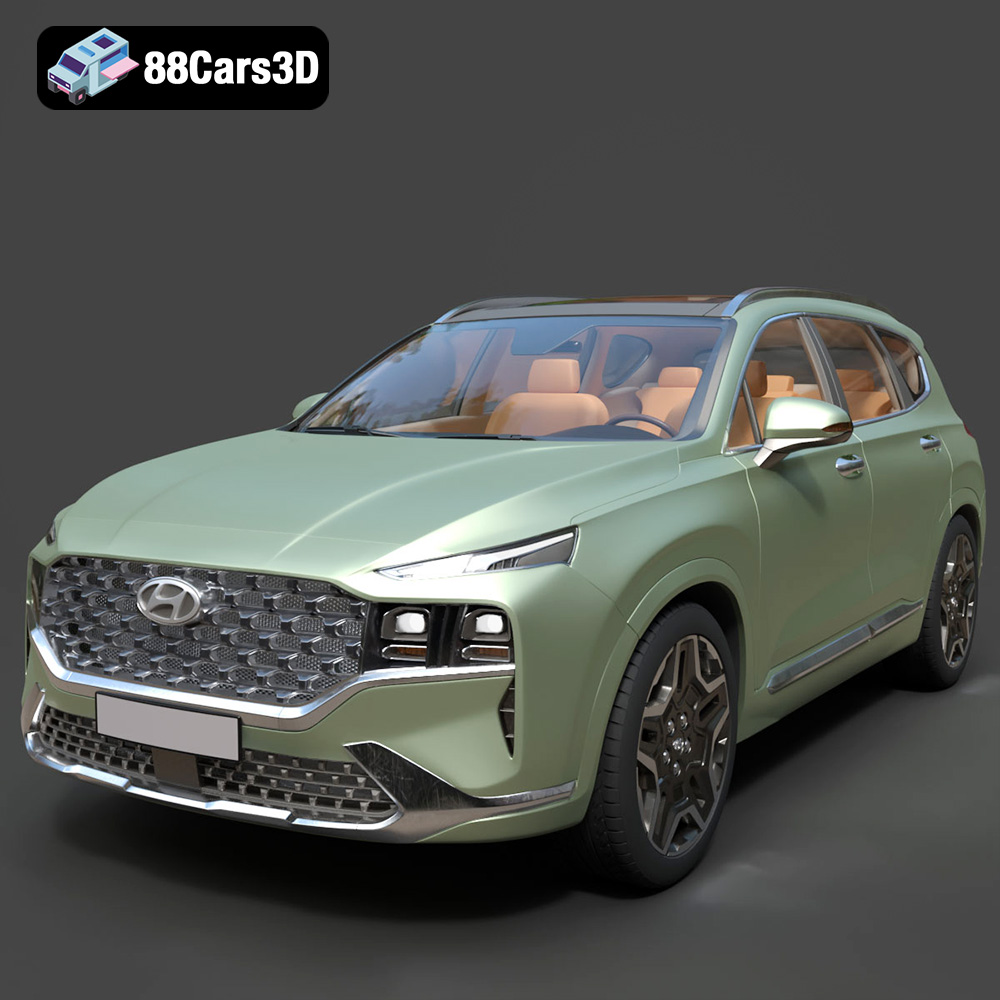
This pursuit of digital perfection often leads designers, game developers, and visualization specialists to marketplaces offering expertly crafted models. Today, we’ll delve into the critical role of superior 3D car models in various applications, exploring the technical nuances that elevate a good model to an exceptional one. We’ll examine specific workflows, the importance of file formats, and how a high-quality asset like the Hyundai Santa Fe 2021 3D Model can become a cornerstone of your creative and technical projects.
In the world of 3D modeling, the choice of file format is far from trivial; it dictates compatibility, functionality, and how efficiently a model can be used across different software and pipelines. Understanding these formats is crucial for anyone working with 3D car models, ensuring seamless integration and optimal performance. The Hyundai Santa Fe 2021 3D Model, like many professional assets available on 88cars3d.com, comes equipped with a comprehensive suite of formats, each serving a specific purpose.
The .blend format is native to Blender, a leading open-source 3D creation suite. A .blend file typically encapsulates an entire scene, including mesh data, materials, textures, lighting setups, cameras, animation data, and even physics simulations. For a model like the Hyundai Santa Fe 2021, the .blend file is often the “master” file, offering full editability. Artists can tweak every aspect, from adjusting the vehicle’s paint shader to modifying the scene’s lighting for a specific render. Its comprehensive nature makes it ideal for deep customization and complex scene assembly within Blender.
.fbx (Filmbox) is one of the most widely adopted proprietary file formats for 3D data exchange, especially prevalent in game development. Developed by Autodesk, it excels at storing not just geometry and materials, but also animations, bone structures, and camera data. For game engines like Unreal Engine and Unity, .fbx is often the go-to for importing animated characters, vehicles, and complex scene elements. It strikes a balance between universality and feature retention, making it “game-engine ready” and a cornerstone for real-time pipelines.
.obj (Wavefront OBJ) is a foundational and highly compatible 3D model format. It stores geometry (vertices, normals, texture coordinates) and references to external material files (.mtl). Its simplicity and wide support across virtually all 3D software make it an excellent choice for basic mesh exchange. While it doesn’t typically store advanced features like animation or rigging, its robust nature for raw geometric data ensures that models like the Hyundai Santa Fe 2021 can be opened and worked on in almost any 3D application, providing a reliable fallback for cross-software compatibility.
.glb (GL Transmission Format Binary) is an increasingly important format, particularly for web-based 3D, Augmented Reality (AR), and Virtual Reality (VR) applications. It is a binary version of glTF, designed for efficient transmission and loading of 3D scenes and models. A .glb file packages everything – geometry, materials, textures, and even animations – into a single, self-contained file. This optimization makes it perfect for displaying the Hyundai Santa Fe 2021 in interactive 3D viewers on websites or integrating it into mobile AR apps, offering fast load times and excellent performance on various devices.
.stl (Stereolithography) is almost exclusively used for 3D printing. It represents a 3D model as a collection of unconnected triangles, describing only the surface geometry without color, texture, or material information. For prototyping or manufacturing physical models of the Hyundai Santa Fe 2021, an .stl file is essential. While not suitable for rendering or animation, its streamlined focus on watertight mesh geometry makes it the standard for additive manufacturing processes.
.ply (Polygon File Format) is another format for storing 3D data, particularly useful for scan data and scientific applications. It can store various properties beyond just geometry, such as color, transparency, normals, texture coordinates, and even reliability information for each vertex or face. While less common for general design workflows than .fbx or .obj, its ability to hold rich data makes it valuable for detailed mesh analysis, reverse engineering, or high-precision visualization of models like the Hyundai Santa Fe 2021 within CAD or specialized analysis software.
The .unreal designation often refers to assets that have been specifically pre-configured and optimized for direct import and use within Unreal Engine. This might involve optimized mesh topology, PBR (Physically Based Rendering) material setups, collision meshes, LODs (Levels of Detail), and sometimes even basic blueprints. For game developers leveraging the Hyundai Santa Fe 2021 3D Model, having an .unreal-ready file significantly streamlines the development process, reducing setup time and ensuring optimal performance within the engine’s real-time environment.
Finally, the .max format is the native file type for Autodesk 3ds Max, a powerful and widely used 3D modeling, animation, and rendering software, particularly dominant in architectural visualization and product design. A .max file contains the complete 3ds Max scene, including all geometry, modifiers, materials, textures, lighting, cameras, and animation data. Similar to the .blend file, the .max file provides full editability and control over the Hyundai Santa Fe 2021 model within the 3ds Max ecosystem, making it indispensable for professionals who use this software for high-end rendering and detailed animation sequences.
The availability of such a diverse range of formats with the Hyundai Santa Fe 2021 3D Model exemplifies its professional-grade nature, ensuring maximum utility and flexibility for any project on any platform.
Automotive rendering is an art form that merges technical precision with creative vision. The goal is to produce photorealistic images and animations of vehicles that are often indistinguishable from actual photographs. This demands not only powerful rendering engines and skilled artists but also exceptionally high-quality 3D car models. The Hyundai Santa Fe 2021 3D Model, with its “clean and optimized geometry” and “realistic and high-resolution materials,” is perfectly suited for this demanding discipline.
Modern rendering relies heavily on PBR workflows, which simulate how light interacts with surfaces in the real world. This means materials aren’t just colors, but complex data sets describing metallic, roughness, normal, ambient occlusion, and sometimes even subsurface scattering properties. A high-quality model like the Hyundai Santa Fe 2021 will come with PBR-ready materials that accurately capture the subtleties of automotive paint, chrome, glass, and tire rubber. These materials ensure that regardless of the lighting environment, the car reacts realistically, providing accurate reflections, refractions, and diffuse shading. This meticulous attention to material definition is what transforms a simple 3D shape into a believable, tangible vehicle.
For professionals in architectural visualization (ArchViz) or product rendering, 3ds Max is a dominant tool. The .max file provided with the Hyundai Santa Fe 2021 3D Model is invaluable here. An ArchViz artist might integrate the Santa Fe into a modern driveway scene, using V-Ray or Corona Renderer. The workflow typically involves:
The demands of game development are unique, balancing visual fidelity with strict performance requirements. Game engines like Unreal Engine and Unity need assets that are not only aesthetically pleasing but also highly optimized for real-time rendering. The Hyundai Santa Fe 2021 3D Model, being “game-engine ready” and provided in .fbx and .unreal formats, is designed to meet these challenges head-on, making it an ideal game asset.
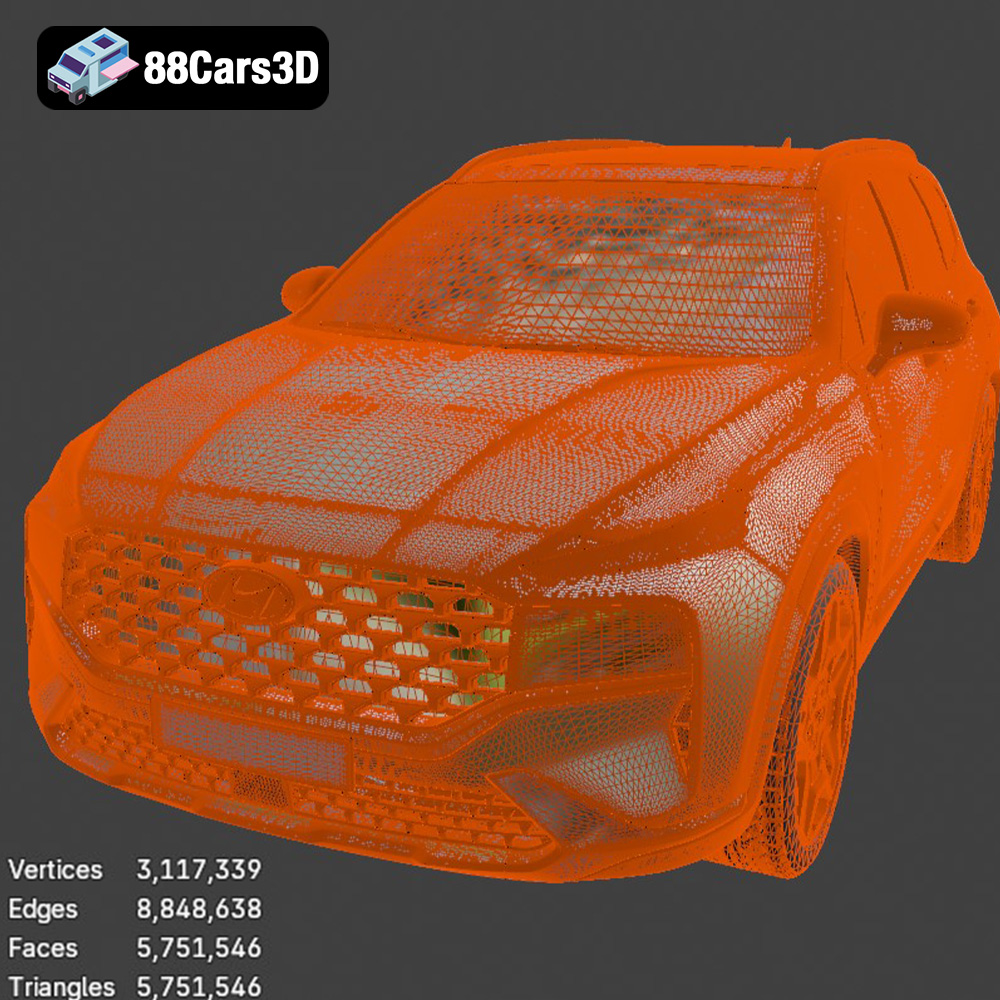
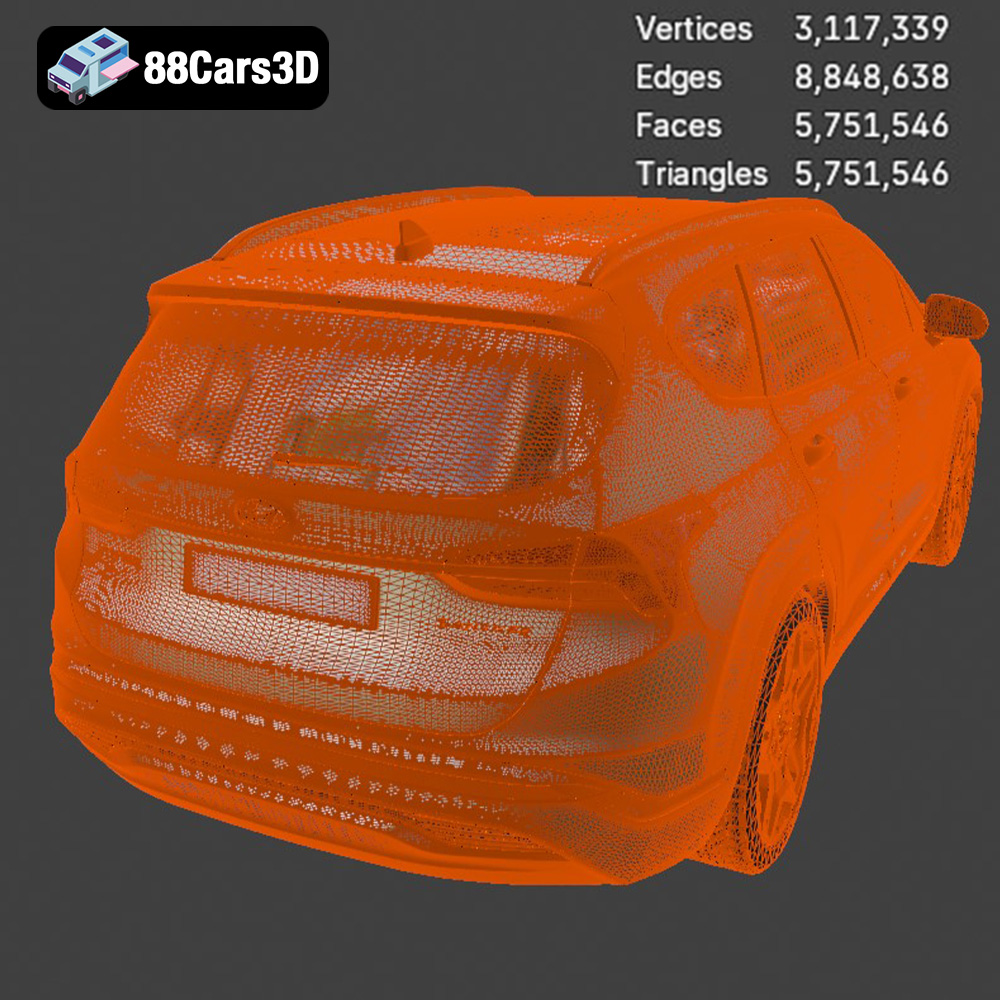
For any 3D car model in a game, polygon count is a critical factor. Too many polygons can cripple frame rates. While the Hyundai Santa Fe 2021 3D Model is “meticulously crafted for exceptional detail,” professional game assets often come with multiple Levels of Detail (LODs). These are progressively simpler versions of the model that are swapped in as the player moves further away, drastically reducing the poly count rendered at a distance without a noticeable drop in visual quality. An optimized model will feature clean topology, meaning efficient polygon distribution that preserves details where they matter while minimizing unnecessary complexity.
Integrating a high-quality 3D car model into Unreal Engine involves several steps to ensure it performs well and looks great:
The Hyundai Santa Fe 2021 3D Model’s readiness for game engines positions it as a valuable asset for developers looking to populate their virtual worlds with authentic vehicles.
The utility of professional 3D car models extends far beyond traditional rendering and game development. They are foundational assets for a multitude of emerging technologies and specialized applications, requiring unique technical considerations. The versatility of the Hyundai Santa Fe 2021 3D Model, with its multiple file formats, showcases its potential across these diverse fields.
AR and VR are transforming how we interact with digital content, offering immersive experiences that blend virtual objects with the real world or transport users to entirely new ones. For automotive brands, AR/VR experiences can range from virtual car showrooms to interactive design reviews. The .glb format included with the Hyundai Santa Fe 2021 model is specifically optimized for these applications. Its compact, self-contained nature ensures quick loading and smooth performance on mobile AR platforms (like Apple’s ARKit or Google’s ARCore) and VR headsets.
The “professionally designed for accuracy and detail” aspect of the Hyundai Santa Fe model is vital here, as any imperfections would be magnified in an immersive AR/VR setting.
3D car models are indispensable for advanced automotive simulations, ranging from engineering analysis to driver training. These simulations demand not just visual accuracy but also precise geometric data and realistic physical properties. The .ply format, included with the Hyundai Santa Fe 2021 model, is a detailed polygon mesh format that can be used for various forms of analysis.
For physical prototyping, model making, or even creating custom accessories, 3D printing offers incredible possibilities. The .stl format provided with the Hyundai Santa Fe 2021 3D Model is the industry standard for this. While the original digital model is highly detailed for rendering, the .stl version focuses solely on the watertight surface geometry required by 3D printers.
The “clean and optimized geometry” of the base model ensures a successful and accurate 3D print, free from holes or non-manifold edges that could cause printing errors.
In any professional creative or technical pipeline, efficiency is key. Sourcing high-quality, pre-made 3D car models like the Hyundai Santa Fe 2021 from platforms like 88cars3d.com offers a significant workflow advantage, saving time, resources, and ensuring consistent quality. This allows artists and developers to focus on the creative aspects of their projects rather than spending countless hours modeling a vehicle from scratch.
Modeling a modern car from the ground up is an incredibly complex, time-consuming task, often requiring hundreds of hours for a single vehicle to achieve photorealistic quality. This involves detailed blueprints, careful poly modeling, intricate UV unwrapping, and meticulous texture painting. By leveraging a ready-to-use asset such as the Hyundai Santa Fe 2021 3D Model, studios and individual artists can drastically cut down production schedules and reallocate their skilled artists to other critical project areas. This is particularly valuable for projects with tight deadlines or limited budgets, allowing them to deliver professional-grade results without the overhead of bespoke model creation.
Purchasing a professionally crafted model guarantees a level of quality and detail that might be challenging for every artist to achieve consistently, especially under pressure. The description of the Hyundai Santa Fe 2021 3D Model highlights “meticulously crafted for exceptional detail and accuracy,” “clean geometry,” and “realistic and high-resolution materials.” These are hallmarks of a model designed by experts. This consistency is crucial when integrating vehicles into larger projects, such as an automotive configurator with multiple car options, an architectural visualization scene requiring diverse traffic, or a game world needing a fleet of vehicles. The standardization of quality ensures that all elements in a scene maintain a cohesive and professional appearance.
The inclusion of multiple industry-standard file formats (.blend, .fbx, .obj, .glb, .stl, .ply, .unreal, .max) with the Hyundai Santa Fe 2021 3D Model is a testament to its versatility and ease of integration. Whether your primary software is Blender, 3ds Max, Maya, Cinema 4D, or a game engine like Unreal Engine or Unity, there’s a format tailored to your pipeline. This eliminates compatibility headaches and reduces the need for extensive conversion processes, which can sometimes introduce errors or data loss. Artists can simply import the relevant file and begin working, modifying materials, adjusting lighting, or integrating it into animation sequences with minimal friction.
Furthermore, for teams using specialized tools for AR/VR or 3D printing, having dedicated .glb and .stl formats means the model is already optimized for these specific applications, requiring less pre-processing and ensuring a smoother transition from digital asset to interactive experience or physical prototype.
In the vast landscape of digital assets, the distinction between a passable 3D model and a truly professional-grade one is profound. For anyone involved in demanding fields like automotive rendering, game development, or AR/VR, investing in high-quality 3D car models is not merely a preference but a strategic necessity. The Hyundai Santa Fe 2021 3D Model exemplifies the attributes that define such an asset.
Using a low-quality 3D car model can introduce a cascade of problems into a project. Poor geometry, characterized by messy topology, non-manifold edges, or excessive polygons where they aren’t needed, leads to rendering artifacts, difficult UV unwrapping, and cumbersome animation. Low-resolution or poorly authored textures result in blurry, unrealistic surfaces that break immersion. Missing or incorrect materials necessitate time-consuming reconstruction. Ultimately, a subpar asset can inflate production time, degrade the final output, and undermine the professionalism of a project. For instance, a game developer attempting to optimize a poorly built model might spend days fixing errors rather than creating new content, while a visualization artist might struggle to achieve photorealism with inadequate materials.
When selecting a 3D car model, several critical attributes signify its professional quality:
The Hyundai Santa Fe 2021 3D Model from 88cars3d.com embodies these very attributes, designed from the ground up to meet the rigorous demands of professional production. Choosing such an asset is an investment in quality, efficiency, and the overall success of your project.
In today’s fast-paced digital creation landscape, the demand for high-quality, versatile 3D assets is unwavering. Whether you’re an automotive designer crafting the next-generation vehicle, a game developer building immersive virtual worlds, an architect visualizing urban landscapes, or an innovator exploring AR/VR experiences, the foundational quality of your 3D car models can make or break a project.
We’ve explored the intricate technical details that differentiate exceptional models, from the crucial role of diverse file formats like .fbx for games and .glb for AR/VR, to the imperative of clean geometry and realistic PBR materials for stunning automotive rendering. The professional workflow advantage of using pre-built assets is clear: significant time savings, consistent quality, and seamless integration across various software platforms.
The Hyundai Santa Fe 2021 3D Model stands out as a prime example of a professional-grade asset, meticulously crafted to meet these rigorous demands. Its clean geometry, high-resolution materials, and extensive file format support ensure it’s not just a beautiful render but a powerful, adaptable tool for any creative or technical pipeline. By choosing such an asset, you’re not just buying a model; you’re investing in efficiency, quality, and the limitless potential of your digital projects.
For those seeking to elevate their work with top-tier 3D car models, exploring reputable marketplaces like 88cars3d.com is a crucial step. Assets like the Hyundai Santa Fe 2021 3D Model provide the foundation upon which truly exceptional digital experiences are built, allowing artists and developers to focus on innovation and creativity.
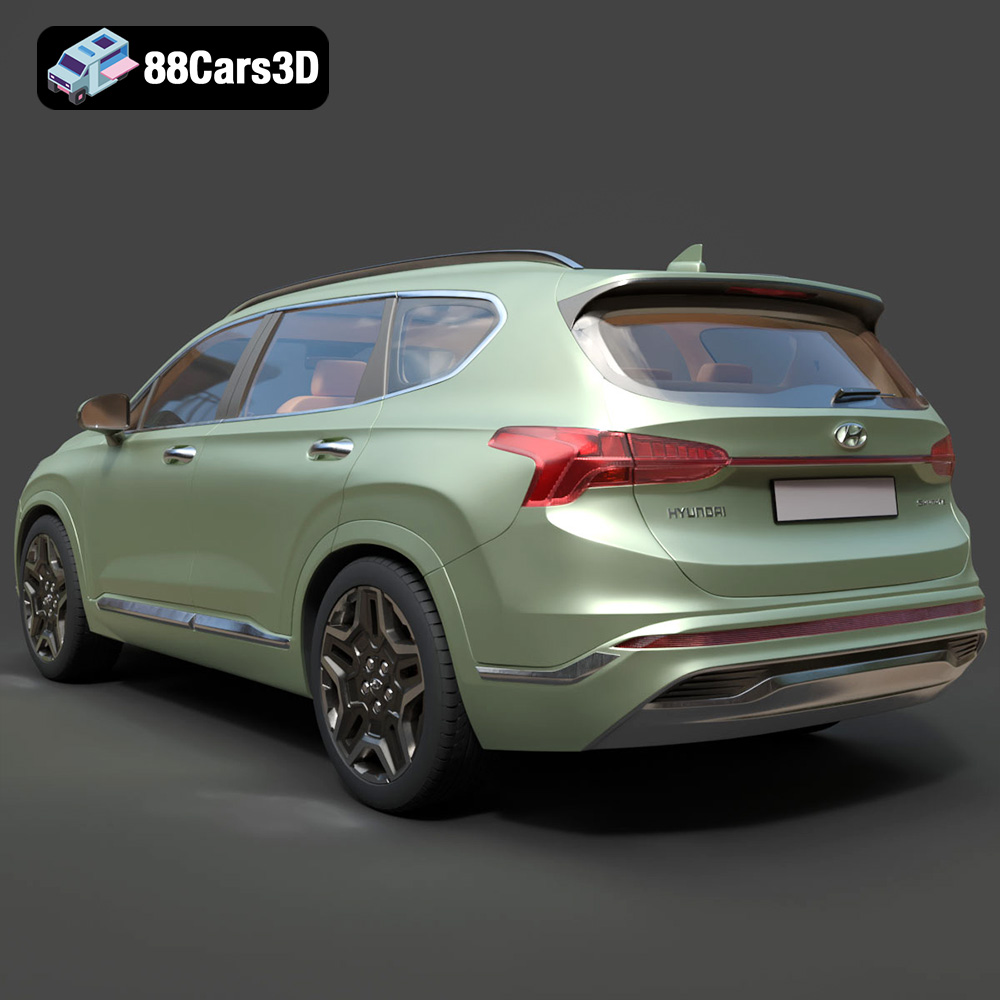
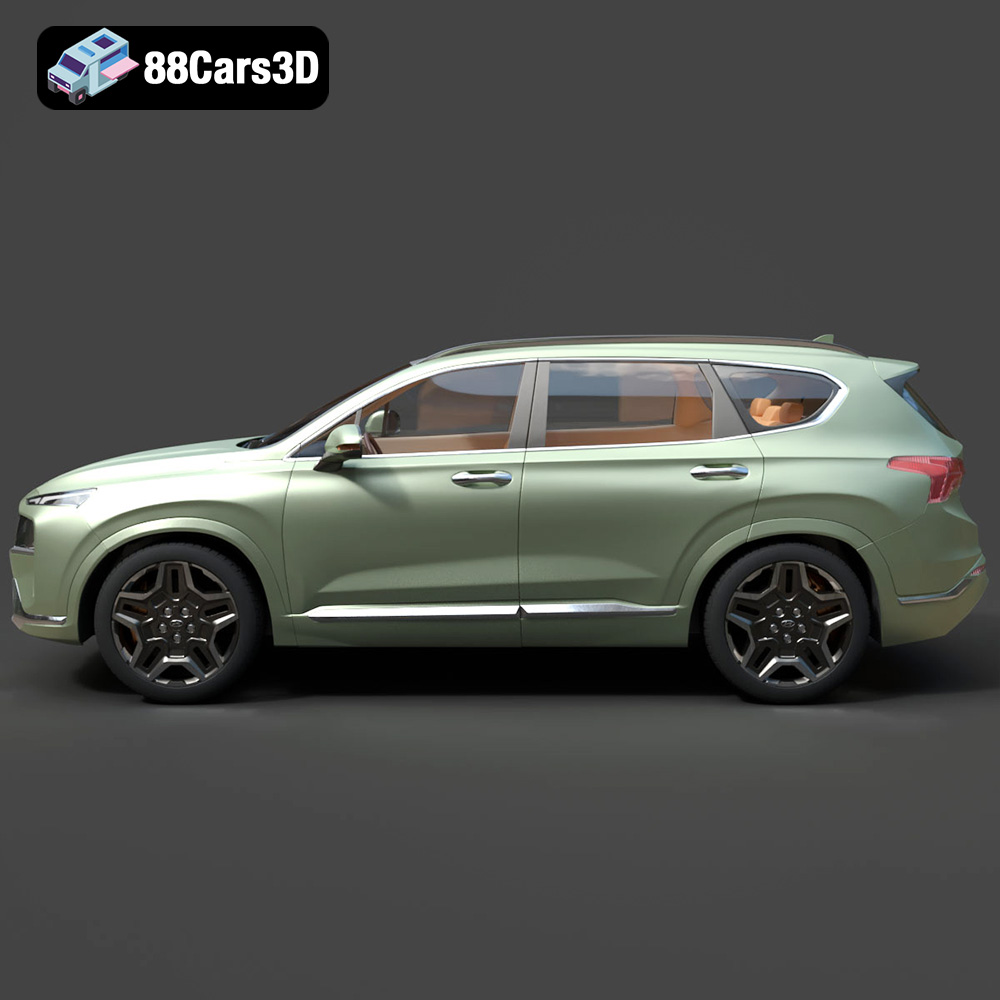
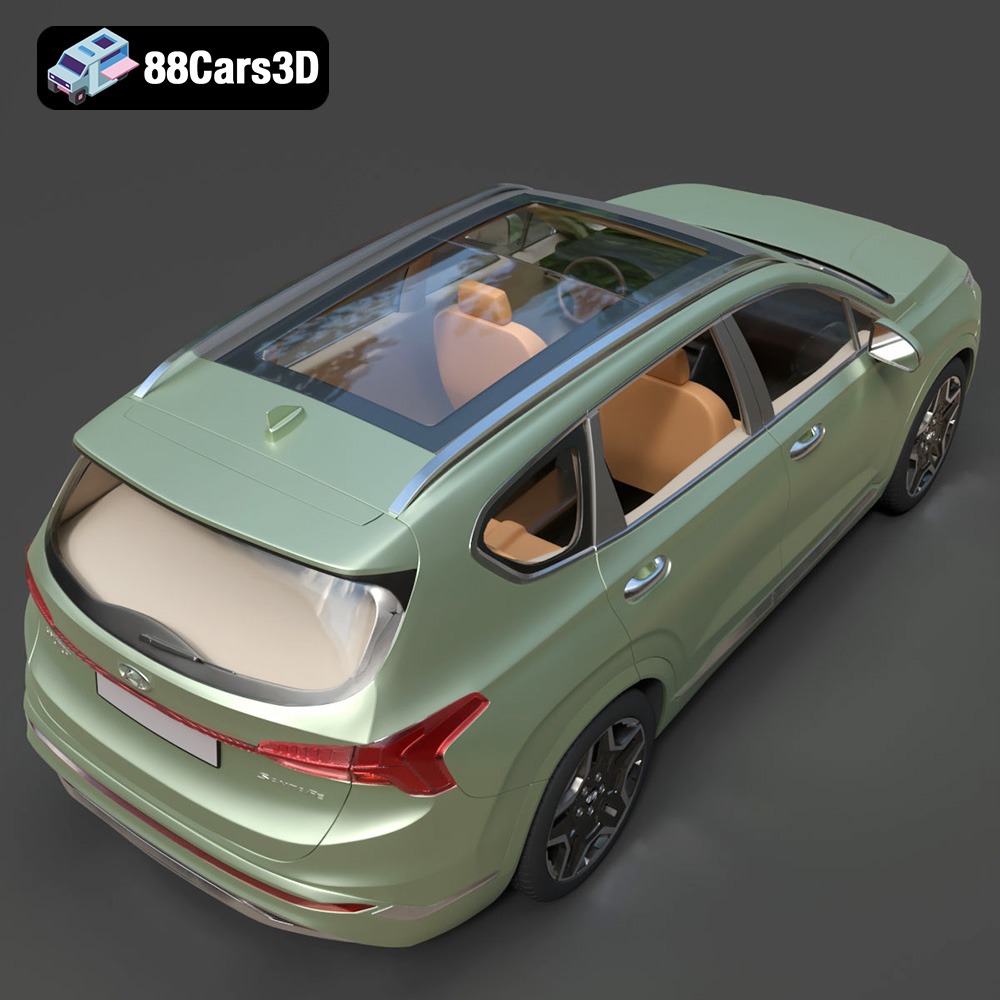
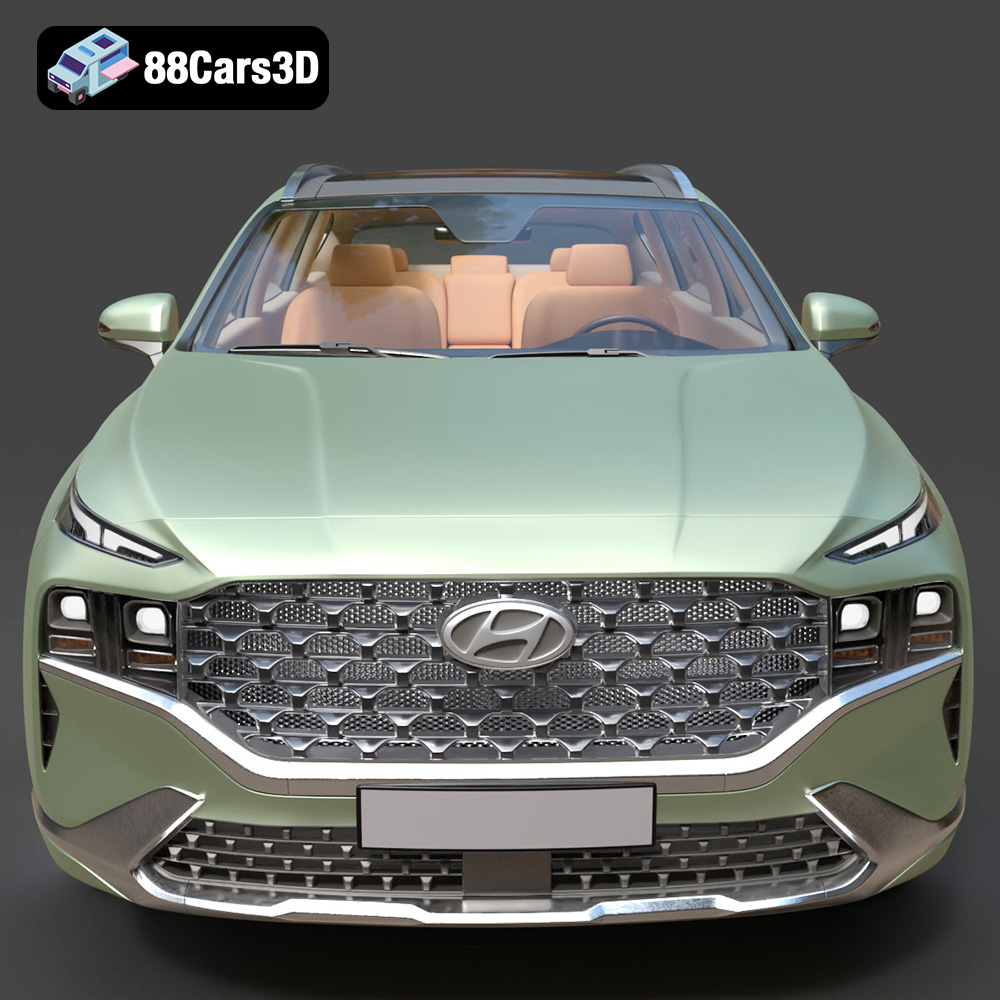
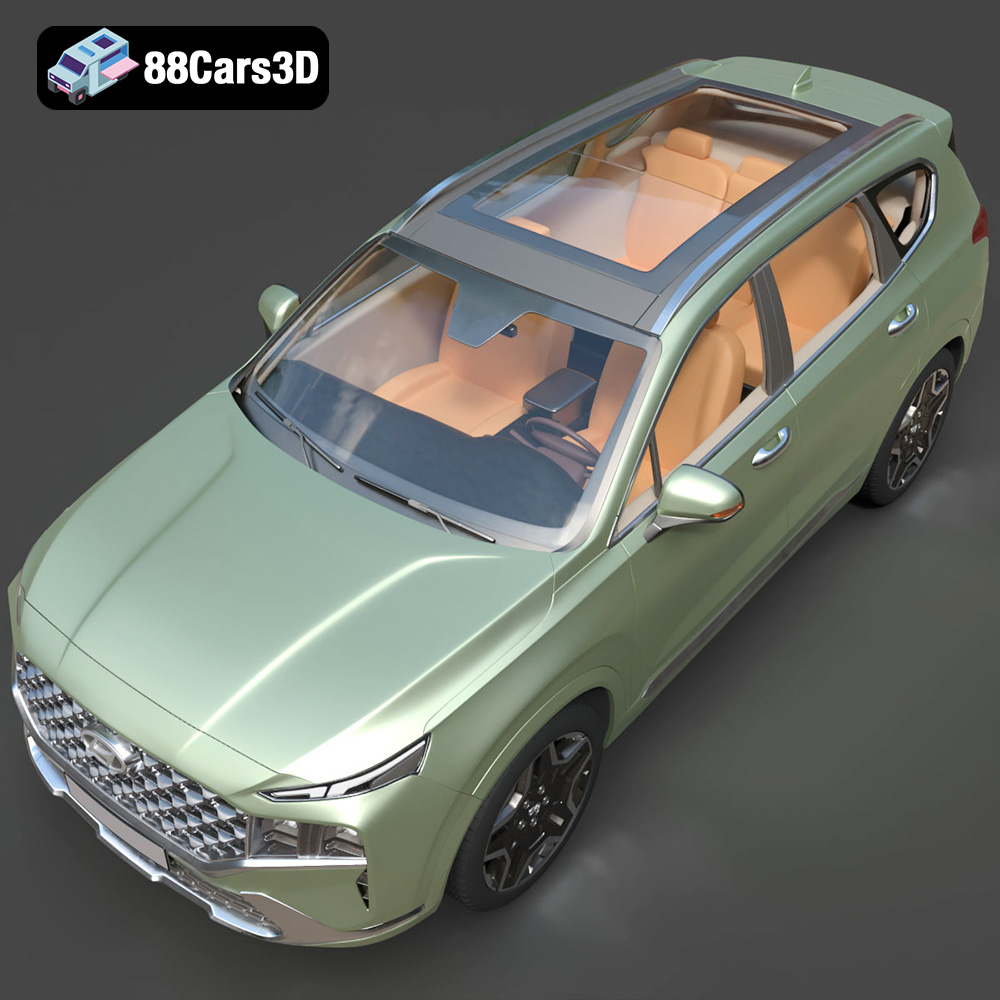
Experience the realism of the Hyundai Santa Fe 2021 3D Model, meticulously crafted for exceptional detail and accuracy. This model offers clean geometry, realistic materials, and a professional-grade design, making it ideal for a wide range of applications.
Key features of this 3D model include:
This 3D model is perfect for various applications, including:
The following file formats are included:
Tags:
.hyundai, .santafe, .hyundaisantafe, .suv, .car3dmodel, .rendering, .simulation, .gameasset, .arvr, .blend, .fbx, .obj, .glb, .stl, .ply, .unreal, .max
Tags:
.hyundai, .santafe, .hyundaisantafe, .suv, .car3dmodel, .rendering, .simulation, .gameasset, .arvr, .blend, .fbx, .obj, .glb, .stl, .ply, .unreal, .max
$19.99
.arvr
.blend
.car3dmodel
.fbx
.gameasset
.glb
.hyundai
.hyundaisantafe
.max
.obj
.ply
.rendering
.santafe
.simulation
.stl
.unreal
SUV