Get 50% OFF All Premium 3D & STL Models!

In the rapidly evolving digital landscape, the demand for photorealistic and highly functional 3D assets has never been greater. From cinematic productions and immersive game worlds to advanced architectural visualizations and cutting-edge AR/VR experiences, the quality of a 3D model can significantly impact the final output. Among the most sought-after assets are 3D car models, which serve as crucial elements in defining the realism, scale, and dynamism of a scene. These intricate digital replicas require meticulous attention to detail, precise geometry, and optimized material setups to truly shine in diverse professional workflows.
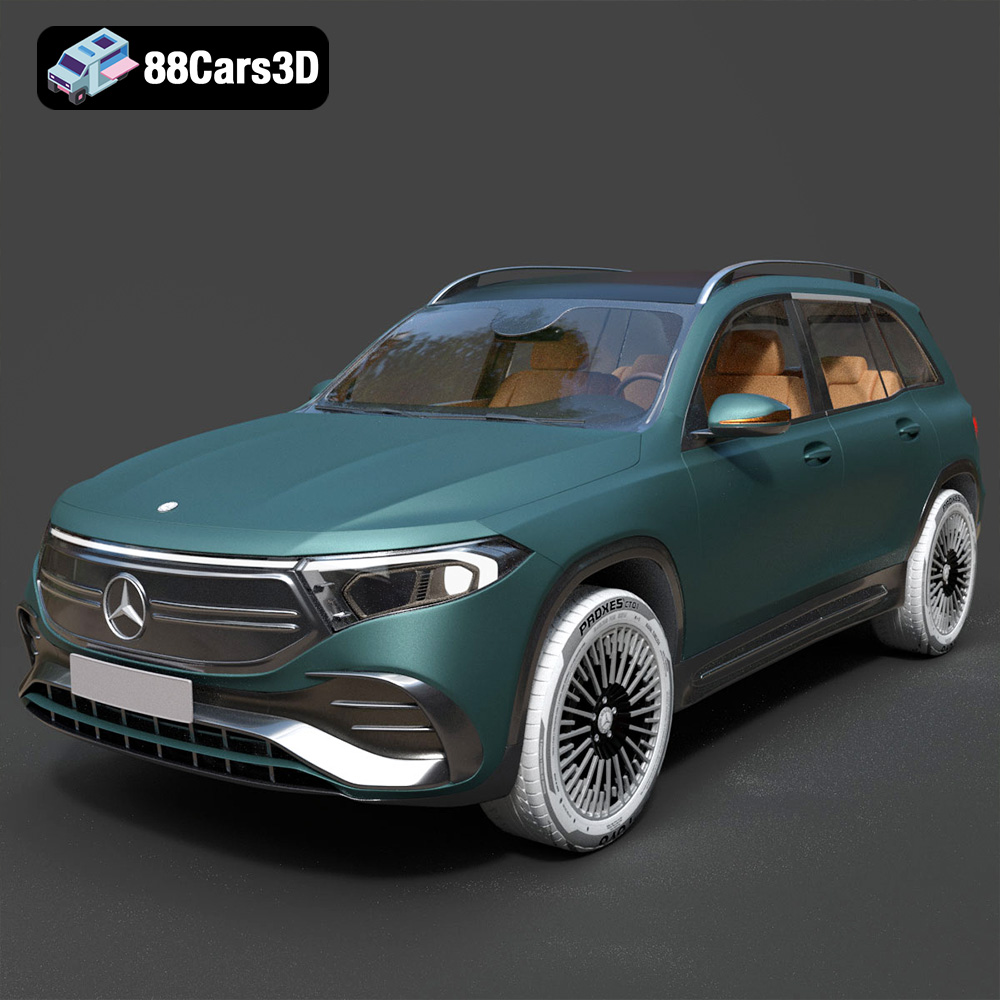
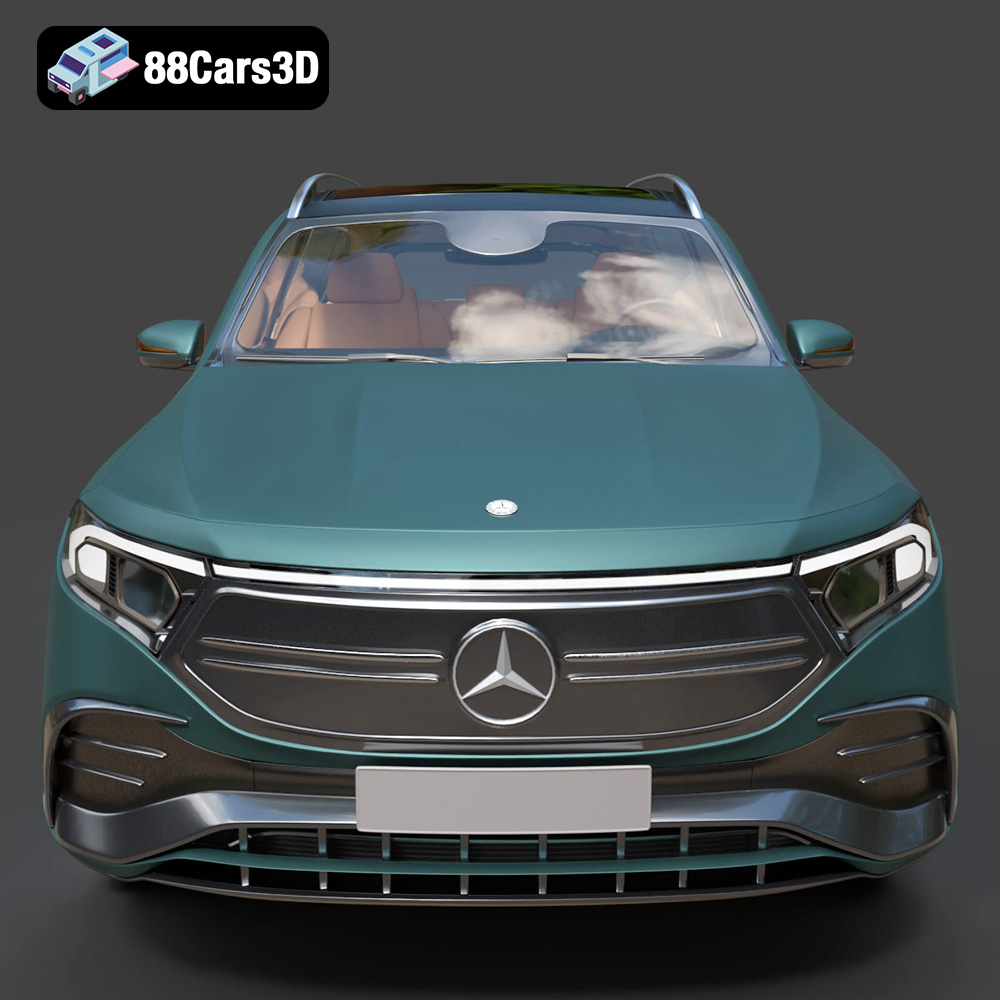
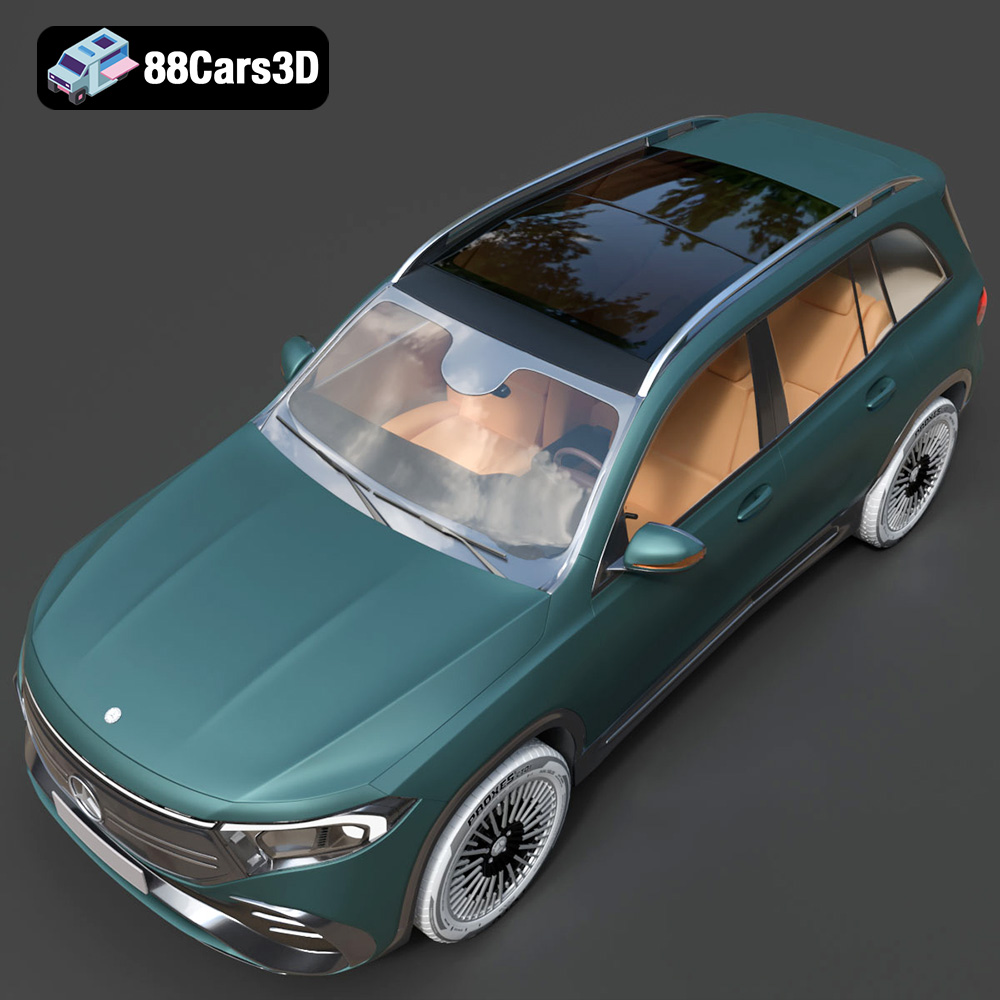
Today, we’ll delve into the intricacies of professional 3D car models, exploring their technical specifications, application across various industries, and the workflows that bring them to life. We will specifically highlight an exceptional example, the Mercedes-Benz EQB-001 3D Model, a meticulously crafted asset available on 88cars3d.com. This model perfectly embodies the blend of aesthetic precision and technical readiness that modern projects demand, offering unparalleled detail and versatility for artists and developers alike.
Creating compelling digital content featuring vehicles begins with a robust foundation: a high-quality 3D model. Whether it’s showcasing a luxury car in a marketing campaign or populating a vast open-world game, the underlying 3D asset must meet stringent technical and aesthetic criteria. The Mercedes-Benz EQB-001 3D Model exemplifies this commitment to excellence, providing a perfect starting point for any digital project requiring a modern electric SUV.
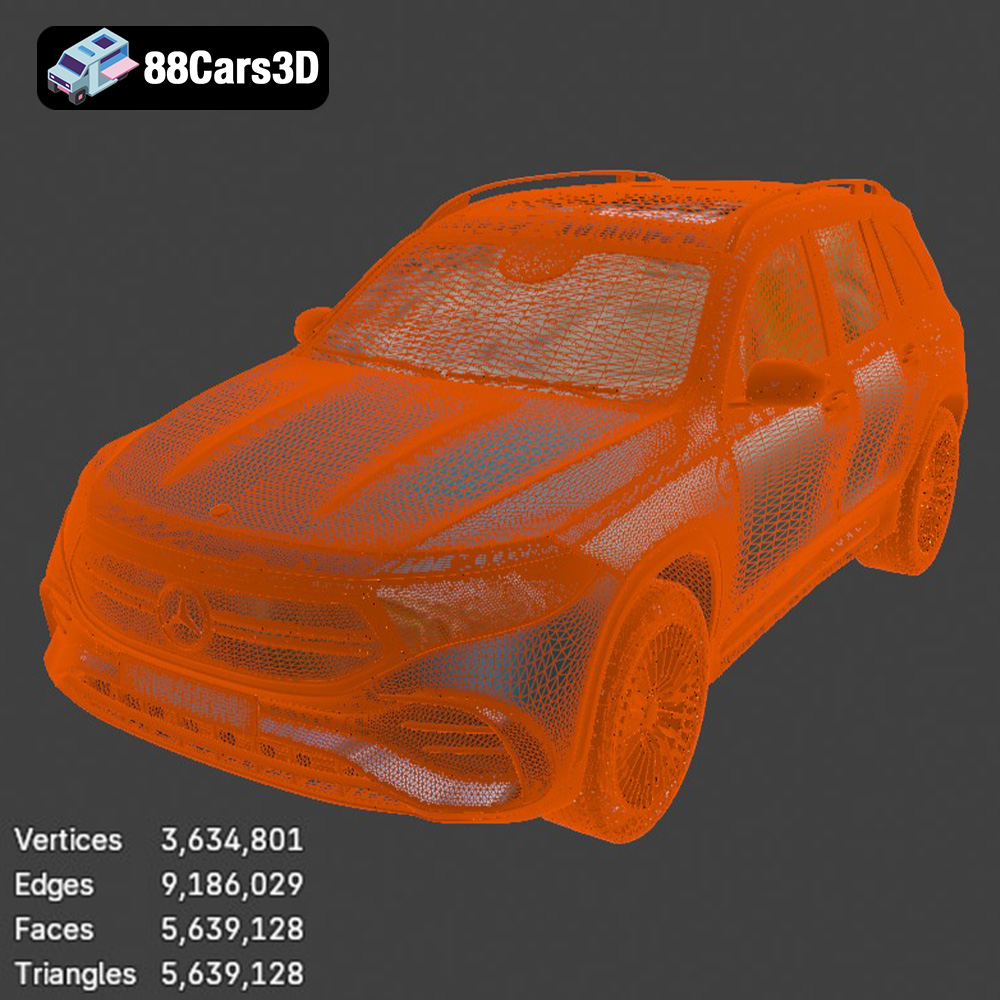
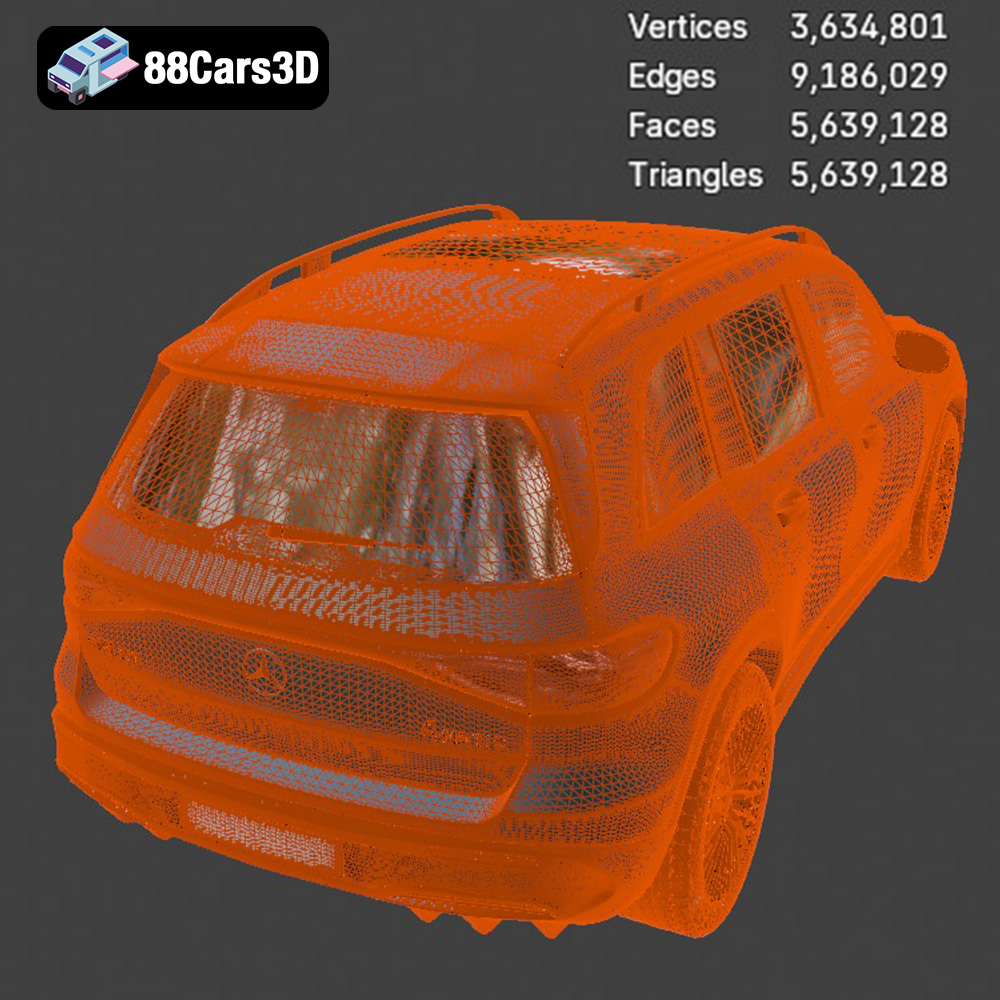
High-fidelity 3D car models are not just visually appealing; they are engineered for performance and versatility. This means more than just accurate proportions; it involves clean topology, efficient polygon distribution, and a PBR (Physically Based Rendering) ready material setup. For instance, a model like the Mercedes-Benz EQB-001 3D Model from 88cars3d.com features impeccably clean geometry and seamless mesh flow. This attention to detail ensures that the model can be subdivided for close-up renders without artifacting, optimized for real-time engines without performance bottlenecks, and easily manipulated by artists in various 3D software packages.
The goal is to provide a “production-ready” asset that minimizes setup time and maximizes creative potential. From the intricate detailing of the headlights to the subtle curves of the body panels and the complex interior components, every element must contribute to the overall realism and authenticity. Such models are designed to handle demanding rendering scenarios, providing believable reflections, refractions, and surface textures that react realistically to light.
The quest for realism in 3D automotive rendering is about effectively bridging the gap between physical objects and their digital representations. This involves meticulous research, reference gathering, and skilled modeling techniques to capture the essence of the real vehicle. For a modern electric SUV like the Mercedes-Benz EQB-001, this means accurately translating its distinctive design language, aerodynamic contours, and brand-specific elements into a digital format.
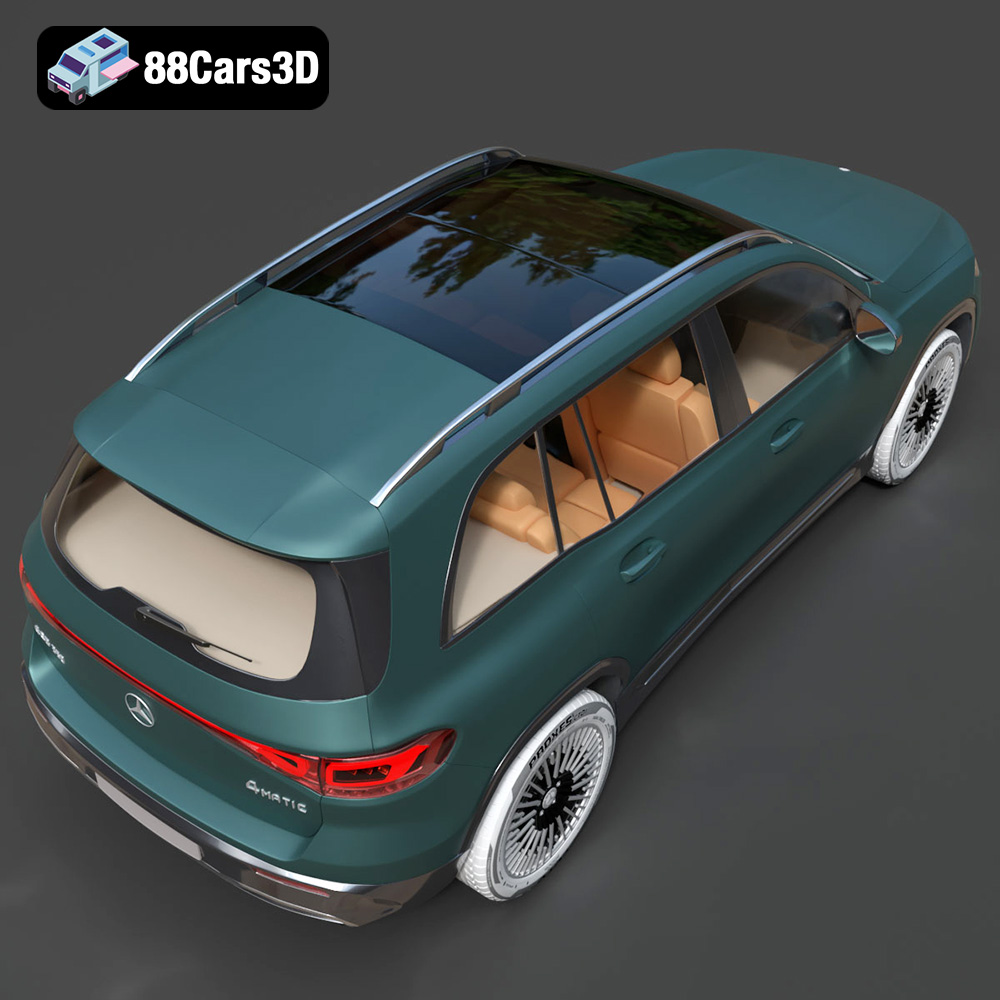
Beyond external aesthetics, a truly authentic 3D car model often includes detailed interiors, functioning doors, and precise chassis components, even if these are not always visible in the final output. This comprehensive approach ensures flexibility for various scenarios, from detailed interior shots to complete vehicle animations. Models like the Mercedes-Benz EQB-001 3D Model provide this level of depth, making them invaluable assets for professional visualization, simulation, and game development.
The versatility of a 3D car model is significantly enhanced by its availability in multiple file formats, each tailored for specific software, workflows, and output requirements. Understanding these formats is crucial for any professional working with 3D assets. The Mercedes-Benz EQB-001 3D Model, for example, is offered in a comprehensive range of formats, ensuring broad compatibility and ease of integration into virtually any pipeline.
The .blend format is the native file type for Blender, a powerful open-source 3D creation suite. A .blend file typically includes not just the mesh data but also materials, textures, lighting setups, camera positions, animations, and even physics simulations. This makes it an ideal format for artists who primarily work within Blender, providing a fully editable scene ready for rendering or further development. The inclusion of a .blend file with materials and lighting setup means the Mercedes-Benz EQB-001 3D Model can be dropped into an existing Blender project and immediately begin rendering with impressive results, or serve as a robust starting point for customization.
The .fbx (Filmbox) format is an industry-standard 3D asset exchange format, widely supported across various professional 3D applications and, critically, by game engines like Unreal Engine and Unity. It’s renowned for its ability to store not only mesh data but also hierarchical transformations (rigging, animation), materials, textures, and even embedded media. For game development and real-time pipelines, .fbx is often the go-to choice due to its robust support for animations and its optimized structure for efficient loading. A “game-engine ready” .fbx for the EQB-001 ensures smooth import and performance within these demanding environments.
The .obj (Wavefront OBJ) format is one of the oldest and most widely supported 3D file formats. It’s a simple, text-based format that primarily stores geometry (vertices, normals, texture coordinates, and faces) and can link to external material (.mtl) files. While it doesn’t typically support animation or rigging, its universal compatibility makes it an excellent choice for basic mesh exchange between different software packages where advanced features are not required. The .obj version of the Mercedes-Benz EQB-001 3D Model guarantees it can be opened and worked with in virtually any 3D software.
.glb (GLB Binary) is the binary representation of glTF (GL Transmission Format), a relatively newer, open-standard format for 3D scenes and models. Designed for efficient transmission and loading, especially in web-based applications, AR (Augmented Reality), and VR (Virtual Reality) experiences, .glb packages all assets (geometry, materials, textures, animations) into a single, compact file. This optimization makes the .glb version of the Mercedes-Benz EQB-001 3D Model perfect for deployment in immersive web viewers or mobile AR applications, where file size and load times are critical.
The .stl (STereoLithography) format is the standard file type for 3D printing. It represents a 3D model as a series of connected triangles, describing only the surface geometry of an object without color, texture, or other CAD attributes. While it lacks visual data, its simplicity and widespread adoption make it indispensable for additive manufacturing. The .stl version of the EQB-001 enables users to physically prototype the vehicle, create scale models, or integrate it into product design workflows for tangible output.
.ply (Polygon File Format or Stanford Triangle Format) is another format that describes a 3D object as a collection of polygons. Unlike .obj, .ply can store a wider range of properties for each vertex and face, including color, transparency, surface normals, and even data like range scanner output. This makes it particularly useful for scientific data, CAD, and detailed analysis where precision mesh data is paramount. The .ply option for the Mercedes-Benz EQB-001 3D Model caters to specialized visualization or analytical requirements.
The .unreal designation implies a model that is specifically pre-configured or optimized for direct import and use within Unreal Engine. This often means assets are correctly scaled, have appropriate collision meshes, optimized LODs (Levels of Detail), and PBR material setups that conform to Unreal Engine’s rendering pipeline. The inclusion of a .unreal file for the Mercedes-Benz EQB-001 3D Model signifies a streamlined workflow for developers using this powerful real-time engine, saving significant setup time and ensuring optimal performance.
The .max format is the native file type for Autodesk 3ds Max, a leading software for 3D modeling, animation, and rendering in architectural visualization, design, and entertainment. A .max file contains all scene data, including geometry, materials, lighting, cameras, animations, and scene settings. For professionals in fields like automotive visualization or advertising, the .max version of the Mercedes-Benz EQB-001 3D Model provides a fully editable project, allowing for intricate adjustments, custom animations, and seamless integration into high-end rendering pipelines, often leveraging renderers like V-Ray or Corona.
Photorealistic automotive rendering is a highly specialized skill that combines artistic vision with technical proficiency. A premium 3D car model, such as the Mercedes-Benz EQB-001 from 88cars3d.com, provides the perfect canvas for achieving stunning visual results across various rendering engines and workflows.
When working with 3ds Max, artists often pair it with industry-standard renderers like V-Ray or Corona Renderer to achieve hyper-realistic results. The .max file provided with the Mercedes-Benz EQB-001 3D Model is typically optimized for these environments. The workflow involves:
The precise geometry and detailed elements of the EQB-001 model ensure that reflections are crisp, edges are sharp, and every contour catches the light authentically, making it ideal for high-end marketing visuals or product showcases.
Blender has emerged as a powerhouse for 3D rendering, especially with its Cycles and Eevee render engines. The .blend file for the Mercedes-Benz EQB-001 3D Model offers a fantastic starting point for Blender artists. The included materials and lighting setup mean much of the initial groundwork is already complete. Artists can then:
Blender’s flexibility and active community provide endless possibilities for creative expression, and a well-structured model like the EQB-001 maximizes that potential.
Even with a perfectly rendered image, post-production is essential for adding the final polish. Software like Adobe Photoshop, Affinity Photo, or GIMP are used to:
The high-resolution output achievable with a premium asset like the Mercedes-Benz EQB-001 3D Model provides ample data for detailed post-processing without degradation.
The demand for realistic vehicles in interactive experiences, from AAA games to advanced simulators, requires 3D car models that are not only visually accurate but also highly optimized for real-time performance. The Mercedes-Benz EQB-001 3D Model is engineered precisely with these demanding applications in mind, offering formats like .fbx and .unreal for seamless integration.
Game engines like Unreal Engine and Unity are at the forefront of real-time rendering. Integrating 3D car models into these environments involves several critical steps:
A pre-configured .unreal file, as offered for the Mercedes-Benz EQB-001 3D Model, significantly accelerates this process, providing an engine-ready asset right out of the box.
Augmented Reality (AR) and Virtual Reality (VR) platforms present unique challenges and opportunities for 3D car models. The need for high frame rates and low latency means models must be exceptionally optimized without sacrificing visual fidelity. The .glb format, included with the Mercedes-Benz EQB-001, is particularly well-suited for these applications.
Whether for virtual showrooms, interactive training simulations, or experiential marketing, a high-quality 3D car model like the EQB-001 forms the core of an engaging AR/VR application.
Performance in real-time applications isn’t just about polygon count. It encompasses draw calls, texture memory, shader complexity, and physics overhead. While the Mercedes-Benz EQB-001 3D Model is engineered for professional quality, developers often perform additional optimizations:
Starting with a well-built asset from 88cars3d.com significantly simplifies these optimization processes, providing a solid foundation rather than needing extensive cleanup.
The utility of a highly detailed 3D car model extends far beyond traditional rendering and game development. Its precise representation and technical flexibility open doors to a myriad of professional applications across various industries.
In architectural visualization (ArchViz), realism is paramount. Adding vehicles to exterior and interior renders breathes life into a scene, providing scale, context, and a sense of habitation. The Mercedes-Benz EQB-001 3D Model, with its modern design and high fidelity, is an excellent choice for:
The clean geometry and ready-to-render materials of the EQB-001 ensure seamless integration into complex ArchViz scenes, whether in 3ds Max, Blender, or other visualization tools.
While the Mercedes-Benz EQB-001 is a finished product, its 3D model can still serve crucial roles in product design workflows. The availability of the .stl format is particularly significant here:
The precision inherent in the Mercedes-Benz EQB-001 3D Model makes it a valuable asset for detailed physical output.
3D car models are increasingly vital for educational and training purposes, offering interactive and safe environments for learning. The EQB-001 can be used in:
The high detail and multiple format options of the Mercedes-Benz EQB-001 3D Model ensure its adaptability for various simulation platforms and learning modules.
In a saturated market of digital assets, choosing a reliable source for 3D car models is paramount. 88cars3d.com distinguishes itself by offering high-quality, professionally crafted assets like the Mercedes-Benz EQB-001 3D Model, which are designed to meet the rigorous demands of professional production pipelines.
The true value of a premium 3D model lies in its underlying structure. Clean geometry, characterized by efficient edge flow, proper quad-based topology, and minimized artifacts, is crucial. This ensures that the model can be easily UV unwrapped, textured, rigged, animated, and subdivided without issues. The Mercedes-Benz EQB-001 3D Model is praised for its “impeccably clean geometry” and “seamless mesh flow,” directly translating into easier manipulation and superior rendering results across any platform. Low-quality models often come with messy topology, n-gons, and overlapping geometry, which can lead to frustrating hours of cleanup, rendering errors, and performance bottlenecks.
Furthermore, optimized meshes are crucial for real-time applications. While a model needs to be detailed, it also needs to be efficient. Premium models strike a balance, providing high visual fidelity where it counts, and smart optimization elsewhere, often with ready-made LODs or easily adaptable topology for further optimization. This forethought saves developers and artists countless hours in preparation, allowing them to focus on creativity rather than troubleshooting.
Time is a critical resource in any professional project. Purchasing a ready-made, high-quality 3D asset like the Mercedes-Benz EQB-001 3D Model from 88cars3d.com significantly streamlines workflows. Instead of spending days or weeks modeling a complex vehicle from scratch, artists and developers can integrate a production-ready model instantly. This not only accelerates project timelines but also reduces costs associated with in-house asset creation.
The comprehensive range of file formats available for the Mercedes-Benz EQB-001 3D Model further enhances this efficiency. Whether you’re working in 3ds Max for a high-end commercial, Blender for an indie game, or Unreal Engine for a cutting-edge simulator, there’s a format tailored to your specific needs, complete with materials and, often, lighting setups. This “plug-and-play” capability means less time spent on conversion and setup, and more time on creative iteration and final polish, delivering superior results faster.
The world of 3D visualization and interactive experiences is continuously pushing the boundaries of realism and immersion. At the heart of this evolution are high-quality 3D assets, particularly meticulously crafted 3D car models, which serve as foundational elements for a vast array of applications. From stunning automotive rendering and dynamic game development to precise architectural visualization and immersive AR/VR training, the demand for authentic and technically sound models is undeniable.
The Mercedes-Benz EQB-001 3D Model stands as a prime example of such an asset, embodying professional-grade quality with its clean geometry, realistic materials, and versatile file formats. It empowers artists and developers to achieve their creative visions with efficiency and unparalleled fidelity. Understanding the technical nuances of various 3D file formats and optimizing models for specific pipelines are essential skills in today’s digital production landscape, and starting with a robust asset like the EQB-001 streamlines every stage of the process.
For those seeking to elevate their projects with premium 3D car models, exploring the curated selection on 88cars3d.com offers a gateway to quality, versatility, and efficiency. Invest in models that not only look exceptional but are also engineered for performance, ensuring your digital creations stand out in a competitive market.
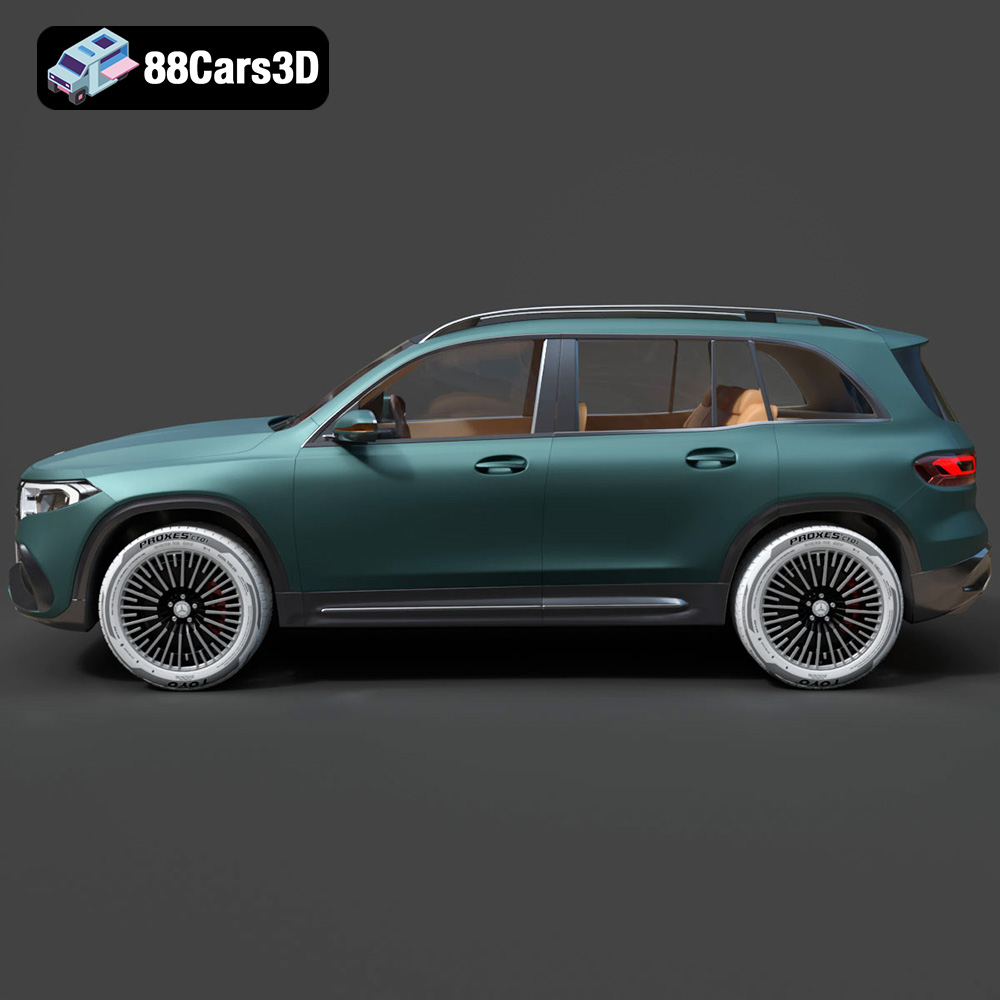
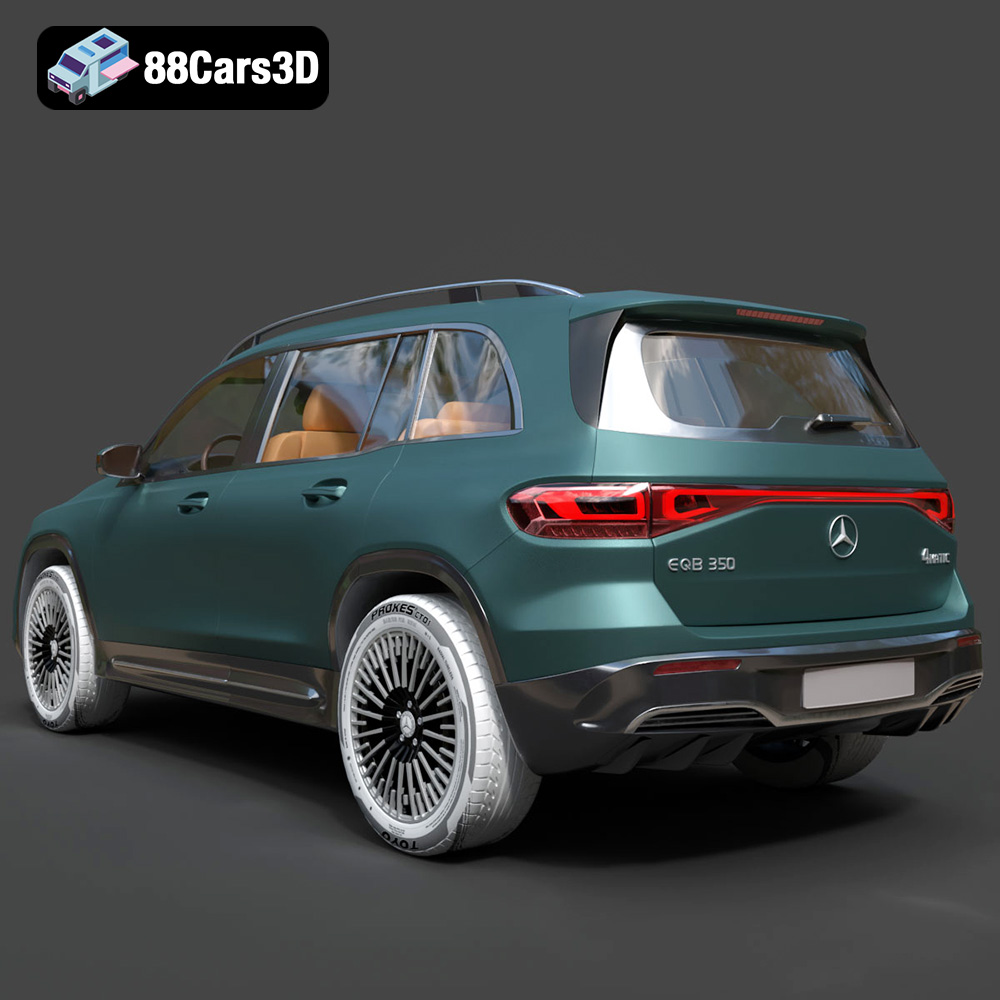
Discover the ultimate level of detail and realism with the Mercedes-Benz EQB-001 3D Model. Carefully crafted to replicate the true design of this modern vehicle, this model ensures precision and authenticity for any digital project.
Engineered with professional quality in mind, the 3D model features impeccably clean geometry, seamless mesh flow, and highly realistic materials. Every exterior contour and interior element is precisely detailed to provide an exceptionally immersive visual experience.
Perfect for a wide range of applications, this vehicle is an excellent choice for video game development, cinematic rendering, architectural visualization, and AR/VR experiences. Whether you are building an interactive simulation or generating photorealistic marketing materials, this 3D model seamlessly integrates into your workflow.
Available file formats include:
$19.99
.arvr
.blend
.car3dmodel
.electriccar
.eqb
.eqb001
.ev
.fbx
.gameasset
.glb
.max
.mercedes
.mercedesbenz
.obj
.ply
.rendering
.simulation
.stl
.unreal
SUV