Driving Digital Excellence: The Enduring Appeal of Premium 3D Car Models
The world of digital content creation thrives on authenticity and detail, especially when it comes to replicating the intricate beauty of real-world objects. Few subjects captore the imagination quite like the automobile, a complex blend of engineering prowess and aesthetic design. From high-octane game environments to hyper-realistic architectural visualizations, the demand for truly exceptional 3D car models is ever-present. These aren’t just simple props; they are foundational assets that can define the quality and immersion of an entire project.
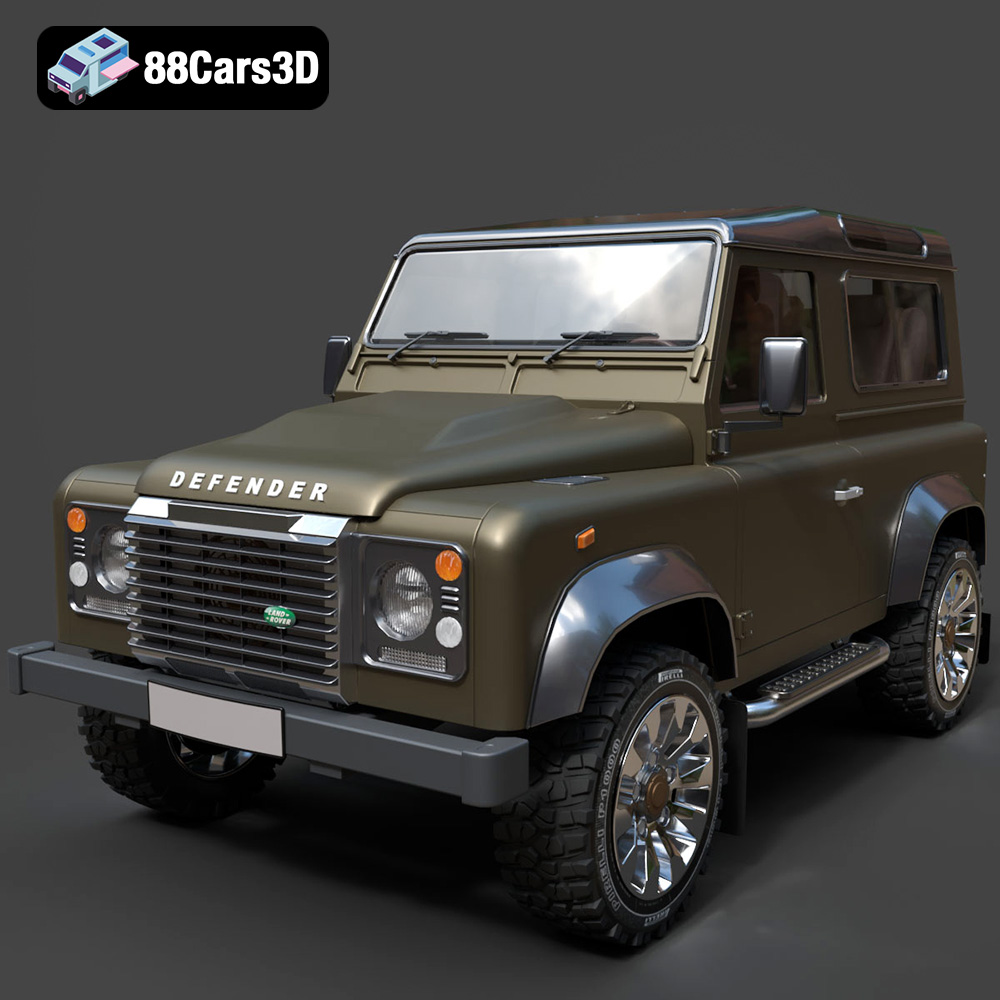
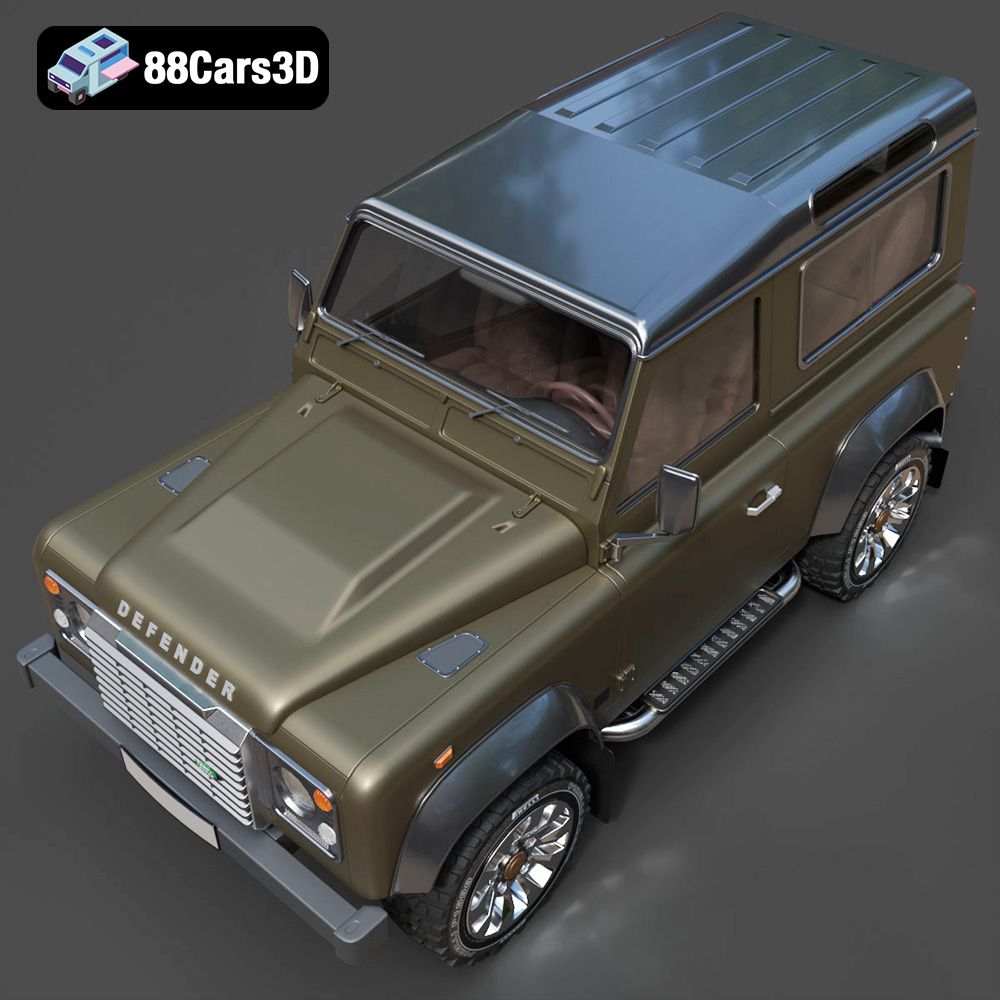
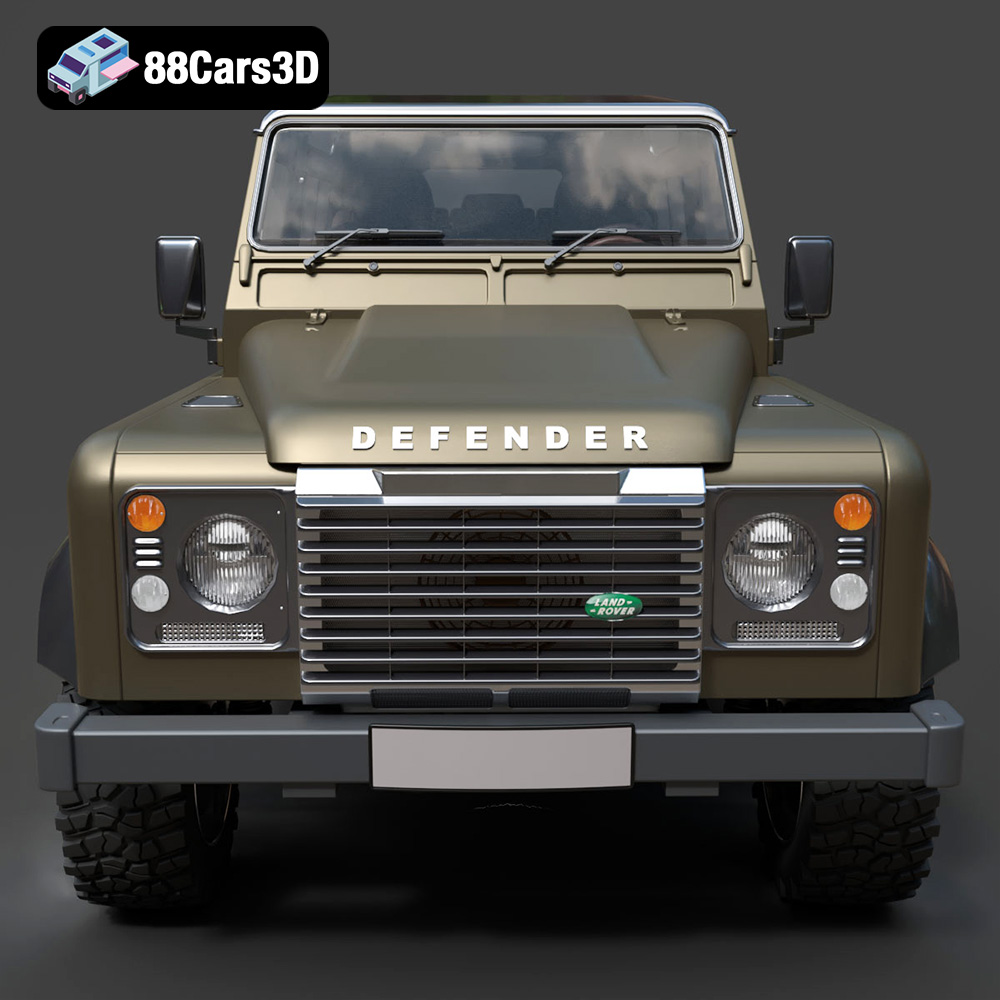
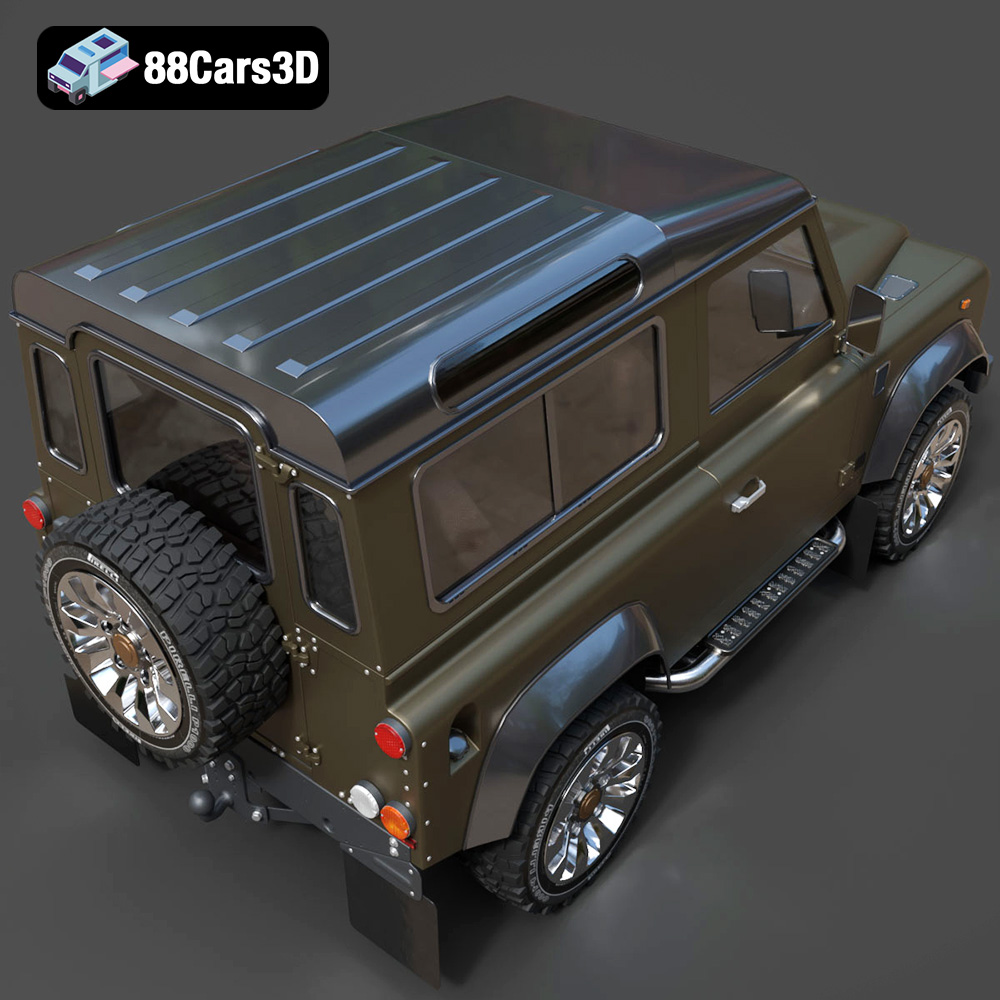
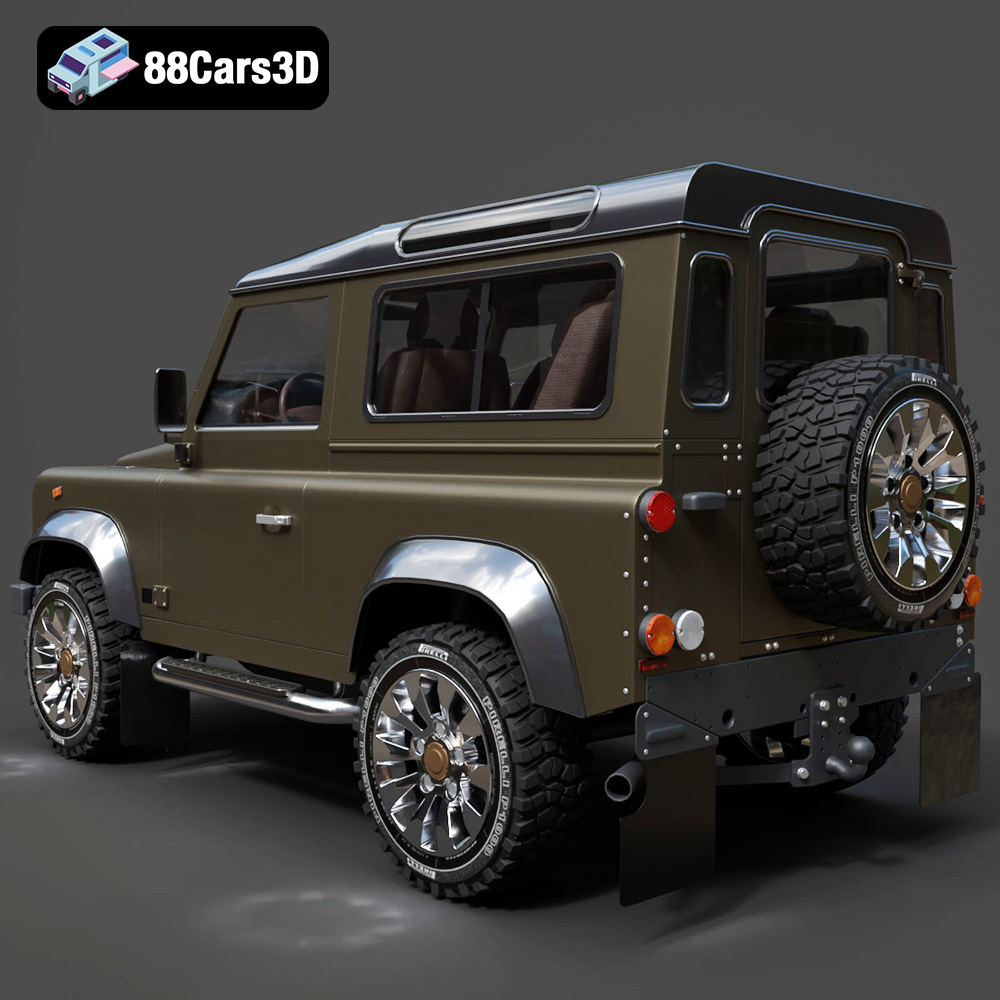
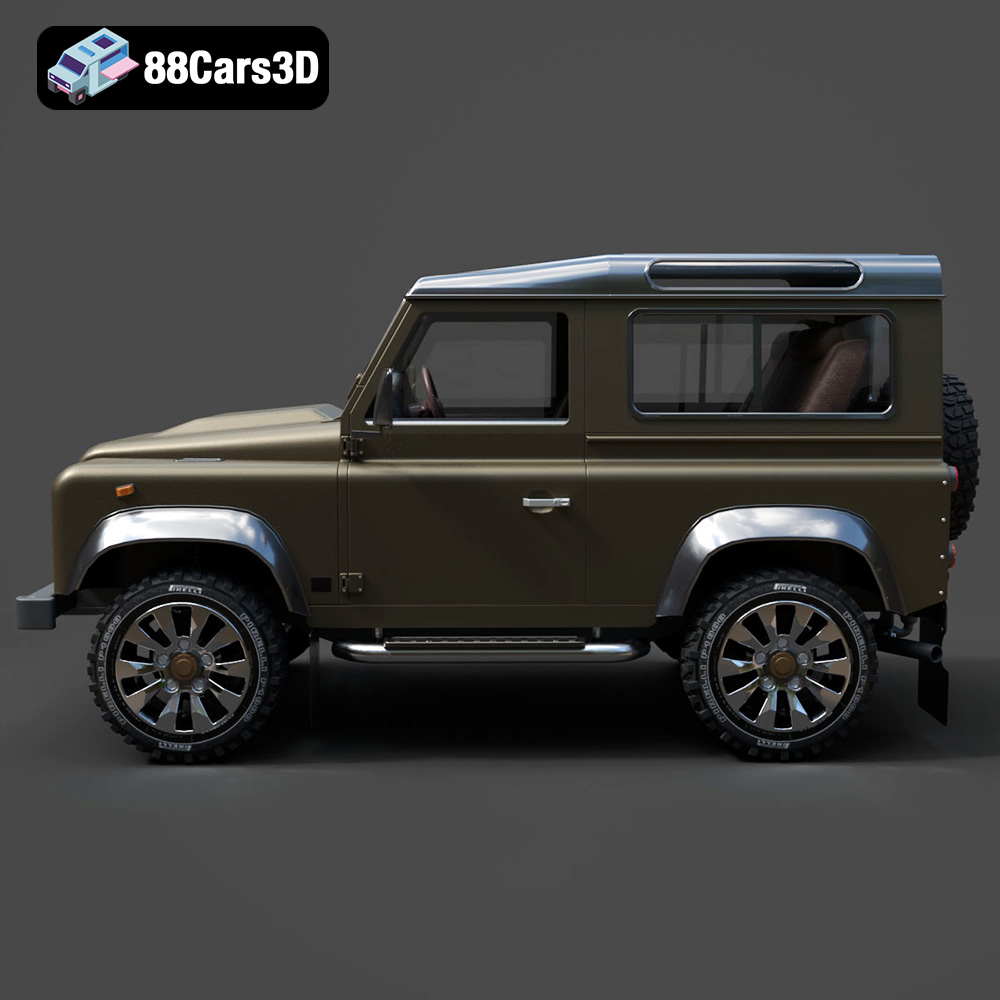
In this landscape, iconic vehicles hold a special place. The Land Rover Defender Works V8, with its rugged elegance and undeniable heritage, is one such legend. Capturing its essence in the digital realm requires a meticulous approach, a blend of artistic skill and technical precision. A high-fidelity 3D model of the Land Rover Defender Works V8 isn’t just a static representation; it’s a versatile tool ready to be deployed across a multitude of professional applications, enhancing visual fidelity and accelerating production timelines. Whether you’re an automotive visualization specialist, a game developer, or an architect integrating vehicle context into your scenes, the right 3D asset can be a game-changer. Quality resources, such as those found on 88cars3d.com, provide the essential building blocks for these ambitious digital ventures.
Understanding 3D Model File Formats
Navigating the diverse ecosystem of 3D software and platforms requires a clear understanding of file formats. Each format is designed with specific use cases and technical considerations in mind, making the choice of the correct file crucial for efficiency and compatibility. The Land Rover Defender Works V8 3D Model, recognizing these varied needs, comes equipped with a comprehensive suite of formats, ensuring it seamlessly integrates into virtually any professional pipeline.
.blend – The Heart of Blender Projects
The .blend format is the native file type for Blender, a powerful open-source 3D creation suite. When you receive a .blend file, you’re getting more than just the mesh; you’re often getting a complete scene. This includes the Land Rover Defender Works V8’s clean geometry, realistic materials, textures, lighting setups, camera angles, and even animation data. Its primary advantage lies in its comprehensive nature, allowing for full editability and flexibility within Blender. Artists can tweak materials, adjust lighting, or modify the mesh directly, making it ideal for those who prefer to work within Blender’s robust environment or need to customize the asset extensively for specific rendering or animation tasks.
.fbx – The Industry Standard for Interoperability
.fbx (Filmbox) is a proprietary file format owned by Autodesk and has become a de facto standard for exchanging 3D data between different software applications. It excels in transferring models, materials (often PBR setups), textures, skeletal animations, and even scene hierarchy. For game development, particularly with engines like Unreal Engine and Unity, .fbx is invaluable. The Land Rover Defender Works V8 as an .fbx asset ensures that all its intricate details, from its chassis geometry to its tire tread textures, can be reliably imported and set up in a game engine, ready for real-time rendering and interaction. Its broad compatibility makes it a cornerstone for collaborative projects and streamlined asset pipelines.
.obj – The Universal 3D Language
The .obj (Wavefront Object) format is one of the oldest and most widely supported 3D file formats. It’s a universal standard, compatible with virtually every 3D modeling, rendering, and animation software. An .obj file primarily contains geometry data (vertices, normals, UVs) and references to external material files (.mtl) and textures. While it doesn’t store animation or complex scene data, its simplicity and ubiquitous compatibility make it an excellent choice for basic model exchange and archival. For the Land Rover Defender Works V8, the .obj format guarantees that the core mesh data can be accessed and manipulated in any software, serving as a reliable fallback or a starting point for new projects.
.glb – Optimized for Web and Immersive Experiences
.glb (GLB format for glTF) is a relatively newer format gaining significant traction, especially for web-based 3D, AR (Augmented Reality), and VR (Virtual Reality) applications. It’s the binary version of glTF (GL Transmission Format), designed for efficient transmission and loading of 3D scenes and models. A .glb file packages all necessary data—geometry, materials, textures, animations—into a single, compact file. This “all-in-one” approach makes it incredibly convenient for deploying the Land Rover Defender Works V8 into AR apps on mobile devices, displaying it interactively on websites, or integrating it into lightweight VR experiences without complex setups, offering optimal performance and reduced loading times.
.stl – The Foundation for 3D Printing
.stl (Stereolithography) is the most common file format used for 3D printing and rapid prototyping. It describes only the surface geometry of a 3D object using a collection of interconnected triangles. The .stl format lacks color, texture, or material information, focusing solely on the physical form. For users looking to 3D print a miniature replica of the Land Rover Defender Works V8, the .stl file provides the necessary manifold geometry for a successful physical output. While not suitable for rendering, it is indispensable for transitioning a digital model into a tangible object.
.ply – Precision Mesh for Advanced Applications
The .ply (Polygon File Format or Stanford Triangle Format) is a file format for storing 3D data from 3D scanners, CAD software, and other applications. It can represent polygon meshes, points, normals, color, and even transparency, offering more detail than .stl for complex surfaces. While less common for general rendering, its ability to store detailed mesh information makes it valuable for scientific visualization, precision engineering analysis, or advanced 3D scanning workflows. For the Land Rover Defender Works V8, the .ply format could be utilized in scenarios requiring very precise mesh analysis or specific manufacturing processes.
.unreal – Engine-Ready for Real-time Immersion
The .unreal format signifies an asset specifically configured and optimized for Unreal Engine. This often means the model has been imported, had its materials correctly set up using Unreal’s PBR shader system, collisions generated, LODs (Levels of Detail) applied, and possibly even Blueprints created for interactive elements. This format is essentially a “plug-and-play” solution, drastically reducing the setup time for game developers and real-time visualization artists using Unreal Engine. The Land Rover Defender Works V8 in .unreal format means it’s ready to be dropped into a virtual world, complete with its realistic appearance and potential for immediate interaction, straight out of the box.
.max – The Power of 3ds Max
Finally, the .max format is the native file type for Autodesk 3ds Max, another industry-leading 3D modeling, animation, and rendering software. Like .blend, a .max file typically contains the entire scene data, including the Land Rover Defender Works V8 model, its sophisticated materials, lighting, cameras, and any animation. It offers full editability within 3ds Max, making it a preferred choice for professionals who rely on this software for high-end architectural visualization, product rendering, or complex animation projects. The .max file ensures that the model’s professional quality and meticulous detail can be fully leveraged within 3ds Max’s powerful rendering capabilities.
The Art and Engineering of High-Quality 3D Car Models
Creating a truly high-quality 3D car model is an intricate process that blends artistic vision with rigorous technical execution. It’s about more than just replicating a shape; it’s about capturing the soul of the vehicle, ensuring it performs flawlessly in any digital environment. The Land Rover Defender Works V8 3D Model exemplifies this synergy, delivering both visual fidelity and technical robustness.
Precision Modeling: Capturing Automotive Heritage
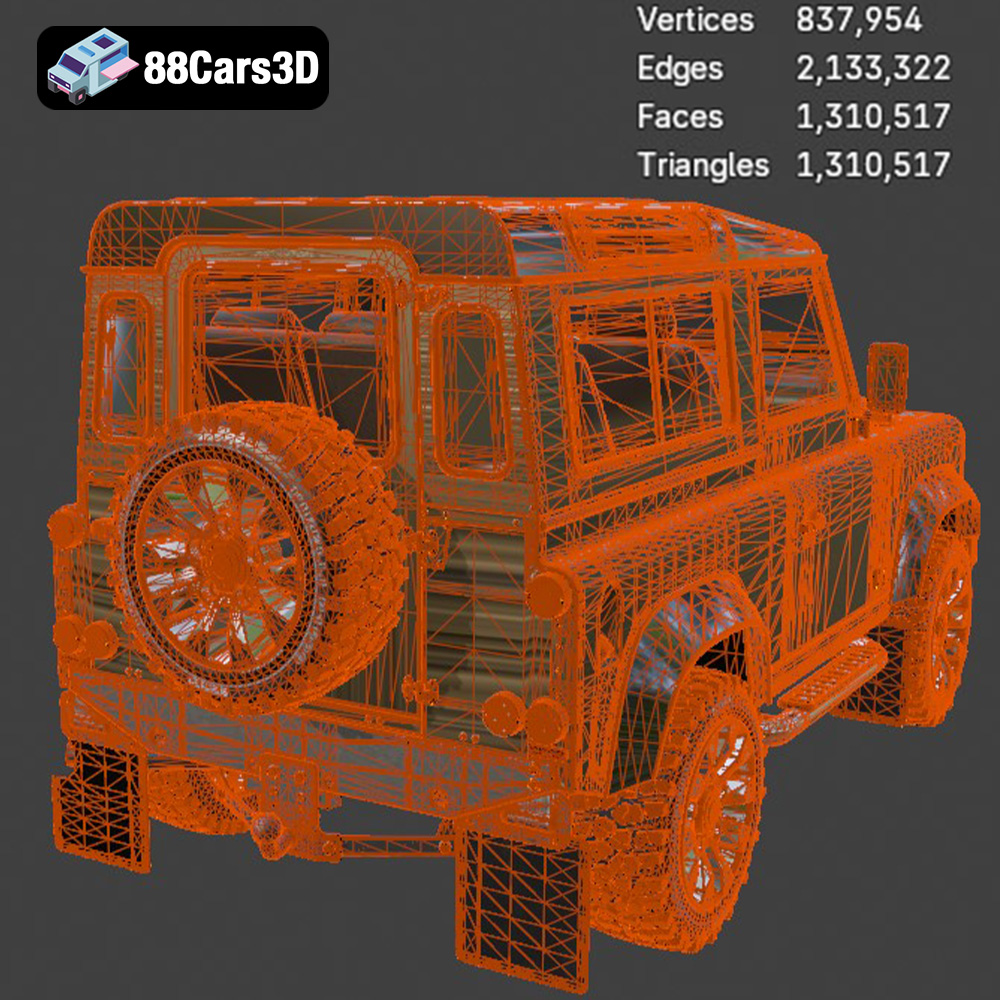
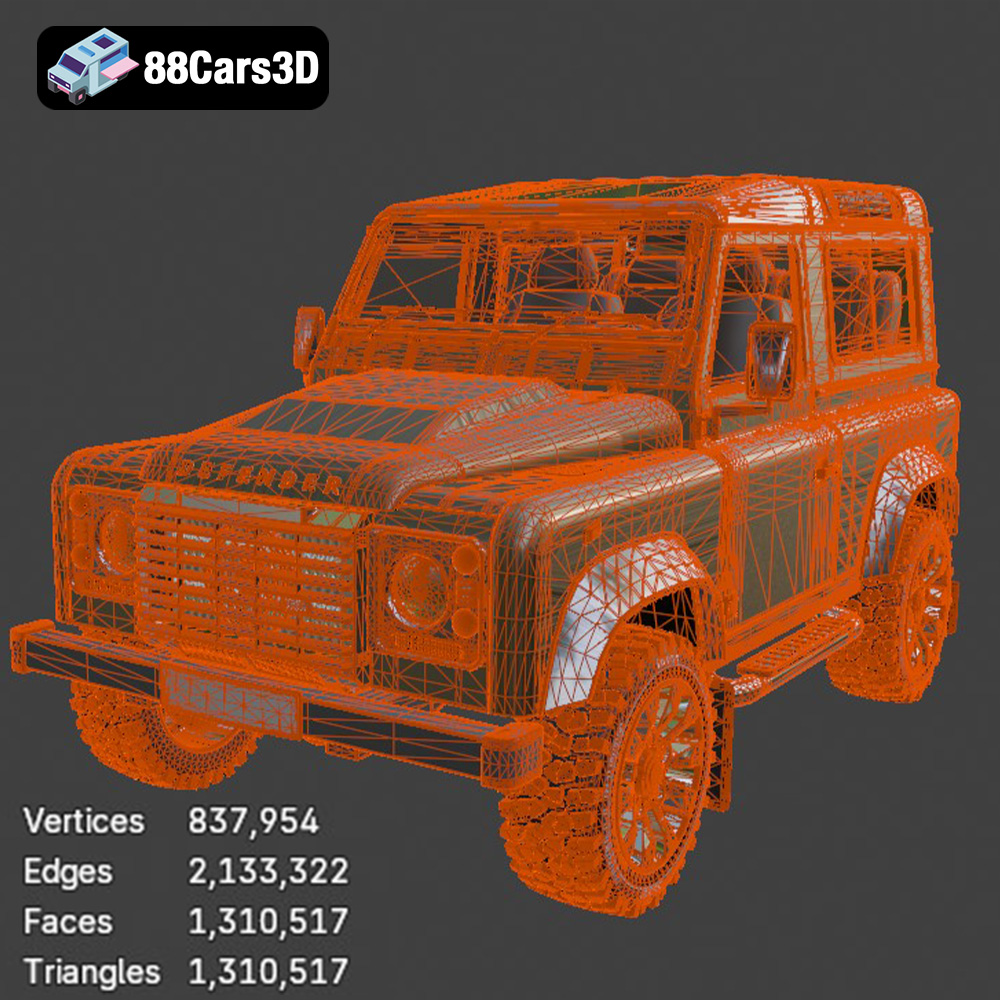
At the core of any exceptional 3D car model is its geometry. Precision modeling involves meticulously recreating every curve, panel gap, and intricate component of the vehicle. This isn’t a task for approximation; it demands an understanding of industrial design and automotive engineering principles. The Land Rover Defender Works V8 model, for instance, requires accurate representation of its iconic boxy yet refined silhouette, its distinctive grille, headlights, and rugged undercarriage details. This is achieved through careful attention to topology – the arrangement of polygons that form the mesh.
- Clean Geometry and Polygon Count: A “clean geometry” means the mesh is optimized, free of n-gons (polygons with more than four sides), non-manifold edges, or excessive tessellation where it’s not needed. This ensures smooth subdivision, efficient rendering, and predictable deformation if the model is animated. While ultra-high poly counts can achieve extreme detail, a professional model balances detail with performance. For rendering, a higher poly count is often acceptable, but for game engines, careful optimization, including baking normal maps from high-poly sculpts and implementing Levels of Detail (LODs), is paramount. The Land Rover Defender Works V8 model boasts clean geometry, meaning it’s well-structured for both high-end renders and real-time engine integration without unnecessary overhead.
- Topology Best Practices: Good topology is crucial for realistic shading and deformation. Edges should follow the natural contours of the vehicle, particularly around seams, creases, and areas that might deform (like suspension components). Quad-based topology is generally preferred, as it subdivides predictably and makes UV unwrapping easier. Every part, from the smallest bolt to the largest body panel, must be modeled with accuracy, ensuring that reflections behave correctly and the vehicle’s form is preserved from all angles.
Realistic Materials and Texturing Workflows
Even the most perfectly modeled car will look flat and lifeless without compelling materials and textures. This is where Physically Based Rendering (PBR) workflows come into play, mirroring how light interacts with surfaces in the real world to achieve unparalleled realism.
- PBR Principles: PBR materials use a set of textures (Albedo/Base Color, Metallic, Roughness, Normal, Ambient Occlusion, etc.) that correspond to physical properties of surfaces, ensuring consistent and believable lighting across different rendering environments. For the Land Rover Defender Works V8, this means meticulously crafted paint shaders that reflect light realistically, tire rubber with appropriate roughness, glass that accurately refracts light, and chrome accents that gleam authentically.
- UV Mapping and Texture Resolution: Each part of the 3D model must have its UVs (2D coordinates) properly unwrapped, allowing 2D textures to be accurately projected onto the 3D surface. Professional models feature clean, non-overlapping UV layouts that maximize texture space efficiency. The resolution of these textures is also critical; high-resolution textures (e.g., 4K or 8K) for primary surfaces ensure sharp details and prevent pixelation, even up close. The Land Rover Defender Works V8 3D Model specifically mentions “realistic materials and textures,” indicating that these PBR principles and high-quality textures have been applied, ready to be utilized in your chosen rendering engine.
- Material Layering and Detailing: Beyond base textures, advanced material setups can incorporate multiple layers to simulate wear and tear, dirt, or subtle imperfections that add character and realism. This could include slight paint chipping around door edges, dust accumulation on specific surfaces, or variations in metal reflectivity. Such subtle details elevate a model from good to outstanding, contributing to its “faithful attention to detail.”
Integrating 3D Car Models into Professional Workflows
The true value of a meticulously crafted 3D car model, such as the Land Rover Defender Works V8 from 88cars3d.com, lies in its seamless integration into diverse professional pipelines. Its versatility, supported by multiple file formats, makes it an invaluable asset for a wide range of industries.
Automotive Visualization and Rendering (3ds Max, Blender)
For high-end marketing, product showcases, or conceptual design reviews, photorealistic automotive visualization is paramount. Both 3ds Max and Blender offer powerful tools to bring the Land Rover Defender Works V8 to life with stunning realism.
- Detailed Workflow in 3ds Max:
- Import and Scene Setup: Utilizing the provided .max file, users can directly open the Defender model within 3ds Max. The scene will typically come pre-configured with the model’s geometry and basic material assignments.
- Material Refinement: Leveraging 3ds Max’s Material Editor, artists can fine-tune the PBR materials. This might involve adjusting IOR (Index of Refraction) for glass, refining paint flake details, or adding procedural imperfections to metallic surfaces. Renderers like V-Ray or Corona integrate deeply with 3ds Max, allowing for complex shader networks.
- Lighting and Environment: Crucial for realism, this involves setting up an HDRi (High Dynamic Range Image) for realistic sky and environmental reflections, often complemented by targeted area lights or photometric lights to accentuate specific features or simulate studio lighting. The Defender’s rugged appeal can be highlighted by dramatic outdoor lighting or a sleek studio setup.
- Camera Setup and Composition: Emulating real-world photography, careful camera angles, depth of field, and focal lengths are chosen to present the Land Rover Defender Works V8 in its best light, highlighting its design and proportions.
- Rendering and Post-Production: High-resolution renders are generated, often with multiple render passes (e.g., reflections, refractions, shadows, ambient occlusion) for maximum flexibility in post-production using software like Photoshop or Nuke, where color grading, lens effects, and final polish are applied.
- Leveraging Blender for Stunning Renders:
- Opening the .blend File: The included .blend file allows direct access to the Defender model within Blender, often with a pre-configured Cycles or Eevee rendering setup.
- Shading Network Enhancement: Blender’s node-based shader editor offers immense control. Artists can tweak the Land Rover Defender’s PBR materials, add layered shaders for advanced effects (e.g., dirt over paint, or subtle dust), and optimize for both Cycles (for photorealism) and Eevee (for real-time feedback).
- Lighting with HDRI and Area Lights: Similar to 3ds Max, using HDRi environments combined with mesh lights or area lights is key. Blender’s physically accurate lighting system ensures reflections and shadows interact realistically with the Defender’s surfaces.
- Camera Settings and Animation: Blender’s intuitive camera tools allow for precise control over perspective, depth of field, and motion blur. For animations, the Defender model can be rigged for dynamic shots, showcasing its suspension or door movements.
- Rendering and Compositing: Cycles offers incredibly realistic path tracing, ideal for static hero shots, while Eevee provides rapid, high-quality real-time renders. Blender’s built-in compositor is powerful for final color grading, lens effects, and combining render passes, all within the same application.
Game Development and Real-time Environments (Unreal Engine, Unity)
In game development, 3D car models serve as central assets, requiring not just visual quality but also extreme optimization for real-time performance. The Land Rover Defender Works V8, provided in game-engine-ready formats like .fbx and .unreal, simplifies this process significantly.
- Optimization Techniques for Game Assets:
- Levels of Detail (LODs): Game engines automatically switch between different versions of the model with varying polygon counts based on distance from the camera. The Defender model would ideally come with pre-generated LODs to ensure smooth performance across various hardware specifications without a noticeable drop in visual quality.
- Collision Meshes: Simplified collision meshes are crucial for physical interactions within the game world. These lightweight proxies define the car’s physical boundaries without relying on the complex render mesh, saving valuable processing power.
- Material Optimization: Efficient PBR material setups, often using texture atlases to reduce draw calls, are vital. The “realistic materials and textures” of the Defender model are designed to be easily translated into game engine material graphs.
- Importing into Unreal Engine:
- Using the .unreal File: The most straightforward approach is to import the .unreal asset directly. This package typically includes the mesh, pre-assigned materials, textures, and potentially pre-configured Blueprints for basic functionality.
- FBX Workflow: Alternatively, importing the .fbx file of the Land Rover Defender Works V8 into Unreal Engine allows for more granular control. Textures are imported separately, and materials are created using Unreal’s Material Editor, connecting texture maps (Base Color, Normal, Metallic, Roughness, AO) to the appropriate PBR inputs.
- Setting up Physics and Interaction: Unreal’s Vehicle Blueprint can be utilized to set up realistic car physics, including engine parameters, suspension, and wheel interactions. The Defender can then be driven, damaged, and integrated into game logic.
- Integration into Unity:
- FBX Import: The .fbx file is the primary method for bringing the Defender into Unity. Upon import, Unity recognizes the mesh and often prompts to import associated textures and create basic materials.
- Material and Shader Setup: Materials are refined using Unity’s Standard (or HDRP/URP) shaders, connecting the PBR texture maps. Unity’s Shader Graph can be used for more complex visual effects.
- Physics and Scripting: Unity’s built-in physics engine can be used to add Rigidbody components and Wheel Colliders to the Defender model. Custom C# scripts can then control acceleration, steering, braking, and other vehicle behaviors, making the Land Rover Defender Works V8 fully functional within a game.
Beyond Visualization: Expanding the Horizon with 3D Car Models
The utility of a high-quality 3D car model extends far beyond traditional rendering and game development. The Land Rover Defender Works V8 3D Model, with its comprehensive file format support, opens doors to innovative applications in emerging technologies like AR/VR and traditional fields like 3D printing.
AR/VR Experiences with the Land Rover Defender
Augmented Reality (AR) and Virtual Reality (VR) are transforming how we interact with digital content, offering immersive experiences that blend the virtual with the real. A 3D car model, particularly one optimized for these platforms, is a cornerstone for creating compelling AR/VR applications.
- How .glb Format is Crucial: The .glb file format is explicitly designed for AR/VR and web-based applications due to its efficiency and comprehensive packaging. For the Land Rover Defender Works V8, the .glb format means the model can be seamlessly loaded into AR viewers on smartphones (e.g., using ARCore or ARKit), allowing users to “place” a virtual Defender in their real-world environment. In VR, the .glb can be quickly integrated into platforms like WebXR, providing a lightweight yet detailed asset for virtual showrooms or interactive experiences. Its single-file nature simplifies deployment and reduces loading times, critical for fluid AR/VR performance.
- Considerations for Performance and Interactivity: While .glb is optimized, creating smooth AR/VR experiences still requires attention to polygon budgets and texture sizes. Frame rate is paramount to prevent motion sickness in VR and ensure responsiveness in AR. Interactive elements, such as opening doors or changing paint colors on the virtual Defender, can be programmed using scripting within the AR/VR platform, enhancing user engagement. The “optimized for AR/VR and web-based visualization” feature of the Defender model highlights its readiness for these demanding environments, providing a balanced asset that looks good without bogging down performance.
3D Printing and Prototyping
Bridging the gap between the digital and physical, 3D printing allows for the creation of tangible objects from 3D models. This capability is invaluable for prototyping, scale models, or personalized collectibles, and the Land Rover Defender Works V8 3D Model is perfectly suited for this purpose.
- Using .stl and .ply Formats: The .stl format is the industry standard for 3D printing, providing a watertight mesh of the Land Rover Defender Works V8’s geometry. This ensures that the model can be sliced and prepared for printing without errors. The .ply format offers a more detailed polygon mesh, which can be useful for more advanced manufacturing processes or for capturing finer surface details for high-fidelity prototypes.
- Preparing Models for Physical Output: Before printing, several steps are necessary:
- Manifold Geometry: Ensuring the model’s surfaces are “manifold” (watertight, with no gaps or inverted faces) is critical for successful printing. The clean geometry of the Defender model minimizes issues here.
- Scale and Units: The model needs to be scaled correctly to the desired physical size.
- Wall Thickness: For hollow prints, ensuring adequate wall thickness prevents fragility. For a solid Defender model, this is less of a concern, but for intricate parts, it’s essential.
- Support Structures: Overhanging parts of the Defender, like parts of the chassis or mirrors, will likely require support structures during printing to prevent collapse.
- Imagining a Physical Defender Works V8 Model: From creating desktop display models to fabricating scale prototypes for engineering review, the 3D printable Land Rover Defender Works V8 model provides a powerful tool. Designers can evaluate physical form, test ergonomic principles, or simply enjoy a highly detailed physical representation of this classic vehicle.
Case Studies: Leveraging the Land Rover Defender Works V8 in Action
The practical application of a high-quality 3D car model like the Land Rover Defender Works V8 is diverse, touching various industries and creative fields. Its versatility and professional-grade construction make it an ideal choice for numerous impactful projects.
Marketing and Advertising Campaigns
In the highly competitive automotive industry, captivating visuals are crucial for marketing. A 3D model offers unparalleled control and flexibility that photography simply cannot match.
- Simulated Driving Scenes: Imagine a digital campaign where the Land Rover Defender Works V8 traverses challenging virtual terrains, showcasing its off-road capabilities without the cost or logistics of real-world shoots. Using the .max or .blend files, artists can animate the vehicle through photorealistic environments, dynamically adjust lighting, and create compelling narratives that highlight the Defender’s rugged spirit. These renders can be used for television commercials, online advertisements, or even interactive web experiences.
- Virtual Showrooms and Configurators: Dealerships and manufacturers are increasingly adopting virtual showrooms, allowing potential customers to explore vehicles from any angle, change paint colors, or swap out wheel options. The Land Rover Defender Works V8 3D Model, especially in .glb or game-engine-ready formats, is perfect for such applications. Users can interact with the vehicle in real-time, customize it, and visualize it in their driveway via AR, creating a highly engaging and personalized shopping experience that drives sales. This level of realism and interactivity is a testament to the “professional quality suitable for commercial use” embedded in the model.
- Enhancing Brand Perception: A premium 3D model ensures consistent, flawless visual representation across all marketing channels. From high-resolution print ads to dynamic web banners, the iconic Land Rover Defender Works V8 can be depicted with precision and artistry, reinforcing its brand image of heritage, durability, and adventure.
Educational and Simulation Projects
Beyond entertainment and marketing, accurate 3D models play a vital role in education, training, and various simulation scenarios, offering safe and cost-effective learning environments.
- Driver Training and Automotive Simulations: For advanced driver training programs or engineering simulations, a realistic 3D vehicle model is essential. The Land Rover Defender Works V8 3D Model, with its accurate dimensions and potential for detailed physics integration (especially within Unreal or Unity), can be used to simulate driving dynamics, test vehicle behavior under various conditions, or even train mechanics on component identification and repair in a virtual environment. This provides a safe, repeatable, and scalable training solution.
- Historical Preservation and Virtual Museums: Iconic vehicles like the Defender Works V8 are part of automotive history. High-fidelity 3D models can serve as digital archives, preserving every detail for future generations. Virtual museums can offer interactive exhibits where visitors can explore the Defender’s interior and exterior, learn about its history, and even “drive” it virtually. This application leverages the model’s “faithful attention to detail” to educate and inspire.
- Architectural Context and Urban Planning: While not the primary focus, architects and urban planners often need realistic vehicle assets to populate their visualizations. Placing the Land Rover Defender Works V8 in a proposed urban scene or next to a new building renders the scene more believable and provides a sense of scale and human activity. This use case benefits from the model’s “clean geometry for efficient rendering” within large-scale architectural projects.
Conclusion
The digital realm’s ever-growing need for realism and versatility places an immense premium on high-quality 3D assets. The Land Rover Defender Works V8 3D Model stands as a prime example of professional 3D artistry, meticulously crafted to meet the stringent demands of modern content creation. From its clean geometry and realistic PBR materials to its comprehensive array of file formats—including .blend, .fbx, .obj, .glb, .stl, .ply, .unreal, and .max—this model is designed to integrate seamlessly into virtually any professional workflow.
Whether your goal is to produce breathtaking automotive visualizations in 3ds Max or Blender, integrate a robust vehicle into a real-time game environment using Unreal Engine or Unity, craft immersive AR/VR experiences, or even bring a physical replica to life through 3D printing, the Land Rover Defender Works V8 3D Model provides the foundational quality you need. It represents a significant time-saver for studios and individual artists alike, allowing them to focus on creativity and project execution rather than asset creation from scratch. Investing in such a high-fidelity model ensures not just visual excellence but also technical reliability across a broad spectrum of applications. For those seeking premium 3D car models that deliver on both aesthetics and technical performance, 88cars3d.com offers an extensive collection designed to elevate your projects.
Featured 3D Model
Land Rover Defender Works V8 3D Model
Experience the iconic Land Rover Defender Works V8 in stunning 3D detail. This model is a faithful recreation of the classic vehicle, designed to bring realism and accuracy to your projects. With its clean geometry and realistic materials, it stands as a testament to professional 3D artistry.
Key Features:
- Clean geometry for efficient rendering
- Realistic materials and textures
- Faithful attention to detail
- Professional quality suitable for commercial use
Applications:
- Game development
- Architectural and product rendering
- AR/VR experiences
- Automotive visualization
- 3D printing and prototyping
Provided File Formats:
- .blend – Editable Blender file with materials and lighting setup
- .fbx – Game-engine ready format for Unreal Engine and Unity
- .obj – Standard 3D model format compatible with all major software
- .glb – Optimized for AR/VR and web-based visualization
- .stl – Suitable for 3D printing and prototyping
- .ply – Detailed polygon mesh for analysis and visualization
- .unreal – Pre-configured for Unreal Engine use
- .max – Editable 3ds Max file for rendering and animation
$19.99
View This Model
Related Tags
.arvr
.blend
.car3dmodel
.defender
.defenderworksv8
.fbx
.gameasset
.glb
.landrover
.max
.obj
.ply
.rendering
.simulation
.stl
.unreal
.worksv8
SUV