Get 50% OFF All Premium 3D & STL Models!

In the dynamic world of 3D visualization, the demand for high-fidelity, production-ready assets is ceaseless. From cinematic blockbusters to immersive game environments and critical military simulations, the ability to rapidly deploy accurate and optimized 3D models is paramount. Crafting such assets from scratch is a labor-intensive process, requiring specialized skills, significant time, and a deep understanding of various technical specifications. This often presents a considerable bottleneck for studios and individual artists alike, impacting timelines and budgets.
Imagine needing a robust, highly detailed armoured vehicle for an urgent project – perhaps a tactical training scenario in Unreal Engine, a realistic render for a defense contractor, or an interactive AR experience. The task of modeling, texturing, rigging, and optimizing such a complex machine can consume weeks, if not months. This is precisely where professional-grade, pre-built 3D car models become indispensable tools. They offer a shortcut to quality, allowing creators to focus on artistic direction and project goals rather than getting bogged down in foundational asset creation.
Today, we delve into the critical role of premium 3D assets in diverse professional pipelines, highlighting how a meticulously crafted model like the Armoured Vehicle 001 3D Model can transform your workflow. We’ll explore its applications in game development, cinematic rendering, AR/VR, and simulation, emphasizing the technical advantages of starting with a clean, optimized foundation. With a focus on practical integration and leveraging industry-standard tools, we’ll demonstrate how assets from platforms like 88cars3d.com empower creators to achieve stunning results efficiently and effectively.
The interoperability of 3D assets across different software platforms and applications is fundamental to any modern professional workflow. This compatibility is primarily managed through a variety of file formats, each designed with specific strengths and use cases. Understanding these formats is crucial for making informed decisions, ensuring your 3D car models integrate seamlessly into your pipeline, whether you’re working on automotive rendering, game assets, or specialized simulations. The Armoured Vehicle 001 3D Model, for instance, comes equipped with an impressive array of these formats, catering to virtually any professional need.
The .blend format is the native file type for Blender, the popular open-source 3D creation suite. When you acquire a .blend file like that of the Armoured Vehicle 001, you’re getting a fully editable scene, often complete with materials, textures, lighting setups, and even animation rigs if applicable. This is ideal for artists who primarily work in Blender and require maximum flexibility for modifications, custom renders, or scene integration. Technical details often include a full node-based material system, PBR (Physically Based Rendering) texture setups, and sometimes even custom modifiers or procedural elements, allowing for deep customization and creative freedom within the Blender environment.
.fbx (Filmbox) is arguably one of the most widely adopted proprietary 3D exchange formats, particularly favored in game development and animation. It excels at transferring not just geometry and UVs, but also hierarchical data, material assignments, skeletal animations, and blend shapes. This makes it an ideal format for bringing 3D car models like our armoured vehicle into game engines such as Unreal Engine and Unity, where efficient data transfer of complex animated objects is critical. Its robust nature ensures that most aspects of your model translate accurately across different software, minimizing rework.
The .obj (Wavefront Object) format is a universal standard known for its simplicity and wide compatibility. It primarily stores geometric data—vertices, normals, UV coordinates, and polygonal faces—making it an excellent choice for basic mesh exchange between almost any 3D software. While it doesn’t typically embed materials or animation directly (these are often handled by accompanying .mtl files for materials), its strength lies in its widespread support. For clean geometry that needs to be imported into an obscure or specialized renderer, .obj is often the most reliable fallback.
.glb (GL Transmission Format Binary) is an increasingly vital format, especially for interactive 3D experiences on the web, AR (Augmented Reality), and VR (Virtual Reality) platforms. It is a binary version of glTF, designed for efficient transmission and loading of 3D scenes and models. A .glb file encapsulates all necessary data—geometry, materials, textures, and even animation—into a single compact file, making it perfect for rapid deployment in browsers or mobile AR applications. Its optimization for real-time rendering pipelines is a significant advantage for interactive visualization of models like the Armoured Vehicle 001.
.stl (Stereolithography) is the de facto standard for 3D printing. This format represents 3D models as a collection of unconnected triangular facets, defining only the surface geometry of an object without color, texture, or other attributes. For physical prototyping or manufacturing of a scaled model of the Armoured Vehicle 001, the .stl format is precisely what is needed. It’s simple, robust, and universally understood by 3D printing slicer software, making it essential for any physical fabrication pipeline.
.ply (Polygon File Format) is another format focused on describing 3D objects as a collection of polygons. It supports properties like color, transparency, surface normals, and range data, making it useful for storing the results of 3D scanners or for applications requiring precise mesh data for CAD (Computer-Aided Design) or engineering analysis. For high-fidelity models where exact surface representation and potentially additional vertex properties are critical, .ply offers a robust solution.
The .unreal format, or more accurately, assets pre-configured for Unreal Engine, signifies a model that has been specifically prepared and often packaged for direct import and optimal performance within Unreal Engine. This might involve optimized material setups, collision meshes, LODs (Levels of Detail), and proper folder structures. For projects leveraging the power of Unreal Engine, an .unreal-ready asset like the Armoured Vehicle 001 saves immense amounts of time in asset preparation, ensuring it’s ready to drop into a scene and perform efficiently straight out of the box for game development or cinematic sequences.
Finally, the .max format is the native file type for Autodesk 3ds Max, a long-standing industry leader in 3D modeling, animation, and rendering. A .max file of the Armoured Vehicle 001 provides access to the full project scene, including all modifiers, lights, cameras, and renderer-specific materials (like V-Ray or Corona if used). This format is indispensable for professionals working within the 3ds Max ecosystem who require the ability to make complex edits, re-rig, animate, or render with specific studio settings, offering the ultimate level of control and flexibility within this powerful software.
Having a 3D car model available in such a comprehensive suite of formats, as offered by the Armoured Vehicle 001 3D Model on 88cars3d.com, truly underscores its versatility and professional-grade readiness for any conceivable project.
Automotive rendering is a specialized discipline that blends artistic vision with technical precision to create visuals that are often indistinguishable from photographs. Whether for marketing, product visualization, or cinematic sequences, the goal is always photorealism and emotional impact. A high-quality 3D car model is the absolute foundation for achieving this, and the Armoured Vehicle 001 3D Model exemplifies the kind of asset that makes this process not only possible but efficient.
The visual fidelity of any rendered object hinges on its materials and textures. For an armoured vehicle, this means meticulously crafted surfaces that convey the ruggedness of steel plating, the grime of combat, or the subtle reflections of a dusty urban environment. The Armoured Vehicle 001 features realistic materials and textures, likely employing Physically Based Rendering (PBR) workflows. This involves maps like Albedo (color), Normal (surface detail), Roughness (micro-surface imperfections), Metallic (material type), and Ambient Occlusion (contact shadows). These maps are critical for accurate light interaction, making the armor plating appear authentically heavy and worn, and ensuring the strategic window placements have the correct transparency and reflectivity.
Even the most detailed model needs expert lighting and environmental setup to shine. Professional automotive rendering involves understanding how light interacts with complex surfaces, creating dynamic shadows, and using HDR (High Dynamic Range) environments to simulate real-world lighting conditions. For the Armoured Vehicle 001, one might place it in a desert environment with a strong sun, or a dimly lit urban setting with artificial streetlights, each requiring careful consideration of light sources and their impact on the vehicle’s sturdy exterior. Post-processing, including color grading, depth of field, and motion blur, further refines the render, elevating it from a mere 3D image to a compelling visual narrative. The clean geometry and organized mesh of the Armoured Vehicle 001 make it easy to integrate into complex lighting setups without artifacts.
Artists often leverage powerful rendering engines within software like 3ds Max or Blender. In 3ds Max, using renderers like V-Ray or Corona, the Armoured Vehicle 001 (.max file) can be imported, and its existing materials can be easily converted or refined. The editable nature of the .max file allows for detailed adjustments to geometry, UVs, or adding intricate details for extreme close-ups. Similarly, Blender users can import the .blend file and immediately begin rendering with Cycles or Eevee, taking advantage of the pre-configured materials and lighting setups. This flexibility ensures that regardless of the preferred software, the Armoured Vehicle 001 3D Model is ready to produce stunning, high-resolution renders for any visualization or cinematic project.
Game development presents a unique set of challenges for 3D assets, primarily revolving around performance and efficiency. Unlike offline rendering, game engines must render complex scenes many times per second, demanding highly optimized models. The Armoured Vehicle 001 3D Model is described as “fully optimized for real-time engines,” which is a critical specification for any game asset.
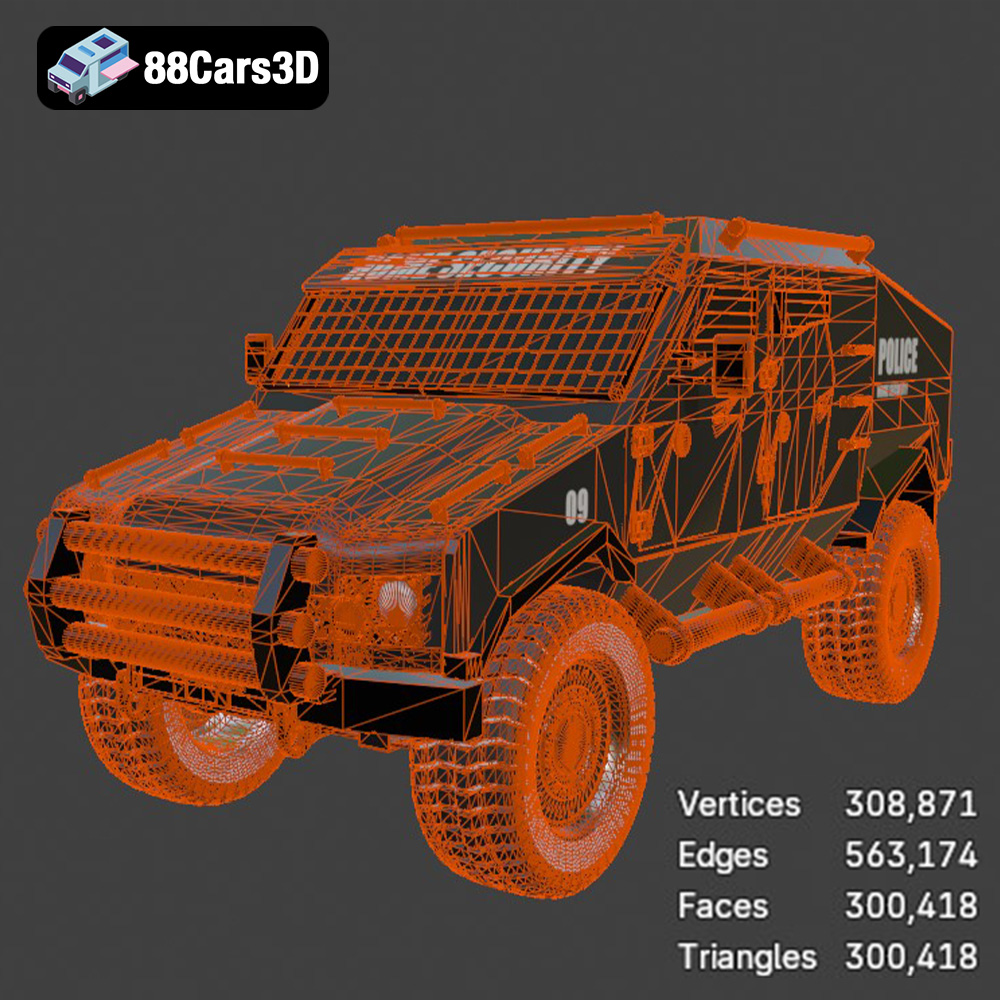
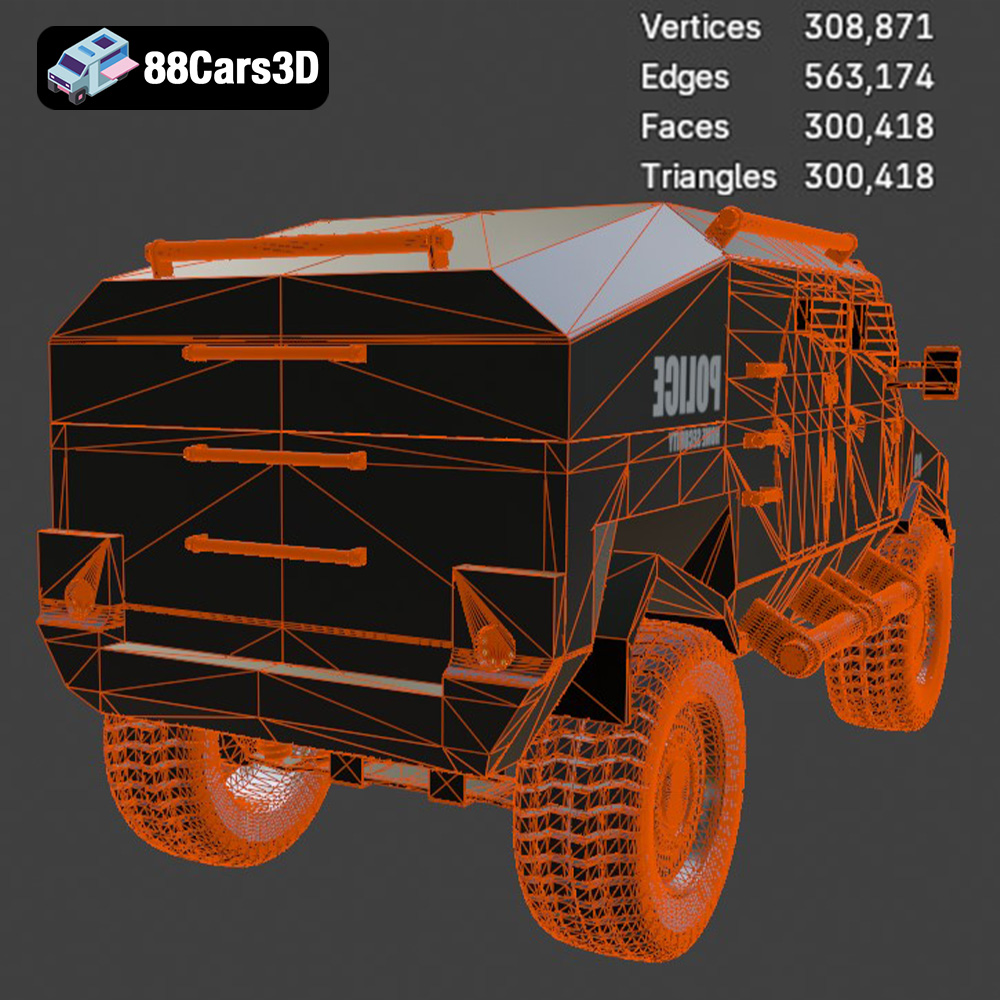
One of the core principles of game asset optimization is managing polygon count. While the Armoured Vehicle 001 boasts “clean geometry,” for real-time applications, this often translates to a balanced poly count that maintains visual fidelity without overburdening the GPU. To achieve this, game assets frequently utilize Levels of Detail (LODs). This involves creating multiple versions of the same model, each with progressively lower polygon counts. As the player moves further from the vehicle, the engine switches to a lower LOD, significantly reducing the computational load. A professionally made game asset, like the Armoured Vehicle 001, would ideally support or be easily adaptable to an LOD pipeline.
Texture management is another vital aspect. Well-organized UVs (Unwrap UVW maps) are essential for efficient texture packing and avoiding seams or stretching. For game assets, consolidating multiple textures into a single texture atlas can minimize draw calls, a significant performance booster. The “meticulously organized mesh” and “realistic materials and textures” of the Armoured Vehicle 001 suggest that its UVs are professionally laid out, making it suitable for direct integration or easy re-texturing within game engines.
The Armoured Vehicle 001 3D Model comes with .fbx and .unreal files, explicitly targeting the two most popular game engines: Unreal Engine and Unity. The .fbx format is a workhorse for transferring geometry, materials (with appropriate PBR setup), and potentially even animation. For Unreal Engine users, the dedicated .unreal file or pre-configured asset can save immense amounts of setup time. This means proper material instances, collision meshes, and even skeletal meshes (if the vehicle has moving parts) are likely pre-configured, allowing developers to drop the asset into their game, create blueprints, and begin scripting its behavior almost immediately for military simulations or tactical game scenarios.
The versatility of a high-quality 3D model extends far beyond traditional rendering and game development. The Armoured Vehicle 001 3D Model, with its comprehensive format support, is perfectly poised for emerging and specialized applications like Augmented Reality (AR), Virtual Reality (VR), detailed simulations, and even physical prototyping via 3D printing.
AR and VR demand highly optimized 3D assets that can render smoothly at high frame rates to prevent motion sickness and ensure immersion. The Armoured Vehicle 001’s “optimized for real-time engines” attribute and its inclusion of the .glb format make it an excellent candidate for these applications. In AR, one could project the vehicle onto a real-world scene via a smartphone, allowing users to interact with a life-sized digital replica in their environment. In VR, it could become part of a fully immersive training simulation, where users can walk around, inspect, or even operate the vehicle within a virtual world. The detailed exterior and interior of the model are crucial for these close-up, interactive experiences, providing authenticity whether for military training or educational purposes.
For military simulations and tactical training modules, accuracy and realism are non-negotiable. A 3D model like the Armoured Vehicle 001 provides the visual backbone for realistic environments. Beyond just appearance, the clean geometry and organized mesh can facilitate the integration of complex physics simulations, damage models, and interactive components. Imagine a scenario where trainees learn to identify weak points, plan routes, or conduct convoy operations with a highly accurate digital representation of a tactical transport vehicle. The model’s inherent precision makes it an invaluable asset for these critical, high-stakes applications.
While often overlooked in digital asset discussions, the ability to translate a 3D model into a physical object opens up new avenues. The inclusion of the .stl format for the Armoured Vehicle 001 signifies its readiness for 3D printing. This means designers, engineers, or hobbyists can easily create scaled physical prototypes, miniature models for tabletop games, or even custom parts. The precision of the digital model ensures that the physical print maintains the integrity of the original design, whether for design review, educational displays, or collectible items. The .ply format further supports detailed analysis before physical production.
The strength of a truly professional 3D asset lies not just in its individual quality, but in how seamlessly it integrates into established industry workflows. The Armoured Vehicle 001 3D Model, through its diverse file format offerings and inherent quality, streamlines projects across multiple software ecosystems.
For the growing community of Blender artists and studios, the native .blend file provides an unparalleled level of access and flexibility. From modifying the armor plating to adding custom decals or re-animating suspension components, the fully editable scene allows for deep customization. Blender’s robust toolset, including its comprehensive sculpting, modeling, texturing, and animation capabilities, can be fully leveraged. The included materials and lighting setup mean artists can immediately iterate on renders or prepare the model for specific scenes, making the Armoured Vehicle 001 an ideal starting point for projects rooted in the open-source creative pipeline.
Autodesk 3ds Max remains a pillar in architectural visualization, product design, and character animation. The inclusion of the .max file for the Armoured Vehicle 001 makes it incredibly valuable for these sectors. Architects might place it within a rendered urban environment for contextual scale, while animators can leverage 3ds Max’s powerful animation tools to create complex vehicle movements or cinematics. The editable nature of the .max file means artists have full control over the model’s hierarchy, modifiers, and specific renderer settings (e.g., V-Ray for photorealistic results), ensuring the armoured vehicle integrates perfectly into high-end production pipelines requiring meticulous detail and control.
Unreal Engine has evolved beyond just games to become a formidable tool for film, television, architectural walkthroughs, and real-time simulations. The Armoured Vehicle 001’s .fbx and .unreal compatibility ensures that it can be quickly imported and optimized within this powerful engine. Developers can leverage Unreal’s advanced rendering features, physics engine, and Blueprint scripting system to create fully interactive experiences. Imagine building a complex training simulation where the armoured vehicle responds dynamically to terrain, weather, and user input. The model’s professional-grade topology guarantees smooth performance without sacrificing visual fidelity, which is critical for the demanding visual standards of Unreal Engine projects.
In a world overflowing with digital assets, the discerning artist or studio knows that quality, versatility, and technical readiness are paramount. Simply downloading any 3D model can often lead to more work than creating it from scratch, due to messy topology, unoptimized meshes, or incompatible formats. This is why investing in professional-grade 3D car models from reputable sources like 88cars3d.com is a strategic decision for any serious project.
The “clean geometry and a meticulously organized mesh” of the Armoured Vehicle 001 3D Model are not just marketing buzzwords; they are fundamental technical advantages. Clean geometry means fewer polygons where they aren’t needed, proper edge flow for deformation, and ease of modification. An organized mesh implies logical groupings, proper naming conventions, and possibly efficient UV layouts, all of which save countless hours during texturing, rigging, and animation. These foundational qualities ensure that the model is performant, adaptable, and a joy to work with, rather than a source of frustration and endless cleanup.
The extensive list of industry-standard file formats (.blend, .fbx, .obj, .glb, .stl, .ply, .unreal, .max) for the Armoured Vehicle 001 ensures that it’s not just a standalone asset but a universal tool. Whether your workflow is centered around Blender, 3ds Max, Unreal Engine, or you need to export for AR/VR or 3D printing, this model is prepared. This broad compatibility eliminates the headaches of format conversion, potential data loss, and re-texturing, allowing you to focus on your creative vision rather than technical hurdles.
By choosing high-quality, versatile assets from platforms like 88cars3d.com, you are future-proofing your asset library. These models are built to endure through software updates and evolving project requirements. The Armoured Vehicle 001, for instance, is designed for both real-time engines and offline renderers, making it suitable for a wide array of current and future applications, from cutting-edge game development to immersive AR/VR experiences and high-fidelity cinematic rendering. It represents not just a single asset, but a reliable component of a robust professional toolkit.
In the demanding world of 3D production, efficiency and quality are two sides of the same coin. The ability to source and integrate pre-made, professional-grade 3D assets like the Armoured Vehicle 001 3D Model is a game-changer for studios and independent artists alike. We’ve explored how its meticulous engineering, clean geometry, and extensive format support make it an invaluable asset across diverse pipelines, from high-fidelity automotive rendering and real-time game development to cutting-edge AR/VR experiences and critical simulations. Its readiness for direct integration into tools like Blender, 3ds Max, and Unreal Engine significantly accelerates production timelines and allows creators to dedicate their efforts to innovation and artistic refinement.
Investing in such a versatile and optimized asset means you’re not just buying a model; you’re acquiring a solution that empowers your creative process, minimizes technical overhead, and ensures your projects stand out with unparalleled visual fidelity. For those seeking to elevate their digital creations with robust and reliable 3D car models, exploring the curated selection at 88cars3d.com offers a clear pathway to achieving professional results with speed and confidence. The Armoured Vehicle 001 is a testament to the power of a well-crafted digital asset, ready to be deployed on your next digital battlefield.
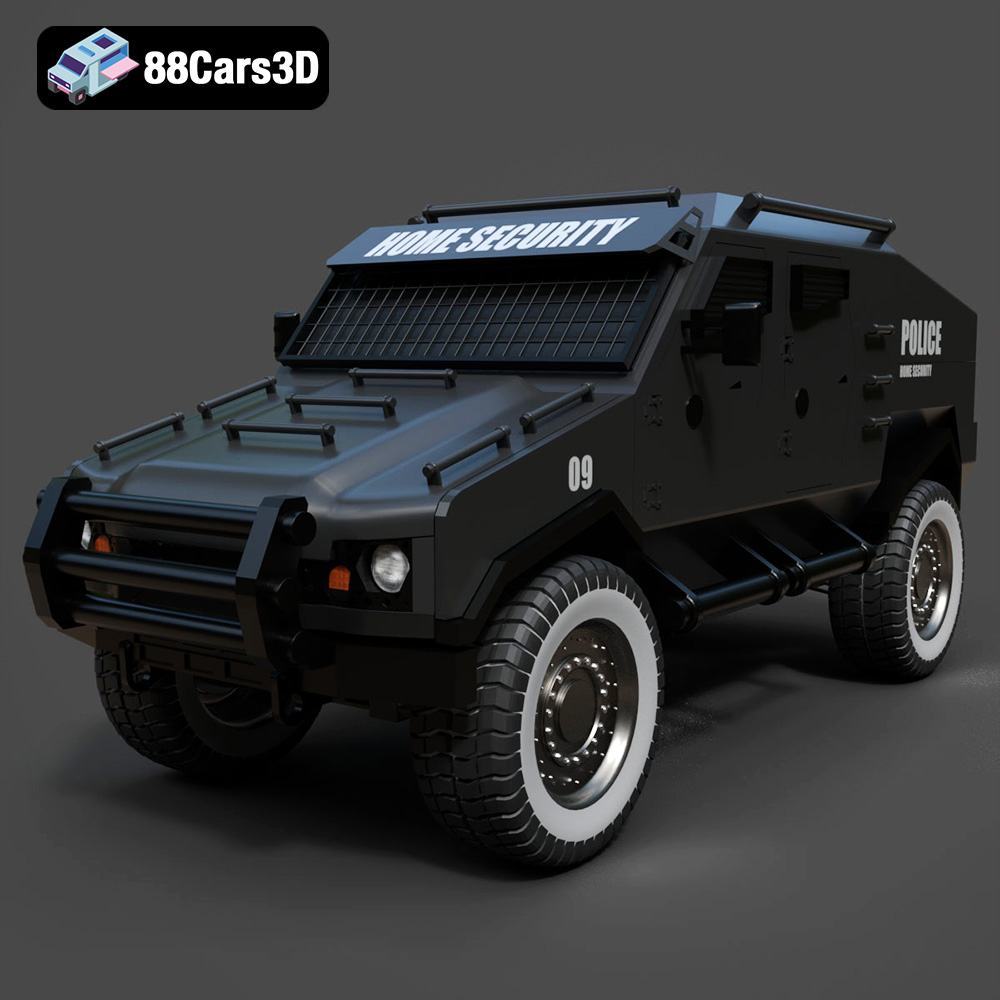
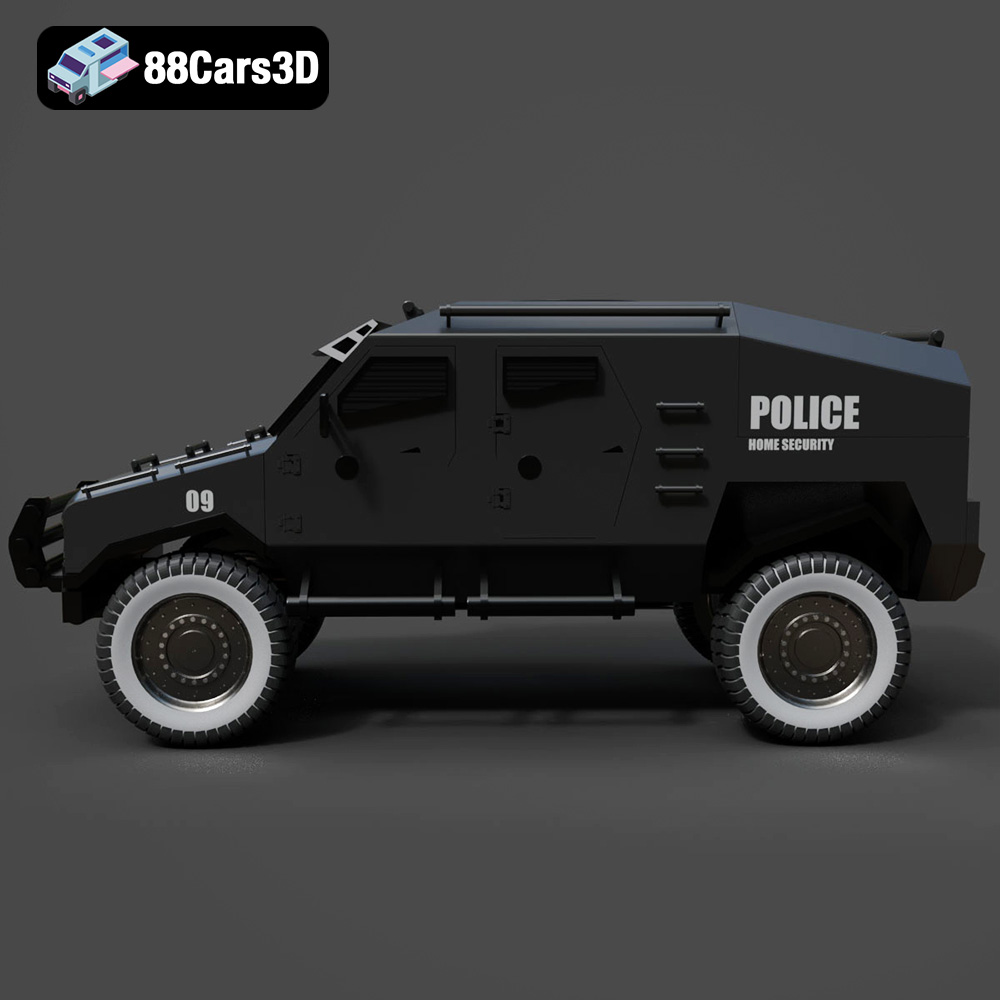
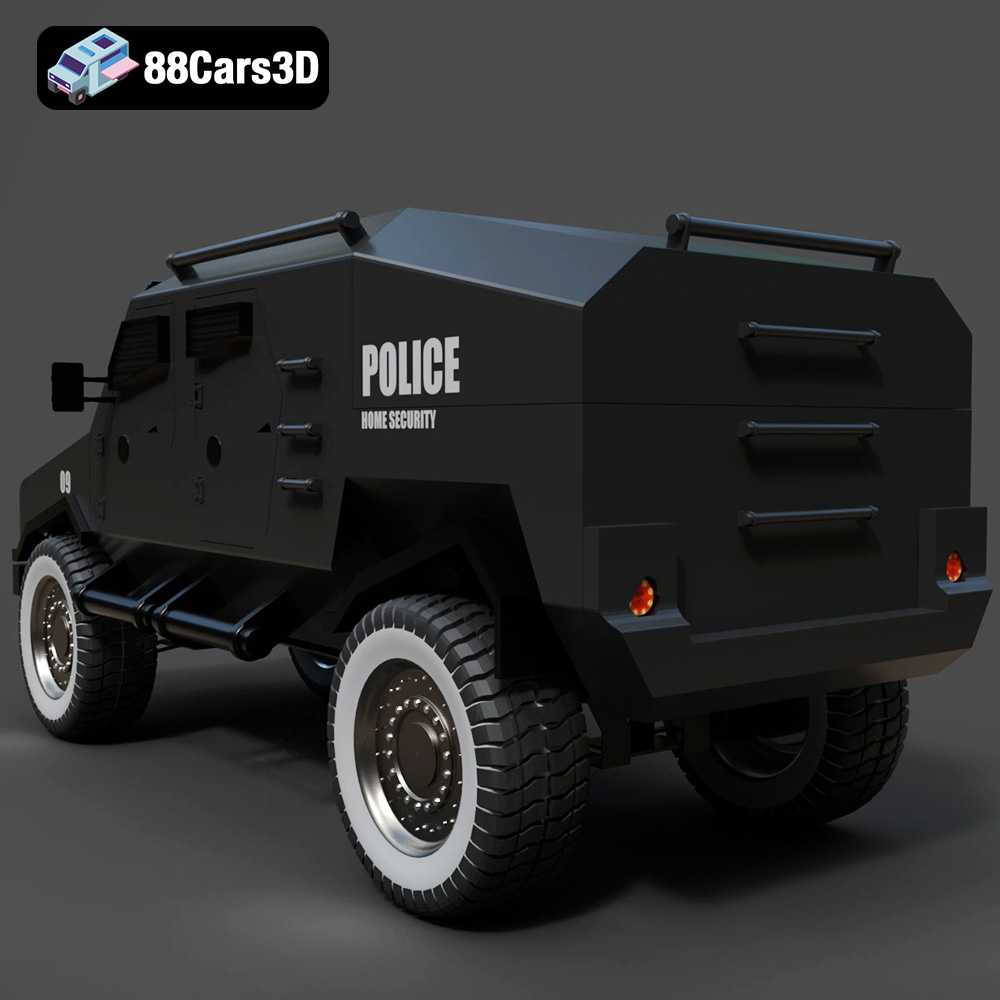
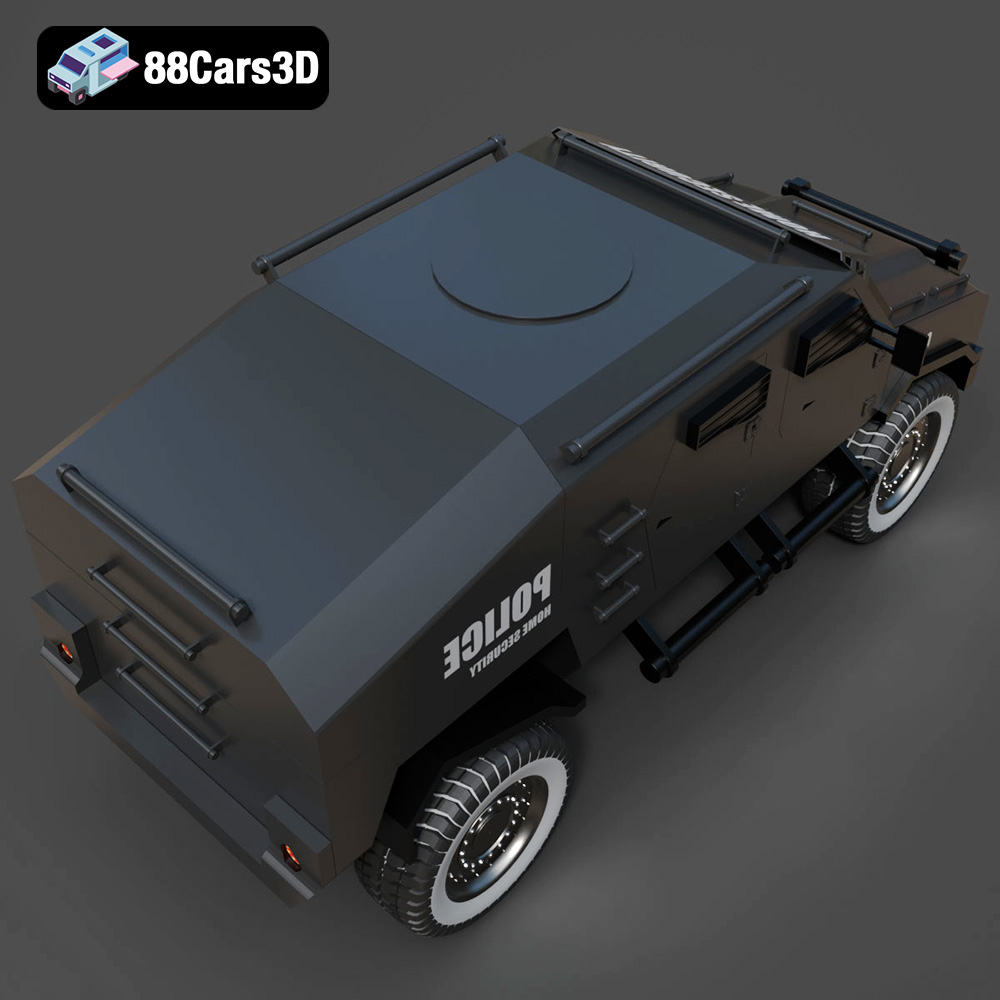
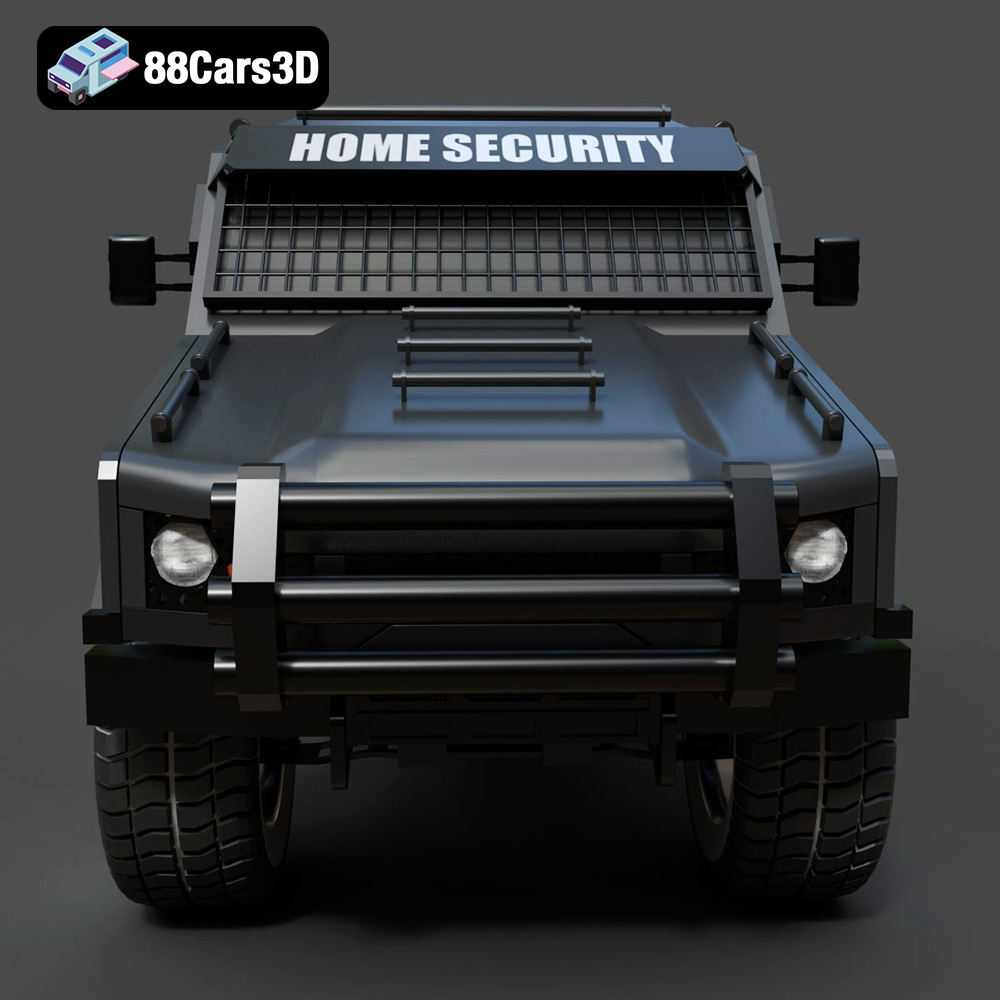
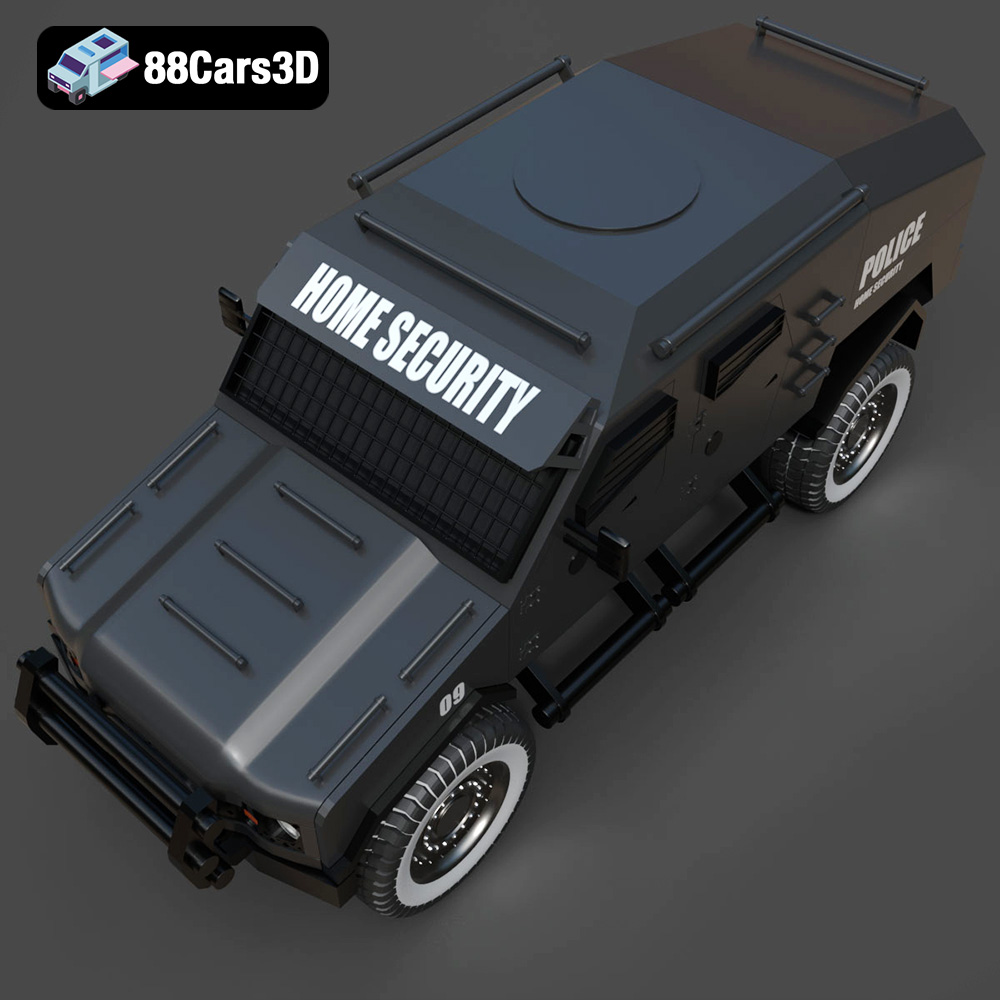
Discover the realism and precision of the Armoured Vehicle 001 3D Model. Engineered to exact standards, this digital asset accurately represents the rugged exterior and functional design inherent in modern tactical transport vehicles. Whether deployed in urban environments or off-road terrains, the attention to detail in the armor plating, heavy-duty suspension, and strategic window placements ensures an authentic visual experience. Built with clean geometry and a meticulously organized mesh, this 3D model features realistic materials and textures that elevate any digital scene. The professional-grade topology guarantees smooth performance without sacrificing visual fidelity. The model includes a fully crafted exterior and a detailed interior, giving creators the flexibility needed for close-up shots, dynamic animations, and interactive applications. This versatile asset is perfect for a wide range of applications, including game development, cinematic rendering, architectural visualization, and AR/VR experiences. It is fully optimized for real-time engines and offline renderers, ensuring seamless integration into your existing pipeline for military simulations, tactical training modules, or action-packed cinematic sequences. The Armoured Vehicle 001 3D Model is provided in multiple industry-standard file formats to suit any workflow: .blend – Editable Blender file with materials and lighting setup; .fbx – Game-engine ready format for Unreal Engine and Unity; .obj – Standard 3D model format compatible with all major software; .glb – Optimized for AR/VR and web-based visualization; .stl – Suitable for 3D printing and prototyping; .ply – Detailed polygon mesh for analysis and visualization; .unreal – Pre-configured for Unreal Engine use; .max – Editable 3ds Max file for rendering and animation.
$19.99
.armoredcar
.armoured
.arvr
.blend
.car3dmodel
.fbx
.gameasset
.glb
.max
.military
.obj
.ply
.rendering
.simulation
.stl
.tactical
.unreal
.vehicle001