Get 50% OFF All Premium 3D & STL Models!

In the rapidly evolving landscape of digital visualization, the demand for realistic and technically sound 3D assets has never been higher. From breathtaking cinematic sequences and immersive game environments to cutting-edge automotive design visualization and augmented reality experiences, the quality of a 3D model forms the bedrock of any successful project. For automotive enthusiasts and professionals alike, a meticulously crafted 3D car model is more than just an aesthetic component; it’s a versatile tool that drives innovation and elevates the standard of digital content.
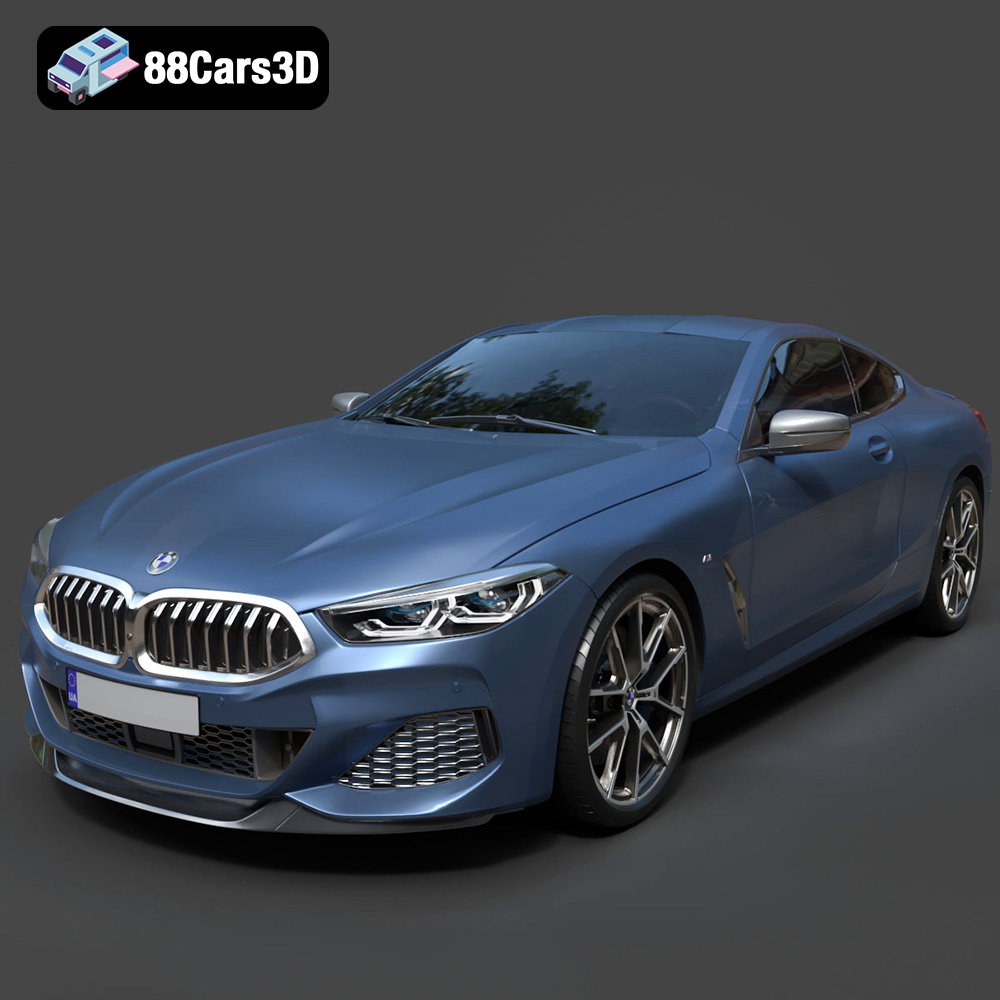
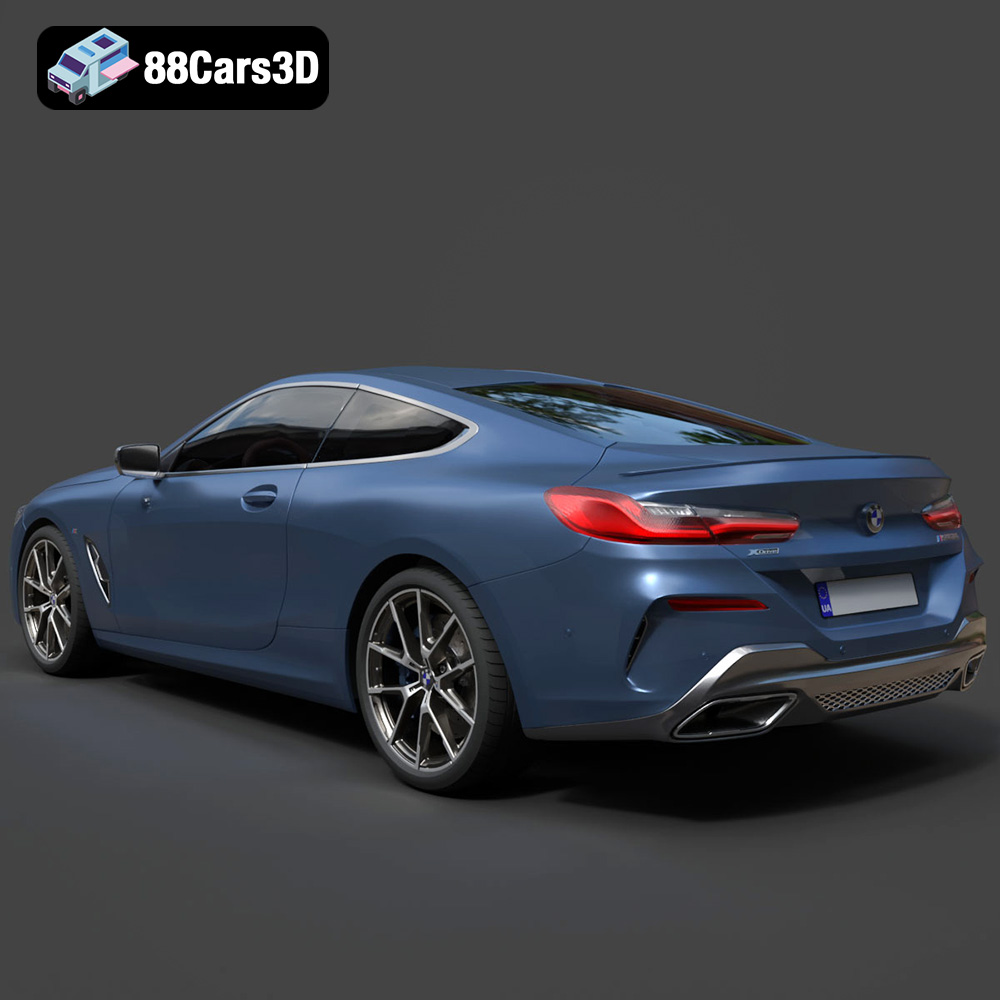
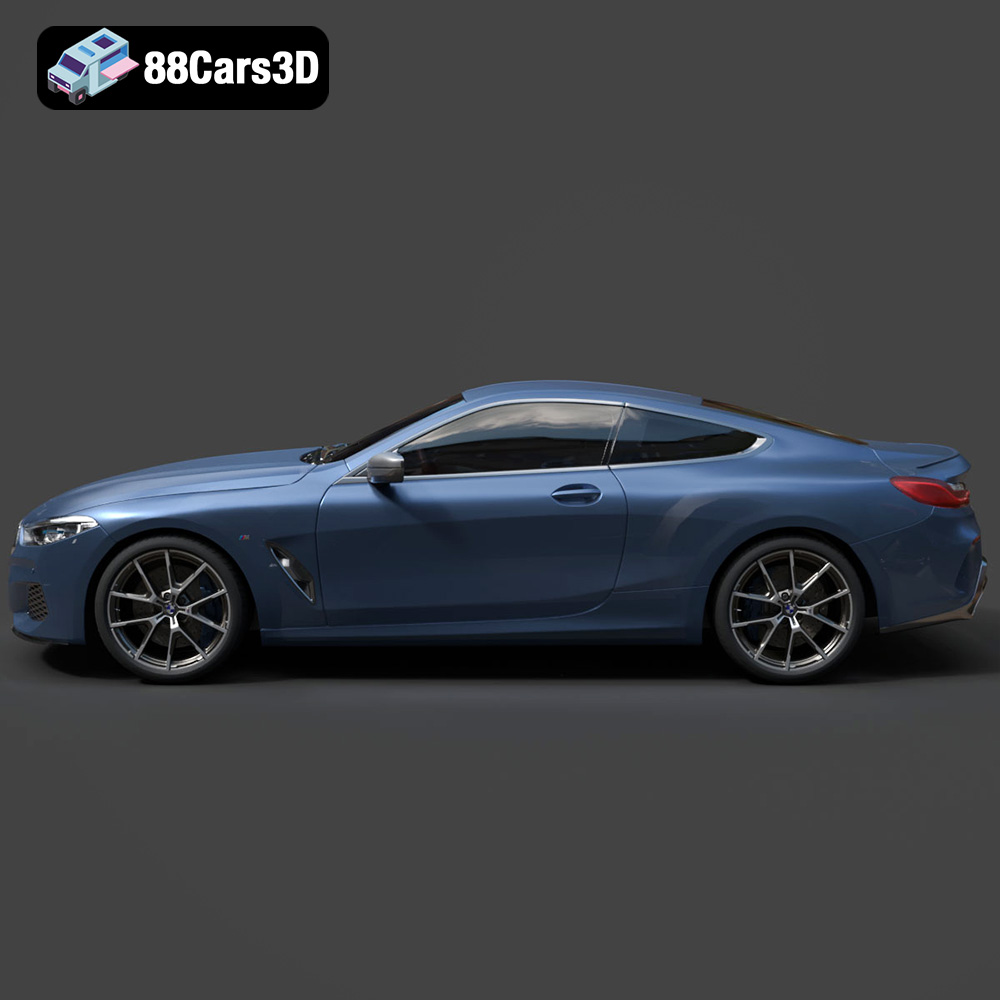
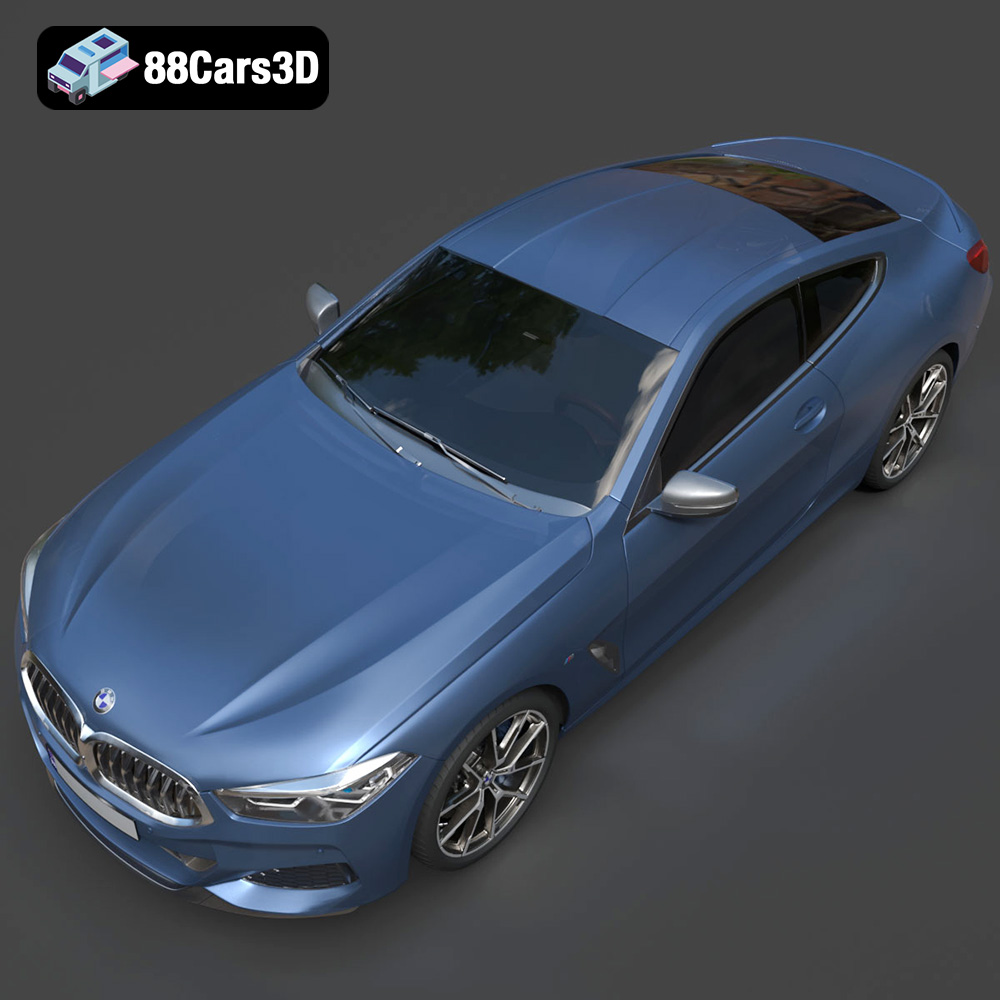
Imagine bringing the sleek lines and aggressive stance of a luxury sports coupe to life in a virtual studio, a high-octane racing game, or a groundbreaking AR configurator. This level of detail and versatility is precisely what the BMW 8-Series M850i G15 Coupe 2019 3D Model delivers. This exceptional asset stands as a testament to the blend of artistic skill and technical precision required to meet professional standards, making it an invaluable addition to any creative pipeline focused on producing stunning automotive rendering and compelling game assets.
The choice of a 3D model file format is far more than a minor technicality; it dictates compatibility, workflow efficiency, and the ultimate utility of an asset across various software and platforms. Professionals dealing with 3D car models must navigate a diverse ecosystem of formats, each optimized for specific tasks. Understanding these formats is crucial for maximizing the potential of a premium model like the BMW 8-Series M850i G15 Coupe 2019 3D Model.
The .blend format is Blender’s native file type, encapsulating an entire scene with all its components: geometry, materials (including PBR shaders), textures, lighting, cameras, animation data, and even physics simulations. Its primary advantage lies in its comprehensive nature, allowing for complete editability within Blender, a powerful and increasingly popular open-source 3D suite. When a 3D car model is provided as a .blend file, artists gain immediate access to a fully set up scene, ready for rendering or further modification. For the BMW 8-Series M850i G15 Coupe 2019 3D Model, the .blend file ensures that users can leverage Blender’s robust toolkit for custom renders, animations, or integration into larger Blender-based projects with minimal setup.
.fbx (Filmbox) is a proprietary format developed by Autodesk, serving as an industry-standard interchange format, particularly prevalent in game development and animation pipelines. Its strength lies in its ability to store not just geometry and materials, but also complex data such as skeletal animations, blend shapes, cameras, and lights, all in a single file. This makes .fbx ideal for transferring rigged characters, vehicles, and animated scenes between different 3D applications like Maya, 3ds Max, Cinema 4D, and game engines such as Unreal Engine and Unity. For a 3D car model, an .fbx file means it’s ready for immediate import into a game project, preserving hierarchy and basic material assignments, facilitating efficient workflow for creating game assets.
The .obj (Wavefront Object) format is one of the oldest and most widely supported 3D file formats. It’s an open, non-proprietary format that primarily stores geometric data – vertices, faces, normals, and UV coordinates. While it can reference external .mtl (material template library) files for basic material properties, it typically does not store complex PBR shaders, animation, or scene hierarchy. Its universality is its greatest asset, ensuring cross-software compatibility with virtually every 3D modeling application. For scenarios where only the mesh data of a 3D car model is needed for a clean slate in a new application, or for basic import, .obj remains a reliable choice. The BMW M850i as an .obj offers a foundational mesh for custom texturing or re-rigging in any software.
.glb is the binary version of glTF (Graphics Library Transmission Format), an open standard developed by the Khronos Group. Designed to be an efficient, compact format for the transmission and loading of 3D scenes and models in real-time applications, especially across the web, AR, and VR. A .glb file packages geometry, textures, materials (PBR support), and animations into a single self-contained binary file, making it incredibly easy to share and embed. It’s quickly becoming the go-to format for interactive 3D experiences in browsers and on mobile devices. Providing the BMW 8-Series M850i G15 Coupe 2019 3D Model in .glb signifies its readiness for immediate deployment in augmented reality applications or interactive web viewers, essential for modern product showcasing and visualization.
.stl (Stereolithography) is almost exclusively used for 3D printing. It represents a 3D model as a series of connected triangles, describing only the surface geometry of an object without color, texture, or other properties. While simple, its ubiquity in the 3D printing world makes it indispensable for rapid prototyping and physical model creation. For the BMW 8-Series M850i G15 Coupe 2019 3D Model, an .stl file allows designers to easily create physical scale models, test ergonomic concepts, or even produce custom parts, bridging the gap between digital design and tangible reality.
.ply (Polygon File Format or Stanford Triangle Format) is a file format for storing 3D data from 3D scanners, CAD applications, and other tools. It can store various properties beyond just geometry, including color, transparency, normals, texture coordinates, and even reliability information. While less common for general-purpose 3D assets than .fbx or .obj, .ply is excellent for precision mesh data, especially when dealing with scanned objects or models destined for detailed engineering analysis. For a car model, .ply could be used where highly accurate surface data is paramount for simulation or measurement.
The .unreal designation often refers to assets that have been specifically pre-configured and optimized for direct use within Unreal Engine. This typically means the asset has been imported, had its materials set up (often leveraging Unreal’s PBR workflow), LODs (Levels of Detail) generated, collision meshes created, and potentially blueprints or other engine-specific logic applied. An .unreal asset isn’t a single file like .fbx, but rather a collection of files within an Unreal project structure. The provision of the BMW 8-Series M850i G15 Coupe 2019 3D Model in an .unreal-ready format drastically accelerates development time for game developers and real-time visualization specialists, ensuring peak performance and visual quality within the engine.
Finally, the .max format is the native file type for Autodesk 3ds Max, a powerful 3D modeling, animation, and rendering software widely used in architectural visualization, product design, and cinematic production. Like .blend, a .max file contains an entire scene, including geometry, materials, textures, lighting, cameras, animation, and any modifiers or plugins used. For professionals working primarily in 3ds Max, having the BMW 8-Series M850i G15 Coupe 2019 3D Model as a .max file offers complete editability, allowing for sophisticated rendering setups using renderers like V-Ray or Corona, detailed animations, or seamless integration into complex architectural scenes. It provides the utmost flexibility for high-end rendering and animation tasks.
The inclusion of such a comprehensive array of formats for the BMW 8-Series M850i G15 Coupe 2019 3D Model underscores its versatility and value. It means that whether a project demands photorealistic stills, real-time interactivity, or even physical prototyping, this single asset is equipped to meet those diverse technical requirements, truly embodying the concept of professional-grade 3D car models.
Photorealistic automotive rendering is an intricate discipline, blending artistic vision with technical mastery. It’s about more than just a pretty picture; it’s about conveying the tactile sensation of polished metal, the subtle imperfections of painted surfaces, and the way light dances across complex curves. High-quality 3D car models are essential for this pursuit.
The foundation of photorealism lies in Physically Based Rendering (PBR) materials. These materials simulate how light interacts with surfaces in the real world, based on properties like albedo (base color), metallicness, roughness, normal maps, and ambient occlusion. For a luxury vehicle like the BMW 8-Series M850i, achieving accurate PBR materials means meticulously crafting textures that mimic the car’s exterior paint, interior leather, carbon fiber accents, and various metallic components. The 88cars3d.com model comes with realistic materials, indicating careful attention to these PBR principles, ensuring that the car’s surfaces react authentically to light, whether in a studio setup or an outdoor environment.
Even the most perfect 3D model will fall flat without compelling lighting. Automotive renders often utilize High Dynamic Range Images (HDRIs) for realistic environmental lighting, providing complex reflections and natural global illumination. Studio lighting setups, employing virtual light sources and reflectors, are crucial for showcasing specific design features and creating dramatic compositions. Integrating the BMW 8-Series M850i G15 Coupe 2019 3D Model into such environments allows artists to highlight its aggressive styling and sleek proportions, making it suitable for high-impact marketing visuals, configurators, or even cinematic introductions.
In game development and real-time visualization, performance is paramount. While cinematic renders can afford extremely high poly counts and complex shaders, game assets must be meticulously optimized to run smoothly across various hardware while maintaining visual fidelity. This requires a different approach to asset creation and implementation.
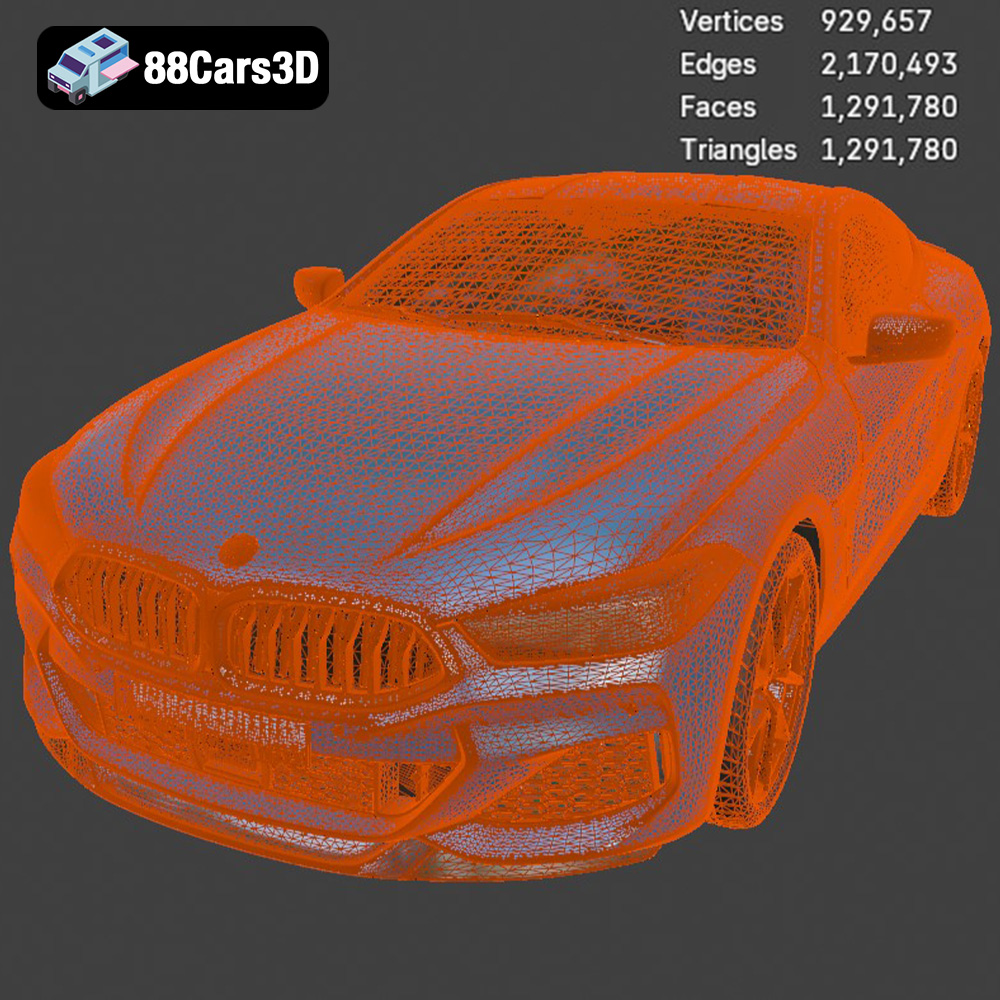
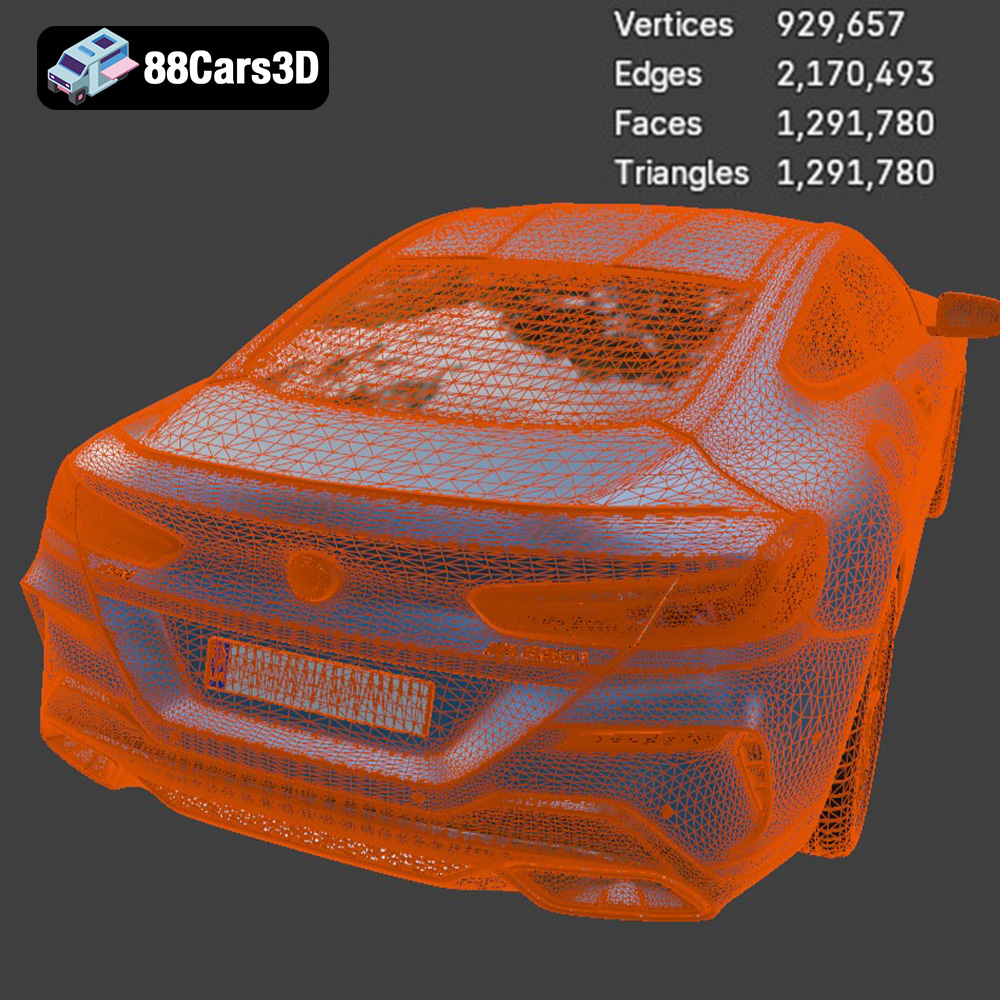
One of the primary challenges in game development is managing polygon count. A high-fidelity 3D car model, initially designed for rendering, often needs to be optimized for real-time engines. This involves judiciously reducing polygon count without sacrificing critical details. Furthermore, Levels of Detail (LODs) are crucial. LODs are simplified versions of the model that swap in as the camera moves further away, significantly reducing rendering overhead. The BMW 8-Series M850i G15 Coupe 2019 3D Model, described as having “optimized polygon distribution,” suggests it’s built with an eye toward efficient real-time performance, a key factor for creating compelling game assets.
Efficient UV mapping is vital for game assets. Clean, non-overlapping UVs are necessary for baking texture maps (like ambient occlusion or normal maps) and for effective texture atlasing. Texture atlases combine multiple textures into a single image, reducing draw calls and improving performance. For game-engine ready formats like .fbx and .unreal, the BMW 8-Series M850i G15 Coupe 2019 3D Model would have its UVs carefully laid out, allowing game developers to apply optimized PBR texture sets that contribute to its realistic appearance without taxing the GPU. This attention to detail ensures the model looks stunning even in a demanding real-time environment.
The utility of high-quality 3D car models extends far beyond traditional screens. Augmented Reality (AR), Virtual Reality (VR), and 3D printing represent exciting frontiers where precise digital assets play a transformative role.
AR and VR offer unprecedented ways to interact with 3D models. Imagine placing the BMW 8-Series M850i G15 Coupe 2019 in your driveway via an AR app, or exploring its interior in a fully immersive VR experience. These applications demand models that are not only visually appealing but also highly optimized for real-time performance on mobile devices or VR headsets. The .glb format, specifically mentioned for the BMW model, is a powerful enabler for such experiences, offering a compact, web-friendly, and PBR-ready solution. This makes it ideal for virtual showrooms, interactive product configurators, or engaging marketing campaigns that leverage spatial computing.
3D printing bridges the gap between the digital and physical realms. While 3D printing doesn’t require complex materials or lighting, it demands watertight, manifold geometry to ensure a successful print. The .stl format provided for the BMW 8-Series M850i G15 Coupe 2019 3D Model makes it ready for this process. Designers can use this to create scaled prototypes, visualize ergonomic details, or even produce custom aftermarket parts for real vehicles. This capability highlights the holistic value of a comprehensive 3D asset package – it serves not only visual projects but also practical manufacturing and prototyping needs.
For individuals and studios, time is a precious commodity. Creating a highly detailed 3D car model from scratch, especially one as intricate as the BMW 8-Series M850i G15 Coupe 2019, can consume hundreds of hours. This is where pre-made, professional-grade assets become indispensable, streamlining production and freeing up valuable resources for other creative endeavors.
Purchasing a ready-to-use 3D model significantly reduces development cycles. Instead of spending weeks on modeling, UV unwrapping, and initial texturing, artists can immediately jump into lighting, rendering, animating, or integrating the model into their game engine. The “clean geometry and optimized polygon distribution” of the BMW 8-Series M850i G15 Coupe 2019 3D Model ensures that it’s not just a beautiful asset, but one that is technically sound and ready for integration without extensive cleanup, saving countless hours and ensuring a smoother workflow for high-quality automotive rendering.
A truly professional 3D asset provides flexibility. The extensive list of formats – .blend, .fbx, .obj, .glb, .stl, .ply, .unreal, and .max – offered for the BMW 8-Series M850i G15 Coupe 2019 3D Model caters to virtually every imaginable professional scenario. This means a single purchase can support multiple projects across different software and platforms, from high-end cinematic renders in 3ds Max to real-time game assets in Unreal Engine, and even AR/VR experiences via .glb. This versatility is a hallmark of the premium 3D car models available at 88cars3d.com, ensuring that professionals have the right tool for every job.
The digital realm thrives on precision, detail, and efficiency. Whether you’re an automotive designer visualizing a new concept, a game developer crafting an immersive racing experience, or a marketing professional creating a compelling product showcase, the foundation of your success lies in the quality of your 3D assets. The BMW 8-Series M850i G15 Coupe 2019 3D Model exemplifies what a truly professional 3D car model can offer: unparalleled realism, technical robustness across multiple file formats, and versatility for a vast array of applications including automotive rendering, game development, AR/VR, and 3D printing.
Investing in such a high-fidelity asset from 88cars3d.com not only elevates the visual standard of your projects but also streamlines your workflow, allowing you to focus on creative expression rather than technical obstacles. Embrace the power of expertly crafted 3D car models to bring your digital visions to life with stunning realism and efficiency.
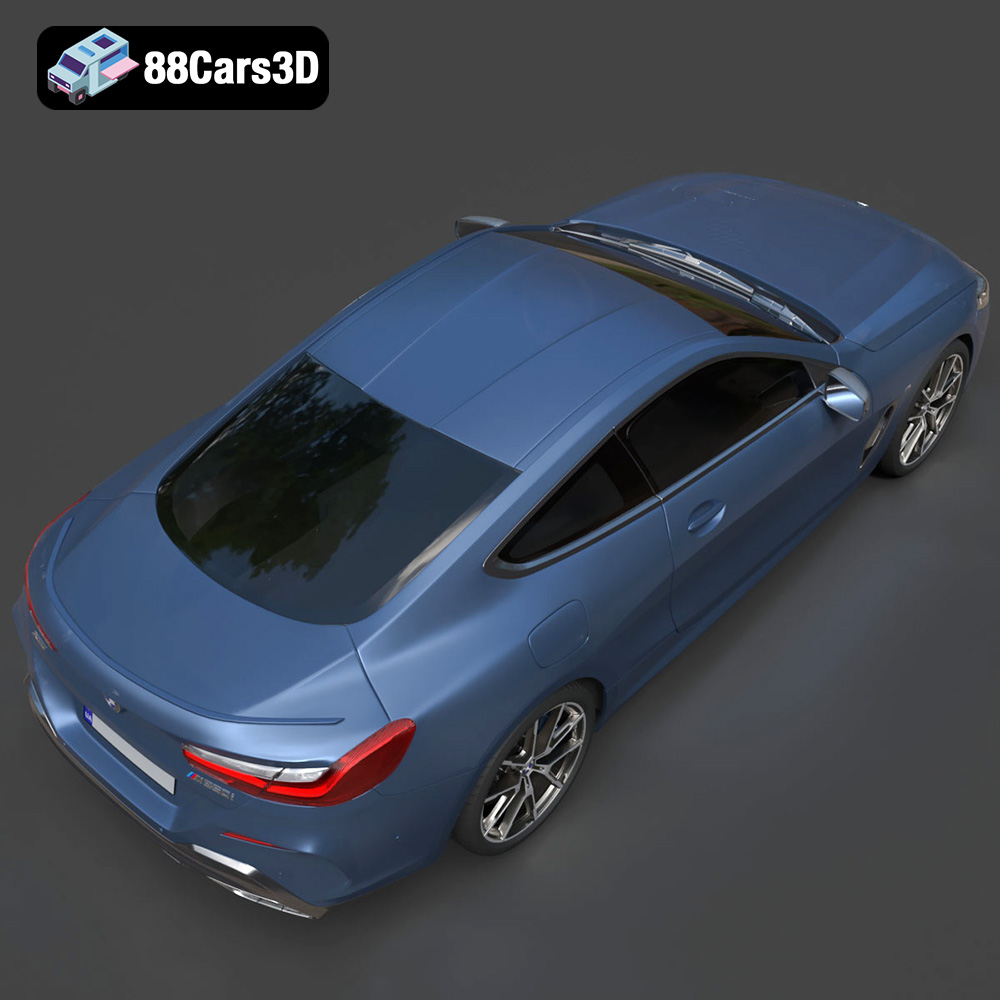
Experience unparalleled realism with the BMW 8-Series M850i G15 Coupe 2019 3D Model. Designed to meet professional standards, this model captures the sleek proportions and aggressive styling of the iconic luxury sports coupe, ensuring exceptional visual fidelity for any digital project. Built with clean geometry and optimized polygon distribution, the model guarantees smooth subdivisions and excellent performance. It features realistic materials and intricate detailing, making it ideal for close-up shots and demanding environments. This versatile 3D asset is perfectly suited for a wide range of applications, including game development, cinematic rendering, AR/VR experiences, and automotive visualization.
$19.99
.8series
.arvr
.blend
.bmw
.car3dmodel
.coupe
.fbx
.g15
.gameasset
.glb
.luxurycar
.m850i
.max
.obj
.ply
.rendering
.simulation
.sportsCar
.stl
.unreal