Get 50% OFF All Premium 3D & STL Models!

In the rapidly evolving landscape of digital content creation, the demand for highly realistic and technically sound 3D assets has never been greater. From cinematic blockbusters and cutting-edge video games to sophisticated architectural visualizations and immersive AR/VR experiences, the authenticity of a digital environment often hinges on the quality of its individual components. Among these, 3D car models stand out as particularly challenging and crucial assets, embodying a complex blend of intricate design, precise engineering, and luxurious aesthetics.
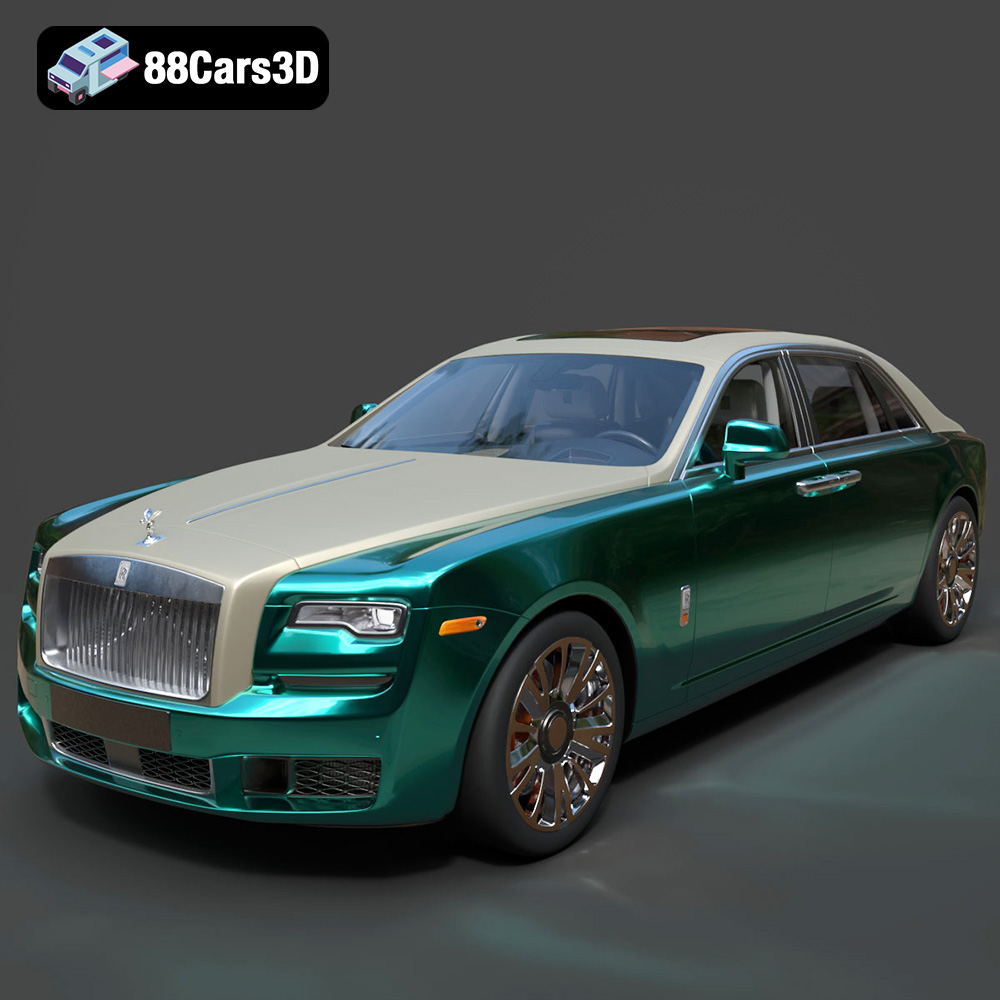
Today, creators require models that not only look stunning but are also built to professional standards, ensuring seamless integration and optimal performance across diverse platforms. This meticulous attention to detail is precisely what defines a premium asset like the Rolls-Royce Ghost EWB 3D Model. Capturing the imposing presence and refined aesthetics of this legendary extended wheelbase vehicle, such a model offers unparalleled digital luxury, making it a cornerstone for any serious digital collection or professional pipeline.
But what exactly goes into making a 3D car model truly exceptional, and how can professionals leverage these assets to push the boundaries of their projects? This comprehensive guide delves into the technical intricacies, workflow considerations, and diverse applications of high-quality 3D car models, illustrating why assets like those found on 88cars3d.com are indispensable for achieving digital excellence.
Creating a believable 3D car model is a fusion of artistic vision and rigorous technical execution. It demands an understanding of industrial design, material science, and computational geometry to translate a real-world masterpiece into a digital twin.
The journey begins with capturing the essence of the vehicle. For a car like the Rolls-Royce Ghost EWB, this means meticulously referencing blueprints, photographic data, and real-world dimensions. Every curve, panel gap, and design element must be faithfully recreated. This precision extends beyond the exterior to the fully modeled interior, where dashboard layouts, seating upholstery, stitching details, and trim materials are all rendered with exacting accuracy. This level of fidelity ensures that whether viewed from a distance or in a close-up, the digital model holds up to scrutiny, offering an immersive experience that mirrors reality.
High-fidelity 3D car models are not just for eye candy; they are integral to various stages of the automotive industry itself. From initial concept visualization, where designers can iterate on forms and features virtually, to engineering simulations that test aerodynamics and crash safety, 3D models provide invaluable insights. Furthermore, they are crucial for marketing and sales, enabling the creation of photorealistic configurators, interactive showcases, and compelling advertising campaigns long before a physical prototype exists. The demand for assets that are “built to professional standards” and feature “clean geometry and optimized topology” stems directly from these rigorous industry requirements.
The versatility of a 3D model is often defined by the range and quality of its supported file formats. Each format serves a specific purpose, catering to different software environments, application types, and workflow stages. A truly comprehensive package, such as the Rolls-Royce Ghost EWB 3D Model, provides a suite of options to ensure maximum compatibility and utility.
The provision of this comprehensive suite of file formats for the Rolls-Royce Ghost EWB 3D Model underscores its professional-grade design, catering to virtually any creative or technical pipeline imaginable.
The availability of such a versatile and detailed asset opens up a myriad of opportunities across various professional sectors. From enhancing visual presentations to creating immersive digital worlds, the applications are extensive.
Imagine a photorealistic architectural rendering of a luxury residence. Placing a Rolls-Royce Ghost EWB 3D Model in the driveway or garage instantly elevates the scene, adding a layer of realism, aspiration, and scale. For product marketing, these models are invaluable. They allow automotive brands or luxury product companies to create stunning digital campaigns, interactive configurators, and virtual showrooms without the need for expensive photoshoots or physical vehicles. The model’s “realistic materials” and “fully modeled interior and exterior” are critical here, ensuring every reflection and surface accurately contributes to a compelling visual narrative.
In the realm of game development, high-quality 3D car models are central to creating immersive racing simulations, open-world environments, or even cinematic cutscenes. While raw, highly detailed models often require optimization for real-time performance, starting with a clean, professional-grade asset simplifies the process. The “game-engine ready format for Unreal Engine and Unity” included with the Rolls-Royce Ghost EWB 3D Model signifies that much of this optimization work is already considered, reducing development time and ensuring a high visual standard for players. This allows developers to focus on gameplay mechanics and interactivity rather than tedious asset cleanup.
Augmented Reality (AR) and Virtual Reality (VR) are transforming how we interact with digital content. A 3D car model, especially one optimized for formats like .glb, becomes a powerful tool for these platforms. Car dealerships could offer AR apps allowing customers to “place” a virtual Rolls-Royce Ghost EWB in their driveway, explore its interior, and customize options in real-time. VR experiences could provide fully interactive test drives or detailed tours of the vehicle’s features, offering a level of engagement previously unattainable. The model’s “optimized topology” is crucial for maintaining smooth frame rates in these interactive, performance-sensitive environments.
Beyond the aesthetic appeal, the true value of a professional 3D car model lies in its underlying technical construction. Factors like geometry, materials, and optimization techniques dictate how well the model performs and integrates into different pipelines.
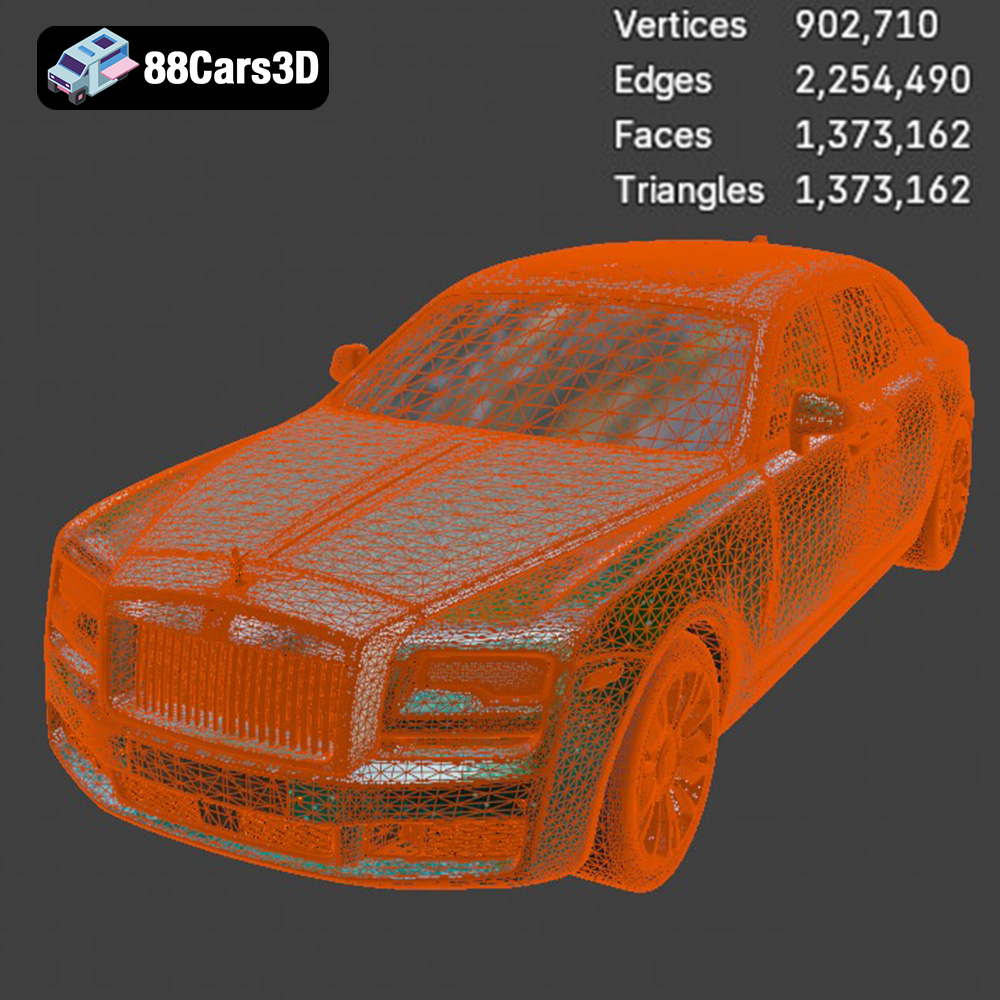
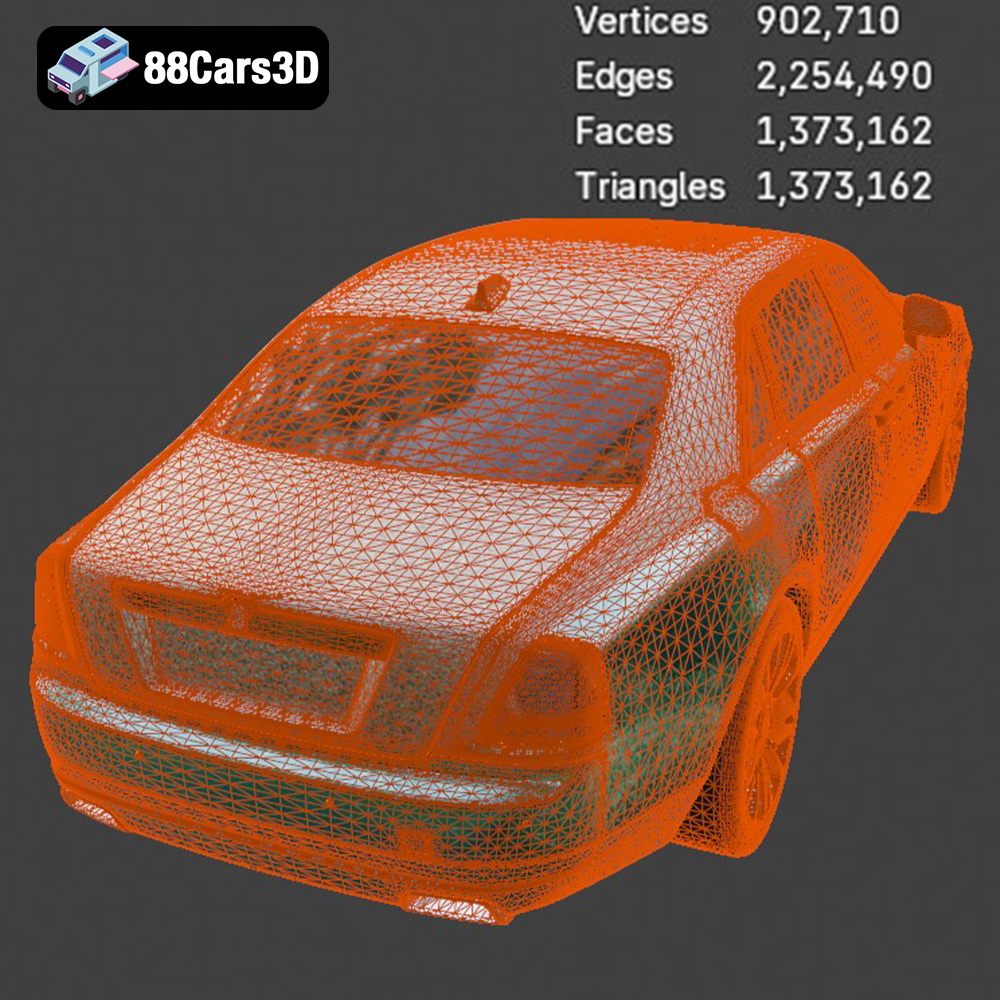
Clean geometry and optimized topology are non-negotiable for high-quality 3D models. “Clean geometry” refers to a mesh free of errors like overlapping faces, non-manifold edges, or flipped normals, which can cause rendering artifacts and issues during animation or simulation. “Optimized topology” means the mesh has a logical and efficient flow of polygons, primarily composed of quads (four-sided polygons), facilitating smooth deformation, accurate Subdivision Surface modeling, and efficient UV unwrapping. For a complex subject like a car, this often involves strategic edge loops around details like panel lines, headlights, and door frames, ensuring crisp detail without excessive poly counts in flat areas. While the Rolls-Royce Ghost EWB 3D Model is highly detailed, its underlying structure is designed for efficiency, allowing it to perform “flawlessly” in demanding visual projects.
Realistic materials are paramount for conveying the luxury and craftsmanship of a vehicle. This involves using Physically Based Rendering (PBR) workflows, where materials are defined by properties like base color (albedo), roughness, metallic, normal maps, and ambient occlusion. These maps mimic how light interacts with real-world surfaces, ensuring accurate reflections, sheen, and texture. Effective UV mapping is crucial for applying these textures without distortion. This involves unwrapping the 3D model’s surface into a 2D layout, ensuring adequate texture density and minimal seams. The Rolls-Royce Ghost EWB 3D Model comes “fully equipped with realistic materials,” signifying that this intricate work has been completed to a high standard, accurately reflecting the premium finishes of the physical car.
For game development and real-time applications, managing performance is key. Highly detailed models, while visually stunning up close, can overwhelm a game engine when viewed from a distance. This is where Level of Detail (LOD) comes into play. LODs are simplified versions of the same model that are swapped in and out based on the camera’s distance from the object. A premium 3D car model often includes multiple LODs or is built with a topology that facilitates easy LOD generation. This ensures that visual fidelity is maintained where it matters most (close-up) while minimizing computational overhead for objects further away, guaranteeing smooth frame rates in interactive experiences.
To further illustrate the impact of high-quality 3D car models, let’s explore some hypothetical yet entirely plausible real-world scenarios.
A leading automotive design firm is conceptualizing a new luxury sedan. Instead of costly physical clay models, they integrate a highly detailed 3D chassis and interior model, similar to the Rolls-Royce Ghost EWB 3D Model, into their virtual design pipeline. Designers can rapidly iterate on exterior paneling, headlight designs, and interior configurations in a real-time virtual environment, using VR headsets for immersive reviews. Engineers can then take these designs, perform aerodynamic simulations, and stress-test components, all within a digital space. This reduces development cycles and significantly lowers prototyping costs.
A luxury lifestyle brand wants to launch a global marketing campaign featuring a sophisticated vehicle. Instead of shipping a physical car to multiple photoshoot locations worldwide, they license a premium 3D car model. This asset is then rendered in various virtual environments – a sprawling desert landscape, a chic urban street, a futuristic cityscape – with precise lighting and camera angles tailored for print, web, and broadcast. The result is a series of visually consistent, breathtaking advertisements that would be prohibitively expensive and logistically complex to achieve with physical photography, all thanks to the flexibility of a high-fidelity 3D asset.
An elite chauffeur service is developing a virtual reality training program for its drivers. Using a highly detailed 3D model of a luxury sedan, complete with a fully functional interior, they create a VR simulation. New recruits can practice navigating complex routes, familiarizing themselves with the vehicle’s controls, and simulating passenger interactions in a safe, controlled digital environment. The realism provided by the 3D model’s interior and exterior detail is crucial for creating an effective and believable training experience, improving driver proficiency before they even step into a real vehicle.
The true power of a versatile 3D model like the Rolls-Royce Ghost EWB 3D Model lies in its seamless integration with industry-standard software. Here’s how professionals leverage its various formats within popular creative pipelines.
For users of 3ds Max, the included .max file is a goldmine. It allows artists to open the model directly in a familiar environment, with all materials, textures, and potentially lighting setups pre-configured. Professionals can then:
Blender artists benefit immensely from the .blend file. This provides full access to the model’s structure within Blender’s native ecosystem, allowing for:
The .unreal and .fbx formats are specifically tailored for real-time applications, making the Rolls-Royce Ghost EWB 3D Model an excellent asset for Unreal Engine developers:
The sheer volume of 3D assets available online can be overwhelming. Knowing what to look for is paramount, especially when investing in premium models for professional work.
Always prioritize quality. A cheap, low-detail model might seem appealing, but it often comes with messy geometry, poor UVs, and substandard materials, requiring significant cleanup and optimization time – ultimately costing more in labor. High-quality 3D car models, like those available on 88cars3d.com, ensure that you start with a solid foundation. Look for “meticulous attention to detail,” “clean geometry,” “optimized topology,” and “realistic materials” as indicators of a professional asset that will save you time and elevate your final output.
A versatile model is one that can adapt to different projects and pipelines. The inclusion of a “comprehensive suite of file formats” is a strong indicator of this versatility. It means the model has been prepared with various use cases in mind, from high-end rendering to real-time interactive experiences. Additionally, considering where you source your models is important. Reputable marketplaces provide professional assets with clear descriptions and often offer support, ensuring you can integrate your purchase smoothly into your workflow.
The Rolls-Royce Ghost EWB 3D Model is a prime example of an asset that meets these high standards, providing a robust and flexible solution for a wide array of digital endeavors.
The digital realm continues to expand its boundaries, and with it, the need for exceptional 3D assets becomes more critical than ever. High-quality 3D car models are not merely decorative elements; they are powerful tools that drive innovation in design, elevate marketing efforts, and create immersive experiences across various industries. From their intricate technical construction and versatile file formats to their seamless integration into professional workflows like those in 3ds Max, Blender, and Unreal Engine, these assets represent a vital investment for any serious digital creator.
The Rolls-Royce Ghost EWB 3D Model stands as a testament to what a premium 3D asset should be: a meticulously crafted, technically robust, and highly versatile tool. Whether your ambition is to render a cinematic masterpiece, develop an engaging game, visualize an architectural marvel, or build an interactive AR/VR experience, starting with an asset of this caliber ensures a foundation of unparalleled realism and performance. For those seeking to infuse their projects with a touch of digital luxury and professional-grade quality, exploring the exquisite collection of 3D car models available at 88cars3d.com is an excellent next step.
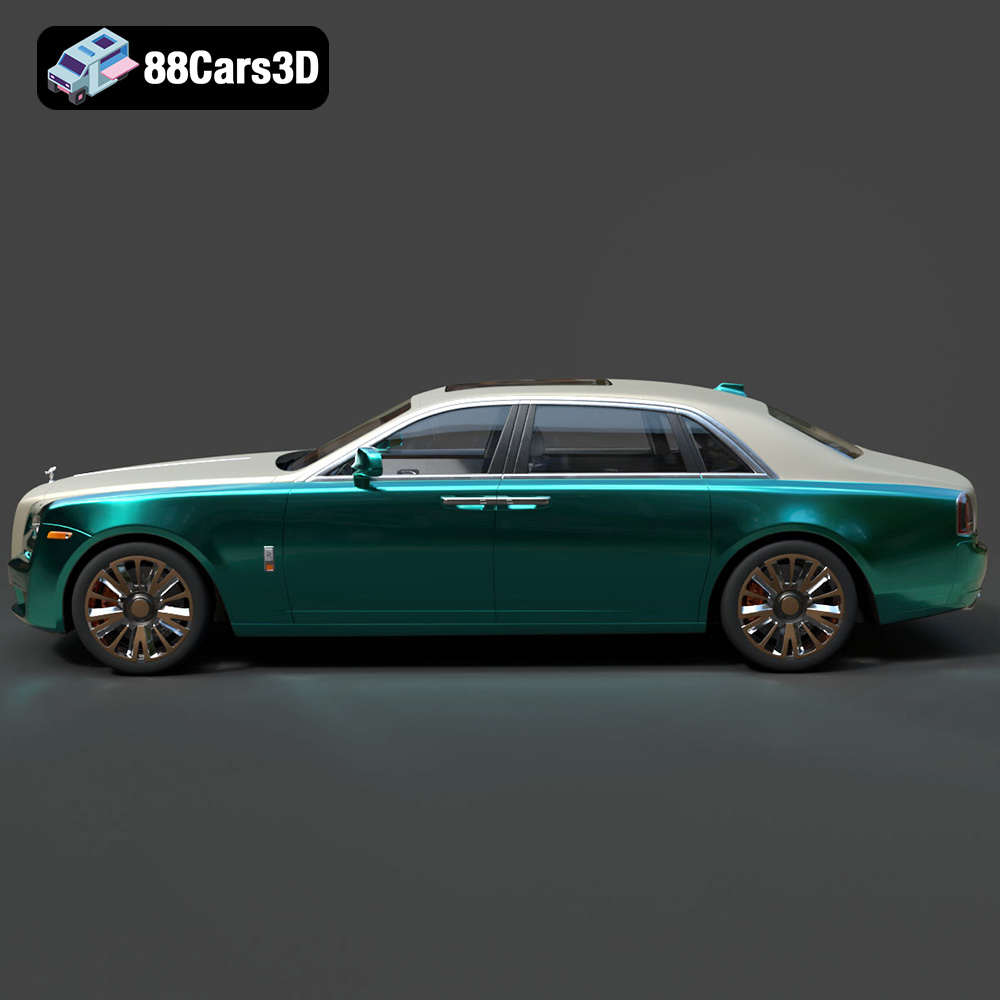
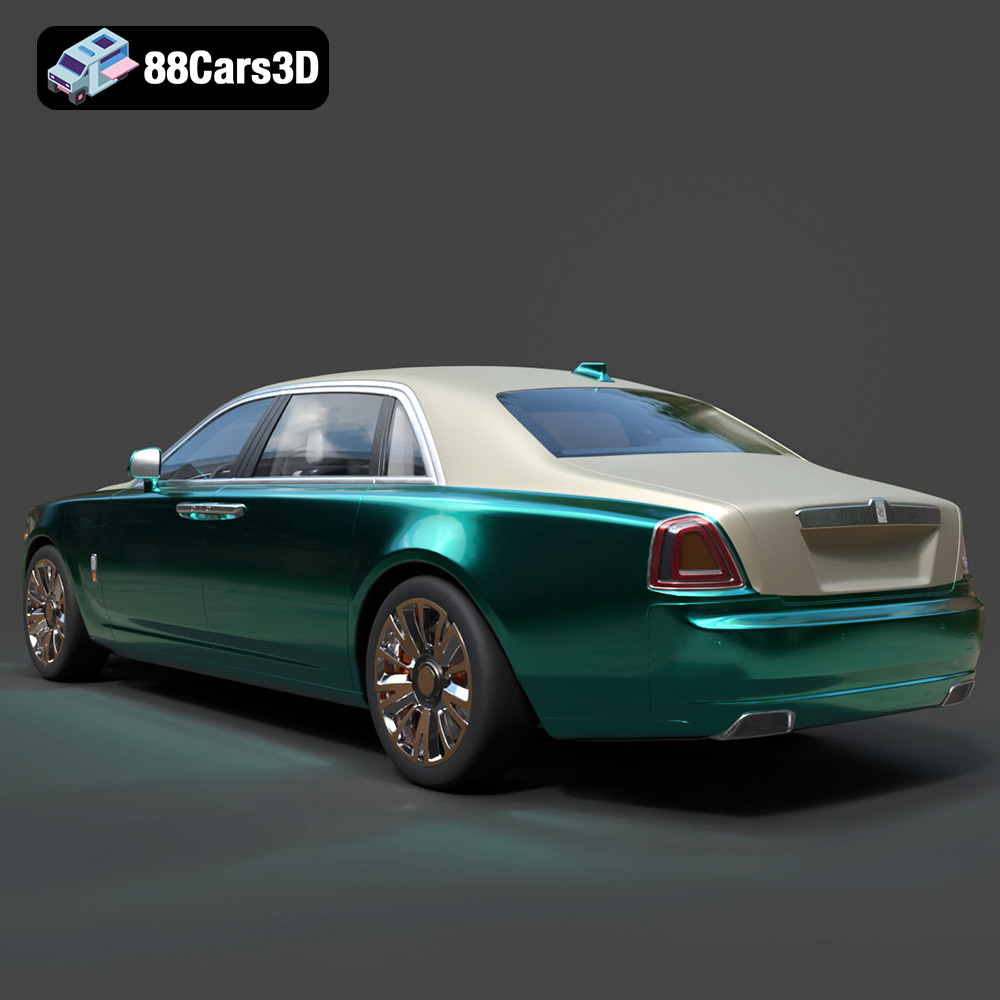
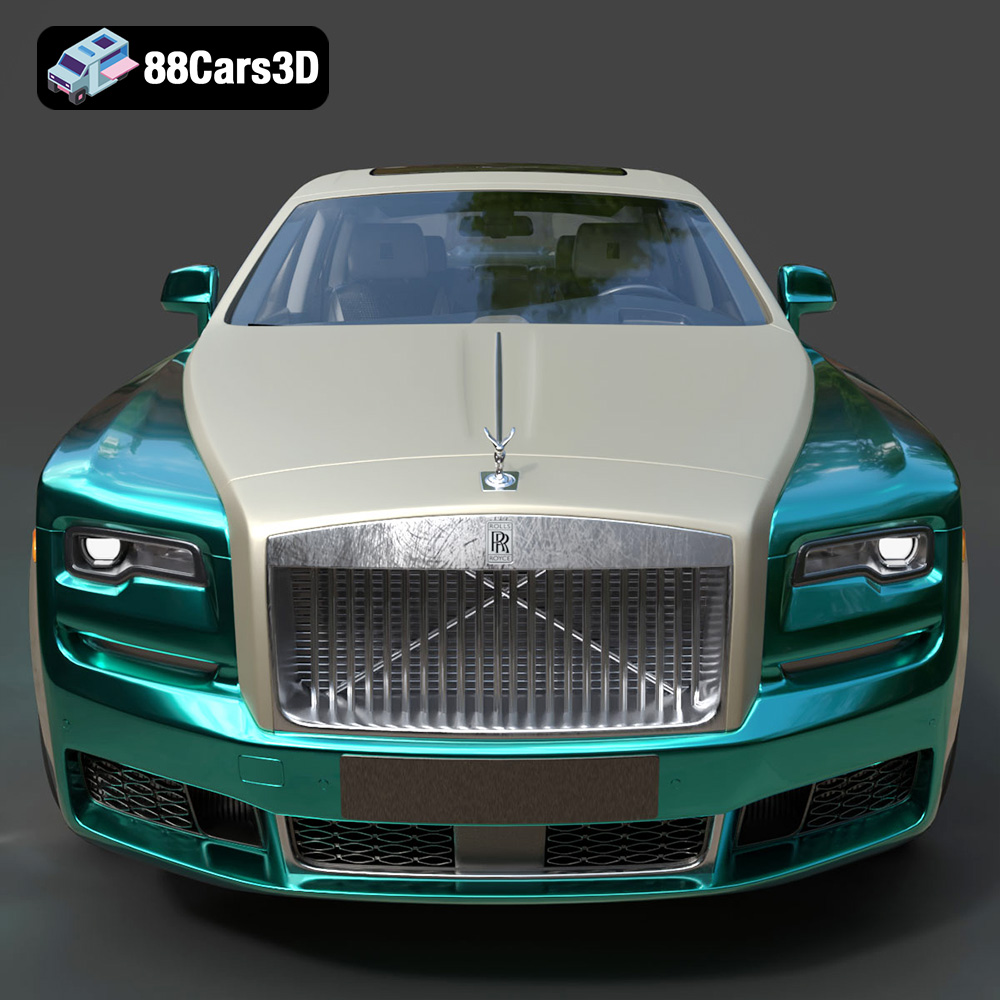
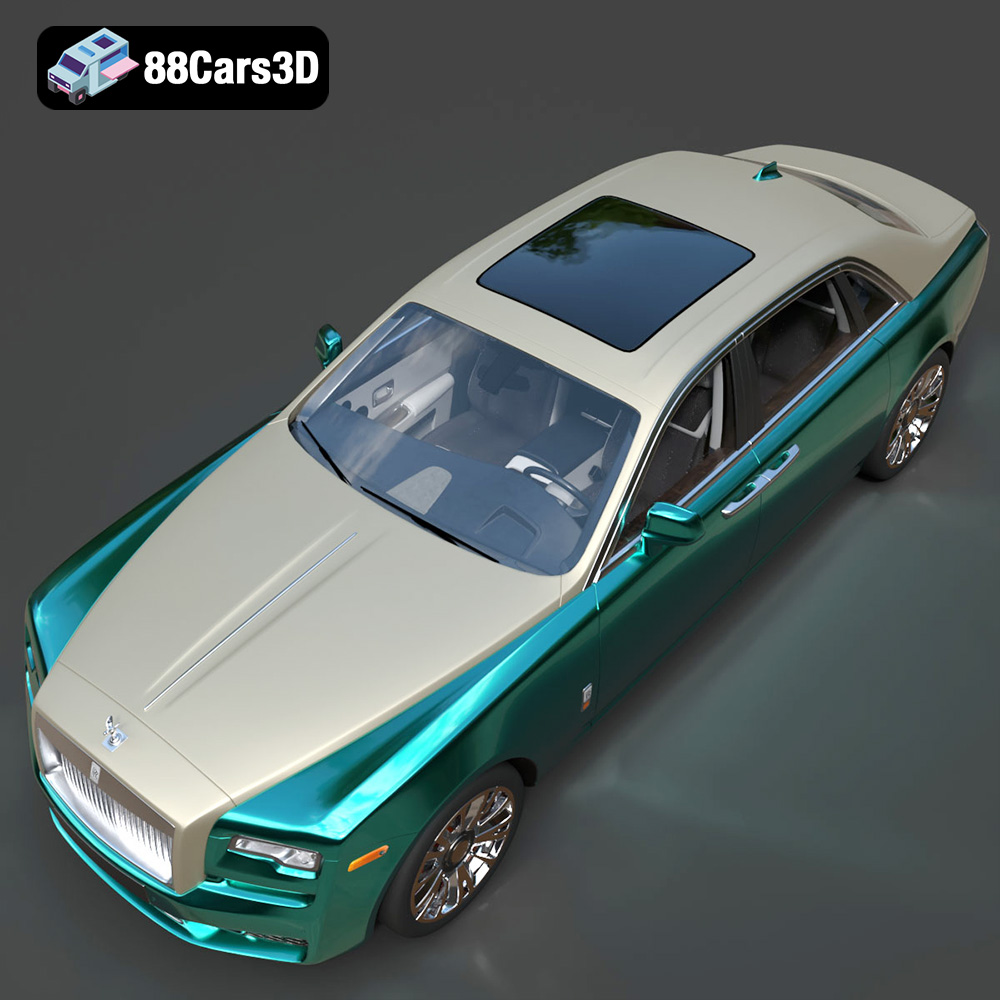
Experience unparalleled digital luxury with the Rolls-Royce Ghost EWB 3D Model. This exceptionally detailed replica captures the imposing presence and refined aesthetics of the renowned extended wheelbase vehicle. Designed with meticulous attention to detail, this asset delivers remarkable realism, making it a perfect addition to any digital collection or professional pipeline.
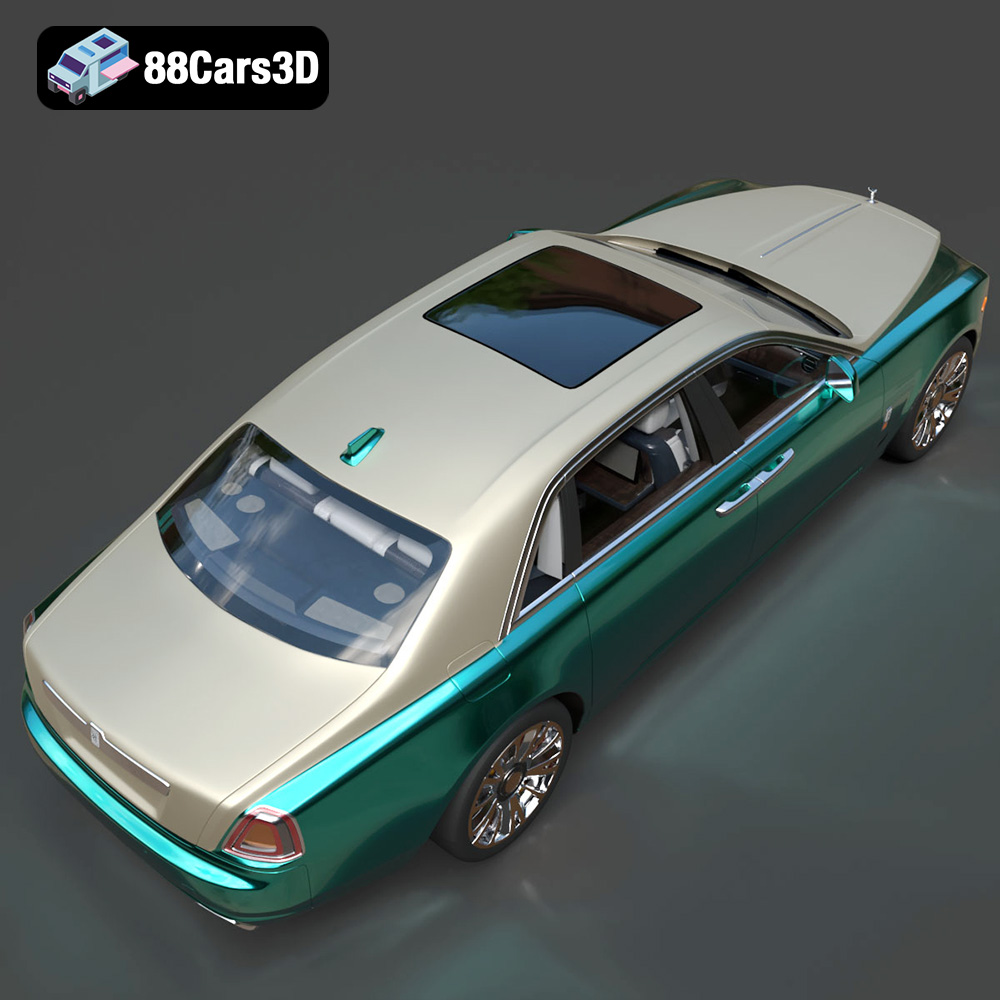
Built to professional standards, the model features clean geometry and optimized topology. It comes fully equipped with realistic materials, accurately reflecting the premium finishes of the physical car. The fully modeled interior and exterior ensure seamless integration into demanding visual projects.
This versatile 3D model is ideally suited for a wide range of applications. Whether utilized in advanced game development, architectural visualization, cinematic rendering, or immersive AR/VR experiences, the model performs flawlessly, providing an outstanding visual foundation for creators.
The package includes a comprehensive suite of file formats to ensure maximum compatibility across varying software environments:
Tags:
.rollsroyce, .ghost, .ewb, .sedan, .luxurycar, .car3dmodel, .rendering, .simulation, .gameasset, .arvr, .blend, .fbx, .obj, .glb, .stl, .ply, .unreal, .max
$19.99
.arvr
.blend
.car3dmodel
.ewb
.fbx
.gameasset
.ghost
.glb
.luxurycar
.max
.obj
.ply
.rendering
.rollsroyce
.sedan
.simulation
.stl
.unreal