Get 50% OFF All Premium 3D & STL Models!

In the rapidly evolving landscape of digital content creation, the demand for exceptionally realistic and versatile 3D assets has never been higher. From blockbuster game titles and cinematic sequences to cutting-edge architectural visualizations and interactive AR/VR experiences, the quality of a 3D model directly impacts the success and immersion of a project. Automotive models, in particular, stand at the forefront of this demand, requiring meticulous attention to detail, accurate proportions, and optimized geometry to truly shine.
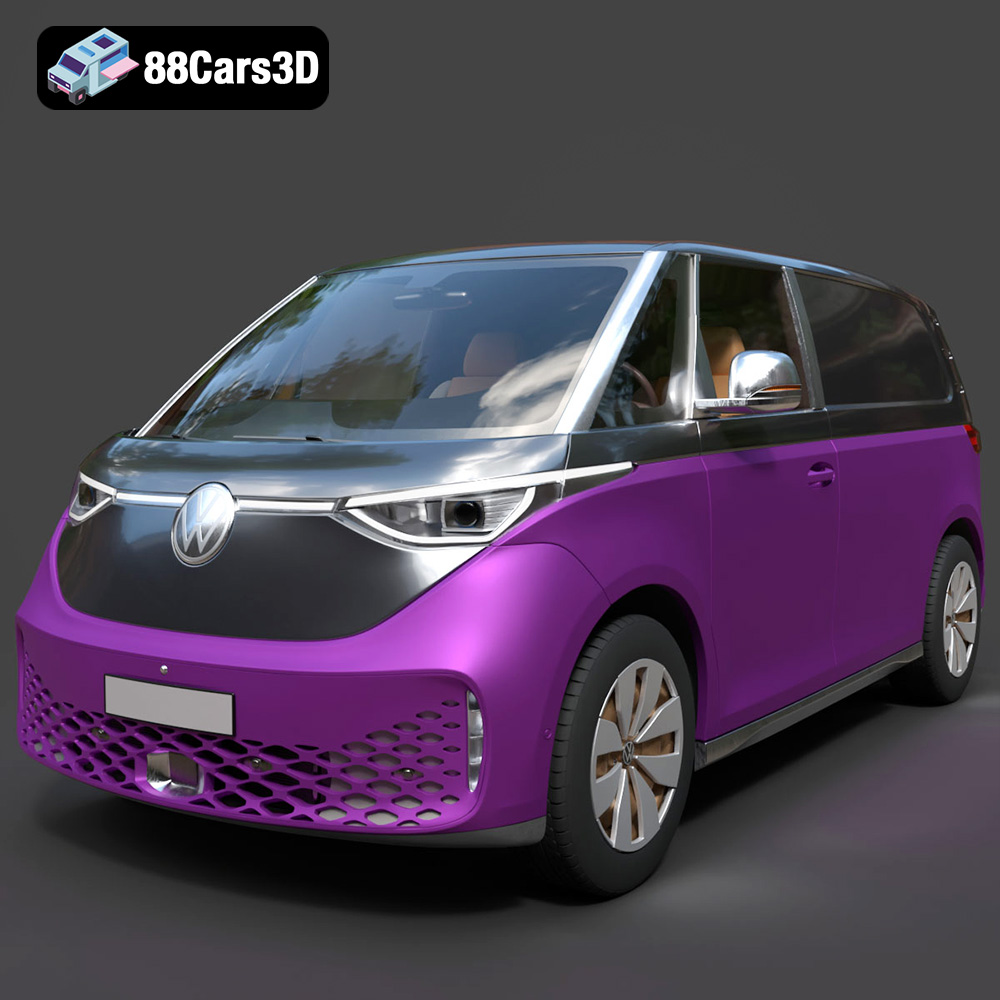
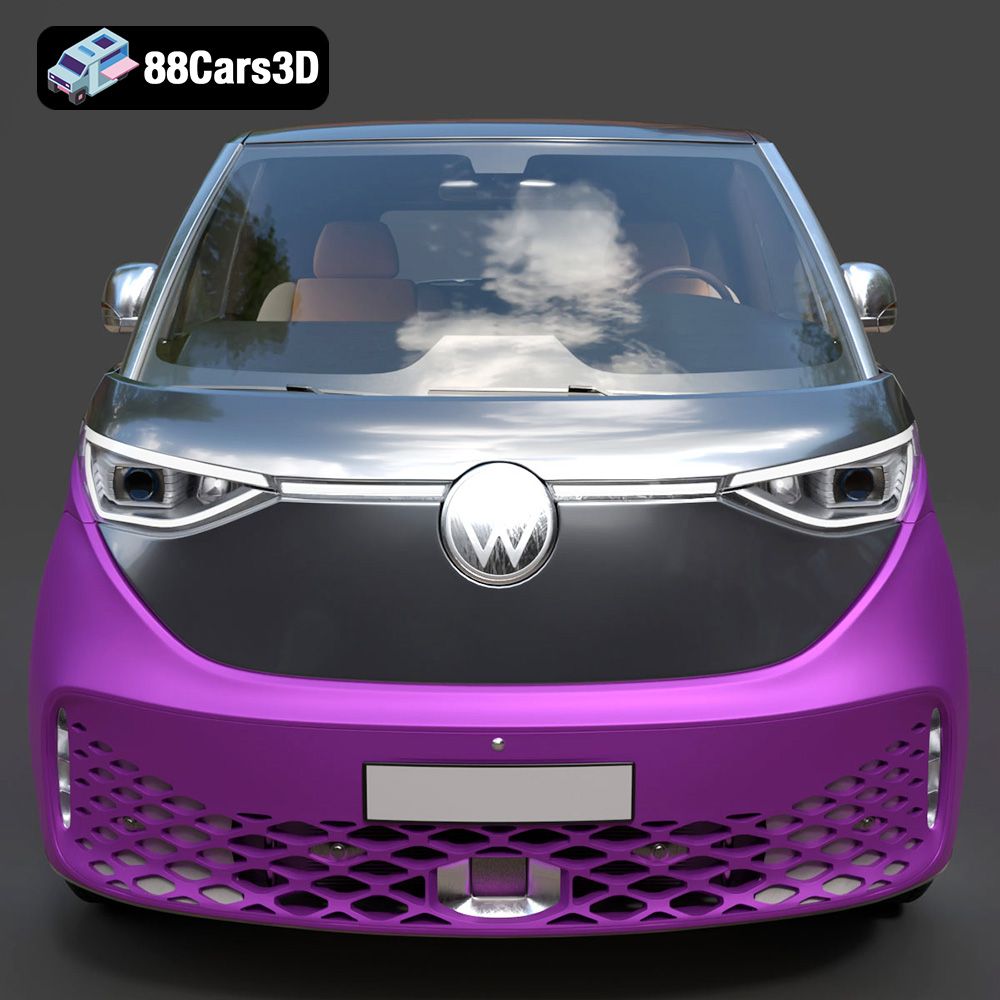
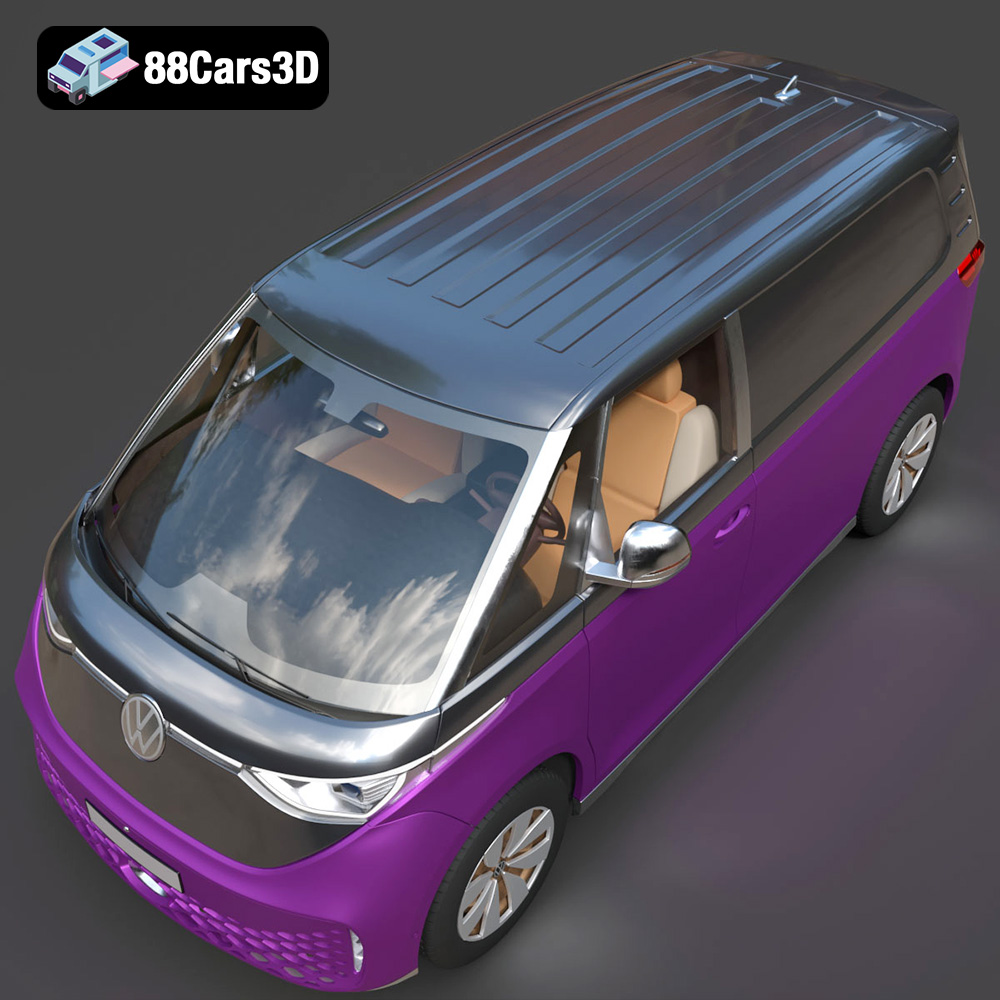
Today, we delve into the intricate world of professional 3D car models, exploring the technical considerations, diverse applications, and workflow integrations that define excellence. We’ll examine how a premium asset, such as the Volkswagen ID. Buzz Cargo 2023 3D Model, exemplifies the pinnacle of digital craftsmanship and serves as an indispensable tool for designers, developers, and artists across various industries. This meticulously crafted model is not just a digital representation; it’s a foundation upon which complex, visually stunning, and highly functional digital environments can be built.
The flexibility and usability of a 3D model are heavily dictated by the file formats in which it is available. Professional 3D artists and studios often require assets in multiple formats to ensure compatibility across different software packages, rendering engines, and target platforms. Understanding the nuances of each format is crucial for a smooth and efficient production pipeline. The Volkswagen ID. Buzz Cargo 2023 3D Model, for instance, is offered in a comprehensive suite of formats, catering to virtually any professional need.
The .blend format is native to Blender, a powerful open-source 3D creation suite. When a model is provided in .blend, it typically means the full Blender scene is included, complete with materials, textures, lighting setups, and often even animation rigs. This format is ideal for users deeply integrated into the Blender ecosystem, allowing for complete editability, easy material adjustments, and direct access to the model’s construction. For the Volkswagen ID. Buzz Cargo 2023 3D Model, the .blend file provides a ready-to-render scene, making it incredibly convenient for artists using Blender for rendering or further asset development.
.fbx (Filmbox) is arguably one of the most widely used proprietary file formats for 3D data exchange, especially between digital content creation (DCC) software and game engines. Developed by Autodesk, FBX supports complex 3D models, animations, cameras, lights, and materials. Its robustness makes it an ideal choice for pipelines involving Unreal Engine, Unity, and other real-time applications. An .fbx file for the Volkswagen ID. Buzz Cargo 2023 3D Model would be optimized for efficient import, ensuring that its geometry, UVs, and basic material assignments translate correctly into these environments, making it a true game asset.
The .obj (Wavefront OBJ) format is a simple, universal 3D data format supported by virtually every 3D application. While it doesn’t typically store animation or advanced material properties, it excels at representing geometric data (vertices, normals, texture coordinates, polygons). For basic model exchange and ensuring cross-software compatibility, .obj remains indispensable. Providing the Volkswagen ID. Buzz Cargo 2023 3D Model in .obj ensures it can be opened and integrated into any 3D software, from Maya to Cinema 4D, serving as a reliable foundation for further work.
.glb (GLB, the binary form of glTF) is a relatively newer format gaining significant traction, particularly in the realm of AR/VR and web-based 3D applications. It’s designed for efficient transmission and loading of 3D scenes and models, encapsulating all necessary data (geometry, materials, textures, animations) into a single, compact file. Its optimization for real-time rendering makes it perfect for interactive online configurators or mobile AR experiences. The Volkswagen ID. Buzz Cargo 2023 3D Model in .glb format would be perfectly suited for deploying into a web browser for a 360-degree view or integrating into a mobile AR app, showcasing the vehicle in a real-world setting.
The .stl (STereoLithography) format is the de facto standard for 3D printing. It represents a 3D model as a series of connected triangles, defining its surface geometry without color or texture information. For physical prototyping, creating scale models, or even custom parts, .stl is essential. While the Volkswagen ID. Buzz Cargo 2023 3D Model might be complex for a basic consumer 3D printer, a well-prepared .stl version allows for professional-grade 3D printing, enabling automotive designers to hold a physical representation of the digital design.
.ply (Polygon File Format) is often used for storing 3D data from 3D scanners or for applications requiring precise mesh data for scientific or engineering analysis. It can store a wider range of properties than .obj, including color, transparency, and sometimes even normal and texture coordinates per vertex or face. While less common for general 3D asset exchange, its inclusion for the Volkswagen ID. Buzz Cargo 2023 3D Model indicates a commitment to providing a robust dataset for specialized applications like CAD integration or detailed simulation, where mesh integrity is paramount.
Specifically tailored for Unreal Engine, the .unreal designation implies a highly optimized and pre-configured asset package. This could mean it’s an Unreal Engine Asset file (`.uasset`) or a collection of files ready to be imported and used directly within an Unreal Engine project. This format would typically include optimized meshes, physically based rendering (PBR) materials, and potentially LODs (Levels of Detail) already set up, significantly reducing integration time for game developers and real-time visualization artists. For the Volkswagen ID. Buzz Cargo 2023 3D Model, this means a drag-and-drop solution for immediate use in high-fidelity real-time automotive rendering or interactive experiences.
The .max format is the native file format for Autodesk 3ds Max, a leading software in architectural visualization, product design, and animation. A .max file contains the entire scene, including geometry, modifiers, materials, lights, cameras, and animation data. Providing the Volkswagen ID. Buzz Cargo 2023 3D Model in .max format gives 3ds Max users full control over the model, enabling them to easily adjust materials, set up complex lighting scenarios with V-Ray or Corona Renderer, or integrate it into larger architectural scenes for detailed renderings or animations.
Automotive rendering is a discipline that pushes the boundaries of photorealism. It’s not just about creating a visually appealing image; it’s about replicating the subtle nuances of light interaction with complex surfaces, reflecting the environment accurately, and conveying the inherent design philosophy of the vehicle. A high-quality 3D car model, such as those found on 88cars3d.com, is the essential starting point.
Achieving photorealism in automotive rendering hinges on sophisticated material shaders. Car paint, for instance, isn’t a simple solid color; it’s a multi-layered material with a base coat, metallic flakes, clear coat, and sometimes even pearlescent effects. Each layer interacts with light differently, creating specular highlights, reflections, and subsurface scattering. Tires require realistic displacement maps for tread patterns and subtle imperfections. Glass needs accurate refraction and reflections. A professional model like the Volkswagen ID. Buzz Cargo 2023 3D Model comes with pre-configured, physically based rendering (PBR) materials, allowing artists to achieve stunning results with minimal setup time. These materials accurately simulate real-world light behavior, from the metallic sheen of the bodywork to the intricate textures of the interior, ensuring that every render evokes a sense of tangible reality.
Beyond materials, lighting is paramount. High Dynamic Range Image (HDRI) environments are commonly used to accurately simulate real-world lighting conditions, providing realistic reflections and diffuse illumination. Integrating the 3D car model seamlessly into a backplate image or a full 3D environment requires careful camera matching and perspective correction. The detailed reflections on the vehicle’s surface must align with the environment, anchoring the car firmly within the scene. Whether it’s a studio render with precise key and fill lights, or an outdoor scene under a specific time of day, the model’s clean geometry and accurate UVs ensure that light interaction is flawless, contributing to the overall believability of the final image. This is where the clean geometry of models like the Volkswagen ID. Buzz Cargo 2023 3D Model truly shines, ensuring reflections are crisp and undistorted.
While photorealism is key for cinematic renders, game development and real-time applications demand an additional layer of optimization. Performance is king, and even the most beautiful 3D car models must run smoothly at high frame rates. This requires a strategic approach to mesh density, texture resolution, and overall asset management.
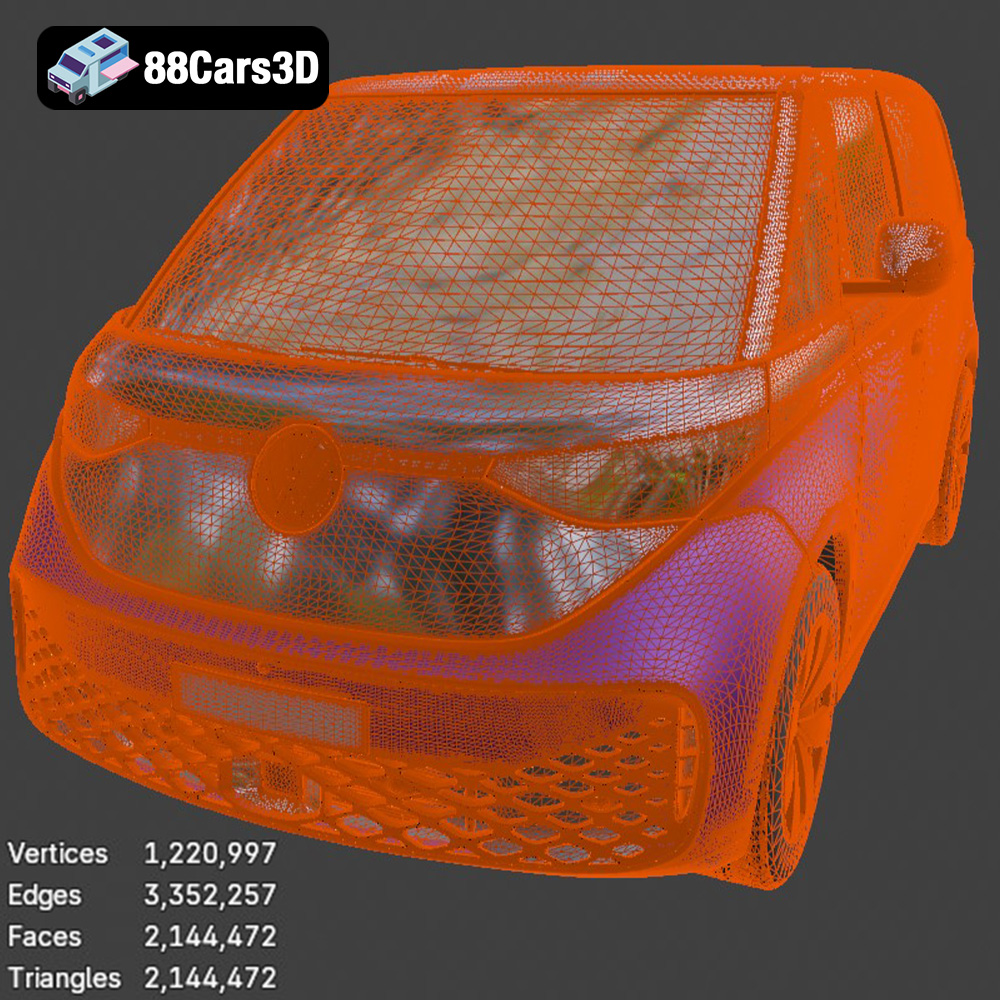
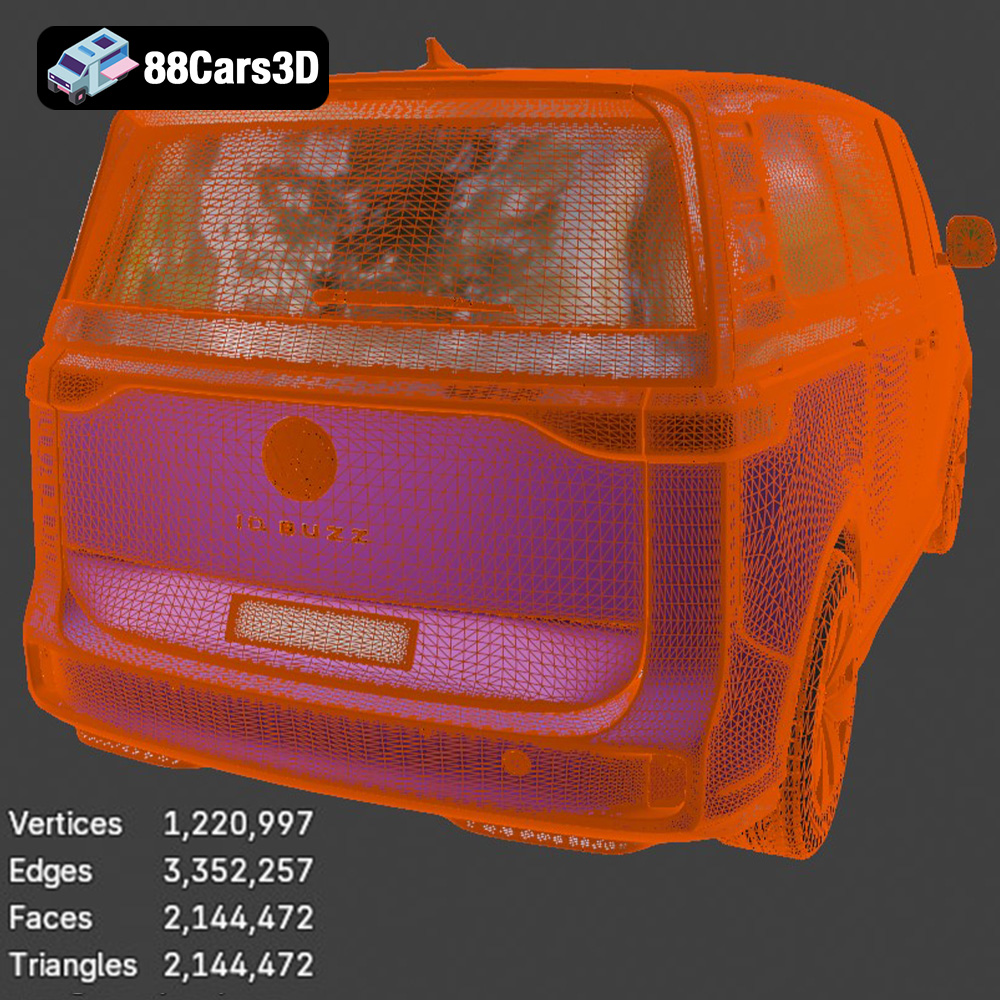
High-polygon models, while excellent for close-up renders, can cripple game performance. Professional game assets utilize efficient geometry, carefully balancing visual fidelity with poly count. A crucial technique is the use of Levels of Detail (LODs). This involves creating multiple versions of the same model, each with progressively lower polygon counts. As the vehicle moves further from the camera, the game engine automatically switches to a lower LOD version, saving computational resources without a noticeable drop in visual quality to the player. The Volkswagen ID. Buzz Cargo 2023 3D Model, designed for game engine readiness, implies such optimization, ensuring it can be integrated into large-scale virtual worlds without sacrificing performance.
Modern game engines rely heavily on Physically Based Rendering (PBR) workflows, which use a set of textures (albedo/base color, metallic, roughness, normal, ambient occlusion) to simulate realistic material properties. For game assets, these textures are often packed into atlases to reduce draw calls and improve rendering efficiency. A well-prepared 3D car model includes high-resolution PBR textures, allowing game developers to quickly assign materials that look great under various lighting conditions. Furthermore, organized UV layouts are critical for efficient texture mapping and preventing visible seams or stretching. The “clean geometry and realistic materials” of the Volkswagen ID. Buzz Cargo 2023 3D Model are indicative of adherence to these best practices, making it a robust game asset.
The utility of high-quality 3D car models extends far beyond traditional screens. Augmented Reality (AR), Virtual Reality (VR), and 3D printing represent exciting new frontiers where detailed and accurate models play a pivotal role in creating immersive and tangible experiences.
AR and VR environments demand models that are not only visually striking but also optimized for real-time interaction and performance on diverse hardware, from high-end VR headsets to mobile phones for AR. The 88cars3d.com library, featuring models like the Volkswagen ID. Buzz Cargo 2023 3D Model, addresses this with formats like .glb, specifically designed for AR/VR and web delivery. Imagine an interactive showroom where prospective buyers can “walk around” the ID. Buzz Cargo in VR, opening doors, exploring the interior, or even changing color options in real-time. Or an AR application where the virtual van appears on your driveway, allowing you to gauge its size and presence. Such experiences are only truly convincing when the underlying 3D model is of exceptional quality, maintaining accurate scale, proportions, and material realism.
The ability to transition a digital design into a physical object via 3D printing offers immense value, particularly in automotive design and product development. While 3D printing a full-scale vehicle might be impractical, creating highly detailed scale models or specific components allows designers to evaluate form, fit, and finish in a tangible way. The .stl format, provided with the Volkswagen ID. Buzz Cargo 2023 3D Model, is tailored for this purpose. A clean, manifold mesh is essential for successful 3D printing, ensuring that the model has no holes or inverted normals that could cause printing errors. Engineers can use such a model for rapid prototyping, testing aerodynamic properties of scaled versions, or simply for creating marketing display pieces, bringing the digital design into the physical world.
The real value of a premium 3D car model lies in its seamless integration into a variety of professional workflows. Let’s explore a few hypothetical scenarios where the Volkswagen ID. Buzz Cargo 2023 3D Model would be an invaluable asset.
For architectural visualization studios, integrating vehicles into exterior and interior scenes is critical for adding realism and scale. Imagine a sprawling urban development project: an architect wants to showcase a new commercial building complex, complete with delivery and logistics areas. Populating the scene with static or animated vehicles like the ID. Buzz Cargo provides context, conveys scale, and injects life into the rendering. Its modern, electric vehicle design also aligns with contemporary sustainable building practices. Using the .max or .blend format, the artist can easily drop the model into their existing scene, adjust materials for their specific renderer (e.g., V-Ray for 3ds Max, Cycles for Blender), and position it accurately. The “accurate proportions and authentic design elements” of the Volkswagen ID. Buzz Cargo 2023 3D Model ensure it blends perfectly, enhancing the overall visual narrative.
A game development studio working on an open-world city builder or a realistic delivery simulation game would find the ID. Buzz Cargo 3D Model indispensable. With its .fbx and .unreal formats, the model can be imported directly into Unity or Unreal Engine. Developers can set up collision meshes, integrate it into a vehicle physics system, and even create different liveries for various in-game companies. The “optimized mesh structure guarantee an impressive visual output without compromising performance” is a critical feature here, ensuring that dozens of these vehicles can populate a virtual city without bogging down the game engine. For a logistics simulation, the accuracy of the model could even extend to demonstrating cargo capacity, adding an extra layer of realism.
Automotive manufacturers and advertising agencies constantly need high-quality visuals for product launches and marketing campaigns. The Volkswagen ID. Buzz Cargo 2023 3D Model offers an efficient and cost-effective alternative to expensive physical photography or video shoots. Agencies can use the model to create stunning 4K renders for print ads, animated sequences for TV commercials, or interactive 360-degree views for web banners. The editable nature of the .blend or .max files allows for customization, such as applying specific company logos or modifying body colors to match brand guidelines. This level of flexibility and detail ensures that marketing materials are impactful and true to the vehicle’s design, driving engagement for a new commercial EV.
Investing in high-quality 3D car models from reputable sources like 88cars3d.com is a strategic decision that yields significant returns. It’s not merely about acquiring a digital file; it’s about gaining access to professional-grade craftsmanship that streamlines production, elevates visual fidelity, and expands creative possibilities.
Developing a complex 3D car model from scratch is an incredibly time-consuming and expensive endeavor, requiring specialized skills in modeling, UV mapping, texturing, and rigging. For studios with tight deadlines and budgets, purchasing pre-made, high-quality assets offers an immediate solution. The Volkswagen ID. Buzz Cargo 2023 3D Model represents countless hours of expert modeling and optimization, available at a fraction of the cost and time it would take to produce in-house. This allows artists and developers to focus their efforts on core project elements, knowing that their foundational automotive assets are already top-tier.
Professional 3D models adhere to rigorous standards, featuring clean topology, proper UV layouts, and PBR-ready materials. This consistency ensures that the asset will behave predictably across different software and rendering environments, minimizing unexpected issues and rework. When a project requires multiple vehicles, sourcing them from a curated marketplace like 88cars3d.com helps maintain a uniform level of quality across all assets, contributing to a cohesive and professional final product. The “meticulously crafted” and “designed to meet professional standards” aspects of the Volkswagen ID. Buzz Cargo 2023 3D Model are guarantees of this consistency.
The world of 3D modeling is a dynamic and demanding one, especially when it comes to intricate assets like automotive vehicles. The need for high-fidelity, optimized, and versatile 3D car models is more critical than ever, serving as the cornerstone for everything from photorealistic renders and immersive game worlds to interactive AR/VR experiences and physical prototypes.
The Volkswagen ID. Buzz Cargo 2023 3D Model stands out as an exceptional example of what a professional-grade asset should be. Its availability in a comprehensive range of file formats – from .blend and .max for comprehensive artistic control, to .fbx and .unreal for game development, and .glb for cutting-edge AR/VR, and even .stl for 3D printing – underscores its versatility. This model’s clean geometry, realistic materials, and accurate design elements provide a robust foundation for any digital project, allowing professionals to focus on creativity rather than troubleshooting.
For anyone seeking to elevate their digital projects with premium 3D car models, exploring the offerings at 88cars3d.com is a worthwhile endeavor. Investing in quality assets like the Volkswagen ID. Buzz Cargo 2023 3D Model is not just a purchase; it’s an investment in efficiency, quality, and the limitless possibilities of digital creation.
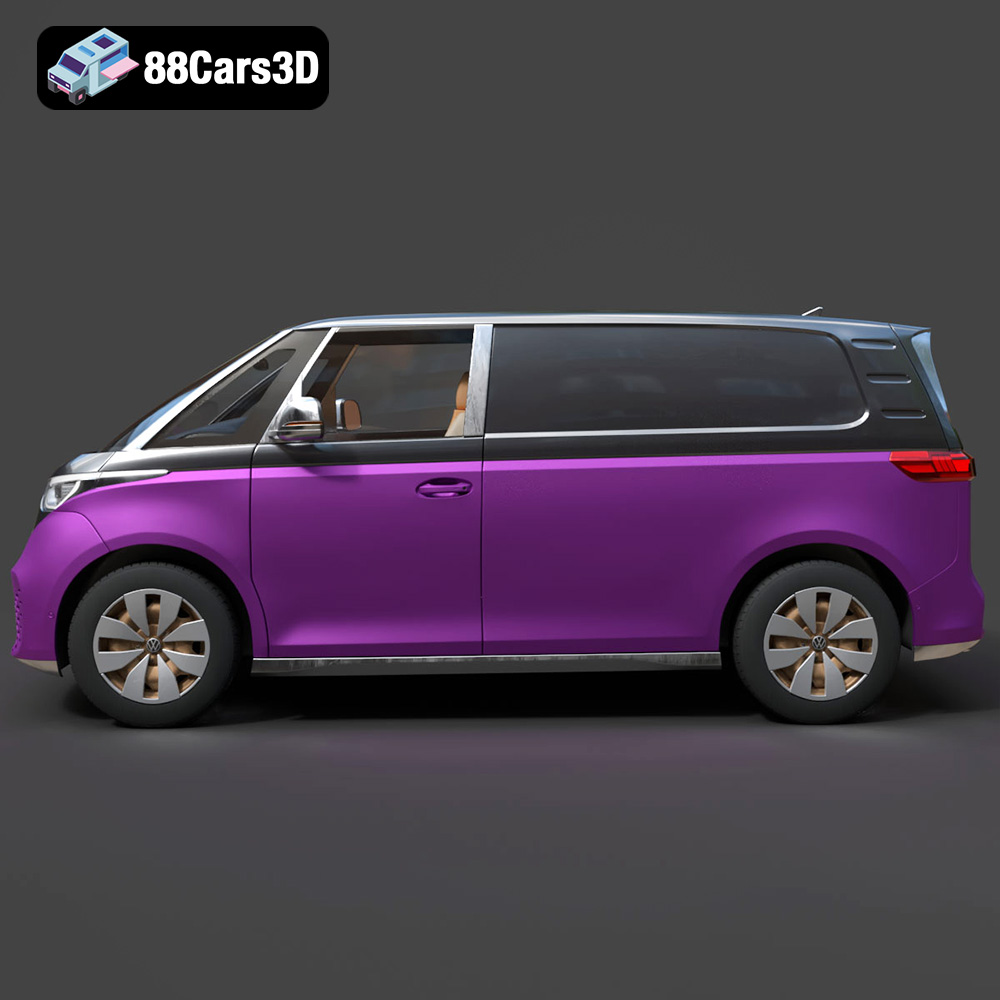
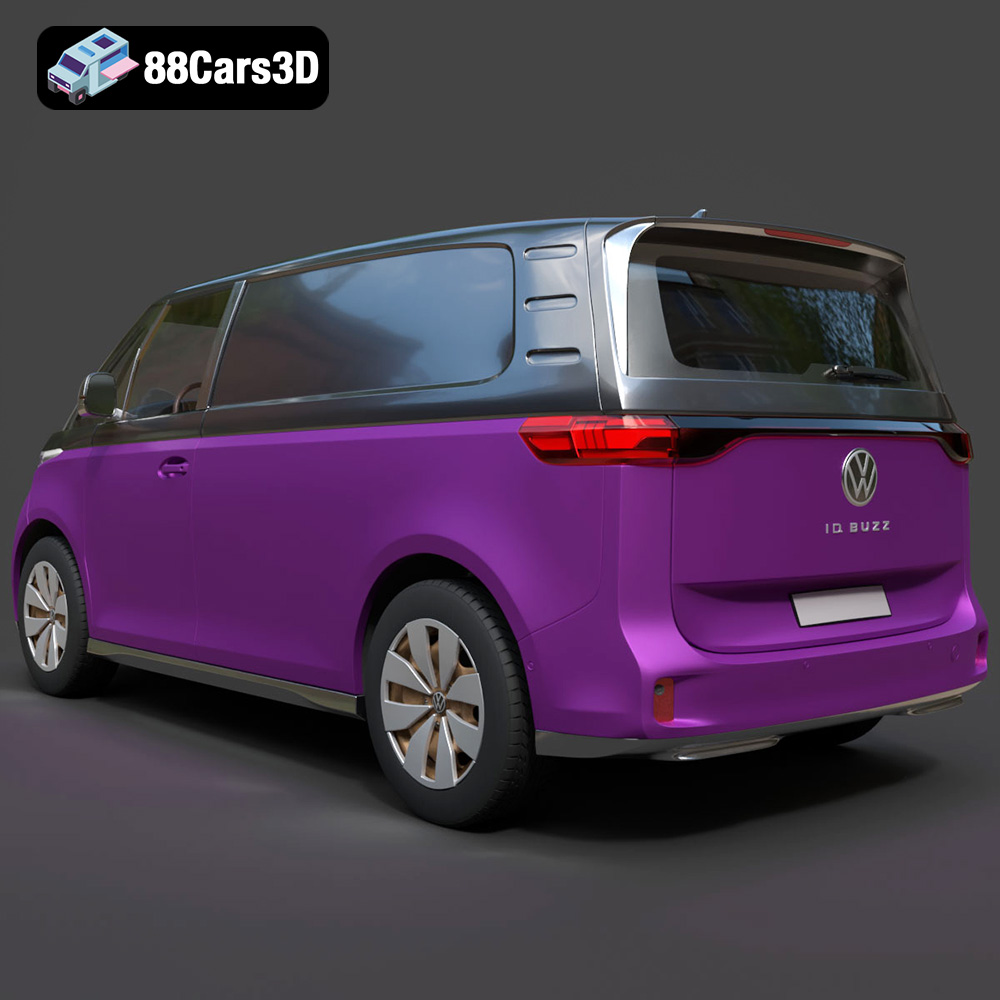
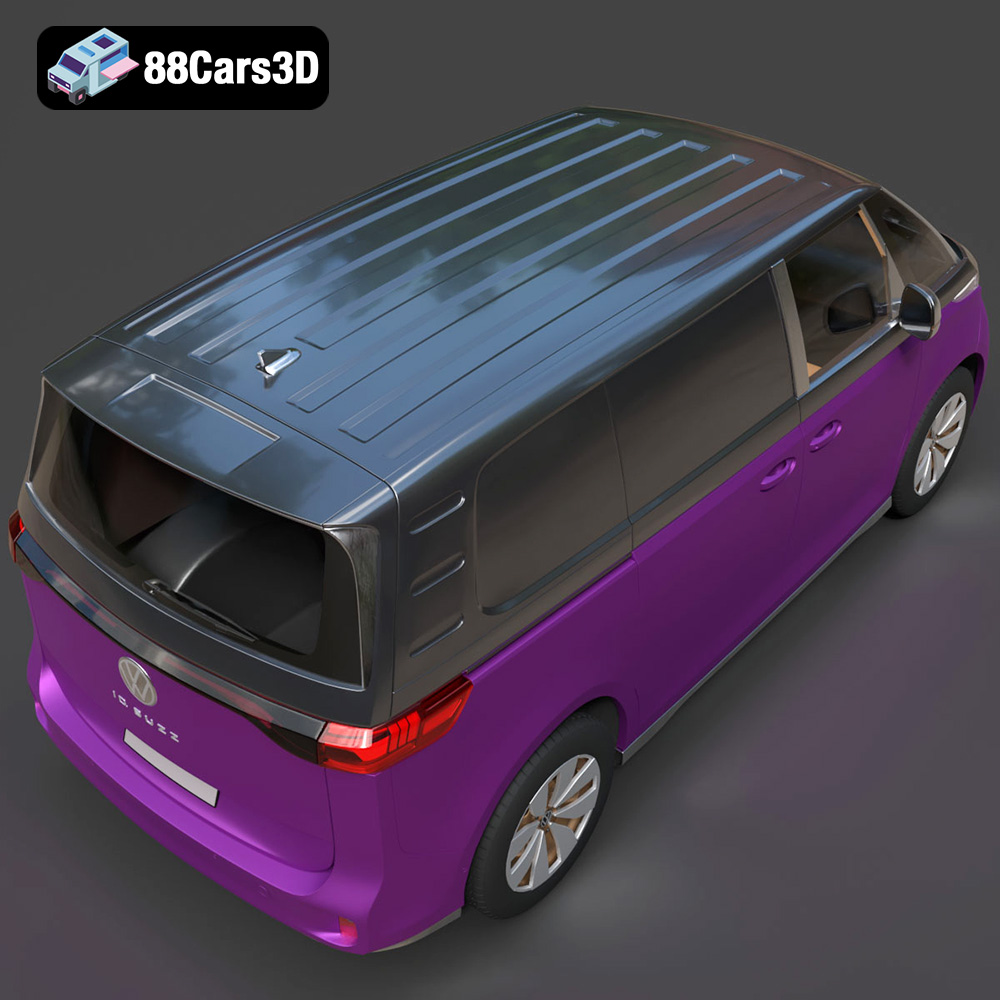
Enhance your digital projects with the meticulously crafted Volkswagen ID. Buzz Cargo 2023 3D Model. Designed to meet professional standards, this model delivers exceptional realism, making it an excellent choice for a wide variety of 3D applications.
This model features clean geometry and realistic materials, ensuring a smooth integration into your workflow. Whether you are focusing on close-up shots or wide-angle scenes, the precise detailing and optimized mesh structure guarantee an impressive visual output without compromising performance.
Ideal for game development, architectural visualization, AR/VR experiences, and cinematic rendering, this versatile 3D model adapts seamlessly to your specific project needs. The accurate proportions and authentic design elements bring a true-to-life representation of the Volkswagen ID. Buzz Cargo to your digital environment.
Available file formats include:
Tags: .volkswagen, .idbuzzcargo, .van, .electricvan, .commercialvehicle, .ev, .car3dmodel, .rendering, .simulation, .gameasset, .arvr, .blend, .fbx, .obj, .glb, .stl, .ply, .unreal, .max
Tags:
.volkswagen, .idbuzzcargo, .van, .electricvan, .commercialvehicle, .ev, .car3dmodel, .rendering, .simulation, .gameasset, .arvr, .blend, .fbx, .obj, .glb, .stl, .ply, .unreal, .maxMercedes Benz CLS 500 3D Model 3D Printable STL
$19.99
.arvr
.blend
.car3dmodel
.commercialvehicle
.electricvan
.ev
.fbx
.gameasset
.glb
.idbuzzcargo
.max
.obj
.ply
.rendering
.simulation
.stl
.unreal
.van
.volkswagen