Get 50% OFF All Premium 3D & STL Models!

In the rapidly evolving landscape of digital content creation, the demand for high-fidelity 3D assets continues to escalate. From blockbuster video games to photorealistic architectural visualizations and immersive AR/VR experiences, the quality of a 3D model can significantly impact the final output and overall project success. Among the most sought-after assets are 3D car models, essential tools for a myriad of industries. These digital replicas serve as crucial components in illustrating concepts, simulating environments, and bringing static scenes to life with dynamic realism.
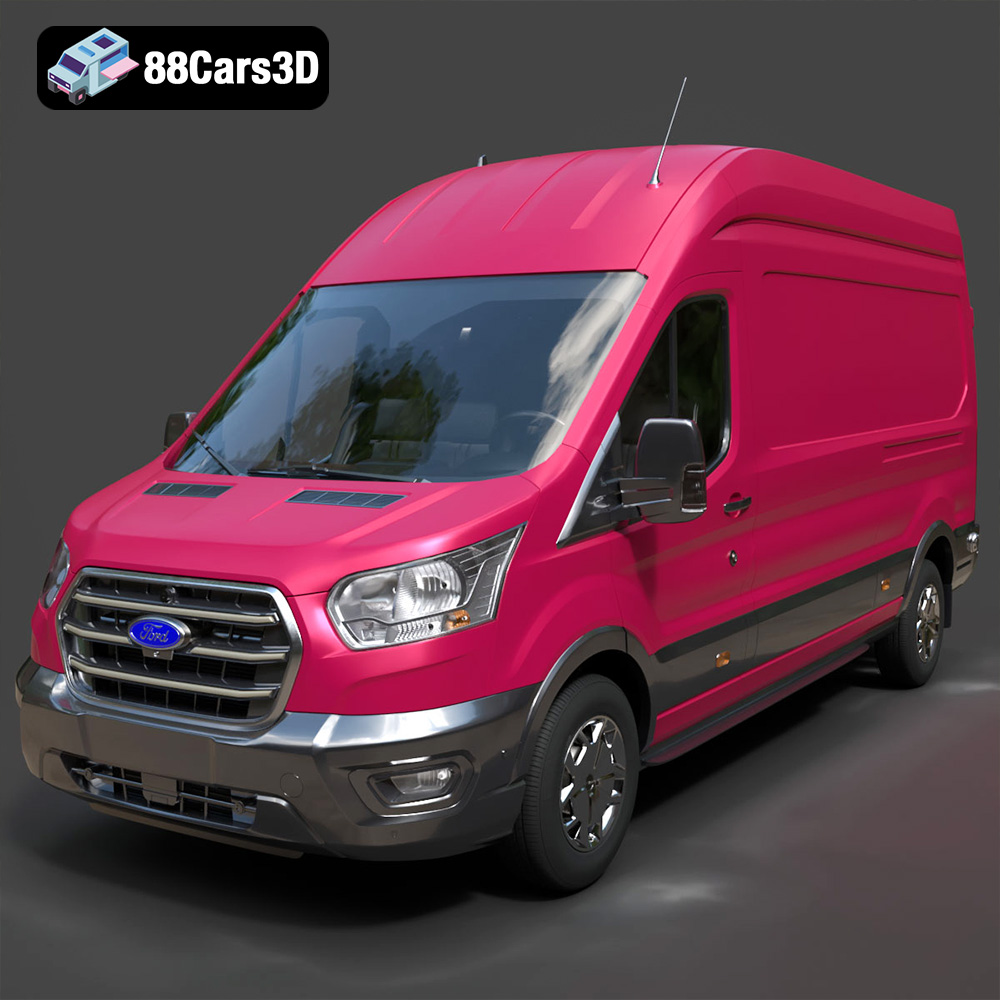
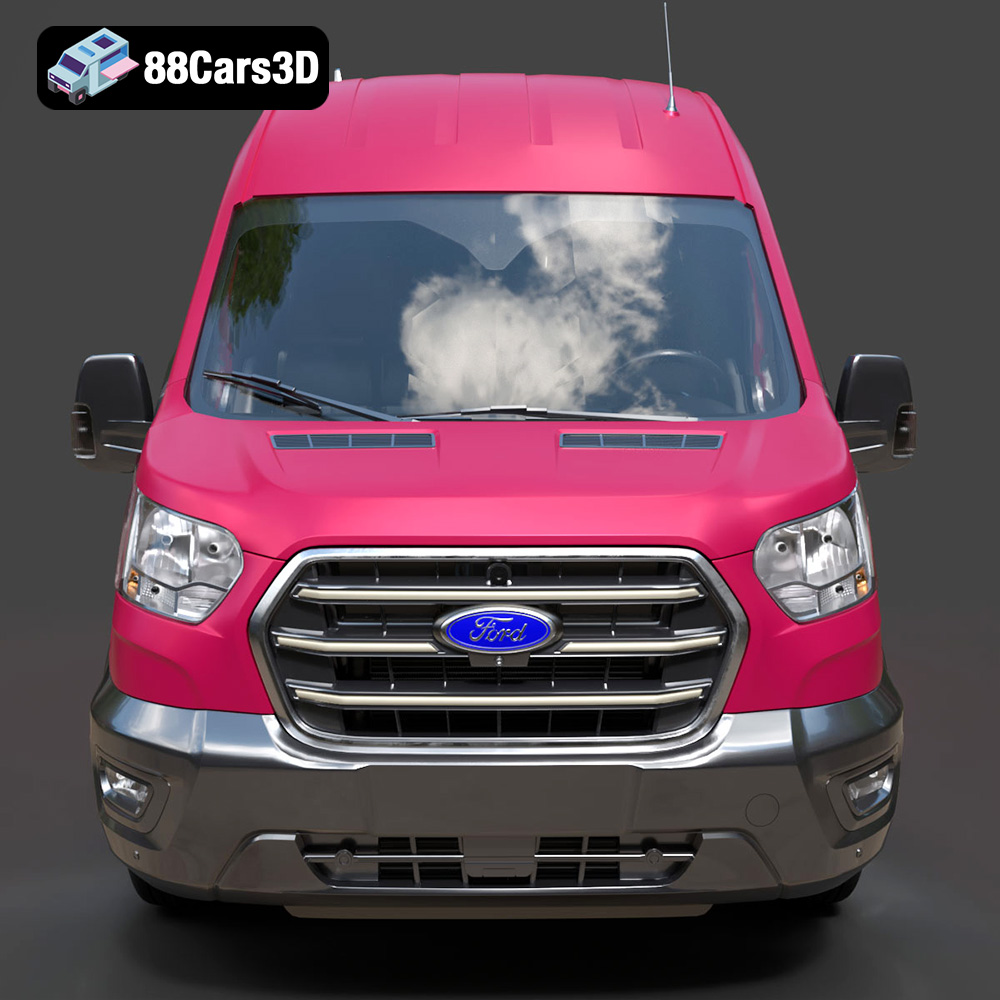
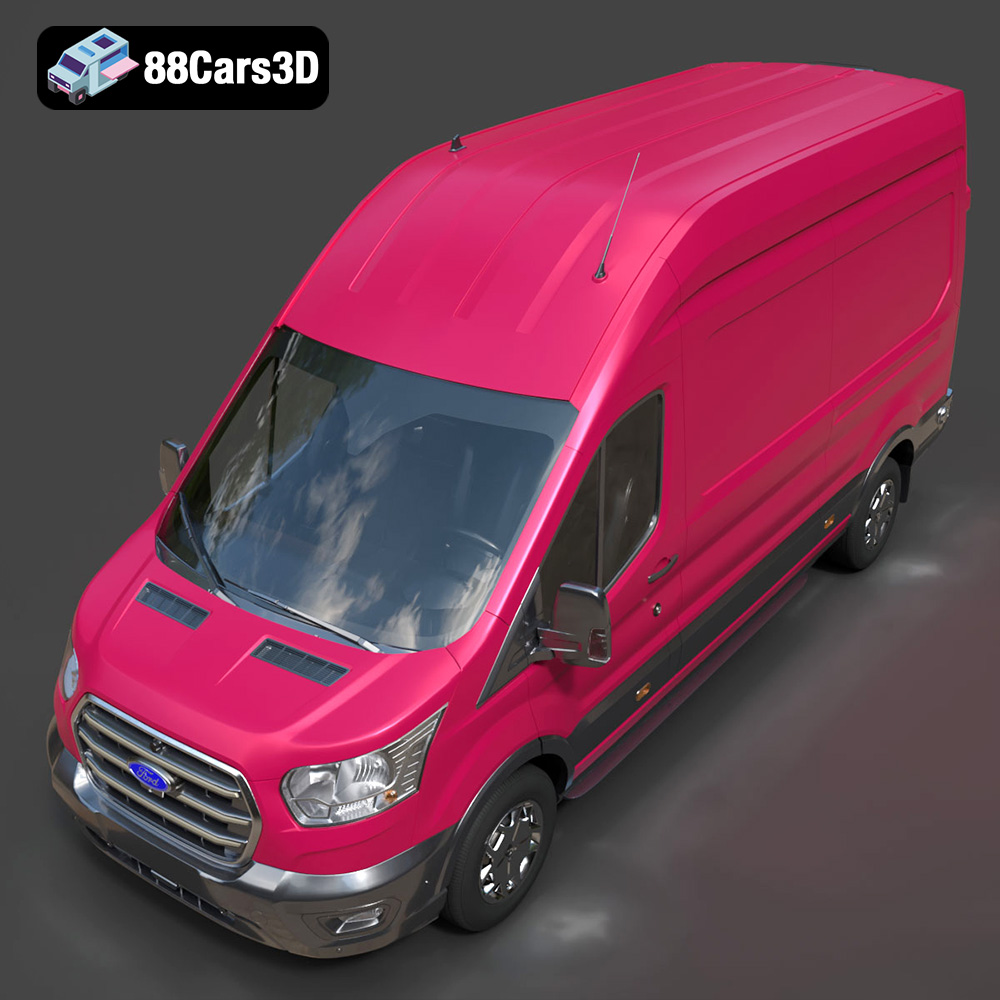
Today, we’re taking a closer look at a prime example of such an asset: the Ford Transit Van L3H3 Trend 2021 3D Model. This meticulously crafted model is more than just a digital representation; it’s a versatile foundation for professionals seeking unparalleled accuracy and detail in their projects. With its clean geometry, realistic materials, and comprehensive file format support, it exemplifies the kind of professional-grade 3D car models available on marketplaces like 88cars3d.com, ready to be integrated into diverse creative pipelines.
High-quality 3D car models are no longer a luxury but a fundamental necessity for achieving professional-grade results in visual media. The precision, detail, and optimization embedded within these models directly translate into more convincing renders, smoother real-time performance, and a more compelling user experience. Whether it’s showcasing a new urban development with authentic street vehicles or populating a game world with believable traffic, the integrity of the 3D model is paramount.
The ability of 3D car models to bridge the gap between the real and digital worlds is a cornerstone of modern visualization. Architects use them to populate street scenes, giving context and scale to their proposed buildings. Automotive designers leverage them for virtual prototypes, allowing for design iterations and realistic simulations before a single physical component is manufactured. For filmmakers and advertisers, these models provide the flexibility to create dynamic shots and visualize concepts without the constraints and costs associated with real-world photography and vehicle rentals. The Ford Transit Van L3H3 Trend 2021 3D Model, with its accurate replication of the real-world vehicle, serves perfectly in these capacities, offering a reliable digital twin.
Developing a complex 3D car model from scratch is an incredibly time-consuming and resource-intensive endeavor, often requiring expert modelers, texture artists, and riggers. For many studios and independent creators, the cost and time investment can be prohibitive. This is where pre-made, high-quality 3D models from reputable sources like 88cars3d.com offer immense value. They provide a cost-effective solution, enabling professionals to access production-ready assets instantly, accelerating project timelines and reducing overheads. The Ford Transit Van L3H3 Trend 2021 3D Model is a prime example of such an asset, offering immediate integration into various projects, freeing up valuable time for creative refinements rather than foundational modeling work.
The choice of file format for a 3D model is often as critical as the model’s quality itself, dictating compatibility, feature support, and downstream workflow efficiency. A versatile model, like the Ford Transit Van L3H3 Trend 2021 3D Model, provides a comprehensive array of formats to cater to different software environments and application needs. Understanding these formats is key to maximizing asset utility.
The .blend format is Blender’s native file type, offering a complete and editable scene. When you receive a .blend file, you’re not just getting the mesh; you’re getting the entire Blender project. This typically includes the model, its materials (often configured with Cycles or Eevee render engines), lighting setups, cameras, animation data, and modifiers. For users entrenched in the Blender ecosystem, this format provides maximum flexibility for modification, rendering, and further development. It allows artists to dive deep into the model’s construction, adjust UVs, modify topology, or reconfigure shading networks with ease, making it ideal for custom projects and extensive pipeline integration.
.fbx (Filmbox) is an industry-standard format widely used for exchanging 3D data between various software applications, particularly in game development and animation. Its strength lies in its ability to store not just mesh data, but also complex scenes including animation, rigs, materials (basic properties), cameras, and lights. It is the go-to format for importing assets into game engines like Unreal Engine and Unity due to its robust support for skeletal animations and hierarchical structures. The .fbx version of the Ford Transit Van L3H3 Trend 2021 3D Model is game-engine ready, ensuring seamless integration and optimal performance in real-time environments.
.obj (Wavefront Object) is arguably the most universal 3D file format. It’s a simple, text-based format primarily used for transferring mesh data (vertices, normals, UV coordinates) between different 3D applications. While it doesn’t typically store advanced scene data like animation or complex material nodes (it uses an accompanying .mtl file for basic material properties), its widespread compatibility makes it a safe bet for cross-software workflows. Almost every 3D modeling, rendering, or sculpting software can import and export .obj files, making it an excellent fallback or initial transfer format for the Ford Transit model.
.glb (GL Transmission Format Binary) is an increasingly popular format, especially for AR, VR, and web-based 3D applications. It’s an efficient, self-contained format that bundles mesh, materials, textures, and even animations into a single binary file. This makes it incredibly easy to load and display 3D models in browsers and mobile applications without needing multiple external files. Its optimization for real-time rendering and smaller file sizes makes the .glb version of the Ford Transit Van ideal for interactive web experiences, augmented reality apps showcasing the vehicle, or virtual reality showrooms.
.stl (Stereolithography) is the de facto standard format for 3D printing and rapid prototyping. It describes only the surface geometry of a 3D object using a collection of interconnected triangles, without any color or texture information. While not suitable for rendering or animation, the .stl version of the Ford Transit Van allows for physical reproduction of the model, enabling designers to create scaled-down prototypes or physical representations for display or functional testing.
.ply (Polygon File Format or Stanford Triangle Format) is a versatile format capable of storing a wide range of data, including color, transparency, and even properties like confidence values for each vertex. It’s often used for scanned data, point clouds, and scientific visualization where precise mesh information and additional vertex properties are crucial. For highly technical applications or detailed analysis of the Ford Transit’s geometry, the .ply format offers a robust solution for transferring complex mesh data.
The .unreal format, often referring to native Unreal Engine assets or projects, signifies a model that has been specifically prepared and configured for direct use within the Unreal Engine. This typically means the model has appropriate LODs (Levels of Detail), collision meshes, material instances, and possibly even Blueprint scripting ready for immediate deployment. For serious game developers or real-time visualization artists, the .unreal version of the Ford Transit Van L3H3 Trend 2021 3D Model provides a “drop-in” solution, saving significant time on optimization and setup within the engine itself, ensuring peak performance and visual quality.
The .max format is the native file format for Autodesk 3ds Max, one of the leading 3D modeling, animation, and rendering software packages in the industry. Similar to .blend for Blender, a .max file contains the entire scene data, including the model, materials (V-Ray, Corona, Arnold, etc.), lighting, cameras, animation, and modifiers. For professionals working within a 3ds Max pipeline, the .max version of the Ford Transit model offers full editability and allows for seamless integration into existing 3ds Max projects for high-end automotive rendering and complex scene assembly.
The Ford Transit Van L3H3 Trend 2021 3D Model is a testament to meticulous craftsmanship and a deep understanding of industry requirements. It’s designed not just to look good, but to perform efficiently across a spectrum of professional applications. Its comprehensive feature set makes it an invaluable asset for anyone needing a detailed and versatile light commercial vehicle.
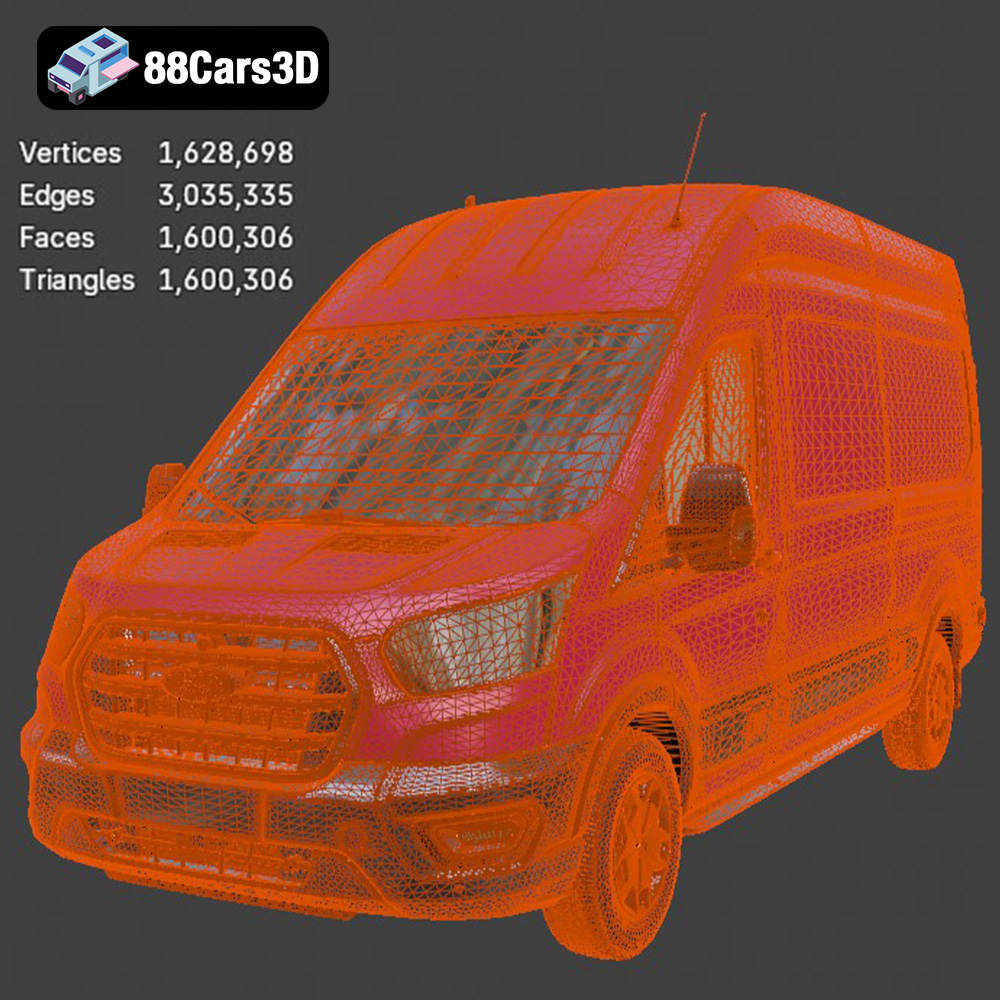
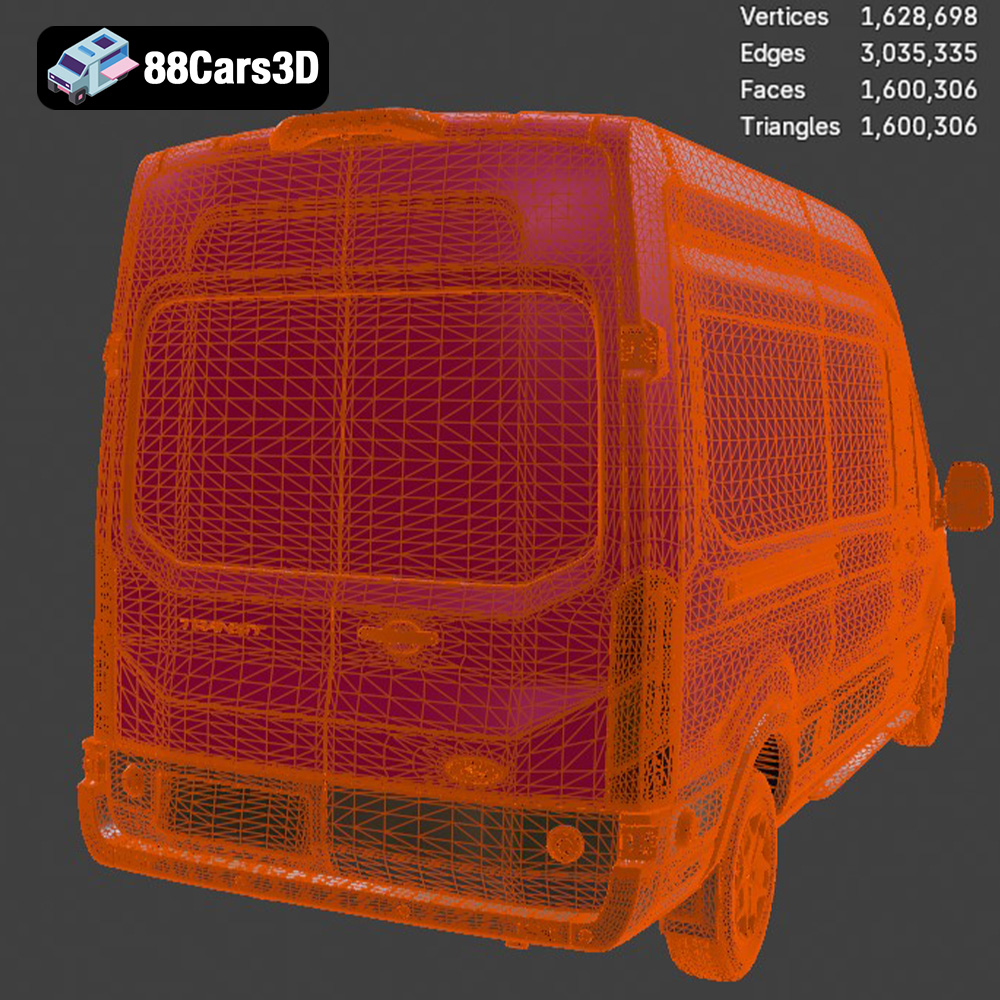
At the core of any high-quality 3D model is its geometry. The Ford Transit Van L3H3 Trend 2021 3D Model boasts clean geometry, which is crucial for efficient rendering and smooth animation. This means the mesh is well-optimized, free from n-gons (polygons with more than four sides) where quads are preferred, and exhibits proper edge flow. Clean topology ensures that subdivision surfaces work correctly, deformation is predictable, and UV mapping is precise. Such attention to detail in the underlying mesh structure guarantees that the model will behave predictably whether used in a real-time game engine or a high-fidelity offline renderer.
Beyond the mesh, the realism of a 3D model largely depends on its materials and texturing. This Ford Transit model includes realistic materials that accurately replicate the various surfaces of the actual vehicle – from the metallic sheen of the body paint and the subtle reflections on the windows to the matte finish of the tires and the texture of interior components. These materials are often PBR (Physically Based Rendering) ready, meaning they are designed to react realistically to light in any PBR-compatible renderer or game engine. This ensures visual fidelity and consistency across different lighting conditions, making the van look authentic whether it’s bathed in sunlight or parked under streetlights in a dark alley.
The versatility of this 3D model is one of its strongest attributes. It’s not just a generic vehicle; it’s a specific, recognizable model that can serve a wide array of professional needs:
Integrating a complex asset like the Ford Transit Van L3H3 Trend 2021 3D Model into professional workflows requires an understanding of best practices within specific software environments. The availability of multiple formats ensures maximum compatibility, allowing artists and developers to leverage their preferred tools.
For high-end automotive rendering, 3ds Max remains a powerhouse. Utilizing the provided .max file, artists can seamlessly import the Ford Transit model into their scene. Modern renderers like V-Ray or Corona Renderer can then be employed to achieve photorealistic results. The workflow typically involves:
This approach is ideal for marketing materials, product showcases, or detailed client presentations, where the visual fidelity of the Ford Transit is paramount.
For interactive experiences and game development, the Unreal Engine provides a robust platform, often paired with Blender for asset creation and modification. The Ford Transit model supports both:
This workflow enables the Ford Transit to become a dynamic and interactive element within game worlds or real-time simulations.
In architectural visualization, the Ford Transit model adds a layer of realism and scale to proposed urban or commercial developments. For VR experiences, accuracy and optimization are key:
The Ford Transit Van L3H3 Trend 2021 3D Model provides a robust starting point for these applications, enhancing the realism and interactivity of virtual environments.
Achieving optimal performance and visual quality with 3D car models, especially a detailed one like the Ford Transit, requires a keen understanding of technical considerations such as polygon count, UV mapping, and overall asset management.
The polygon count of a 3D model is a critical factor influencing rendering time in offline renderers and frame rates in real-time applications. While the Ford Transit Van L3H3 Trend 2021 3D Model is described as having “clean geometry,” the exact poly count will vary by its intended use. For highly detailed renders, a higher poly count is acceptable, providing smoother curves and finer details. However, for game engines or AR/VR, optimization is key. Strategies include:
The professional-grade nature of models from 88cars3d.com implies a thoughtful approach to polygon distribution, ensuring efficiency without sacrificing detail.
UV mapping is the process of flattening the 3D surface of a model into a 2D space, allowing 2D textures to be applied accurately. Well-executed UVs are essential for:
The Ford Transit model likely features carefully laid-out UVs to ensure its realistic materials appear crisp and accurate. Texture resolution (e.g., 2K, 4K, 8K) also plays a vital role. Higher resolutions provide more detail but consume more memory. Balancing resolution with performance requirements is a crucial decision based on the target platform and desired visual outcome.
Effective asset management is crucial for projects involving multiple 3D car models or complex environments. This includes:
By providing a comprehensive package with various file formats and well-structured assets, the Ford Transit Van L3H3 Trend 2021 3D Model simplifies asset management, contributing to overall pipeline efficiency and smooth collaborative workflows for design teams.
While the Ford Transit Van L3H3 Trend 2021 3D Model offers exceptional quality and versatility, it represents just a fraction of the vast potential available for digital content creators. Expanding your library of 3D car models is a strategic move for any professional in visualization, gaming, or interactive media.
88cars3d.com stands as a premier online marketplace dedicated to offering high-quality 3D car models for a wide array of applications. Whether you need classic cars for historical recreations, modern sedans for urban environments, sports cars for racing games, or utility vehicles like the Ford Transit for commercial scenes, the platform provides a meticulously curated selection. Each model is crafted with the same attention to detail and technical precision, ensuring that professionals can find exactly what they need to elevate their projects. The benefit of such a specialized marketplace is the assurance of quality and consistency across its offerings, minimizing compatibility issues and maximizing creative freedom.
Investing in professional-grade 3D car models from 88cars3d.com offers a significant value proposition. It’s not merely about acquiring digital assets; it’s about investing in efficiency, quality, and reliability. These models:
For any studio or individual artist striving for excellence in automotive rendering, game asset creation, or immersive visualization, marketplaces like 88cars3d.com are indispensable resources for building a robust and diverse digital asset library.
The world of 3D modeling demands precision, versatility, and efficiency, especially when it comes to intricate assets like vehicles. The Ford Transit Van L3H3 Trend 2021 3D Model exemplifies these qualities, offering an exceptionally detailed and technically robust asset suitable for a broad spectrum of professional applications. From high-fidelity automotive rendering in 3ds Max to real-time integration in Unreal Engine, and from architectural visualizations to immersive AR/VR experiences, its clean geometry, realistic materials, and comprehensive file format support ensure seamless integration into any demanding pipeline.
Understanding the nuances of file formats and leveraging the capabilities of such a meticulously crafted model empowers artists and developers to push the boundaries of digital content creation. By choosing professional-grade 3D car models like the Ford Transit from trusted sources, creators can significantly enhance their workflows, reduce production times, and achieve stunning visual outcomes. Explore the full potential for your projects and discover a vast array of high-quality 3D car models at 88cars3d.com today.
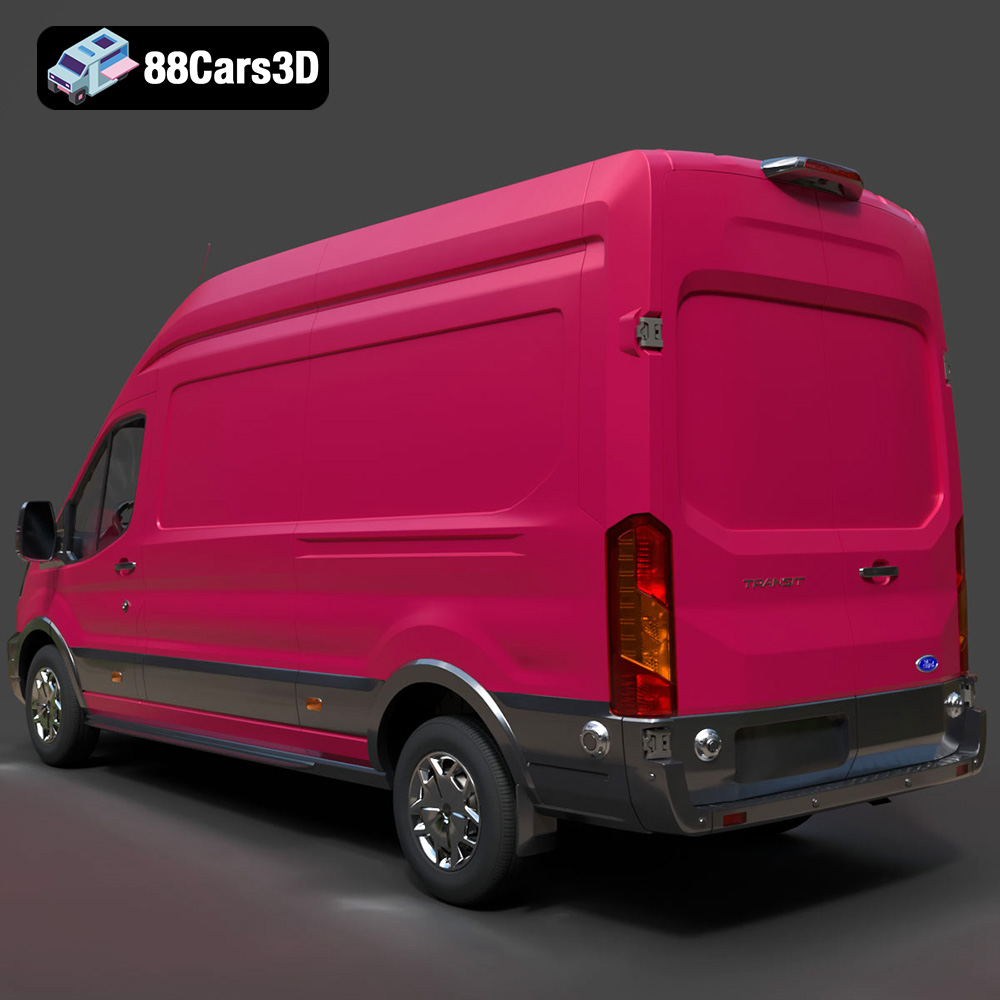
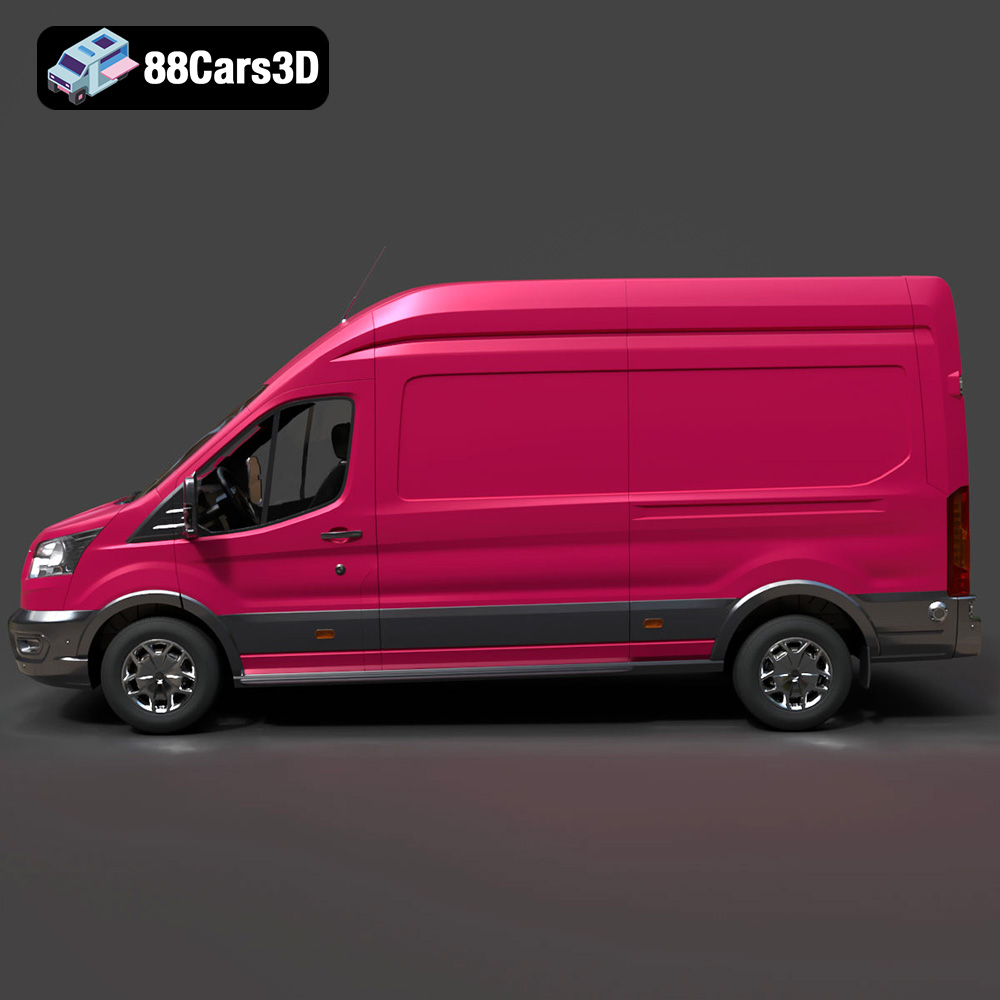
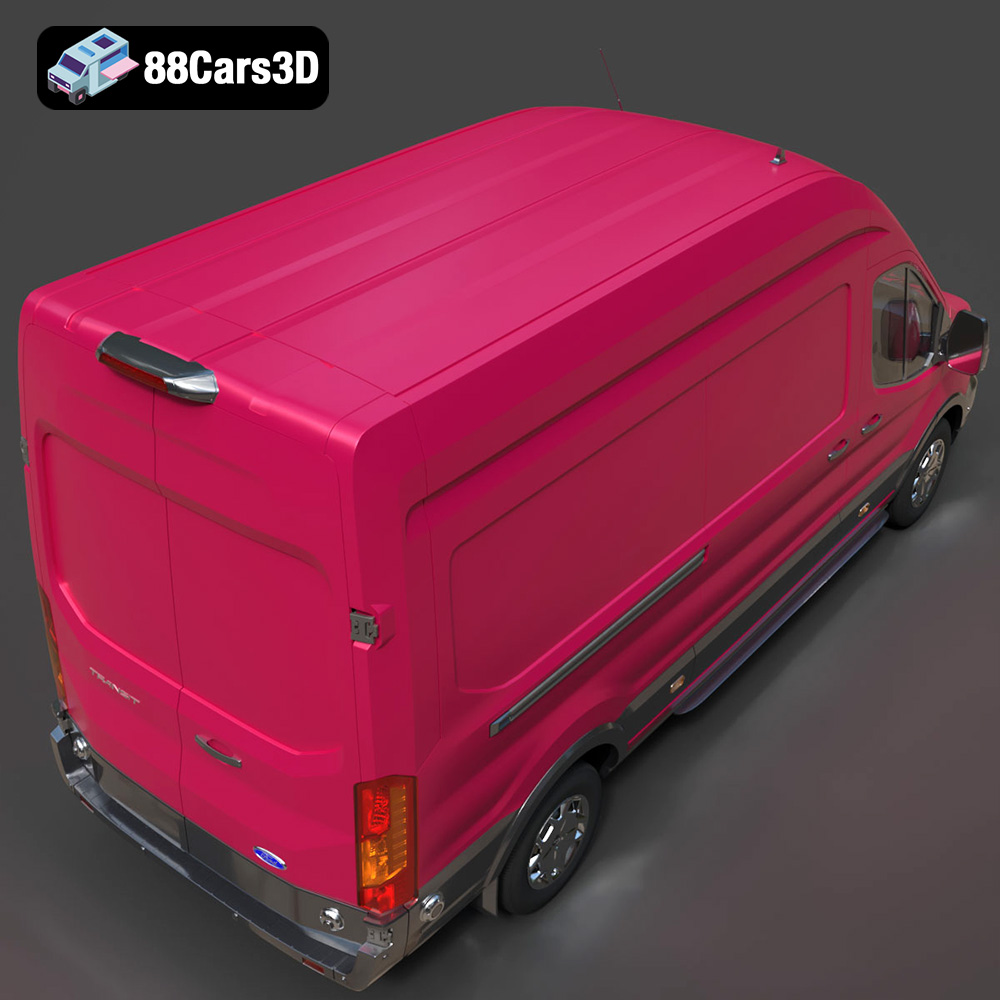
Immerse yourself in the intricate detail of the Ford Transit Van L3H3 Trend 2021 3D Model. This model captures the essence of the versatile van with a high level of accuracy, mirroring the real-world vehicle’s design and functionality. From its spacious cargo area to its distinctive exterior features, every aspect has been carefully replicated to provide a true-to-life representation.
Key features of this 3D model include clean geometry for efficient rendering, realistic materials that enhance visual fidelity, and professional-grade quality suitable for a variety of applications. Whether you’re creating visualizations, simulations, or interactive experiences, this model is designed to meet your needs.
This 3D model is ideal for game development, architectural visualization, rendering projects, AR/VR applications, and other forms of visual media where accuracy and detail are paramount.
The following file formats are included:
$19.99
.arvr
.blend
.car3dmodel
.fbx
.ford
.gameasset
.glb
.max
.obj
.ply
.rendering
.simulation
.stl
.transit
.transitvanl3h3trend
.unreal
.van
.vanl3h3trend