Elevating Digital Realism: The Indispensable Role of High-Fidelity 3D Models
In the dynamic world of 3D visualization, from cinematic blockbusters to immersive game environments and critical simulations, the quality of a 3D asset dictates the success of a project. More than just visually appealing, a truly professional 3D model is a meticulously crafted digital object, optimized for performance, versatility, and structural accuracy. It’s the foundation upon which compelling narratives are built and interactive experiences thrive.
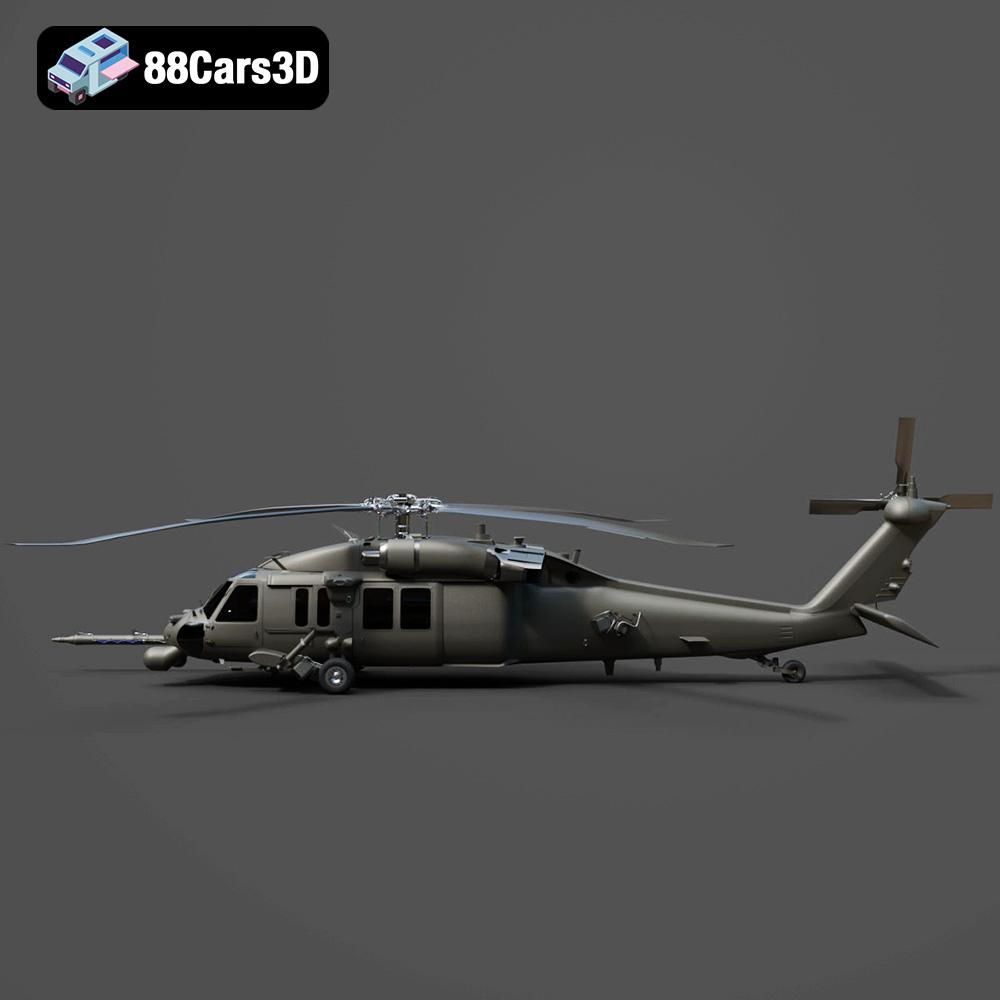
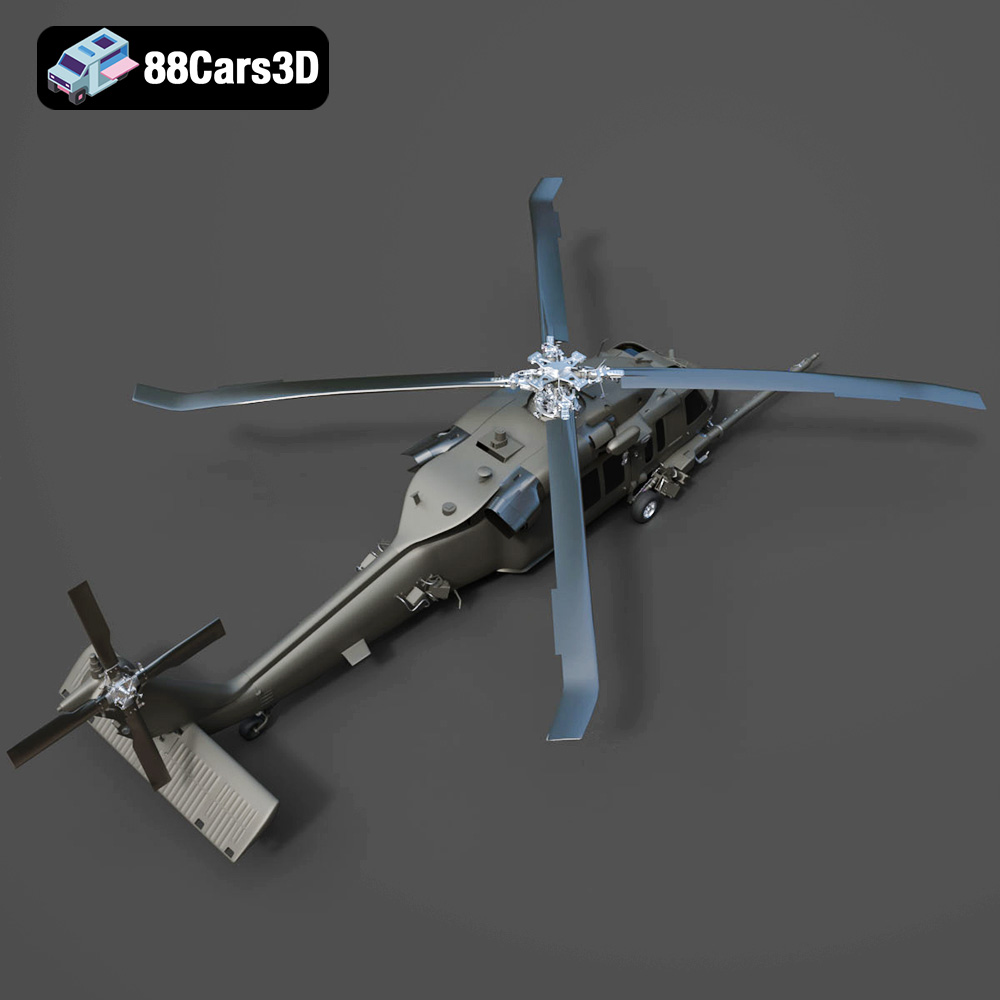
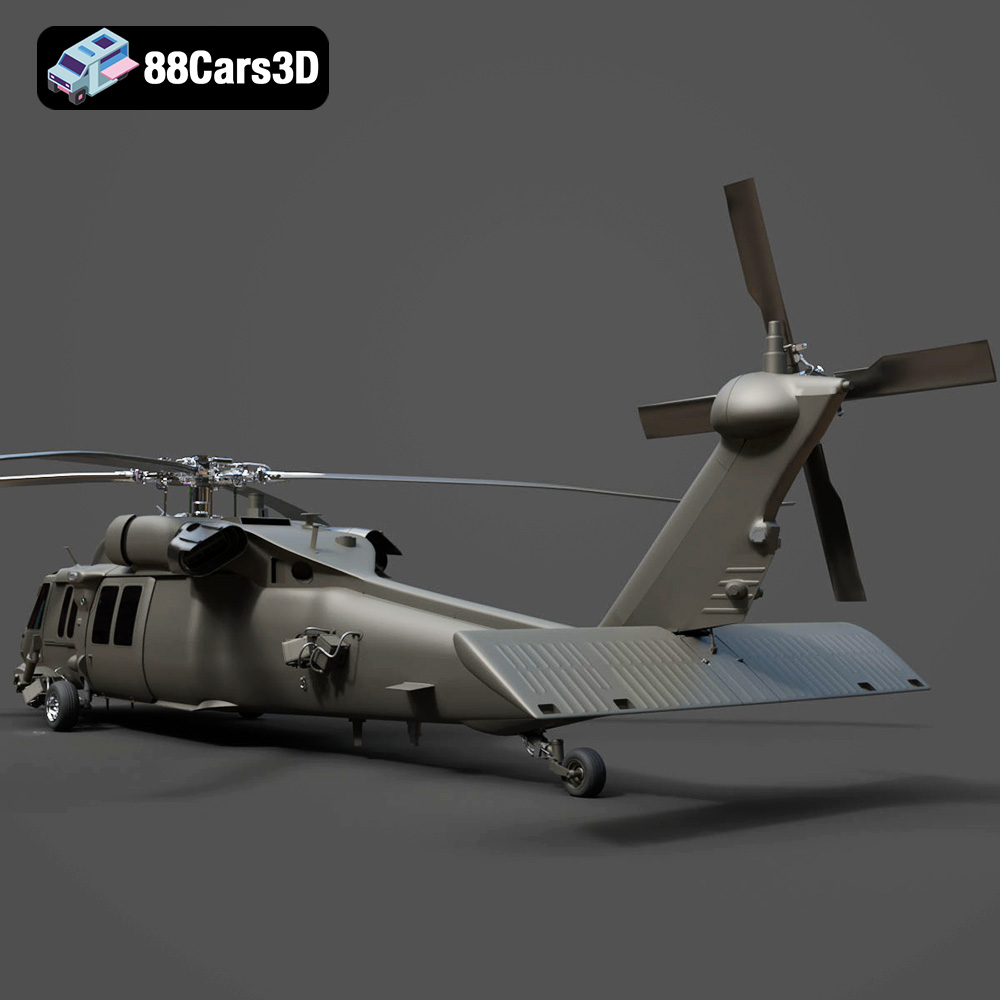
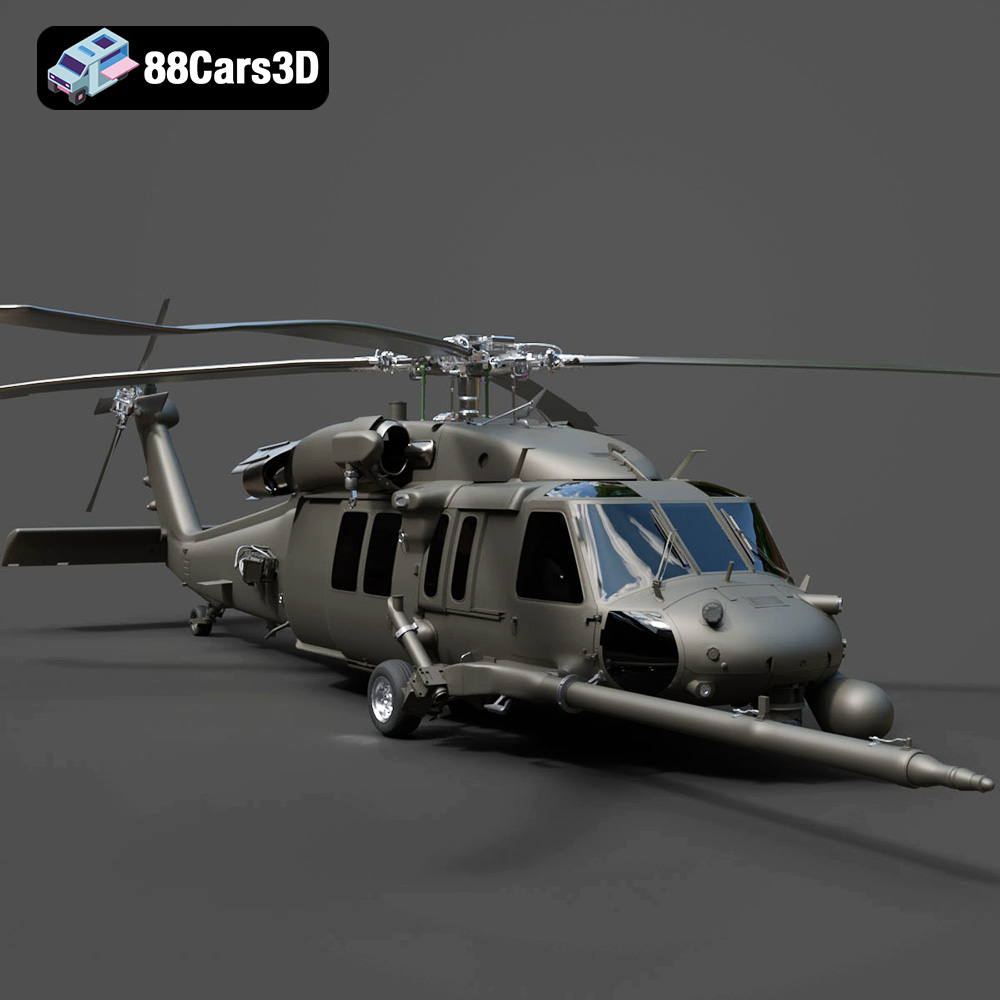
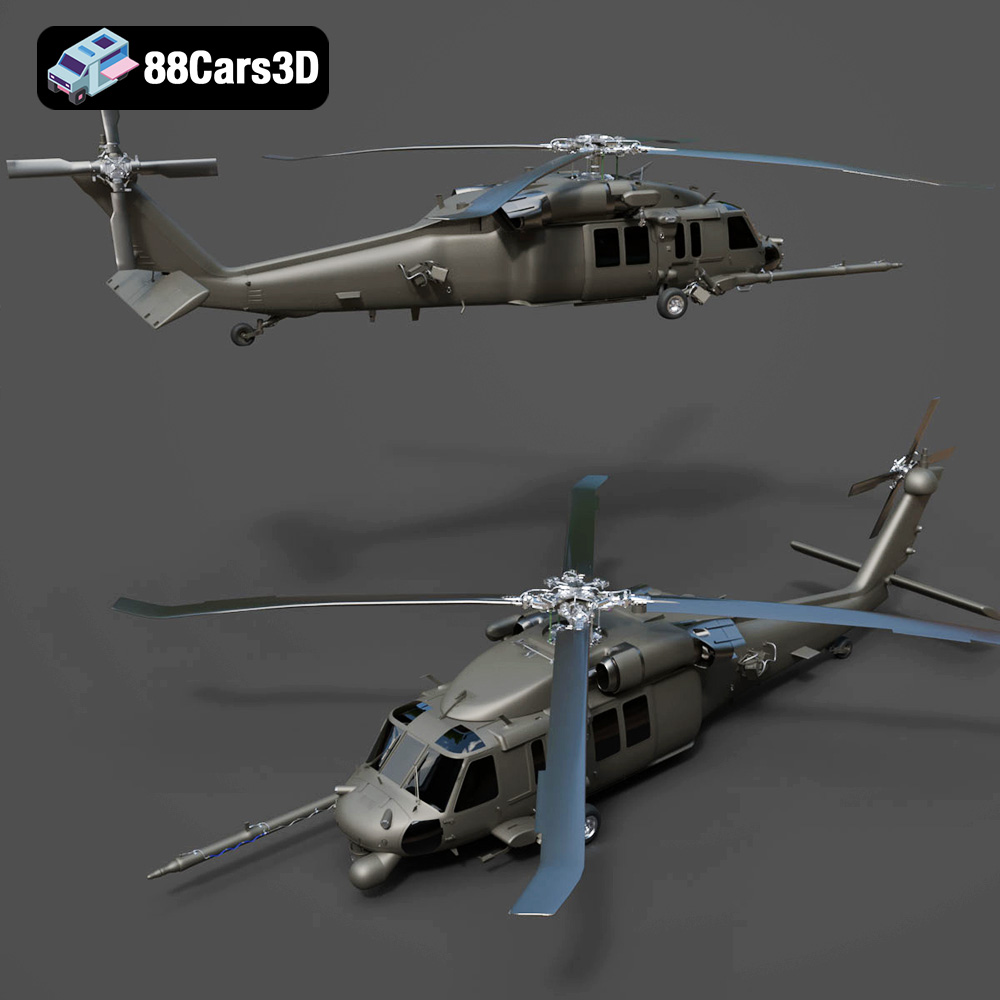
For designers, developers, and visualizers working across various industries—be it automotive rendering, game development, or architectural visualization—the demand for assets that can seamlessly integrate into diverse pipelines is constant. This is where models like the Helicopter UH-40 3D Model from 88cars3d.com truly shine. This particular model isn’t just a static representation; it’s a comprehensive digital package designed to elevate the visual fidelity of any project it graces, offering a robust and detailed portrayal of a military aircraft that stands up to the closest scrutiny.
From its aerodynamic exterior, capturing the robust essence of the UH-40, to its fully modeled interior, every detail has been considered. This level of precision is paramount for scenarios ranging from realistic flight simulators to high-resolution advertising campaigns. In the following sections, we’ll delve into the technical intricacies, workflow integrations, and diverse applications that make such high-quality 3D car models and vehicle assets not just useful, but essential, for modern digital production.
Understanding 3D Model File Formats
The versatility of a 3D model often hinges on the range and quality of its supported file formats. Each format serves a specific purpose, catering to different software ecosystems, project requirements, and optimization needs. Understanding these distinctions is crucial for seamless integration into professional workflows, ensuring that an asset like the Helicopter UH-40 3D Model can be utilized to its fullest potential across various platforms.
The Ecosystem of Digital Asset Exchange
When you acquire a detailed 3D asset, especially from a reputable marketplace like 88cars3d.com, you expect it to be ready for your preferred software. This readiness comes from the careful provision of multiple file formats, each with its unique characteristics and advantages:
- .blend – Fully Editable Blender Scene with Materials: Blender, a powerful open-source 3D creation suite, uses the .blend format as its native project file. A .blend file typically contains not only the mesh data but also all associated materials, textures, lighting setups, cameras, animation data, and even physics simulations. For artists working primarily in Blender, this format offers the most flexibility, allowing for deep customization, tweaking of shaders, and quick iteration on design or animation. It’s perfect for those who want to dive into the model’s construction and adapt it significantly.
- .max – Editable 3ds Max Project for Animation and Rendering: Autodesk 3ds Max is an industry-standard software for 3D modeling, animation, rendering, and visualization, especially prevalent in architectural visualization and game cinematics. The .max format is its proprietary project file, similar to .blend for Blender. It encapsulates the entire scene, including geometry, modifiers, materials (often V-Ray or Corona setups), lighting, and animation rigs. For users of 3ds Max, this provides maximum control and fidelity, preserving all specific software features and render settings.
- .fbx – Ideal for Unreal, Unity, and Real-Time Pipelines: Developed by Autodesk, FBX (Filmbox) is one of the most widely adopted proprietary file formats for 3D content exchange. It’s renowned for its ability to store a vast array of 3D data, including models, animations, cameras, and lights, while maintaining scene hierarchy. Crucially, .fbx is the de facto standard for game engines like Unreal Engine and Unity, making it an essential format for game assets. Its robust support for skeletal animation, blend shapes, and PBR (Physically Based Rendering) material setups ensures that the Helicopter UH-40 can be seamlessly imported and perform optimally in real-time applications.
- .obj – Universal Format for Cross-Software Compatibility: OBJ (Object) is one of the oldest and most universally supported 3D file formats. It’s a simple, text-based format that primarily stores geometry (vertices, faces, normals, UV coordinates) and can reference an external .mtl (material) file for basic material properties. While it doesn’t store animation or complex scene data, its widespread compatibility makes it a safe choice for transferring models between almost any 3D software package, ensuring that the UH-40 can be used even in more niche or legacy applications.
Choosing the Right Format for Your Project
Beyond the core editing and exchange formats, specialized formats cater to distinct requirements:
- .glb – Optimized for AR, VR, and Browser-Based Display: GLB (GL Transmission Format Binary) is the binary version of glTF, an open-standard format for 3D scenes and models. GLB is highly optimized for web delivery and real-time rendering, particularly for AR (Augmented Reality) and VR (Virtual Reality) applications. It bundles all model data, textures, and animations into a single file, reducing load times and simplifying integration into web viewers or mobile AR experiences. For showcasing the Helicopter UH-40 in a browser or an AR app, .glb is the most efficient and performant choice.
- .stl – Suitable for 3D Printing Output: STL (Stereolithography) is the standard file format for 3D printing. It represents a 3D model as a series of connected triangles (a tessellated surface) without color, texture, or other CAD attributes. While not suitable for rendering or animation, an .stl version of the UH-40 allows for the creation of physical prototypes or scale models, bridging the gap between digital design and tangible output.
- .ply – Precision Mesh Format for CAD or Analysis: PLY (Polygon File Format) is another format primarily used for storing 3D data from 3D scanners, CAD programs, or scientific applications. It can store a wider range of properties than .obj, including color per vertex, transparency, and sometimes even texture coordinates. While less common for general rendering, it’s valuable for precise geometric analysis, reverse engineering, or integrating the UH-40 model into CAD pipelines where high precision is paramount.
- .unreal – Engine-Ready Asset for Real-Time Environments: While not a standalone file format in the traditional sense, “unreal” typically implies a model that has been specifically prepared and optimized for direct import into Unreal Engine projects. This can include pre-configured material instances, collision meshes, LODs (Levels of Detail), and proper folder structures, streamlining the process of getting the asset up and running in a real-time environment. This pre-configuration ensures the Helicopter UH-40 model performs exceptionally well within Unreal, minimizing setup time for game developers and simulation engineers.
The provision of such a comprehensive suite of formats for the Helicopter UH-40 3D Model highlights its professional-grade quality and its readiness to adapt to virtually any digital pipeline, making it an incredibly flexible asset for any professional or enthusiast.
Integrating the UH-40 into Professional Workflows: From Design to Deployment
A high-quality 3D model like the Helicopter UH-40 is more than just a collection of polygons; it’s a valuable asset designed to be integrated seamlessly into complex professional workflows. Whether the end goal is a photorealistic render, an interactive game, or a detailed simulation, the model’s design and format versatility are key to efficient production.
Mastering Animation and Rendering in 3ds Max and Blender
For artists focused on pre-rendered cinematics, marketing visuals, or high-fidelity animations, 3ds Max and Blender remain powerhouse tools. The Helicopter UH-40 3D Model, provided in both .max and .blend formats, offers immense flexibility in these environments:
- 3ds Max Workflow: When imported into 3ds Max, the .max file ensures that all original scene data—including geometry, materials (often pre-configured for V-Ray or Corona Render), and potentially basic animation setups—are preserved. Artists can leverage 3ds Max’s robust modeling tools to further customize the helicopter, perhaps adding specific decals, battle damage, or modifications. Animation tools like CAT (Character Animation Toolkit) or standard bone systems can be used to rig the rotor blades, landing gear, or cockpit controls for dynamic sequences. The powerful rendering engines integrated or compatible with 3ds Max allow for the creation of stunningly realistic images and animations, showcasing the UH-40 in various lighting conditions and environments. This is ideal for advertising, film VFX, or detailed product visualizations where absolute photorealism is the goal.
- Blender Workflow: The .blend file for the UH-40 comes fully equipped with materials and lighting, making it an immediate drop-in solution for Blender users. Artists can take advantage of Blender’s intuitive interface and powerful Cycles or Eevee renderers. For animation, Blender’s non-linear animation (NLA) editor, graph editor, and drivers can be employed to create complex flight paths, rotor spin, and environmental interactions. The open-source nature of Blender also means a vast community and numerous add-ons are available to enhance the workflow, from procedural texturing to advanced simulation effects. The clean topology of the UH-40 model means it will deform correctly under animation and render efficiently, whether for a quick preview in Eevee or a final production render in Cycles.
Real-Time Performance in Unreal Engine for Game Development and Simulation
The landscape of interactive media and simulations demands assets that are not only visually rich but also highly optimized for real-time performance. This is where the .fbx and .unreal formats of the Helicopter UH-40 3D Model become invaluable:
- Unreal Engine Integration: For game developers and simulation engineers, the .fbx format is the go-to for importing static meshes, skeletal meshes, and animations into Unreal Engine. The UH-40’s optimized topology and clean UVs ensure that it imports efficiently, allowing Unreal to generate proper lightmap UVs and collision meshes. The “unreal” specific asset further streamlines this, often providing pre-configured material instances that leverage Unreal’s physically based rendering system, ensuring consistent visual fidelity. Developers can then utilize Unreal’s Blueprint visual scripting system or C++ to implement flight mechanics, interactive cockpit controls, and damage systems, bringing the helicopter to life within the game or simulation. The model’s optimized nature means it will contribute minimally to draw calls and memory usage, crucial for maintaining high frame rates in complex scenes.
- Game Asset Optimization: Beyond basic import, successful integration into game development involves several optimization steps. The UH-40 model is built with optimized topology, meaning its polygon count is managed without sacrificing detail, making it suitable for varying LOD (Level of Detail) settings. This allows the engine to dynamically swap lower-poly versions of the model when it’s further from the camera, saving valuable rendering resources. The provision of game-engine-ready materials (often PBR textures like Albedo, Normal, Roughness, Metalness) simplifies the material setup process within Unreal, ensuring a realistic appearance straight out of the box.
Whether you’re crafting a cinematic sequence with intricate lighting in 3ds Max, developing a next-gen flight simulator in Unreal, or building an immersive AR experience, the Helicopter UH-40 3D Model provides a solid foundation, significantly reducing development time and boosting visual quality. This kind of versatility is precisely what professionals seek from assets available on platforms like 88cars3d.com.
Beyond Visuals: The UH-40 in Simulation and AR/VR Environments
While the visual appeal of a high-fidelity 3D model is undeniable, its utility extends far beyond static renders or even dynamic animations. For specialized applications such as training simulations, augmented reality (AR), and virtual reality (VR), the precision and optimization of an asset like the Helicopter UH-40 3D Model are critical, transforming it into a powerful interactive tool.
Crafting Immersive Training Simulations
Military, aviation, and emergency services rely heavily on high-fidelity simulations for training personnel in complex and high-stakes scenarios. The Helicopter UH-40 3D Model is an ideal candidate for such applications:
- Realistic Scenario Development: With its precise structural accuracy and fully modeled interior, the UH-40 provides a realistic platform for flight training simulators. Trainees can interact with accurate cockpit layouts, practice emergency procedures, and learn navigation in a risk-free environment. The model’s optimized topology ensures smooth performance even within complex simulation engines, allowing for fluid controls and realistic physics interactions. This realism significantly enhances the learning experience, preparing pilots and crew for real-world operations.
- Technical Visualization and Maintenance Training: Beyond flight, the detailed nature of the UH-40 model makes it suitable for technical visualization. Imagine a virtual environment where maintenance crews can disassemble and reassemble virtual components, practice repair procedures, or identify critical systems without needing a physical aircraft. The clean geometry and potential for detailed material separation (e.g., engine, fuselage, rotors as distinct components) facilitate this type of granular interaction, turning the 3D model into an interactive technical manual.
Augmented Reality and Virtual Reality Applications
AR and VR are transforming how we interact with digital content, offering immersive experiences that blend virtual objects with the real world or create entirely new realities. The Helicopter UH-40 3D Model is perfectly suited for these emerging platforms, especially with its .glb format optimization.
- Interactive AR Experiences: For AR applications, such as product showcases, interactive educational tools, or location-based experiences, the .glb format of the UH-40 is essential. Its single-file packaging and optimization for web and mobile platforms allow users to view the helicopter in their own environment through a smartphone or tablet. Imagine placing a life-sized UH-40 on a landing pad in a field, rotating it, and exploring its interior from different angles – all through an AR app. This provides a compelling and engaging way to present the aircraft’s features and capabilities without physical constraints.
- Immersive VR Environments: In VR, the UH-40 can become a central element of fully immersive virtual worlds. Users could virtually sit inside the cockpit, experience a simulated flight, or explore the aircraft’s exterior in full 360-degree immersion. For architectural visualization projects that require an active military presence, or for educational VR experiences detailing aviation history, a high-quality asset like this is paramount for maintaining immersion and visual integrity. The optimized geometry ensures that VR headsets can render the scene at high frame rates, crucial for preventing motion sickness and delivering a comfortable experience.
The ability of the Helicopter UH-40 3D Model to serve these advanced interactive and simulation purposes underscores the importance of acquiring professional-grade 3D assets. It’s not just about looking good; it’s about enabling functionality and delivering impactful experiences across diverse technological landscapes.
Technical Specifications and Optimization for Peak Performance
The true measure of a high-quality 3D model lies not just in its visual fidelity but also in its underlying technical craftsmanship. For professionals, understanding these specifications is key to successful integration and optimal performance. The Helicopter UH-40 3D Model exemplifies best practices in asset creation, balancing detail with efficiency.
Topology and Mesh Integrity
The foundation of any good 3D model is its topology – the way its polygons are arranged. For a complex asset like the Helicopter UH-40, clean and optimized topology is paramount:
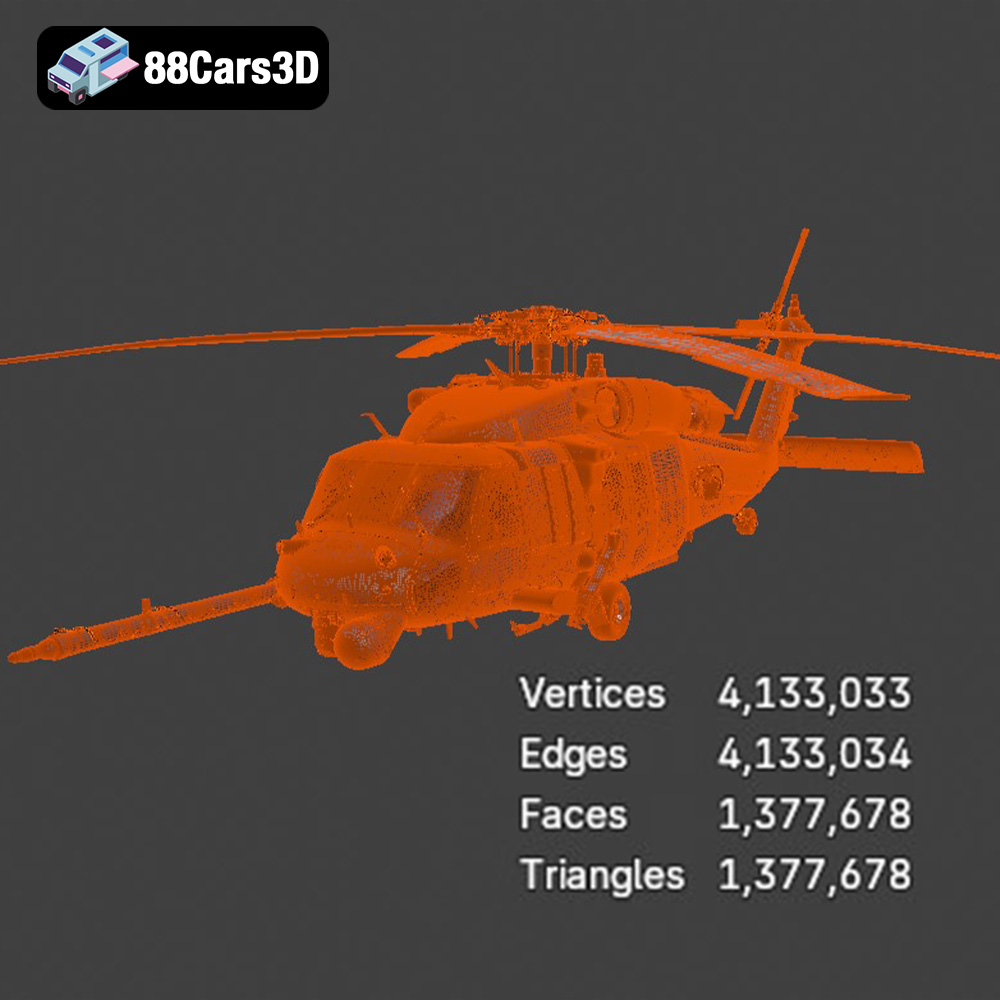
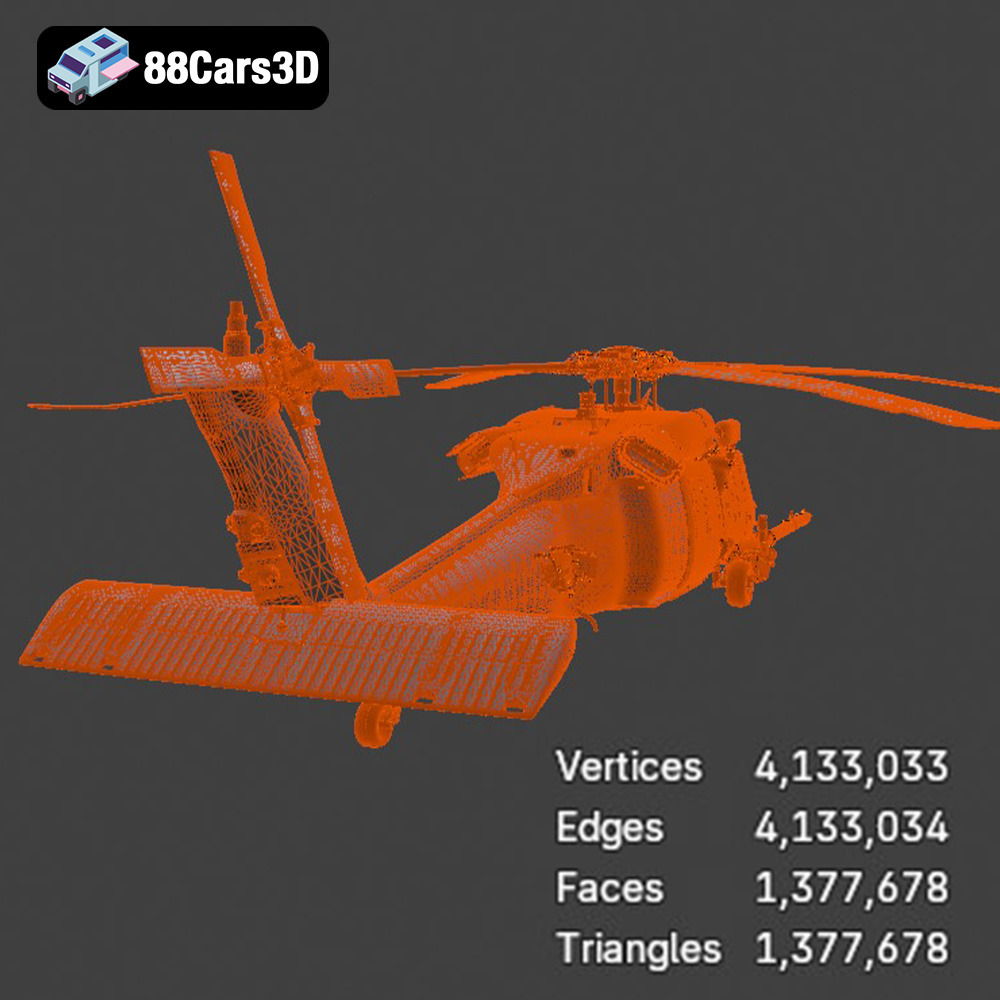
- Clean Geometry: The UH-40 model is built with clean geometry, primarily using quads (four-sided polygons) where appropriate. This ensures smooth subdivision if higher detail is needed for close-up renders, and prevents artifacts or shading issues common with poorly constructed meshes. Clean geometry also makes the model easier to edit, texture, and animate without encountering unexpected deformations.
- Optimized Polygon Count: While the product description emphasizes “detailed structural accuracy,” the term “optimized topology” means the polygon count is efficient. For game assets and real-time applications, this implies a careful balance: enough polygons to capture the distinct shapes and curves of the UH-40 without overburdening the rendering engine. For high-resolution renders, this might mean a slightly higher poly count than a purely game-focused asset, but still managed effectively to avoid unnecessary density. The model is designed to perform well in various scenarios, from detailed cinematic sequences to real-time interactive experiences, without sacrificing visual depth.
- UV Unwrapping: Proper UV (texture coordinate) unwrapping is critical for applying textures without stretching or distortion. A professionally built model like the UH-40 will feature clean, non-overlapping UV layouts, often grouped logically for different parts of the helicopter (fuselage, rotors, cockpit interior). This allows artists to apply high-resolution PBR (Physically Based Rendering) textures efficiently and accurately, ensuring a consistent and realistic appearance across all surfaces.
Realistic Materials and PBR Textures
Beyond the mesh, materials and textures are what bring a 3D model to life, giving it its tangible look and feel. The Helicopter UH-40 3D Model is designed with realistic materials in mind:
- Physically Based Rendering (PBR): Modern rendering and game engines rely on PBR workflows for achieving photorealistic results. This involves using a set of texture maps—such as Albedo (base color), Normal (surface detail), Roughness (micro-surface imperfections), Metalness (how metallic a surface is), and potentially Ambient Occlusion or Emission maps. The UH-40 model includes realistic materials that are compatible with PBR workflows, ensuring it renders accurately across different lighting conditions and software environments. This means less setup time for artists and more consistent results.
- Texture Resolution and Quality: The detail of the UH-40’s exterior and interior relies heavily on the quality of its textures. A professional model would typically include high-resolution textures (e.g., 2K or 4K) that capture intricate details like panel lines, rivets, wear and tear, and cockpit instrument labels. These textures are designed to withstand close-up renders, providing the necessary fidelity for detailed technical visualization or immersive AR/VR experiences.
- Material IDs and Grouping: For complex models like aircraft, different components require different materials (e.g., glass, metal, plastic, fabric). The UH-40 model would likely have clearly defined material IDs or groups, making it easy for artists to adjust specific parts without affecting the entire model. This granular control is invaluable for customization and iterative design.
By adhering to these rigorous technical specifications and optimization principles, the Helicopter UH-40 3D Model stands as a testament to quality asset creation. It provides visualizers and developers with a robust, efficient, and versatile foundation for their most demanding projects, whether they involve automotive rendering, game assets, or advanced simulations.
Case Studies: The Impact of Premium 3D Models
The theoretical benefits of high-quality 3D models are best illustrated through their practical applications across various industries. A versatile asset like the Helicopter UH-40 3D Model demonstrates how premium digital assets can transform project outcomes, saving time, enhancing realism, and expanding creative possibilities.
Architectural Visualization and Concept Development
While often associated with buildings, architectural visualization frequently requires contextual elements to bring scenes to life. The presence of vehicles, especially unique ones, can significantly elevate a project:
- Enhanced Scene Realism: Imagine an architectural visualization for a military base, a private airfield, or a modern emergency response facility. Placing a meticulously detailed Helicopter UH-40 3D Model within this environment instantly adds a layer of realism and narrative depth. It helps clients envision the scale, functionality, and operational context of the proposed structure far more effectively than an empty scene. The accurate exterior and interior details mean it can serve as a focal point, drawing viewers into the scene and grounding the architecture in a tangible reality.
- Concept Development for Infrastructure: For urban planners or defense contractors developing concepts for new heliports, landing zones, or vehicle deployment areas, integrating a realistic helicopter model is crucial. It allows for accurate spatial planning, analysis of clearance, and visualization of operational logistics. The UH-40 can be used to simulate different scenarios, test accessibility, and ensure that the proposed infrastructure can accommodate the necessary vehicles, all within a digital environment before any physical construction begins.
Marketing and Product Showcases
In marketing, compelling visuals are paramount. Premium 3D models offer an unparalleled way to showcase products, services, or concepts, particularly for industries with complex or expensive physical products.
- Dynamic Product Presentations: For aerospace companies or defense contractors, showcasing a new aircraft or an existing model like the UH-40 can be a costly logistical challenge. Using a high-quality 3D model allows for the creation of stunning, cinematic product presentations without the need for physical prototypes, expensive photography shoots, or elaborate stage setups. The model can be rendered in countless virtual environments, from desert operations to urban rescue missions, highlighting its versatility and capabilities in a way that static photography cannot.
- Interactive Explanations and Training: Beyond traditional renders, the UH-40 model can be integrated into interactive web applications or kiosks for trade shows. Prospective buyers or trainees can explore the helicopter’s features, operate virtual controls, or view cutaway sections to understand its internal mechanisms. This level of engagement provides a more comprehensive and memorable experience than passive viewing, reinforcing key messages about the product’s design and functionality. This is particularly valuable for complex machinery, where understanding the intricacies is key to appreciation and sales. The availability of formats like .glb also means these interactive showcases can be deployed easily on web platforms or mobile devices.
These case studies demonstrate that investing in high-quality 3D car models and aircraft assets, such as those found on 88cars3d.com, is not merely about aesthetics; it is a strategic decision that empowers professionals to achieve higher levels of realism, efficiency, and engagement across a multitude of applications.
Conclusion
In the vast landscape of digital content creation, the bedrock of any successful project is the quality of its fundamental assets. From the breathtaking visuals of a cinematic sequence to the intricate mechanics of a simulation or the immersive depth of an AR/VR experience, the fidelity and versatility of a 3D model are paramount. The Helicopter UH-40 3D Model stands as a prime example of an asset meticulously crafted to meet these diverse professional demands.
We’ve explored how its precise structural accuracy and fully modeled interior provide unparalleled realism, essential for close-up renders and immersive applications. Its optimized topology and clean geometry ensure peak performance across varied platforms, from the demanding real-time environments of Unreal Engine to the sophisticated rendering pipelines of 3ds Max and Blender. Furthermore, the comprehensive suite of industry-standard file formats—including .blend, .fbx, .obj, .glb, .stl, .ply, .unreal, and .max—guarantees seamless integration into virtually any workflow, empowering artists and developers with unprecedented flexibility.
Whether you are embarking on ambitious game development, crafting compelling automotive rendering scenes, producing military simulations, or designing innovative AR/VR experiences, the Helicopter UH-40 3D Model offers a robust foundation. It not only accelerates production timelines by providing a ready-to-use, high-quality asset but also elevates the overall visual fidelity and technical integrity of your projects. For professionals seeking to enhance their digital hangar with assets that blend aesthetic excellence with technical prowess, exploring the offerings at 88cars3d.com for high-quality 3D car models and other vehicle assets is an investment in future success.
Featured 3D Model
Helicopter UH-40 3D Model
Enhance your digital hangar with the detailed Helicopter UH-40 3D Model. Designed to meet the demands of visualizers and developers, this model delivers precise structural accuracy. The exterior captures the robust aerodynamics of the UH-40 aircraft, while the internal layout provides a fully modeled interior, ensuring it stands up to close-up renders and immersive experiences.
$19.99
View This Model
Related Tags
.aircraft
.arvr
.aviation
.blend
.car3dmodel
.fbx
.gameasset
.glb
.helicopter
.max
.military
.obj
.ply
.rendering
.simulation
.stl
.uh40
.unreal