Get 50% OFF All Premium 3D & STL Models!

The roar of a finely tuned engine, the blur of neon lights reflecting off polished chrome, the adrenaline rush of a perfectly executed drift – these are the hallmarks of Japanese Domestic Market (JDM) street racing culture. Far more than just vehicles, JDM cars represent a global phenomenon, a unique blend of engineering prowess, stylistic flair, and an unwavering passion for performance. For 3D artists, game developers, animators, and visualization specialists, accurately capturing the essence of these iconic machines is paramount. Whether you’re crafting an immersive open-world racing game, rendering a breathtaking automotive commercial, or designing a virtual showroom, the quality of your 3D car models directly impacts the fidelity and impact of your work.
Achieving this level of realism and performance often requires significant investment in time and resources, from meticulous modeling and texturing to rigorous optimization. This is where a curated collection of high-quality assets becomes invaluable. Imagine having immediate access to the legends that defined an era, meticulously detailed and ready for integration into any project. The Japanese Legends: JDM Street Racing 3D Models Bundle (5-in-1 Pack) offered by 88cars3d.com delivers precisely this, providing an unparalleled foundation for any JDM-inspired digital creation.
Before diving into the specifics of these incredible JDM 3D models, it’s crucial to understand the various file formats that dictate how 3D data is stored, exchanged, and utilized across different software and platforms. The versatility of a 3D asset often hinges on the range of formats it supports, ensuring seamless integration into diverse professional workflows. The Japanese Legends bundle exemplifies this by including a comprehensive suite of universal and proprietary formats.
The .blend format is the native file type for Blender, the popular open-source 3D creation suite. When you receive a .blend file, you’re not just getting the raw mesh data, but a complete Blender scene. This typically includes the model’s geometry, materials, textures, lighting setups, cameras, animations, and even modifiers or rigging information. For artists working in Blender, this format offers the highest degree of editability and flexibility, allowing full control over every aspect of the model without any loss of data during conversion. It’s ideal for those who wish to customize materials, modify topology, or integrate the model directly into an existing Blender project.
.fbx (Filmbox) is arguably the most widely adopted proprietary file format for 3D data exchange, developed by Autodesk. Its strength lies in its ability to store not just geometry, but also animation, cameras, lights, and material information in a robust, interoperable package. This makes .fbx an ideal choice for transferring 3D car models between different professional applications like 3ds Max, Maya, Blender, and especially into real-time game engines such as Unreal Engine and Unity. Its widespread support ensures a smooth pipeline for game assets and animated sequences, making it a cornerstone for professional game development and VFX studios.
The .obj (Wavefront OBJ) format is one of the oldest and most universal 3D file formats. It’s a simple, text-based format that primarily stores geometry data (vertices, UVs, normals) and references to external material files (.mtl). While it doesn’t typically store advanced features like animation or rigging, its simplicity ensures maximum compatibility across virtually all 3D software. For simple mesh transfer or when you need a clean base model for sculpting or retopology in a different application, .obj remains a reliable choice. It’s an excellent fallback option when other formats encounter compatibility issues.
.glb (GL Transmission Format Binary) is a relatively newer format, rapidly gaining traction for its efficiency and optimization for web-based 3D, augmented reality (AR), and virtual reality (VR) applications. It’s the binary version of .gltf, meaning it packages all assets – geometry, materials, textures, animations – into a single file. This self-contained nature and compact size make .glb incredibly fast to load and render in browser-based viewers, mobile AR/VR experiences, and other real-time interactive platforms. For showcasing 3D car models on a website or integrating them into a lightweight AR app, .glb is the format of choice.
.stl (STereoLithography) is the de facto standard file format for 3D printing. It represents a 3D model as a series of connected triangles (a triangulated mesh) that define the surface geometry of an object. This format is purely focused on the geometric shape, containing no color, texture, or material information. When you download the Japanese Legends bundle, the inclusion of .stl files means you can directly prepare these iconic JDM machines for physical fabrication, creating scale models, prototypes, or collectibles using a 3D printer. This opens up entirely new avenues for both professional and hobbyist applications.
The .ply (Polygon File Format) is another common format for storing 3D data, particularly useful for scanned data, CAD, and scientific applications. It can store a wider range of properties than .obj, including color, transparency, and normal data per vertex or face. While not as universally used for game assets or animation as .fbx, its ability to store precise mesh information makes it valuable for specific engineering, reverse engineering, or high-fidelity visualization tasks where accuracy and additional vertex attributes are critical. For rigorous technical analysis or manufacturing workflows, .ply offers a robust data structure.
While not a universal file format in the same vein as .fbx or .obj, .unreal refers to an asset that has been meticulously prepared and optimized for direct import and use within Unreal Engine. This often implies proper pivot point setup, collision meshes, material instances, and even blueprint configurations. An “Unreal-ready” asset ensures that game developers can drop the model directly into their scenes, leveraging Unreal’s advanced rendering capabilities and physics systems without extensive setup. Although not a standalone file extension that ships *outside* of the engine, the concept of “engine-ready” is crucial for efficiency in game development, and high-quality bundles like the Japanese Legends implicitly provide assets that meet this standard, often through well-structured .fbx imports.
The .max format is the native file type for Autodesk 3ds Max, a leading software for 3D modeling, animation, and rendering in architectural visualization, product design, and game development. Similar to .blend, a .max file contains the entire scene data, including geometry, materials, lighting, cameras, animations, modifiers, and rendering settings specific to 3ds Max. For artists who primarily work within the Autodesk ecosystem, having access to the original .max files provides the greatest flexibility for modifications, integrating with renderers like V-Ray or Corona, and leveraging 3ds Max’s powerful modeling and animation tools.
The inclusion of these diverse formats within the Japanese Legends bundle from 88cars3d.com ensures that users, regardless of their preferred software or end-use application, can integrate these high-quality 3D car models seamlessly into their projects. This multi-format approach drastically reduces friction and maximizes value for professionals across the digital arts spectrum.
The Japanese Legends bundle is a meticulously curated collection that pays homage to five of the most revered vehicles in JDM history. Each model is a testament to precision and passion, designed to meet the rigorous demands of professional 3D production.
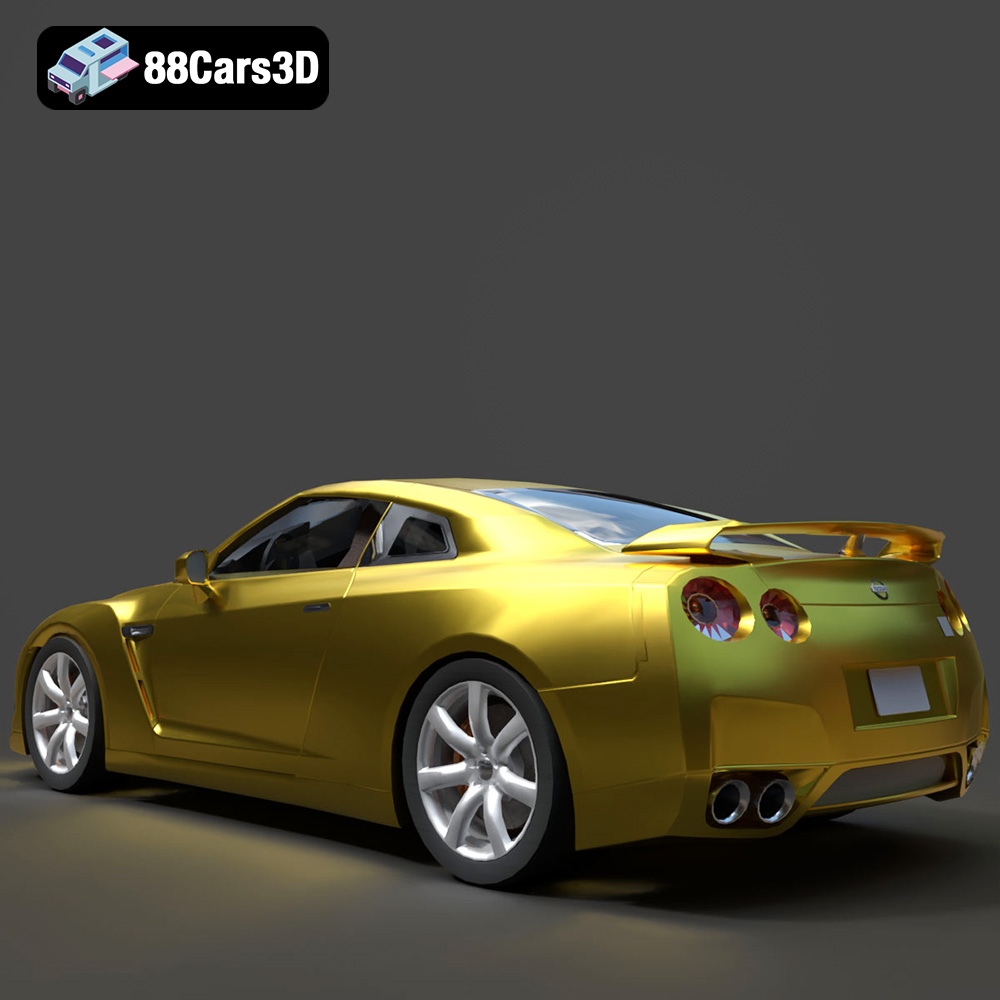
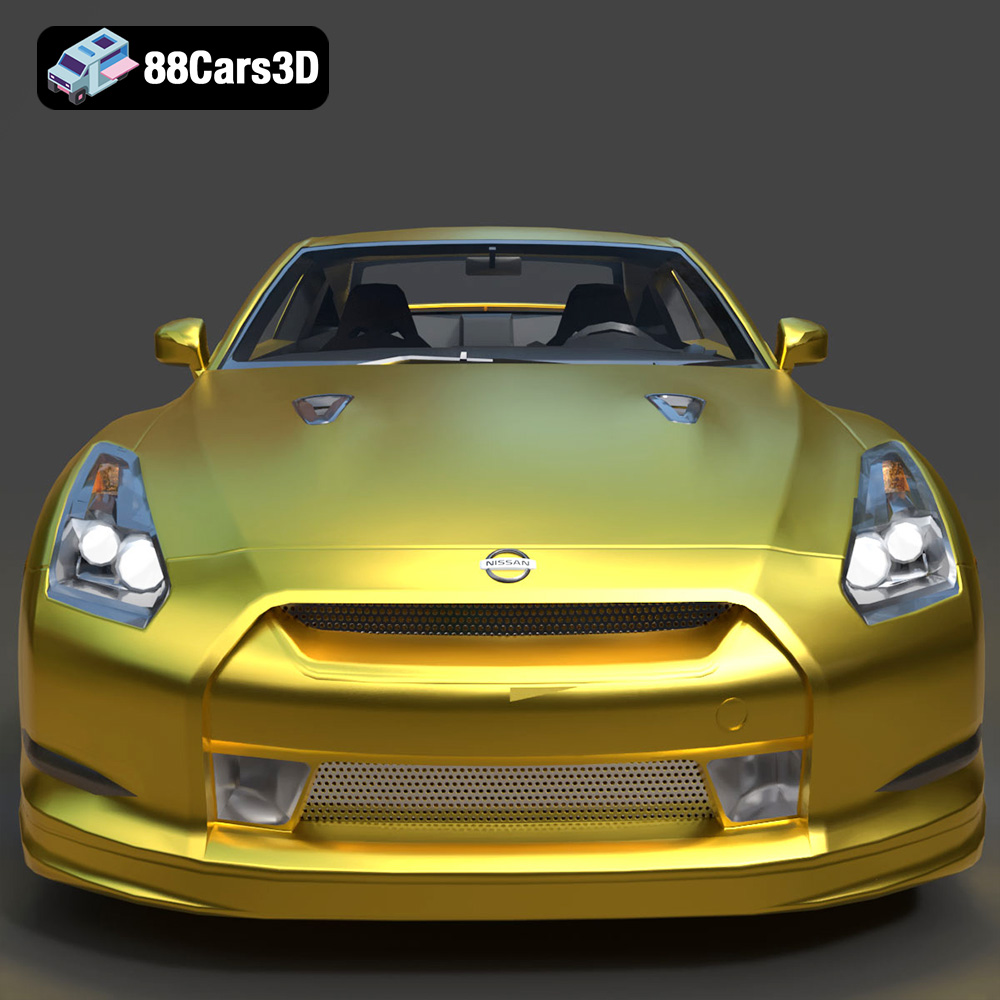
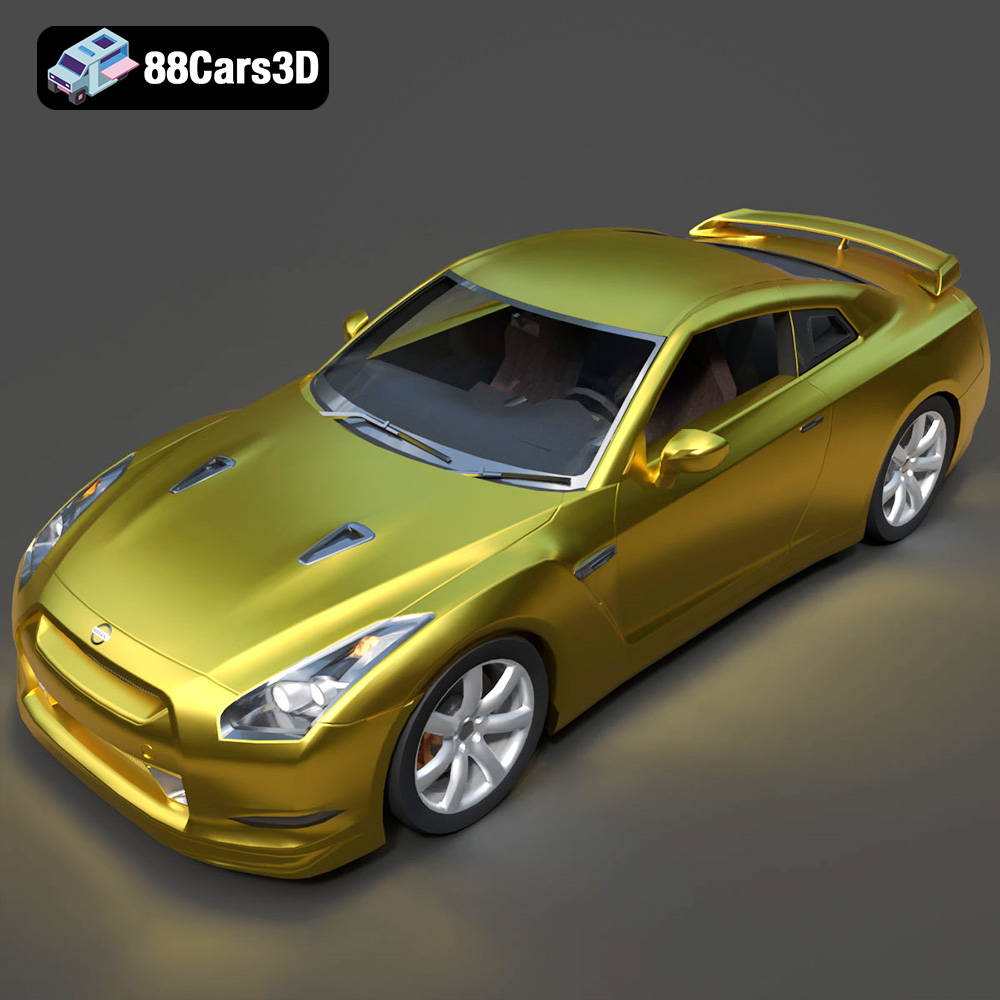
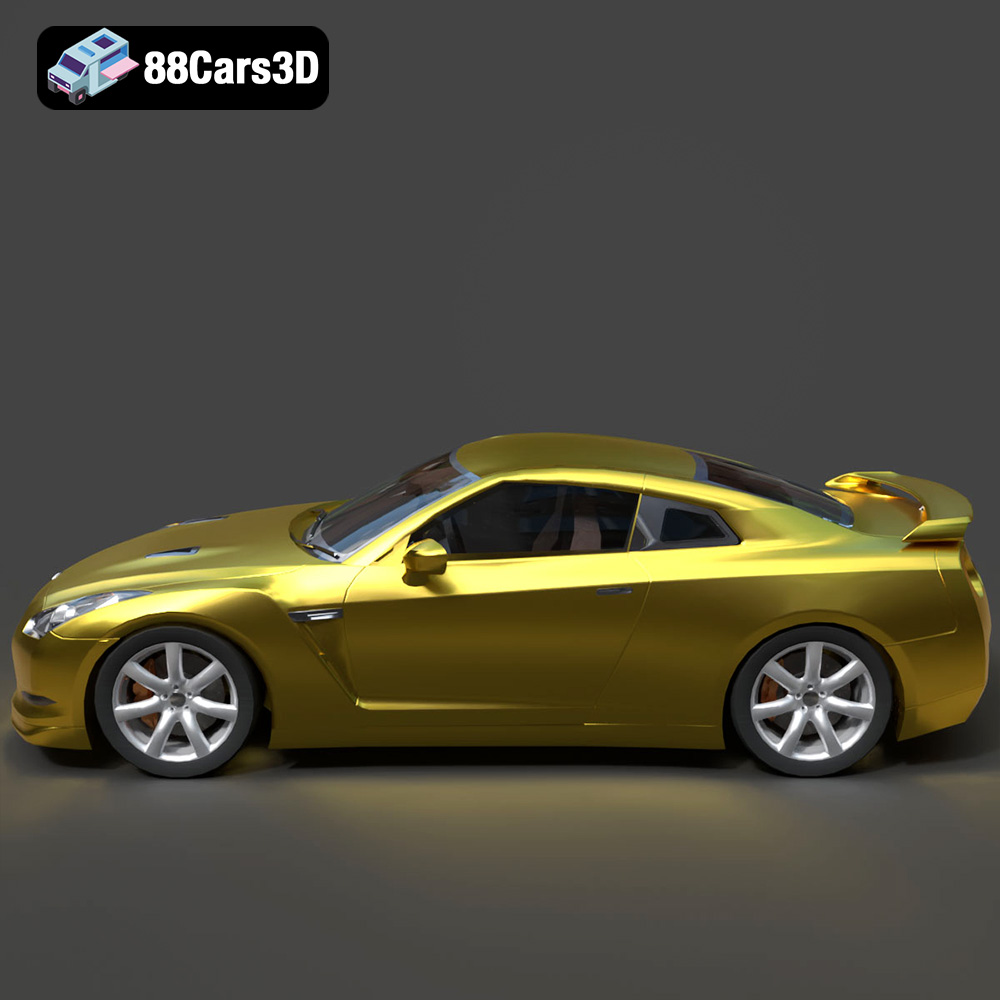
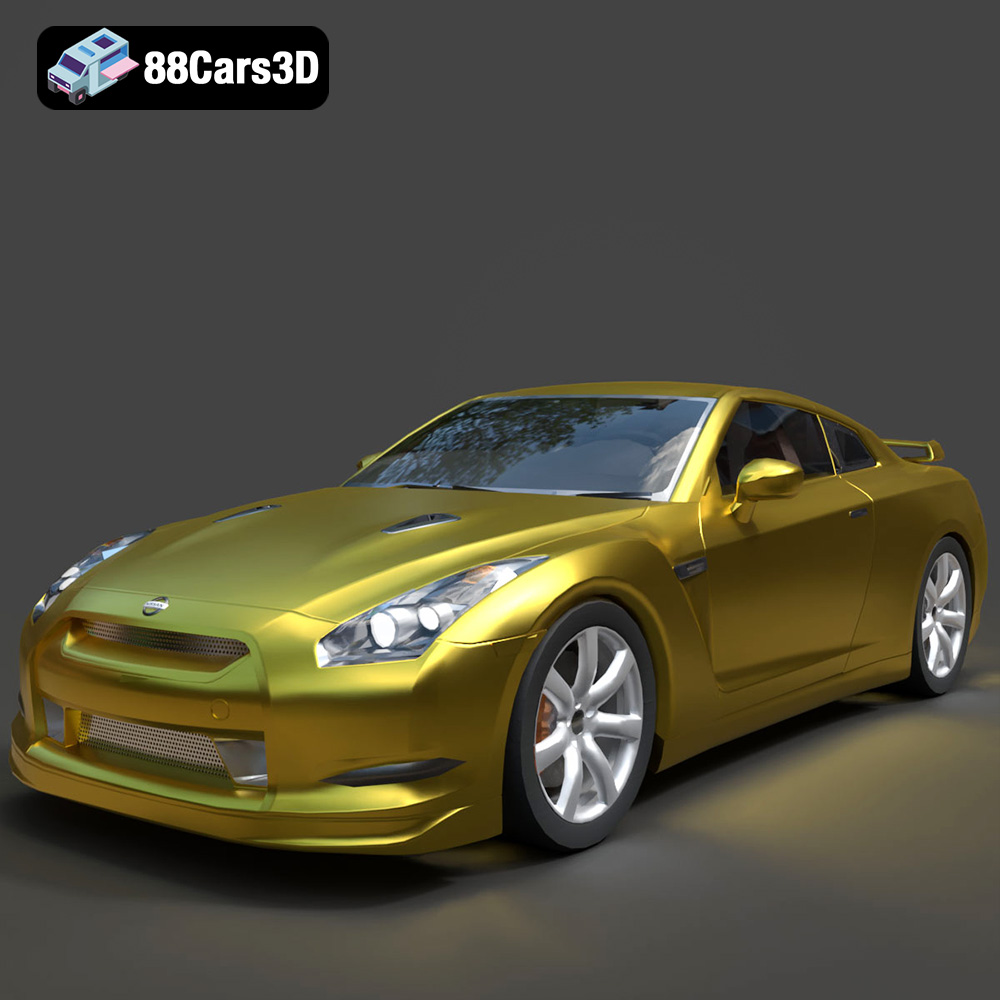
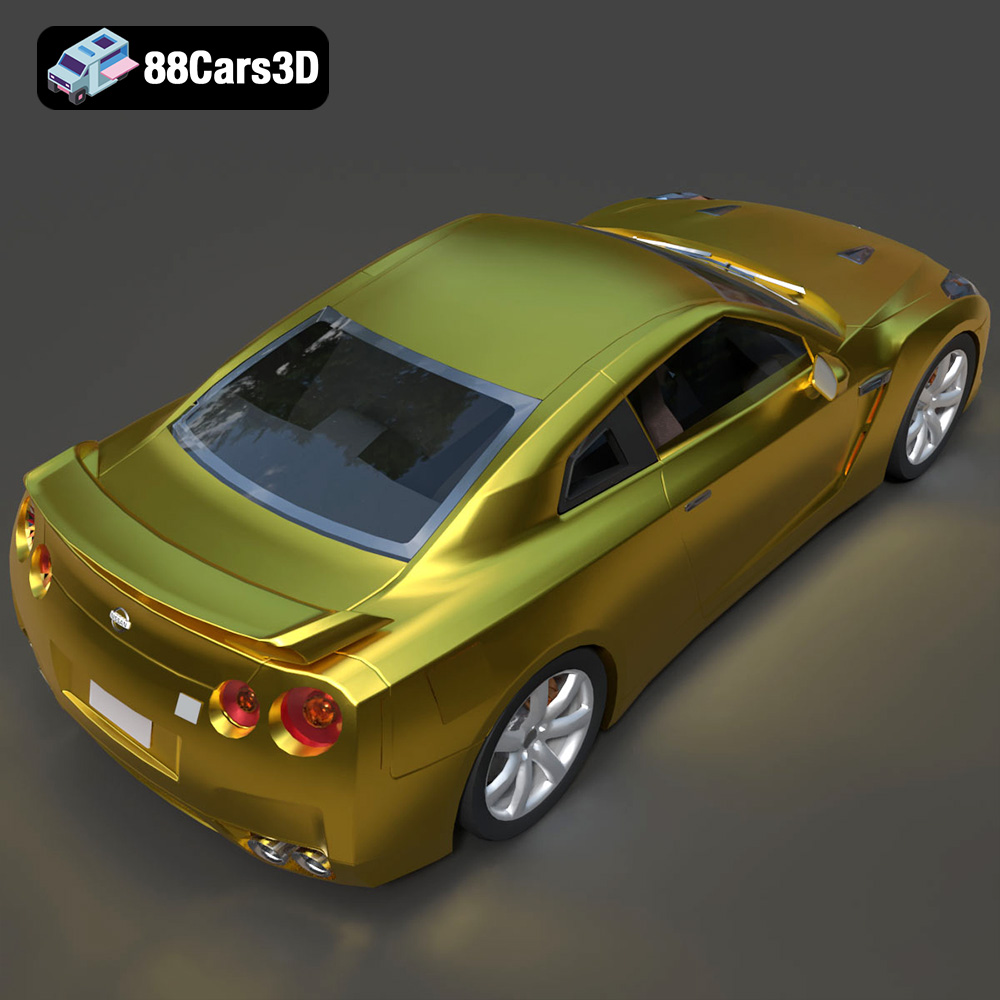
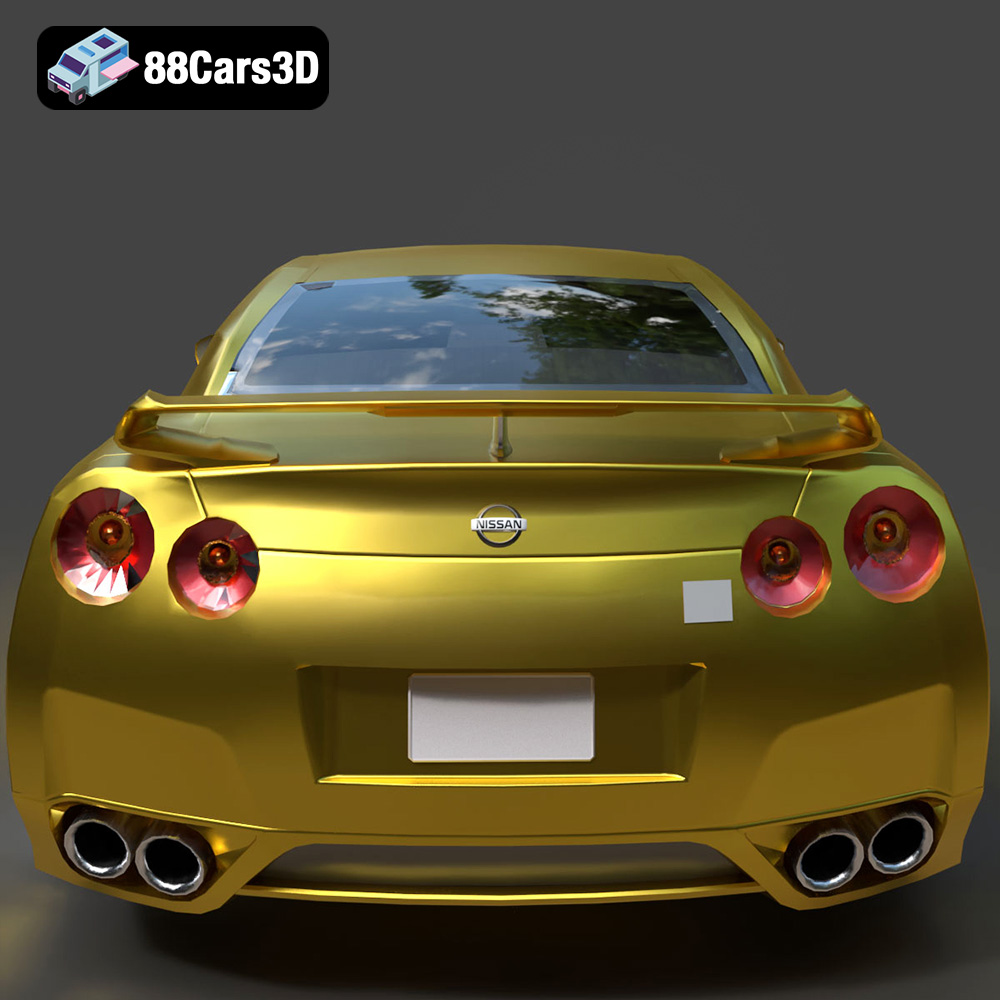
The 2008 Nissan GT-R, affectionately known as “Godzilla,” redefined the supercar landscape. This 3D model captures its essence perfectly, from the aggressive front fascia to the signature quad-round taillights. The high-poly topology ensures that every curve and vent is rendered with photorealistic accuracy, making it ideal for high-end automotive rendering. Imagine this GT-R speeding through a rain-slicked Tokyo street, its paint reflecting the city lights – the bundle provides the perfect canvas for such cinematic realism.
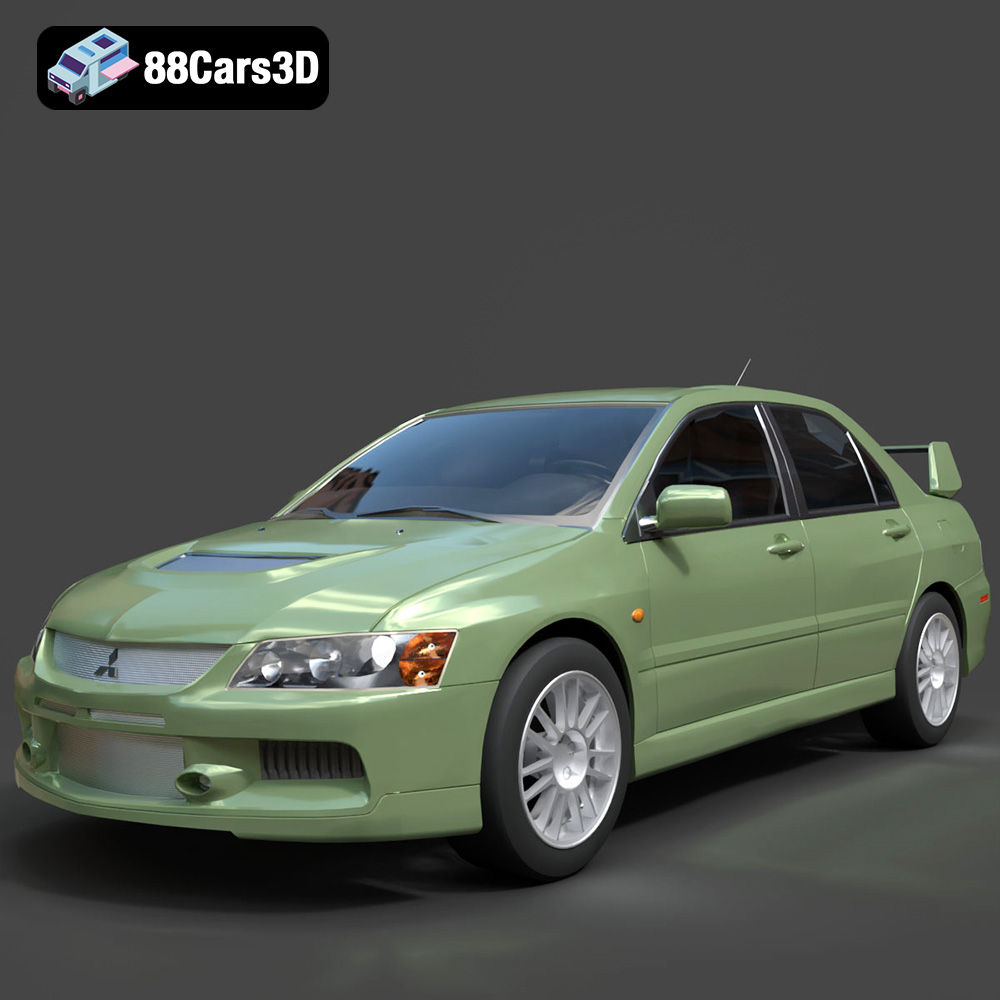
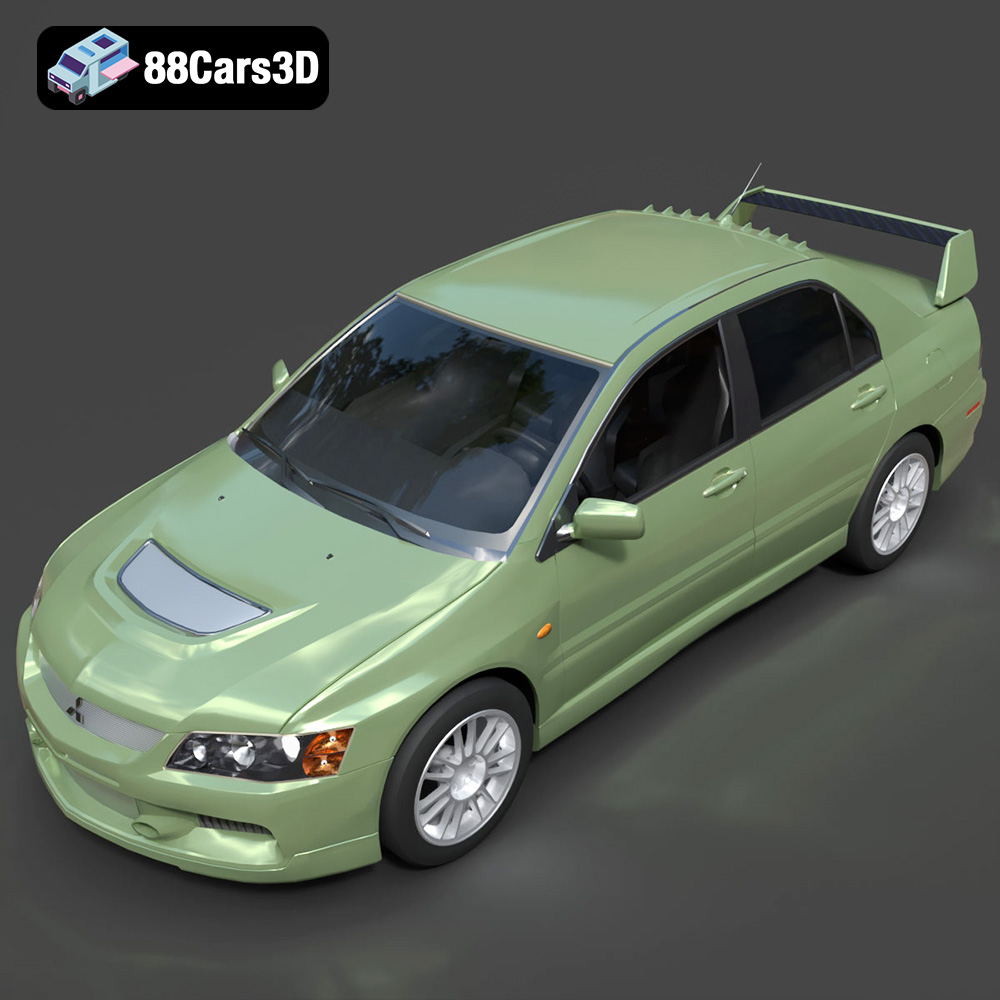
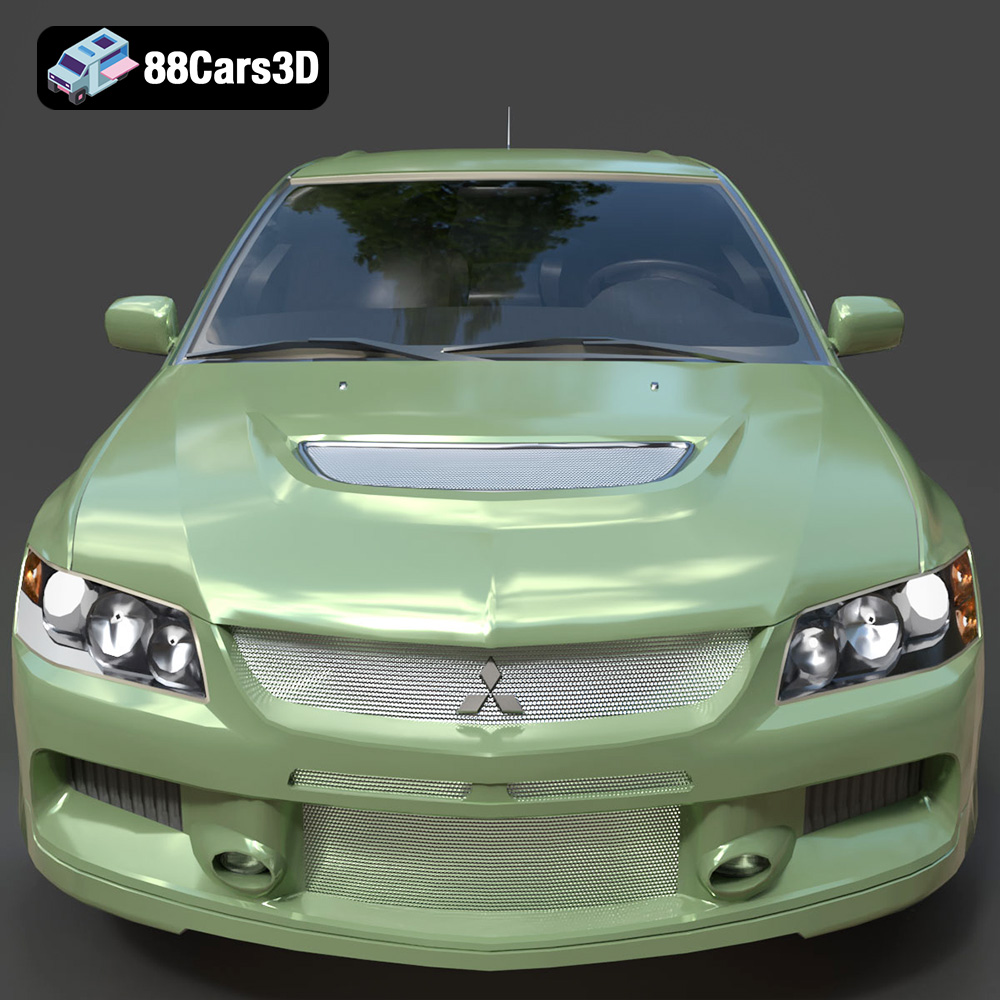
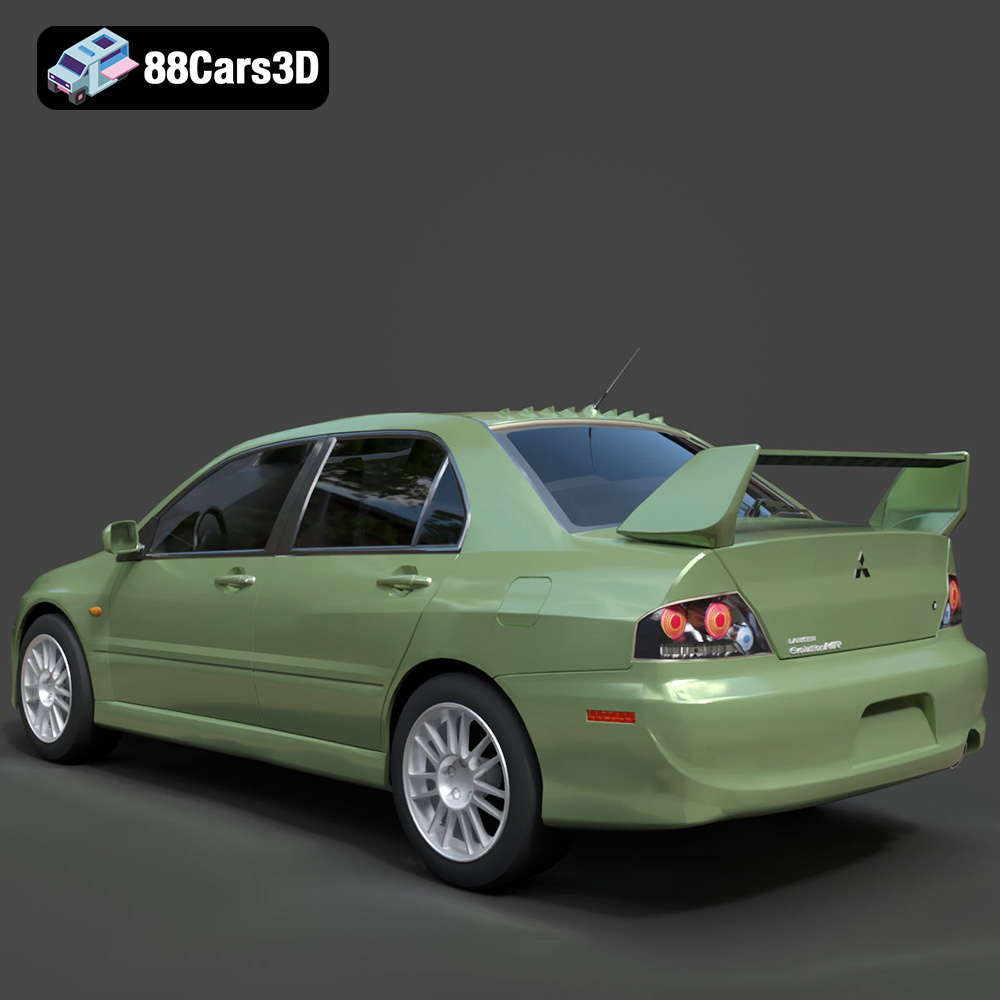
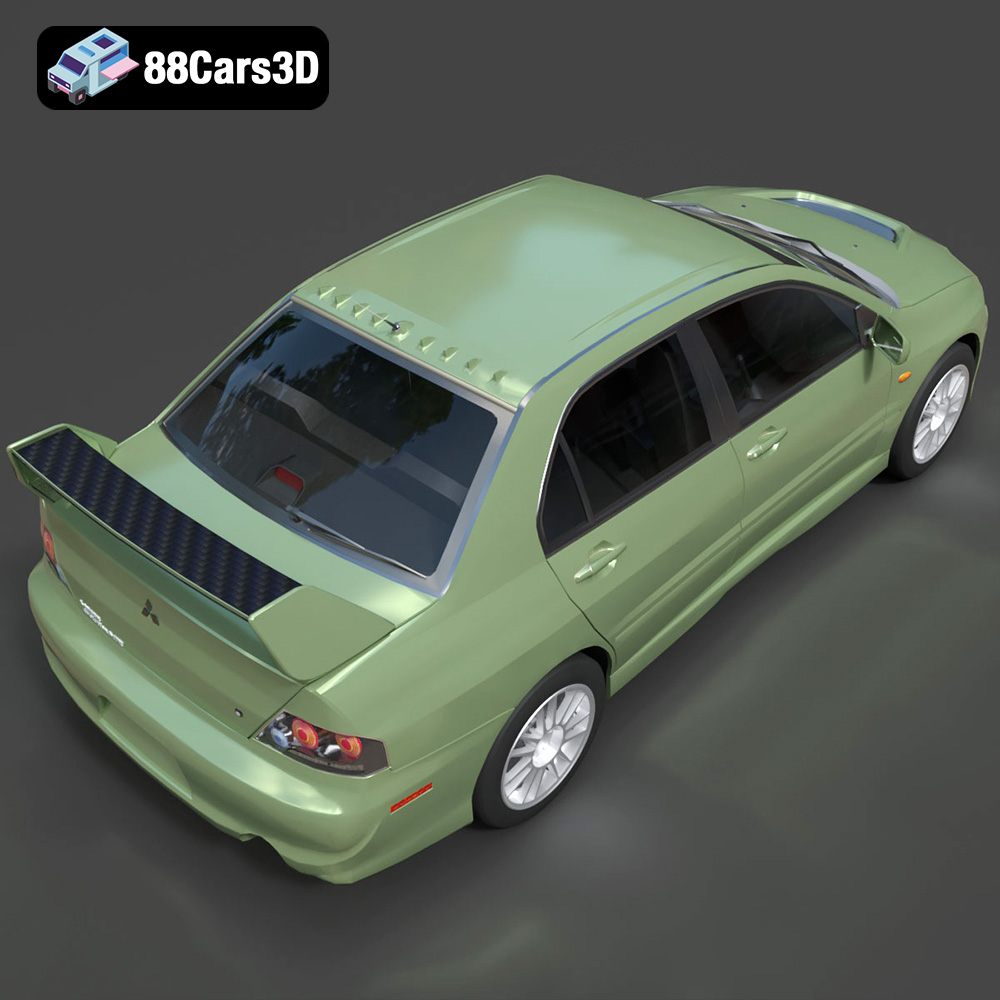
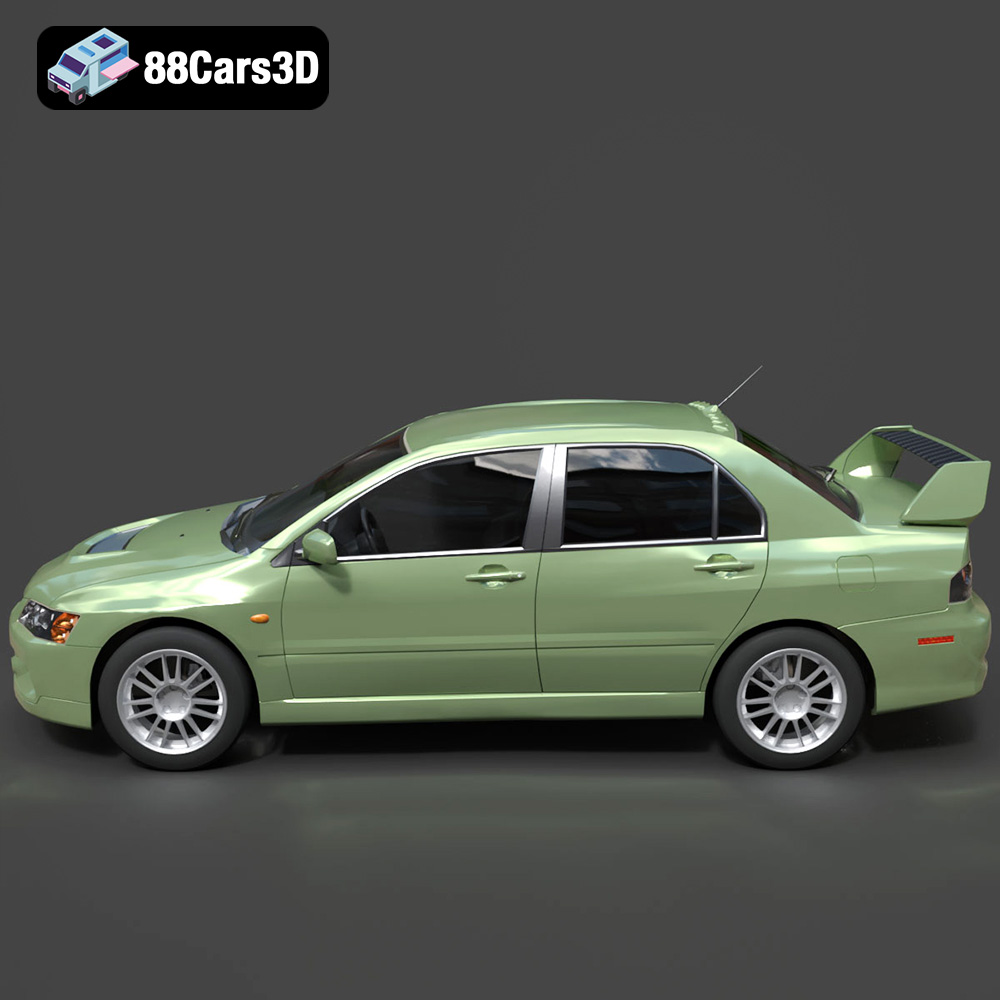
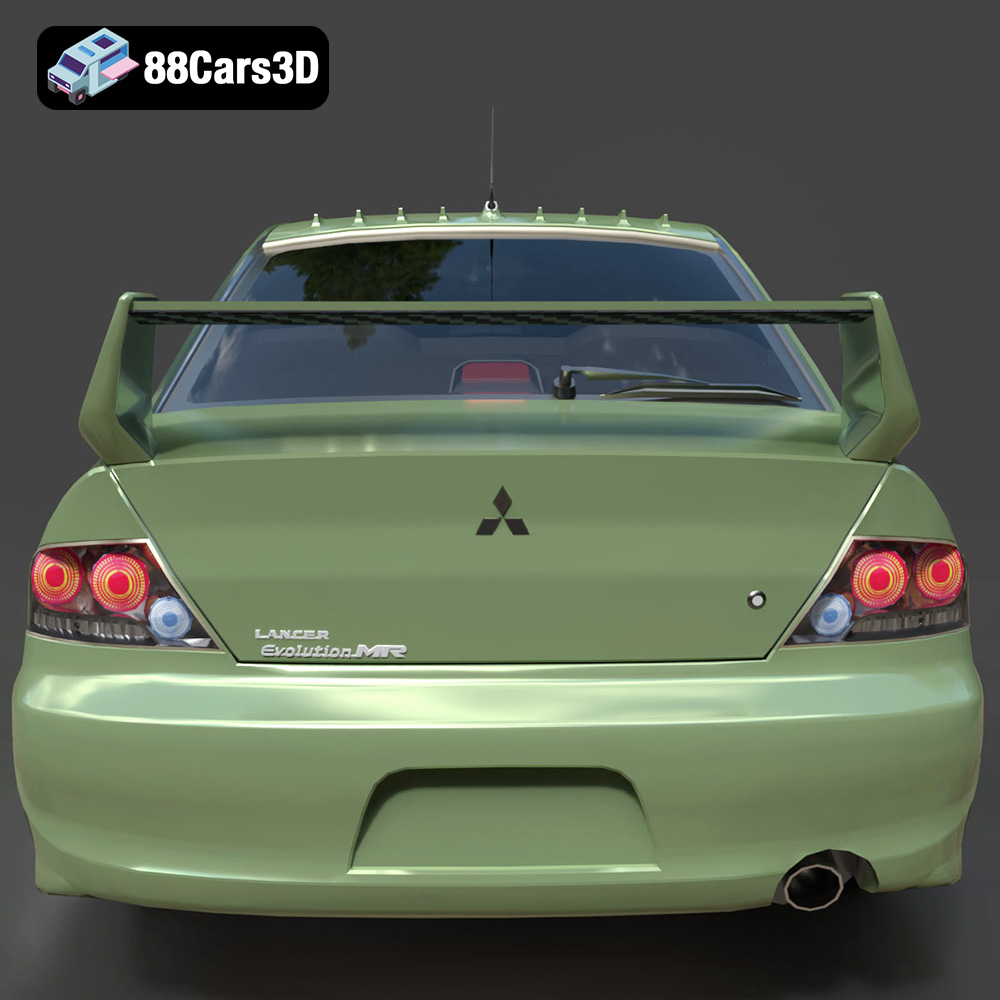
Few cars embody the spirit of rally racing translated to the street quite like the Mitsubishi Lancer Evolution IX. This model accurately portrays its iconic aggressive hood vents, aerodynamic front bumper, and that unmistakable large rear spoiler. For game developers creating street racing simulations or artists visualizing extreme tuning projects, the Evo IX from this bundle offers a powerful and instantly recognizable asset. Its clean geometry is primed for performance modifications, making it a dream for tuning enthusiasts.
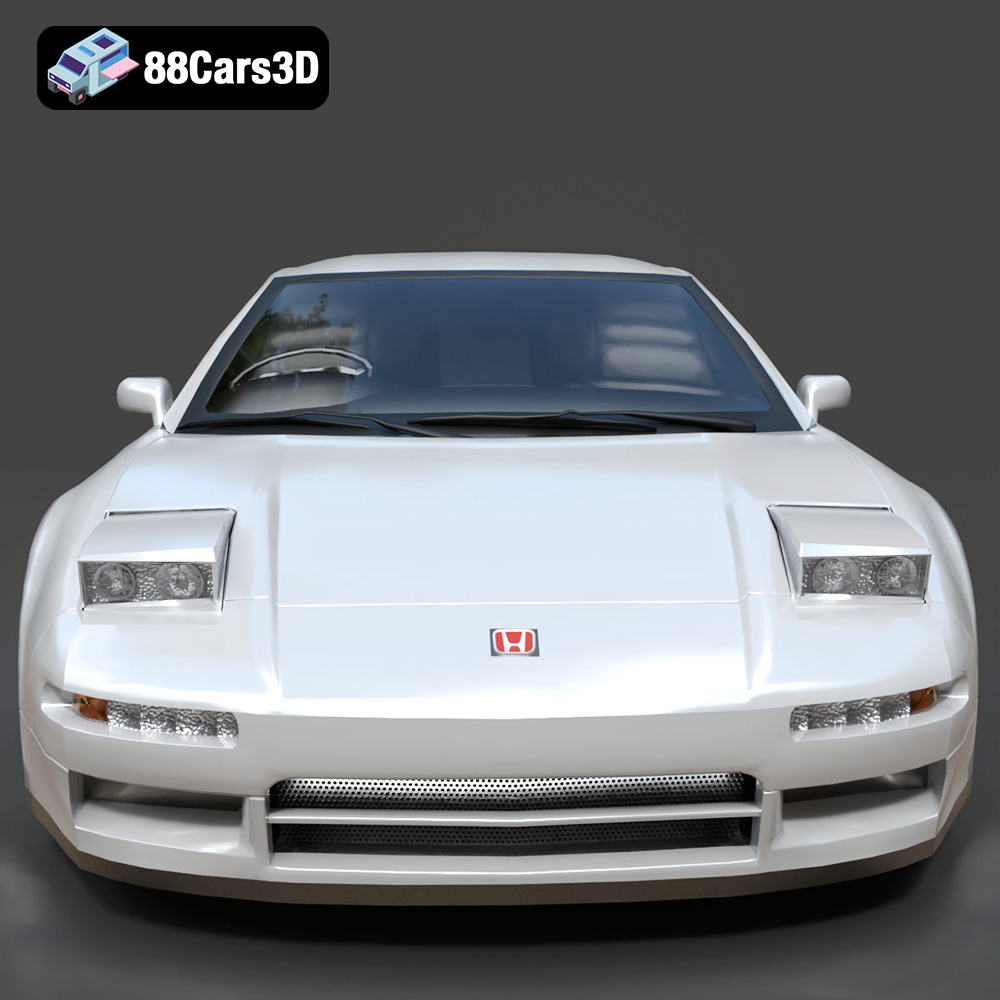
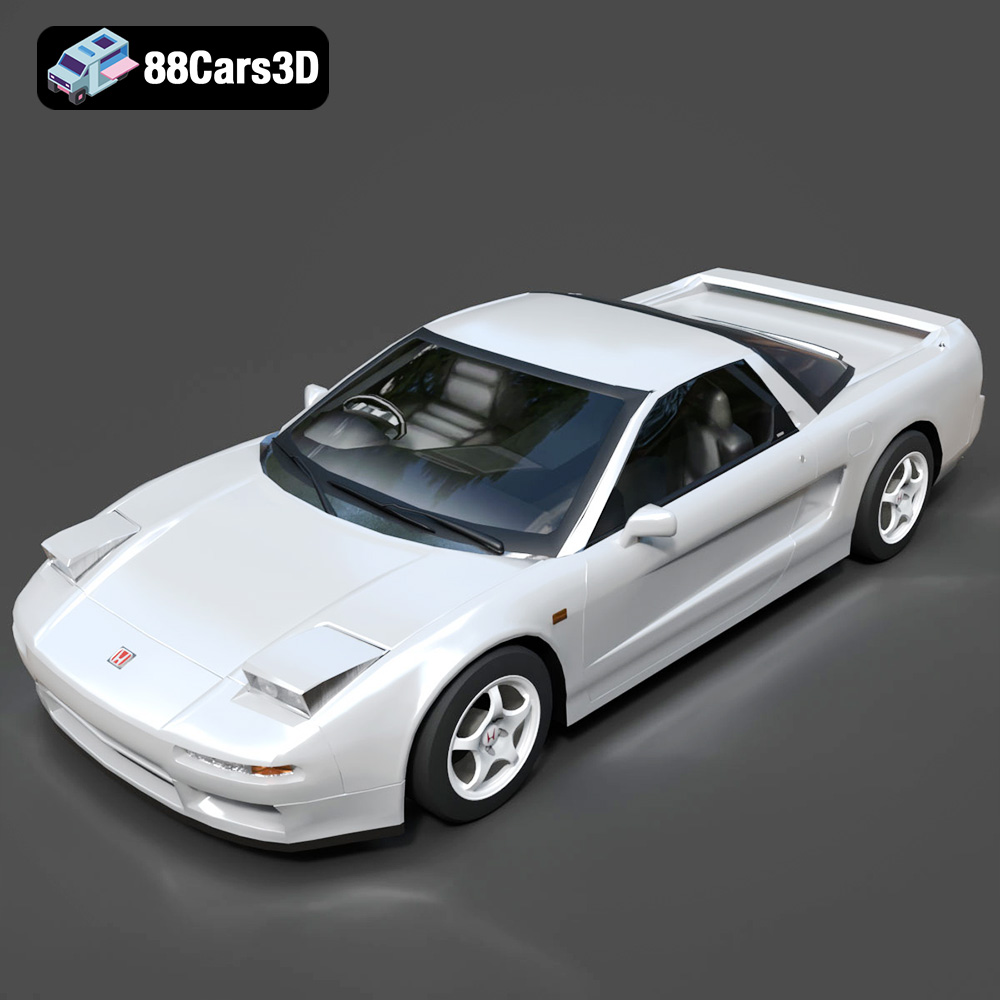
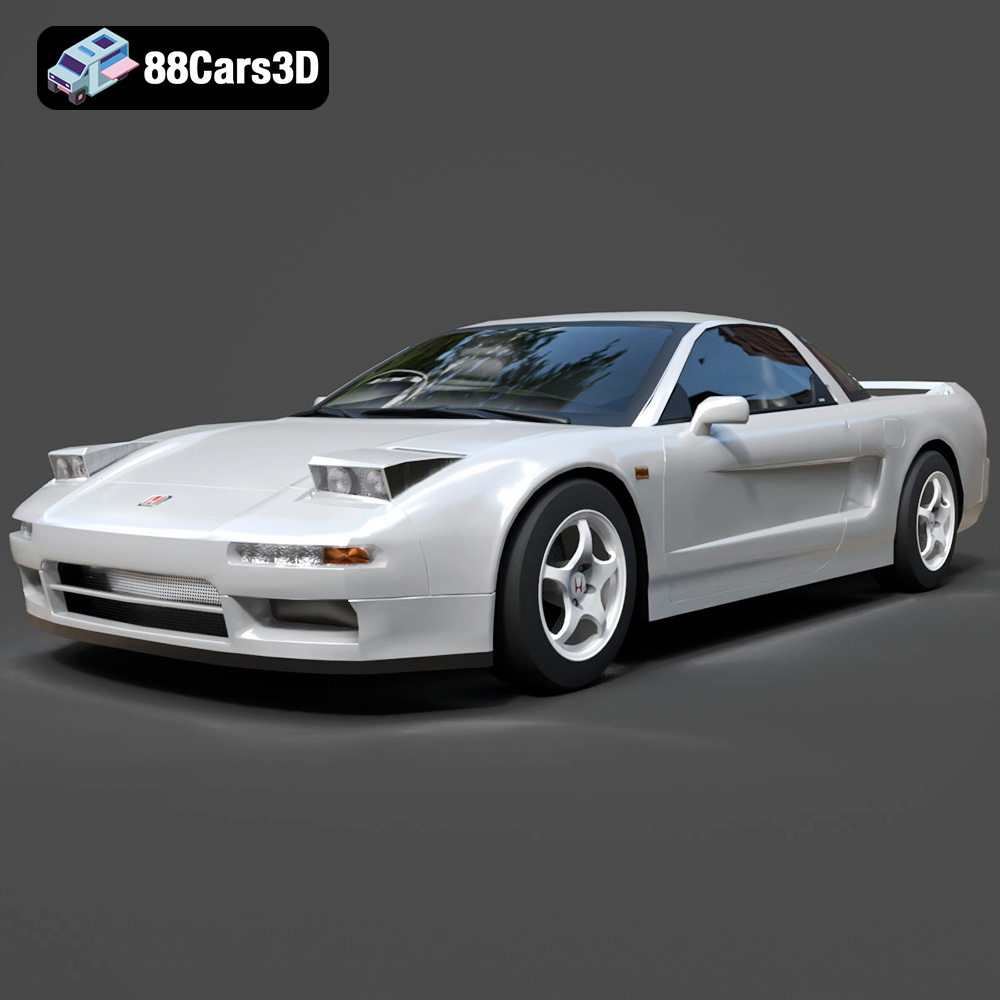
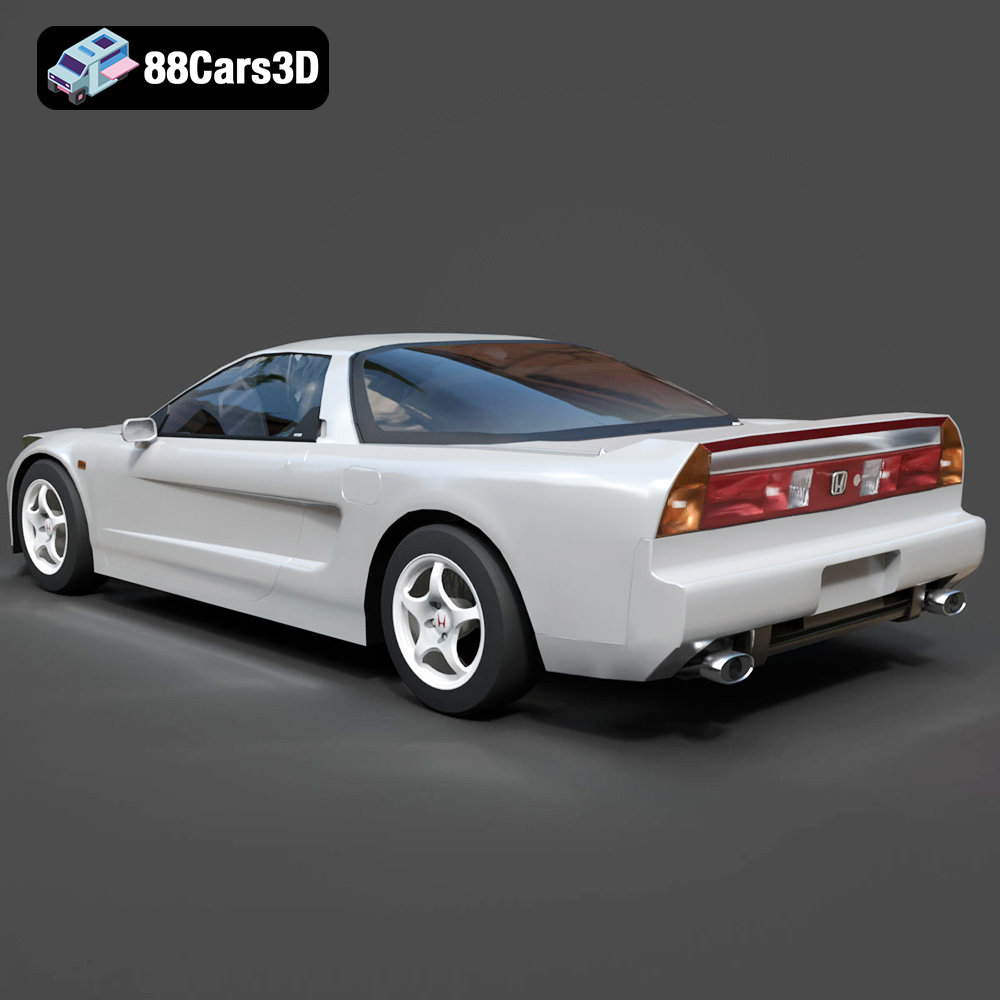
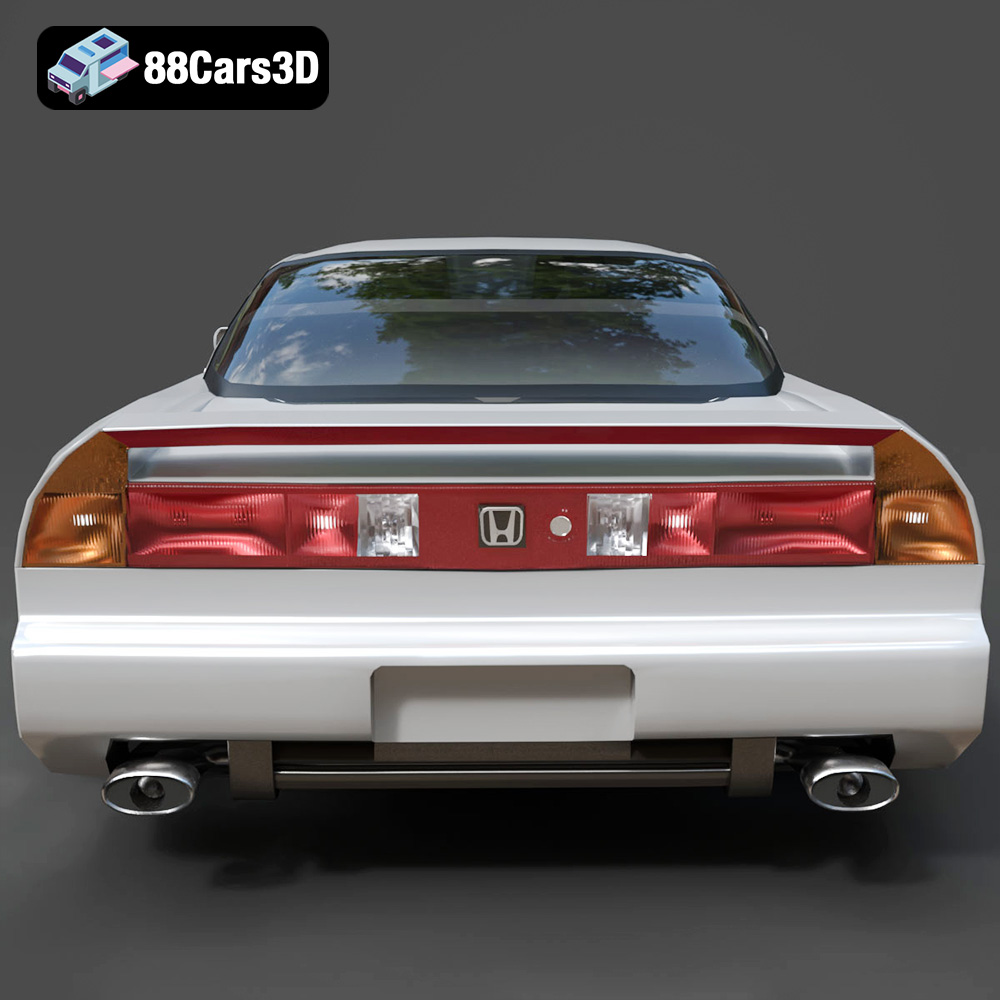
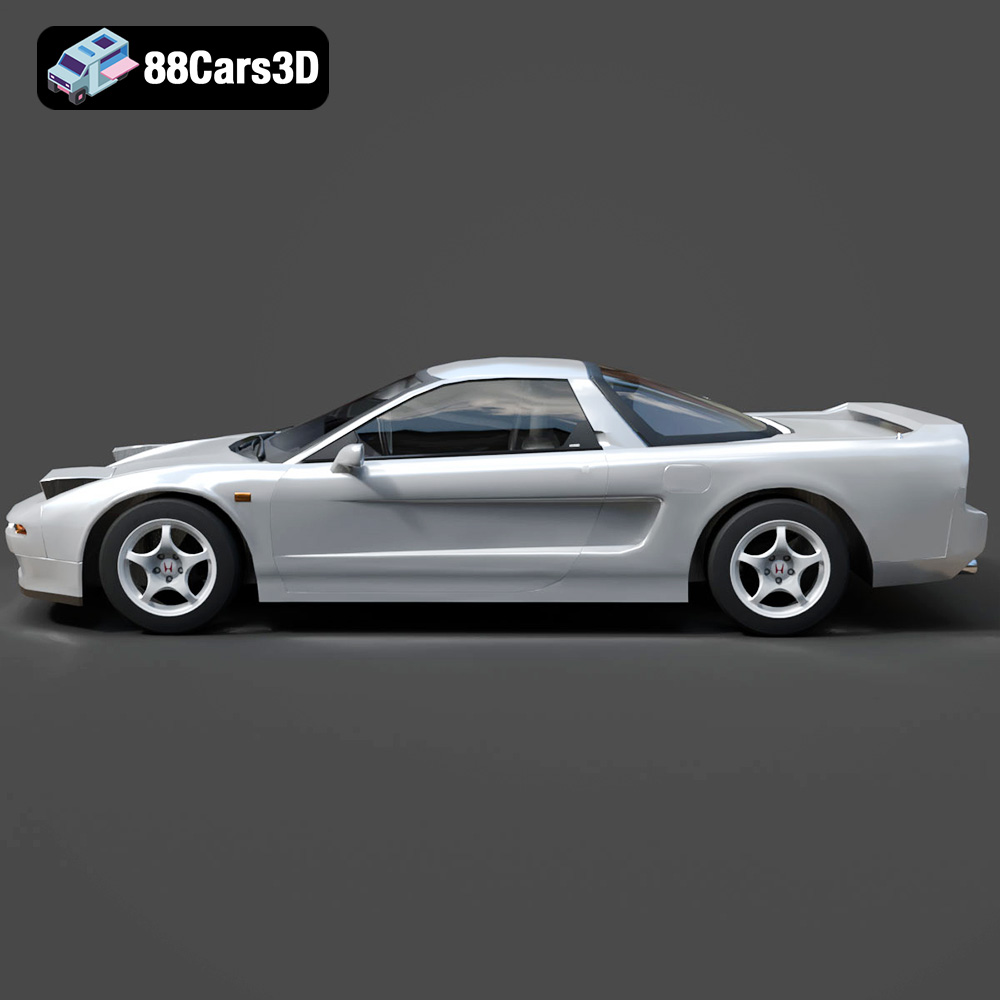
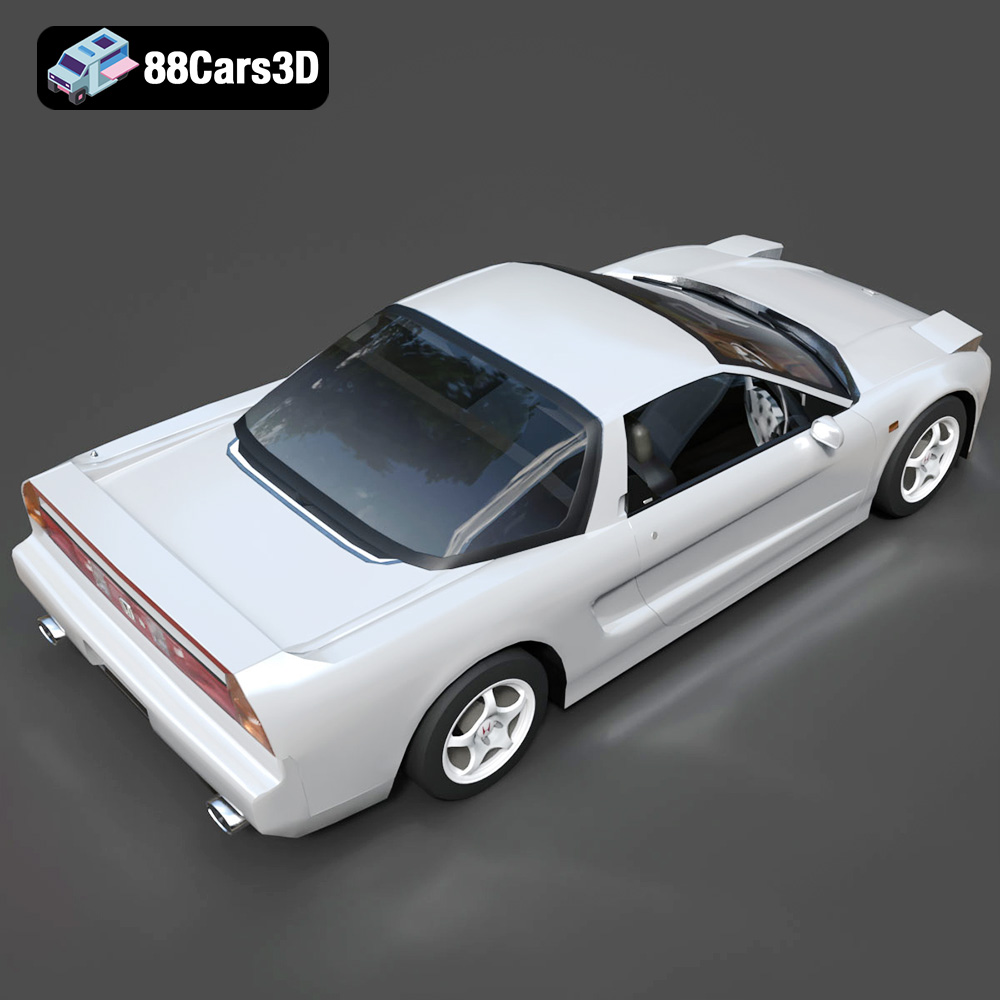
The Honda NSX-R of 1992 stands as a testament to precision engineering and timeless design. This beautifully nostalgic model showcases its mid-engine proportions, the iconic pop-up headlights that defined a generation, and its sleek, aerodynamic wedge profile. For projects requiring a touch of 90s supercar elegance or a nod to the era of pure, driver-focused machines, this NSX-R model is an exceptional choice. Its high-fidelity sculpt captures the very soul of this legendary vehicle.
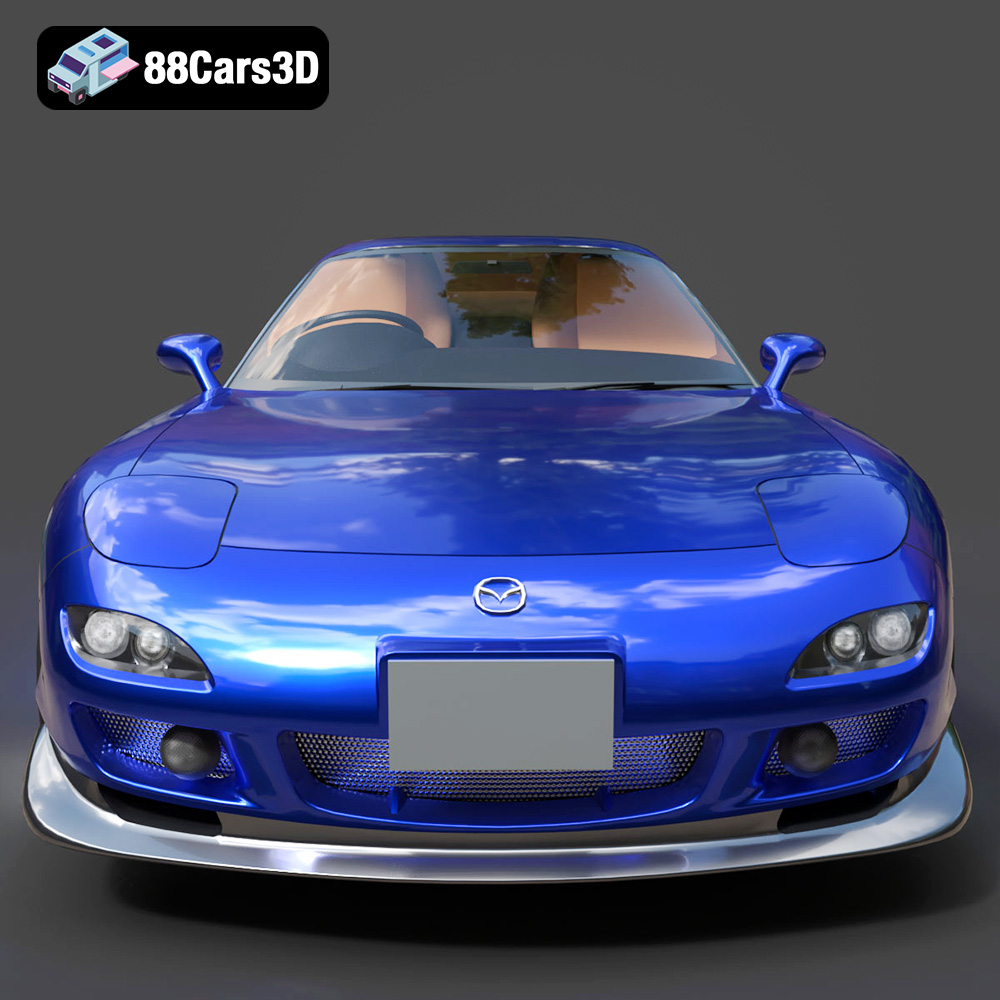
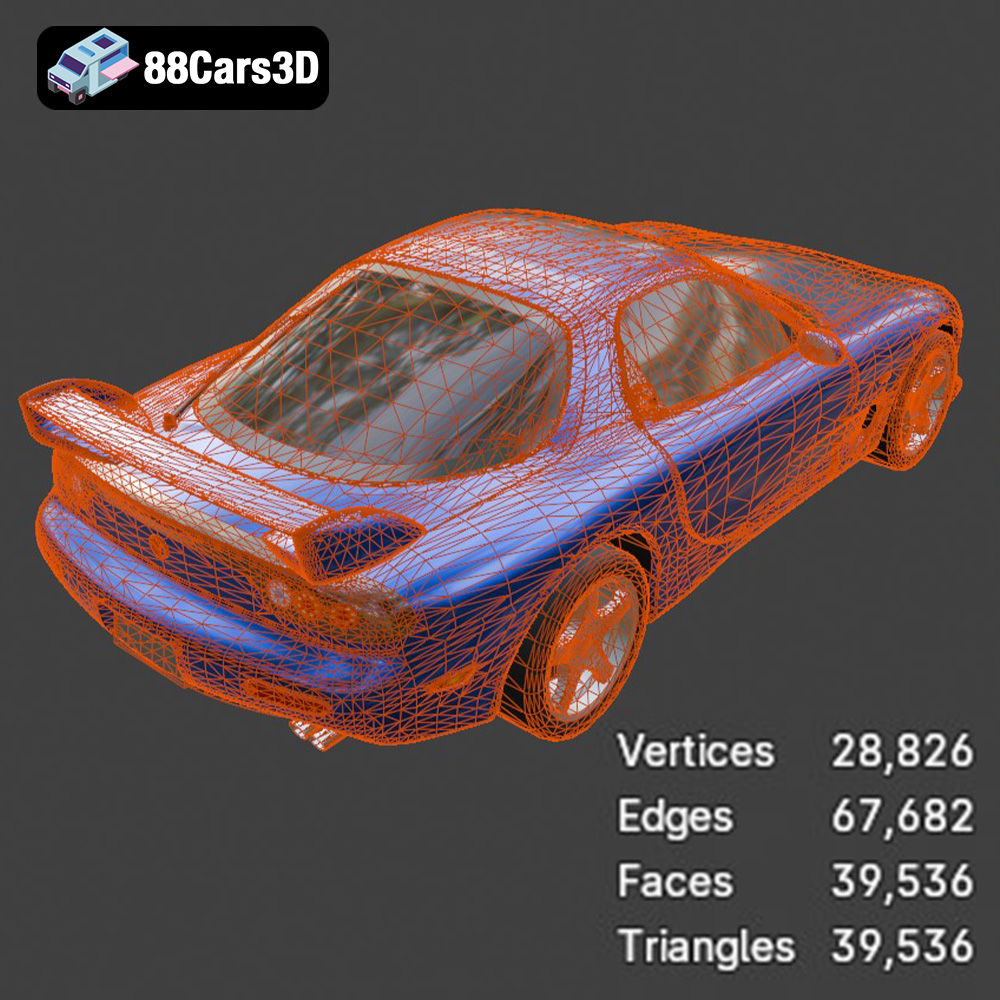
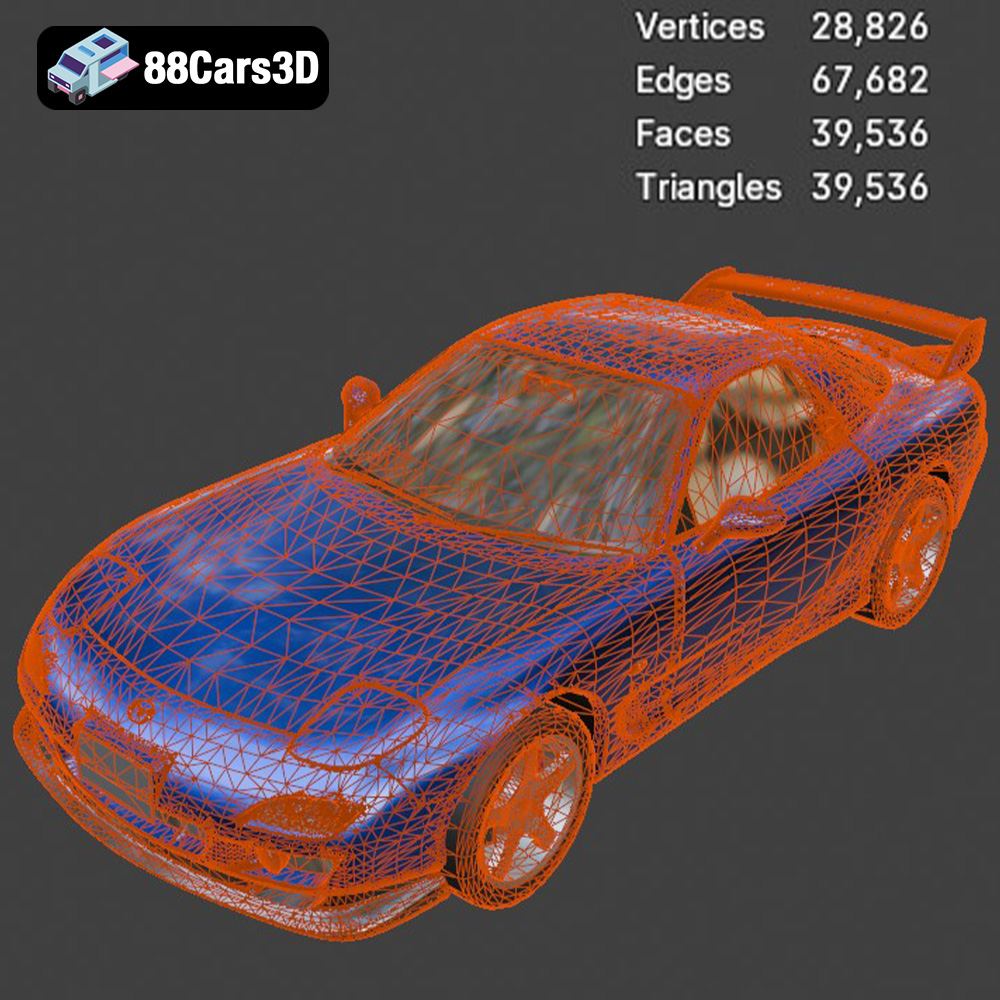
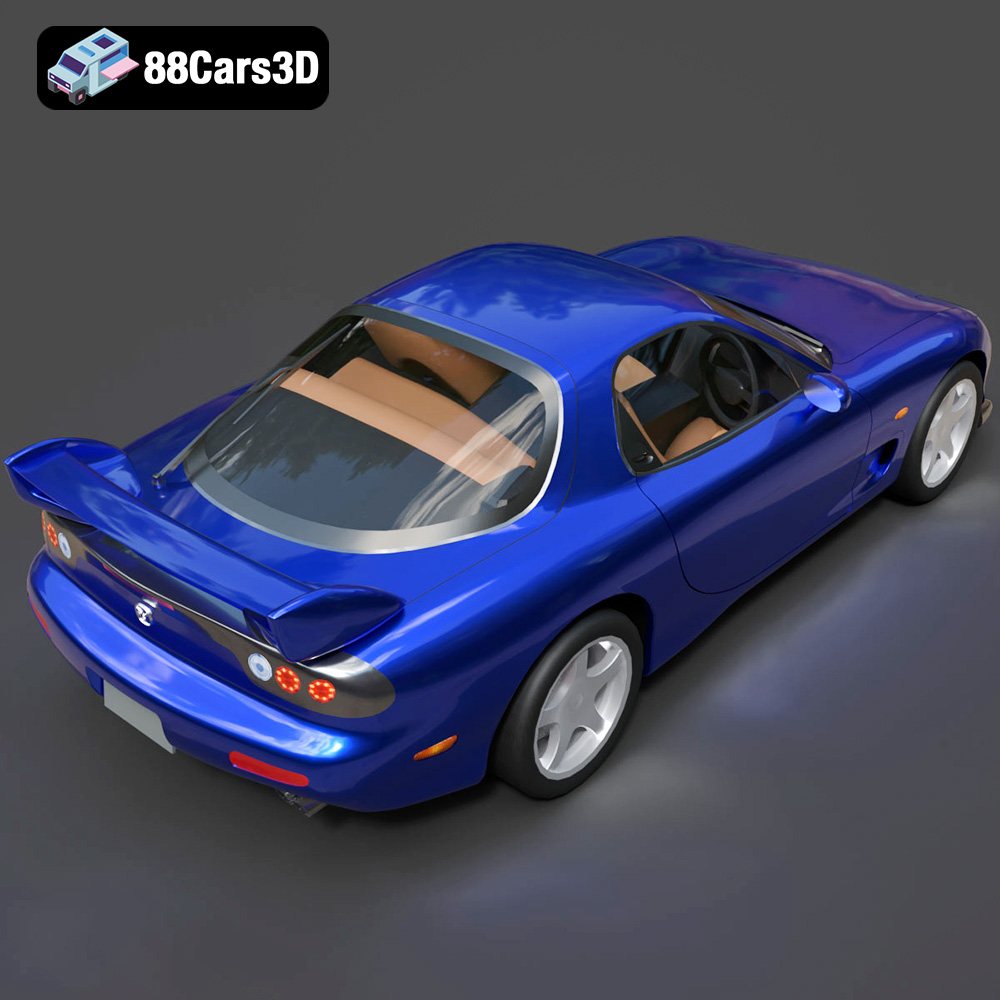
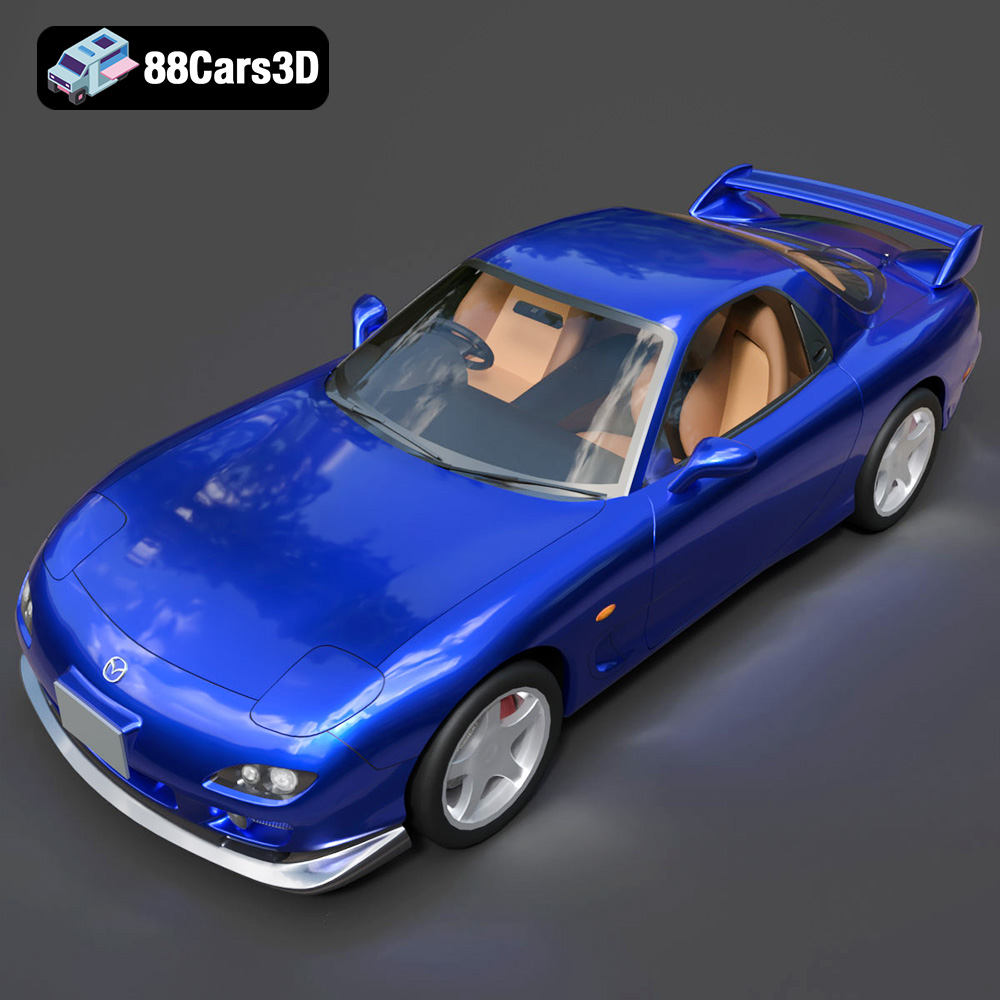
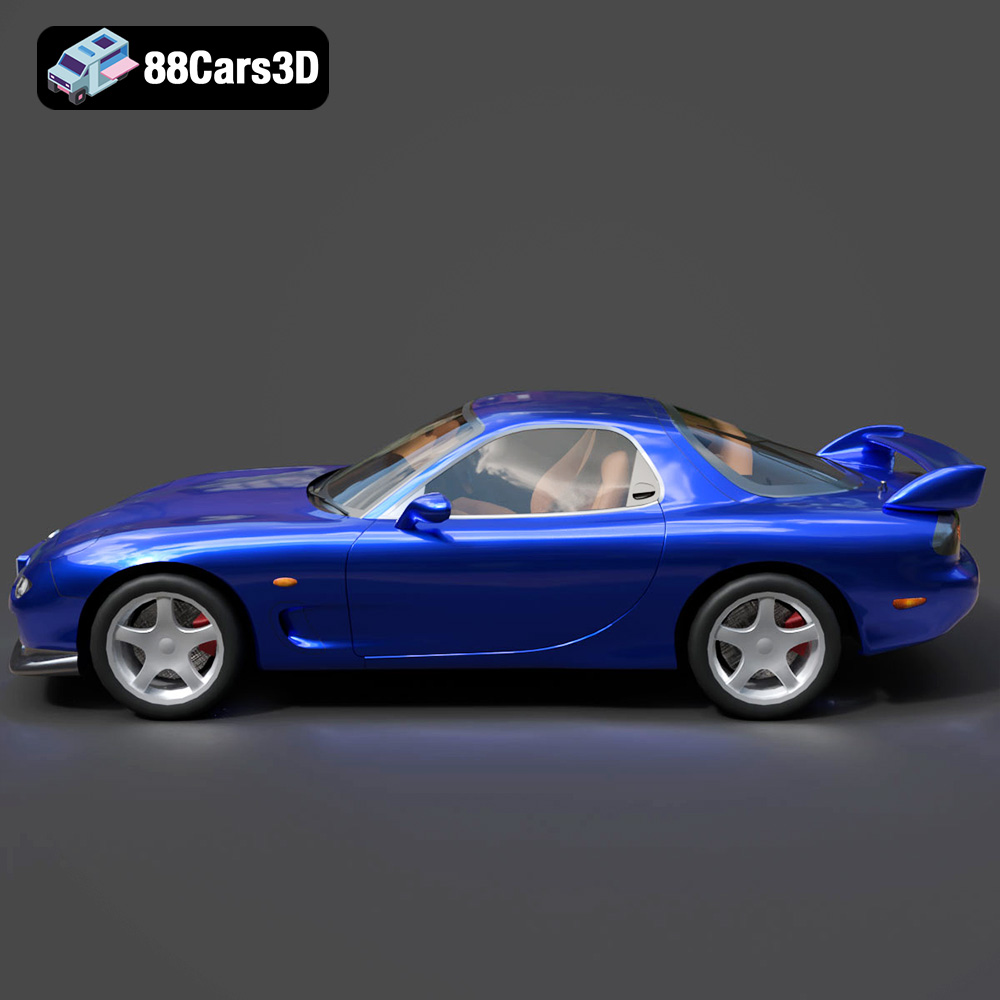
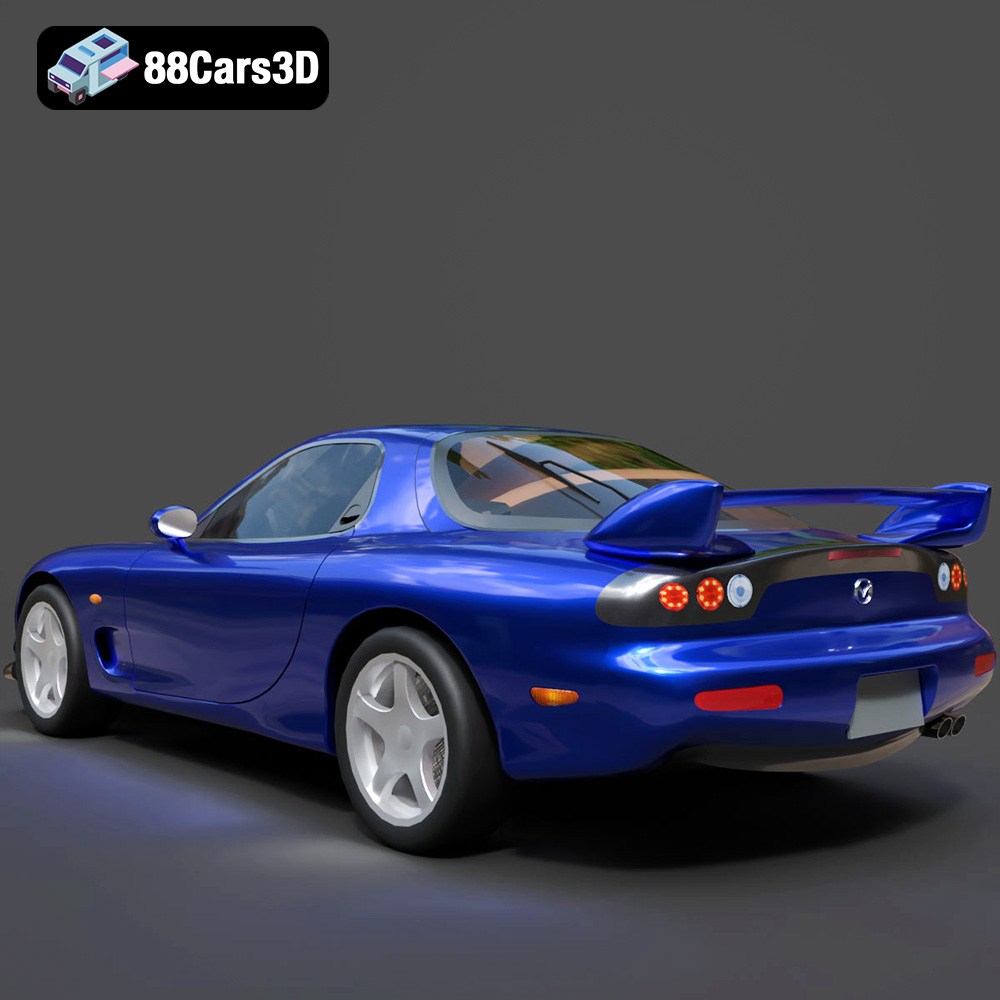
With its smooth, flowing curves and those distinctive pop-up headlights, the FD-generation Mazda RX-7 is widely considered one of the most beautiful Japanese cars ever designed. Driven by its unique rotary engine, it became a drift icon. This 3D model perfectly captures its elegant yet aggressive styling, making it an essential asset for any drifting scene or stylized automotive render. Its optimized topology ensures it looks fantastic whether still or in motion, with reflections gliding smoothly over its sculpted bodywork.
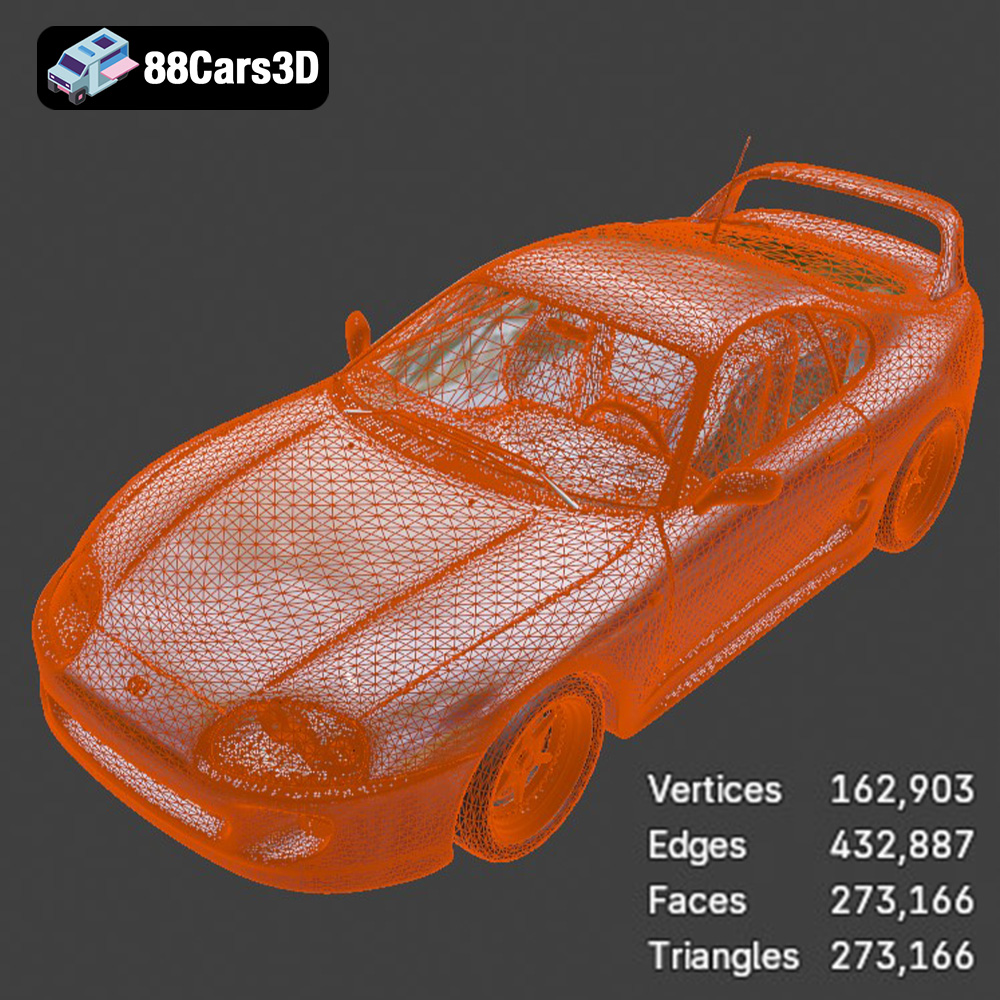
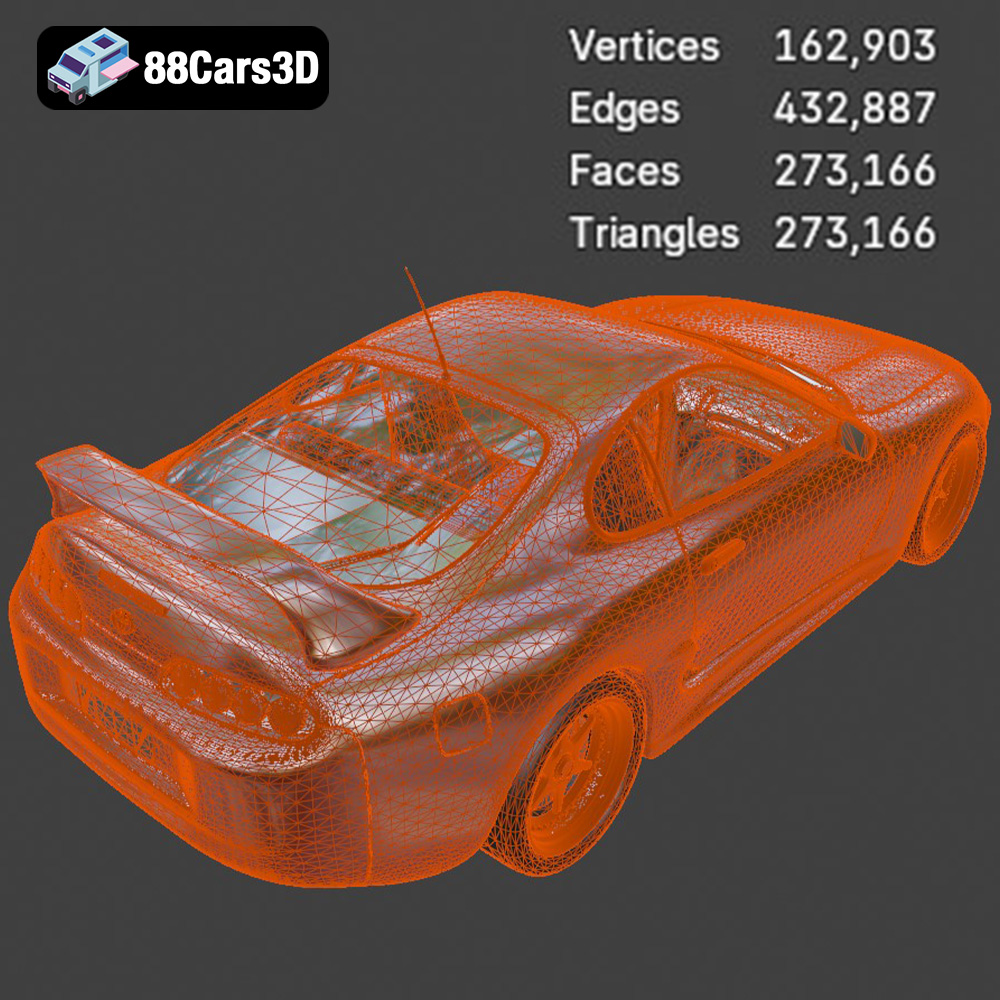
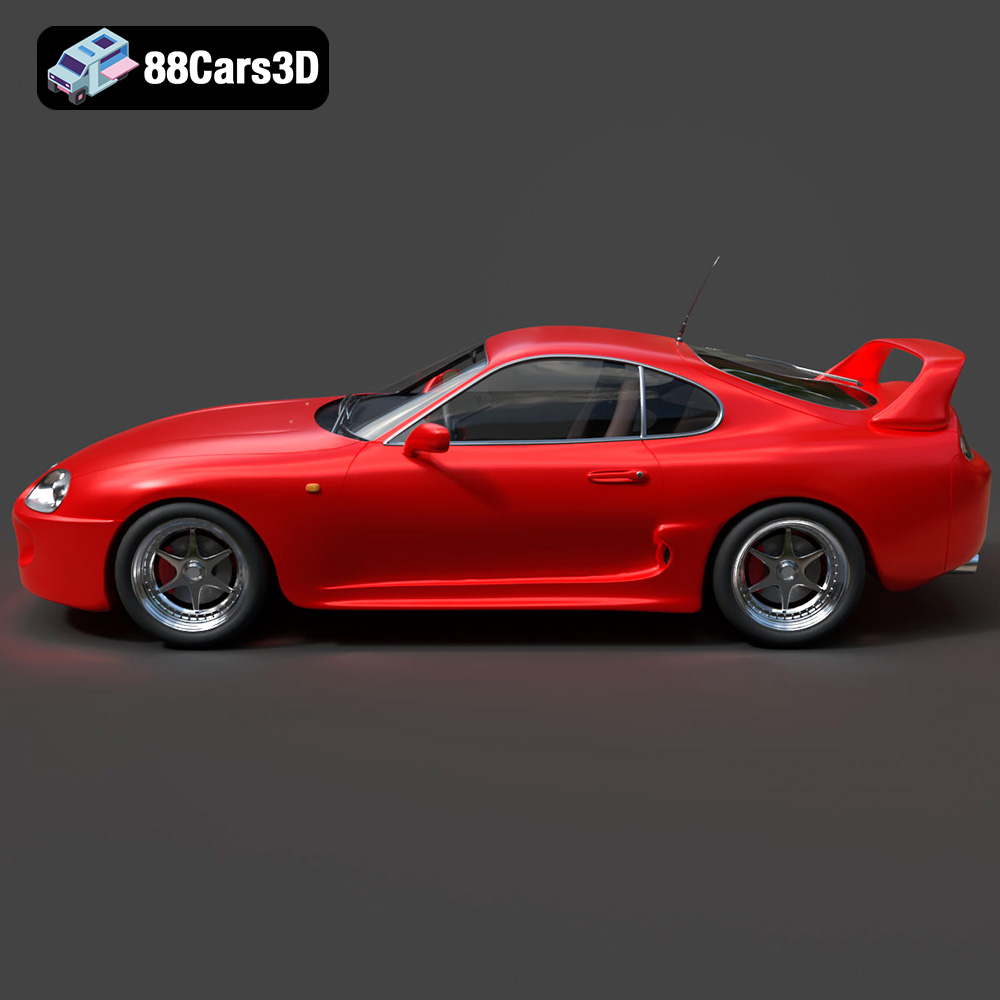
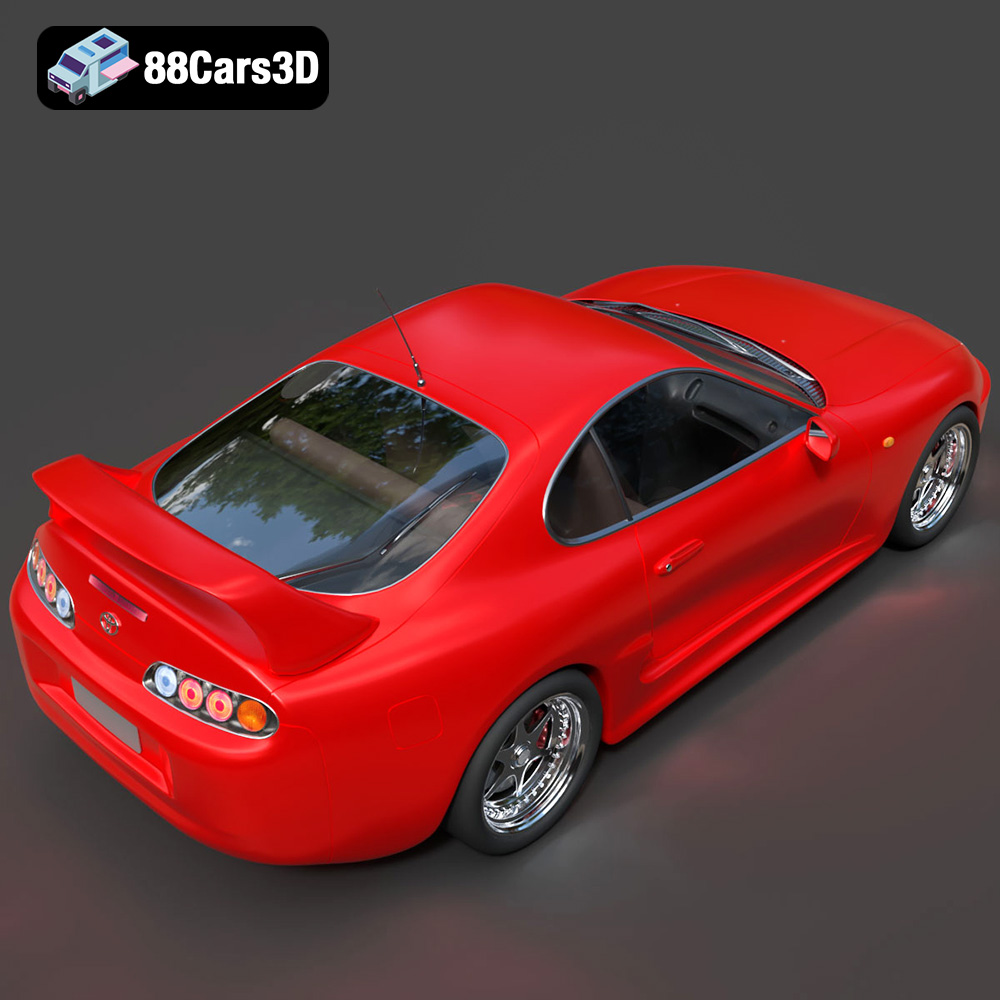
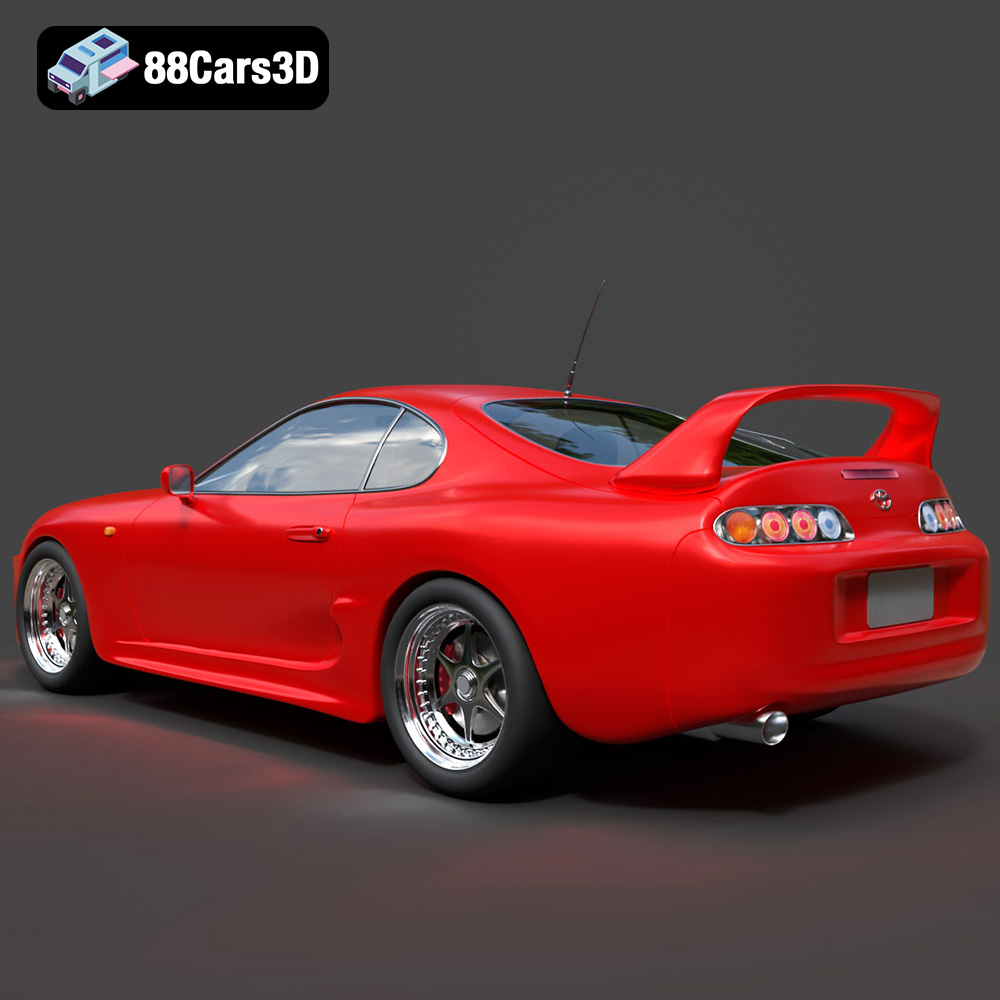
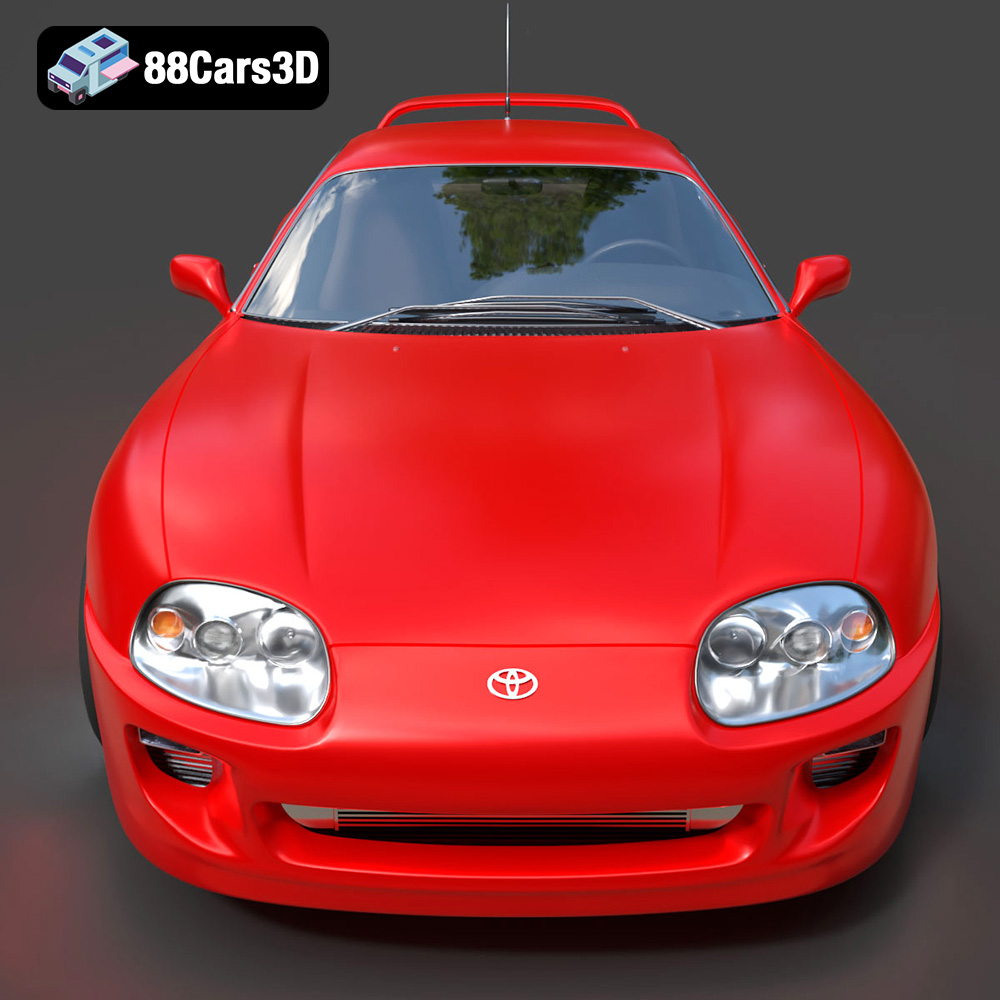
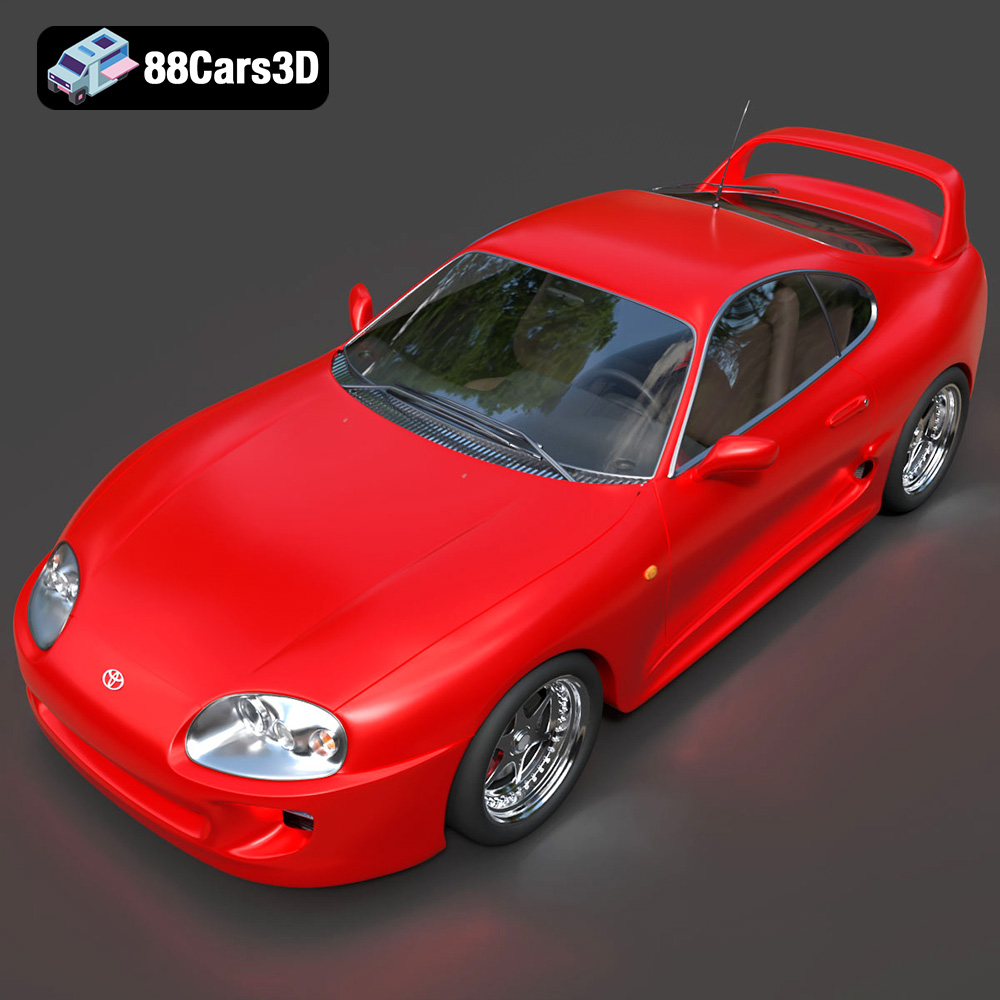
Bringing the legends into the present, the 2020 Toyota Supra (A90) represents the modern revival of a beloved nameplate. This model perfectly captures its aggressive contemporary aerodynamics, the distinct double-bubble roof, and the sharp, modern LED headlight signature. It’s an excellent inclusion for projects that blend classic JDM aesthetics with modern design, offering a bridge between the golden era and current automotive trends. Its presence rounds out a collection that spans decades of Japanese performance.
The true value of premium 3D car models lies not just in their visual accuracy but in their underlying technical construction. The Japanese Legends bundle excels in this regard, offering features specifically tailored for demanding professional environments.
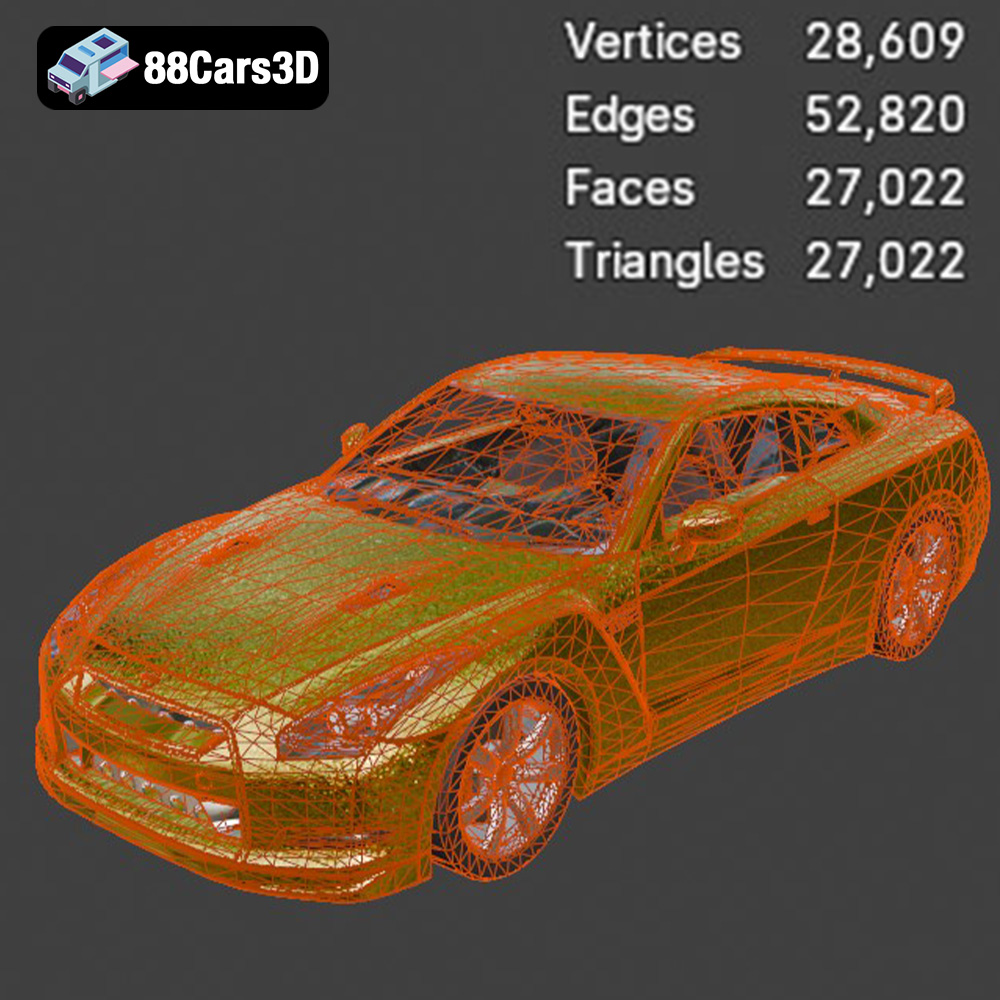
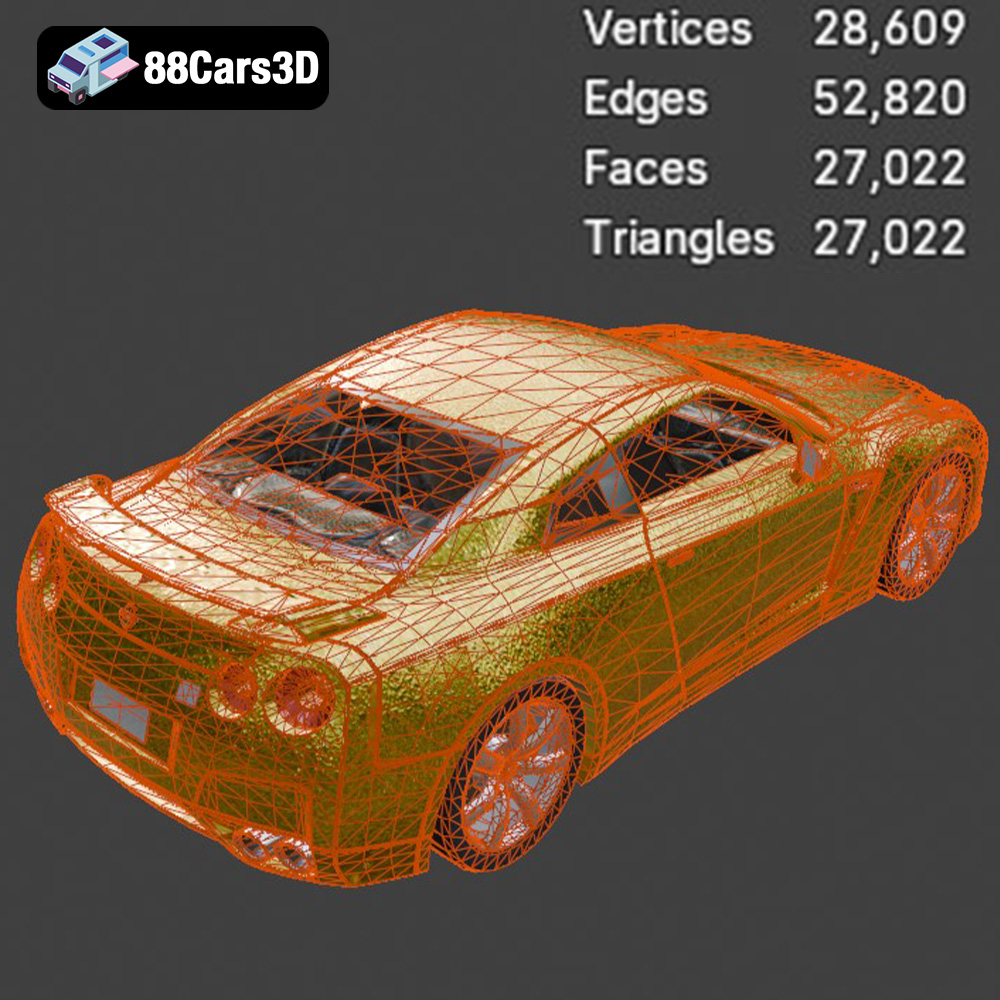
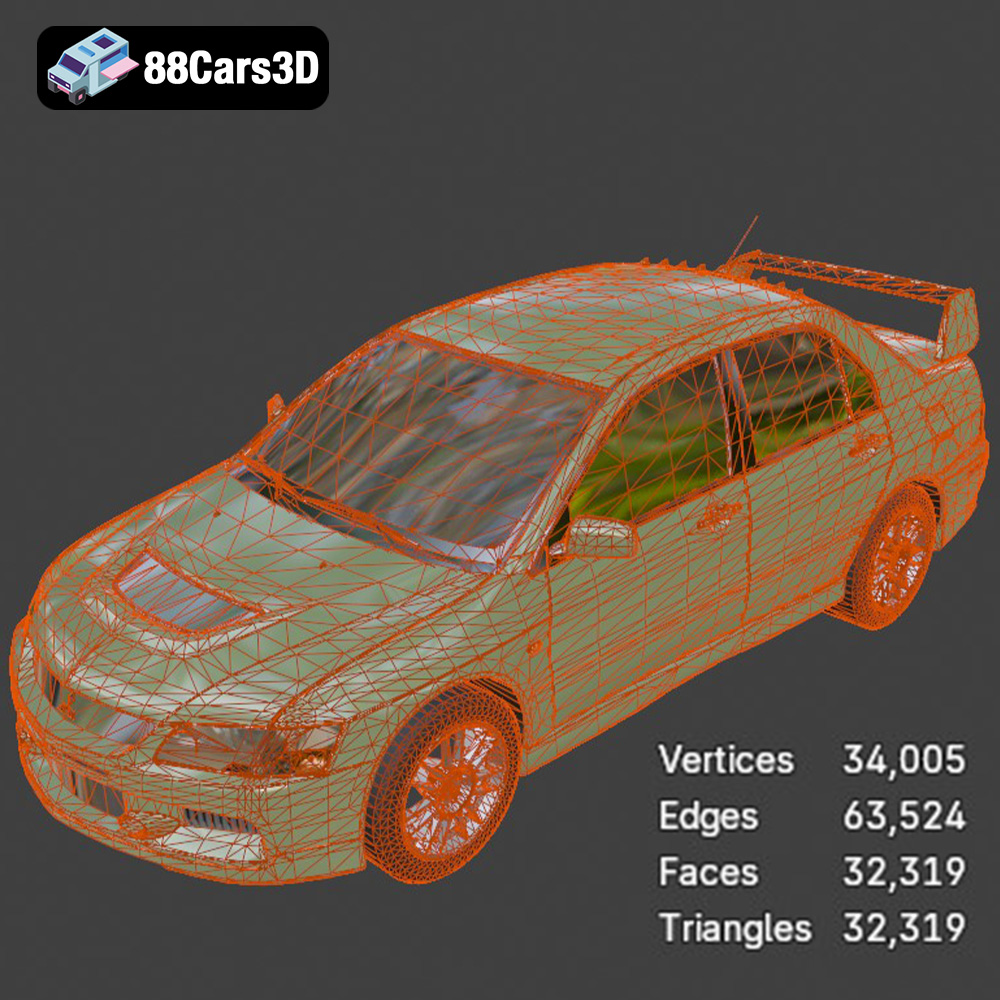
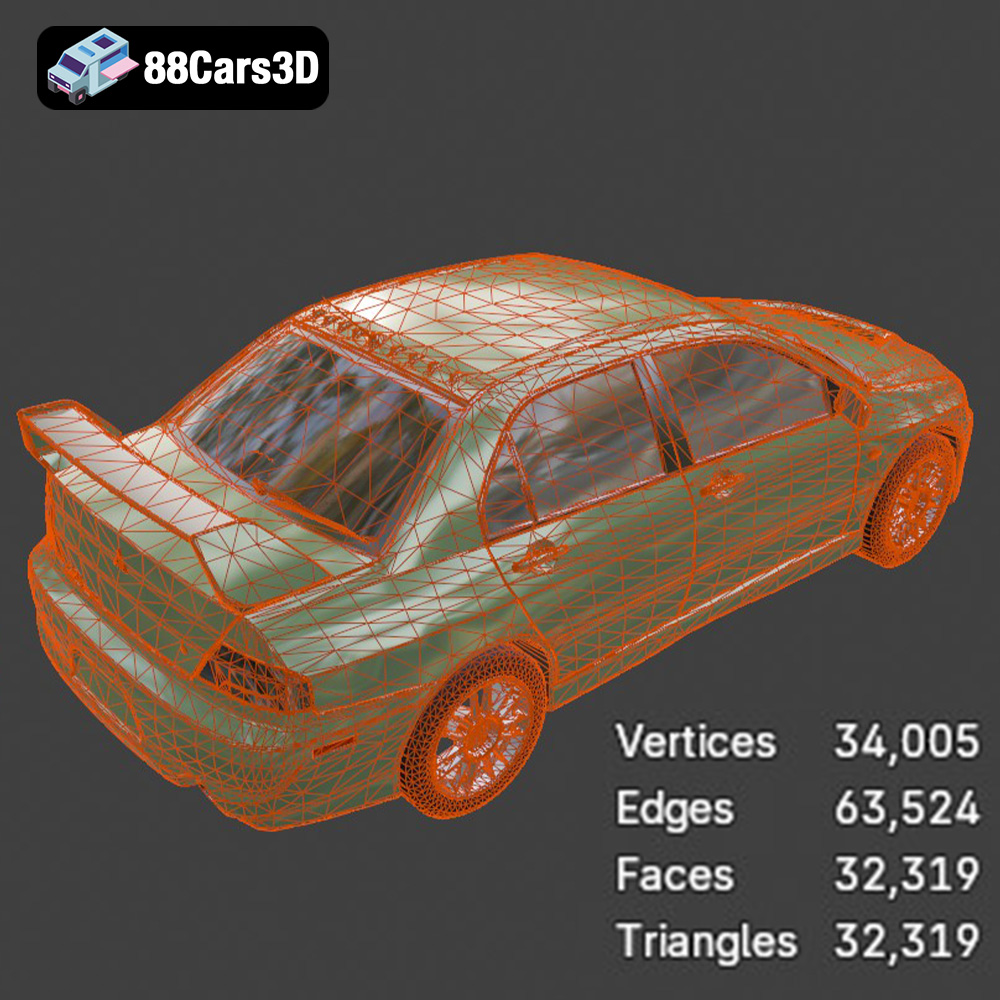
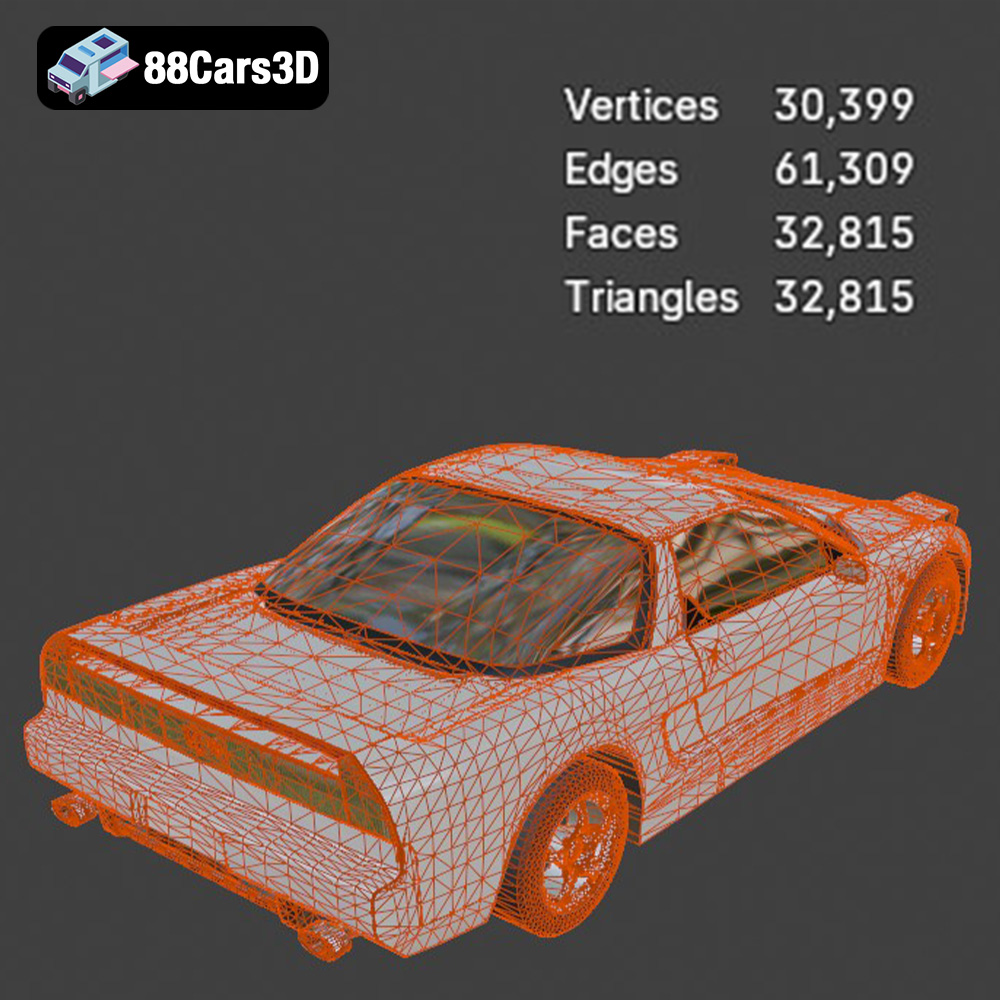
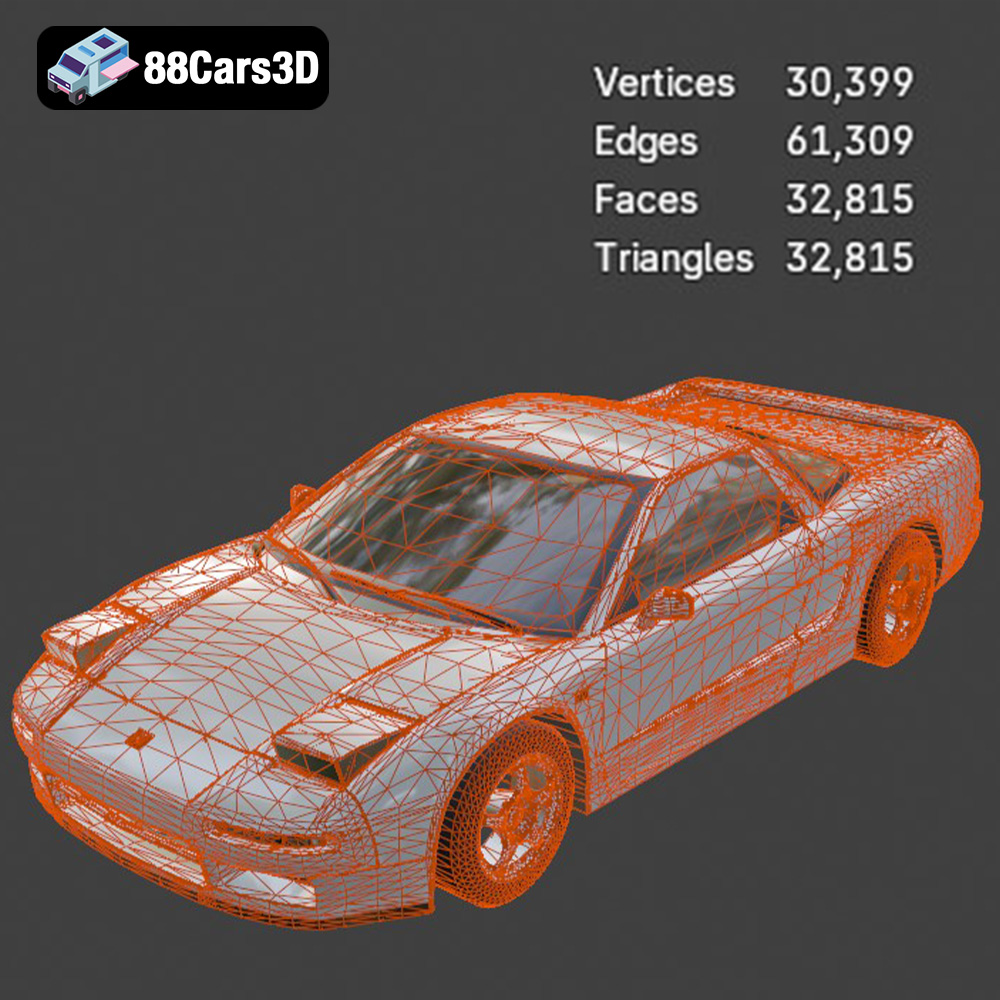
One of the most critical aspects of high-quality 3D car models, especially for automotive rendering, is the topology. The models in this bundle boast “beautifully balanced quad-heavy geometry.” This means the meshes are constructed primarily with four-sided polygons (quads), which are essential for smooth subdivision, clean deformation, and, most importantly, achieving crisp, undistorted reflections in automotive paint materials. Bad topology can lead to pinching, artifacting, and jagged reflections, which instantly break immersion. With these models, artists can be confident in achieving stunning, showroom-quality renders without wrestling with mesh issues or crashing their render engines.
For game developers, efficiency and readiness are paramount. These models come with “separated parts,” meaning wheels, doors, and steering components are intelligently detached from the main body. This modularity is crucial for game engines, allowing individual components to be rigged, animated, and interact with physics systems independently. Furthermore, the “proper pivot point setup for all wheels” ensures immediate compatibility with advanced vehicle physics systems like Unreal Engine’s Chaos Vehicles or Unity’s Wheel Colliders, drastically cutting down on setup time. This means less time fussing with asset preparation and more time developing core gameplay.
Accuracy is key in 3D visualization. The models are built to “100% Real-world scale accuracy,” simplifying integration into existing scenes and ensuring correct physical properties in simulations. Beyond geometry, these assets are “fully compatible with V-Ray, Corona, Arnold, and real-time engines.” This broad compatibility signifies that their material setups are designed to translate well across leading renderers, often implying clean UVs and PBR-ready textures (though textures are implied rather than explicitly detailed, the renderer compatibility speaks to a PBR-workflow readiness). This allows artists to achieve consistent, high-quality results whether they are using a CPU-based path tracer or a real-time GPU renderer.
The versatility of the Japanese Legends bundle makes it an indispensable asset across numerous professional 3D disciplines. Let’s explore how these 3D car models integrate into various workflows.
For game developers, these JDM 3D models are an absolute dream. The “tuning ready” geometry means adding custom widebody kits, massive spoilers, or aftermarket rims is straightforward. Using the included .fbx format, developers can seamlessly import these models into Unreal Engine or Unity. The separated parts with correctly set pivot points are a game-changer for setting up vehicle physics. Imagine constructing an underground street racing game where players can deeply customize their Nissan GT-R, drift a Mazda RX-7 through tight corners, or experience the raw power of a Lancer Evo IX. The optimized topology, while high-poly for detail, is also carefully constructed to ensure performance, allowing for large numbers of vehicles on screen without bogging down the engine. This bundle provides the perfect starter pack for realistic driving mechanics, dynamic damage models, and immersive environments.
Automotive artists seeking photorealistic or hyper-stylized renders will find these models to be an unparalleled foundation. Within software like 3ds Max or Blender, artists can leverage the .max or .blend files to access every facet of the model. Pairing the optimized geometry with renderers like V-Ray, Corona, or Arnold allows for breathtaking results. Visualize a Honda NSX-R bathed in the golden hour light, its reflections pristine, or a Toyota Supra cutting through a cyberpunk cityscape, illuminated by neon glows. The clean topology ensures that custom shaders for paint, glass, and chrome will react flawlessly to complex lighting setups. These models are ideal for advertising, concept art, and creating stunning visual effects sequences for films or animations, bringing dynamic chase scenes and car showcases to life with unparalleled realism.
The rising demand for interactive 3D experiences in augmented reality (AR), virtual reality (VR), and web-based platforms makes the inclusion of the .glb format particularly valuable. The optimized nature of .glb files ensures quick loading times and smooth performance on mobile devices and within browsers. Imagine a virtual showroom where customers can inspect the Nissan GT-R from every angle in AR, or a VR experience where users can sit inside a Mazda RX-7. These 3D car models can be integrated into WebGL viewers on product pages (like on 88cars3d.com itself, or a client’s site), allowing potential buyers to interact with a digital representation of their dream car. The efficiency of the .glb format opens up exciting possibilities for marketing, education, and interactive media.
For enthusiasts who appreciate both the digital and tangible, the inclusion of .stl files transforms these digital legends into physical collectibles. 3D printing offers a unique avenue for creating scale models, custom prototypes, or unique display pieces of your favorite JDM cars.
The product description wisely recommends resin printing (SLA/DLP) for these JDM 3D models, especially for smaller scales like 1:24. Resin printers excel at capturing fine details, crucial for accurately reproducing features like aggressive hood vents, subtle body lines, and intricate wheel designs. While FDM printers can be used, resin provides superior surface finish and fidelity, making post-processing for a smooth, paintable surface much easier. The recommended layer height of 0.04–0.05 mm further emphasizes the pursuit of exquisite detail, ensuring every nuance of the Nissan GT-R or Honda NSX-R is faithfully reproduced.
3D printing is often just the first step. The recommended print orientation—printing bodies at a 45-degree angle—is a professional tip to minimize visible layer lines and ensure a smooth finish for painting. After printing, careful post-processing is key. This typically involves removing supports, curing resin prints, and then meticulous sanding to achieve a perfectly smooth surface. Applying a good primer provides an even base for paint. For true authenticity, modelers can research and apply accurate factory colors or custom tuner schemes. The ability to physically hold and display these JDM legends, derived directly from the high-quality 3D car models, adds an entirely new dimension to the hobbyist experience.
In a saturated market of 3D assets, discerning professionals and passionate hobbyists seek out quality, reliability, and value. The Japanese Legends: JDM Street Racing 3D Models Bundle from 88cars3d.com stands out as a prime example of excellence in the automotive 3D space.
The commitment to “optimized topology,” “separated parts,” and “proper pivot point setup” reflects a deep understanding of what artists and developers truly need to accelerate their workflows. This isn’t just a collection of pretty models; it’s a suite of production-ready assets engineered for performance and versatility. By offering a comprehensive range of file formats including .blend, .fbx, .obj, .glb, .stl, and .max, 88cars3d.com ensures that users across all major software ecosystems can integrate these models without friction.
The bundle’s value proposition is also undeniable. Acquiring these five iconic JDM cars individually would cost significantly more, making this 5-in-1 pack a massive discount opportunity. Whether you’re a solo indie developer on a tight budget or a large studio needing to populate a virtual city, investing in these high-quality 3D car models from 88cars3d.com saves invaluable time and delivers superior results right out of the box. It’s about more than just buying models; it’s about investing in a foundation that empowers creativity and efficiency.
The allure of JDM street racing culture is undeniable, and for anyone working in 3D, bringing that energy to life requires assets of the highest caliber. The Japanese Legends: JDM Street Racing 3D Models Bundle provides an all-encompassing solution, offering five meticulously crafted iconic vehicles that are ready for any challenge – from photorealistic automotive rendering and action-packed game development to immersive AR/VR experiences and even tangible 3D prints.
With its robust technical specifications, optimized geometry, extensive file format support, and incredible value, this bundle from 88cars3d.com is more than just a collection of 3D car models; it’s a gateway to unlocking new creative possibilities and accelerating your professional projects. Equip your digital garage with these undisputed legends and start building the next generation of JDM-inspired masterpieces today.
The Japanese Legends: JDM Street Racing 3D Models Bundle is the ultimate digital garage for automotive artists, game developers, and drifting enthusiasts. Japanese Domestic Market (JDM) cars have created a massive, devoted culture worldwide. Whether you are creating an underground street racing game, a neon-lit Tokyo cinematic animation, or custom tuning renders, this pack gives you the most iconic Japanese sports cars ever built.Instead of acquiring these highly sought-after tuner cars individually (Total Value: €282.95), this 5-in-1 bundle gives you an irresistible opportunity to own five absolute legends of the street racing scene at a massive discount.What’s Included in the Bundle?1. Nissan GT-R 2008 (Individual Value: €89.99)The ultimate supercar killer. Known as “Godzilla,” this model features a flawlessly modeled aggressive front fascia, signature quad round taillights, and a high-poly topology perfect for photorealistic automotive studio renders.2. Mitsubishi Lancer Evolution IX (Individual Value: €89.99)The rally-bred street warrior. Accurately captures the iconic aggressive hood vents, dynamic front bumper, and large rear spoiler that make the Evo IX a tuning legend.3. Honda NSX-R 1992 (Individual Value: €39.99)The pure Japanese supercar. A beautifully nostalgic model showcasing the mid-engine proportions, iconic pop-up headlights, and timeless aerodynamic wedge design of the 90s.4. Mazda RX-7 (Individual Value: €49.99)The rotary-engine masterpiece. Features the famous smooth, flowing curves and pop-up headlights that make the FD-generation RX-7 one of the most beautiful Japanese cars ever designed. Perfect for drifting scenes.5. Toyota Supra 2020 (Individual Value: €12.99)The modern revival of a legend. This model perfectly captures the aggressive modern aerodynamics, distinct double-bubble roof, and sharp LED headlight signature of the A90 Supra.Key Features Across All Models:• Tuning Ready: Clean geometry makes it easy for 3D artists to modify these cars by adding custom widebody kits, massive spoilers, or aftermarket rims.• Separated Parts: Wheels, doors, and steering components are intelligently separated, making them instantly game-engine ready for driving and drifting physics.• Optimized Topology: Beautifully balanced quad-heavy geometry ensuring crisp reflections in automotive paint materials without crashing your render engine.Technical Specifications & Advantages:• Scale: 100% Real-world scale accuracy.• Pivots: Proper pivot point setup for all wheels, ready for Unreal Engine (Chaos Vehicles) or Unity.• Compatibility: Fully compatible with V-Ray, Corona, Arnold, and real-time engines for fast integration into your projects.Applications:• Game Development: The absolute perfect starter pack for street racing, drifting, or car-tuning simulators.• Automotive Rendering: Ideal for creating highly stylized, neon-lit cyberpunk or underground parking garage renders.• VFX & Animation: High-quality assets suitable for action-packed cinematic chase sequences.3D Print Setting (For JDM Scale Modelers):• Recommended scale: 1:24 (The standard scale for Japanese model car kits like Tamiya).• Layer height: 0.04–0.05 mm (Resin printing is strictly recommended).• Orientation: Print bodies at a 45-degree angle to ensure a smooth finish for painting.Included File Formats:.blend, .fbx, .obj, .glb, .stl, .max (universal exchange formats guaranteed for smooth importing).
$129.99
car-bundle
game-ready-cars
honda-nsx
jdm-3d-model
lancer-evo
mazda-rx7
nissan-gtr-3d
street-racing-cars
tokyo-drift
toyota-supra-3d
tuning-cars