Driving Design Excellence: The Power of High-Fidelity 3D Car Models in Modern Workflows
In the dynamic world of 3D visualization, automotive rendering, and game development, the quality of your assets dictates the realism and impact of your final product. From architects populating sprawling cityscapes to game developers crafting immersive virtual worlds, the demand for meticulously detailed and technically sound 3D car models is higher than ever. These digital replicas are not merely decorative elements; they are foundational components that lend authenticity, scale, and believability to any scene.
The pursuit of photorealism requires a harmonious blend of artistic precision and technical expertise. Every curve, every reflection, and every material nuance must be carefully considered and executed. This is particularly true for modern vehicles, where designers push the boundaries of aesthetics and engineering. Today, we’re diving deep into what makes an exceptional 3D car model, using the Mazda CX-30 Crossover SUV 3D Model as our prime example. This model, available on 88cars3d.com, exemplifies the intricate balance between visual fidelity and performance optimization, making it an invaluable asset for a wide range of professional applications.
The Art of Automotive 3D Modeling: Capturing Kodo Design
Automotive design is an art form, and translating that art into a three-dimensional digital asset demands a profound understanding of form, proportion, and underlying philosophy. The Mazda CX-30 is a perfect subject for this discussion, embodying Mazda’s distinctive “Kodo: Soul of Motion” design philosophy. This approach emphasizes dynamic movement and minimalist beauty, creating vehicles that appear to be in motion even when static.
Recreating the Soul of Motion in Digital Form
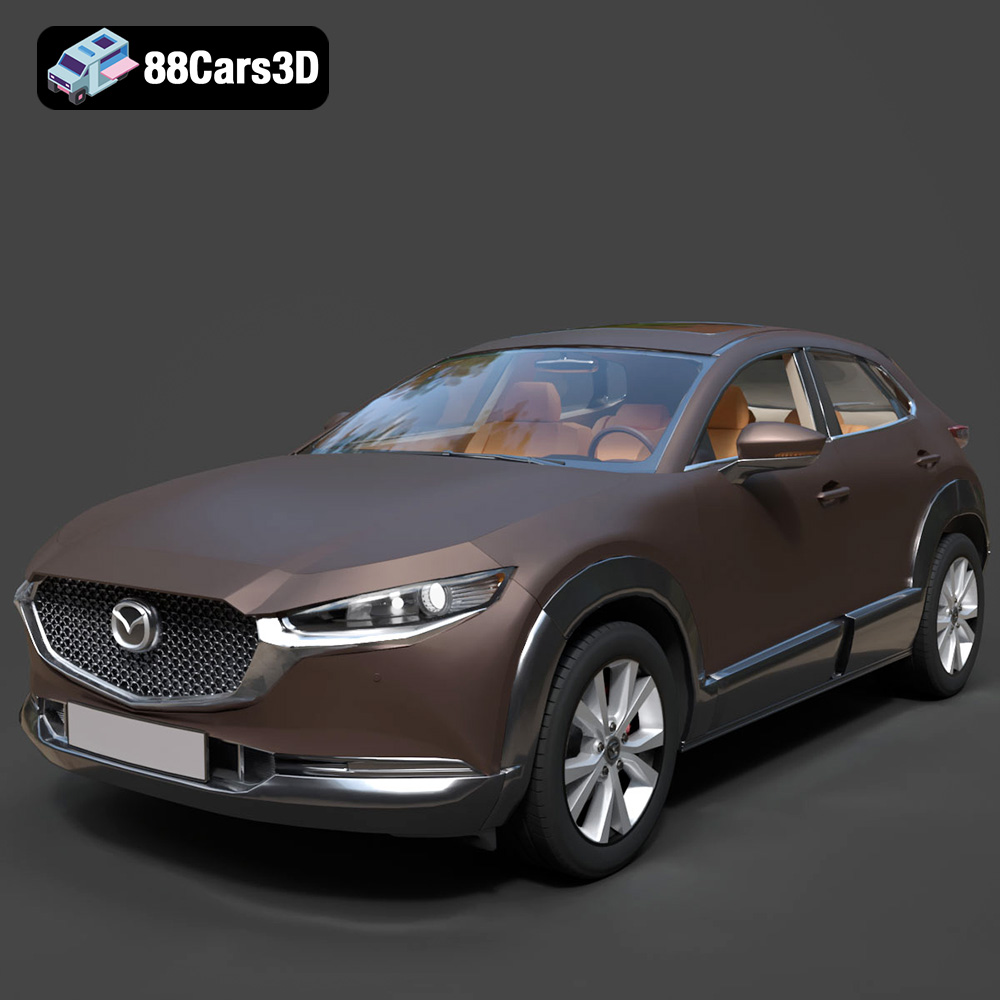
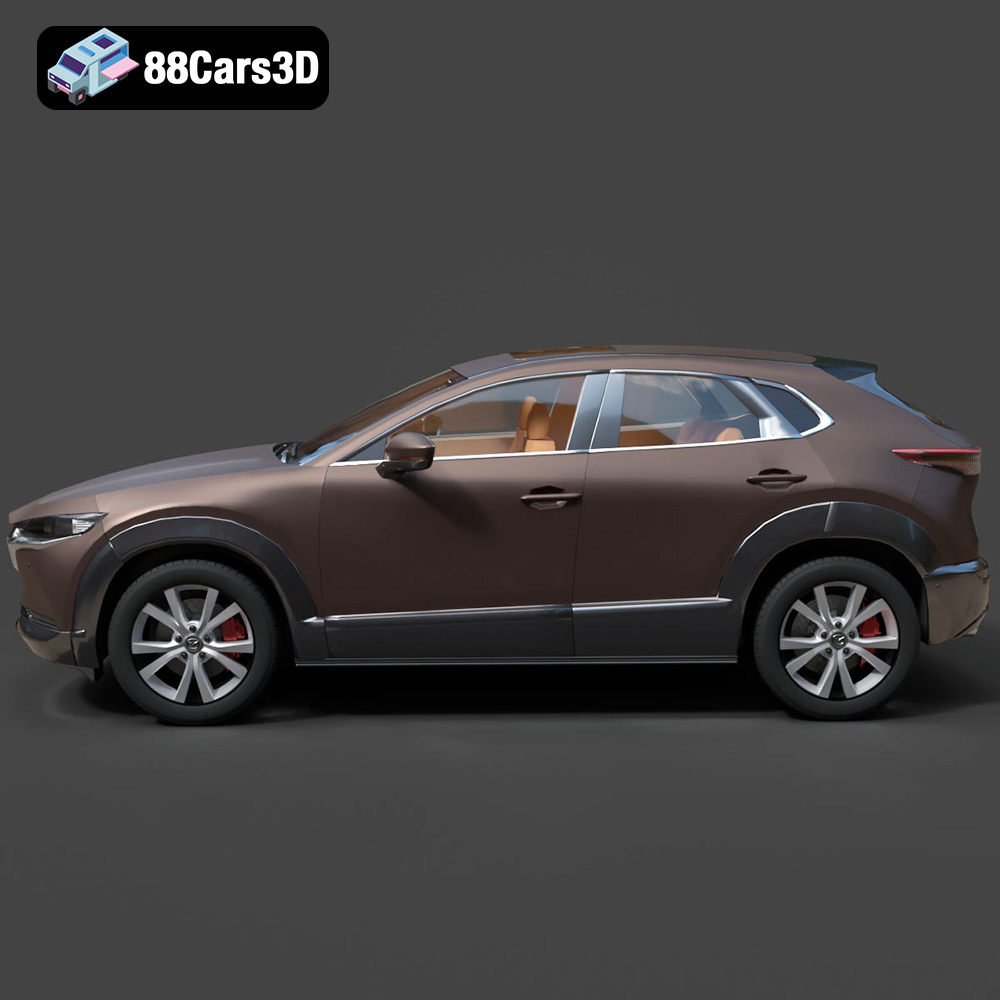
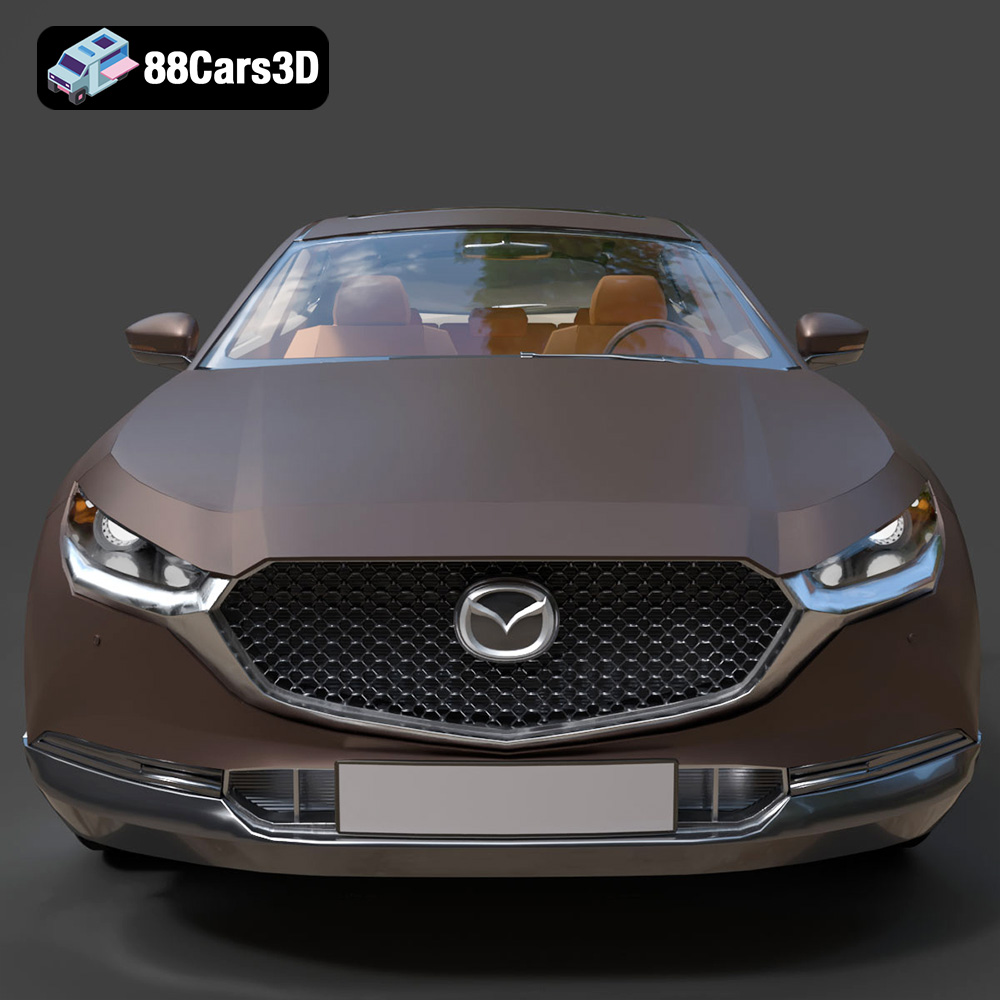
The challenge for 3D artists is to capture not just the physical shape, but the essence of this design. The Mazda CX-30 Crossover SUV 3D Model rises to this challenge by meticulously replicating its key aesthetic features. This includes the signature deep-set triangular motif grille, which serves as the car’s focal point, drawing the viewer’s eye. The sleek LED headlight housings are accurately modeled, conveying both sophistication and a sense of purpose. Crucially, the distinctive S-curve side panels are faithfully reproduced, designed specifically to play with light and shadow, creating a sense of movement across the vehicle’s body. These subtle yet critical details are what elevate a good model to an exceptional one, making it perfect for high-end automotive rendering.
Interior and Exterior Fidelity: A Holistic Approach
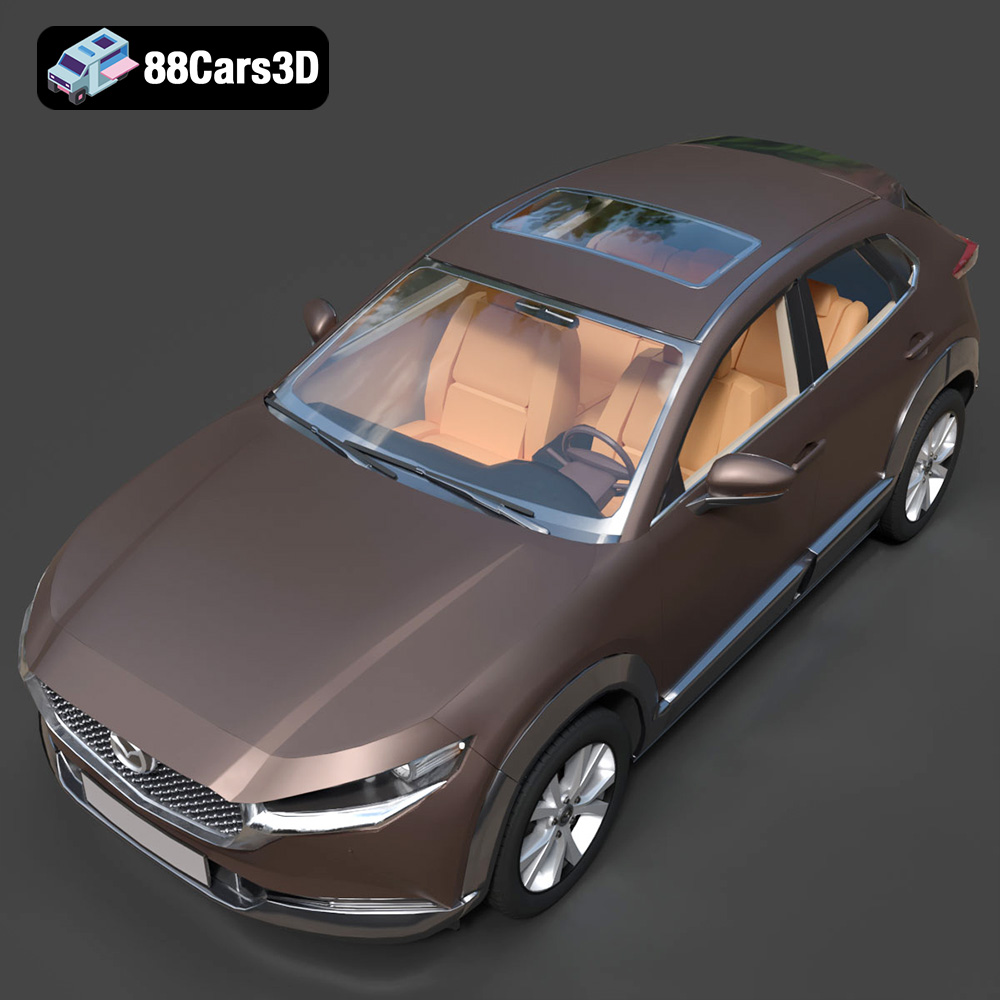
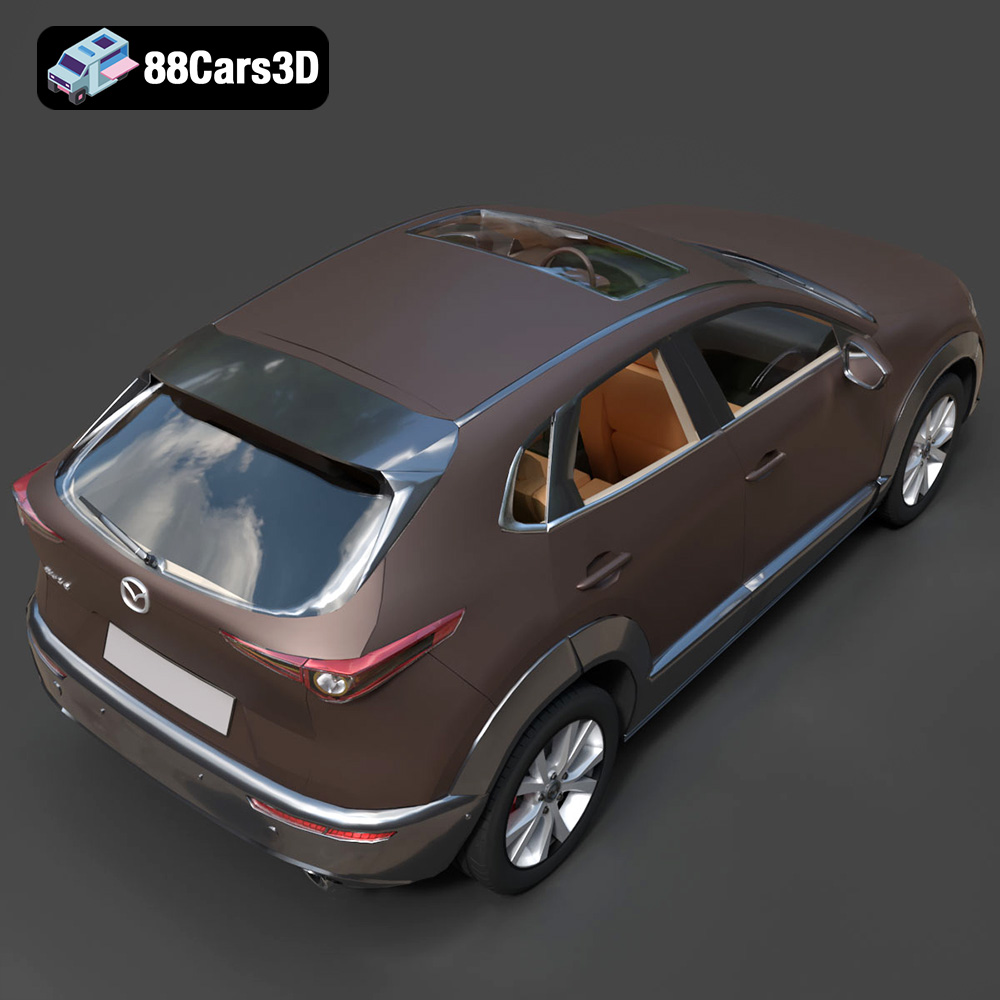
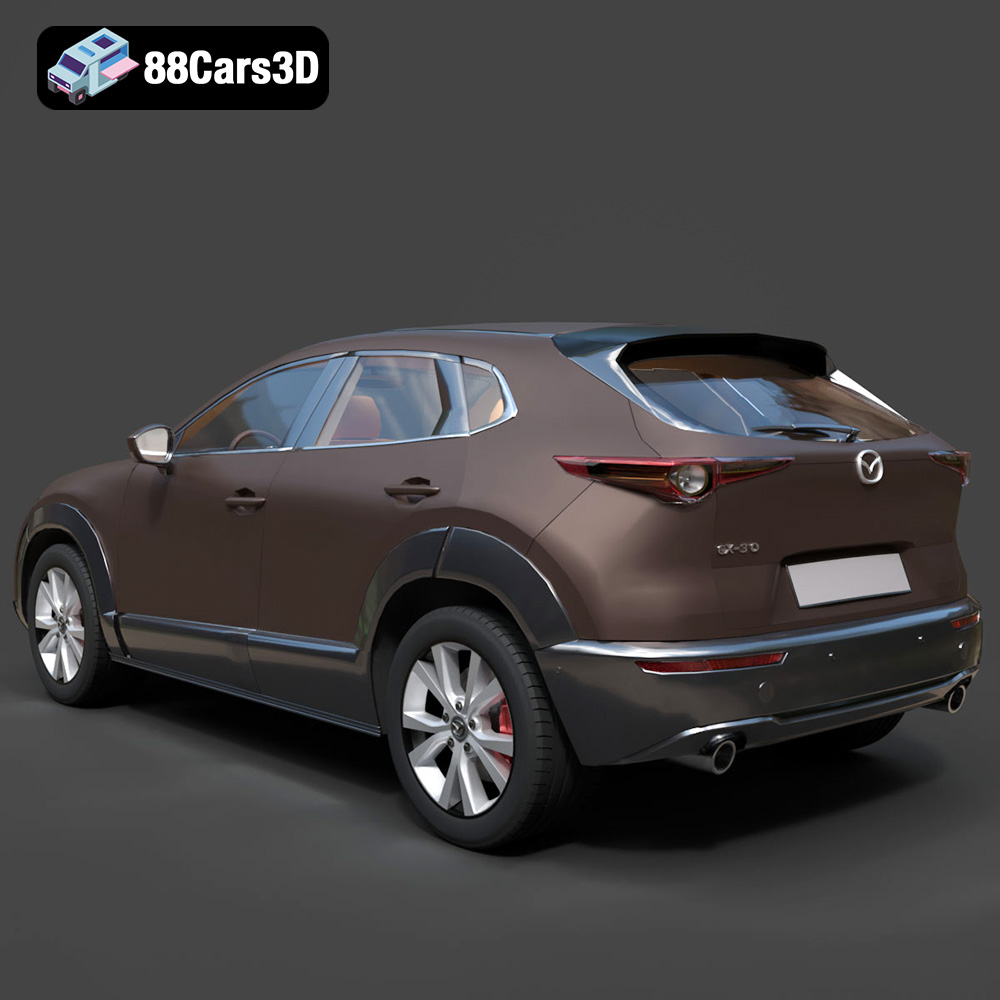
A truly professional 3D car model must deliver on both exterior grandeur and interior authenticity. While many models focus solely on the exterior for background use, the Mazda CX-30 model distinguishes itself with a detailed interior, making it suitable for close-up shots or even virtual reality experiences. The exterior features, such as the flowing aerodynamic body lines and rugged lower body cladding, are precisely matched to real-world dimensions. The factory alloy wheels, typically 18-inch designs, are intricately detailed and wrapped in realistic street tires, adding another layer of authenticity.
Inside, the model captures the authentic driver-centric, minimalist cabin layout, inspired by Japanese architecture and the “Ma” (empty space) philosophy. The detailed dashboard, with its elegantly integrated 8.8-inch center display and wing-shaped hood, is present. Realistic seating geometry for a five-passenger layout, complete with detailed stitching patterns, means the interior holds up under scrutiny, whether seen from outside through tinted windows or explored in a virtual walkthrough. This attention to both external and internal detail ensures versatility across various professional applications.
Understanding 3D Model File Formats
One of the most crucial aspects of working with 3D assets, especially 3D car models, is understanding the various file formats available. Each format has its strengths, ideal use cases, and specific technical considerations, directly impacting workflow efficiency and compatibility across different software and platforms. The Mazda CX-30 Crossover SUV 3D Model, for instance, comes with a comprehensive suite of formats, ensuring maximum utility for professionals.
Navigating the Digital Ecosystem: Key Formats Explained
-
.blend – Fully Editable Blender Scene with Materials: For artists working primarily in Blender, the .blend file is indispensable. It contains the complete scene data, including the mesh geometry, materials, textures, lighting, camera setups, and even animation data if present. This format allows for full editability, meaning you can open the Mazda CX-30 model, dissect its components, modify its topology, adjust materials, or even re-rig it for custom animations within Blender’s native environment. Its comprehensive nature makes it perfect for deep customization and iteration.
-
.fbx – Ideal for Unreal, Unity, and Real-Time Pipelines: The Filmbox (.fbx) format is an industry standard for interoperability, particularly favored in game development. It’s excellent for transferring 3D models, animation, and scene data between different software applications like 3ds Max, Maya, Blender, and directly into game engines like Unreal Engine and Unity. An .fbx file for the Mazda CX-30 will efficiently carry its mesh data, UV maps, skeletal information (if rigged for animation, such as separate wheels and doors), and material assignments, making it ready for integration into a real-time environment with minimal fuss. It’s often compressed and optimized for performance.
-
.obj – Universal Format for Cross-Software Compatibility: The Wavefront .obj format is one of the oldest and most universally supported 3D file formats. It’s a simple, text-based format that primarily stores geometry (vertices, normals, UVs, and faces). While it doesn’t typically store advanced features like animation or complex material definitions (these are often external .mtl files), its widespread compatibility makes it a safe choice for basic mesh transfer between virtually any 3D software. For the Mazda CX-30, an .obj file ensures that even niche or older 3D applications can import the core geometry with ease.
-
.glb – Optimized for AR, VR, and Browser-Based Display: The GL Transmission Format (.glb) is a compact, binary version of glTF, designed for efficient transmission and loading of 3D scenes and models by engines and applications. It’s rapidly becoming the standard for web-based 3D, augmented reality (AR), and virtual reality (VR) experiences due to its “asset delivery” focus, bundling textures and other data directly into a single file. For interactive Mazda CX-30 configurators or AR showcases, .glb offers optimal performance and ease of deployment on platforms like Sketchfab or within web applications.
-
.stl – Suitable for 3D Printing Output: The Stereolithography (.stl) format is the de facto standard for 3D printing. It represents a 3D model as a series of connected triangles, describing only the surface geometry of an object without color, texture, or other CAD attributes. While it lacks visual fidelity information, it’s precisely what 3D printers need to interpret an object’s shape for fabrication. Converting the Mazda CX-30 Crossover SUV 3D Model to .stl allows hobbyists and professionals to physically print miniature versions, perfect for display-scale models or prototyping.
-
.ply – Precision Mesh Format for CAD or Analysis: The Polygon File Format (.ply) is a general-purpose format for storing graphical objects that are described as a collection of polygons. It supports properties such as color, transparency, normals, texture coordinates, and data confidence values, making it more robust than .obj for certain applications. While less common for everyday artistic workflows, .ply is often used in scientific and engineering fields, particularly for capturing 3D scanner data or for CAD applications where precise mesh information and additional per-vertex data are critical for analysis.
-
.unreal – Engine-Ready Asset for Real-Time Environments: This isn’t a standalone file format in the traditional sense, but rather indicates that the asset has been specifically pre-packaged or optimized for direct import into Unreal Engine. This often means textures are set up with correct PBR (Physically Based Rendering) values, materials are configured, and mesh optimizations (like LODs – Levels of Detail) might be implemented. An “.unreal” designation for the Mazda CX-30 model implies a streamlined workflow for Unreal Engine users, saving significant setup time.
-
.max – Editable 3ds Max Project for Animation and Rendering: The .max file is the native file format for Autodesk 3ds Max. Like .blend for Blender, it contains all the scene information specific to 3ds Max, including geometry, materials, lighting, cameras, modifiers, and animation. For professionals ingrained in the 3ds Max ecosystem, having the Mazda CX-30 in this format provides the highest degree of flexibility for extensive modifications, scene integration, and high-fidelity rendering using renderers like V-Ray or Corona.
Understanding these formats ensures you select the right tool for the job, minimizing compatibility issues and maximizing the efficiency of your 3D workflow, whether you’re creating stunning architectural visualizations or dynamic game assets.
Technical Mastery: Topology, Optimization, and Performance
Beyond aesthetic accuracy, a superior 3D model is defined by its technical foundation. This involves careful consideration of topology, polygon count, and how these factors influence performance across different applications. The Mazda CX-30 Crossover SUV 3D Model strikes an impressive balance, boasting a “Goldilocks zone” topology that caters to both high-fidelity rendering and real-time efficiency.
The “Goldilocks Zone”: Balancing Detail and Efficiency
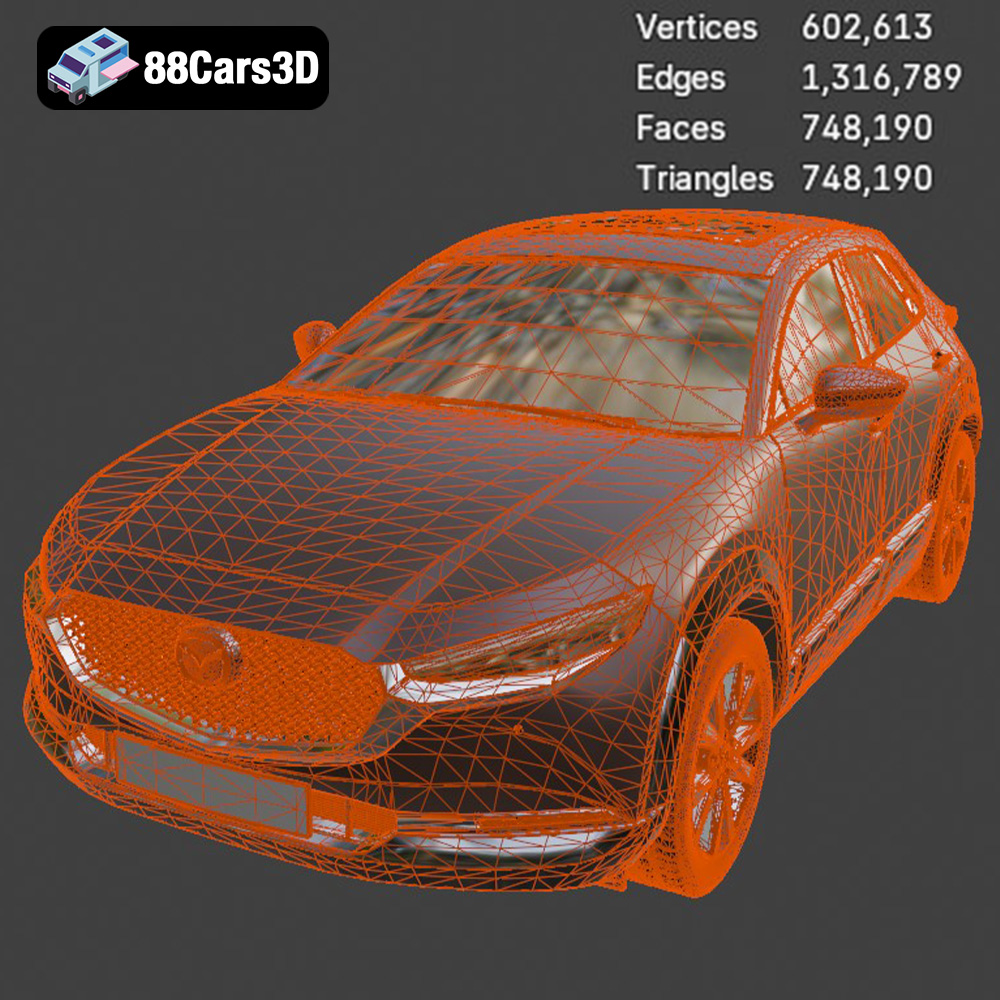
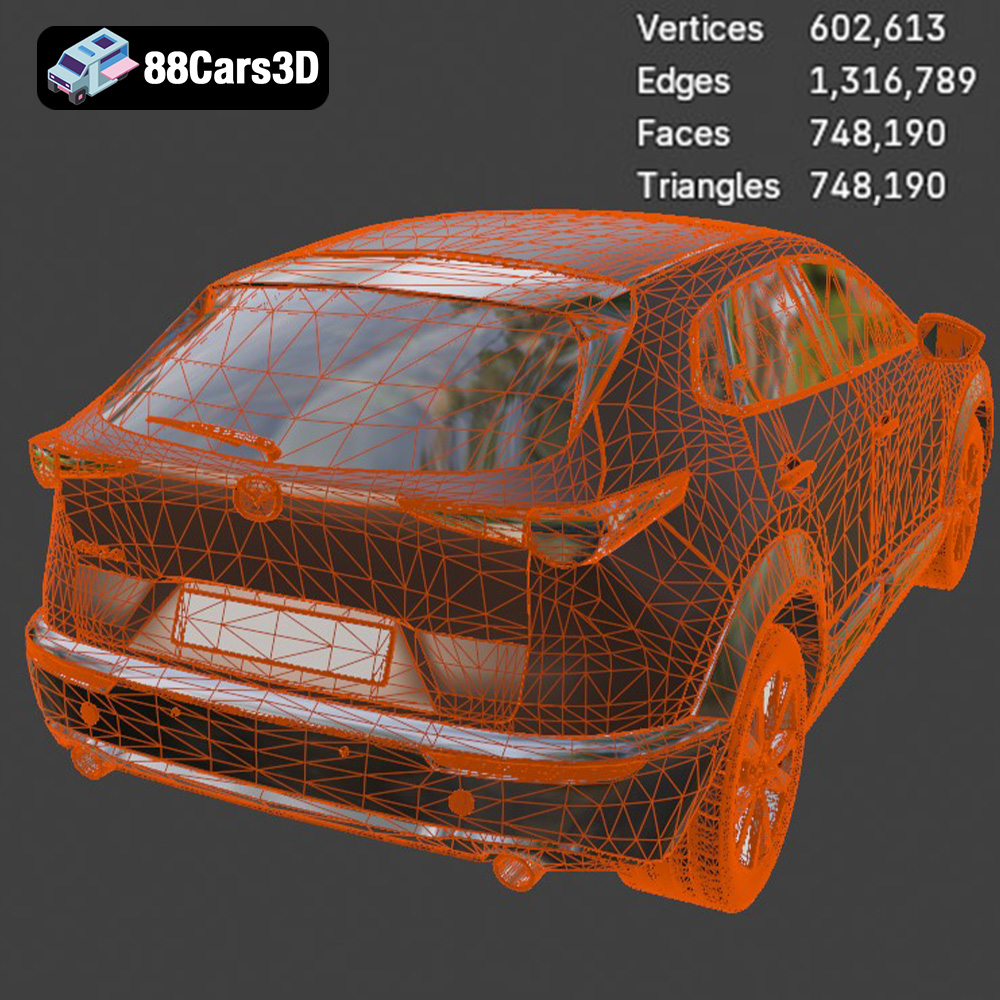
With just over 748,000 triangles (or polygons), the Mazda CX-30 model sits perfectly between being overly complex and insufficiently detailed. This mid-to-high polygon count is a deliberate choice, offering several key advantages:
-
For Architectural Visualization (ArchViz): In ArchViz, close-up shots of vehicles are common for driveways or street scenes. A low-polygon model would reveal jagged edges and lack crucial surface detail, breaking the immersion. The CX-30’s 748k triangles provide smooth curves, sharp panel lines, and intricate details on components like headlights and wheels, ensuring it looks fantastic even in foreground renders at high resolutions.
-
For Game Development: For game engines like Unreal Engine or Unity, performance is paramount. While 748k triangles might seem high for a background vehicle, it’s remarkably well-optimized for a “hero” car – a vehicle the player interacts with or drives. Furthermore, it can serve as a high-quality background traffic asset without crippling frame rates, especially when combined with proper LOD (Level of Detail) implementation, where simpler versions of the model are swapped in at greater distances.
-
For AR/VR Applications: In AR/VR, maintaining a smooth framerate is crucial to prevent motion sickness. The CX-30 model’s balanced topology means it can be rendered in real-time AR/VR environments with excellent visual quality without excessive computational load, allowing for interactive experiences like virtual showrooms or configurators.
Under the Hood: Specifications and Rigging Readiness
The technical specifications of the Mazda CX-30 model further underscore its professional-grade quality:
- Vertices: 602,613
- Edges: 1,316,789
- Faces / Polygons: 748,190
- Triangles: 748,190
These numbers reflect a clean, efficient mesh. Crucially, the model features separate wheels, steering components, and doors. This modularity is vital for rigging and animation workflows. Artists can easily set up pivots and constraints for realistic wheel rotation, steering articulation, and door opening/closing animations, enabling dynamic scenes and interactive experiences. The real-world scale accuracy, based on Mazda factory dimensions, ensures that the vehicle will fit seamlessly into any scene without requiring manual scaling adjustments, a common frustration with lower-quality assets.
Beyond Rendering: Diverse Applications in Professional Workflows
A high-quality 3D car model like the Mazda CX-30 Crossover SUV 3D Model is far more than just an image generator. It’s a versatile asset that can be deployed across numerous industries and creative pipelines, significantly enhancing the final product and streamlining development.
Architectural Visualization (ArchViz) and Urban Planning
For architectural visualization studios, integrating realistic vehicles is essential for breathing life into static building renders. The CX-30, with its modern and relatable aesthetic, is perfect for:
-
Populating Street Scenes: Adding the Mazda CX-30 to a street or driveway instantly grounds the architectural render in reality. Its recognizable form factor provides a sense of scale and everyday activity, making proposed developments feel lived-in and appealing.
-
Lifestyle Commercial Mockups: For showcasing residential properties or commercial spaces, the CX-30 can be positioned to evoke a specific lifestyle – perhaps an adventurous family, an urban professional, or a suburban dweller. Its “everyday premium” vehicle status adds a touch of aspirational realism.
-
Urban Traffic Simulations: In larger urban planning projects, accurate vehicle models are needed for visualizing traffic flow, analyzing urban dynamics, or creating compelling presentations for stakeholders. The CX-30’s optimized topology allows for its use in scenes with many vehicles without performance bottlenecks.
Game Development: From Hero Car to Dynamic Traffic
The game industry’s relentless pursuit of realism makes high-fidelity 3D car models indispensable. The Mazda CX-30 Crossover SUV 3D Model offers flexibility for game developers:
-
Drivable “Hero” Vehicle: Its balanced polygon count and detailed interior make it an excellent candidate for a player-controlled vehicle in open-world games or racing titles. The separate wheels and steering components are ready for advanced vehicle physics and animation systems.
-
High-Quality Background Traffic: For city simulators or open-world environments, the CX-30 can serve as a convincing background vehicle, enhancing the visual fidelity of bustling streets without demanding excessive computational resources. Its clean topology allows for efficient LOD generation.
-
AR/VR Experience: In AR/VR, immersion is key. The CX-30’s optimized interior geometry is tailored to look fantastic from the exterior or in VR, making it ideal for interactive digital showrooms, virtual test drives, or immersive vehicle configurators where users can explore the car’s features in detail.
3D Printing and Prototyping
The versatility of 3D models extends beyond screens. For enthusiasts and designers alike, the Mazda CX-30 model can be a foundation for physical objects:
-
Display-Scale Models: Converting the model to .stl format opens the door for 3D printing. Hobbyists can create highly detailed miniature replicas of the CX-30, perfect for collectors or dioramas. The recommended resin printing for intricate details like the grille and wheel spokes ensures a high-quality physical output.
-
Prototyping and Customization: While not a direct CAD model for manufacturing, the 3D printability allows for rapid physical prototyping of custom accessories or external modifications, helping visualize concepts before committing to more expensive production methods. The ability to specify layer height, wall thickness, and supports ensures successful prints.
Bringing Your Vision to Life: Customization and Real-world Integration
A truly valuable 3D asset provides a robust foundation, but also allows for extensive customization to fit specific project needs. The Mazda CX-30 Crossover SUV 3D Model offers excellent avenues for artistic expression and seamless integration into diverse scenes.
Material and Lighting Prowess
The visual impact of any 3D model is heavily reliant on its materials and how light interacts with them. For the CX-30, customizing these elements can dramatically alter its presence:
-
Signature Paint Finishes: Mazda is renowned for its striking paint colors. Applying a deep, candy-apple “Soul Red Crystal Metallic” shader to the model instantly emphasizes its sweeping S-curve side profiles, bringing out the dynamism of the Kodo design. Other iconic colors like Polymetal Gray or Snowflake White Pearl can be easily applied to match specific branding or mood requirements. These materials, when properly set up with PBR (Physically Based Rendering) workflows, ensure realistic reflections and refractions under any lighting condition.
-
Interior Material Maps: The detailed interior allows for applying two-tone material maps, such as sophisticated black leather with rich brown accents or sporty red leather. This level of customization is crucial for showcasing different trim levels in a virtual configurator or for setting a specific mood in a commercial rendering.
-
Dynamic Lighting Scenarios: The model’s clean topology and well-defined surfaces respond beautifully to various lighting setups. It can be illuminated to depict a sunny suburban driveway, showcasing its practicality, or bathed in moody, neon-lit nighttime city streets to highlight its urban sophistication. Experimenting with studio HDRIs (High Dynamic Range Images) can produce stunning, realistic reflections that bring the vehicle to life in a product visualization context.
Enhancing the Scene: Adding Context and Narrative
Beyond the car itself, a professional workflow often involves integrating the vehicle into a broader narrative or environment. The Mazda CX-30 Crossover SUV 3D Model facilitates this:
-
Accessories and Scene Elements: Adding a sleek rooftop cargo box or crossbars can instantly transform the CX-30 into a rugged, weekend-adventure vehicle, telling a story about its owner and their lifestyle. This is particularly effective for marketing materials or lifestyle renders.
-
Environmental Integration: Whether dropped into a Blender scene, imported into 3ds Max for V-Ray rendering, or placed within Unreal Engine’s expansive virtual worlds, the model’s real-world scale and pivot setup ensure it fits naturally. Its optimized geometry means it won’t unduly burden complex scenes, allowing artists to focus on environmental details, characters, and other props to complete their vision.
Choosing Quality: Why 88cars3d.com Delivers
In the vast ocean of online 3D assets, discerning professionals understand the critical importance of sourcing high-quality models. The difference between a rushed, poorly optimized model and a meticulously crafted one can be hours, if not days, of remediation work and a significant impact on final project quality. This is where platforms like 88cars3d.com stand out, offering a curated selection of premium 3D car models designed for professional applications.
The 88cars3d.com Advantage
When you acquire a model like the Mazda CX-30 Crossover SUV 3D Model from 88cars3d.com, you’re not just buying a digital file; you’re investing in a production-ready asset. The focus on balanced topology, real-world accuracy, and comprehensive file format support directly translates into tangible benefits for artists and studios:
-
Time Savings: Less time spent cleaning up meshes, fixing UVs, or optimizing polygon counts means more time for creative work and meeting deadlines.
-
Consistent Quality: Knowing that models are built to specific technical standards ensures predictable results, whether for high-resolution renders or real-time engine integration.
-
Versatility: A single model can be used across multiple projects and platforms, maximizing its value and utility.
-
Reliability: Assets are tested for compatibility with major 3D software platforms and modern real-time engines, reducing integration headaches.
For anyone serious about producing top-tier automotive rendering, engaging game environments, or compelling visualizations, a reliable source of high-quality 3D car models is essential. The Mazda CX-30 model is a prime example of the caliber of assets available, ready to accelerate your creative projects.
Conclusion
The world of 3D modeling for automotive design, rendering, and game development is constantly evolving, with an increasing demand for assets that blend artistic precision with technical excellence. The Mazda CX-30 Crossover SUV 3D Model is a testament to what a professionally crafted 3D asset can achieve. It embodies the fluid lines of Mazda’s Kodo design, offers a meticulously detailed interior and exterior, and boasts a perfectly balanced topology that makes it suitable for both high-fidelity rendering and demanding real-time applications.
From architectural visualizations that require realistic street scenes to immersive game worlds demanding optimized hero vehicles, and even 3D printing for tangible models, the versatility of this CX-30 model is undeniable. Its comprehensive file format support, including .blend, .fbx, .obj, .glb, .stl, and .max, ensures seamless integration into virtually any professional pipeline. When choosing 3D car models, prioritizing those that offer this blend of aesthetic accuracy and technical robustness, like the Mazda CX-30 Crossover SUV 3D Model found on 88cars3d.com, is crucial for achieving truly outstanding results and pushing the boundaries of your creative projects.
Featured 3D Model
Mazda CX-30 Crossover SUV 3D Model
The Mazda CX-30 3D Model is an exceptionally accurate digital recreation of the highly acclaimed compact crossover. Embodying Mazda’s renowned “Kodo: Soul of Motion” design philosophy, the CX-30 artfully blends the athletic stance of a sporty hatchback with the rugged practicality and raised driving position of an SUV. This 3D model perfectly captures the sweeping, minimalist lines of the CX-30. It features the signature deep-set triangular motif grille, sleek LED headlight housings, the distinctive S-curve side panels designed to capture light and shadow, and the thick, protective lower body cladding that gives it an adventurous edge. Built with a beautifully balanced mid-to-high polygon topology (just over 748k triangles), it delivers fantastic visual fidelity for close-up architectural rendering while remaining highly efficient for use in real-time game engines or as high-quality background traffic. Perfect for populating modern suburban street scenes, architectural visualizations, urban traffic simulations, and lifestyle commercial mockups.
$19.99
View This Model
Related Tags
.archviz
.blend
.crossover
.fbx
.mazda
.obj
.rendering
car-3d-model
compact-suv
cx-30
cx30
game-ready
kodo-design
mazda-cx30
mid-poly
traffic-car