Get 50% OFF All Premium 3D & STL Models!

In the dynamic world of 3D visualization, the demand for hyper-realistic and meticulously crafted digital assets is ever-growing. From cinematic spectacles and high-fidelity video games to innovative architectural walkthroughs and immersive AR/VR experiences, the quality of a 3D model can make or break a project’s visual impact. Automotive models, in particular, stand as a benchmark for detail and precision, requiring an intricate blend of artistic vision and technical expertise.
A truly exceptional 3D car model goes beyond mere surface aesthetics; it embodies accurate proportions, clean topology, and materials that convincingly replicate real-world finishes. These are the cornerstones upon which compelling narratives and believable simulations are built. It’s about bringing the essence of a physical masterpiece into the digital realm, allowing creators to explore possibilities that were once confined to the physical world.
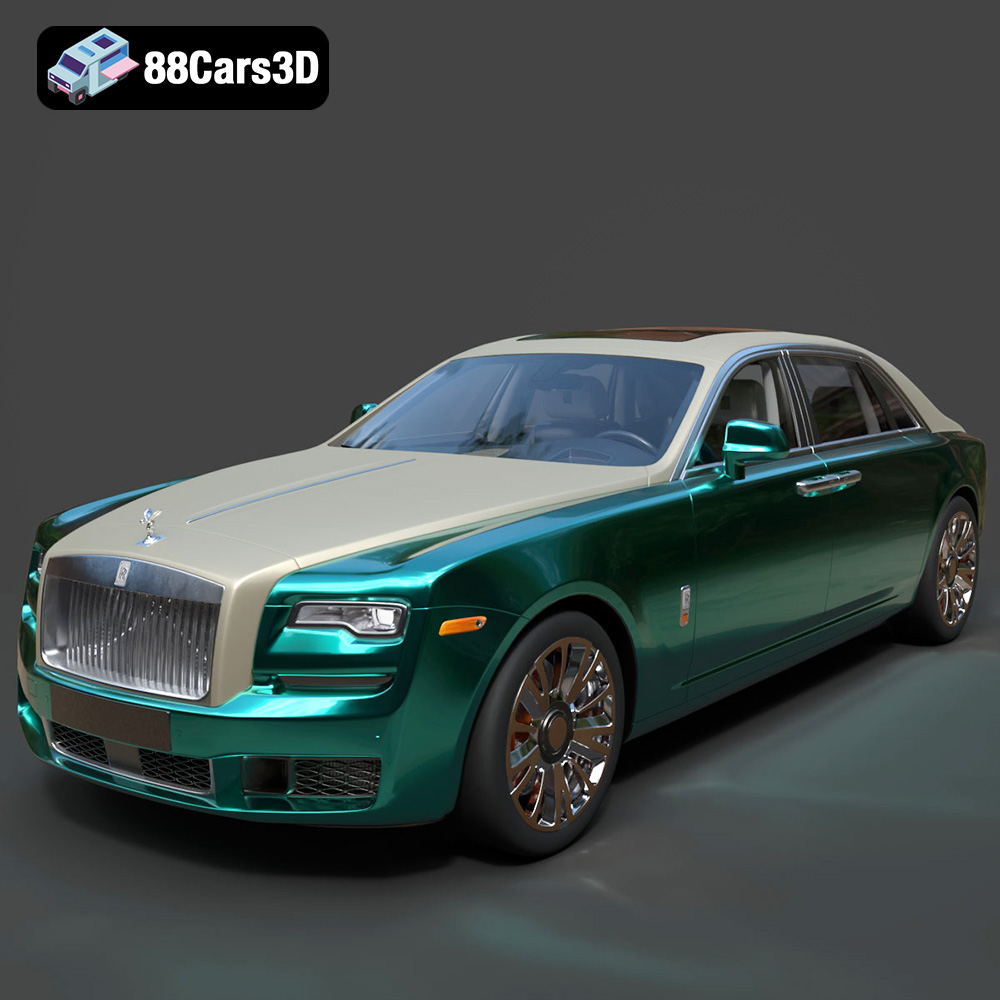
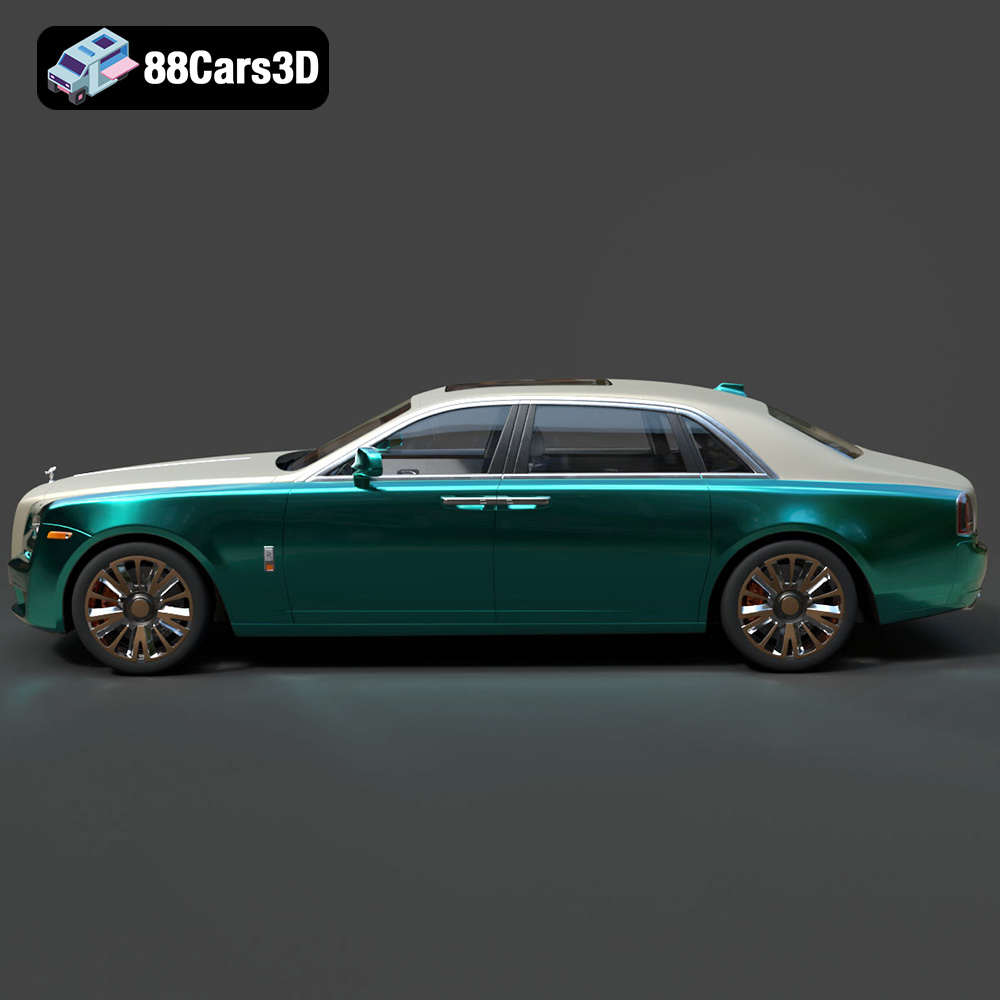
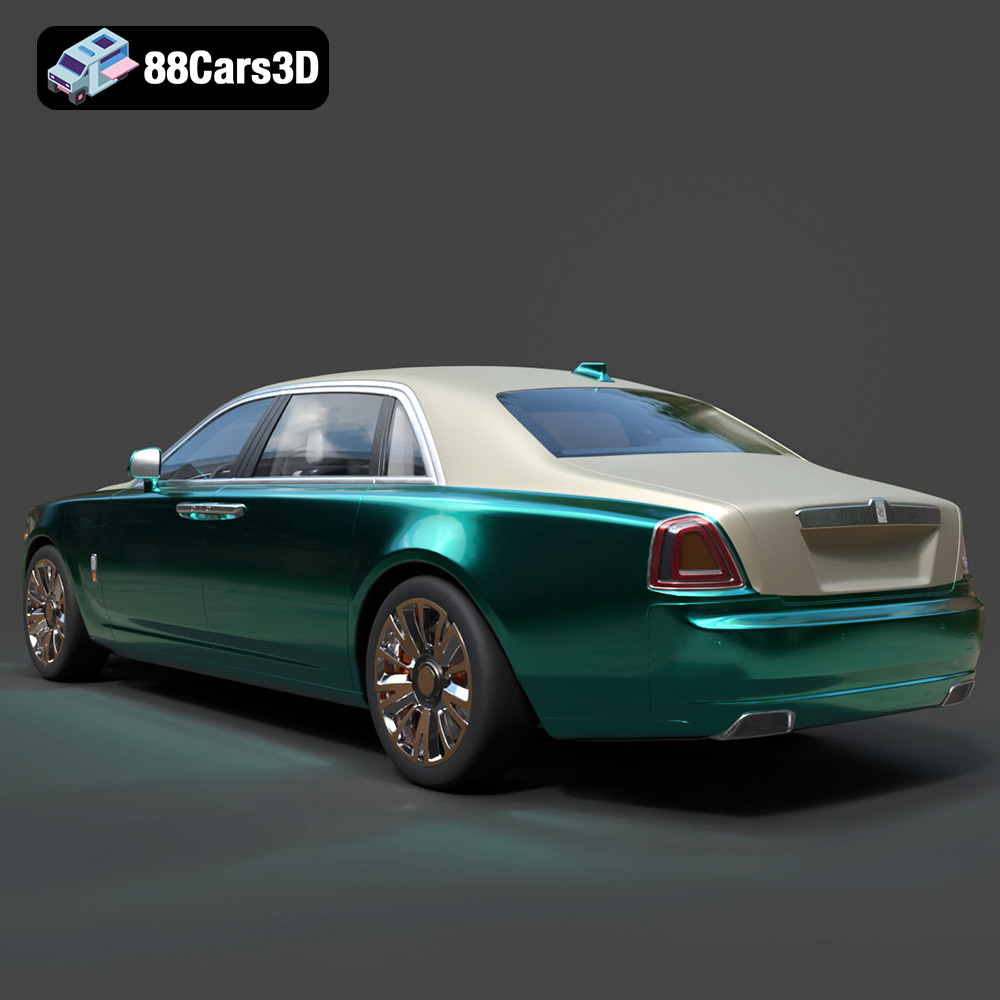
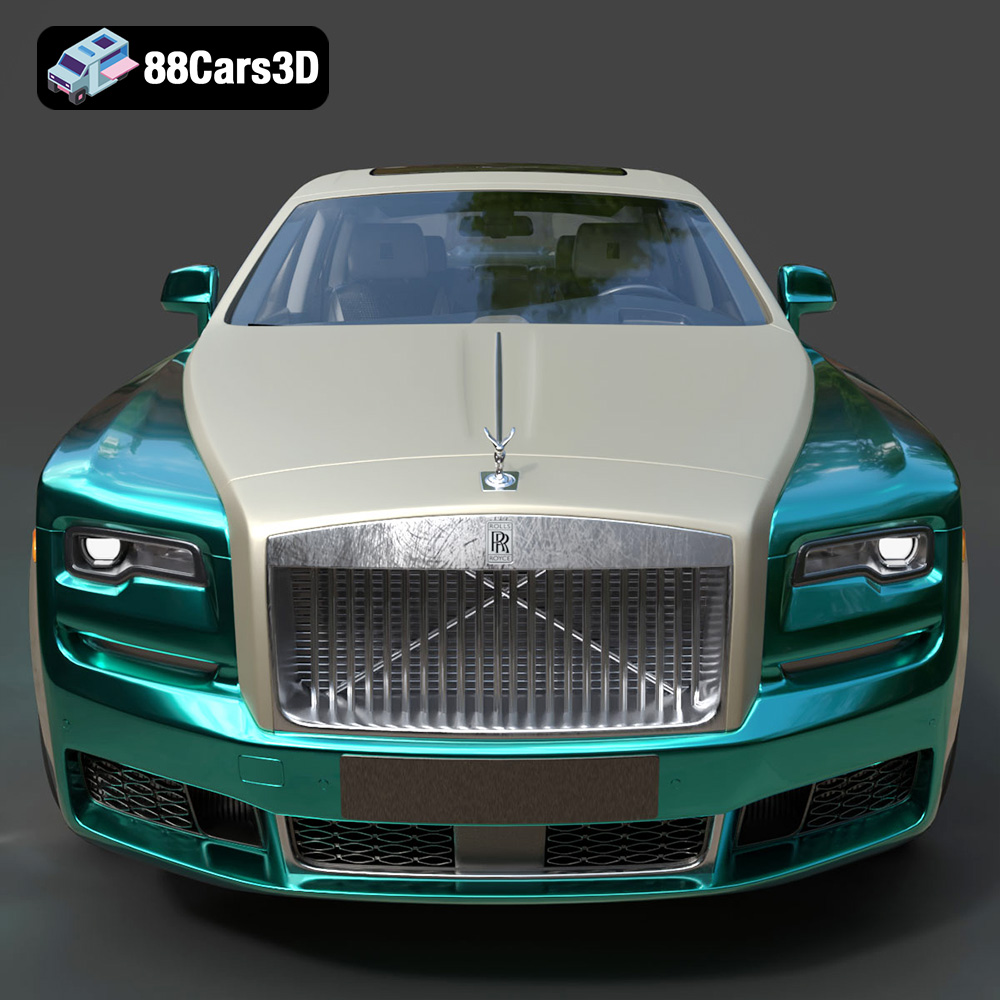
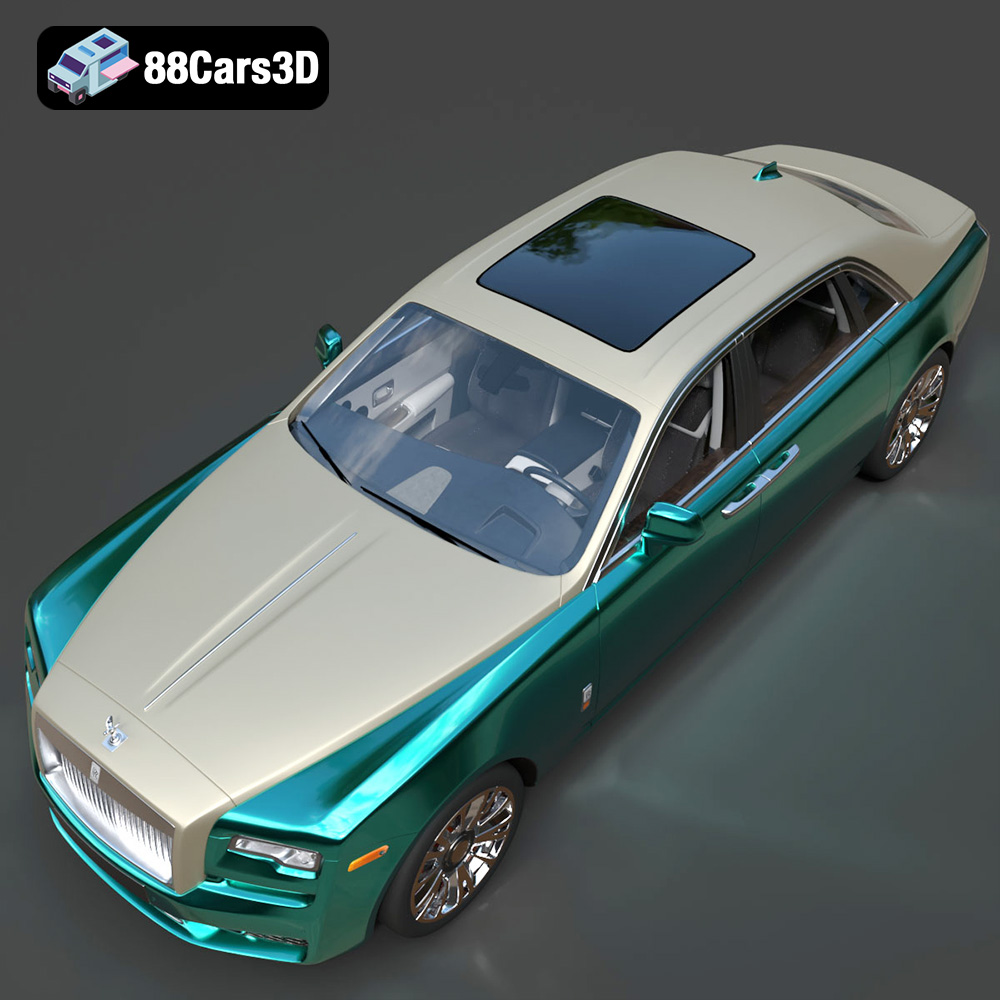
Consider the Rolls-Royce Ghost EWB, a vehicle synonymous with ultimate luxury, refined engineering, and an imposing presence. Replicating such an icon in 3D demands a commitment to detail that mirrors the original manufacturer’s ethos. A premium 3D model of the Rolls-Royce Ghost EWB, like the one available on 88cars3d.com, offers an unparalleled digital luxury experience. It’s not just a model; it’s a meticulously engineered digital twin, ready to be deployed across a spectrum of professional applications, empowering artists and developers to achieve stunning visual results without the prohibitive costs and time of creating such an asset from scratch.
The versatility of a 3D model is often determined by the range and quality of its supported file formats. Each format serves a specific purpose, catering to different software environments, application types, and workflow requirements. Understanding these distinctions is crucial for anyone working with 3D assets, ensuring smooth integration and optimal performance. The Rolls-Royce Ghost EWB 3D Model, for instance, comes with a comprehensive suite of formats, highlighting its adaptability.
The .blend file format is native to Blender, the powerful open-source 3D creation suite. When you acquire a .blend file, you’re not just getting the geometry; you’re often getting a fully editable scene complete with materials, lighting setups, camera positions, and even animation data. This makes it an ideal starting point for artists already working in Blender, allowing for immediate customization, rendering with Cycles or Eevee, and integration into existing Blender projects. The clean geometry and optimized topology of a model like the Rolls-Royce Ghost EWB in its .blend format provide a robust foundation for further artistic refinement.
Autodesk’s .fbx (Filmbox) format is arguably the most widely adopted format for exchanging 3D data between different software applications and game engines. It supports not only mesh data but also materials, textures, animations, rigs, cameras, and lights. This makes .fbx invaluable for pipelines involving Unreal Engine, Unity, 3ds Max, Maya, Cinema 4D, and more. For real-time applications, a well-exported .fbx, such as the game-engine-ready version of the Rolls-Royce Ghost EWB, ensures that all necessary components are transferred efficiently, making it a go-to choice for game developers and real-time visualization specialists.
The .obj (Wavefront OBJ) format is one of the oldest and most universally supported 3D file formats. It’s excellent for transferring static mesh data, including vertices, normals, UV coordinates, and faces, often accompanied by a separate .mtl (material) file for basic material properties. While it doesn’t support advanced features like animation or rigging, its widespread compatibility means virtually every 3D software can import and export .obj files. It’s a reliable choice when you need a clean geometric base for sculpting, retopology, or simply importing into a new environment for texturing and rendering.
.glb (GL Transmission Format Binary) is a relatively newer format, gaining significant traction due to its efficiency and suitability for web-based 3D applications, augmented reality (AR), and virtual reality (VR). It’s a binary version of the .gltf format, bundling all assets (geometry, materials, textures, animations) into a single file, which makes it incredibly fast to load and easy to share. This optimization for real-time, lightweight display makes the .glb version of the Rolls-Royce Ghost EWB perfect for interactive product viewers, AR car configurators, or embedded 3D models on websites.
The .stl (stereolithography) format is the undisputed standard for 3D printing. It represents 3D surfaces as a collection of unconnected triangular facets, defining the outer geometry of a 3D object without color or texture information. While not suitable for rendering or animation, the .stl version of a model like the Rolls-Royce Ghost EWB allows for physical prototyping, scale model creation, or even custom fabrication. Designers can utilize this format to translate their digital designs into tangible objects, demonstrating the model’s utility beyond purely digital mediums.
.ply (Polygon File Format) is a versatile format often used for storing 3D data from 3D scanners, CAD software, and scientific applications. It can store a wide range of properties, including color, transparency, normals, texture coordinates, and even reliability information for each polygon. Its flexibility makes it suitable for applications requiring high-precision mesh data for analysis, simulation, or complex visualization, offering a robust alternative for specific technical workflows.
While not a standalone file type in the traditional sense, a “.unreal” package typically refers to an asset that has been specifically prepared and configured for direct import and optimal performance within Unreal Engine. This often means the model has appropriate material setups, optimized UVs, LODs (Levels of Detail), and potentially collision meshes, saving developers significant setup time. The pre-configured Unreal asset for the Rolls-Royce Ghost EWB 3D Model exemplifies this, ensuring seamless integration into demanding real-time environments for game development, architectural visualization, or cinematic sequences within the engine.
The .max file format is native to Autodesk 3ds Max, a leading software for 3D modeling, animation, and rendering. Like .blend, a .max file contains the entire scene, including geometry, modifiers, materials, textures, lighting, cameras, animation keyframes, and render settings. This is the master file for anyone working within a 3ds Max pipeline, offering complete editability and the full power of V-Ray, Corona Renderer, or Arnold for high-quality automotive rendering and sophisticated animation projects.
Automotive rendering is a specialized discipline that demands an eye for detail and a deep understanding of light, materials, and composition. The goal is to create images so lifelike they are indistinguishable from photographs. This process is crucial for marketing, design reviews, and showcasing future products long before they hit the assembly line. A high-quality 3D car model, such as the Rolls-Royce Ghost EWB, forms the essential backbone of this pursuit.
The realism of a rendered vehicle heavily relies on its materials. Car paint, for example, is a complex material with multiple layers—base coat, metallic flakes, clear coat—each interacting with light differently. Replicating this requires advanced shader networks in renderers like V-Ray, Corona, or Arnold. Beyond paint, details like the intricate leather upholstery, polished chrome accents, brushed metal, and the subtle imperfections of glass must be accurately simulated. The Rolls-Royce Ghost EWB 3D Model, built with realistic materials, provides an excellent foundation, saving artists countless hours in material development and calibration. Its accurate UV mapping ensures textures, whether custom-created or PBR (Physically Based Rendering) based, wrap around the geometry flawlessly, enhancing the visual fidelity of every curve and panel.
Lighting is the soul of any render. For automotive visualization, it’s about showcasing the vehicle’s form, reflections, and unique characteristics. High Dynamic Range Images (HDRIs) are commonly used to provide realistic environmental lighting and reflections, capturing the nuances of outdoor or studio settings. Pairing an HDRI with carefully placed virtual light sources allows artists to sculpt the car’s surfaces, emphasize its design lines, and create dramatic visual effects. Whether it’s the warm glow of a sunset reflecting off the Ghost’s pristine bodywork or the crisp, even illumination of a virtual showroom, the interaction of light with the model’s sophisticated materials is paramount. Software like 3ds Max with V-Ray or Blender with Cycles offers powerful tools for this, letting artists experiment with infinite lighting scenarios to tell a compelling visual story around the Rolls-Royce Ghost EWB 3D Model.
Achieving truly stunning renders often involves more than just a good model and lighting. Techniques like depth of field, motion blur, and sophisticated camera effects add a layer of photographic realism. Render passes—separating elements like reflections, shadows, and diffuse colors—provide immense flexibility in post-production software like Adobe Photoshop or Nuke. This allows artists to fine-tune every aspect of the image, from color grading to adding subtle atmospheric effects, elevating the final render from good to breathtaking. Leveraging a professionally prepared asset like the Rolls-Royce Ghost EWB from 88cars3d.com ensures that these advanced techniques can be applied effectively, maximizing the potential for captivating visual output.
Game development presents a unique set of challenges for 3D car models. While visual fidelity is paramount, performance in real-time environments is equally critical. High-quality game assets must strike a delicate balance between detail and optimization, ensuring smooth frame rates without compromising visual integrity. A model like the Rolls-Royce Ghost EWB 3D Model, designed with clean geometry and optimized topology, is invaluable in this context.
To maintain performance in game engines like Unreal Engine or Unity, complex models often require Levels of Detail (LODs). These are simplified versions of the model that automatically swap in when the car is further away from the camera, reducing polygon count and improving rendering speed. A professionally built car model will often include or be structured for easy creation of multiple LOD levels, ensuring that the Rolls-Royce Ghost EWB looks stunning up close but doesn’t bog down the engine when viewed from afar. Beyond visual geometry, collision meshes are essential for physics interactions. These are simplified, invisible meshes that define the car’s physical boundaries, allowing for realistic crashes and interactions with the game world without needing to calculate complex physics on the high-detail visual mesh.
Modern game engines rely heavily on Physically Based Rendering (PBR) workflows for realistic materials. This involves a set of textures (albedo, normal, roughness, metallic, ambient occlusion) that accurately simulate how light interacts with surfaces. A premium 3D car model comes with PBR-ready materials, allowing for seamless integration into game engine pipelines. Shader optimization is another key aspect; creating efficient shaders that render complex materials like car paint or glass with minimal performance cost is crucial. The Rolls-Royce Ghost EWB 3D Model’s realistic materials are designed to translate effectively into PBR systems, ensuring that its luxurious finishes are accurately represented in a real-time game environment, contributing to an immersive and visually rich player experience.
Game developers constantly seek efficiencies. Models pre-configured for specific engines, like the .unreal format for Unreal Engine or well-structured .fbx files for both Unreal and Unity, are game-changers. These assets often include correct scale, pivot points, material assignments, and sometimes even basic animation rigs, drastically reducing the time spent on setup and conversion. For a high-end asset like the Rolls-Royce Ghost EWB, this means developers can focus on gameplay mechanics and environmental design rather than wrestling with asset preparation, accelerating the development cycle and ensuring a consistent level of quality across the project.
The utility of high-quality 3D car models extends far beyond traditional rendering and game development. They are becoming foundational elements in emerging technologies such as Augmented Reality (AR), Virtual Reality (VR), 3D printing, and sophisticated simulations, opening new avenues for interaction and production.
AR and VR offer unprecedented ways to interact with digital content. Imagine placing the Rolls-Royce Ghost EWB in your driveway using an AR app, or exploring its luxurious interior in a fully immersive VR environment. These applications demand highly optimized 3D models that can render smoothly on mobile devices or VR headsets. The .glb format, included with the Rolls-Royce Ghost EWB 3D Model, is specifically designed for these lightweight, web-friendly, and performant AR/VR experiences. This enables designers and marketers to create engaging interactive experiences, allowing potential customers to virtually customize and explore the vehicle in a way that static images or videos simply cannot match.
The bridge between the digital and physical realms is nowhere more apparent than in 3D printing. A detailed 3D car model can be transformed into a tangible object, whether for rapid prototyping during the design phase, creating scale models for display, or even producing custom parts. The .stl format provided with the Rolls-Royce Ghost EWB 3D Model makes this process straightforward. While 3D printing requires careful consideration of wall thickness, overhangs, and print resolution, starting with a clean, watertight mesh like this model ensures a much smoother transition from screen to physical object. This capability is invaluable for industrial design, collectible creation, and educational purposes.
In fields like automotive engineering, urban planning, or even professional driver training, accurate 3D models are critical for realistic simulations. These simulations might involve aerodynamic analysis, crash testing (virtually), or creating complex traffic scenarios for autonomous vehicle development. The clean topology and accurate dimensions of a professional 3D car model are essential for reliable simulation results. A model like the Rolls-Royce Ghost EWB can be integrated into physics engines to predict handling characteristics, or used in virtual training scenarios for emergency services, providing a high-fidelity representation that enhances the realism and effectiveness of the simulation environment.
The Rolls-Royce Ghost EWB represents the zenith of automotive luxury and design. Replicating such an iconic vehicle in the digital space demands unparalleled attention to detail, precision, and a commitment to capturing its essence. The Rolls-Royce Ghost EWB 3D Model available at 88cars3d.com stands as a testament to this commitment, offering a digital asset that embodies the luxury and engineering prowess of its real-world counterpart.
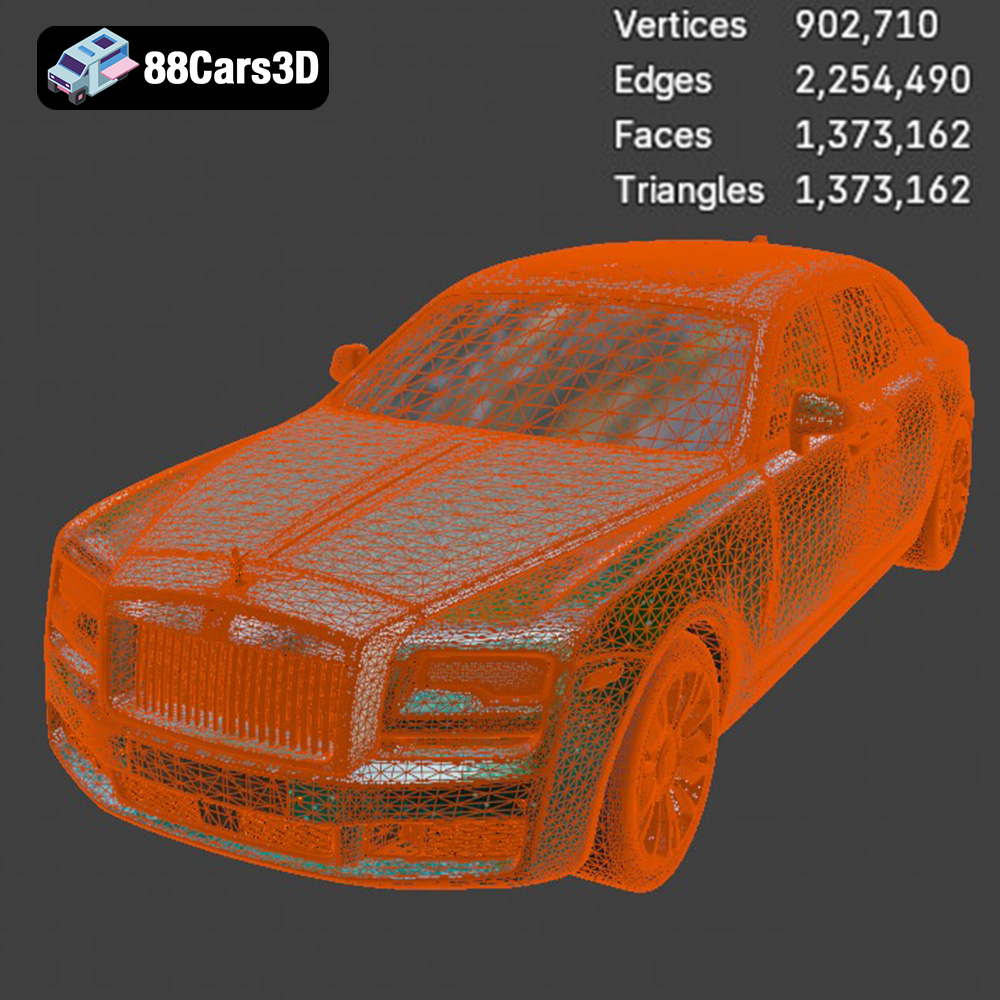
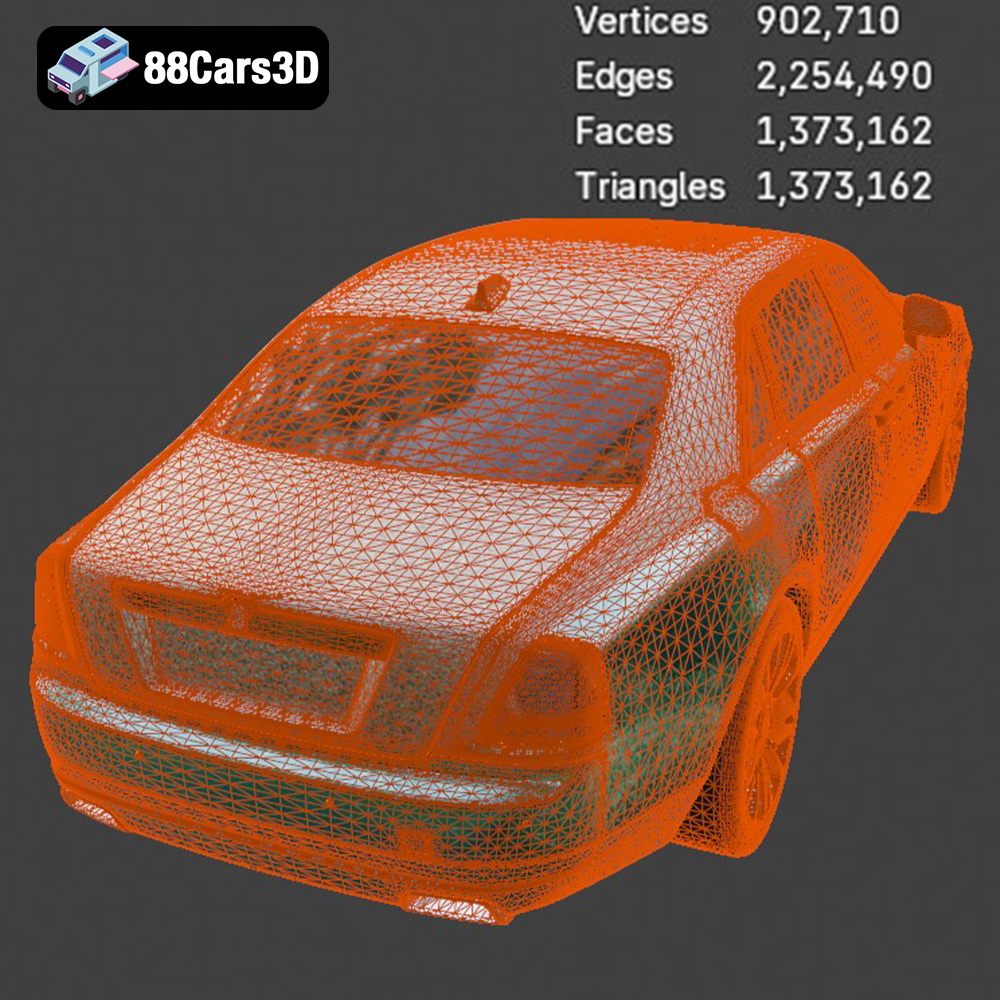
What truly sets a premium 3D car model apart is its meticulous attention to detail. This model captures the imposing presence and refined aesthetics of the extended wheelbase Ghost with remarkable realism. Every panel gap, every curve of the iconic Pantheon grille, and the intricate design of the Spirit of Ecstasy figurine are replicated with precision. The geometry is clean, and the topology is optimized, ensuring not only visual fidelity but also ease of manipulation and rendering. This level of accuracy is vital for projects where realism is non-negotiable, whether it’s a high-end commercial or a detailed simulation.
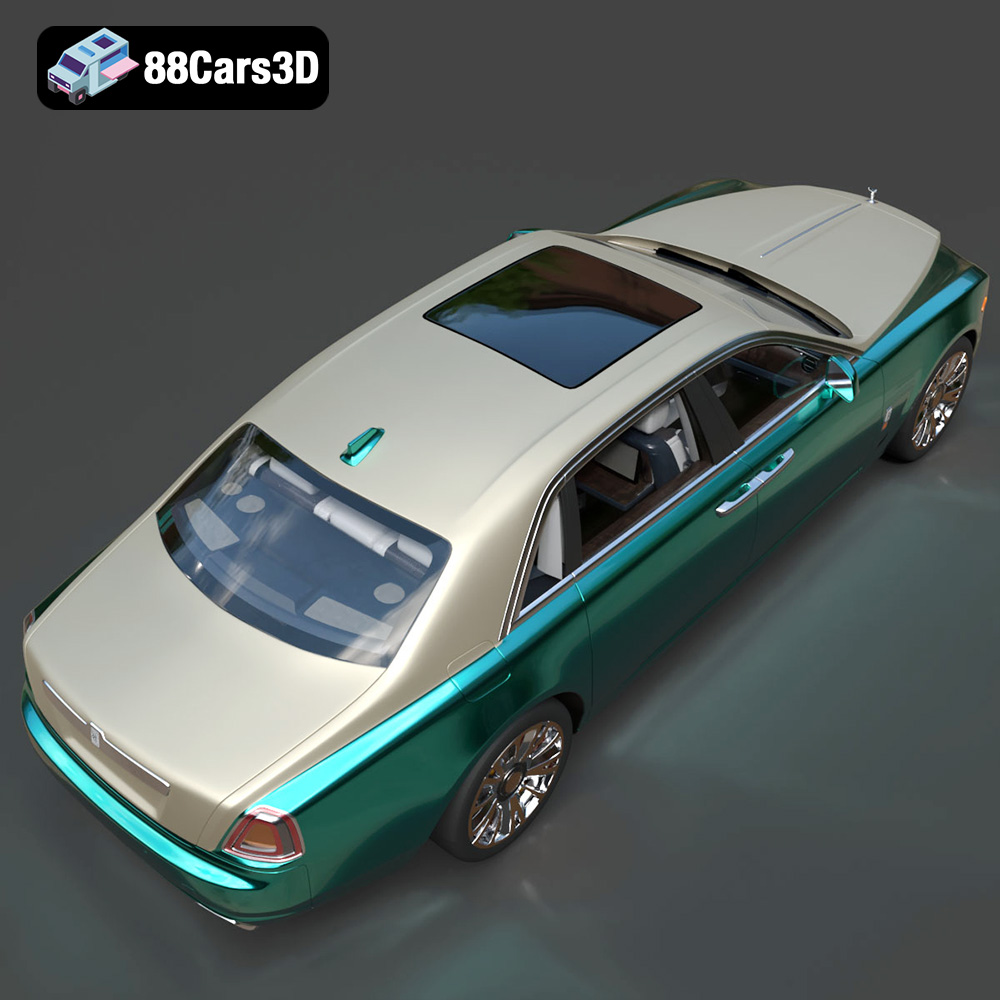
The luxury of a Rolls-Royce is as much about its interior as its exterior. This 3D model features a fully modeled interior, from the intricate dashboard and infotainment system to the luxurious seating and ambient lighting details. This comprehensive approach ensures that the model is versatile enough for a wide range of applications. For architectural visualization, it can serve as a stunning parked vehicle outside a lavish estate. For cinematic sequences, camera angles can sweep through the opulent cabin. For AR/VR experiences, users can truly step inside and explore. This level of completeness eliminates the need for creators to compromise on shots or spend valuable time modeling missing elements, providing a truly “ready-to-use” professional asset.
The model comes fully equipped with realistic materials that accurately reflect the premium finishes of the physical car. The subtle metallic sheen of the paint, the deep texture of the leather, the gleam of polished wood veneers, and the clarity of the glass are all meticulously crafted. These materials are often PBR-ready, ensuring they look correct under various lighting conditions across different rendering engines. The inclusion of multiple file formats (.blend, .fbx, .obj, .glb, .stl, .ply, .unreal, .max) further underscores its professional utility, ensuring seamless integration into virtually any demanding visual project pipeline, from 3ds Max rendering to Unreal Engine development. This makes the Rolls-Royce Ghost EWB 3D Model an outstanding visual foundation for creators seeking digital luxury.
In any professional 3D production pipeline, efficiency and quality are paramount. Sourcing high-quality, pre-made 3D assets is a strategic decision that can dramatically impact project timelines, budget, and the final output. The advantages of integrating premium 3D car models, such as those found on 88cars3d.com, are multifaceted.
Creating a highly detailed, accurate 3D car model from scratch is an incredibly time-consuming and resource-intensive endeavor. It requires skilled modelers, texture artists, and a significant investment in software and hardware. Even for seasoned professionals, modeling a complex vehicle like the Rolls-Royce Ghost EWB can take weeks, if not months, of dedicated work. By purchasing a pre-made, professionally crafted asset, studios and individual artists can save hundreds of hours of labor. This allows them to allocate their resources to other critical aspects of their project, such as scene composition, animation, lighting, and post-production, ultimately leading to faster project completion and reduced overall costs.
When working on large projects with multiple artists, maintaining a consistent level of quality across all assets can be a challenge. Using a reputable source for 3D car models ensures that you start with a baseline of professional-grade quality. Premium assets are typically built to industry standards, featuring clean geometry, optimized topology, proper UV mapping, and PBR-ready materials. This consistency is crucial for achieving a cohesive visual style and avoids the headaches of integrating subpar models that may have issues with scaling, normals, or material assignments. The Rolls-Royce Ghost EWB 3D Model exemplifies these professional standards, providing a reliable and high-performance asset.
A well-designed 3D car model is not confined to a single application. Its versatility, often demonstrated through the provision of multiple file formats and optimized structures, makes it adaptable to a wide array of projects. The Rolls-Royce Ghost EWB 3D Model, with its comprehensive format support, can be seamlessly dropped into a high-fidelity architectural visualization, a fast-paced game environment, an interactive AR experience, or even a scientific simulation. This flexibility means that the investment in a single, high-quality asset can yield returns across numerous different ventures, providing excellent value and expanding the creative possibilities for artists and developers.
The landscape of 3D visualization is continuously evolving, pushing the boundaries of realism and interactivity. At the heart of this evolution lies the indispensable role of high-quality 3D models. As we’ve explored, the technical intricacies of file formats, the artistic demands of rendering, the performance challenges of game development, and the innovative applications in AR/VR and 3D printing all converge on one critical point: the need for expertly crafted digital assets.
The Rolls-Royce Ghost EWB 3D Model exemplifies what a premium asset should be. Its meticulous detail, comprehensive features, and broad file format compatibility make it an invaluable tool for professionals across various industries. Whether you’re an architect visualizing a luxury home, a game developer crafting an immersive open-world experience, a cinematic artist producing a stunning commercial, or a designer exploring new possibilities in AR, this model provides a robust and beautiful foundation for your creative endeavors.
Investing in such a high-caliber 3D model not only elevates the visual quality of your projects but also streamlines your workflow, saves critical development time, and ensures that your output meets the highest professional standards. Explore the possibilities and enhance your digital library by visiting 88cars3d.com, where exceptional 3D car models like the Rolls-Royce Ghost EWB await to transform your visions into stunning realities.
Experience unparalleled digital luxury with the Rolls-Royce Ghost EWB 3D Model. This exceptionally detailed replica captures the imposing presence and refined aesthetics of the renowned extended wheelbase vehicle. Designed with meticulous attention to detail, this asset delivers remarkable realism, making it a perfect addition to any digital collection or professional pipeline. Built to professional standards, the model features clean geometry and optimized topology. It comes fully equipped with realistic materials, accurately reflecting the premium finishes of the physical car. The fully modeled interior and exterior ensure seamless integration into demanding visual projects. This versatile 3D model is ideally suited for a wide range of applications. Whether utilized in advanced game development, architectural visualization, cinematic rendering, or immersive AR/VR experiences, the model performs flawlessly, providing an outstanding visual foundation for creators. The package includes a comprehensive suite of file formats to ensure maximum compatibility across varying software environments: .blend – Editable Blender file with materials and lighting setup; .fbx – Game-engine ready format for Unreal Engine and Unity; .obj – Standard 3D model format compatible with all major software; .glb – Optimized for AR/VR and web-based visualization; .stl – Suitable for 3D printing and prototyping; .ply – Detailed polygon mesh for analysis and visualization; .unreal – Pre-configured for Unreal Engine use; .max – Editable 3ds Max file for rendering and animation.
$19.99
.arvr
.blend
.car3dmodel
.ewb
.fbx
.gameasset
.ghost
.glb
.luxurycar
.max
.obj
.ply
.rendering
.rollsroyce
.sedan
.simulation
.stl
.unreal