Get 50% OFF All Premium 3D & STL Models!

In the dynamic realm of digital design, the demand for unparalleled realism in automotive visualization has never been higher. From breathtaking cinematic sequences to immersive game environments and precise engineering simulations, the quality of a 3D car model can make or break a project’s impact. Professionals across various industries consistently seek assets that not only look authentic but are also technically robust and versatile.
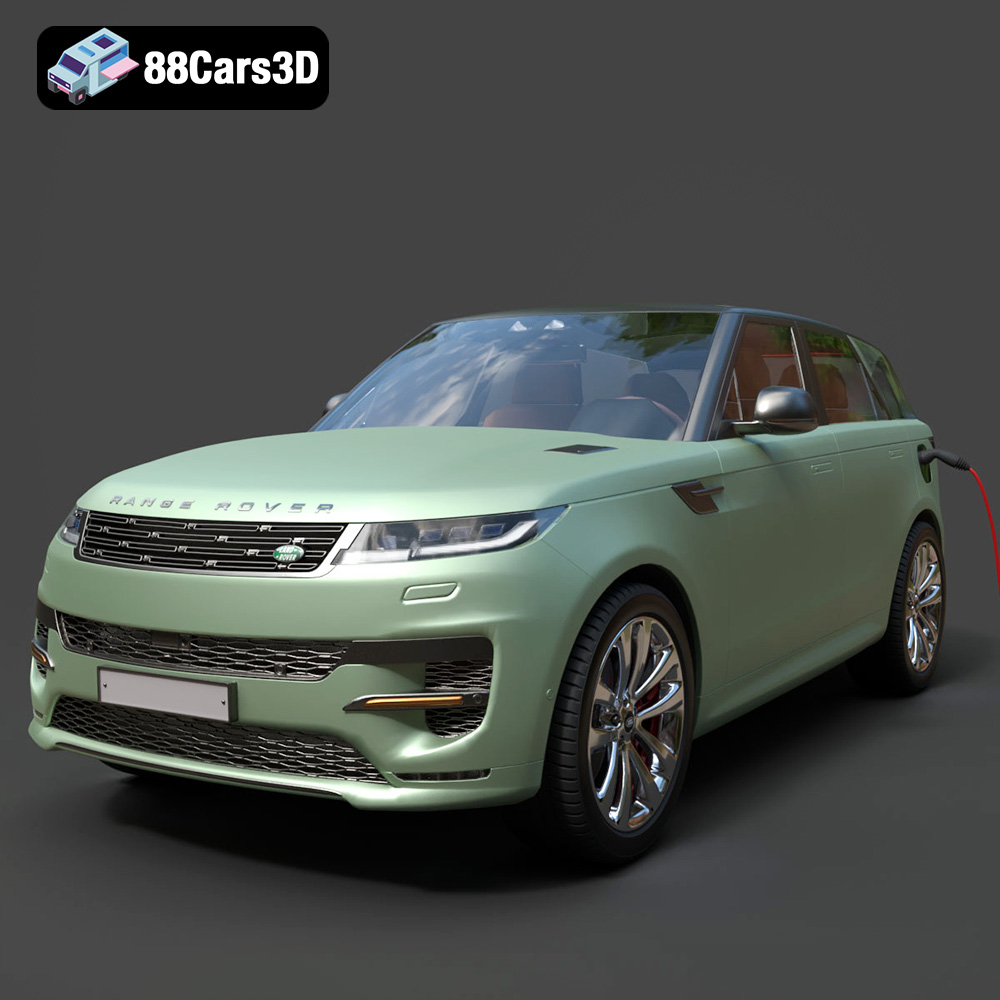
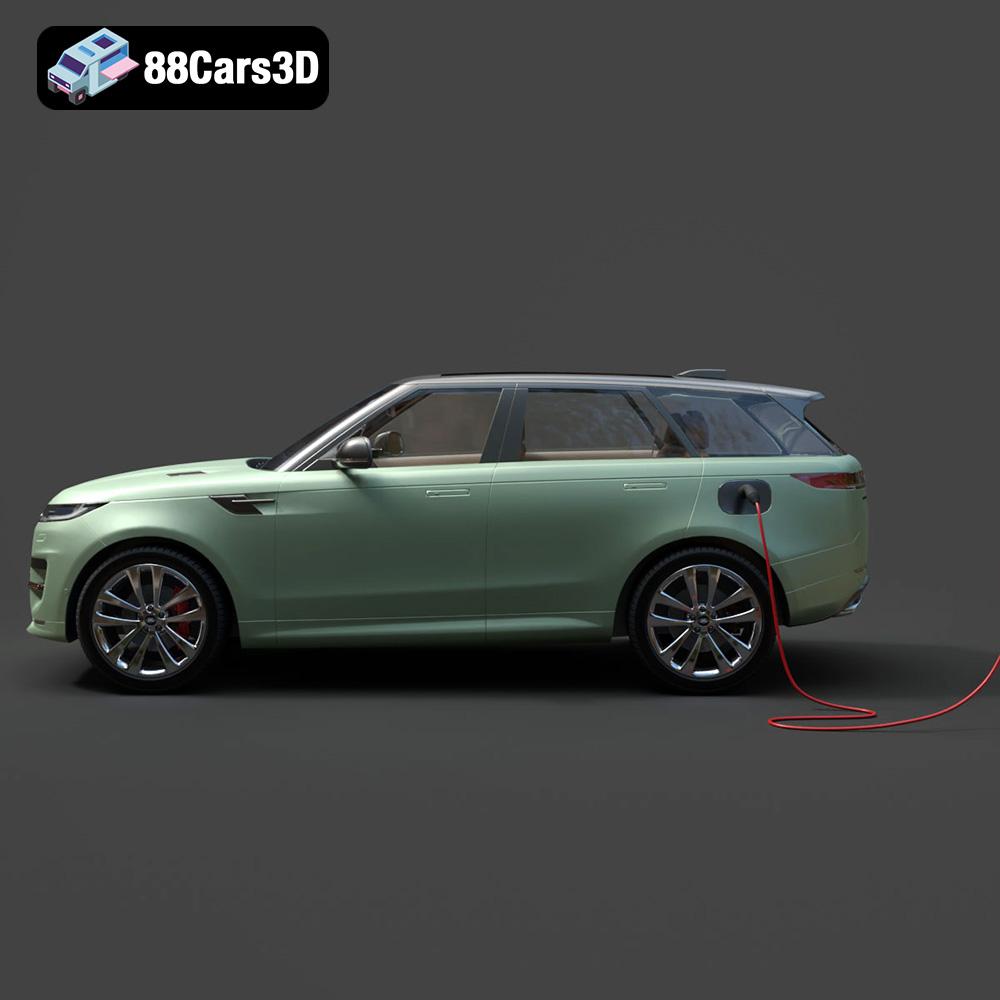
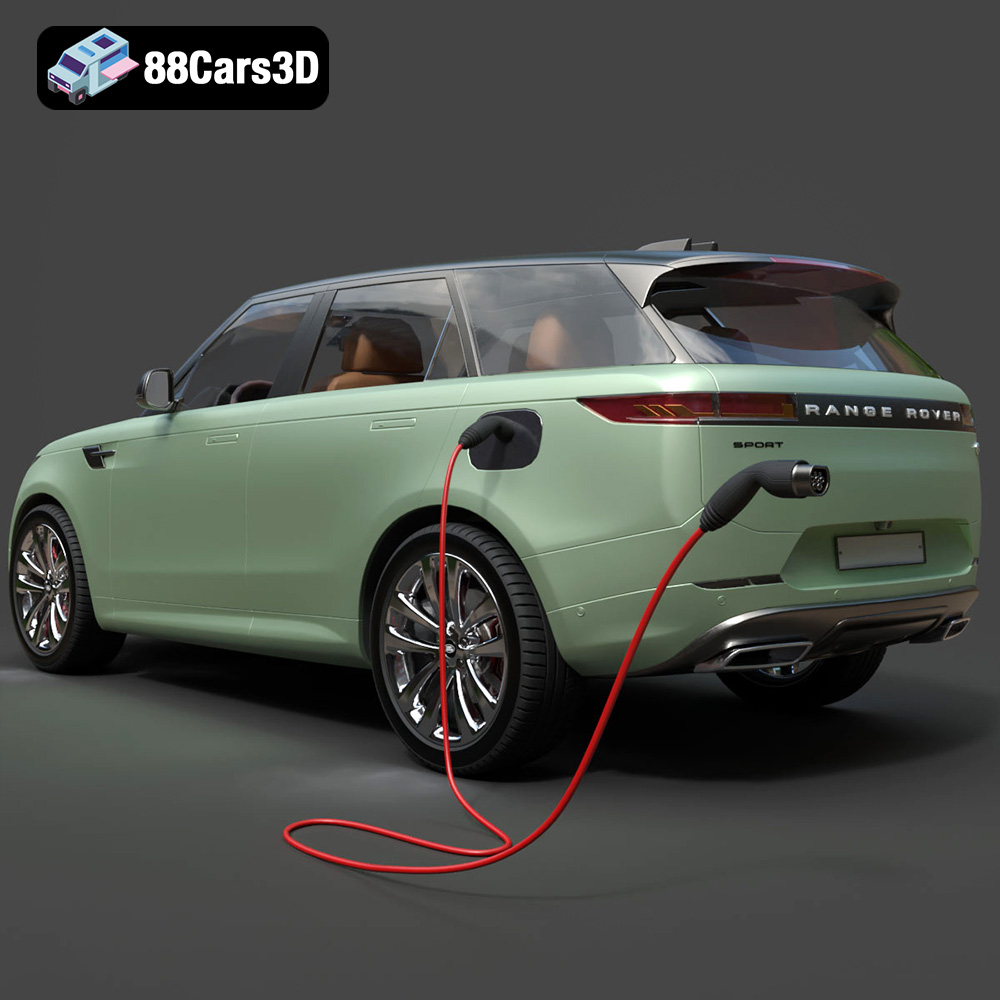
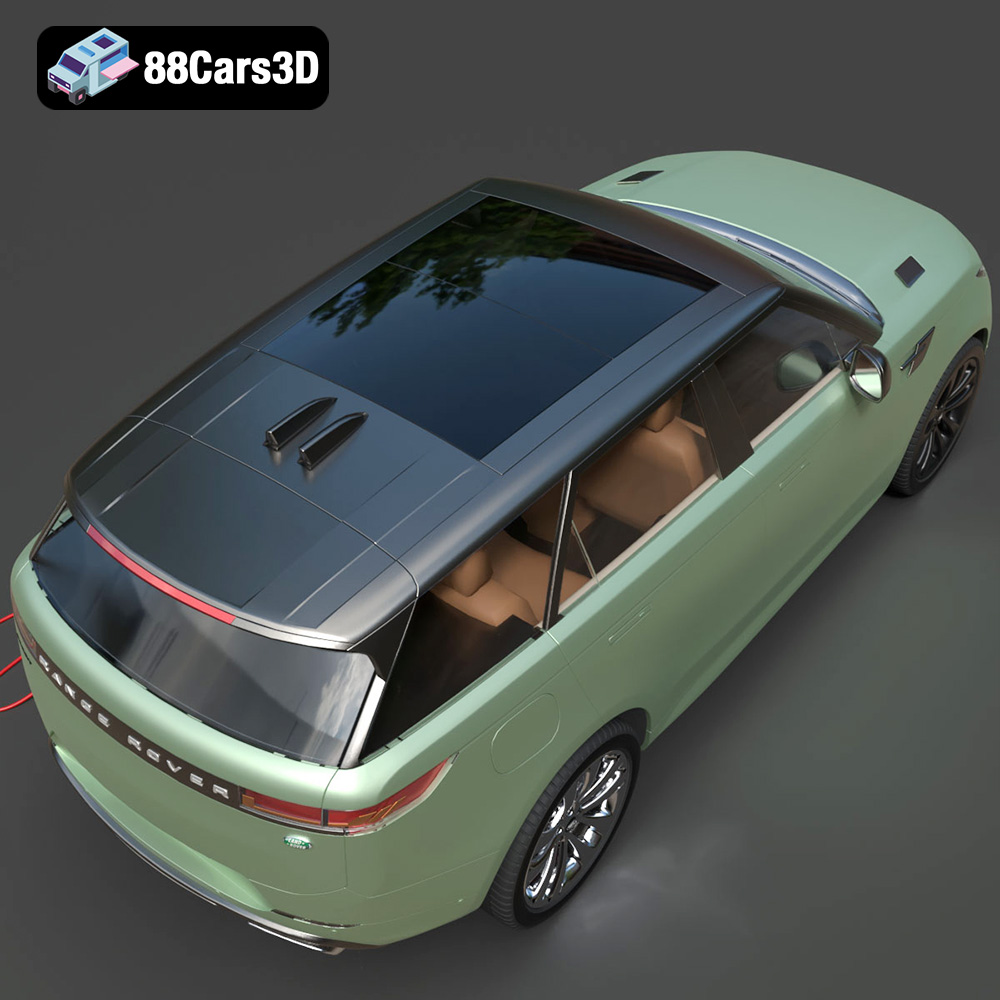
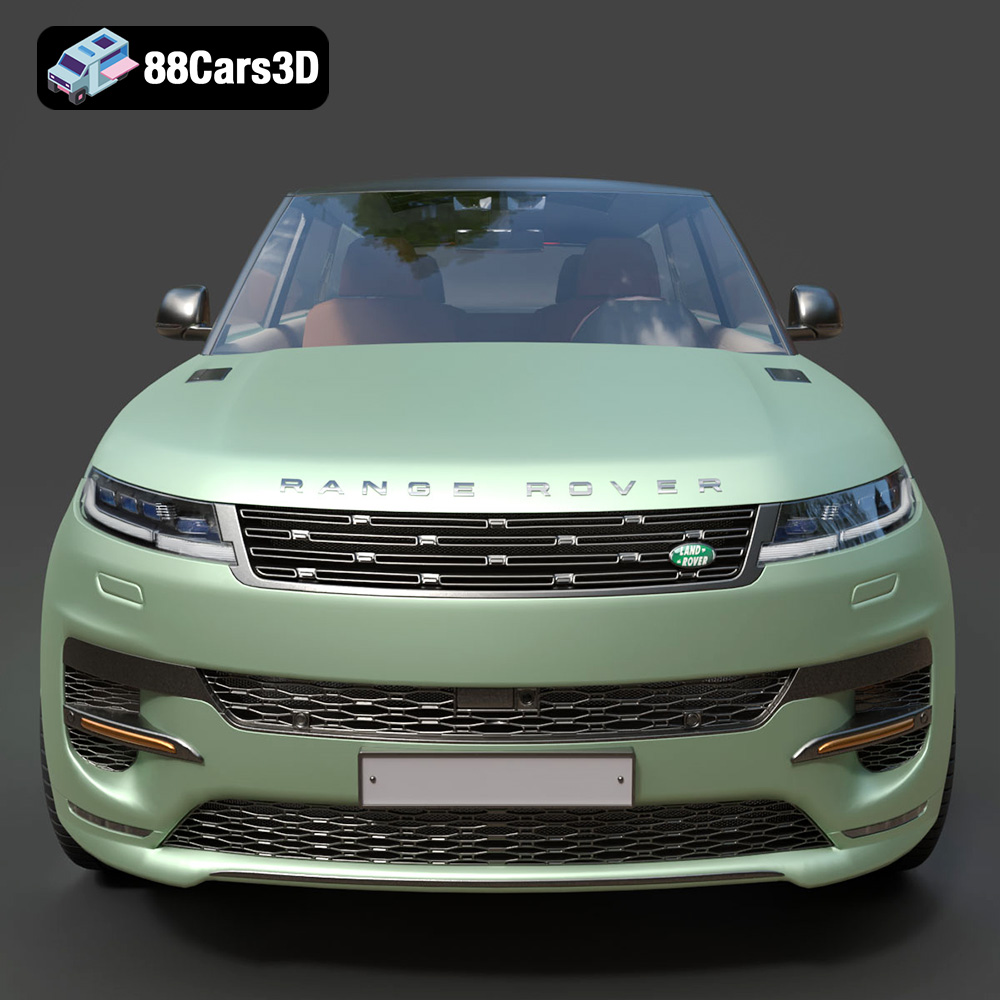
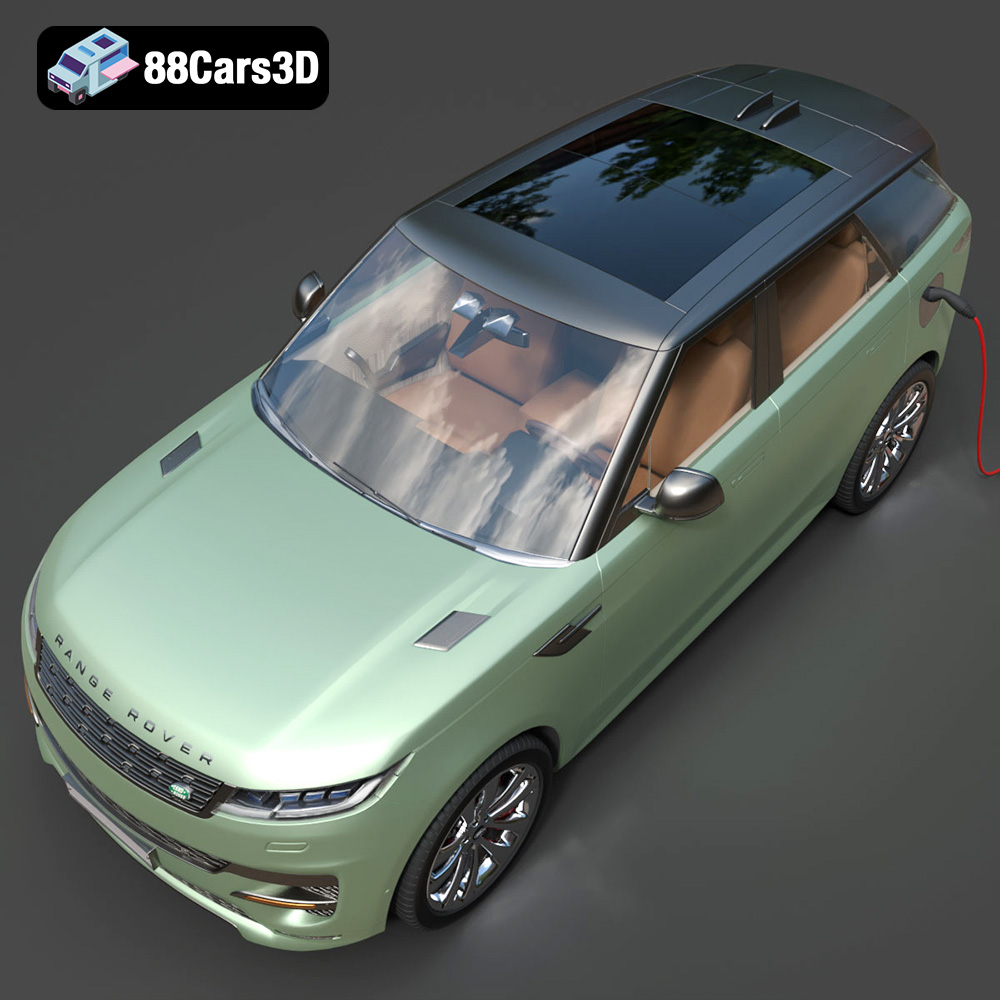
This pursuit of digital perfection often leads to the meticulous selection of pre-made assets that streamline workflows without compromising on detail. A prime example of such an asset is the Range Rover Sport Hybrid PHEV 2023 3D Model. This particular model stands out for its incredible level of realism, accurately capturing the sophisticated design and dynamic stance of the real vehicle. It features a meticulously detailed exterior and a fully modeled interior, all built with clean geometry and professional-grade polygon topology. Such attributes are crucial for ensuring optimal performance and seamless integration into complex scenes, making it an invaluable tool for designers, developers, and visual artists alike.
The versatility of a 3D model is often determined by the range and quality of its included file formats. Each format serves a specific purpose, catering to different software ecosystems, project requirements, and optimization needs. Understanding these distinctions is paramount for any professional working with 3D assets, as selecting the correct format can significantly impact workflow efficiency, compatibility, and final output quality. The Range Rover Sport Hybrid PHEV 2023 3D Model, for instance, provides a comprehensive suite of formats, ensuring its utility across a broad spectrum of applications.
The .blend format is native to Blender, the popular open-source 3D creation suite. When a model is provided in .blend format, it typically means a fully editable Blender scene is included, complete with materials, lighting setups, and sometimes even animation rigs. This format offers maximum flexibility for artists who use Blender as their primary tool, allowing for direct manipulation of the mesh, textures, and scene elements without any data loss or conversion artifacts. It’s ideal for deep customization, tweaking materials, or integrating the model into existing Blender projects.
.fbx (Filmbox) is arguably one of the most widely supported 3D file formats, developed by Autodesk. It excels in retaining complex data such as geometry, materials, textures, animations, and even skeletal deformation across different 3D software packages. For real-time pipelines like Unreal Engine and Unity, .fbx is often the go-to choice due to its robustness and ability to carry all necessary data for immediate integration. It’s designed for efficiency in game development, animation, and visual effects workflows, making it a critical inclusion for assets intended for game engines.
The .obj (Wavefront Object) format is a universal 3D model format, renowned for its simplicity and wide compatibility. It stores geometry data (vertices, normals, texture coordinates, and faces) in a human-readable text file, often accompanied by an .mtl (material) file for basic material properties. While it doesn’t support advanced features like animation or rigging, its widespread acceptance means it can be imported into virtually any 3D software package. This makes .obj an excellent choice for cross-software compatibility, ensuring the model can be used regardless of an artist’s preferred modeling suite.
.glb (GL Transmission Format Binary) is a modern, royalty-free format designed for efficient transmission and loading of 3D scenes and models in web and AR/VR applications. It’s a binary version of glTF, embedding textures and other assets directly into a single file. This optimization makes .glb incredibly fast to load and ideal for experiences where file size and performance are critical, such as interactive product configurators on websites, augmented reality apps, or lightweight virtual reality environments.
The .stl (Stereolithography) format is the de facto standard for 3D printing and rapid prototyping. It represents a 3D model as a collection of unconnected triangular facets, defining only the surface geometry without color or texture information. While not suitable for rendering or animation, its precision in defining surfaces makes it indispensable for manufacturing workflows, allowing designers to convert their digital concepts into physical objects, such as miniature car models or components for custom builds.
.ply (Polygon File Format or Stanford Triangle Format) is another format that stores graphical objects as a collection of polygons. It’s often used for scanned 3D data and can store a wider range of properties than .obj, including color, transparency, and normal vectors per vertex or face. Its strength lies in precision mesh representation, making it suitable for scientific visualization, CAD applications, and detailed analysis where nuanced surface data is crucial.
The inclusion of an .unreal file (often referring to a .uasset or an exported scene tailored for Unreal Engine) signifies that the asset has been specifically pre-configured for the Unreal Engine. This means materials are often set up with physically based rendering (PBR) parameters, textures are correctly linked, and the asset is optimized for real-time performance within the engine. This significantly reduces setup time for game developers and real-time visualization artists, allowing for immediate integration and iteration.
Finally, the .max format is the native file type for Autodesk 3ds Max, a powerful 3D modeling, animation, rendering, and compositing software. Providing the model in .max format ensures that 3ds Max users have access to the original project file, complete with scene hierarchies, modifiers, materials, and lighting setups specific to the software. This offers maximum control for professional render artists and animators who rely on 3ds Max for high-end automotive rendering and cinematic productions.
The availability of such a diverse array of formats for the Range Rover Sport Hybrid PHEV 2023 3D Model exemplifies a commitment to professional utility and broad compatibility, positioning it as a highly adaptable resource for any digital project.
Achieving photorealism in 3D car models requires an intricate blend of artistic skill and technical precision. The Range Rover Sport Hybrid PHEV 2023 3D Model from 88cars3d.com exemplifies this balance, providing a foundation for stunning visual fidelity across diverse applications. Its construction details are key to its professional-grade appeal.
The core strength of this 3D model lies in its comprehensive detailing. The exterior accurately reflects the Range Rover Sport’s iconic lines, sculpted bodywork, and distinctive lighting elements. Every panel gap, grille texture, and emblem is reproduced with accuracy. This level of external fidelity is crucial for realistic automotive rendering, where subtle reflections and material interactions define the visual quality. Beyond the surface, a fully modeled interior offers an immersive experience. This isn’t merely a placeholder; it includes detailed dashboards, seats, steering wheel, and infotainment systems. For projects requiring interior shots, virtual tours, or first-person perspectives in games and AR/VR, this level of detail is indispensable, eliminating the need for artists to spend countless hours modeling these complex elements from scratch.
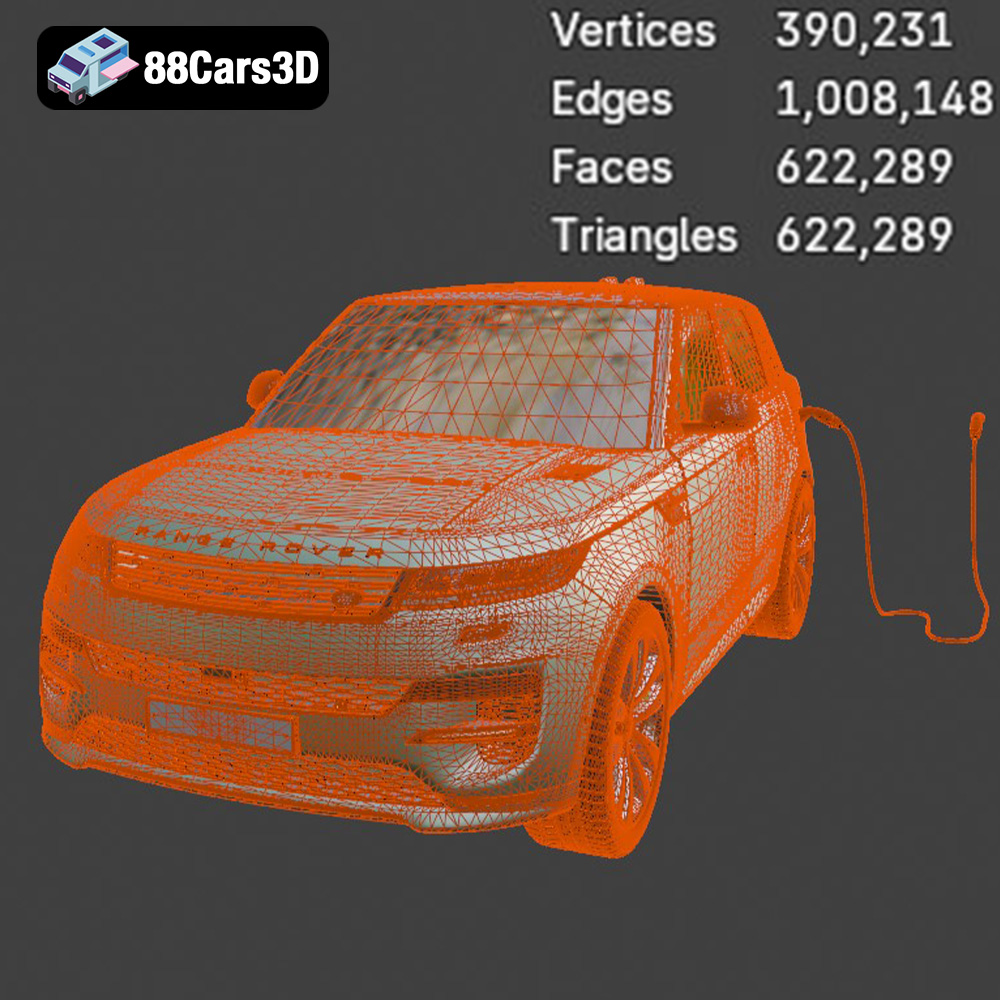
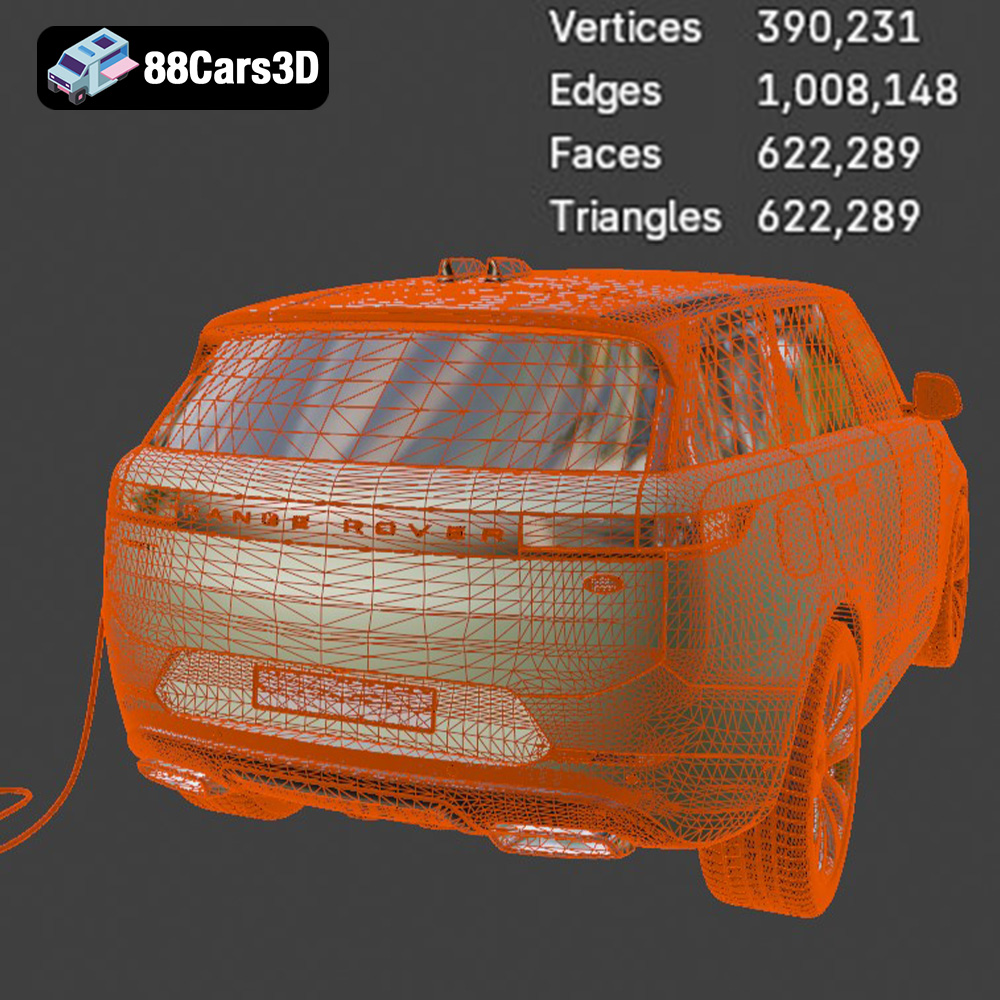
Underneath the surface, the model boasts clean geometry and professional-grade polygon topology. This means the mesh is structured efficiently, with quads predominating, ensuring smooth subdivisions and predictable deformation if animation is required. A well-constructed topology is vital for several reasons: it facilitates easy UV unwrapping, minimizes rendering artifacts, and ensures optimal performance in real-time engines. For a high-fidelity car model, polygon counts can range from 200,000 to over 500,000 for the exterior alone, with the interior adding another significant chunk, demonstrating a balance between detail and performance-conscious design. This careful optimization means the model can be scaled and adapted for various uses, from high-resolution renders to more optimized game assets.
A 3D model’s realism is heavily influenced by its materials and textures. The Range Rover Sport Hybrid PHEV 2023 3D Model comes fully equipped with realistic materials, configured for physically based rendering (PBR) workflows. This includes accurate car paint shaders that respond realistically to light, detailed tire rubber, reflective glass, metallic accents, and intricate interior fabrics. The textures are high-resolution, capturing nuances like paint imperfections, leather grain, and dashboard button details. This pre-configured setup allows for seamless integration into complex scenes, saving artists significant time and effort in material creation and adjustment, enabling them to focus on lighting and composition for truly cinematic results.
The true value of a high-quality 3D car model, such as the Range Rover Sport Hybrid PHEV 2023 3D Model, is realized through its seamless integration into various professional workflows. Its multi-format availability ensures that it can serve as a cornerstone asset across different software ecosystems and project types.
For architectural visualization studios and automotive marketing agencies, 3ds Max remains a dominant force for high-end rendering and animation. When utilizing the .max file included with the Range Rover Sport Hybrid PHEV 2023 3D Model, artists benefit from a ready-to-render scene. They can easily drop the vehicle into an architectural scene, compose shots, and set up advanced V-Ray or Corona renders. The clean topology means applying turbosmooth modifiers yields perfectly smooth surfaces, essential for close-up shots. Furthermore, the model’s articulated parts, such as doors or wheels, can be easily animated for walk-around presentations or dynamic advertisements, showcasing the vehicle in a compelling visual narrative.
Blender’s rise as a comprehensive 3D creation suite makes the .blend format a highly sought-after inclusion. Artists can import the Range Rover Sport Hybrid PHEV 2023 3D Model directly into their Blender projects, taking advantage of its pre-configured materials and lighting setup. This facilitates rapid scene assembly for concept art, product visualization, or even short animated films. Blender’s Cycles and Eevee renderers can produce stunning results, and the model’s clean geometry ensures that it integrates well with Blender’s powerful modeling and sculpting tools for any necessary modifications or scene optimizations. This flexibility makes it ideal for independent artists and smaller studios looking for cost-effective, high-quality solutions.
The inclusion of both .fbx and .unreal formats makes the Range Rover Sport Hybrid PHEV 2023 3D Model perfectly suited for real-time environments like Unreal Engine. Game developers can import the optimized .fbx file, which typically includes correctly separated meshes, PBR materials, and UVs. The .unreal package further simplifies the process by often providing pre-configured assets, collision meshes, and even blueprints. This allows for rapid prototyping, integration into driving simulators, or populating open-world game environments with a high-fidelity vehicle that maintains excellent performance. For AR/VR experiences, the model’s optimized nature and the availability of the .glb format are critical for achieving smooth frame rates and immersive interactions.
The utility of a meticulously crafted 3D asset extends far beyond static images or pre-rendered animations. The Range Rover Sport Hybrid PHEV 2023 3D Model, with its detailed construction and versatile file formats, unlocks a plethora of real-world applications across multiple industries.
In the highly competitive automotive industry, captivating visuals are paramount. This 3D model can be the centerpiece of marketing and advertising campaigns, allowing agencies to create stunning photorealistic renders for brochures, billboards, and online advertisements without the need for expensive photoshoots or physical prototypes. It enables dynamic animations showcasing the vehicle’s features, demonstrating its hybrid capabilities, or placing it in exotic virtual environments that would be impossible or impractical to film in reality. This provides unparalleled creative freedom and cost efficiency for marketing efforts.
For game developers, integrating a high-fidelity vehicle like the Range Rover Sport Hybrid PHEV 2023 into a racing game, open-world title, or even an urban simulation significantly enhances realism and player immersion. Its optimized geometry and game-engine-ready formats (.fbx, .unreal) ensure smooth performance, while the detailed exterior and interior add a layer of authenticity to the gameplay experience. Beyond entertainment, the model is invaluable for professional training simulators, such as driver education programs or emergency vehicle training, providing a realistic virtual environment for practical skill development.
Architectural visualization studios frequently incorporate vehicles into their renders to bring scale, context, and a sense of life to their building designs. The Range Rover Sport Hybrid PHEV 2023 3D Model can elevate these visualizations, adding a touch of luxury and realism to driveways, showrooms, or street scenes. Furthermore, with the rise of virtual showrooms, automotive dealerships can create interactive 3D experiences where potential buyers can explore the car’s interior and exterior in a browser or VR headset, customizing colors and features, all powered by this precise 3D asset.
The .glb format, specifically optimized for AR/VR and web-based visualization, positions this model perfectly for next-generation immersive experiences. Imagine prospective buyers using an AR app on their smartphone to place the virtual Range Rover Sport Hybrid PHEV 2023 in their own driveway, scaling it to real size and walking around it. In VR, users could sit inside the vehicle, interact with its dashboard, or take it for a virtual test drive. These applications offer unprecedented levels of engagement and product understanding, revolutionizing how customers interact with automotive brands.
While often overlooked in rendering discussions, the .stl format included with the model opens avenues for physical prototyping and custom manufacturing. Designers can print scaled-down versions of the Range Rover Sport Hybrid PHEV 2023 for design reviews, client presentations, or as collectible models. This allows for tactile evaluation of forms and proportions, bridging the gap between digital design and physical manifestation. For automotive designers, this capability can be invaluable during early design stages, providing quick physical iterations of conceptual models.
In the world of interactive experiences, visual fidelity must be balanced with performance. High-quality 3D car models, especially those destined for game engines and real-time graphics applications, require careful optimization to ensure smooth frame rates and responsive interactions. The Range Rover Sport Hybrid PHEV 2023 3D Model is engineered with these considerations in mind.
While a high-fidelity model might boast hundreds of thousands of polygons for close-up renders, this level of detail is often prohibitive for real-time applications, especially when multiple vehicles are present in a scene. Professional game assets often utilize Levels of Detail (LODs). This means creating several versions of the same model, each with a progressively lower polygon count. The game engine then automatically switches between these LODs based on the camera’s distance from the object. For instance, a Range Rover Sport Hybrid PHEV 2023 seen from a distance might use an LOD with only 10,000 polygons, while a close-up view might display the full 500,000-polygon version. While the provided model is high-fidelity, its clean topology makes it ideal for generating these optimized LODs efficiently.
Texture mapping is critical for visual quality, but inefficient UV layouts can lead to performance bottlenecks and increased memory usage. The Range Rover Sport Hybrid PHEV 2023 3D Model benefits from professional UV mapping, which ensures that textures are applied without stretching or distortion. For real-time applications, combining multiple smaller textures into a single, larger “texture atlas” can significantly reduce draw calls, improving rendering performance. While the product description emphasizes detailed textures, the underlying UV structure of a well-made model facilitates such optimizations for game development teams.
In interactive environments, vehicles need to interact physically with their surroundings. This requires a dedicated collision mesh – a simplified, low-polygon version of the model that the physics engine uses for collision detection. The Range Rover Sport Hybrid PHEV 2023 3D Model, when supplied in game-engine-ready formats like .fbx or .unreal, often includes or is easily adaptable for collision meshes. This allows for realistic vehicle dynamics, damage models, and environmental interactions without burdening the physics engine with excessively complex geometry, making it a robust foundation for car simulations and games.
The trajectory of 3D technology continues to reshape how we design, visualize, and interact with vehicles. High-quality assets like the Range Rover Sport Hybrid PHEV 2023 3D Model are not just tools for current projects; they are foundational elements for the future of automotive visualization.
As AI continues to evolve, we anticipate a future where 3D models are not merely static assets but intelligent components within AI-driven design systems. Imagine AI assisting in generating variations of a vehicle’s trim, automatically adjusting materials based on environmental contexts, or even suggesting design improvements based on user preferences. While the Range Rover Sport Hybrid PHEV 2023 is a fixed model, its clean, modular geometry makes it an ideal candidate for integration into such nascent AI workflows, allowing for rapid iteration and exploration of new aesthetic possibilities.
The advent of real-time ray tracing in game engines like Unreal Engine and Unity is blurring the lines between pre-rendered cinematics and interactive experiences. This technology enables incredibly accurate lighting, reflections, and refractions in real time. Models like the Range Rover Sport Hybrid PHEV 2023, with their meticulously crafted geometry, PBR materials, and detailed textures, are perfectly positioned to leverage real-time ray tracing, delivering unprecedented levels of photorealism directly within interactive simulations, games, and virtual showrooms. The visual fidelity once exclusive to offline renders is now becoming standard for interactive automotive visualization.
The future also points towards more seamless cloud-based collaboration and universal access to 3D assets. Platforms that host high-quality 3D car models, such as 88cars3d.com, will likely evolve to offer more integrated cloud workspaces, allowing teams to collaborate on projects involving these assets irrespective of geographical location or software allegiance. The diverse file formats provided with models like the Range Rover Sport Hybrid PHEV 2023 are already a step in this direction, promoting interoperability and accessibility across the globe, ensuring that creative professionals can always find the right tools for their vision.
The journey through the world of digital automotive design reveals a landscape driven by an insatiable hunger for realism, efficiency, and versatility. High-quality 3D car models are no longer mere luxuries; they are indispensable tools that empower artists, developers, and engineers to craft compelling visualizations and immersive experiences. The Range Rover Sport Hybrid PHEV 2023 3D Model stands as a testament to this evolution, offering an exceptional blend of meticulous detailing, optimized geometry, and a comprehensive suite of file formats.
Whether for stunning automotive rendering in 3ds Max, flexible design in Blender, dynamic game assets in Unreal Engine, cutting-edge AR/VR experiences, or even precision 3D printing, this model provides the robust foundation necessary for professional-grade results. Its careful construction ensures seamless integration into complex workflows, saving invaluable time and resources while elevating the visual fidelity of any project. By providing such a versatile and high-quality asset, platforms like 88cars3d.com continue to enable creators to push the boundaries of digital automotive design, bringing visions to life with unparalleled realism and efficiency.
The Range Rover Sport Hybrid PHEV 2023 3D Model brings an incredible level of realism to your digital projects. Accurately modeled to reflect the sophisticated design and dynamic stance of the real vehicle, this asset features a meticulously detailed exterior and a fully modeled interior. Designed with clean geometry and professional-grade polygon topology, this model ensures optimal performance across various platforms. It comes fully equipped with realistic materials and detailed textures, allowing for seamless integration into complex scenes without the need for extensive adjustments. This versatile 3D asset is perfectly suited for a wide array of applications, including game development, architectural visualization, cinematic rendering, AR/VR experiences, and automotive simulations.
$19.99
.arvr
.blend
.car3dmodel
.fbx
.gameasset
.glb
.hybrid
.landrover
.luxurycar
.max
.obj
.phev
.ply
.rangerover
.rendering
.simulation
.sport
.sporthybrid
.stl
.unreal
SUV