Get 50% OFF All Premium 3D & STL Models!

In the dynamic world of digital content creation, the foundation of any outstanding project lies in the quality of its assets. Whether you’re crafting a hyper-realistic automotive advertisement, building an immersive open-world game, or developing cutting-edge AR/VR training simulations, the demand for meticulously detailed and technically sound 3D models is paramount. These aren’t just decorative elements; they are the building blocks that define visual fidelity, drive performance, and ultimately, determine the success of your creative vision.
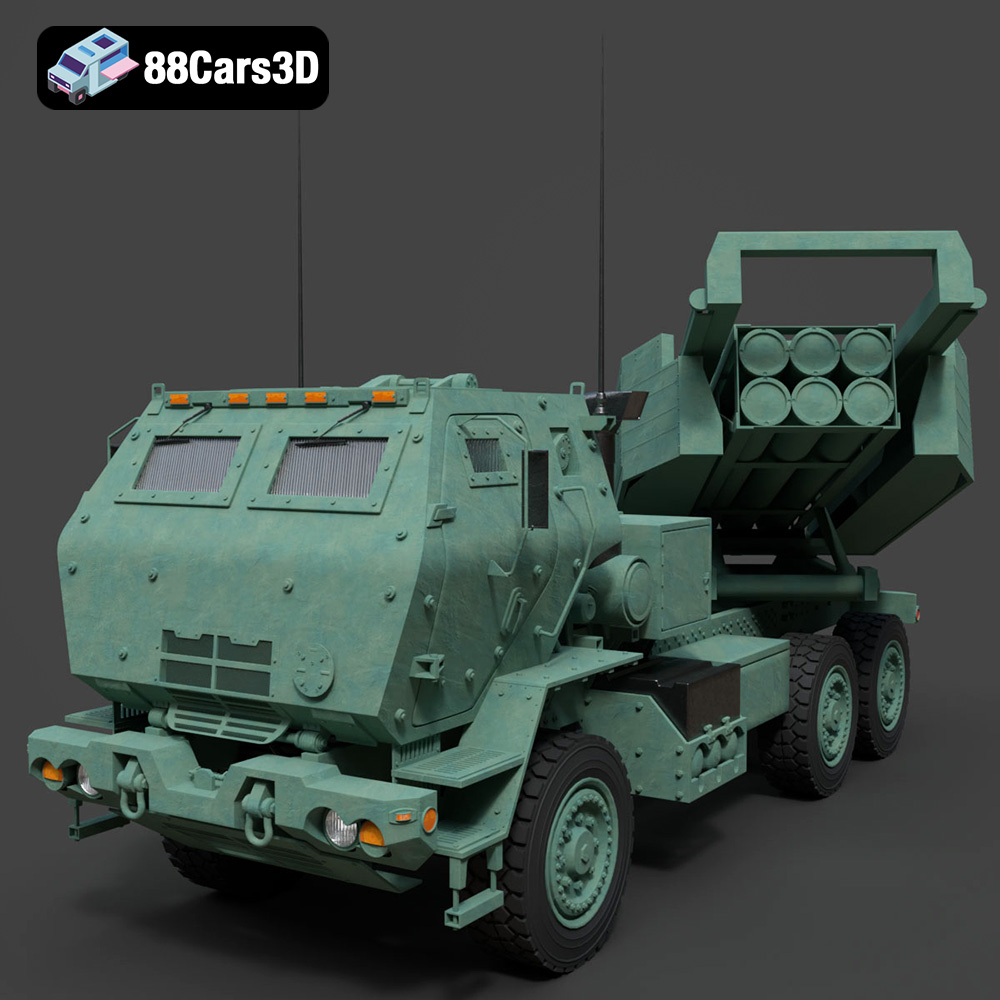
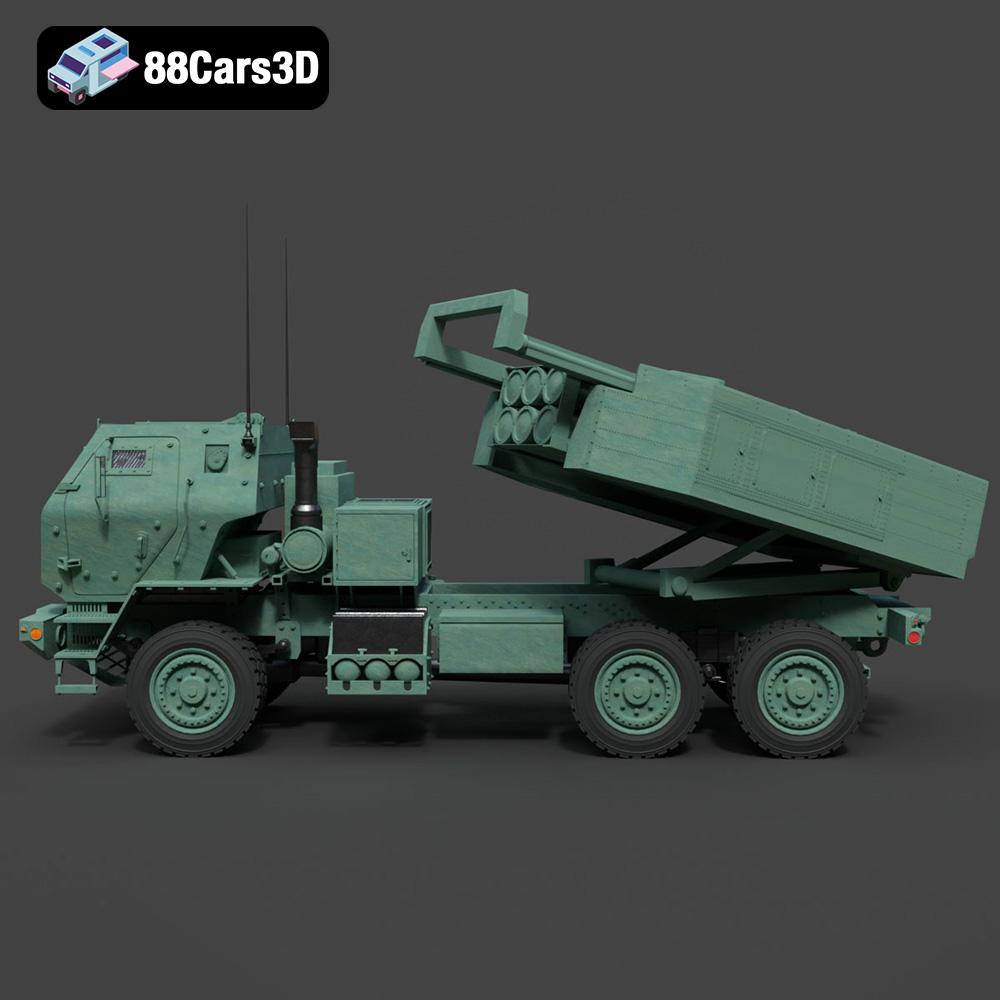
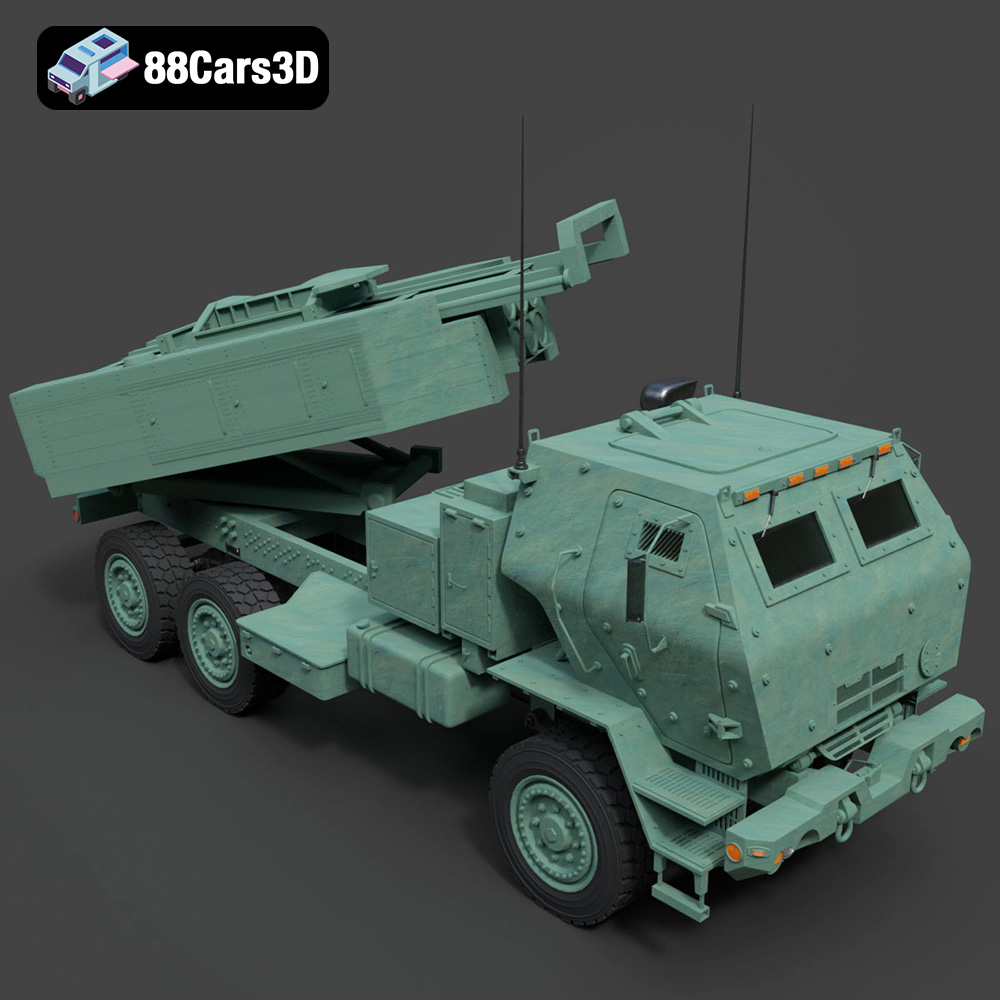
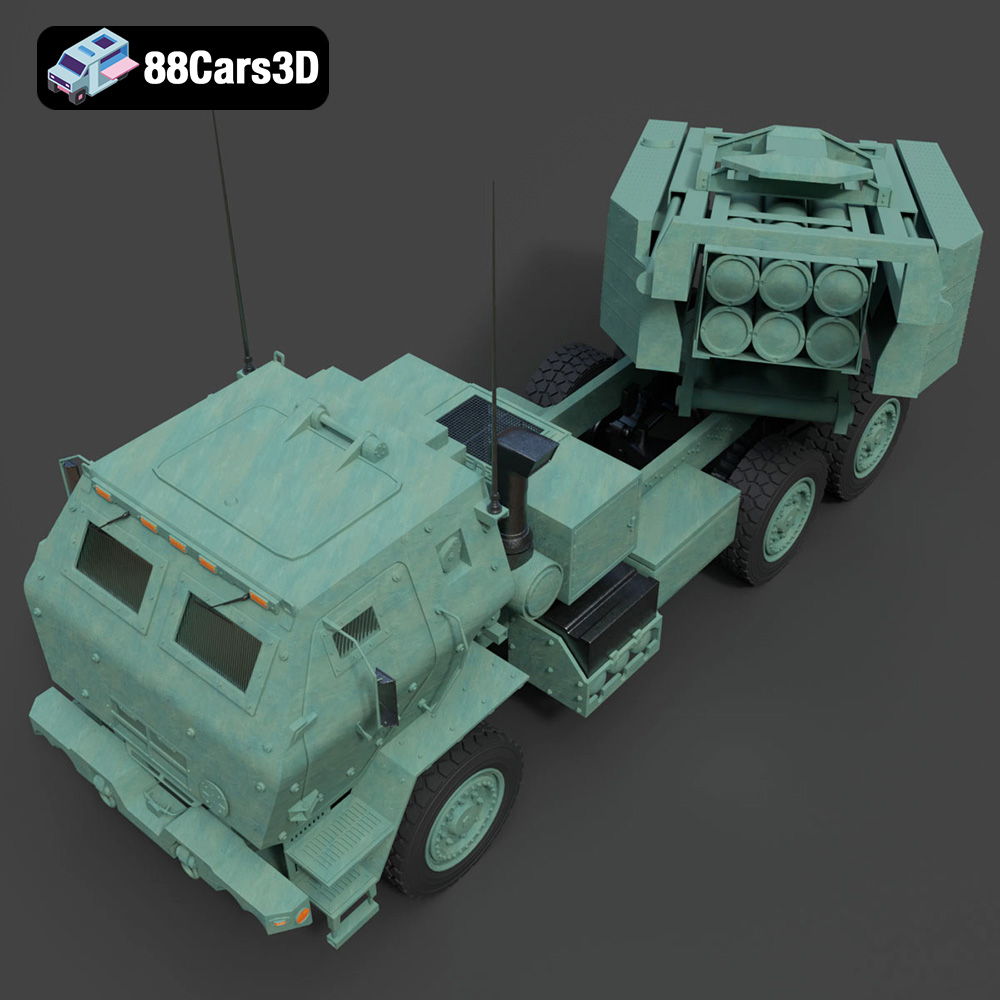
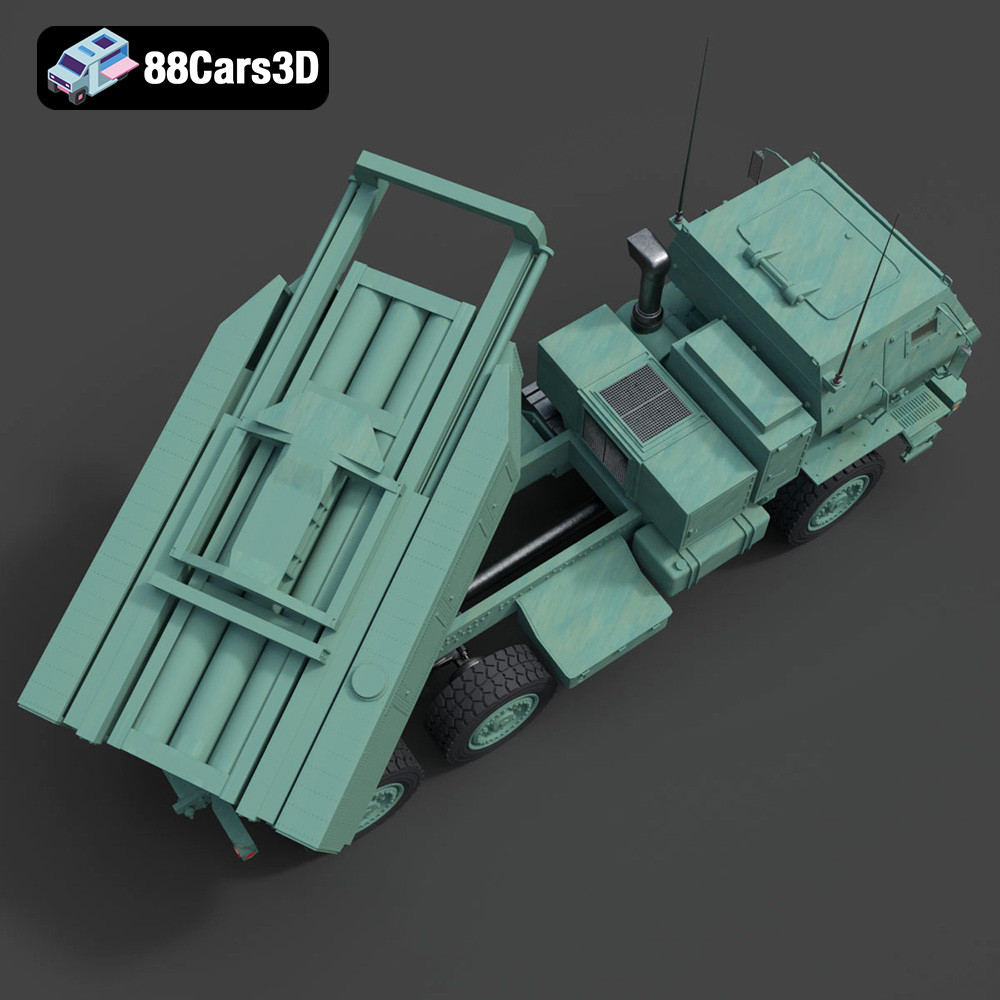
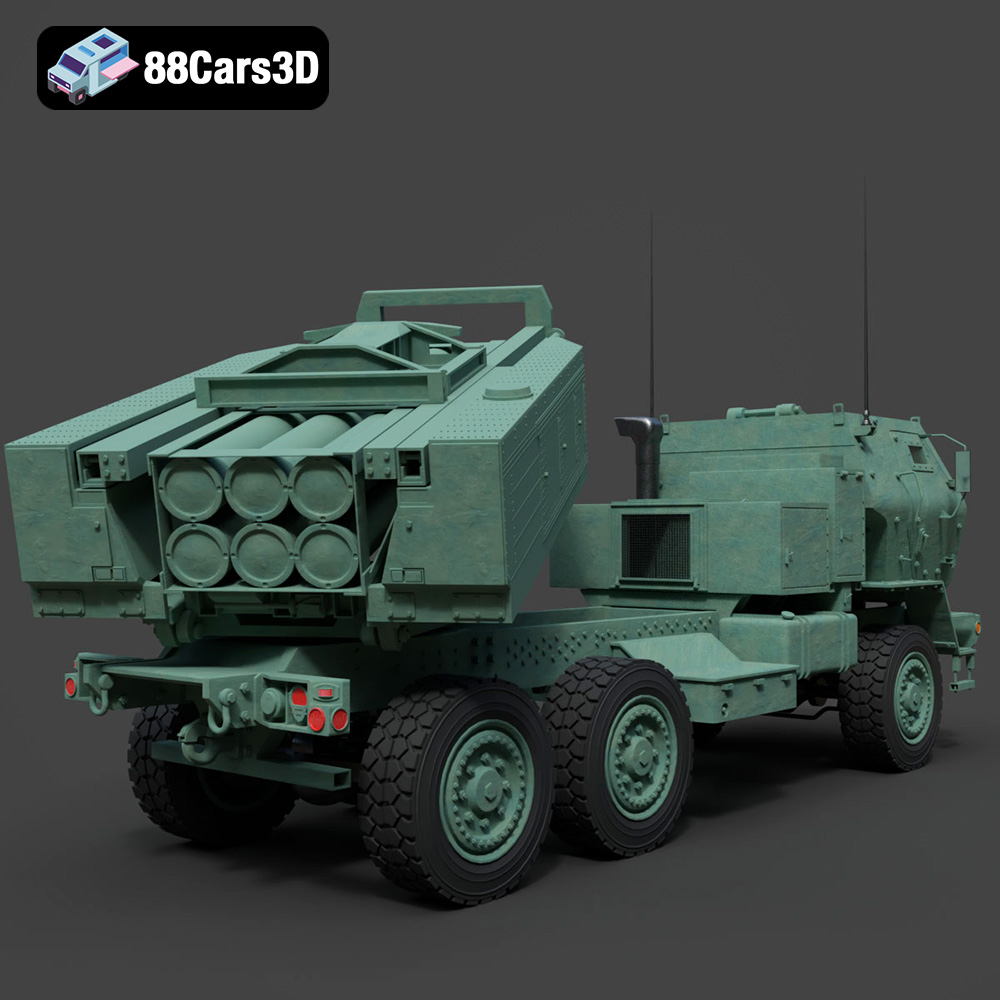
From the sleek curves of a sports car to the rugged complexity of a military vehicle, capturing real-world machinery in a digital format requires a deep understanding of geometry, materials, and optimization. This is where professional-grade assets shine, allowing artists and developers to focus on innovation rather than spending countless hours on foundational modeling. Today, we delve into the intricate world of high-fidelity 3D assets, exploring their impact across various industries and showcasing a prime example of excellence: the MLRS M142 HIMARS 2006 3D Model, available at 88cars3d.com.
This powerful model represents the pinnacle of detailed digital craftsmanship, offering a robust solution for a myriad of professional applications. Its construction ensures not only visual accuracy but also technical integrity, making it an invaluable asset for anyone working with 3D car models, automotive rendering, or game assets. Join us as we explore the technical considerations, workflow integrations, and diverse applications that elevate such a model from a mere digital object to an indispensable professional tool.
The versatility of a 3D model is often determined by the range and quality of its supported file formats. Each format serves a specific purpose, catering to different software ecosystems, project requirements, and optimization needs. Understanding these distinctions is crucial for seamless integration and efficient workflow management. The MLRS M142 HIMARS 2006 3D Model, for instance, comes equipped with a comprehensive suite of formats, ensuring broad compatibility and utility across diverse professional pipelines.
The .blend format is Blender’s native file type, offering a complete and editable scene with all associated data. This includes not just the mesh geometry, but also materials, textures, lighting setups, camera positions, animations, physics simulations, and even scripts. For users deeply integrated into the Blender ecosystem, a .blend file is the ultimate starting point. It provides maximum flexibility for artists to modify the model, adjust materials, re-rig, or create custom animations without any loss of data fidelity that might occur during conversion. The inclusion of a .blend file for the HIMARS model means artists can immediately dive into advanced rendering with Cycles or Eevee, or adapt it for specialized Blender-based projects with full control.
.fbx (Filmbox) is a proprietary file format developed by Autodesk, widely regarded as the industry standard for exchanging 3D data between different software applications. Its strength lies in its ability to store not only geometry but also crucial information like hierarchies, animations, blend shapes, skinning, and PBR (Physically Based Rendering) materials. This makes .fbx ideal for pipelines involving game engines like Unreal Engine and Unity, as well as various DCC (Digital Content Creation) tools. For the HIMARS model, the .fbx version is game-engine ready, optimized for real-time performance while retaining critical visual data, making it a cornerstone for game asset development.
The .obj (Wavefront OBJ) format is one of the oldest and most universally supported 3D file formats. It is primarily used for storing geometric data—vertices, normals, texture coordinates, and faces—and can reference external material files (.mtl). While it doesn’t support animation or complex scene data like .fbx or .blend, its simplicity and widespread compatibility make it an excellent choice for cross-software transfers where only the core mesh is needed. An .obj version of the HIMARS model guarantees that virtually any 3D software, from CAD applications to niche renderers, can import and utilize the vehicle’s geometry without issues.
.glb (GL Transmission Format Binary) is a modern, compact, and efficient format designed specifically for the transmission and loading of 3D scenes and models in web and real-time applications, including augmented reality (AR) and virtual reality (VR) experiences. It packages all model data—geometry, materials, textures, and animations—into a single binary file, making it incredibly easy to share and embed. The .glb version of the HIMARS model is optimized for these emerging platforms, ensuring quick loading times and seamless integration into interactive web viewers or mobile AR applications, pushing the boundaries of immersive visualization.
The .stl (Stereolithography) format is the standard for additive manufacturing, commonly known as 3D printing. It represents a 3D model as a collection of triangular facets, defining the surface geometry without color, texture, or other model attributes. For anyone looking to create a physical replica or prototype of the HIMARS model, the .stl file is essential. It provides a watertight mesh suitable for direct export to slicing software, ensuring printability and accurate physical representation of the digital design.
.ply (Polygon File Format) is a format primarily used for storing 3D data from 3D scanners, CAD applications, or scientific data. It can store a wide range of properties, including color, transparency, normals, texture coordinates, and even confidence values for scan data, making it more comprehensive than .obj for certain applications. While less common for general 3D asset exchange, its inclusion for the HIMARS model suggests its potential for detailed analysis, reverse engineering workflows, or integration into specialized scientific visualization pipelines where precise mesh data is critical.
The .unreal format signifies an asset specifically configured and optimized for direct use within Unreal Engine. This often implies that the model has been imported, had its materials set up with Unreal’s PBR system, potentially has LODs (Levels of Detail) generated, collision meshes defined, and is ready for immediate integration into an Unreal project. This eliminates significant setup time for developers, allowing them to drag and drop the HIMARS directly into their scene, knowing it will perform optimally within the engine’s real-time rendering environment. It represents a high level of pre-production work, streamlining game development and simulation creation.
Finally, the .max format is Autodesk 3ds Max’s native project file. Like .blend for Blender, it encapsulates the entire 3ds Max scene, including geometry, modifiers, materials (V-Ray, Corona, Standard), lighting, cameras, animations, and render settings. For professionals using 3ds Max for high-end rendering, architectural visualization, or complex animation sequences, the .max file for the HIMARS model offers complete editing freedom. It allows for advanced customization, integration into complex scenes, and leveraging 3ds Max’s powerful rendering capabilities to achieve photorealistic results.
This extensive selection of formats ensures that the MLRS M142 HIMARS 2006 3D Model is not just a high-quality visual representation, but a truly versatile and robust asset ready for any professional challenge across different software platforms and application types.
The creation of a military vehicle 3D model like the MLRS M142 HIMARS 2006 presents a unique set of challenges and demands an uncompromising commitment to accuracy. Unlike generic objects, military hardware is scrutinized for its historical correctness, functional details, and robust appearance. A high-fidelity model isn’t just about looking good; it’s about conveying authenticity and facilitating a believable experience.
For a model like the HIMARS, realism extends beyond primary shapes to the smallest bolts, panels, and textures. The product description emphasizes “intricate details” and “unparalleled realism,” which translates to several technical aspects:
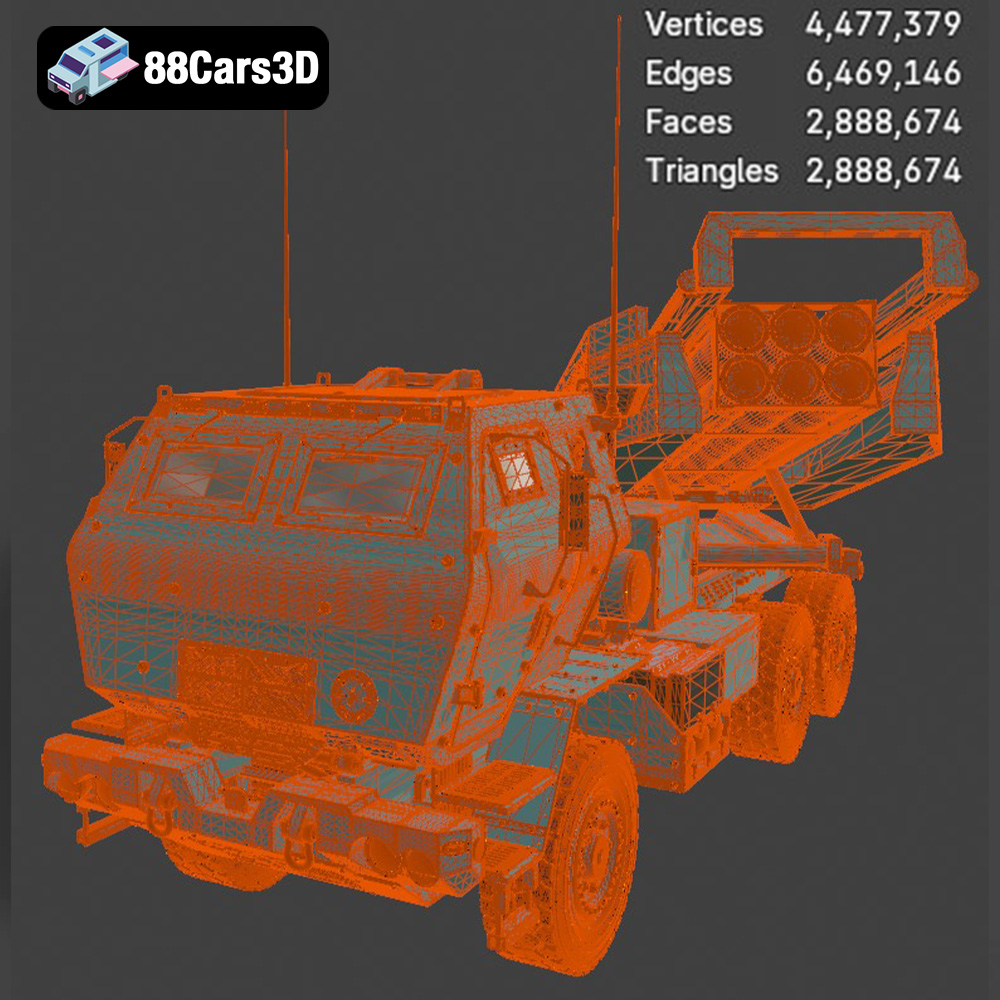
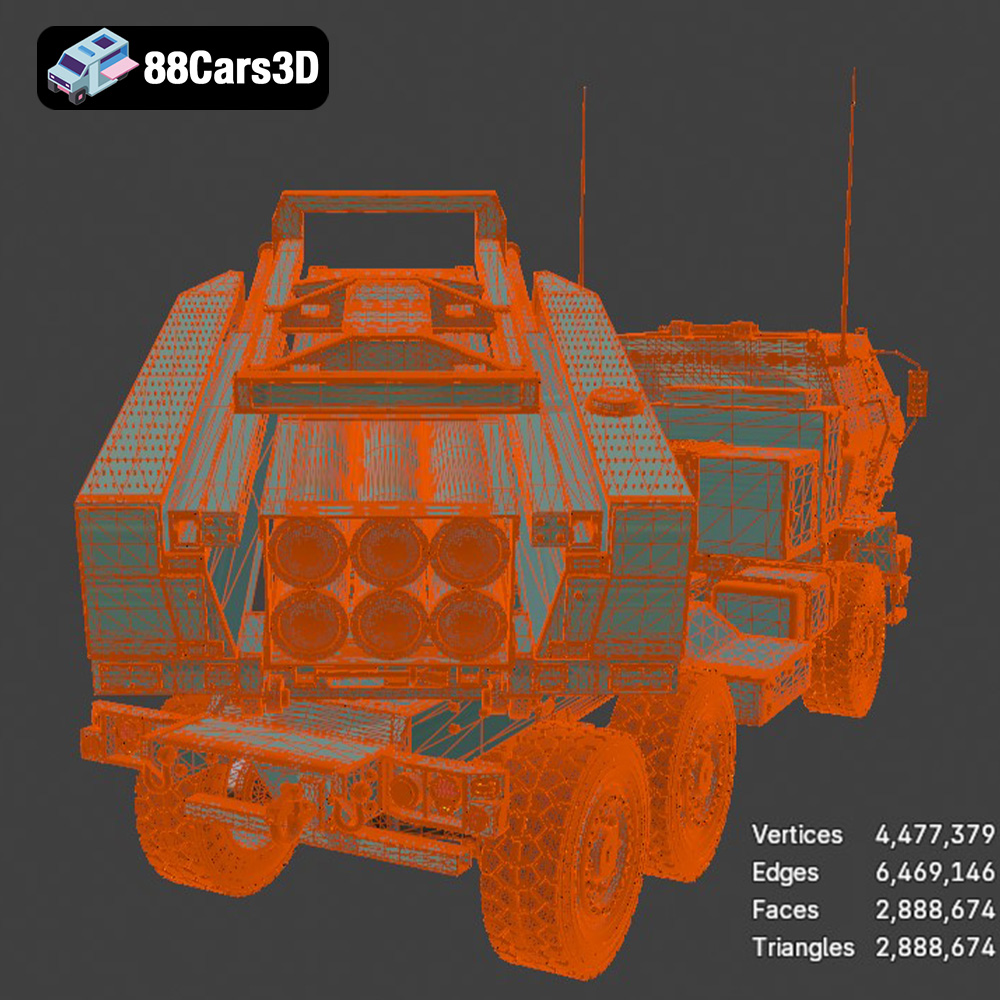
The term “clean geometry” is a hallmark of professional 3D assets. It means the mesh is constructed with efficient polygon distribution, primarily using quads (four-sided polygons) where possible, which are ideal for subdivision and deformation. This minimizes rendering artifacts, facilitates easier UV mapping, and ensures the model performs well in various applications. Optimized topology is critical for:
The true value of a versatile 3D asset lies in its seamless integration into diverse professional workflows. The MLRS M142 HIMARS 2006 3D Model, with its array of included formats, is designed to be a plug-and-play solution for various industries, from high-end rendering to interactive game development. Let’s explore some key integrations.
For studios focused on creating stunning visuals for film, advertising, or architectural visualization, the .max and .blend files are indispensable.
The realm of game development demands assets that are not only visually impressive but also optimized for real-time performance. The .fbx and .unreal formats are specifically tailored for this purpose.
Emerging platforms like AR/VR and interactive web experiences require highly optimized assets for seamless streaming and interaction. The .glb format addresses this directly.
The utility of a high-quality 3D asset like the MLRS M142 HIMARS 2006 extends far beyond simple rendering or game integration. Its precision and adaptability open doors to a multitude of specialized applications that demand both technical rigor and visual authenticity.
Perhaps one of the most impactful applications for a model of this nature is in military simulation and training. Realistic 3D car models and military vehicles are critical components for:
For visual effects studios, the HIMARS 3D model is a powerful tool for enhancing storytelling.
The inclusion of the .stl format highlights the model’s readiness for physical fabrication.
The commitment to “optimal performance and stunning visual fidelity” in the MLRS M142 HIMARS 2006 3D Model is not accidental; it’s the result of diligent technical optimization. This aspect is crucial for professional work, ensuring that assets perform efficiently across various hardware and software configurations while maintaining their visual integrity.
A high-quality 3D model strikes a delicate balance between geometric detail and polygon count. While high-poly models are excellent for close-up renders, they can quickly cripple real-time performance.
Realistic materials are fundamental to visual fidelity, and PBR (Physically Based Rendering) texturing is the gold standard for achieving this.
The availability of highly detailed and technically sound 3D car models and military vehicle assets like the HIMARS from 88cars3d.com significantly impacts production pipelines across industries. They empower creators to achieve their visions with greater efficiency and fidelity.
Imagine a game studio developing a modern military simulator. Instead of spending months modeling a highly complex vehicle like the HIMARS from scratch, they can acquire a ready-to-use, optimized asset. This immediately frees up valuable artist time to focus on level design, gameplay mechanics, and unique environmental storytelling. The pre-configured .fbx and .unreal files mean less setup, quicker iteration, and ultimately, a faster time to market for high-quality game assets.
A visualization agency tasked with creating a photorealistic rendering for a military procurement project or a historical documentary needs absolute accuracy. Using the HIMARS 3D model, they can directly integrate it into their 3ds Max or Blender scene, knowing the proportions, details, and materials are already optimized for high-resolution output. This eliminates the need for extensive research and modeling, allowing them to focus on advanced lighting, environment creation, and animation, delivering compelling visuals that truly stand out in automotive rendering and beyond.
An AR/VR development firm creating an interactive training module for military personnel on vehicle identification or operational procedures benefits immensely from a pre-optimized .glb model. They can quickly deploy the HIMARS into an AR app for on-the-field identification training or integrate it into a VR environment for immersive operational simulations. The ease of integration and optimized performance are crucial for developing cutting-edge, engaging, and effective educational experiences.
The digital landscape thrives on detail, realism, and efficiency. Whether you are an individual artist, a game development studio, a visualization expert, or an AR/VR innovator, the quality of your 3D assets directly impacts the final output and the integrity of your project. The comprehensive technical specifications, versatile file formats, and meticulous craftsmanship of models like the MLRS M142 HIMARS 2006 3D Model exemplify the gold standard in professional digital assets.
This model is more than just a collection of polygons and textures; it is a meticulously engineered tool designed to integrate seamlessly into the most demanding professional workflows. Its availability in formats ranging from editable .blend and .max files to game-engine ready .fbx and specialized .unreal and .glb formats ensures that creators across various disciplines can leverage its high fidelity without compromise. By choosing expertly crafted 3D car models and military vehicles, professionals can save countless hours, enhance realism, and push the boundaries of their creative endeavors.
For those seeking unparalleled realism and technical excellence in their digital projects, exploring the curated selection of high-quality assets at 88cars3d.com is a crucial step. The MLRS M142 HIMARS 2006 3D Model is just one example of the commitment to providing top-tier resources that empower artists and developers to build truly immersive and impactful experiences.
Experience unparalleled realism with the MLRS M142 HIMARS 2006 3D Model. Carefully constructed to capture the intricate details of this legendary military vehicle, the model provides an immersive and highly accurate representation ideal for professional digital environments.
Engineered with professional quality in mind, the 3D model boasts clean geometry and realistic materials. These features ensure optimal performance and stunning visual fidelity, allowing for seamless integration into a variety of complex digital scenes.
This versatile asset is perfect for a wide range of applications, including advanced game development, architectural rendering, immersive AR/VR experiences, and detailed military visualizations.
The following file formats are included:
$19.99
.artillery
.arvr
.blend
.car3dmodel
.fbx
.gameasset
.glb
.himars
.m142
.max
.militaryvehicle
.mlrs
.obj
.ply
.rendering
.rocketlauncher
.simulation
.stl
.truck
.unreal