Get 50% OFF All Premium 3D & STL Models!

In the dynamic world of 3D visualization, the demand for highly detailed and accurate automotive models continues to accelerate. Whether for cutting-edge game development, stunning cinematic renders, immersive AR/VR experiences, or precise industrial design, the quality of a 3D car model can make or break a project. Achieving photorealism and seamless integration requires not just artistic skill, but a deep understanding of technical specifications, file formats, and optimized workflows.
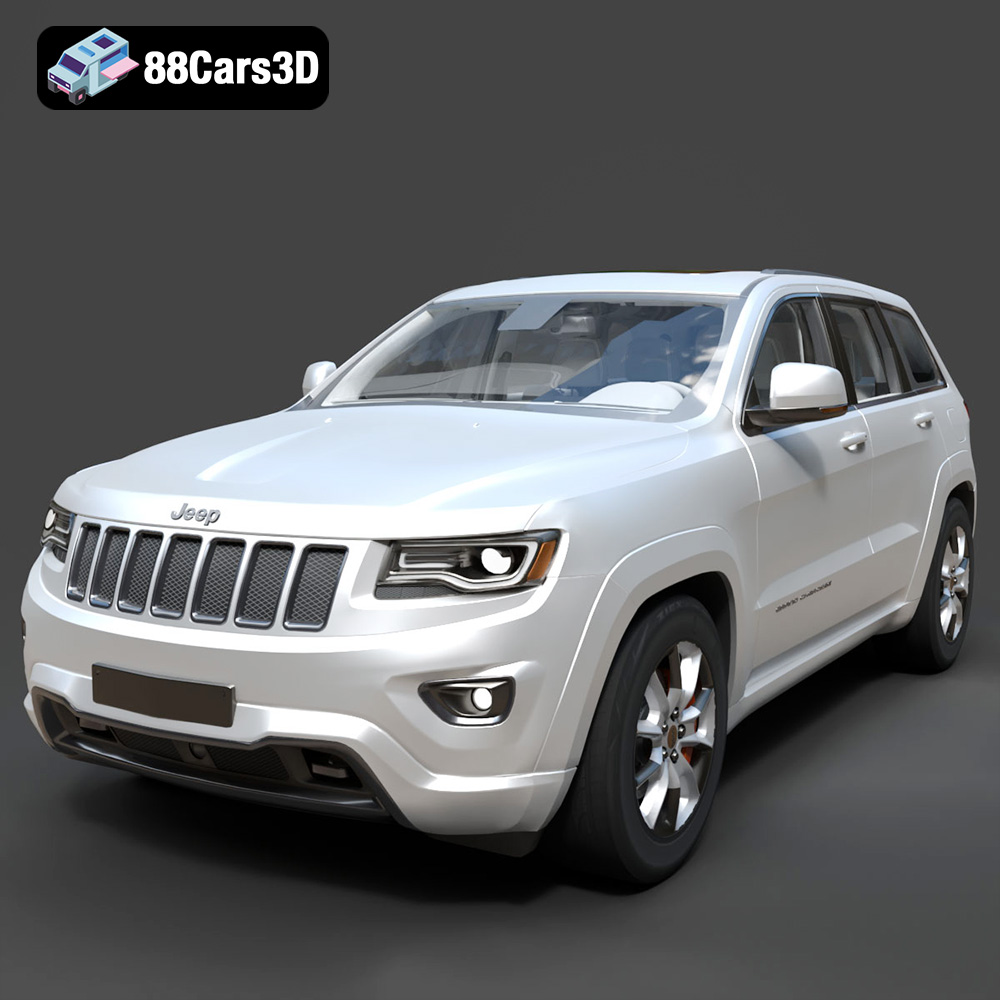
Imagine showcasing a vehicle with such fidelity that it’s indistinguishable from reality, allowing clients to explore every curve and texture before a single physical prototype is built. Or populating a sprawling open-world game with vehicles that perform flawlessly in real-time. This level of precision and performance doesn’t happen by chance; it’s the result of meticulously crafted digital assets. It’s precisely this commitment to quality that defines offerings like the Jeep Grand Cherokee Limited 2017 3D Model – a prime example of a professional-grade asset designed to elevate any project.
The choice of a 3D model file format is crucial, dictating how an asset can be used, its compatibility across software, and its performance characteristics. A professional 3D car model, like the Jeep Grand Cherokee Limited 2017, is often available in multiple formats to cater to diverse professional pipelines. Understanding each format’s strengths and weaknesses is key to an efficient workflow.
The .blend format is Blender’s native file type, offering a complete and editable scene. When you receive a .blend file, you’re not just getting the mesh; you’re getting the entire Blender project. This typically includes the model, its materials (often configured with Cycles or Eevee shaders), lighting setups, camera positions, modifiers, and even animation data if present. For artists working primarily in Blender, this format provides the most flexibility for further customization, rigging, animation, or rendering. It preserves all the nuanced details and procedural elements created within Blender, making it ideal for those who wish to delve deep into the asset’s construction or adapt it significantly for their specific needs.
.fbx (Filmbox) is arguably the most widely adopted interchange format in the 3D industry, particularly popular in game development and real-time pipelines. Developed by Autodesk, FBX supports geometry, materials, textures, animations, and rigs, making it excellent for transferring complex scenes between different 3D applications like Maya, 3ds Max, Blender, and game engines such as Unreal Engine and Unity. Its primary strength lies in its ability to encapsulate a wide range of data while maintaining a relatively compact file size. However, material definitions can sometimes translate imperfectly between software due to proprietary shader systems, requiring minor adjustments upon import. For assets like game assets or film pipelines requiring broad compatibility, .fbx is often the go-to choice.
The .obj (Wavefront OBJ) format is a venerable and highly compatible format for conveying 3D geometry. It’s a simple, text-based format that primarily stores vertex positions, UV coordinates, normals, and face information. It can reference external material files (.mtl) for basic color and texture assignments. Its universality means almost every 3D software can import and export .obj files, making it an excellent fallback for cross-software compatibility when more complex formats fail or are unnecessary. While it doesn’t support advanced features like animation, rigging, or complex material networks, its reliability for mesh data makes it indispensable for static models or when you only need the raw geometry.
.glb (GLB, GL Transmission Format Binary) is quickly becoming the standard for 3D content on the web, AR, and VR applications. It’s a binary format that bundles the 3D model, textures, and animations into a single file, making it incredibly efficient for streaming and loading in browser-based viewers, AR apps (like Apple’s Quick Look), and lightweight VR experiences. GLB models are often highly optimized for performance, making them perfect for interactive digital showrooms or embedding 3D views directly into websites without heavy load times. This format is crucial for showcasing products like the Jeep Grand Cherokee Limited 2017 in an interactive, accessible manner.
The .stl (Stereolithography) format is synonymous with 3D printing. It represents a 3D model as a series of connected triangles (a triangulated surface mesh) without color, texture, or material information. Its simplicity makes it universally understood by 3D printers and slicing software. While it’s not suitable for rendering or animation, it’s essential for rapid prototyping, manufacturing, and bringing digital designs into the physical world. For designers wanting to create a physical scale model of the Jeep Grand Cherokee, an .stl file is indispensable.
The .ply (Polygon File Format) is another common format for storing 3D data, particularly useful for scanned data, CAD, and scientific applications. It can store a variety of properties including color, transparency, surface normals, and even confidence values (for scanned data) per vertex or per face. While less common for general rendering compared to .fbx or .obj, its ability to store detailed mesh properties makes it valuable for applications requiring precise data analysis, reverse engineering, or when transferring high-fidelity point cloud or mesh data between specialized engineering software.
The .unreal format, or more accurately, asset packages specifically prepared for Unreal Engine, implies a level of pre-configuration that goes beyond a standard .fbx. While .fbx is often the conduit, an “Unreal-ready” asset means it has been imported, optimized, and set up within the Unreal Engine environment. This includes correct material instancing (PBR materials), proper scale, collision meshes, LODs (Levels of Detail), and potentially even basic blueprints for interactivity. Such assets save significant development time, allowing immediate integration into game or visualization projects without extensive setup work. The Jeep Grand Cherokee Limited 2017 model’s .unreal offering is a testament to its production-ready nature.
Similar to .blend for Blender, the .max format is the native file type for Autodesk 3ds Max. It encompasses the entire 3ds Max scene, including geometry, lights, cameras, materials (often V-Ray, Corona, or Arnold shaders), animations, and modifiers. For artists and studios heavily invested in the Autodesk ecosystem, a .max file offers the highest degree of editability and access to the original creator’s setup. This is particularly valuable for high-end architectural visualization and cinematic rendering, where advanced material setups and complex scene management are common. Having the Jeep Grand Cherokee in .max format ensures maximum flexibility for 3ds Max users.
Automotive visualization is a specialized field that demands an exacting blend of artistic sensibility and technical proficiency. The goal is always to create imagery that is not only visually stunning but also accurate and convincing. This involves meticulously recreating every nuance of a vehicle, from the subtle curves of its bodywork to the intricate textures of its interior. Products like the Jeep Grand Cherokee Limited 2017 3D Model provide the perfect foundation for achieving this level of realism, allowing artists to focus on lighting, composition, and storytelling.
One of the cornerstones of modern photorealistic rendering is the use of Physical Based Rendering (PBR) materials. PBR materials accurately simulate how light interacts with surfaces in the real world, based on physical properties like roughness, metallicness, and albedo. This scientific approach ensures that models appear consistent and convincing under any lighting conditions, whether it’s the harsh sunlight of a desert scene or the soft glow of a studio render. The Jeep Grand Cherokee Limited 2017 model comes equipped with PBR-ready materials, meaning its paintwork will reflect light realistically, its tires will exhibit appropriate rubber characteristics, and its chrome accents will shine with authentic metallic gleam. This significantly streamlines the rendering process, delivering outstanding results straight out of the box.
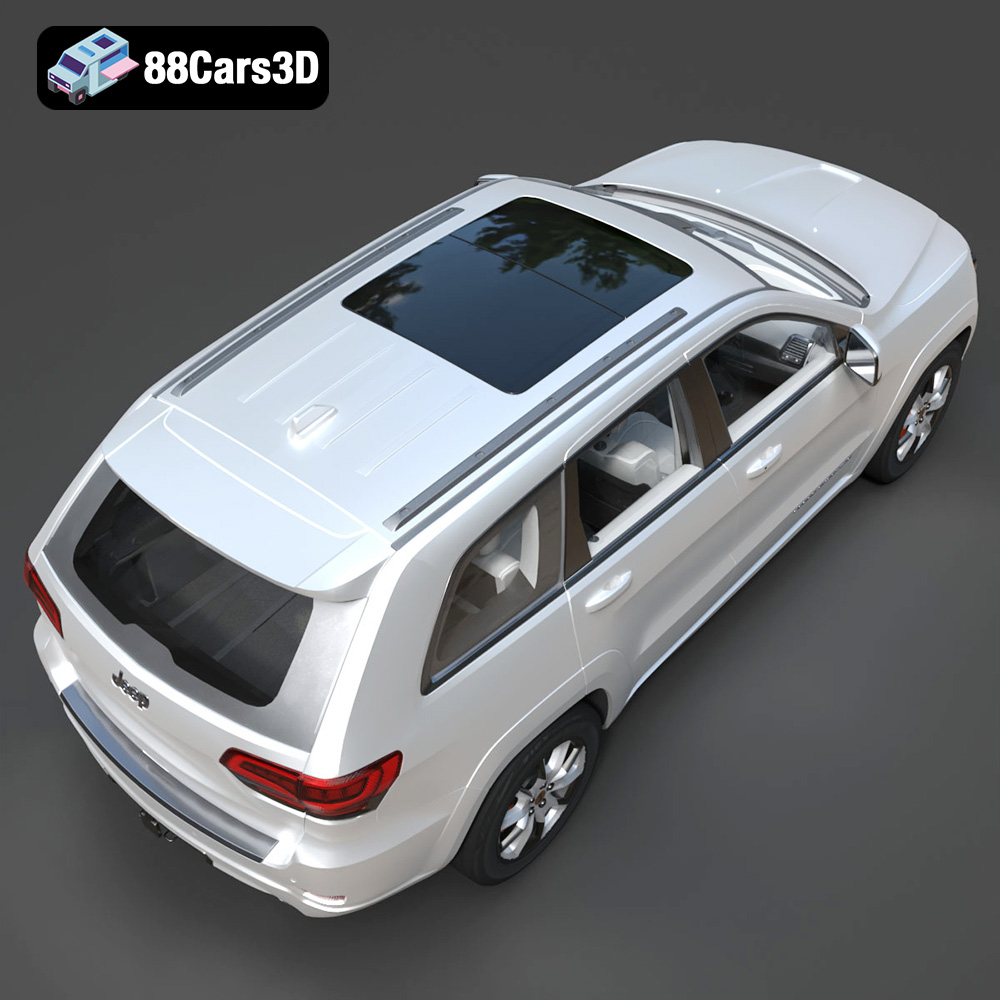
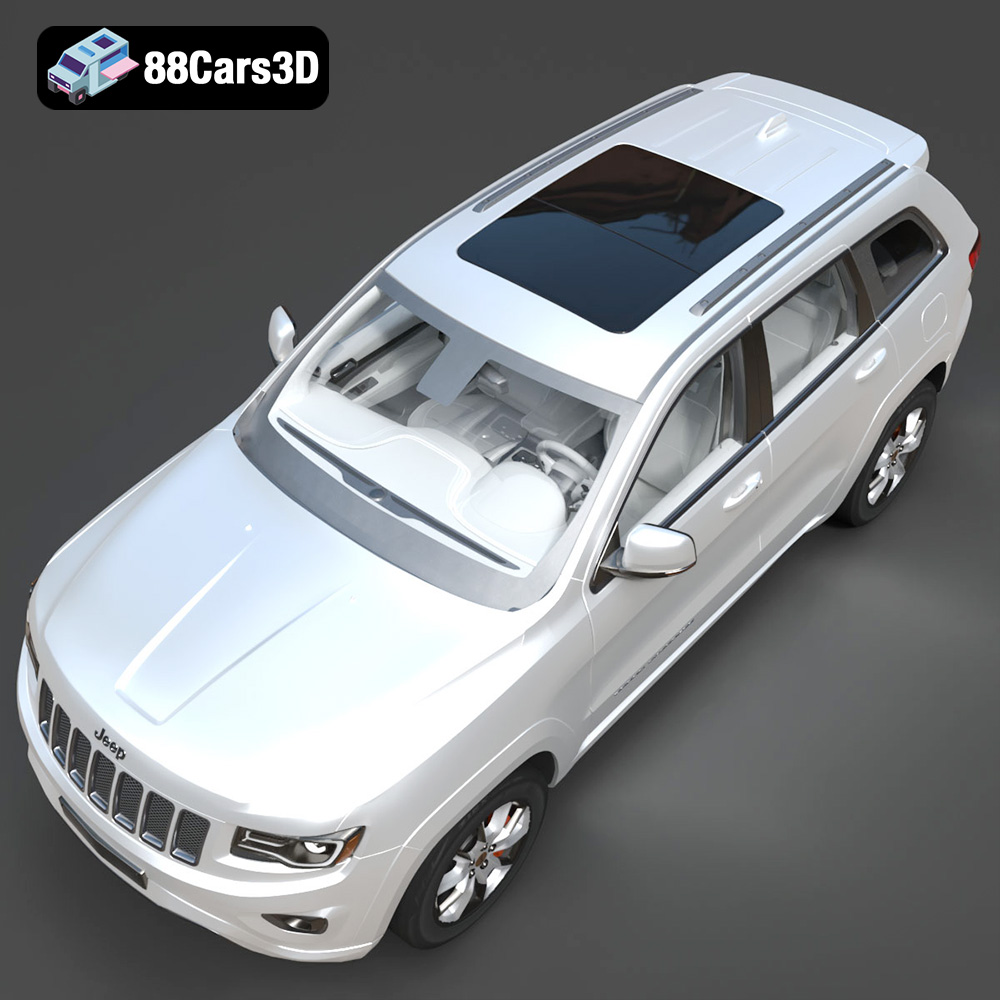
For a 3D car model to be truly versatile, it needs to strike a delicate balance between exterior and interior detail. While the exterior is often the primary focus for wide shots or action sequences, a well-detailed interior becomes critical for close-ups, virtual showrooms, or first-person game experiences. The Jeep Grand Cherokee Limited 2017 3D Model excels in this regard, offering an accurate exterior and a meticulously detailed interior representation. From the dashboard layout and steering wheel textures to the seat stitching and door panels, every element is carefully crafted. This attention to both external aesthetics and internal ergonomics ensures that the model holds up under intense scrutiny, whether it’s a cinematic fly-through revealing the luxurious cabin or an immersive AR application allowing users to virtually step inside the SUV.
The true value of a premium 3D car model lies in its seamless integration into diverse professional workflows. A high-quality asset is not just a pretty picture; it’s a tool that empowers artists and developers across various industries. The Jeep Grand Cherokee Limited 2017 3D Model exemplifies this versatility, providing tailored solutions for game development, architectural visualization, and immersive experiences.
For game developers, performance and visual fidelity are paramount. Modern game engines like Unreal Engine and Unity demand optimized assets that maintain stunning visuals without taxing computational resources. The Jeep Grand Cherokee Limited 2017 3D Model is game-engine ready, available in formats like .fbx and specific .unreal packages. This means it comes with clean, optimized geometry suitable for real-time rendering. Developers can drop the model directly into their racing simulations, open-world environments, or interactive experiences, confident that its professional topology and PBR materials will deliver smooth reflections and consistent lighting performance. Furthermore, assets designed for game engines often include features like proper scaling, pivot points, and potential Level of Detail (LOD) setups to ensure optimal performance across different viewing distances, crucial for any demanding game title.
Architectural visualization and cinematic rendering demand the highest levels of photorealism and detail. In these fields, 3D car models serve not just as background dressing but as integral elements that define atmosphere, scale, and narrative. The Jeep Grand Cherokee Limited 2017 3D Model, with its meticulously detailed fixtures and accurate proportions, is perfectly suited for these applications. In 3ds Max or Blender, artists can leverage the included .max or .blend files to achieve stunning cinematic quality renders. Its clean geometry ensures that subdivision surfaces will render flawlessly, while its PBR materials react beautifully to complex lighting scenarios, from sun-drenched exteriors to dramatic studio setups. Imagine placing this robust SUV outside a modern architectural masterpiece, adding life and context to the scene, or featuring it prominently in a commercial animation designed to evoke a sense of adventure.
The burgeoning fields of Augmented Reality (AR) and Virtual Reality (VR), along with interactive web-based 3D, present unique challenges for 3D assets. Performance optimization is critical for maintaining fluid frame rates and immersive experiences. The Jeep Grand Cherokee Limited 2017 model’s availability in the .glb format makes it ideal for these cutting-edge applications. GLB models are specifically optimized for quick loading and efficient rendering in web browsers and AR/VR platforms. This enables companies to create interactive 3D showrooms where customers can explore the Jeep from every angle, customize options, and even place it virtually in their driveway using AR. Such interactive experiences drive engagement and provide unparalleled product understanding, blurring the lines between the digital and physical worlds.
Behind every stunning 3D render or fluid real-time experience lies a foundation of solid technical practices. A premium 3D car model like the Jeep Grand Cherokee Limited 2017 isn’t just about aesthetic appeal; it’s about intelligent construction that ensures both visual fidelity and computational efficiency. Understanding these technical aspects is vital for professionals who need to push the boundaries of 3D visualization.
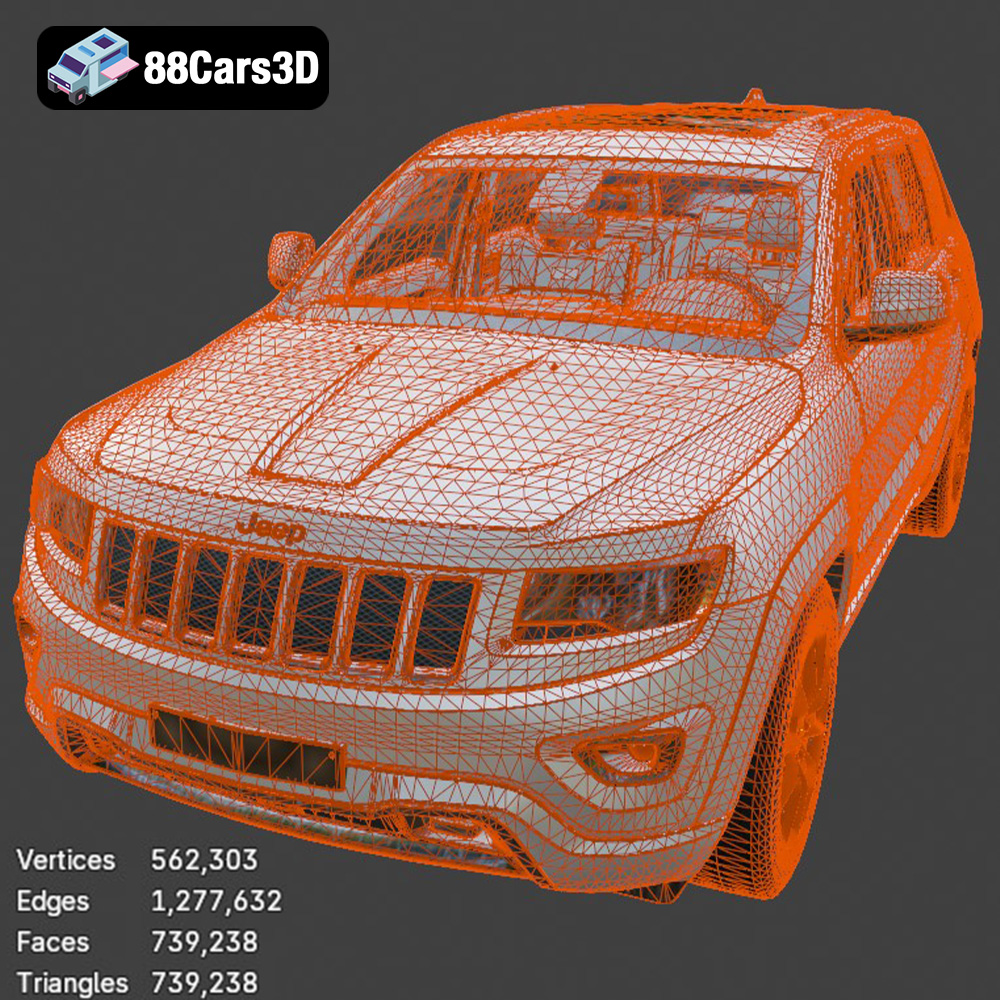
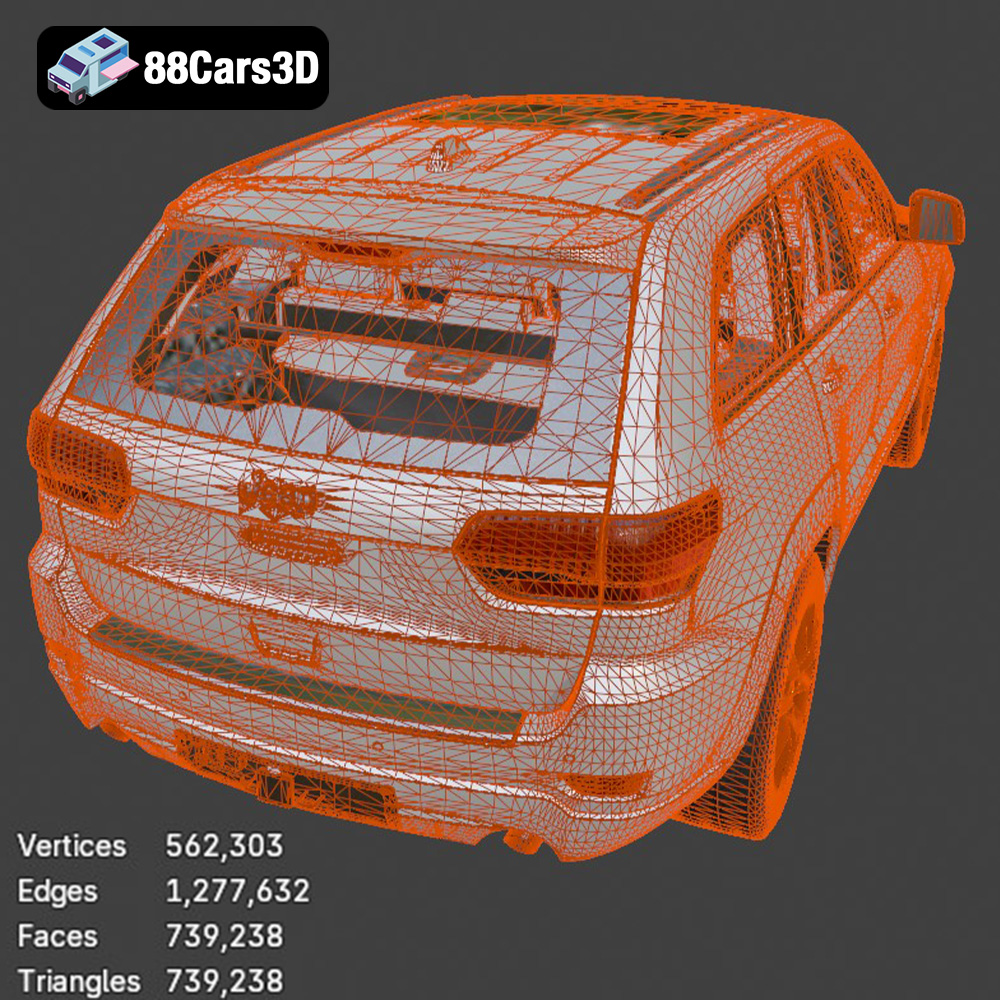
Clean topology is the backbone of any professional 3D model. It refers to the arrangement of polygons (quads, ideally) in a logical, flowing manner that allows for smooth deformations and, crucially for vehicles, pristine reflections. Jagged edges or irregular polygon flows can lead to unsightly artifacts, especially on glossy surfaces like car paint. The Jeep Grand Cherokee Limited 2017 3D Model boasts professional topology, ensuring that its surfaces, particularly the broad, reflective panels, exhibit smooth, unbroken reflections. This is paramount for achieving photorealism, as any visual glitches in reflections immediately break the illusion. Proper topology also makes the model easier to work with, whether for applying subdivision surfaces for high-resolution renders or for rigging and animation.
UV mapping is the process of flattening a 3D model’s surface onto a 2D plane, allowing textures to be applied accurately. High-quality UV maps are essential for preventing texture stretching, seams, and providing artists with predictable control over how materials are painted onto the model. The Jeep Grand Cherokee model’s textures are applied via meticulously crafted UVs, ensuring that the PBR materials—like the paint, glass, rubber, and interior fabrics—are displayed with crisp detail and without distortion. Furthermore, appropriate texture resolution is key; textures that are too low-resolution will appear blurry in close-up shots, while excessively high-resolution textures can unnecessarily bloat file sizes and consume memory. A professionally built model strikes the right balance, providing textures that are detailed enough for cinematic renders yet optimized for efficient loading.
One of the most significant challenges in 3D modeling is finding the sweet spot between visual detail and computational performance. A model that is too high-poly might look great in an offline render but would cripple a real-time game engine. Conversely, a model that is overly optimized for a game might lack the fidelity required for high-end cinematic visualization. The Jeep Grand Cherokee Limited 2017 3D Model achieves this optimal balance. Its clean, optimized geometry ensures efficient workflow and performance in real-time applications while retaining enough detail for impressive close-up shots and high-resolution rendering. This duality is a hallmark of truly versatile 3D car models, providing a foundation that can be further optimized with Level of Detail (LOD) meshes for games or subdivided for ultra-high-res renders without introducing topological issues.
While 3D car models are predominantly used for digital visualization, their utility extends into the physical realm through 3D printing and prototyping. The transition from a digital asset to a tangible object requires specific file formats and considerations, showcasing another facet of a versatile 3D model’s value.
The availability of the Jeep Grand Cherokee Limited 2017 3D Model in .stl and .ply formats directly addresses this need. An .stl file, representing the model as a triangulated surface, is the universal language for 3D printers. Designers and engineers can use this format to create physical scale models of the SUV for display, aerodynamic testing, or ergonomic studies. This capability is invaluable in automotive design, allowing for rapid iteration and physical validation of digital concepts long before manufacturing expensive physical prototypes.
Furthermore, the .ply format, with its capacity for detailed polygon meshes, can be useful for more analytical prototyping or when precision geometry is paramount for CAD integration. Imagine creating a physical mock-up of specific components or assessing fit and finish in a tangible form. This bridge between the digital and physical underscores the comprehensive utility of high-quality 3D car models, transforming virtual designs into real-world insights.
In conclusion, the journey from a design concept to a fully realized 3D vehicle, ready for any professional application, is paved with technical excellence and artistic precision. High-quality 3D car models are more than just digital representations; they are fundamental tools that empower creators across industries. From game development and cinematic rendering to AR/VR experiences and even physical prototyping, the demands on these assets are rigorous and diverse.
The Jeep Grand Cherokee Limited 2017 3D Model stands as a testament to what a professional-grade asset should offer. Its accurate exterior and interior, optimized geometry, PBR-ready materials, and availability in a comprehensive range of file formats—including .blend, .fbx, .obj, .glb, .stl, .ply, .unreal, and .max—ensure that it’s not just a beautiful model, but a truly versatile and efficient solution. This attention to detail and technical foresight is what professionals expect, enabling seamless integration and superior results in any project.
For those seeking to elevate their automotive visualizations, develop next-generation simulations, or create immersive interactive experiences, investing in such high-quality 3D car models is a strategic decision. Websites like 88cars3d.com specialize in providing these essential building blocks, ensuring that artists and developers have access to the best possible assets to bring their ambitious projects to life. The Jeep Grand Cherokee Limited 2017 3D Model is just one example of the robust and ready-to-use content available, empowering you to focus on creativity while resting assured of technical excellence.
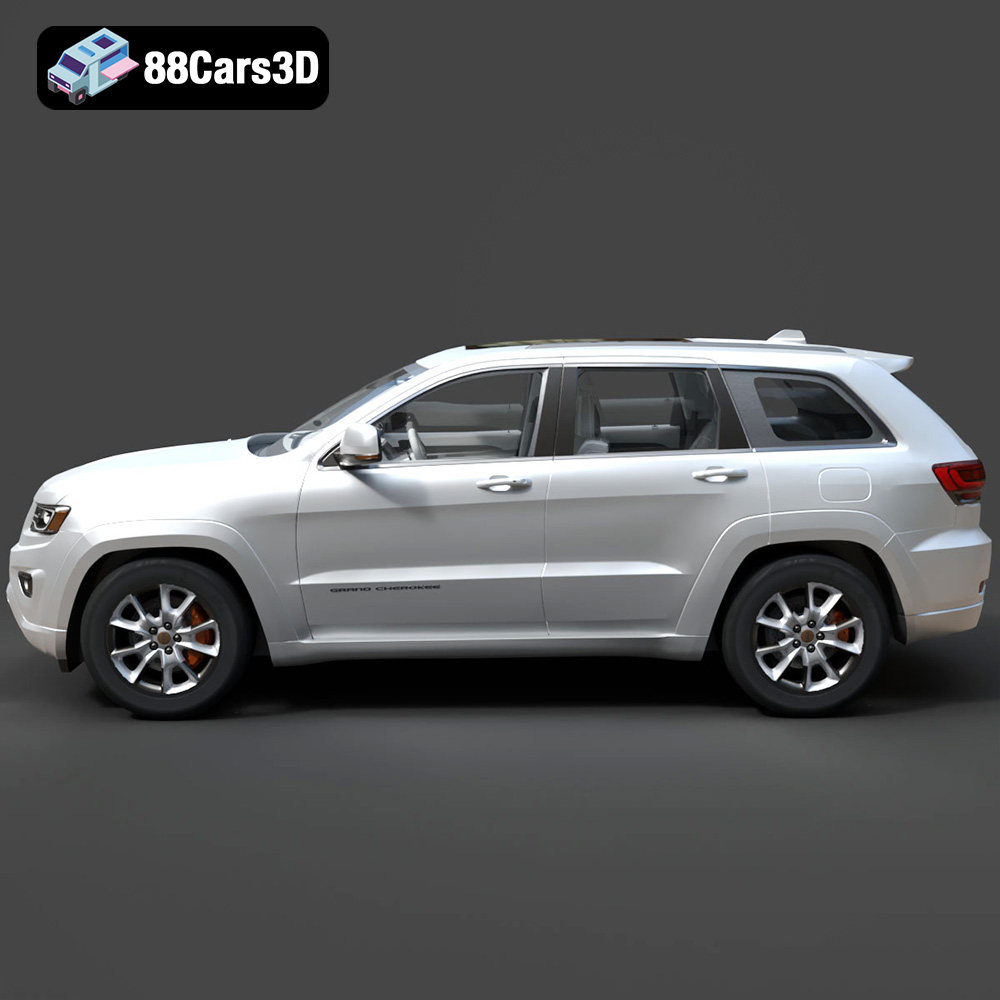
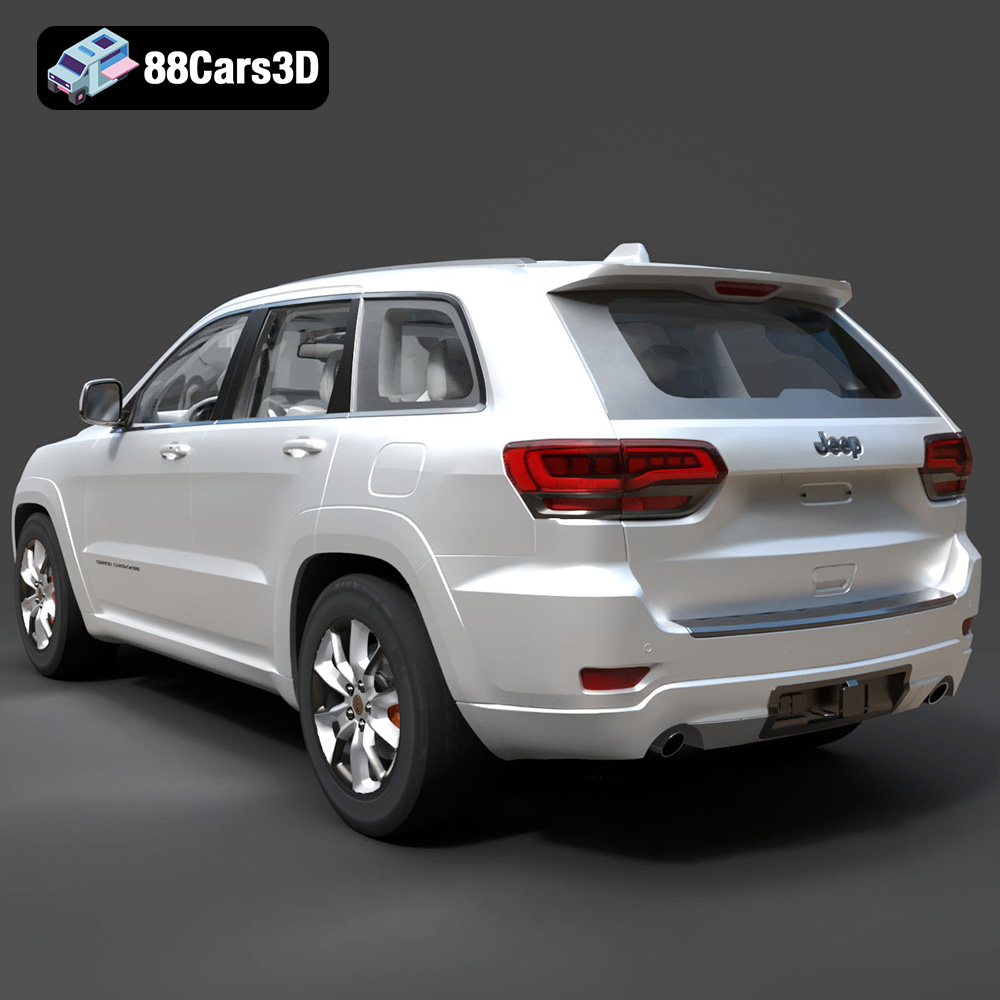
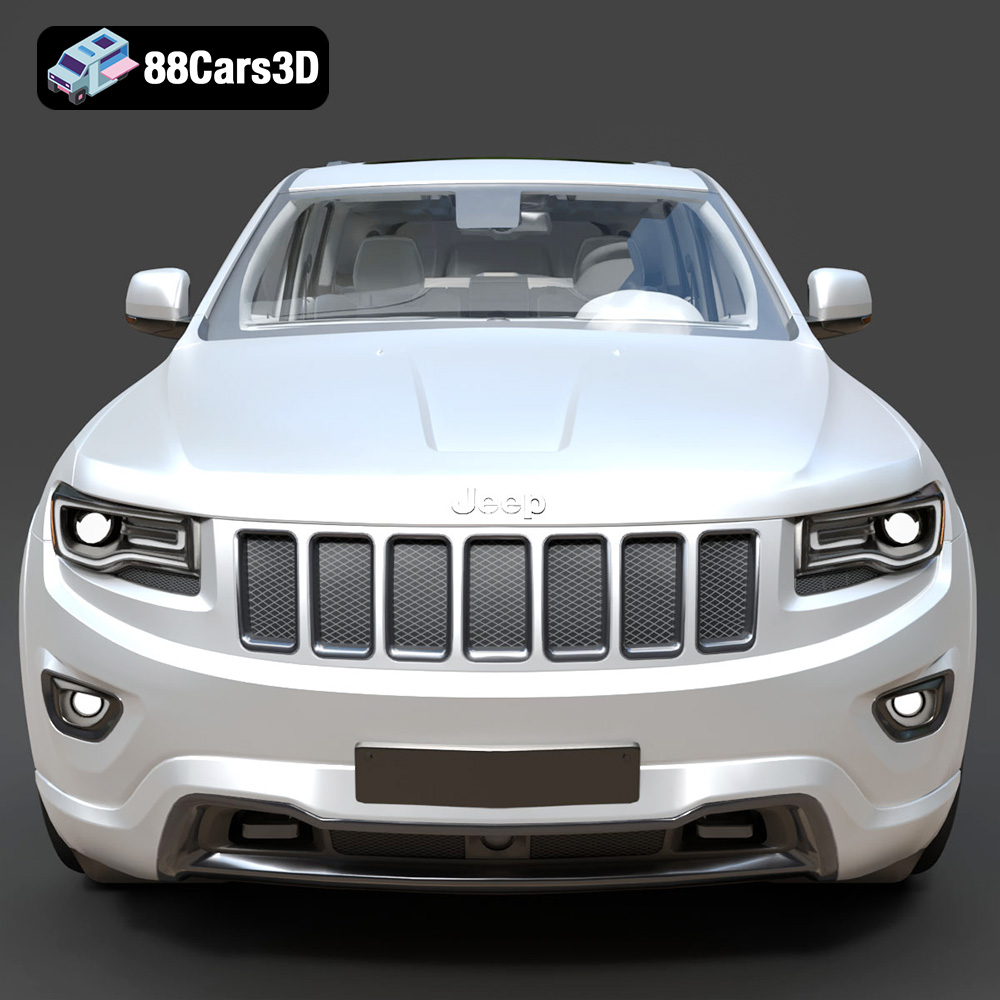
Experience unparalleled digital realism with the Jeep Grand Cherokee Limited 2017 3D Model. Carefully crafted to mirror the exact proportions, design elements, and robust aesthetic of the real-world SUV, this digital asset is the perfect choice for automotive visualization professionals, game developers, and 3D artists. The model delivers an accurate exterior and interior representation, complete with meticulously detailed fixtures, making it ideal for close-up shots and cinematic rendering.
Built with clean, optimized geometry and utilizing realistic materials, this model ensures seamless integration into your existing projects. The professional topology guarantees smooth reflections and an efficient workflow, while the included PBR-ready materials provide outstanding results under any lighting condition. It strikes an optimal balance between visual fidelity and computational performance.
Whether you are developing next-generation racing simulations, crafting an interactive AR/VR showroom experience, producing commercial visualizations, or populating urban environments in architectural renders, this versatile Jeep Grand Cherokee Limited 2017 model is ready to meet the demands of any professional production pipeline.
$19.99
.arvr
.blend
.car3dmodel
.fbx
.gameasset
.glb
.grandcherokee
.jeep
.limited
.max
.obj
.offroad
.ply
.rendering
.simulation
.stl
.unreal
SUV